


Tucked inside Rocky Mountain National Park, the Bear Lake Trail in Colorado is one of those rare places that makes you stop and just stare. This 0.8-mile loop circles a stunning alpine lake surrounded by towering peaks, ancient trees, and crystal-clear reflections that look like a painting.
Starting at 9,475 feet above sea level, the trail is short and manageable for most hikers, yet every step feels like a reward. Whether you visit in summer or winter, Bear Lake delivers scenery that is almost too beautiful to believe.
The Magic of Bear Lake at First Glance
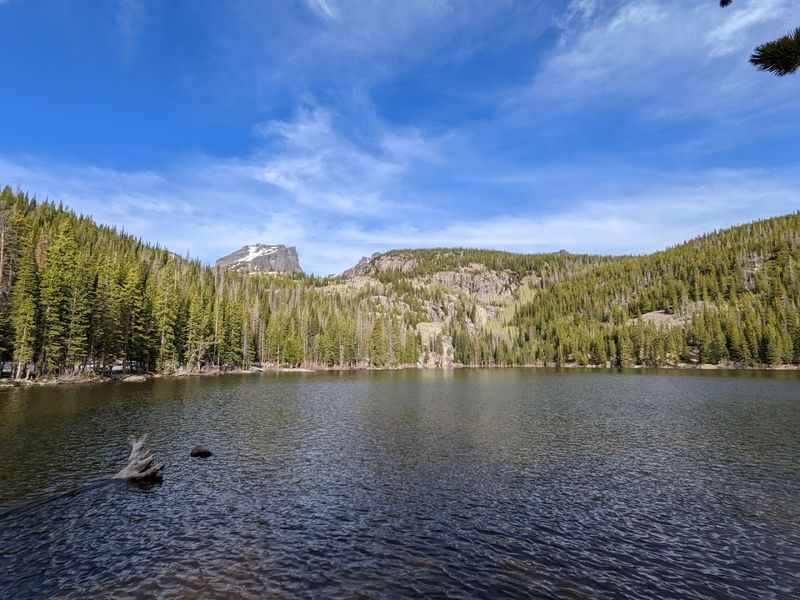
Some places stop you cold the moment you see them. Bear Lake is exactly that kind of place.
The second you step off the trailhead and catch your first glimpse of the water, everything else fades away.
The lake sits like a mirror between towering Rocky Mountain peaks, reflecting sky, trees, and snow in colors that feel almost too vivid to be real. Hikers often pause right at the start just to take it all in before they even begin walking the loop.
What makes this first view so powerful is how unexpected it feels. You walk just a short distance from the parking area, and suddenly there it is — a full alpine wonderland.
Bear Lake does not ease you in slowly; it hits you all at once with its raw, unfiltered beauty.
A Loop Trail Anyone Can Handle
Not every great hike has to leave you gasping for air. Bear Lake Trail is proof of that.
The loop measures just 0.8 miles from start to finish, with minimal elevation gain and a well-maintained path that welcomes hikers of all skill levels.
Families with young kids, older adults, and first-time hikers all feel comfortable here. The trail is mostly flat and easy to follow, circling the lake with clear signage at every turn.
You do not need trekking poles or heavy boots to enjoy it.
Keep in mind, though, that starting at 9,475 feet above sea level can affect people who are not used to altitude. Take your time, drink plenty of water, and listen to your body.
The trail is short, but the altitude deserves respect — even on an easy loop like this one.
30 Interpretive Markers That Teach as You Walk
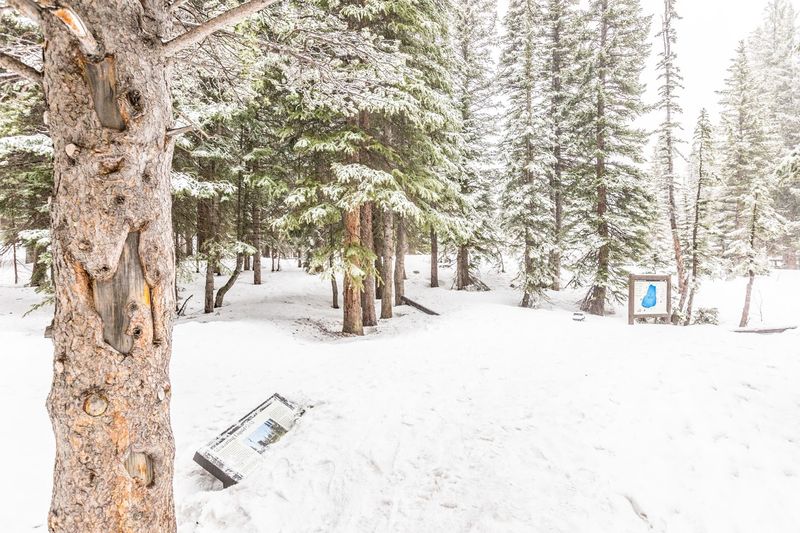
Hiking Bear Lake is not just a feast for the eyes — it is a mini outdoor classroom. Spread along the 0.8-mile loop are 30 interpretive markers that explain the ecology, geology, and wildlife of the area in simple, engaging language.
Each sign offers a small piece of the story behind what you are seeing. You might learn why certain trees grow at this elevation, how glaciers shaped the lake basin, or which animals call this alpine zone home.
Kids especially love stopping at each marker and reading along.
These signs turn a quick walk into a genuinely enriching experience. Even seasoned hikers often discover something new.
Rocky Mountain National Park designed these markers to connect visitors with the landscape on a deeper level, making the trail feel like more than just a pretty stroll around a lake.
Snowfall That Transforms the Trail Year-Round
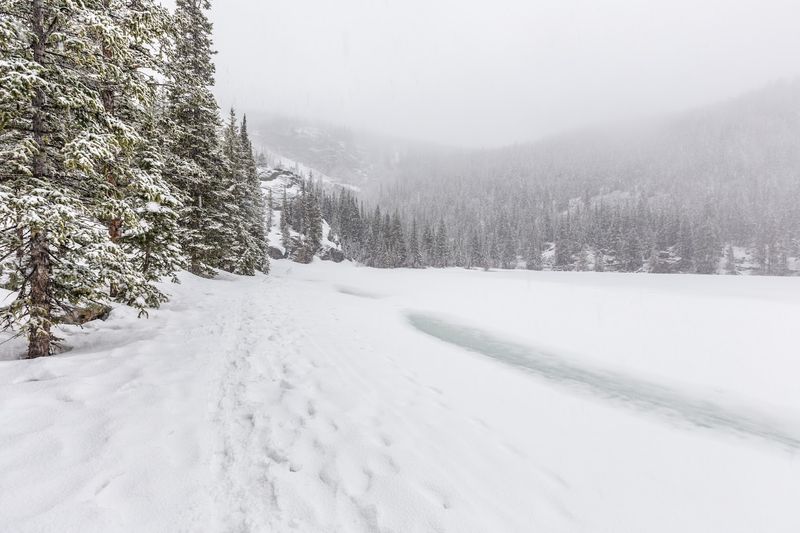
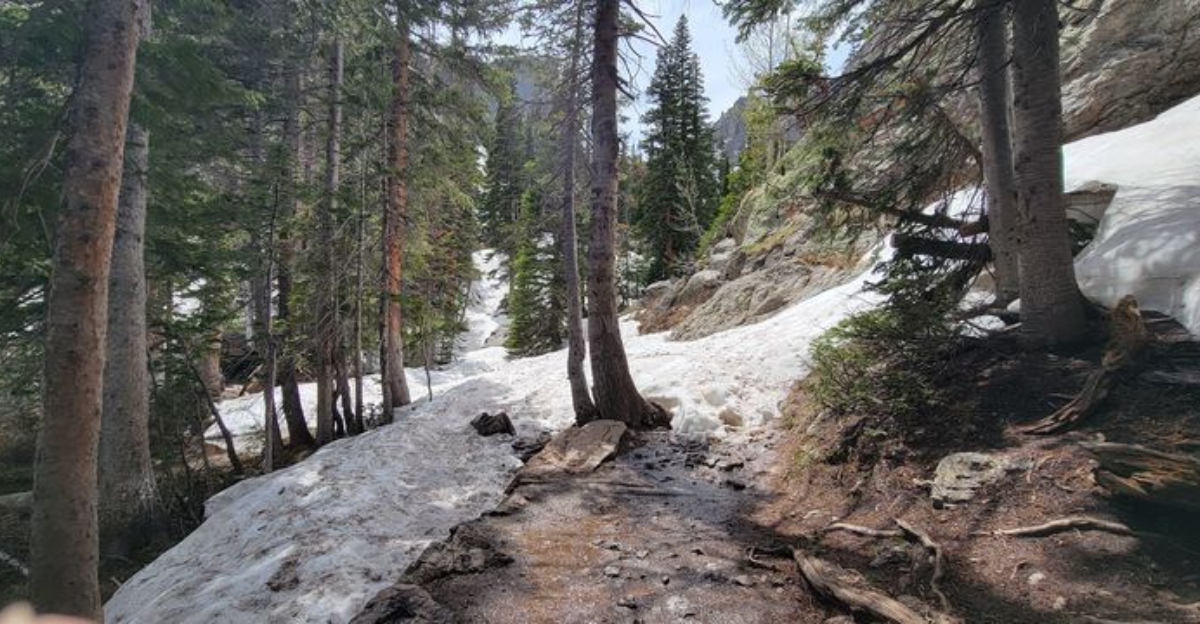
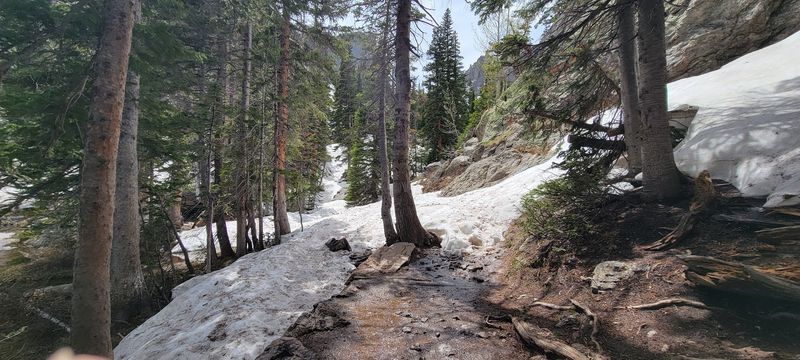
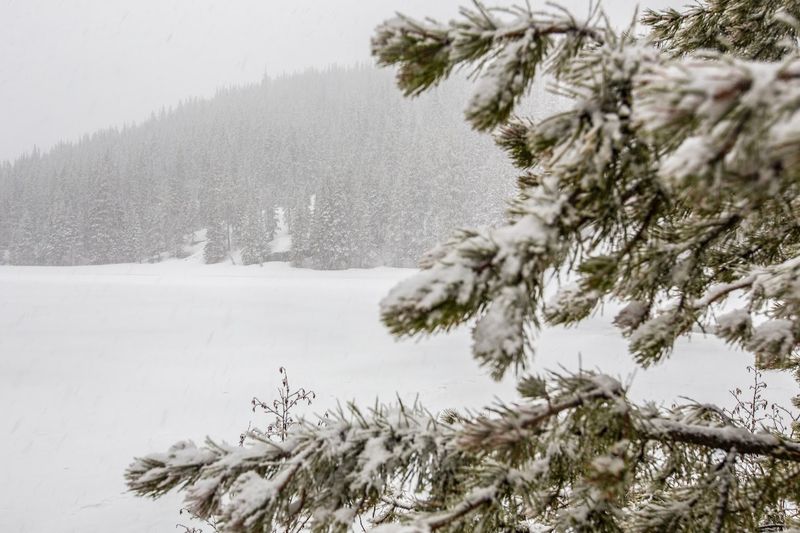
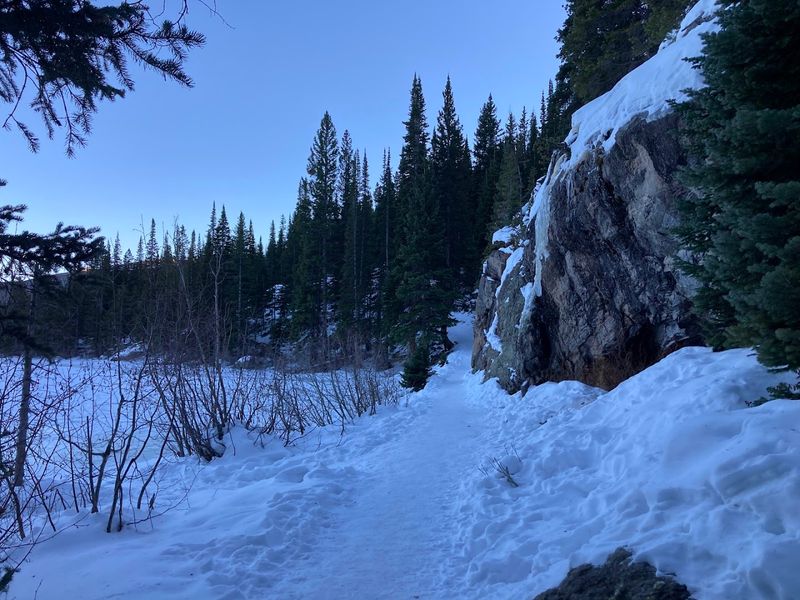
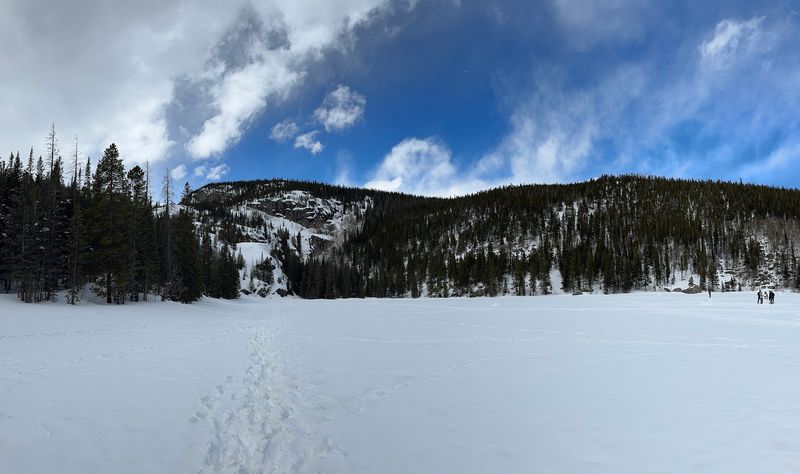
Even in June, Bear Lake can surprise you with snow. Multiple visitors have noted that well into spring, sections of the trail remain packed with ice and snow, making some parts tricky to navigate without the right gear.
One hiker visiting on June 1st could not complete the full loop because the snowpack was simply too deep. That said, others with proper hiking boots and layered clothing found the snowy landscape absolutely magical — like walking through a winter postcard.
If you plan to visit outside of summer, come prepared. Waterproof boots, trekking poles, and warm layers can make the difference between a frustrating trip and an unforgettable one.
The snow-draped scenery around Bear Lake is genuinely stunning, but preparation is everything. Checking trail conditions before you go is always a smart move at this elevation.
Connecting to Nymph Lake and Lake Haiyaha
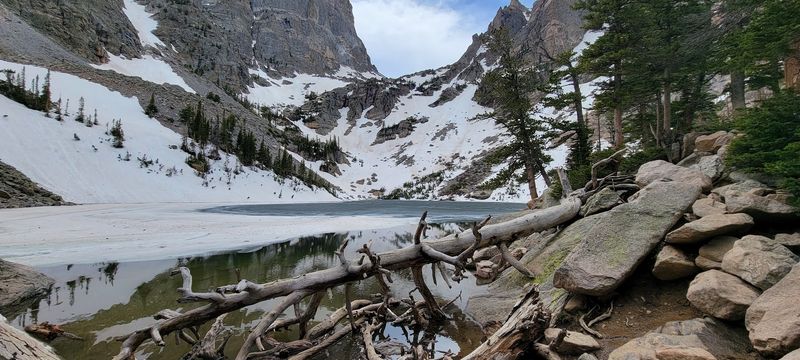
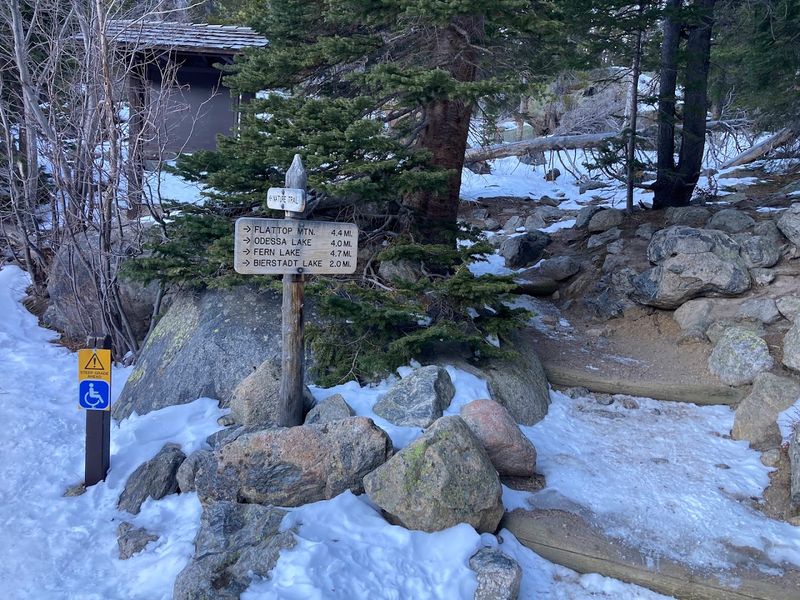
Bear Lake is not just a destination — it is also a launching pad. From the Bear Lake Trailhead, hikers can extend their adventure by heading up to nearby Nymph Lake, Dream Lake, Lake Haiyaha, and more.
Each lake along the route offers its own distinct personality and scenery.
The hike from Bear Lake to Nymph Lake is short and relatively gentle, making it a popular add-on for those who want a bit more mileage. Continuing to Lake Haiyaha rewards hikers with dramatic boulder fields and jaw-dropping views of Hallett Peak.
Many visitors start at Bear Lake and build their day around exploring multiple lakes in one trip. This flexibility is one of the things that makes the trailhead so beloved.
Whether you stay on the loop or keep walking upward, the Rocky Mountain landscape just keeps delivering incredible scenery at every turn.
Wildlife You Might Spot Along the Way
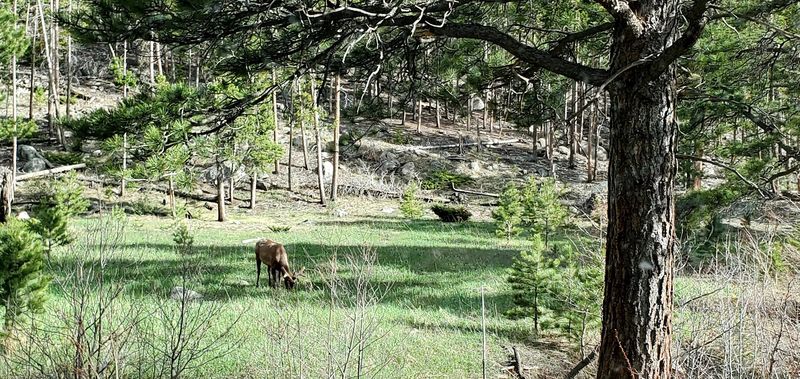
Rocky Mountain National Park is home to an impressive lineup of wildlife, and the Bear Lake area gives you a real chance of spotting some of it. Mule deer, Steller’s jays, Clark’s nutcrackers, and even the occasional moose have been seen near the lake and surrounding trails.
Pikas — those tiny, round-eared relatives of rabbits — love the rocky areas near alpine lakes and can often be heard chirping from the boulders. Golden-mantled ground squirrels are also regulars along the trail, entertaining hikers with their bold, curious behavior.
Always keep a respectful distance from any wildlife you encounter. Feeding animals is not only dangerous but also harmful to their health and natural behavior.
Bringing binoculars along can seriously upgrade your wildlife-watching experience on this trail. The combination of wildlife and scenery makes Bear Lake feel alive in the most wonderful way.
Timed Entry Reservations You Cannot Skip
Planning to visit Bear Lake? There is one critical step you cannot overlook: timed entry reservations.
Rocky Mountain National Park requires visitors to book a timed entry permit in advance, especially during peak summer months.
Reservations typically open 30 days ahead of time and fill up fast — sometimes within minutes. The Bear Lake Road Corridor, which leads directly to the trailhead, is one of the most popular zones in the park, so permits for this area go especially quickly.
Missing this step means you could drive all the way to the park only to be turned away at the gate. Book your reservation through the Recreation.gov website as soon as your travel dates are confirmed.
Arriving early in the morning also helps, since some permits are released the day before. A little planning goes a long way toward securing your spot at this iconic lake.
Summer Views That Belong on a Postcard
Summer is when Bear Lake truly shows off. The snow melts, the wildflowers bloom, and the lake takes on that vivid turquoise-blue color that makes every photo look professionally edited.
Hikers regularly describe summer visits as almost surreal in their beauty.
The surrounding peaks, including Hallett Peak and Flattop Mountain, provide a dramatic backdrop that changes color throughout the day as sunlight shifts across the rock faces. Early morning visits reward hikers with calm water that mirrors the peaks like glass.
Crowds do increase significantly in summer, so arriving at the trailhead before 8 a.m. gives you the best chance of experiencing the lake in relative peace. The air smells of pine and wildflowers, the light is golden and warm, and the views stretch on forever.
Summer at Bear Lake is one of those experiences that genuinely lives up to the hype every single time.
Altitude Awareness Every Hiker Needs
At 9,475 feet above sea level, Bear Lake sits high enough that altitude can catch you off guard — even on an easy trail. Shortness of breath, lightheadedness, and fatigue can sneak up on hikers who are not accustomed to thin mountain air.
The best strategy is to spend at least one night in a higher-elevation town like Estes Park before hitting the trail. This gives your body time to begin adjusting before you start hiking.
Drinking extra water in the days leading up to your visit also helps significantly.
Avoid alcohol the night before and take the trail at a comfortable, unhurried pace. There is no prize for speed at Bear Lake — the scenery is the whole point.
If you feel dizzy or overly winded, sit down, breathe slowly, and drink water before continuing. Respecting altitude is what keeps hikes fun instead of frightening.
Winter and Off-Season Beauty Worth Braving
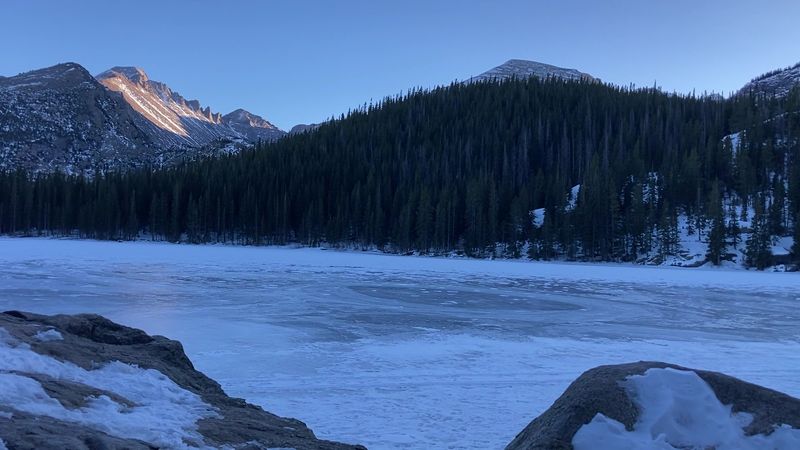
Cold weather does not make Bear Lake any less magical — it just makes it magical in a completely different way. Winter transforms the trail into a hushed, snow-blanketed wonderland that feels almost otherworldly.
The crowds thin out dramatically, and the silence is extraordinary.
One Spanish-language reviewer summed it up perfectly: beautiful to visit in summer, but also very pleasant in winter. Cross-country skiers and snowshoers have discovered that the Bear Lake area offers incredible off-season recreation without the expense of a resort lift ticket.
Conditions can be challenging, with packed snow and ice covering much of the loop. Microspikes or snowshoes are highly recommended for winter visits.
Layering up with moisture-wicking base layers, an insulating mid-layer, and a waterproof outer shell will keep you comfortable. The reward for braving the cold is a version of Bear Lake that very few people ever get to see.
Photography Opportunities Around Every Bend
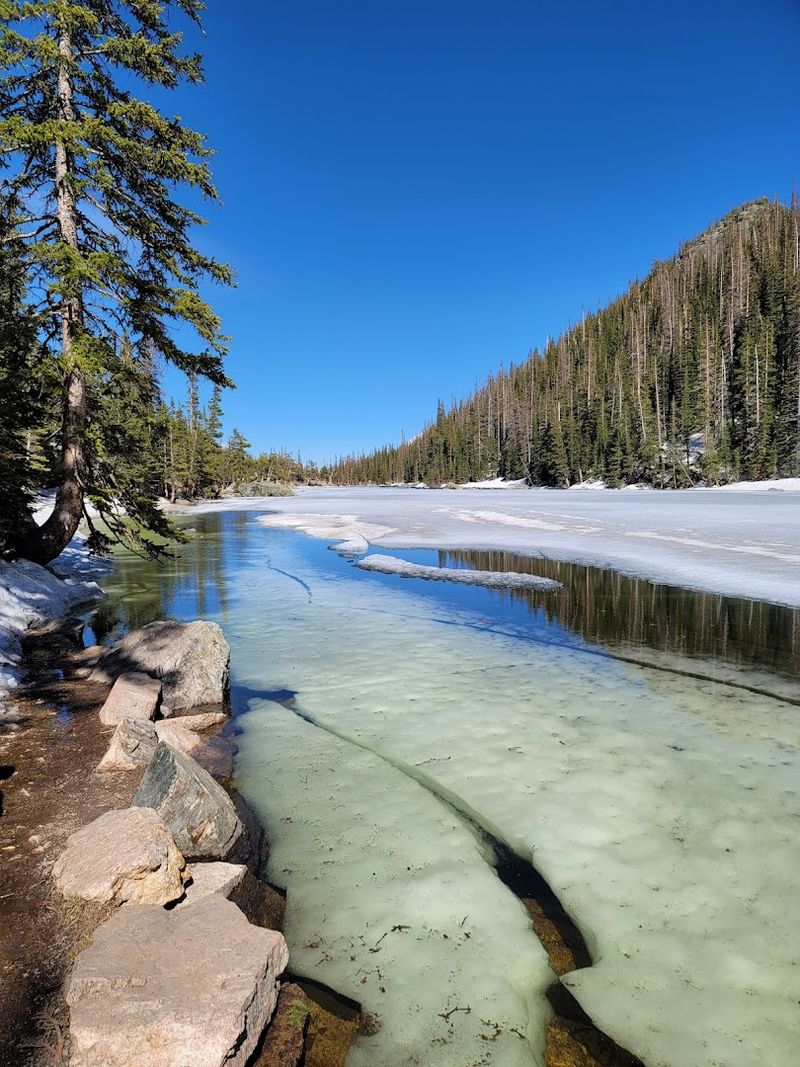
Photographers absolutely adore Bear Lake, and it is easy to see why. The combination of still water, towering peaks, lush forest, and ever-changing light creates conditions that are almost impossibly photogenic at any time of year.
Golden hour — the hour after sunrise and before sunset — produces the most dramatic reflections on the lake surface. The mountains glow amber and pink while their mirror images shimmer in the water below.
Even a basic smartphone camera can capture breathtaking shots in these conditions.
For the best reflection photos, visit on calm, windless mornings before other hikers disturb the water. Midday shots work beautifully too, especially in summer when the sky is a deep, saturated blue.
The 30 interpretive markers also make interesting compositional elements in photos. Bear Lake is genuinely one of Colorado’s most photogenic spots, and every visit produces a new set of stunning images.
Gear and Clothing Essentials for the Trail
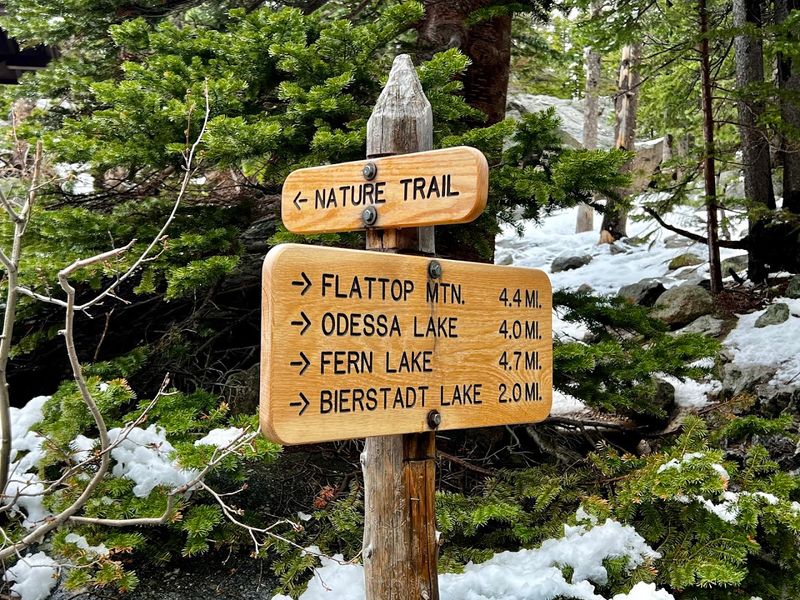
Because Bear Lake sits at high altitude and weather can shift quickly, packing the right gear makes a real difference in your experience. Even on a warm summer day, temperatures near the lake can drop fast when clouds roll in or wind picks up.
Sturdy, comfortable walking shoes are the minimum for summer visits. In spring or fall, waterproof hiking boots are strongly recommended due to muddy conditions and possible snow.
Sunscreen is non-negotiable at this elevation, where UV exposure is significantly higher than at lower altitudes.
Bring more water than you think you need — at least two liters per person for the full loop and any connecting trails. A light rain jacket, snacks, and a small first-aid kit round out the essentials.
The trail is short, but being prepared makes it enjoyable from start to finish rather than stressful. Smart packing equals a better adventure every time.
Why Bear Lake Earns Its Near-Perfect Rating
With a 4.8-star rating from visitors, Bear Lake Trail has clearly earned its reputation as one of Colorado’s most beloved short hikes. The feedback is overwhelmingly positive — people call it stunning, magical, and absolutely worth the effort of securing a timed entry reservation.
What makes the trail earn such consistent praise is the combination of accessibility and payoff. You do not need to be an experienced hiker to enjoy world-class alpine scenery here.
The loop is short enough for children and seniors, yet beautiful enough to leave seasoned mountaineers speechless.
Every season brings something different to love about this trail. Summer offers wildflowers and vivid blue water.
Fall brings golden aspen color. Winter delivers peaceful snowscapes.
Spring teases with melting ice and returning wildlife. No matter when you visit, Bear Lake delivers exactly what it promises — scenery so beautiful, it barely feels real.
Enjoyed this story?
Add Fast Food Club as a preferred source to see more of our reporting on Google.