


Florida’s heat, humidity, and occasional drought can be tough on plants, but the right choices make all the difference. A well-planned landscape stays colorful and lush no matter what the weather throws at it.
Whether you have a small yard or a sprawling garden, these 20 tough-as-nails plants will keep your outdoor spaces looking great year-round. From native groundcovers to flowering shrubs, there is something on this list for every Florida gardener.
Coontie
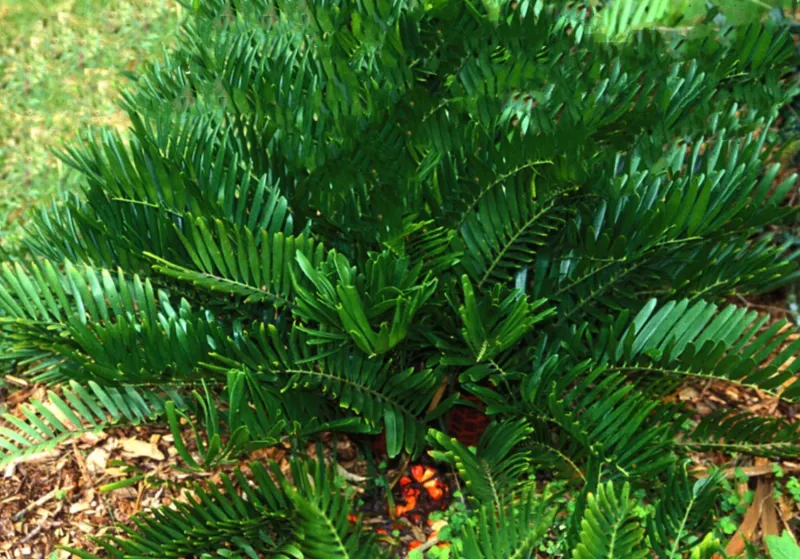
Coontie is one of Florida’s oldest native plants, and it has been around since the age of dinosaurs. This slow-growing cycad thrives in sandy, well-drained soil and handles drought like a champ once established.
It stays a tidy, dark green all year long.
Bonus: it is the only host plant for the beautiful atala butterfly. Plant it in sun or shade for a low-maintenance, prehistoric-looking focal point in any Florida yard.
Muhly Grass
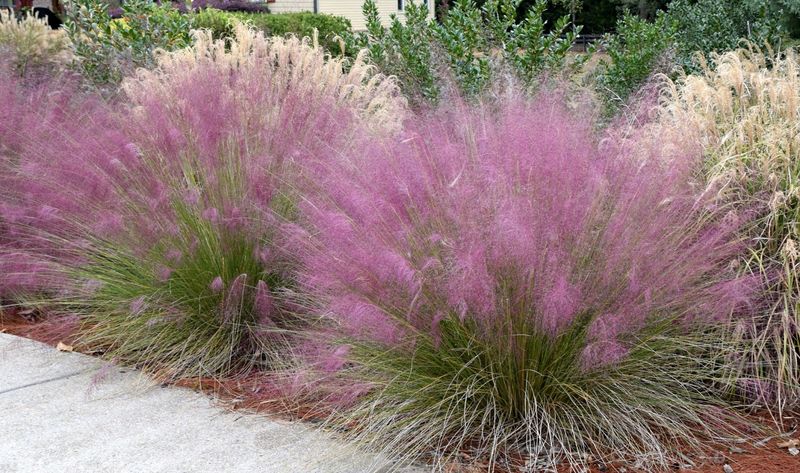
Every October, muhly grass puts on a show that stops neighbors in their tracks. Its wispy pink and purple plumes rise above slender green blades, turning ordinary yards into something magical.
This native grass is incredibly drought-tolerant and thrives in Florida’s full sun.
It requires almost no fertilizer or extra watering once it settles in. Cut it back in late winter, and it bounces right back, ready to dazzle again next season.
Cocoplum
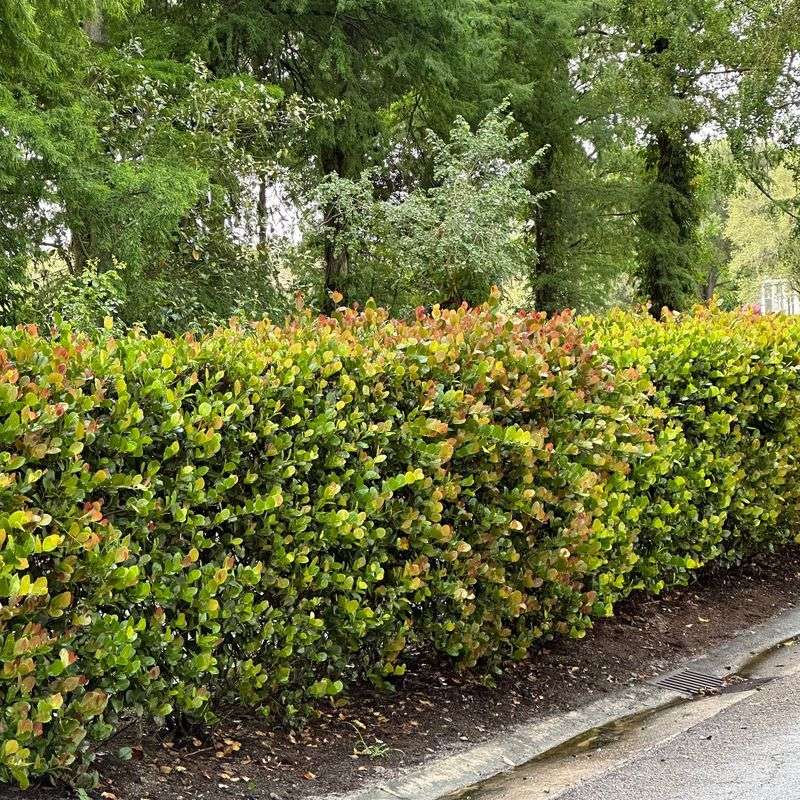
Tough, handsome, and incredibly versatile, cocoplum is a go-to shrub for South Florida landscapes. It handles salt spray, drought, and wet feet better than most plants, making it ideal for coastal yards.
Its glossy leaves stay deep green all year without much fuss.
Small white flowers give way to edible reddish-purple fruits that wildlife absolutely love. Use it as a hedge, a screen, or a standalone specimen for year-round structure and interest.
Simpson’s Stopper
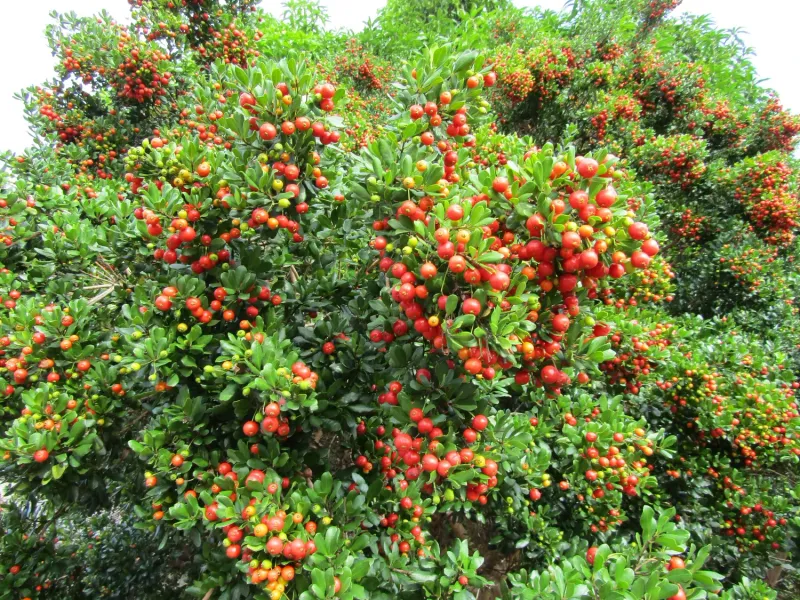
Named after a 19th-century Florida botanist, Simpson’s stopper earns its place in any landscape by being almost effortlessly beautiful. Clusters of tiny white flowers bloom throughout the year, followed by bright red berries that birds find irresistible.
The bark has a lovely cinnamon-like color that adds winter interest.
It grows well in sun or partial shade and handles drought once established. Prune it into a small tree or let it grow naturally as a full shrub.
Wax Myrtle
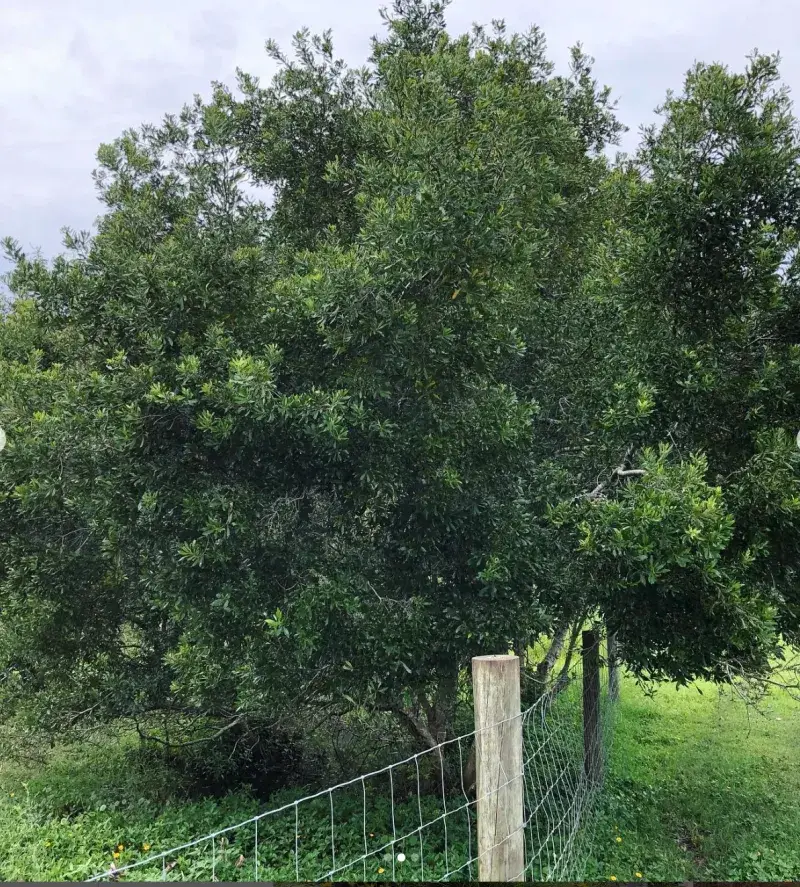
Wax myrtle grows fast, smells wonderful, and handles Florida’s wildly varied conditions without complaint. Rub a leaf and you get a pleasant bayberry scent that has been used in candle-making for centuries.
It tolerates flooding, drought, salt, and poor soil, which is a rare combination.
Birds flock to its small gray-blue berries in winter. Grow it as a privacy hedge, a windbreak, or a multi-stemmed small tree for year-round structure in Florida yards.
Walter’s Viburnum
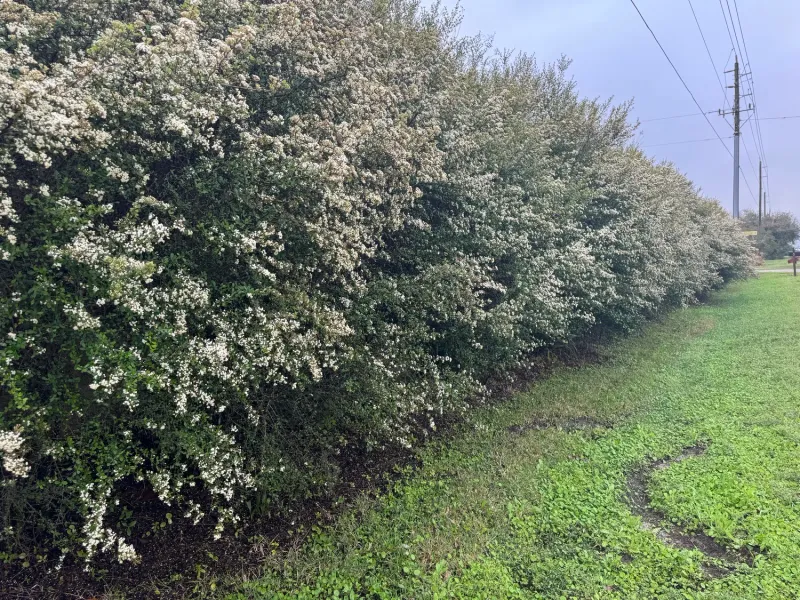
If you want a shrub that works hard without demanding much in return, Walter’s viburnum is your answer. This Florida native produces fragrant white flower clusters in late winter and spring, then follows up with dark blue berries that attract birds through the fall.
It is naturally drought-tolerant and pest-resistant.
Walter’s viburnum grows in sun or shade and can reach 15 feet if left unpruned. It makes a stunning informal hedge or wildlife-friendly border plant.
Firebush
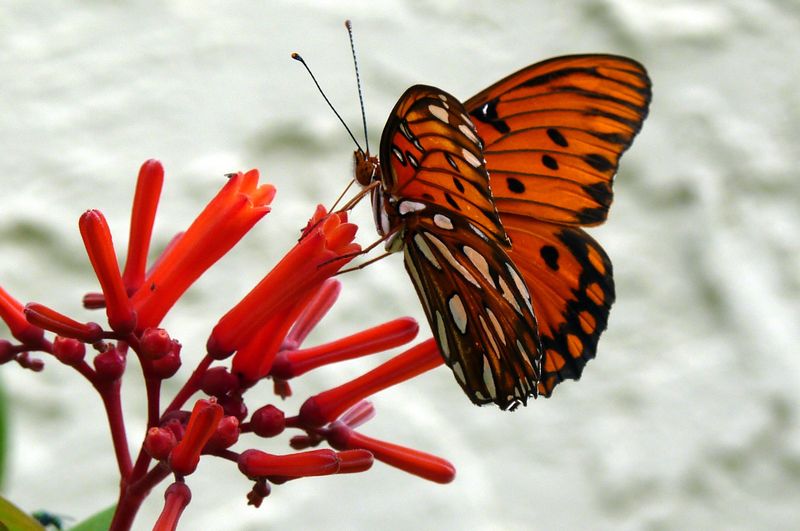
Firebush earns its name with clusters of blazing orange-red tubular flowers that bloom almost non-stop from spring through fall. Hummingbirds and butterflies treat it like an all-you-can-eat buffet.
The native Florida variety is tougher and more cold-hardy than the tropical imports you might find at big-box stores.
It thrives in full sun and handles drought with ease. Cut it back hard in spring if it gets leggy, and it will reward you with fresh, vibrant growth.
Pentas
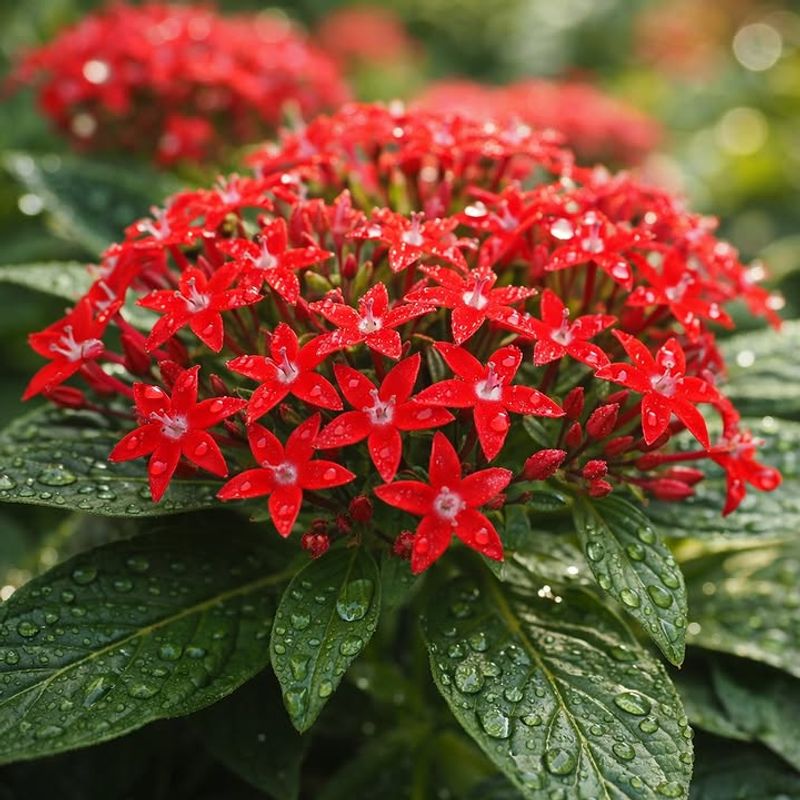
Few plants in Florida deliver color as reliably as pentas. Star-shaped flower clusters in red, pink, white, and lavender bloom from spring straight through the first cool snap, drawing butterflies by the dozens.
It thrives in full sun and heat that would wilt most other flowering plants.
Pentas works beautifully in containers, borders, and mass plantings alike. Deadhead spent blooms occasionally to keep the flowers coming, and water it during dry stretches for best performance.
Lantana
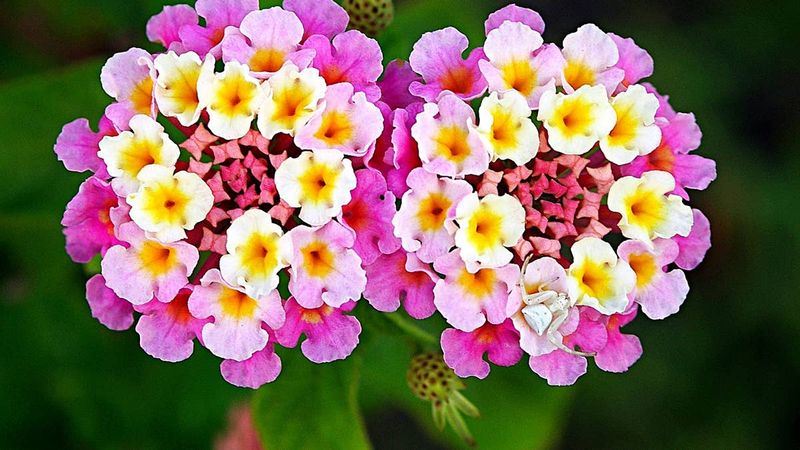
Lantana is practically unstoppable in Florida’s heat and humidity. Its multicolored flower clusters shift from yellow to orange to red as they age, creating a tie-dye effect that is eye-catching and cheerful.
Butterflies love it, and deer generally leave it alone, which is always a win.
Choose native or sterile varieties to avoid the invasive spread problem. Plant it in full sun, water it occasionally, and it will bloom almost year-round with very little encouragement from you.
Society Garlic
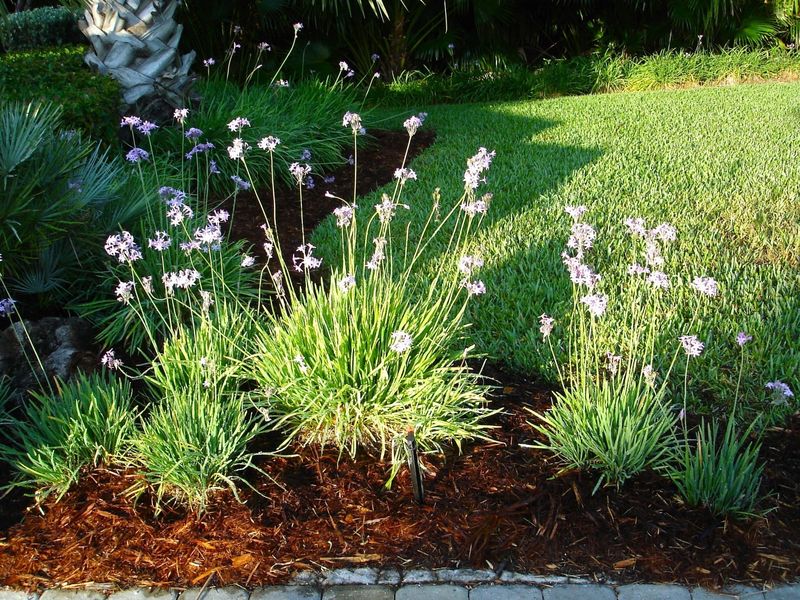
Society garlic gets its quirky name from the fact that it smells like garlic only when the leaves are crushed, making it perfectly acceptable in polite company. Clusters of soft lavender flowers bloom nearly year-round in Florida’s warm climate, rising above strappy gray-green foliage.
It is wonderfully drought-tolerant and deer-resistant.
Plant it along borders, pathways, or in containers for reliable color. It spreads slowly into attractive clumps and rarely needs dividing or fussing over.
Bulbine
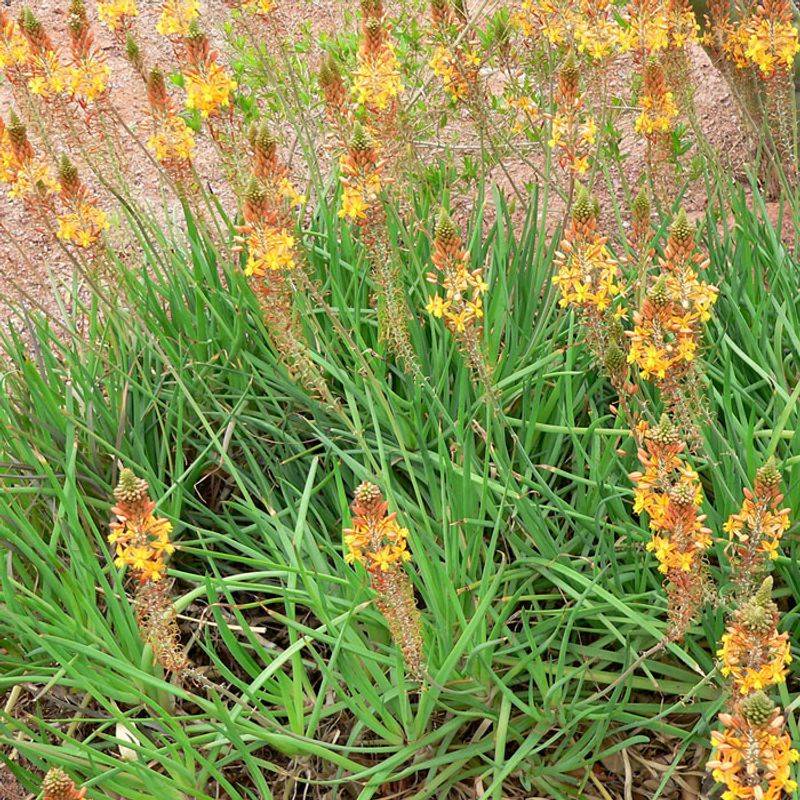
Bulbine is the kind of plant that makes gardeners look like they know exactly what they are doing. Its cheerful yellow or orange flower spikes bloom for months, rising above succulent-like leaves that store water efficiently.
It thrives in full sun and sandy soil, two things Florida has in abundance.
Once established, it needs almost no irrigation and bounces back quickly after cold spells. Use it as a groundcover, border plant, or container specimen for low-effort, high-reward color.
Coreopsis
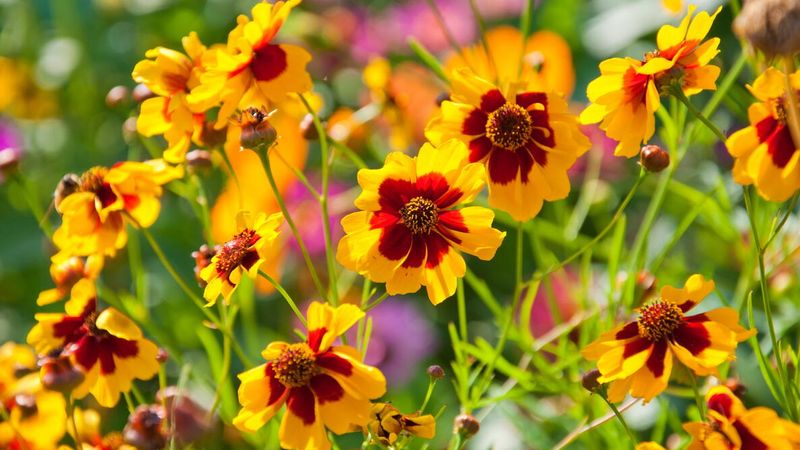
Coreopsis is Florida’s official state wildflower, and it wears that title with pride. Masses of golden-yellow, daisy-like blooms light up roadsides and gardens from spring through fall, requiring almost zero maintenance.
It reseeds itself naturally, which means free plants year after year if you let a few flowers go to seed.
Full sun and well-drained soil are all it really asks for. Plant it in sweeping drifts for a meadow effect that pollinators absolutely cannot resist.
Blanket Flower
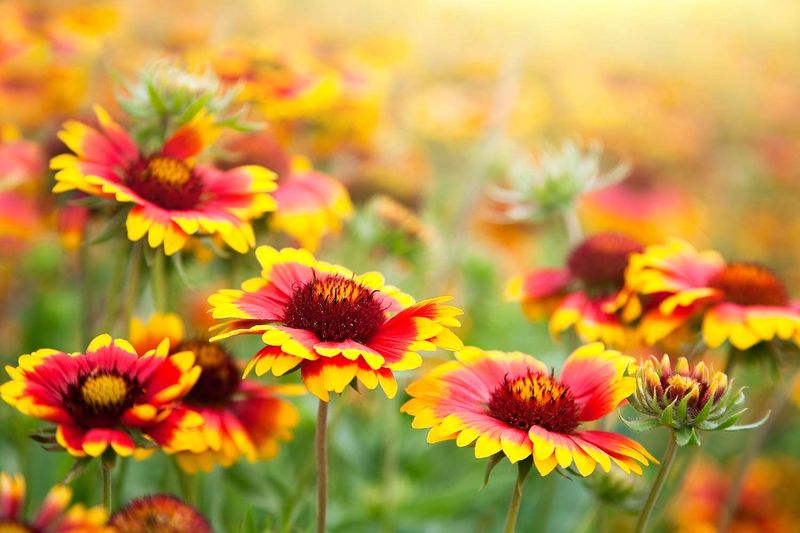
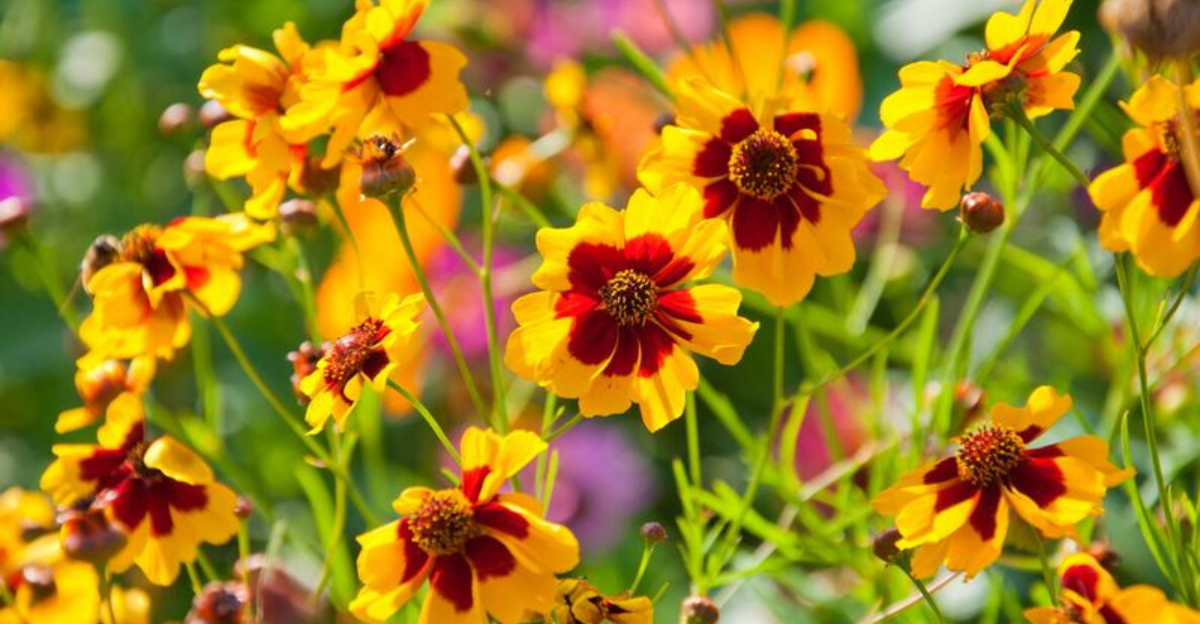
Bold, fiery, and tough as old boots, blanket flower thrives where other plants struggle. Its red-and-yellow blooms look like miniature sunsets and keep appearing from spring through fall in Florida’s full sun.
Sandy, well-drained soil is actually its preferred home, making it a natural fit for Florida’s coastal areas.
It is drought-tolerant, salt-tolerant, and beloved by bees and butterflies. Deadhead regularly to encourage continuous blooming, and divide clumps every few years to keep plants vigorous and productive.
Blue Porterweed
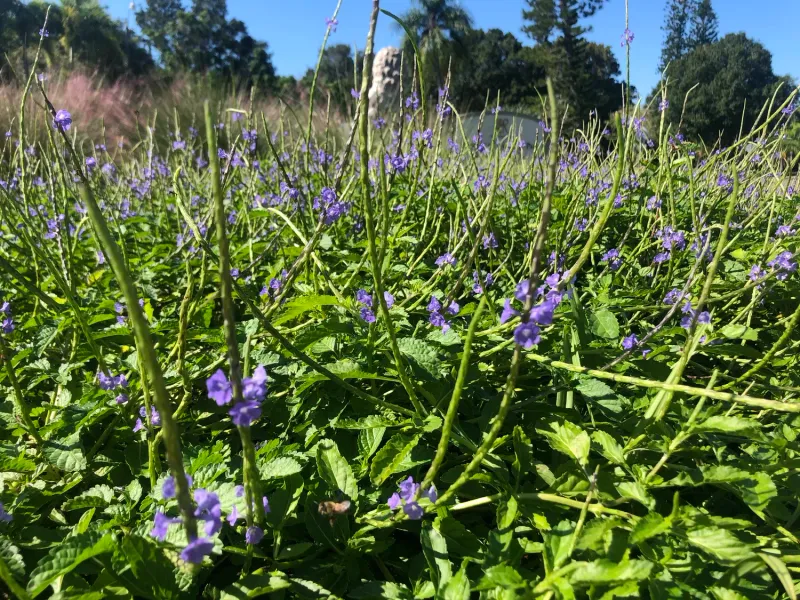
Blue porterweed might be small, but it punches well above its weight when it comes to attracting butterflies. Tiny deep-blue flowers appear along trailing spikes almost year-round, and several butterfly species use it as a host plant for their caterpillars.
It sprawls attractively along the ground or cascades over container edges.
This heat-loving plant thrives in full sun and handles drought well once established. Trim it back occasionally to keep it tidy and encourage fresh blooming growth.
Plumbago
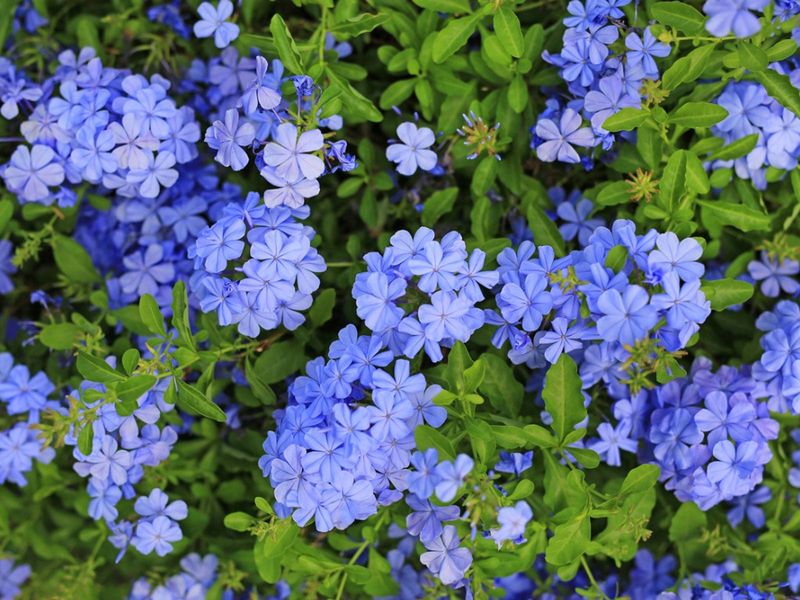
There is something irresistibly cool and refreshing about plumbago’s sky-blue flower clusters, especially against Florida’s intense summer heat. It blooms heavily in spring and fall, with a lighter show through summer, and rarely asks for much water once it is settled in.
The sprawling habit makes it excellent for slopes and large borders.
Butterflies, especially cloudless sulphurs, are drawn to it reliably. Hard pruning in late winter keeps the plant compact and triggers a spectacular flush of spring blooms.
Ixora
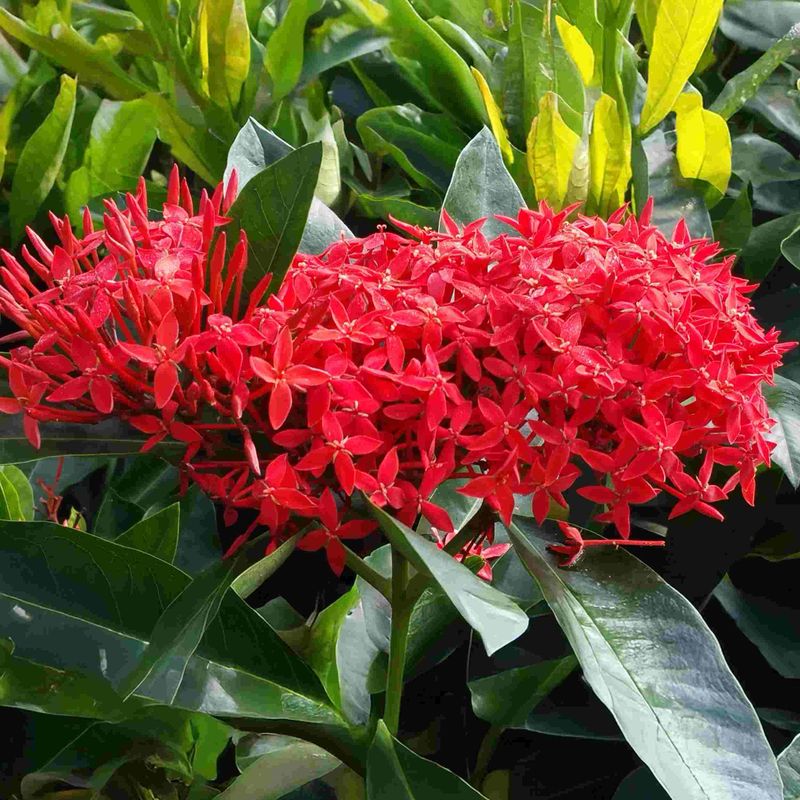
Walk through any South Florida neighborhood and you will almost certainly spot ixora’s brilliant clusters of red, orange, or pink blooms. This tropical shrub loves heat and humidity and blooms most heavily during the warm months.
It works beautifully as a colorful hedge, foundation planting, or container specimen.
Ixora prefers slightly acidic soil, so use an acid-forming fertilizer a couple of times a year. Avoid planting it in areas with cold winters, as it is most reliable in Central and South Florida.
Dwarf Palmetto
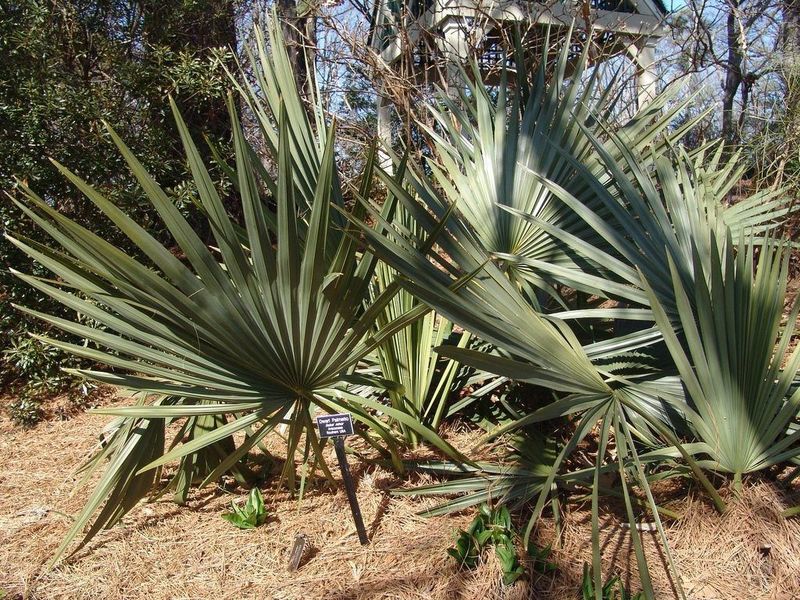
Dwarf palmetto is proof that you do not need to be tall to make a statement. This low-growing, fan-leaved palm spreads slowly into dramatic clumps that look lush and tropical without growing out of control.
It handles deep shade, drought, and even occasional flooding, which is a tough combination to beat.
It is also extremely cold-hardy for a palm, surviving well into North Florida. Use it under large trees or along woodland edges for a bold, tropical-looking groundcover effect.
Saw Palmetto
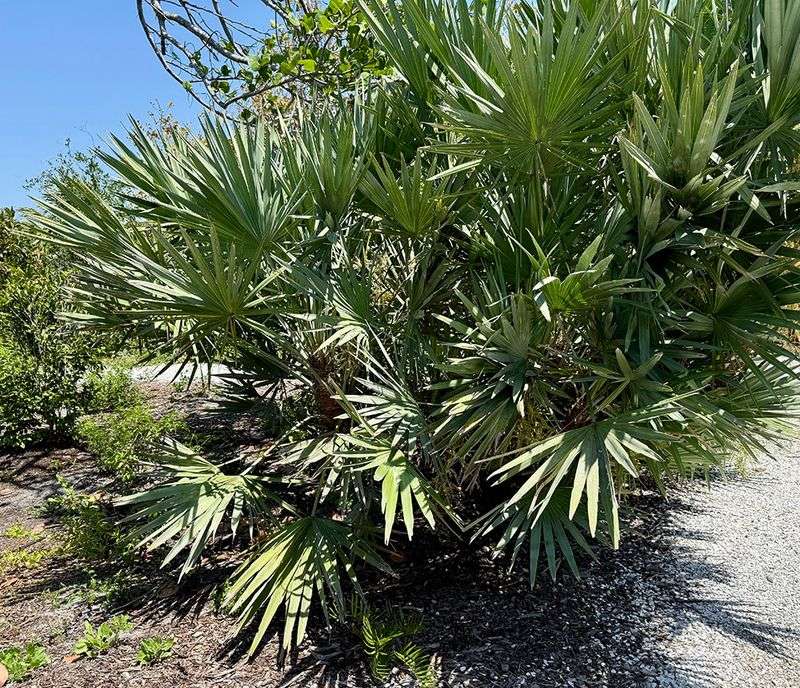
Saw palmetto is the tough survivor of Florida’s plant world, thriving in scrub, flatwoods, and coastal dunes with zero help from humans. Its silver-green fan fronds stay attractive all year, and clusters of dark berries feed everything from bears to birds.
The serrated leaf stems are sharp, so plant it where foot traffic is minimal.
Once established, it is essentially maintenance-free and extremely drought-tolerant. It also provides critical wildlife habitat, making it one of the most ecologically valuable plants in the entire state.
Natal Plum
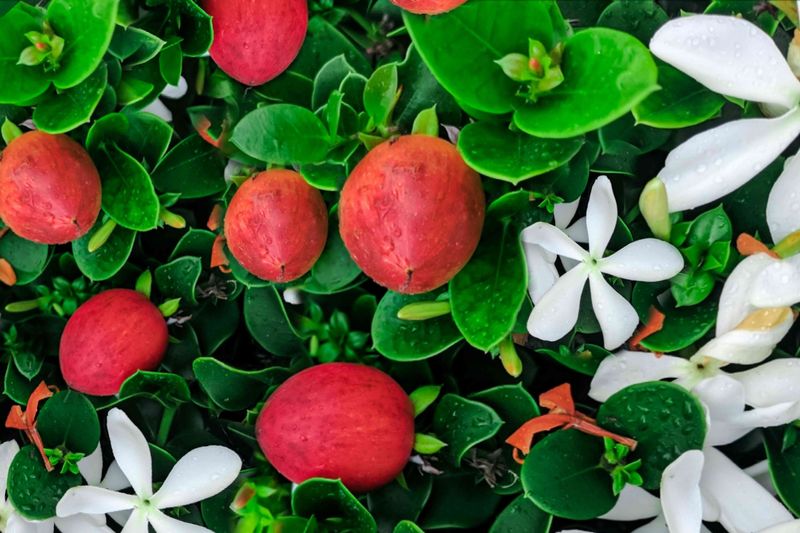
Natal plum is a South African import that has adapted beautifully to Florida’s coastal conditions. Fragrant, star-shaped white flowers and glossy dark green leaves make it genuinely pretty, while sharp thorns make it a seriously effective security hedge.
Red, plum-like fruits follow the flowers and are actually edible with a cranberry-like flavor.
It is highly salt-tolerant and drought-resistant once established. Plant it along fences or property lines where you want beauty and a natural barrier that intruders will think twice about crossing.
Indian Hawthorn
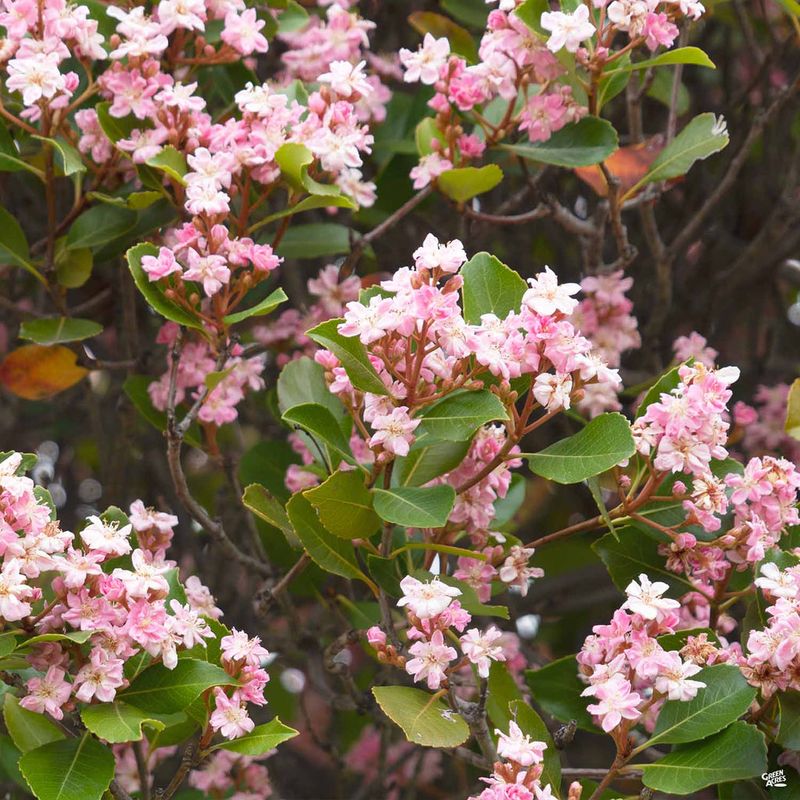
Indian hawthorn is a classic Florida landscape shrub for good reason. Clusters of pink or white flowers appear in spring, followed by dark blue-black berries that birds enjoy through winter.
The leathery, dark green leaves stay on the plant year-round, giving it consistent structure even when it is not in bloom.
It grows well in full sun to partial shade and handles drought once established. Keep air circulation good around the plant to prevent leaf spot disease, which is its main weakness.
Enjoyed this story?
Add Fast Food Club as a preferred source to see more of our reporting on Google.