


Florida gardeners have a secret weapon against bare, weedy soil: ground cover plants that spread on their own and look stunning doing it. From sunny coastal yards to shady backyard corners, the right ground cover can transform empty patches into lush, living carpets.
Many of these plants are also drought-tolerant, low-maintenance, and friendly to local wildlife. Whether you are starting a new garden or filling in trouble spots, this list has something perfect for every Florida yard.
Sunshine mimosa
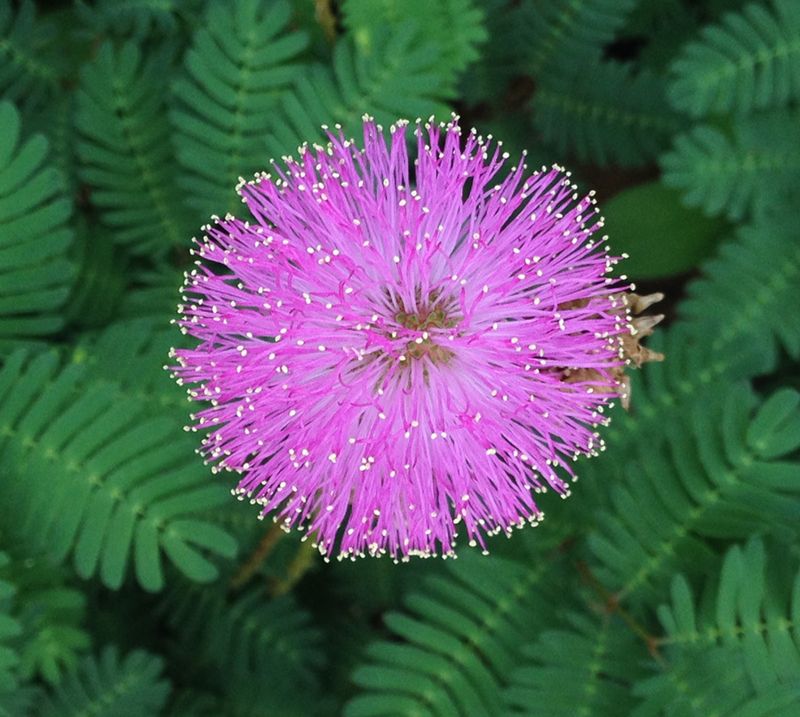
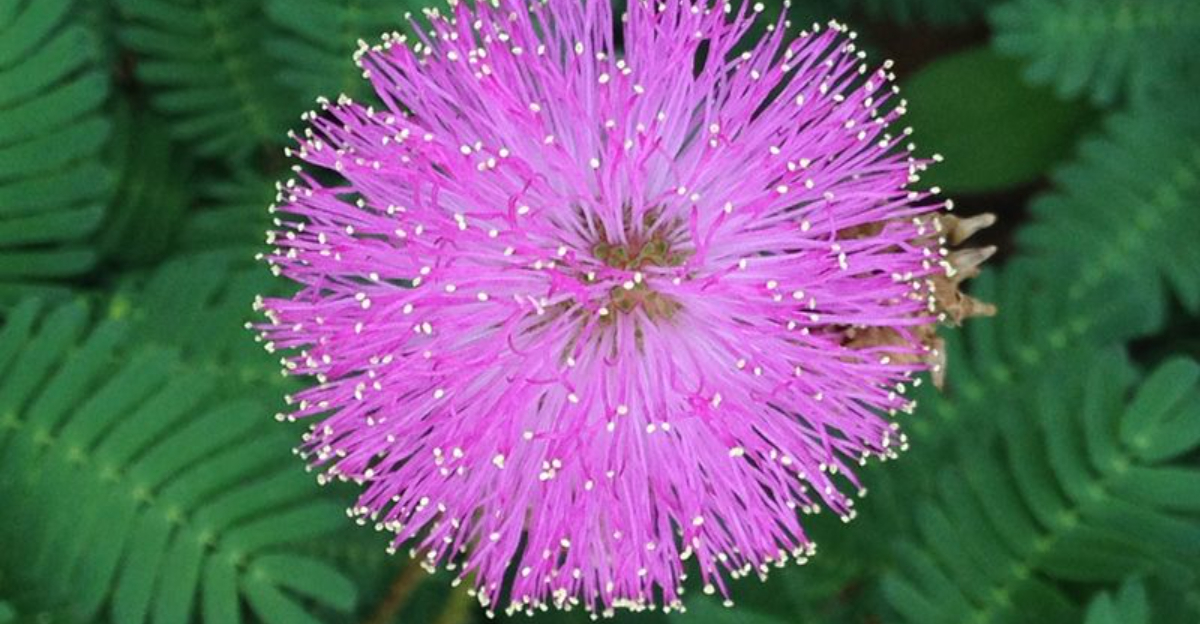
Touch the leaves of sunshine mimosa and watch them fold up like tiny hands waving goodbye. This quirky Florida native is also called sensitive plant, and kids absolutely love playing with it.
The fluffy pink pompom flowers are a bonus that pollinators cannot resist.
It spreads low and thick, crowding out weeds naturally without needing much water. Plant it in full sun and sandy soil for best results.
Mowing it a couple of times a year keeps it neat and tidy.
Perennial peanut
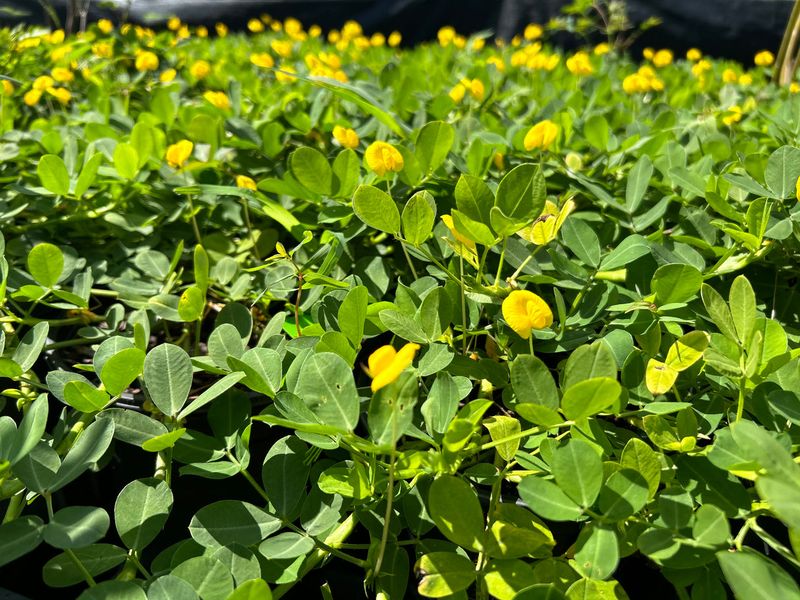
Bright yellow flowers pop up all season long on perennial peanut, making it one of the most cheerful lawn alternatives in Florida. Unlike traditional grass, it rarely needs mowing and fixes nitrogen right into the soil, which means it actually improves your yard over time.
This tough plant handles heat, drought, and foot traffic like a champ. It grows best in full sun and spreads steadily by underground runners.
Once established, it is nearly indestructible.
Asiatic jasmine
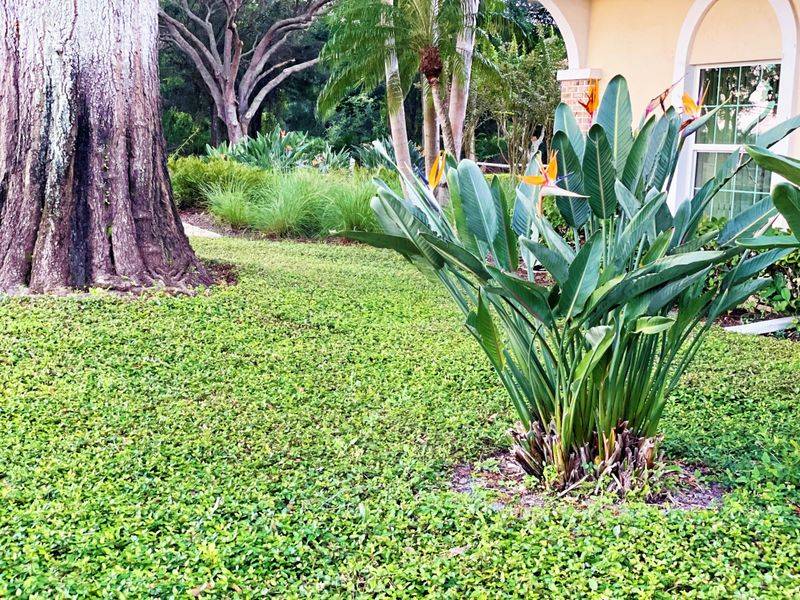
Asiatic jasmine is the workhorse of Florida ground covers, quietly spreading into a thick, weed-smothering mat without making a fuss. It thrives in both sun and shade, which makes it incredibly versatile for tricky spots under trees or along fences.
The glossy dark green leaves stay attractive year-round, giving gardens a polished, manicured look. It does not produce showy flowers, but its reliability more than makes up for that.
Trim the edges once in a while to keep it in bounds.
Frogfruit
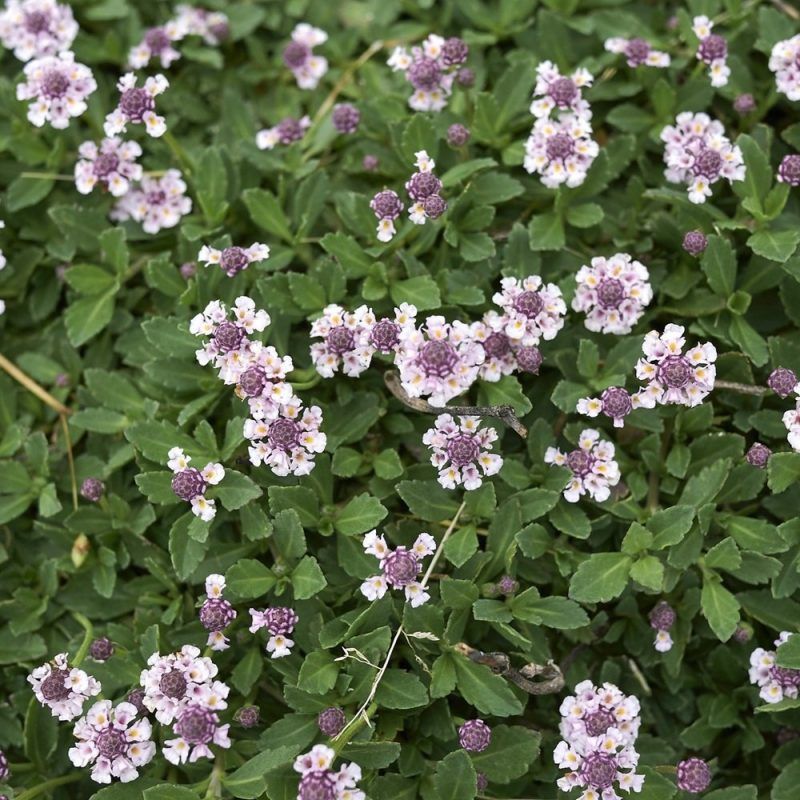
Do not let the funny name fool you. Frogfruit is one of the most wildlife-friendly ground covers you can plant in a Florida yard.
Butterflies, bees, and even caterpillars of the white peacock butterfly depend on it as a food source.
It spreads quickly into a low, dense mat that handles both sun and partial shade. The tiny white and lavender flowers bloom almost nonstop.
Best of all, it tolerates occasional flooding and drought equally well, making it a true Florida survivor.
Beach sunflower
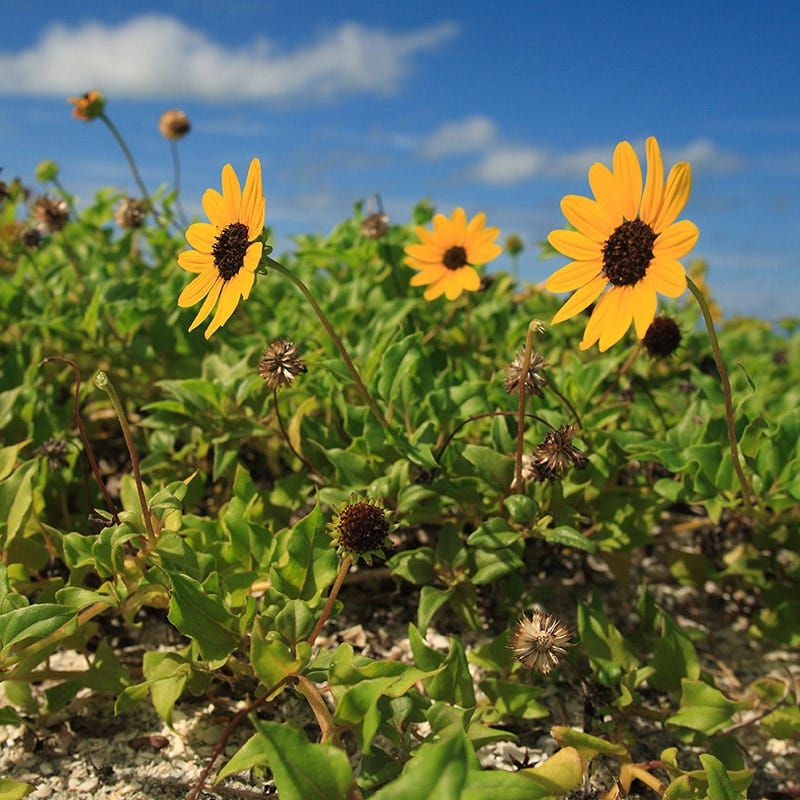
Few plants bring as much happiness to a Florida yard as beach sunflower, with its nonstop parade of golden yellow blooms. Native to Florida’s coastlines, it thrives in sandy, well-drained soil and handles salty air without complaint.
It spreads by sprawling stems that root wherever they touch the ground, creating a wide, cheerful mat. Pollinators absolutely swarm the flowers.
Even in the hottest, driest summers, beach sunflower keeps blooming when other plants give up.
Railroad vine
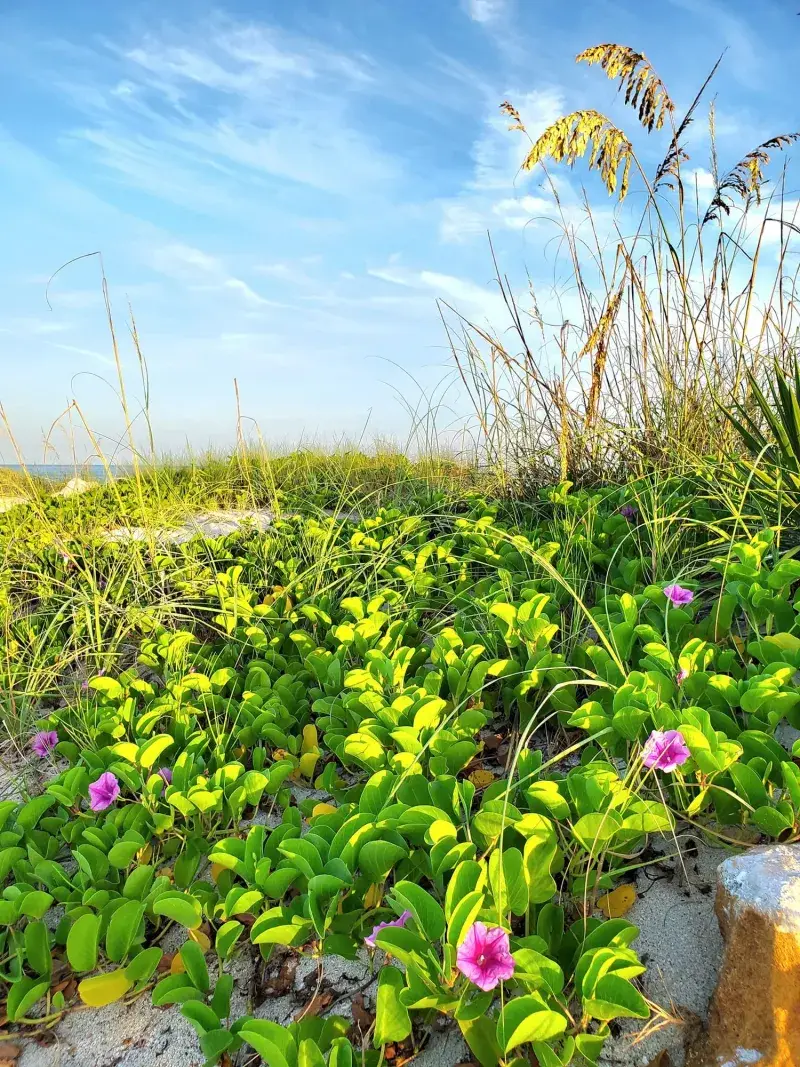
Railroad vine earns its name by sending out runners that can stretch over ten feet in a single season, racing across the ground like tracks laid down in a hurry. The large, purple morning-glory flowers are absolutely stunning against sandy soil.
This Florida native is built for tough conditions, thriving in full sun, salt spray, and dry sand where most plants refuse to grow. It is a go-to choice for stabilizing sandy slopes and dunes.
Give it space and it will reward you generously.
Twinflower
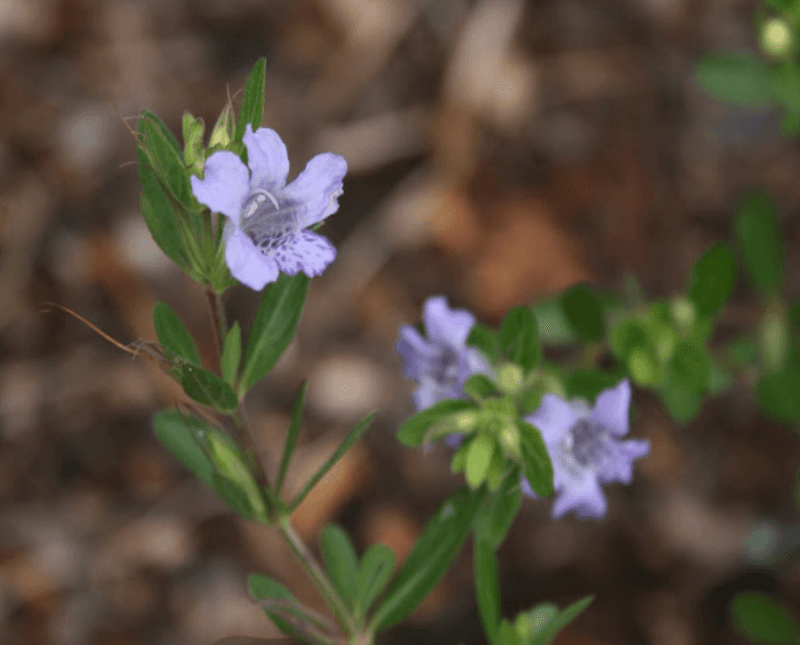
Twinflower is a quiet gem that many Florida gardeners overlook, but those who discover it become instant fans. Pairs of delicate lavender-purple flowers appear along the low-growing stems throughout the warmer months, creating a soft, romantic look in garden beds.
It spreads gently under trees and in partial shade, filling in gaps without becoming aggressive. Native to Florida, it supports native bees and other small pollinators.
Water it occasionally while it gets established, then step back and let it do its thing.
Creeping sage
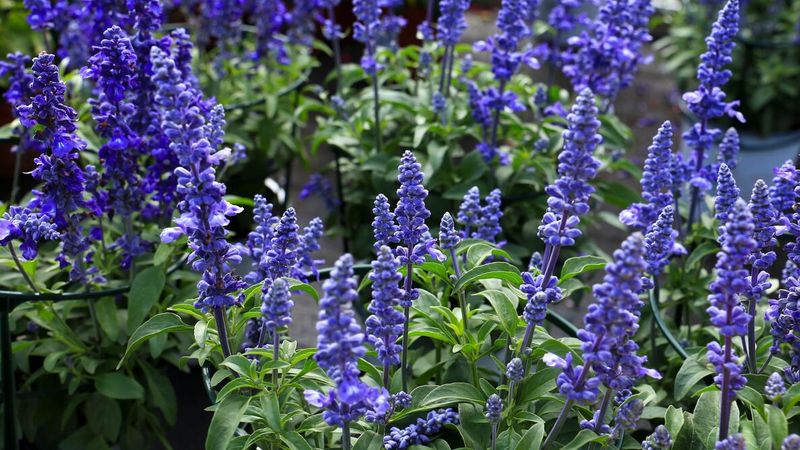
Rub a leaf of creeping sage between your fingers and you get a rush of clean, herby fragrance that is impossible not to love. This low-growing plant sends out spreading stems covered in soft gray-green leaves, forming a fragrant carpet in sunny spots.
Spikes of blue-purple flowers attract hummingbirds and butterflies during the blooming season. It handles dry conditions well once rooted in.
Creeping sage is a wonderful choice for slopes or rock gardens where other plants struggle to hold on.
Dwarf mondo grass
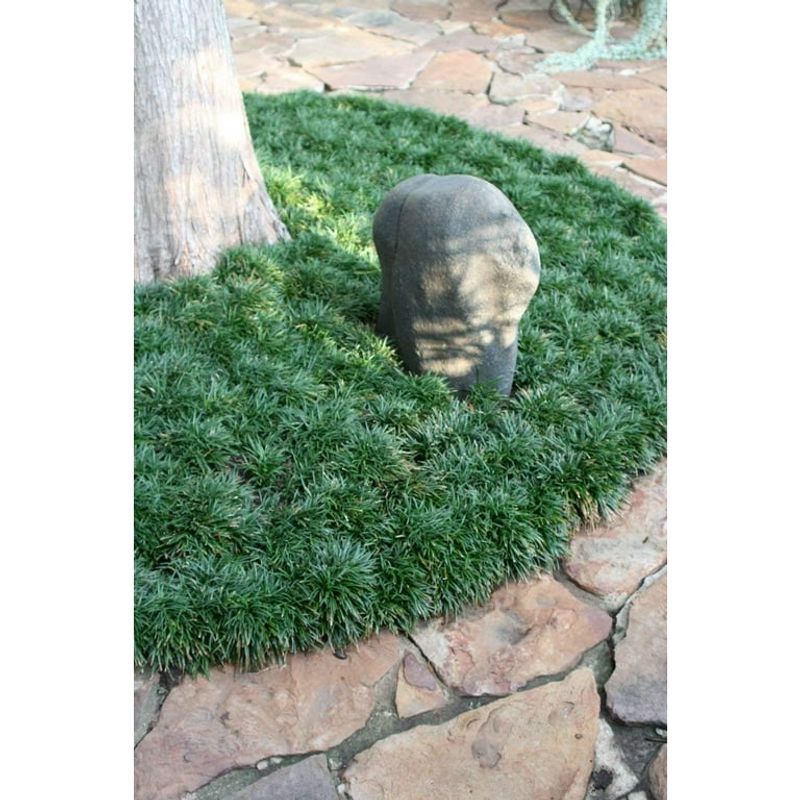
Dwarf mondo grass may be tiny, but it punches well above its weight as a ground cover in Florida gardens. Growing only a few inches tall, it forms a neat, dark green carpet that looks elegant along pathways or under trees where regular grass refuses to grow.
It spreads slowly by underground rhizomes, so patience pays off. Once established, it is extremely low-maintenance and drought-tolerant.
No mowing required, which is reason enough to fall in love with it.
Liriope
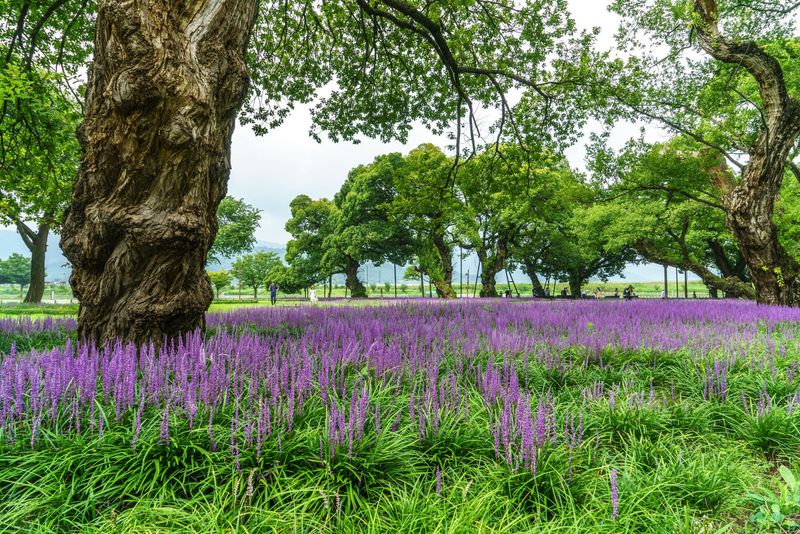
Liriope has been a Florida garden staple for decades, and for good reason. Its arching, grass-like leaves form tidy clumps that spread gradually into wide, weed-resistant borders.
Purple flower spikes rise up in late summer, adding a lovely pop of color.
It handles shade, drought, and even occasional flooding without skipping a beat. Liriope works beautifully as edging along walkways, under trees, or in large masses on slopes.
Trim it back hard in late winter and it bounces back looking fresh and full.
Wedelia
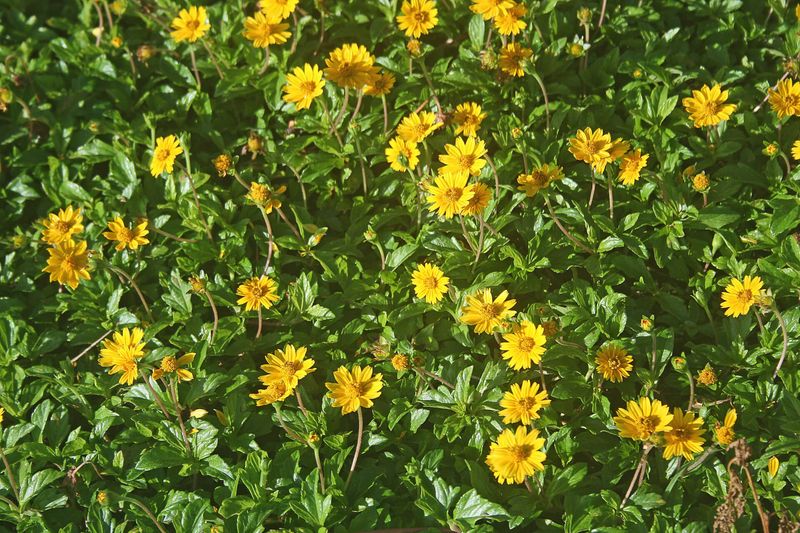
Wedelia is practically unstoppable once it gets going, which is exactly what you want in a ground cover for large, sunny areas in Florida. The bright yellow daisy-like flowers bloom almost continuously, giving the garden a warm, golden glow year-round.
It spreads by rooting stems that creep across the soil rapidly, making it excellent for covering slopes and large open areas. Keep in mind it can escape garden beds, so plant it where you have room.
Regular trimming at the edges keeps it manageable.
Purple heart
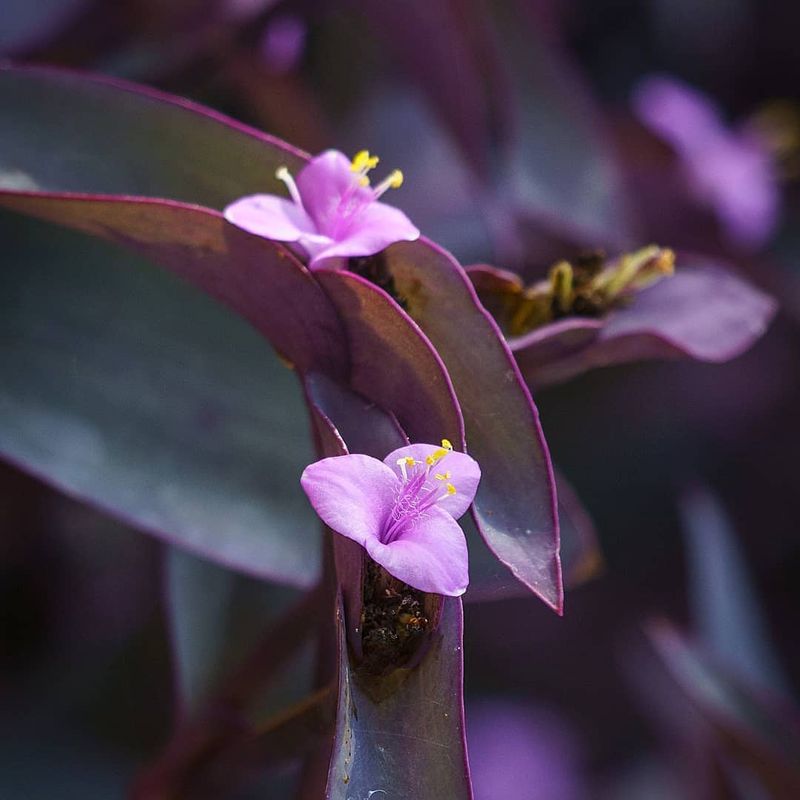
Purple heart is impossible to ignore. The deep violet-purple foliage practically glows in Florida sunshine, making it one of the most eye-catching ground covers available.
Small pink flowers appear at the stem tips, adding a sweet contrast to all that bold color.
It spreads quickly by fleshy stems that root easily wherever they touch soil. Full sun brings out the richest purple color, while shade turns the leaves more greenish.
Snap off a stem, stick it in the ground, and watch it take off.
Oyster plant
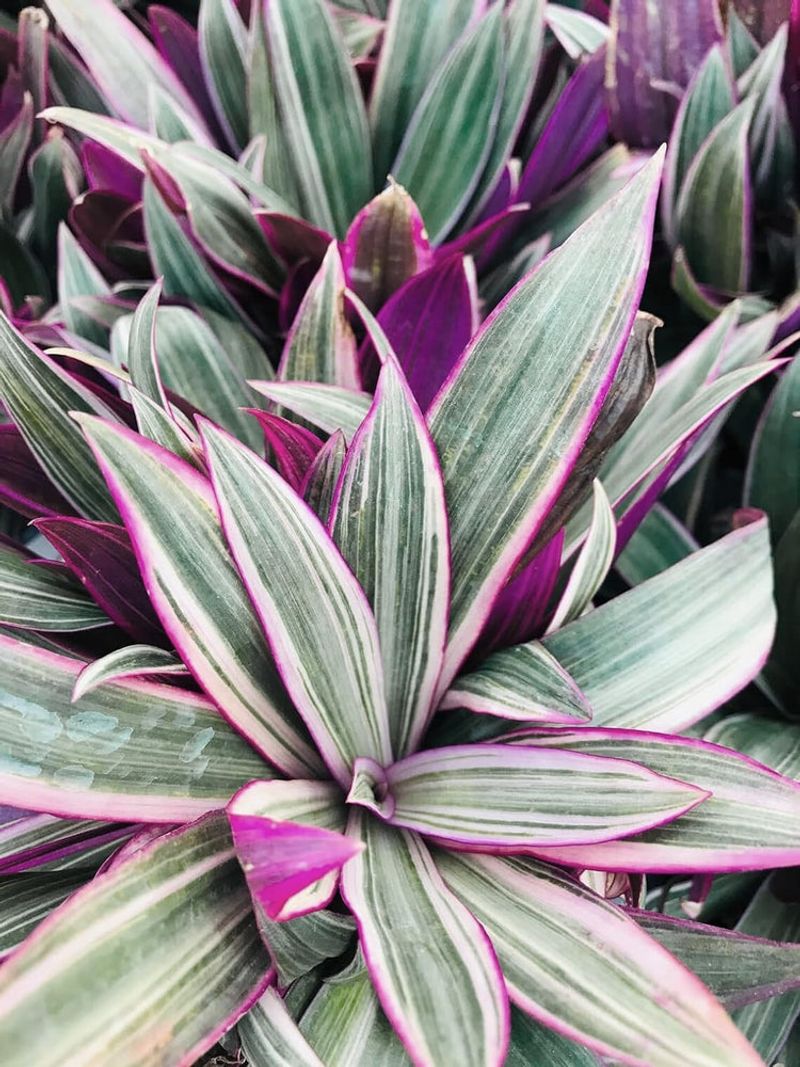
With leaves that are deep green on top and rich purple underneath, oyster plant brings a two-toned drama that few ground covers can match. It grows in bold, spreading clumps that fill in garden beds quickly and look striking in mass plantings.
Oyster plant handles Florida heat, humidity, and drought with ease, asking for very little in return. It works well in both sun and partial shade.
Small white flowers nestle among the leaves, giving it its common name from the boat-shaped bracts that cradle the blooms.
Creeping fig
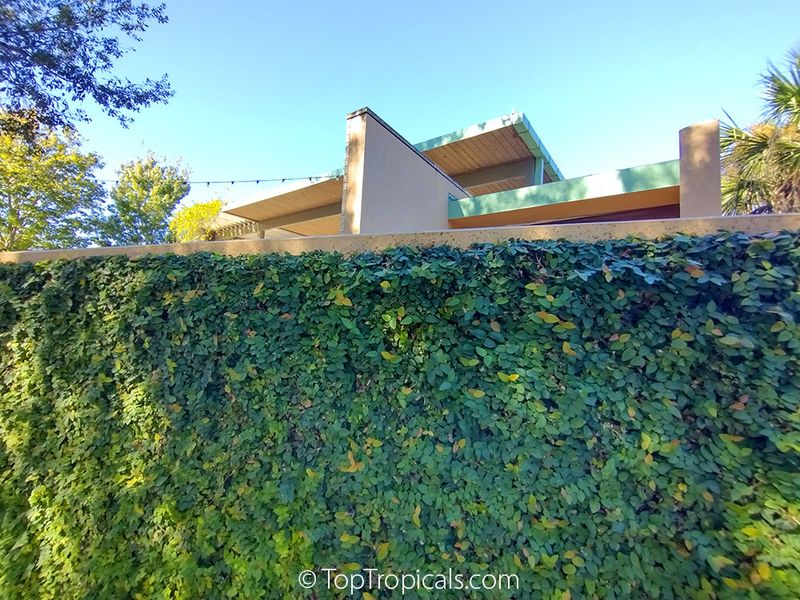
Creeping fig is a determined little plant that clings to walls, fences, and bare ground with equal enthusiasm, covering surfaces in a fine-textured tapestry of small, heart-shaped leaves. In Florida gardens, it works beautifully as both a wall climber and a flat ground cover.
It spreads quickly once established and handles shade very well, making it ideal for dim corners and north-facing walls. The dense coverage it creates is excellent for suppressing weeds.
Prune it regularly because it can become quite vigorous over time.
Trailing lantana
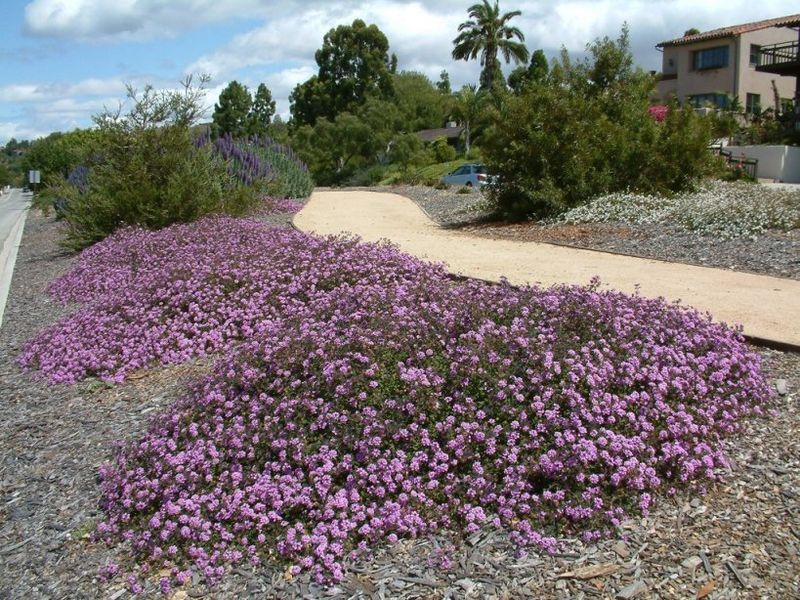
Trailing lantana is a showoff in the best possible way, covering the ground in a riot of purple, yellow, and white flower clusters that bloom practically nonstop in Florida’s warm climate. Butterflies treat it like their personal buffet, flocking to it all season long.
It spreads by long, arching stems that root as they go, making it perfect for slopes and large open areas. Drought and heat are no problem for this tough plant.
Give it full sun and watch it put on a spectacular show.
Bacopa
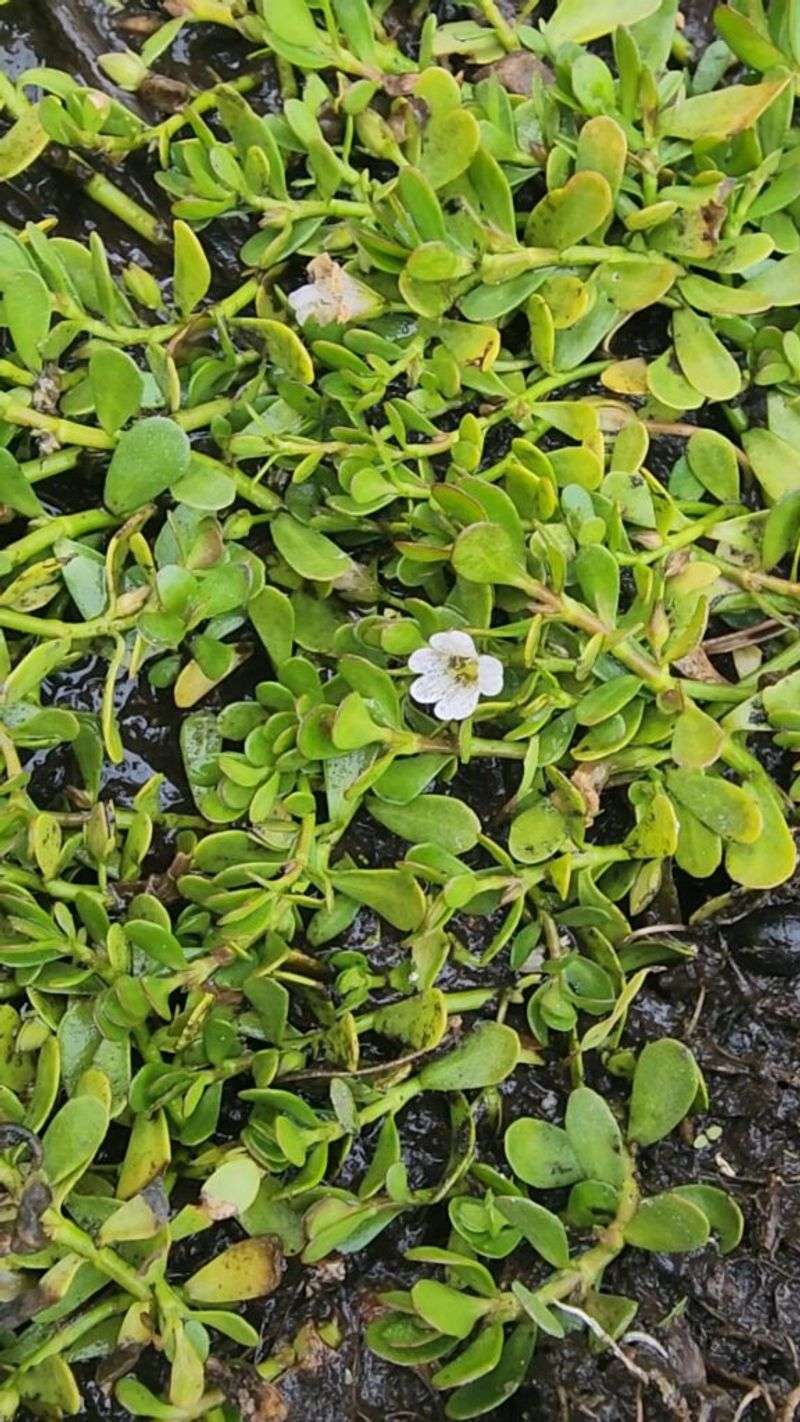
Bacopa has a delicate, almost dainty appearance that hides just how tough it really is. Tiny white or lavender flowers cover the low-spreading stems, creating a soft, lacy look that is especially beautiful near water features or in moist garden areas.
It thrives in Florida’s wet spots where other ground covers fail, spreading happily along pond edges and in boggy soil. It also adapts to drier conditions once established.
Bacopa is a lovely choice for anyone wanting a fine-textured, flowering carpet near water.
Gopher apple
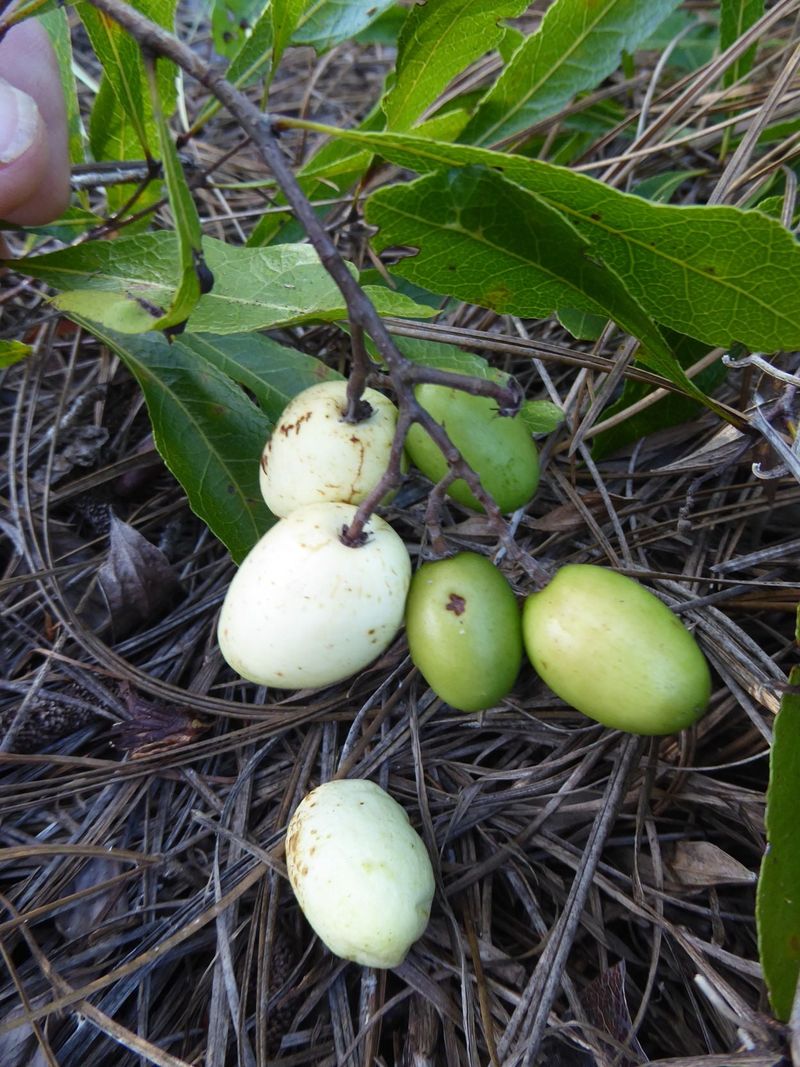
Named after the gopher tortoises that love eating its fruits, gopher apple is a tough-as-nails Florida native that thrives in the driest, sandiest soil imaginable. It spreads by underground runners into a low, dense mat of leathery leaves that stays green even through droughts.
Small white flowers appear in spring, followed by edible fruit that wildlife adores. This plant is ideal for dry, sunny spots where almost nothing else survives.
Once established, it needs zero irrigation, making it a truly low-effort ground cover.
Green-and-gold
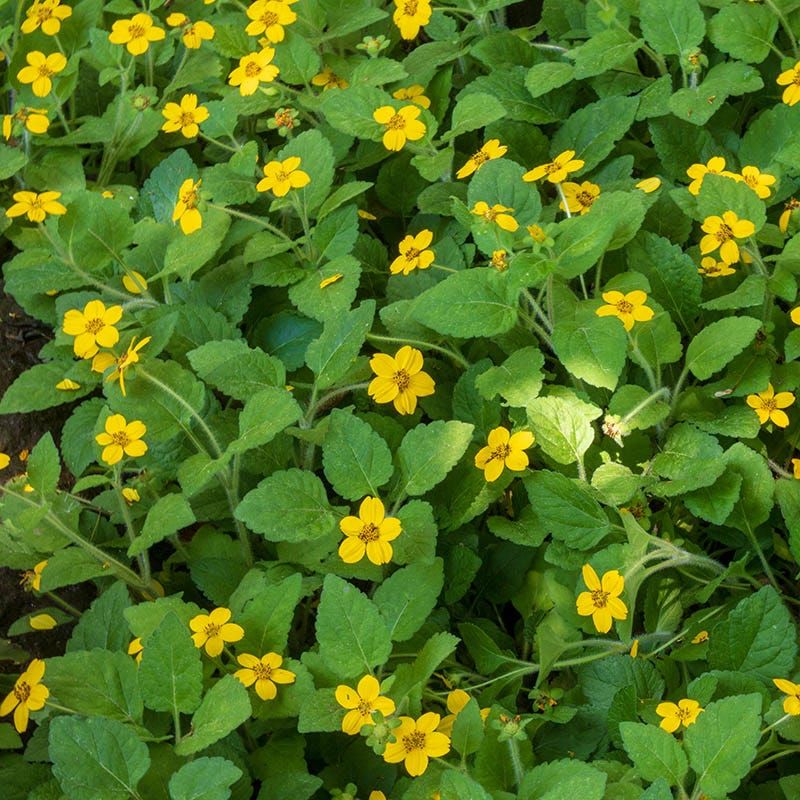
Green-and-gold earns its charming name from the combination of dark green leaves and cheerful golden-yellow flowers that bloom from spring through fall. It spreads by runners into a low, attractive mat that brightens up shaded areas where color is hard to come by.
Though it is not a Florida native, it adapts well to North Florida gardens in shaded spots with moist, well-drained soil. Pollinators love the long blooming season.
It is a wonderful choice for gardeners who want year-round color without a lot of effort.
Mimosa strigillosa
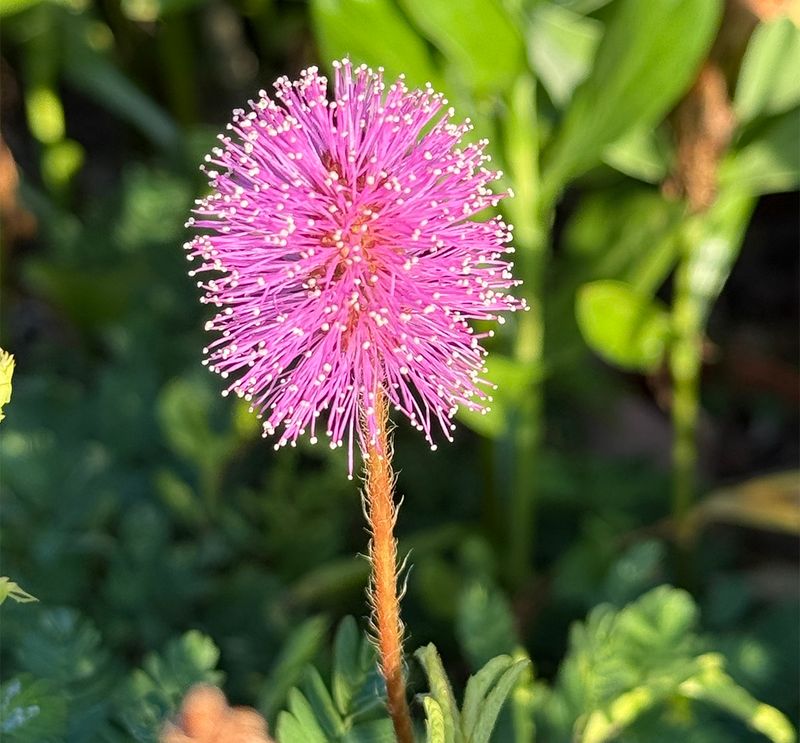
Mimosa strigillosa, commonly called powderpuff mimosa, is one of those plants that makes people stop and stare. The fluffy, hot-pink pompom flowers are almost too pretty to be real, and they bloom for months across the low-spreading mat of feathery leaves.
Like its cousin sunshine mimosa, the leaves fold when touched, which never gets old. This Florida native fixes nitrogen in the soil and feeds pollinators generously.
It handles full sun and poor, sandy soil like a natural, spreading steadily without becoming a nuisance.
Blue daze
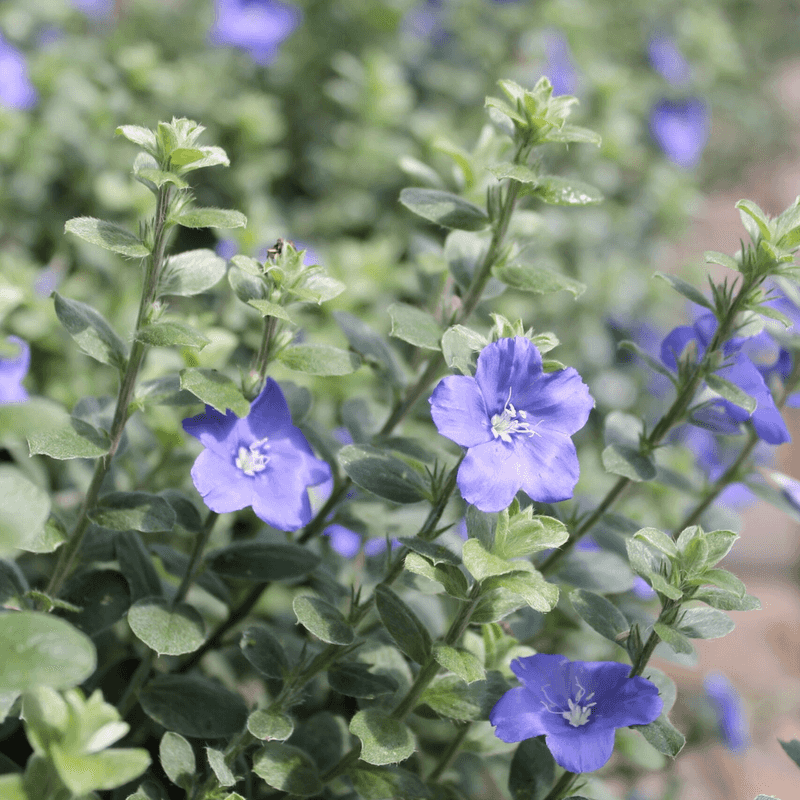
Sky-blue flowers on a ground-hugging plant might sound too good to be true, but blue daze delivers exactly that. Each small, trumpet-shaped bloom is a vivid, clear blue that looks stunning against the silvery-green foliage, and new flowers open fresh every single morning.
Blue daze loves Florida heat and full sun, spreading into a neat, low mound that works beautifully in borders and containers. It is drought-tolerant once established and rarely troubled by pests.
For a splash of cool color in a hot Florida garden, nothing beats it.
Society garlic
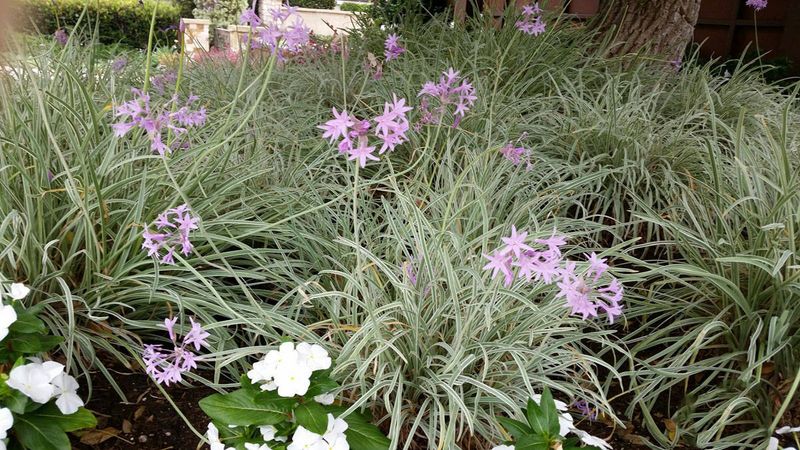
Society garlic got its amusing name because, unlike regular garlic, you can eat it at a dinner party without clearing the room. The slender, blue-green leaves smell gently of garlic when crushed, but the real attraction is the clusters of soft lavender-purple flowers that bloom nearly year-round in Florida.
It spreads by forming dense, ever-widening clumps that are extremely easy to divide and share. Deer tend to avoid it, which is a huge bonus.
Full sun and well-drained soil keep it blooming its happiest.
Enjoyed this story?
Add Fast Food Club as a preferred source to see more of our reporting on Google.