


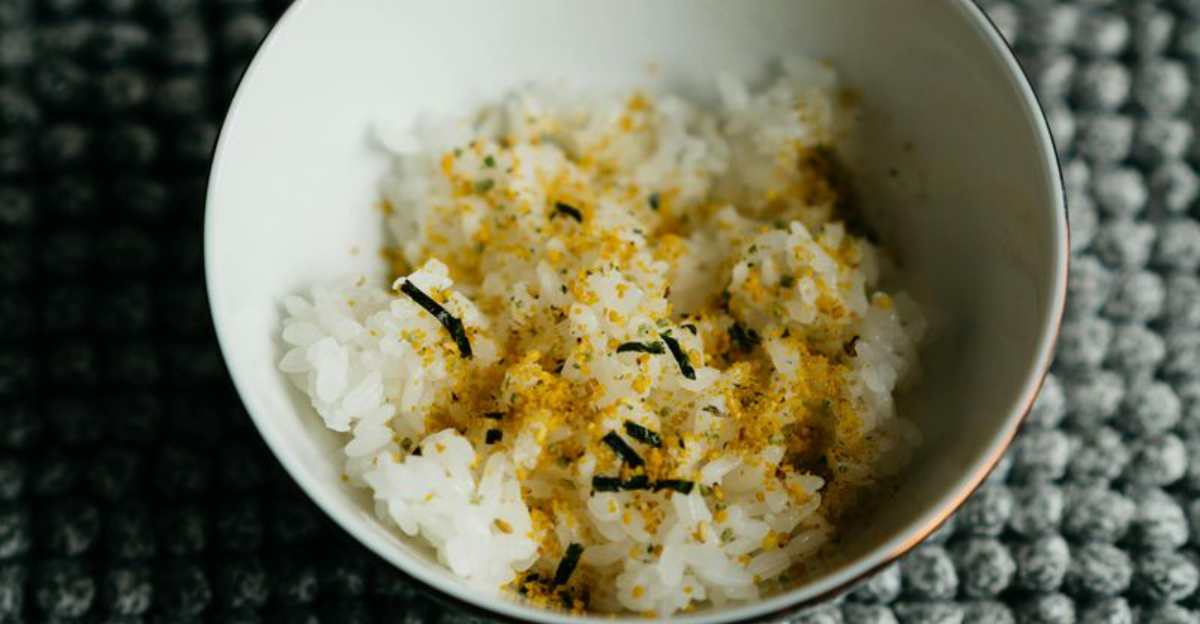
Some leftovers seem harmless, but time in the fridge can quietly turn them risky. The truth is, certain foods invite fast bacterial growth or quality changes that you cannot see or smell.
You deserve to know which ones cross from delicious to dangerous sooner than you think. Here is your clear, no-nonsense guide so you can eat confidently and avoid getting sick.
Cooked eggs
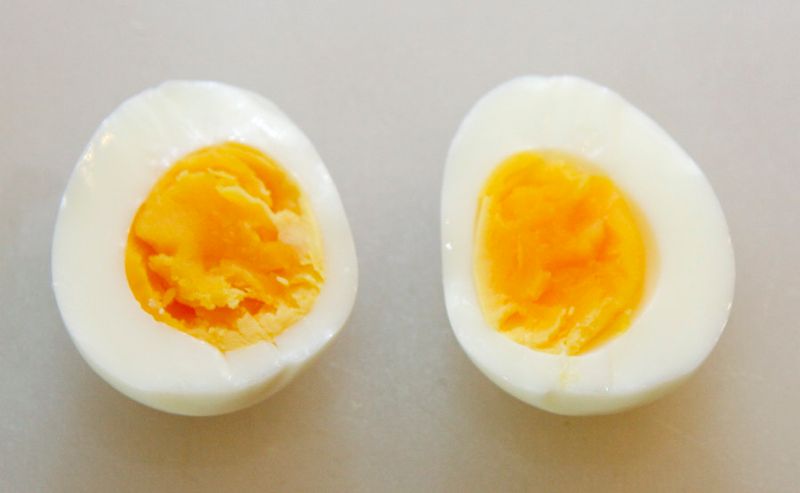
Cooked eggs, whether hard-boiled or scrambled, do not last long. Plan to eat them within a week for hard-boiled and three to four days for other styles.
A sulfuric smell is not always bad with boiled eggs, but slimy whites or green-gray rings with off odors mean toss them.
Keep shells on until serving to protect freshness. Store peeled eggs in water only briefly and change it daily.
Reheat egg dishes thoroughly. If deviled eggs sat out at a party, skip leftovers.
Your brunch will be better and safer when made fresh the next day.
Milk
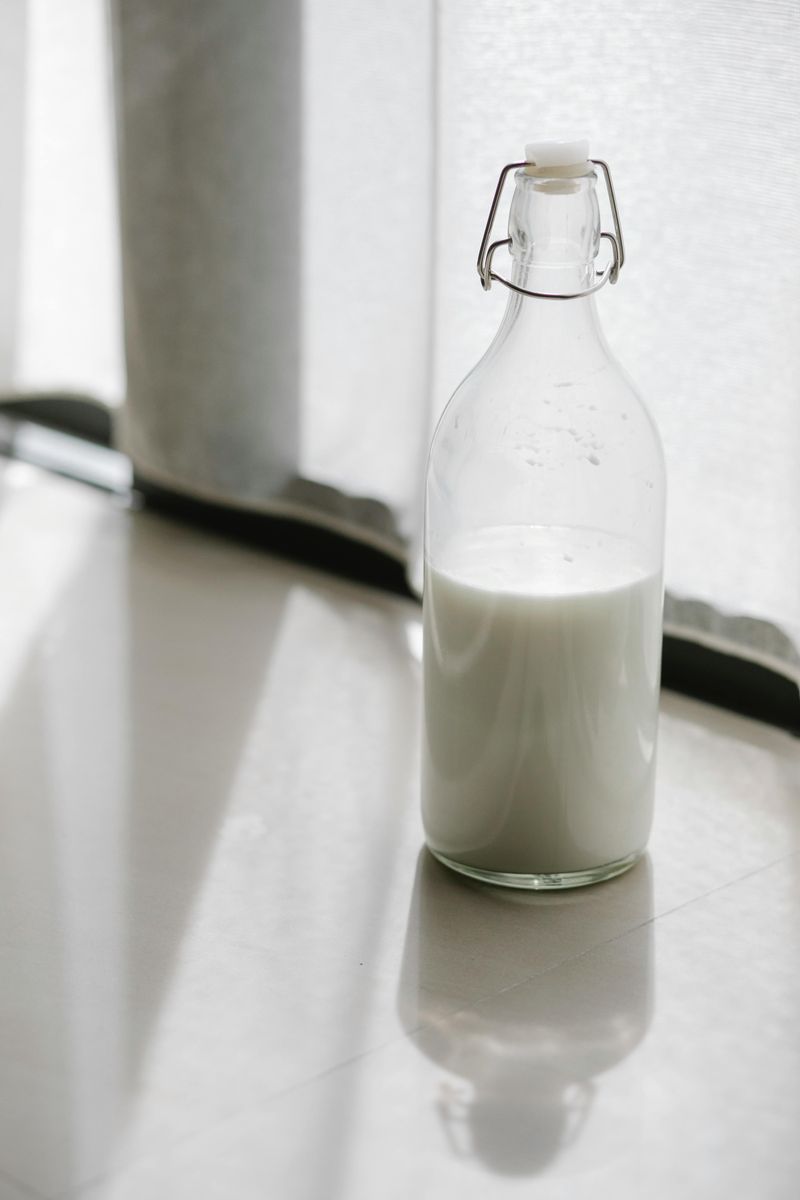
Milk turns quickly once opened because bacteria and light degrade it faster than you think. A sour smell or slight curdling means it is done.
Store it in the coldest part of your fridge and close the cap tightly to limit oxygen and odors.
Temperature abuse from door storage shortens its life. If your power went out or the jug sat out during breakfast, be careful.
Even if it looks fine, off flavors can be subtle early on. When in doubt, trust the sniff test and the date, then choose safety over waste.
Cheese
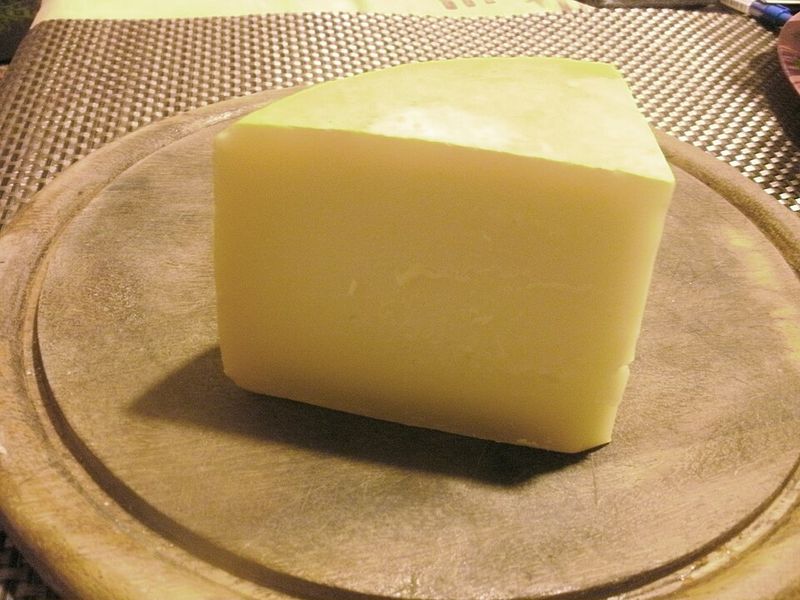
Cheese safety depends on type. Soft cheeses like brie, queso fresco, and ricotta spoil faster and can harbor Listeria if neglected.
Once you see unusual mold on soft cheese, toss the whole thing. For hard cheeses, you can trim mold, but the rest must still smell and taste normal.
Store cheese wrapped loosely in parchment, then a bag to breathe without drying. Avoid plastic wrap pressed directly on delicate rinds.
If it sat uncovered or warm at a party for hours, play it safe. Fresh shredded cheese clumps, smells sharp, or turns slimy when it is time to go.
Chicken
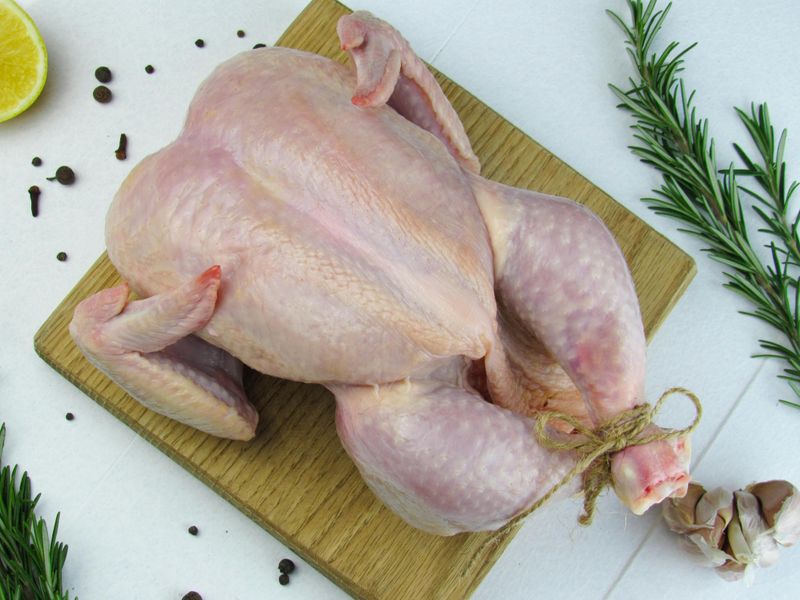
Raw chicken is high risk because Campylobacter and Salmonella flourish if temperatures rise. If the package sat in your car too long or lingered in the fridge for more than one to two days, do not gamble.
Slimy texture or sour odor means it is unsafe.
Keep raw chicken on the bottom shelf in a leakproof container to prevent drips. Marinating does not make old chicken safer.
If you freeze it, label the date so you never wonder. Thawed chicken should be cooked within a day.
When the timing feels fuzzy, choose peace of mind and toss it.
Ground beef
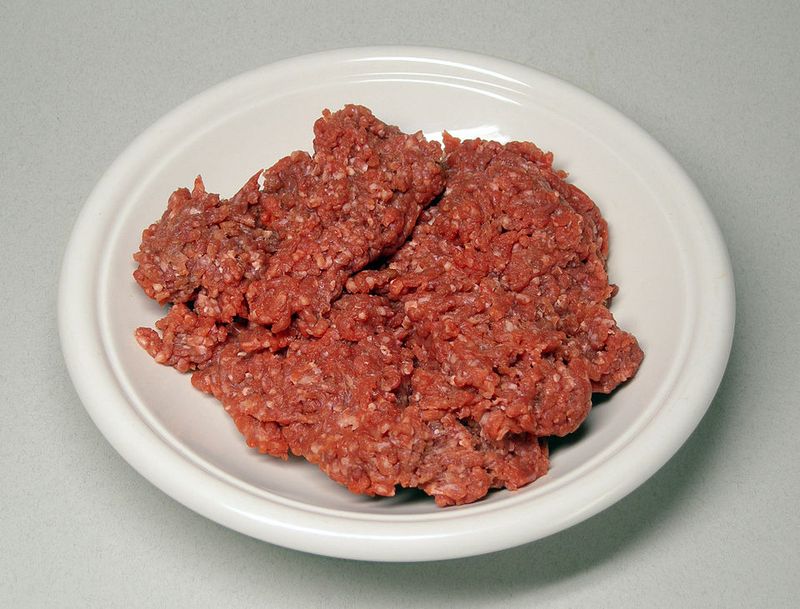
Ground beef spoils faster than whole cuts because more surface area invites bacterial growth. If it has been in your fridge longer than one to two days, it is not worth the risk.
A gray-brown interior is normal, but a sticky feel or funky smell signals danger.
Keep it cold and cook promptly. Once cooked, leftovers should be eaten within three to four days.
Reheat thoroughly to steaming hot. If you forgot when you bought it or the package puffed up, trust your instincts.
Foodborne illness is far costlier than the price of another pound of beef.
Cooked pasta
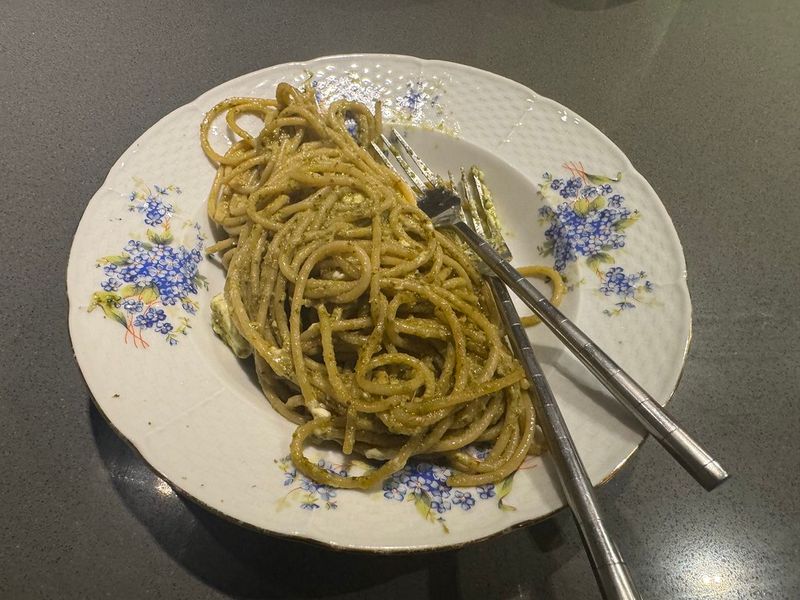
Cooked pasta seems harmless, but starches are great at trapping moisture and inviting bacteria. If it sat at room temperature for more than two hours, skip it.
Refrigerated pasta keeps three to five days, but watch for sour smells, slimy coating, or visible mold on strands or sauces.
Store it in shallow containers to cool quickly. Reheat to steaming hot, stirring to avoid cold spots.
Creamy sauces separate and turn unpleasant faster. If you cannot remember when it went in, do not taste test.
The small savings are never worth a night of regret and a queasy stomach.
Deli meat
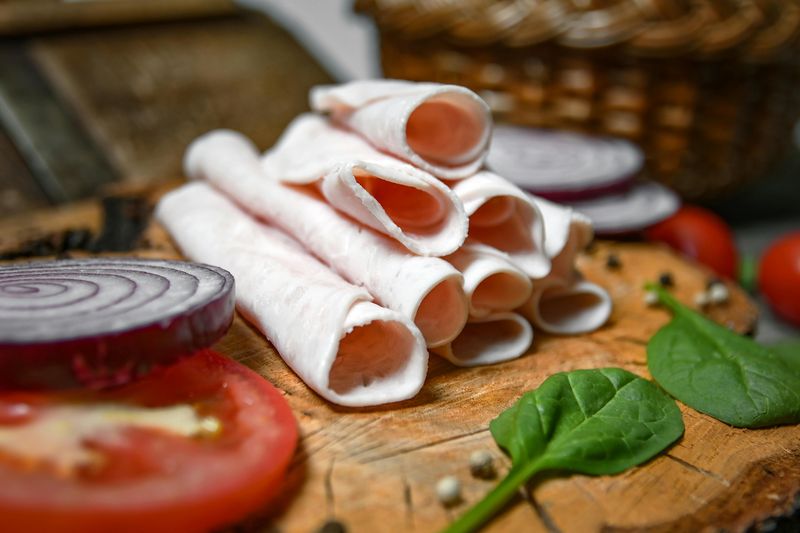
Deli meats are convenient but perishable. Once opened, they should be eaten within three to five days.
Listeria can grow even in cold temps, so older slices carry a real risk. Sliminess, a rainbow sheen, or sour aroma are clear signs to let them go.
Keep packages sealed tight and store them in the coldest zone. Avoid stacking warm slices back in the bag after making sandwiches.
Wash hands and the cutting board to prevent cross contamination. If you forgot the open date or the package puffed, skip it.
Your next sandwich can wait for a safer pack.
Fresh fish
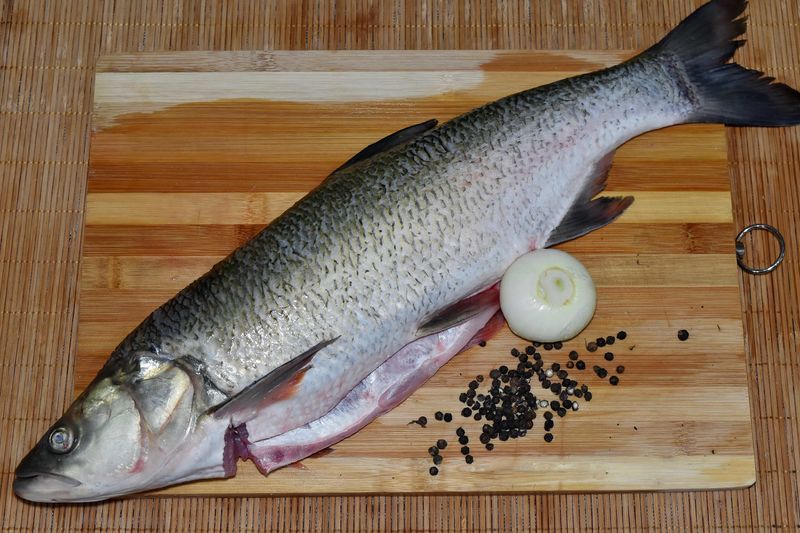
Fresh fish spoils fast because delicate proteins and fats oxidize quickly. If it has been more than one to two days, or it smells fishy instead of clean and briny, do not eat it.
Eyes on whole fish should be clear, and flesh should spring back when pressed.
Store it on ice or at the very back of the fridge. Cook or freeze it promptly.
Once cooked, finish within a couple days. Any sourness, mushy texture, or milky fluid means it is time to toss.
With seafood, fresh is fabulous, but old is a definite no.
Cooked chicken
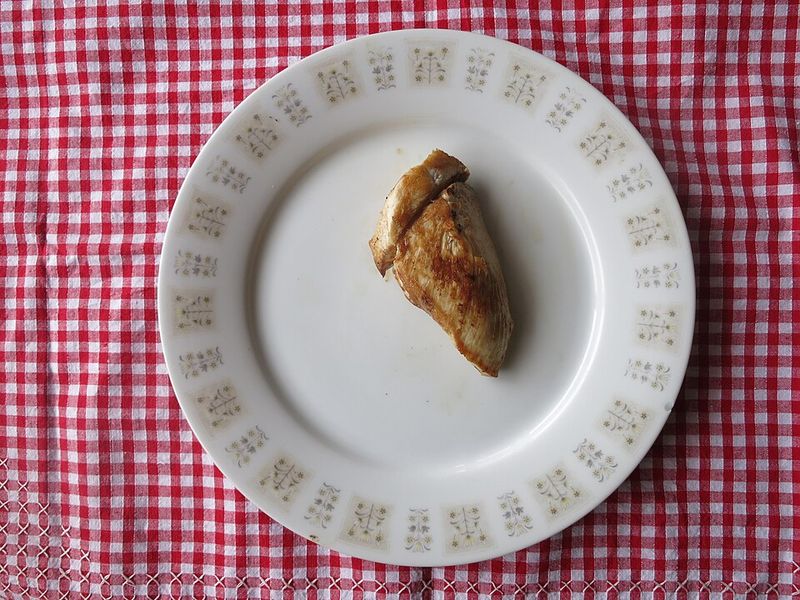
Cooked chicken is not immune to spoilage. It typically lasts three to four days in the fridge, provided it cooled quickly and stayed sealed.
If you notice a sour smell, slimy surface, or grayish spots, do not risk reheating it for another meal.
Portion leftovers in shallow containers so they chill evenly. Reheat until steaming hot throughout, especially for thicker pieces or thighs.
Avoid repeatedly warming and cooling. If memory fails on when you cooked it, that uncertainty is your answer.
A fresh pan of chicken is cheaper than a ruined day.
Yogurt
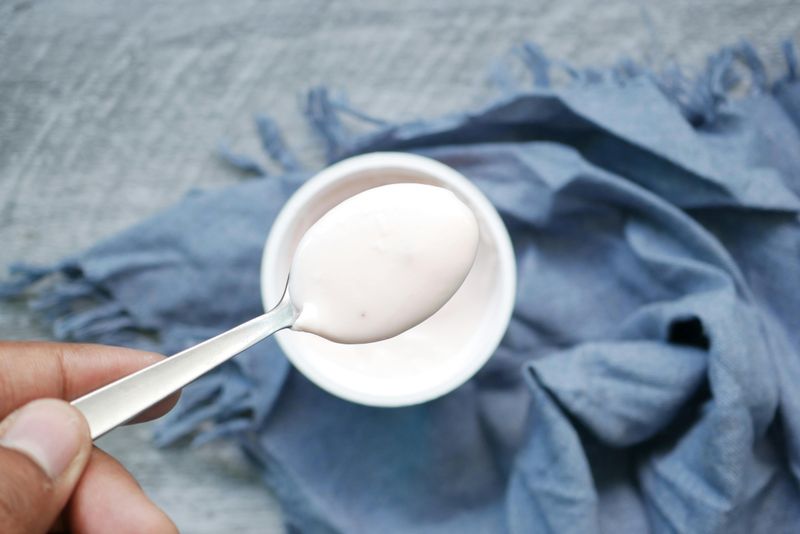
Yogurt has live cultures that help preserve it, but it still turns. Once opened, aim to finish within a week.
If it smells yeasty, tastes overly tangy, or separates into watery layers with curds, it may be past its prime. Visible mold means the entire container should go.
Keep it sealed and away from the warm door shelves. Use clean spoons to avoid introducing bacteria.
Stirring can fix minor separation, not spoilage. When planning breakfasts, buy sizes you can finish on time.
Trust your senses and the date, and skip risky scoops that could upset your stomach.
Fresh salad
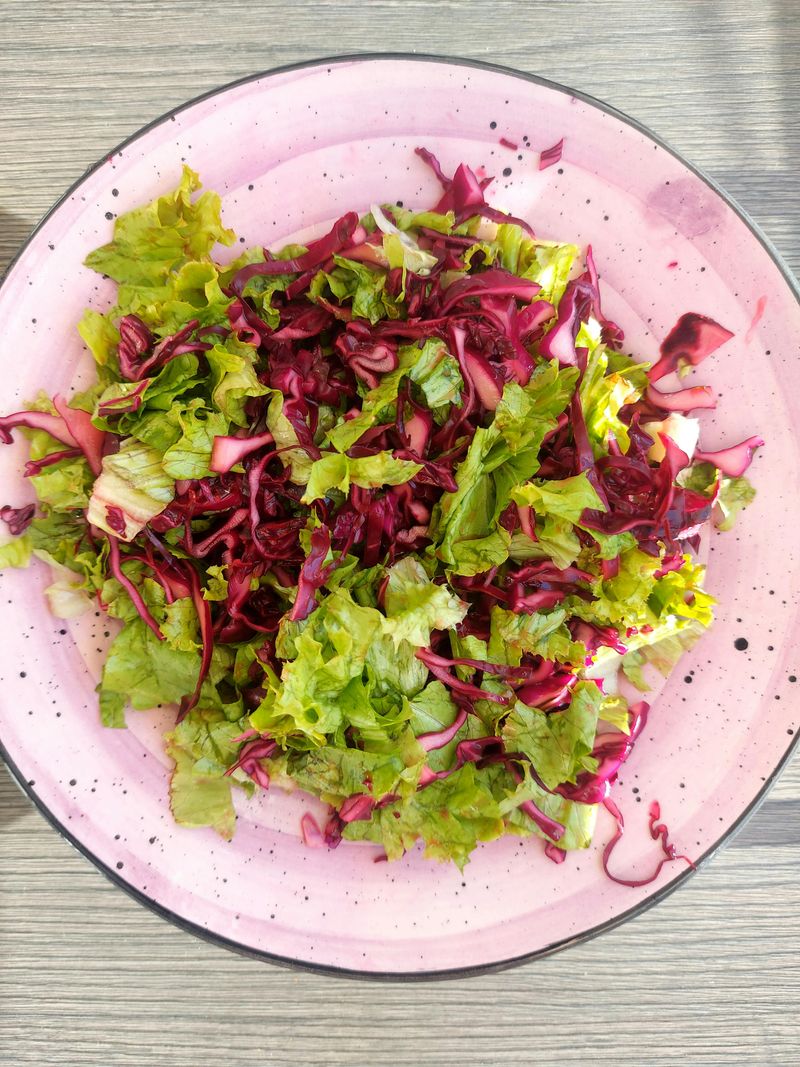
Fresh salads wilt quickly, and dressings speed spoilage. If greens look slimy, smell earthy-sour, or stick together in clumps, they are past saving.
Once dressed, salads typically last a day at best. Undressed greens can make it three to five days if dry and chilled properly.
Line containers with paper towels to absorb moisture. Keep croutons, cheese, and proteins separate until serving.
If your salad rode in a warm bag or sat out at lunch, skip storing leftovers. Trust crispness and color as clues.
When leaves turn translucent or soggy, they are ready for the compost, not your plate.
Cooked rice
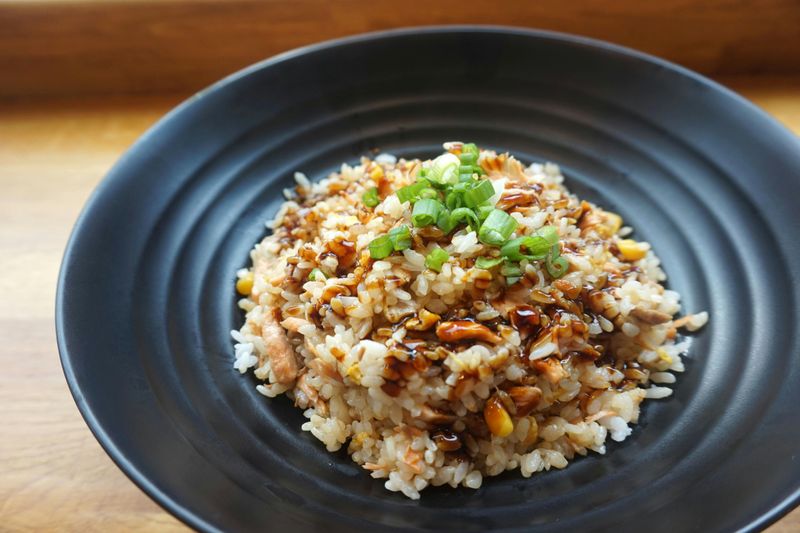
Cooked rice deserves special caution because spores can survive the pot and awaken as it cools. If it lingered on the counter after dinner, it is already risky.
Refrigerate quickly in shallow containers and finish within one to three days for best safety and texture.
Reheat until very hot and do not reheat more than once. Off aromas, stickiness beyond normal, or any hint of slime mean it is time to toss.
Fried rice is not immune either. When timing blurs, trust safety first.
A fresh batch takes minutes, and your gut will be happier.
Eggs
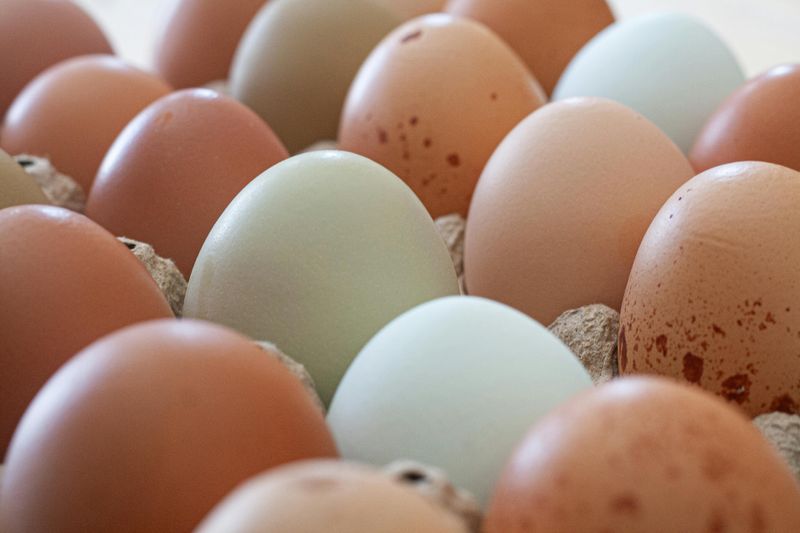
Raw eggs seem sturdy, but they are vulnerable to Salmonella and quality loss over time. If you crack one and it smells off or looks watery, toss it.
Keep them in their carton, not the fridge door, where temperature swings are common and risky.
Hard-boiled eggs last only about a week when peeled or unpeeled. If they sat out for over two hours before chilling, do not eat them.
You cannot taste safety, so rely on time and temperature. When unsure, remember your gut matters more than saving a couple eggs.
Cut fruit
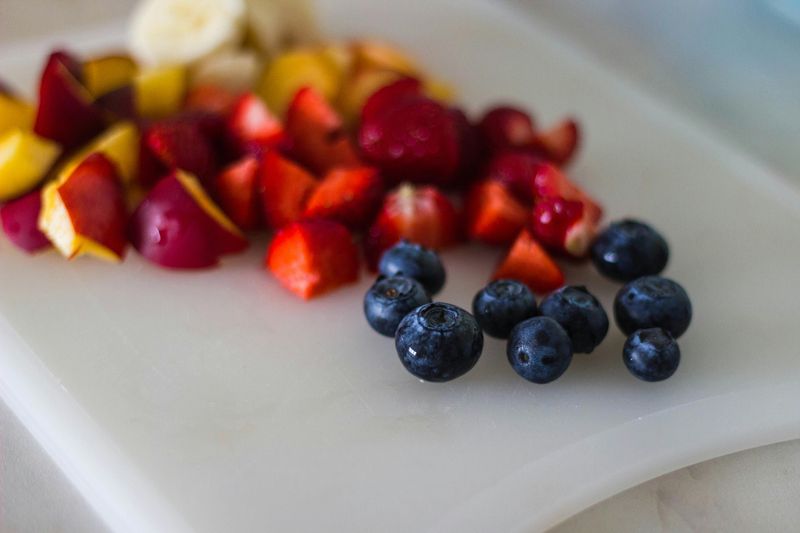
Once fruit is cut, it loses its protective skin and spoils faster. Juicy pieces like melon and pineapple are especially quick to turn.
Refrigerate promptly and eat within two to four days. Any fermentation smell, fizzing sensation, or slimy surface means game over, even if the color looks okay.
Use clean knives and containers to keep bacteria low. Add a paper towel to absorb excess moisture.
Citrus holds slightly longer, berries less. If a few pieces mold, discard the whole batch.
Fresh cut fruit should be bright, crisp, and fragrant in a good way, never sour or boozy.
Tomato sauce
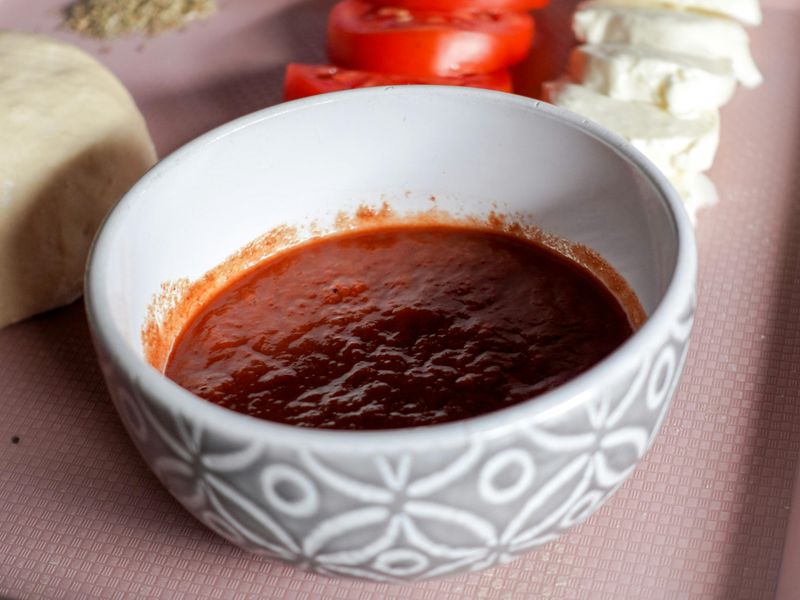
Tomato sauce seems sturdy thanks to acidity, but once opened or cooked it can spoil quickly. If it smells fermented, shows mold near the rim, or fizzes when you crack the lid, it is done.
Store leftovers in shallow containers and finish within three to four days.
Reheat to a rolling simmer to kill some microbes, though toxins may remain. Do not rely on a taste test.
Oily separation is normal, not fuzzy growth. If you forgot when it went in, start fresh.
That new batch will taste brighter anyway, and it will keep your dinner worry free.
Soup

Soup cools slowly in large pots, which can invite bacterial growth. Divide it into shallow containers so it chills fast, then finish within three to four days.
Cream soups and seafood soups spoil even faster. If it smells sour, looks curdled, or has bubbles after sitting, toss it.
Always reheat until boiling or vigorously simmering. Do not reheat the same batch multiple times.
If you cannot remember when you made it, that is your answer. Freeze extra portions early for best flavor and safety.
Future you will be grateful for a quick, trustworthy lunch that does not make you sick.
Cooked beans
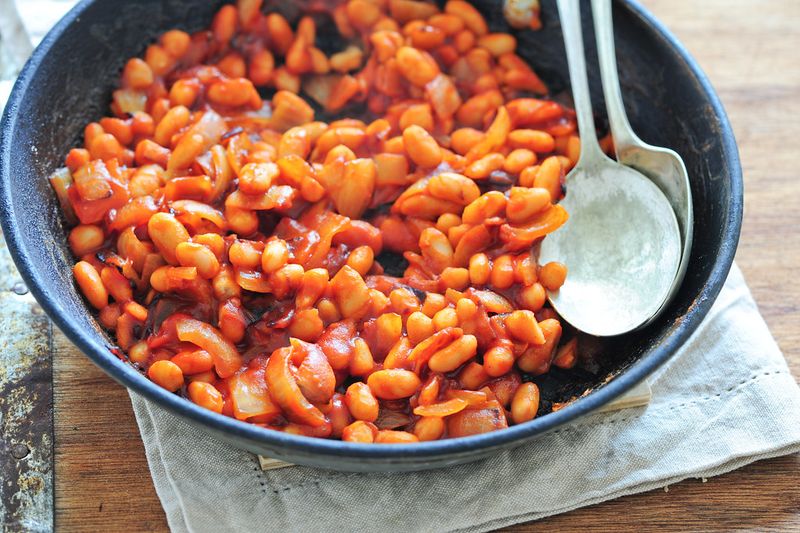
Cooked beans can sour fast if cooled slowly. Drain excess liquid, cool in shallow containers, and refrigerate within an hour.
Aim to finish within three to four days. A sour tang, frothy liquid, or slippery skins mean it is time to let them go, even if reheated thoroughly later.
Protein and moisture make beans a bacterial playground. Reheat to steaming hot and avoid repeated reheats.
If beans sat out during a party buffet, skip saving them. Label containers so you are never guessing.
The cost of new beans is small compared to the misery of a surprise stomach issue.
Cooked lentils
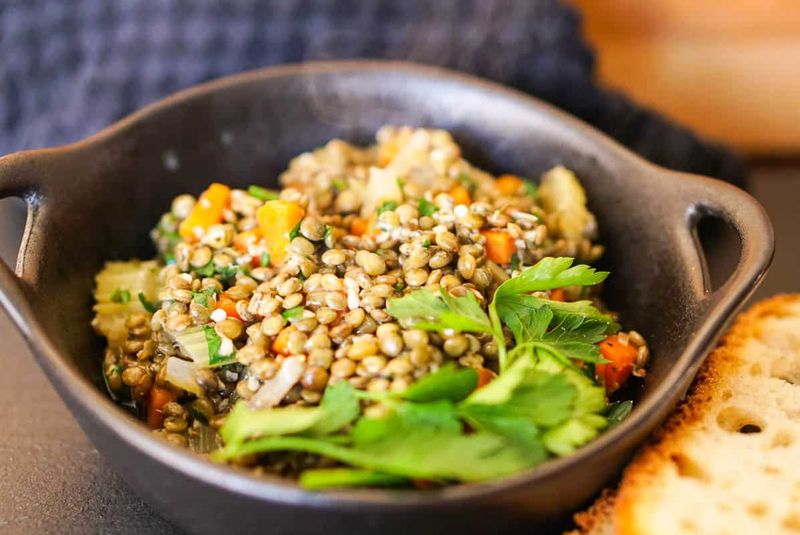
Cooked lentils are nutritious but perishable. Like beans, they last about three to four days when promptly chilled.
If the container bulges, liquid looks foamy, or a sharp sour smell hits you, it is time to toss. Texture changes from tender to mushy slime are another red flag.
Cool them quickly by spreading on a tray before packing. Store portions you will use soon and freeze the rest.
Avoid reheating large batches multiple times. When the timeline is fuzzy, start fresh.
A quick simmer with new lentils beats the risk of an upset stomach every single time.
Mashed potatoes
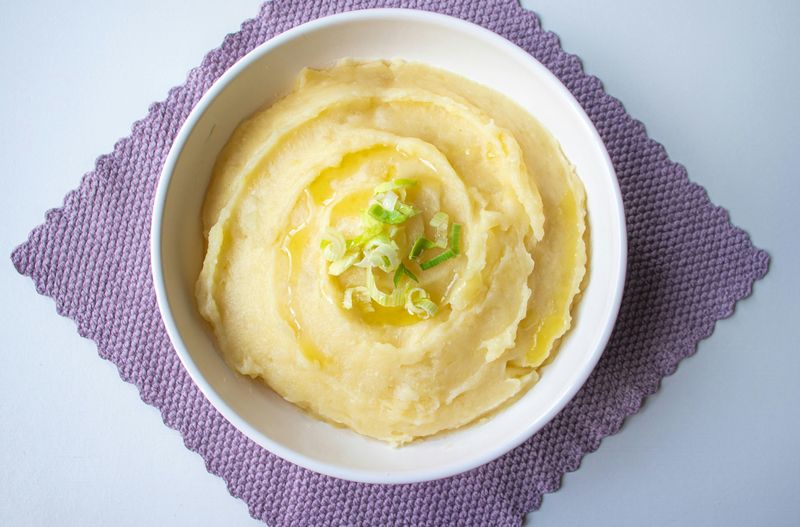
Mashed potatoes feel comforting, but dairy and moisture make them spoil-prone. Refrigerate within two hours and finish within three to four days.
If they smell sour, taste oddly sweet, or develop a gray tinge, throw them out. A slick surface or bubbly liquid also signals it is too late.
Reheat thoroughly, stirring to avoid cold pockets. Add a splash of milk when reheating only if fresh.
Do not mix in questionable gravy. If you lost track of dates after a big holiday, trust caution.
Fresh, hot mash is quick to make and far safer for your next meal.
Grilled chicken
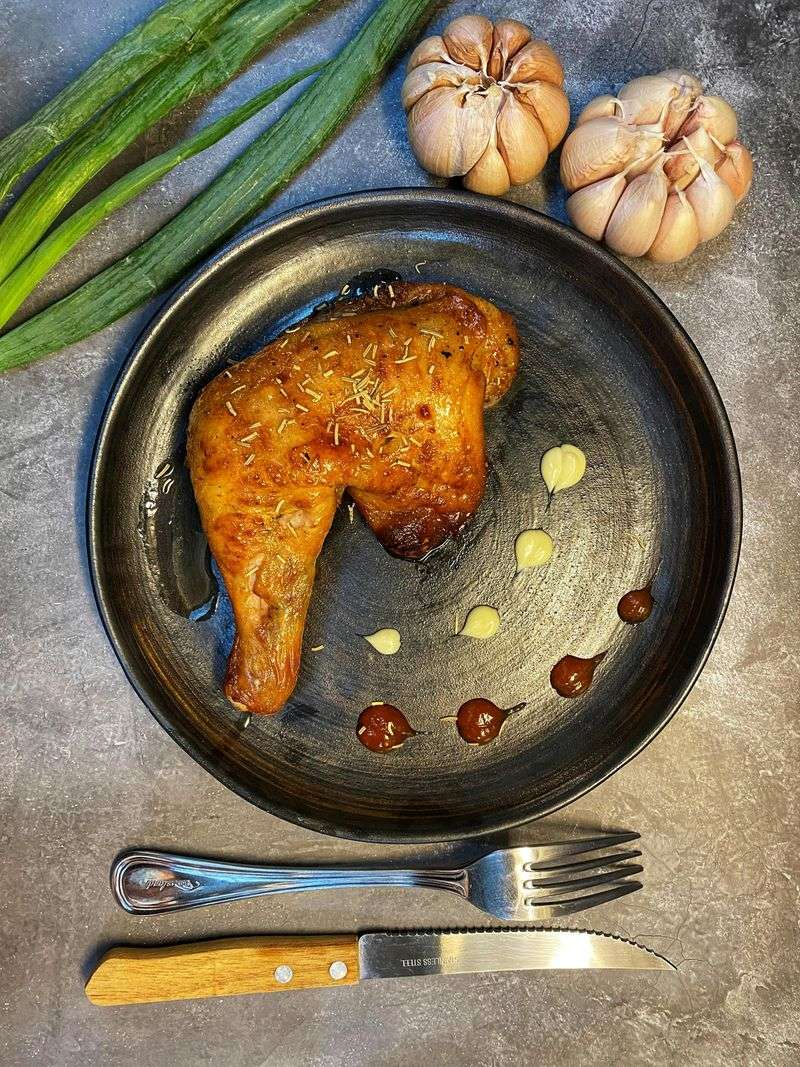
Grilled chicken tastes great but follows the same safety clock as any cooked poultry. Once chilled promptly, it lasts three to four days.
If it dried out, that is quality, not safety. But any sour smell, sticky film, or unusual color change means do not eat it.
Store pieces in shallow containers so they cool evenly. Reheat to steaming hot, adding a splash of broth to keep it moist.
Avoid leaving platters out during cookouts. If you are unsure how long it sat on the picnic table, play it safe and toss it without hesitation.
Roasted vegetables
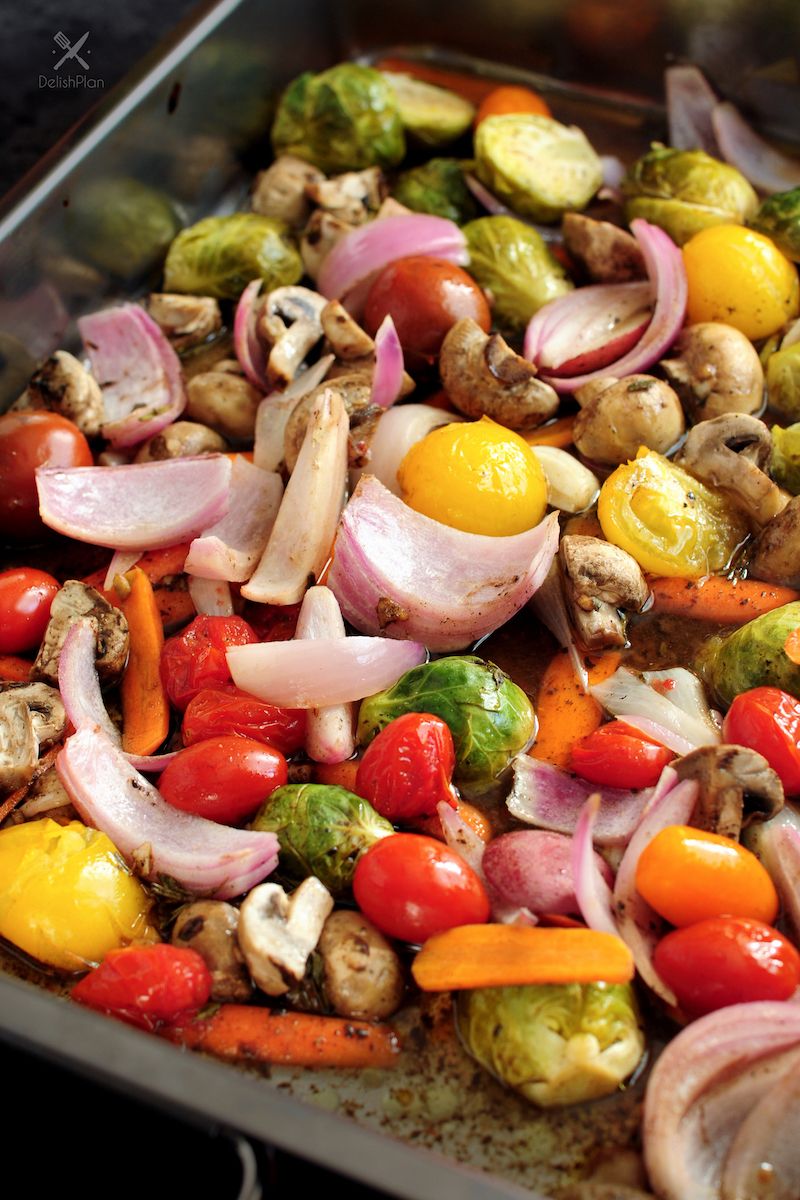
Roasted vegetables carry moisture and oil that can spoil quickly. Refrigerate them within two hours and enjoy within three to four days.
A sour smell, slimy surface, or fuzzy spots means they are gone. Garlic and onions can ferment and taste off sooner, so trust your nose and texture.
Store them uncovered briefly to cool, then seal. Reheat hot and fast to revive crisp edges.
If they sat on a buffet under lukewarm heat, skip saving them. Future you will prefer a fresh sheet pan anyway.
Safety first keeps leftovers enjoyable instead of a gamble with your gut.
Cooked pasta salad
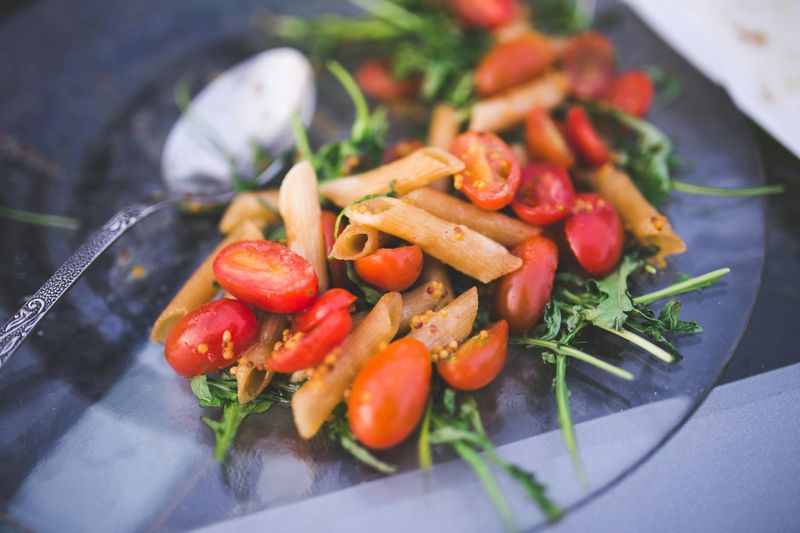
Pasta salad seems sturdy, but mayo or dairy dressings can turn fast. Keep it very cold and finish within three to four days.
If it sat out at a picnic or potluck, bacteria may already be thriving. A sour smell, watery separation, or slimy veggies signal it is over.
Store toppings separately when possible. Use clean utensils every time you scoop.
Vinegar-based dressings last a little longer, but not by much. If you hesitate before a bite, that is your cue.
Make a smaller fresh batch next time and enjoy without worrying about hidden risks.
Leftover pizza
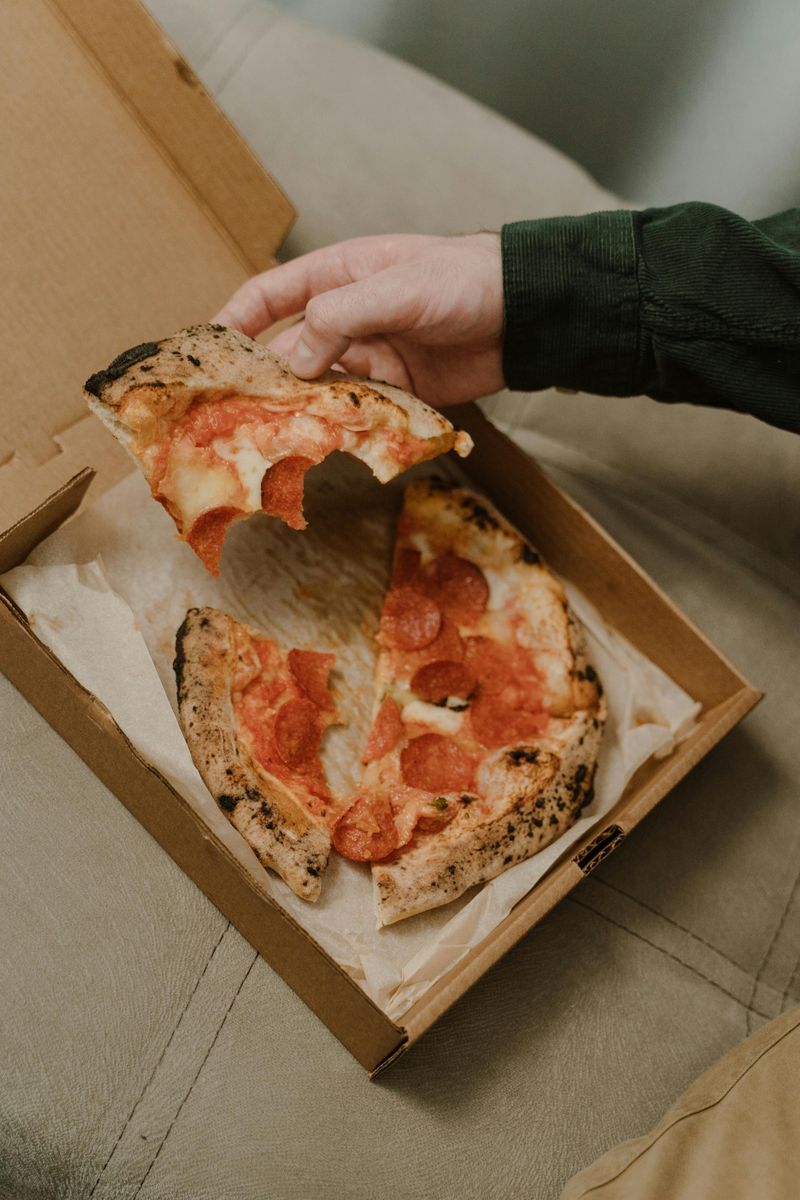
Leftover pizza is delicious, but it is not invincible. If it sat out more than two hours, do not refrigerate it later and hope for the best.
Properly chilled slices last three to four days. Greasy shine is fine, but sour smells, slimy toppings, or suspicious mushrooms mean it is done.
Store slices in airtight containers or wrap tightly to prevent drying. Reheat to bubbling hot, not lukewarm.
Avoid keeping a half-open box that lets in fridge odors. If you cannot recall the night it came home, skip it.
There will always be another slice in your future.
Cooked stew

Stew is dense, so it cools slowly and invites bacterial growth if left in a big pot. Divide into shallow containers and refrigerate promptly.
Eat within three to four days. If it smells sour, tastes oddly sweet, or shows gas bubbles when cold, discard it without second guessing.
Reheat until vigorously simmering, stirring often to eliminate cold spots. Avoid reheating the same container again and again.
Freeze extras early for better flavor and safety. When the timeline turns fuzzy, your safest move is fresh stew.
Your comfort food should feel comforting, not like a gamble with your health.
Leftover rice
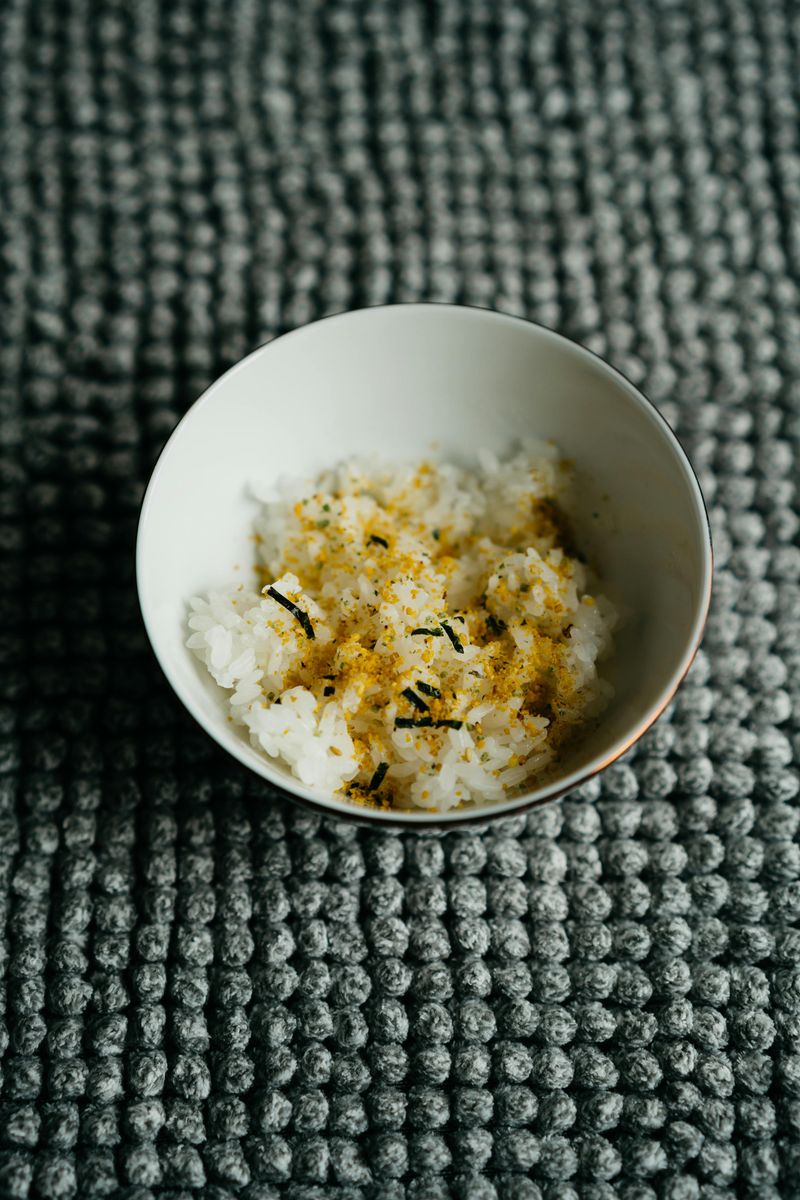
Leftover rice can harbor Bacillus cereus, a toxin producer that survives cooking. If rice cools slowly or sits out too long before refrigerating, you could get sick later.
Chill rice within one hour, ideally spreading it on a sheet to cool faster before storing.
Eat it within one to three days and reheat until piping hot. If it smells sweet, sour, or oddly floral, toss it.
Clumpy, dry grains are a quality issue, but slime signals real trouble. When you are unsure how long it sat, skip the guesswork.
Your stomach will thank you.
Enjoyed this story?
Add Fast Food Club as a preferred source to see more of our reporting on Google.