


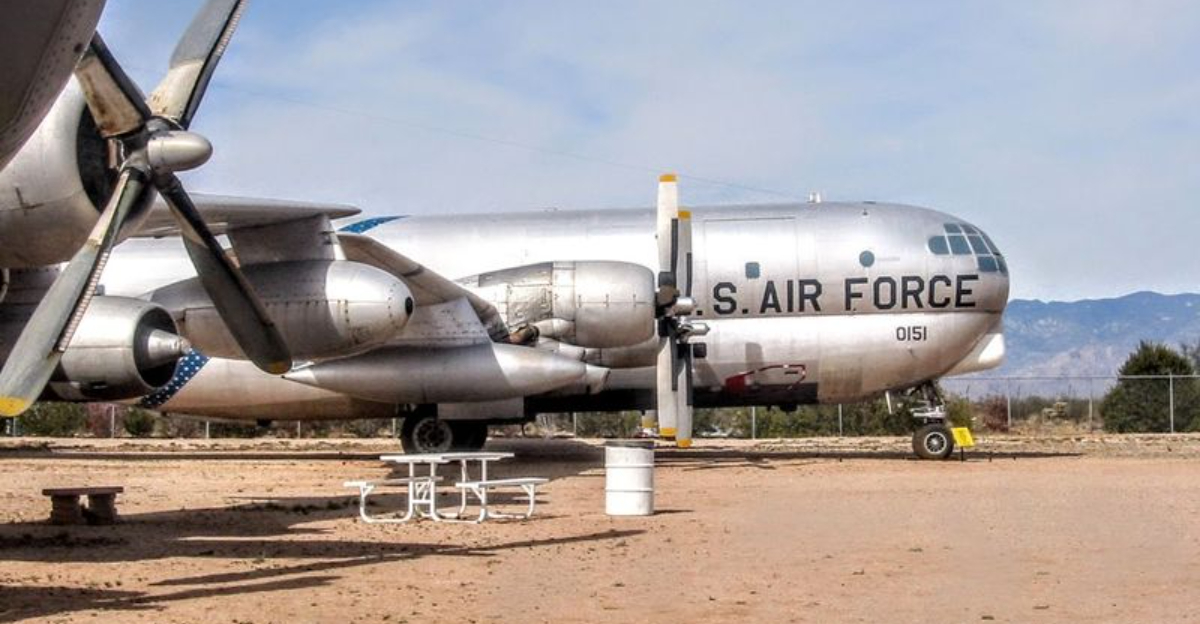
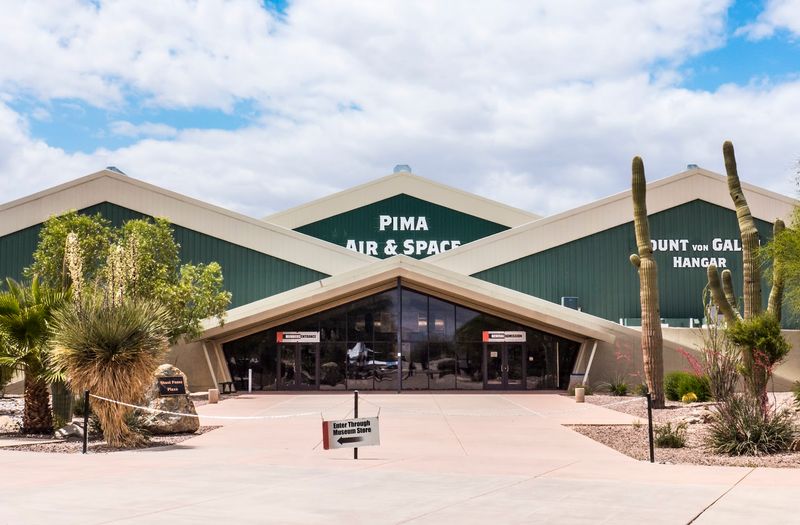
Tucked away in the Sonoran Desert outside Tucson, Arizona, the Pima Air and Space Museum holds one of the most jaw-dropping collections of military history in the entire country. Among its 300-plus aircraft and weapons displays, a genuine Cold War missile stands out as one of the most unexpected and fascinating exhibits you can find anywhere.
Whether you are a history buff, a curious traveler, or just someone who loves cool things, this museum will absolutely blow your mind. Here is a closer look at what makes this place and its Cold War missile such a remarkable historical find.
The Titan II Missile Connection at Pima
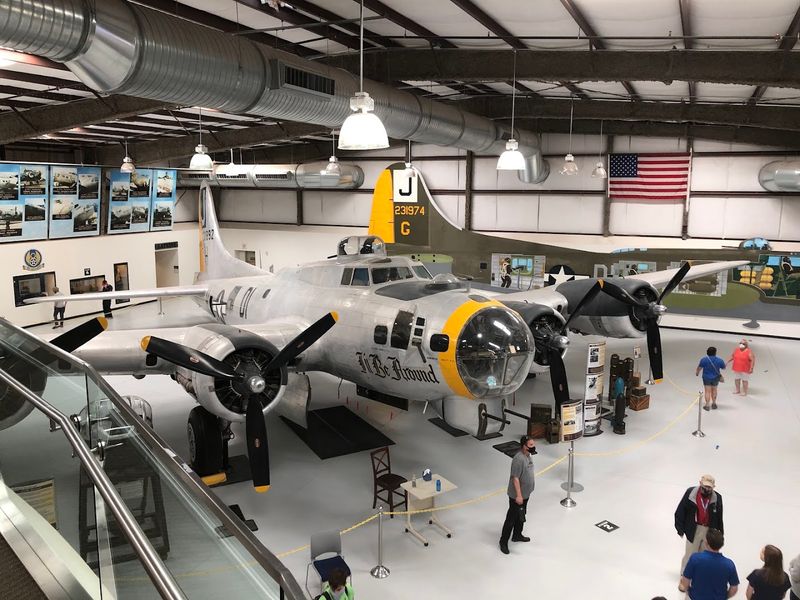
Few artifacts carry the weight of history quite like a Cold War-era ballistic missile standing tall in the Arizona desert. Pima Air and Space Museum sits just miles from the Titan Missile Museum in Green Valley, and the region’s Cold War legacy runs deep.
Several visitors even recommend combining both stops for a full day of nuclear history exploration.
At Pima, missile-related exhibits and hardware help tell the story of America’s nuclear deterrence strategy during one of the most tense periods in modern history. Seeing these weapons up close makes abstract history suddenly very real.
You start to understand just how high the stakes were during the Cold War, and why preserving these artifacts matters so much for future generations to learn from and reflect on.
German V-1 Buzz Bomb: The Real Deal
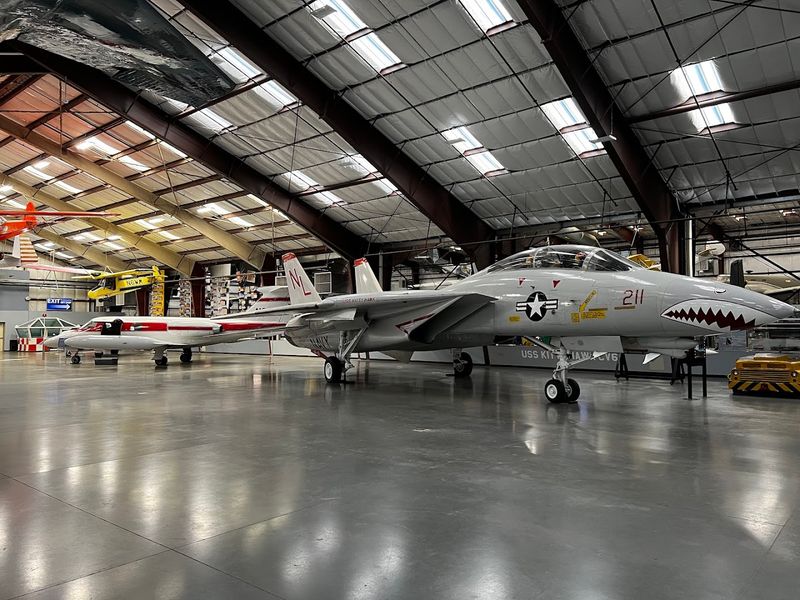
One retired Navy officer described it as his favorite exhibit in the entire museum, and it is easy to see why. Pima Air and Space Museum actually houses a real German V-1 jet-propulsion buzz bomb from World War II, and the display surrounding it is genuinely impressive.
This is not a replica or a model. It is the authentic article.
The V-1 was a pilotless flying bomb launched by Nazi Germany against civilian targets in Britain during the war. Hearing that buzzing engine cut out overhead was terrifying for Londoners, because silence meant the bomb was about to fall.
Pima presents this weapon with thoughtful historical context, helping visitors understand both its engineering and its human impact. Standing beside it feels like touching a piece of the most dramatic conflict in human history.
Over 300 Aircraft Spread Across 80 Acres
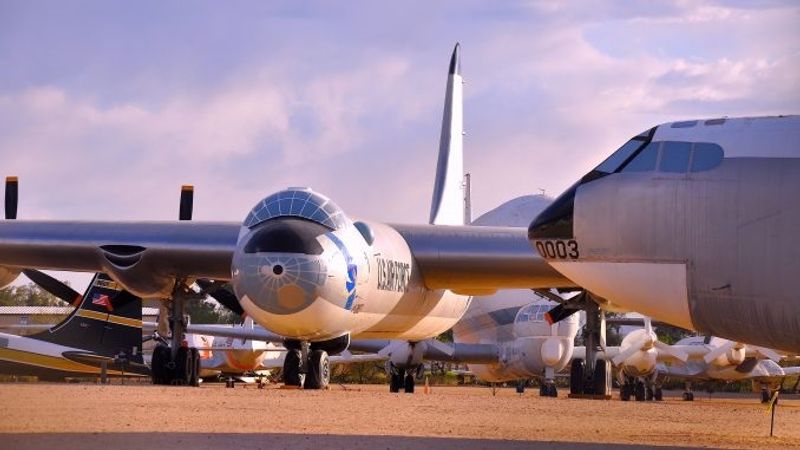
Eighty acres of desert real estate packed with more than 300 air and spacecraft sounds almost unbelievable until you actually arrive and see it for yourself. The sheer scale of Pima Air and Space Museum is one of the first things visitors mention in their reviews, often noting they underestimated how much time they would need.
A two-day pass is practically a necessity.
From sleek Cold War jets to massive cargo planes and classic World War II bombers, the variety here is staggering. About 60 percent of the aircraft are displayed outdoors, meaning comfortable shoes and sunscreen are your best friends.
The remaining collection fills multiple climate-controlled hangars. Whether you spend two hours or two full days exploring, you will leave feeling like you only scratched the surface of everything this extraordinary place has to offer.
The SR-71 Blackbird That Stops You Cold
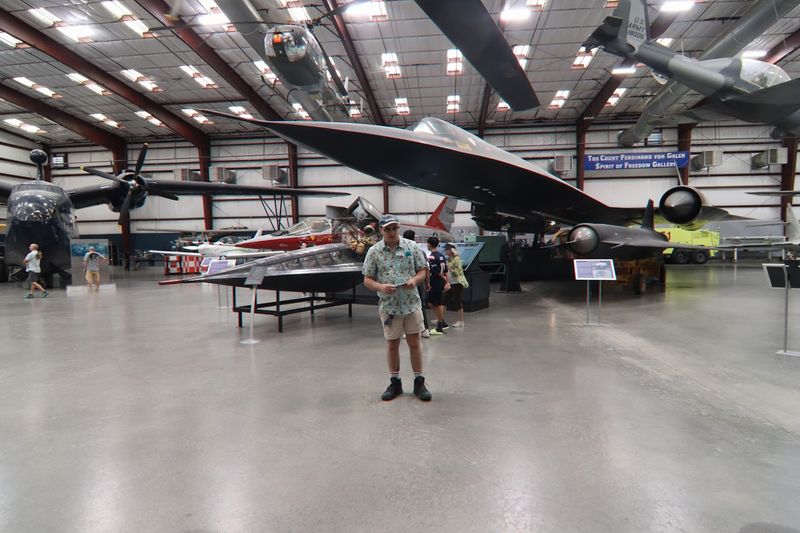
Walking up to an SR-71 Blackbird for the first time is genuinely a stop-in-your-tracks moment. This legendary spy plane, capable of flying faster than a rifle bullet, looks like something out of a science fiction film rather than a real aircraft built in the 1960s.
Pima has one, and visitors regularly call it a highlight of the entire experience.
The Blackbird could fly at altitudes above 85,000 feet and reach speeds exceeding Mach 3. No surface-to-air missile ever successfully shot one down during its operational career.
Instead of evading threats, it simply outran them. Seeing this aircraft up close, with its distinctive dark titanium skin and razor-sharp angles, gives you a deep appreciation for the engineers and pilots who made Cold War reconnaissance possible at extraordinary risk to themselves.
The B-17 Flying Fortress Hangar Experience
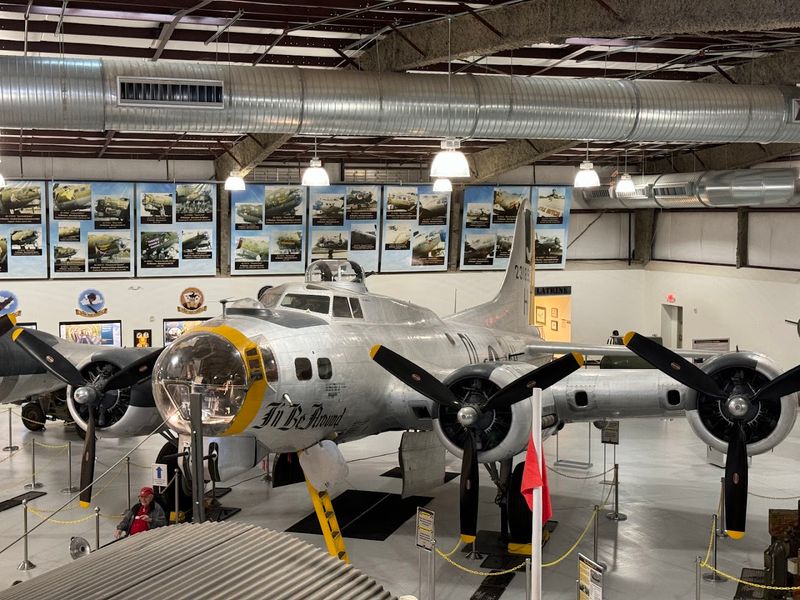
Inside a dedicated hangar at Pima, the B-17 Flying Fortress commands the room in a way that makes your jaw drop. Volunteers stationed nearby bring the aircraft to life with personal stories and historical context that no placard alone could deliver.
One visitor described meeting a 91-year-old colonel who gave her son birthday patches, a memory that clearly meant everything.
The B-17 was the backbone of Allied bombing campaigns over Europe during World War II. Crews flew dangerous missions in freezing temperatures, often under heavy enemy fire, with survival odds that were sobering at best.
Walking under the massive wings and peering into the fuselage, you feel the courage those young airmen carried with them. The 380th Bomb Group museum within the Pima grounds adds even more depth to this already powerful exhibit, with peek-inside views of the aircraft.
Tram Tour: The Smartest Way to Start Your Visit
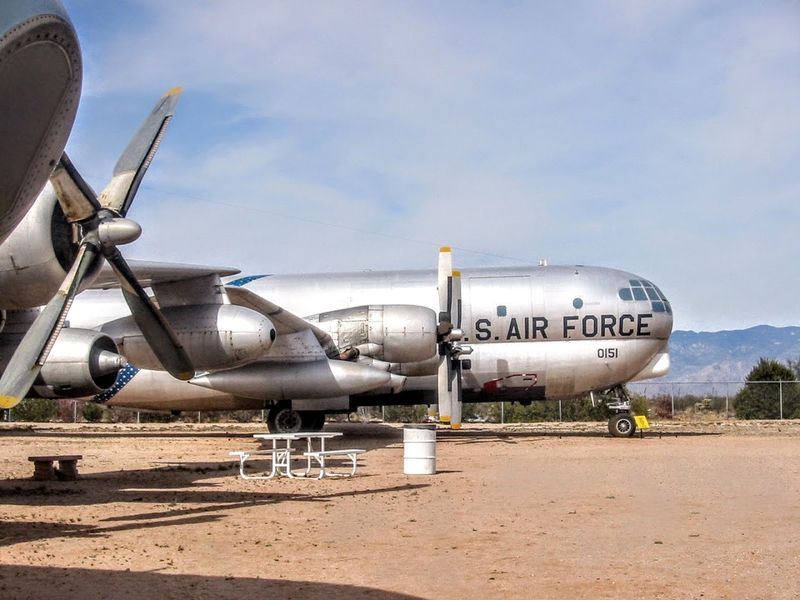
Trying to walk every inch of 80 acres in the Arizona sun without a game plan is a recipe for exhaustion. That is exactly why the guided tram tour has become one of the most praised features of any visit to Pima Air and Space Museum.
Lasting about 45 minutes, it gives you a sweeping overview of the outdoor collection before you head off to explore on foot.
The tram is covered, which is a lifesaver on hot Tucson days when temperatures can climb well past 100 degrees. Knowledgeable guides share stories and facts about the aircraft you pass, making the ride genuinely entertaining rather than just a transportation shortcut.
Several reviewers strongly suggest booking the tram first, then using the rest of your visit to backtrack to the planes that caught your attention. At around $10 extra, it is absolutely worth it.
Cold War Jets From Multiple Nations on Display
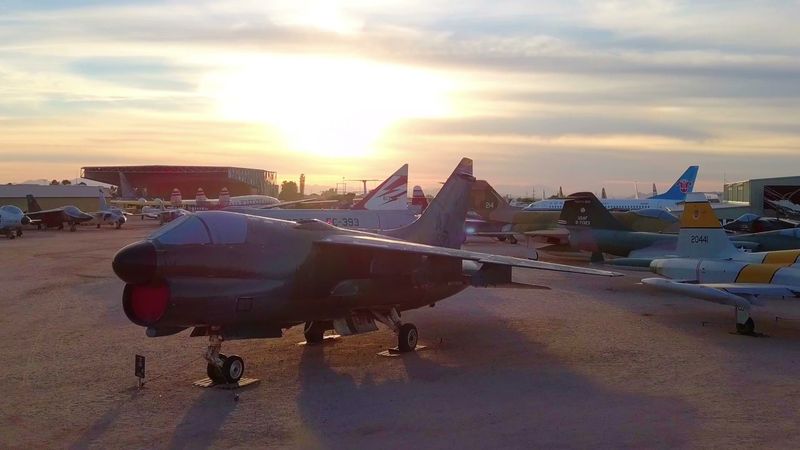
One of the quietly astonishing things about Pima is how international its collection truly is. Beyond American military aircraft, the museum displays jets and planes from multiple countries, giving visitors a genuinely global perspective on aviation history.
Cold War rivalries played out in the skies, and seeing aircraft from different sides of that conflict displayed side by side is thought-provoking.
Prototype aircraft, rare experimental models, and retired frontline fighters share the grounds with more familiar names like the F-16, F-22, and F-35. Visitors have even reported catching live F-22s and P-51 Mustangs practicing overhead for nearby airshows, turning a museum trip into an impromptu airshow.
That kind of unexpected bonus is part of what makes Pima feel less like a static collection and more like a living, breathing celebration of flight across every era of aviation history.
The A-10 Warthog: Built Tough, Displayed Proudly
Ugly on purpose and absolutely beloved by the soldiers it protected, the A-10 Warthog is one of those aircraft that earns instant respect the moment you see it up close. Built around its massive 30mm rotary cannon, the Warthog was designed to fly low, slow, and mean over battlefields, providing close air support to ground troops.
Pima has one, and it draws admiring crowds.
The A-10 became famous during conflicts in the Middle East, where its toughness and firepower made it a battlefield legend. Pilots nicknamed it the Warthog because of its ungainly appearance, but in combat it was anything but clumsy.
Seeing the aircraft at Pima lets you appreciate the engineering choices made in every rivet and panel. Sometimes the most functional designs are the most impressive, and the Warthog proves that point better than almost any other aircraft in the collection.
The B-36 Peacemaker and Cold War Deterrence
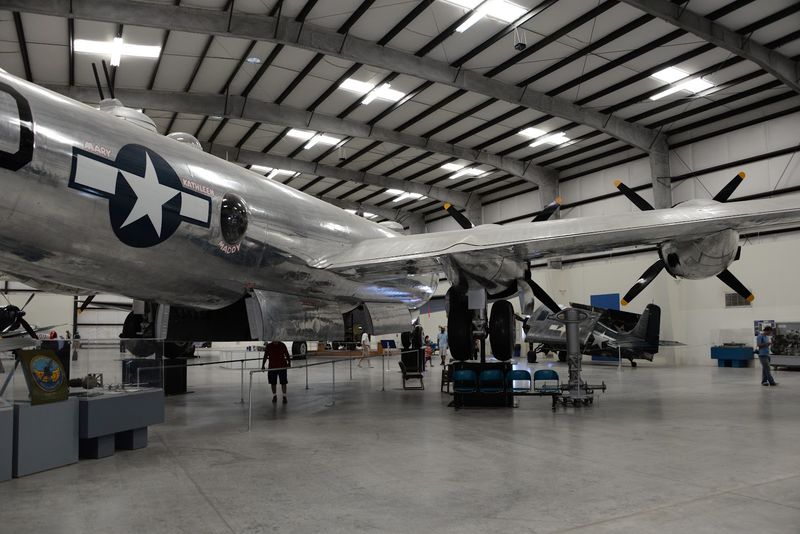
There is something almost surreal about standing beneath the wings of a B-36 Peacemaker. With a wingspan stretching 230 feet, this Cold War-era strategic bomber was the largest mass-produced piston-engine aircraft ever built.
It was designed to carry nuclear weapons across intercontinental distances, and its very existence was meant to make any adversary think twice about starting a conflict.
The Peacemaker served as America’s primary nuclear delivery vehicle during the early Cold War years before jet bombers took over that role. Pima’s example is one of the few surviving B-36s anywhere in the world, making it an incredibly rare find for aviation enthusiasts.
One reviewer specifically called it out as a highlight, right alongside the Blackbird and the Fortress. Standing underneath its enormous fuselage, you genuinely feel the weight of history pressing down from above in a way that photographs simply cannot capture.
Interactive Exhibits and Simulators Inside the Hangars
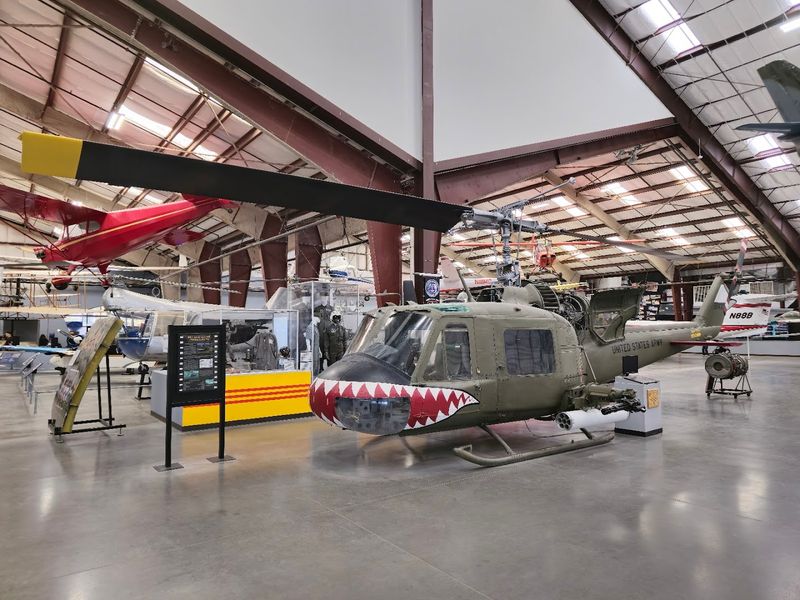
Not everything at Pima is about standing and staring from a distance. Inside the museum’s hangars, interactive exhibits invite visitors to get hands-on with aviation history.
Uniforms, gadgets, model air traffic control setups, and working flight simulators give the collection a dynamic energy that keeps both kids and adults genuinely engaged throughout the visit.
The simulator room stands out as a particular crowd-pleaser. Flying three different aircraft simulators gives you a tiny taste of what real pilots experience in the cockpit, and it is harder than it looks.
Speakers, seminars, and rotating exhibits mean there is almost always something new to discover even on a return visit. One visitor described buying a two-day pass specifically because one day was not enough to absorb everything.
With so much to see, touch, and learn, Pima rewards curiosity at every turn and every corner.
Military Vehicle Museum: The Newest Surprise
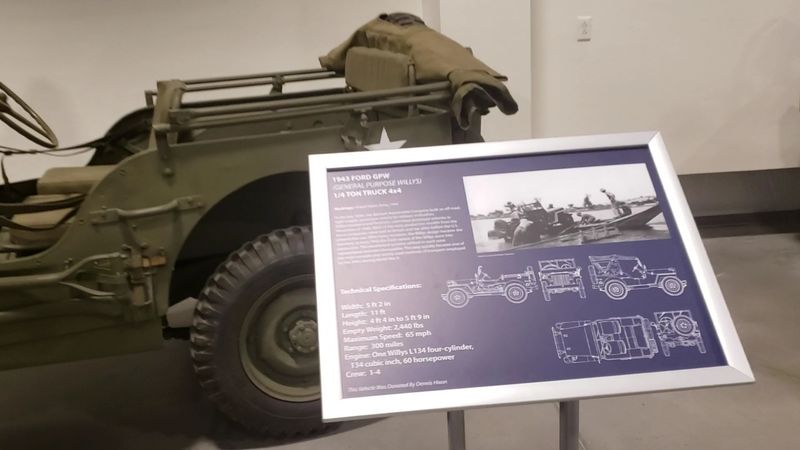
Just when you think you have figured out everything Pima has to offer, you discover the Military Vehicle Museum right next door. This newer addition to the Pima campus features a remarkable collection of military vehicles from across American history, and combo tickets make it easy to add on to your air and space experience without breaking the bank.
Tanks, jeeps, armored personnel carriers, and other ground vehicles fill the hangar, giving a completely different dimension to the military history story that Pima tells so well through its aircraft collection. Several recent visitors specifically called out the Military Vehicle Museum as a must-see bonus that many people overlook.
If you are already spending a full day at Pima, carving out time for the vehicle museum is a no-brainer. It rounds out the experience in a way that makes the whole visit feel even more complete and satisfying.
Ticket Value and the Two-Day Pass Advantage
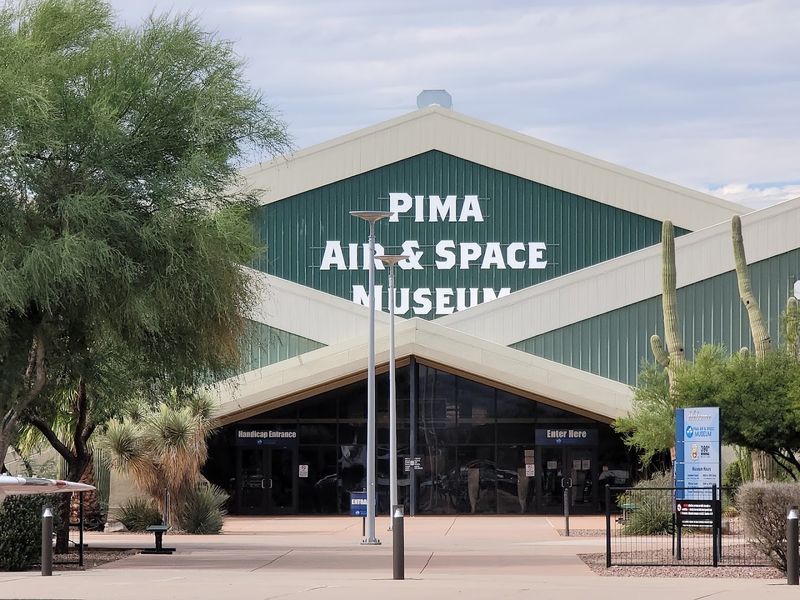
At around $29 to $30 per adult, a Pima Air and Space Museum ticket already includes two visits within 30 days, which is an unusually generous policy for a museum of this caliber. Active duty military members receive a discount, and the two-day pass option means you genuinely do not have to rush through exhibits trying to see everything in one frantic afternoon.
Multiple reviewers admitted they bought single-day tickets and immediately wished they had sprung for the two-day option. The museum closes at 5 PM daily, with last admission at 3 PM, so planning ahead matters.
Arriving early gives you the best chance of catching a tram tour, spending quality time in each hangar, and still having energy left for the outdoor grounds. For the depth and variety of what you get, Pima consistently earns praise as one of the best museum values anywhere in the American Southwest.
Why Pima Ranks Among the Best Air Museums in America
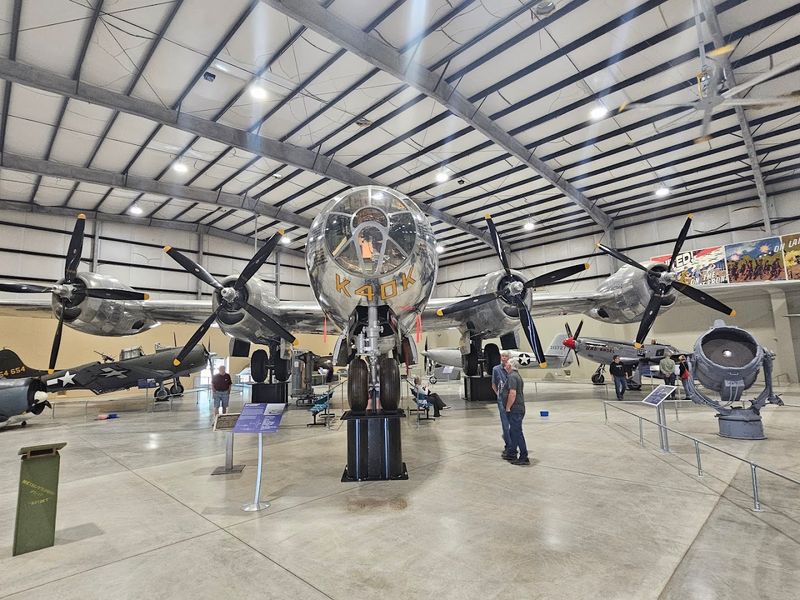
Ask any aviation enthusiast to name the top air museums in the United States, and Pima Air and Space Museum almost always makes the short list. With over 10,400 reviews averaging 4.8 stars, the numbers back up what visitors consistently say in person: this place is genuinely world-class.
One reviewer described it as a must-do vacation destination for aviation fans, and that reputation is hard-earned.
From rare Cold War missiles and legendary spy planes to interactive simulators and heartwarming volunteer stories, Pima offers something meaningful for every kind of visitor. Families, history lovers, military veterans, and casual tourists all find their own reasons to fall in love with the collection.
The museum sits at 6000 East Valencia Road in Tucson and is open seven days a week from 9 AM to 5 PM. Call ahead at 520-574-0462 or visit pimaair.org to plan your visit today.
Enjoyed this story?
Add Fast Food Club as a preferred source to see more of our reporting on Google.