


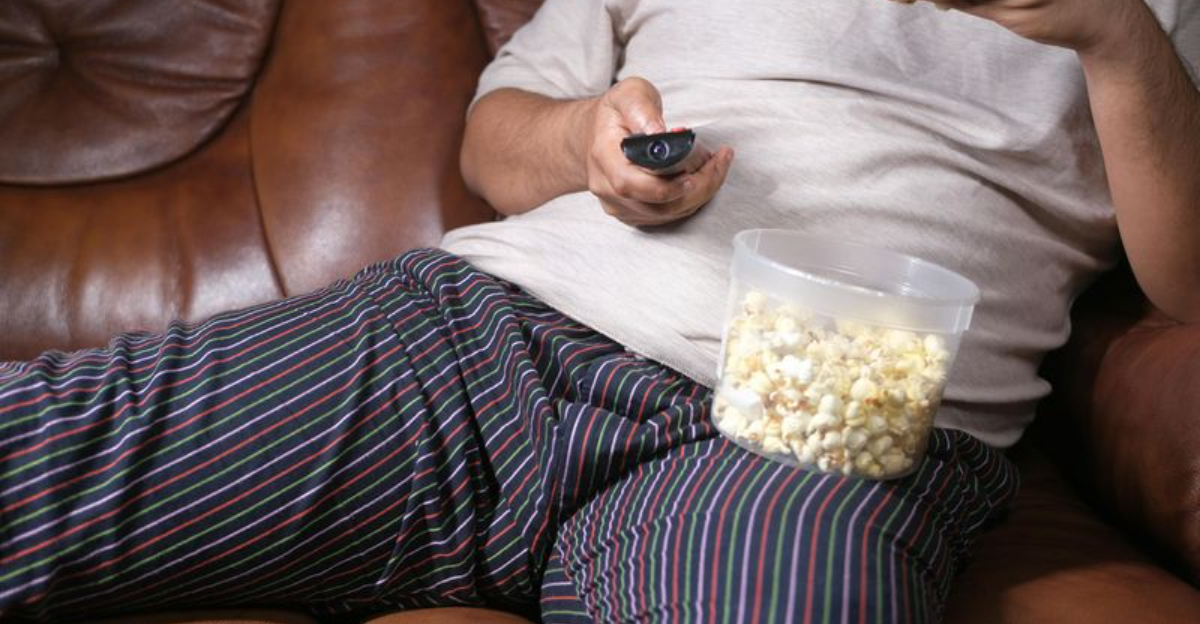
Turning 40 is not a cliff, but your body does start whispering truths you used to ignore. Small eating habits can quietly shape energy, sleep, and how your clothes fit.
The good news is that tiny, doable tweaks add up fast. Here is a practical guide to the subtle food patterns that deserve your attention now.
Skipping breakfast
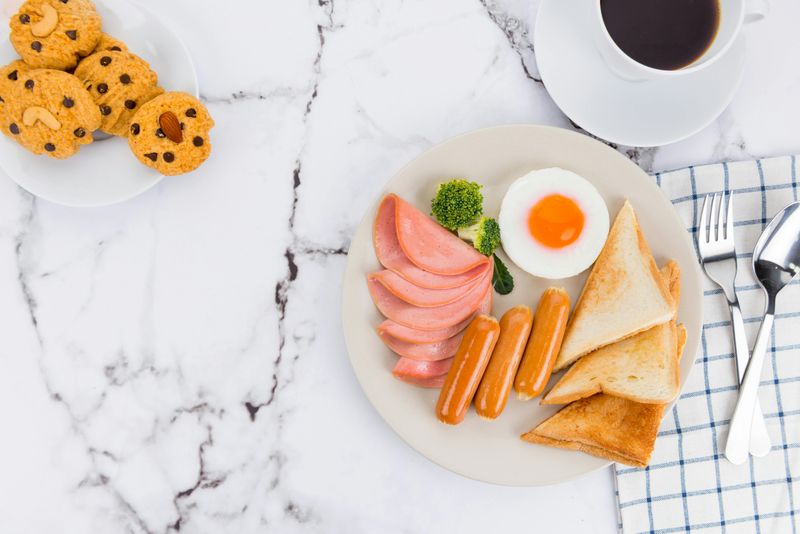
Skipping breakfast seems efficient, but it can backfire after 40. Cortisol runs higher in the morning, so eating nothing may amplify stress and later cravings.
Many then overeat at lunch and dinner, chasing energy that never steadies. Blood sugar swings intensify brain fog, mood dips, and midafternoon crashes.
Try a balanced first meal with protein, fiber, and color. Greek yogurt, eggs, oats, chia pudding, or a leftovers bowl all work.
Aim for 20 to 30 grams protein to curb grazing. If mornings are hectic, prep grab and go options.
You will feel calmer, clearer, and more satisfied through the afternoon.
Eating fast food
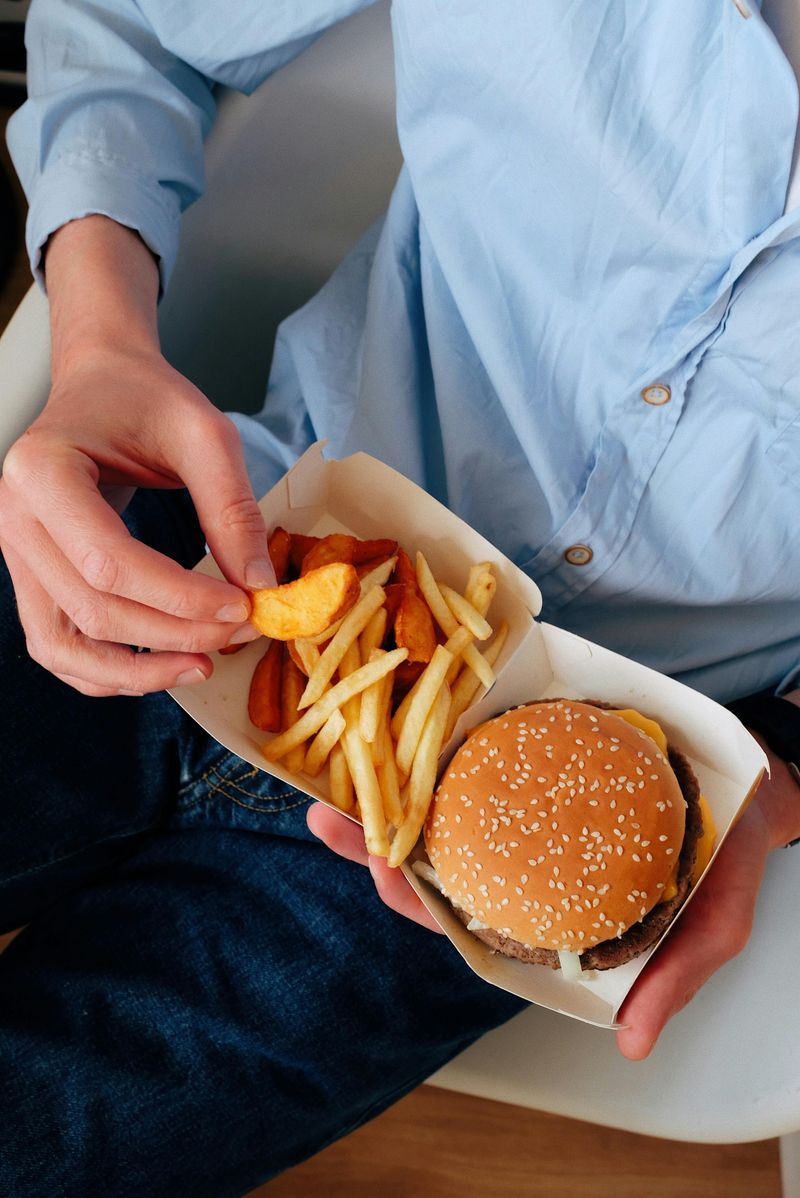
Fast food delivers convenience, but the tradeoffs add up. Highly refined oils, excess sodium, and sugar loaded sauces inflame the body over time.
After 40, metabolism slows and recovery from dietary hits takes longer. You may notice stiffer joints, bloating, restless sleep, and stubborn weight creep.
Reserve drive thrus for true emergencies. Build a rotation of quick meals at home, like rotisserie chicken salads, bean quesadillas, or veggie omelets.
Keep frozen vegetables and microwavable brown rice ready. When ordering out, prioritize protein, produce, and portion control.
Add water, skip fries, and split burgers or choose a bunless option with salad.
Overeating sugar
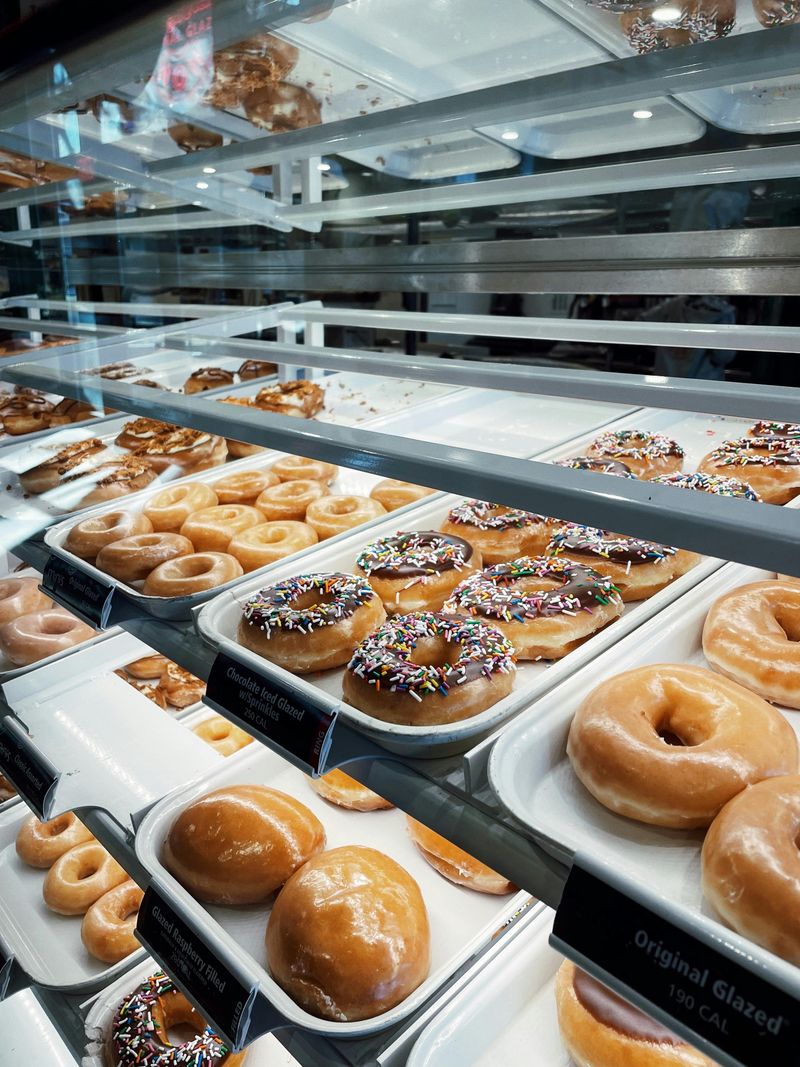
Sugar sneaks into sauces, breads, yogurts, and snacks. Consistently overshooting adds visceral fat, raises triglycerides, and stresses the liver.
After 40, insulin resistance can creep faster, making energy highs shorter and crashes deeper. Skin may dull, sleep fragments, and cravings seem louder despite decent meals.
Start cutting back without drama. Swap sweetened yogurt for plain with fruit, trade soda for seltzer, and cap desserts at a few mindful bites.
Read labels and note added sugars per serving. Aim protein at each meal to stabilize appetite.
Small daily changes compound, and your taste buds reset within a few short weeks for you.
Drinking soda
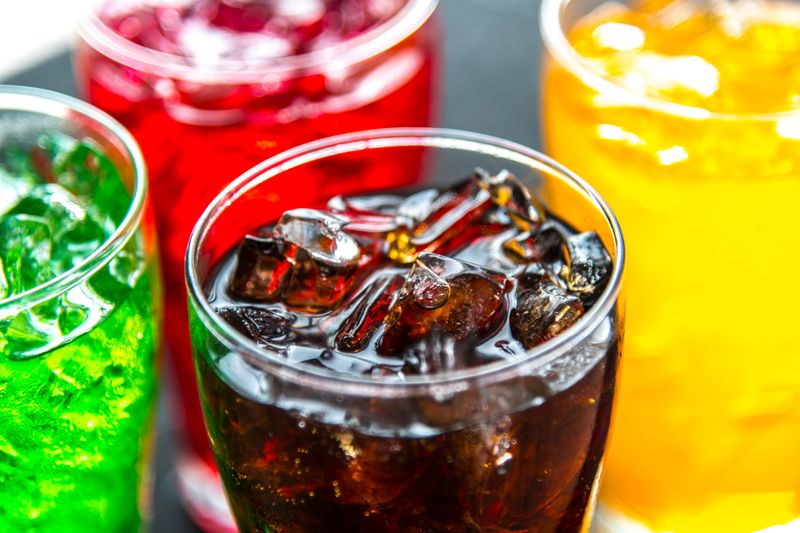
Soda seems refreshing, yet it spikes blood sugar and bathes teeth in acid. Diet soda is not a free pass either, since sweetness trains cravings and may disrupt gut signals.
After 40, the metabolic ripple gets louder. Energy dips lengthen, belly fat sticks, and sleep can turn restless.
Make bubbles work for you. Choose sparkling water with citrus, iced tea without sweeteners, or kefir for a tangy lift.
If you love cola, step down gradually by mixing half soda with seltzer. Keep cold alternatives handy.
The fewer sweet sips you take, the calmer your appetite becomes day after day consistently.
Eating fried food
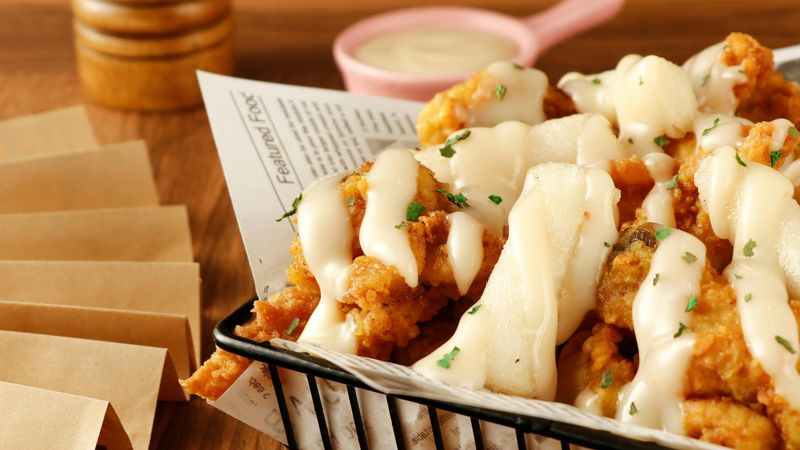
Fried foods concentrate calories and oxidized oils that inflame joints and arteries. After 40, these hits land harder, showing up as sluggish mornings and thicker waistlines.
Restaurant fryers often reuse oils repeatedly, increasing aldehydes linked to cellular stress. That crunchy coating can mask a heavy, lingering load.
Shift the texture you crave. Air fry, roast, grill, or pan sear with avocado or olive oil.
Choose breading from almond flour or cornmeal, and lean on herbs for punch. Order sides baked, not fried.
Your palate adapts quickly when flavor stays high and grease finally steps back from your usual meals gradually.
Too much salt
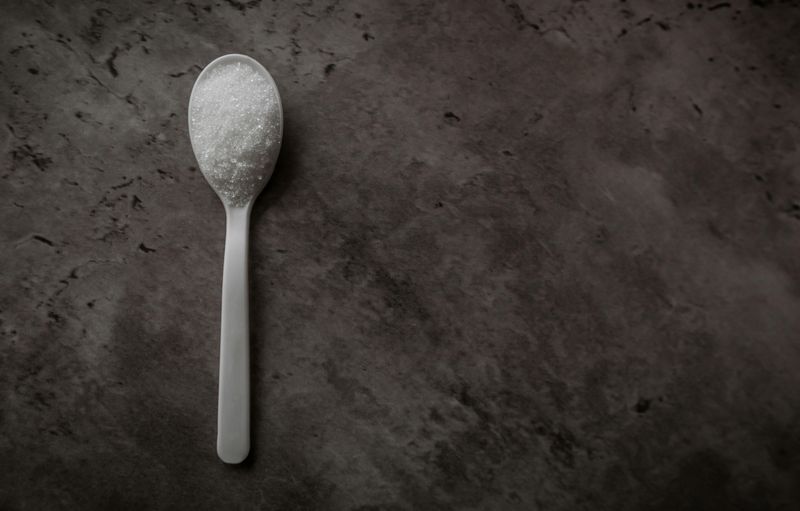
Salt is essential, but most of us overshoot. Extra sodium draws water, elevates blood pressure, and can burden kidneys.
After 40, arteries lose elasticity and respond more strongly to salty surges. Rings feel tight, sleep may suffer, and workouts can leave you puffier than expected.
Taste your food before salting. Swap flavored salts for citrus, vinegar, herbs, and umami like mushrooms or parmesan dust.
Rinse canned beans and choose lower sodium broths. Check labels on breads, sauces, and deli meats.
Over a few weeks, taste buds recalibrate, and blood pressure often improves noticeably. You will feel lighter soon at meals.
Low water intake
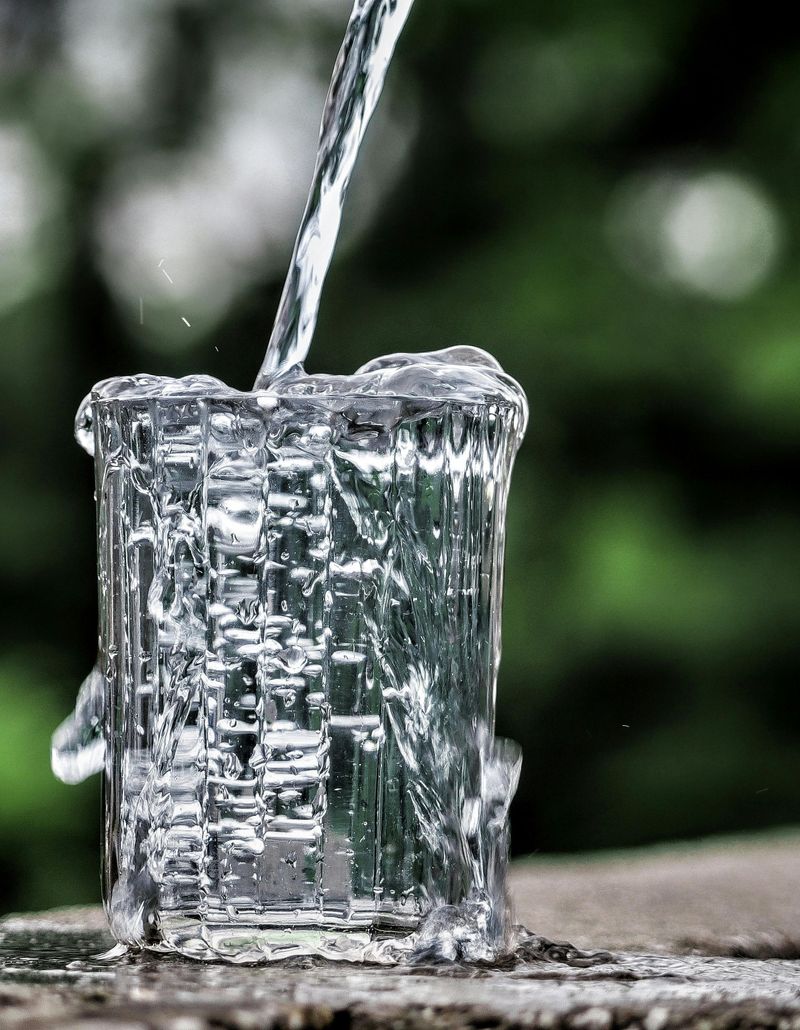
Mild dehydration mimics hunger, slows digestion, and thickens blood a touch. After 40, less robust thirst signals make under drinking more common.
Joints ache, skin dulls, and afternoon focus fades. Even workouts feel harder because plasma volume drops, raising heart rate for the same effort.
Set anchors that remind you to sip. Start with water at wake up, one glass per meal, and a bottle during commutes.
Add citrus, mint, or a pinch of salt for taste and absorption. Track clear urine as a guide.
Better hydration smooths appetite, energy, and temperature control, especially during travel and heat or illness.
Eating processed meat
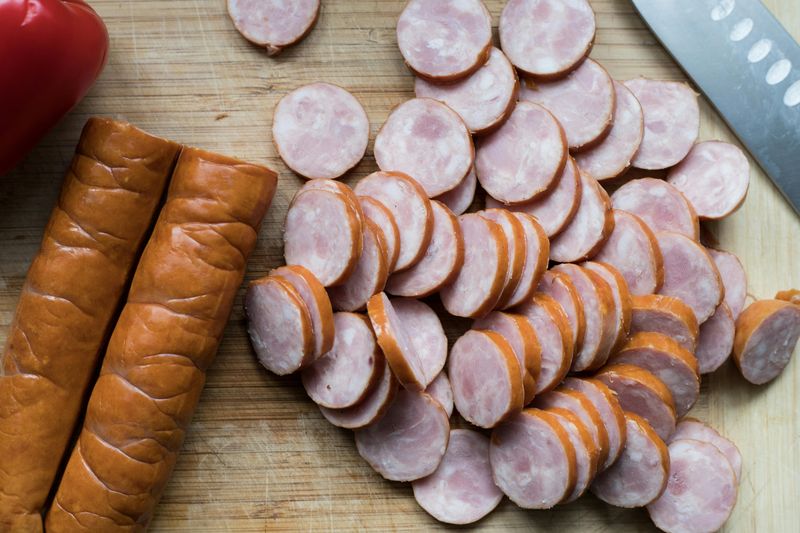
Processed meats bring convenience with preservatives, nitrates, and excess sodium. Regular intake links to elevated colorectal risk and higher blood pressure.
After 40, that risk budget shrinks, so small daily decisions matter more. You might notice increased bloating, thirst, and afternoon sluggishness after sandwiches, sausages, or bacon.
Rotate alternatives into your week. Choose roasted turkey, tuna, beans, tofu, or leftovers from last night.
Season generously with herbs, mustard, citrus, and olive oil. When you do have deli, buy lower sodium options and add a heap of vegetables.
Balance beats perfection and keeps enjoyment intact without sacrificing social meals together much.
Skipping vegetables
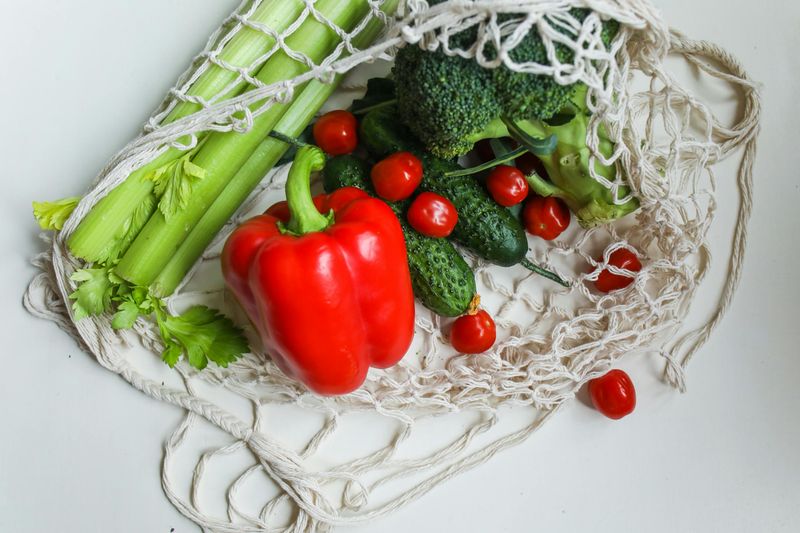
Vegetables are nutrient workhorses that tame inflammation and feed your microbiome. Skipping them leaves fiber low and antioxidants lacking, which can slow recovery and dull energy.
After 40, you feel that gap faster. Digestion stalls, cholesterol may rise, and satiety fades between meals despite decent calories.
Make produce automatic. Add a handful of greens to eggs, pile slaw on tacos, roast pans of mixed vegetables, and keep frozen spinach for sauces.
Aim for color at every meal. Canned tomatoes, jarred peppers, and prewashed salads count.
The habit builds momentum and keeps hunger pleasantly in check daily.
Late night snacking
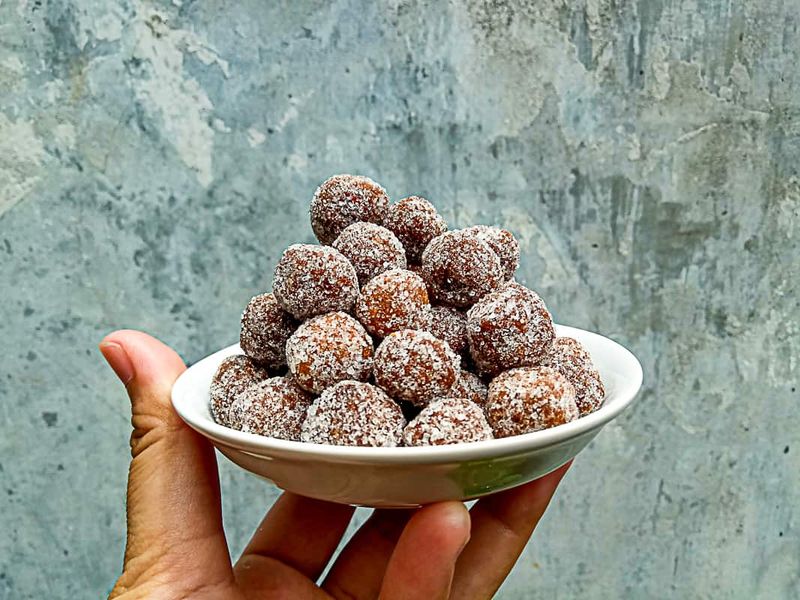
Late night snacking creeps in when willpower is low and screens are bright. Your body expects rest, not calories, so insulin sensitivity drops and excess energy stores as fat.
Sleep quality also suffers when digestion keeps working overtime. You wake groggy and crave more sugar the next day.
Set a kitchen curfew and plan a satisfying evening routine. If hunger is true, choose protein with fiber, like Greek yogurt with berries or cottage cheese and tomatoes.
Drink water or herbal tea first. Keep trigger snacks out of sight.
Dim lights, power down devices, and let your hormones realign at night.
Eating white bread
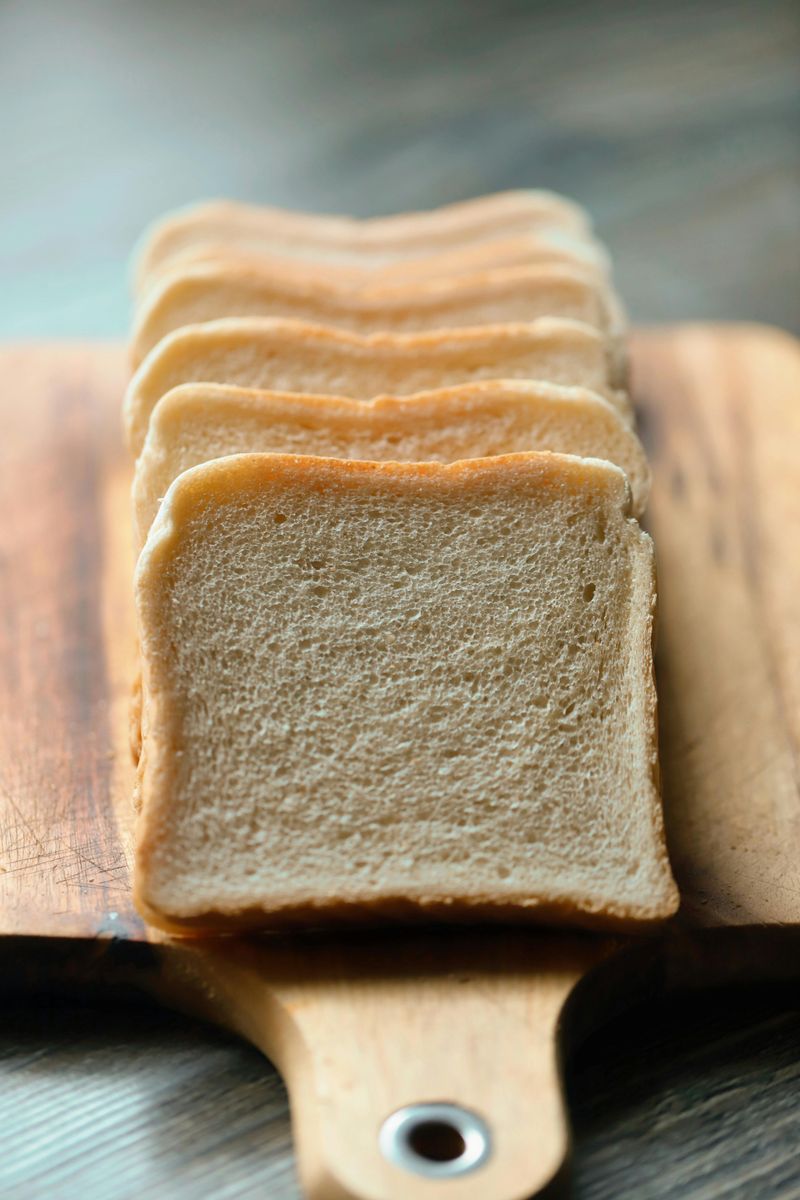
White bread digests quickly, spiking glucose and leaving you hungrier sooner. After 40, that roller coaster feels rougher, with afternoon yawns and snack hunts.
Low fiber also means gut microbes miss their favorite fuel. Over time, cravings skew sweeter and your jeans feel tighter even without more food.
Upgrade the base. Choose whole grain, sprouted, or sourdough with visible seeds for more fiber and minerals.
Top with protein and plants to slow digestion, like eggs and arugula or turkey and avocado. If white is served, enjoy one slice mindfully.
Balance the plate with salad and fruit to steady blood sugar.
Overeating snacks
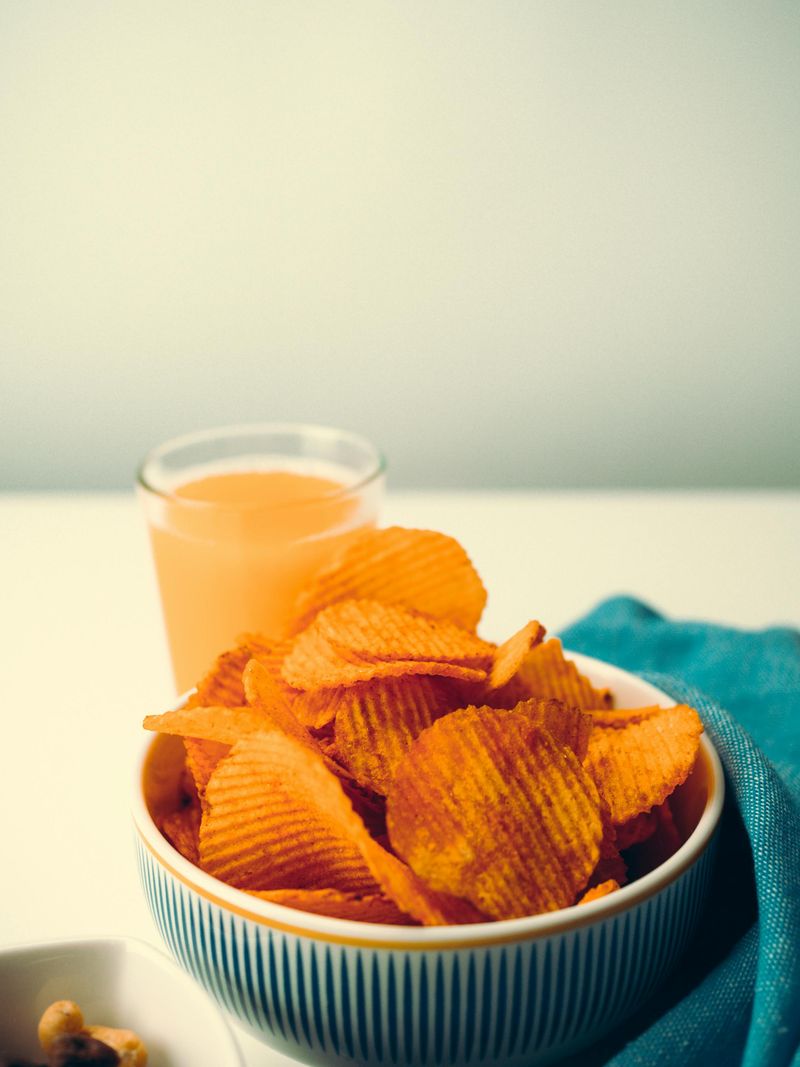
Snack creep happens when stress, screens, and grazing blur into one long feed. Small handfuls add up quickly, especially with nuts, crackers, and granola.
After 40, satiety signals may whisper, not shout. You end the day surprised by calories and still feel unsatisfied, searching the pantry again.
Create snack standards. Pair carbs with protein and fiber, like apple and peanut butter, cheese and grapes, or hummus with carrots.
Pre portion items into small bowls. Set snack times after meals and before workouts.
When structure returns, cravings calm, and dinner feels satisfying instead of chaotic most weeknights too.
Sugary coffee drinks
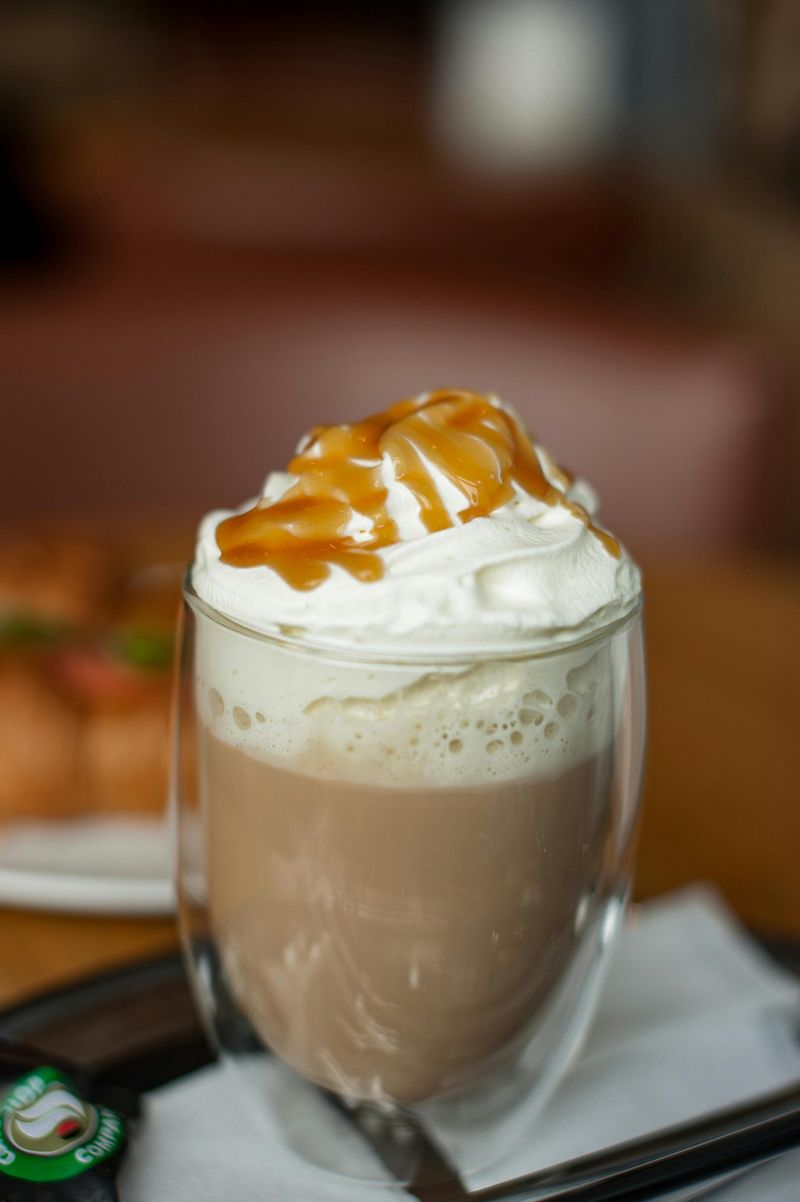
Sugary lattes and blended coffees can rival desserts. Liquid calories bypass fullness cues, leading to easier overconsumption and sharper glucose spikes.
After 40, that combo slams focus and sleep. You may feel wired then weary, with cravings chasing the crash and appetite drifting off course by lunch.
Reclaim your cup. Order half sweet, choose smaller sizes, add cinnamon, or switch to an americano with a splash of milk.
Try cold brew for smoother flavor without heavy syrups. Eat a protein rich breakfast first.
You will enjoy the ritual while sidestepping the roller coaster that drags afternoons down.
Frequent takeout
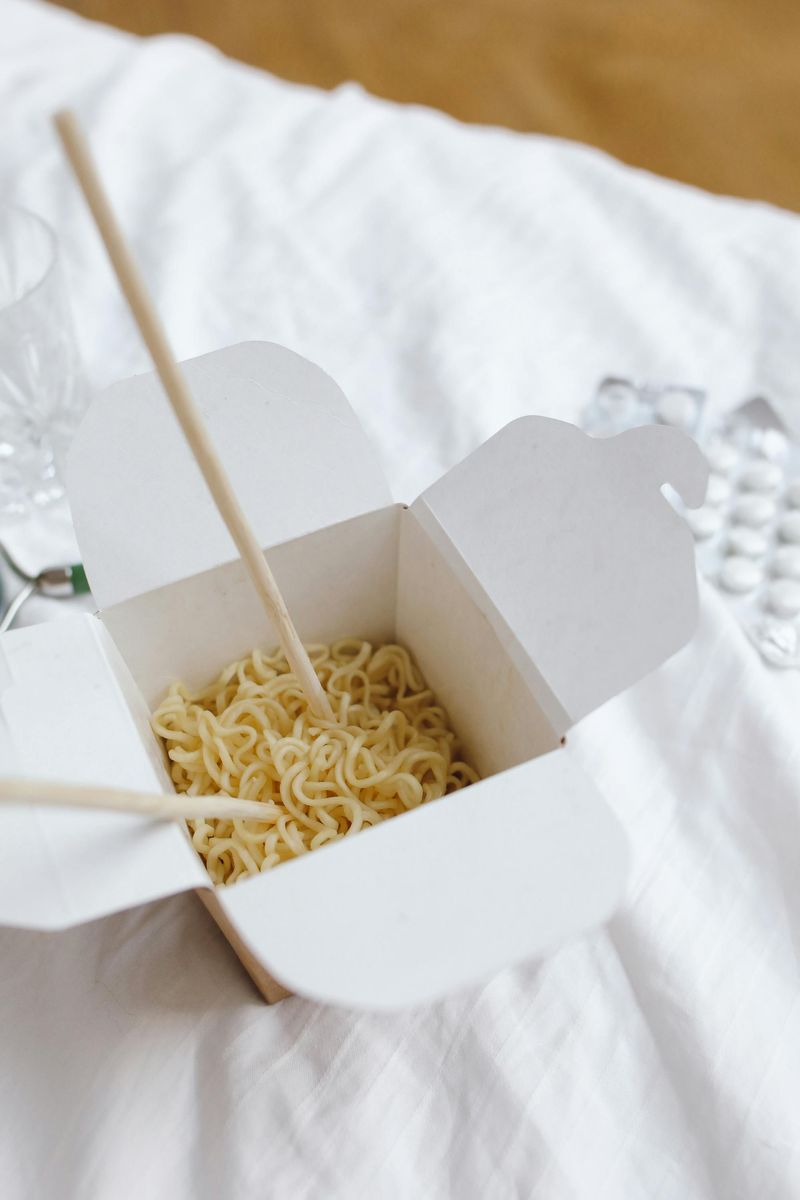
Frequent takeout sneaks in excess oils, sugars, and salt you do not see. Portions run large and sauces generous.
After 40, those extras stack up quickly as fatigue, bloating, and weight gain. Even healthier menus can drift calorie dense when add ons multiply and vegetables go missing.
Set a weekly cap and plan simple backups. Keep canned fish, eggs, bagged salads, and microwavable grains.
When ordering, double vegetables, pick grilled proteins, request light sauce, and box half immediately. Rotate new cuisines to avoid boredom.
Feeling in control restores energy and trims hidden calories without losing pleasure too.
Large portion meals
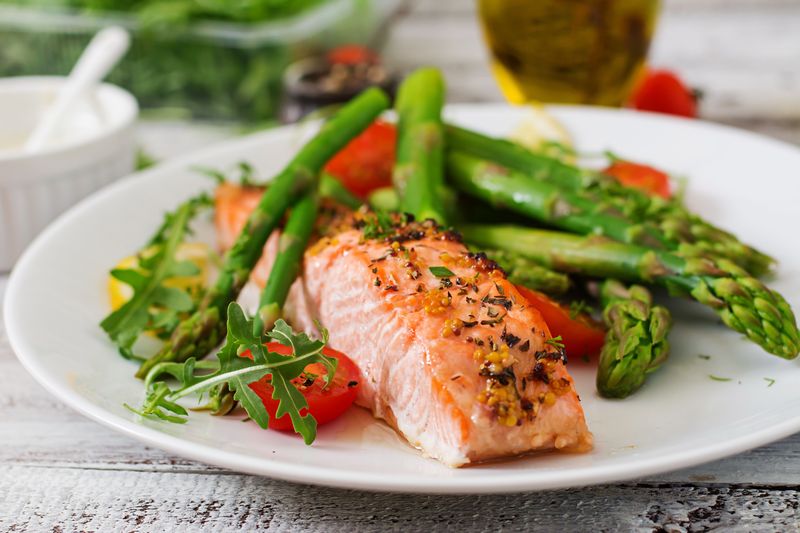
Portions quietly expanded over the years, and plates followed. When servings grow, appetite cues stretch, making overeating feel normal.
After 40, extra calories settle faster as muscle slowly declines. You may feel heavy, sleepy, and less eager to move following restaurant sized dinners or holiday style spreads.
Recalibrate your eye. Use smaller plates, box half early, and serve vegetables first.
Build meals around protein and fiber to fill comfortably. Pause mid meal and reassess hunger.
Give yourself permission to save food for later. Satisfaction rises when taste stays central and portions match your current needs most days.
Mindless eating
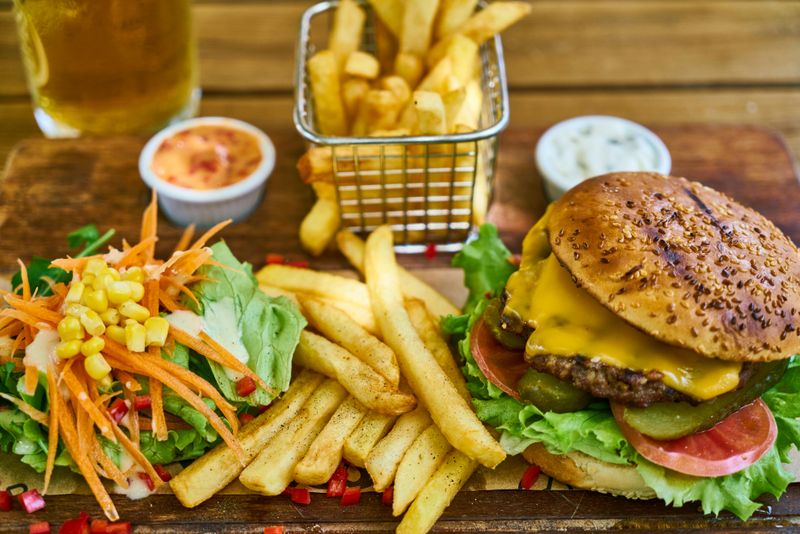
Mindless eating thrives on speed and distraction. Without pauses, bites blur and satisfaction never registers.
After 40, hormones like leptin and ghrelin shift, so missing signals creates bigger swings. You may clean plates automatically, then feel oddly unsatisfied, which invites snacking later and restless sleep.
Bring attention back gently. Sit to eat, chew slowly, and set utensils down between bites.
Rate hunger and fullness before and after meals. Plate snacks instead of eating from bags.
Even two minutes of focus changes outcomes. You will enjoy food more and need less to feel content each time.
Low protein diet
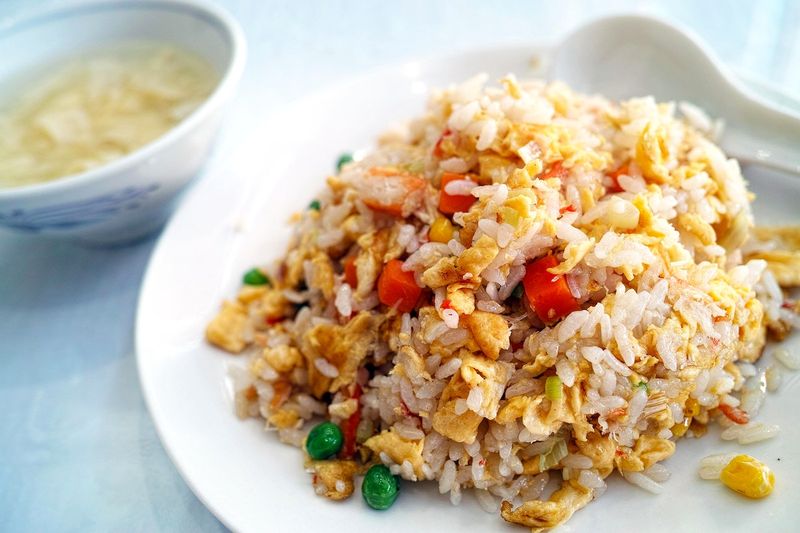
Low protein intake accelerates muscle loss and slows recovery after workouts. Past 40, protein needs rise to counter anabolic resistance.
Without enough, appetite drifts toward snacks while strength and metabolism decline. Bones and immune function also rely on amino acids, so low intake ripples through daily resilience.
Target protein at each meal. Eggs, fish, yogurt, legumes, lean meats, and tofu work well.
Aim 25 to 35 grams per meal and include leucine rich foods like whey or salmon. Combine protein with fiber and produce.
You will feel fuller, train better, and guard muscle across busy weeks ahead.
Overeating desserts

Desserts delight, but frequent oversized slices can hijack goals. After 40, glucose handling gets finickier, so sugar and fat together linger.
Sleep quality dips, appetite rebounds, and energy plateaus. You might notice afternoon yawns, evening cravings, and weekend weight that never quite leaves before the next celebration.
Keep joy, shrink size. Share, slice thinner, serve fruit alongside, or pick a single favorite bite.
Set dessert days and savor them slowly at the table. Pair with tea, not soda.
When pleasure stays intentional, cravings ease and treats fit your life rather than steering it for the long haul.
Eating refined grains
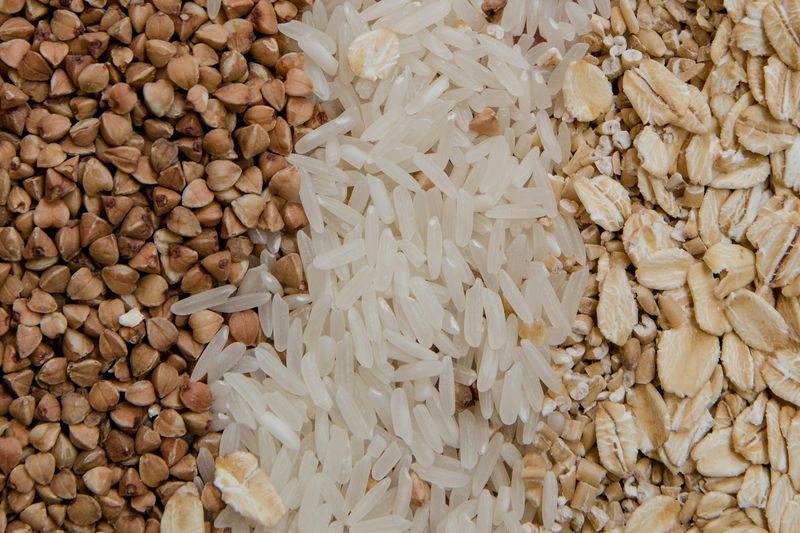
Refined grains digest fast and rarely satisfy for long. Muffins, white pasta, and many cereals spark quick spikes then crashes.
After 40, that swing can feel like anxiety and fog. Hunger returns early, and calories creep as you chase steadier energy with coffee and random snacks.
Trade up gradually. Choose oats, quinoa, barley, brown rice, and whole grain pasta.
Mix half and half at first if texture feels heavy. Add protein and vegetables to meals for staying power.
Over weeks, cravings fade and performance improves because your body finally gets slow burning fuel it prefers daily.
Low fruit intake
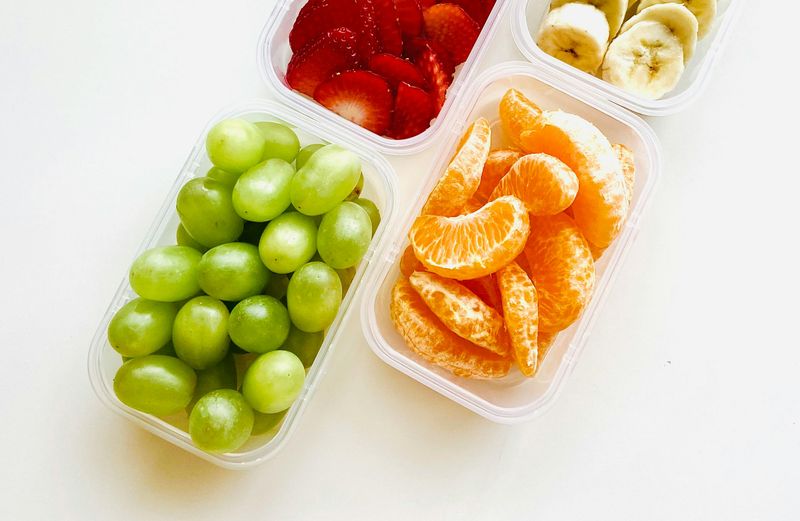
Fruits deliver fiber, potassium, and polyphenols that protect your heart and gut. Avoiding them out of sugar fear can backfire.
After 40, strategic fruit helps digestion, hydration, and recovery. Skipping fruit often nudges dessert cravings higher later, because your palate still wants sweetness but misses nutrients.
Make fruit purposeful. Add berries to yogurt, oranges after workouts, apples with peanut butter, or frozen cherries in oatmeal.
Keep a bowl visible on the counter. Choose whole fruits most often and sip water alongside.
The right fruit at the right time keeps you satisfied and energized for hours afterward.
High sugar breakfast
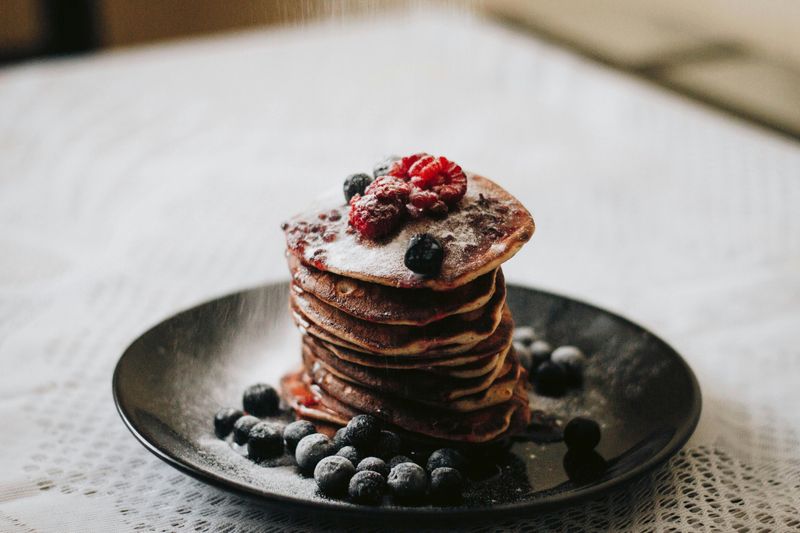
High sugar breakfasts light the fuse for a long craving day. Pastries, sweet cereals, and juice push glucose up quickly, then you tumble.
After 40, that crash can trigger shaky focus and sharp hunger by midmorning. Workouts feel weaker, meetings drag, and snacks start calling early.
Flip the morning script. Build plates with eggs, yogurt, cottage cheese, or chia pudding, plus nuts, berries, and greens.
Choose coffee unsweetened and add cinnamon for warmth. Save treats for weekends or pair with protein.
A steadier breakfast steadies the day, including mood, productivity, and appetite from start to finish.
Overeating cheese
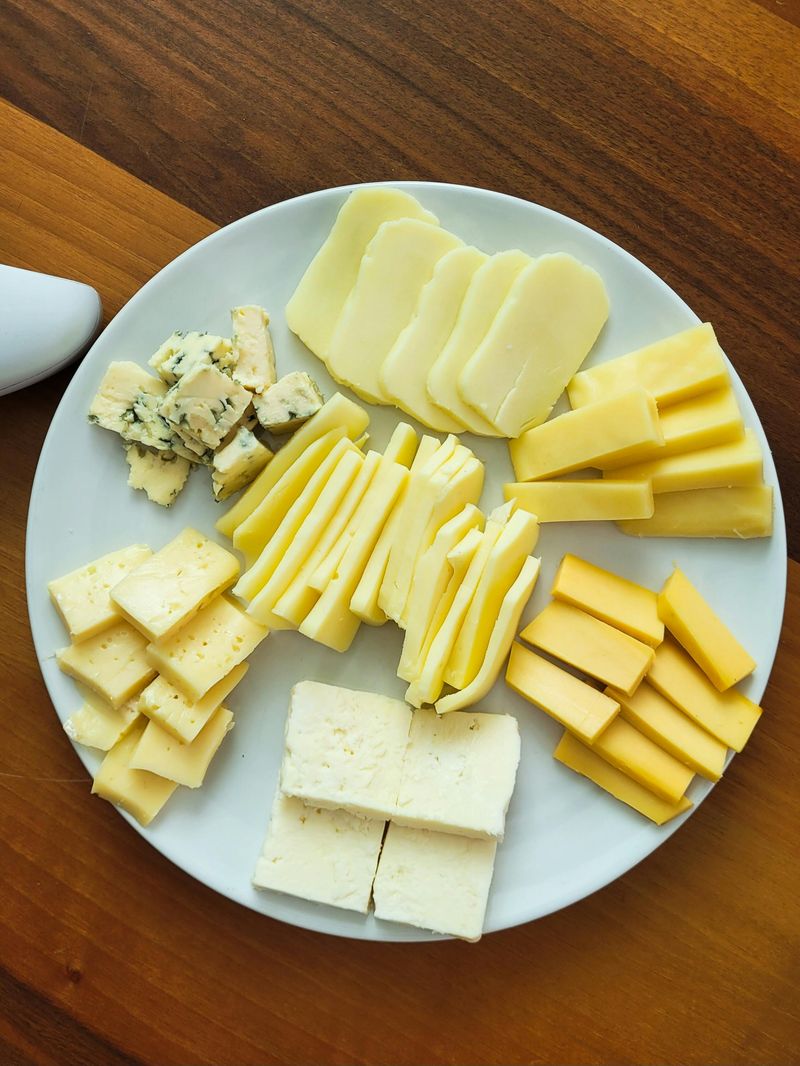
Cheese is delicious, concentrated, and easy to over slice. Calories and saturated fat add up quickly in invisible nibbles.
After 40, cholesterol and waistlines respond more noticeably. You might feel sluggish and thirsty afterward, then reach for crackers that stack even more energy onto a small snack.
Keep flavor, trim quantity. Buy bold cheeses, pre slice or cube, and pair with fruit and vegetables.
Use a microplane to shower intense cheese over hot dishes. Build boards with limits and protein too.
Adding texture and volume helps you feel satisfied without losing the joy of cheese at meals.
Frequent candy
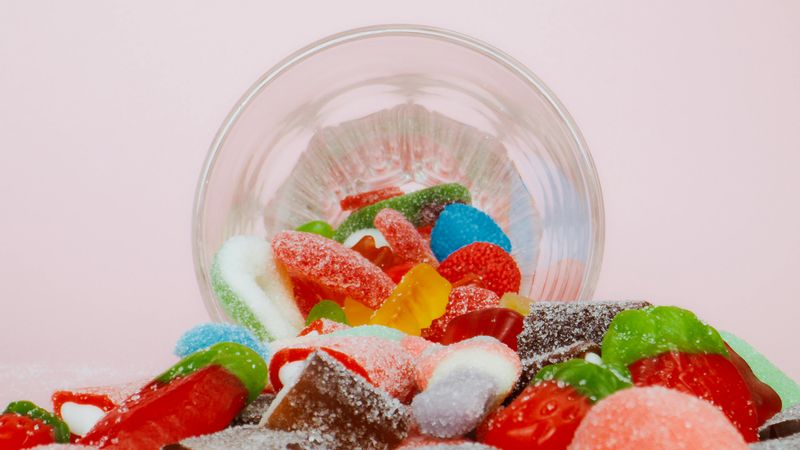
Candy dishes and desk drawers make quick sugar hits too easy. Those tiny bites rarely satisfy, yet they program your appetite to expect more.
After 40, the compounding effect shows up clearly. Energy dips, dental issues grow, and you end up hungrier than before the wrappers opened.
Interrupt the cue. Move candy out of sight, keep mints or gum handy, and stock nuts, fruit, or dark chocolate squares.
Set candy windows, enjoy slowly, and stop at enough. Hydrate before deciding.
When sweetness becomes deliberate, cravings loosen their hold and the rest of your meals improve over time.
Eating while watching TV
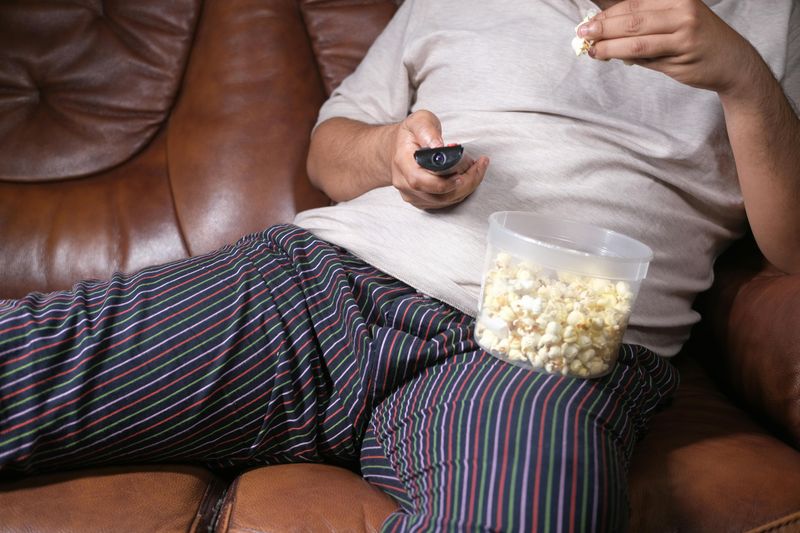
TV eating disconnects taste from attention. Big portions disappear faster, and the brain barely notes the meal.
After 40, that missed satisfaction often shows up as late night grazing. You may undercount calories by hundreds, then wonder why weight stalls despite decent choices during the day.
Make screens a treat, not a table. Eat first, then watch.
If combining, portion food on a plate and sit upright at a table edge. Choose snacks with crunch and protein to slow speed.
Pause the show for a midpoint check in. Teach your brain to register satisfaction more reliably.
Enjoyed this story?
Add Fast Food Club as a preferred source to see more of our reporting on Google.