


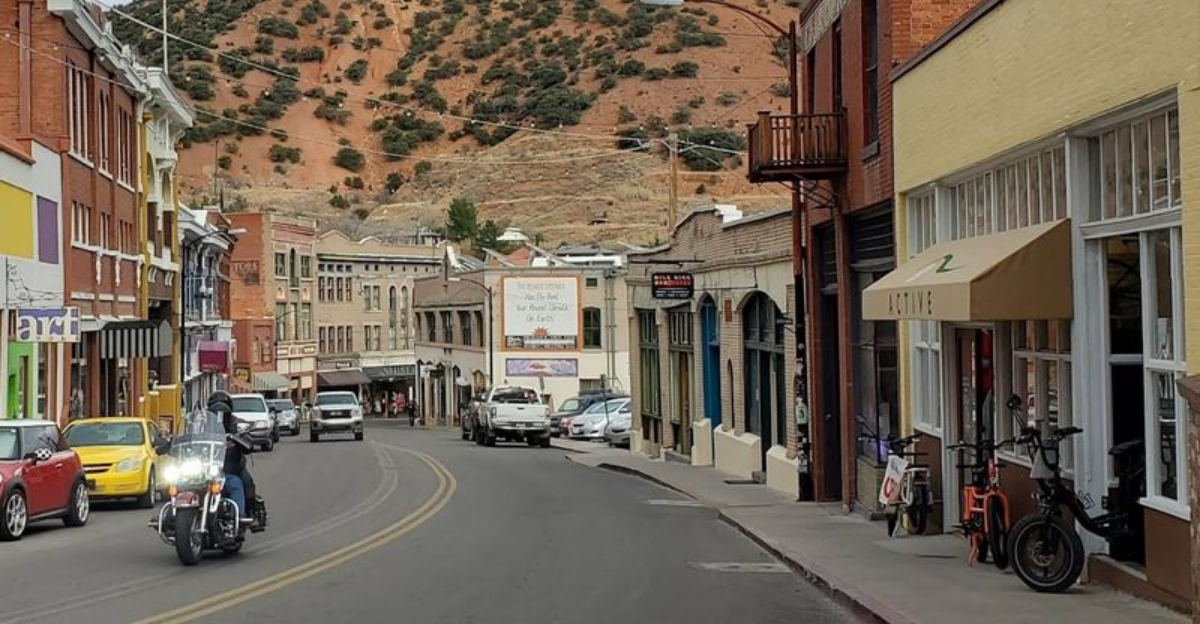
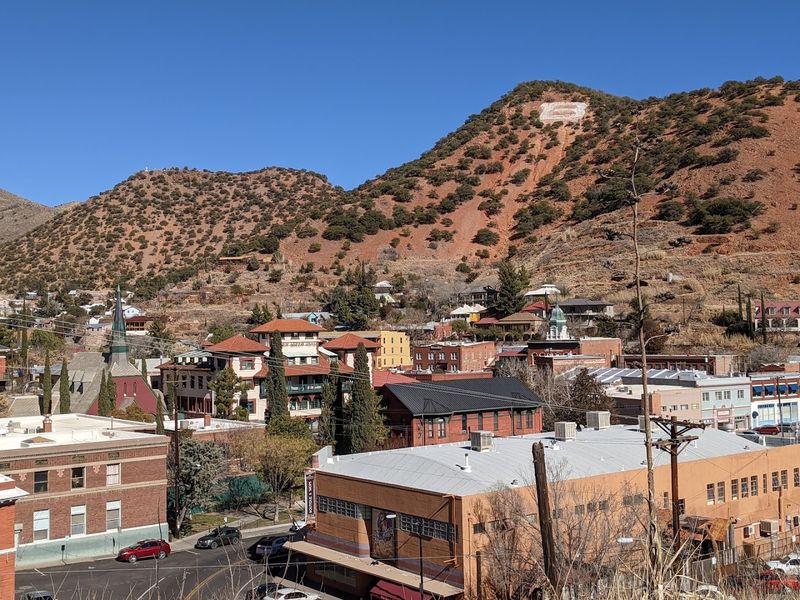
Tucked into the rugged Mule Mountains of southeast Arizona, Bisbee is the kind of town that surprises you the moment you arrive. What started as a rough-and-tumble copper mining camp in the 1880s has transformed into one of the Southwest’s most colorful and creative communities.
Colorful Victorian homes cling to steep hillsides, art galleries line winding streets, and locals greet strangers like old friends. Once you visit Bisbee, it’s nearly impossible not to fall head over heels for its charm.
The Queen Mine Tour: Going Underground in Style
Strapping on a hard hat and climbing aboard a rickety mine train might sound intimidating, but the Queen Mine Tour is one of the most thrilling experiences Bisbee has to offer. Former miners guide you deep into the earth, sharing stories about the dangerous, demanding life underground.
The copper walls glow in the lamplight, and the temperature drops noticeably as you travel further in.
The Queen Mine operated from 1877 until 1975, producing over eight billion pounds of copper. That’s a staggering amount of metal that helped build modern America.
Guides bring those numbers to life with personal anecdotes and vivid details.
Kids and adults alike walk away with a genuine respect for the miners who worked these tunnels daily. Tours run year-round, and tickets are affordable.
Book ahead during busy weekends to guarantee your spot underground.
Old Bisbee: Where History Walks Beside You
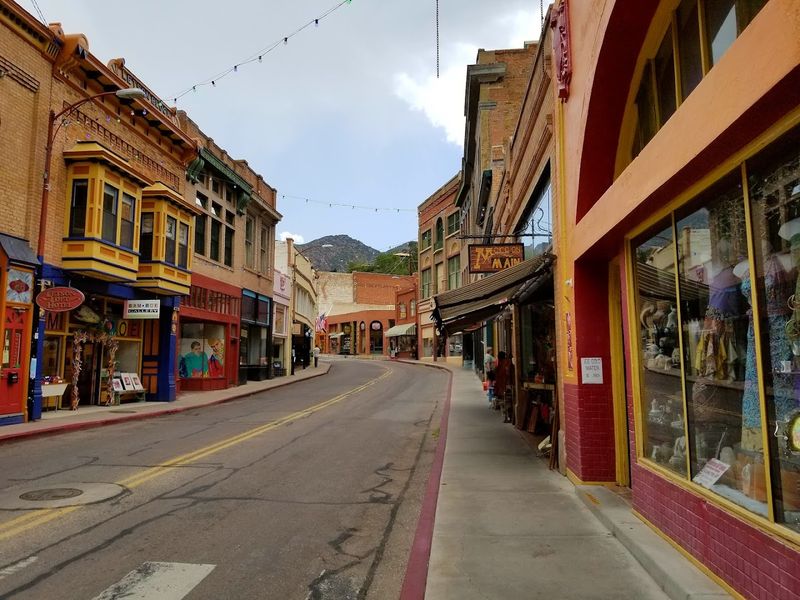
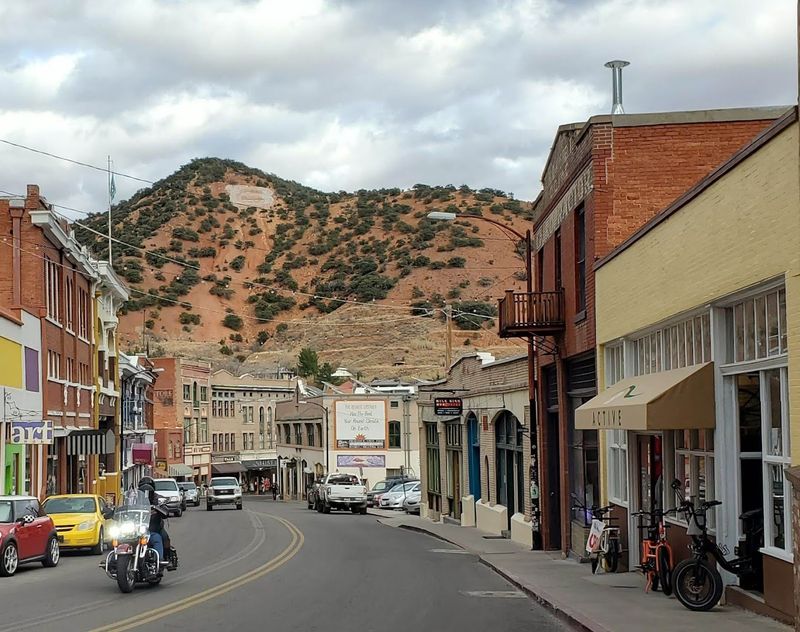
Wandering through Old Bisbee feels like stepping into a living history book. The streets twist and climb unpredictably, lined with buildings that date back to the late 1800s.
Every corner seems to hold a new surprise, whether it’s a hidden staircase, a mosaic-covered wall, or a tiny cafe tucked between two century-old storefronts.
Old Bisbee served as the commercial and social heart of the mining community for decades. Today, it’s packed with independent shops, galleries, and restaurants that give the district an energetic, bohemian personality.
Locals are proud of their neighborhood and happy to share its stories.
The best way to experience Old Bisbee is simply to walk without a set plan. Let curiosity guide you up staircases and down alleys.
You’ll stumble upon murals, quirky sculptures, and views that make every step worthwhile.
Bisbee Mining and Historical Museum: Stories Carved in Copper
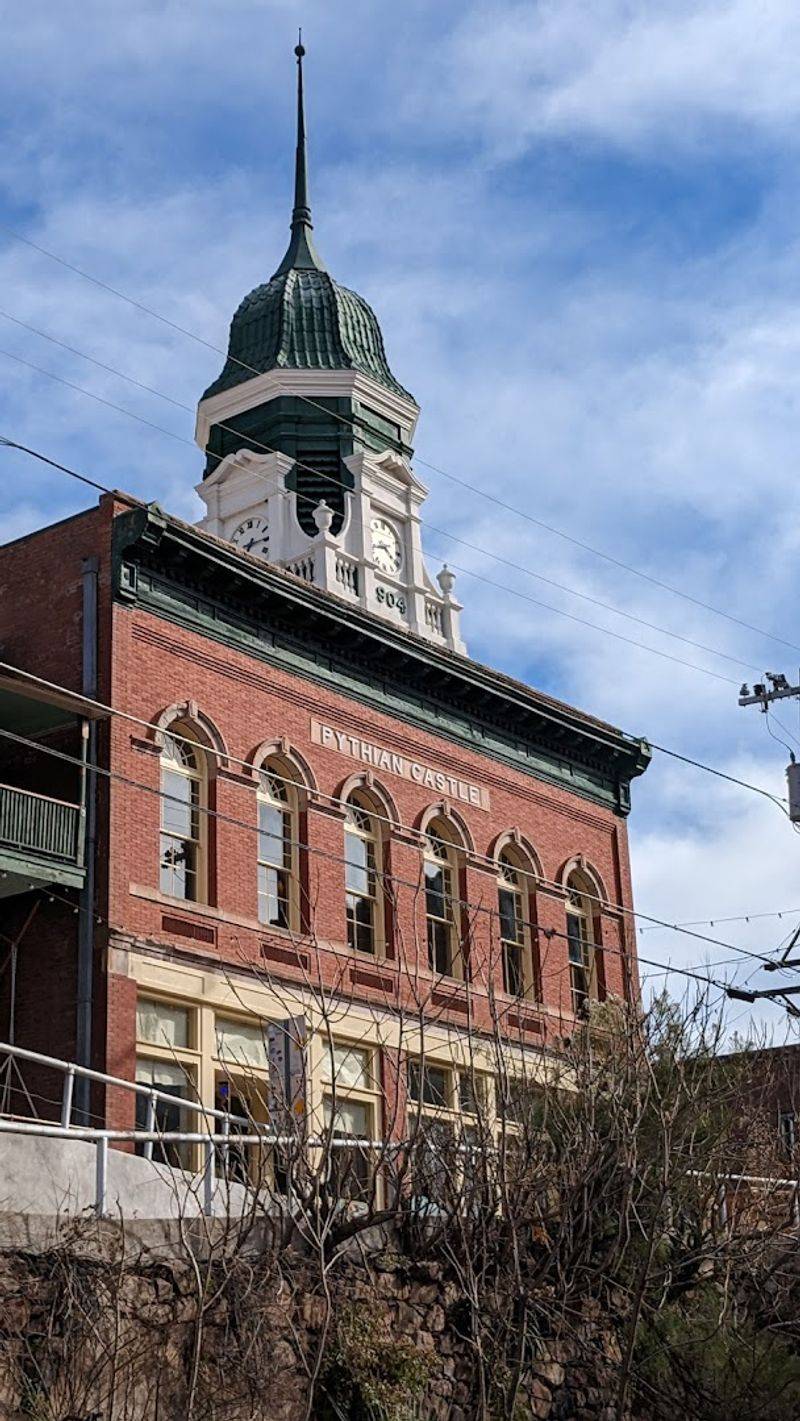
Housed in the former Phelps Dodge General Office building, the Bisbee Mining and Historical Museum is a Smithsonian affiliate — and that’s no small achievement for a town of fewer than 6,000 people. The museum does an outstanding job of connecting visitors to the gritty, fascinating story of copper mining and the multicultural community it created.
Exhibits cover everything from early mining technology to the social lives of immigrant workers who came from Mexico, Europe, and beyond. Photographs, artifacts, and interactive displays make history feel immediate and personal rather than dusty and distant.
One particularly moving section focuses on the Bisbee Deportation of 1917, when over 1,200 striking miners were forcibly removed from town. It’s a complicated, sobering chapter that the museum handles with honesty and care.
History lovers will easily spend two or more hours here.
Muheim Heritage House: A Victorian Gem on the Hillside
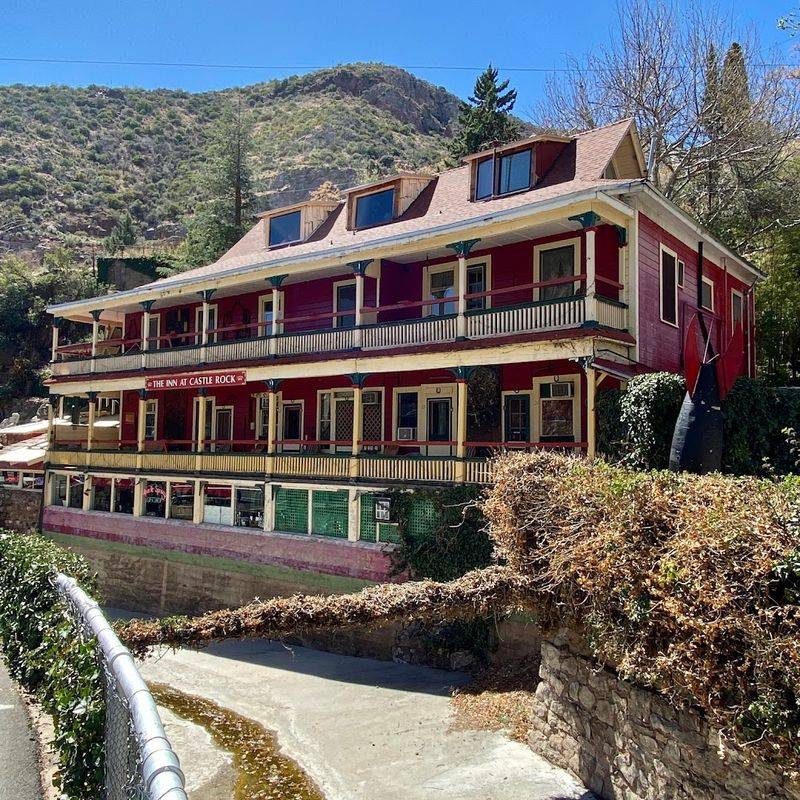
Step through the front door of the Muheim Heritage House and you’re instantly transported to the late 1800s. Built by Joseph Muheim, a Swiss immigrant and successful saloon owner, this beautifully preserved home showcases original 19th-century furniture, decorative tiles, and period-accurate details that feel remarkably intimate.
What makes this house especially special is how personal it feels. You’re not just looking at objects behind glass — you’re standing in rooms where a real family laughed, argued, celebrated, and grieved.
The gardens outside offer a peaceful retreat with sweeping mountain views that haven’t changed much in over a century.
Guided tours are available and highly recommended. Volunteer docents bring the Muheim family’s story to life with warmth and enthusiasm.
The house is a reminder that Bisbee was never just a mining camp — it was always a real community full of real people.
Tombstone Canyon: Miners’ Homes Climbing the Hillside
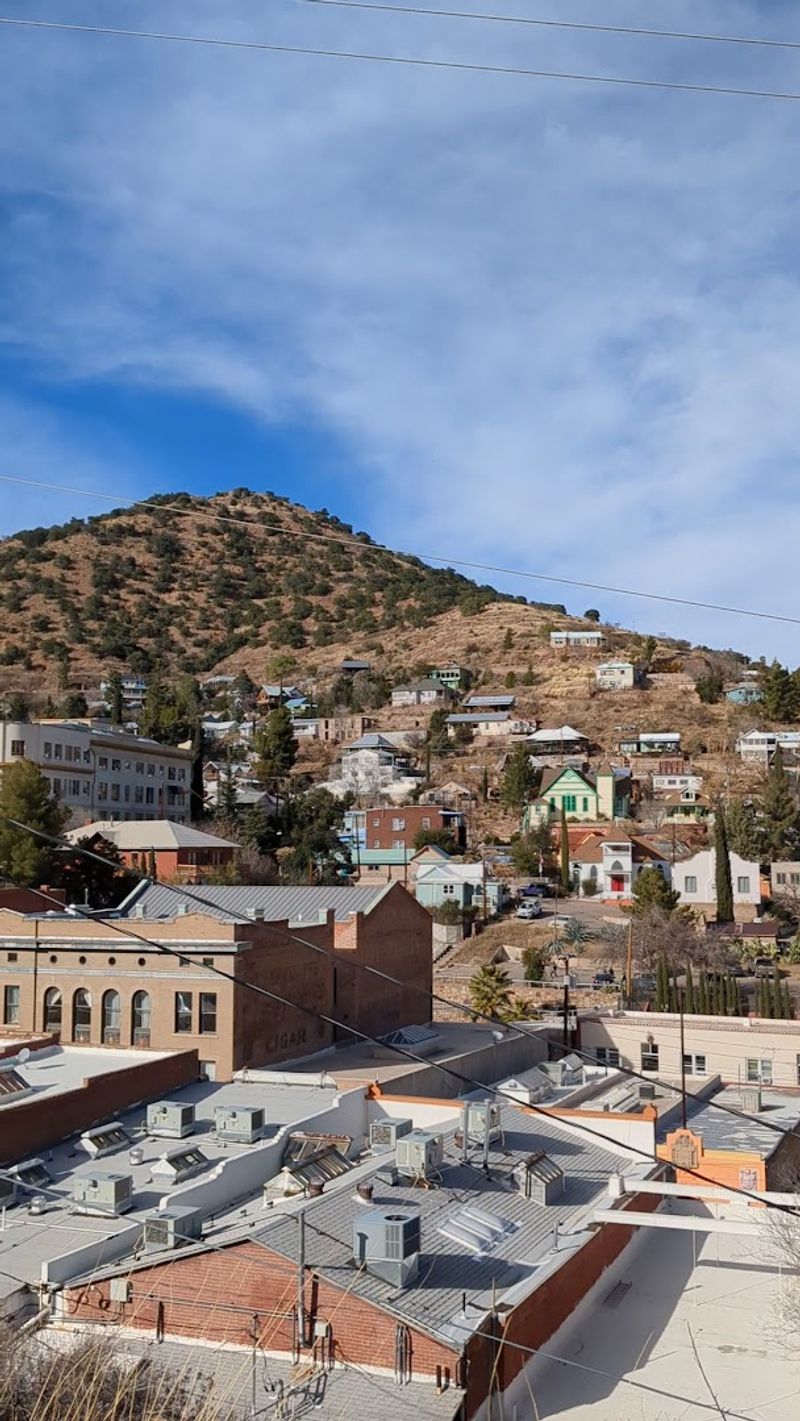
Few neighborhoods in America look quite like Tombstone Canyon. Compact miners’ cottages stack up the canyon walls in a jumble of bright colors and creative landscaping, connected by a network of staircases that locals use as their daily commute.
It’s visually stunning and completely unlike anything you’d find in a typical American suburb.
Many of these homes were built quickly and cheaply in the early 1900s to house the growing workforce flooding into Bisbee. Over time, residents added personal touches — painted trim, garden terraces, hand-painted signs — that transformed simple structures into works of art.
Walking through Tombstone Canyon today, you’ll pass longtime locals tending their gardens and newer residents who moved here specifically for this one-of-a-kind atmosphere. The canyon has a quiet, residential energy that contrasts beautifully with the bustle of Old Bisbee just around the corner.
Bisbee’s Art Scene: Creativity Around Every Corner
Artists discovered Bisbee decades ago and never really left. When the mines closed in 1975, the town’s cheap real estate and striking scenery attracted painters, sculptors, potters, and musicians looking for space to create without the pressure of big-city rents.
That creative energy is still very much alive today.
Galleries are scattered throughout Old Bisbee, ranging from polished professional spaces to charmingly casual studios where the artist is often right there working. Art walks happen regularly, giving visitors a chance to meet creators and hear the stories behind their work.
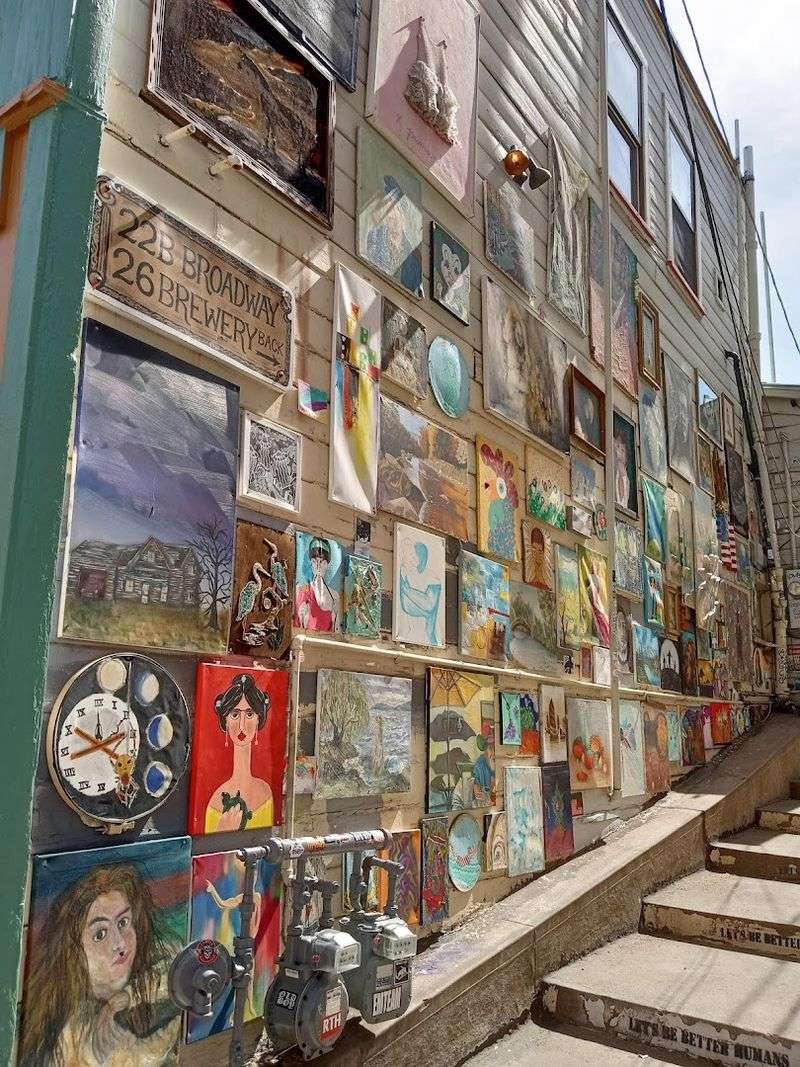
Even the streets themselves function as an open-air gallery. Murals cover building walls, mosaics decorate staircases, and sculptures pop up in unexpected places.
Whether you’re a serious collector or just someone who appreciates beauty, Bisbee’s art scene rewards slow, curious exploration more than any guided tour ever could.
The Bisbee Restoration Museum: Honoring Everyday Life
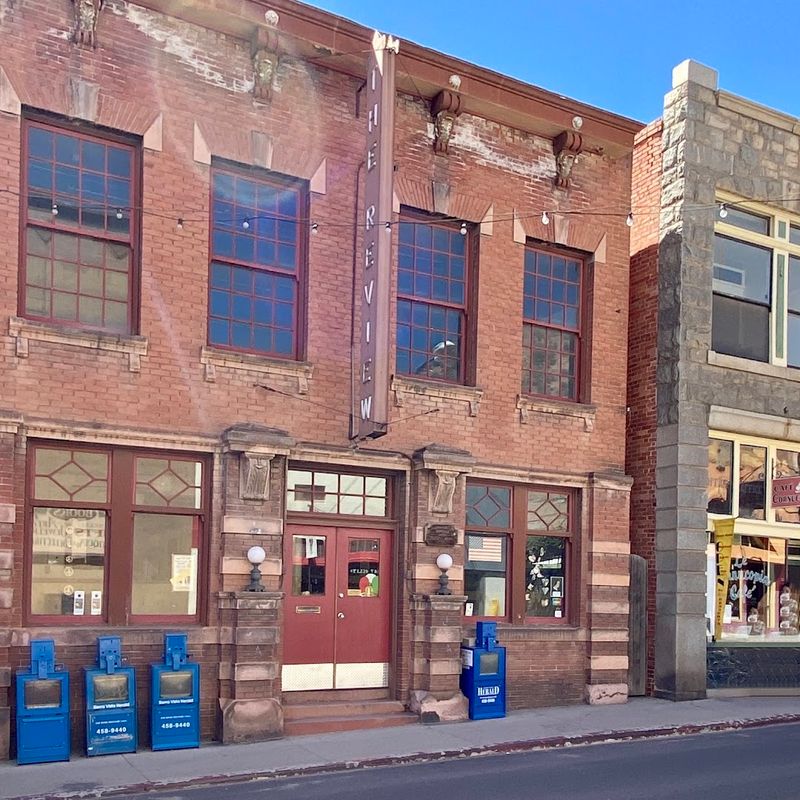
While the Mining and Historical Museum focuses on industry and major events, the Bisbee Restoration Museum zeroes in on the everyday. Tucked into a small but lovingly curated space, this museum collects and preserves the personal belongings, photographs, and stories of ordinary Bisbee residents across generations.
Old kitchen gadgets, school photographs, handwritten letters, and vintage clothing fill the shelves and display cases. Each object tells a small story that adds up to a surprisingly rich portrait of community life.
There’s something deeply moving about holding history that was never meant to be famous.
Volunteers and local historians run the museum with obvious passion and a refreshing lack of pretension. Admission is donation-based, making it accessible for all kinds of visitors.
If you want to understand what it actually felt like to live in Bisbee during its copper-boom years, start your visit here.
Hiking the Mule Mountains: Views Worth Every Step
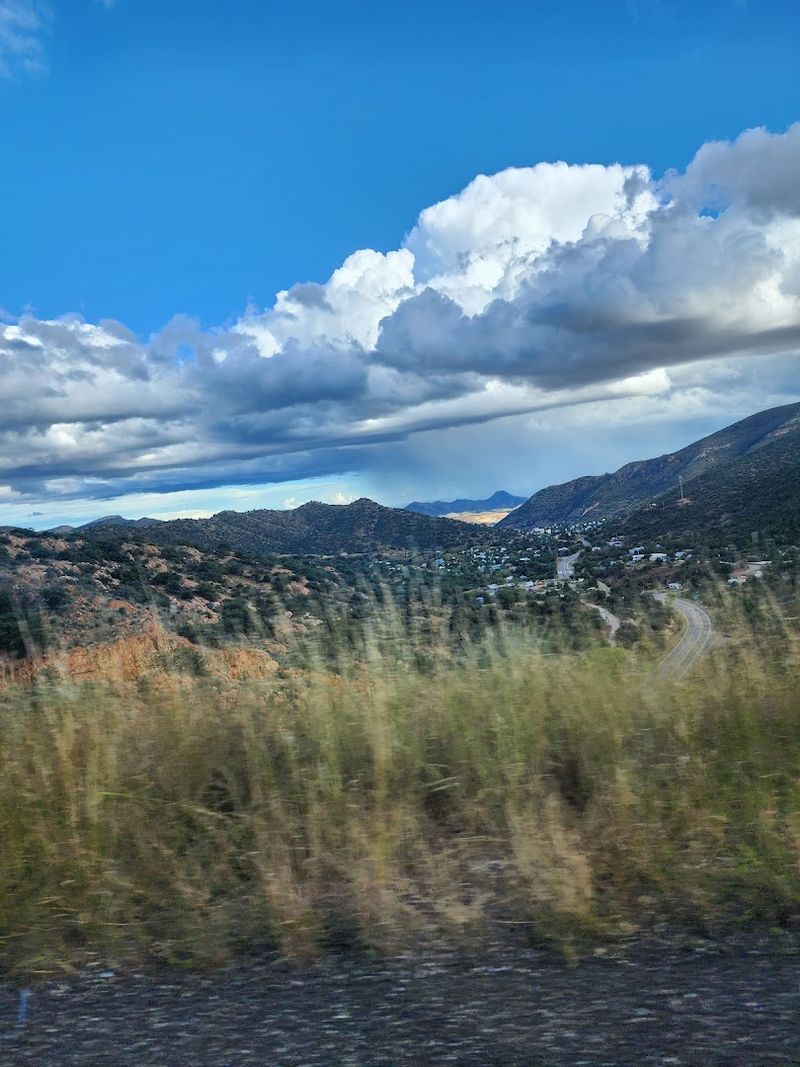
Bisbee sits at nearly 5,300 feet elevation, which means the hiking around town offers cooler temperatures and jaw-dropping panoramic views that most Arizona desert destinations simply can’t match. The Mule Mountains are rugged, beautiful, and surprisingly accessible for hikers of most fitness levels.
Trails wind through oak and juniper woodlands, past old mine shafts, and along ridge lines where you can see all the way into Mexico on a clear day. Wildlife sightings are common — keep your eyes open for deer, javelinas, and a stunning variety of bird species that migrate through the area seasonally.
You don’t need to be an experienced hiker to enjoy the outdoors here. Several shorter trails near town provide incredible scenery with manageable effort.
Bring water, wear sturdy shoes, and give yourself enough time to stop and simply soak in the silence of the mountains.
The Copper Queen Hotel: Sleep Where History Slept
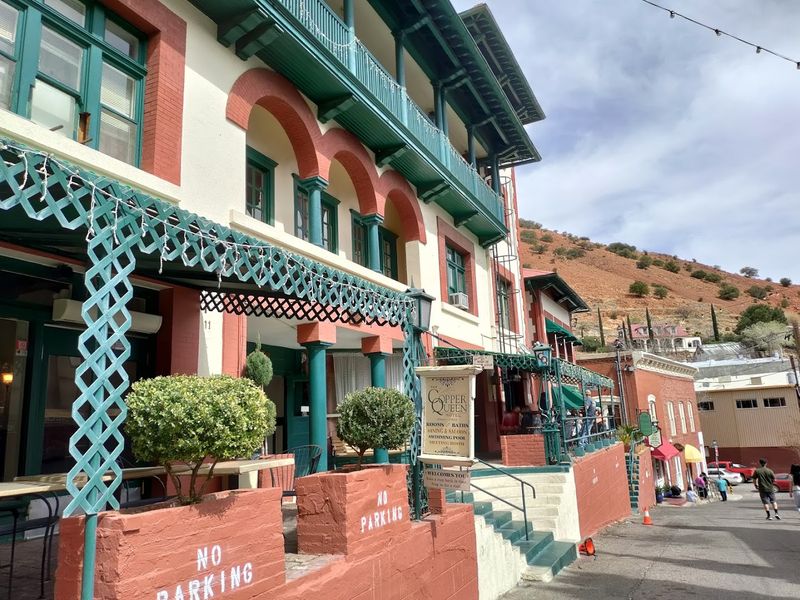
Built in 1902 by the Phelps Dodge Corporation to house visiting mining executives, the Copper Queen Hotel is one of the oldest continuously operating hotels in Arizona. Walking through its front doors feels genuinely theatrical — the lobby is full of dark wood, antique furniture, and a sense of accumulated history that no modern hotel can manufacture.
Guests have reported paranormal experiences here for years, and the hotel leans into its haunted reputation with playful enthusiasm. Whether you believe in ghosts or not, the stories are entertaining and add an extra layer of personality to an already memorable stay.
The hotel’s saloon is a local gathering spot with live music on weekends. Even if you’re not staying overnight, stopping in for a drink and a conversation with the bartender is a perfectly good reason to walk through those historic doors.
Food and Coffee Culture: Small Town, Big Flavor
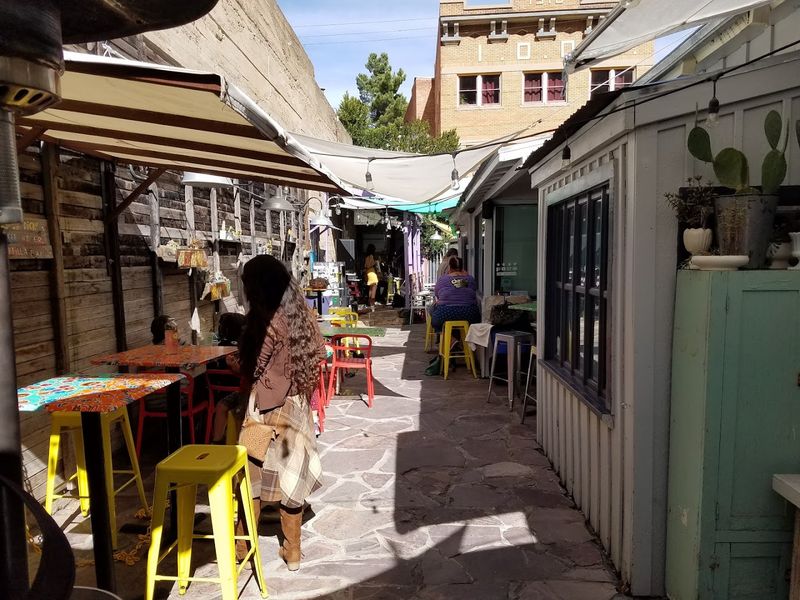
For a town its size, Bisbee punches well above its weight when it comes to food and coffee. Independent restaurants and cafes line the streets of Old Bisbee, offering everything from hearty New Mexican-inspired breakfasts to creative vegetarian dinners made with locally sourced ingredients.
Chain restaurants are virtually nonexistent here, which feels like a genuine luxury.
Coffee culture runs deep in Bisbee. Several excellent independent cafes serve expertly made espresso drinks in spaces that double as community gathering spots.
You’ll often find local artists, writers, and musicians nursing their cups while scribbling in notebooks or chatting with neighbors.
Weekend farmers markets bring fresh produce, homemade goods, and local food vendors together in a lively community celebration. Eating in Bisbee isn’t just about satisfying hunger — it’s about connecting with the people and flavors that make this place so distinctly itself.
The Lavender Pit: Beauty Born from Industry
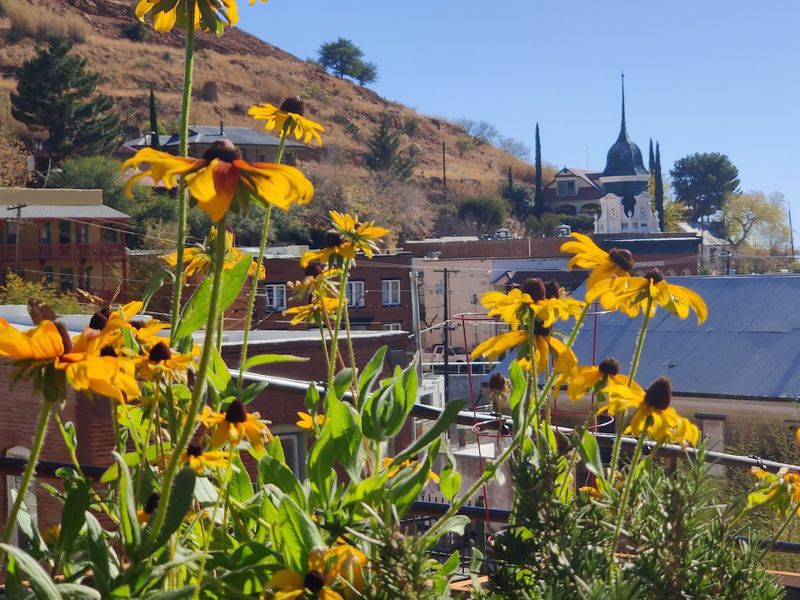
Named after Harrison Lavender, a former Phelps Dodge manager, the Lavender Pit is an open-air copper mine so enormous it stretches nearly a mile wide and 900 feet deep. Standing at the viewing area on the edge of town, it’s hard to wrap your mind around the sheer scale of human ambition and labor that created this massive hole in the earth.
The pit’s walls shift through layers of rust, purple, and gold depending on the light and time of day, creating an unexpectedly beautiful landscape from what was essentially an industrial excavation. Photographers love shooting it at golden hour when the colors are most dramatic.
Interpretive signs at the viewing area explain the mining process and the pit’s history in clear, accessible language. Admission is free, and the viewpoint is easy to reach by car or a short walk from Old Bisbee.
Don’t skip it.
Bisbee’s Staircase Network: The World’s Most Interesting Commute
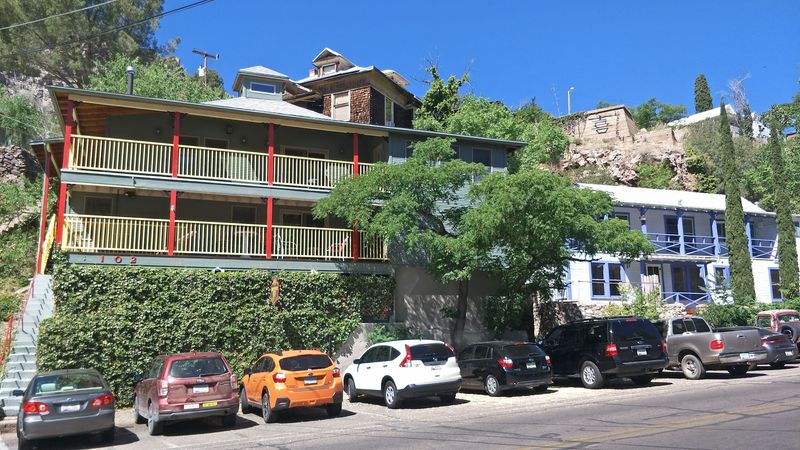
Bisbee has over 100 public staircases, and locals use them every single day to navigate the steep terrain that makes conventional streets impractical. What started as functional infrastructure has become one of the town’s most beloved quirks.
Each staircase has its own personality — some are plain concrete, others are decorated with mosaics, painted tiles, and hand-planted gardens.
An annual event called the Bisbee 1000 invites participants to climb as many of the town’s staircases as possible in a single race. It’s equal parts athletic challenge and neighborhood celebration, drawing competitors and spectators from across the Southwest.
Even without a race, exploring the staircases is one of the best free activities Bisbee offers. Every climb rewards you with a new vantage point, a surprising garden, or a neighbor who waves from their porch.
These stairs aren’t just pathways — they’re the social connective tissue of the community.
Day Trips from Bisbee: Tombstone and Beyond
Bisbee’s location in southeastern Arizona puts it within easy striking distance of some genuinely fascinating destinations. Tombstone, the legendary Wild West town where Wyatt Earp and Doc Holliday faced off at the O.K.
Corral, is only 25 miles away and makes for a memorable half-day adventure. It’s touristy, sure, but undeniably entertaining.
The San Pedro Riparian National Conservation Area is another excellent option for nature lovers. This lush river corridor is one of the best bird-watching spots in North America, attracting over 350 species of birds throughout the year.
Binoculars are strongly recommended.
The border town of Naco, just 10 miles south, offers a glimpse into the cultural and commercial exchange that defines life along the US-Mexico boundary. Bisbee’s central location makes it the perfect base camp for exploring a corner of Arizona that most tourists completely overlook.
Enjoyed this story?
Add Fast Food Club as a preferred source to see more of our reporting on Google.