


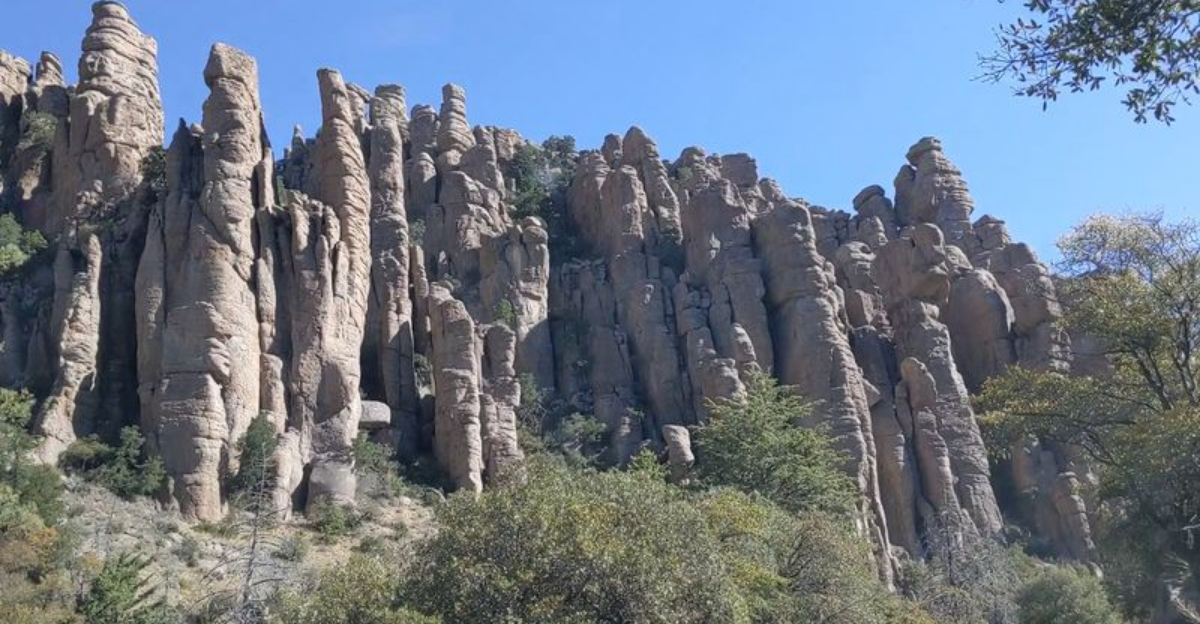
Tucked away in the southeastern corner of Arizona, Chiricahua National Monument is one of the most jaw-dropping places you have probably never heard of. Covering nearly 12,000 acres near Willcox, AZ, this stunning park is filled with towering rock columns, balancing boulders, and stone formations that look like they belong on another world.
Visitors who have explored famous parks like Bryce Canyon and Zion often say Chiricahua left them just as amazed, if not more. Whether you love hiking, wildlife watching, or simply soaking in breathtaking scenery, this hidden gem is absolutely worth the trip.
The Otherworldly Rock Formations That Started It All
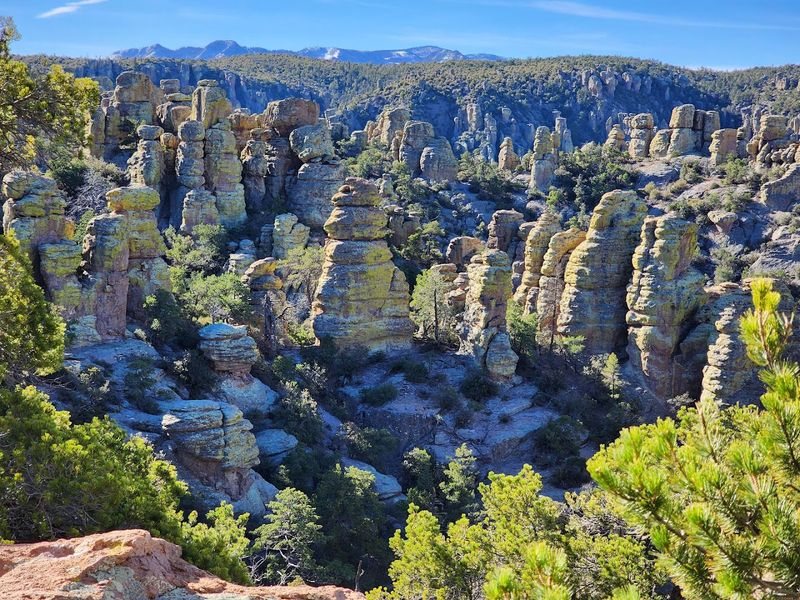
Millions of years ago, a massive volcanic eruption sent ash and debris across southeastern Arizona, and what hardened and eroded over time became one of nature’s most spectacular art galleries. The rock formations at Chiricahua National Monument look less like Earth and more like a fantasy landscape, with towering stone columns, stacked boulders, and needle-like spires stretching toward the sky.
Visitors often stop mid-trail just to stare in disbelief. Some formations resemble animals, faces, or ancient ruins, and every angle reveals something new.
The rhyolite rock, carved by wind, water, and ice over thousands of years, creates shapes that feel almost too perfect to be natural.
Reviewers have compared the scenery to Cappadocia in Turkey and China’s Stone Forest. Bring a camera, because these formations are the kind of sight that photos barely do justice to.
Echo Canyon Loop Trail: A Hiker’s Dream Come True
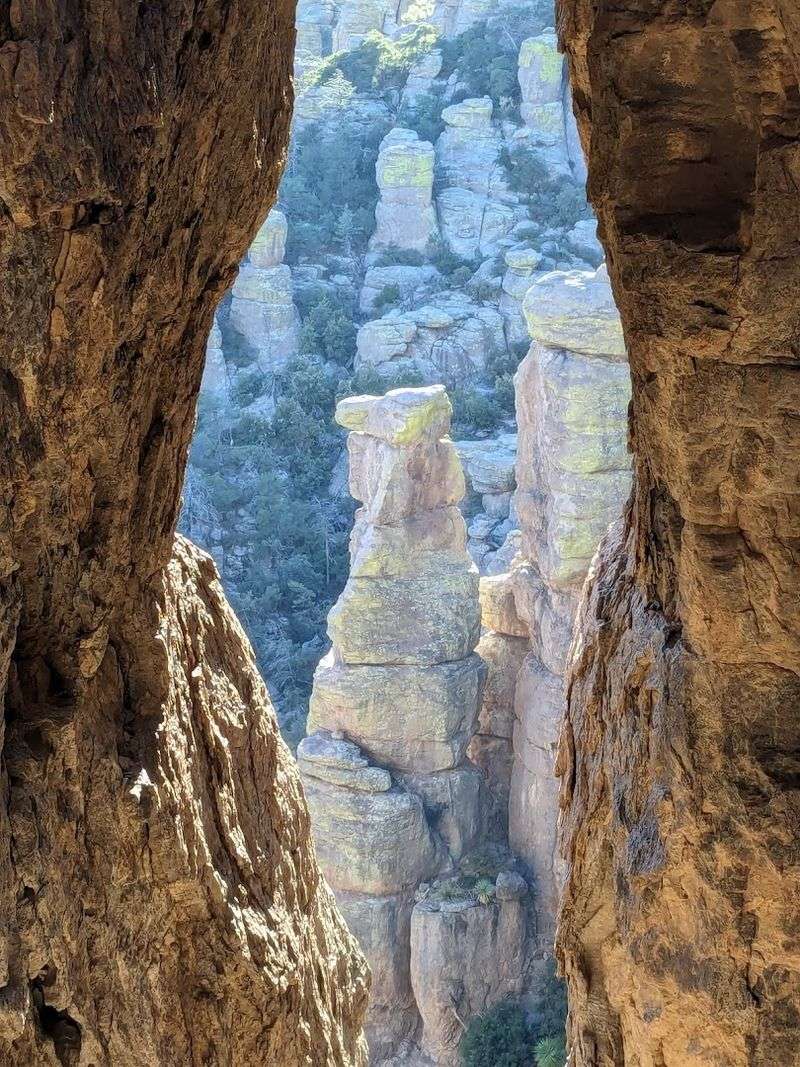
Ask almost any visitor which trail stole the show, and Echo Canyon Loop will come up again and again. This trail winds through narrow passages, past enormous boulders, and down into the cool, shaded floor of the canyon, offering a sense of adventure that feels straight out of an explorer’s journal.
The loop is considered moderate in difficulty, making it accessible to most hikers with a decent fitness level. Trail markers are clear and well-maintained, so getting turned around is unlikely as long as you stay alert.
The elevation changes as you descend into the canyon, so expect your legs to feel it on the way back up.
One reviewer described it as simply beautiful, noting the stunning rock formations visible at every turn. Start early, wear sturdy shoes, and carry enough water because there are no refill stations along the route.
Massai Point: The Panoramic View That Drops Jaws
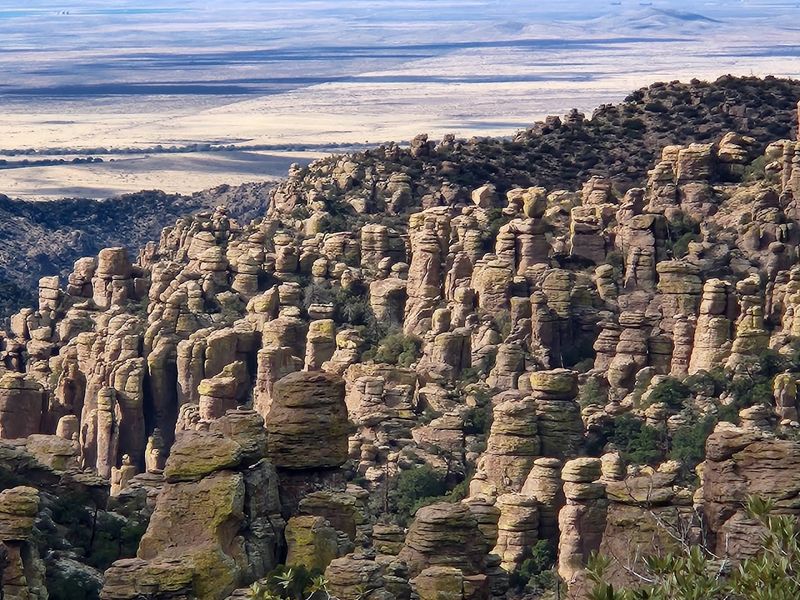
Standing at Massai Point feels like being perched on the edge of a different universe. From this elevated overlook, you get sweeping views of the entire monument, with hundreds of stone columns rising from the canyon floor below and mountain ridges stretching off into the distance.
The short half-mile hike to Massai Point is one of the most rewarding walks in the park, especially for those who want big scenery without a grueling climb. There is also an exhibit center nearby where you can learn about the geology and ecology of the area.
Sunsets from this spot are legendary among regular visitors.
One reviewer specifically recommended pairing the Massai Point hike with the Echo Canyon Grotto for a full afternoon of exploration. Arrive at least an hour before sunset to grab a good viewing spot and soak in the golden light hitting those ancient stone towers.
Heart of Rocks Loop: Where the Magic Gets Even Wilder
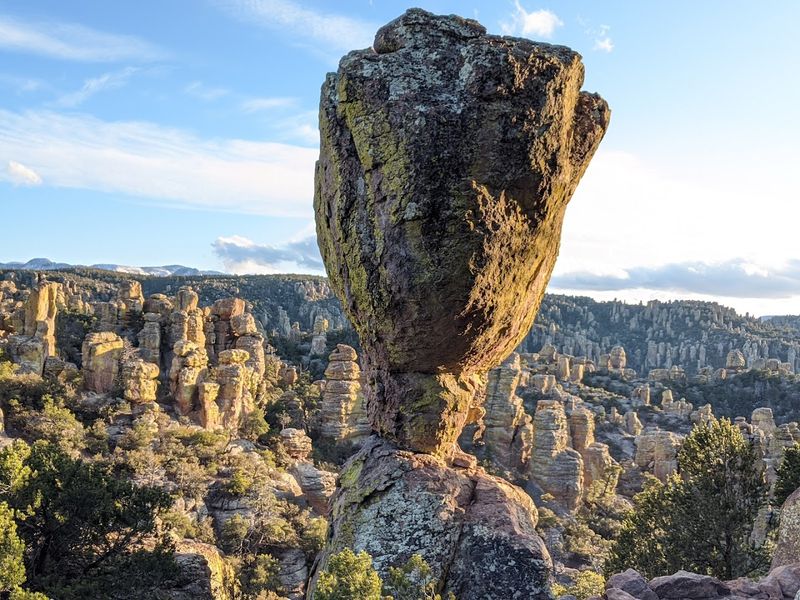
If Echo Canyon is the crowd favorite, Heart of Rocks Loop is the trail that turns casual visitors into obsessed fans. This longer route takes you deep into the monument where the rock formations grow even more dramatic, including the famous Balanced Rock, a massive boulder perched on a slender stone pedestal that defies all logic.
The trail covers about 7 miles in total, so plan for a solid half-day adventure. Comfortable hiking boots, sunscreen, and plenty of snacks are non-negotiable.
One reviewer shared a lighthearted warning: near Balanced Rock, the terrain opens up and looks nearly identical in every direction, so it is surprisingly easy to lose the trail temporarily.
Wildlife sightings are common along this route, including deer, coatimundis, and various bird species. The combination of raw wilderness and mind-bending geology makes this loop one of the most memorable hikes in all of Arizona.
Wildlife Encounters You Seriously Did Not Expect
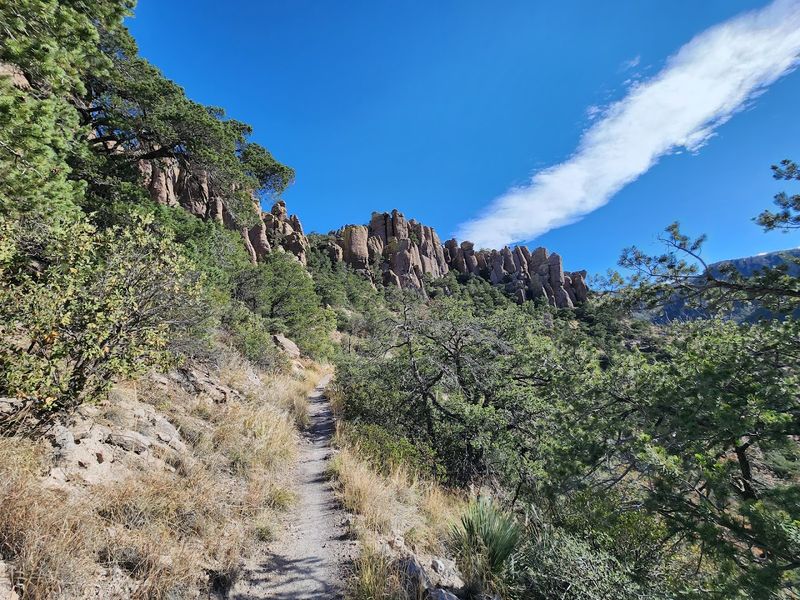
Chiricahua National Monument is not just about rocks. The park sits within Arizona’s Sky Island region, a rare ecological zone where desert, grassland, and mountain forest ecosystems all collide, creating a habitat that supports an extraordinary variety of wildlife.
Bird watchers travel from across the country to spot rare species found almost nowhere else in the United States. White-tailed deer, javelinas, and even black bears have been spotted by lucky hikers.
One of the most exciting surprises for many visitors is the coatimundi, a raccoon-like mammal with a long ringed tail that is commonly seen foraging near trails.
Rattlesnakes are also present, and at least one reviewer noted seeing more than at any other park they had visited. Stay on marked trails, watch where you step, and keep a respectful distance from all animals.
The wildlife here adds a thrilling layer to every visit.
The Volcanic History Behind These Incredible Landscapes
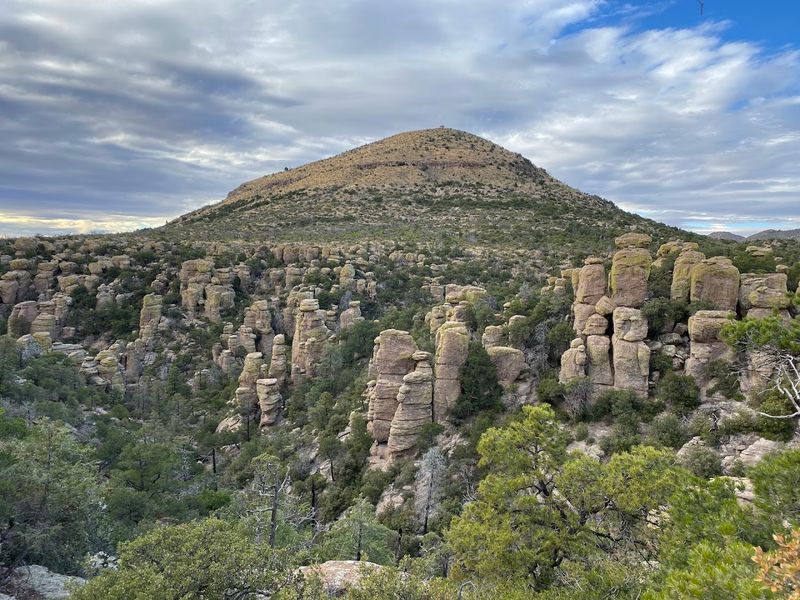
About 27 million years ago, the Turkey Creek Volcano erupted with unimaginable force, blanketing the region in thick layers of ash and rock. That volcanic material slowly compressed into rhyolite, a hard igneous rock that would spend millions of years being sculpted by rain, frost, and wind into the surreal landscape visitors see today.
Understanding this backstory makes every formation even more awe-inspiring. Those towering columns?
They formed because vertical cracks in the rock allowed water to seep in, freeze, and slowly chip away at the surrounding material over thousands of years. The result is a landscape that looks hand-carved but was shaped entirely by natural forces.
The visitor center offers exhibits that explain this geological journey in an accessible, engaging way. Even if science class was never your favorite subject, the story behind these rocks is genuinely fascinating and adds real depth to your park experience.
Faraway Ranch: A Glimpse Into Pioneer Life
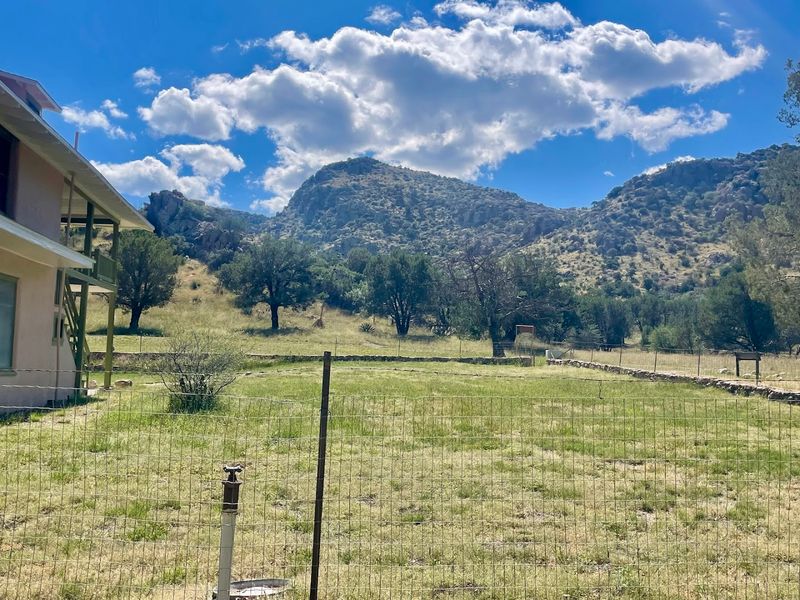
Hidden within the monument’s boundaries is Faraway Ranch, a historic homestead that tells the story of the Erickson family, Swedish immigrants who settled here in the late 1800s and eventually turned their property into one of Arizona’s first dude ranches. Walking through the preserved buildings feels like stepping directly into the late 19th century.
The ranch operated for decades, welcoming guests who wanted an authentic taste of the rugged Southwest. The Ericksons also played a role in advocating for the protection of the surrounding landscape, which eventually led to the area being designated a national monument in 1924.
Access to the ranch interior may be limited depending on staffing, so check with the visitor center before making it a primary goal. Even from the outside, the setting is charming and historically rich.
It adds a human dimension to the park that goes far beyond geology and trail maps.
Bonita Canyon Drive: Stunning Scenery Without Breaking a Sweat
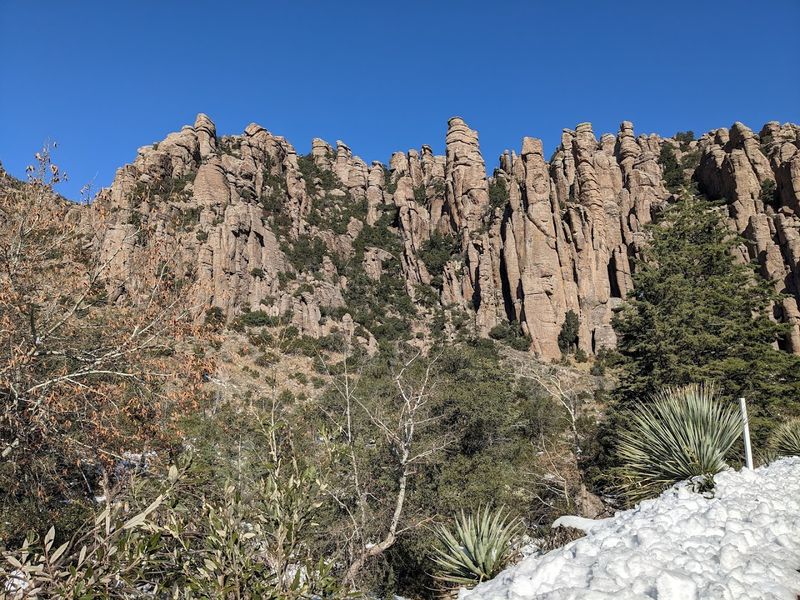
Not everyone visits a national monument ready to tackle miles of hiking, and that is perfectly fine at Chiricahua. Bonita Canyon Drive is a scenic paved road that winds through the heart of the monument, delivering jaw-dropping views of the rock formations, canyon walls, and surrounding mountain terrain from the comfort of your car.
The drive stretches about 8 miles from the entrance to Massai Point, with several pullouts along the way where you can stop, stretch, and snap photos. Even at a leisurely pace, the whole drive takes less than an hour, though most people find themselves pulling over every few minutes to admire something new.
Families with young children, older visitors, or anyone simply short on time will find this drive a completely satisfying way to experience the monument. One reviewer confirmed that the drive alone was spectacular from start to finish, proving you do not need hiking boots to fall in love with this place.
Camping Under the Stars in a Remote Arizona Wilderness
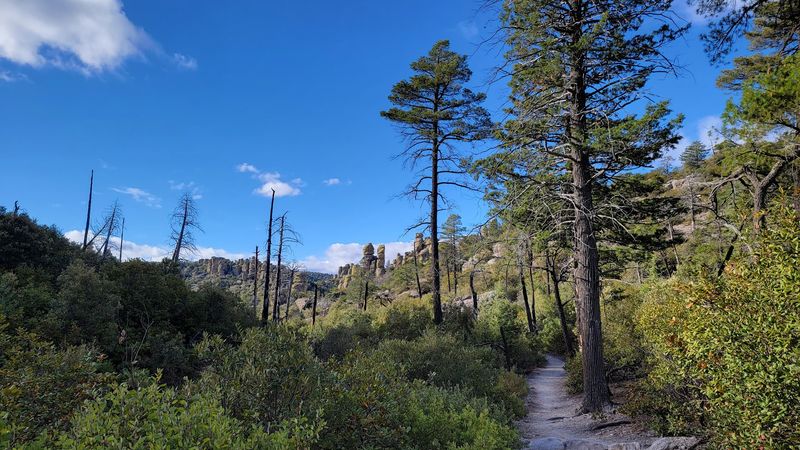
Spending a night at Chiricahua National Monument takes the experience to a completely different level. The Bonita Canyon Campground sits at about 5,400 feet in elevation, surrounded by Arizona sycamore and oak trees, with the sound of Bonita Creek nearby.
It is the kind of place that makes you want to put your phone away and just breathe.
The campground has 25 sites that accommodate tents and small RVs, with basic amenities including restrooms and drinking water. Reservations are recommended, especially during spring and fall when the park sees higher visitor numbers.
The higher elevation keeps temperatures noticeably cooler than the desert floor, making summer camping here quite pleasant.
Stargazing from the campground is exceptional due to minimal light pollution in this remote part of Arizona. Waking up to birdsong and the sight of stone spires glowing in the morning sun is an experience that stays with you long after you head home.
The Visitor Center: Your Best First Stop in the Park
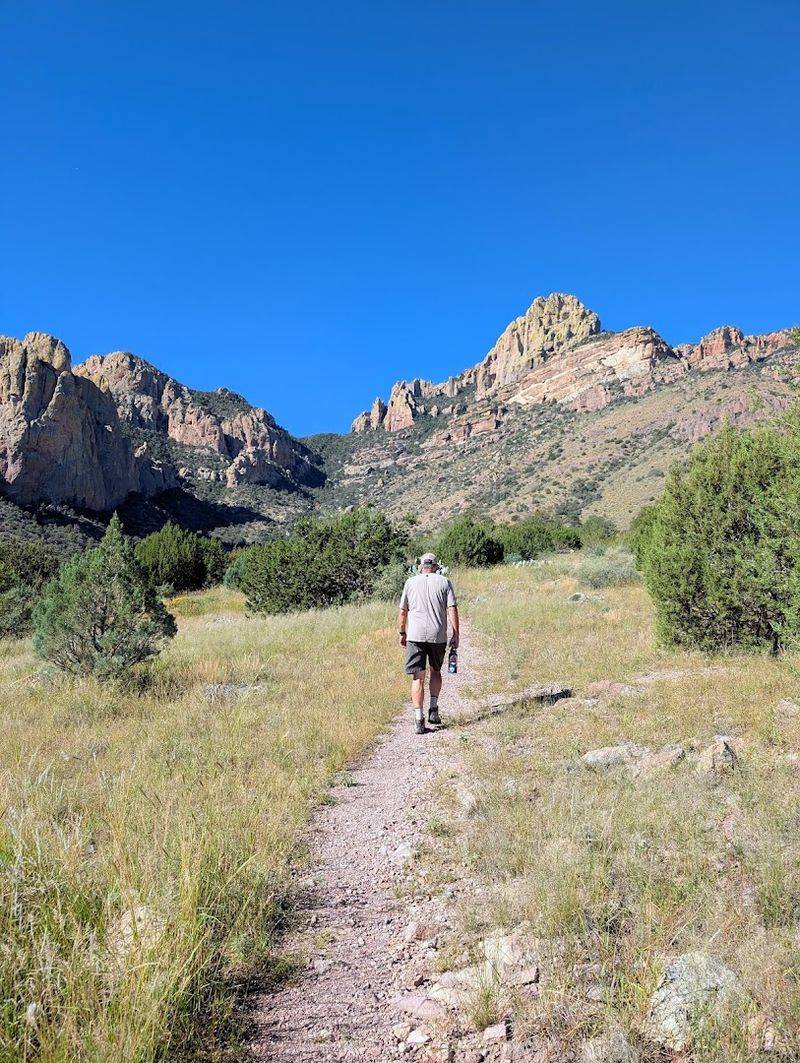
Before hitting the trails, a stop at the visitor center is genuinely worth your time. The staff here have earned glowing praise from visitors across dozens of reviews, with multiple people calling out rangers and volunteers by name for being exceptionally helpful and warm.
Inside, you will find exhibits covering the monument’s volcanic origins, the Apache history connected to this land, and the unique ecology of the Sky Island region. The National Park Passport stamp is available here, which is a fun tradition for anyone collecting stamps from parks across the country.
Rangers can give you up-to-date trail conditions, wildlife activity reports, and recommendations based on your fitness level and available time. One visitor even got help setting up their Parks Passport program right at the front desk.
Starting your visit here means you will spend your time in the park smarter, safer, and more informed than if you had gone straight to the trailhead.
Practical Tips for Planning Your Visit to Chiricahua
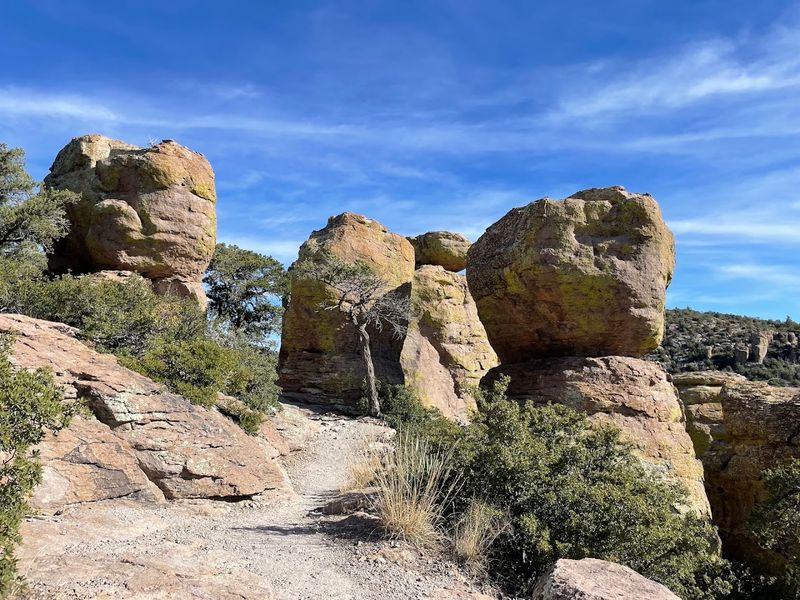
A little preparation goes a long way at Chiricahua, especially since the park sits about 40 miles south of Interstate 10 with very limited services nearby. Fill up your gas tank and stock up on food and water in Willcox before making the drive out, because there are no stores or restaurants inside or near the monument.
Dress in layers regardless of the season. The elevation hovers around 5,000 to 7,000 feet depending on where you are in the park, which means temperatures can swing dramatically between sunny exposed ridges and shaded canyon trails.
Mornings can be surprisingly cold even in late spring.
Trailhead parking fills up quickly on busy weekends, so arriving early is strongly recommended. Admission is free, which makes this one of the best-value outdoor destinations in the entire Southwest.
Cell service is essentially nonexistent inside the park, so download offline maps before you leave home.
Why Chiricahua Rivals the Most Famous Parks in America
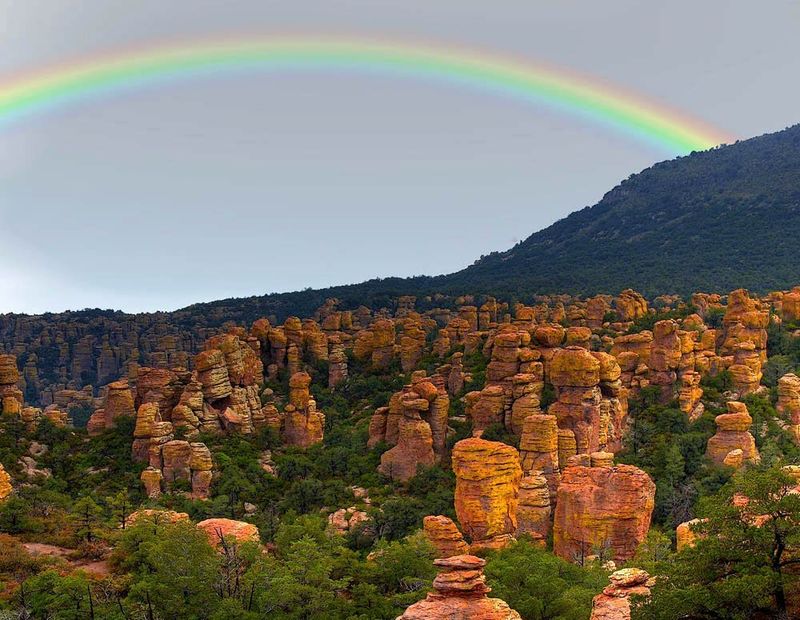
Multiple visitors who have explored Zion, Arches, the Grand Canyon, and Bryce Canyon have come away saying Chiricahua holds its own against all of them. That is a bold claim, but once you see the endless rows of stone columns rising from the canyon floor, it starts to make complete sense.
The park earned a near-perfect 4.9-star rating from over 2,500 reviews, which speaks volumes. What sets it apart is not just the scenery but the feeling of discovery.
Chiricahua does not have the massive crowds that overwhelm more famous parks, meaning you can stand at a viewpoint or walk a trail with a genuine sense of peace and solitude.
Several reviewers called it one of the most underrated parks in the country. Whether that reputation stays hidden or eventually catches up to the park is uncertain, but right now, visiting Chiricahua feels like being in on a spectacular secret that not enough people know about yet.
Seasonal Magic: The Best Times to Experience the Monument
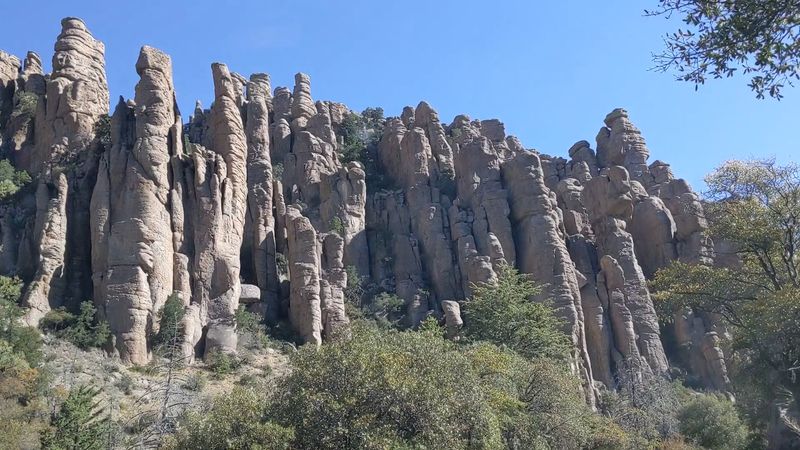
Spring and fall are widely considered the sweet spots for visiting Chiricahua. Temperatures are mild, wildflowers can be seen blooming along canyon trails in spring, and the softer light of these seasons makes the rock formations look even more dramatic in photographs.
Summer visits are surprisingly pleasant compared to the scorching desert floor, thanks to the park’s higher elevation. Afternoon monsoon storms roll through between July and September, bringing dramatic skies and a refreshed, earthy scent to the trails.
Just be cautious of lightning on exposed ridges during storm season.
Winter visits are possible and even beautiful, though ice can form on shaded trails and create genuinely slippery conditions near features like the Echo Canyon Grotto. At least one reviewer mentioned nearly falling on icy patches in January.
No matter when you visit, checking current trail conditions with park rangers before heading out is always a smart move.
Enjoyed this story?
Add Fast Food Club as a preferred source to see more of our reporting on Google.