


Florida’s heat, humidity, and unpredictable weather can make gardening feel like a battle you’re always losing. Scorching summers, sandy soils, salt spray, and occasional droughts challenge even the most experienced gardeners.
But some plants seem almost unfazed by all of it, growing strong and beautiful no matter what Florida throws at them. Here are 21 surprisingly tough plants that can handle the Sunshine State’s harshest conditions and still look amazing.
Coontie
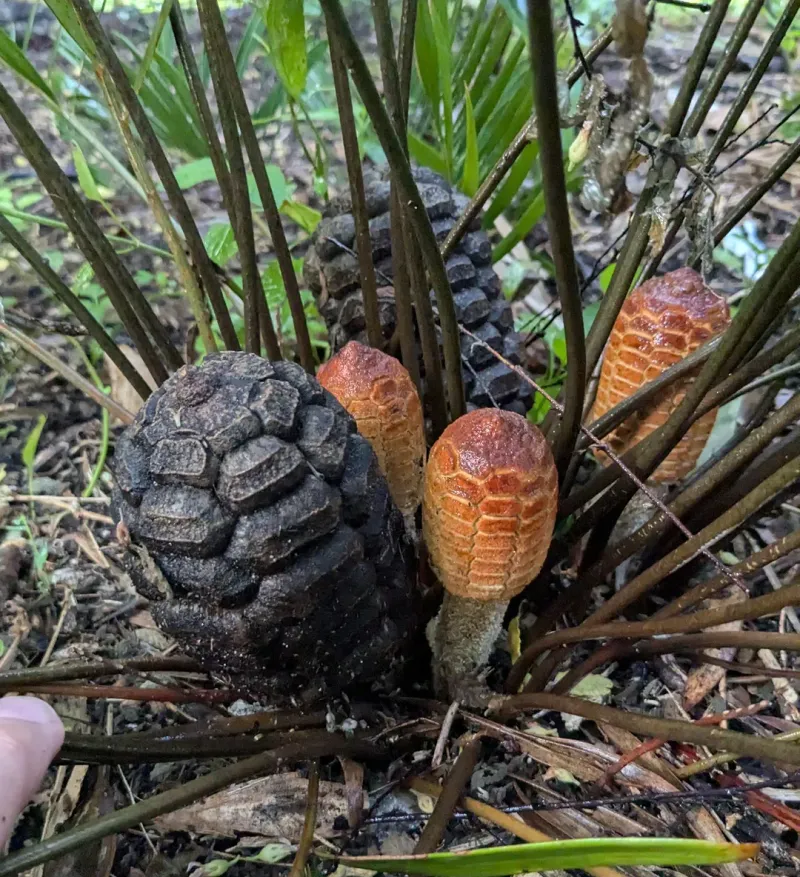
Ancient and nearly indestructible, coontie has survived in Florida for thousands of years. This low-growing cycad looks like a small palm but is actually more closely related to pine trees.
It handles drought, poor sandy soil, and even light frost without complaint.
Coontie is also the only host plant for the rare atala butterfly, making it a wildlife superstar. Plant it in sun or shade, and it will reward you with minimal fuss and maximum charm.
Firebush
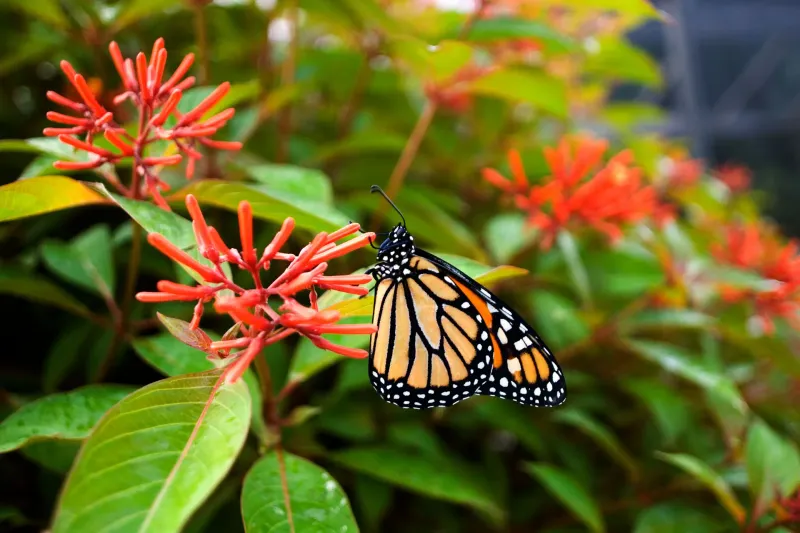
If a plant could be described as having a fiery personality, firebush would top the list. Its clusters of blazing orange-red tubular flowers bloom almost year-round, attracting hummingbirds and butterflies like a magnet.
Even in the peak of summer heat, this shrub keeps on going strong.
Firebush handles drought, humidity, and poor soil with ease. It grows fast, fills in spaces beautifully, and practically takes care of itself once established in your yard.
Saw palmetto
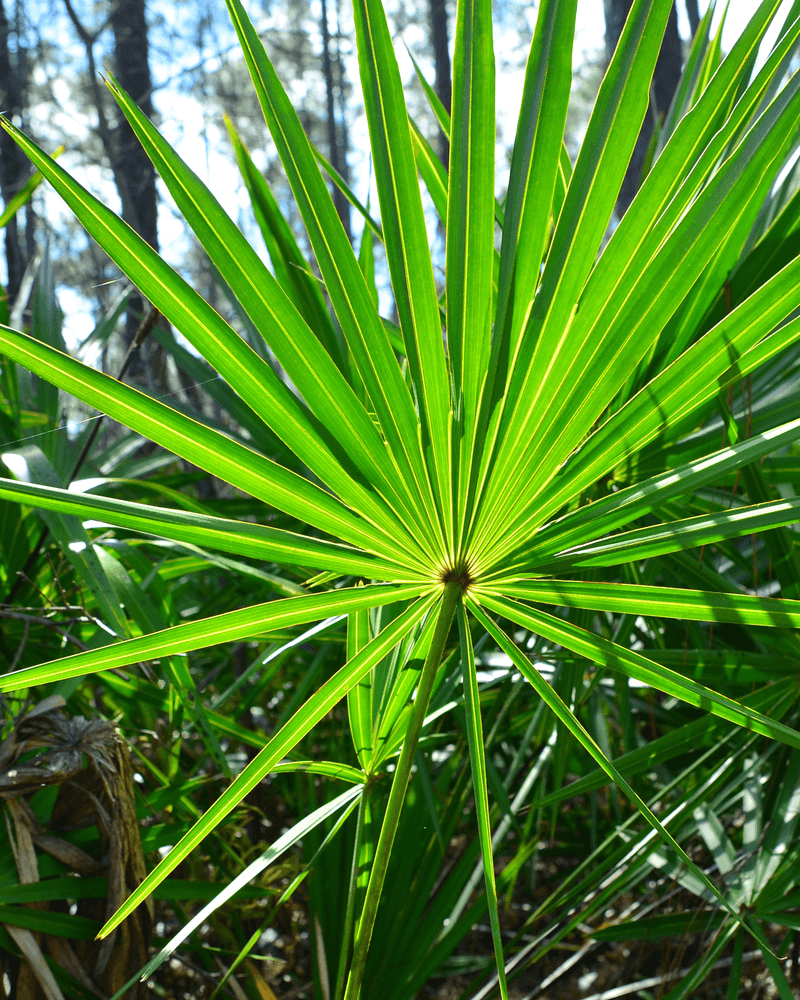
Saw palmetto is basically Florida’s unofficial mascot of toughness. This scrubby palm has survived wildfires, hurricanes, and droughts for millions of years, making it one of the most resilient plants on the planet.
Its fan-shaped fronds add a rugged, tropical texture to any landscape.
Wildlife absolutely love it too, using it for food and shelter. Once established, saw palmetto needs almost no watering or care, making it the ultimate low-maintenance Florida native.
Dwarf palmetto
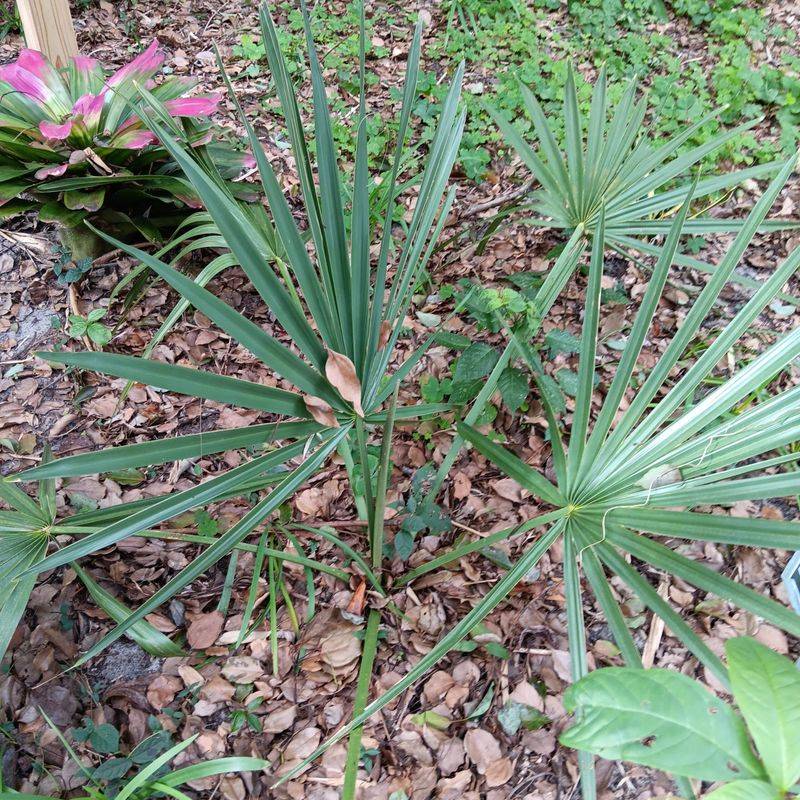
Shorter and more shade-tolerant than its cousins, dwarf palmetto is a hidden gem for Florida gardeners. It thrives in spots where other palms struggle, including deep shade and wet, poorly drained soils.
Its wide, blue-green fronds give gardens a lush, tropical feel without towering overhead.
Deer tend to leave it alone, which is a huge bonus in neighborhoods where deer browsing is a problem. Plant it under trees and watch it quietly thrive season after season.
Muhly grass
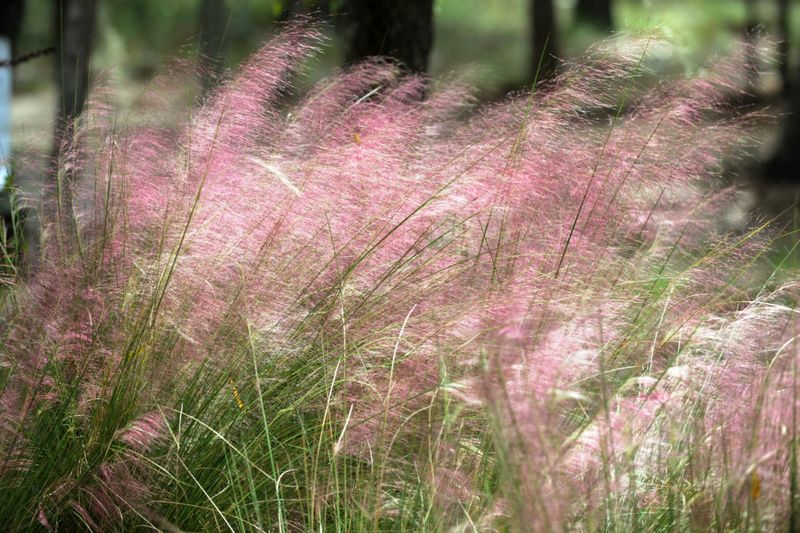
Every fall, muhly grass puts on one of Florida’s most spectacular shows. Clouds of rosy-pink, feathery plumes emerge from slender green blades, creating a soft, dreamy effect that stops people in their tracks.
It looks delicate, but do not let that fool you.
Muhly grass handles drought, salt spray, poor soil, and full sun like a champion. It requires almost no maintenance once established, and even deer tend to pass it by.
Few plants offer this much beauty for this little effort.
Cocoplum
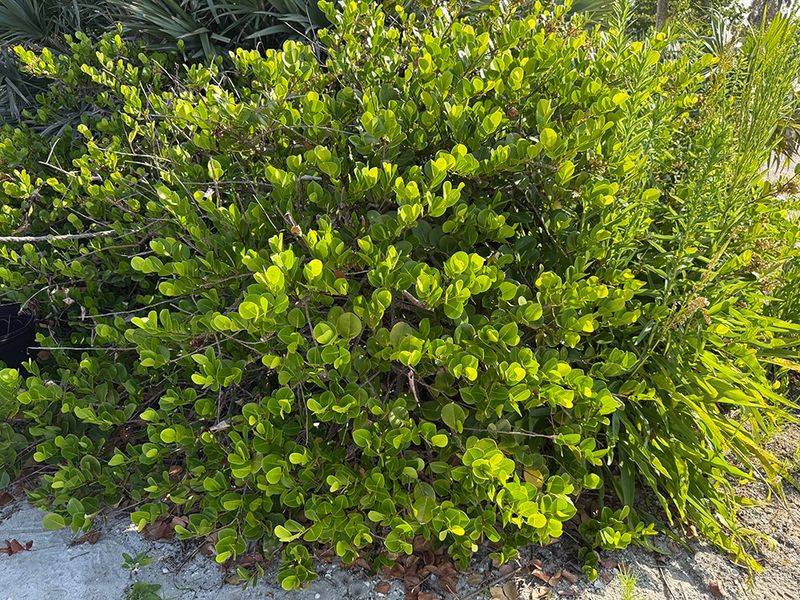
Cocoplum is one of those plants that earns its keep in every possible way. It works beautifully as a hedge, tolerates salt spray, handles wet or dry conditions, and even produces small edible fruits that wildlife adore.
Few plants are this versatile in a Florida yard.
The glossy, rounded leaves stay attractive through every season. Cocoplum grows at a moderate pace and responds well to trimming, making it easy to shape into tidy hedges or leave natural for a relaxed, tropical look.
Simpson’s stopper
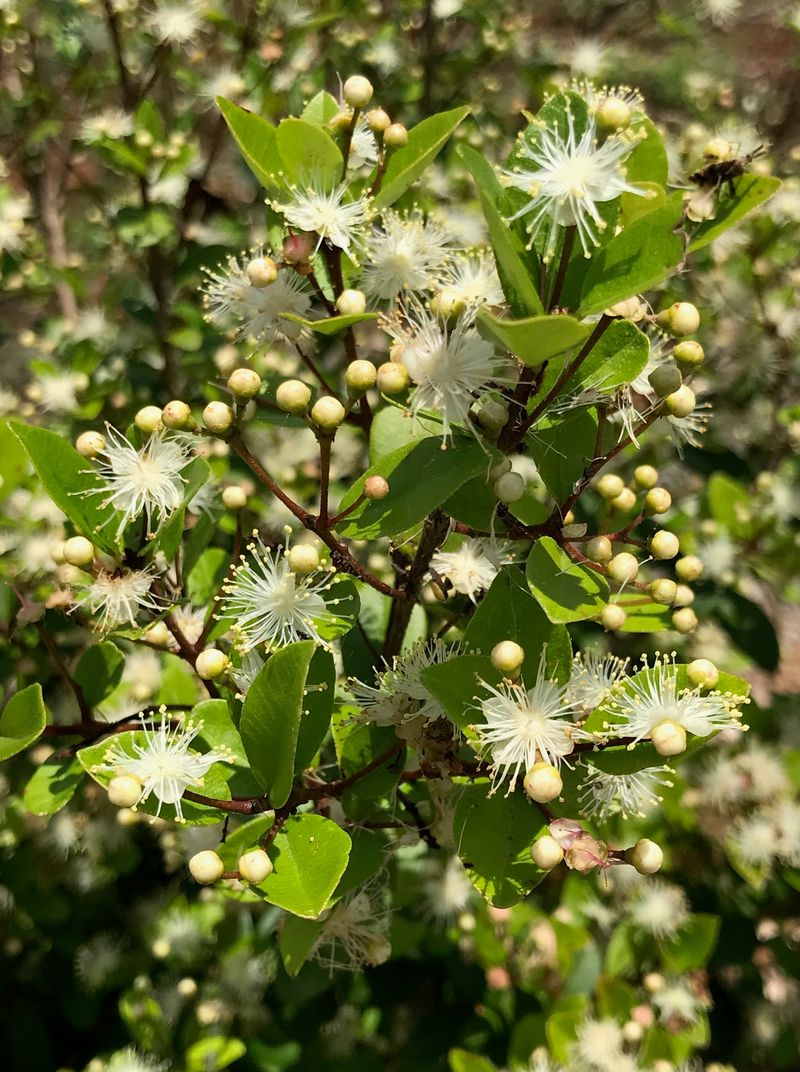
Named after a Florida botanist, Simpson’s stopper is a quietly impressive native shrub that rarely gets the credit it deserves. It produces clusters of tiny white flowers followed by bright orange-red berries that birds absolutely cannot resist.
The bark has a beautiful, mottled appearance that adds winter interest.
This plant handles drought, salt, and poor soils without skipping a beat. It works as a hedge, specimen plant, or wildlife garden anchor, and stays evergreen all year long.
Wax myrtle
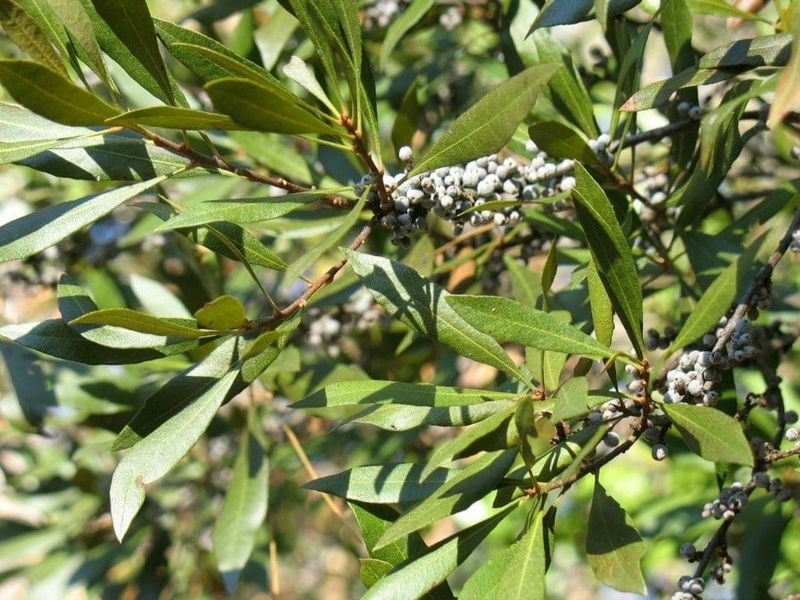
Wax myrtle grows fast, smells wonderful when you brush against its leaves, and handles almost every tough Florida condition imaginable. Wet soils, drought, salt, wind, poor fertility — this plant shrugs it all off.
It can be grown as a large shrub or trimmed into a small tree.
Its waxy blue-gray berries are a favorite food source for migrating birds, especially yellow-rumped warblers. Historically, colonists even boiled the berries to make fragrant candles.
Talk about a plant with serious history!
Sea grape
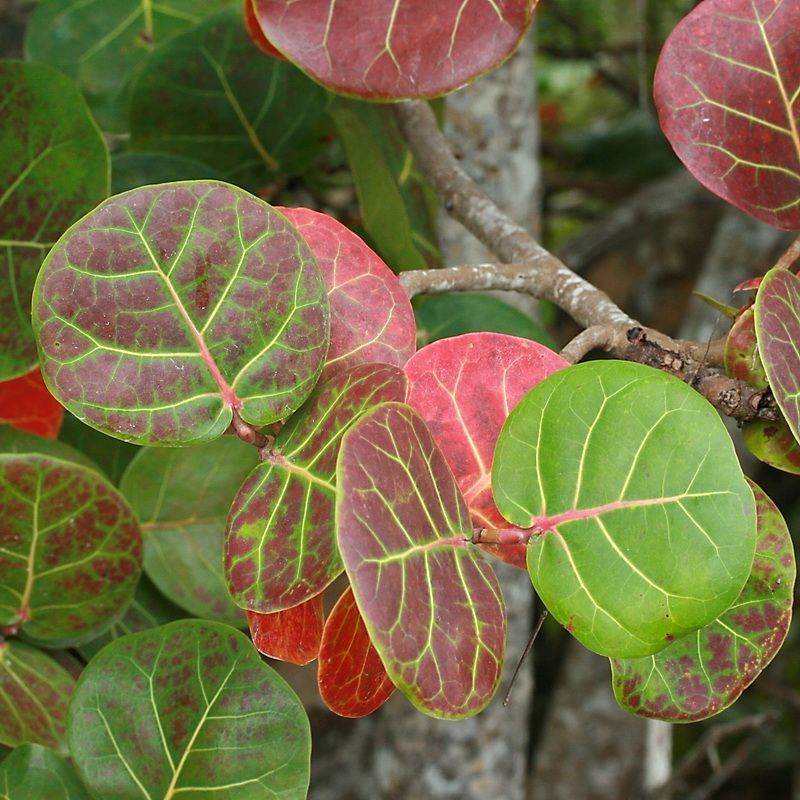
Growing right at the edge of the ocean where salt, wind, and sandy soil would destroy most plants, sea grape is remarkably tough. Its enormous, round, leathery leaves develop striking red veins as they age, making each leaf look like a piece of natural art.
The clusters of purple fruits are edible and popular for making jelly. Sea grape also plays a critical role in stabilizing coastal dunes and protecting shorelines from erosion.
Beauty and function wrapped up in one amazing plant.
Beach sunflower
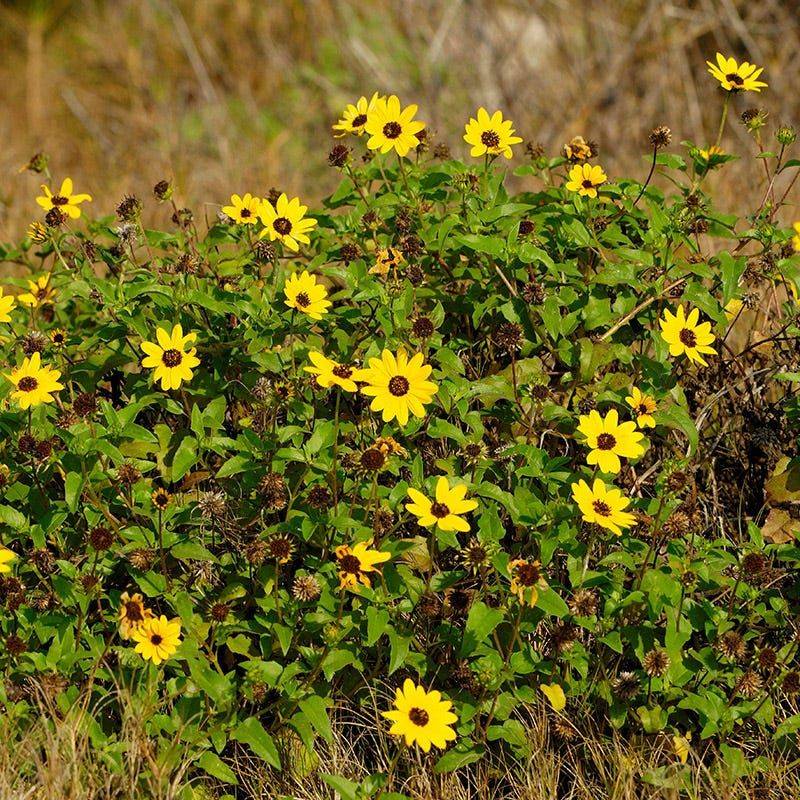
Cheerful and unstoppable, beach sunflower spreads across sandy ground like a living golden carpet. It blooms almost continuously, producing bright yellow daisy-like flowers that pollinators love.
Even in full coastal sun on dry, nutrient-poor sand, this plant thrives without complaint.
Beach sunflower is a fantastic groundcover for slopes and sandy areas where other plants fail miserably. It grows quickly, controls erosion, and needs almost no watering once established.
Butterflies and bees will thank you for planting it.
Railroad vine
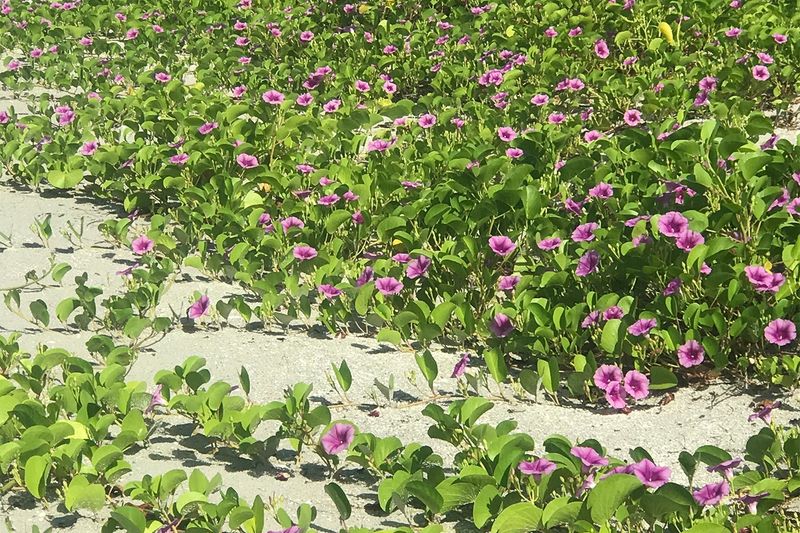
Railroad vine earns its name by running long, straight vines across open sandy ground at impressive speed. Its large, purple morning-glory-like flowers are genuinely beautiful, which feels almost unfair given how tough this plant is.
It anchors coastal dunes and prevents erosion with its deep, spreading root system.
Full sun and dry, salty sand are exactly what this plant wants. It requires zero supplemental watering once established, making it one of the most self-sufficient groundcovers available for Florida’s coastal landscapes.
Blanket flower
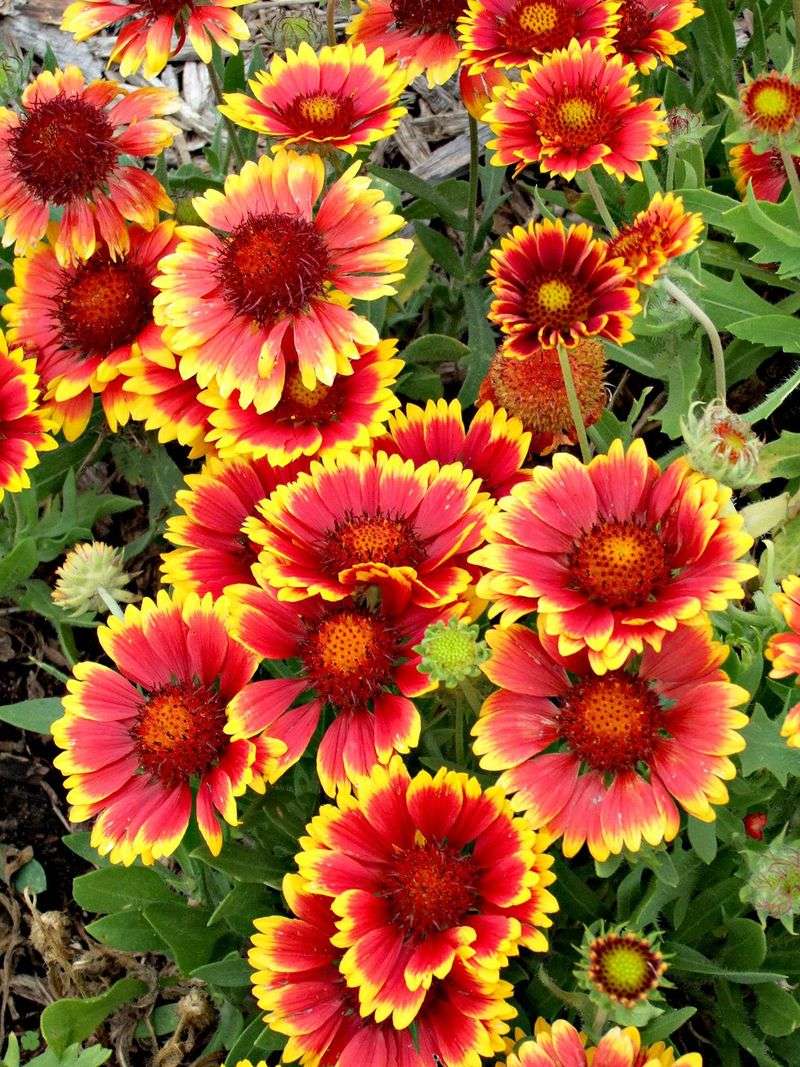
Blanket flower looks like it belongs in a painting, with its bold red and yellow petals radiating from a dark center. Native to North America, it has adapted beautifully to Florida’s sandy soils and relentless summer heat.
Butterflies and bees swarm it from spring through fall.
What makes blanket flower truly special is its drought tolerance — once established, it rarely needs watering. Deadhead spent blooms to encourage continuous flowering, or simply let it reseed naturally and spread on its own.
Coreopsis
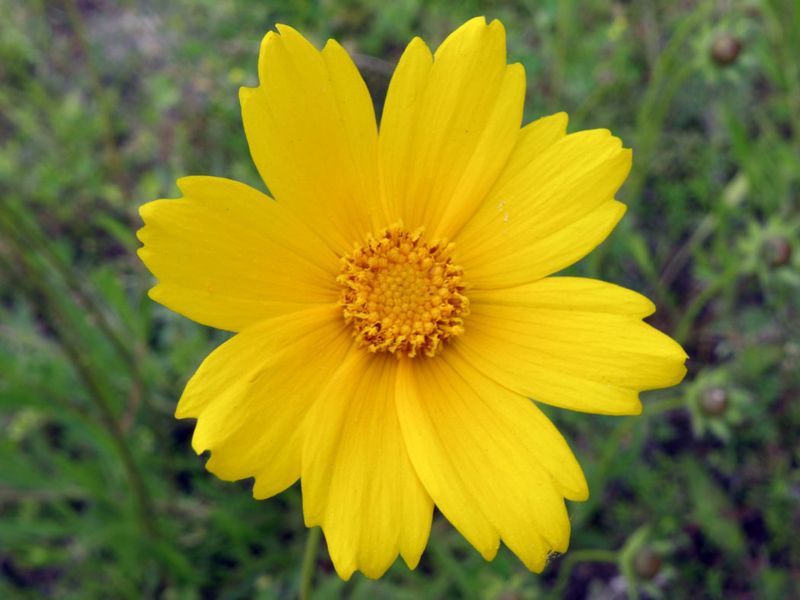
Florida named coreopsis its official state wildflower, and for good reason. Fields of bright yellow blooms light up roadsides and meadows across the state every spring, creating scenes that look almost too beautiful to be real.
It self-seeds freely and spreads without much help from gardeners.
Coreopsis handles sandy soils, drought, and high heat with ease. Plant it in full sun and mostly leave it alone — it prefers neglect over pampering.
Few wildflowers deliver this much color with this little effort.
Lantana
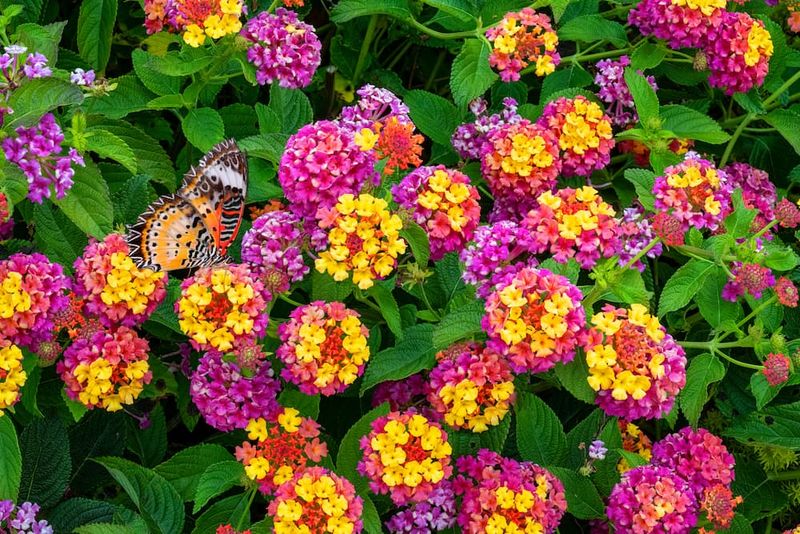
Lantana might just be the toughest flowering plant in Florida. It blooms heavily through scorching heat, tolerates drought, grows in poor soil, and shrugs off humidity without missing a beat.
The flower clusters shift colors as they age, creating a multicolored effect that is genuinely eye-catching.
Butterflies flock to lantana in extraordinary numbers, making it a must-have for pollinator gardens. Opt for sterile varieties to prevent unwanted spreading.
Native lantana species are especially valuable for supporting local wildlife populations.
Agave
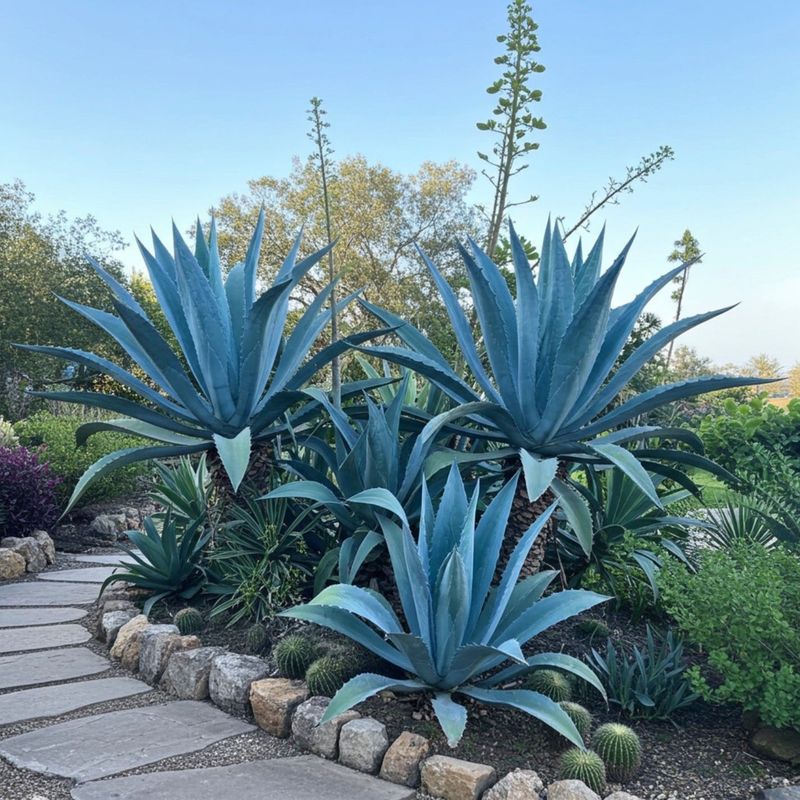
Sharp, architectural, and almost indestructible — agave is the plant that makes other drought-tolerant plants look high-maintenance. Its thick, fleshy leaves store water efficiently, allowing it to survive Florida’s dry seasons without any irrigation.
The pointed tips are serious business, so plant it away from foot traffic.
Agave grows slowly but dramatically, eventually sending up a towering flower stalk before the main rosette dies. Offsets, called pups, form around the base, so you will always have more plants to share.
Yucca
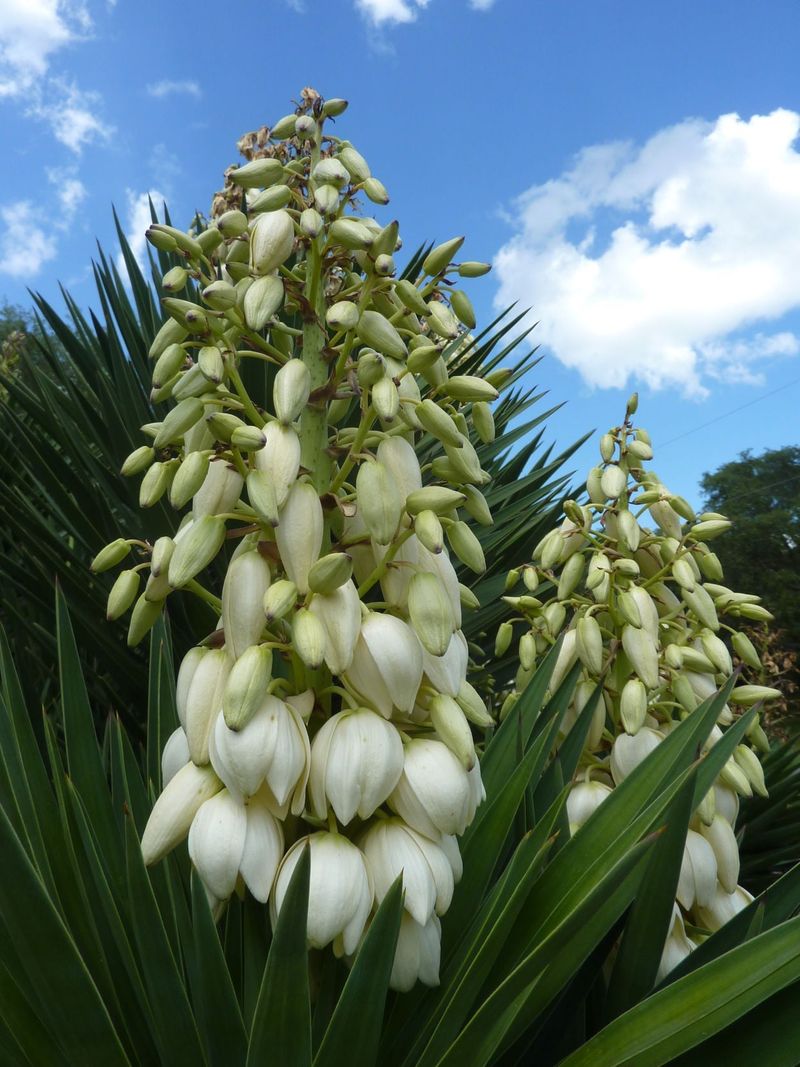
Yucca has a bold, dramatic presence that commands attention in any landscape. Its stiff, sword-like leaves radiate outward from a central base, and when it blooms, a towering stalk of creamy white flowers rises dramatically skyward.
The sight is genuinely impressive.
Sandy soil, full sun, and minimal water are all this plant needs to thrive in Florida. It handles coastal salt spray and dry spells without flinching.
Yucca moths depend entirely on yucca flowers for reproduction, creating a fascinating and unique ecological relationship.
Bulbine
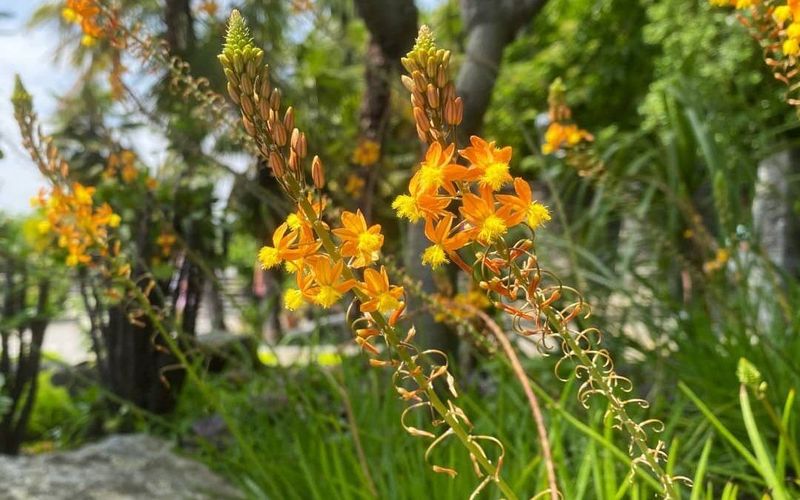
Bulbine is one of those underrated gems that experienced Florida gardeners quietly love. Its slender, succulent leaves stay fresh-looking through drought and heat, while cheerful clusters of orange and yellow star-shaped flowers bloom for months on end.
It almost seems too good to be true.
Plant bulbine in well-drained soil and full to partial sun, and it will reward you generously. It spreads slowly into attractive clumps and pairs beautifully with other drought-tolerant plants.
Bees and butterflies visit the flowers regularly throughout the growing season.
Society garlic
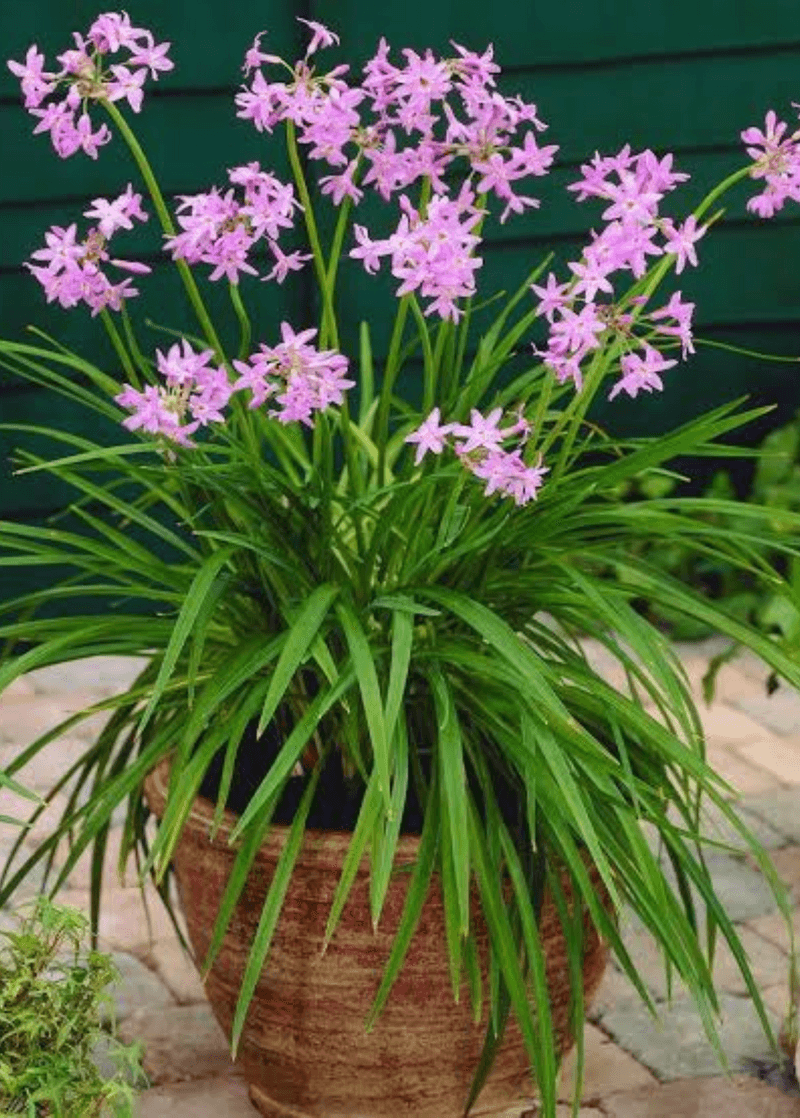
Society garlic has a funny name with a straightforward explanation — it smells like garlic, but the odor is mild enough that you can still socialize comfortably after handling it. Its slender blue-green leaves form attractive clumps topped with clusters of soft lavender flowers that bloom repeatedly.
This plant handles drought, heat, and poor soil remarkably well. Deer and many garden pests avoid it due to the garlic scent.
Use it as a border plant, a groundcover, or a container specimen for a versatile, low-fuss addition to any Florida yard.
Blue porterweed
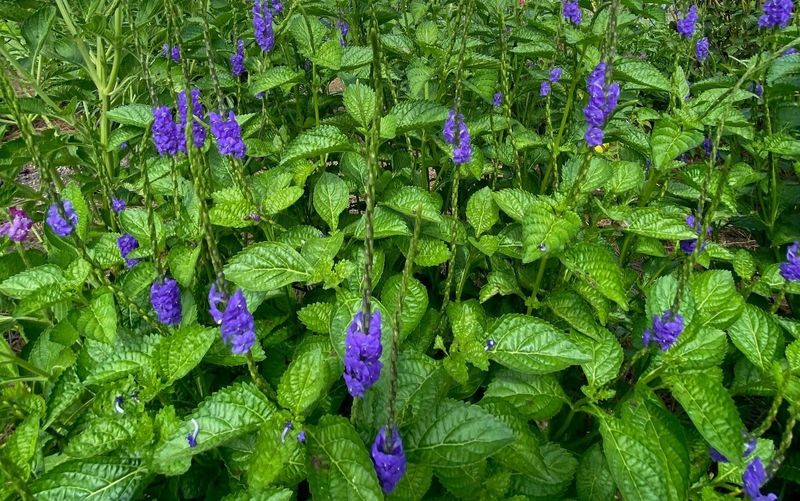
Hummingbirds and butterflies practically line up for blue porterweed. Its small but intensely colored blue-purple flowers bloom along slender spikes almost continuously in warm weather, making it one of the best pollinator plants available for Florida gardens.
The native variety is especially valuable for local ecosystems.
Blue porterweed thrives in full sun and handles drought and poor soil without trouble. It grows quickly and spreads to fill spaces, which gardeners either love or manage with occasional trimming.
Either way, the wildlife activity it generates makes it absolutely worth growing.
Goldenrod
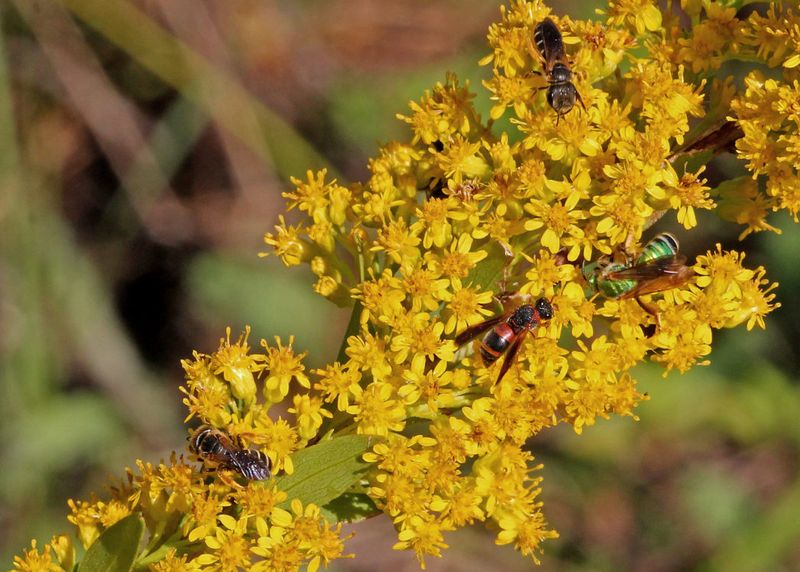
Goldenrod gets blamed unfairly for fall allergies — that distinction actually belongs to ragweed, which blooms at the same time. Goldenrod’s heavy pollen is carried by insects, not wind, so it is essentially allergy-free.
Its golden plumes are absolutely stunning in fall landscapes.
Florida’s native goldenrod species handle poor sandy soils, drought, and full sun with impressive ease. They also support an extraordinary number of native bee species.
Planting goldenrod is one of the single best things you can do for local pollinators in your yard.
Walter’s viburnum
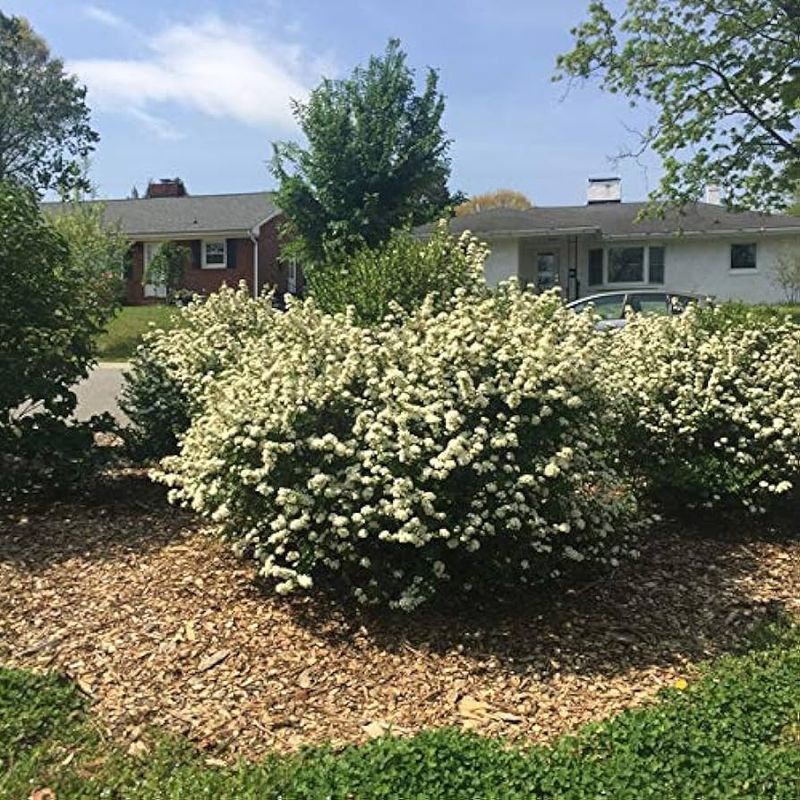
Walter’s viburnum might be the most underappreciated native shrub in Florida. It grows into a handsome, multi-stemmed large shrub or small tree, producing fragrant white flower clusters in spring followed by dark blue-black berries that birds devour enthusiastically.
The glossy dark leaves stay attractive year-round.
Drought, poor soil, salt spray, and both sun and shade — Walter’s viburnum handles all of it without complaint. It works beautifully as a privacy screen, wildlife hedge, or standalone specimen.
Once established, it essentially takes care of itself.
Enjoyed this story?
Add Fast Food Club as a preferred source to see more of our reporting on Google.