


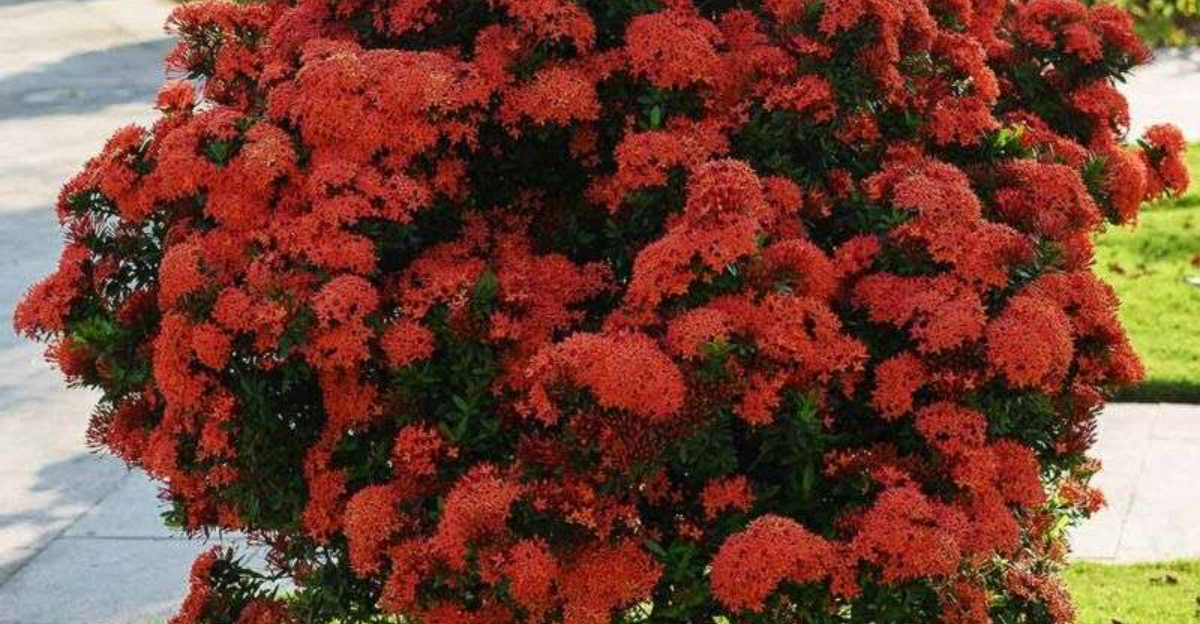
Keeping a Florida garden looking sharp does not have to mean spending every weekend pulling weeds or hauling bags of fertilizer. The right plants do most of the heavy lifting for you, thriving in the heat, humidity, and occasional drought that come with living in the Sunshine State.
Whether you have a big backyard or a small front bed, these plants bring color, texture, and structure without demanding much in return. Here are 22 easy-care plants that will make your yard look like a pro designed it.
Podocarpus
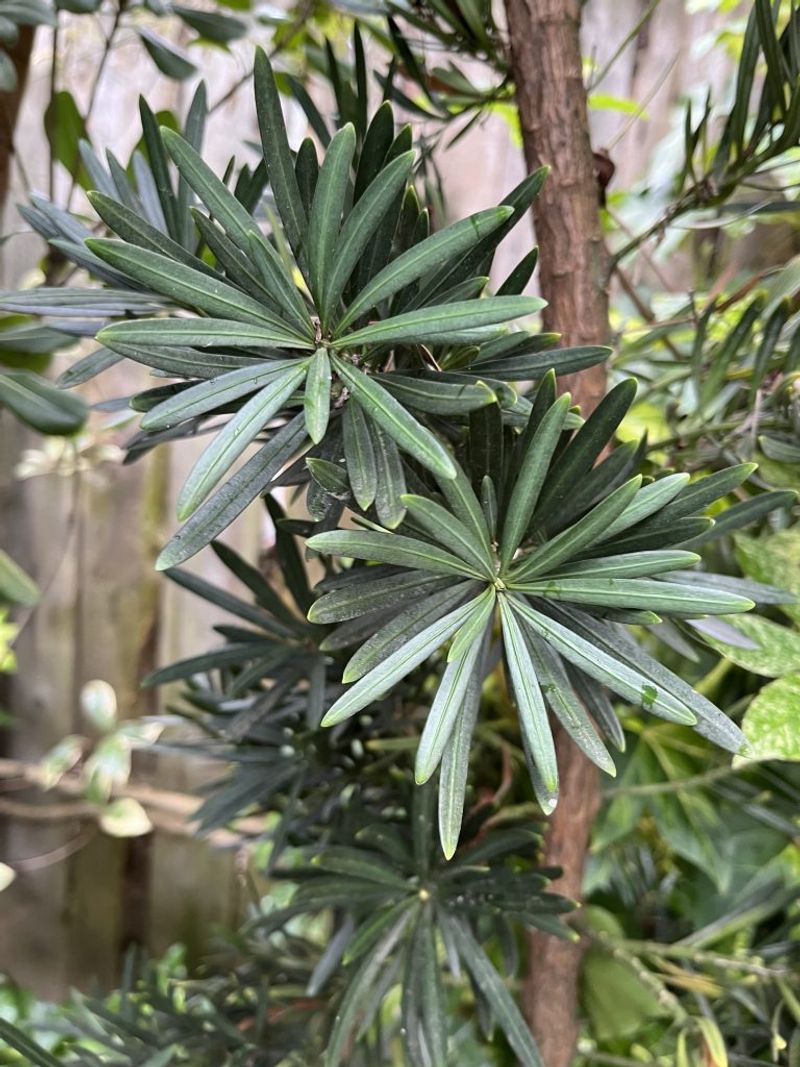
Think of Podocarpus as the reliable workhorse of Florida landscaping. This evergreen shrub takes shearing beautifully, making it a go-to choice for clean, formal hedges that stay thick and green year-round.
It handles full sun and partial shade without complaint.
Podocarpus is also surprisingly drought-tolerant once established. Plant it along a fence or property line, give it a trim a couple of times a year, and watch it quietly transform your yard into something that looks seriously polished.
Clusia
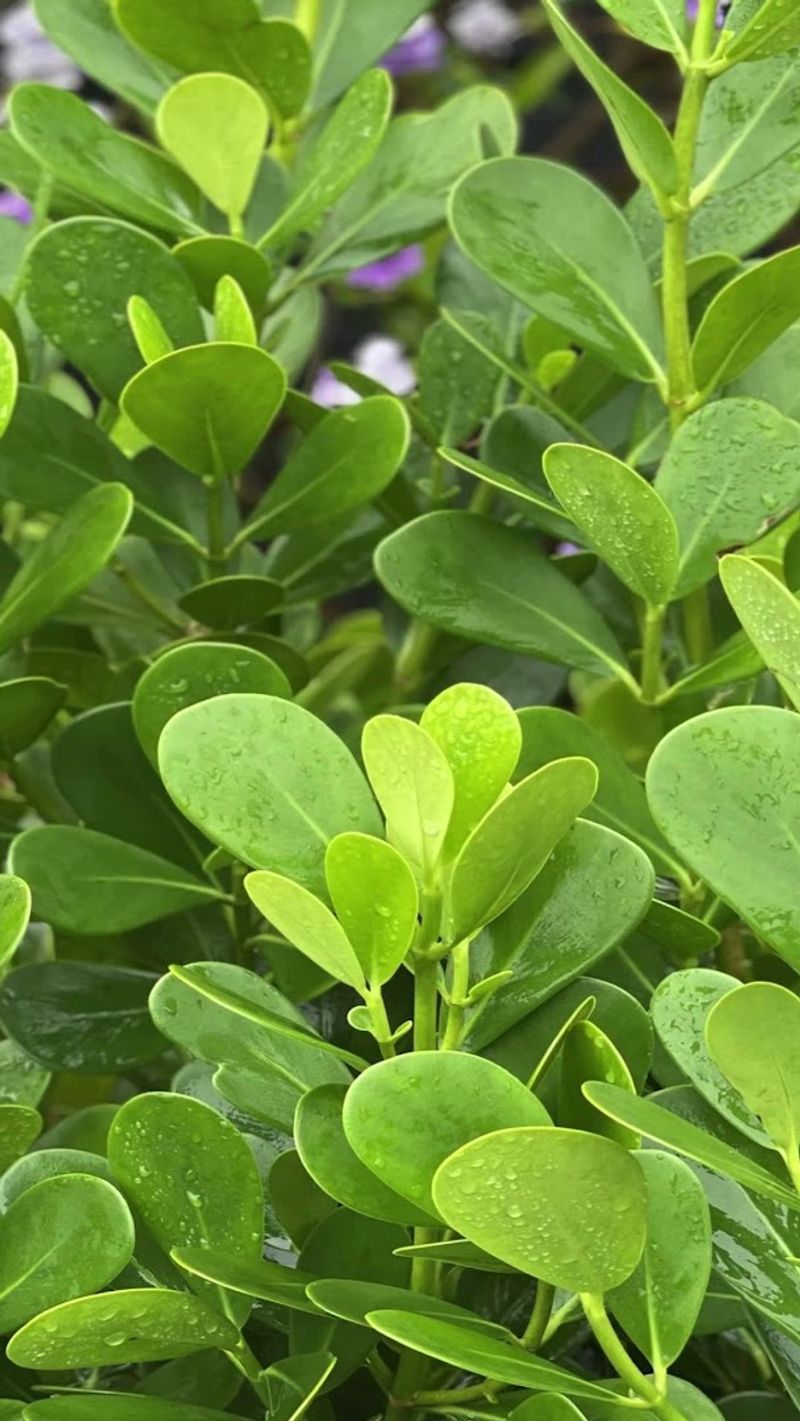
Clusia is basically the SUV of Florida shrubs — tough, wide, and built for rough conditions. Its thick, waxy leaves shrug off salt spray, strong winds, and dry spells without skipping a beat.
That makes it especially popular in coastal Florida neighborhoods.
Commonly called pitch apple, Clusia grows into a dense, rounded hedge that looks intentional and tidy with very little maintenance. A light trim once or twice a year keeps it looking sharp, and it rarely needs extra fertilizing to stay vibrant.
Coontie
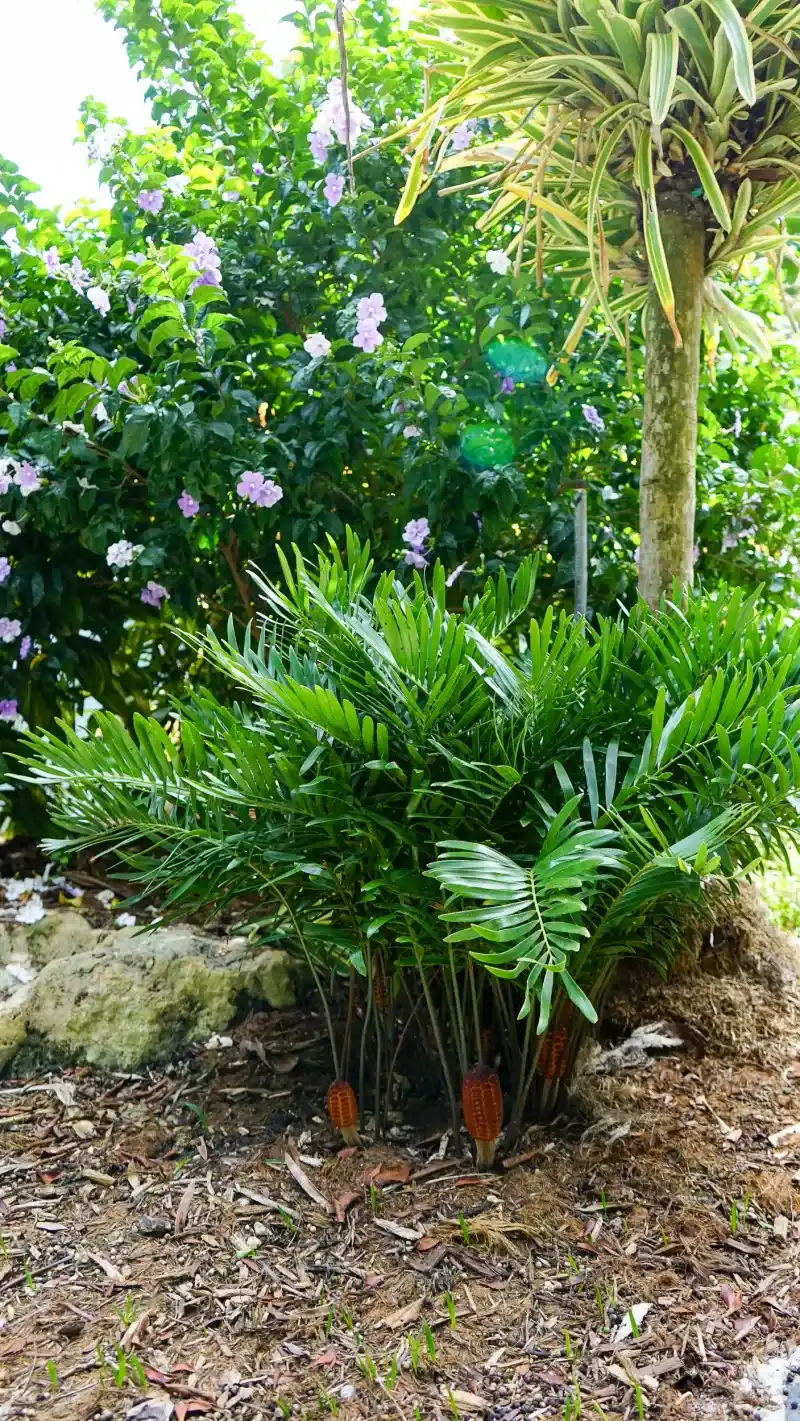
Florida’s only native cycad, Coontie has been growing in this state long before anyone was planting gardens. It looks exotic and architectural, with dark green feathery fronds that fan out in a tidy, symmetrical mound.
Visitors often assume it is something rare and expensive.
Coontie thrives in sandy, well-drained soil and tolerates drought, shade, and neglect with equal ease. It also serves as the sole host plant for the Atala butterfly, so planting it does double duty — gorgeous garden accent and local wildlife habitat all in one.
Muhly grass
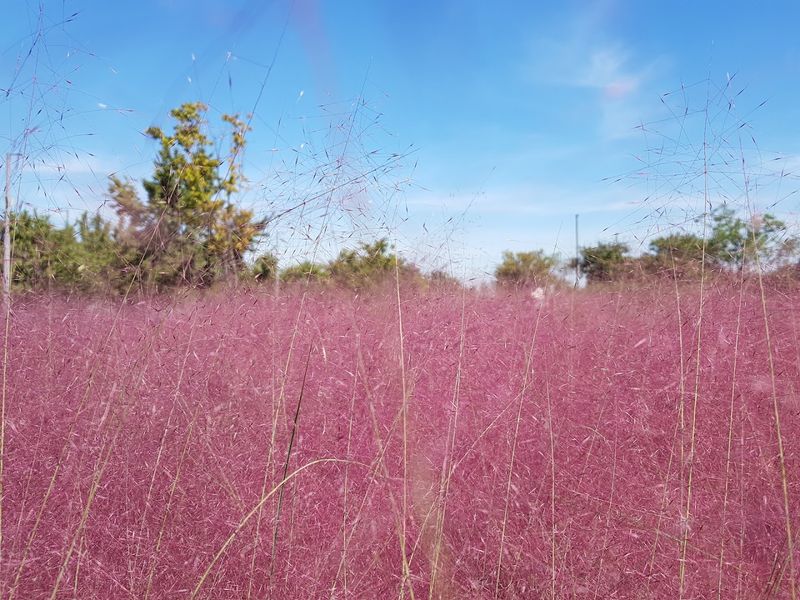
Every fall, Muhly grass puts on one of the most spectacular shows in the Florida garden world. Clouds of soft, rosy-pink plumes shoot up above the slender green blades, creating a dreamy, almost painterly effect that stops neighbors in their tracks.
During the rest of the year, this ornamental grass stays as a neat, low-maintenance clump that barely needs attention. Cut it back once in late winter, and it bounces right back.
It loves full sun, tolerates drought, and looks stunning planted in groups of three or more.
Croton
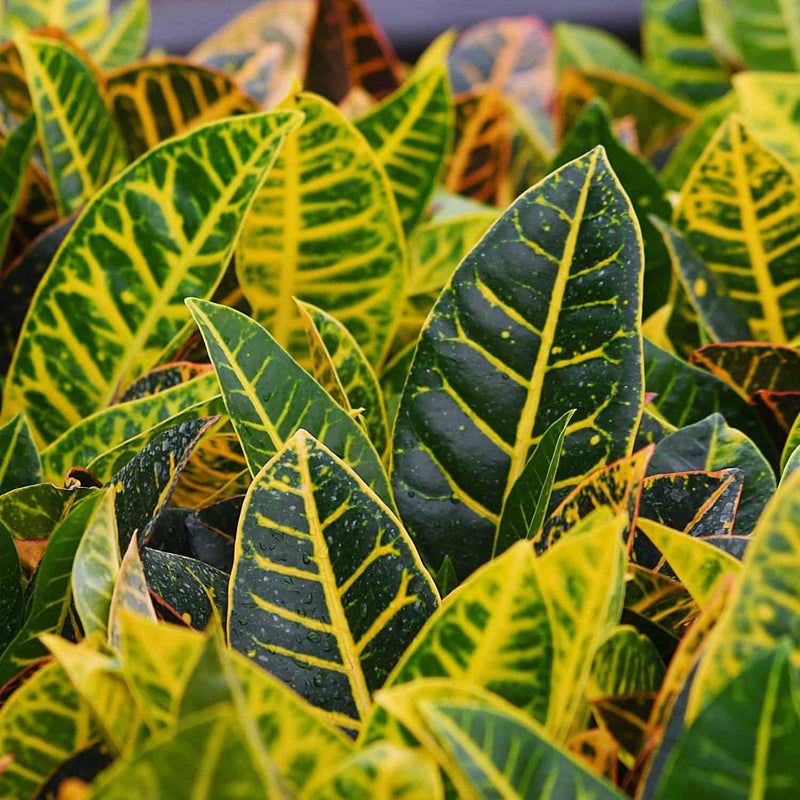
If your garden is looking a little dull, Croton is basically a living paint splash. Its leaves come in a wild mix of red, orange, yellow, green, and even purple, all swirled together on a single plant.
No two Croton plants look exactly alike.
Croton loves the Florida sun and rewards you with richer, more saturated color the more light it gets. It grows at a moderate pace, holds its shape well, and pairs beautifully with green foliage plants for contrast.
Minimal pruning keeps it looking intentional rather than wild.
Cordyline
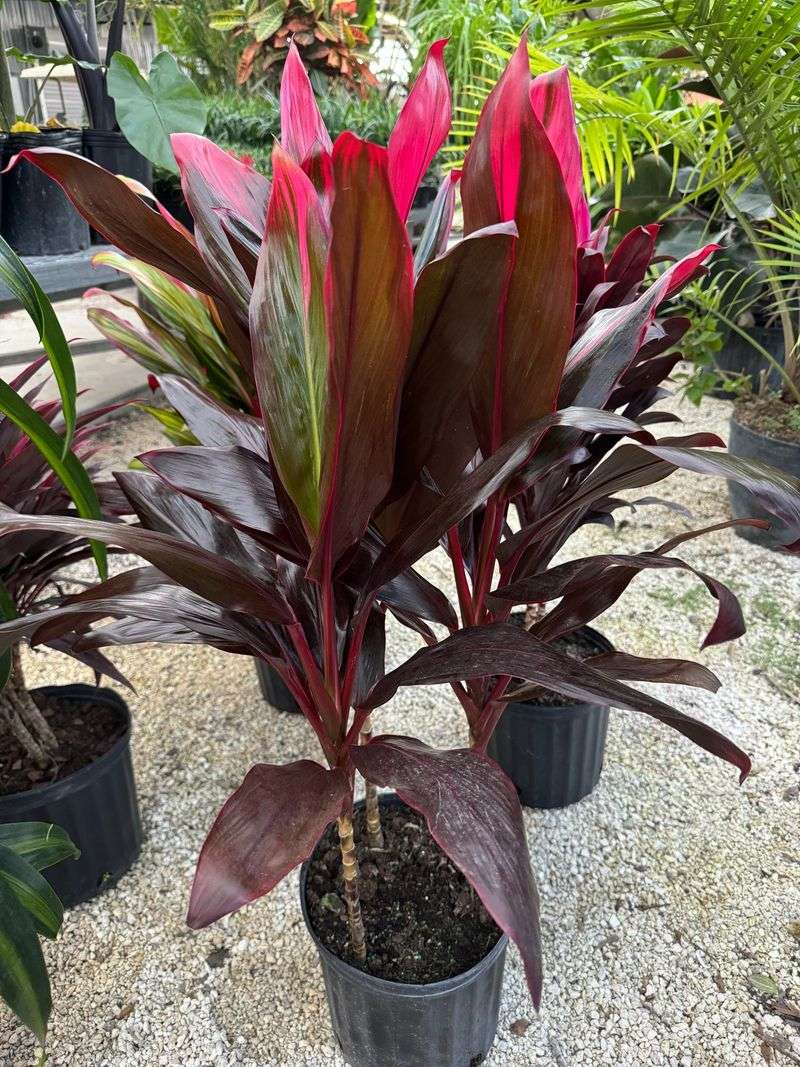
Cordyline brings instant drama to any garden space. Its long, sword-shaped leaves come in shades of deep red, burgundy, green, and pink, and they arch outward like a firework frozen mid-burst.
Placed near an entryway or as a garden focal point, it commands attention.
Unlike many tropical-looking plants, Cordyline is surprisingly low-maintenance. It handles heat and humidity without fuss and only needs occasional watering once established.
Removing older lower leaves as they die off is about all the upkeep required to keep it looking sleek and intentional.
Bromeliad
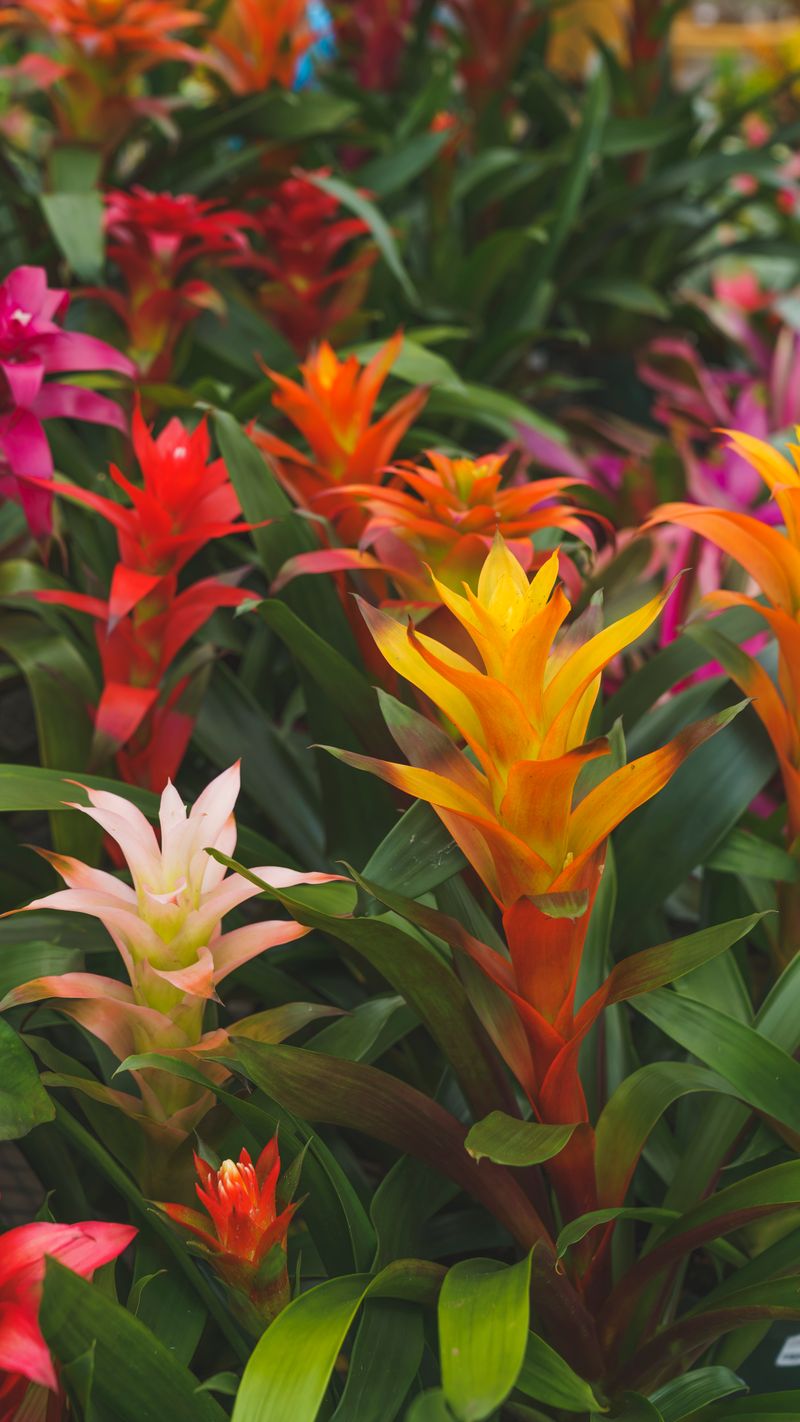
Bromeliads are the ultimate low-effort color bombs. They produce bold, long-lasting blooms in shades of red, pink, orange, and yellow that hold their color for months — far outlasting most flowering plants.
And they do all of this in shade, which is rare and incredibly useful.
Once a bromeliad blooms, it slowly produces offshoots called pups that you can replant to keep the display going indefinitely. They need almost no soil, minimal water, and zero fertilizer to thrive.
Tucking them under trees or along shaded paths instantly elevates the space.
Bird of paradise
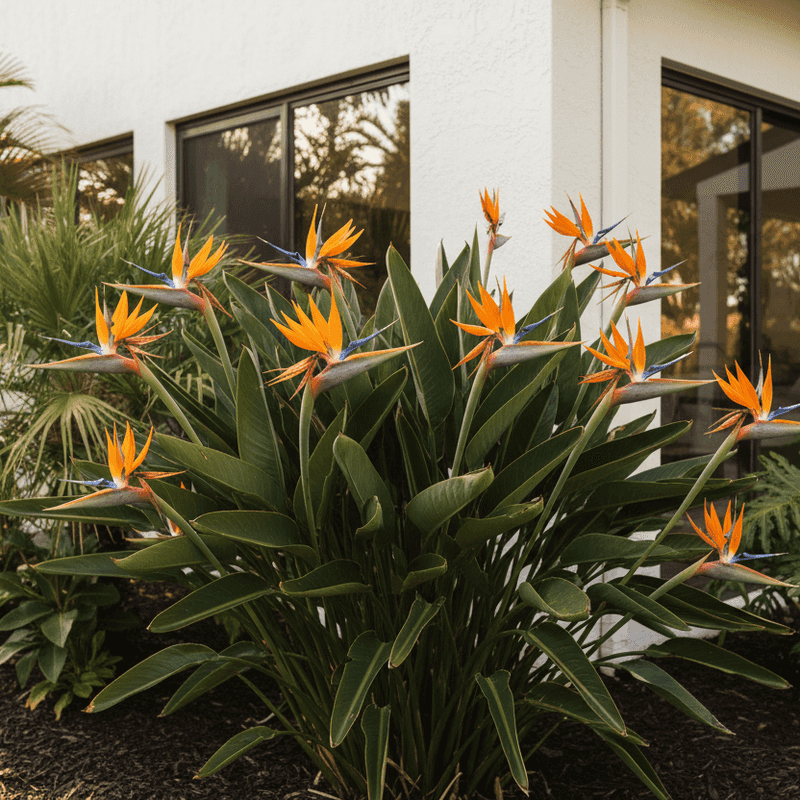
There is nothing subtle about a Bird of Paradise in full bloom. Those bold orange and blue flowers genuinely look like tropical birds perched among the foliage, and the large, paddle-shaped leaves add serious structure even when the plant is not flowering.
It thrives in full sun with well-drained soil and, once established, is surprisingly drought-tolerant. Slow to mature but worth every year of waiting, Bird of Paradise eventually becomes a statement piece that anchors a garden bed with zero fuss.
Water it deeply but infrequently for best results.
Areca palm
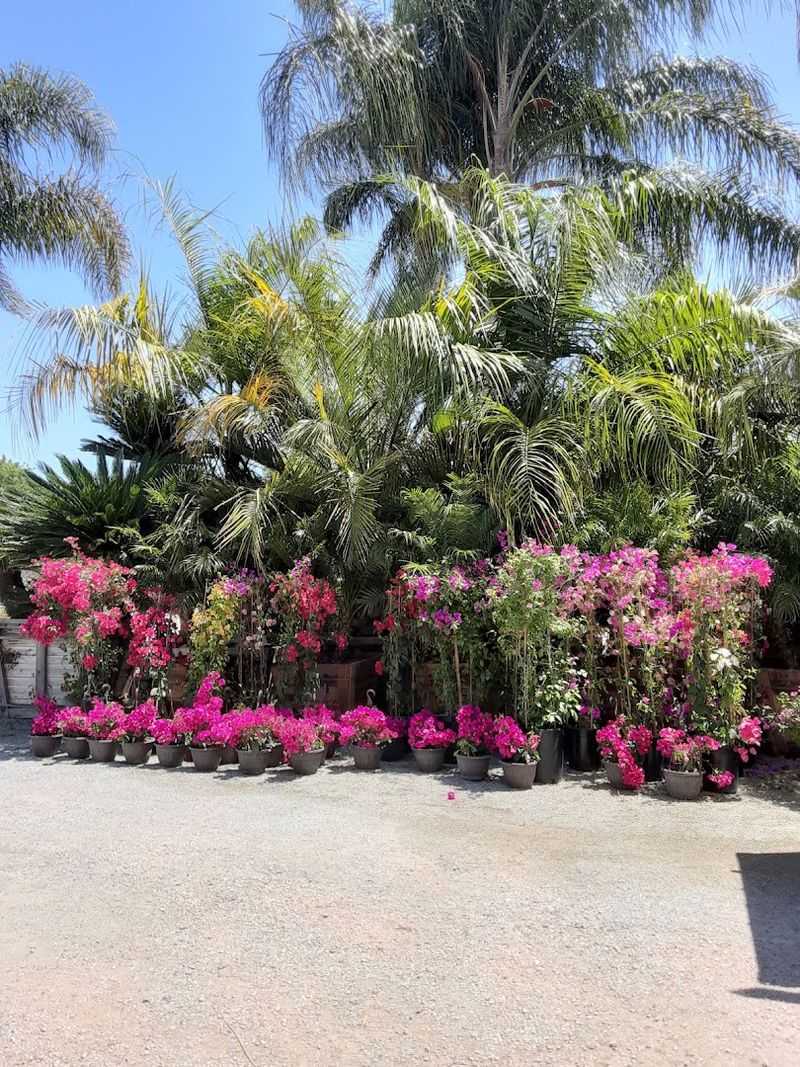
Want a tropical, resort-style backyard without spending a fortune? Areca palms are the answer.
They grow in dense, multi-trunk clusters with graceful, feathery fronds that sway in the breeze and create a lush privacy screen that feels like a boutique hotel escape.
Areca palms grow relatively quickly and adapt well to both full sun and partial shade. They prefer moist, well-drained soil but forgive the occasional missed watering.
Fertilize a few times a year with a palm-specific fertilizer to keep the fronds a rich, healthy green rather than yellowing.
Plumbago
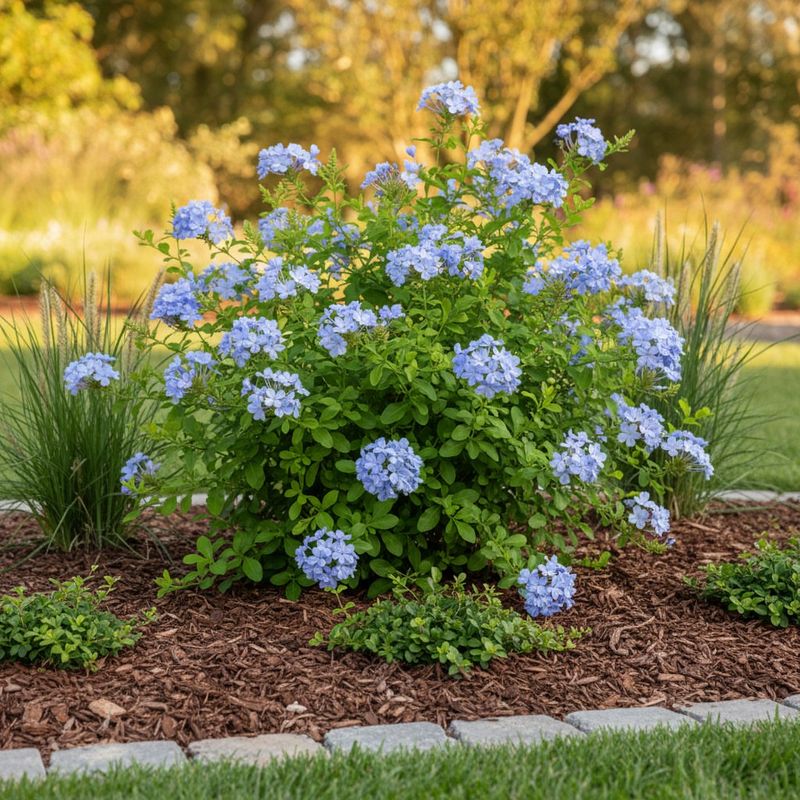
Sky-blue flowers are surprisingly hard to find in the plant world, which is exactly what makes Plumbago so special. This fast-growing shrub pumps out clusters of powder-blue blooms nearly year-round in Florida, creating a soft, romantic effect along borders or fences.
Plumbago handles heat and humidity like a champion and attracts butterflies by the dozens. It does spread enthusiastically, so a light trim every now and then keeps it in bounds.
Plant it in full sun for the most prolific blooming, and enjoy months of almost effortless color without much intervention.
Ixora
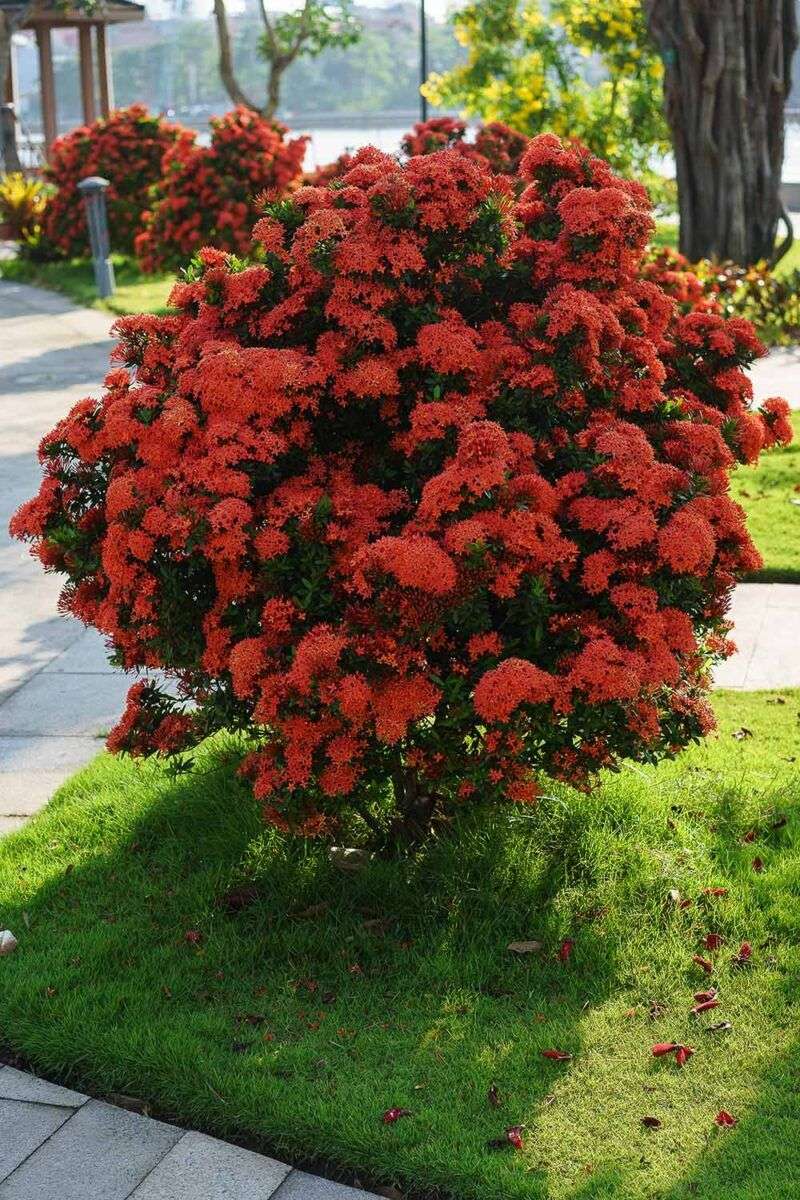
Ixora is one of those plants that looks like it requires a professional gardener but actually takes care of itself. Dense clusters of tiny, tubular flowers in fiery shades of red, orange, yellow, and pink bloom nearly nonstop in Florida’s warm climate.
It loves full sun and slightly acidic soil, which Florida’s sandy ground often provides naturally. Ixora makes an excellent low hedge or mass planting and stays compact with minimal pruning.
Hummingbirds and butterflies are big fans too, so expect some lively visitors once this shrub gets established in your yard.
Firebush
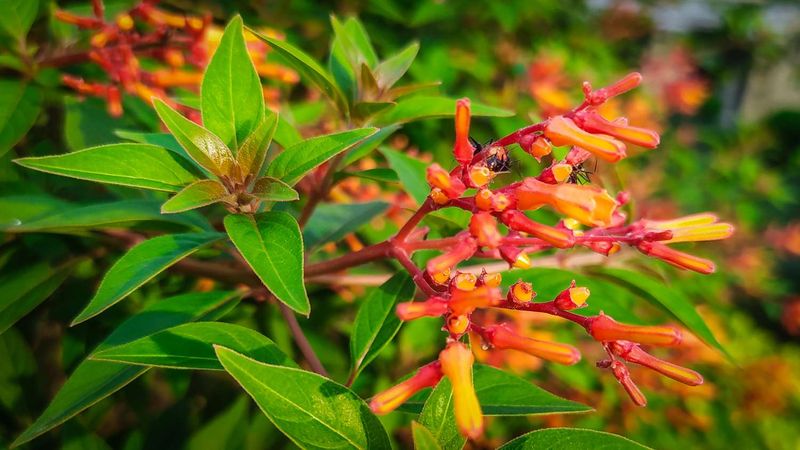
Firebush earns its name every single day it blooms. The tubular, flame-colored flowers — ranging from bright orange to deep red — practically glow in the Florida sun, and they attract hummingbirds and butterflies in numbers that will make your yard feel like a nature documentary.
As a Florida native, Firebush is already adapted to the local climate, meaning it needs almost no extra watering, fertilizing, or fussing once established. It grows vigorously and fills in garden beds quickly.
Cut it back hard in late winter if it gets too exuberant, and it rebounds fast.
Pentas
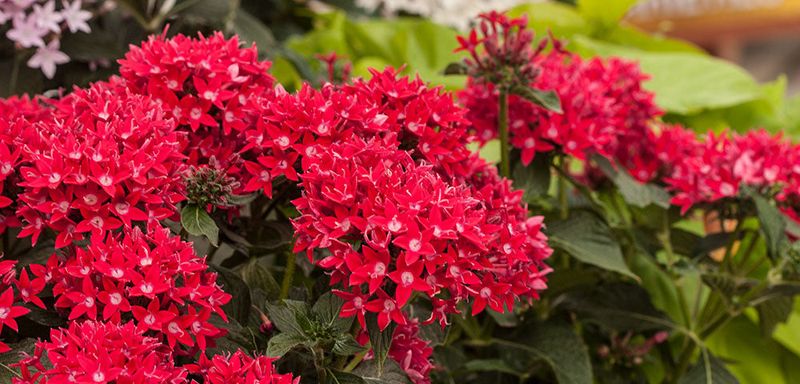
Pentas might be small, but it punches way above its weight in the color department. Cheerful star-shaped flower clusters in shades of red, pink, white, and lavender bloom almost continuously from spring through fall, making it one of the most reliable color plants in any Florida garden.
Butterflies absolutely cannot resist it, especially swallowtails and monarchs. Pentas thrives in full sun and handles Florida heat without wilting.
Deadheading spent blooms encourages even more flowers, but honestly, the plant does a decent job of reblooming even without it. A true crowd-pleaser that rarely disappoints.
Lantana
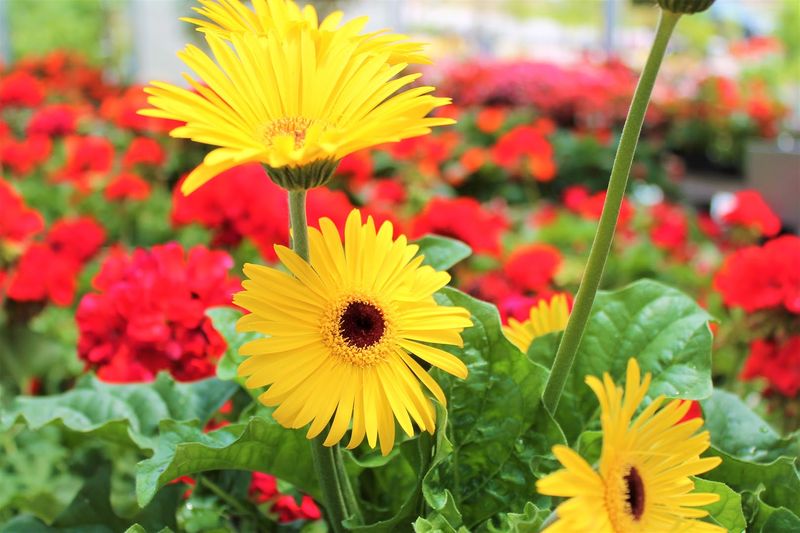
Few plants in Florida bloom as freely and as long as Lantana. From late spring through the first cool snap of fall, this tough, sprawling plant produces round clusters of flowers that shift color as they age — often showing yellow, orange, and pink all on the same bloom head.
Lantana thrives on neglect. Poor soil, intense heat, and dry spells barely slow it down.
Pollinators swarm it constantly, making it a garden ecosystem all on its own. A quick cutback in late winter refreshes the plant and sets it up for another season of effortless, cheerful blooming.
Blue daze
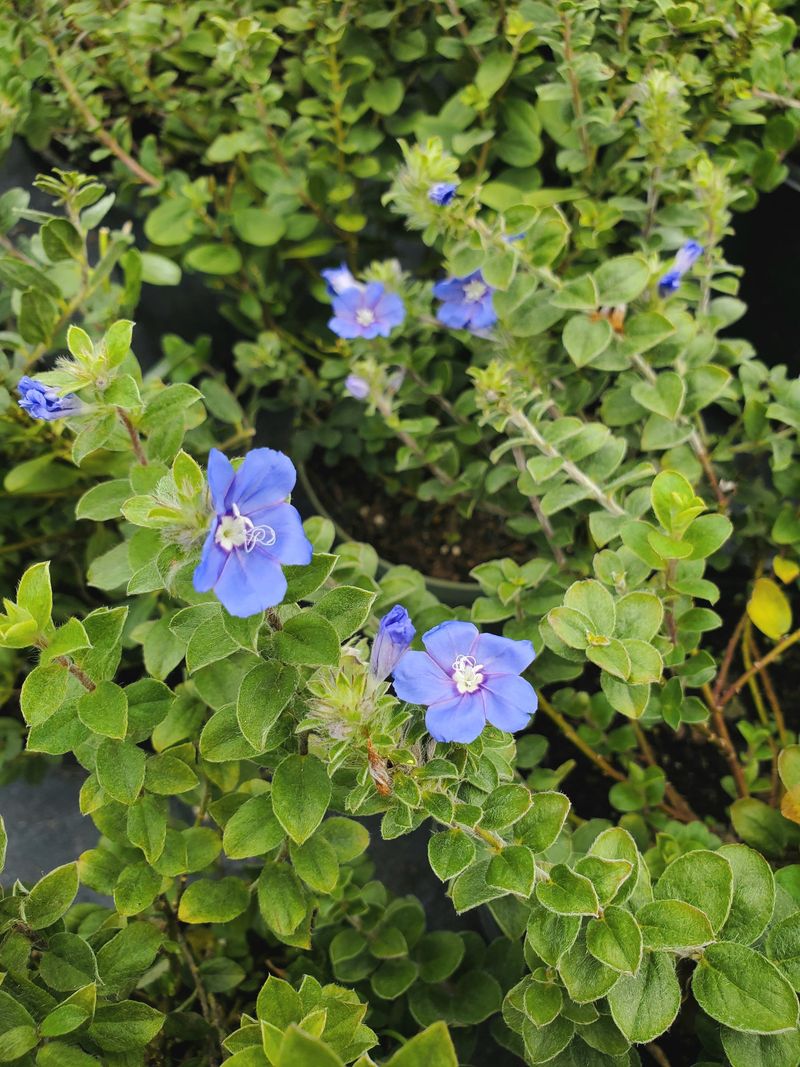
Blue Daze is the quiet overachiever of Florida’s ground cover plants. Its tiny, sky-blue flowers open fresh every morning and dot the silvery-green foliage like a constellation, creating a carpet of cool color even in the peak of summer heat.
It is hard not to love.
This low-growing plant is perfect for filling in garden borders, spilling over retaining walls, or softening the edges of walkways. It loves full sun and sandy, well-drained soil — basically the default setting for most Florida yards.
Water it occasionally, and it handles the rest entirely on its own.
Bulbine
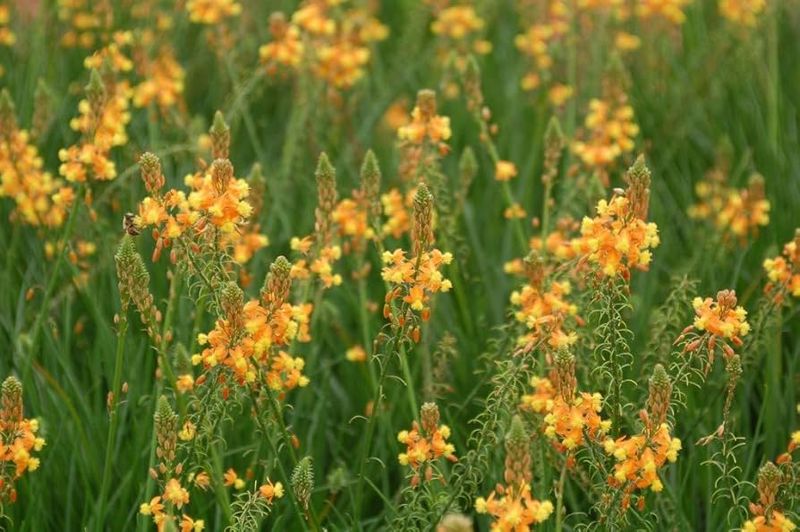
Bulbine looks like it belongs in a designer xeriscape, yet it grows just as happily in a basic Florida garden bed. Its fleshy, succulent-like leaves form tidy clumps, and slender flower stalks rise above them carrying cheerful yellow or orange blooms for months on end.
Originally from South Africa, Bulbine has found Florida’s sandy, dry conditions surprisingly agreeable. It tolerates drought, poor soil, and full sun without drama.
Deadhead spent stalks to encourage more flowers, or simply leave them and let the plant do its thing. Either way, it stays tidy and colorful with almost zero effort.
Society garlic
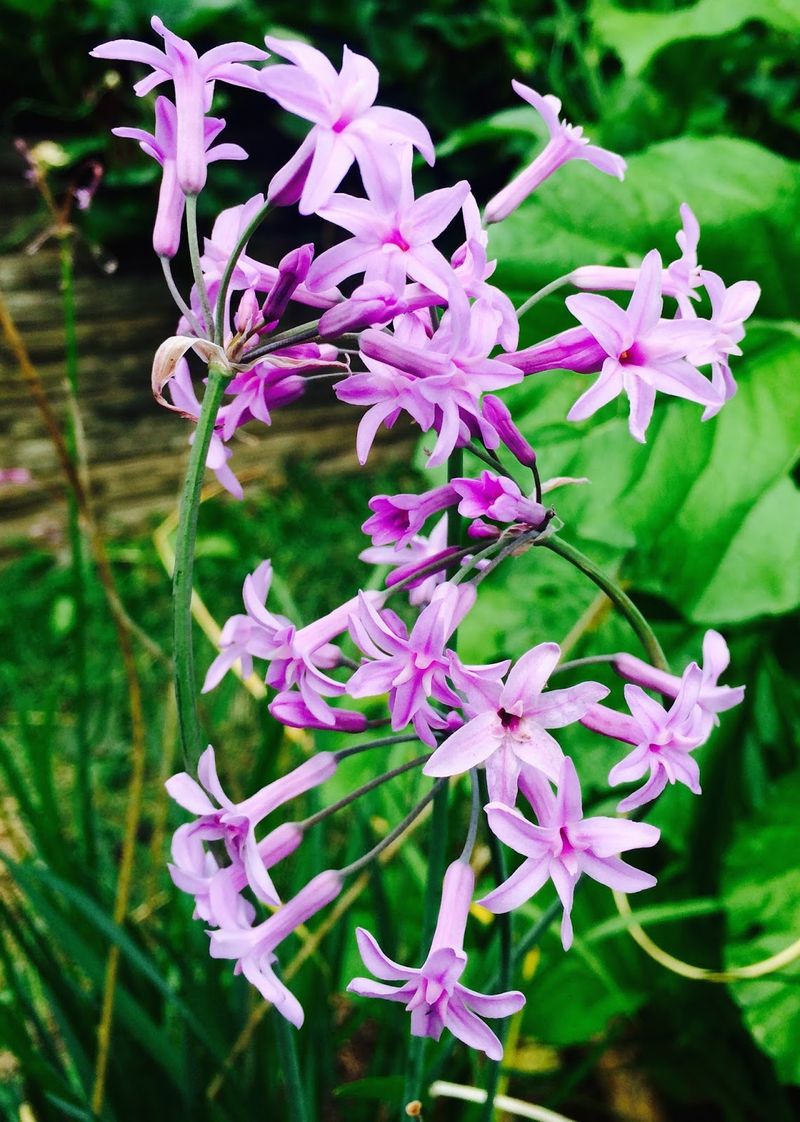
Society garlic has one of the most charming names in the plant world, and the plant itself lives up to the personality. Slender, grass-like leaves form neat clumps, and clusters of soft lavender-purple flowers rise above them on tall stems throughout the warmer months.
It smells faintly of garlic when the leaves are crushed.
Deer tend to avoid it, which is a bonus for Florida gardens near wooded areas. It is drought-tolerant, salt-tolerant, and thrives in full sun.
Divide the clumps every few years to keep them vigorous and to multiply your plantings across the garden for free.
Cocoplum
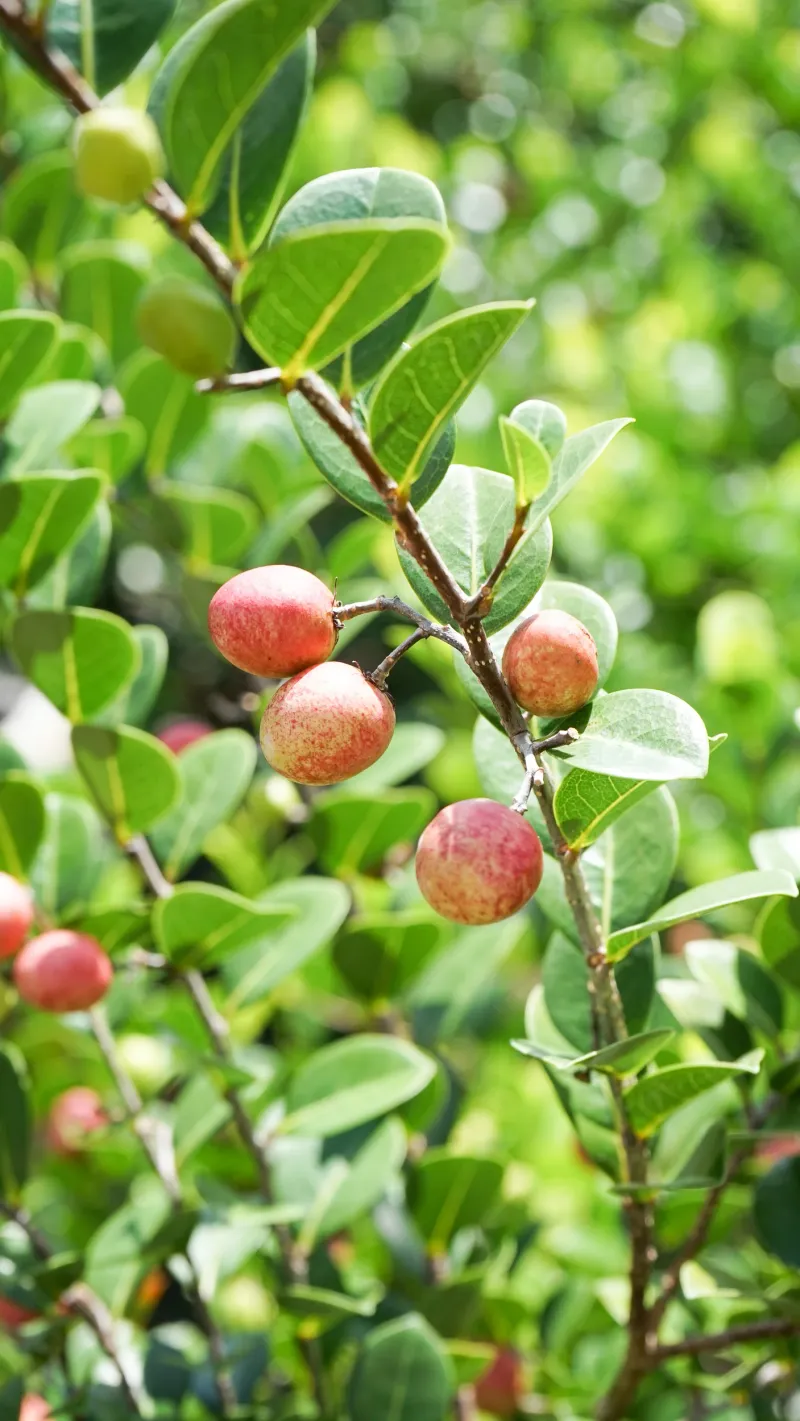
Cocoplum is one of Florida’s most underrated native shrubs. Glossy, rounded leaves give it a refined, polished look that works equally well as a formal hedge or a loose, naturalistic screen.
As a bonus, it produces small, edible plum-like fruits that wildlife absolutely love.
Salt-tolerant and drought-resistant once established, Cocoplum thrives in coastal and inland Florida gardens alike. It grows at a moderate pace and responds well to shearing for a tidier appearance.
For gardeners who want something that looks sophisticated, supports local birds, and barely asks for anything in return, Cocoplum is a standout choice.
Simpson’s stopper
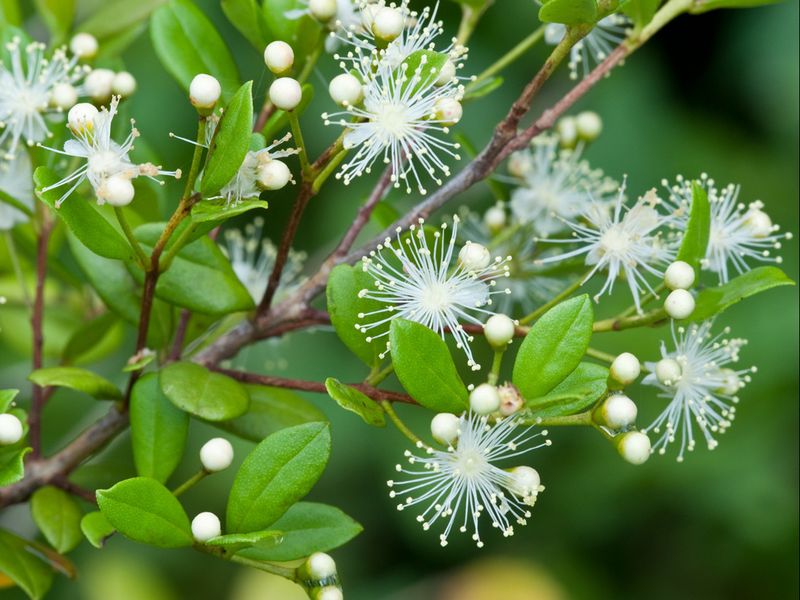
Simpson’s stopper is a Florida native that quietly does everything right. Fragrant white flowers appear in clusters and attract pollinators, followed by small red-orange berries that birds find irresistible.
The bark has a distinctive mottled, cinnamon-colored texture that adds visual interest even without flowers or fruit.
It grows well in sun or partial shade and tolerates drought once established. Simpson’s stopper works beautifully as a hedge, a specimen plant, or a naturalistic screen.
With minimal watering and occasional light pruning, it stays healthy and attractive year-round, making it a genuinely smart choice for low-maintenance Florida landscaping.
Walter’s viburnum
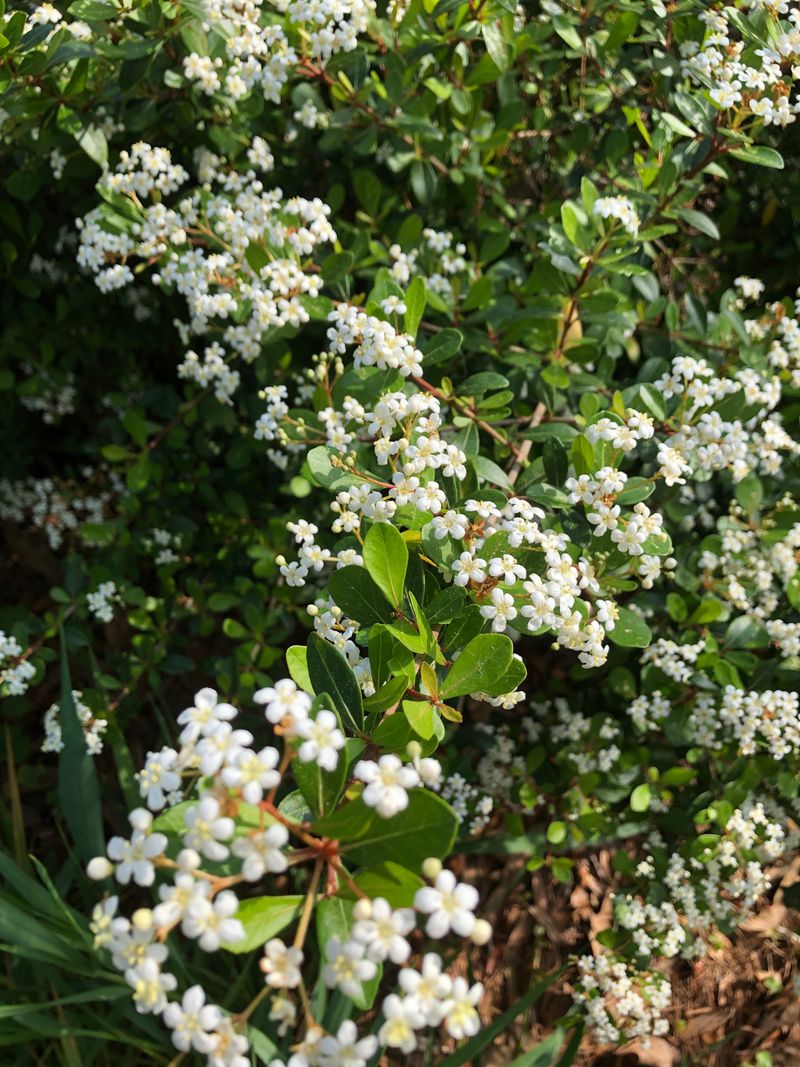
Walter’s viburnum is the kind of plant that garden designers quietly rely on to make everything else look better. Dense clusters of small white flowers cover the shrub in spring, filling the surrounding air with a sweet fragrance that feels like a reward for doing almost nothing.
As a Florida native, it is naturally adapted to local soils and rainfall patterns, meaning it rarely needs supplemental watering once established. It tolerates full sun to partial shade and grows into a tidy, multi-branched form that looks polished without constant pruning.
Birds also love the small dark berries that follow the flowers.
Dwarf yaupon holly
Dwarf yaupon holly is one of those plants that landscape professionals keep coming back to, and for good reason. It forms dense, rounded mounds of tiny dark green leaves that hold their shape beautifully with minimal trimming.
The result is a clean, structured look that reads as intentional and polished.
It handles salt spray, drought, and both full sun and partial shade without issue. Dwarf yaupon holly works brilliantly as a low border hedge, a mass planting, or a foundation plant along a house.
It is practically indestructible once established, which makes it a genuinely stress-free addition to any Florida yard.
Agave
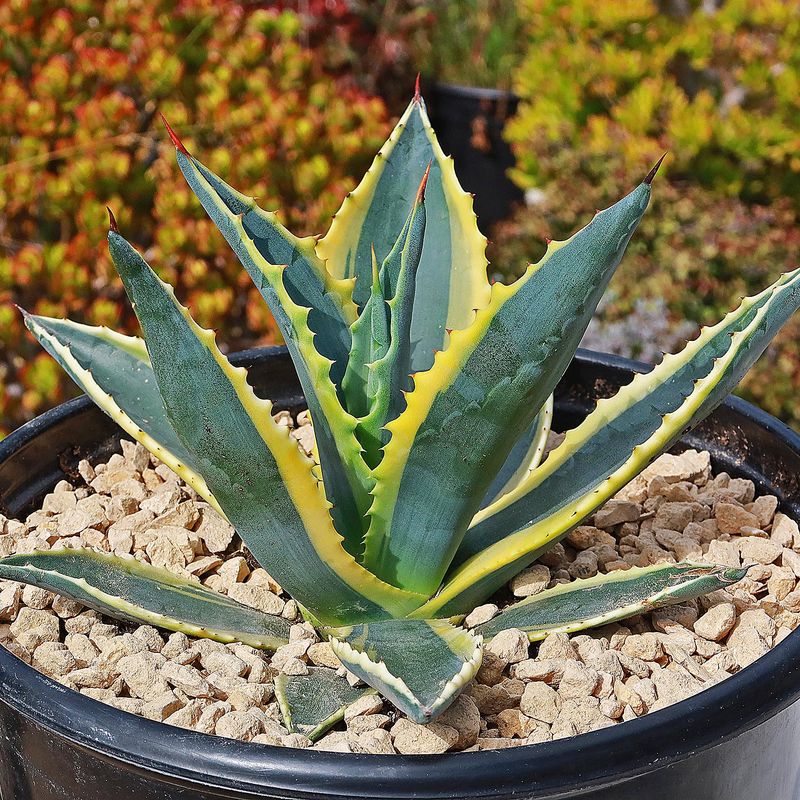
Agave plants have a sculptural quality that no other garden plant quite matches. Their thick, spiky rosettes of blue-gray or green leaves look like something an architect designed, and they bring serious structure to any garden space without requiring anything more than sunlight and well-drained soil.
Florida’s sandy ground suits Agave perfectly, and once planted, it can go weeks without water. It grows slowly, so the shape stays consistent for years.
The only real maintenance task is removing spent lower leaves as they dry out. For a bold, no-fuss focal point, Agave is genuinely hard to beat.
Enjoyed this story?
Add Fast Food Club as a preferred source to see more of our reporting on Google.