


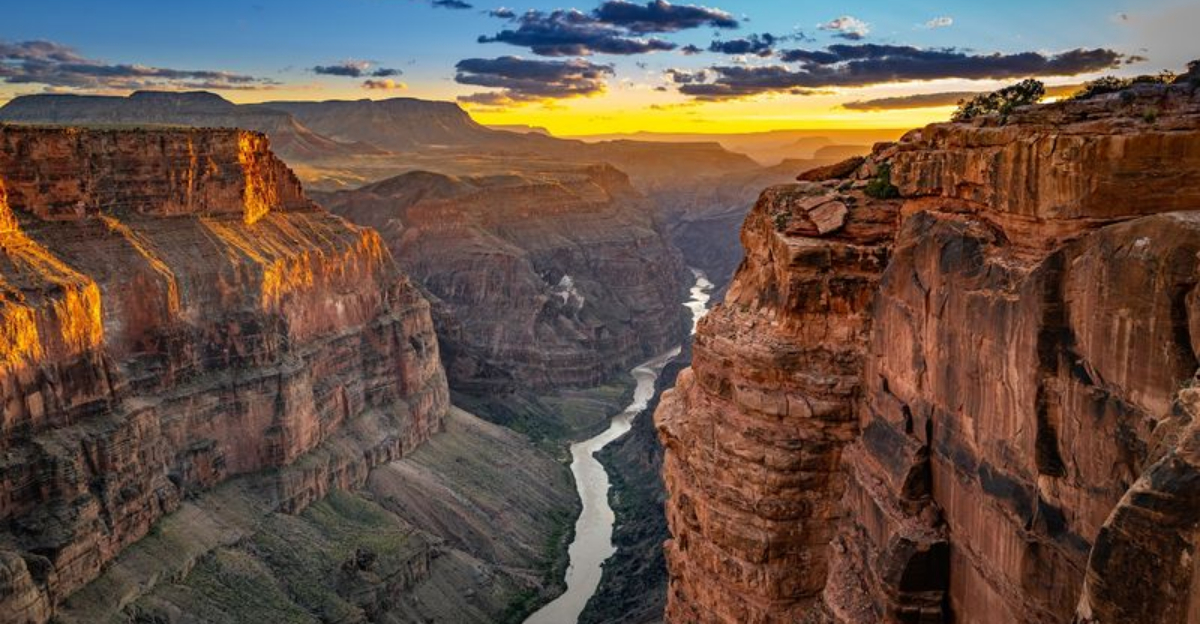
Tucked away in a remote corner of Arizona, Toroweap Overlook is one of the Grand Canyon’s best-kept secrets. Perched 3,000 feet above the Colorado River on the North Rim, this hidden gem offers jaw-dropping views without the massive crowds found at popular tourist spots.
Getting there takes some effort, but every bumpy mile of dirt road is absolutely worth it. If you love adventure and breathtaking scenery, Toroweap Overlook belongs on your bucket list.
The Dramatic 3,000-Foot Drop to the Colorado River
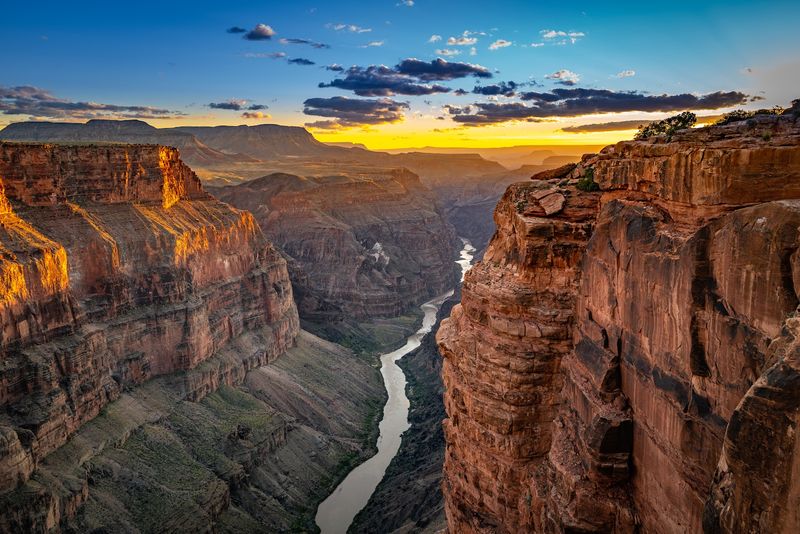
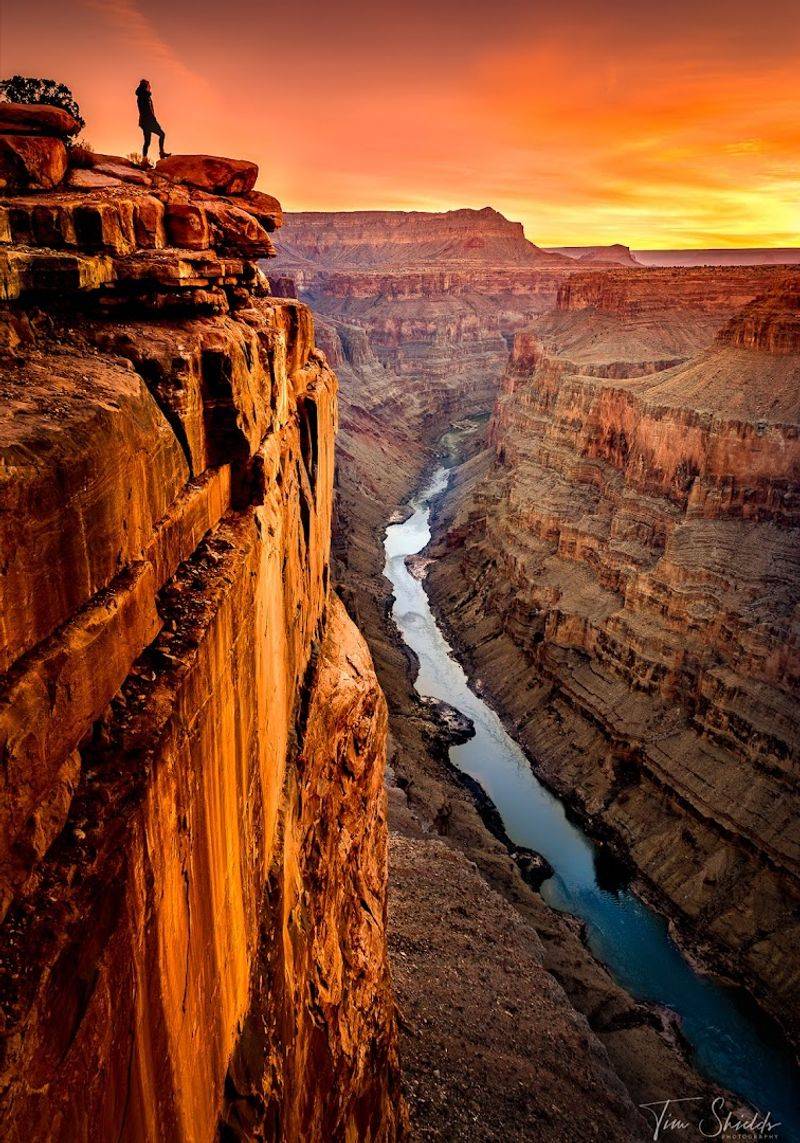
Standing at the edge of Toroweap Overlook feels like the ground simply vanishes beneath your feet. Unlike most Grand Canyon viewpoints, this spot places you directly above the Colorado River with a straight, nearly vertical drop of 3,000 feet.
There are no guard rails, no safety barriers — just raw, open canyon.
The river looks almost like a thin silver ribbon from this height, which makes the scale of everything feel almost unreal. Visitors often describe the experience as both terrifying and magnificent at the same time.
Experienced hikers recommend crawling carefully to the edge for the full effect.
First-timers should keep a firm grip on children and pets, as the rim is completely unprotected. But if you can handle the exposure, the view is unlike anything else in the entire Southwest.
Truly, no photograph fully captures how stunning this drop actually is.
Getting There: The Long Dirt Road Adventure
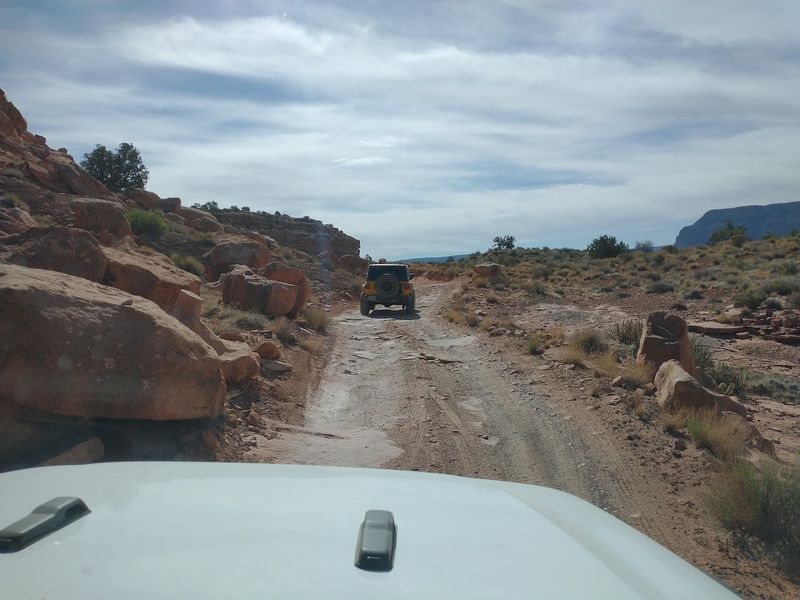
Reaching Toroweap Overlook is half the adventure. The most common route involves at least 56 to 60 miles of unpaved, rocky dirt road — and that is not an exaggeration.
Sharp limestone hidden under smooth sand is notorious for puncturing tires, so slow and steady driving is strongly advised.
Most experienced visitors recommend keeping your speed under 30 mph throughout the entire journey. Deflating your tires slightly before the rougher sections can also help absorb the impact from rocks and uneven terrain.
Plan for roughly three hours of driving each way.
The last two to three miles before the overlook are the most challenging, requiring genuine rock-crawling skills and high ground clearance. Some drivers choose to park early and walk the final stretch instead.
Pack a spare tire, an air pump, and tire sealant — they are not optional extras out here, they are necessities.
What Kind of Vehicle You Actually Need
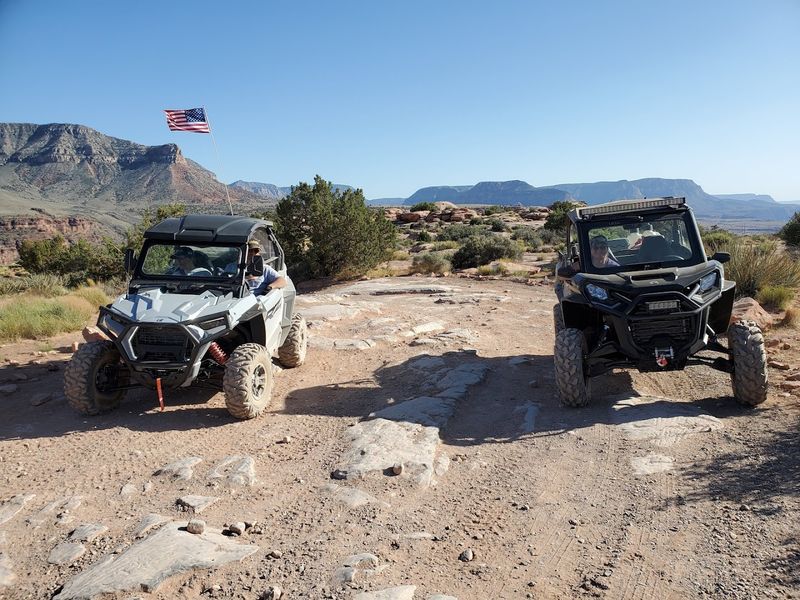
Not every vehicle can handle the road to Toroweap Overlook, and learning that lesson the hard way is not something you want to experience miles from cell service. A high-clearance 4×4 vehicle with all-terrain tires is the safest and smartest choice for this trip.
Standard sedans, low-profile vans, and motorhomes should absolutely stay home.
Several reviewers have successfully made the journey in lifted trucks and capable SUVs like a Toyota Tundra 4×4 or even a Subaru Forester — though the Forester reportedly got stuck within the final half-mile. A rear-wheel-drive truck with a lift kit and larger tires can also manage, but expect at least one tense moment on the rocks.
UTVs and side-by-sides are arguably the most enjoyable way to tackle the last stretch. Whatever you drive, check your tires before leaving and carry basic recovery gear.
Preparation is everything on this road.
The Permit Requirement You Cannot Forget
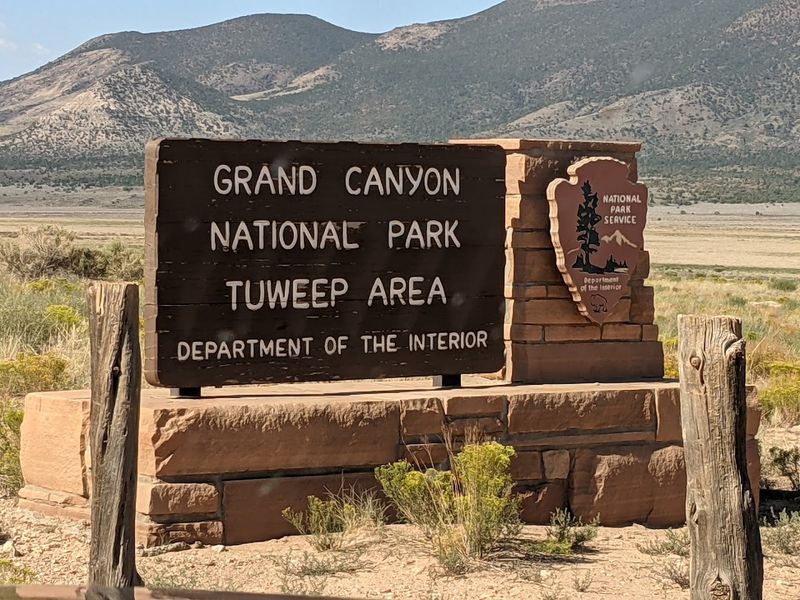
Here is a detail that catches many first-time visitors completely off guard: a permit is required to visit Toroweap Overlook, and you cannot buy one on-site. There is zero cell service anywhere near the overlook, which means you must purchase your permit before you leave civilization behind.
Park Rangers actively patrol the area and do check for permits.
The National Park Service manages permits through the Tuweep area of Grand Canyon National Park. Visiting the official NPS website at nps.gov/grca/planyourvisit/tuweep.htm is the best starting point for up-to-date permit information and reservation details.
Do not assume walk-up availability exists.
Think of the permit process as part of the planning ritual that keeps this special place from becoming overrun. Securing yours in advance also gives you peace of mind during the long drive in.
Forgetting your permit after a three-hour journey would be a genuinely heartbreaking experience.
Camping Under the Stars at Tuweep Campground
Spending a night at Tuweep Campground near Toroweap Overlook transforms a day trip into something truly unforgettable. The campground sits nestled among sandstone formations and offers some of the darkest skies in the entire Southwest.
Without light pollution for miles in any direction, the stars here are absolutely jaw-dropping.
The campground is rustic but functional, with vault toilets available on-site. There are no hookups, no water spigots, and no camp store — so you must pack in absolutely everything you need, including all your drinking water.
The golden rule here is pack it in, pack it out.
Waking up in the morning with the Grand Canyon just a short walk away is an experience that sticks with you for years. Several picnic tables are scattered around the area, making sunrise breakfast with canyon views feel surprisingly civilized.
Permits are required for camping as well, so plan accordingly.
Walking the Rim: A Hike Without Guardrails
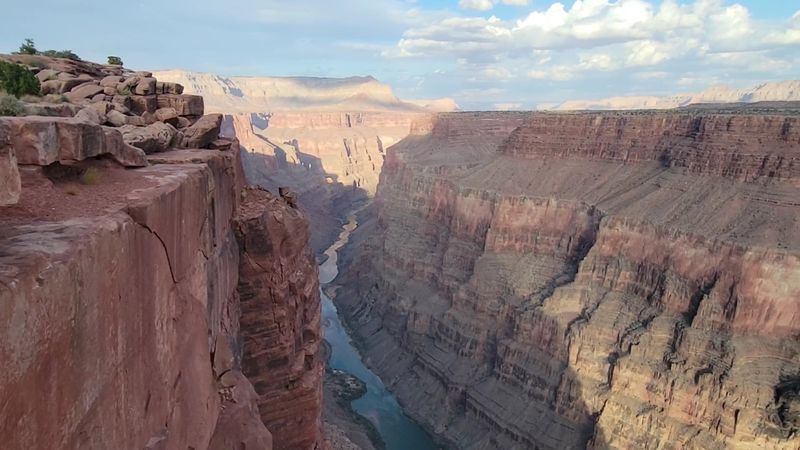
Walking along the rim at Toroweap Overlook is not your typical nature stroll. The trail is unimproved, the edges are completely unprotected, and in some sections a bit of casual rock climbing is required to move between viewpoints.
That rawness, however, is exactly what makes it so exciting and rewarding.
Heading off the main trail and up the surrounding hills rewards adventurous hikers with even more expansive views and far fewer people around. This is also where your chances of spotting Desert Bighorn Sheep increase dramatically — they love the rocky terrain and quieter sections away from the main overlook.
Wear sturdy shoes with good grip, bring plenty of water, and take your time exploring. The main overlook walk from the campground is short and relatively flat.
But the further you venture along the rim, the more the canyon reveals its incredible depth, color, and wildness. Stay alert near edges at all times.
Spotting Desert Bighorn Sheep in the Wild
Few wildlife encounters compare to suddenly locking eyes with a Desert Bighorn Sheep balanced effortlessly on a rocky canyon ledge. Toroweap Overlook and the surrounding hills are prime habitat for these sure-footed animals, and patient visitors are often rewarded with memorable sightings.
The key is heading slightly off the main trail and into the quieter, rockier hillsides.
Desert Bighorn Sheep are incredibly well-adapted to harsh desert environments. Their hooves have hard outer edges and soft inner pads that grip rock surfaces almost like climbing shoes.
They are most active in the early morning and late afternoon, so timing your hike around those windows improves your chances significantly.
Bring binoculars if you have them — spotting sheep on distant canyon walls is part of the fun. Keep a respectful distance if you do encounter any, and never attempt to feed or approach them.
Wild animals thrive best when humans observe quietly and leave no trace behind.
The Lava Rock Road and Volcanic History
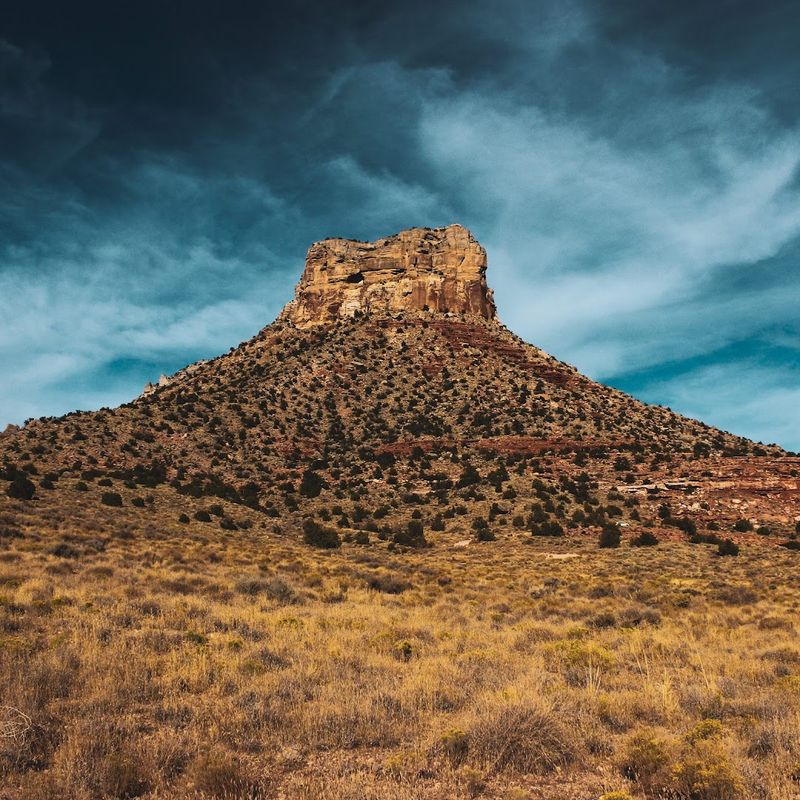
One of the most fascinating — and tire-threatening — features of the Toroweap area is the lava rock that dominates the landscape. Volcanic activity shaped much of this region, and you can see dramatic evidence of ancient lava flows stretching across the North Rim and even down into the canyon itself.
It is geology on a grand, visible scale.
Vulcan’s Throne, a volcanic cinder cone visible from the overlook area, is one of the most striking landmarks in the region. Some adventurous visitors have hiked up and around it, though the route involves a scramble down and up a ravine.
From the overlook on a clear day, you can also spot old lava flows that poured directly into the Grand Canyon thousands of years ago.
The jagged lava rock on the road surface is what makes the final miles so rough on vehicles and tires. Sharp edges hide beneath seemingly smooth patches of dirt and sand, which is why cautious driving is non-negotiable.
This volcanic landscape makes Toroweap feel unlike any other part of the canyon.
Watching Rafters Navigate Lava Rapids Below
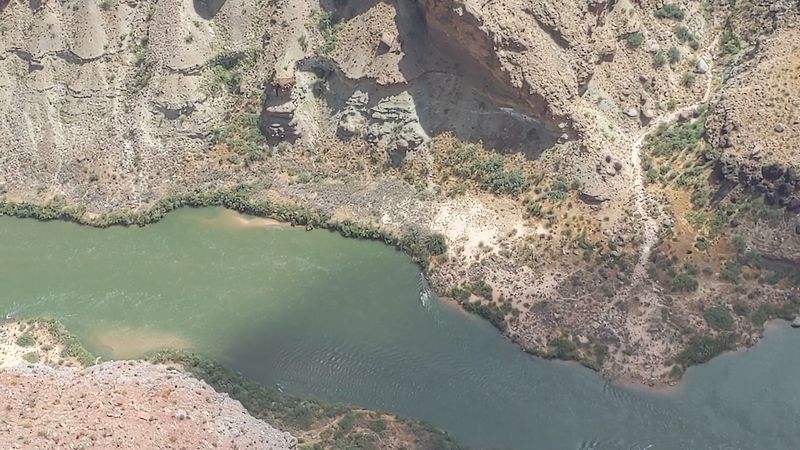
From the rim at Toroweap, the Colorado River looks impossibly far below — but on the right day, you might spot tiny colorful rafts battling the famous Lava Rapids directly beneath your feet. Lava Rapids is considered one of the most challenging commercially run whitewater rapids in North America, rated up to Class 10 in high water.
Watching a group of rafters navigate the churning white water from 3,000 feet above creates a perspective that is both humbling and thrilling. One visitor described spending an entire afternoon watching rafts go through the rapids — a memory that clearly stuck with them long after the trip.
Binoculars make the experience even more spectacular.
The best viewing conditions are typically during spring and early summer when river flows are higher and raft traffic is more common. Check Colorado River rafting schedules in advance if this is something you specifically want to witness.
The combination of canyon walls, roaring rapids, and your bird’s-eye view is genuinely unforgettable.
Solitude: Escaping the South Rim Crowds
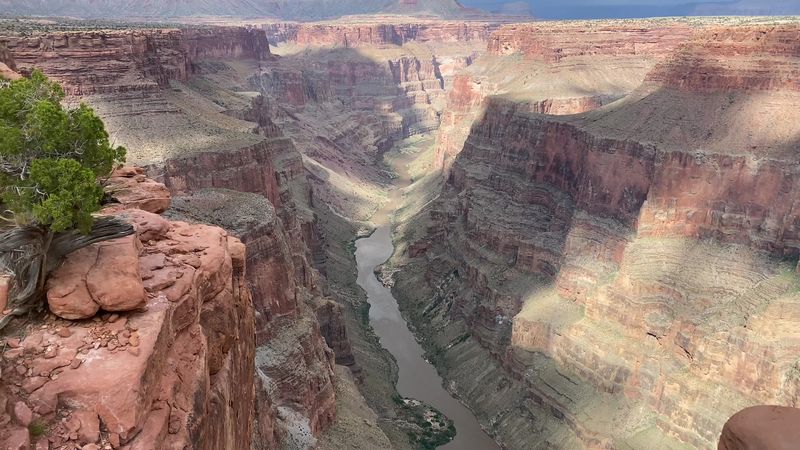
If the packed parking lots and shoulder-to-shoulder crowds of the South Rim make your head spin, Toroweap Overlook offers a completely different kind of Grand Canyon experience. On most days, you will share this breathtaking viewpoint with just a handful of other visitors — sometimes none at all.
That level of solitude in one of America’s most famous national parks is genuinely rare.
Multiple visitors have described spending an entire day at the overlook without seeing more than one other couple. Imagine eating lunch at a picnic table, staring out over the Grand Canyon, with nothing but wind and birdsong for company.
That kind of peaceful experience is almost impossible to find at the main tourist areas.
The long, difficult road acts as a natural filter, keeping casual visitors away and rewarding those who make the effort. For solo travelers, photographers, and anyone craving authentic wilderness, Toroweap delivers solitude that feels almost sacred.
Some say it beats the South Rim experience entirely.
Best Time of Year to Visit Toroweap Overlook
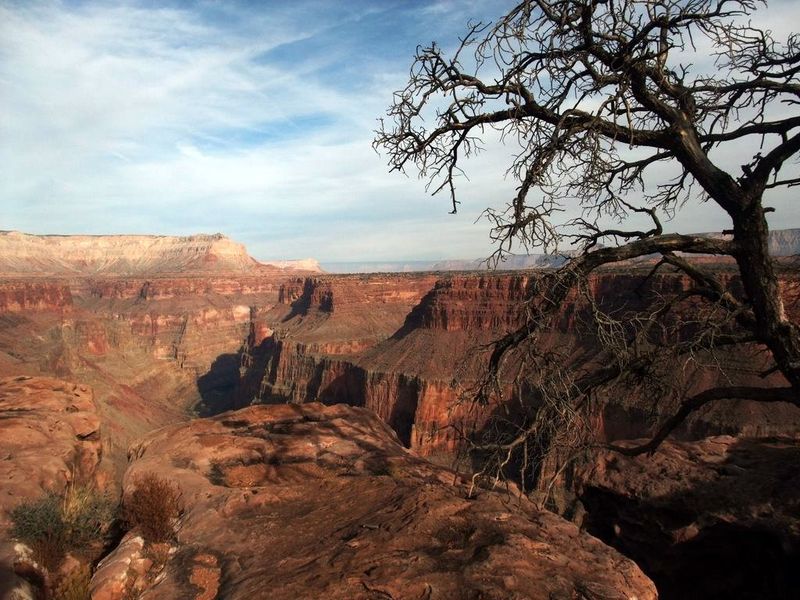
Timing your visit to Toroweap Overlook can make a huge difference in both road conditions and overall experience. Spring and fall are widely considered the best seasons, offering mild temperatures and manageable road conditions.
Summer can bring intense heat that makes the exposed rim genuinely dangerous, while winter roads may become impassable after rain or snow.
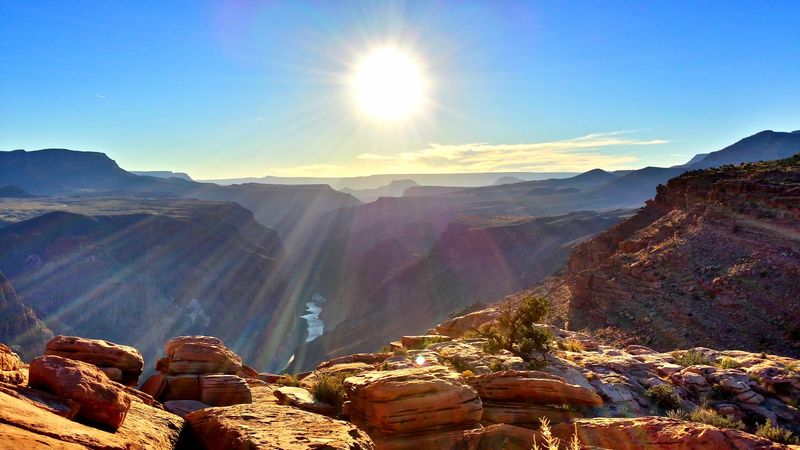
Sunrise and sunset at Toroweap are particularly spectacular. The canyon walls shift through shades of orange, red, and purple as the light changes, creating photography conditions that professional landscape photographers travel thousands of miles to capture.
Arriving the evening before and camping overnight gives you first light at the overlook — a truly magical reward.
Always check road and weather conditions before heading out by calling the NPS at +1 928-638-7888. The unpaved roads can turn dangerously muddy after rain, and getting stuck miles from help with no cell service is a situation nobody wants.
A quick phone call can save an entire trip.
Essential Gear and Supplies to Pack
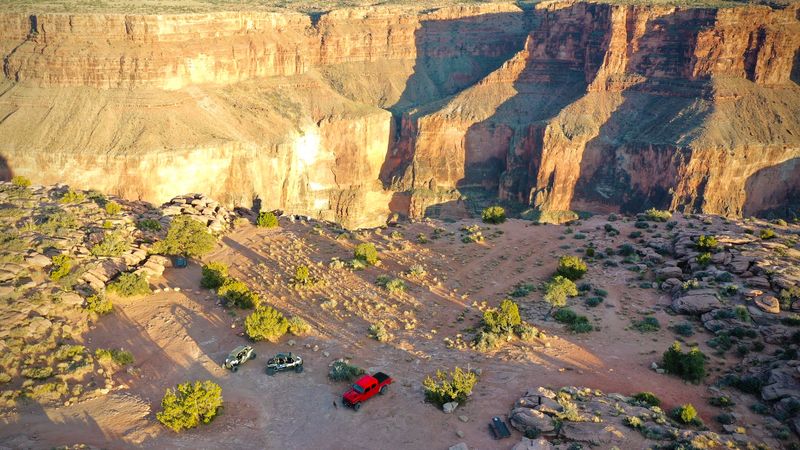
Packing smart for a Toroweap Overlook trip is not optional — it is survival planning. The remote location means there are no stores, no gas stations, no restaurants, and absolutely no cell service once you leave the main highway.
Everything you need for the day or overnight stay must come with you in the vehicle.
Water is the most critical item on the list. Bring far more than you think you will need, especially in warmer months.
Food, sunscreen, a hat, and sturdy hiking shoes round out the basics. A detailed paper map or downloaded offline GPS route is essential since digital navigation becomes useless without signal.
For the vehicle, carry a full-size spare tire, a portable air compressor, and tire sealant at minimum. A basic first aid kit, jumper cables, and a tow strap are also smart additions.
The philosophy here is simple: prepare for everything, because out here, there is no one coming to rescue you quickly.
Why Toroweap Beats the Main Grand Canyon Tourist Areas
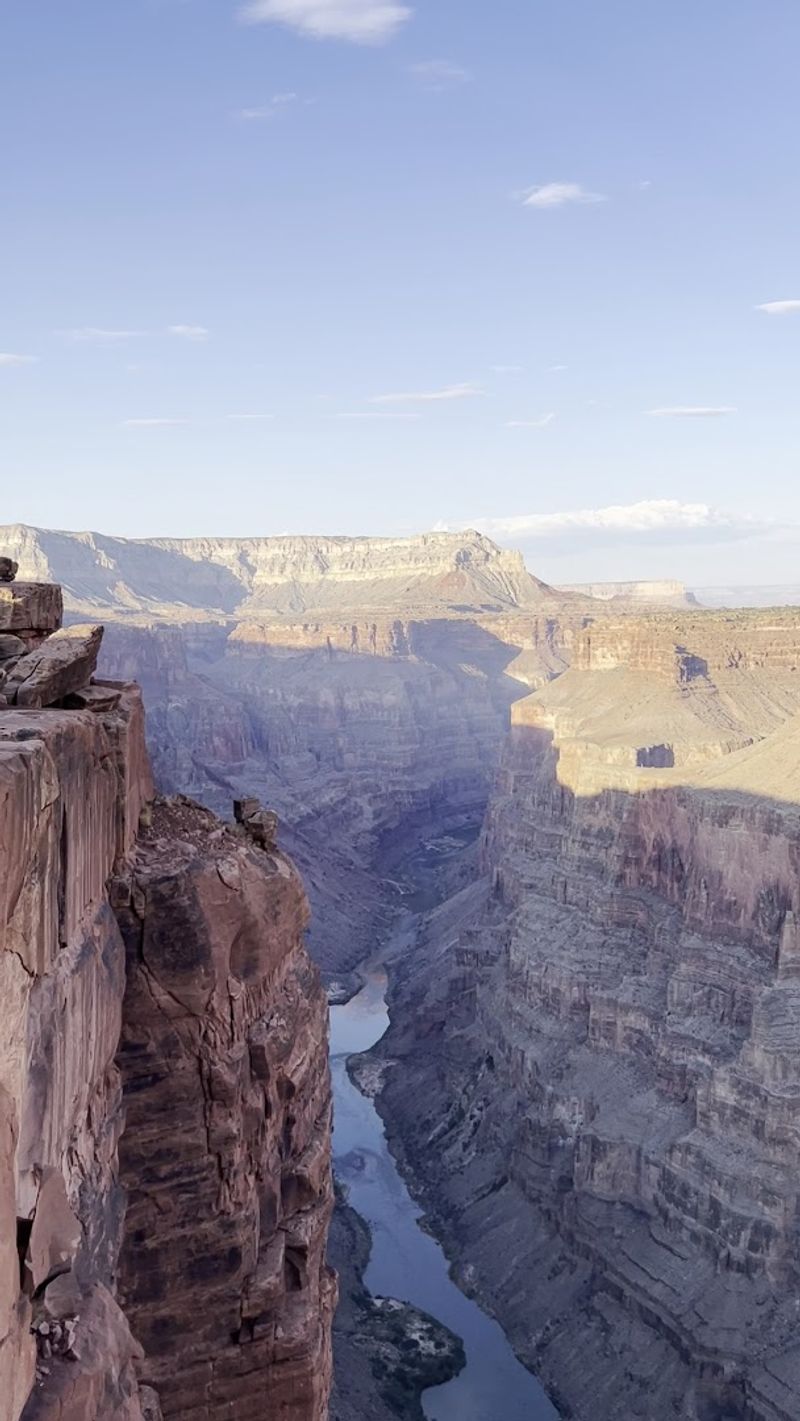
Ask anyone who has visited both the South Rim and Toroweap Overlook which they prefer, and the answer is almost always the same. The South Rim offers convenience — paved roads, shuttle buses, gift shops, and restaurants.
Toroweap offers something far rarer: an authentic, unfiltered connection with one of the world’s greatest natural wonders.
At Toroweap, you stand directly at the canyon rim with nothing between you and a 3,000-foot drop. No fences.
No crowds. No tour groups blocking your shot.
Just you, the wind, and an absolutely staggering view of the Colorado River carving its ancient path far below. Several longtime visitors describe it as the best Grand Canyon views they have ever experienced.
The effort required to reach Toroweap is real, but that effort is precisely what makes arriving feel so rewarding. Earning a view always makes it sweeter.
For anyone willing to prepare properly and embrace the adventure, Toroweap Overlook is simply the finest way to experience the Grand Canyon.
Enjoyed this story?
Add Fast Food Club as a preferred source to see more of our reporting on Google.