


Florida gardeners know the struggle of keeping plants alive through hot, rainless summers. The good news is that plenty of native and adapted plants can handle long dry spells without losing their good looks.
Whether you have a small backyard or a sprawling yard, these tough beauties will keep your garden colorful and lush even when the rain stays away. Here are 20 Florida plants that thrive in drought conditions and still manage to turn heads all season long.
Lantana
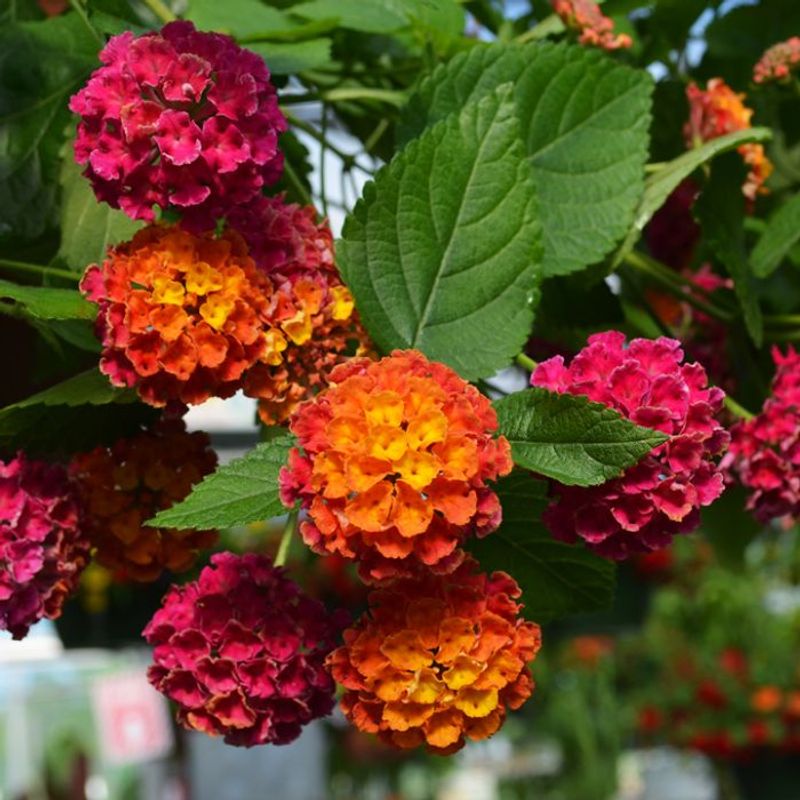
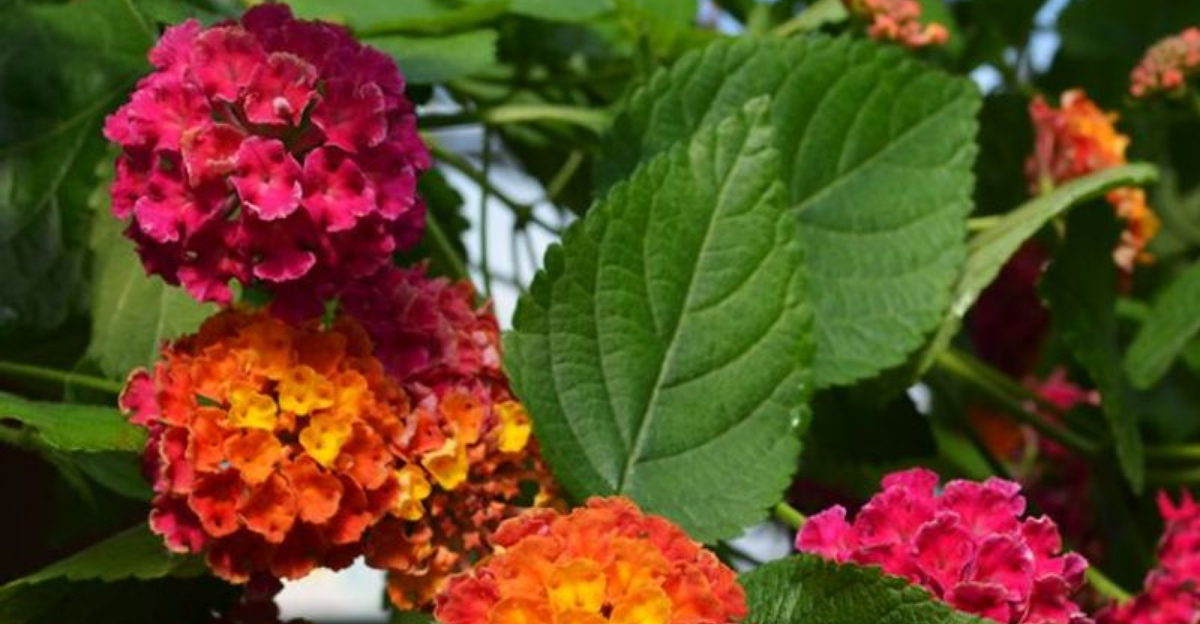
Few plants put on a show quite like lantana during a drought. While other plants wilt and fade, lantana bursts with clusters of tiny, multicolored flowers in shades of yellow, orange, pink, and red.
Butterflies absolutely love it, making your yard feel alive even when rain is scarce. It spreads low and wide, filling spaces beautifully without needing much water at all.
Plant it in full sun and watch it thrive.
Blanket flower
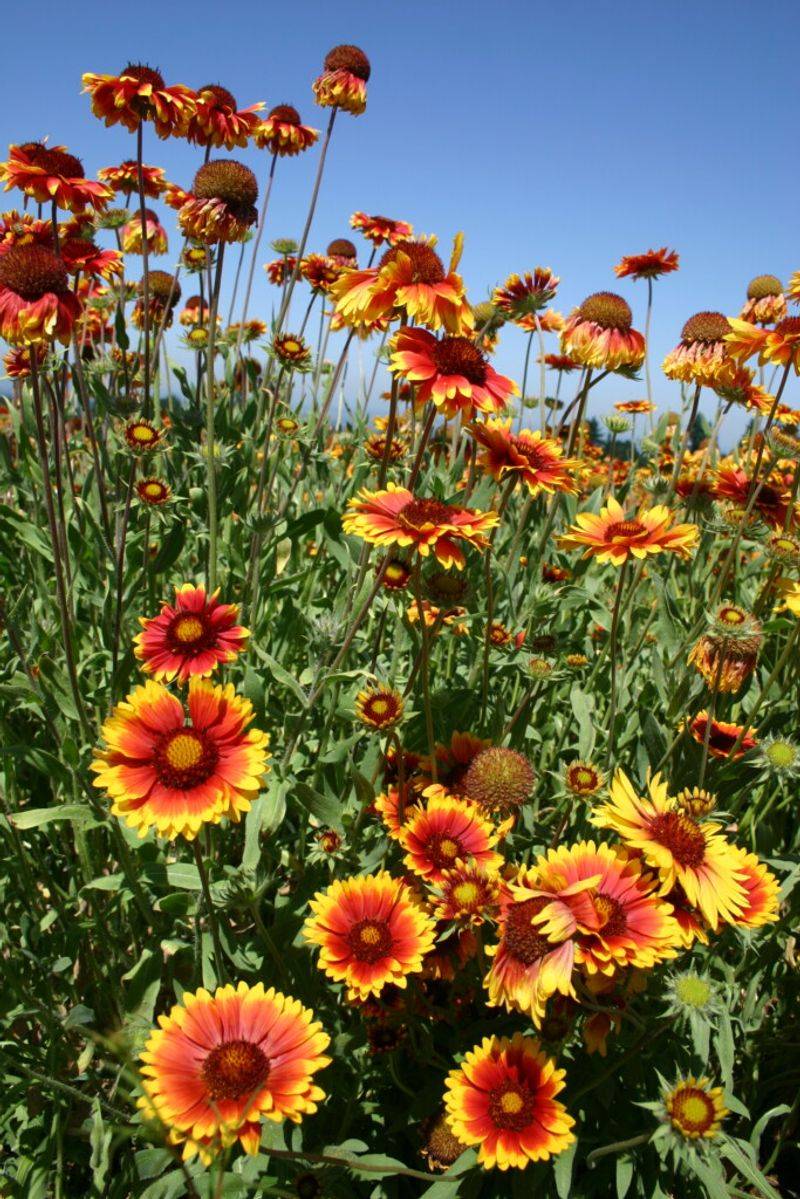
Named after the bold, patterned blankets made by Native American tribes, blanket flower brings that same eye-catching energy to Florida gardens. Its daisy-like blooms in fiery reds, oranges, and yellows look like tiny sunsets dotting the landscape.
Hot weather and sandy soil? No problem.
Blanket flower actually prefers lean, dry conditions and blooms more when it is not overwatered. It is one of the most cheerful drought survivors you can plant.
Coreopsis
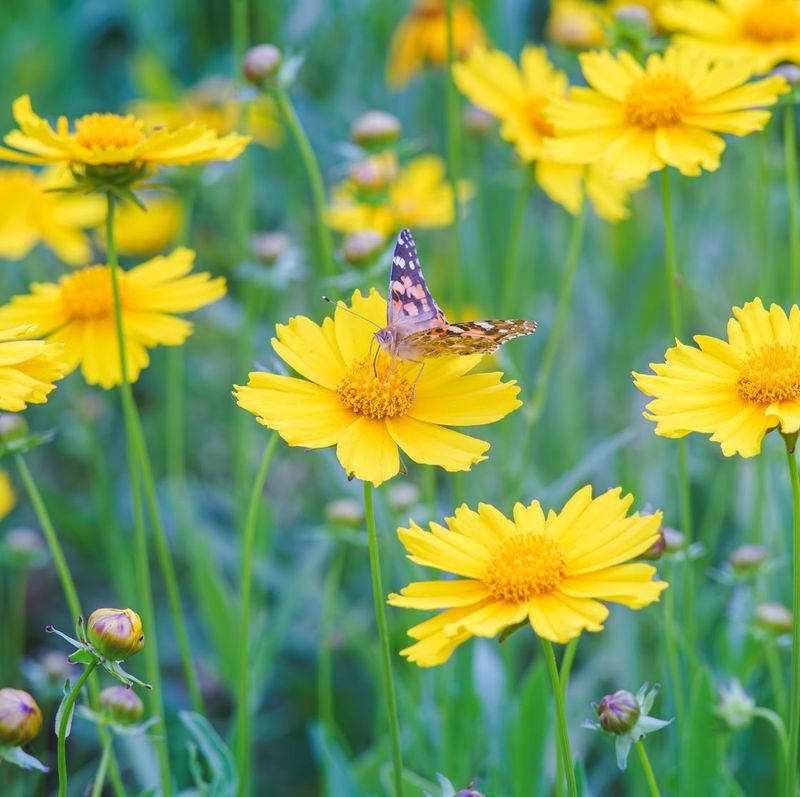
Coreopsis is Florida’s state wildflower, and it earned that title for good reason. Golden-yellow blooms coat this plant from late winter through summer, creating waves of color across roadsides and home gardens alike.
Once established, coreopsis handles drought like a champ, needing almost no irrigation. It reseeds itself naturally, so you get more plants every year without extra effort.
A low-maintenance, high-reward plant that practically takes care of itself.
Beach sunflower
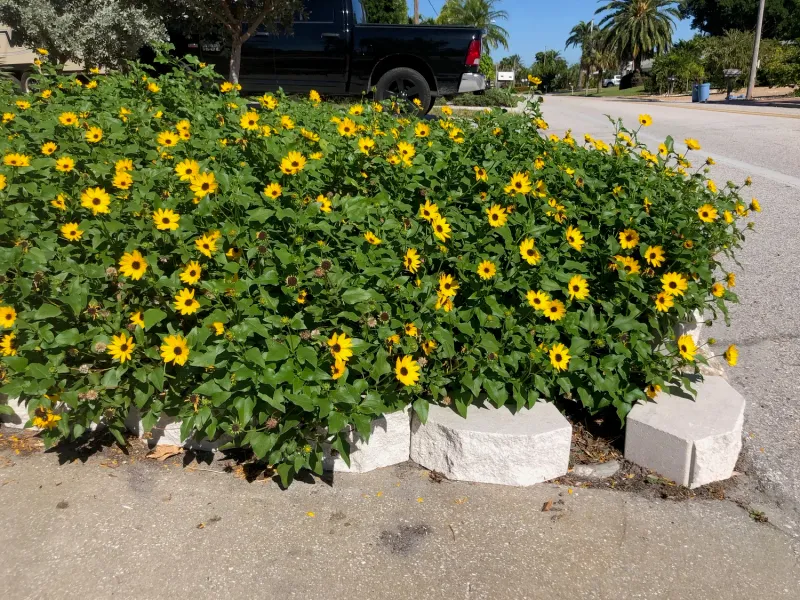
Tough enough to survive salty air, sandy soil, and weeks without rain, beach sunflower is basically the superhero of Florida ground covers. Its sunny yellow blooms with dark centers pop against the green foliage all year long.
It spreads quickly, smothering weeds and covering bare spots with ease. Gardeners love it because once it gets going, it needs almost zero attention.
Full sun and good drainage are all it asks for in return.
Coontie
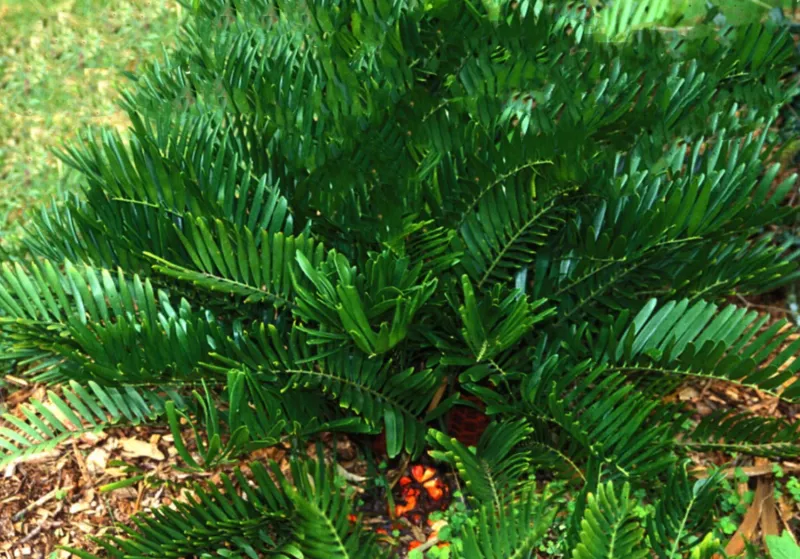
Coontie looks like a small palm but is actually an ancient cycad that has been growing in Florida for thousands of years. Its stiff, dark green fronds stay glossy and attractive even through the driest stretches of summer.
This plant is also the only host plant for the rare atala butterfly, making it a favorite for wildlife gardeners. It handles shade and drought equally well, which makes it incredibly versatile in any Florida yard.
Muhly grass
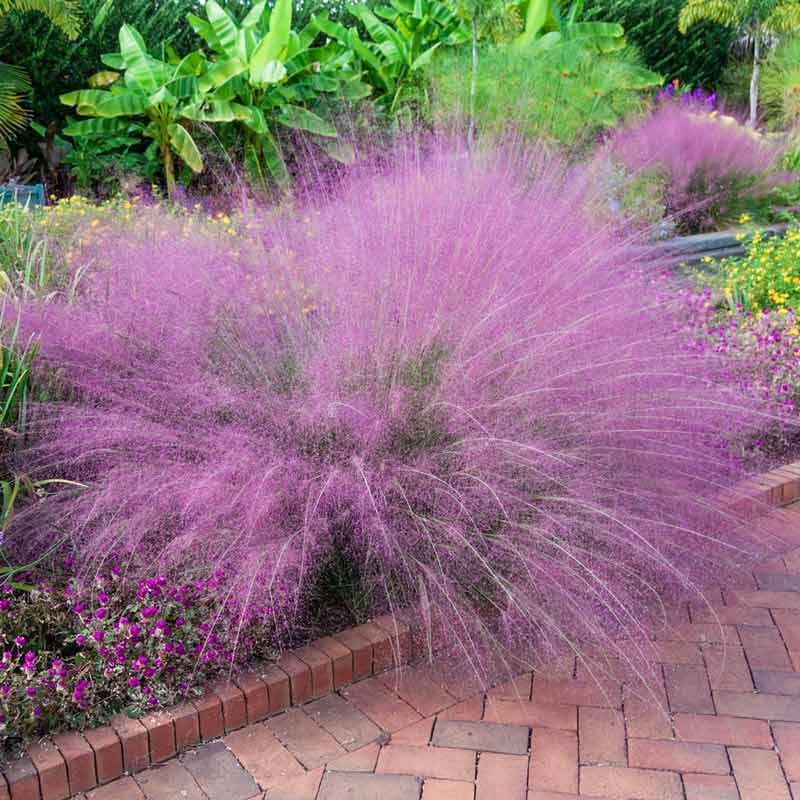
Every fall, muhly grass transforms into something almost magical. Clouds of soft, pink-purple plumes rise above the slender green blades, creating a dreamy, airy effect that stops people in their tracks.
What makes it even better is that this stunning display happens right during Florida’s dry season. Muhly grass loves full sun and well-drained soil, and once established, it rarely needs watering.
Plant several together for the most dramatic, show-stopping effect in your yard.
Saw palmetto
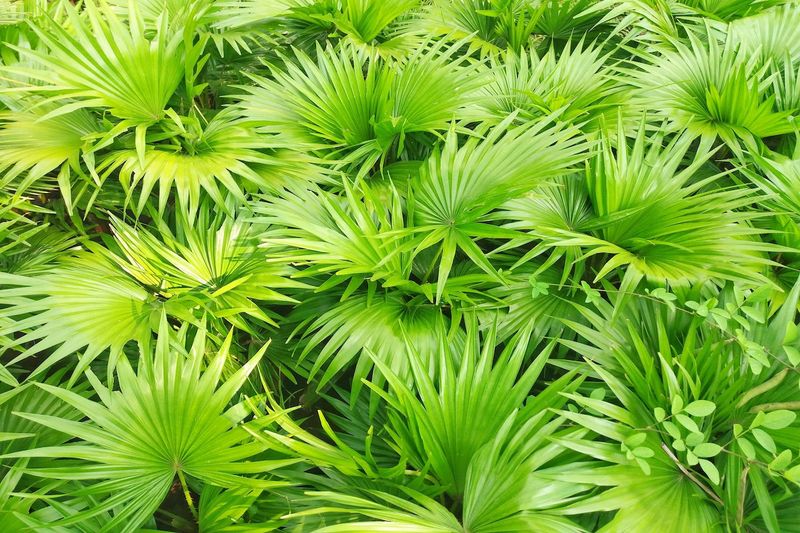
Saw palmetto has been part of Florida’s landscape for millions of years, and its staying power is no accident. The fan-shaped, silver-green leaves are stiff, bold, and naturally adapted to handle intense heat and long dry periods without missing a beat.
Wildlife depends on it for food and shelter, and it forms a beautiful, textured backdrop in native gardens. Though slow to grow, it is virtually indestructible once established, making it a smart long-term investment for any yard.
Dwarf palmetto
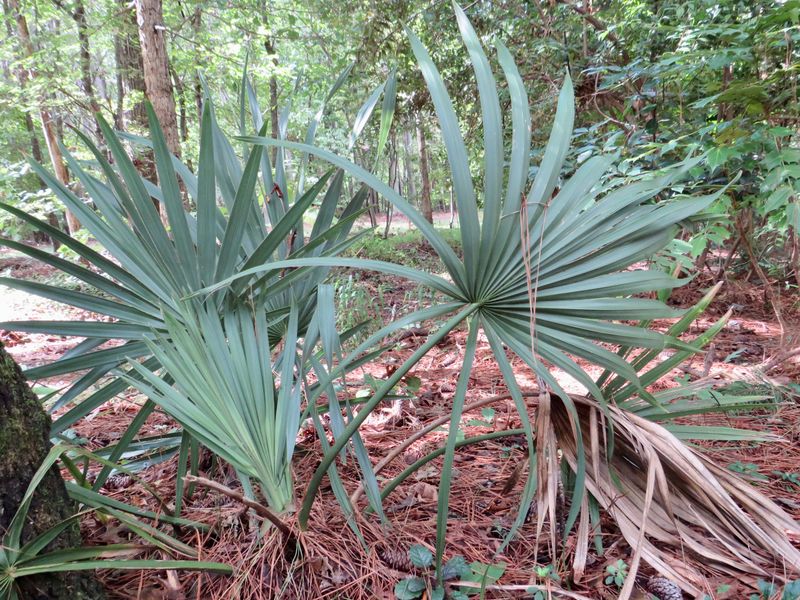
Smaller than its saw palmetto cousin, dwarf palmetto brings a lush, tropical look to shady corners of Florida gardens without demanding constant water. Its broad, fan-shaped leaves stay green and full even during extended dry spells, giving shaded spots a polished, finished look.
It grows slowly and stays compact, making it ideal for smaller yards or tight spaces near buildings. Native wildlife also benefits from its berries and dense foliage, adding ecological value alongside its good looks.
Agave
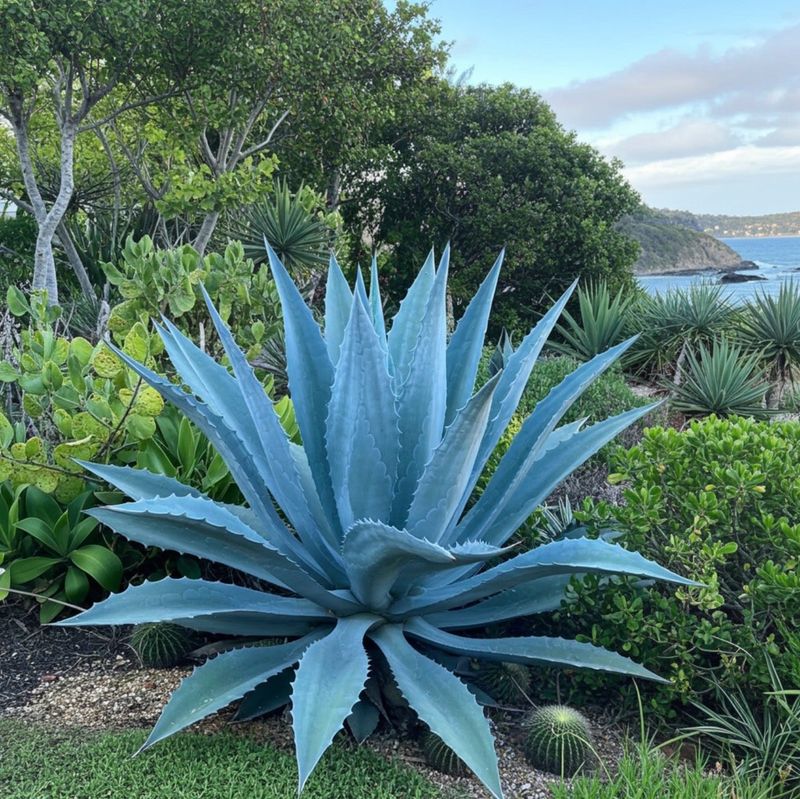
Bold, architectural, and nearly indestructible, agave is the plant that makes a statement without asking for much in return. Its thick, fleshy leaves store water like a natural reservoir, allowing the plant to go weeks or even months without rainfall.
Agave comes in many sizes, from small accent plants to large dramatic centerpieces. The spiky leaf tips do demand respect, so place it away from walkways.
In return, it offers year-round structure and serious drought-defying toughness.
Yucca
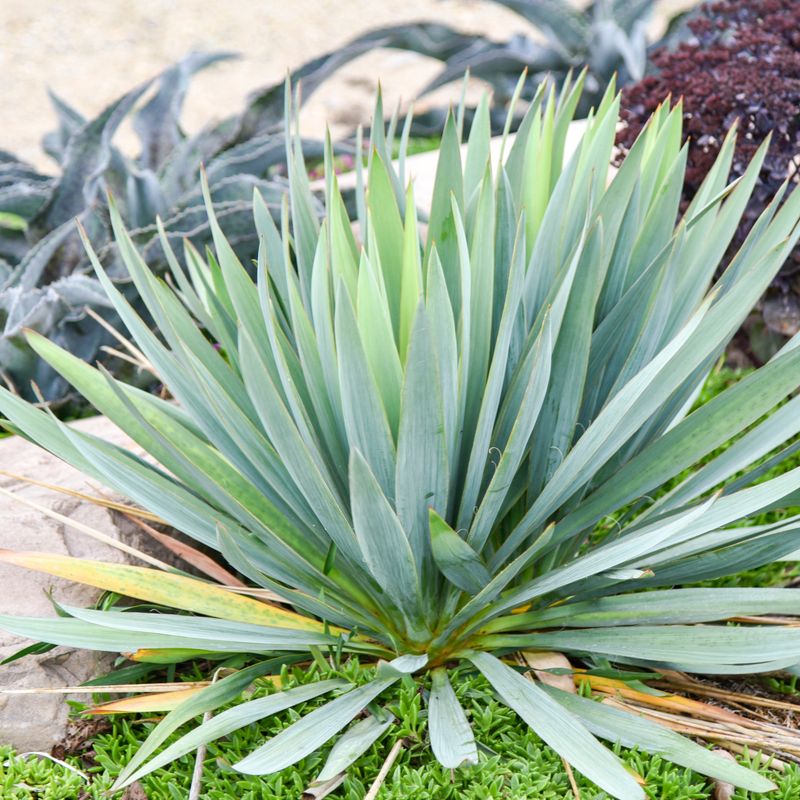
Yucca has a wild, spiky personality that suits Florida’s toughest growing conditions perfectly. The stiff, sword-shaped leaves radiate outward from the base, creating a bold, sculptural look that works in both formal and naturalistic garden styles.
When it blooms, a tall spike covered in creamy white bell-shaped flowers shoots up dramatically, turning heads from across the yard. It thrives in poor, dry, sandy soil and full sun, asking for almost nothing while always delivering something spectacular.
Firebush
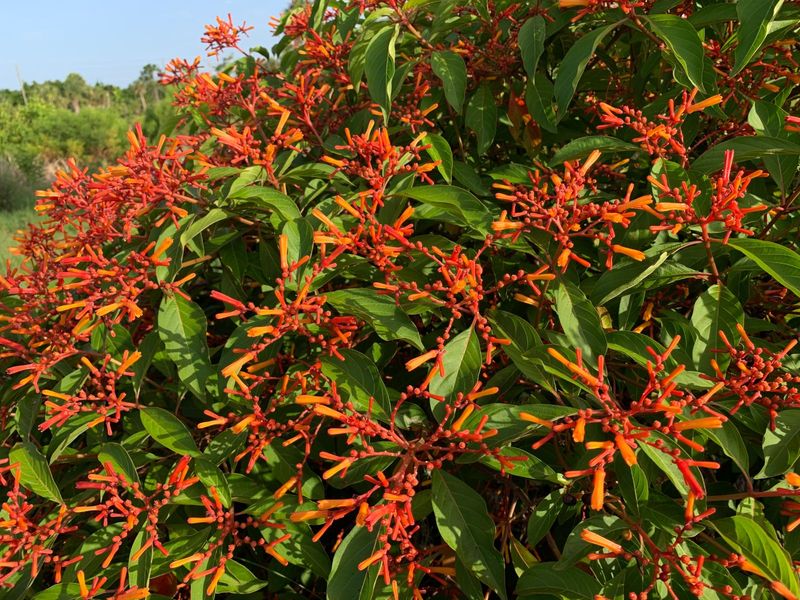
If hummingbirds and butterflies are what you are after, firebush is your go-to plant. Clusters of blazing orange-red tubular flowers light up this fast-growing shrub from spring through fall, earning it a well-deserved spot in wildlife gardens across Florida.
Despite its dramatic appearance, firebush is surprisingly tough. It handles heat, humidity, and drought without losing its vibrant color.
Cut it back hard in late winter and it bounces back fuller and more floriferous than ever, season after season.
Cocoplum
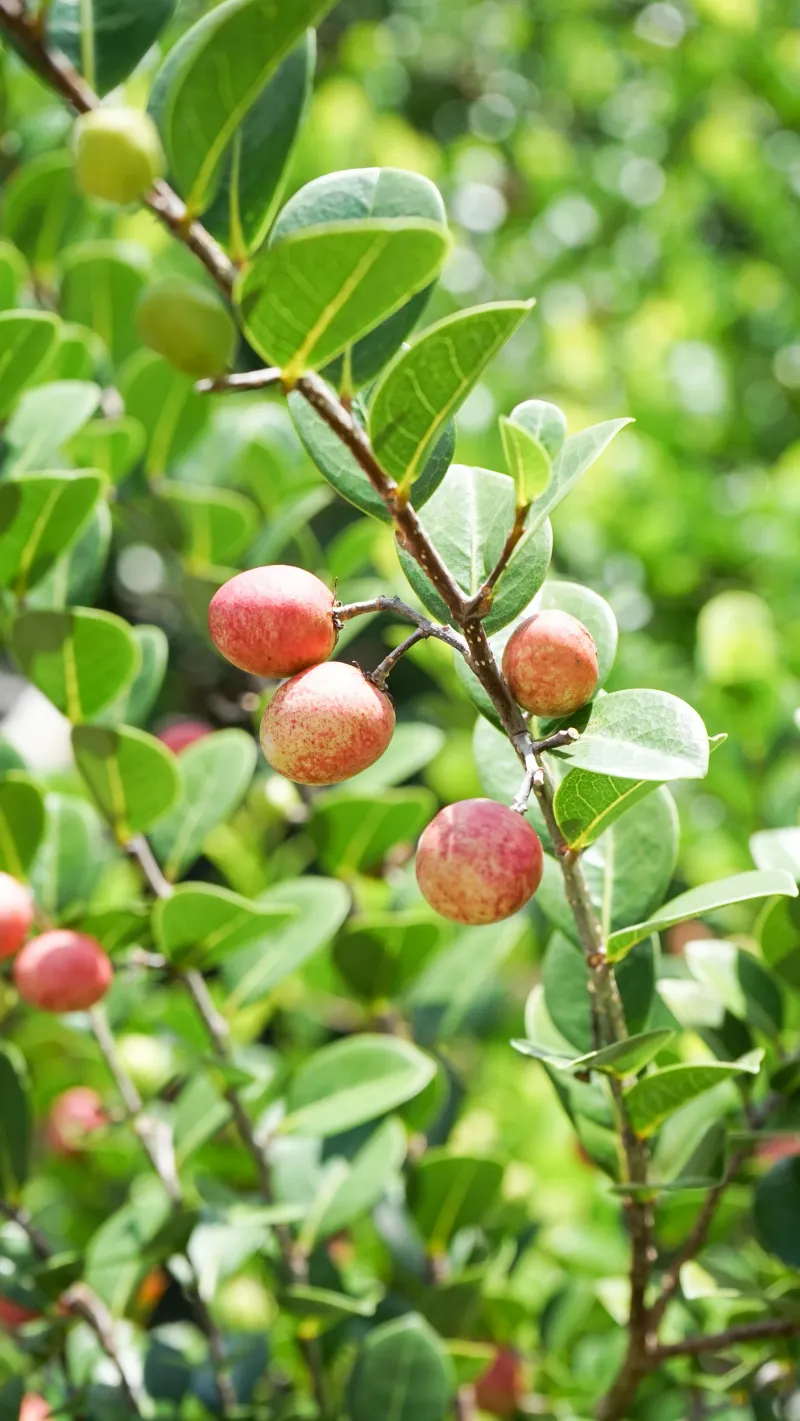
Cocoplum is a South Florida favorite that brings glossy, good-looking foliage to the landscape while tolerating drought, salt, and poor soil like a seasoned pro. The rounded, shiny leaves stay deep green year-round, and small edible fruits add seasonal interest.
It works beautifully as a hedge, foundation planting, or standalone specimen. Wildlife, especially birds, appreciate the fruit, turning your yard into a natural feeding station.
Few plants offer this level of versatility with this little maintenance required.
Simpson’s stopper
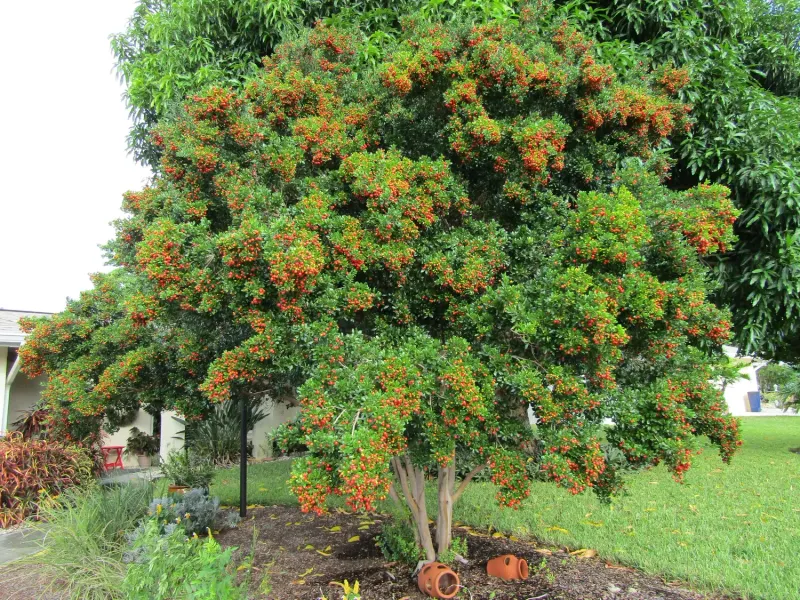
With a name like Simpson’s stopper, you might wonder what it stops. The answer is birds stopping to feast on its bright red berries every fall and winter.
This Florida native shrub is a wildlife magnet with year-round appeal.
Fragrant clusters of tiny white flowers precede the berries, making it attractive through multiple seasons. It handles drought and coastal conditions without complaint, growing into a dense, handsome shrub or small tree that fits naturally into any Florida landscape design.
Wax myrtle
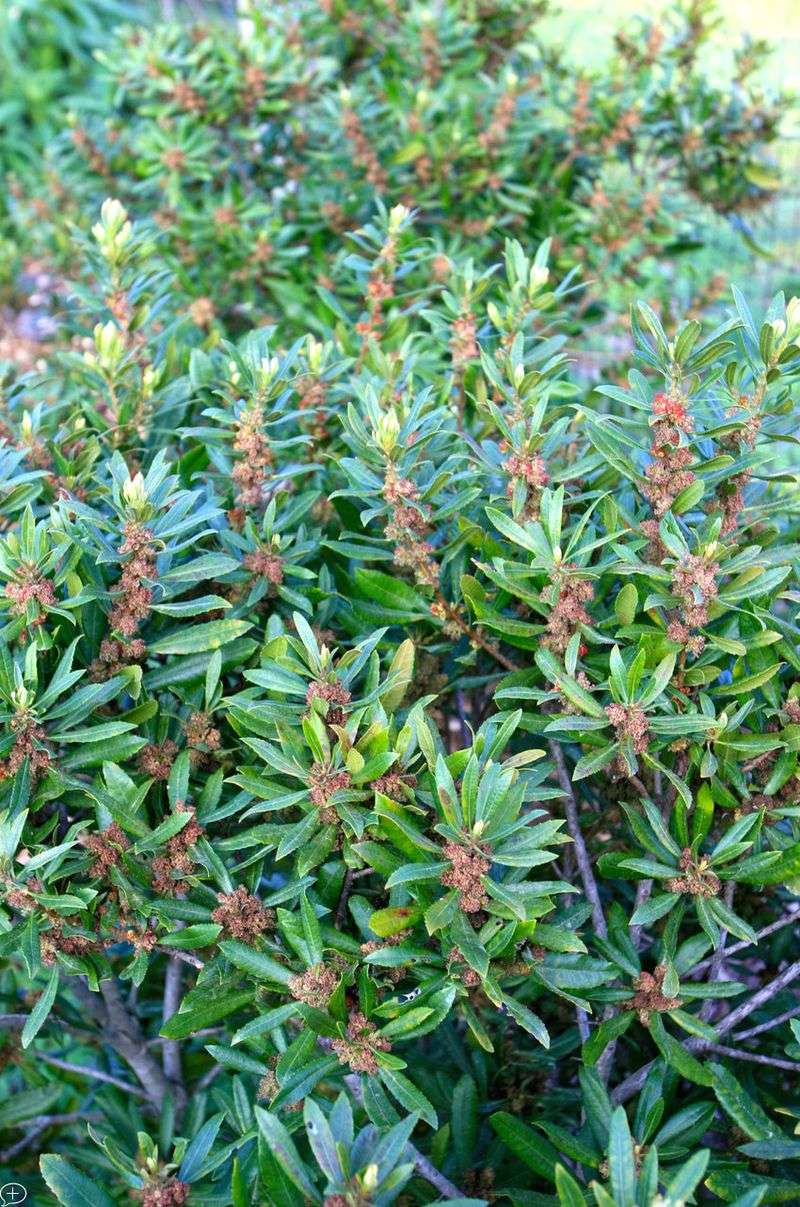
Wax myrtle grows fast, smells wonderful when the leaves are crushed, and provides food and shelter for dozens of bird species. It is one of those workhorses of the Florida native plant world that quietly does everything right.
During dry spells, the aromatic, gray-green foliage stays full and attractive without irrigation. It tolerates wet and dry conditions equally well, which is rare.
Use it as a privacy screen, windbreak, or wildlife habitat hedge for outstanding results with minimal effort.
Bulbine
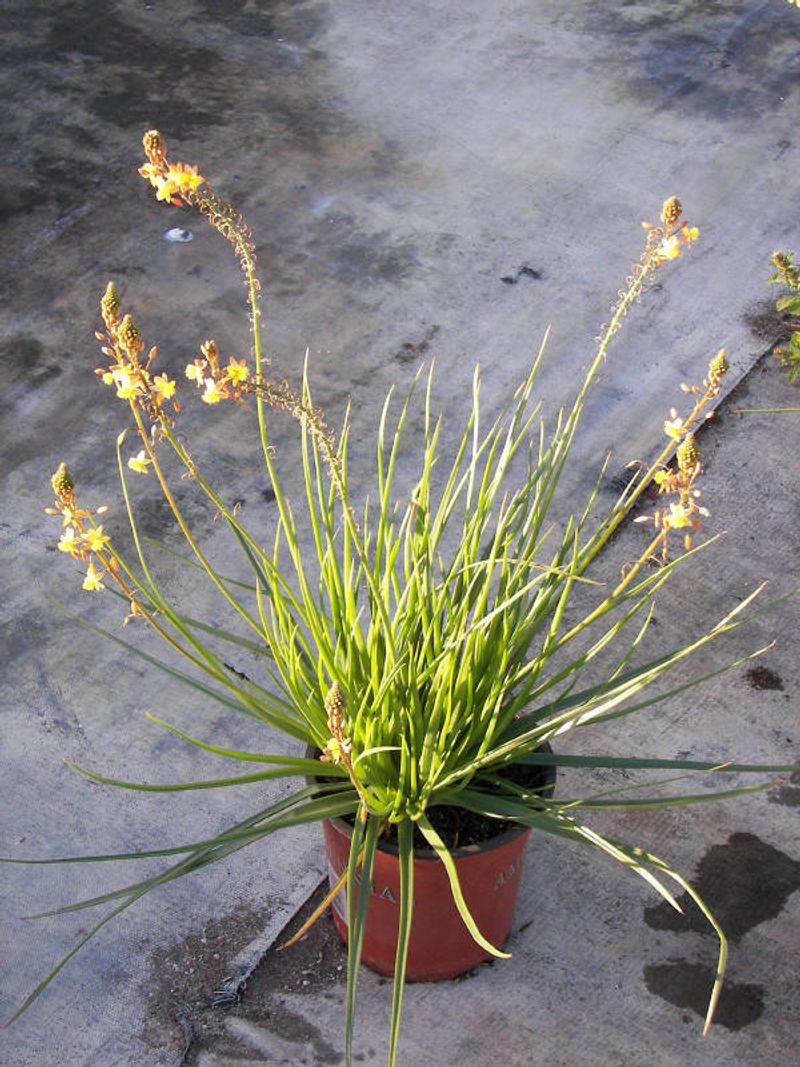
Cheerful and surprisingly tough, bulbine sends up slender spikes of star-shaped orange and yellow flowers almost continuously throughout the warm months. It looks delicate, but this succulent-leafed plant laughs at drought and heat.
The thick, fleshy leaves store moisture efficiently, keeping the plant going long after rainfall has stopped. Pollinators, especially bees, are drawn to the bright blooms.
Plant bulbine in drifts along sunny borders or pathways for a reliable splash of warm color all season.
Society garlic
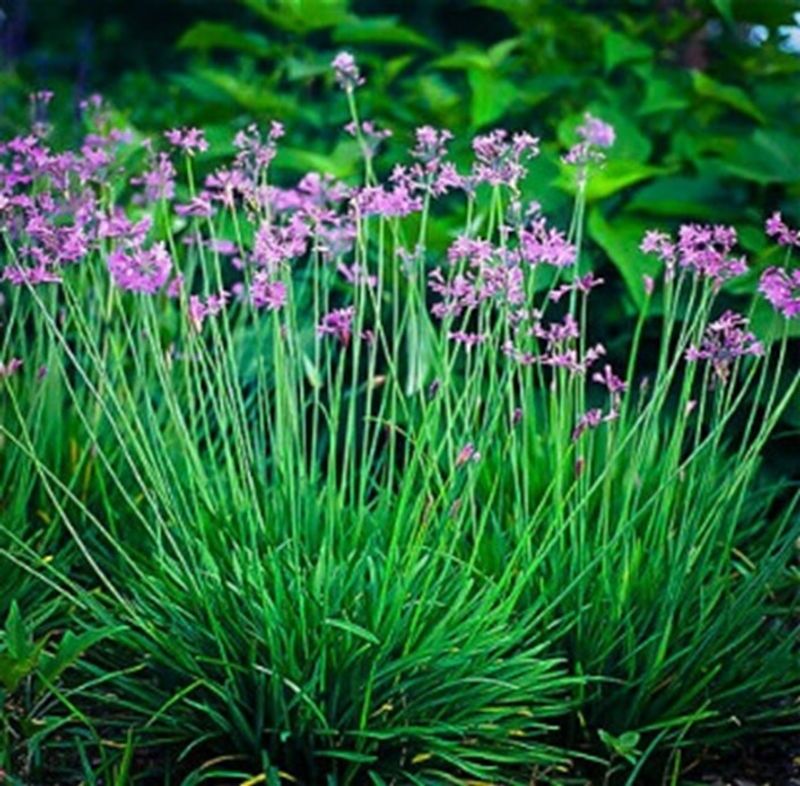
Society garlic gets its quirky name from the fact that it smells like garlic when the leaves are bruised, but the flowers are too pretty to be antisocial. Clusters of soft lavender-purple blooms rise above the slender, grass-like foliage on tall stems.
It blooms reliably through Florida’s dry season and handles heat without flinching. Deer tend to avoid it, which is a bonus for gardeners in suburban and rural areas.
Plant it along walkways for fragrance and color without much fuss.
Rosemary
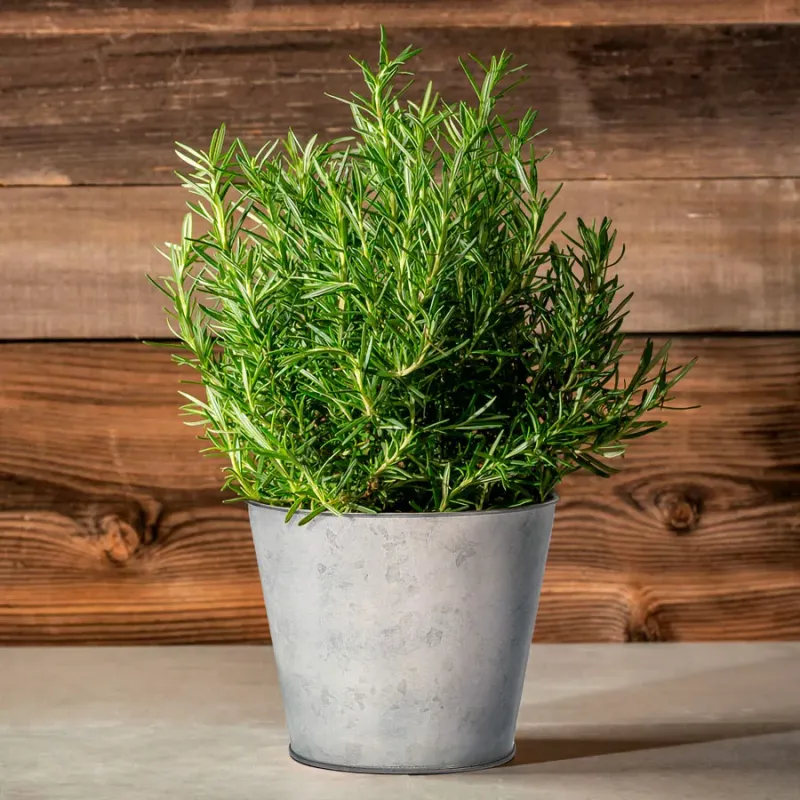
Rosemary does double duty in Florida gardens, serving as both a fragrant culinary herb and a drought-tolerant ornamental shrub. The silvery-green, needle-like leaves release a wonderful aroma whenever you brush past, making it a sensory treat along walkways and patios.
Small blue flowers appear in winter and early spring, attracting pollinators during a time when little else is blooming. Sandy, well-drained soil and full sun are all it needs to thrive.
Overwatering is the only real way to hurt it.
Perennial peanut
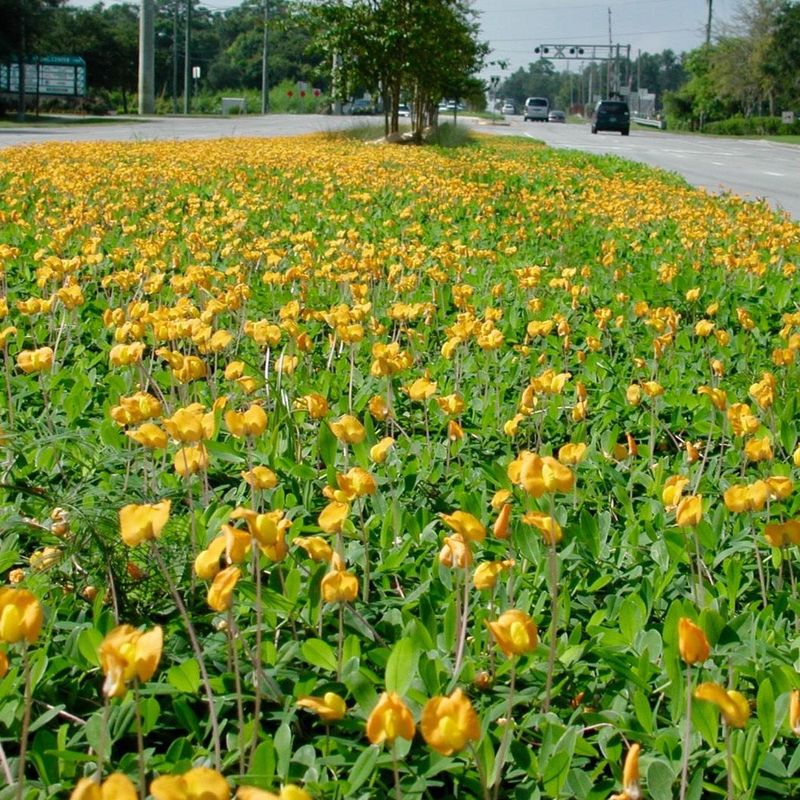
Perennial peanut is changing the way Florida homeowners think about lawns. Instead of thirsty turf grass, this low-growing ground cover spreads across the ground with cheerful yellow blooms popping up through the green mat of clover-like leaves.
It fixes nitrogen in the soil, improving conditions for nearby plants naturally. Mowing is optional, and irrigation is rarely needed once it is established.
For sunny areas where traditional grass struggles, perennial peanut is a smart, attractive, and genuinely low-effort alternative.
Twinflower
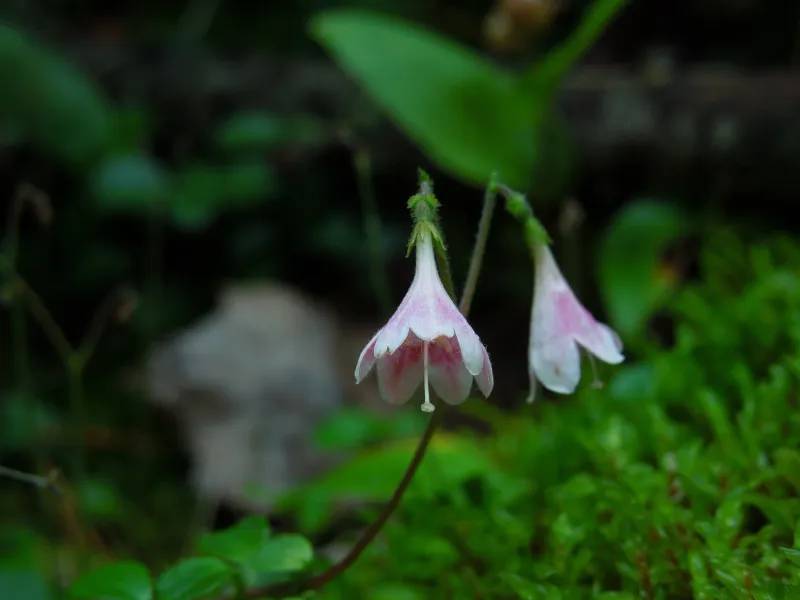
Twinflower is one of Florida’s hidden gems, a native ground cover that thrives in the shady, dry spots where most plants give up. Petite purple-blue flowers appear in pairs along the stems, giving the plant its charming common name.
It spreads gently to fill gaps under trees and shrubs, creating a soft, natural-looking carpet without becoming invasive. Butterflies and bees visit the flowers regularly.
For shady dry zones that need color without constant care, twinflower is a quiet but reliable solution.
Goldenrod
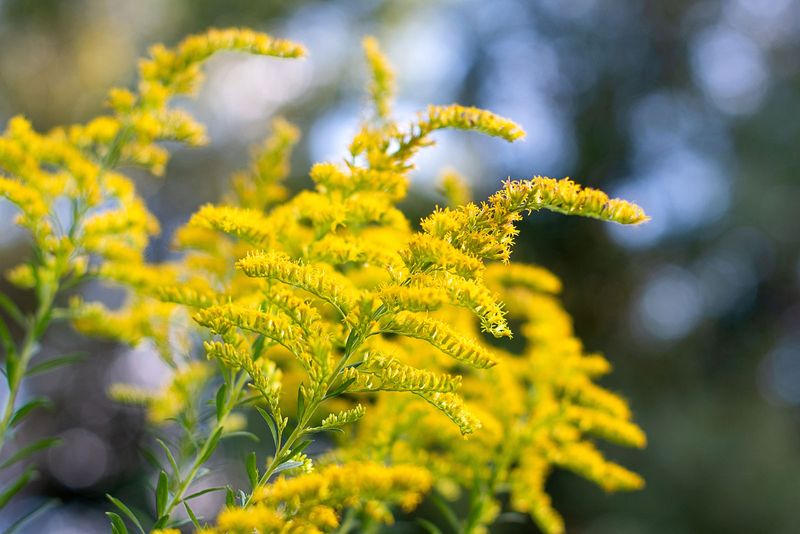
Goldenrod gets blamed for hay fever, but here is the truth: it is wind-pollinated ragweed that causes allergies, not goldenrod. This Florida native is actually one of the most important late-season nectar sources for bees and butterflies preparing for winter.
Tall plumes of vivid yellow flowers erupt in fall just as many other plants are fading, bringing bold color to the garden when it is needed most. It handles dry, sandy soil effortlessly and spreads naturally to create striking, wildlife-rich meadow plantings.
Enjoyed this story?
Add Fast Food Club as a preferred source to see more of our reporting on Google.