


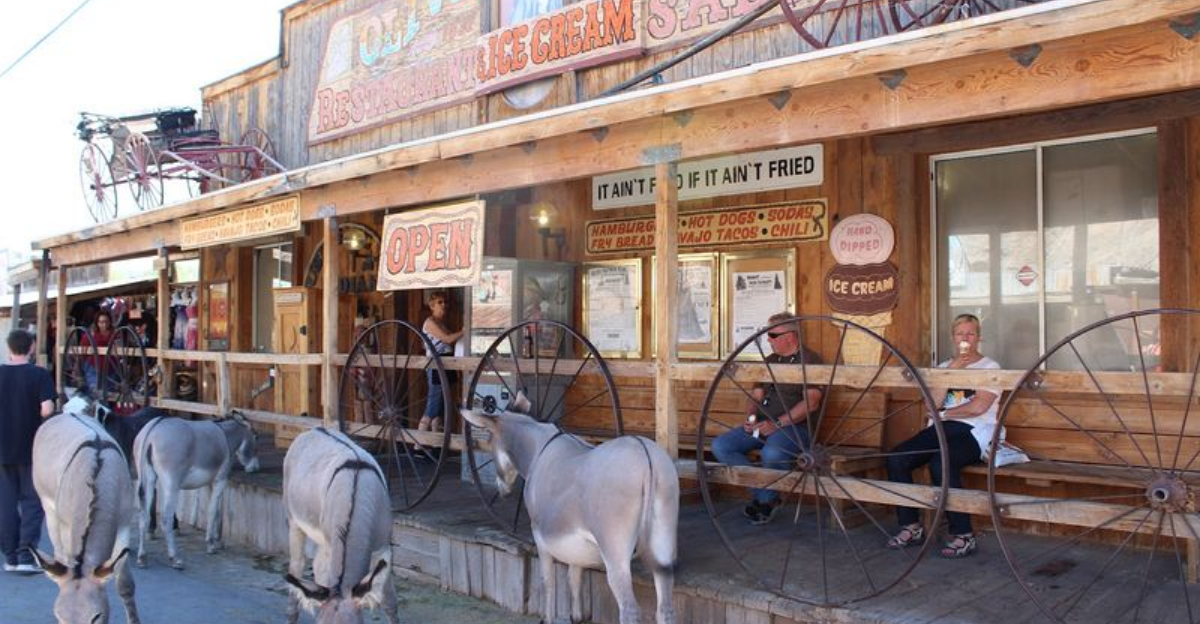
Tucked away in the rugged Black Mountains of Mohave County, Arizona, Oatman is a ghost town that seems to have stopped the clock somewhere around the late 1800s. Once a booming gold mining camp that produced millions of dollars in ore, today it draws thousands of curious visitors who want to experience a slice of the real Wild West.
Wandering its dusty main street feels like stepping straight into an old Western movie, complete with wooden storefronts, saloons, and wild burros roaming freely. Whether you love history, quirky roadside attractions, or just a great adventure, Oatman delivers something truly unforgettable.
The Wild Burros of Oatman
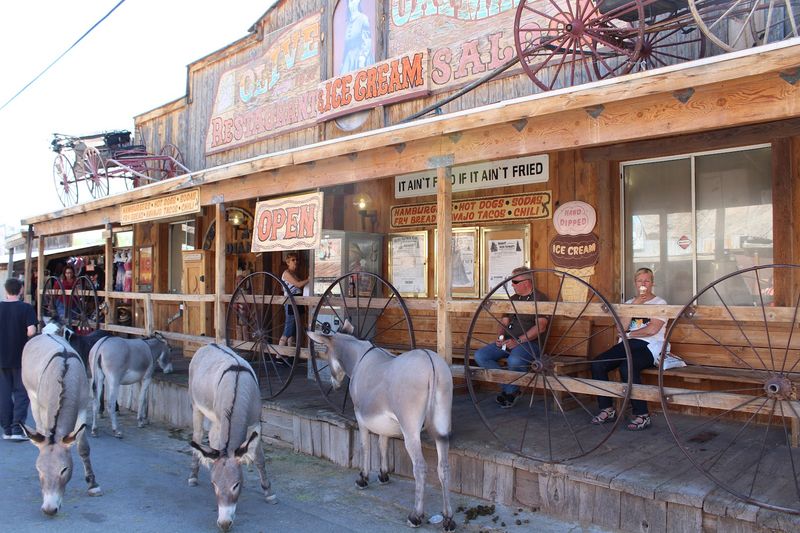
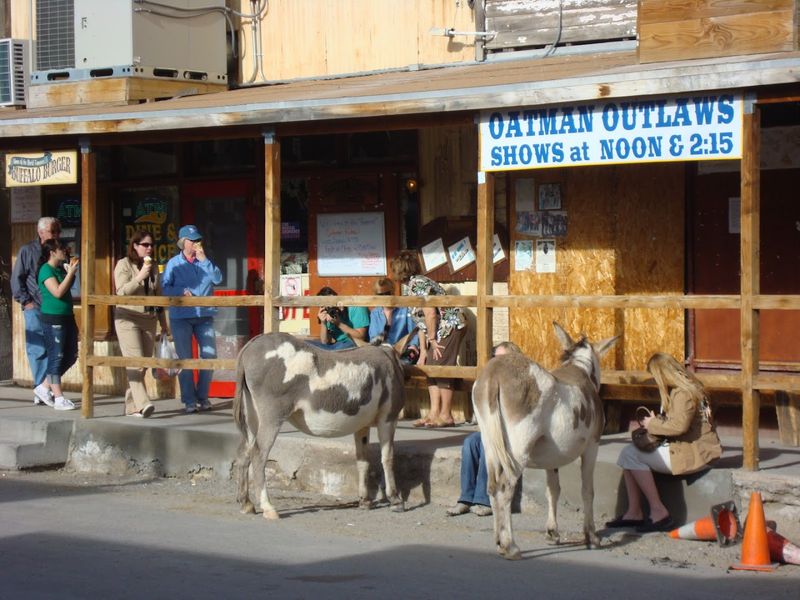
Perhaps the most famous residents of Oatman are not human at all. Dozens of wild burros freely roam the main street, stopping traffic, nudging tourists, and generally acting like they own the place — because, honestly, they kind of do.
These animals are descendants of the burros that old-time miners used to haul gold ore out of the mountains. When the mines closed, the miners released their animals into the wild, and the burros have called Oatman home ever since.
Visitors can buy small bags of hay from local shops to hand-feed the burros. Kids and adults alike go absolutely wild for this experience.
Just be ready — these furry characters are bold, friendly, and not shy about nudging your pockets looking for treats.
Oatman Hotel — Where History Sleeps
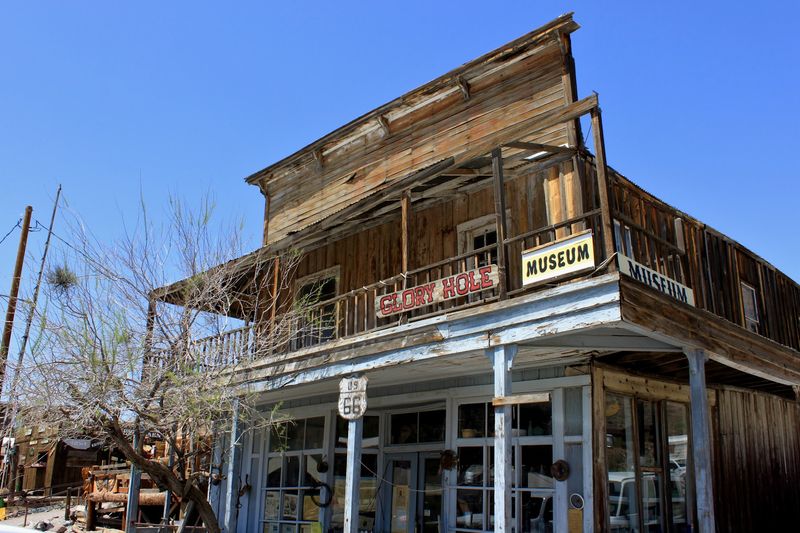
Back in 1902, the Oatman Hotel opened its doors, and it has been welcoming guests and curious visitors ever since. The building is one of the oldest surviving adobe structures in Mohave County and carries enough history to fill several books.
Most famously, Hollywood legends Clark Gable and Carole Lombard honeymooned here in 1939 after their secret wedding in nearby Kingman. Their room has been preserved almost exactly as it was, giving visitors a genuinely spine-tingling glimpse into old Hollywood romance.
The hotel no longer rents rooms overnight, but the saloon downstairs is very much open. Dollar bills cover nearly every inch of the ceiling and walls — a quirky tradition started by miners who wanted to make sure they always had drinking money waiting.
Grab a cold drink and soak up the atmosphere.
Gold Mining Roots That Built a Boomtown
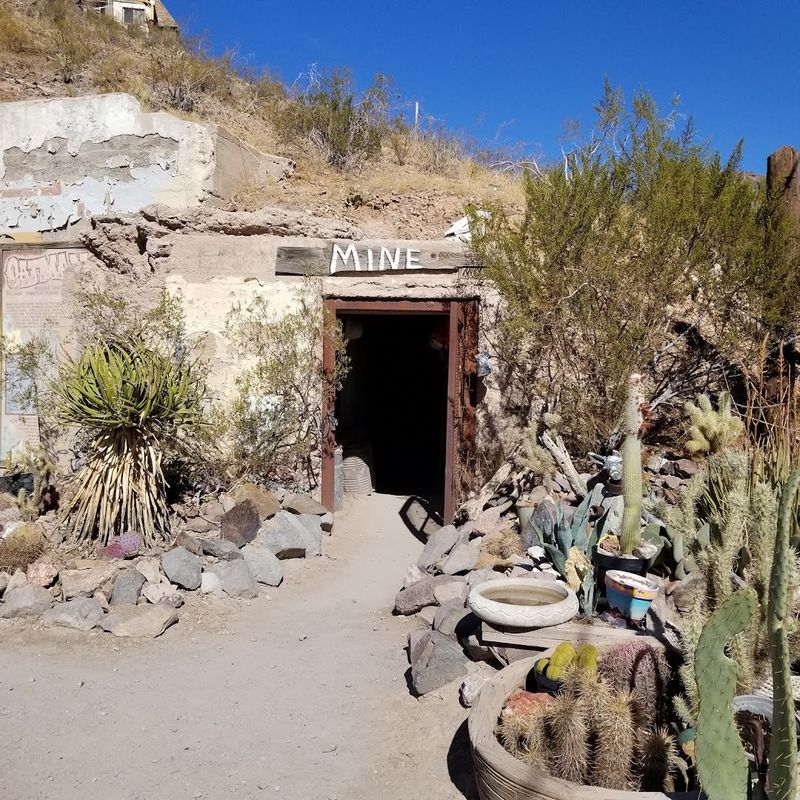
In 1915, two prospectors named Vivian and Hayes struck gold worth an estimated ten million dollars in the hills near Oatman, setting off one of the most exciting mining rushes in Arizona history. Within just a few years, the small camp exploded into a town of nearly 3,500 people.
Gold production in the area eventually reached over 36 million dollars before the mines began to slow down. The United States government declared gold mining non-essential during World War II, and that decision effectively ended Oatman as a working mining town almost overnight.
Today, the legacy of that gold rush lives on through museums, old mine shafts, and the stories told by local guides. History lovers will find Oatman endlessly fascinating — every crumbling wall and weathered sign tells part of a bigger, richer story.
Gunfight Reenactments on Main Street
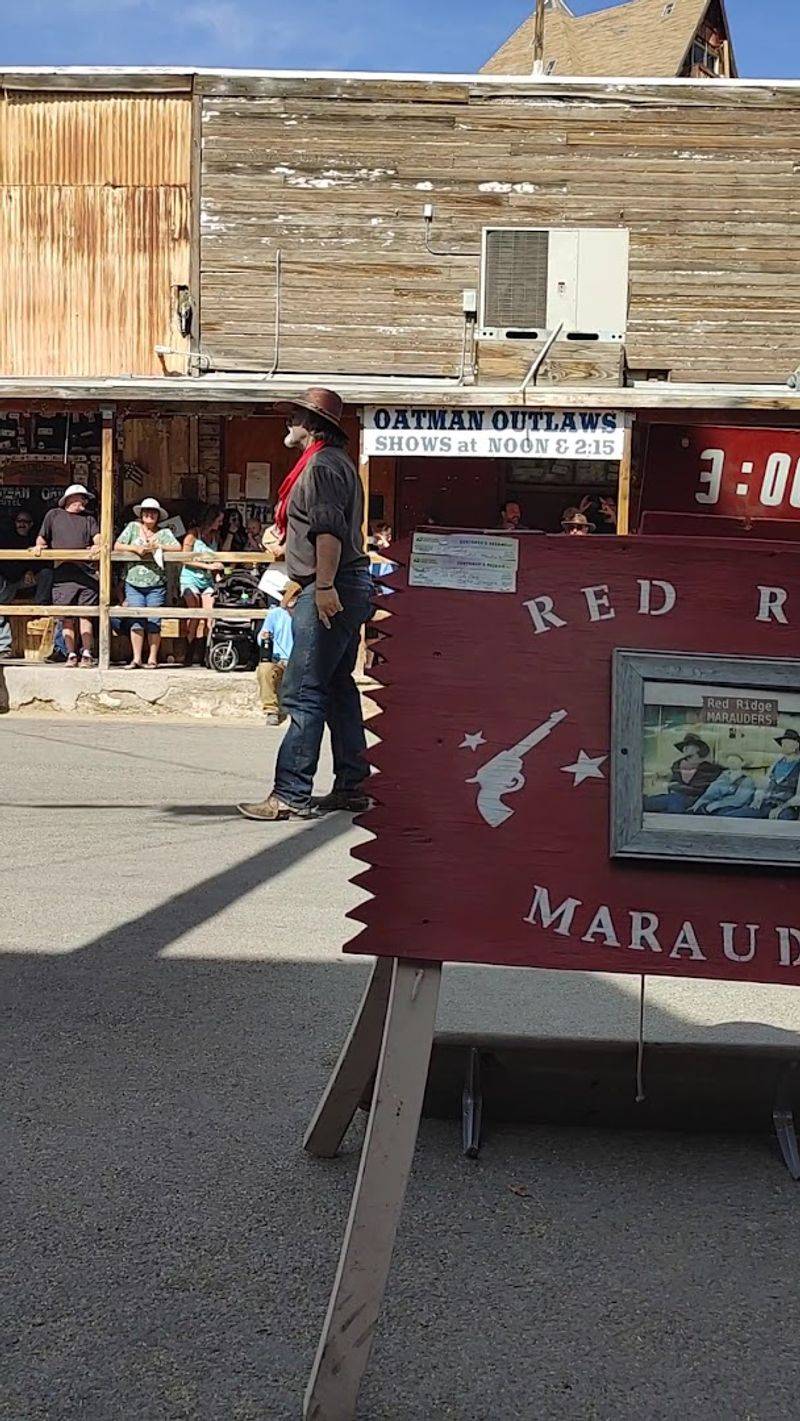
Every weekend, Oatman’s main street transforms into a live stage for one of the most entertaining shows in Arizona. Local actors dressed as cowboys, outlaws, and lawmen put on dramatic gunfight reenactments that are equal parts silly and thrilling.
The performances are family-friendly and packed with humor, dramatic falls, and crowd interaction that keeps everyone laughing. Kids especially love the exaggerated drama, and parents appreciate that it gives younger visitors a lively way to connect with frontier history.
These shows have been a beloved Oatman tradition for decades, drawing huge crowds on busy weekends. Showtimes are posted around town and can vary by season, so arriving early is always a smart move.
Grab a good spot along the wooden boardwalk, keep your camera ready, and enjoy the show — it is pure old-fashioned fun.
Route 66 — The Mother Road Runs Through It
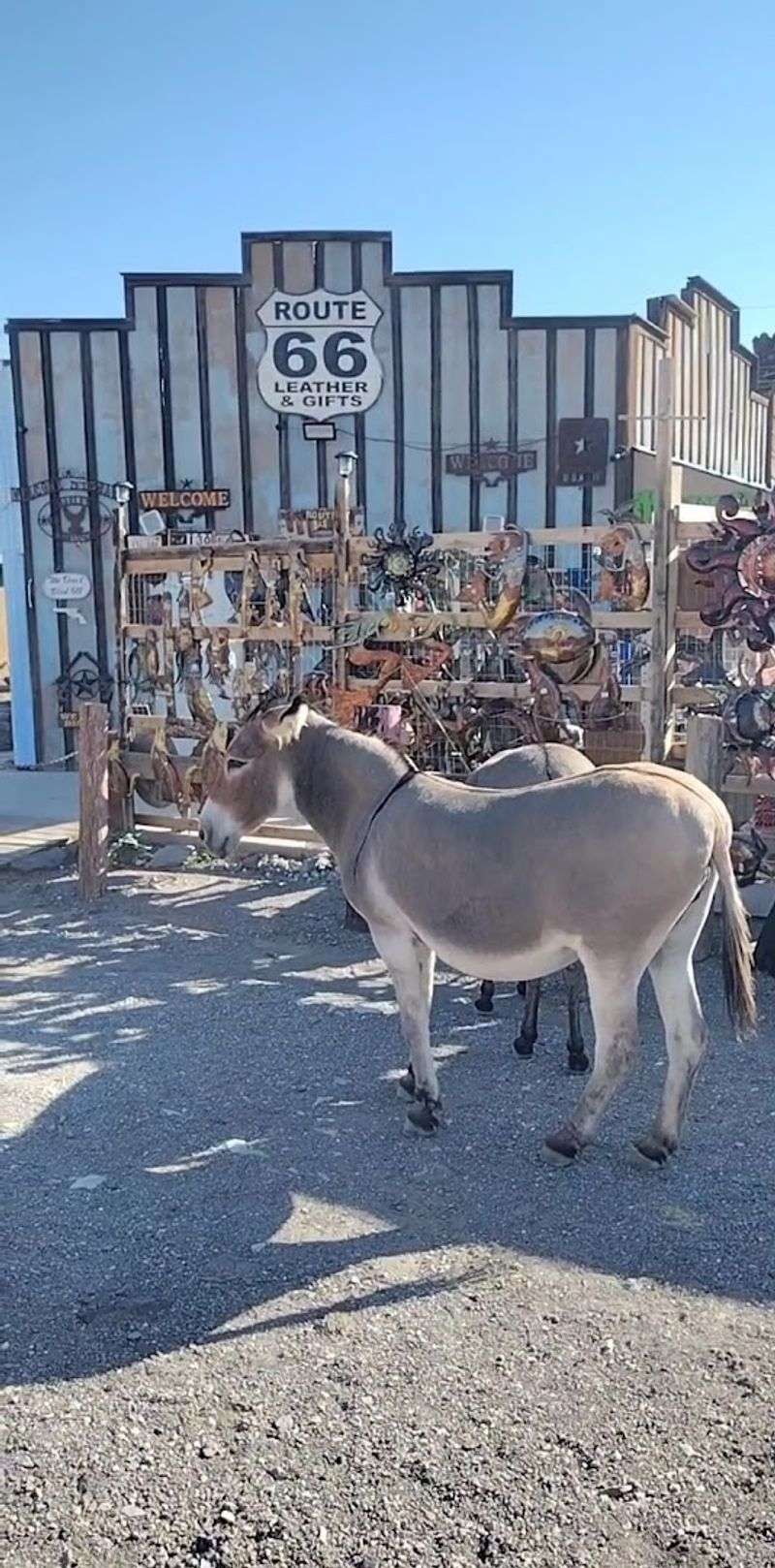
Oatman sits along one of the most celebrated stretches of the original Route 66, the legendary highway that once connected Chicago to Los Angeles. This section winds dramatically through the Black Mountains and is considered by many road trip enthusiasts to be among the most scenic and challenging parts of the entire route.
Before Interstate 40 bypassed the area, Route 66 through Oatman was the primary road west for thousands of travelers, families, and migrants heading toward California during the Dust Bowl era. That deep human history is still very much felt when you drive those twisting mountain roads today.
Car enthusiasts, history buffs, and adventure seekers regularly make the detour just to cruise through Oatman. The hairpin turns and sweeping desert views make the drive as memorable as the town itself.
Keep your eyes open for burros on the road.
The Unique Shops and Souvenirs of Oatman
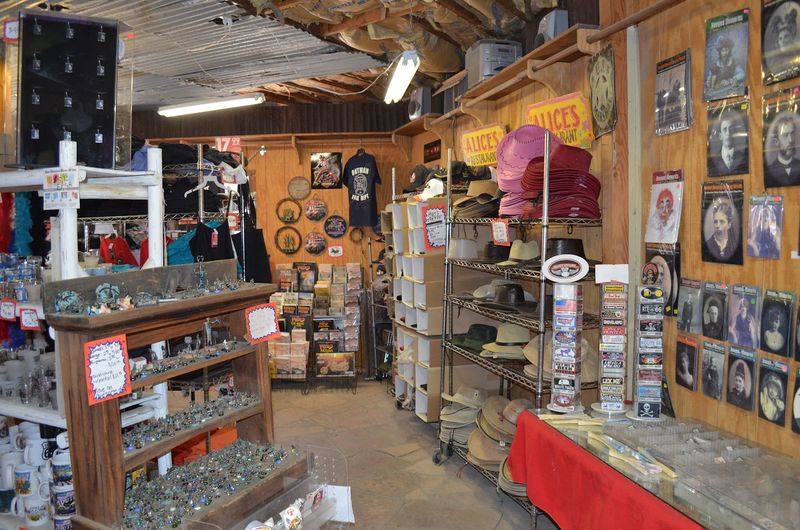
Shopping in Oatman is an experience all by itself. The wooden boardwalks along the main street are lined with small shops selling everything from turquoise jewelry and Native American crafts to gold nugget keepsakes, leather goods, and vintage Route 66 memorabilia.
Many of the shops are housed in original buildings that date back to the mining boom era, giving even a simple shopping trip a strong sense of historical atmosphere. Prices are generally reasonable, and shop owners are often happy to share stories about the town and its colorful past.
One local favorite activity is searching for genuine gold pans and mining tools — some are antique, some are reproductions, but all of them make for truly unique souvenirs. Whether you spend twenty dollars or two hundred, you will leave with something that feels genuinely special and rooted in real Arizona history.
Clark Gable and Carole Lombard Connection
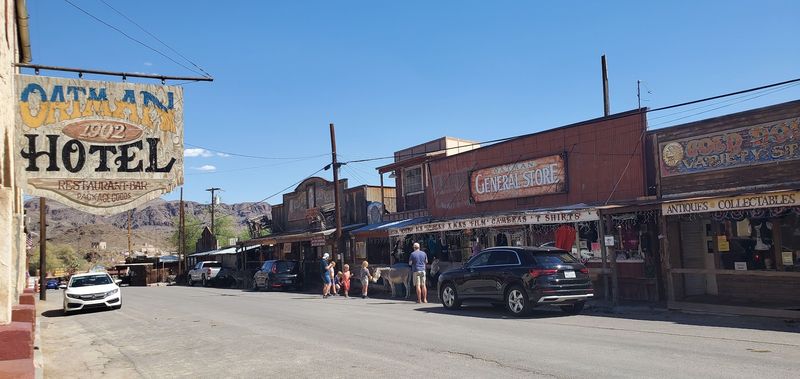
Few ghost towns can claim a Hollywood love story as part of their history, but Oatman absolutely can. After their surprise wedding in Kingman, Arizona, in March 1939, silver screen icons Clark Gable and Carole Lombard retreated to the quiet Oatman Hotel for their honeymoon.
The couple reportedly spent their first days as husband and wife playing cards, relaxing, and enjoying the rugged desert scenery — far from the Hollywood spotlight they normally lived under. Their honeymoon suite has been carefully preserved, and visitors can peek inside to see period-appropriate furnishings and photographs from the era.
Every year around the anniversary of their wedding, Oatman celebrates this glamorous connection with special events and tributes. It adds a surprisingly romantic and nostalgic dimension to a town better known for burros and gunfights.
History really does come in all shapes and sizes here.
The Annual Egg Fry on the Sidewalk
Every Fourth of July, Oatman hosts one of the most delightfully bizarre festivals in the entire American Southwest — the International Egg Frying Contest. Contestants from near and far try to cook an egg using nothing but the scorching Arizona sun and a piece of aluminum foil placed on the sidewalk.
Temperatures in Oatman regularly exceed 110 degrees Fahrenheit in summer, making the desert floor hot enough to actually cook food — at least in theory. The contest draws a surprisingly competitive crowd, and the creativity some participants bring to the challenge is genuinely impressive.
Beyond the egg frying, the Fourth of July celebration includes live music, food vendors, and plenty of Wild West entertainment. It is one of those only-in-Arizona experiences that you simply cannot plan for — you just have to show up and enjoy the wonderfully weird spectacle unfolding around you.
The Black Mountains — A Dramatic Backdrop
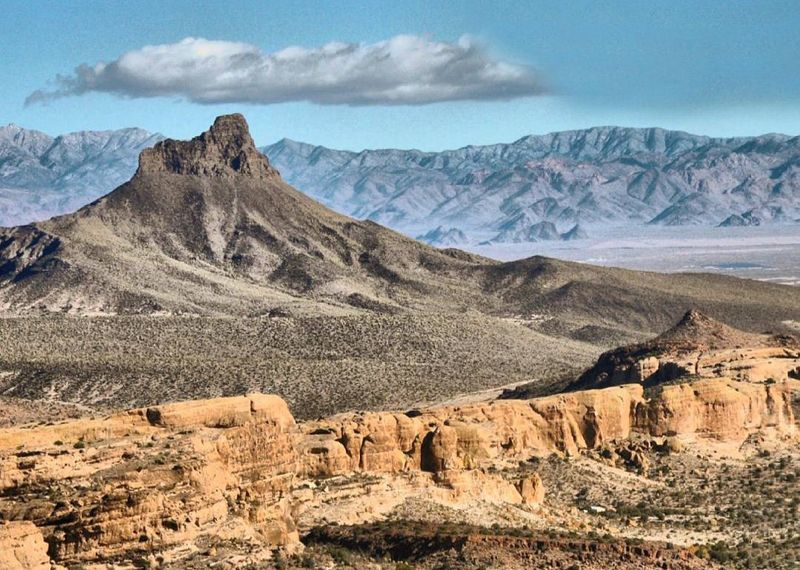
Oatman sits at an elevation of 2,710 feet inside the dramatic Black Mountains of Mohave County, giving the town a striking, almost theatrical setting that no photograph fully captures. The jagged volcanic rock formations surrounding the valley create an atmosphere that feels genuinely ancient and wild.
Hikers and outdoor enthusiasts will find plenty to explore in the surrounding terrain. Unmarked trails lead to old mine ruins, scenic overlooks, and patches of desert wildflowers that bloom brilliantly in spring.
The landscape rewards those willing to lace up their boots and wander a bit off the main street.
Wildlife is surprisingly abundant in the area too. Roadrunners, red-tailed hawks, and even the occasional bighorn sheep have been spotted in and around the mountains.
The natural setting alone makes Oatman worth visiting, even before you factor in all the human history packed into this tiny town.
Ghost Town Atmosphere You Can Actually Feel
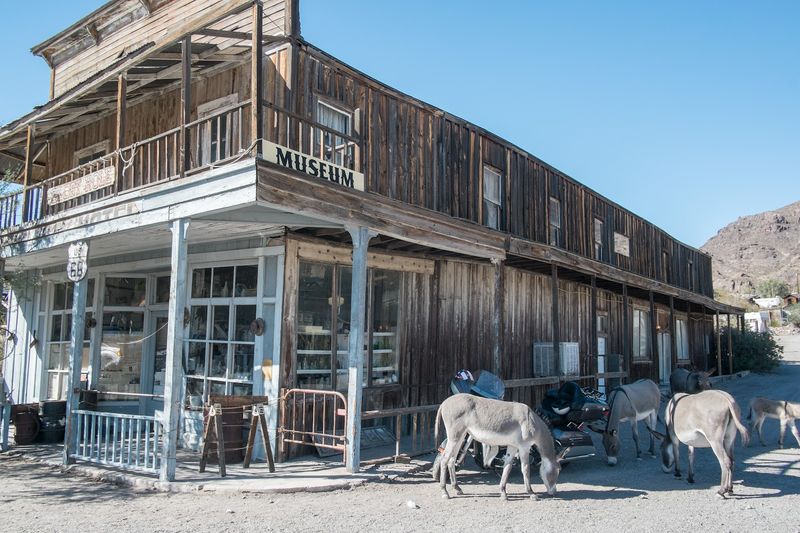
There is something genuinely eerie about walking through Oatman after the tourist crowds thin out toward evening. The creaking wooden signs, the empty saloon stools, and the long shadows stretching across the dusty main street combine to create an atmosphere that no theme park could ever replicate.
Locals and longtime visitors often say the town feels alive with the energy of the people who lived and worked here during the gold rush years. Some even claim the Oatman Hotel is haunted, with guests reporting unexplained sounds and flickering lights in the old upstairs rooms.
Whether or not you believe in ghosts, the emotional weight of a place that once bustled with thousands of lives and now stands quietly in the desert is deeply moving. Oatman does not just tell you about the past — it makes you feel it in your bones.
Mining Camp Origins — From Tent City to Boomtown
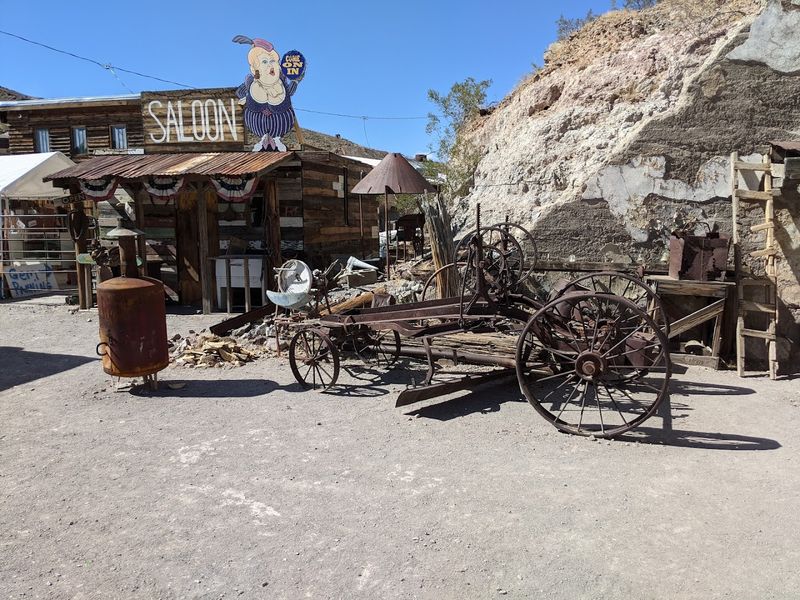
Before Oatman became a proper town, it was nothing more than a rough tent city carved out of the desert by determined prospectors. The area had already seen some small-scale mining activity before 1915, but the massive gold strike that year changed everything practically overnight.
Miners flooded in from across the country, bringing families, businesses, and ambitions with them. Saloons, general stores, and boarding houses popped up along what would become the main street, and a real community began to take shape with surprising speed.
The transformation from wilderness camp to working town happened in just a matter of months.
Understanding this origin story makes walking through Oatman today feel even more meaningful. Every weathered building represents a real person who packed up everything they owned and gambled it all on the promise of gold hidden in the Arizona mountains.
That kind of courage deserves to be remembered.
The Painted Desert Colors at Sunset
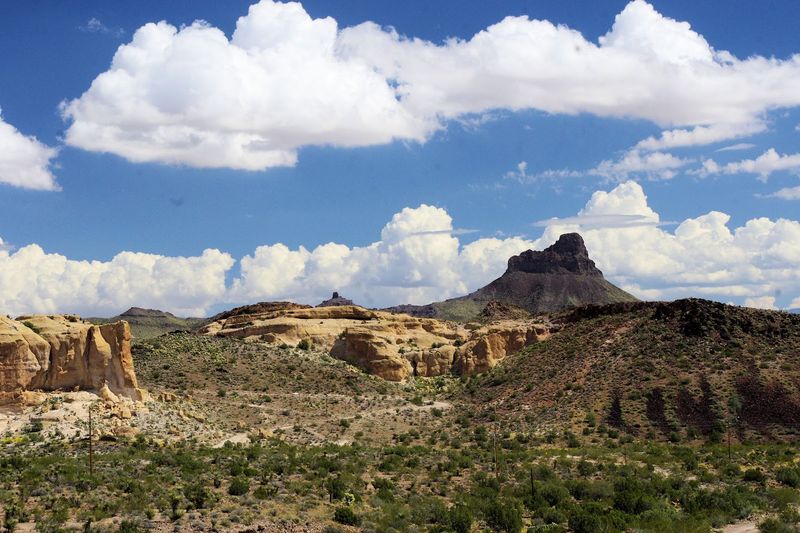
Ask anyone who has visited Oatman at the right moment, and they will tell you that the sunsets here are absolutely jaw-dropping. The combination of high desert elevation, volcanic rock, and the wide-open Mohave sky creates a color show that shifts from deep gold to blazing orange to soft purple in the span of just a few minutes.
Photographers from around the world make the trip specifically to capture those golden-hour shots of the town silhouetted against the painted sky. The wooden buildings and rustic signage frame the scene perfectly, giving every photo an instantly timeless, almost cinematic quality.
Even if photography is not your thing, simply sitting on the boardwalk with a cold drink and watching the sun sink behind the Black Mountains is a deeply satisfying experience. Some moments in travel need no filter, no caption, and no explanation — Oatman at sunset is one of them.
A Living Museum Without Walls or Admission Fees
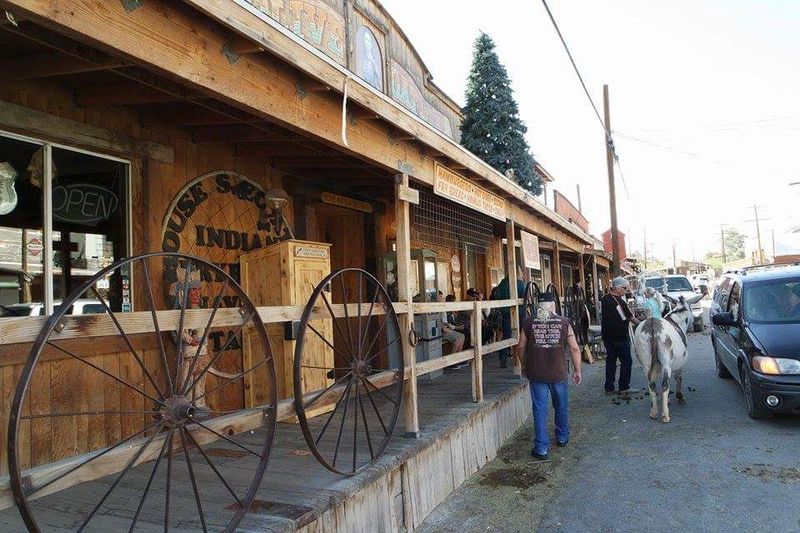
Most museums ask you to stay behind a velvet rope. Oatman lets you walk straight into the story.
The entire town functions as an open-air living museum where the exhibits are real buildings, real artifacts, and real descendants of the people who built this place from scratch over a century ago.
Informational plaques are scattered throughout the main street, offering bite-sized history lessons about specific buildings, notable residents, and key moments in Oatman’s development. Even a casual stroll becomes an educational experience without ever feeling like homework.
Best of all, there is no admission fee to simply walk through and explore. The town earns its living from tourism, so local businesses genuinely appreciate visitors who stop in, browse, eat, and spend a little time.
Supporting those small shops and restaurants is the best way to help keep this remarkable slice of Arizona history alive for future generations.
Enjoyed this story?
Add Fast Food Club as a preferred source to see more of our reporting on Google.