


Some foods inspire fierce debate every time they show up on a plate. You might swear them off, yet they keep sneaking back into weekly routines because they are cheap, nutritious, or simply comforting.
This list breaks down the flavors people love to hate and the tricks that make them easier to enjoy. Keep an open mind and you might discover a new favorite in a surprising place.
Liver
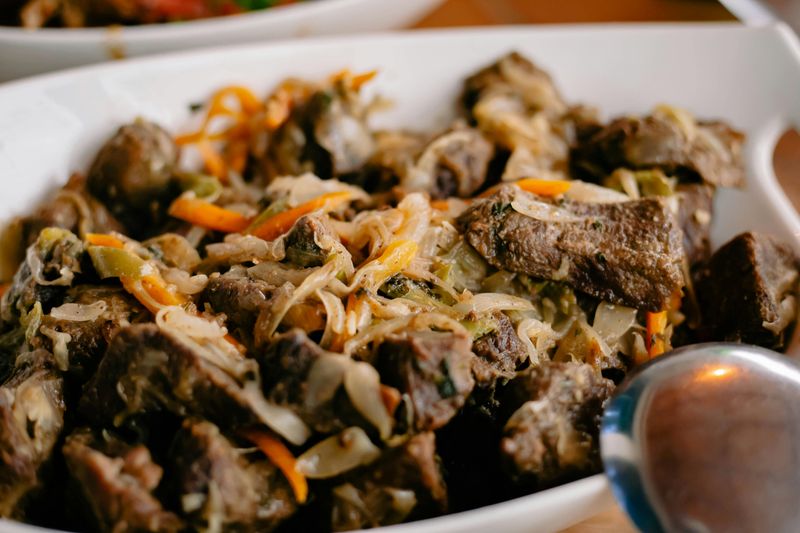
Why does liver split a room so fast? The metallic tang, firm bite, and lingering aroma can feel like a dare, especially if childhood memories were not kind.
Still, you find it in tacos, pâtés, and budget friendly dinners because it is affordable, nutrient dense, and endlessly adaptable.
Give it a quick sear with onions, plenty of salt, and acidity from lemon to tame that assertive flavor. Thin slices help, as does soaking in milk.
If you want to like it, start small, season boldly, and pair with creamy mashed potatoes or crusty bread to balance the intensity.
Cottage cheese

Cottage cheese can feel polarizing because of its curds, mild tang, and sometimes watery texture. Yet it quietly fuels mornings, power bowls, and quick snacks with protein that keeps you full.
Pair it with fruit and honey, or go savory with tomatoes, cracked pepper, and olive oil.
If the texture throws you off, blend it smooth for a ricotta like spread, or fold it into pancake batter for tenderness. Salt helps, as does a crunchy topping like granola or nuts.
You do not have to love it plain to appreciate how easily it boosts meals without much effort.
Oatmeal porridge
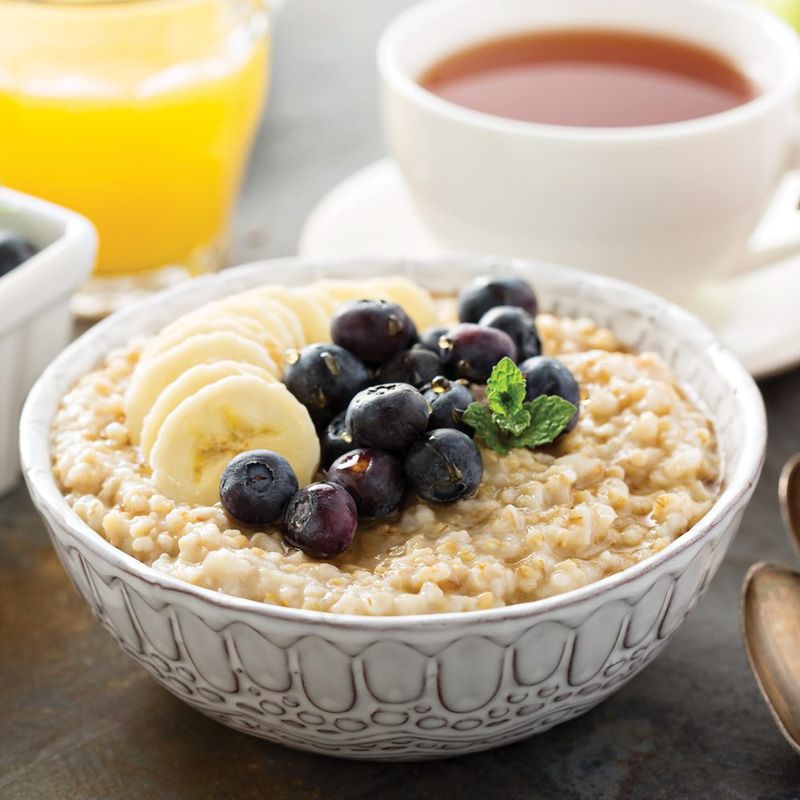
Oatmeal porridge is comfort to some and punishment to others. Its soft, gluey texture can turn you off fast if it is cooked without salt or flavor.
But oats are a blank canvas, ready for brown sugar, spices, nut butter, fruit, or a swirl of jam to make breakfast sing.
Try toasting oats first for nuttiness and cook with milk for creaminess. A pinch of salt brightens everything, and finishing with butter adds richness.
If you prefer savory, top with a fried egg and scallions. You might discover the bowl you avoided actually delivers steady energy and calm satisfaction.
Canned fish
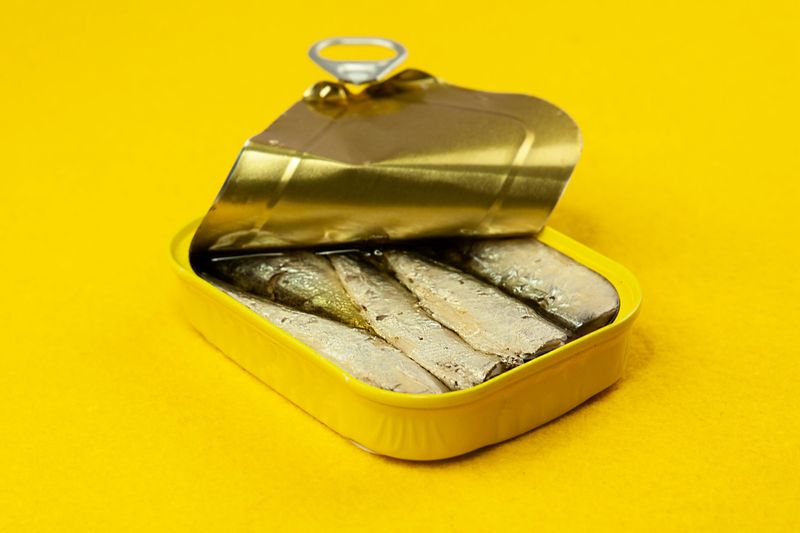
Canned fish triggers strong reactions thanks to pungent aromas and oil packed textures. Yet it is a pantry hero, delivering protein, omega 3s, and big flavor for little money.
Sardines on toast with lemon, tuna stirred into beans, or mackerel flaked over salad can be shockingly satisfying.
If the scent worries you, rinse gently and add acid like vinegar, pickles, or capers. Crunchy elements help, and spicy mayo can bridge the gap.
Try high quality tins in olive oil to appreciate the difference. With thoughtful seasoning, you can turn that humble can into dinner that tastes far more expensive.
Beets
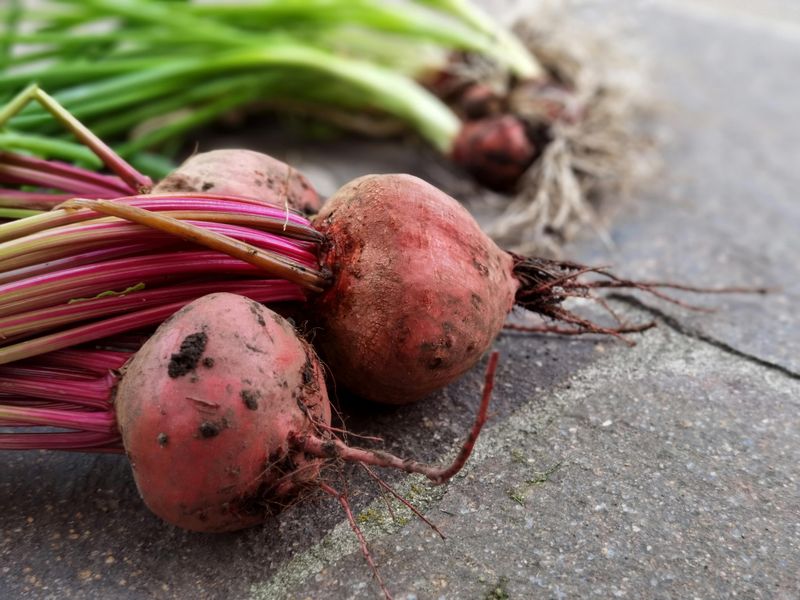
Beets can taste like dirt to some, earthy and sweet with a mineral finish that lingers. But roast them right and the sugars caramelize into something lush and concentrated.
Their color alone brings drama to plates, whether tucked into salads or layered with creamy cheese and herbs.
To ease into beets, start with thin slices and plenty of acid from citrus or vinegar. Salt generously and add texture like toasted nuts.
Golden beets are milder and less muddy. If you keep trying different preparations, you will likely find a balance that lets the earthiness feel grounded rather than overwhelming.
Okra
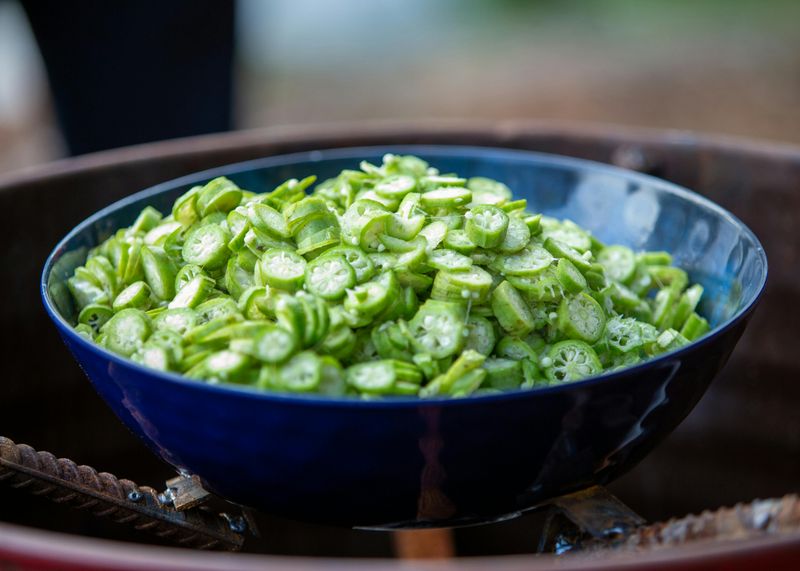
Okra’s slime is the deal breaker for many. That mucilage thickens stews beautifully but feels odd when you are expecting a crisp bite.
Luckily, high heat techniques like frying or roasting tame the texture while keeping the grassy flavor intact.
Toss with cornmeal and spices, then fry hot for shattering crunch. Or slice larger pieces, roast with paprika, and finish with lemon.
In gumbo, the thickening is welcome and comforting. If you are curious, start in a skillet with minimal stirring, add acidity, and keep the heat up.
You might discover okra’s charm hiding behind technique.
Turnips

Turnips trigger eye rolls fast. The earthy bitterness, faint cabbage scent, and sometimes woody texture can feel like punishment on a plate.
Yet they are cheap, sturdy in the fridge, and loaded with fiber, so they keep showing up in stews, roasts, and weeknight mashes.
Peel them generously to ditch the bite, then roast high with olive oil until edges caramelize. Mix with potatoes if you want training wheels, or grate them into slaws where crunch wins.
One pot tip you will thank later: simmer cubes in broth, blitz with butter, and finish with lemon.
Spinach salad
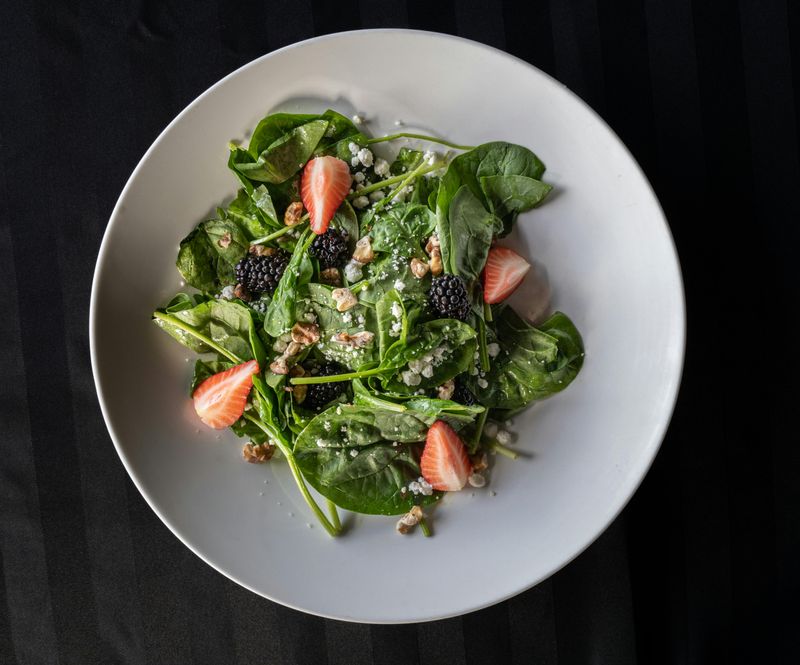
Spinach salad gets side eye for squeaky leaves and a faint metallic taste. The raw greens can feel gritty, and dressing slides off like rain on wax.
Still, it is everywhere because bags are cheap, vitamins are sky high, and it pairs with almost anything in your fridge.
Toss it with warm bacon or mushrooms so the leaves wilt just enough. Massage with olive oil, salt, and lemon to tame squeaks and wake up flavor.
If you hate soggy salads, add hearty crunch like nuts, croutons, or apples, then build a meal with eggs, chicken, or beans.
Plain yogurt
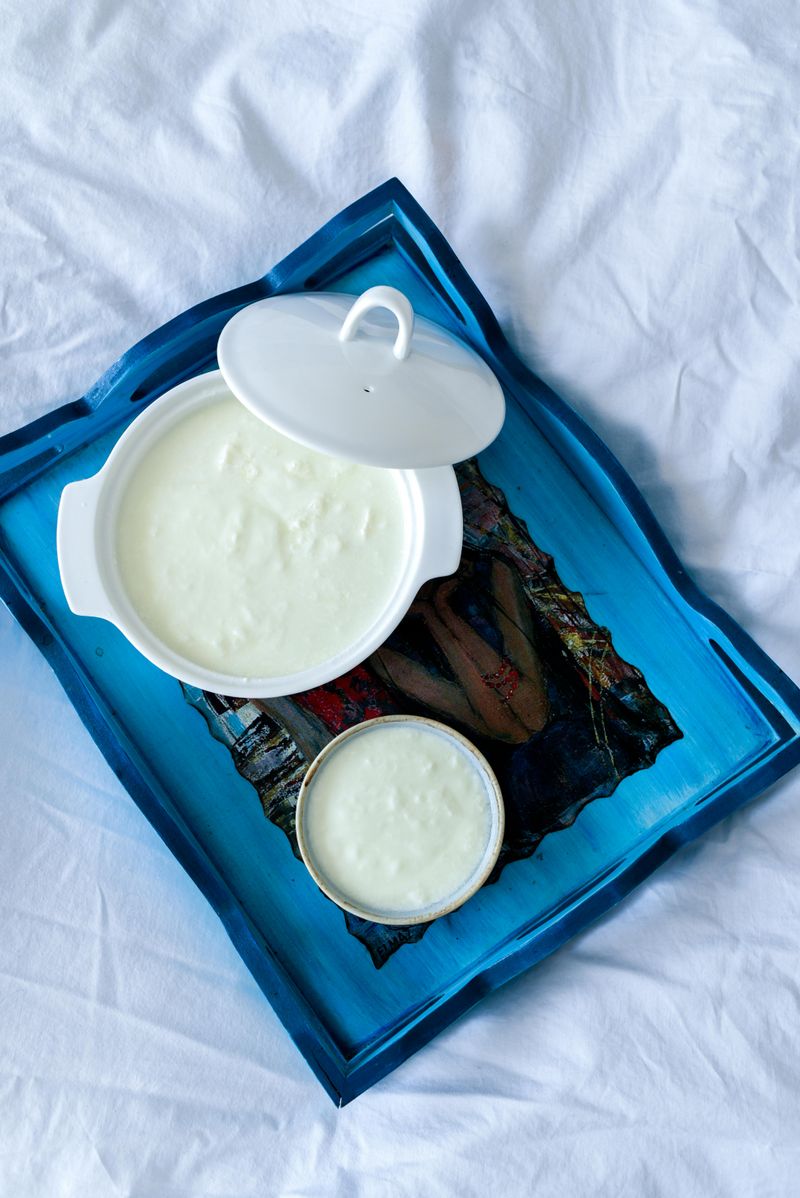
Plain yogurt turns people off with tangy sharpness and no sugar lifeline. The texture can feel stodgy, and that sour aftertaste hangs around like a scold.
Yet tubs fly off shelves because it is cheap protein, friendly to guts, and endlessly useful from breakfast bowls to savory sauces.
Stir in honey, jam, or chopped fruit if sweetness helps you commit. For savory fans, whisk with lemon, garlic, and dill for a quick dip, or dollop on chili like cooling cream.
Strain overnight for thicker body, then use it as mayo swap in dressings that cling to greens and grains.
Black coffee

Black coffee lives on the hate list for bitterness, acrid aroma, and zero sweetness to hide flaws. One bad diner cup can ruin years.
Still, millions sip it because caffeine works, beans are affordable, and the ritual feels like flipping on your brain each morning.
Grind fresh, use hot but not boiling water, and mind your ratio so the cup blooms instead of bites. A pinch of salt, a paper filter, or a longer pour can smooth edges without cream.
If new to it, start with medium roasts and gradually chase darker profiles once your palate toughens.
Grapefruit

Grapefruit tastes like a dare, all pithy bitterness and tongue tingling spray. The membranes fight back, and juice stings any tiny mouth cut.
Yet it persists at breakfast because it is hydrating, packed with vitamin C, and bright enough to wake you faster than your alarm.
Broil halves with brown sugar for caramel edges, or segment the fruit to skip the chew. Salt tames bitterness quickly, while basil or mint turns it into a salad star.
If medication rules out grapefruit, chase similar sparkle with oranges and lime, then use the zest anywhere flavor could use lightning.
Whole milk

Whole milk gets flak for richness, calories, and that clingy mouthfeel some call greasy. Diet eras trained everyone to fear fat.
Still, it is delicious, cheap, and incredibly useful for coffee, sauces, baking, and bedtime cocoa that actually soothes. And yes, kids drink it daily without complaint.
Chill it hard for a cleaner sip, or steam gently to sweeten natural lactose. Swap it into mac and cheese for velvet texture, or whisk into custards that set like a dream.
If lactose is tricky, try small pours with meals, or reach for lactose free versions that keep the body.
Boiled vegetables
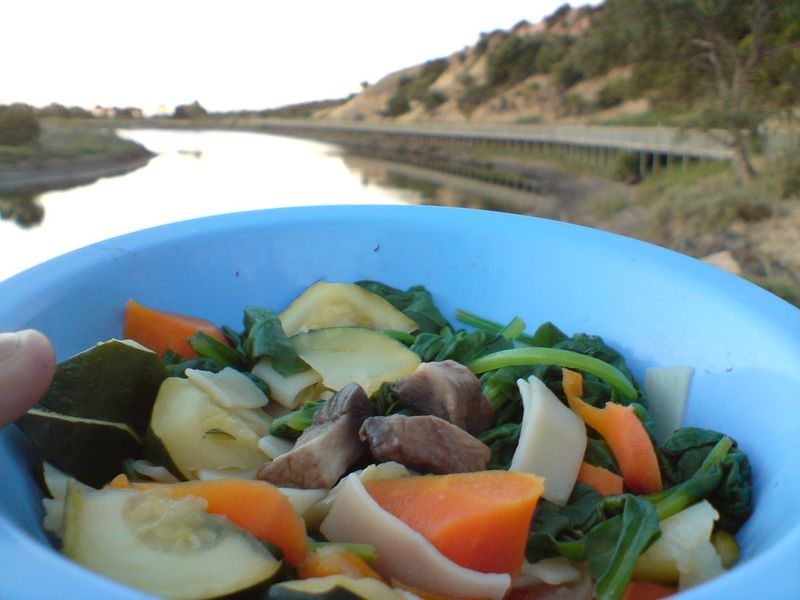
Boiled vegetables carry a reputation for limp textures, gray colors, and school cafeteria vibes. Water leaches flavor and leaves that sulfur smell nobody asked for.
Still, this method is fast, gentle, and perfect for batch cooking when you need simple sides without a sink full of pans.
Salt your water like the sea, cook briefly, then shock in ice to lock color and snap. Finish with olive oil, lemon, and crunchy salt so the vegetables taste intentional, not punished.
If boiling greens, squeeze out water, then toss with garlic and chili flakes for something you will actually crave.
Cooked cabbage

Cooked cabbage scares people with sulfur notes, wilty strands, and memories of overlong boils. It can perfumize a house in minutes.
Yet it is cheap, hearty, and sweet when treated right, which is why it anchors potlucks, dumplings, and Tuesday skillet dinners across the country.
Slice it thin, sear hard in a hot pan, and do not move it until edges char. Deglaze with vinegar or soy, add butter, then shower with pepper and herbs.
For gentle versions, braise wedges in broth until melting, and finish with mustard to cut richness while keeping that cozy sweetness.
Soup beans
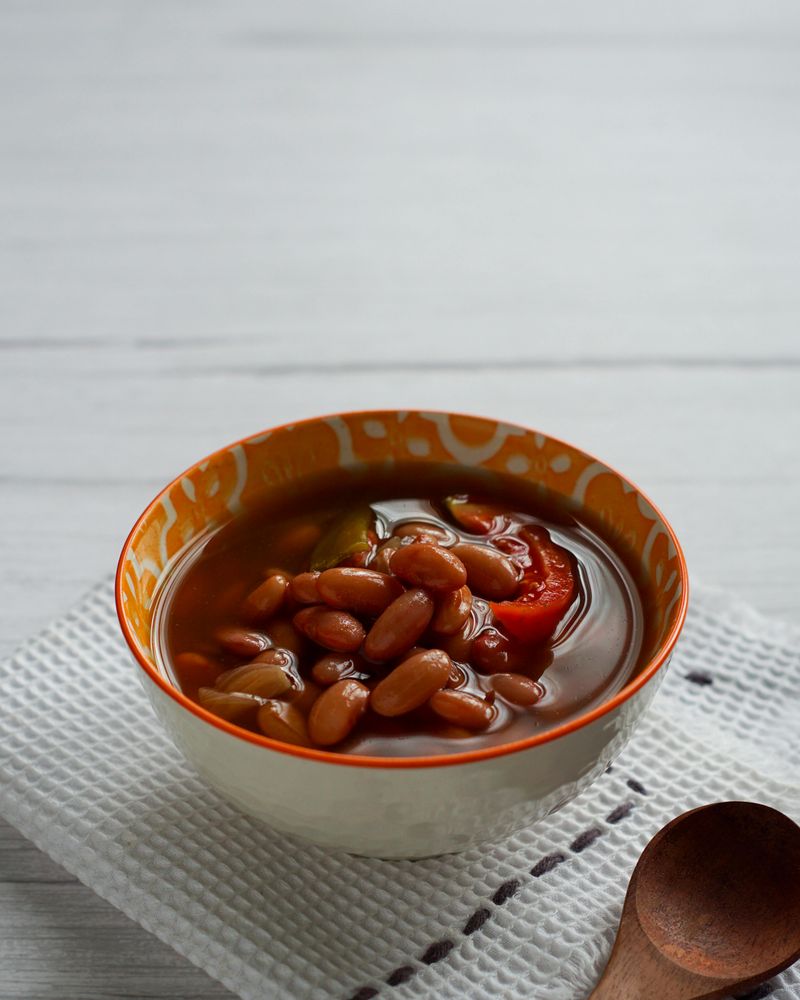
Soup beans sound drab, and the name alone feels like a rainy Tuesday. They cook forever and smell plain if unseasoned.
Still, a pot feeds many for pocket change, and the broth turns silky with nothing more than time, salt, and a stubborn simmer.
Start with onions, garlic, and a smoked bone if you eat meat, or lean on paprika and cumin if not. Finish with vinegar to wake the pot, then serve with cornbread for balance.
Leftovers reward patience, growing creamier each reheat, and suddenly the humble bowl feels like exactly what you needed.
Lentils
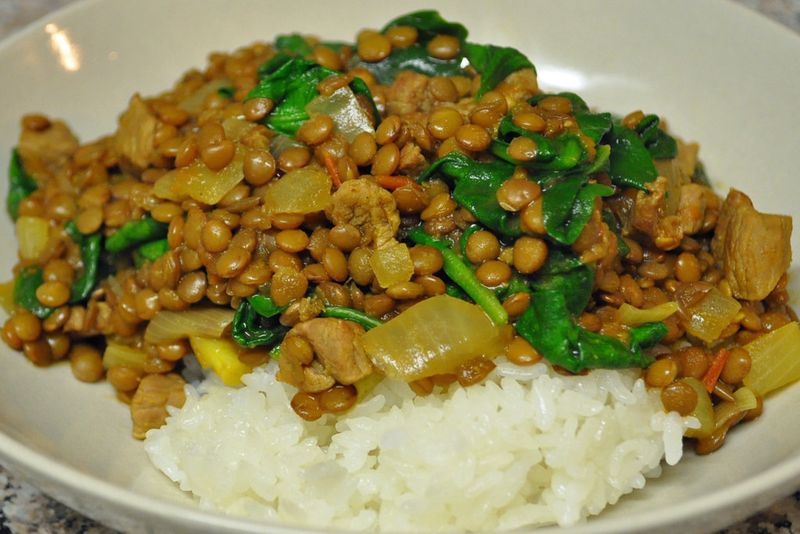
Lentils catch shade for being mushy, brown, and monkish. They remind some people of diets, not dinners.
Yet they are cheap, fast cooking, and packed with protein, which is why office fridges everywhere hide containers of lentil soup and curry. They also freeze beautifully for emergency meals.
Choose the right type: green for salads, brown for stews, red for silky dals that cook in minutes. Toast spices in oil first, then add tomato and garlic so the pot smells like something worth waiting for.
A squeeze of lemon and a pat of butter change everything at the finish.
Brown rice
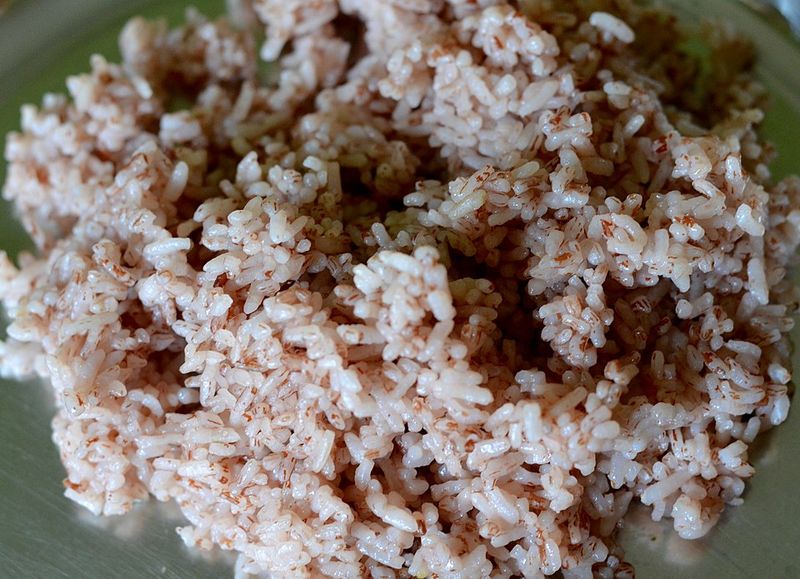
Brown rice frustrates people with chewy bran, longer cook times, and that faintly nutty taste that feels worthy rather than fun. It can dry out fast.
Still, it brings fiber, minerals, and a steadier fullness that keeps snack raids away, which is why it sticks on weekly menus.
Rinse thoroughly, toast the grains, then steam with a tight lid and a patient rest. Add a spoon of oil or broth for softness, and do not peek while it cooks.
For bowls, mix half and half with white rice, then slide toward full brown as your palate adjusts without feeling punished.
Sweet potatoes
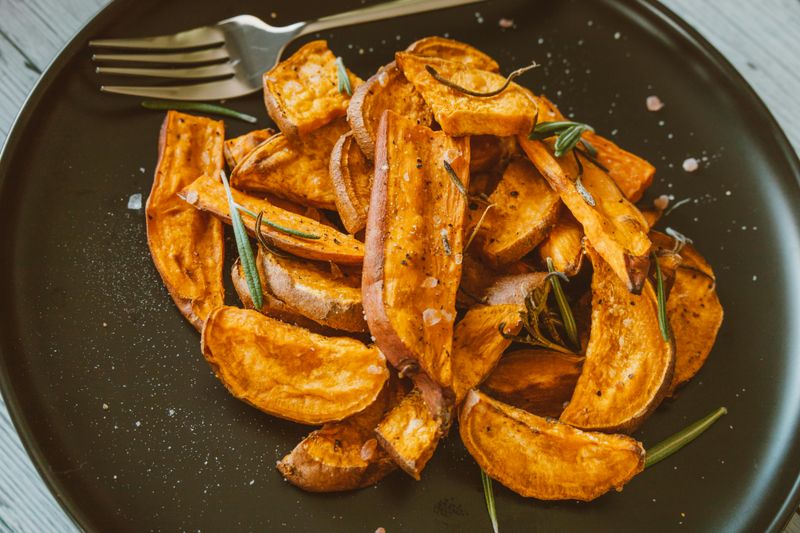
Sweet potatoes turn some people off with dessert energy at dinner, plus that mashy texture. Marshmallow toppings did not help the reputation.
Yet they are cheap, filling, and packed with carotenoids, showing up in meal prep boxes and toddler plates everywhere. They also reheat like champs the next day.
Roast wedges hot until the edges char and the centers stay fluffy. Hit them with lime, chili, and salt to swerve sweet, or lean into butter and cinnamon when comfort calls.
For savory lovers, mash with miso and scallions, then watch skeptics suddenly go quiet as the bowl empties itself.
Fish stew
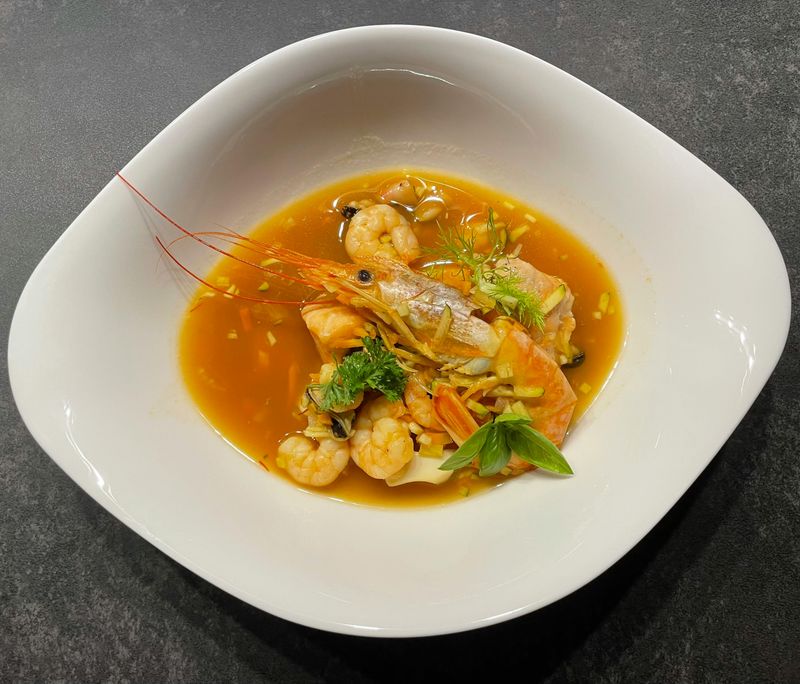
Fish stew scares many with cloudy broths, drifting bones, and whiffs of the dock. Overcooking turns fillets mealy, and cheap mixes can taste muddy.
Still, seafood stews are economical when stretched with vegetables and stock, and the bowl warms you faster than most winter dinners.
Use firm fish, add it last, and season the base like you mean it with garlic, paprika, and tomato. A splash of wine or vinegar brightens everything.
If smell worries you, choose ultra fresh fillets, simmer gently, and finish with herbs and olive oil so the steam whispers ocean, not bait.
Vegetable soup

Vegetable soup gets labeled boring, thin, and suspiciously healthy. Too many watery bowls have scarred the public.
Still, a good pot is cheap, forgiving, and miraculously clearing out that produce drawer before anything melts into slime. But it also travels well in a thermos.
Anywhere.
Start with onions, carrots, and real browning, then layer beans, pasta, or rice so the broth has company. Season aggressively with salt, acid, and herbs, and finish with olive oil for shine.
Leftovers taste better tomorrow, when starches relax and vegetables trade stories like old friends at a warm table.
Eggplant
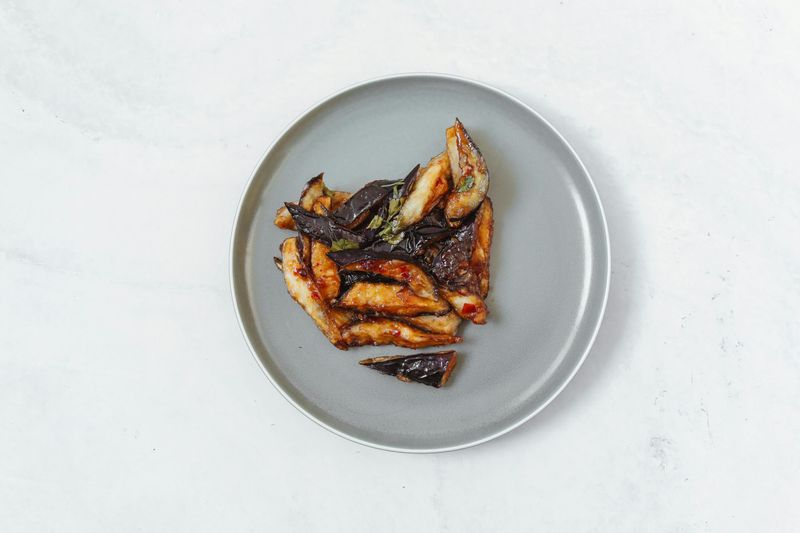
Eggplant loses fans with spongy texture, seedy centers, and that sometimes bitter skin. It soaks oil like a sponge and can collapse into sludge.
Still, treated right, it turns silky and smoky, carrying sauces better than most vegetables for not much money. It also loves smoke from broilers and backyard grills.
Salt slices to draw out moisture, press dry, then roast hot so the edges brown before the middle surrenders. Grill for char and perfume, or cube small and sauté quickly with tomatoes, garlic, and basil.
If texture scares you, puree into dips, then graduate to chunky stews once confidence builds.
Brussels sprouts
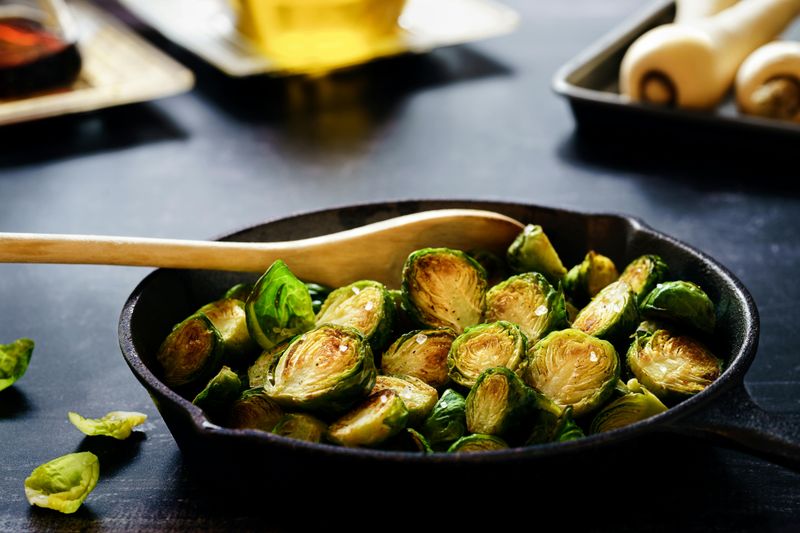
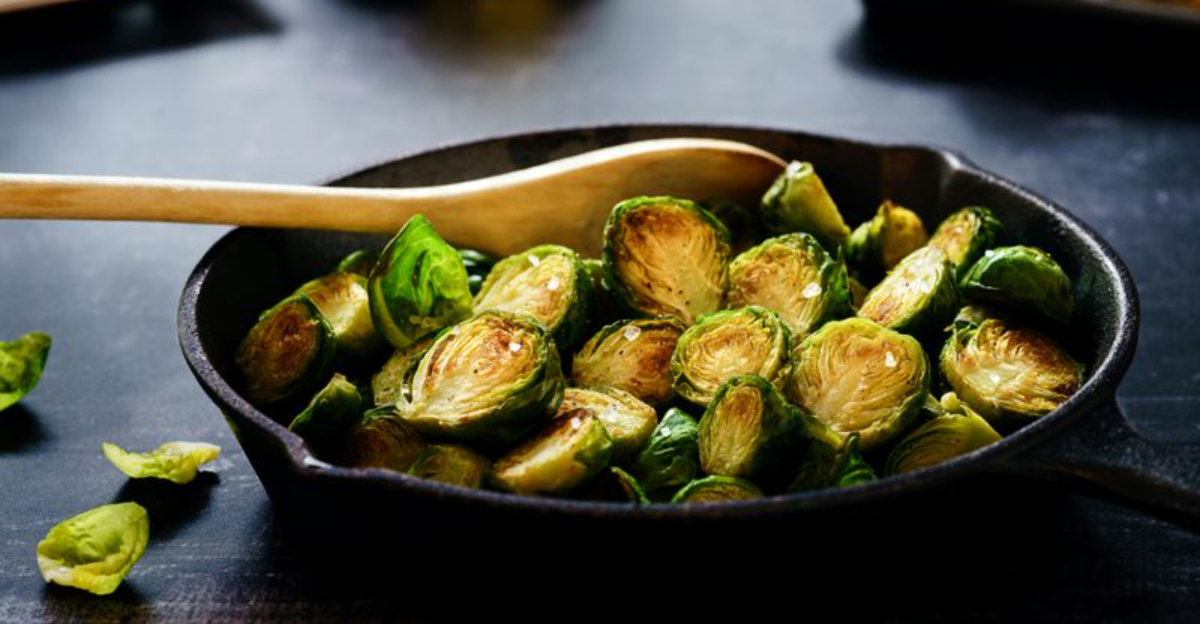
Brussels sprouts carry a reputation for bitterness, mostly earned by years of overboiling. Today, roasting flips the script by caramelizing their edges and bringing out a natural sweetness.
You get crisp outer leaves, tender centers, and flavors that play nicely with maple, bacon, or balsamic.
If you grew up hating them, try halving, tossing with oil, and roasting hot until deeply browned. A little honey or mustard adds balance, and finishing with lemon gives a bright lift.
You may still encounter the funk, but char and contrast can turn that stubborn dislike into an occasional weeknight craving.
Enjoyed this story?
Add Fast Food Club as a preferred source to see more of our reporting on Google.