


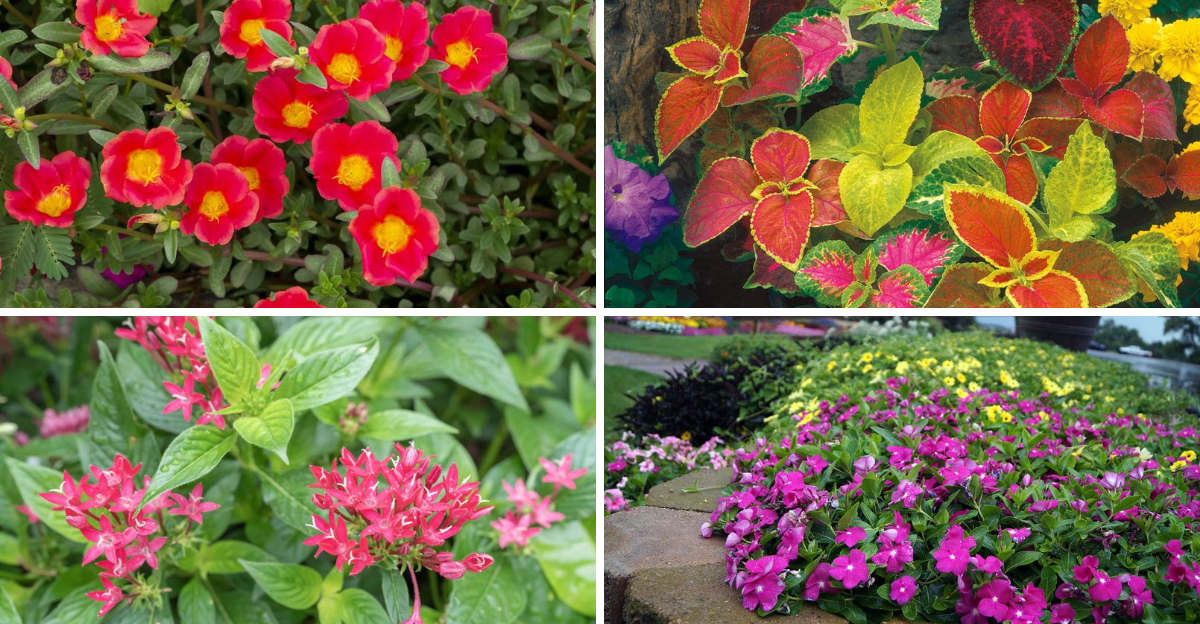
Florida gardeners know how fast an empty patch of soil can turn into an eyesore. Luckily, the Sunshine State’s warm climate and long growing season make it the perfect place to grow plants that spread, fill in, and look great with very little fuss.
Whether you have a bare corner, a thin flower bed, or a gap along a walkway, there are plenty of easy-going plants ready to take over. Here are 23 fast-filling plants that thrive in Florida gardens and make every empty spot something to smile about.
Sweet potato vine
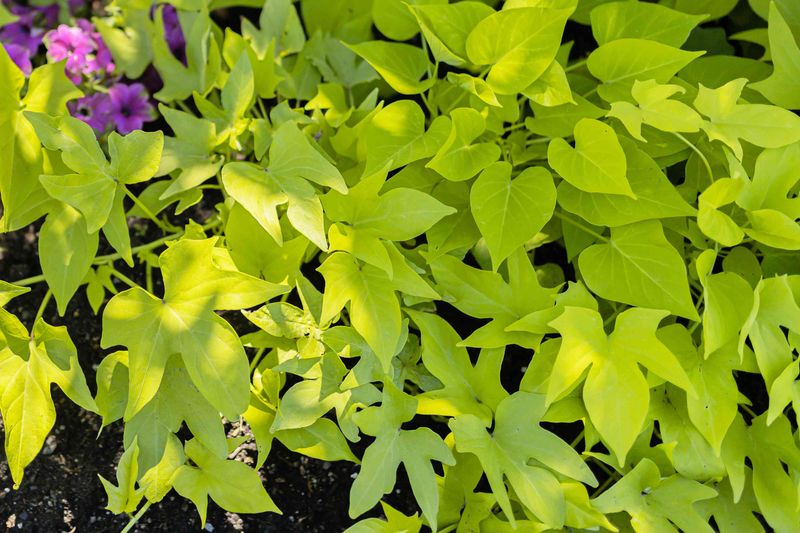
Few plants put on a show as fast as sweet potato vine. This trailing beauty can spread several feet in just a few weeks, smothering weeds and covering bare ground like a living carpet.
It comes in shades of lime green, deep purple, and bronze, so you can mix and match colors to suit your style.
Plant it in full sun or partial shade and water it occasionally. It handles Florida heat like a champ and rarely complains.
Coleus
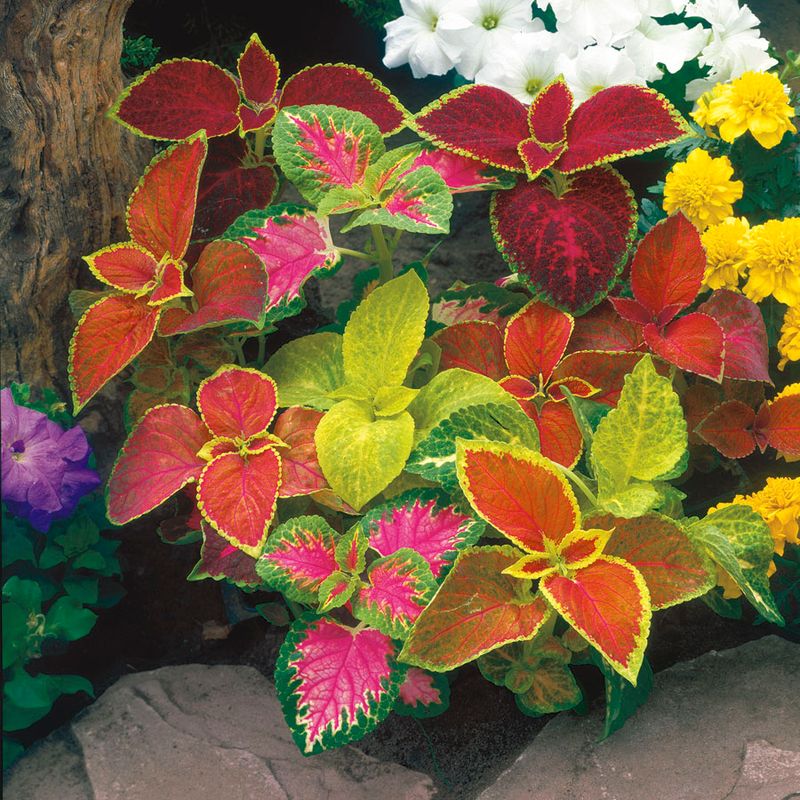
Coleus is basically the artist of the garden world. Its leaves come in wild combinations of red, orange, pink, yellow, and green, often swirled together like a painting.
You do not even need flowers when the foliage looks this good.
It grows fast in shady spots where other plants struggle, making it a go-to for filling dim corners. Pinch off flower buds as they appear to keep the colorful leaves looking their best all season long.
Pentas
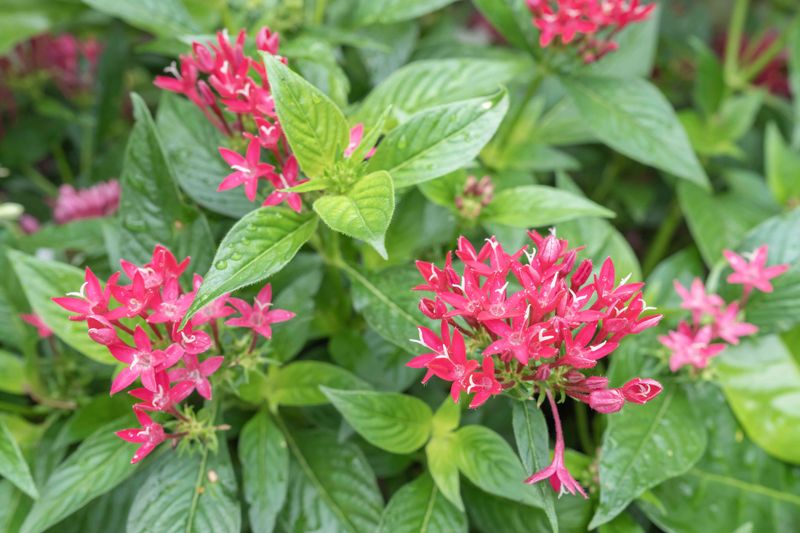
Butterflies absolutely cannot resist pentas, and honestly, who can blame them? These cheerful, star-shaped flower clusters bloom in red, pink, white, and lavender almost nonstop through the warm months.
They grow quickly into tidy mounds that fill garden edges and containers beautifully.
Pentas love full sun and handle Florida humidity without skipping a beat. They are low-maintenance, drought-tolerant once established, and keep pollinators busy from spring all the way through fall.
Vinca
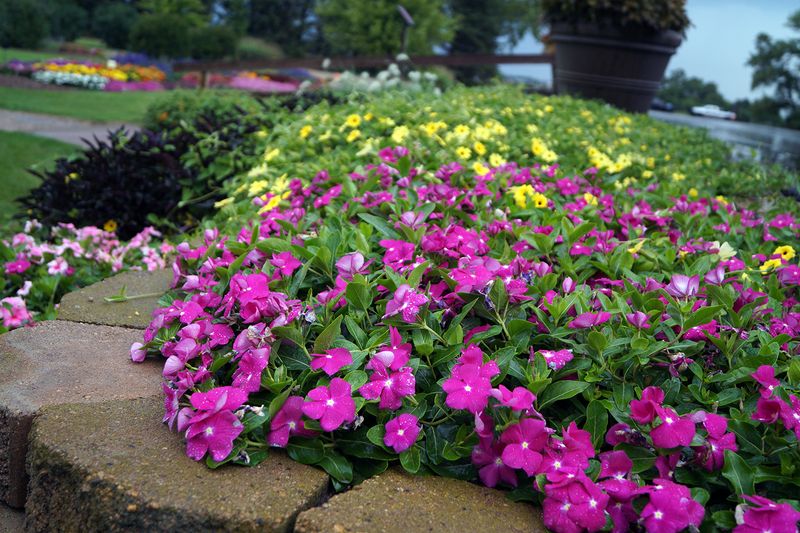
Tough, bright, and almost unstoppable — vinca earns its reputation as one of Florida’s most reliable warm-weather bloomers. Also called catharanthus or annual periwinkle, it produces cheerful flowers in pink, red, white, and purple while shrugging off heat and drought that would wilt most plants.
It fills beds quickly and keeps blooming even when you forget to water it. Plant in full sun, give it decent drainage, and watch it take over empty spots with zero drama.
Angelonia
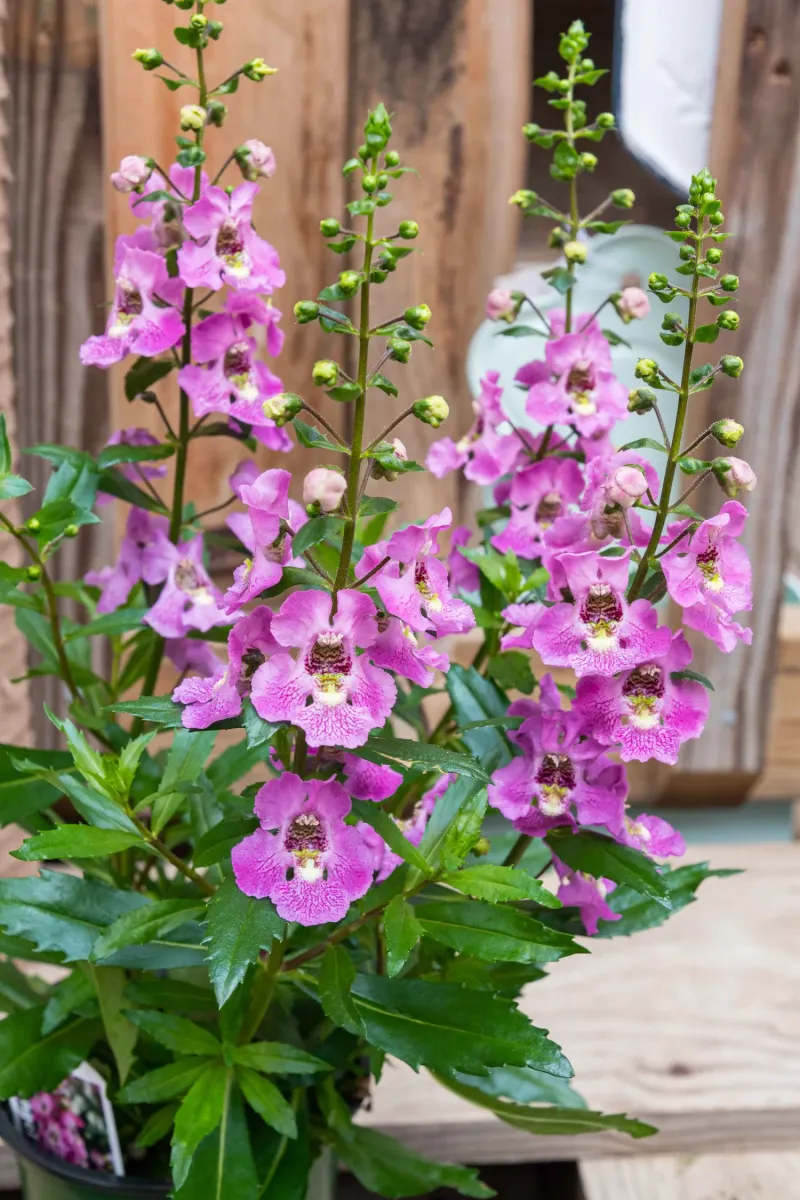
Sometimes called summer snapdragon, angelonia brings tall, elegant spikes of blooms to hot Florida gardens without any fuss. It smells faintly of grape candy, which is a fun little bonus when you brush against it on a garden walk.
Angelonia thrives in full sun and handles drought and humidity equally well. It grows upright and fills vertical space in beds, making it useful for adding height to flat, empty areas.
Deadheading is not even required.
Blue daze
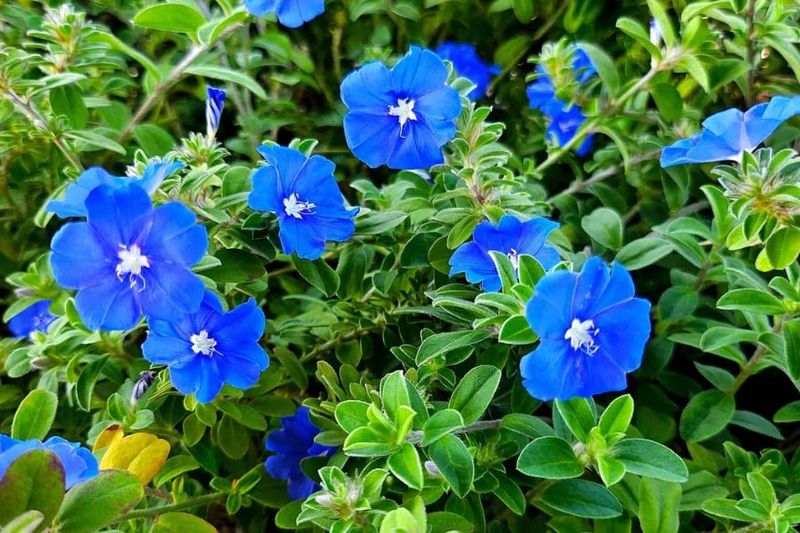
There is something almost magical about blue daze — its soft, sky-blue flowers open each morning and close by afternoon, giving the garden a fresh look every single day. The silvery-green leaves add texture even when the blooms are closed.
This low-growing spreader is a fantastic ground cover for sunny Florida spots. It handles heat, salt air, and dry spells with ease.
Once established, it needs very little attention and slowly fills gaps with a tidy, attractive carpet of color.
Mexican heather
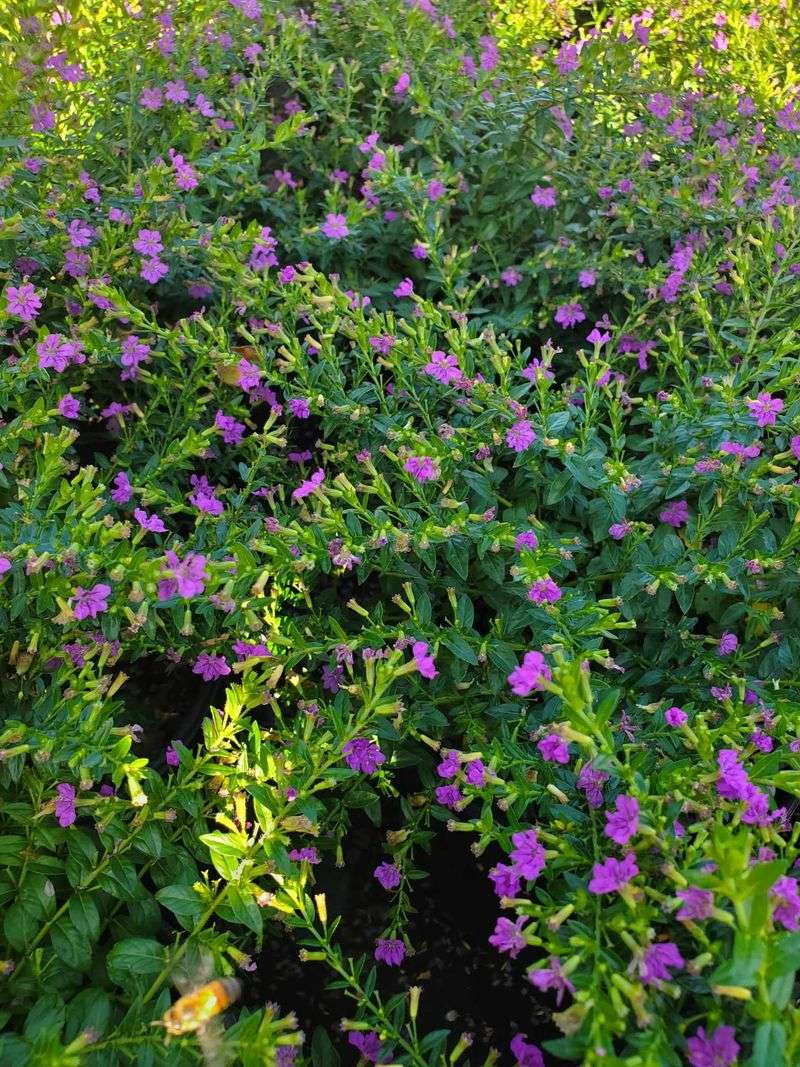
Do not let the delicate look fool you — Mexican heather is one tough little plant. Its tiny purple or pink flowers are almost dainty, but this shrubby perennial laughs at Florida’s summer heat and bounces back from dry spells without missing a bloom.
It grows into a neat, rounded mound and works brilliantly as a border plant or low hedge. Butterflies and bees visit it regularly.
Plant it in full sun to light shade and enjoy nearly year-round color.
Purslane
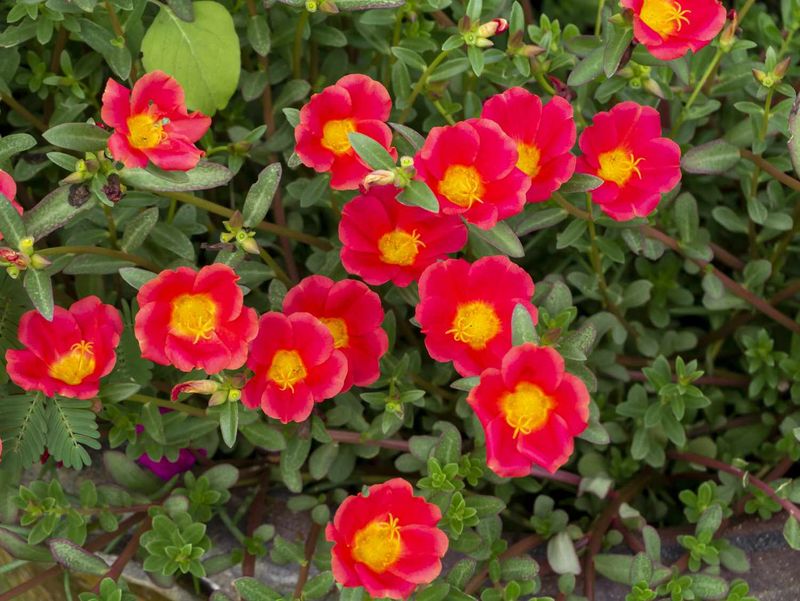
Purslane is the plant that thrives where others give up. In scorching heat with almost no water, it pumps out jewel-toned flowers in orange, yellow, pink, and red all day long.
Its succulent leaves store moisture, so it practically waters itself in between rain showers.
Scatter it across dry, sunny patches where the soil is poor and drainage is fast. It spreads quickly without becoming invasive and keeps bare spots looking vibrant even during Florida’s driest months.
Caladium
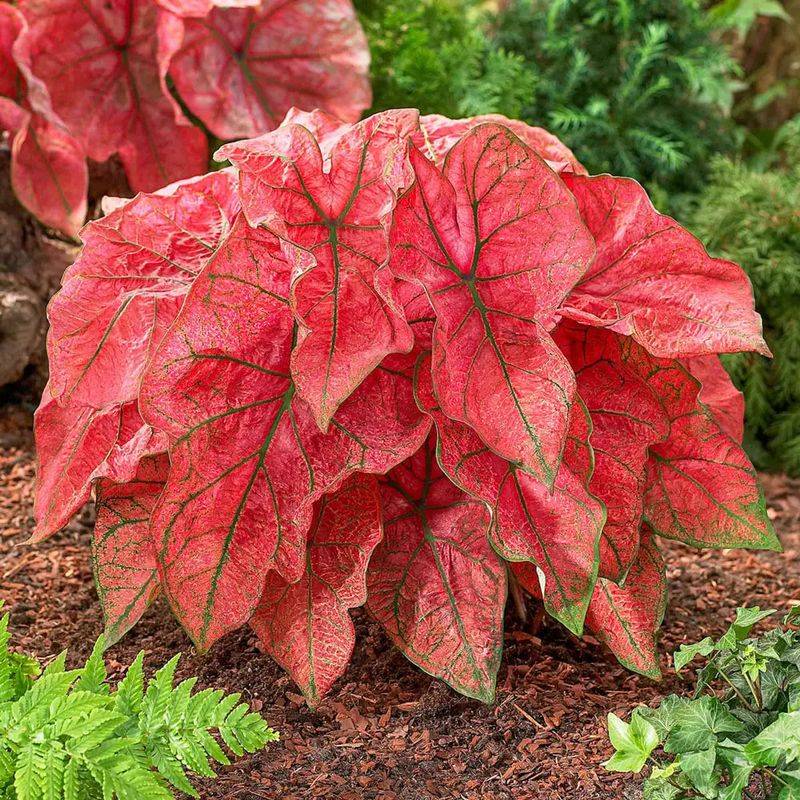
Walk into any shaded Florida garden and you will likely spot caladiums showing off their giant, heart-shaped leaves splashed with pink, red, white, and green. Few plants bring this much drama to a dim spot so quickly.
They grow from tubers and fill out fast once warm weather arrives. Caladiums need shade and consistent moisture to look their best.
Use them to brighten up dark corners under trees or along shaded fences where color is hard to come by.
Lantana
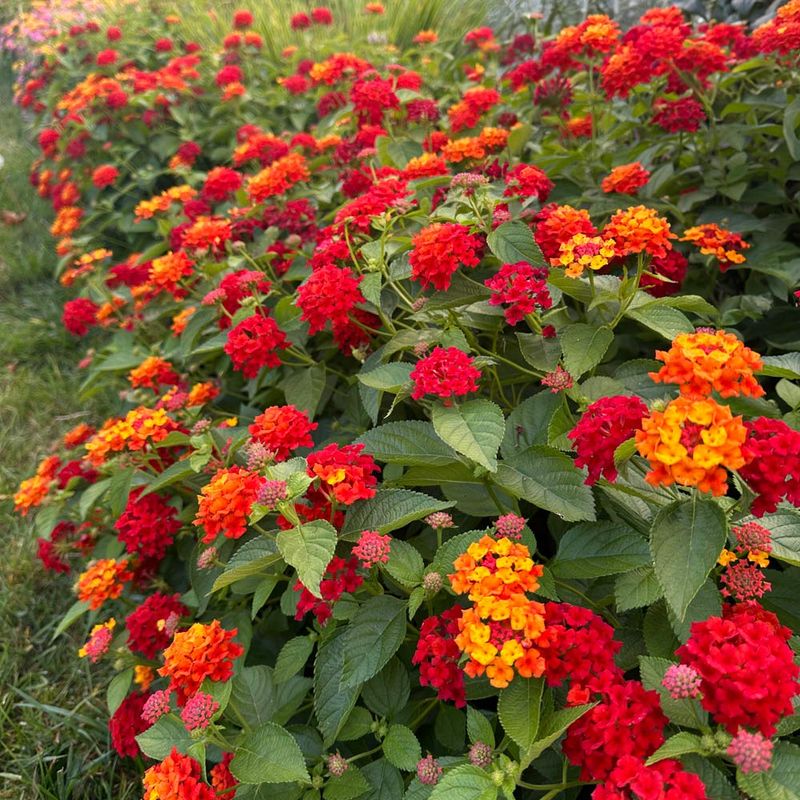
Lantana is a Florida garden legend. Its flower clusters shift colors as they age, so a single plant can show yellow, orange, pink, and red blooms all at once.
Butterflies, bees, and hummingbirds treat it like an all-you-can-eat buffet.
It spreads fast in full sun and tolerates drought, poor soil, and coastal conditions. Trailing types make excellent ground covers, while upright varieties fill larger gaps quickly.
Just stick to sterile or non-invasive cultivars to keep it from spreading where you do not want it.
Scaevola
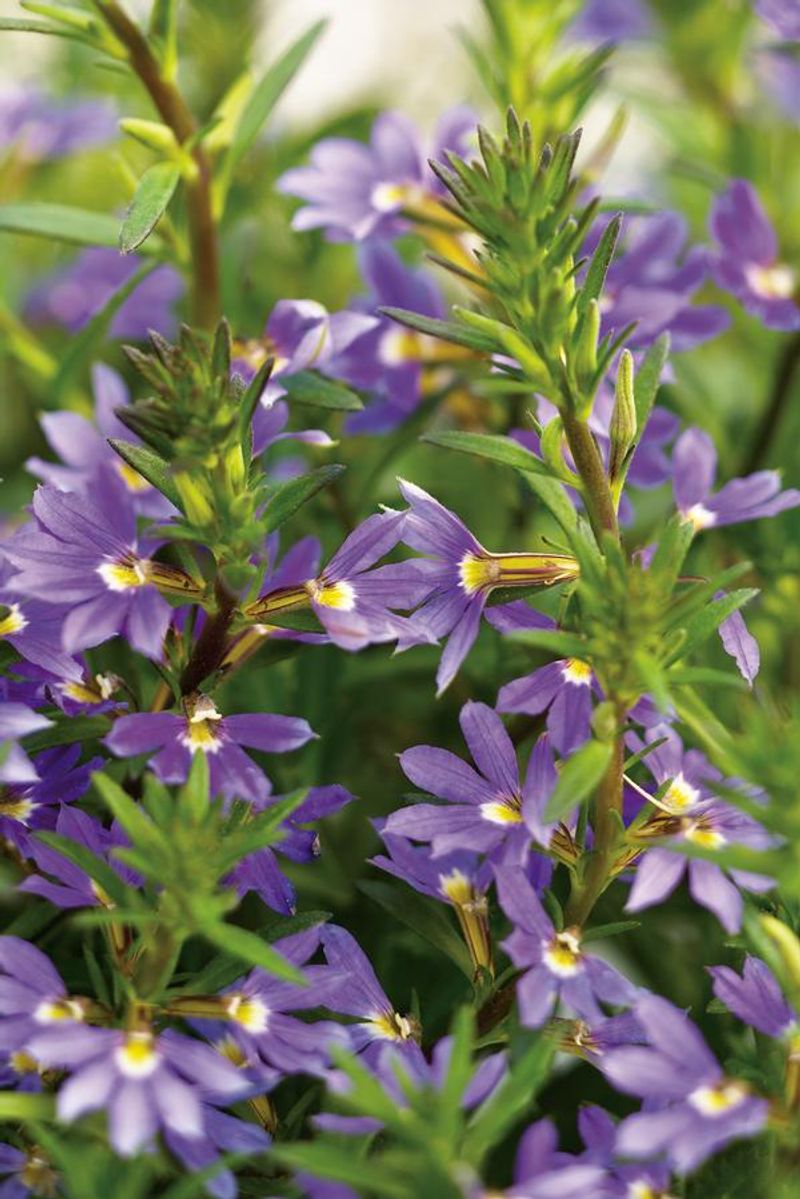
Originally from Australia, scaevola — also called fan flower — found a second home along Florida’s sunny, salty coastlines. Each bloom looks like someone snipped it in half, giving it a uniquely quirky appearance that stands out in any garden bed.
It trails and spreads eagerly, filling empty spots in sun-baked areas where salt and wind are constant problems. Water it occasionally while it gets established, then mostly leave it alone.
It rewards that low-key approach with months of cheerful blooms.
Cuphea
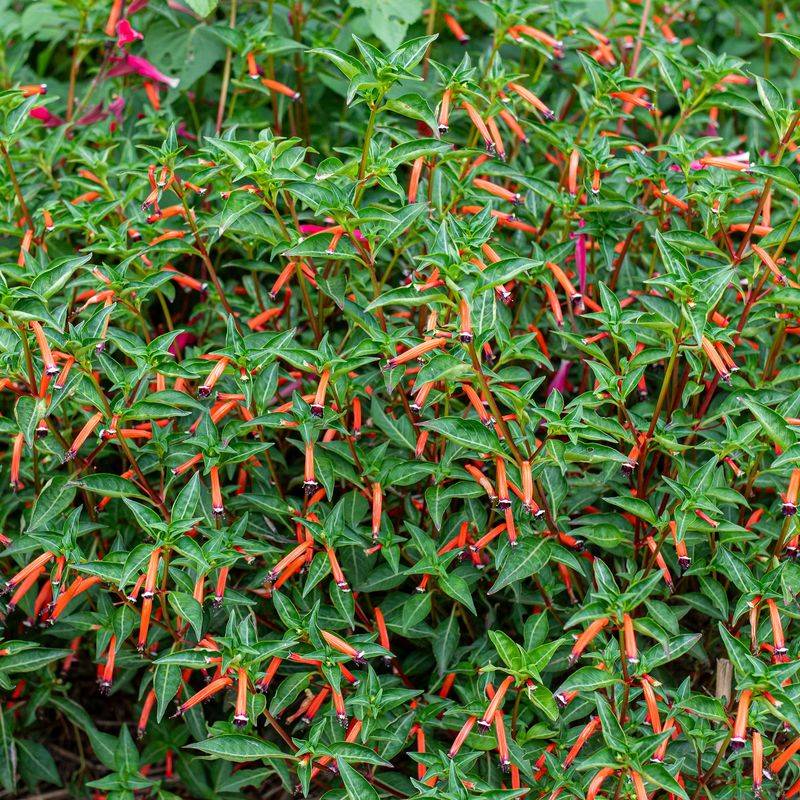
Hummingbirds will find your yard fast once you plant cuphea. The most popular Florida varieties include cigar plant, with its orange and red tubular blooms, and bat-faced cuphea, which has tiny flowers that look like little purple bat faces — seriously.
Cuphea grows quickly into a bushy, compact mound and blooms almost year-round in warm Florida climates. It handles heat and humidity without complaint and needs very little care beyond an occasional trim to keep it tidy and full.
Torenia
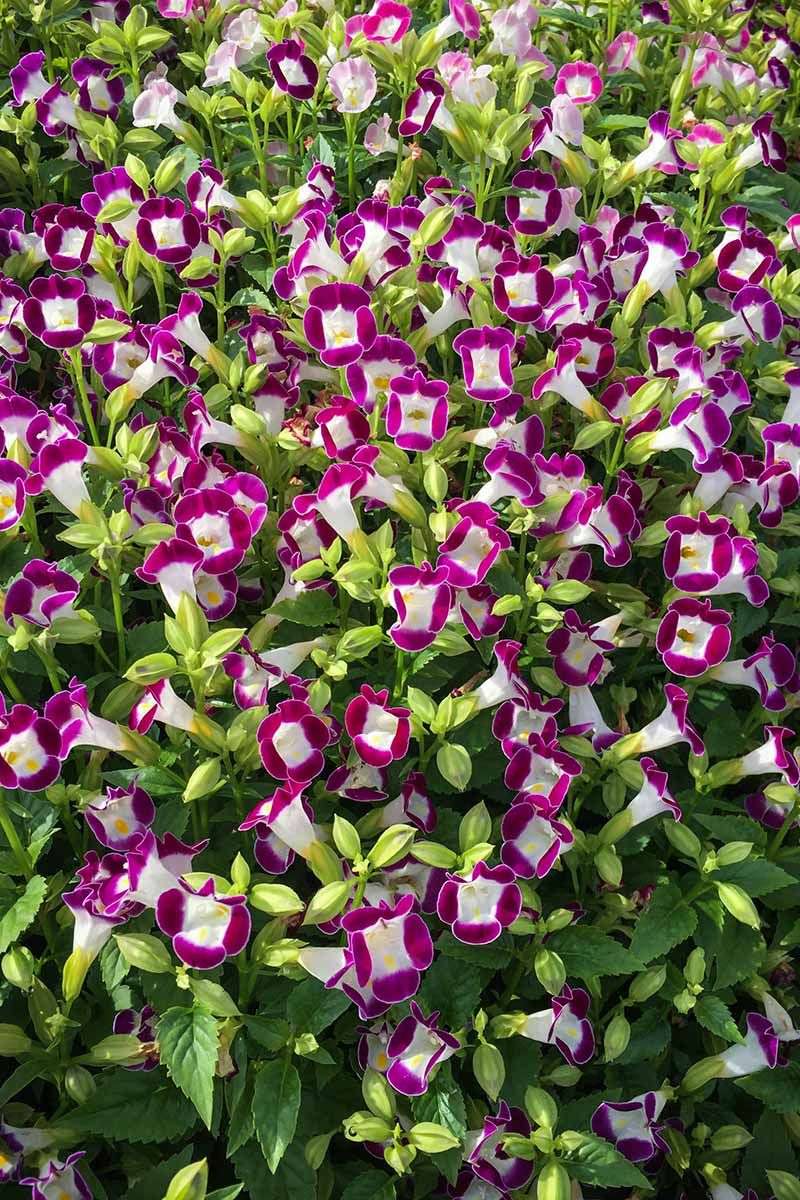
Torenia, nicknamed the wishbone flower, is one of those rare finds that blooms beautifully in the shade. Its trumpet-shaped flowers come in purple, pink, white, and bicolor combinations that brighten up spots where most sun-lovers refuse to grow.
It self-seeds freely in Florida, meaning once you plant it, it tends to come back on its own the next season. That makes it a great low-effort filler for shady beds, borders, and containers that need a pop of color without a lot of work.
Impatiens
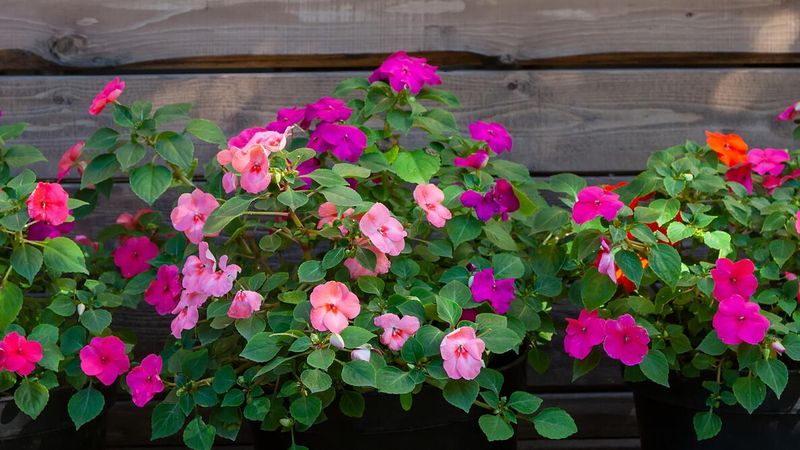
For decades, impatiens have been the go-to solution for shady, bare garden spots in Florida. They bloom in nearly every color imaginable and fill in quickly, creating dense mounds of cheerful flowers that last from spring through fall.
New Guinea impatiens handle more sun and have become popular since downy mildew hit traditional varieties hard. Either way, these plants are fast growers that need regular watering and some shade to stay happy.
They are reliable, colorful, and easy enough for first-time gardeners.
Begonia
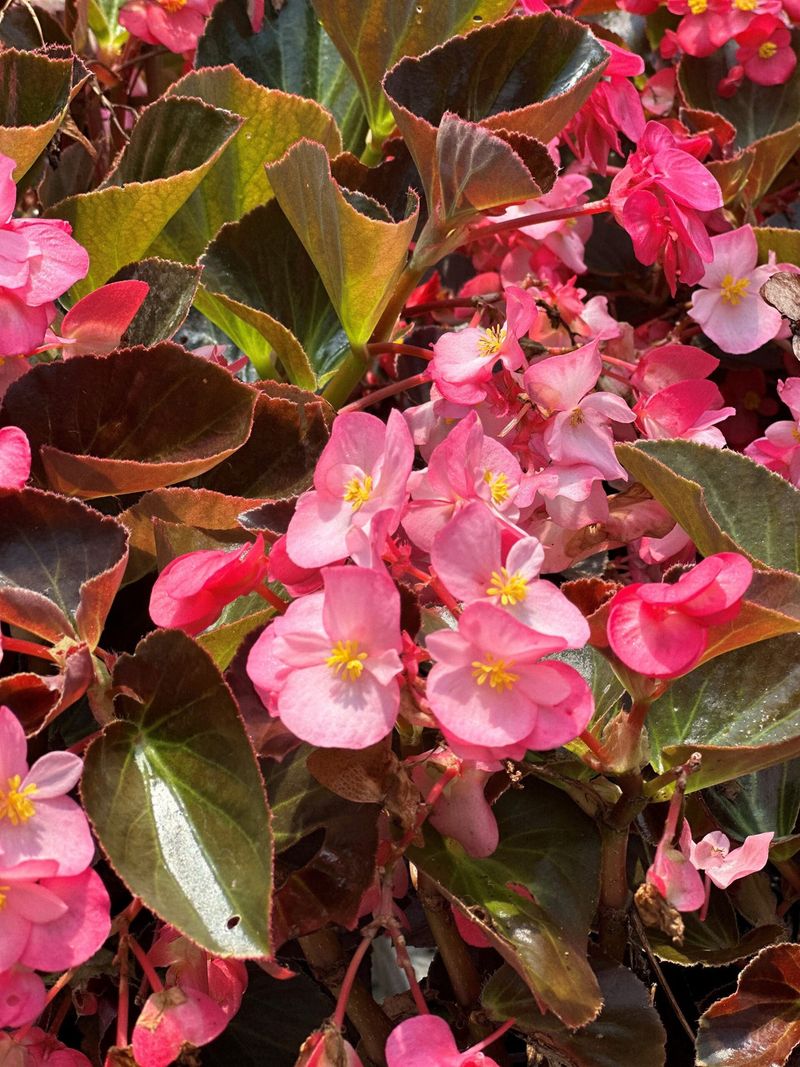
Begonias are workhorses dressed up in party clothes. Wax begonias, in particular, pump out flowers constantly in red, pink, or white while handling Florida’s heat surprisingly well for such a delicate-looking plant.
Their waxy, glossy leaves shrug off humidity without rotting.
They grow fast and fill garden edges, borders, and containers with reliable color. Dragon wing begonias are another excellent choice, growing larger and trailing beautifully.
Both types need partial shade and consistent moisture to truly thrive in the Florida climate.
Alternanthera
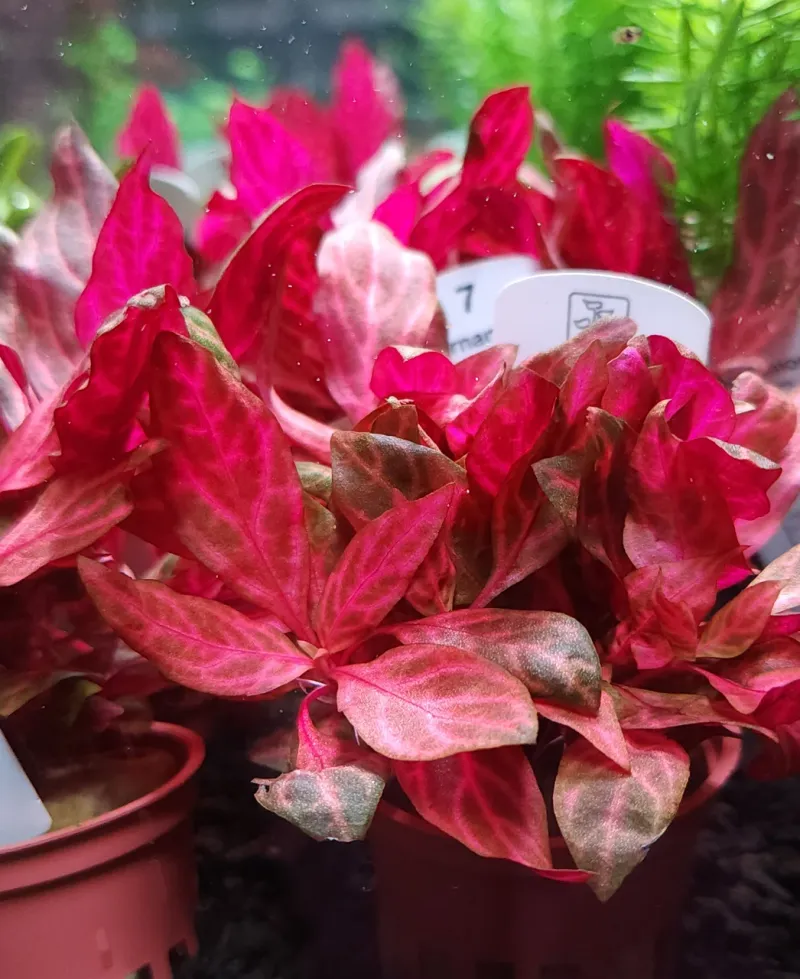
Alternanthera goes by the nickname Joseph’s coat, and one look at its wildly patterned leaves explains why. Swirls of red, orange, yellow, and green make it one of the most eye-catching foliage plants you can grow in a Florida garden.
It spreads low and fast, making it a favorite for creating colorful patterns in formal beds or filling gaps along borders. Full sun brings out the most vivid leaf colors.
Trim it regularly to keep the shape crisp and the growth compact.
Portulaca
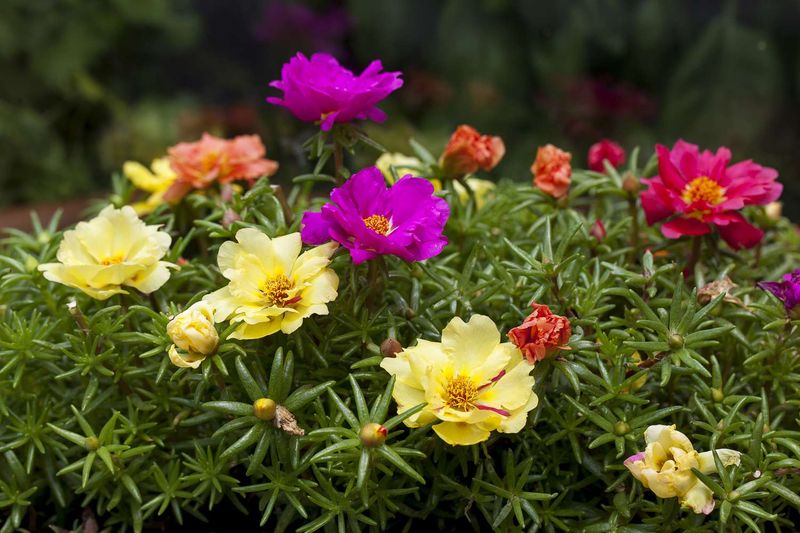
Portulaca, often called moss rose, is sunshine in plant form. Its tissue-paper-thin flowers open wide in bright sunlight and come in every warm color you can imagine — hot pink, orange, red, yellow, and cream.
They close at night and on cloudy days, which gives them a charming rhythm.
Sandy, dry, and sunny spots that kill other plants are exactly where portulaca thrives. It spreads quickly, reseeds itself generously, and asks for almost nothing in return.
A true Florida garden overachiever.
Society garlic
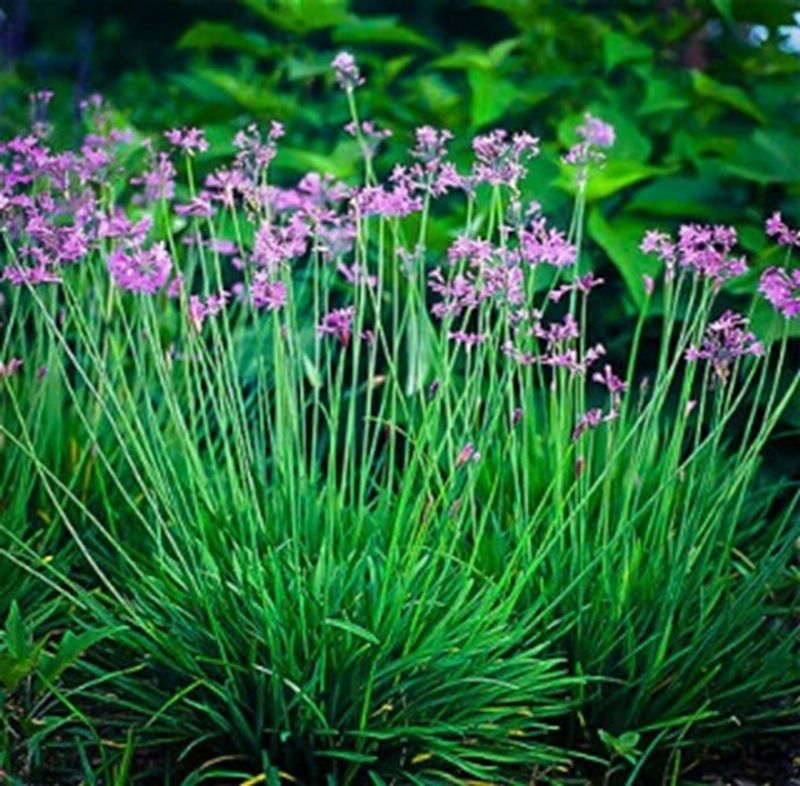
Society garlic has a funny name with a good story behind it — it smells like garlic when its leaves are crushed, but the flowers are so pretty that polite company will not mind. Clusters of soft lavender-purple blooms rise above strappy green or variegated leaves throughout the warm season.
It grows in clumps that expand steadily and works well as a border or mass planting in sunny spots. Deer tend to avoid it, which is a big bonus in many Florida neighborhoods.
Liriope
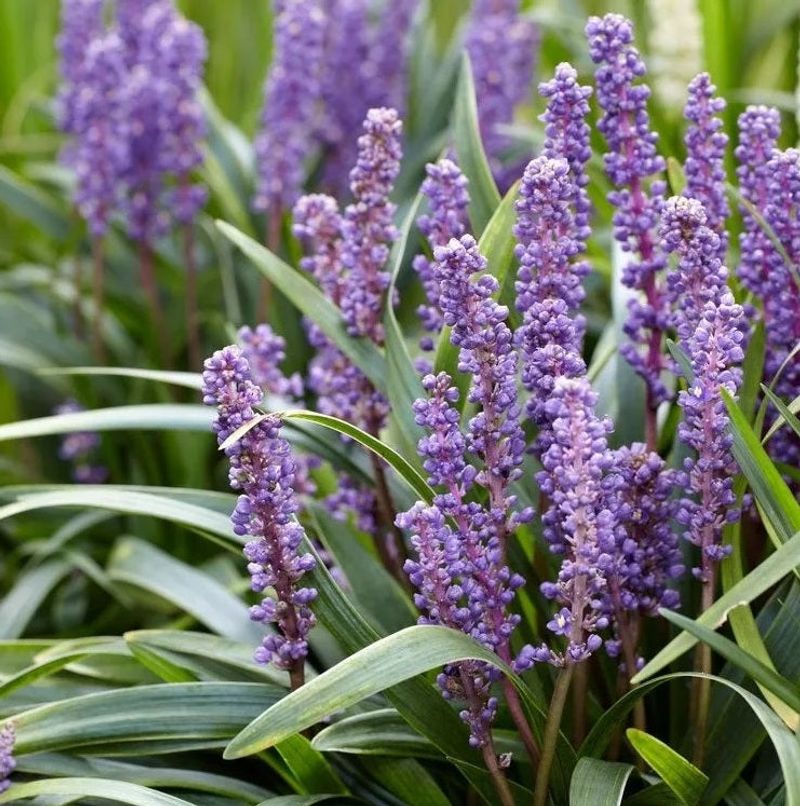
Liriope — also called monkey grass or lilyturf — is one of Florida’s most dependable ground covers. Its grass-like clumps spread steadily and fill in under trees, along walkways, and in spots where little else wants to grow.
Purple flower spikes appear in summer, adding a nice seasonal bonus.
It handles shade, drought, and foot traffic better than most plants. Once established, it barely needs any attention at all.
Use it to edge beds, cover slopes, or simply fill in those awkward in-between spaces.
Sunshine mimosa
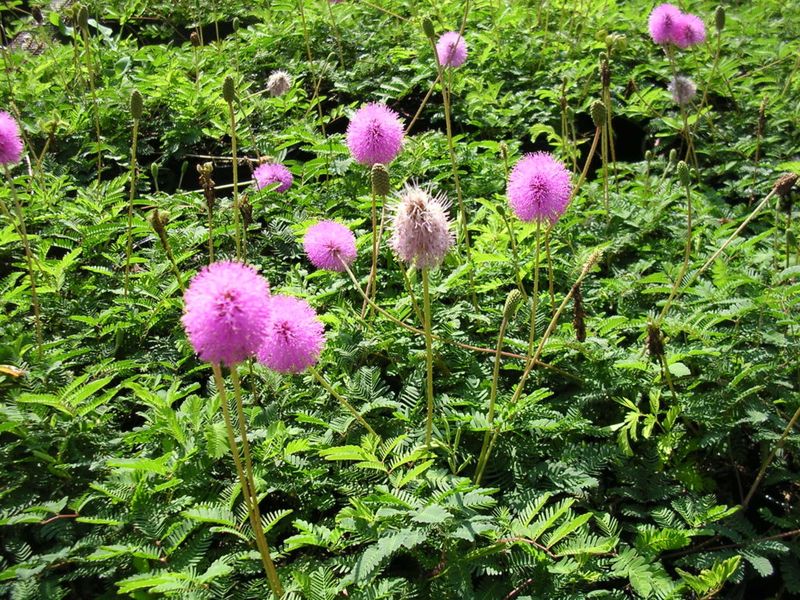
Press your finger on a sunshine mimosa leaf and watch it fold up — it is genuinely one of the most fun plants to touch in any Florida garden. Also called sensitive plant or powderpuff, it produces fluffy pink flowers that look like tiny fireworks above its feathery foliage.
This native Florida ground cover spreads aggressively across sunny, open areas, crowding out weeds naturally. It handles drought, poor soil, and foot traffic well.
Use it as a lawn alternative or to fill large bare patches fast.
Perennial peanut
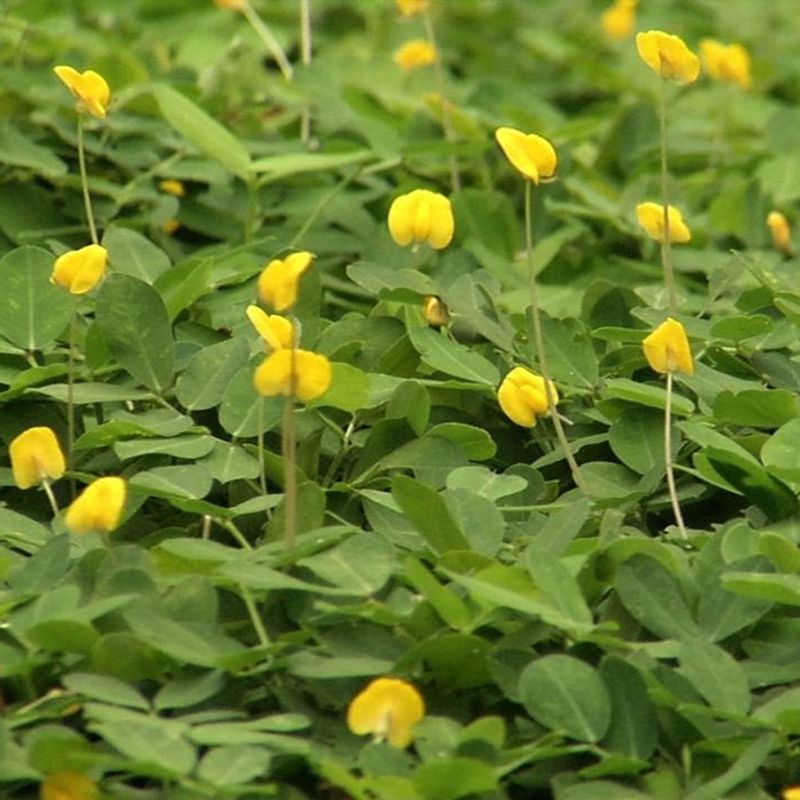
Perennial peanut is quietly one of the best-kept secrets in Florida landscaping. Its cheerful little yellow flowers dot a dense, low-growing mat of green leaves that spreads steadily without needing mowing, fertilizing, or much watering once it gets going.
It fixes nitrogen in the soil, which actually improves the ground around it over time. Use it as a lawn replacement, a slope stabilizer, or a weed-suppressing ground cover in full sun.
It is durable, pretty, and surprisingly practical.
Beach sunflower
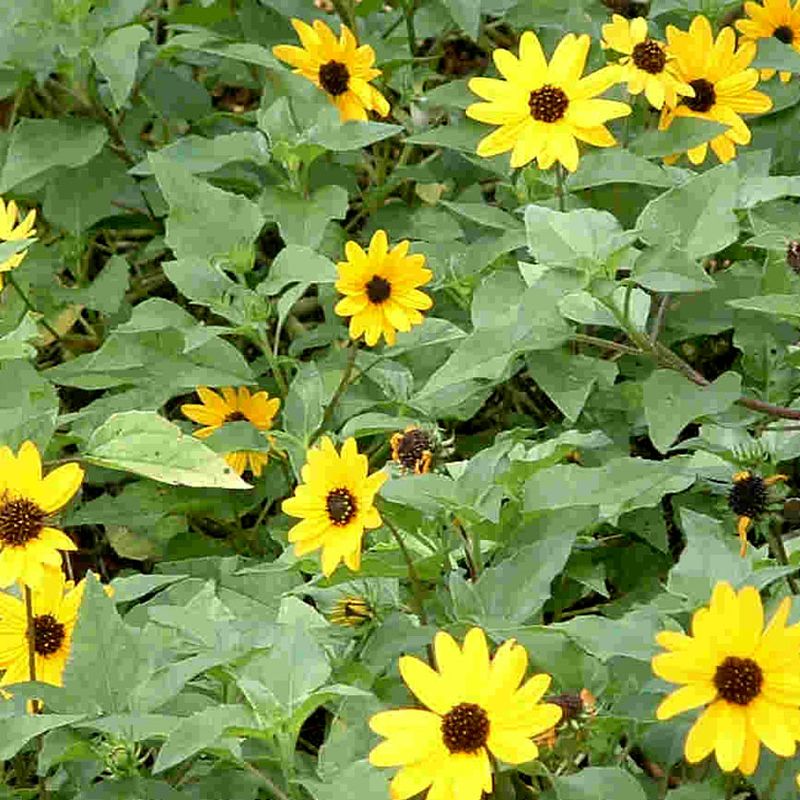
Beach sunflower is a Florida native that was practically born to fill empty, sun-blasted spots. Its golden yellow, daisy-like flowers bloom almost nonstop throughout the year, and it spreads by runners to cover large areas surprisingly fast.
Sandy soil, salt spray, and full sun are exactly the conditions it loves. Once established, it barely needs watering and rarely needs fertilizing.
Birds and butterflies visit it regularly, making it as wildlife-friendly as it is beautiful. A standout choice for coastal or dry inland gardens.
Frogfruit
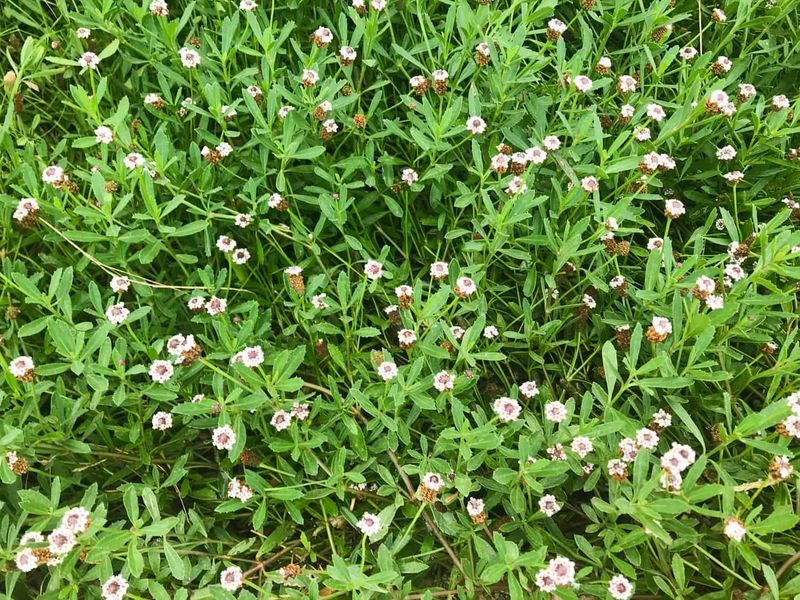
Frogfruit might have the most underrated name in the plant world, but this tough little native deserves a lot more attention. It creeps low across the ground, forming a dense green mat studded with tiny white flowers that butterflies — especially zebra longwings — absolutely adore.
It grows in sun or partial shade and handles moist or dry conditions equally well. Frogfruit fills in bare spots quickly and requires almost zero maintenance once established.
It is a quiet, hardworking plant that makes any Florida garden a little more alive.
Enjoyed this story?
Add Fast Food Club as a preferred source to see more of our reporting on Google.