


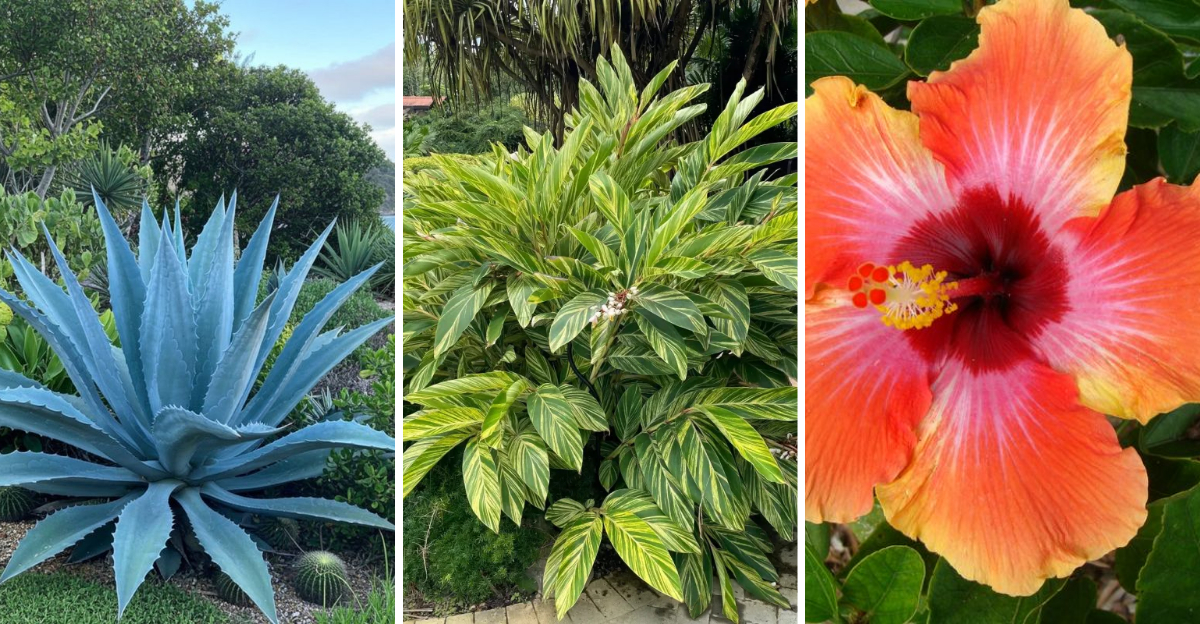
Florida gardeners often assume that the most gorgeous, lush-looking plants must demand constant attention, expensive fertilizers, and expert-level care. Surprisingly, many of the showiest plants in the Sunshine State practically take care of themselves once they get settled in.
Whether you have a tiny patio or a sprawling backyard, these 21 beauties deliver big impact without all the fuss. Get ready to grow a stunning Florida garden without the stress.
Bird of Paradise
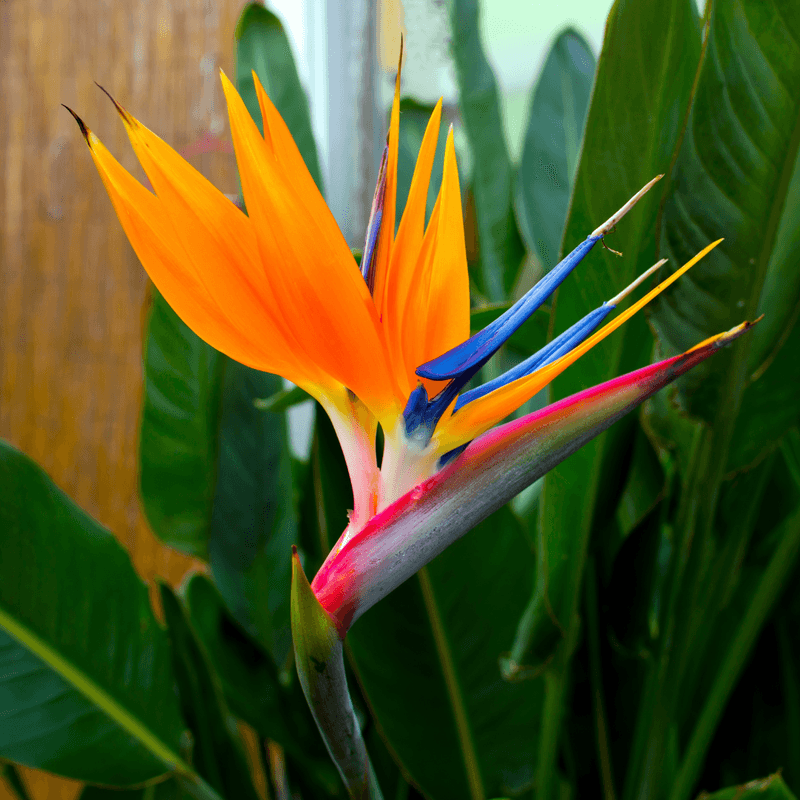
Looking like something straight out of a tropical resort lobby, the bird of paradise turns heads wherever it grows. Yet for all its drama, this plant is remarkably laid-back.
Once established in full sun with well-drained soil, it needs very little water or attention.
Native to South Africa, it thrives in Florida’s heat like it was born for it. Skip the fuss and let it do its thing.
You’ll get bold blooms and lush leaves with almost zero effort on your part.
Croton
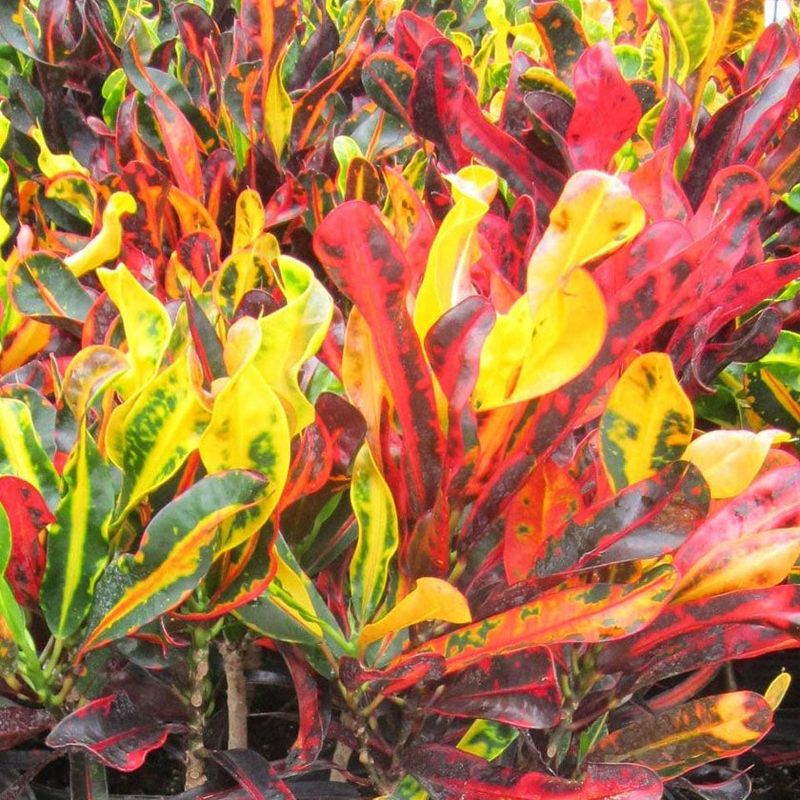
Few plants throw a color party the way croton does. Those bold, painterly leaves in shades of red, orange, yellow, and green make it look like a high-maintenance diva — but it’s far from it.
Plant it in a sunny spot and watch it go wild.
Crotons love Florida’s humidity and warm temperatures, making them a natural fit for the state’s climate. They need minimal watering once established and rarely suffer from serious pest problems.
Bold color has never been this effortless.
Cordyline
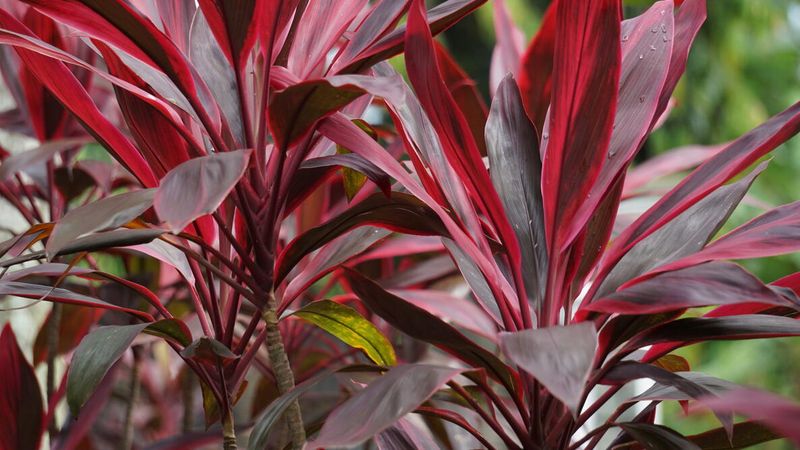
Cordyline looks like it belongs in a fancy botanical garden, but it’s one of the most forgiving plants you can grow in Florida. Its spiky, colorful leaves in shades of red, purple, and green give any yard a dramatic, tropical vibe.
Plant it in partial to full sun and water it occasionally while it gets established. After that, it’s basically on autopilot.
Cordyline handles Florida’s heat, occasional drought, and even brief cold snaps with impressive ease.
Ixora
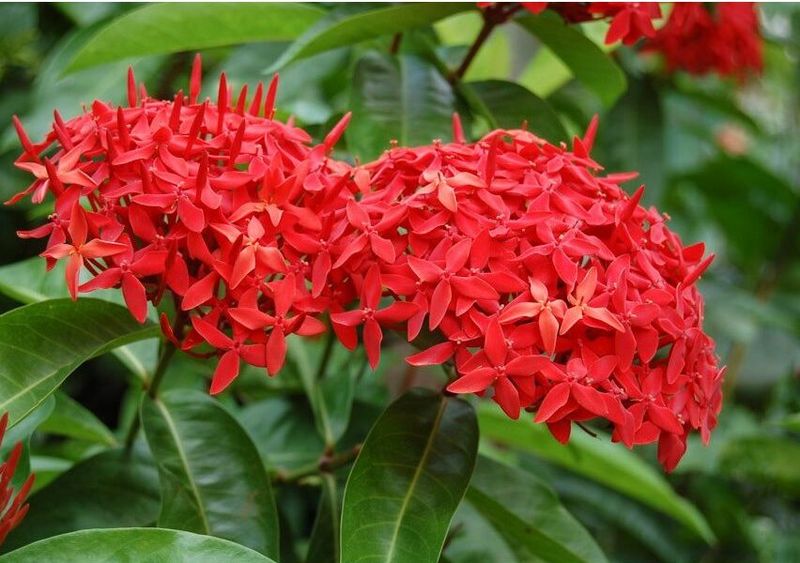
Ixora’s tight clusters of tiny, jewel-bright flowers make it look like a plant that demands constant pampering. Honestly, it just needs sun, acidic soil, and a little patience while it settles in.
After that, it blooms almost non-stop throughout the warm months.
Butterflies absolutely love it, which is a bonus you didn’t even have to ask for. Ixora is a staple of Florida landscapes for good reason — it delivers reliable, cheerful color with very little input from the gardener.
Bromeliad
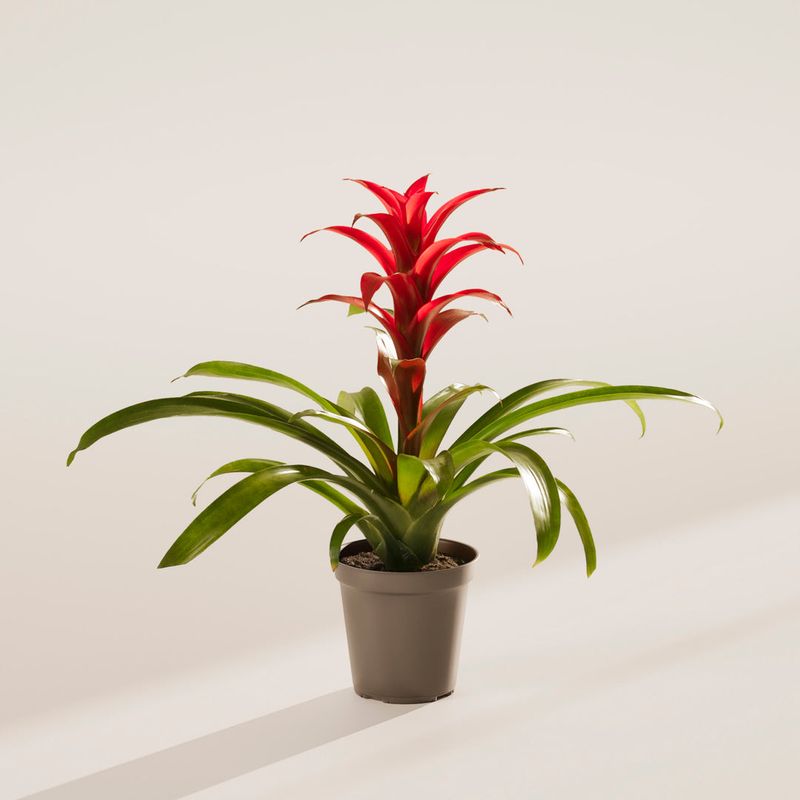
Bromeliads are basically nature’s self-watering plants. Their cup-shaped centers collect rainwater, so they stay hydrated even if you forget to water them for a while.
That’s practically a superpower in the world of gardening.
They come in a dazzling range of colors and shapes, looking wildly exotic with almost no effort. Florida’s warm, humid climate suits them perfectly.
Tuck them under a tree or on a shaded porch and enjoy the tropical vibes without lifting much of a finger.
Ti Plant
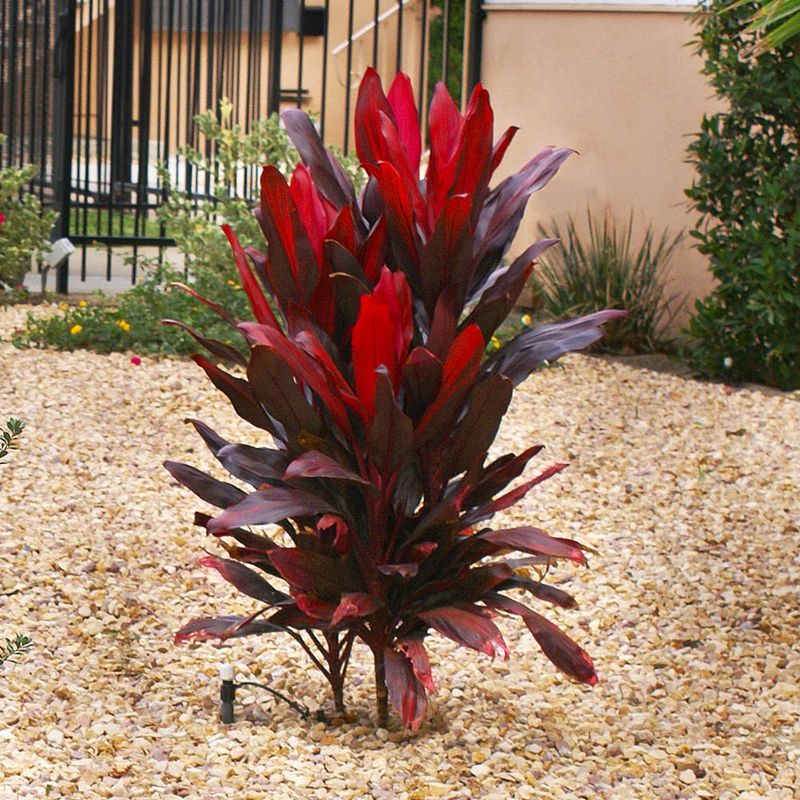
The ti plant has been a symbol of good luck in Polynesian culture for centuries, and honestly, growing it feels like a lucky break for any Florida gardener. Those bold, sword-shaped leaves in deep burgundy, green, or pink add instant drama to any space.
It handles partial shade beautifully, which is great for spots under trees where other plants struggle. Water it regularly when young, then ease off as it matures.
Low maintenance and high style — that’s the ti plant’s whole deal.
Plumbago
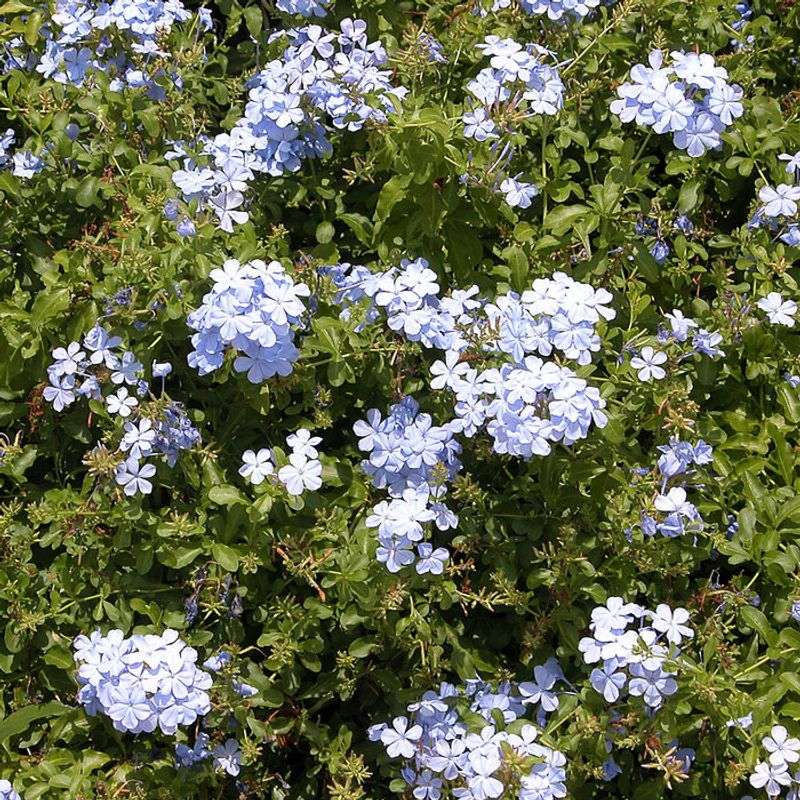
Sky-blue flowers are rare in the plant world, which makes plumbago feel extra special. This fast-growing shrub pumps out delicate powder-blue blooms almost year-round in Florida, and it does it with almost no help from you.
Give it full sun and decent drainage, and it will reward you generously. Plumbago also attracts butterflies, making your yard feel alive and buzzing with energy.
It can get a bit sprawling, but a light trim keeps it tidy without much effort.
Hibiscus
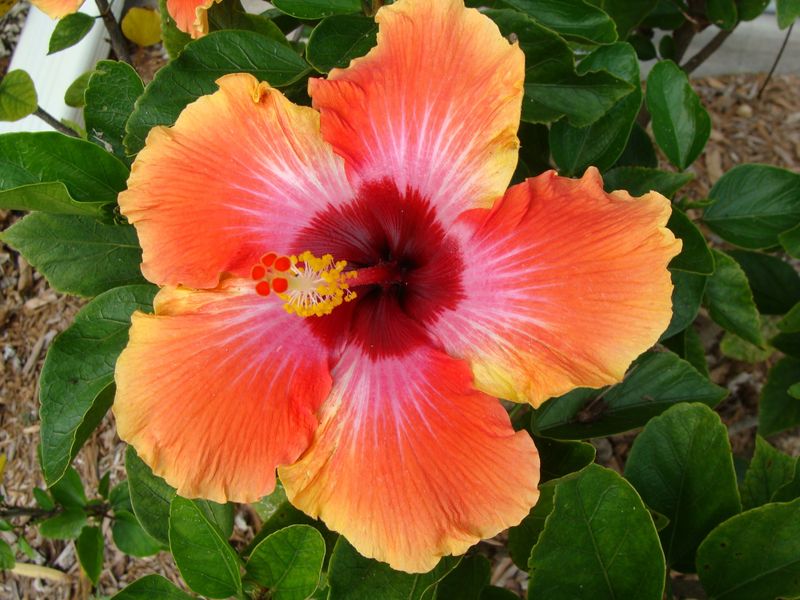
Nothing says Florida quite like a hibiscus in full bloom. Those dinner-plate-sized flowers in hot pink, red, yellow, and orange are genuinely jaw-dropping, yet the plant itself is wonderfully easygoing.
It thrives in full sun with regular watering and occasional fertilizing.
Tropical hibiscus varieties do especially well in South and Central Florida, blooming for most of the year. Hummingbirds and butterflies treat it like their personal buffet.
For maximum payoff with minimal gardening know-how, hibiscus is hard to beat.
Firebush
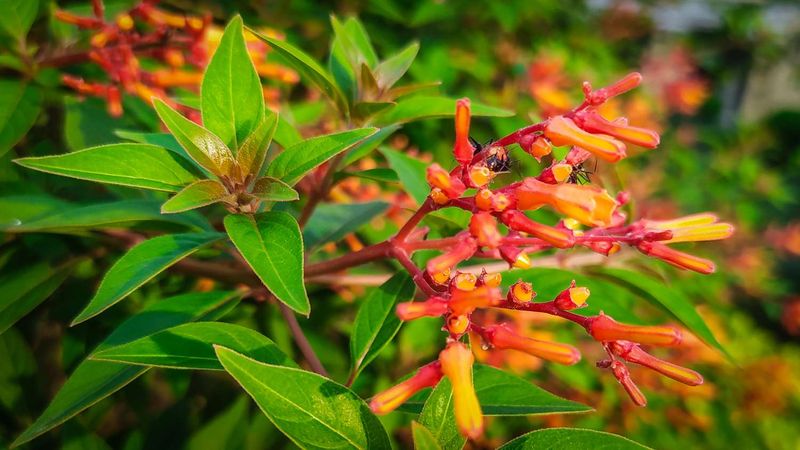
Firebush earns its name with clusters of blazing orange-red tubular flowers that seem to glow in the Florida sun. It’s a native Florida plant, which means it already knows exactly how to handle the heat, humidity, and occasional drought without any coaching from you.
Hummingbirds and butterflies flock to it like it’s the best restaurant in town. Plant it in full sun to partial shade and water it occasionally.
Once established, firebush practically runs itself while looking absolutely spectacular.
Areca Palm
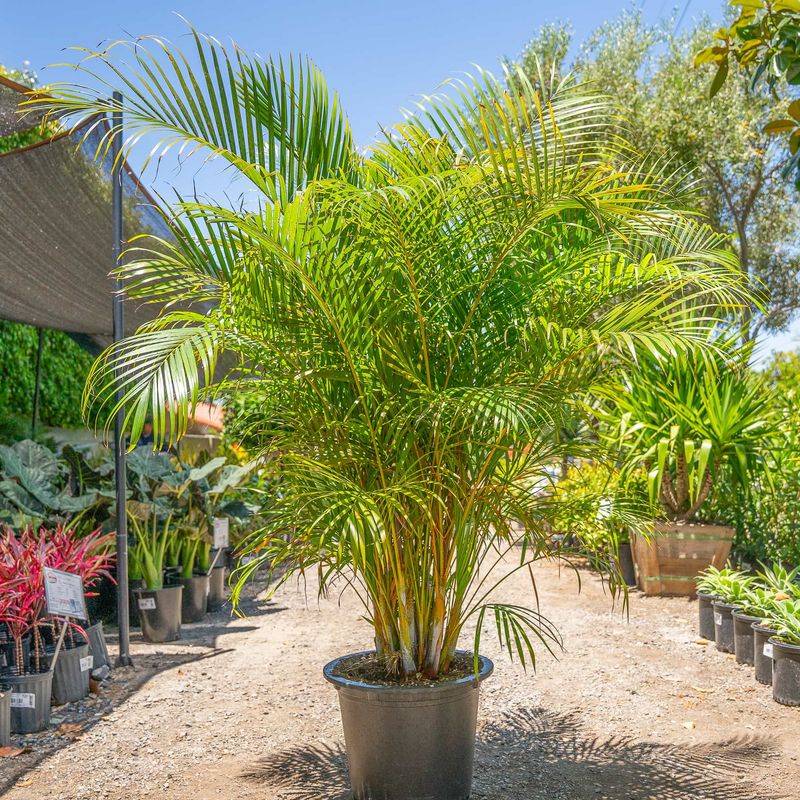
Want that breezy, tropical resort atmosphere in your own backyard? Areca palm delivers exactly that.
Its soft, feathery fronds sway gracefully in the Florida breeze, instantly making any space feel like a vacation destination.
It grows well in full sun to partial shade and tolerates a range of soil types. While it appreciates regular watering when young, mature areca palms are quite drought-tolerant.
Minimal pruning is needed — just remove old fronds occasionally and let it grow into its full, glorious self.
Lady Palm
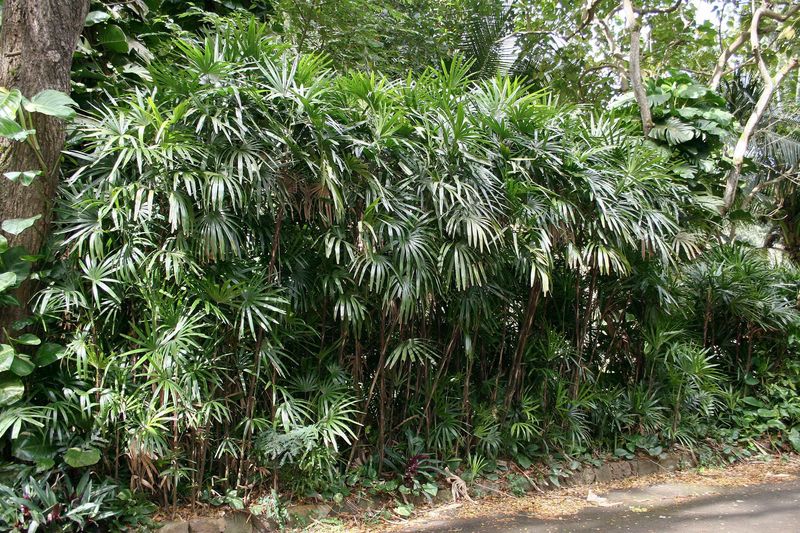
Shade gardens in Florida can be tricky to fill, but lady palm steps in like a seasoned pro. Its elegant, fan-shaped fronds and slow, tidy growth habit make it look like something that requires a professional gardener — but it really doesn’t.
Lady palm handles low light, occasional neglect, and even indoor conditions with grace. It’s also resistant to most pests, which is a huge win.
Plant it where other palms fail and watch it quietly thrive while everyone asks you for your gardening secrets.
Coontie
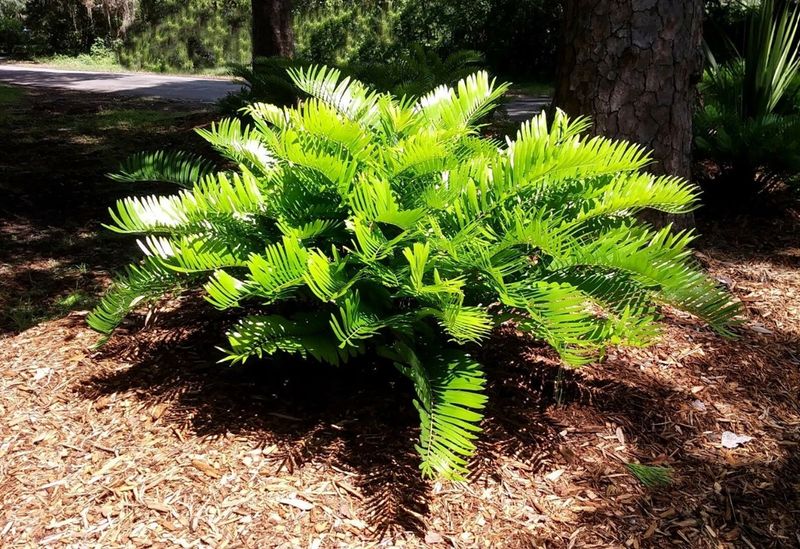
Coontie is one of Florida’s oldest native plants — it was here long before humans arrived — and that ancient resilience shows in how easily it grows today. This compact, fern-like plant thrives in sandy soils, drought conditions, and partial shade without complaint.
It’s also the only host plant for the rare Atala butterfly, so growing it makes you a mini wildlife conservationist. Coontie needs almost no fertilizer, very little water once established, and practically zero pest management.
Ancient toughness meets modern low-maintenance living.
Muhly Grass
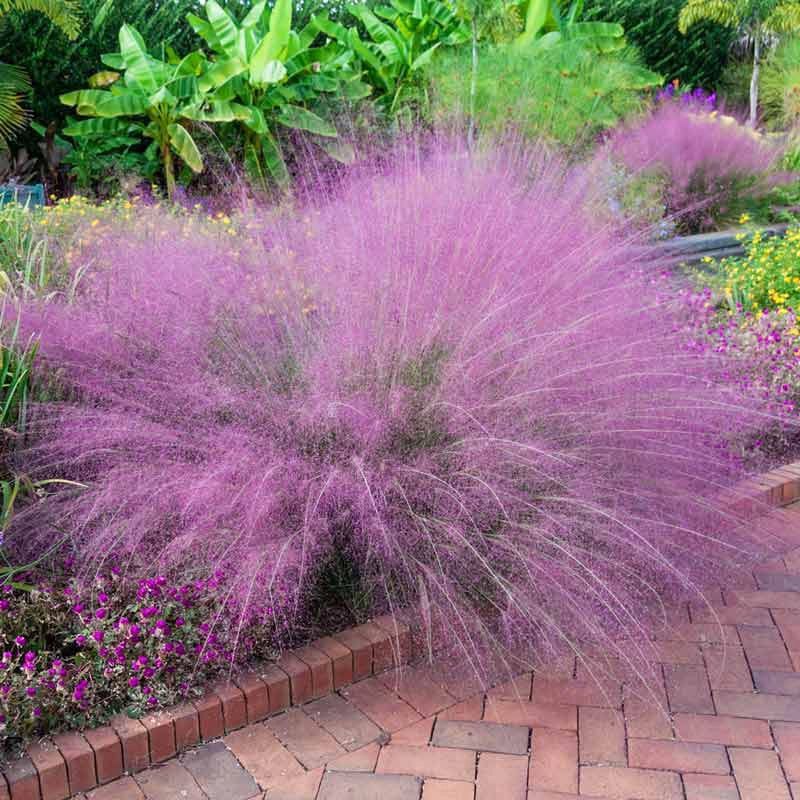
Every fall, muhly grass puts on one of Florida’s most magical shows — clouds of pink and purple plumes that look like something from a fairy tale. And the best part?
It does this with almost no effort on your part whatsoever.
This native ornamental grass loves full sun and thrives in Florida’s sandy, well-drained soils. It’s drought-tolerant, salt-tolerant, and virtually pest-free.
Cut it back once a year after the plumes fade and it bounces right back, ready to dazzle you all over again.
Shell Ginger
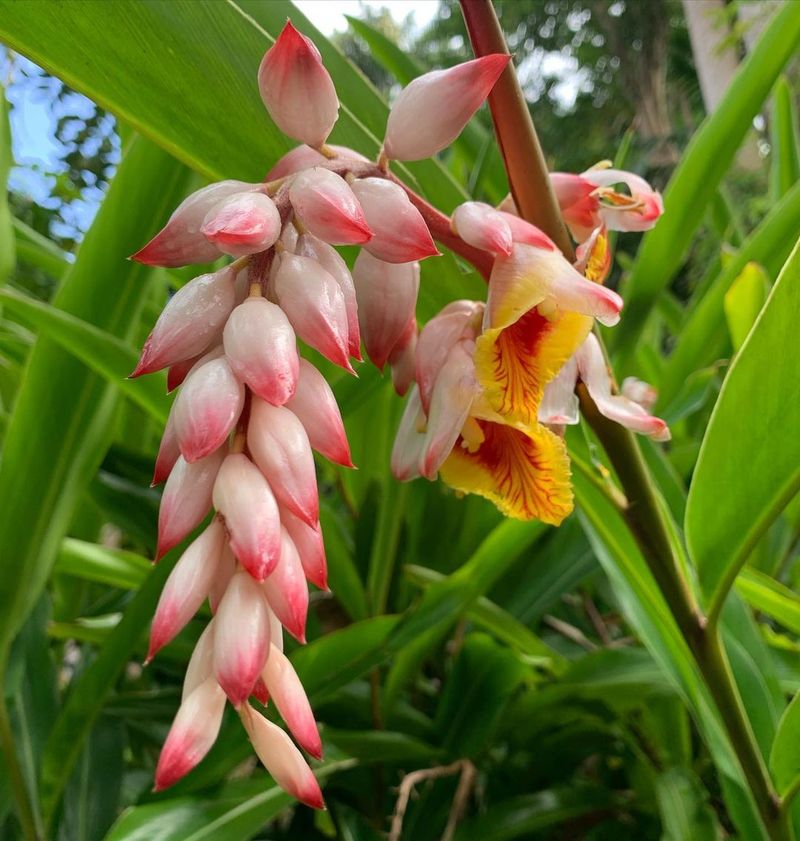
Shell ginger grows tall and lush with enormous tropical leaves that make it look like it belongs in a rainforest. When it blooms, its hanging clusters of pink and white shell-shaped flowers are genuinely breathtaking.
Yet for all that drama, it asks very little of you.
It thrives in Florida’s heat and humidity, growing happily in partial shade. Water it occasionally and give it some room to spread.
Shell ginger also spreads by rhizomes, meaning you’ll have more plants to share with neighbors before long.
Variegated Ginger
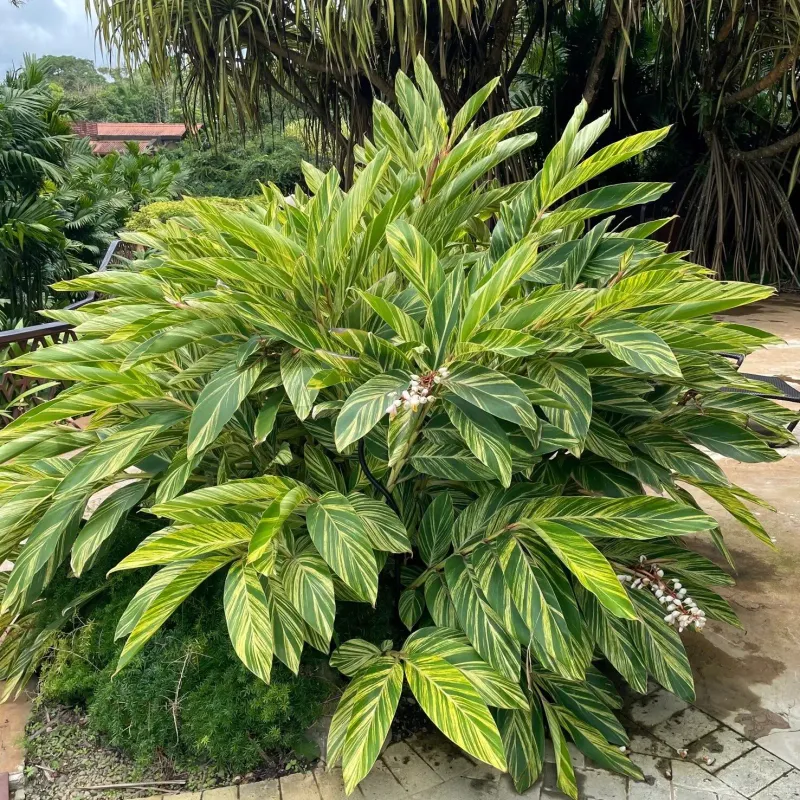
Striped green and white leaves give variegated ginger a high-fashion look that tricks people into thinking it’s finicky. Spoiler: it’s not.
This tropical beauty grows vigorously in Florida’s warm, humid climate with minimal fuss, spreading steadily to fill garden beds with bold, eye-catching foliage.
It prefers partial shade and regular moisture but forgives the occasional missed watering without much drama. Use it as a backdrop for smaller plants or let it anchor a shaded corner on its own.
Either way, it looks incredible.
Agave
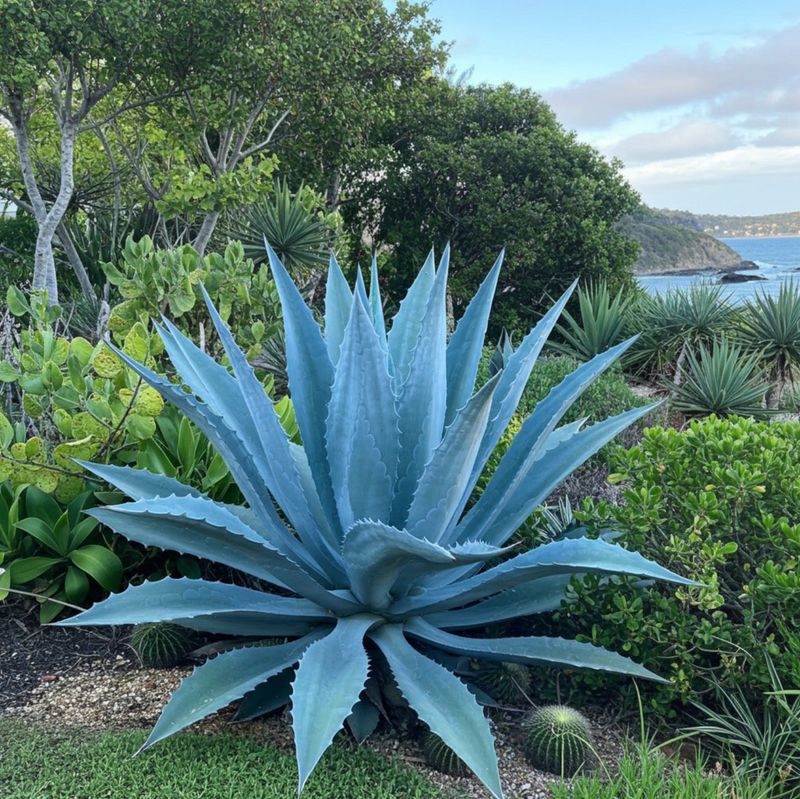
Agave is the ultimate set-it-and-forget-it plant. Its sculptural, spiky rosettes look like modern art installations in the garden, giving off serious drama without demanding a single drop of extra water once established.
Florida’s sandy, well-drained soils are basically its happy place.
It’s incredibly drought-tolerant and thrives in full sun with almost no care. Agave is also deer-resistant, which is a major bonus in many Florida neighborhoods.
Just watch those sharp tips — they mean business. Plant it where you want bold structure without any maintenance headaches.
Pentas
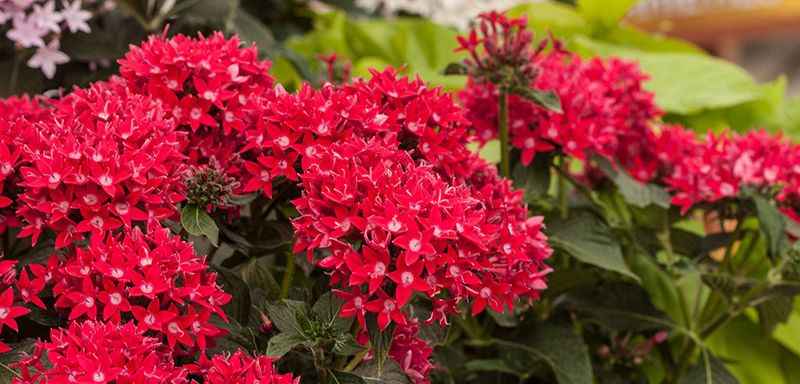
Pentas might be small, but it’s a powerhouse of color and wildlife attraction. Those star-shaped flower clusters in red, pink, lavender, and white bloom almost constantly in Florida’s warm months, pulling in butterflies and hummingbirds like a magnet.
It grows happily in full sun with regular watering and bounces back quickly from Florida’s occasional dry spells. Deadheading encourages more blooms, but even if you skip it, pentas keeps flowering.
For a cheerful, low-effort pop of color, few plants compete with this little overachiever.
Crossandra
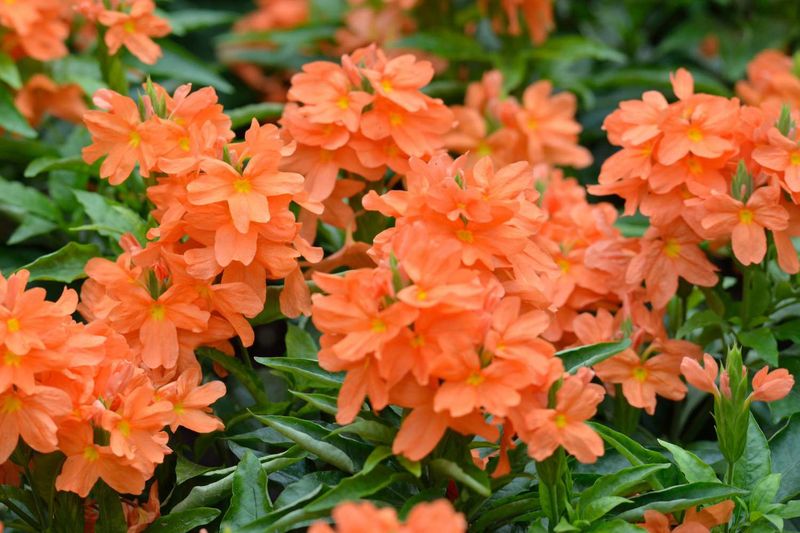
Crossandra is Florida’s best-kept gardening secret. Its salmon-orange flowers bloom in shaded spots where most colorful plants refuse to perform, making it incredibly valuable for tricky garden areas that get little direct sunlight.
Originally from India, it was practically designed for warm, humid climates like Florida’s. It blooms from spring through fall with very little encouragement, needing only regular watering and occasional fertilizer.
If you’ve been struggling to add color to a shaded bed, crossandra is the answer you’ve been waiting for.
Blue Daze
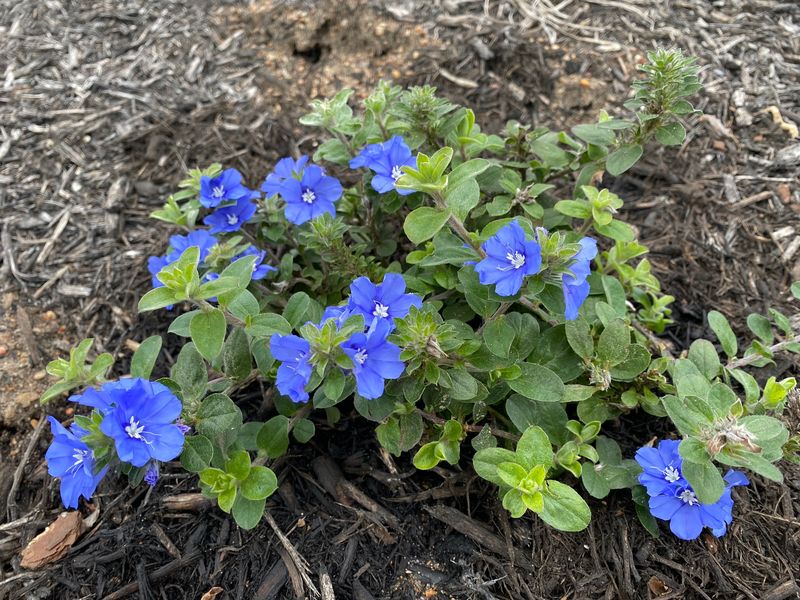
Blue daze is like a living blue carpet that rolls itself out across your garden bed without asking for much in return. Its tiny, sky-blue flowers open each morning and close by afternoon, giving your yard a fresh, cheerful look every single day.
This low-growing ground cover loves full sun and Florida’s sandy soil, tolerating heat and brief dry periods surprisingly well. It spreads nicely to fill gaps between other plants, and its silvery-green foliage looks attractive even when it isn’t blooming.
Effortless charm, pure and simple.
Caladium
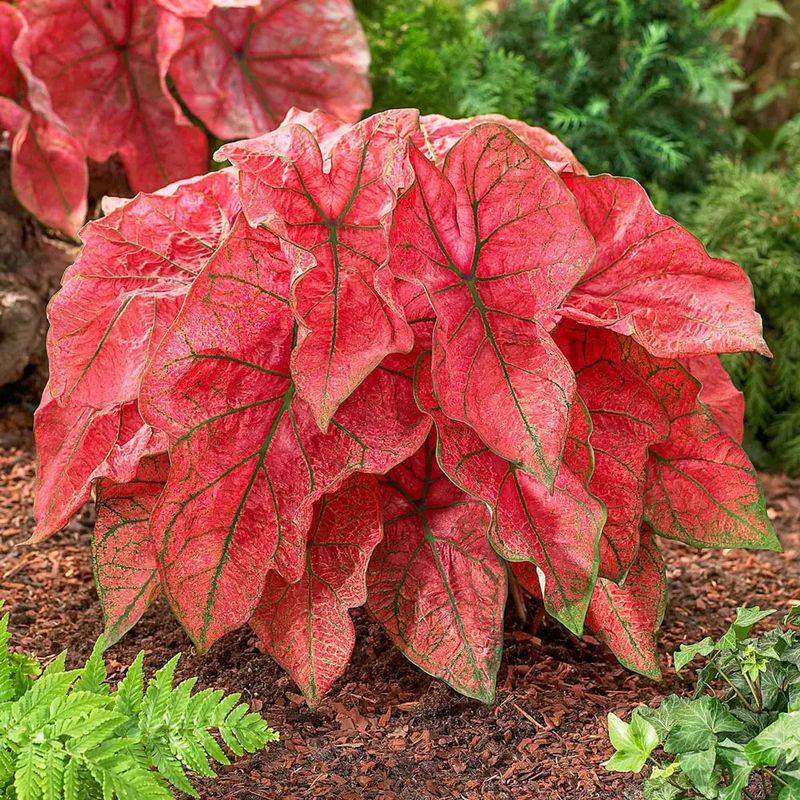
Caladiums look like they were painted by an artist — their heart-shaped leaves come in stunning combinations of pink, red, white, and green that seem almost too beautiful to be real. Amazingly, they grow from simple bulbs and thrive in Florida’s warm, humid summers.
They prefer shaded or partially shaded spots, which makes them perfect for spots under trees or along shaded walls. Keep the soil moist and watch them multiply season after season.
Florida’s climate is so ideal for caladiums that they often naturalize and return on their own.
Society Garlic
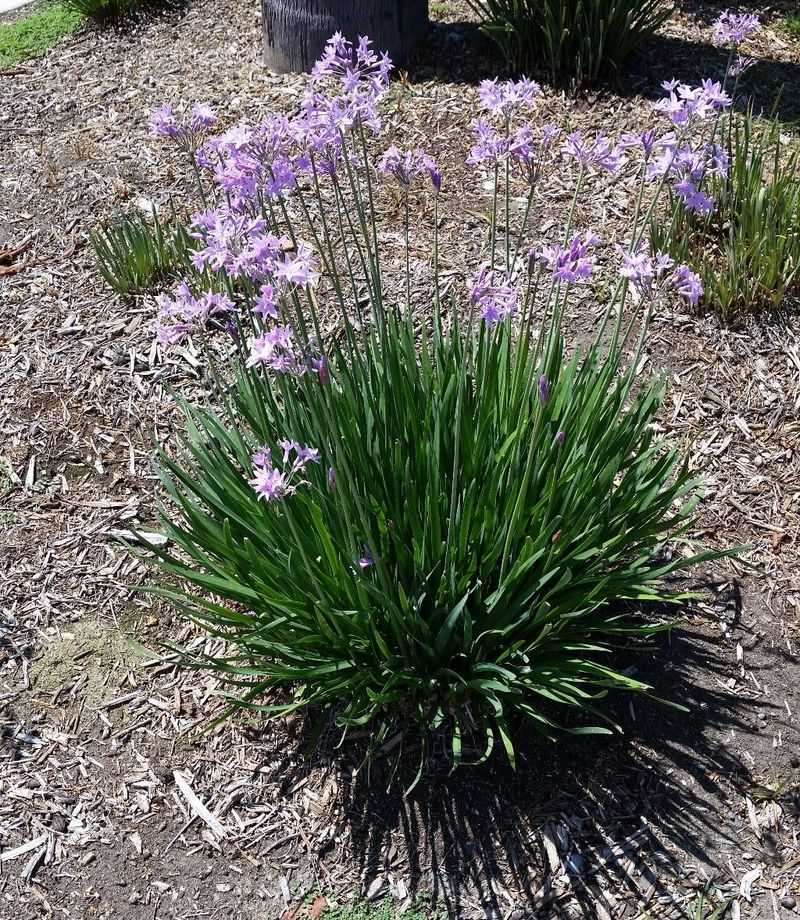
Society garlic has one of the most charming names in the plant world, and it lives up to the personality. Its lavender-purple flower clusters rise above slender, grass-like leaves and bloom reliably throughout Florida’s warm months with almost zero effort from the gardener.
It gets its name from the faint garlic scent its leaves release when brushed — pleasant enough outdoors but not overwhelming. Society garlic is drought-tolerant, deer-resistant, and thrives in full sun.
It’s the kind of dependable, cheerful plant every Florida garden deserves to have.
Enjoyed this story?
Add Fast Food Club as a preferred source to see more of our reporting on Google.