


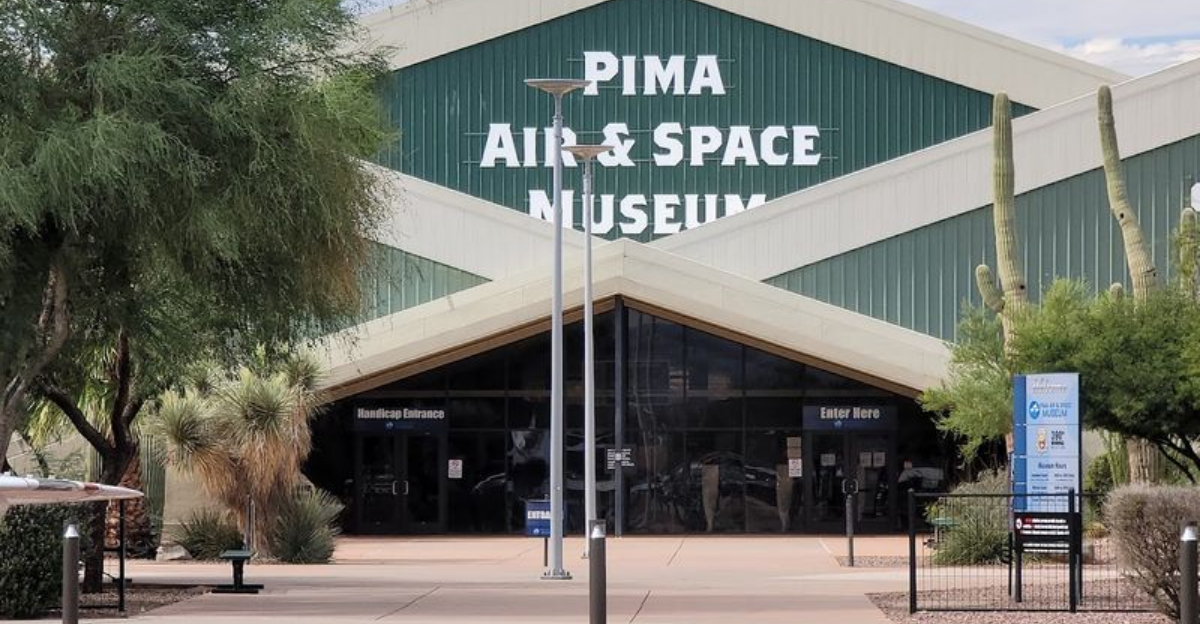
Tucked away in the Sonoran Desert outside Tucson, Arizona, the Pima Air and Space Museum is one of the largest aviation museums in the entire world. Spread across 80 acres, it holds over 300 aircraft that tell the story of flight from the earliest days all the way through the modern era.
Whether you are a hardcore aviation fan or just someone who loves a good adventure, this place has something that will absolutely blow your mind. From secret Cold War spy planes to massive bombers that shaped history, Pima gives you a front-row seat to stories that most people never get to hear.
The SR-71 Blackbird: The Cold War’s Fastest Secret
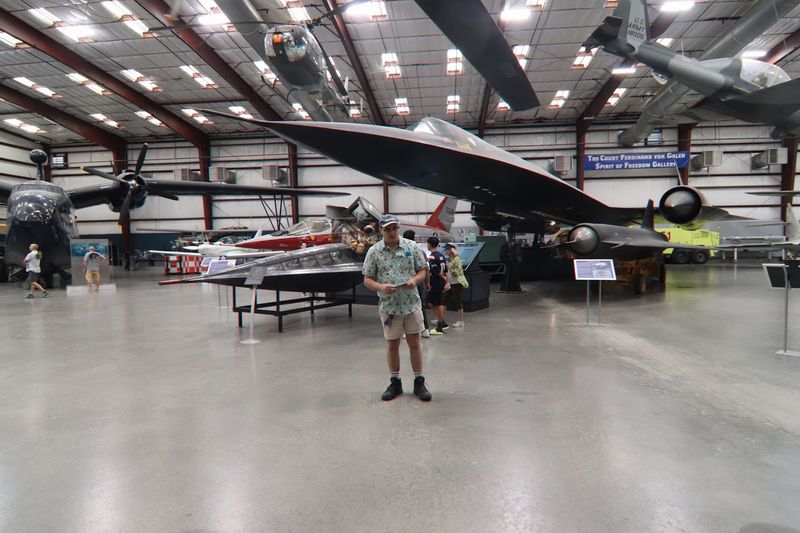
Few aircraft in history carry as much mystery and raw speed as the SR-71 Blackbird. Built to outrun missiles, this reconnaissance jet could fly at over three times the speed of sound and cruise at altitudes above 85,000 feet — so high you could actually see the curve of the Earth below.
At Pima Air and Space Museum, you can walk right up to one of these legendary machines and see just how enormous and otherworldly it looks in person. The titanium skin, the slim fuselage, and those massive engines make it feel like something from a science fiction movie rather than a Cold War spy program.
Visitors consistently call the Blackbird a highlight of their entire trip. Standing beneath it, you quickly understand why the U.S.
Air Force kept this aircraft classified for so many years. It remains one of aviation history’s greatest engineering achievements.
B-17 Flying Fortress and the 380th Bomb Group Museum
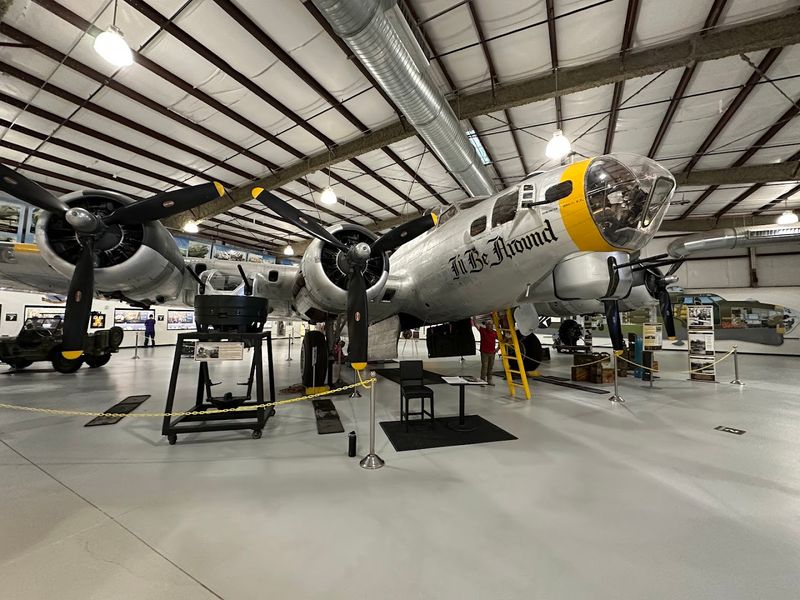
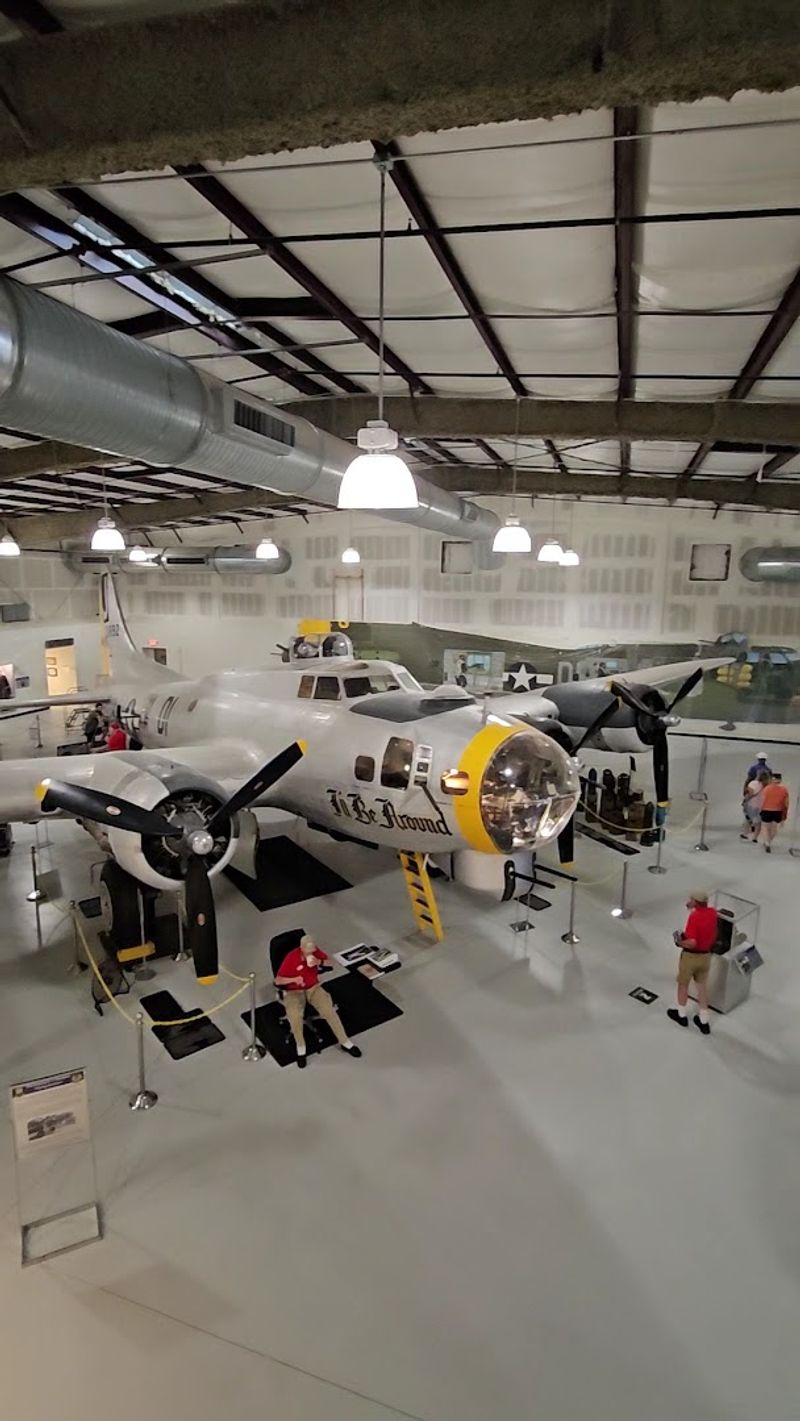
Walk into the B-17 hangar at Pima and you are stepping into a world-class exhibit all on its own. The museum houses a beautifully preserved Flying Fortress alongside the 380th Bomb Group Museum, a separate display honoring the brave crews who flew dangerous bombing missions during World War II.
What makes this exhibit truly special is the access visitors get. You can peer inside the fuselage at several spots, getting a real sense of how cramped and terrifying it must have been to fly combat missions in this aircraft.
Knowledgeable volunteers — some of them veterans — are on hand to share personal stories that bring the history alive in a way no textbook ever could.
One reviewer mentioned a 91-year-old colonel who gifted patches to a young visitor celebrating his birthday there. Moments like that turn a museum trip into something you carry with you forever.
Cold War Bombers: The B-36 Peacemaker Up Close
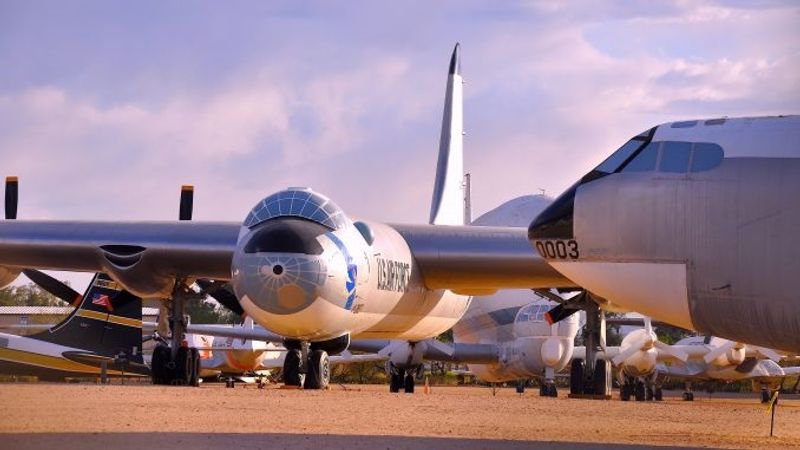
Imagine an aircraft so large it needed six propeller engines AND four jet engines just to get airborne. That is exactly what the Convair B-36 Peacemaker was — a flying giant designed during the early Cold War to carry nuclear weapons across intercontinental distances without refueling.
Pima is one of the very few places on Earth where you can see a surviving Peacemaker up close. Its sheer scale is genuinely hard to comprehend until you are standing next to it.
The wingspan stretches longer than a football field, and the fuselage towers above you like a building on wheels.
Aviation historians consider the B-36 one of the most important aircraft of the Cold War era, yet most people have never even heard of it. Seeing one in person at Pima is the kind of experience that reframes how you think about the arms race and early nuclear deterrence strategy.
The A-10 Warthog: A Battlefield Legend You Can Touch
There is a reason soldiers on the ground have always loved the A-10 Thunderbolt II, better known as the Warthog. Built around its terrifying 30mm Gatling cannon, this aircraft was designed for one thing: destroying enemy tanks and protecting troops in the heat of battle.
At Pima, the Warthog sits in a spot where you can get genuinely close and appreciate the brutal, no-nonsense engineering that went into it. Unlike sleek fighter jets built for speed and style, the A-10 looks mean and purposeful — because it absolutely is.
Its titanium-armored cockpit was literally designed to survive being shot at.
Military aviation fans often describe seeing the Warthog as one of the most satisfying moments of a Pima visit. The aircraft has been fighting retirement for decades because nothing else does its job quite as well.
That stubbornness feels right at home in a museum full of legends.
Over 300 Aircraft Across 80 Acres of Desert
Most aviation museums give you a handful of planes in a couple of hangars. Pima operates on a completely different scale.
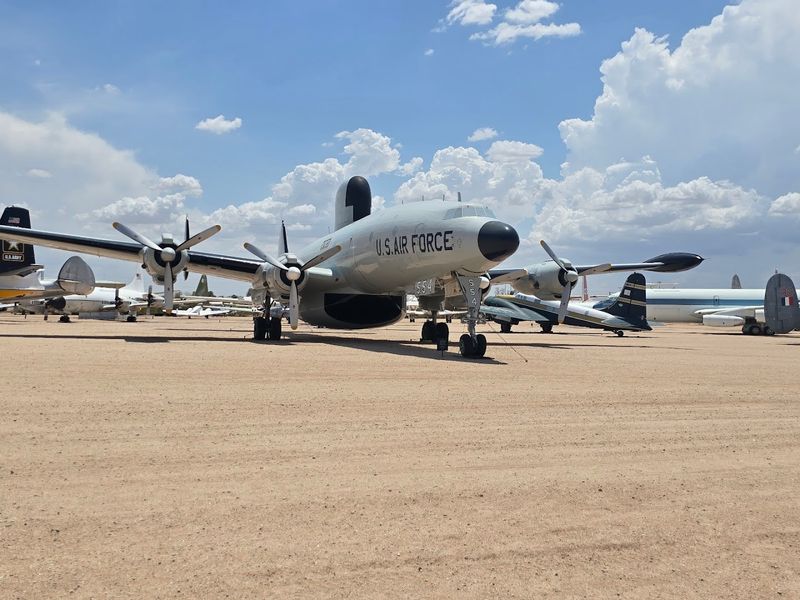
With more than 300 aircraft spread across 80 acres of Sonoran Desert, this place is genuinely one of the largest aviation collections anywhere on the planet.
About 60 percent of the aircraft are displayed outdoors, meaning you will spend a good chunk of your visit walking the flight line in the open air. The variety is staggering — fighters, bombers, cargo planes, helicopters, trainers, commercial jets, and experimental prototypes all share the same massive grounds.
Visitors regularly note that even spending four or more hours here still leaves things unseen. That is exactly why the museum offers a two-day pass, which many guests say is absolutely worth purchasing.
Comfortable shoes are a must, and visiting during cooler months makes the outdoor experience far more enjoyable in the Arizona heat.
The Guided Tram Tour: The Smartest Way to Start Your Visit
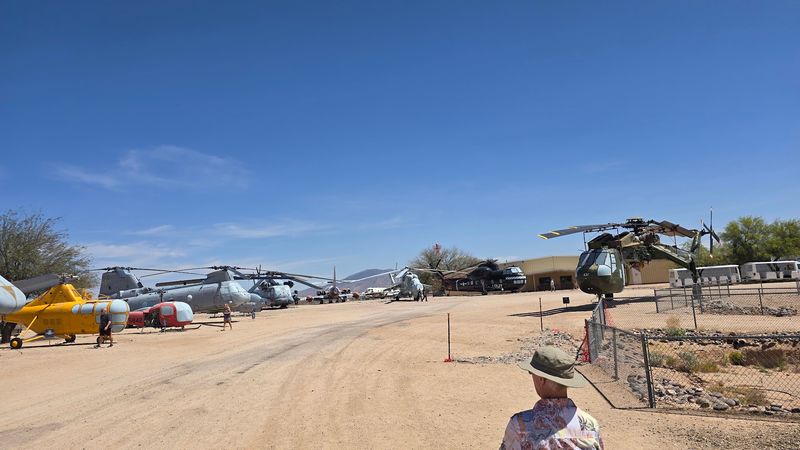
Here is a piece of advice nearly every seasoned visitor agrees on: start your Pima experience with the guided tram tour. For an extra fee on top of admission, a covered trolley takes you on a 45-minute narrated ride through the outdoor aircraft collection, giving you the lay of the land before you start exploring on foot.
On a hot Arizona day, riding in a shaded tram instead of walking miles of sun-baked tarmac is a genuinely smart move. The guides are enthusiastic and knowledgeable, sharing stories about individual aircraft that you might otherwise walk right past without knowing their significance.
After the tram, you will have a mental map of the grounds and a list of planes you want to revisit up close. Multiple reviewers have called this tour one of the best parts of the whole visit.
Think of it as a teaser reel for the incredible main event that follows.
German V-1 Buzz Bomb: A Rare Piece of WWII Terror
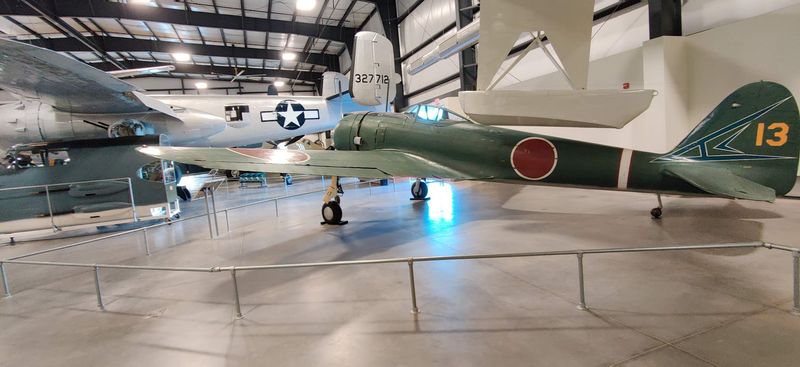
Not every exhibit at Pima is American. Tucked among the hangars is a genuine German V-1 flying bomb — the weapon that terrorized London during World War II and changed warfare forever.
This is not a replica. It is an actual V-1, and the museum’s presentation of it is thoughtful and historically rich.
The V-1 was essentially the world’s first cruise missile. Powered by a simple pulse jet engine that made a distinctive buzzing sound, it earned the nickname “buzz bomb” from the civilians who learned to dread hearing it overhead.
When the buzzing stopped, it meant the engine had cut out and the bomb was falling.
Retired military visitors have singled out this exhibit as a personal favorite, noting how well the museum contextualizes this weapon within the broader story of World War II technology. Seeing it in person gives you a visceral understanding of what early missile warfare actually looked like.
Aircraft Simulators: Fly a Fighter Jet Without Leaving the Ground
Some museums ask you to look and not touch. Pima takes a refreshingly different approach with its aircraft simulators, giving visitors a chance to actually climb in and experience what it feels like to pilot a high-performance aircraft.
Three different simulators are available, and reviewers consistently call this a highlight of the entire trip.
Whether you are a kid who dreams of becoming a pilot or an adult who has always wondered what it feels like to bank through the sky at hundreds of miles per hour, the simulator room delivers a genuine thrill. The controls are realistic enough to make the experience feel meaningful rather than like a carnival ride.
Pairing hands-on simulator time with everything else Pima offers — the static displays, the hangar exhibits, the tram tour — creates a layered experience that appeals to all ages. Few other aviation museums in the country offer this kind of interactive engagement alongside such a massive historical collection.
Naval Aviation Exhibits: Honoring the Fleet’s Forgotten Heroes
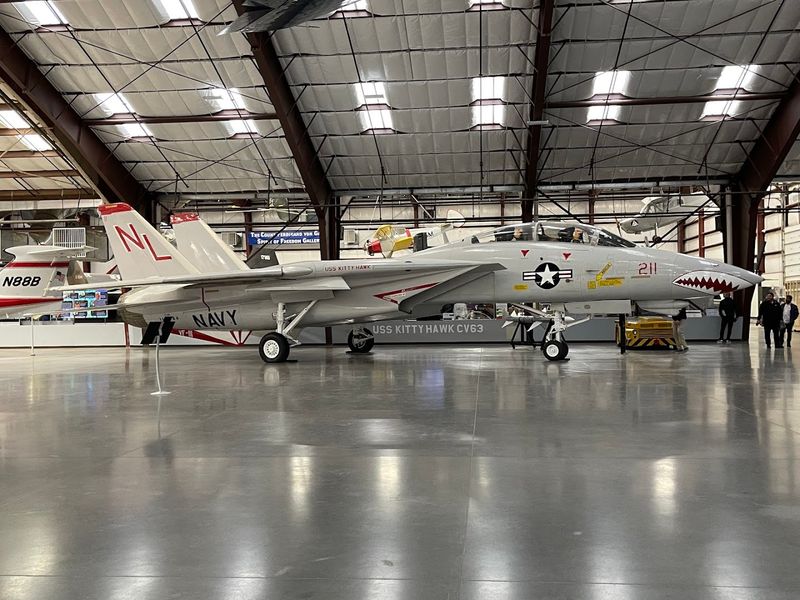
The story of American aviation is not just an Air Force story, and Pima makes sure the Navy gets its due. The museum’s naval aviation exhibits cover carrier-based fighters, patrol aircraft, and the equipment and uniforms worn by the men and women who flew from the decks of ships in some of the most dangerous conditions imaginable.
Retired Navy officers have specifically praised these exhibits for their depth and accuracy. The displays go beyond just parking a plane and putting up a placard — they tell the human stories behind the aircraft, including the missions, the squadrons, and the individual aviators who made history in them.
For anyone with a personal connection to naval service, walking through this section of Pima can be an emotional experience. The museum treats every branch of the military with equal seriousness and respect, making it a genuinely comprehensive look at American aviation history rather than a one-service showcase.
The New Military Vehicle Hangar: Tanks, Trucks, and More
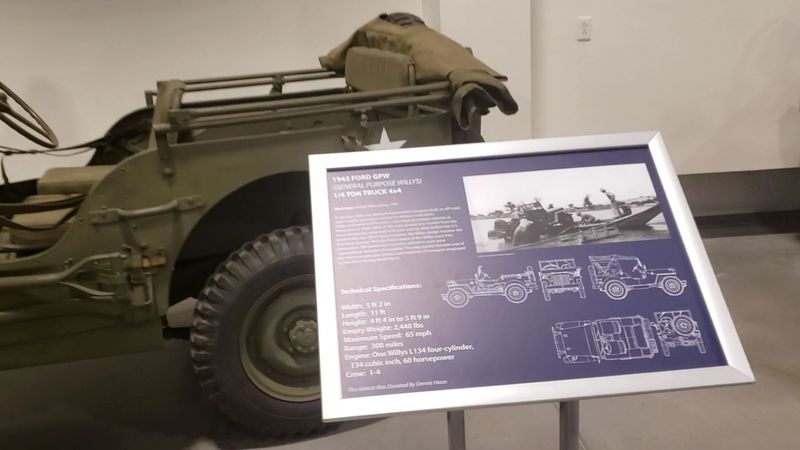
Aircraft are the main attraction at Pima, but a newer addition to the grounds has been turning heads: the Military Vehicle Hangar. Packed with tanks, armored personnel carriers, jeeps, and military trucks spanning decades of American military history, this bonus exhibit is a full experience all on its own.
Combo tickets are available that bundle the vehicle museum with standard admission, making it an easy add-on for anyone who wants to go beyond aviation. Visitors who have stumbled in almost by accident often come out raving about how much they enjoyed it.
Ground warfare history told through the machines that fought it hits differently than reading about it in a textbook.
Kids especially seem to love this hangar because many of the vehicles have an imposing, larger-than-life presence that is hard to ignore. If you thought you were only coming to Pima for the planes, the military vehicle collection might just steal a piece of your heart too.
Indoor Hangars: Fully Restored Aircraft With Rich History
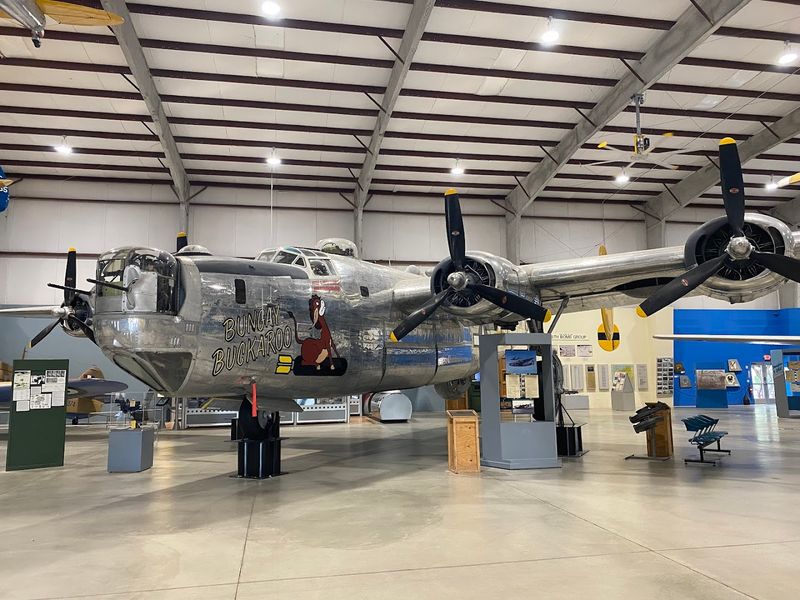
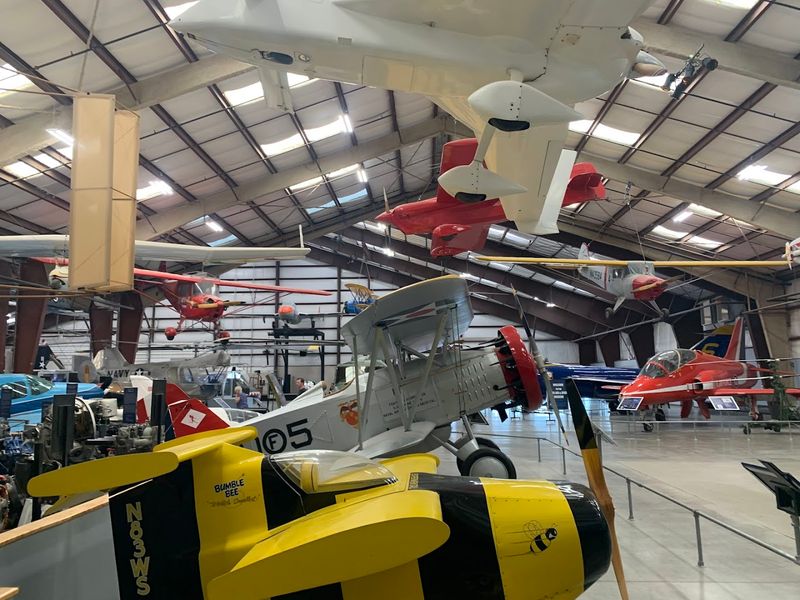
Step inside any one of Pima’s climate-controlled hangars and the experience shifts noticeably. Out on the flight line, aircraft face the desert sun and elements.
Inside the hangars, you find lovingly restored machines displayed with the kind of detail and care that lets you appreciate every rivet and panel line.
The indoor exhibits also pack in significantly more historical context. Informational placards go deep on the story of each aircraft — not just its technical specs, but the missions it flew, the crews who operated it, and its place in the larger sweep of aviation history.
Many hangars also include uniforms, personal effects, photographs, and artifacts that add a deeply human dimension to the story.
One visitor described leaving the hangars feeling like they had just finished an entire history course in an afternoon. That combination of visual spectacle and genuine educational depth is exactly what separates Pima from a simple collection of old planes parked in a field.
Ticket Value and the Two-Day Pass: Making the Most of Your Visit
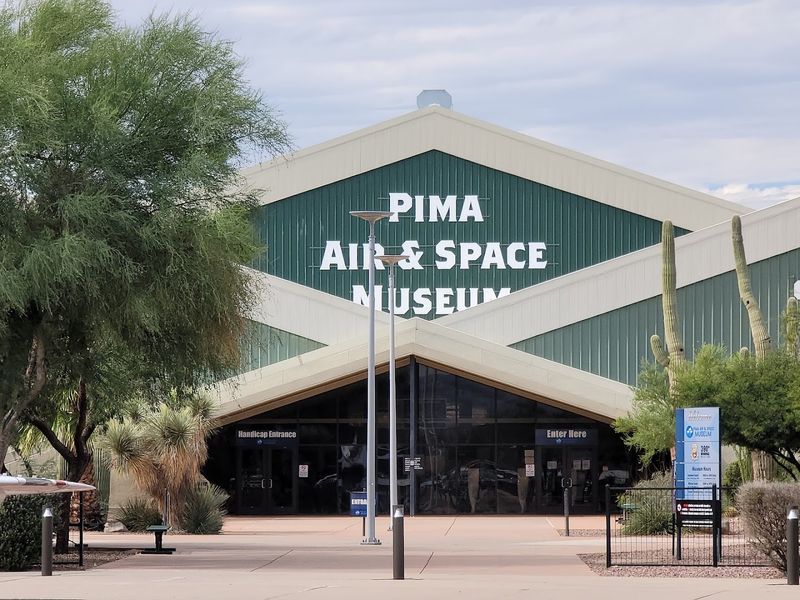
At around $29 to $30 per adult, Pima Air and Space Museum offers some seriously strong value compared to what you actually get. That base ticket already includes two visits within 30 days, which means you can come back and pick up where you left off without paying again — a policy that feels almost too generous given the size of the collection.
A two-day pass option takes things even further for the truly committed visitor. Several reviewers admitted they bought it after their first visit and immediately wished they had gotten it from the start.
With 80 acres to cover and hundreds of aircraft to examine, one day genuinely is not enough for most people.
Discounts are available for active-duty military members, which visitors have appreciated. The museum opens daily at 9 AM and closes at 5 PM, but last admission is at 3 PM — so plan your arrival accordingly to avoid cutting your experience short.
Volunteers and Staff: The Living History Behind the Machines
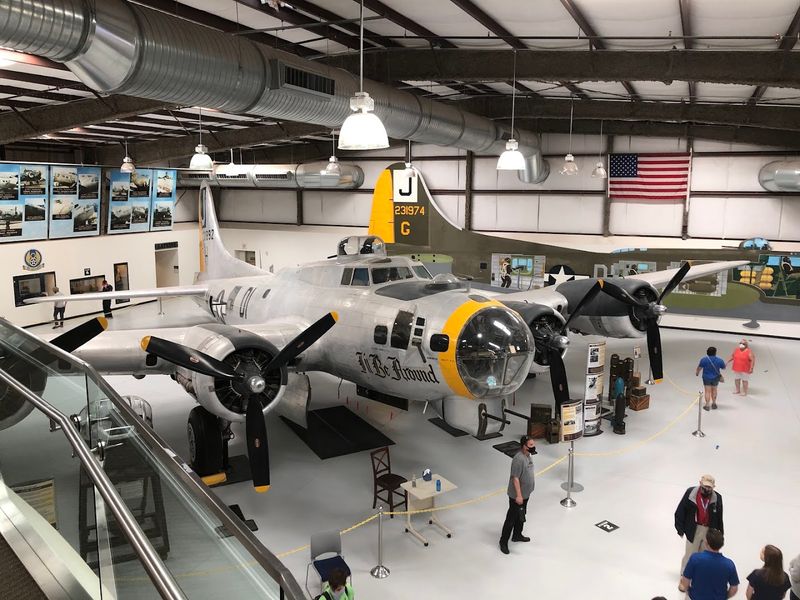
Any great museum is only as good as the people who bring it to life, and Pima is genuinely blessed in that department. The volunteers and staff here are routinely praised in visitor reviews for being knowledgeable, passionate, and warm — the kind of people who make you feel like you are getting a private tour even in the middle of a busy Saturday crowd.
Some of the volunteers are veterans themselves, carrying firsthand memories of the aircraft and eras on display. One unforgettable story shared by a reviewer involved a 91-year-old colonel who spontaneously gifted patches to a young child celebrating his seventh birthday — the same age the colonel was when he decided to become a pilot.
Those human connections transform Pima from a collection of old machines into something genuinely moving. The aircraft tell stories, but the people standing beside them make those stories breathe.
Plan extra time to chat with the volunteers — you will not regret it.
Enjoyed this story?
Add Fast Food Club as a preferred source to see more of our reporting on Google.