


Florida’s warm climate and sunny days make it one of the best places in the country to grow a stunning yard. The right plants can transform a plain front yard into something that turns heads without demanding hours of your time.
Whether you are new to gardening or just looking for low-effort upgrades, there are plenty of beautiful, tough plants that thrive in Florida’s heat and humidity. These picks look great, grow well, and keep your outdoor space looking polished all year long.
Croton
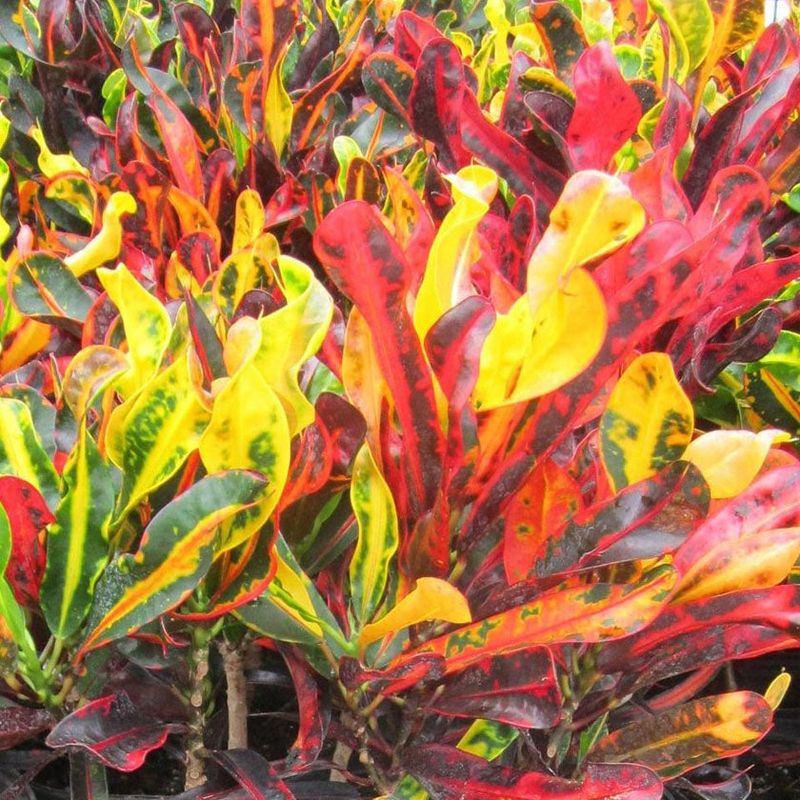
Few plants pack as much color as the croton. Its bold leaves come in shades of red, orange, yellow, and green, sometimes all on the same plant.
That alone makes it a showstopper near a front door or along a walkway.
Crotons love full sun and Florida’s heat suits them perfectly. Water them regularly when young, and once established, they are surprisingly tough.
They grow into full, bushy shrubs that look great year-round with almost no extra effort.
Cordyline
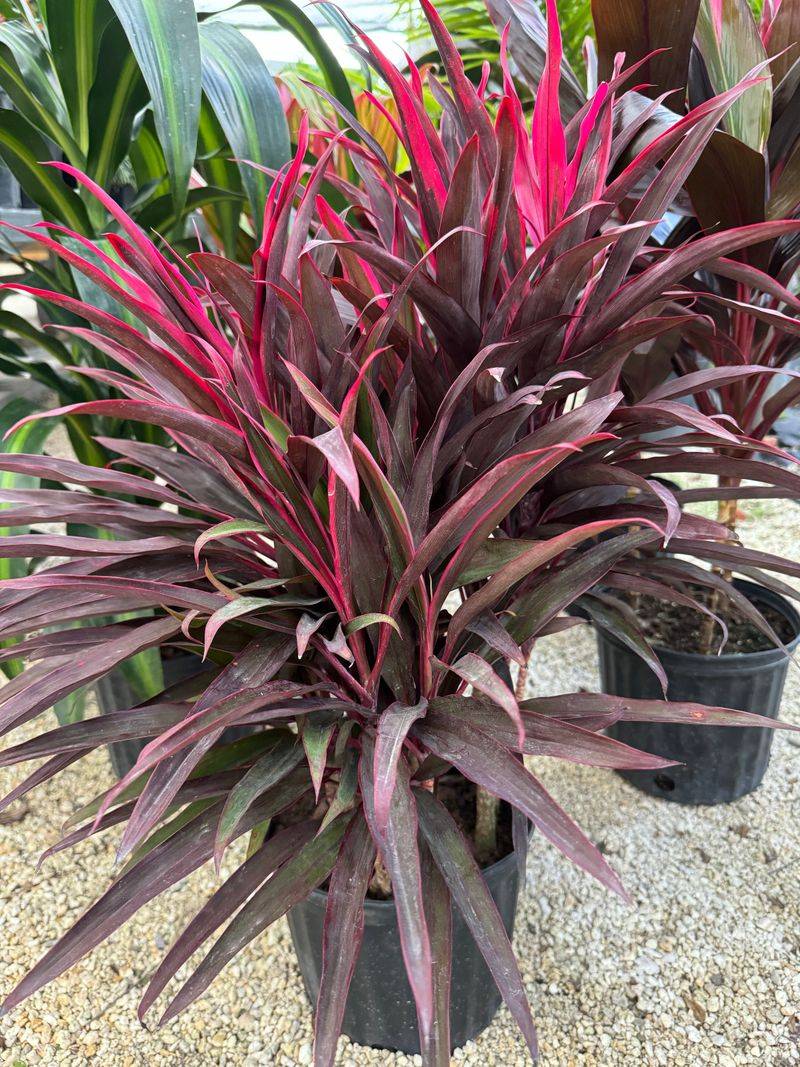
Cordyline brings a bold, tropical vibe that instantly upgrades any front yard. Its long, sword-shaped leaves come in shades of deep red, purple, pink, and green, giving your landscaping a dramatic look without any fuss.
Plant it as a focal point near your mailbox or front steps and watch it draw attention. Cordyline handles Florida heat well and only needs occasional watering once it settles in.
It grows upright and stays tidy, which means less trimming for you.
Pentas
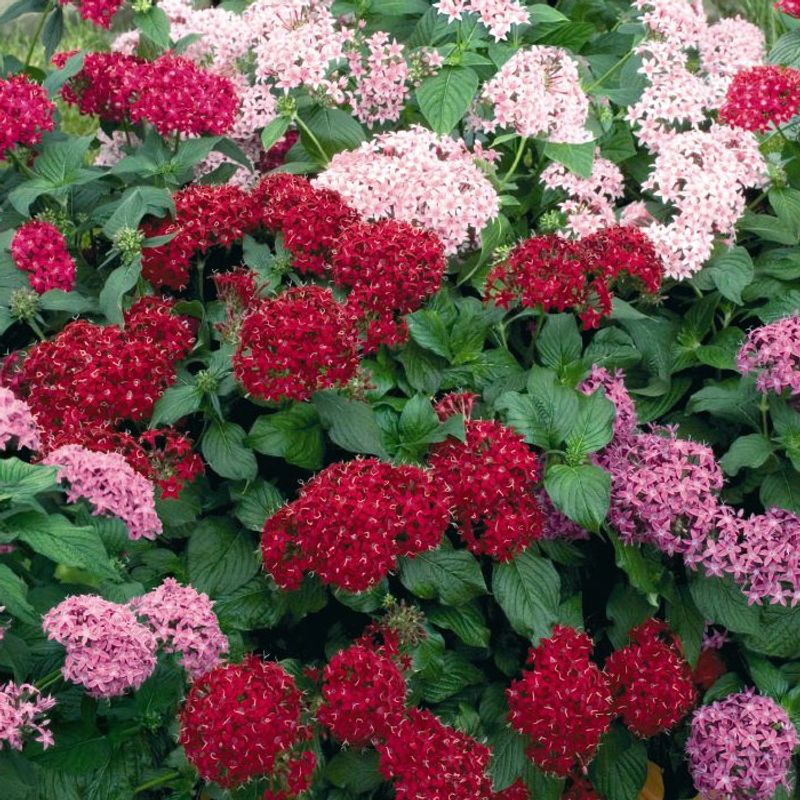
Butterflies absolutely love pentas, which makes your yard feel alive and vibrant during the warmer months. The star-shaped flower clusters come in red, pink, white, and lavender, creating a cheerful pop of color that is hard to miss from the street.
Pentas thrives in full sun and handles Florida’s humidity like a champ. It blooms almost nonstop from spring through fall, so your yard stays colorful for months.
Best of all, it requires very little care beyond occasional watering and light trimming.
Lantana
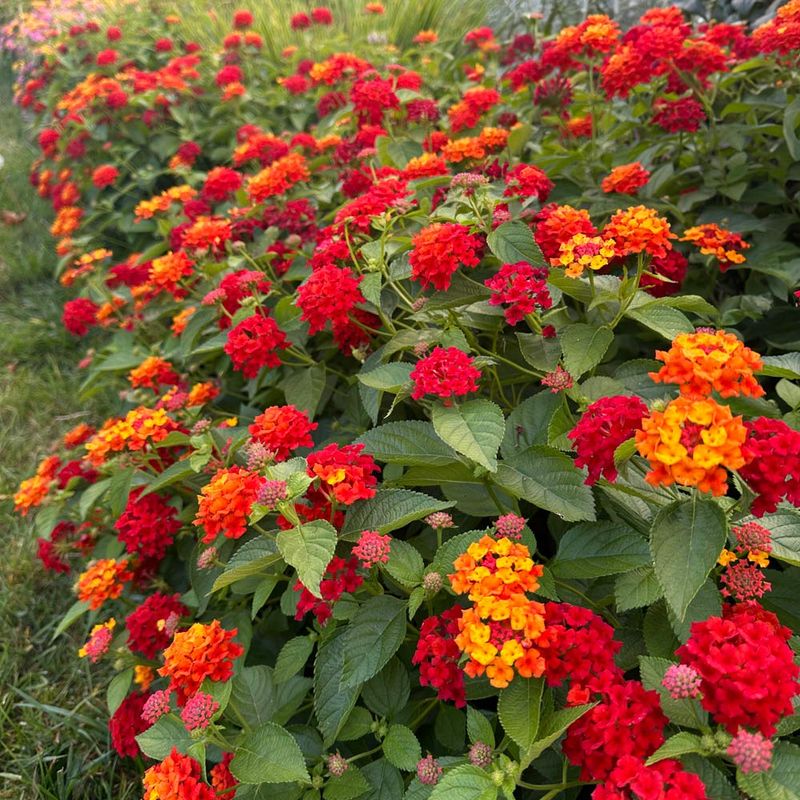
Lantana is one of those plants that just does not quit. It blooms in multicolored clusters of orange, yellow, pink, and red, often changing color as the flowers mature.
That shifting palette makes every glance at your yard feel a little different.
Once established, lantana is incredibly drought-tolerant, which is great news for busy homeowners. It spreads nicely along borders or slopes, filling in bare spots without much help.
Pollinators flock to it, adding even more life and movement to your front yard.
Angelonia
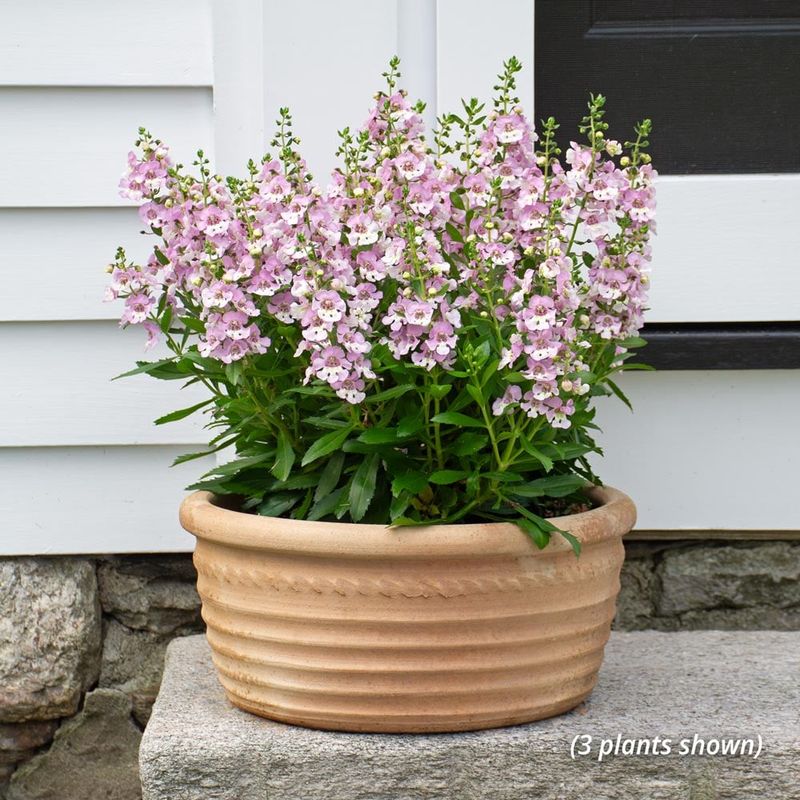
Sometimes called summer snapdragon, angelonia produces tall spikes covered in delicate blooms that look elegant without being high-maintenance. The flowers come in purple, pink, white, and bicolor varieties, giving you plenty of options to match your home’s exterior.
Angelonia thrives in Florida’s blazing summer heat when many other flowering plants struggle. It grows upright and neat, making it ideal for borders or containers near the front door.
A light trim now and then keeps it looking full and fresh throughout the season.
Blue daze
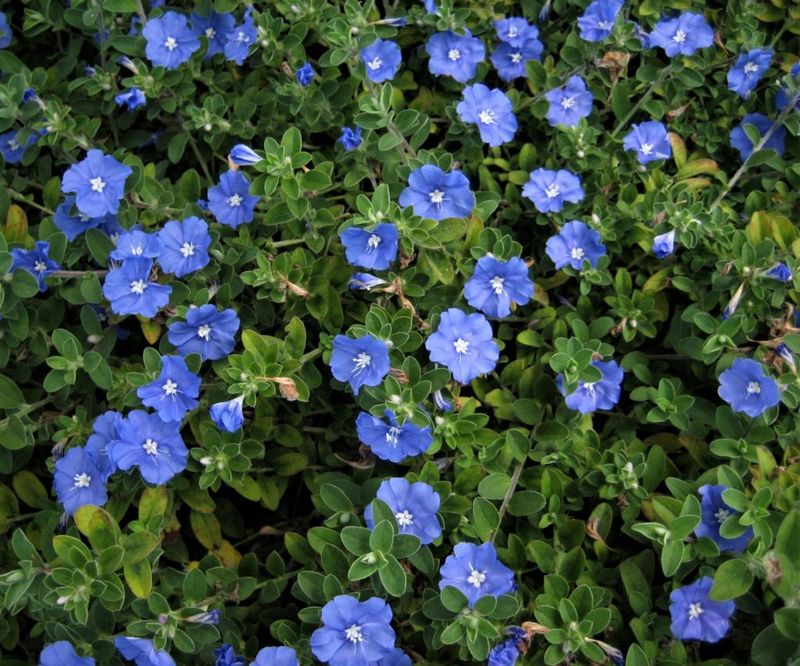
That soft, sky-blue flower color is rare in the plant world, which is exactly what makes blue daze so special. The small blooms sit against silvery-green leaves, creating a cool, calming look that stands out against Florida’s green lawns and warm-toned homes.
Blue daze spreads low and wide, making it a fantastic ground cover for sunny spots. It handles heat and drought better than it handles shade, so plant it where it gets plenty of sun.
Minimal watering and no major pruning needed make it a true low-effort gem.
Plumbago
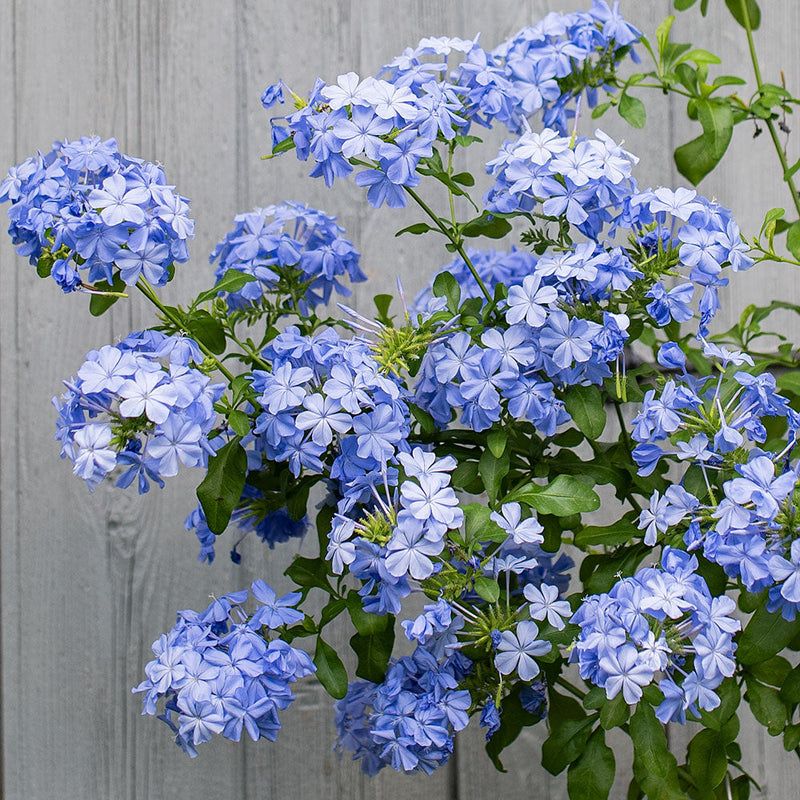
Plumbago has a soft, cottage-garden charm that works beautifully in Florida landscapes. Its powder-blue flower clusters bloom nearly year-round in South Florida and for long stretches in Central and North Florida, giving you consistent color with very little effort.
It grows as a sprawling shrub or can be trained along a fence or wall. Plumbago loves full sun and tolerates dry spells once established.
Trim it back occasionally to keep it tidy, and it rewards you with fresh blooms almost immediately after each pruning.
Ixora
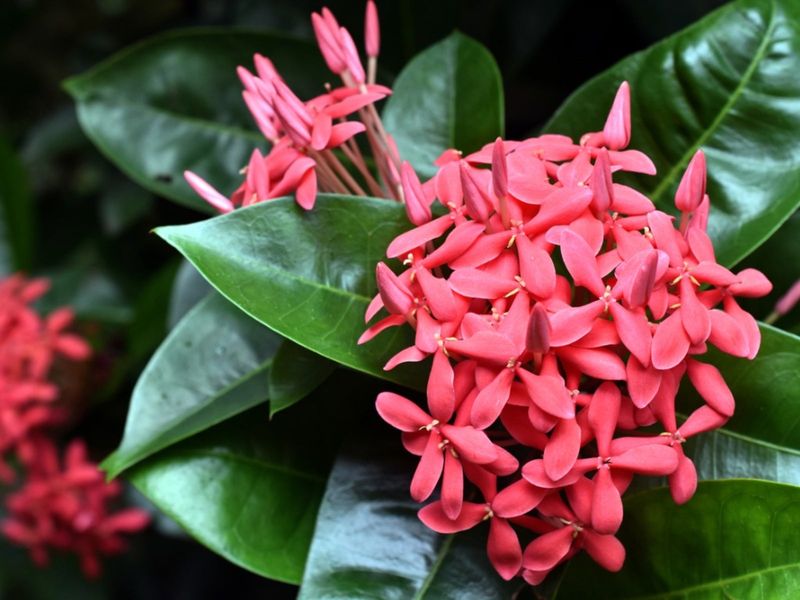
Ixora is a Florida classic for a reason. Its tight clusters of bright red, orange, yellow, or pink flowers pop against dark green foliage, creating a neat, polished look that works perfectly as a hedge, border plant, or standalone shrub near your entrance.
It grows well in full to partial sun and handles Florida’s heat without complaint. Ixora prefers acidic soil, so a little fertilizer made for acid-loving plants goes a long way.
Once it gets going, it blooms heavily and stays dense and attractive with minimal trimming.
Firebush
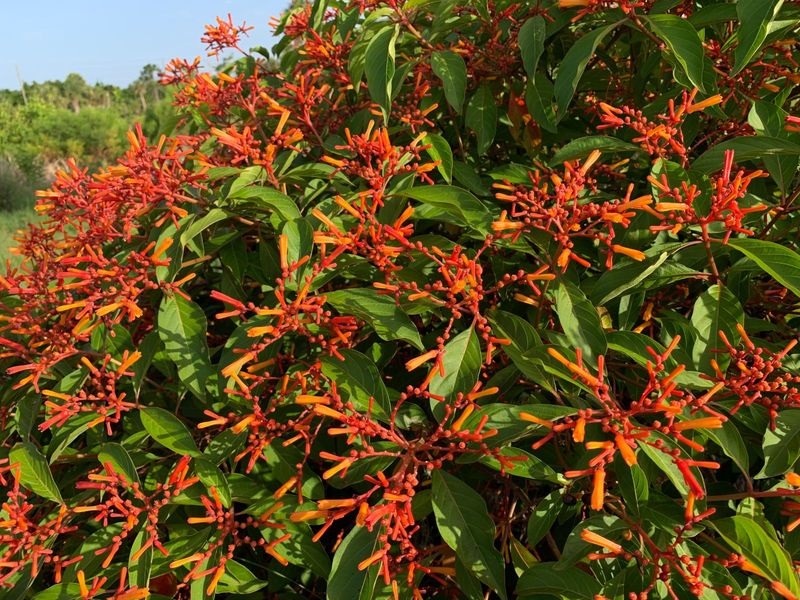
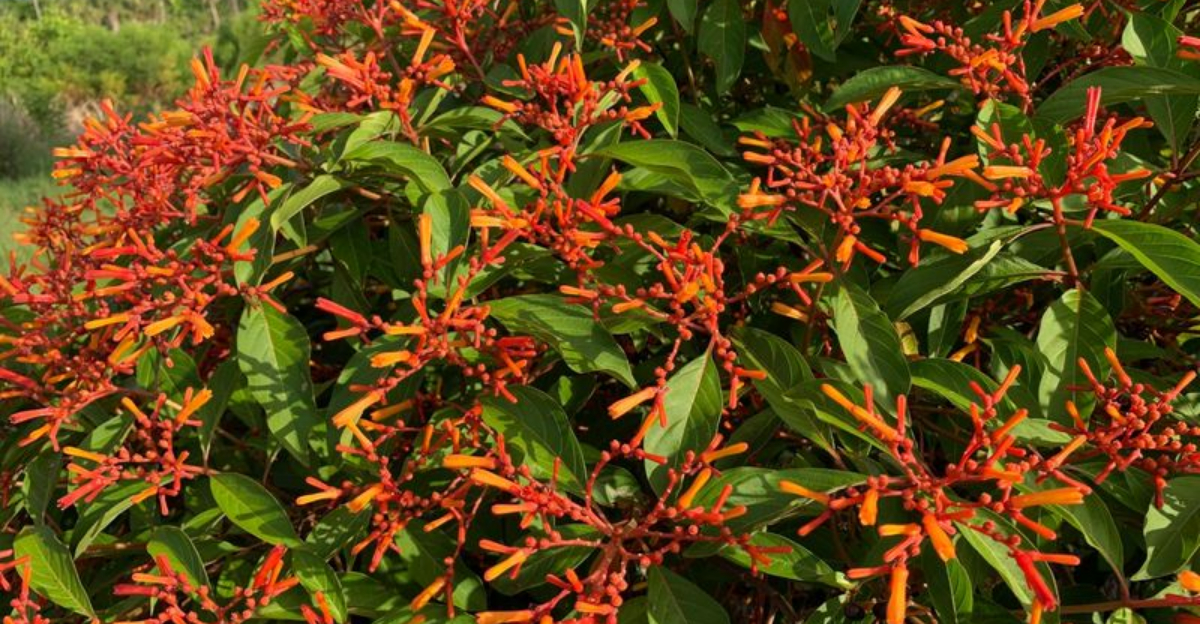
Hummingbirds and butterflies treat firebush like their personal buffet, which makes your front yard feel like a nature scene straight out of a documentary. The tubular red and orange flowers glow in the sun, living up to the plant’s fiery name in the best possible way.
Firebush is a Florida native, meaning it evolved here and knows how to handle the heat, humidity, and occasional drought. It grows quickly into a full, rounded shrub with minimal care.
Plant it in a sunny spot and let it do its thing.
Coontie
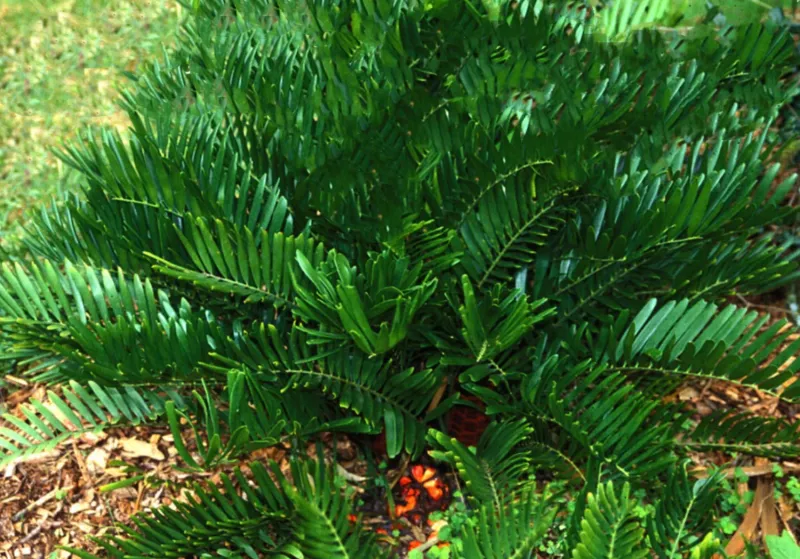
Coontie is one of Florida’s only native cycads, and it has been around since the age of dinosaurs. That ancient resilience shows in how easily it handles Florida’s varied conditions, from dry sandy soil to occasional flooding, without missing a beat.
Its dark, feathery fronds give any garden a lush, tropical feel without the upkeep of larger palms or trees. Coontie grows slowly but stays tidy and compact, making it perfect for low-maintenance borders or foundation plantings.
It is also the sole host plant for the beautiful atala butterfly.
Muhly grass
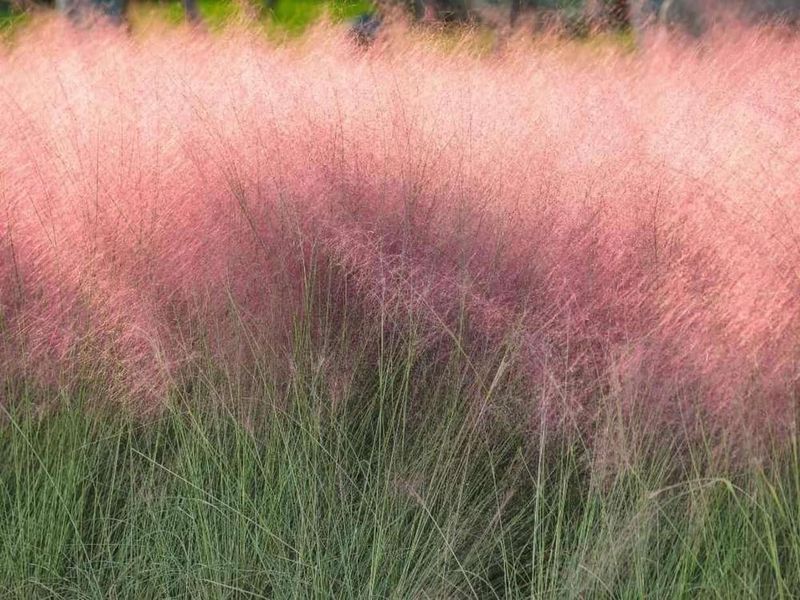
Every fall, muhly grass puts on a show that stops people in their tracks. Its airy, cotton-candy-pink plumes rise above the green blades and sway gently in the breeze, turning an ordinary yard into something that looks professionally designed.
Outside of its fall bloom season, the grassy clumps stay green and tidy, adding texture to garden beds without taking over. Muhly grass is drought-tolerant, deer-resistant, and thrives in Florida’s full sun.
Cut it back once a year in late winter and it bounces right back beautifully.
Bird of paradise
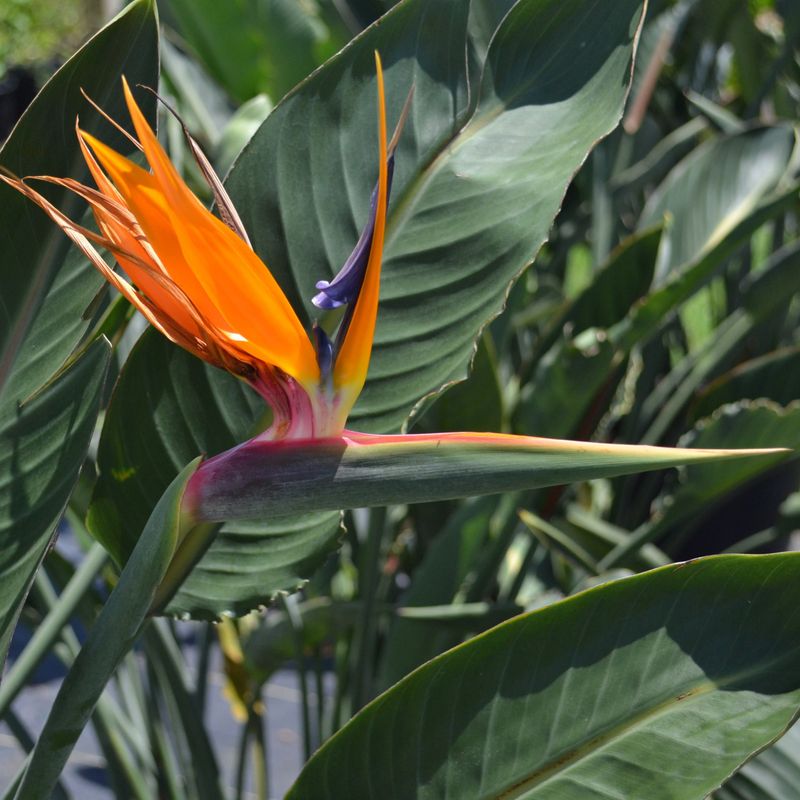
Named after an exotic tropical bird, this plant earns every bit of that comparison. The orange and blue blooms look almost too stunning to be real, shooting up on tall stems above broad, paddle-shaped leaves that stay green and glossy all year.
Bird of paradise grows slowly but lives for decades, making it a long-term investment in your home’s curb appeal. It handles full sun and drought once established, asking for very little in return for its spectacular show.
Plant it near an entryway to make a lasting first impression.
Caladium
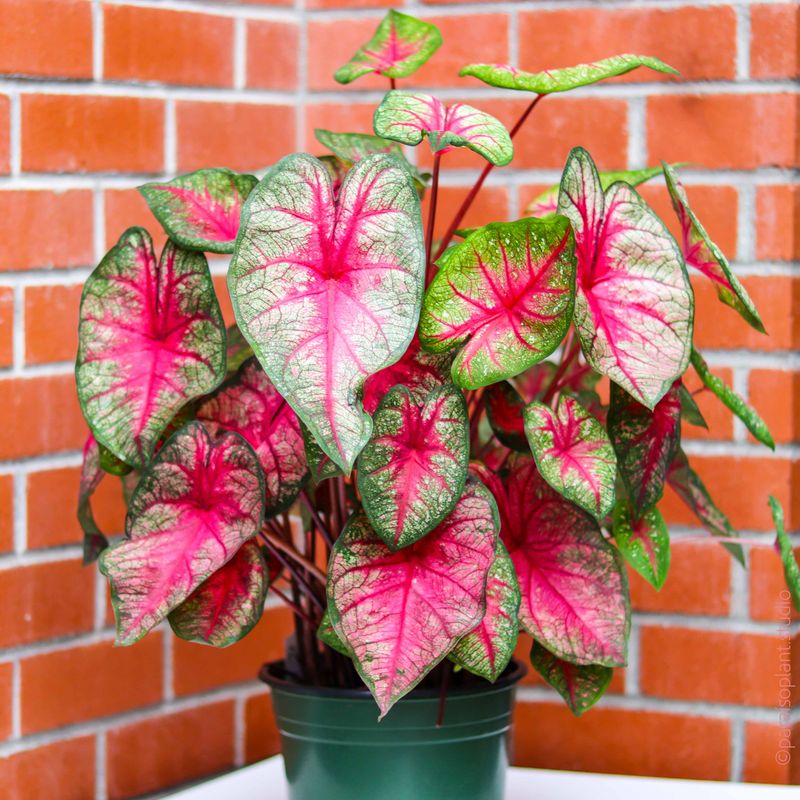
Caladiums are basically living art. Their oversized, heart-shaped leaves come in wild combinations of pink, red, white, and green, with veining and patterns that look hand-painted.
They bring serious color to shady spots where many flowering plants simply refuse to grow.
Florida’s warm, humid summers are basically paradise for caladiums. They grow from bulbs and fill in fast, making a big visual impact in just a few weeks.
Use them in containers or garden beds near shaded porches and walkways for a lush, tropical welcome that impresses every visitor.
Bromeliad
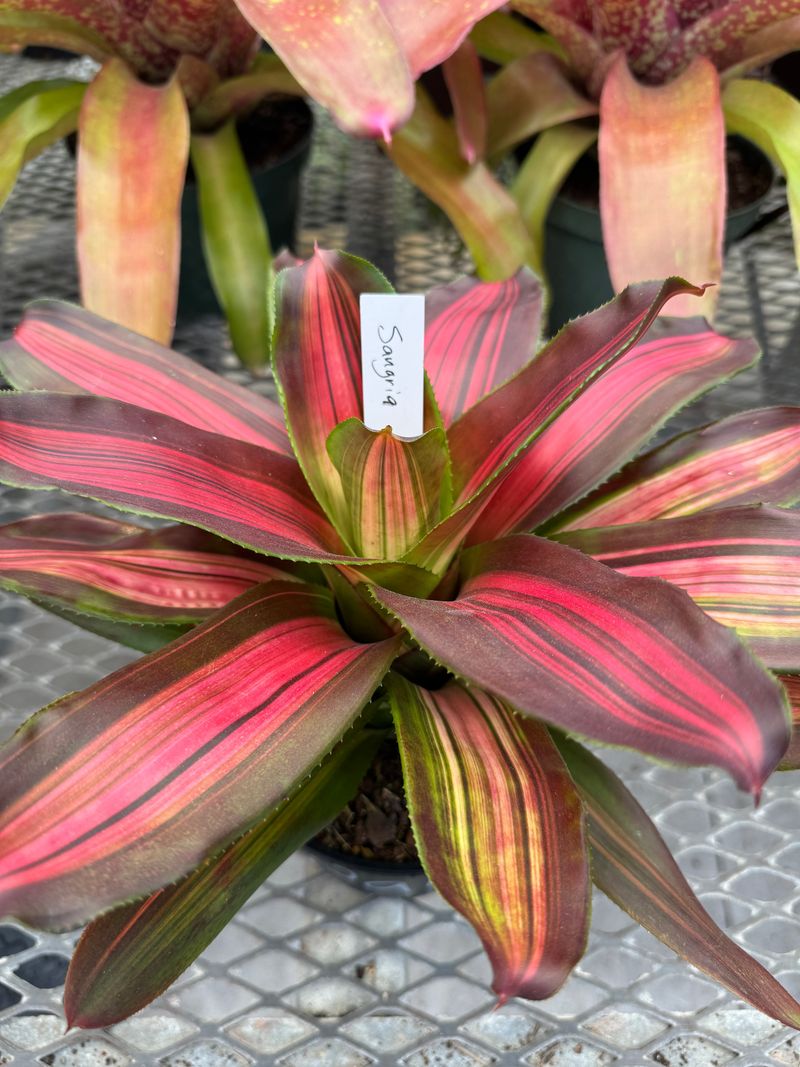
Walk through any Florida neighborhood and you will likely spot bromeliads glowing like little lanterns under the shade of trees. Their waxy, rosette-shaped centers hold vibrant colors in red, orange, yellow, and purple for months at a time, requiring almost zero attention.
Bromeliads are epiphytes, meaning they do not even need soil to survive and can be mounted on trees or rocks for a truly unique look. They thrive in shade and filtered light, making them ideal for spots where other colorful plants struggle.
Incredibly easy and endlessly eye-catching.
Ti plant
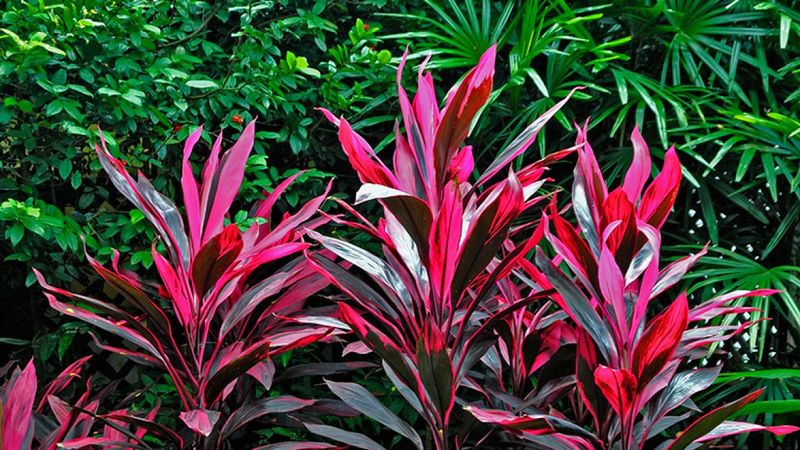
The ti plant brings a bold, resort-style look to any front yard. Its long, arching leaves come in rich shades of burgundy, red, green, and variegated combinations that create a lush, layered tropical look without needing much fuss from the gardener.
Popular in Hawaiian and Polynesian cultures for centuries, the ti plant has found a happy second home in Florida’s warm climate. It grows well in sun or partial shade and tolerates periods of drought.
Use it as a dramatic backdrop plant or a colorful accent near your front door.
Hibiscus
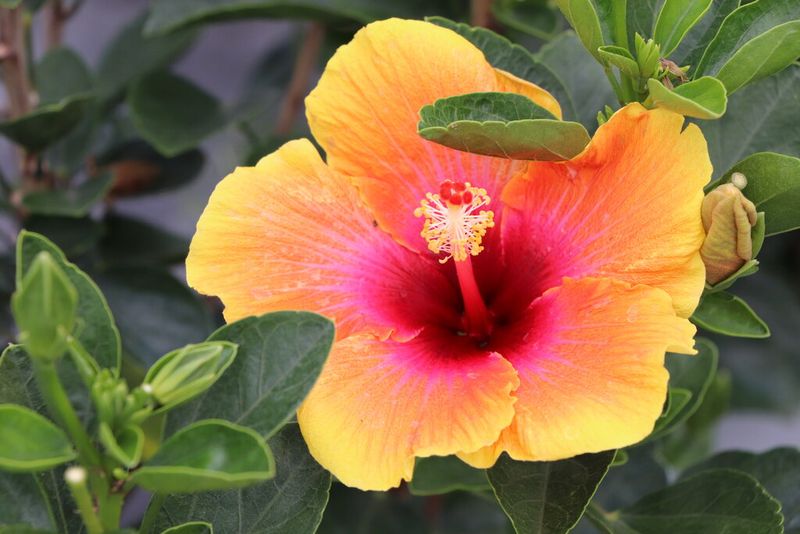
Nothing says Florida quite like a hibiscus in full bloom. The flowers are enormous, coming in shades of red, pink, yellow, orange, and white, and they open fresh every single morning like nature’s own daily gift to your front yard.
Tropical hibiscus grows fast and blooms heavily when given full sun and regular watering. It responds well to fertilizer during the growing season and can be shaped into a tidy shrub or small tree.
For a classic Florida look that never goes out of style, hibiscus is always the right call.
Podocarpus
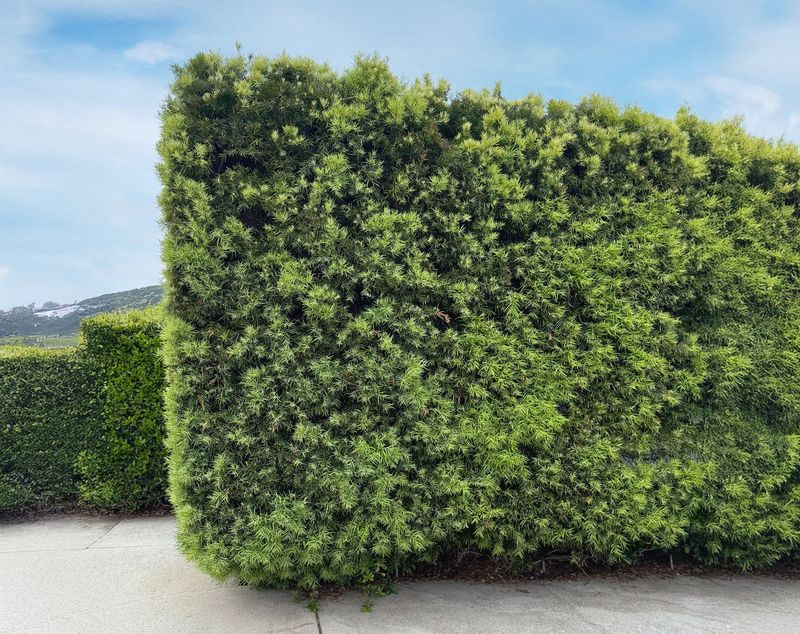
Podocarpus is the go-to plant for Florida homeowners who want a clean, formal look without constant trimming. It grows into a dense, upright hedge with fine-textured, dark green needlelike leaves that stay lush and attractive year-round in Florida’s climate.
Unlike many hedging plants, podocarpus tolerates both full sun and partial shade, giving you flexibility in where you plant it. It grows at a moderate pace, holds its shape well between trimmings, and handles drought once established.
Use it along fences, driveways, or foundations for a polished, professional landscape edge.
Clusia
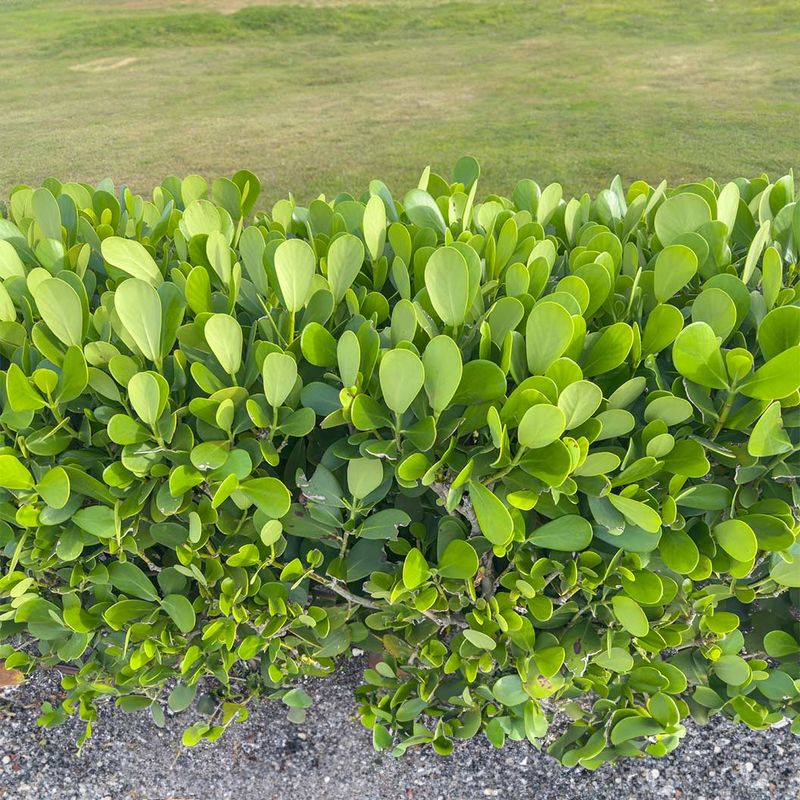
Clusia has earned a loyal following in Florida for one simple reason: it is nearly indestructible. Salt air, drought, poor soil, and intense heat are no match for this tough evergreen, which makes it a favorite for coastal and inland yards alike.
Its thick, waxy leaves form an incredibly dense hedge that provides both privacy and curb appeal at the same time. Clusia grows relatively fast and requires very little pruning to stay looking neat.
For homeowners who want a bold, sturdy hedge that handles Florida’s toughest conditions, clusia is the answer.
Dwarf yaupon holly
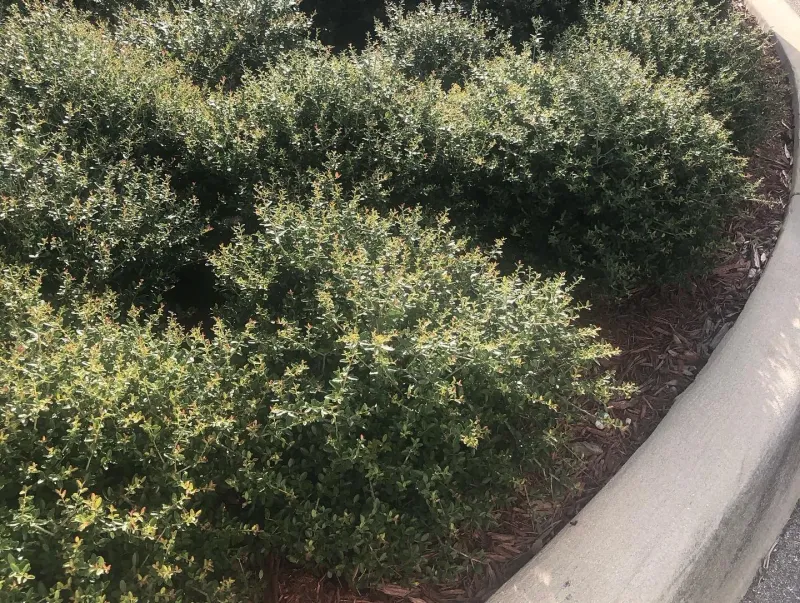
Compact, tidy, and nearly bulletproof, dwarf yaupon holly is one of the most reliable foundation plants in Florida landscaping. Its small, rounded form stays naturally neat without constant trimming, which is a huge bonus for anyone who does not want to spend weekends with the pruning shears.
It handles full sun, partial shade, drought, and even brief flooding without complaint. The dense, dark green foliage stays attractive all year, providing a clean, structured look that complements almost any home style.
Birds love the small berries that appear on female plants, adding a nice wildlife bonus.
Mexican heather
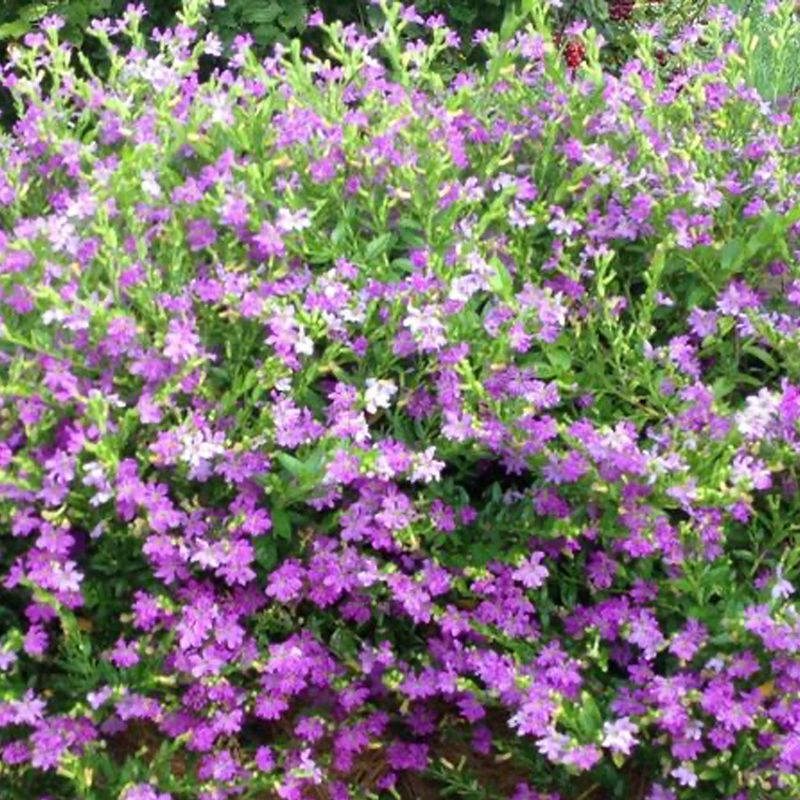
Mexican heather is one of those plants that looks delicate but acts tough. Tiny lavender or pink flowers cover the plant in a soft, feathery cloud of color that works beautifully as a border plant, container filler, or edging along walkways and driveways.
It thrives in Florida’s heat and blooms generously from spring all the way through fall. Mexican heather stays low and mounded, growing only about two feet tall, so it never blocks views or takes over a bed.
Butterflies adore it, and it keeps on blooming with almost no intervention from you.
Society garlic
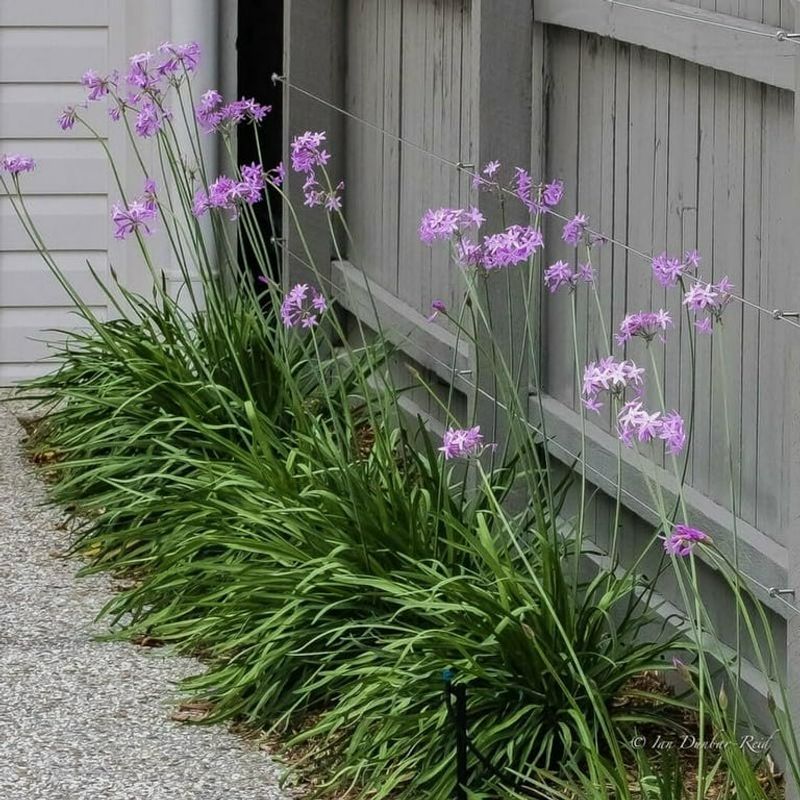
Despite its quirky name, society garlic is a genuinely elegant plant. Clusters of soft lavender, star-shaped flowers rise above neat, grassy clumps of foliage, giving borders and garden edges a refined, airy look that requires almost no upkeep whatsoever.
Crush a leaf and you will catch a faint garlic scent, which is said to help deter deer and other pests from snacking on nearby plants. Society garlic loves full sun and handles drought and poor soil with ease.
It blooms repeatedly throughout the warm months, rewarding you with continuous color for very little effort.
Enjoyed this story?
Add Fast Food Club as a preferred source to see more of our reporting on Google.