


Keeping a garden alive in Florida’s heat and humidity can feel like a full-time job, but it doesn’t have to be. Some plants are practically built for the Sunshine State, bouncing back from drought, poor soil, and even the occasional neglect.
Whether you’re a busy homeowner or just starting out with gardening, these tough-as-nails plants will make your yard look great without demanding much in return. Here are 20 Florida plants that just keep on growing, no matter what.
Coontie
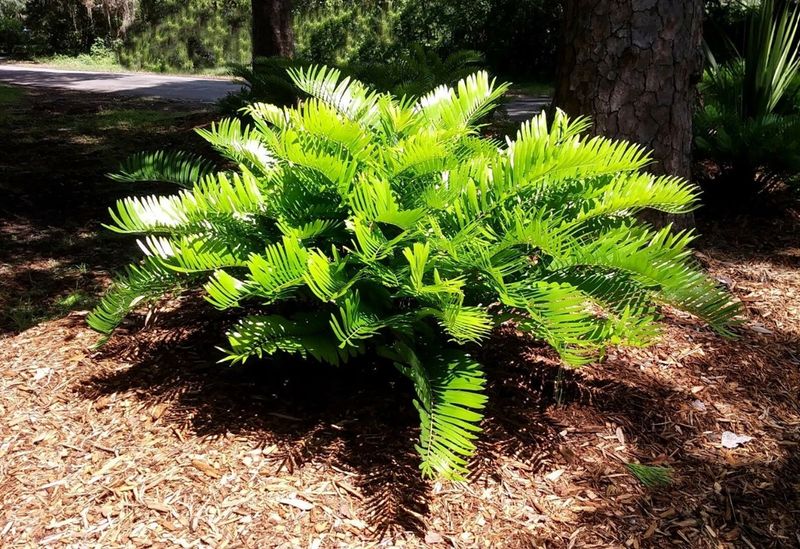
Ancient and almost indestructible, the coontie has been growing in Florida for thousands of years. Native to the state, it handles drought, shade, and sandy soil without complaint.
It’s also the only known host plant for the endangered atala butterfly, making it a garden hero on two fronts.
Plant it once and mostly forget it. Coontie grows slowly into a tidy, low mound that fits perfectly in front yards, borders, or even containers.
Muhly grass
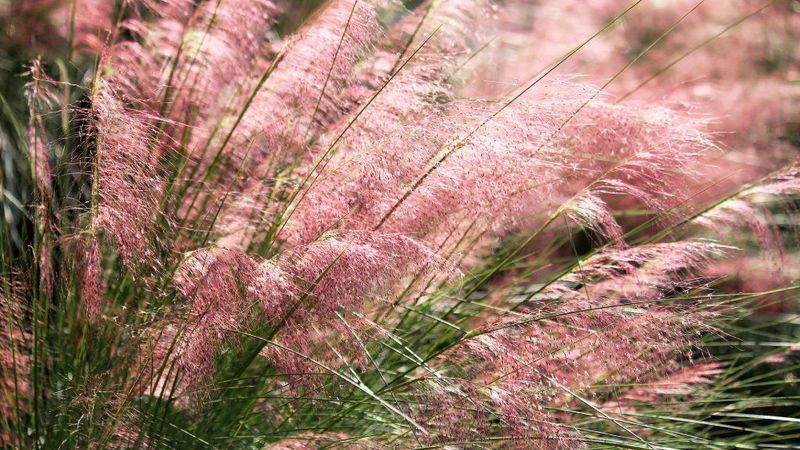
Every fall, muhly grass puts on a show that stops people in their tracks. Its cloud-like pink and purple plumes look almost magical floating in the breeze, and the best part is you barely have to do anything to get there.
This Florida native loves full sun and dry conditions. Once it’s established, it’s nearly impossible to kill.
Cut it back once a year and watch it explode with color again the following season.
Lantana
Lantana is the plant that laughs at a Florida summer. Blazing heat, dry spells, salty air — none of it slows this tough bloomer down.
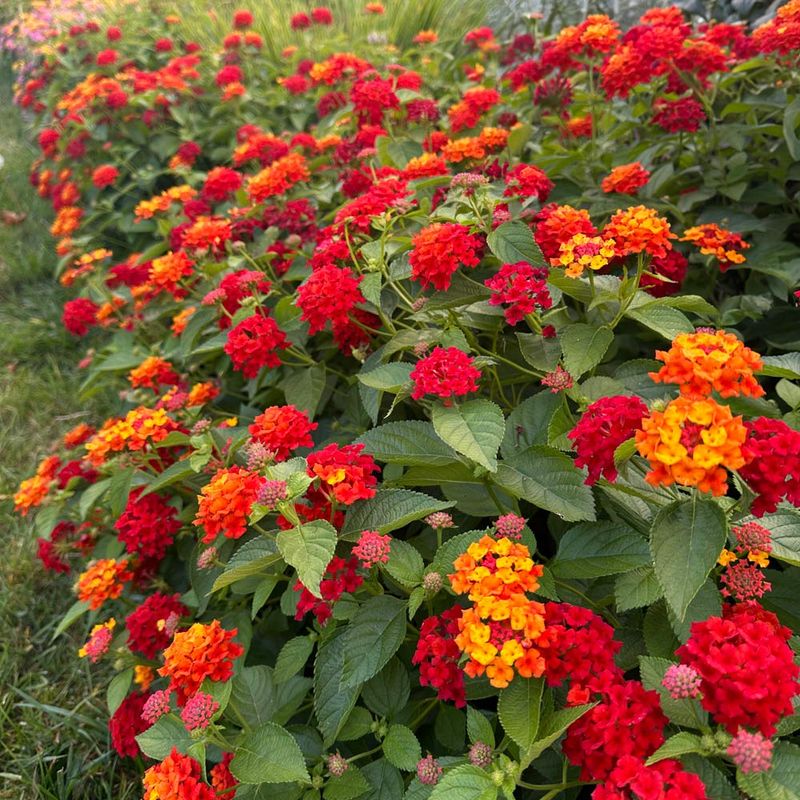
Its clusters of tiny flowers come in bold oranges, reds, yellows, and pinks that attract butterflies and hummingbirds like magnets.
It spreads quickly and fills in bare spots with ease. Just give it full sun and well-drained soil, and lantana will reward you with nonstop color from spring through fall.
Firebush
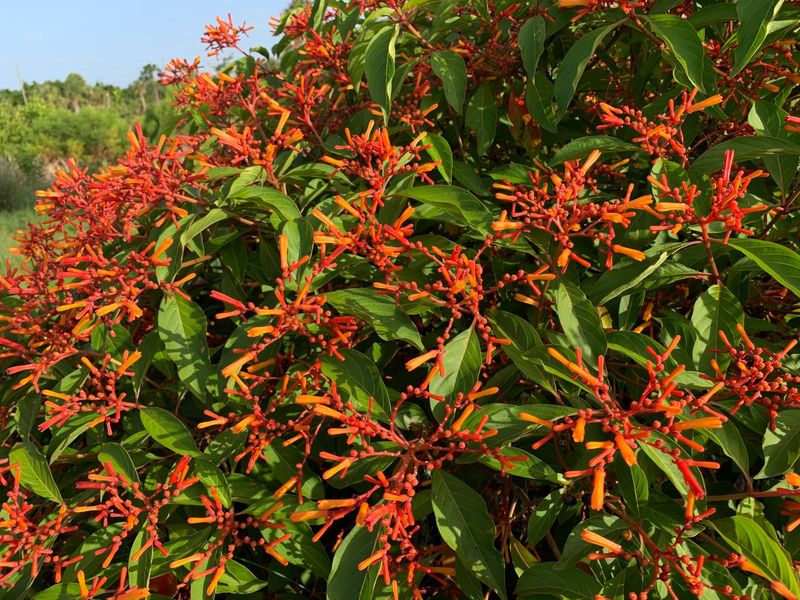
If your garden feels like it’s missing some fire, this shrub delivers exactly that. Firebush explodes with brilliant red and orange tubular flowers nearly year-round in South Florida, and for most of the warm months everywhere else in the state.
Hummingbirds and butterflies absolutely love it. It handles heat, humidity, and brief dry spells like a champ, and it can grow quite large if you let it — or stay compact with occasional trimming.
Blanket flower
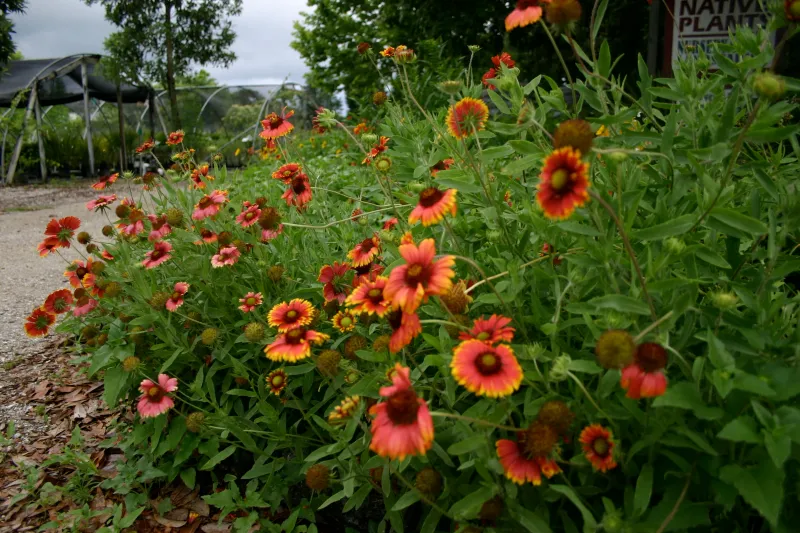
Named for the bold patterns on Native American blankets, the blanket flower brings serious color to any sunny Florida garden. Its daisy-like blooms in red, orange, and yellow keep coming back even through dry stretches and intense heat.
It actually prefers poor, sandy soil — which makes it perfect for Florida’s coastal areas and inland landscapes alike. Deadhead the spent blooms to encourage more flowers, but honestly, it blooms so freely that you can skip that step too.
Coreopsis
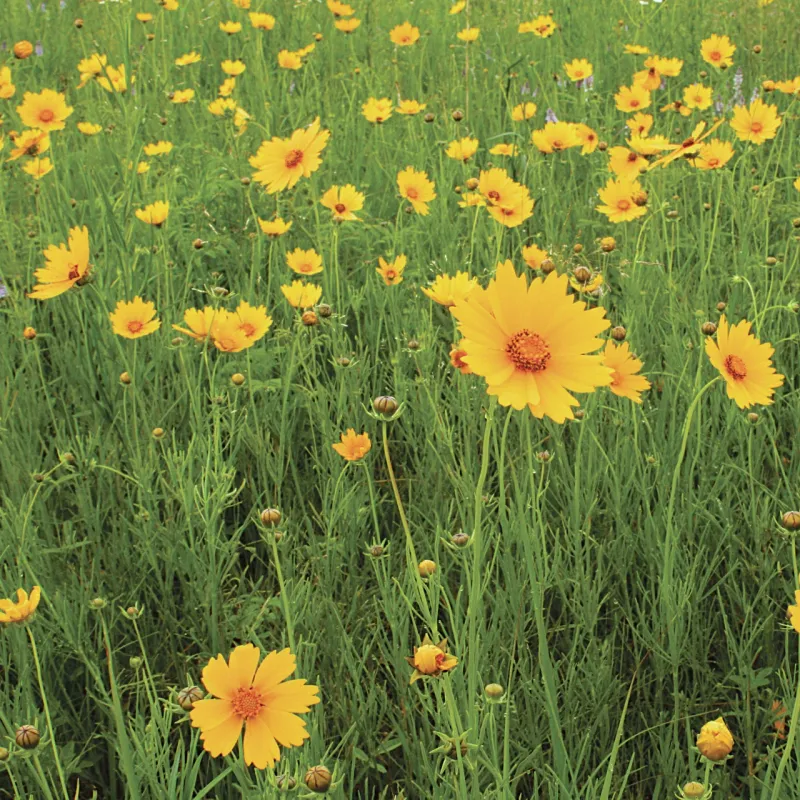
Florida actually named coreopsis its official state wildflower, and for good reason. Fields of these cheerful yellow blooms light up roadsides and gardens across the state every spring, asking for almost nothing in return.
Tickseed, as it’s sometimes called, thrives in full sun and sandy soil. It self-seeds freely, meaning it will quietly multiply and fill your garden space over time.
For low-effort, high-reward color, few plants beat coreopsis in a Florida yard.
Beach sunflower
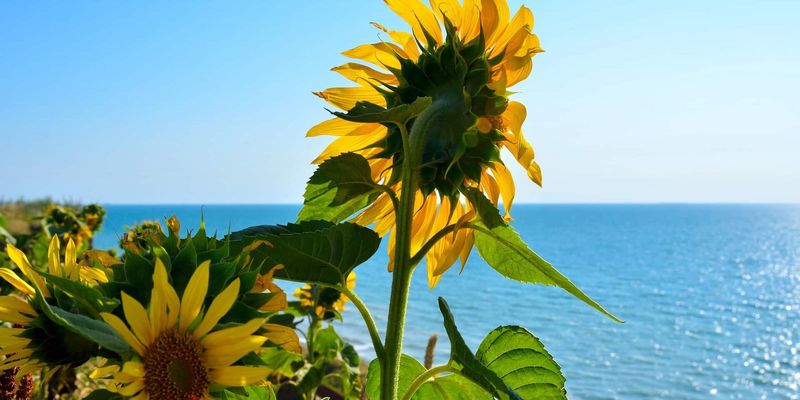
Tough enough to grow right on the beach, this cheerful ground cover handles salt spray, sandy soil, and blazing sun like it was born for it — because it was. Beach sunflower spreads quickly across the ground, smothering weeds and producing bright yellow flowers almost constantly.
It’s a go-to choice for slopes, open areas, and coastal yards where other plants give up. Minimal watering once established is all it needs to keep blooming through Florida’s hottest months.
Bulbine
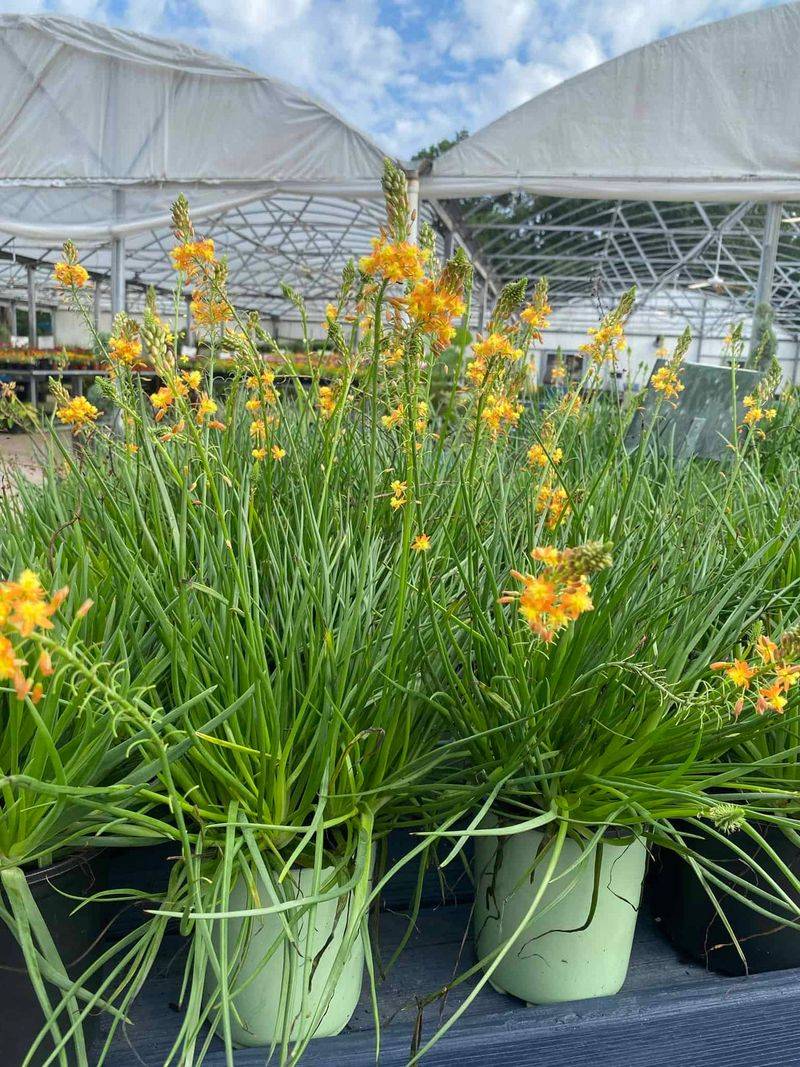
Originally from South Africa, bulbine found a second home in Florida and never looked back. Its fleshy, grass-like leaves store water, giving it impressive drought tolerance that fits right into Florida’s boom-and-bust rain cycles.
Clusters of small star-shaped flowers in orange and yellow bloom for months, attracting bees and adding cheerful color to dry, sunny spots. It’s a low-growing plant that works beautifully as a border or mass planting with virtually zero maintenance required.
Society garlic
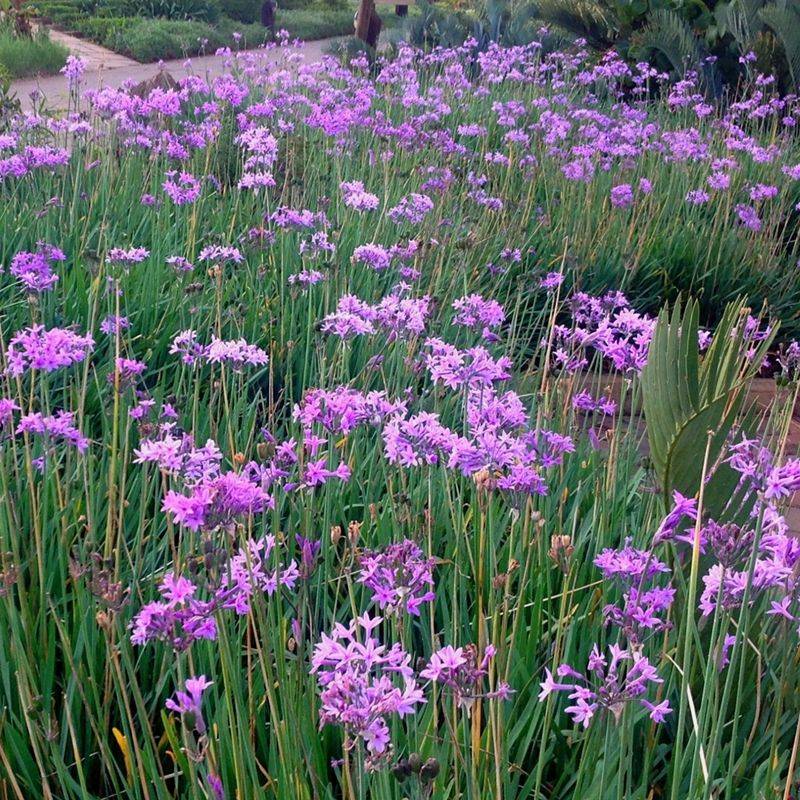
Don’t let the name fool you — society garlic isn’t grown for cooking, but it’s one of the most reliable flowering plants you can put in a Florida garden. Its lavender-purple blooms appear almost year-round in warmer parts of the state, and the plant barely needs any attention.
It handles drought, salt, and poor soil with ease. The leaves do carry a mild garlic scent when brushed, which actually helps keep some pests at a distance — a sneaky bonus.
Blue daze
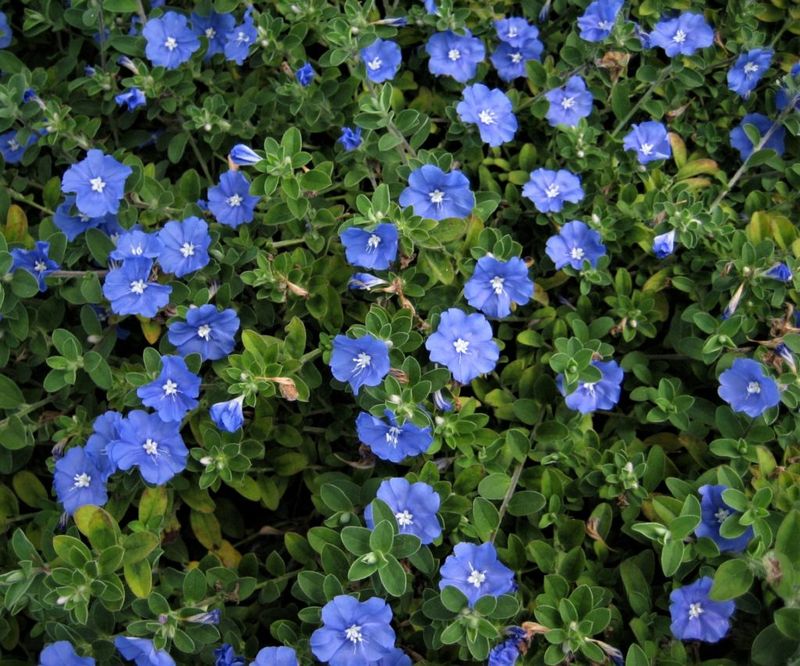
Sky-blue flowers might not be the first thing you picture in a Florida garden, but blue daze delivers that cool, calming color even through the hottest summers. The small blooms open each morning and close by evening, creating a daily show that feels almost magical.
It hugs the ground and spreads into a neat, weed-suppressing mat. Give it full sun and good drainage, and blue daze will reward you with months of color and almost no maintenance headaches.
Plumbago
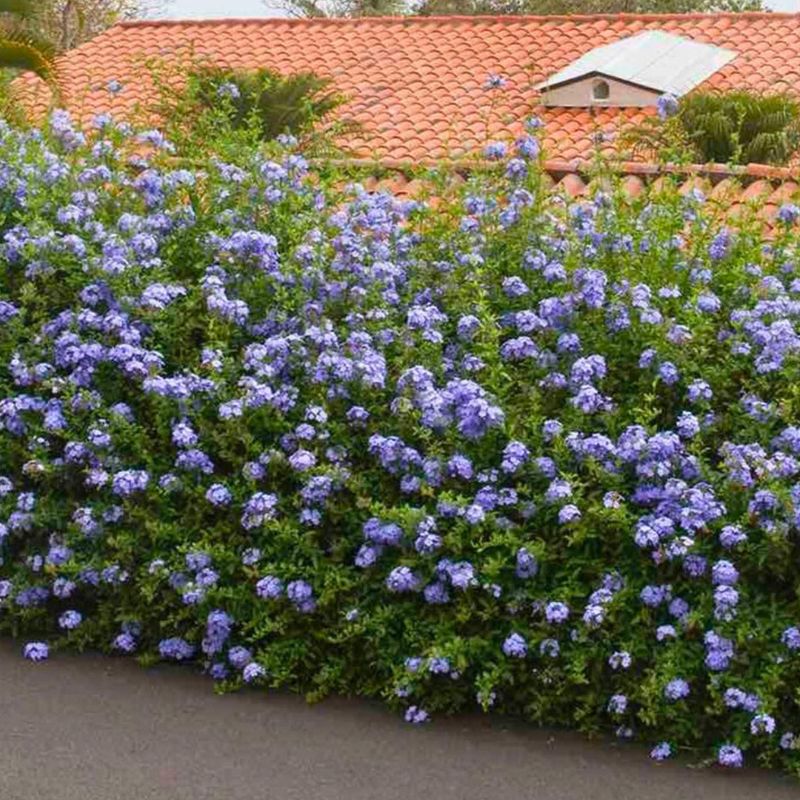
There’s something effortlessly charming about a plumbago hedge in full bloom. Clusters of powder-blue flowers cover this fast-growing shrub for most of the year, creating a soft, airy look that pairs beautifully with just about everything else in the garden.
It thrives in Florida’s heat and handles drought once it’s settled in. Plumbago grows vigorously and can get large, so an occasional trim keeps it tidy — though it will bloom happily even if you skip the pruning shears.
Cocoplum
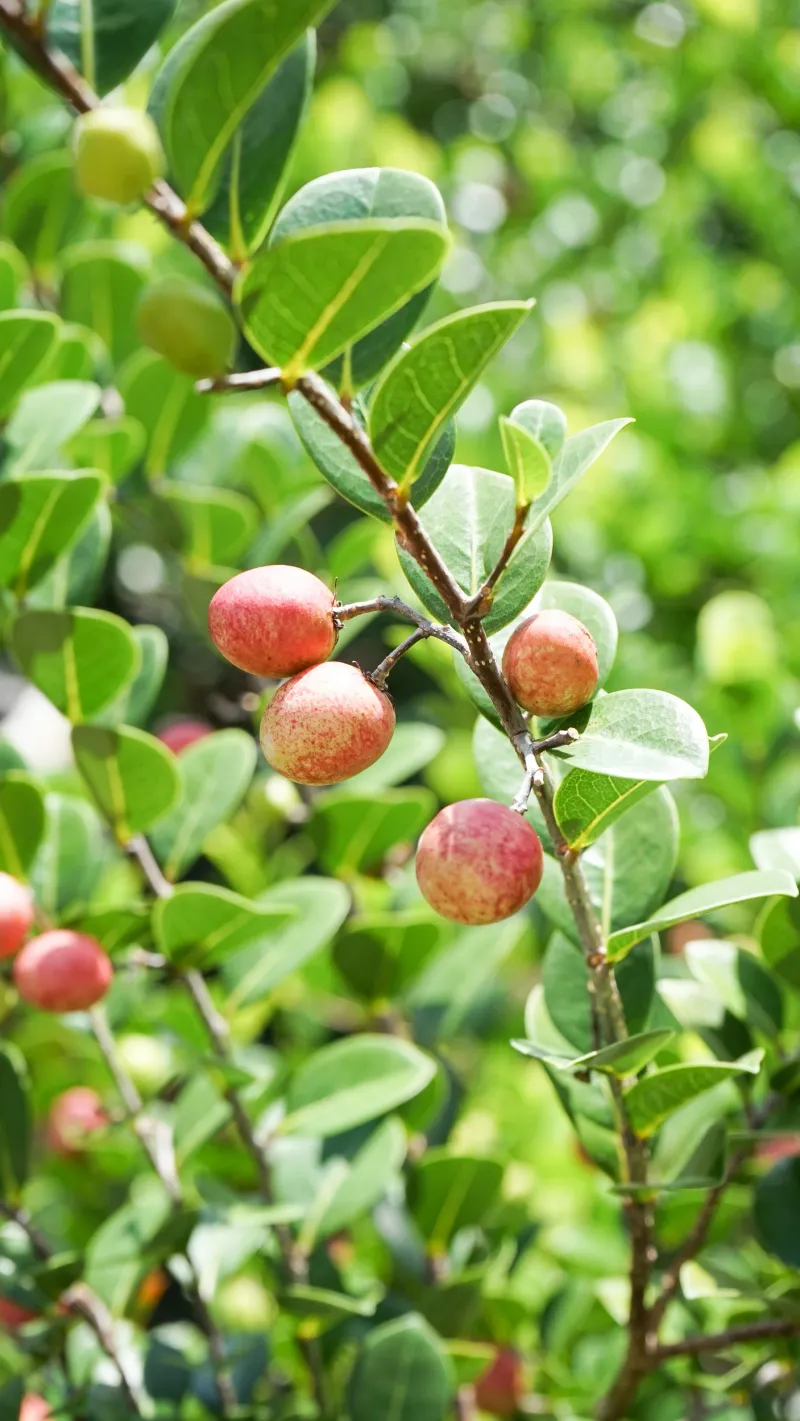
Cocoplum is one of those plants that quietly does everything right. It forms a dense, attractive hedge, handles salty coastal conditions, tolerates drought, and even produces small edible fruits that wildlife goes crazy for.
It’s basically a garden overachiever that never asks for recognition.
Native to South Florida, cocoplum thrives in full sun to partial shade. Once established, it needs very little water or fertilizer, making it a smart, sustainable choice for low-maintenance Florida landscapes of all sizes.
Simpson’s stopper
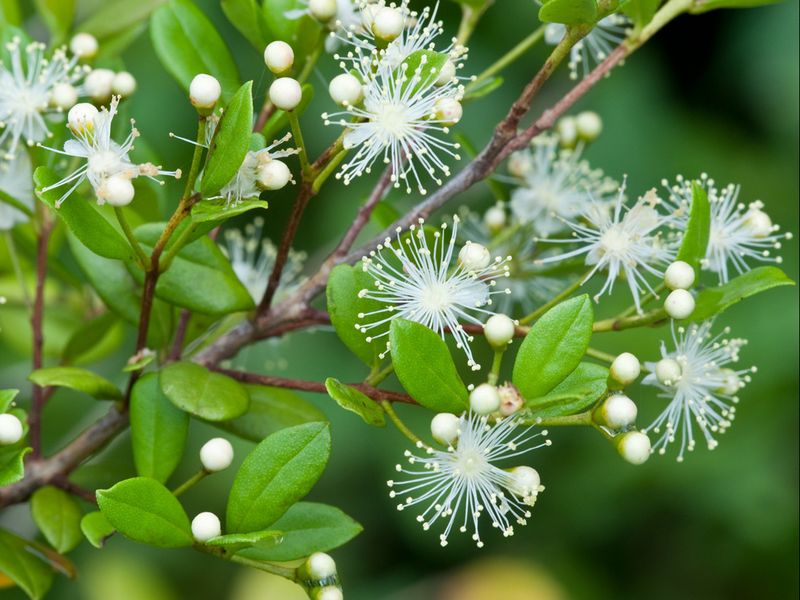
A Florida native with a quirky name and serious toughness, Simpson’s stopper earns its place in any low-maintenance landscape. Small clusters of white flowers appear throughout the year, followed by tiny red-orange berries that birds absolutely flock to.
It tolerates drought, salt air, and poor soil conditions without skipping a beat. Whether used as a privacy hedge, a specimen plant, or a wildlife-friendly border, this versatile shrub keeps performing even when the gardener takes a long break.
Wax myrtle
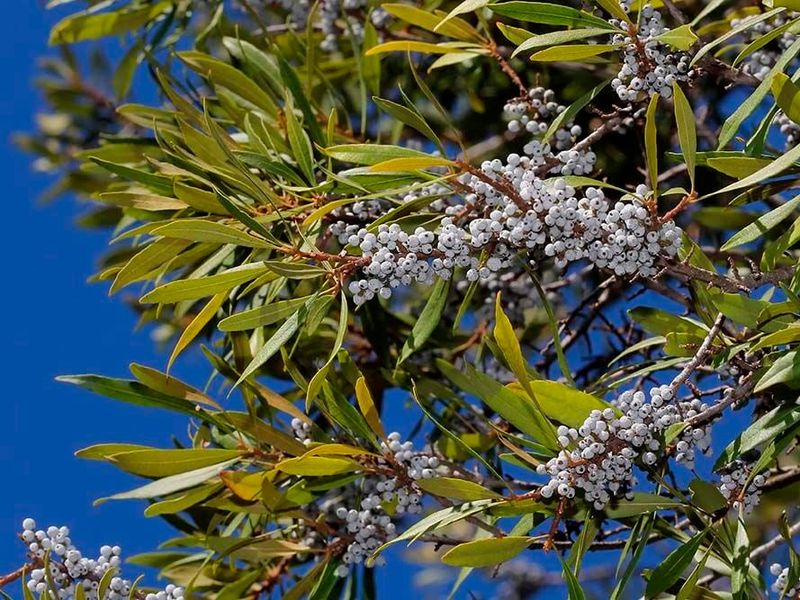
Fast-growing and fiercely adaptable, wax myrtle is one of the easiest native shrubs you can plant in Florida. It handles wet soils, dry spells, salt air, and full sun with the same calm confidence, making it useful across nearly every region of the state.
Its waxy gray-green berries attract dozens of bird species, turning your yard into a wildlife hotspot. Use it as a tall privacy screen or a naturalistic hedge — either way, wax myrtle handles the job with minimal fuss from you.
Saw palmetto
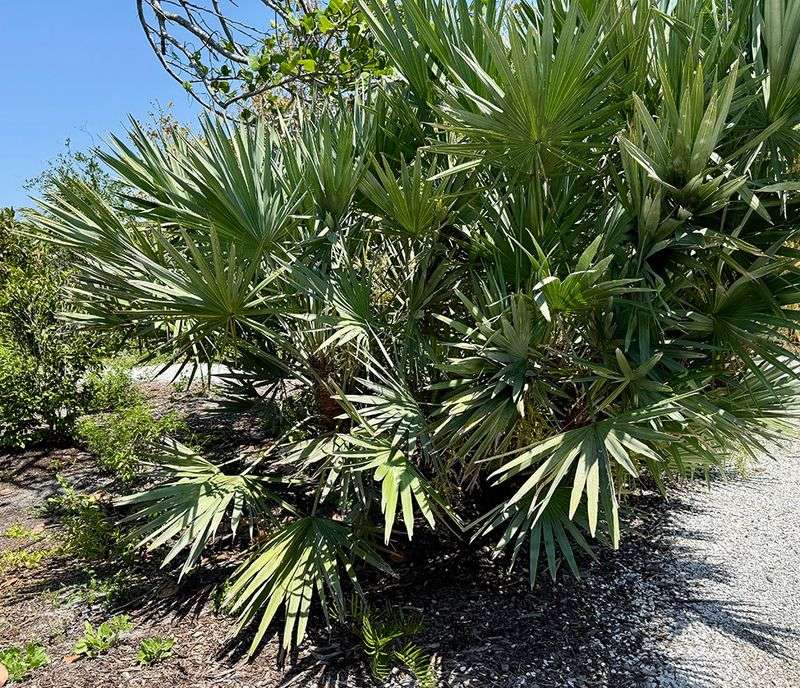
Few plants are more Floridian than the saw palmetto. This iconic native has covered the state’s landscape for millions of years, and it’s still going strong — largely because almost nothing can stop it.
It tolerates drought, fire, salt, and poor soil without flinching.
The serrated stems are where it gets its name, so handle with care during planting. Once it’s in the ground, though, saw palmetto essentially takes care of itself while providing shelter and food for Florida’s wildlife year-round.
Dwarf palmetto
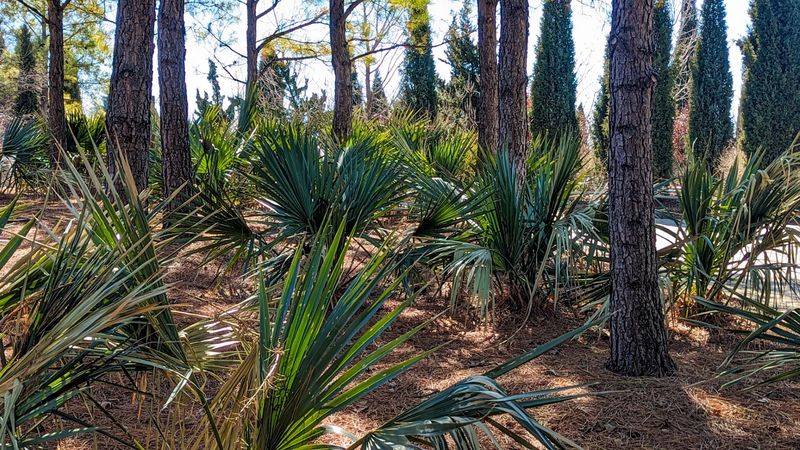
Unlike its taller cousins, the dwarf palmetto stays low and compact, making it a perfect fit for smaller yards or shaded spots under larger trees. It’s one of the most shade-tolerant palms you’ll find, which is a rare and valuable trait in Florida gardening.
Cold hardiness is another strong suit — it survives temperatures that would damage many other palms. Plant it, give it a little water to get started, and then step back.
Dwarf palmetto handles everything else on its own.
Agave
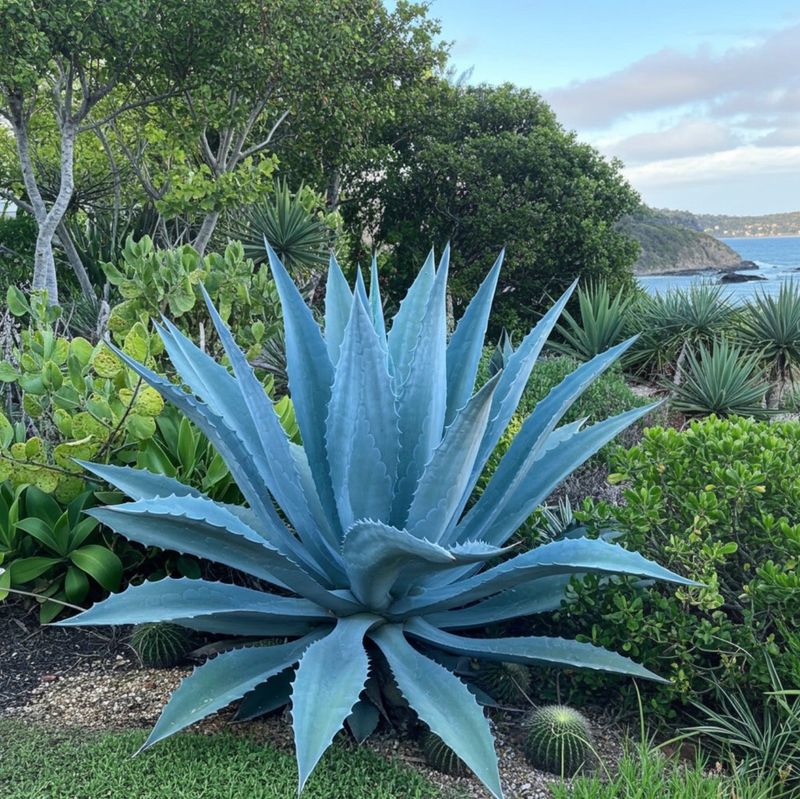
Bold, architectural, and almost aggressively self-sufficient, agave is the plant equivalent of someone who never asks for help. Its thick, water-storing leaves mean it can go weeks — even months — without rainfall and still look sharp and striking in the landscape.
Florida’s sandy, well-drained soils suit agave perfectly. It works beautifully as a focal point or a natural barrier thanks to its pointed leaf tips.
Just be mindful of placement near walkways, since those tips mean serious business.
Yucca
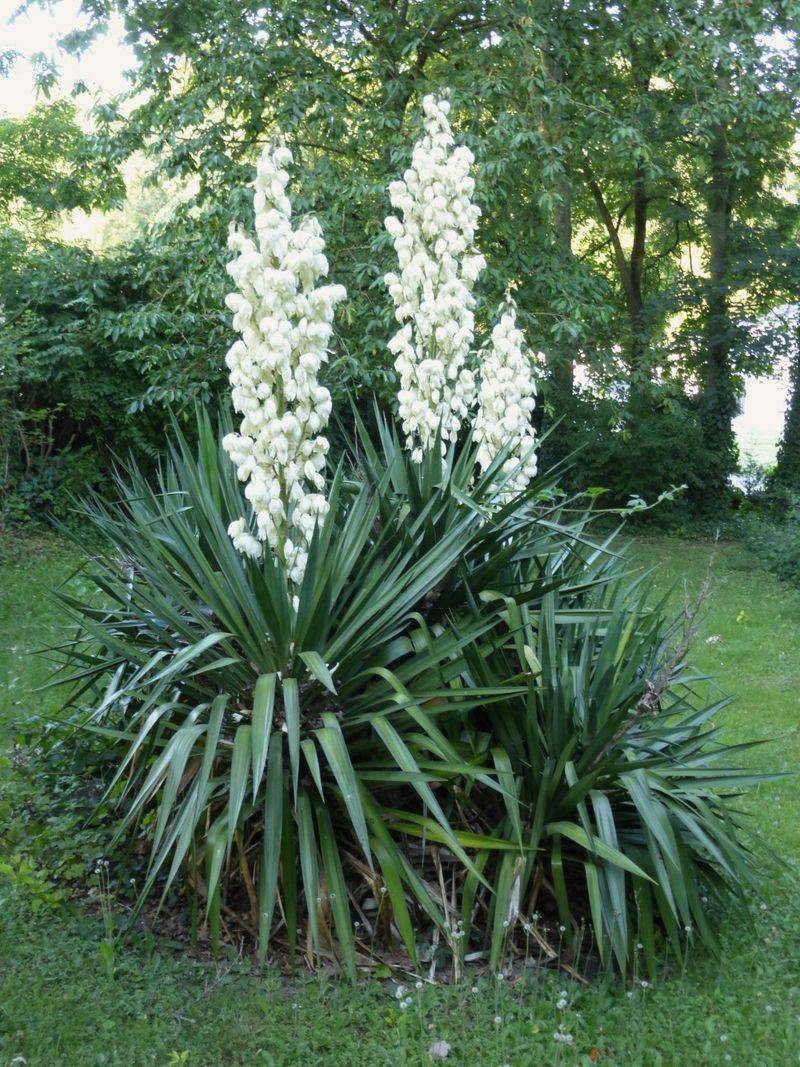
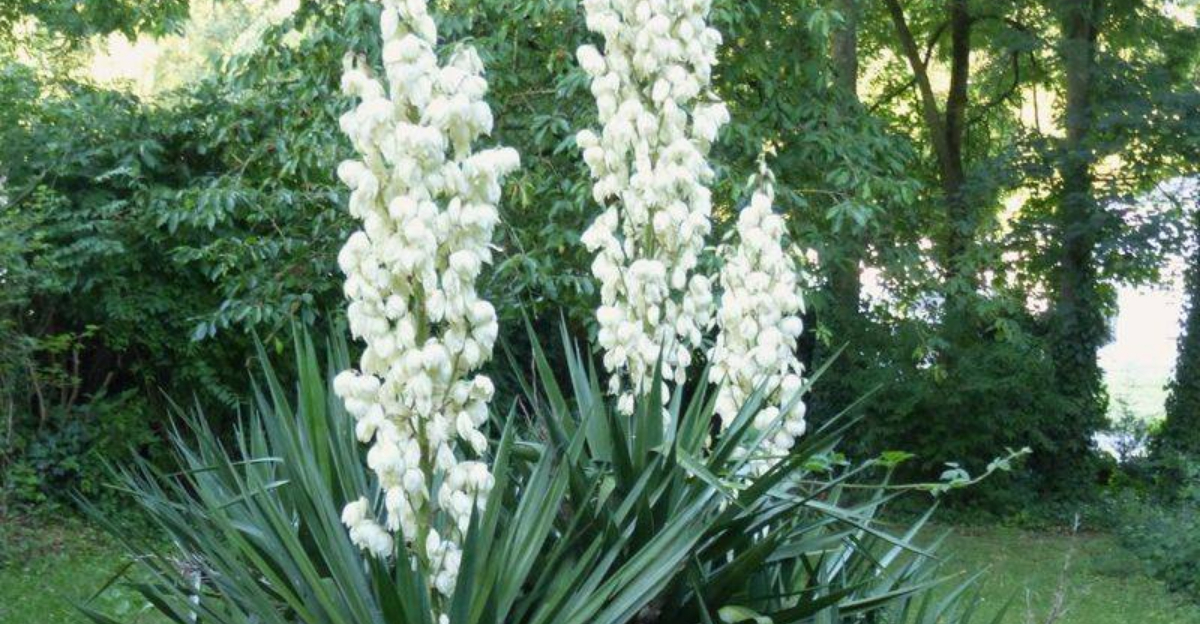
Yucca has a dramatic flair that most drought-tolerant plants can’t match. When it sends up its tall spike of creamy white bell-shaped flowers, the whole neighborhood notices.
And then it goes right back to quietly surviving in the heat without needing a thing from you.
It thrives in sandy soil and full sun, two things Florida has in abundance. Deer won’t touch it, pests mostly ignore it, and it handles dry spells like a pro — making yucca one of the ultimate set-it-and-forget-it plants.
Perennial peanut
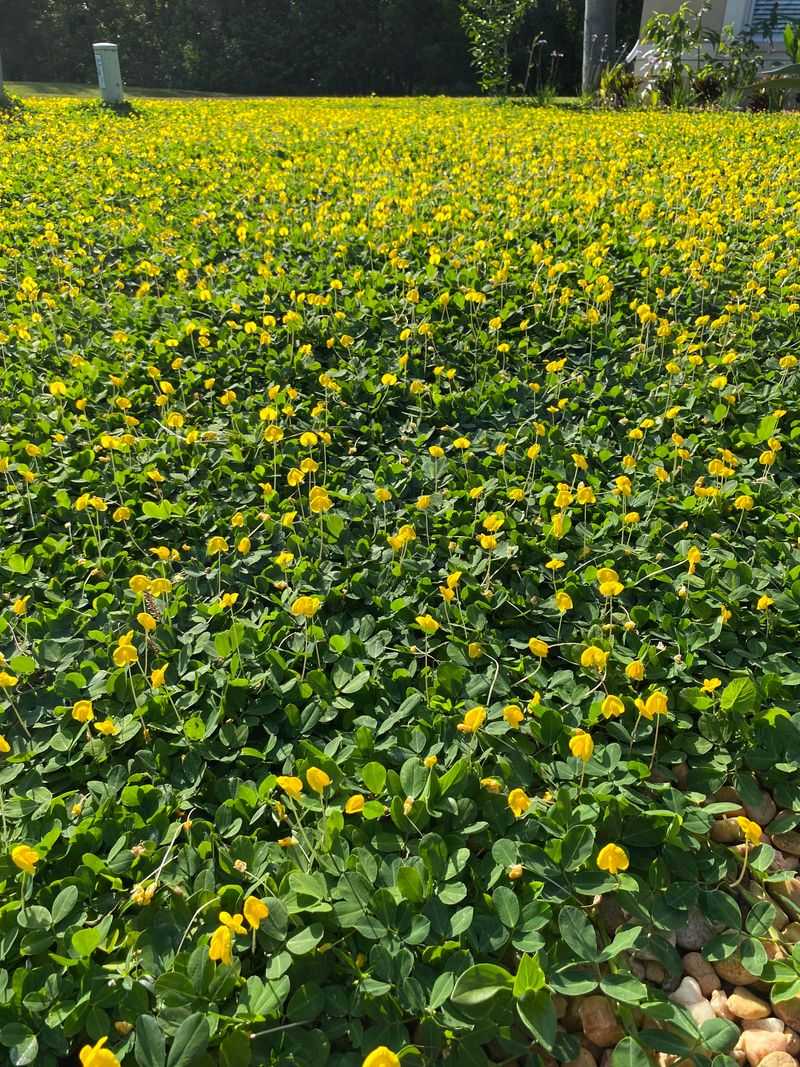
Forget struggling with grass in dry, sunny spots — perennial peanut makes a stunning ground cover that practically takes care of itself. Its cheerful little yellow flowers pop up throughout the growing season, and its dense mat crowds out weeds without any help from herbicides.
Originally from South America, it’s been widely adopted across Florida for good reason. It fixes nitrogen in the soil, meaning it actually improves the ground it grows in.
Mow it occasionally or let it spread freely — either way, it thrives.
Twinflower
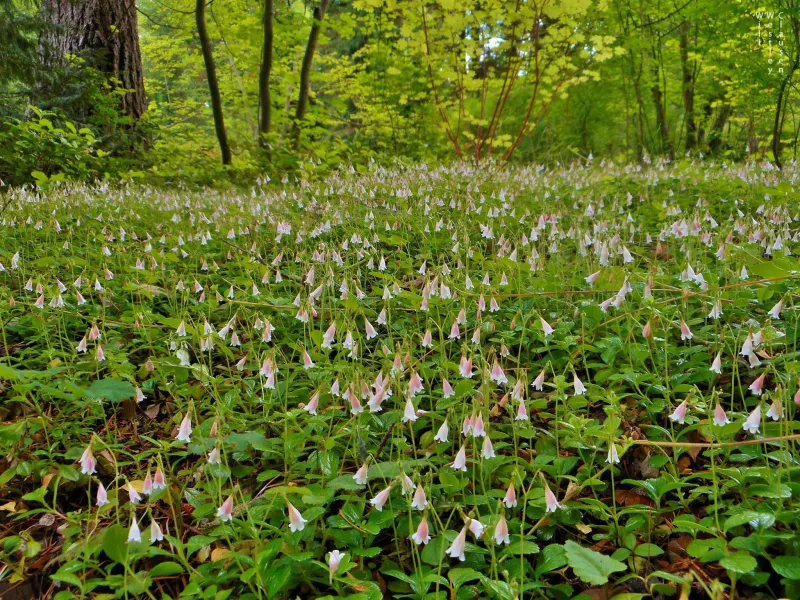
Twinflower might be one of Florida’s best-kept gardening secrets. This low-growing native ground cover spreads quietly through shady spots and moist areas, filling in bare patches under trees where grass refuses to grow.
Its delicate paired flowers add a sweet, subtle charm to the landscape.
It handles humidity and periodic flooding better than most plants, which makes it ideal for Florida’s rainy season. Once established in the right spot, twinflower spreads on its own and needs almost no intervention to look great.
Enjoyed this story?
Add Fast Food Club as a preferred source to see more of our reporting on Google.