


Ready to make your slow cooker do the heavy lifting while you enjoy stress free meals? These simple tips turn everyday ingredients into comforting dinners with hardly any fuss.
You will learn how to get richer flavor, better texture, and reliable timing without hovering. Let’s level up your set it and forget it game so dinner tastes like you worked all day, even when you did not.
Searing meat first
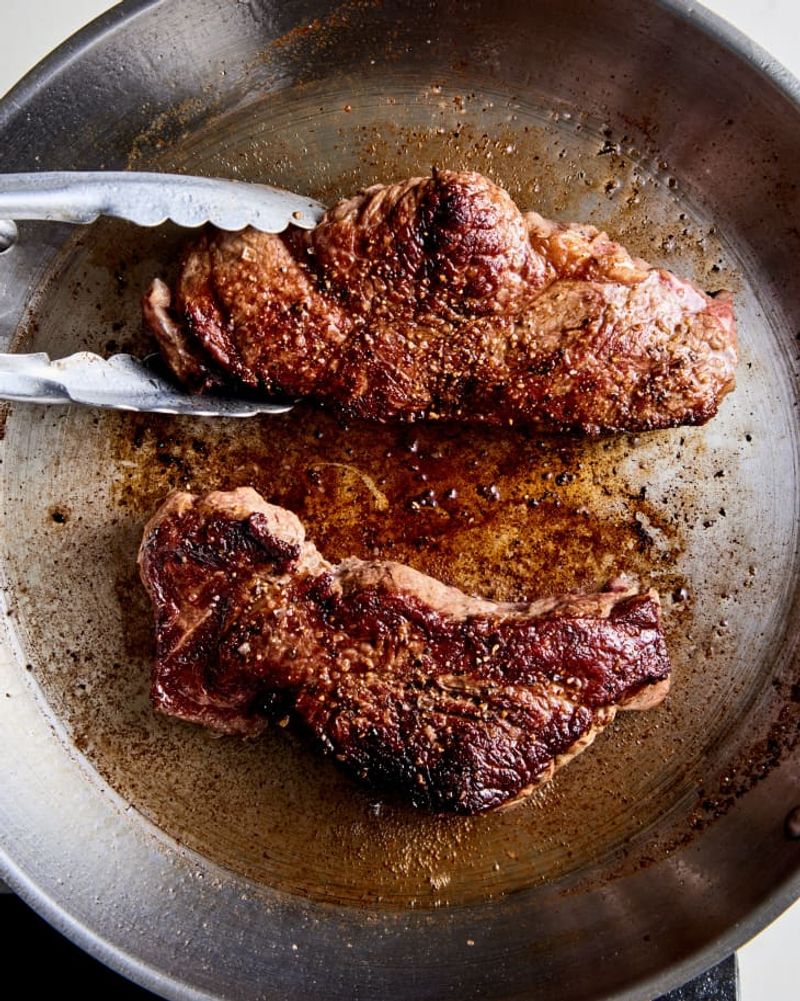
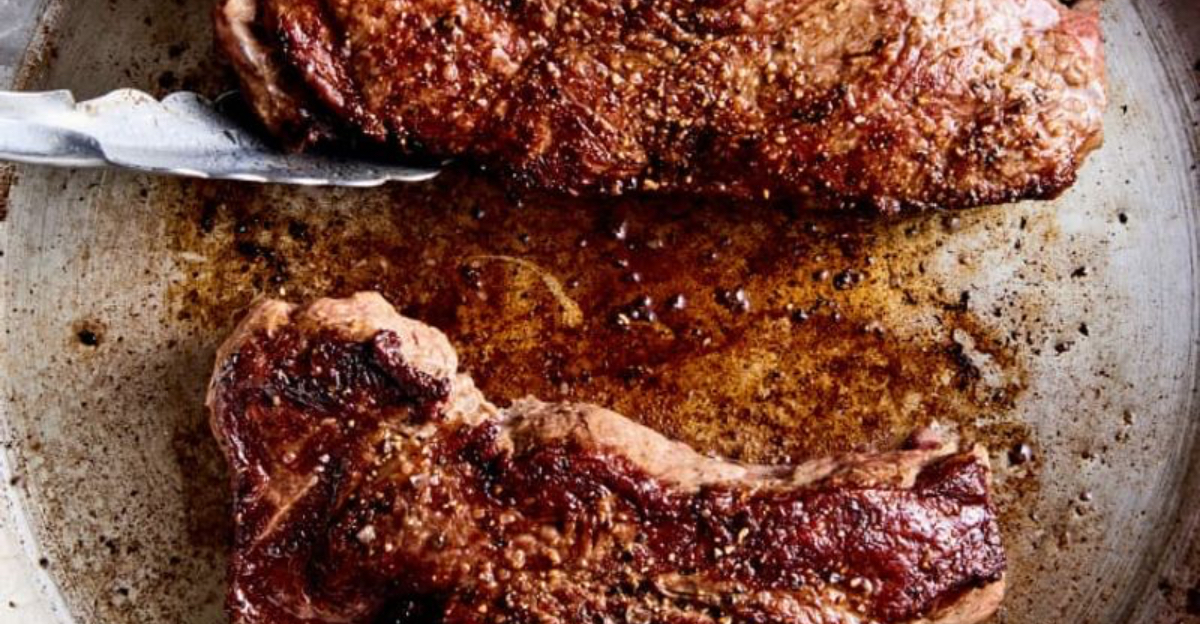
Sear meat before it goes into the slow cooker to build deep, savory flavor. High heat browning creates fond that melts into the sauce, giving you richness you cannot fake.
Pat pieces dry, season well, and brown in batches so you do not steam them.
Deglaze the pan with a splash of broth or wine, scraping every browned bit, then pour it all into the crock. You will notice thicker body and better color in the final dish.
It adds a few minutes, but the payoff tastes like hours of extra work. Your house will smell incredible, too.
Using less liquid
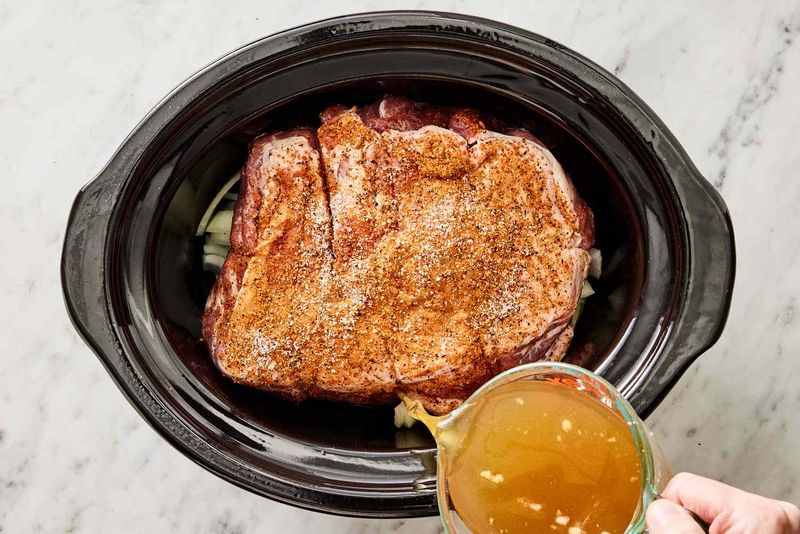
Slow cookers trap moisture, so you need less liquid than stovetop recipes. Start with about half the usual amount, just enough to come partway up the ingredients.
Too much broth can dilute flavor and prevent sauces from thickening properly. Leave headspace for bubbling.
If you are adapting a recipe, hold back and add more only at the end if needed. Vegetables and meat release juices as they cook.
Remember that simmering is gentle here, not boiling. You will end up with concentrated taste, velvety texture, and a sauce that clings instead of flooding your plate.
Adding dairy at the end
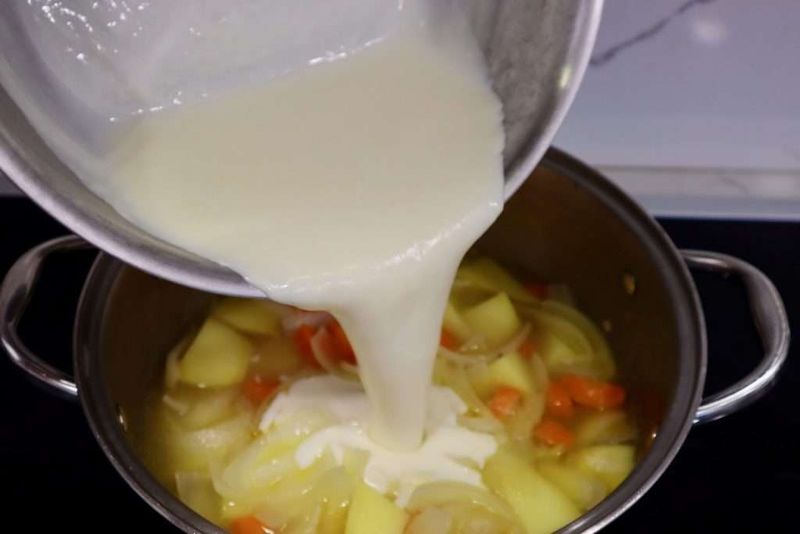
Dairy can curdle in long, slow heat, so add milk, cream, yogurt, or cheese near the end. Give the cooker time to finish tenderizing everything first.
Then stir in dairy on low, letting it warm gently until smooth and silky.
If a recipe needs extra body, use a little cornstarch slurry before adding cream. Temper yogurt with hot liquid to reduce shock.
Shredded cheese melts best in small handfuls. You will keep sauces glossy, not grainy, and your chowders will taste luxurious instead of split.
Sour cream especially prefers the final minutes. Whisk it in gradually.
Keeping the lid closed
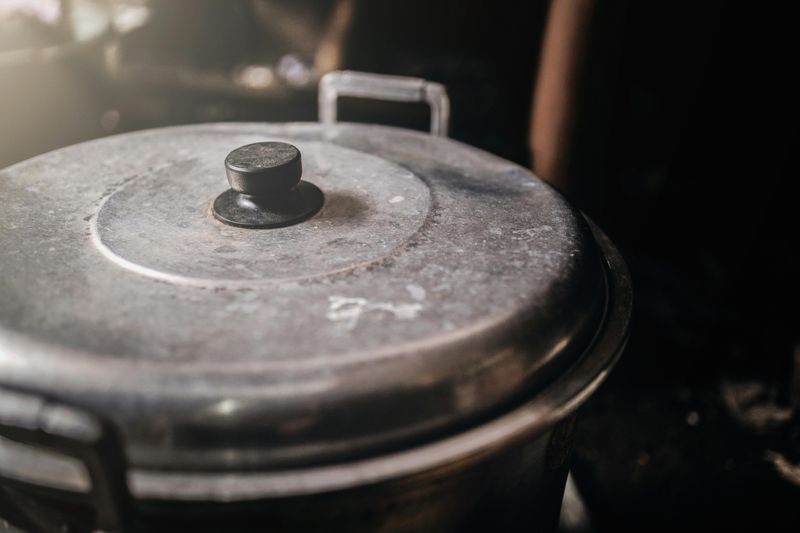
Every time you lift the lid, heat escapes and cook time stretches. Resist the urge to peek unless a recipe specifically calls for it.
Condensation on the glass is normal and actually helps baste the food.
If you must check, do it quickly and only after the minimum cook window. Use the smell test and timing instead of constant looks.
A stable temperature keeps collagen melting and vegetables tender. You will eat sooner, with juicier results, and you will not risk unsafe temperatures in the middle of the pot.
Trust the process today. Your patience pays off.
Cutting vegetables evenly
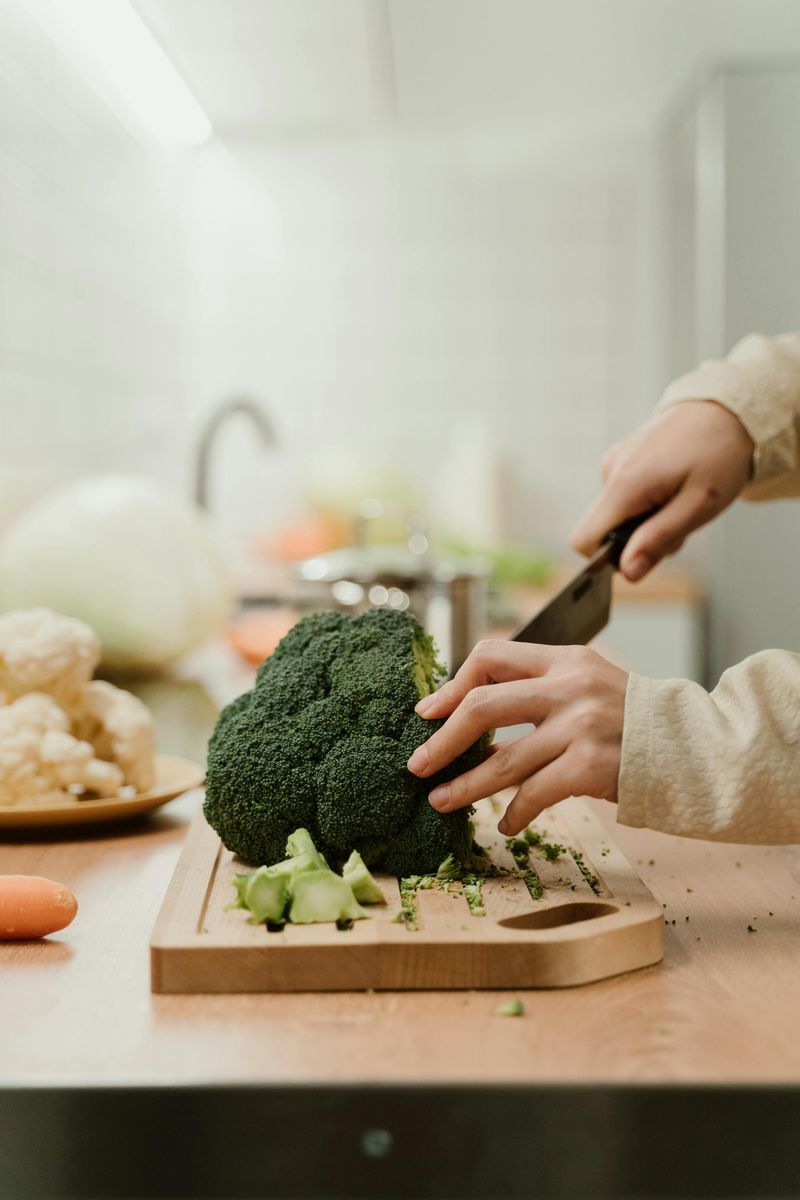
Evenly cut vegetables cook at the same rate, so your carrots are not crunchy while your zucchini turns to mush. Aim for consistent chunks, about bite size for most stews.
Use a sharp knife and a quick measuring eyeball.
Hard roots can be slightly smaller than softer veg to meet in the middle. Keep thin slices away from the hottest spots.
Uniformity makes seasoning distribute better, too. You will taste balance in every spoonful, and you will stop fishing for that one underdone piece while everything else is perfect.
Prep boards help measure. Consider a simple ruler.
Using fresh herbs last
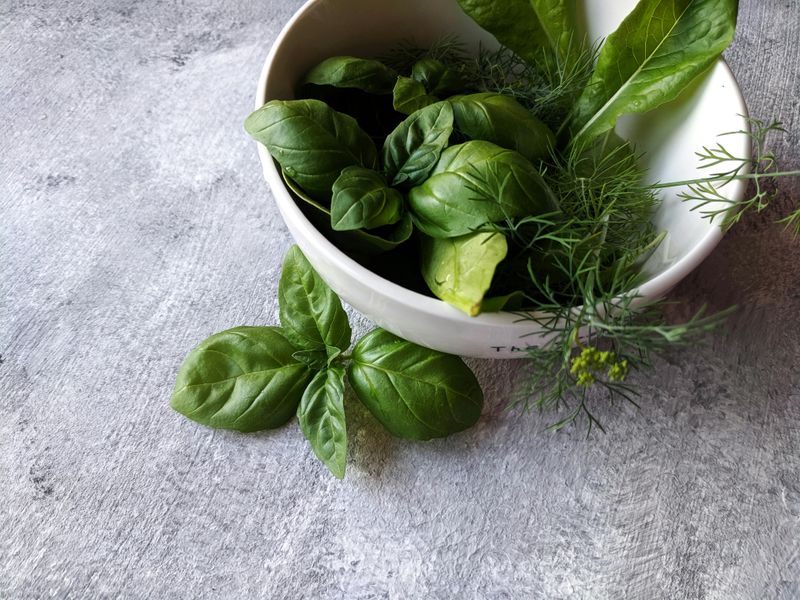
Fresh herbs fade with long cooking, so save them for the final stretch. Add basil, parsley, cilantro, or dill right before serving to keep flavors bright.
Chop them just before using and fold them in gently.
If you want herb flavor during cooking, use a small amount of dried early and finish with fresh. Reserve a little for garnish to wake up each bowl.
Warm oil can bloom delicate herbs off heat. You will taste freshness on top of comfort, and your family will ask what secret made tonight’s dinner pop.
A squeeze of lemon helps.
Choosing tougher cuts of meat
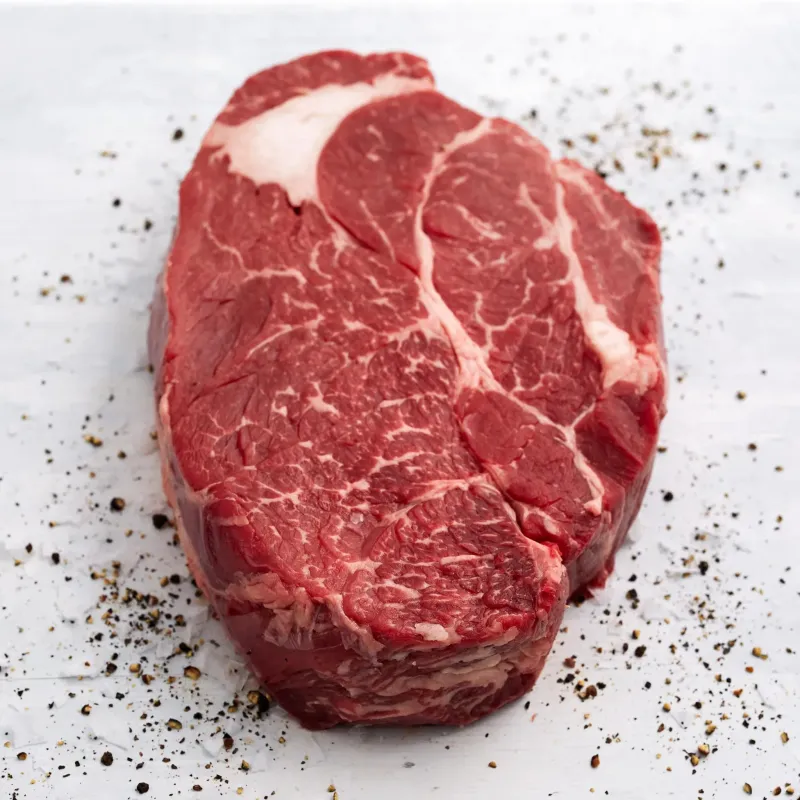
Tougher cuts shine in a slow cooker because time and moisture break down collagen into gelatin. Choose chuck roast, pork shoulder, short ribs, or chicken thighs for succulent results.
These cuts cost less and reward patience.
Trim excess surface fat but leave marbling for flavor. Brown first if you can, then cook low and slow until a fork slides in easily.
Shred or slice across the grain. You will get rich, sticky sauces and tender bites that feel indulgent without fancy techniques, perfect for weeknights and leftovers that taste even better tomorrow.
Your budget will thank you.
Layering ingredients properly
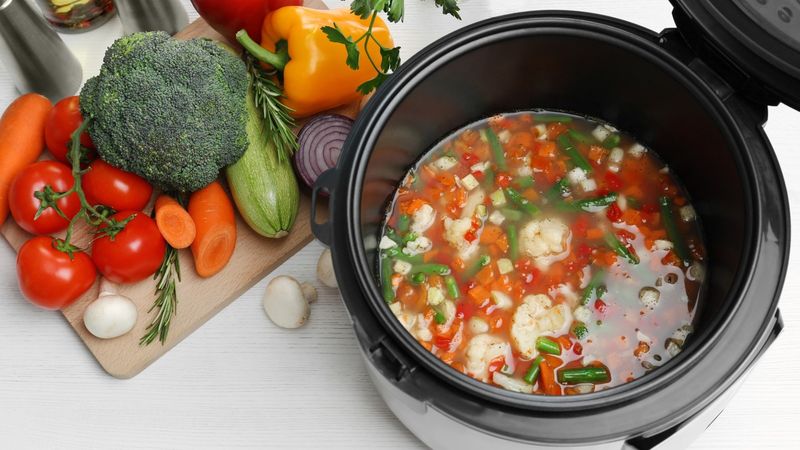
Think about how heat travels when you load the crock. Dense items like potatoes and carrots belong on the bottom near the heat source, while tender vegetables and proteins can sit higher.
This simple layering prevents mushy greens and underdone roots in the same meal.
Place aromatics like onions and garlic midway so their flavors circulate. Keep spices off the direct bottom to avoid scorching.
When you add sauces, pour around the sides rather than straight over herbs. You will get even cooking, brighter texture, and fewer surprises when you lift the lid at dinnertime.
Preheating the cooker
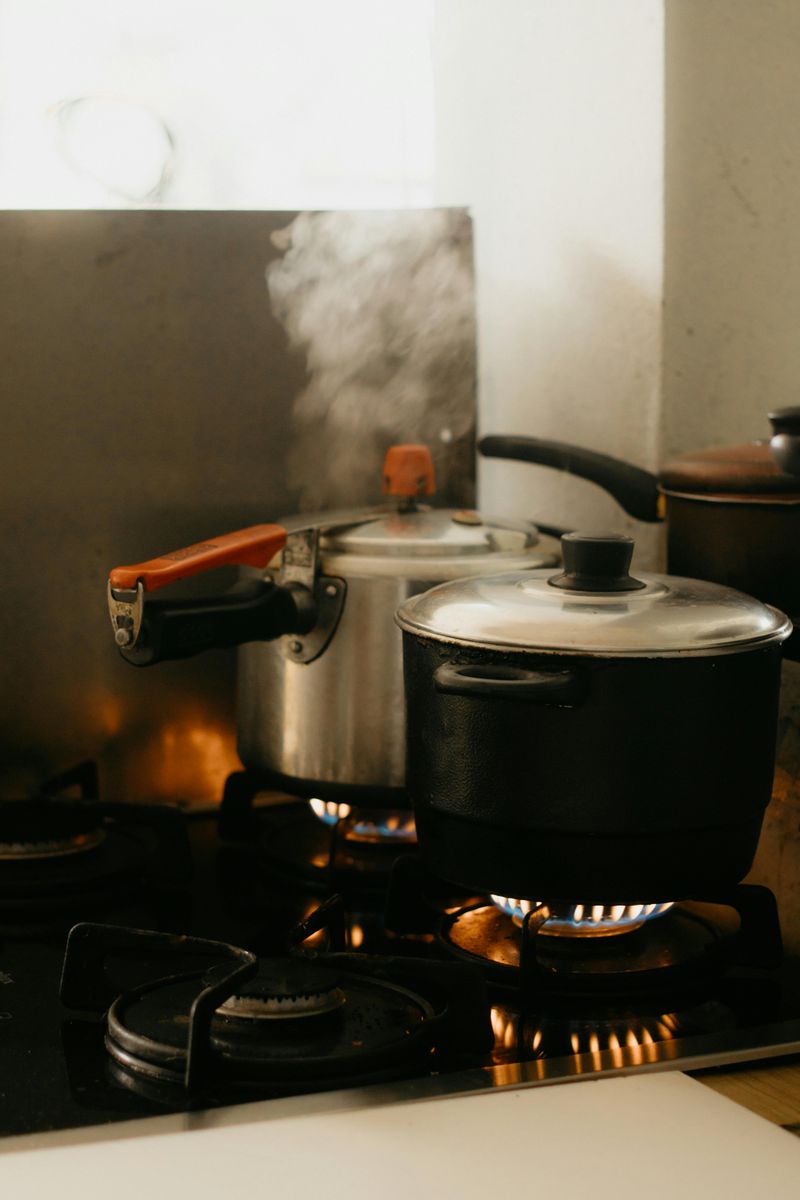
Preheating your slow cooker jump starts the cooking process and reduces the time food spends in the danger zone. Turn it on while you prep ingredients, or fill it with hot water for ten minutes.
Empty, then load and start cooking.
This is especially helpful for dairy free soups, chicken, and small batches. Hot ceramic keeps a stable simmer from the start.
You will see better texture on vegetables and faster gelatin extraction from roasts. It is a tiny step that protects food safety and delivers dinner on time without frantic last minute adjustments.
Your future self approves.
Using liners for easy cleanup
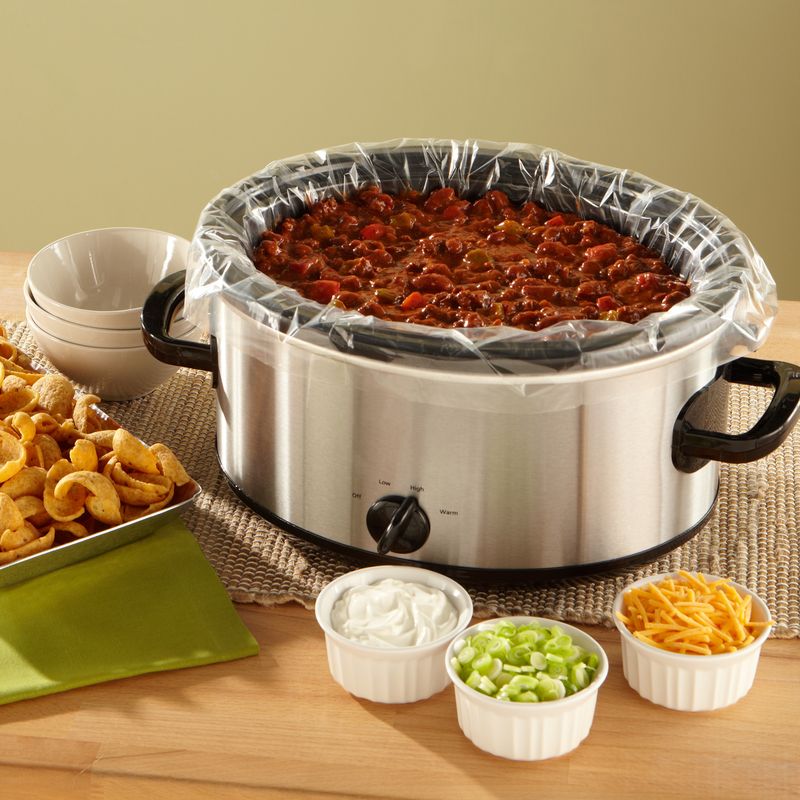
Disposable slow cooker liners save scrubbing on hectic nights. Slip one into the crock before adding ingredients, then lift it out after serving.
Grease and stuck bits come out with it.
Choose BPA free options sized for your model, and still spray lightly to prevent tearing. Avoid sharp bones or metal utensils that could puncture.
If you prefer reusable solutions, a silicone insert works well. You will reclaim time after dinner and keep your sink clear, letting you relax with dessert instead of soaking a heavy pot for hours.
Cleanup becomes nearly effortless. Travel potlucks get simpler.
Thickening sauces at the end
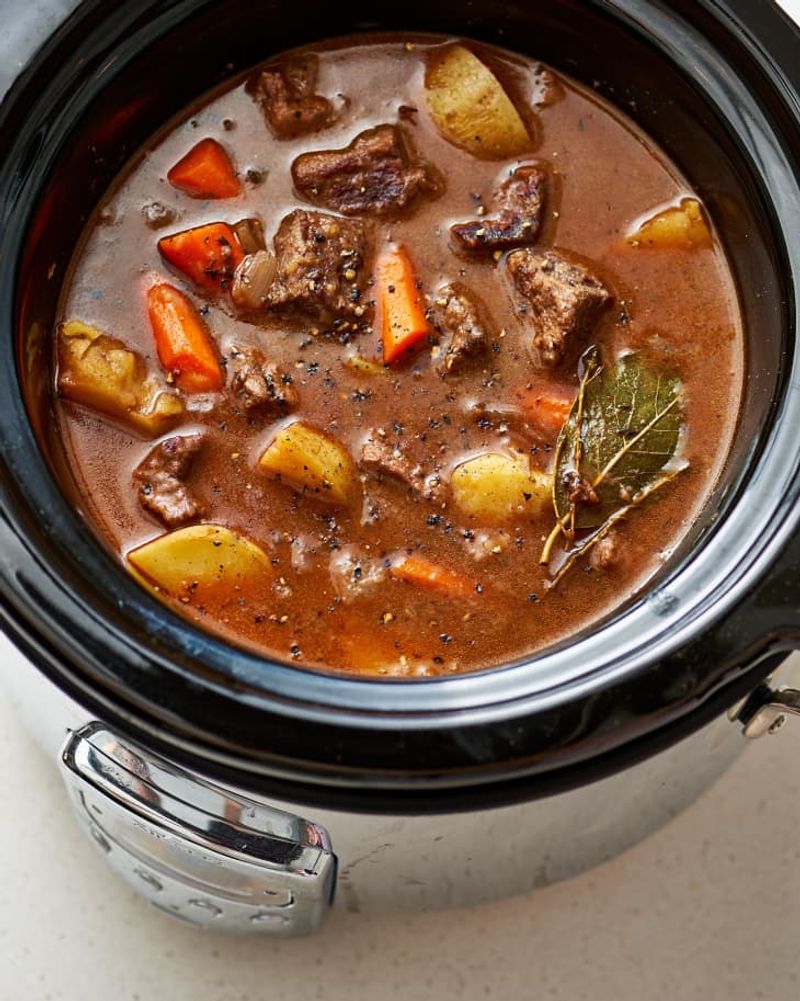
Slow cookers do not reduce liquids much, so thicken at the end for perfect consistency. Use a cornstarch slurry, arrowroot, or a beurre manié for shine and body.
Turn to high and simmer uncovered until it coats a spoon.
Pureeing some vegetables into the sauce is another natural option. If flavors seem muted, add a pinch of salt after thickening.
Stir gently so shredded meat stays in satisfying pieces. You will serve glossy stews and gravies that hug noodles or rice, without gummy textures, and you will control thickness instead of guessing hours earlier.
Finish with a knob of butter.
Adding delicate vegetables later
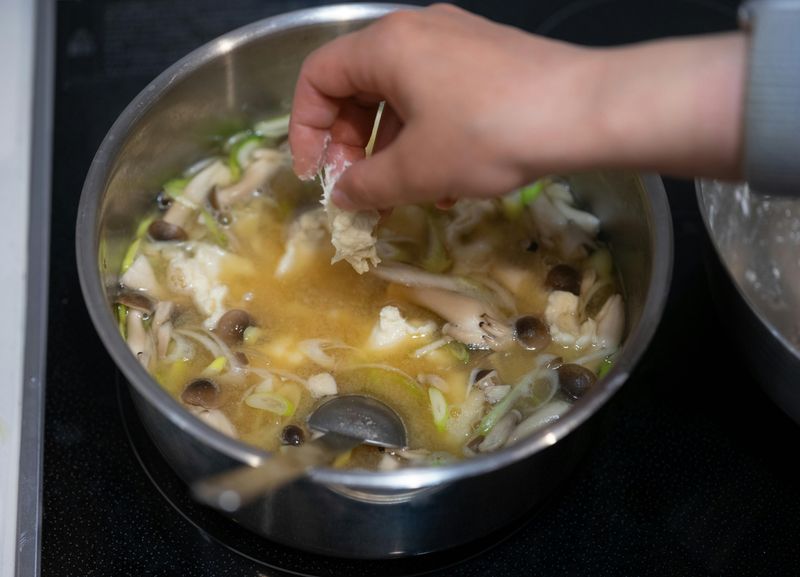
Delicate vegetables like peas, spinach, zucchini, and asparagus cook quickly and can turn limp if added too early. Stir them in during the last 15 to 30 minutes.
The carryover heat finishes the job without wrecking color or bite.
If you are away, park them in the fridge and add when you return. Frozen peas go straight from bag to pot.
Taste, season, and cover briefly. You will protect texture, keep vitamins, and make the dish look vibrant, which matters because we eat with our eyes before the first spoonful reaches your mouth.
Your greens stay cheerful.
Balancing seasoning
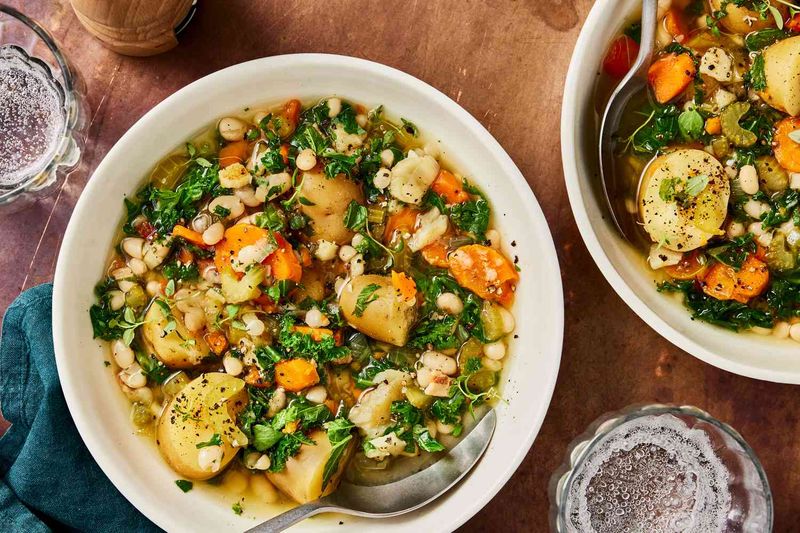
Seasoning shifts during long cooks, so taste and adjust at the end. Salt early to help proteins retain moisture, but plan to fine tune later.
Spices like paprika, cumin, and chili mellow over hours.
To balance, add a pinch of salt, a touch of sweetness, or a splash of acid until flavors pop. Fresh herbs and black pepper near serving add lift.
If it is too salty, add unsalted broth or a starch. You will land on a rounded, restaurant worthy finish that keeps you going back for one more spoonful.
Warm dishes mute edges.
Using broth instead of water
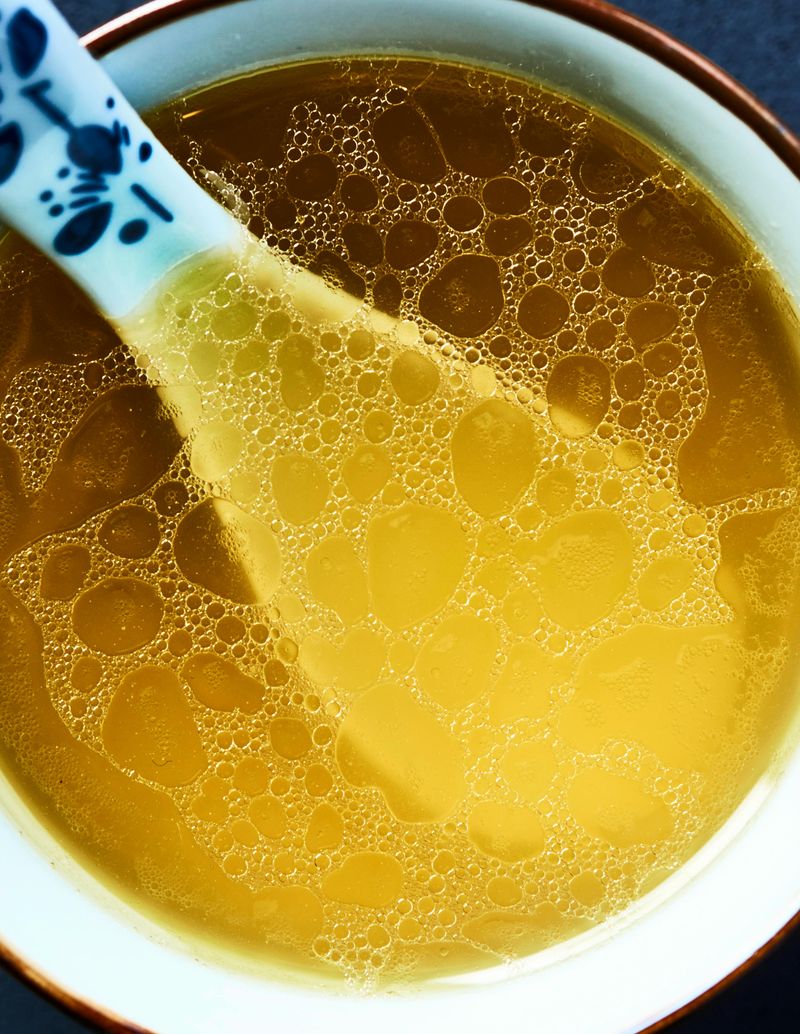
Swapping broth for water instantly boosts flavor without extra work. Use low sodium chicken, beef, or vegetable broth to control salt.
Even a partial swap makes soups, grains, and braises taste fuller.
If you make your own stock, freeze it in one cup portions for grab and go convenience. Deglaze browned bits with broth for a foundation that sings.
Keep a shelf stable carton in the pantry for busy days. You will taste depth in every bite and wonder why water ever made the cut for your favorite slow cooker recipes.
Your spoon will notice.
Letting meat rest after cooking
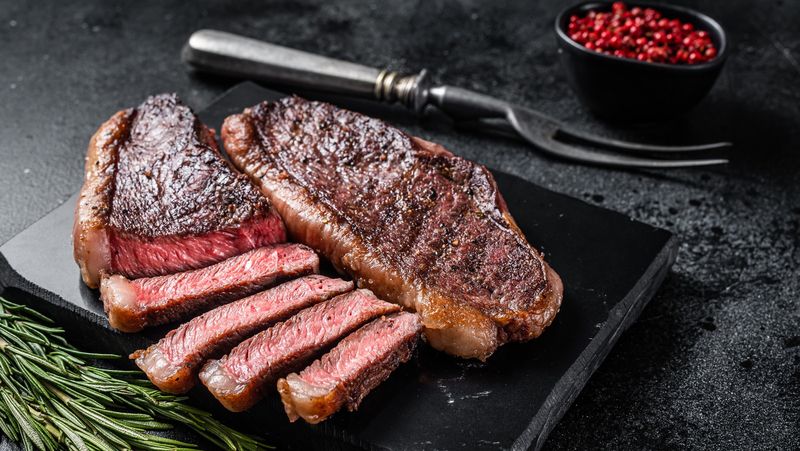
When meat rests, juices redistribute and the texture settles. Move roasts or chicken to a warm plate and tent loosely with foil for 10 to 15 minutes.
Shredded meats benefit from a short pause, too.
Use the time to skim fat, thicken sauce, or toast rolls. Resting prevents a flood of juice on the cutting board and keeps portions moist.
Slice across the grain once relaxed. You will taste richer flavor in every bite, and cleanup is easier when the meat behaves instead of leaking everywhere the second you touch it.
Patience equals tenderness. Give it time.
Stirring only when needed
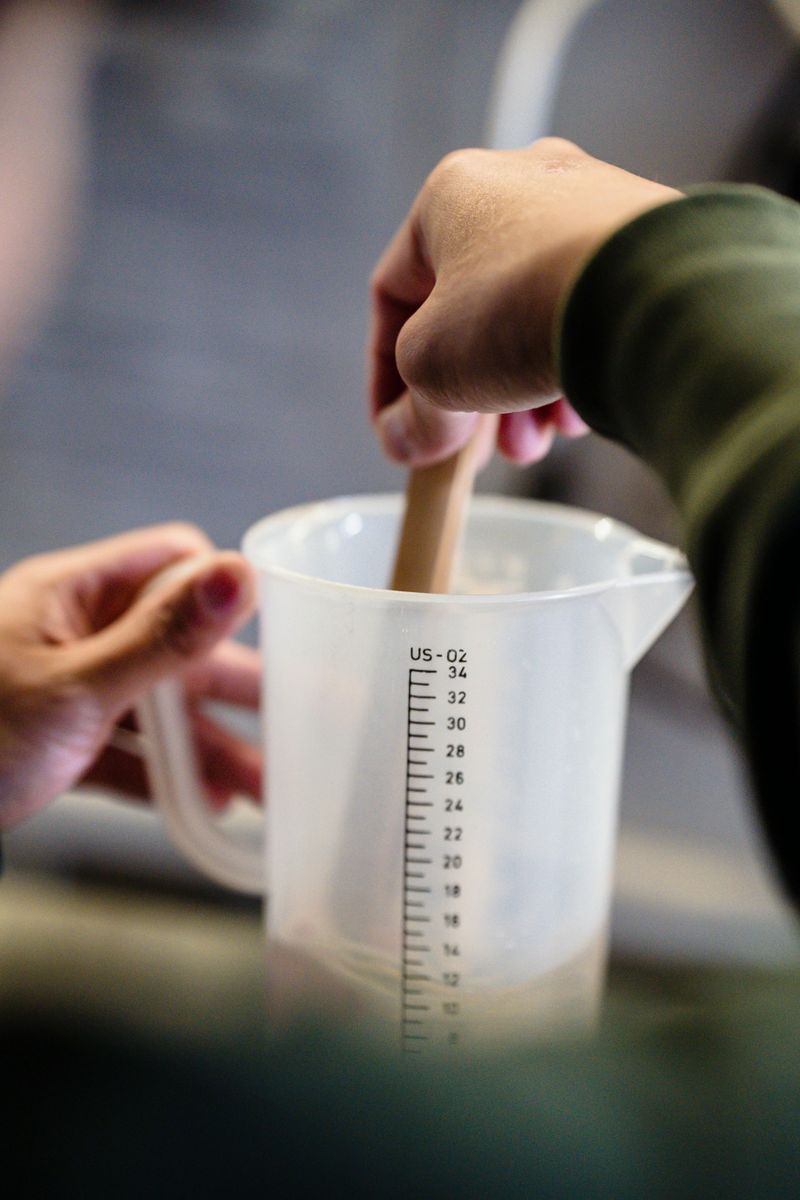
Stirring seems helpful, but in a slow cooker it often does more harm than good. It releases heat, extends cook time, and can break apart tender ingredients.
Follow the recipe, and if you must stir, be quick and gentle.
Use a silicone spatula to fold from the edges toward the center. Check only after the minimum cook window.
The less you disrupt, the more evenly everything cooks. You will preserve texture and keep the schedule intact, so dinner lands when you expect it without turning delicate vegetables into puree or scattering shredded meat into threads.
Adjusting cook times
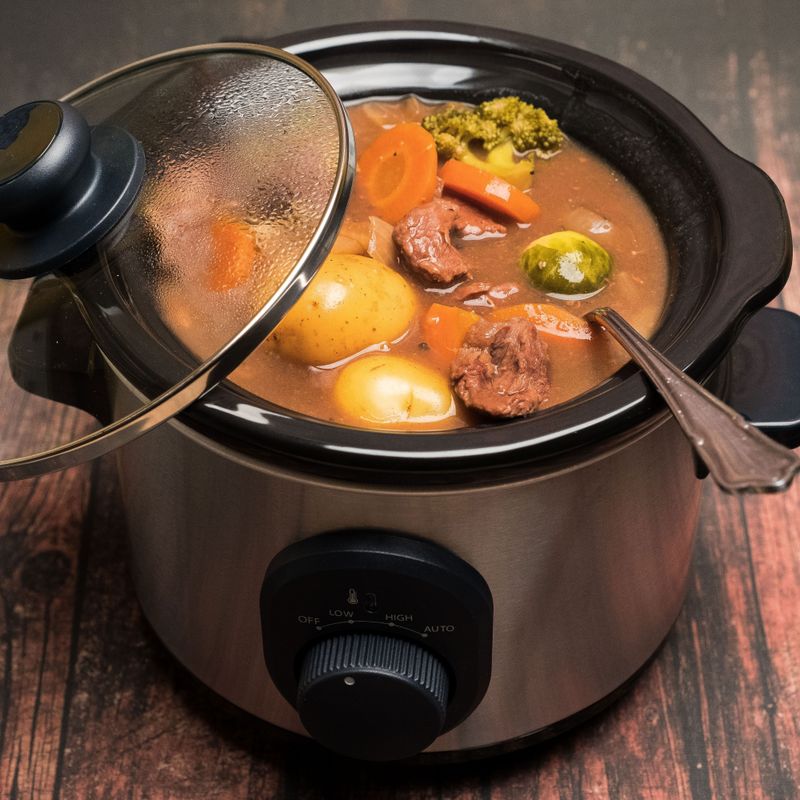
Every slow cooker runs a little differently, so treat times as ranges. A new model may run hotter than grandma’s vintage unit.
Start with the recipe, then use doneness cues like fork tenderness or a thermometer for chicken.
Smaller batches cook faster, while bigger roasts need extra hours. Lifting the lid adds time, high altitude can slow things, and crowded pots lag.
Keep notes for your specific cooker. You will dial in reliable timing, reduce stress, and stop guessing, which means weeknight dinners land predictably instead of drifting later and colliding with bedtime.
Set reminders on your phone.
Using low setting for tenderness
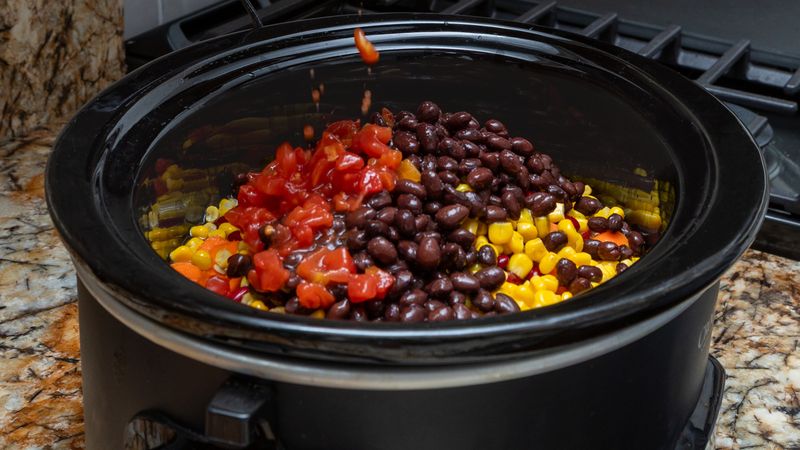
The low setting gives connective tissue time to transform without squeezing out moisture. Tough cuts relax, vegetables keep structure, and flavors meld.
High works in a pinch, but low is where magic happens.
If you have time, choose low and plan ahead. Start in the morning and come home to supple roasts and brothy beans.
A longer window also gives you wiggle room for traffic. You will notice juicier slices, less shrinkage, and sauce that tastes integrated rather than rushed, turning everyday ingredients into the kind of comfort you crave.
Low rewards patience every time.
Adding acid at the end

A splash of acid at the end brightens slow cooked dishes instantly. Add lemon juice, vinegar, or a bit of tomato to wake up deep flavors.
Start small, taste, and adjust so the balance feels lively.
Acid sharpens salt perception and cuts richness, especially in braises and bean dishes. Stir it in off heat to keep aromas vibrant.
Pair with fresh herbs for a final lift. You will notice flavors snap into focus, and you will serve plates that taste cleaner, not sour, proof that the tiniest tweak can transform dinner.
Citrus zest works beautifully.
Freezing leftovers properly
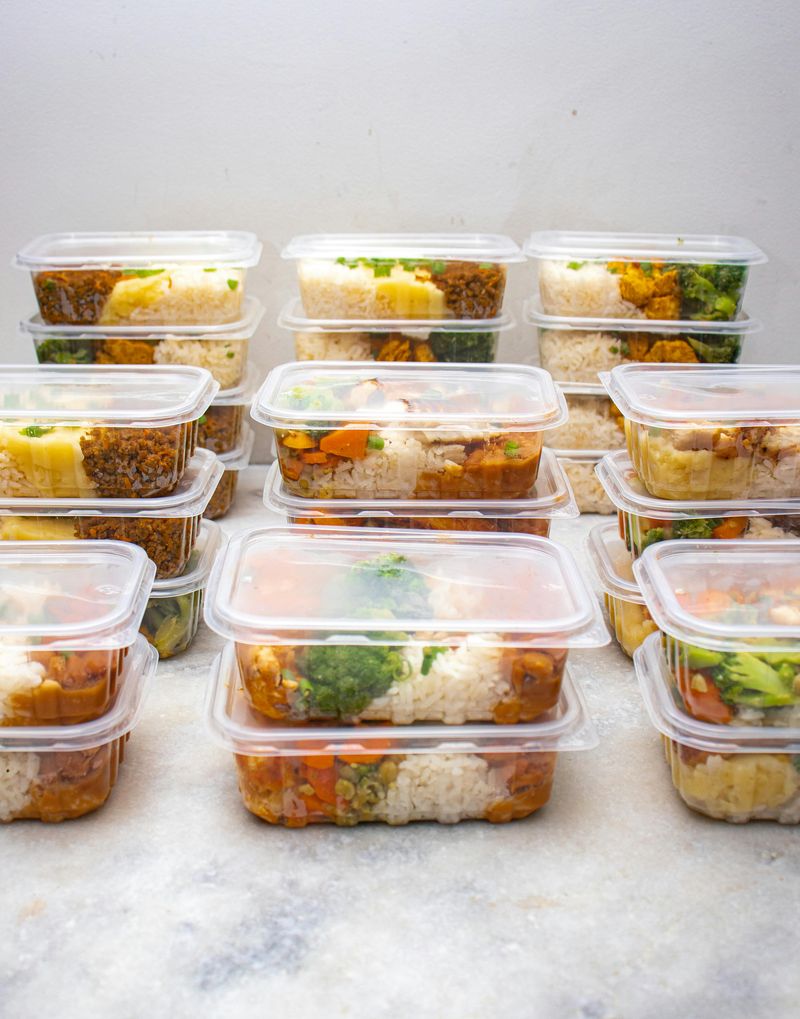
Leftovers freeze beautifully when cooled quickly and packed smart. Chill in shallow containers, then transfer to freezer safe bags or deli tubs with labels and dates.
Portion by meals so thawing is easy.
Remove extra air to prevent freezer burn, and leave headspace for expansion in liquids. Freeze flat for stackable bricks, then stand them up like files.
Reheat gently with added broth to refresh texture. You will save money, reduce waste, and have instant dinners waiting, which turns a busy week into something manageable when energy is low and appetites are high.
Label flavors and spice level.
Avoiding overfilling
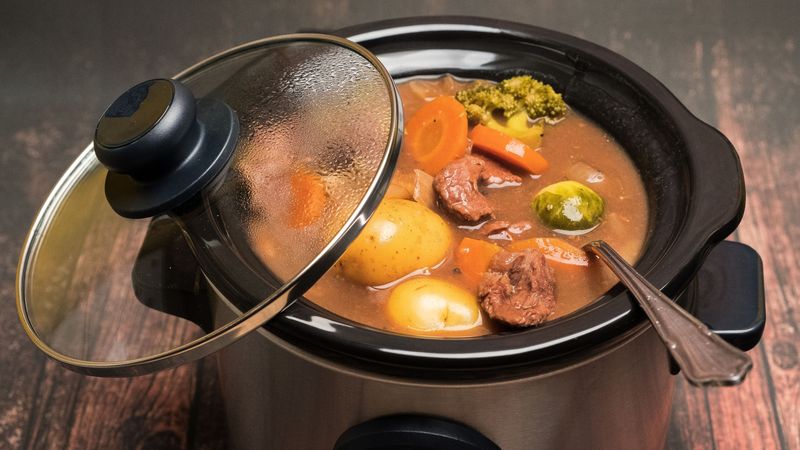
Resist packing the crock to the brim. Most slow cookers work best filled between half and two thirds full.
Overfilling can lead to uneven heating, spillovers, and unsafe temperatures in the center.
Leave headspace so steam can circulate and condensation can drip back effectively. If you need a larger batch, cook in two rounds or borrow a bigger cooker.
Consider reducing liquid to compensate for volume. You will get safer, steadier results and cleaner counters, and dinner will not turn into a frustrating boilover you have to scrub later.
Airspace keeps heat consistent. Your recipe will thank you.
Enjoyed this story?
Add Fast Food Club as a preferred source to see more of our reporting on Google.