


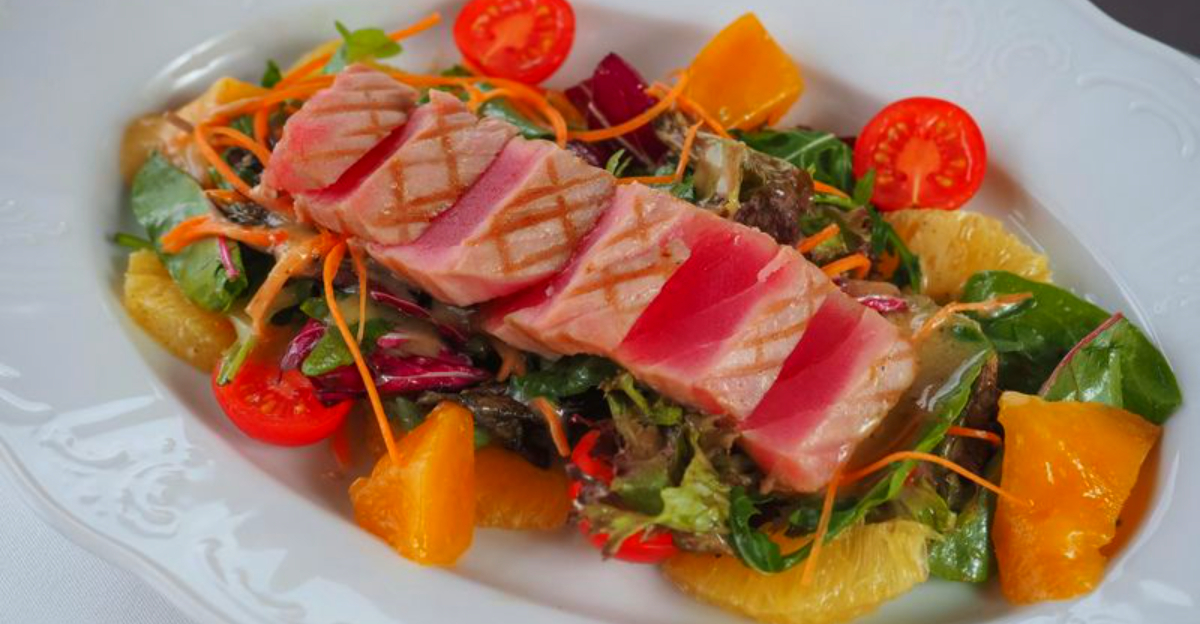
If you want your immune system to feel ready for anything, start in the kitchen. The right foods can help your body respond faster, recover better, and stay resilient through seasonal shifts.
Think vibrant colors, cozy comfort, and everyday ingredients that actually pull their weight. You will find simple ideas here that taste great and work hard for you.
Citrus fruits
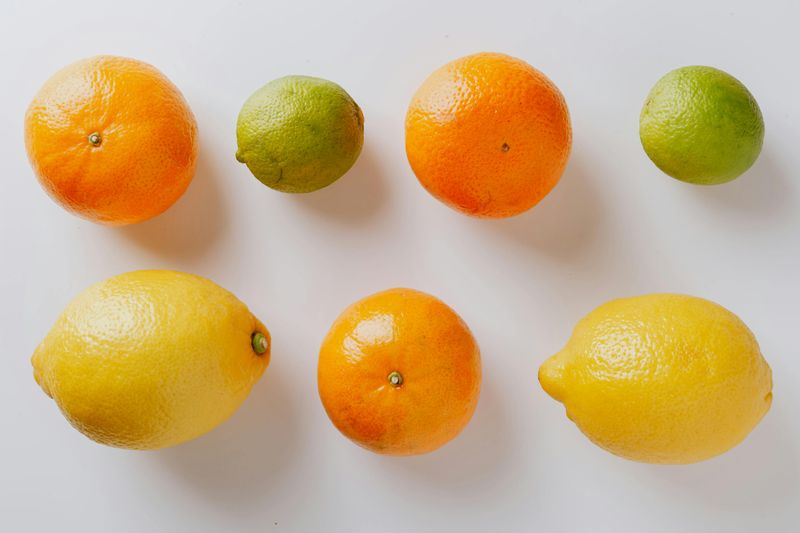
Citrus fruits pack vitamin C, flavonoids, and water to keep your defenses ready. Oranges, grapefruits, lemons, and limes help white blood cells function efficiently and reduce oxidative stress.
You can squeeze them into warm water, toss segments into salads, or snack between meals.
When cold season hits, I love prepping a quick citrus bowl with mint and a pinch of salt. It wakes up your palate while delivering antioxidants that support barrier health and collagen production.
Buy ripe, heavy fruits for the juiciest boost.
Try zest in dressings for extra aroma and nutrients. It makes meals brighter.
Blueberries
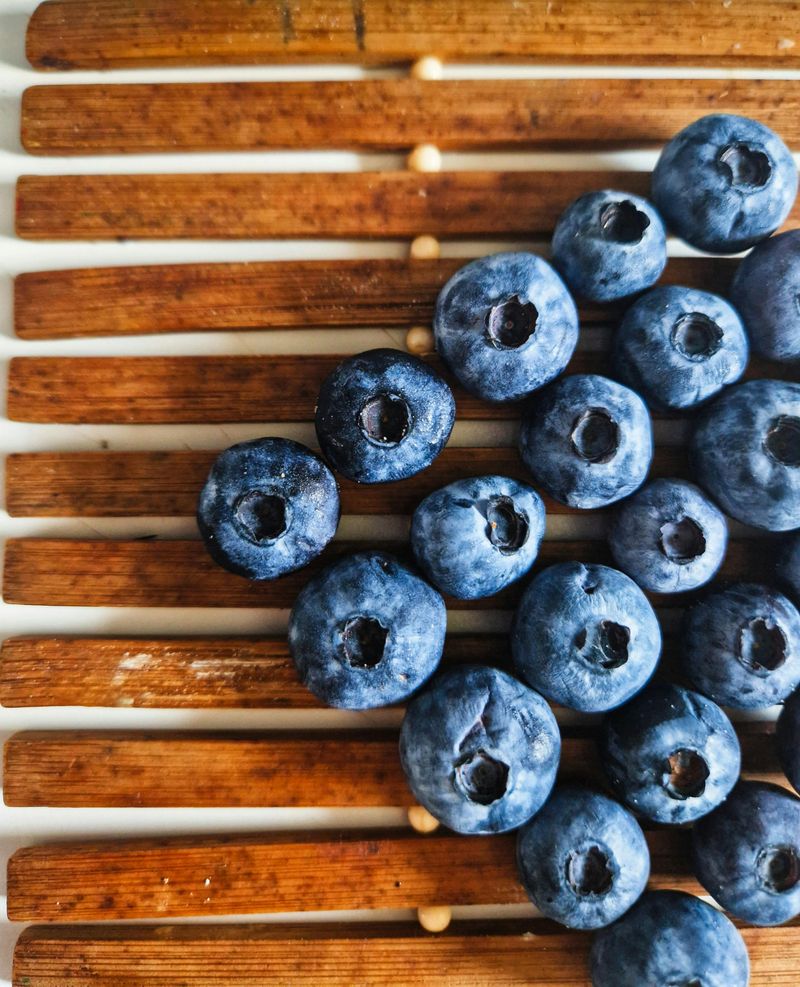
Blueberries bring deep-purple anthocyanins that help your immune cells handle oxidative stress. They are tiny but mighty, supporting your natural defenses while tasting like a treat.
Toss them on yogurt, blend into smoothies, or simmer into a quick compote.
When you want something easy, a handful straight from the fridge feels like smart snacking. I like mixing them with lemon zest and chia seeds for a bright, spoonable topping.
Frozen berries work great too and keep nutrients year round.
Choose firm berries with dusty bloom. Their sweet-tart pop delivers reliable, delicious support.
Strawberries
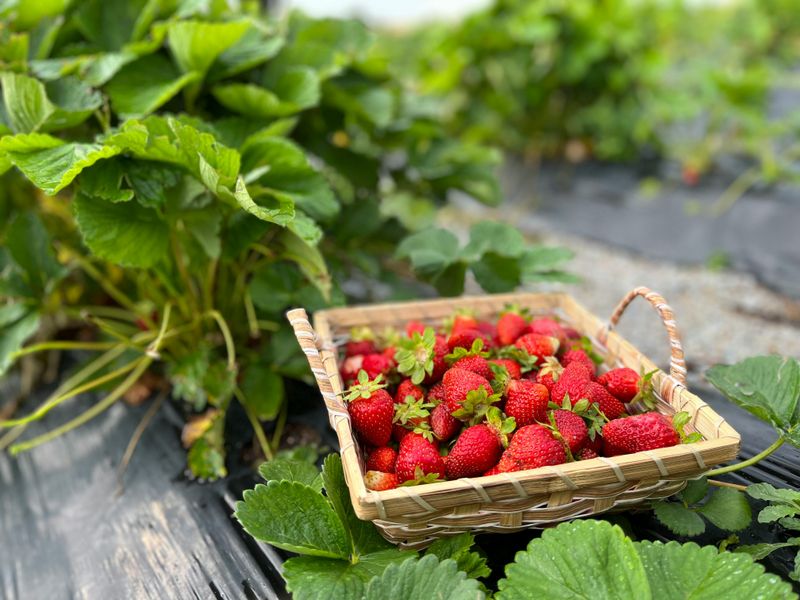
Strawberries offer vitamin C, manganese, and colorful polyphenols that help your body manage inflammation. Their juicy sweetness makes healthy choices feel effortless.
Slice them onto cereal, muddle into sparkling water, or blend into a creamy smoothie.
When spring hits, I love a quick bowl with pepper, balsamic, and a dollop of ricotta. That savory twist highlights their brightness and pairs with immune-friendly nutrients.
If you prefer simple, drizzle honey and a squeeze of lime.
Pick fragrant berries with vibrant color and dry, intact caps. Store unwashed until serving for best texture.
Spinach
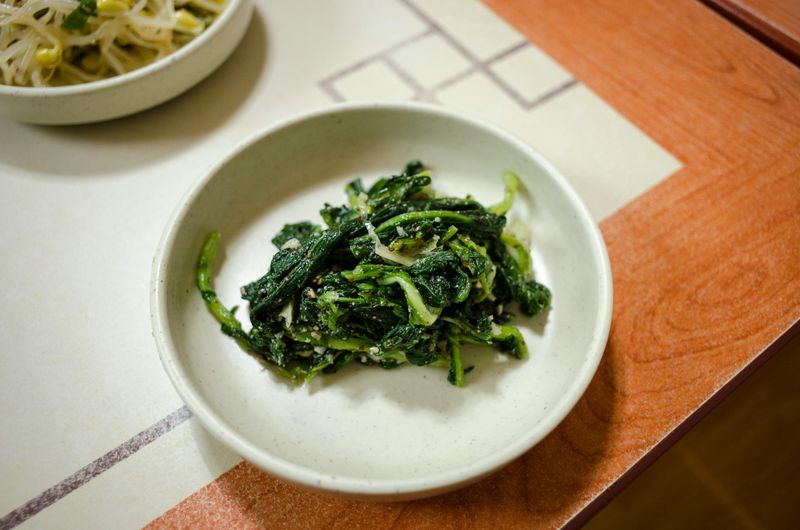
Spinach delivers vitamin C, folate, iron, and beta carotene that your immune system appreciates. Light cooking helps unlock nutrients while keeping a tender bite.
Toss into eggs, blend into smoothies, or wilt with olive oil and lemon.
On busy nights, I sauté spinach with garlic and a splash of broth. You get silky greens that feel comforting yet energizing.
I also freeze cubes of spinach puree to drop into stews.
Choose perky leaves and rinse away grit. A squeeze of citrus brightens flavor and supports iron absorption, making this budget-friendly green work harder for you.
Kale
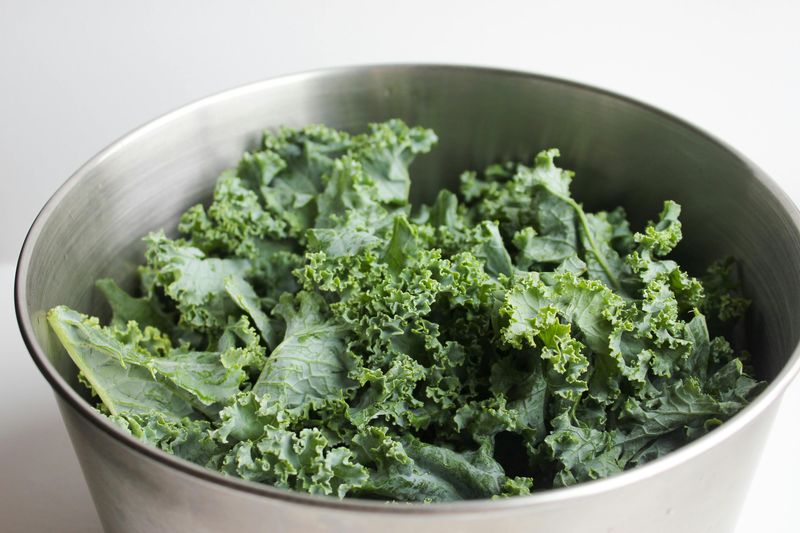
Kale brings vitamin A precursors, vitamin C, vitamin K, and sulfur compounds that support cellular defenses. Its hearty texture stands up to heat and holds dressings well.
Massage leaves with olive oil and salt to soften and mellow bitterness.
I like kale salads finished with citrus, nuts, and grated cheese for crunch and balance. In soups, it keeps bite without getting mushy.
Chips are easy too, baked low until crisp.
Look for dark, sturdy leaves without yellowing. Slice out tough ribs, and pair with lemon or vinegar to lift flavor while supporting nutrient absorption and overall immune resilience.
Broccoli
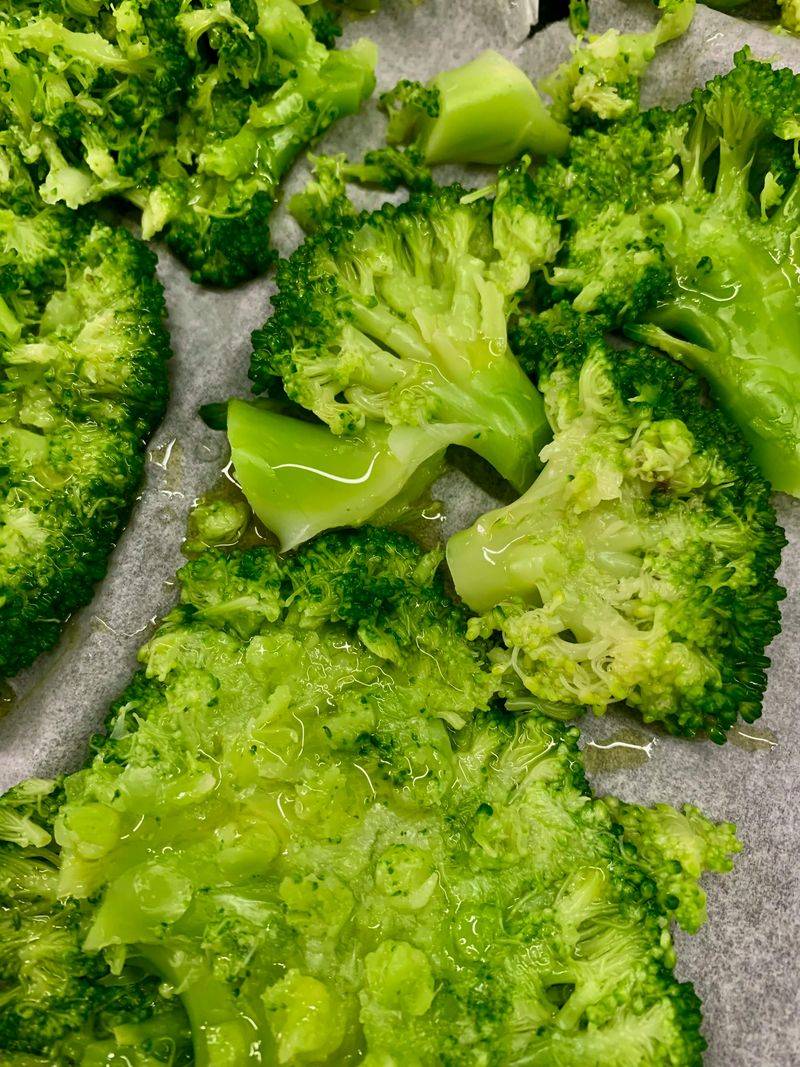
Broccoli is loaded with vitamin C, fiber, and sulforaphane, a compound studied for cellular protection. Steaming keeps it vibrant while preserving crunch.
Toss with tahini, lemon, and chili flakes for a quick side.
When you want cozy, roast florets until caramelized and nutty. I often add garlic and a splash of soy sauce for depth.
Broccoli also disappears nicely into pasta and grain bowls, boosting nutrients effortlessly.
Choose tight, deep-green crowns with firm stems. Keep it cold and cook lightly to maintain sweetness.
Small, regular servings help support steady immune function without overthinking your plate.
Garlic
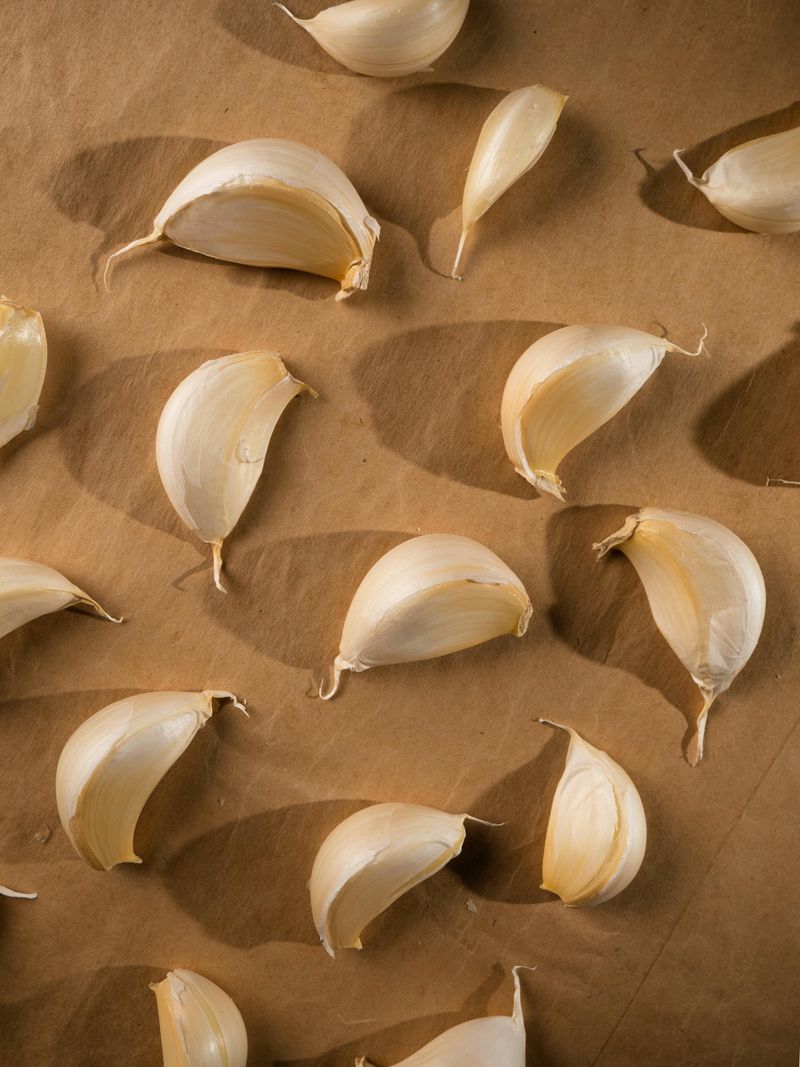
Garlic contains sulfur compounds like allicin that support immune responses and add bold flavor. Crushing or chopping activates more of these helpful compounds.
Stir into soups, sauces, and dressings, or rub on toast with olive oil.
When a dish needs life, I bloom minced garlic gently until fragrant, not browned. That soft heat keeps flavors sweet and supportive.
I also roast whole heads for spreadable, mellow cloves.
Choose firm bulbs with tight skins. Let chopped garlic rest briefly before cooking to maximize benefits.
A little daily adds depth to meals while quietly helping your natural defenses stay organized and responsive.
Ginger
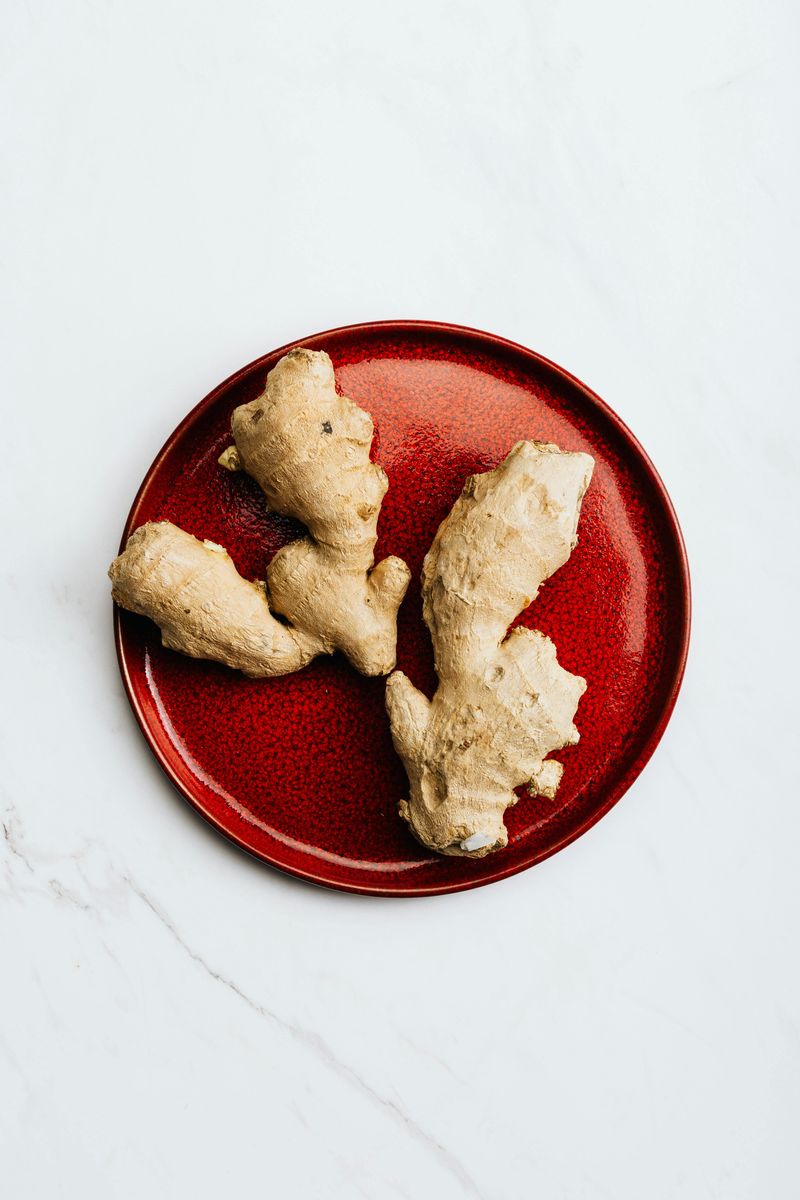
Ginger brings warming zing with gingerols and shogaols that support healthy inflammation balance. It soothes and energizes, perfect for broths, marinades, and teas.
Grate it finely to release juice and aroma.
When your throat feels scratchy, ginger tea with lemon and honey can be comforting. I simmer slices until the kitchen smells bright and cozy.
A quick stir fry benefits from its snap too.
Pick firm roots with smooth skin and a spicy scent. Freeze knobs for easy grating later.
A little daily adds lively flavor while backing up your immune system through cooler months and busy weeks.
Turmeric
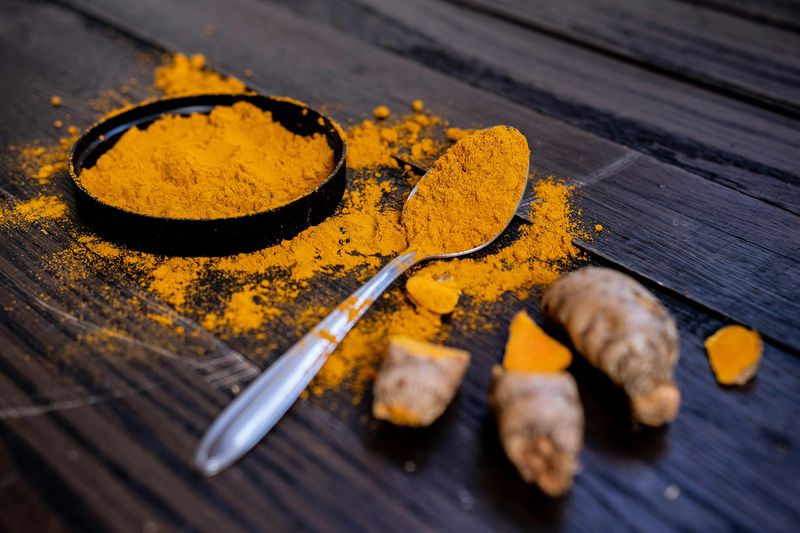
Turmeric offers curcumin, known for supporting a balanced inflammatory response. Pair with black pepper and fat to improve absorption.
Stir into golden milk, whisk into dressings, or bloom in oil for curries.
When you want gentle comfort, a turmeric latte with ginger feels soothing and restorative. I keep a jar of turmeric paste ready for quick sips.
Its sunny color brings a cheerful nudge to the day.
Use small amounts consistently for steady benefits. Choose vibrant powder or firm fresh roots.
Stored properly, it becomes an easy ritual that helps your system stay calm and capable through everyday stress.
Yogurt
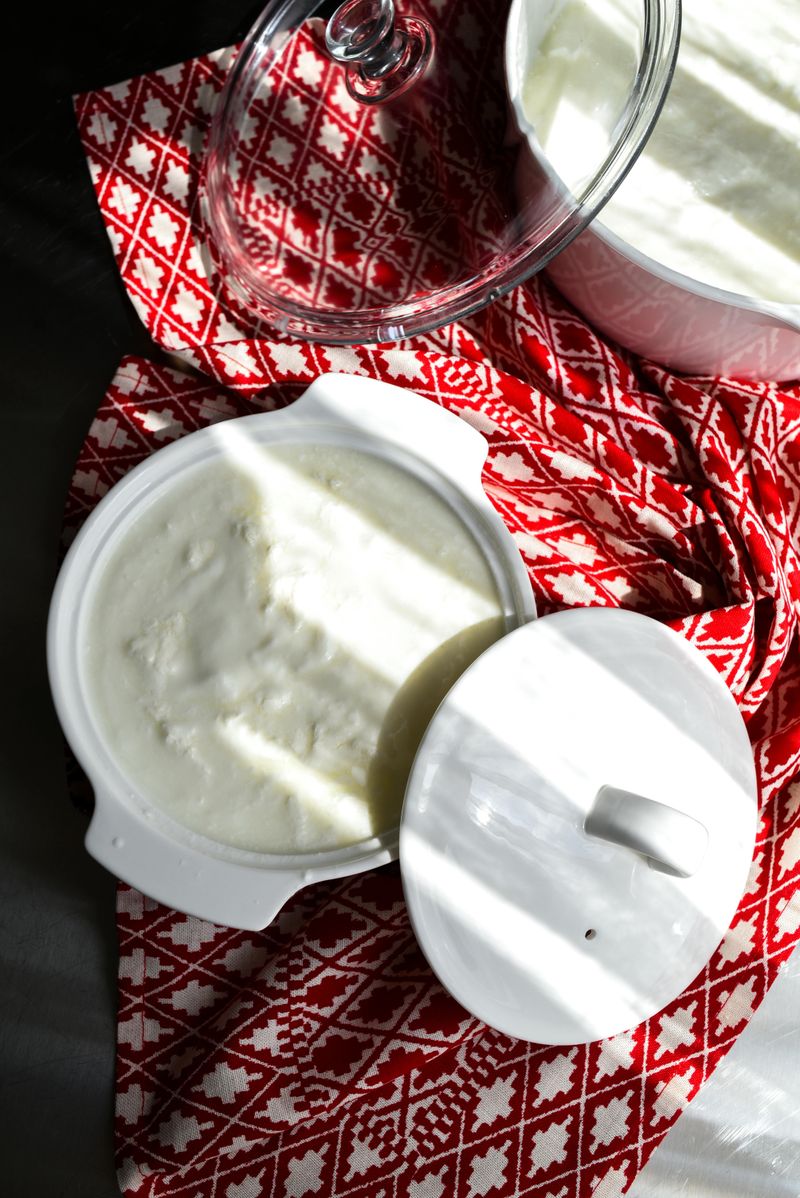
Yogurt provides probiotics that support gut balance, a key part of immune health. Choose plain varieties with live active cultures to avoid extra sugar.
Spoon with fruit, nuts, and seeds for a quick breakfast.
When afternoons drag, a yogurt parfait feels like dessert with benefits. I swirl in cinnamon and a little honey for warmth.
Savory yogurt sauces also cool spicy dishes and add protein.
Read labels for strains like Lactobacillus and Bifidobacterium. If dairy does not suit you, try lactose free or cultured alternatives.
Regular servings help your gut ecosystem stay resilient, which supports whole body defenses you can feel.
Kefir
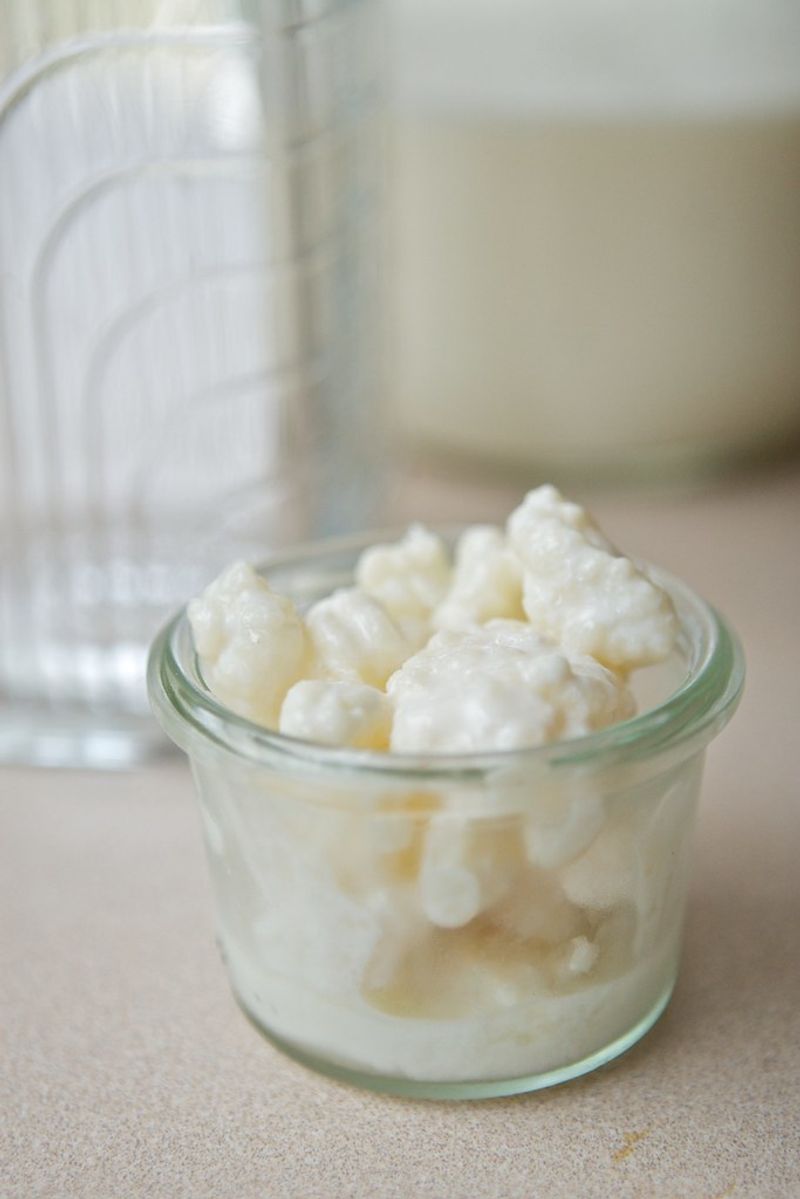
Kefir is a tangy, drinkable cultured milk with diverse probiotic strains. Its creamy fizz delivers beneficial microbes that help maintain gut harmony.
Blend with fruit, pour over granola, or sip chilled.
On busy mornings, I reach for kefir because it is grab and go. It pairs well with banana, flax, and cinnamon for a steady start.
The subtle tartness wakes everything up.
Look for unsweetened bottles with short ingredient lists. Non dairy options are available too.
Consistent, small servings can support digestion and immune signaling, making kefir a practical, tasty tool for everyday wellness routines.
Almonds
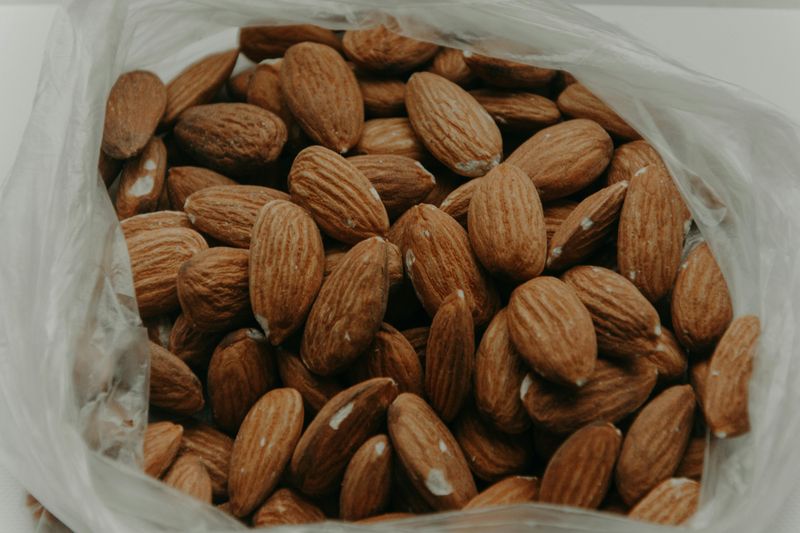
Almonds deliver vitamin E, healthy fats, magnesium, and fiber that support immune function. A small handful adds crunchy satisfaction and long lasting energy.
Sprinkle on oats, blend into smoothies, or spoon almond butter onto apple slices.
When cravings hit, I toast almonds lightly with sea salt and paprika. They become fragrant, warm, and hard to stop eating.
I also keep single serve packs in my bag.
Choose raw or dry roasted without excess sugar. Store airtight to protect freshness.
Their steady nutrients help protect cells from oxidative stress while keeping snacks simple, portable, and genuinely satisfying day after day.
Sunflower seeds
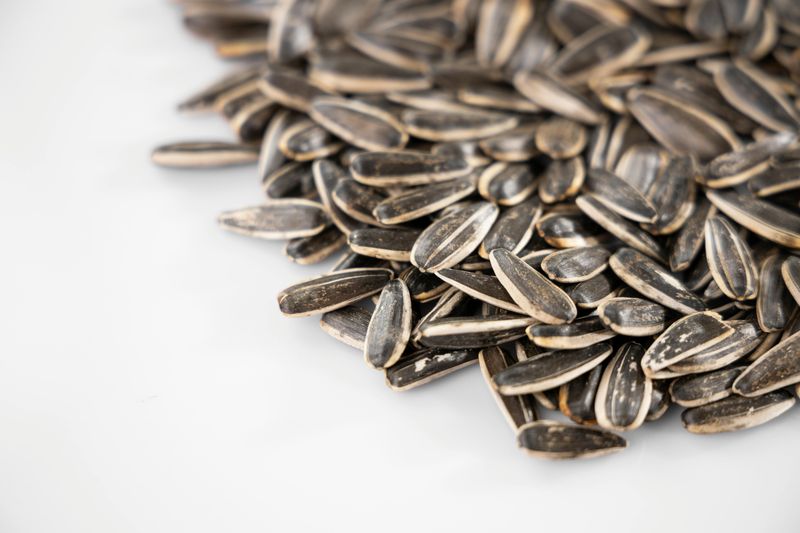
Sunflower seeds bring vitamin E, selenium, and plant protein that help shield cells from oxidative damage. Their nutty crunch upgrades salads, yogurt bowls, and pesto.
A sprinkle goes a long way.
When you need quick fuel, a homemade trail mix with seeds, dried cherries, and dark chocolate feels balanced. I toast seeds to deepen flavor and add a pinch of smoked paprika.
It is an easy pantry win.
Choose unsalted seeds for flexibility. Store in the fridge to keep oils fresh.
Regular, small servings support your immune system while adding texture and satisfaction to everyday meals you already enjoy.
Green tea

Green tea contains catechins like EGCG that support cellular defenses and calm oxidative stress. A warm cup feels centering while offering gentle energy.
Brew with water below boiling to avoid bitterness.
In the afternoon, I swap coffee for green tea to feel focused without jitters. A squeeze of lemon brightens flavor and may help absorption.
Honey can soften the edge.
Choose high quality loose leaves or reliable bags. Steep two to three minutes, then taste.
This soothing ritual supplies antioxidants that help your immune system stay steady as you navigate busy days and changing seasons.
Salmon
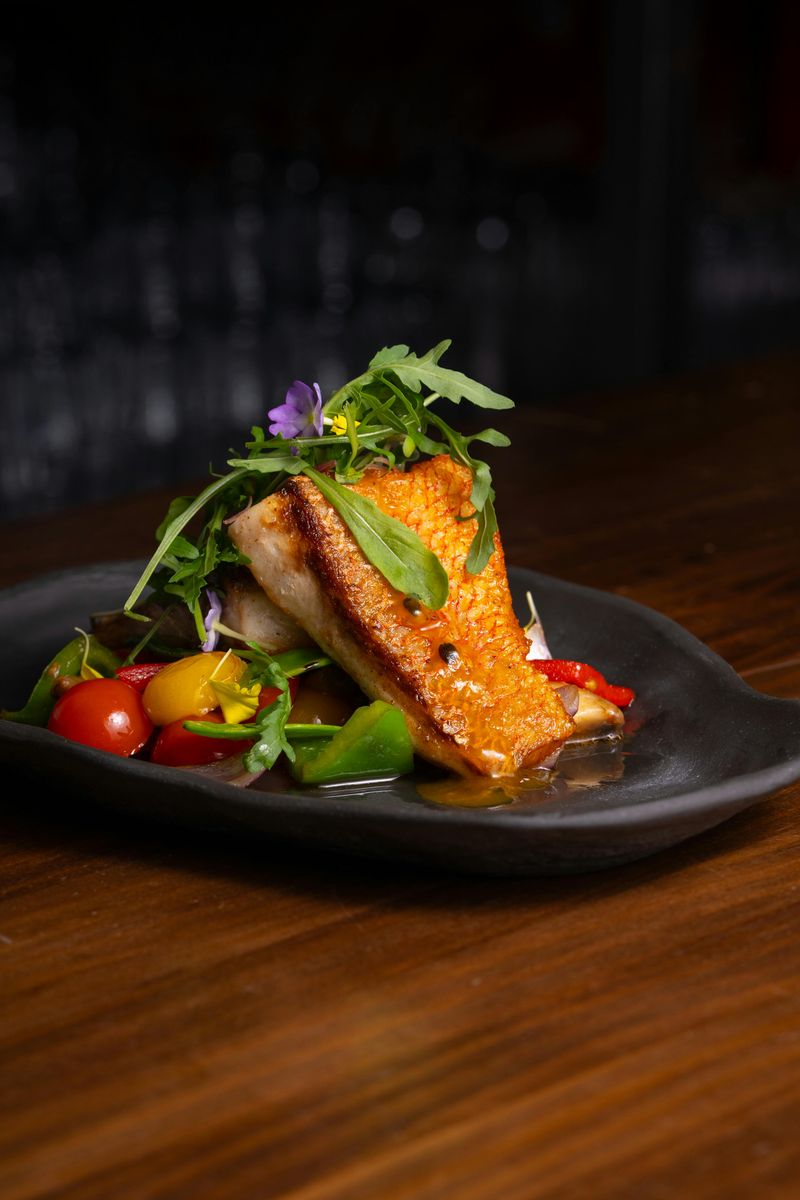
Salmon provides omega-3 fats, vitamin D, and protein that help regulate immune and inflammatory pathways. Its rich flavor pairs with citrus, herbs, and greens.
Roast, pan sear, or poach gently for juicy results.
When you crave comfort, salmon with garlicky spinach feels nourishing and elegant. I like a quick marinade with mustard, honey, and lemon zest.
Leftovers make excellent salad toppers.
Choose sustainably sourced fillets with vibrant color and clean smell. Do not overcook to keep it silky.
Adding salmon weekly supports overall resilience, giving your body steady nutrients that help you feel strong and sustained.
Eggs
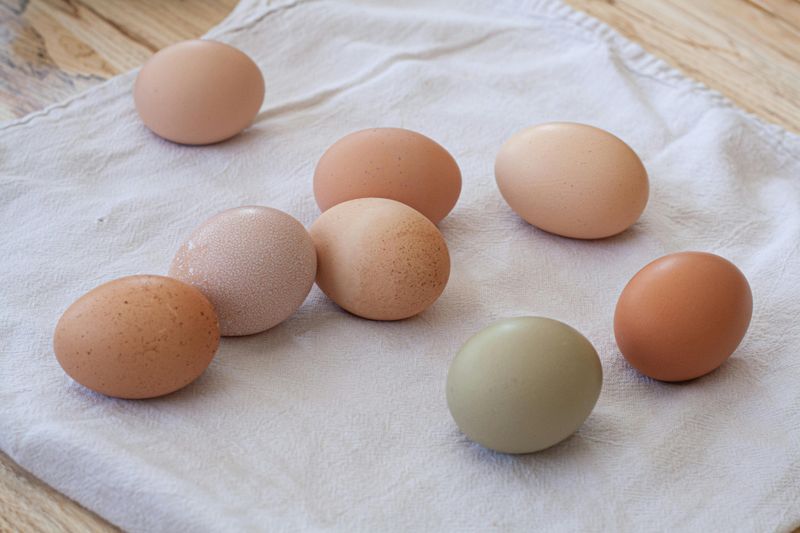
Eggs deliver complete protein, vitamin D, choline, and selenium that support immune and brain function. They cook quickly and fit any meal.
Scramble with herbs, poach over greens, or bake into frittatas.
When mornings feel rushed, a couple of hard boiled eggs save the day. I prep a batch on Sunday for effortless snacks.
A little hot sauce wakes them up.
Buy quality eggs with intact shells and store chilled. Do not overcook to keep yolks tender.
Versatile and affordable, eggs help you meet daily nutrition needs that back up reliable immune defenses.
Sweet potatoes
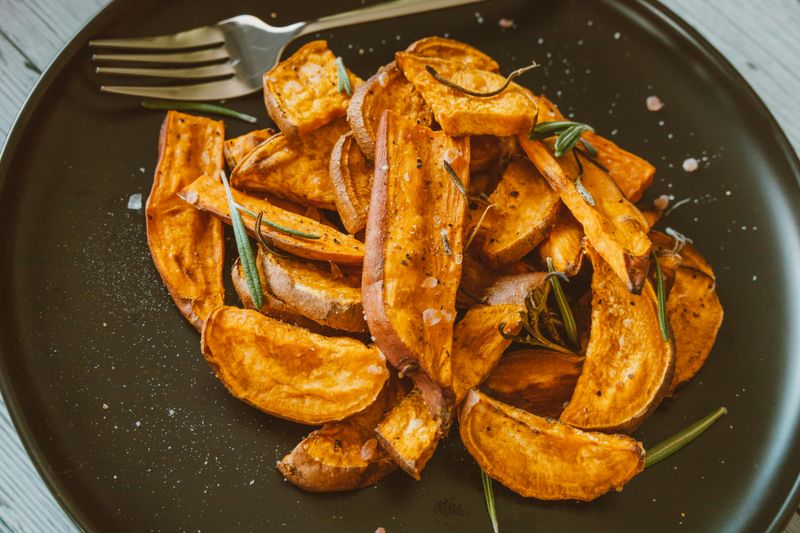
Sweet potatoes provide beta carotene, fiber, and potassium that help maintain immune and gut health. Roasting concentrates their natural sweetness and creates irresistible edges.
Cube for salads or mash with olive oil.
When you want cozy, loaded sweet potatoes with beans, greens, and yogurt feel complete. I sprinkle cinnamon and chili for a warm, balanced kick.
Leftovers make stellar breakfast hash.
Choose firm, smooth tubers and store in a cool, dark place. Pair with a little fat to support carotenoid absorption.
Their vibrant color signals nutrients that help your body stay resilient through everyday demands.
Carrots
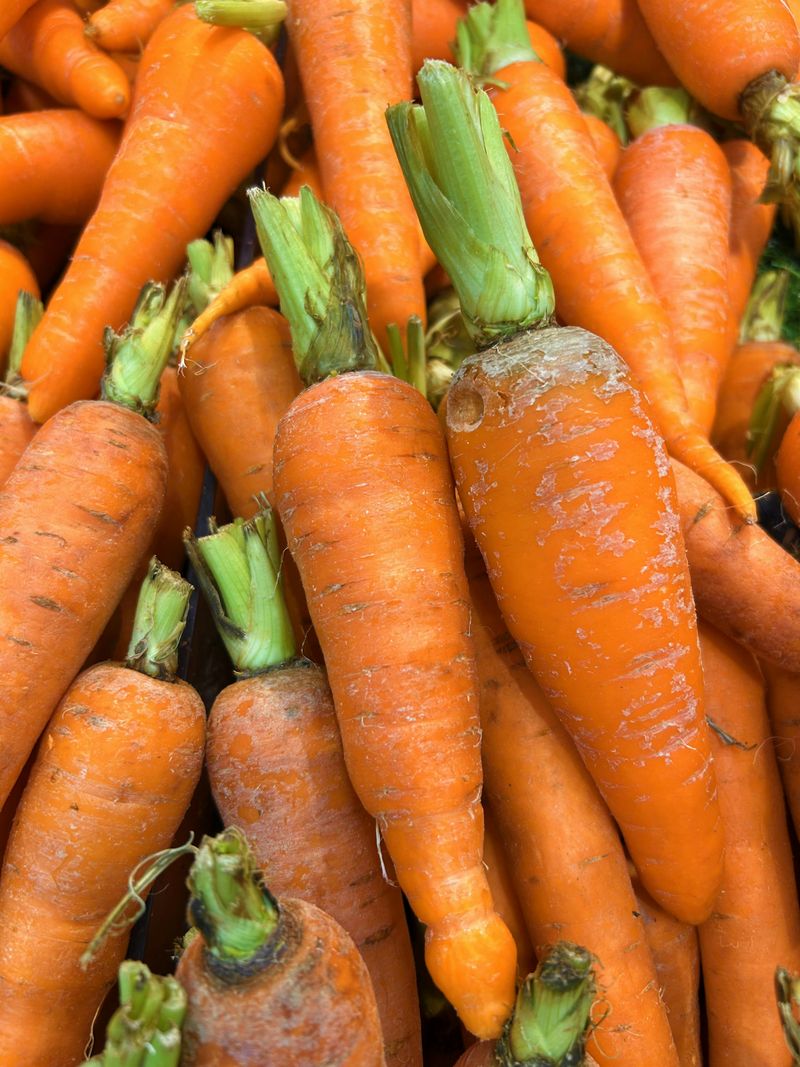
Carrots are rich in beta carotene, which your body converts to vitamin A for immune support. Crunchy raw or tender roasted, they adapt to any menu.
Shred into salads, simmer in soups, or blend into sauces.
On weeknights, I roast carrots with cumin and lemon for a quick side. The sweetness concentrates and pairs beautifully with yogurt or tahini.
Even picky eaters usually say yes.
Pick firm carrots with bright color. Do not toss the tops; pesto is delicious.
Consistent servings offer accessible nutrients that protect cells and keep your daily meals colorful, satisfying, and smart.
Bell peppers

Bell peppers, especially red, are loaded with vitamin C, carotenoids, and hydration that support barrier health. Their crisp bite adds freshness to everything.
Slice for snacking, roast for sweetness, or char for smoky depth.
When salads feel boring, peppers bring color and crunch that wake up the bowl. I love them stuffed with quinoa, beans, and herbs for an easy meal.
A squeeze of lime ties it together.
Choose glossy, heavy peppers with firm skins. Store chilled and dry.
These bright staples help you stack daily vitamin C while keeping meals joyful, vibrant, and endlessly flexible.
Mushrooms
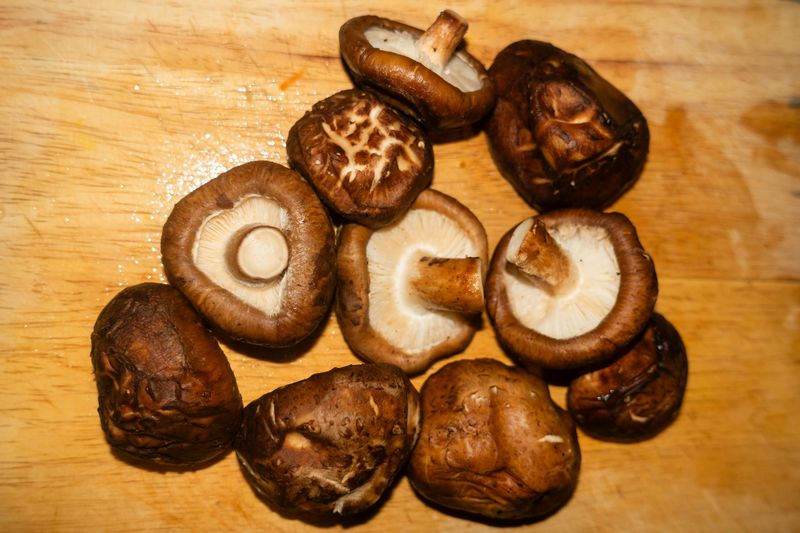
Mushrooms offer beta glucans and ergothioneine that support immune function and antioxidant defenses. Varieties like shiitake and maitake shine in broths and sautés.
Keep heat moderate to preserve texture.
When you crave savory depth, mushrooms deliver umami that makes simple meals feel special. I brown them well, then splash with tamari and lemon.
They turn silky and satisfying.
Choose firm caps and dry surfaces. Do not soak; brush clean.
A few servings each week supply unique compounds that help your system stay responsive while adding a restaurant-worthy note to everyday cooking.
Honey

Honey brings natural antioxidants and soothing sweetness that can calm a scratchy throat. Add to tea, drizzle on yogurt, or whisk into dressings.
Raw varieties retain more aromatic complexity.
When evenings feel chilly, I stir honey and lemon into warm water. It is simple comfort that tastes like care.
I also pair it with garlic and ginger in quick sauces.
Use modest amounts, especially if watching sugar. Never give honey to infants.
Stored properly, it keeps beautifully and adds a gentle, functional lift that supports wellness rituals you can stick with easily.
Tuna
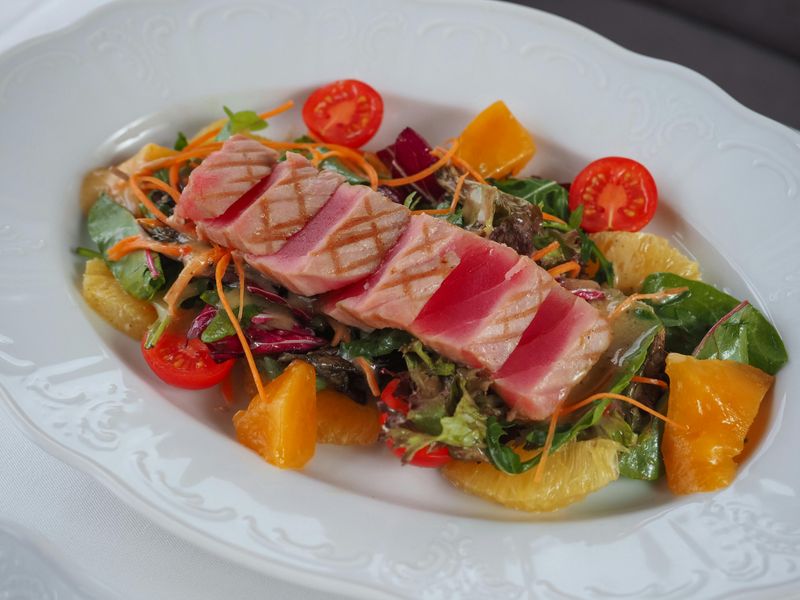
Tuna is a lean protein source with omega-3s and selenium that support immune balance. Canned varieties are budget friendly and versatile.
Mix with yogurt, herbs, and lemon for a lighter salad.
When time is tight, I stir tuna into warm brown rice with peas and chili oil. It becomes a satisfying bowl in minutes.
Seared tuna steaks also shine with simple citrus.
Choose low mercury options like skipjack more often. Drain and rinse if you want less sodium.
Thoughtful portions offer steady nutrition that helps your system manage stress and stay ready for whatever comes next.
Enjoyed this story?
Add Fast Food Club as a preferred source to see more of our reporting on Google.