


Some foods get labeled as junk when they actually deserve a second look. With the right portions and smart pairings, many pantry staples can fit beautifully into a balanced routine.
You will see how context, quality, and frequency matter far more than scary headlines. Let’s clear the confusion so you can enjoy what you love without the guilt.
Eggs
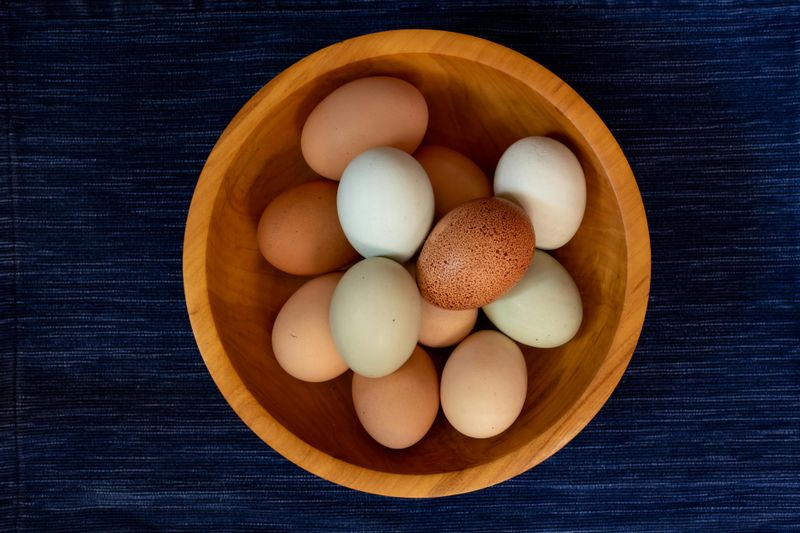
Eggs get blamed for cholesterol, but context matters. Most people can enjoy them without raising heart disease risk when overall diet is balanced.
They deliver complete protein, choline for brain health, and satisfying flavor.
I like pairing a couple with vegetables and whole grains so you stay full for hours. If you are sensitive to cholesterol, chat with your doctor and aim for moderation.
For most, eggs at breakfast can replace sugary options and support weight management.
They are inexpensive, easy to cook, and incredibly versatile across cuisines. Scrambled, poached, or baked, they fit meal prep and quick weeknights beautifully.
Potatoes
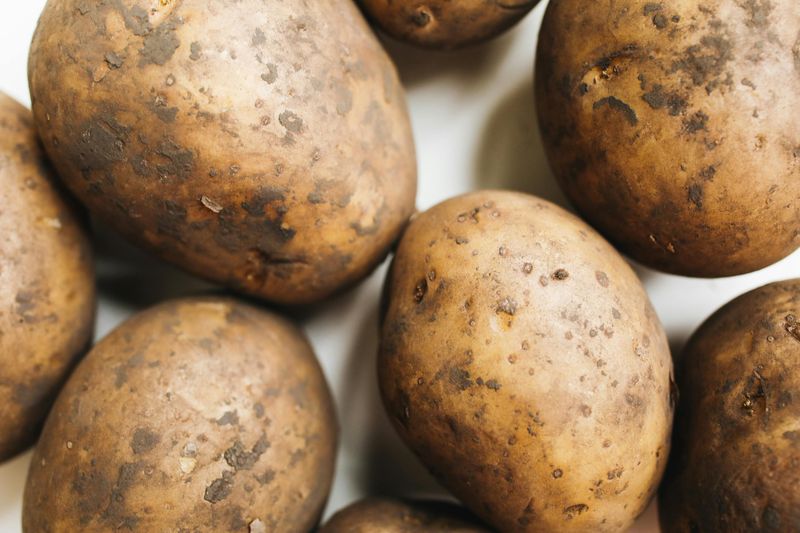
Potatoes get unfairly lumped with fries and chips. A plain potato with skin offers potassium, vitamin C, fiber, and satisfying carbs for steady energy.
The problem is usually deep frying or oversized portions drenched in toppings.
Roast wedges with olive oil, herbs, and a sprinkle of salt, and you have a nourishing side. Pair with protein and veggies, and you will feel balanced and energized.
If blood sugar is a concern, chill cooked potatoes to increase resistant starch and help glycemic response.
They are affordable, filling, and endlessly customizable. You can bake, mash, or roast them for easy weeknight meals.
Peanut butter
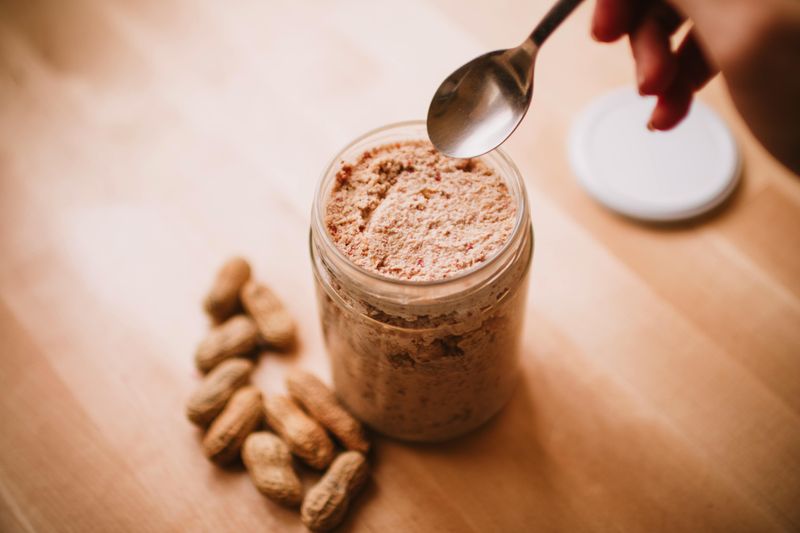
Peanut butter gets criticized for calories and fat, yet it is nutrient dense and satiating. Choose natural versions with peanuts and salt only to skip added sugars and oils.
A spoonful can keep you full for hours.
Spread it on whole grain toast, swirl into oatmeal, or pair with apple slices for balance. If you watch portions, two tablespoons can fit any plan.
The healthy fats, plant protein, and minerals support energy and recovery, especially around workouts.
You will taste richness without needing huge amounts. Stir the natural oil back in, store upside down, and enjoy smooth, spreadable goodness.
Dark chocolate
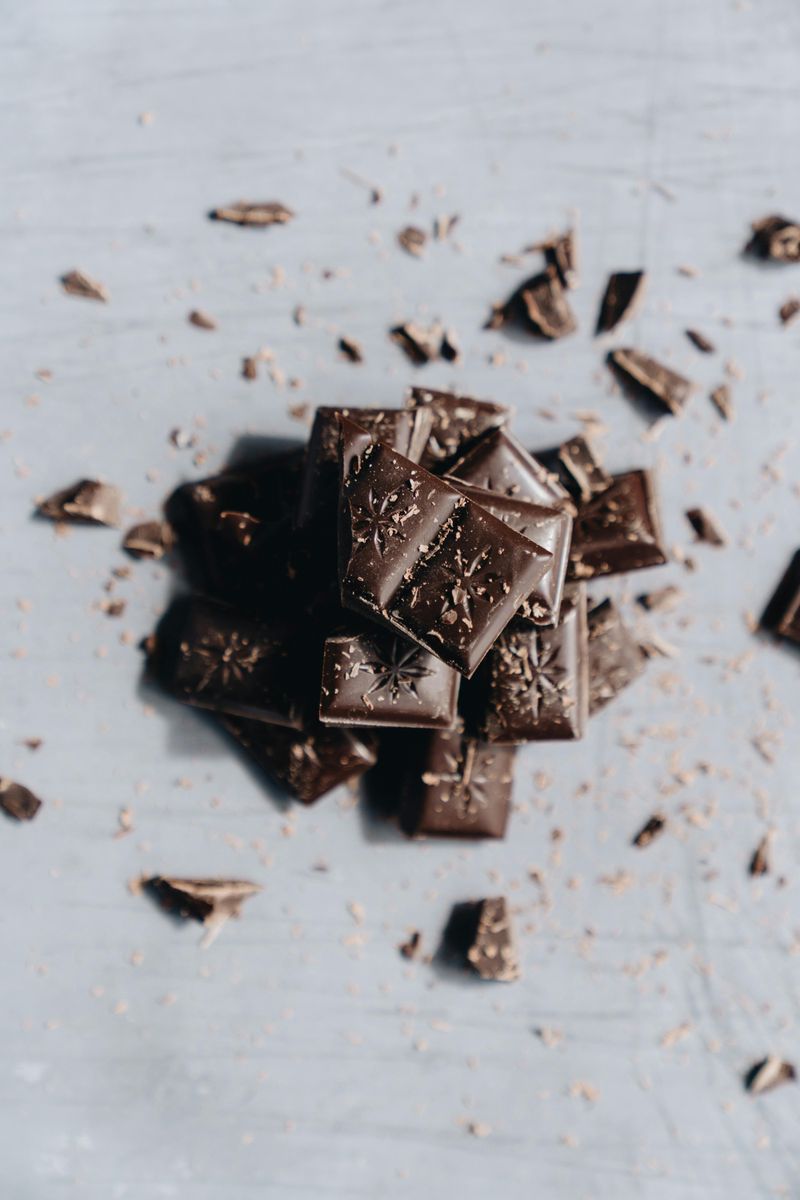
Dark chocolate sounds indulgent, but quality and portion transform it. Look for 70 percent cacao or higher to boost flavanols and reduce added sugar.
A small square after dinner can satisfy cravings and support mindful eating.
Research links cocoa flavanols with vascular benefits and mood support. Keep it to one or two squares, savor slowly, and pair with berries or nuts.
You will feel indulged without the crash of ultra sweet candy.
Choose bars with short ingredient lists and fair trade sourcing when possible. Store it cool, break into pieces, and make dessert a deliberate, enjoyable ritual.
Coffee

Coffee is often blamed for jitters, yet it can be a healthful routine. Moderate intake may support focus, athletic performance, and longevity outcomes.
The problems usually come from oversized drinks loaded with syrups and creamers.
Try drinking it black or with a splash of milk and a light sweetener. Time it earlier in the day so sleep stays protected.
If you are sensitive, choose half caf or opt for naturally decaffeinated beans processed with water.
Brew methods like pour over can highlight nuanced flavors. Sip slowly, hydrate alongside, and enjoy a comforting ritual that fits your lifestyle.
Popcorn

Popcorn gets a junk food label thanks to movie butter buckets. In reality, air popped popcorn is a whole grain with fiber and crunch.
It can satisfy snack cravings without heavy calories when prepared simply.
Toss with olive oil, nutritional yeast, or cinnamon for savory or sweet vibes. Season lightly, portion your bowl, and you will avoid mindless grazing.
If sodium is a concern, try herbs, smoked paprika, or a sprinkle of parmesan instead.
Pop it fresh at home for best control. You can batch pop, store in airtight containers, and enjoy crispy, budget friendly munching.
Cheese

Cheese gets painted as dietary trouble, yet it offers protein, calcium, and satisfaction. Portion size and quality make all the difference.
A small serving can elevate meals and help you feel pleasantly full.
Pair sharp cheeses with vegetables, fruit, or whole grain crackers for balance. You will use less because flavor is intense.
If lactose bothers you, aged cheeses usually have lower lactose and may feel gentler.
Choose real cheese over processed slices for better ingredients. Grate it finely, sprinkle thoughtfully, and enjoy bold taste without overdoing it at dinner.
Pasta
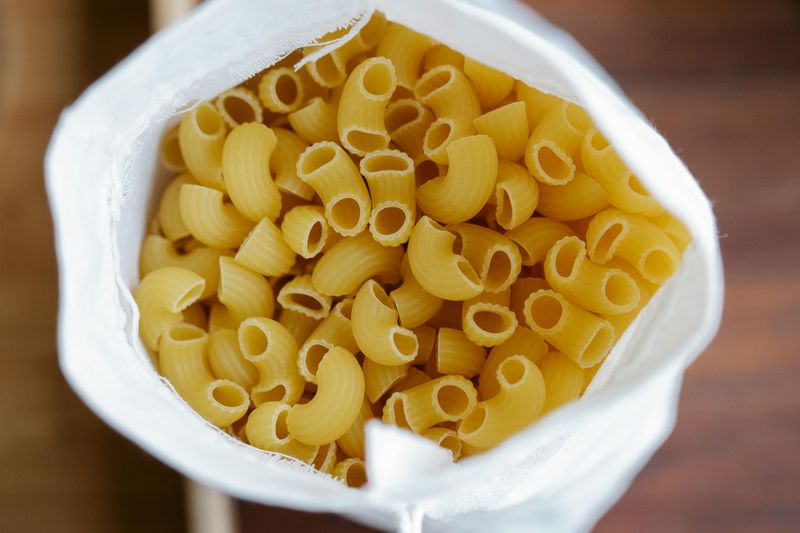
Pasta is not the enemy of wellness. The key is cooking it al dente, minding portions, and balancing with protein and vegetables.
This approach tames blood sugar spikes and keeps you satisfied longer.
I like adding chickpeas, chicken, or shrimp, plus a heap of greens. Sauces based on olive oil, tomatoes, or pesto feel lighter and flavorful.
When you savor rather than shovel, a bowl becomes a nourishing, comforting meal.
Whole wheat or legume pastas add extra fiber and protein. Rotate varieties, season generously, and make pasta nights fit your goals joyfully.
Rice
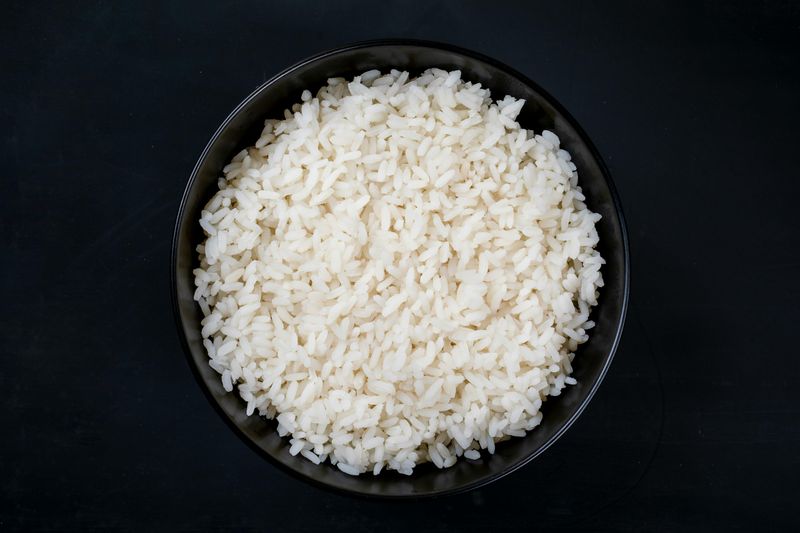
Rice often gets criticized for carbs, but context again matters. Portion sizes and pairings with protein, fat, and fiber shape your response.
White rice can be practical for sensitive stomachs or athletes around training.
Brown, black, or red rice bring minerals and extra fiber for everyday meals. Chill cooked rice to increase resistant starch, then reheat for gentler glycemic impact.
You will feel steady energy when the plate is balanced.
Rinse well, watch water ratios, and avoid mushy texture. Stir in herbs, sesame oil, or citrus zest, and rice becomes a supportive, delicious base.
Butter
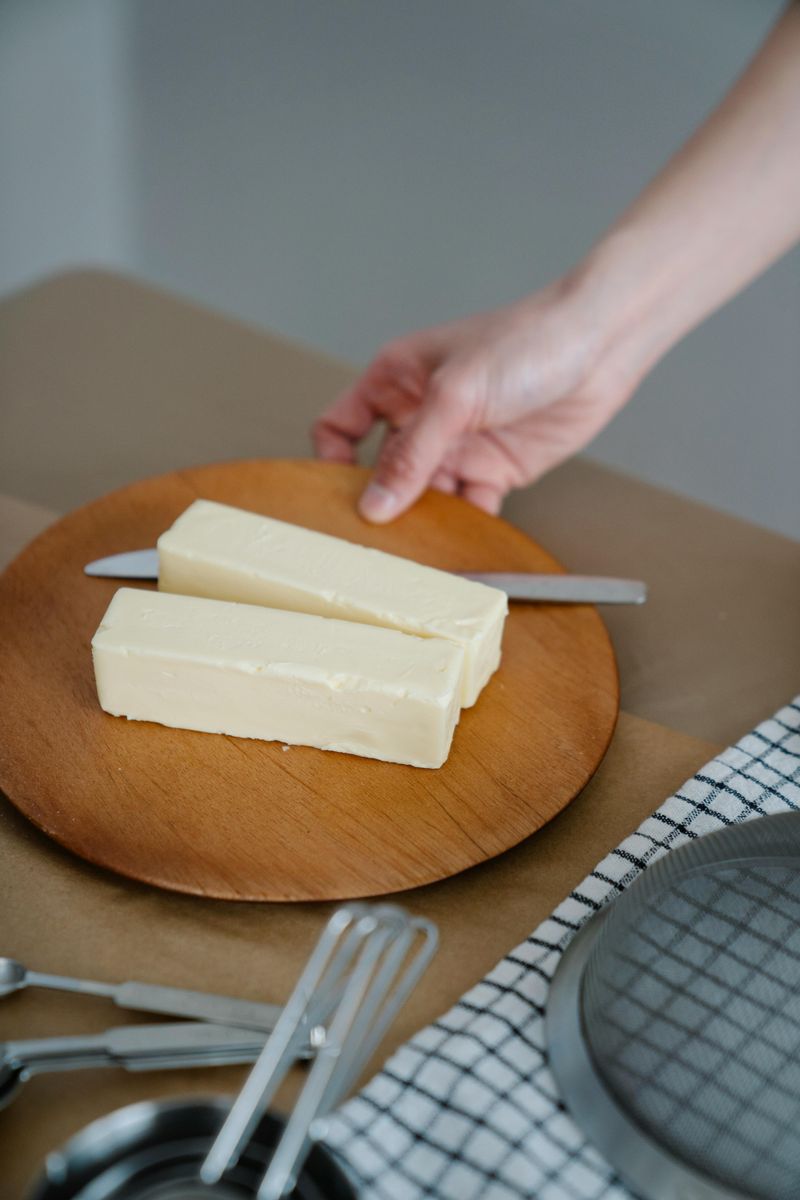
Butter gets vilified, yet small amounts can enhance satisfaction and flavor. The key is using it purposefully, not drowning foods.
When meals taste great, you often eat more mindfully and need less overall.
Consider finishing vegetables with a pat instead of cooking in large amounts. Pair with olive oil and diversify fats for balance.
If you enjoy butter, buy quality and keep portions modest so it fits your day.
Spread thinly, savor the aroma, and let it carry herbs or lemon. You will elevate simple dishes without overwhelming nutrition goals or your palate.
Red meat

Red meat is often blamed broadly, but nuance matters. Lean cuts, mindful portions, and plenty of vegetables can coexist with health.
Iron, zinc, and B12 support energy and strength, especially for some individuals.
Choose sirloin, tenderloin, or flank, and trim visible fat. Rotate with poultry, seafood, legumes, and plant proteins so variety stays high.
If grilling, avoid charring, marinate, and pair with colorful sides for balance.
Listen to your body and preferences while honoring medical advice. You can enjoy steak nights occasionally, savor each bite, and still meet your goals.
Full-fat yogurt
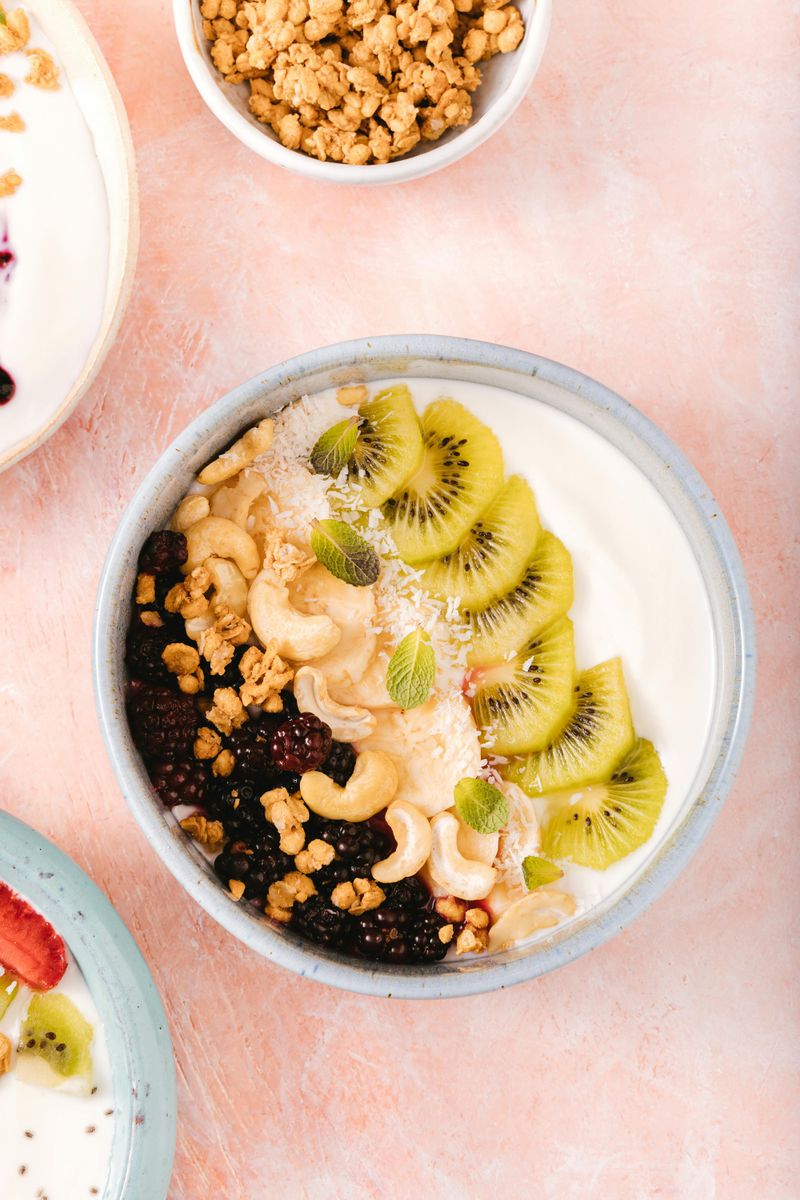
Full fat yogurt sounds scary, yet the richness can improve satisfaction and portion control. It delivers protein, probiotics, and fat soluble nutrients.
Many find it steadier on blood sugar than fat free versions sweetened heavily.
Choose plain tubs, then add fruit, cinnamon, and a drizzle of honey if needed. You will enjoy tangy creaminess without the sugar surge.
If dairy affects you, look for lactose free options or cultured goat milk yogurt.
Use it in smoothies, dips, and marinades for versatility. A small bowl can anchor breakfast, support gut health, and feel truly indulgent.
Bananas
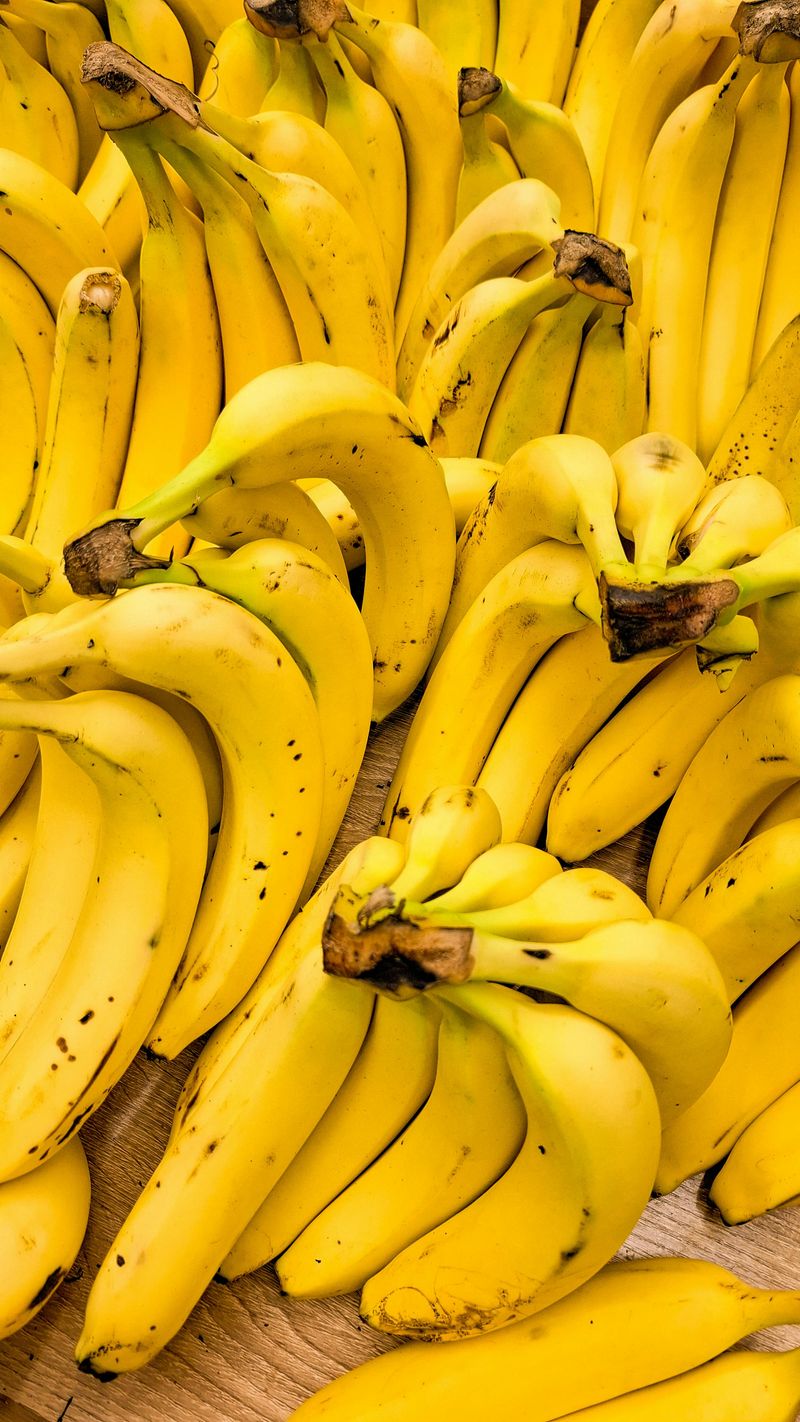
Bananas are not sugar bombs to fear. They bring potassium, vitamin B6, and portable convenience that supports active days.
Ripeness affects sweetness, so choose greener for gentler blood sugar if you prefer.
Pair with peanut butter or yogurt to steady energy and hunger. You will get pre workout fuel that sits comfortably and digests well.
For baking, mashed bananas add moisture and natural sweetness, letting you reduce added sugar.
Freeze ripe pieces for smoothies or soft serve style treats. Keep a bunch on hand, and you will always have an easy, nourishing snack.
Nuts
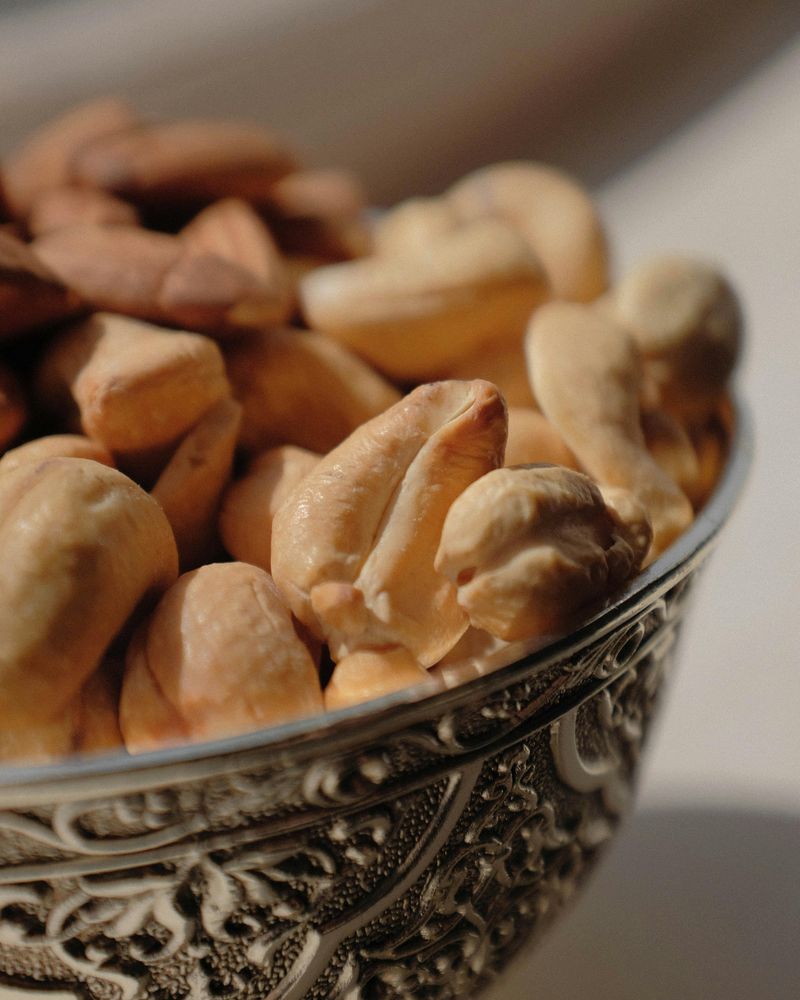
Nuts often scare people because of calorie density. Yet a small handful brings healthy fats, protein, fiber, and minerals that curb hunger.
They can replace ultra processed snacks and support heart health.
Choose dry roasted or raw to avoid excess oils and sugars. Portion into snack bags so you are not tempted to keep reaching back.
Pair with fruit for balance, or sprinkle over salads and yogurt for crunch.
Different nuts offer different nutrients, so mix varieties weekly. You will feel satisfied, energized, and less likely to overeat later in the day.
Granola
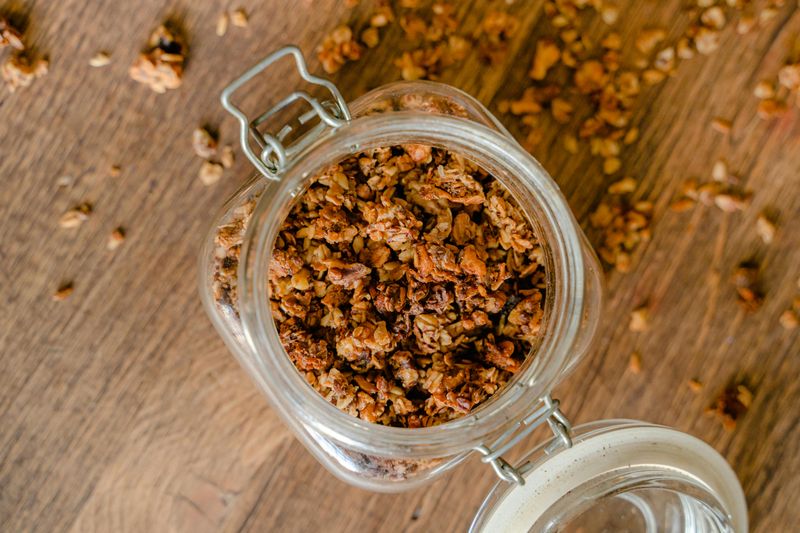
Granola gets a health halo and a bad rap simultaneously. Store bought versions can be sugary, but homemade can be stellar.
Use oats, nuts, seeds, and light sweetener, then bake until toasty and crisp.
Sprinkle a small serving over yogurt or fruit instead of filling a giant bowl. You will get crunch and flavor without overdoing calories.
Read labels for added sugars and oils, and pick options with more nuts and seeds.
Keep clusters in a jar for easy breakfasts. A mindful scoop can make mornings satisfying, portable, and deliciously consistent.
Fruit juice

Fruit juice is not the same as soda, but it is concentrated. A small glass can provide vitamin C and antioxidants, yet fiber is missing.
Treat it like a condiment, not a bottomless beverage.
I like diluting half with sparkling water and adding ice. You get flavor, hydration, and less sugar per sip.
Alternatively, pair a tiny pour with a plate of eggs, yogurt, or nuts to slow absorption.
Whenever possible, eat whole fruit for fiber and fullness. Save juice for special moments, measure portions, and enjoy its bright taste thoughtfully.
Bread

Bread does not have to be the enemy. Quality, fermentation, and ingredients matter more than blanket bans.
Sourdough and whole grain loaves can be easier to digest and more satiating.
Focus on slices that feel dense, nutty, and not sugary. Build open faced sandwiches with protein and vegetables so you stay balanced.
You will enjoy the pleasure of bread while supporting stable energy throughout the day.
Freeze slices and toast as needed to control portions. Read labels, choose fiber rich options, and make bread a supportive part of meals.
Ice cream

Ice cream feels like a guilty pleasure, but mindful portions can absolutely fit. A small scoop savored slowly can prevent later binges.
Choosing simple flavors with short ingredient lists helps keep things straightforward.
Pair with fruit, add nuts for crunch, and focus on the experience. You will feel satisfied without needing a towering sundae.
If dairy bothers you, try lactose free or well crafted dairy free options that still offer creaminess.
Keep portions pre scooped to avoid accidental overserving. Enjoy it on occasion, share with friends, and make dessert a joyful ritual.
Pizza
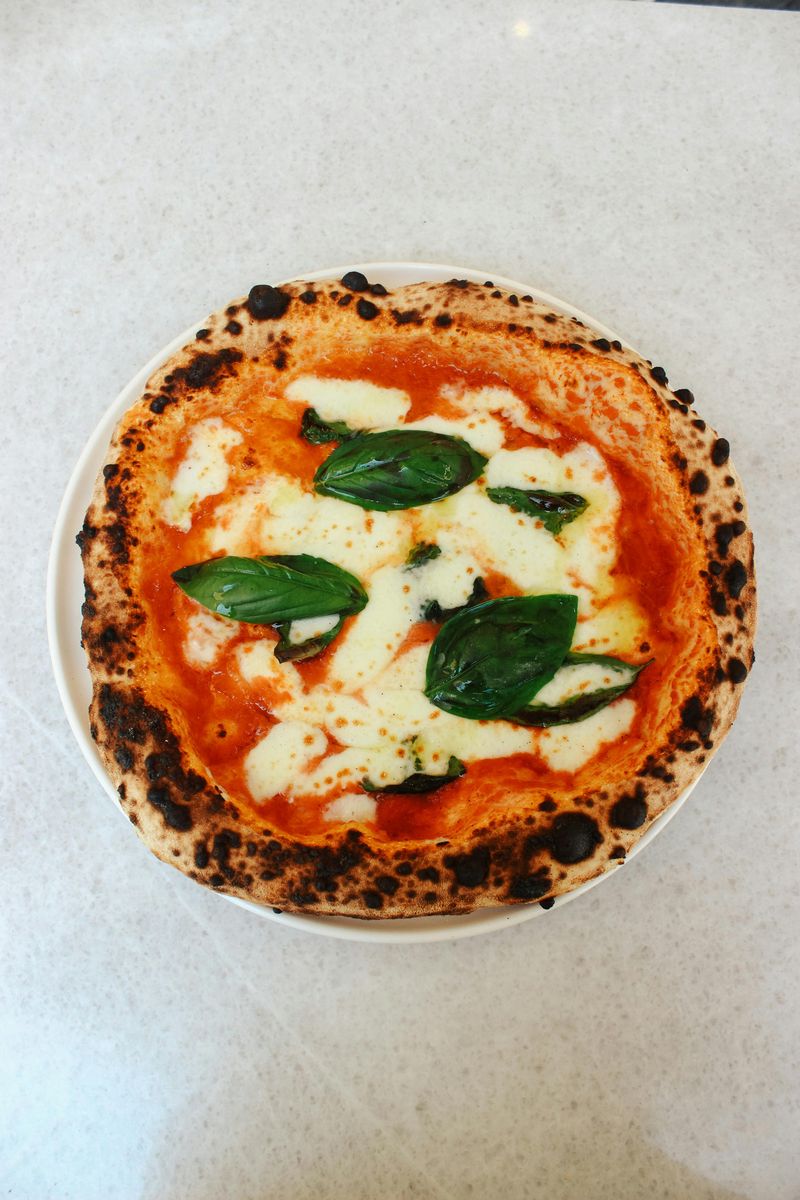
Pizza gets slammed as junk, but smart choices change everything. A thin crust, light cheese, and plenty of vegetables bring balance and flavor.
Adding lean protein like chicken or anchovies boosts satisfaction without heaviness.
Control portions by sharing a pie and adding a side salad. You will enjoy the social, comforting vibe without overdoing it.
If making it at home, use whole grain dough, bold sauce, and a hot oven for crisp results.
Leftovers reheat well on a skillet for snap. Treat pizza night as a curated meal, not a frenzy, and you will thrive.
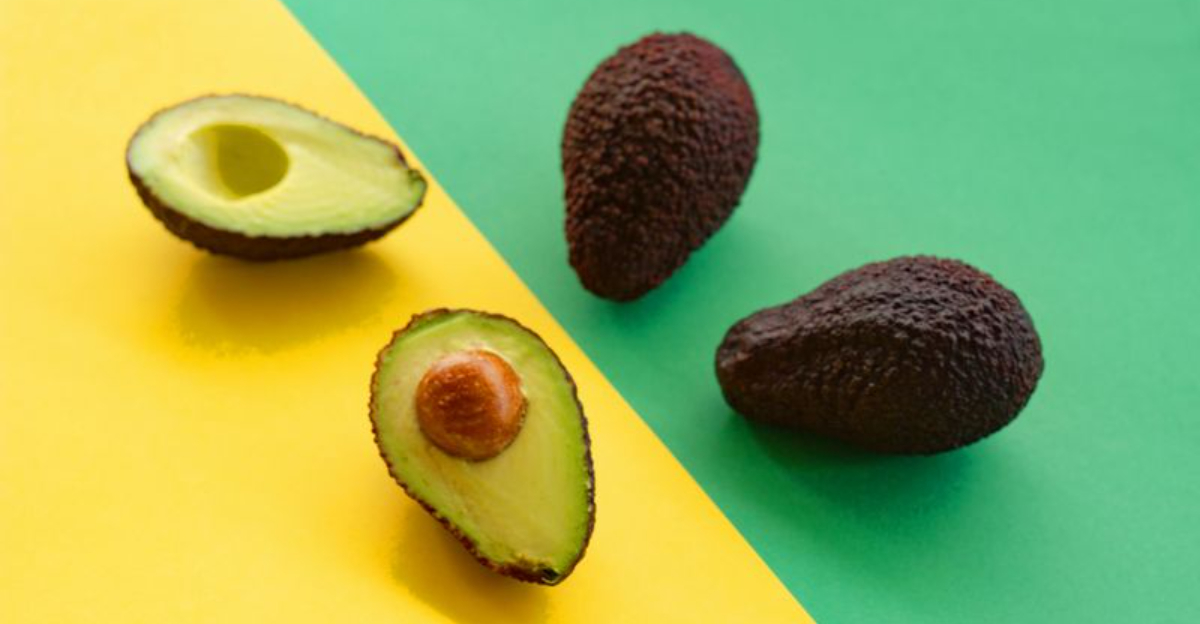
Avocados
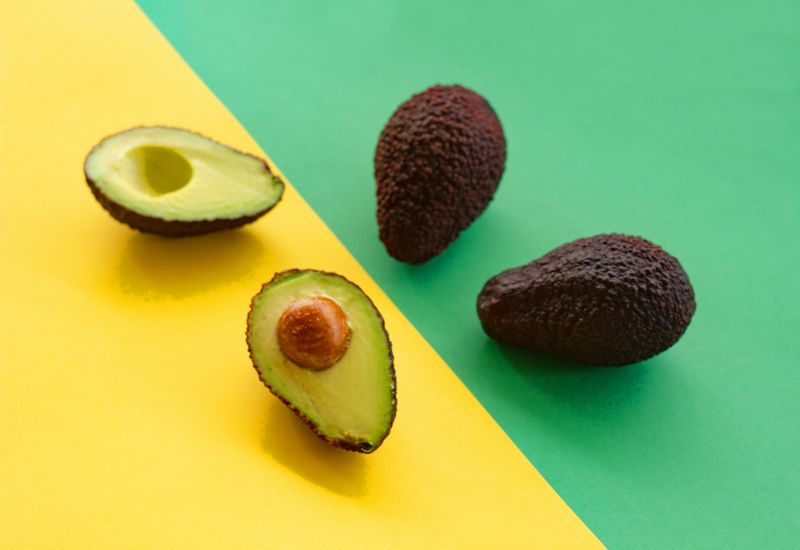
Avocados get dinged for calories, yet they deliver fiber, potassium, and heart friendly fats. That creamy texture boosts meal satisfaction, helping you feel fuller longer.
The key is portioning a third to half, not the whole fruit every time.
Mash onto toast, fold into salads, or blend into smoothies for silkiness. Add acid like lime and a pinch of salt, and flavors pop.
You will enjoy richness without needing heavy dressings or extra oils.
Store with the pit and a squeeze of lemon to reduce browning. Rotate with nuts and olive oil to diversify healthy fat sources.
Enjoyed this story?
Add Fast Food Club as a preferred source to see more of our reporting on Google.