


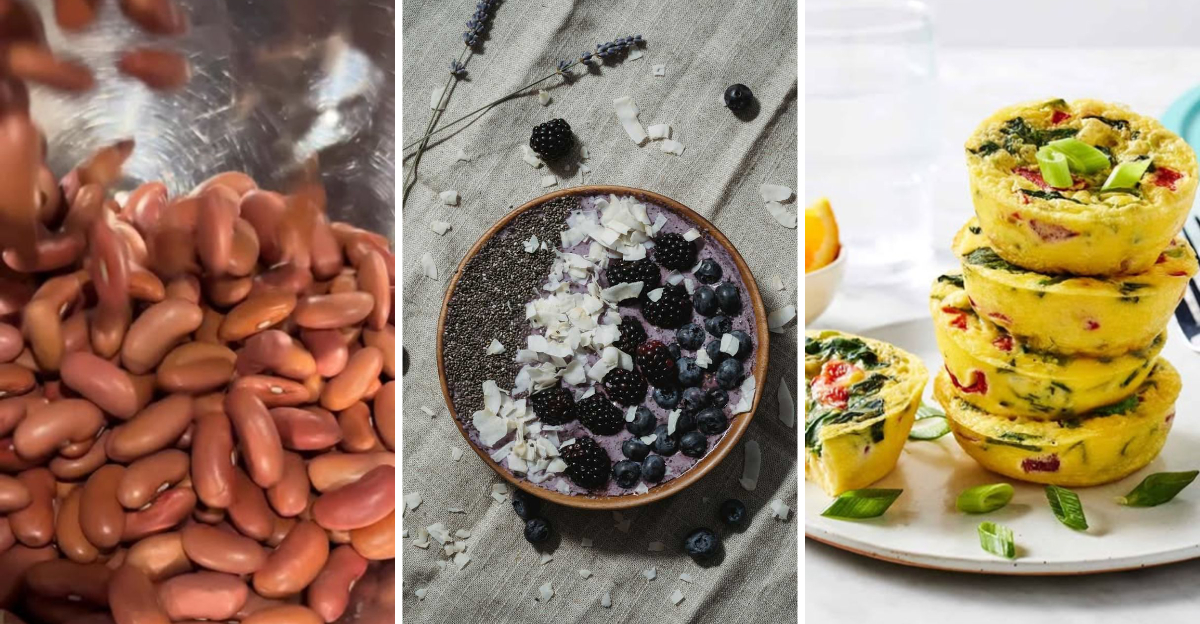
Getting enough protein without eating meat is easier than you might think. Many plant-based and vegetarian foods are packed with protein that helps your body grow, repair muscles, and stay energized throughout the day.
Whether you are just starting a vegetarian diet or looking to mix things up, knowing which foods deliver the most protein can make a huge difference. Here are the best high-protein foods to add to your plate.
Lentils
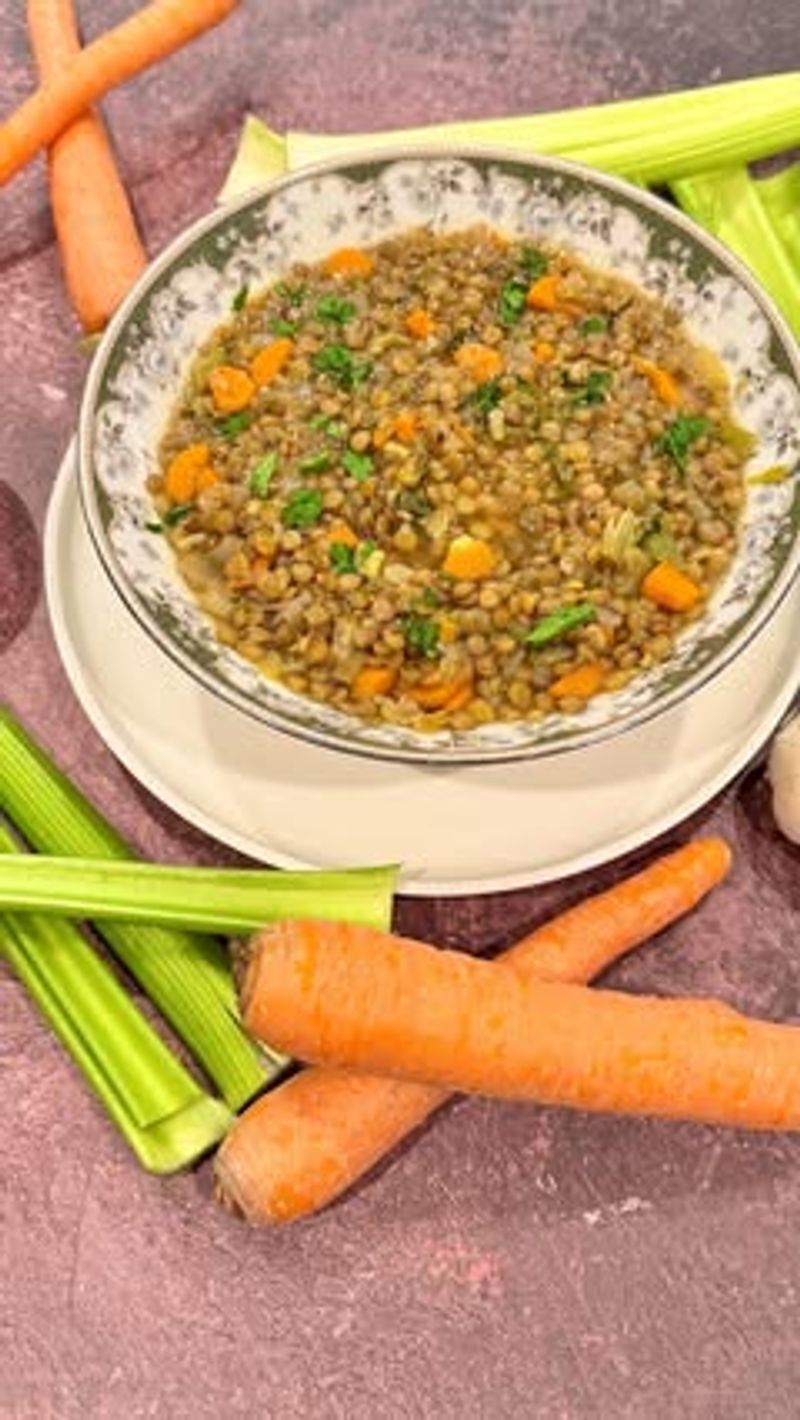
Lentils are one of the most underrated protein powerhouses in any kitchen. A single cooked cup delivers around 18 grams of protein, making them a go-to for vegetarians everywhere.
They come in green, red, brown, and black varieties, each with a slightly different flavor and texture.
Toss them into soups, salads, or stews for a hearty, filling meal. They also cook faster than most other legumes, so dinner is never far away.
Chickpeas
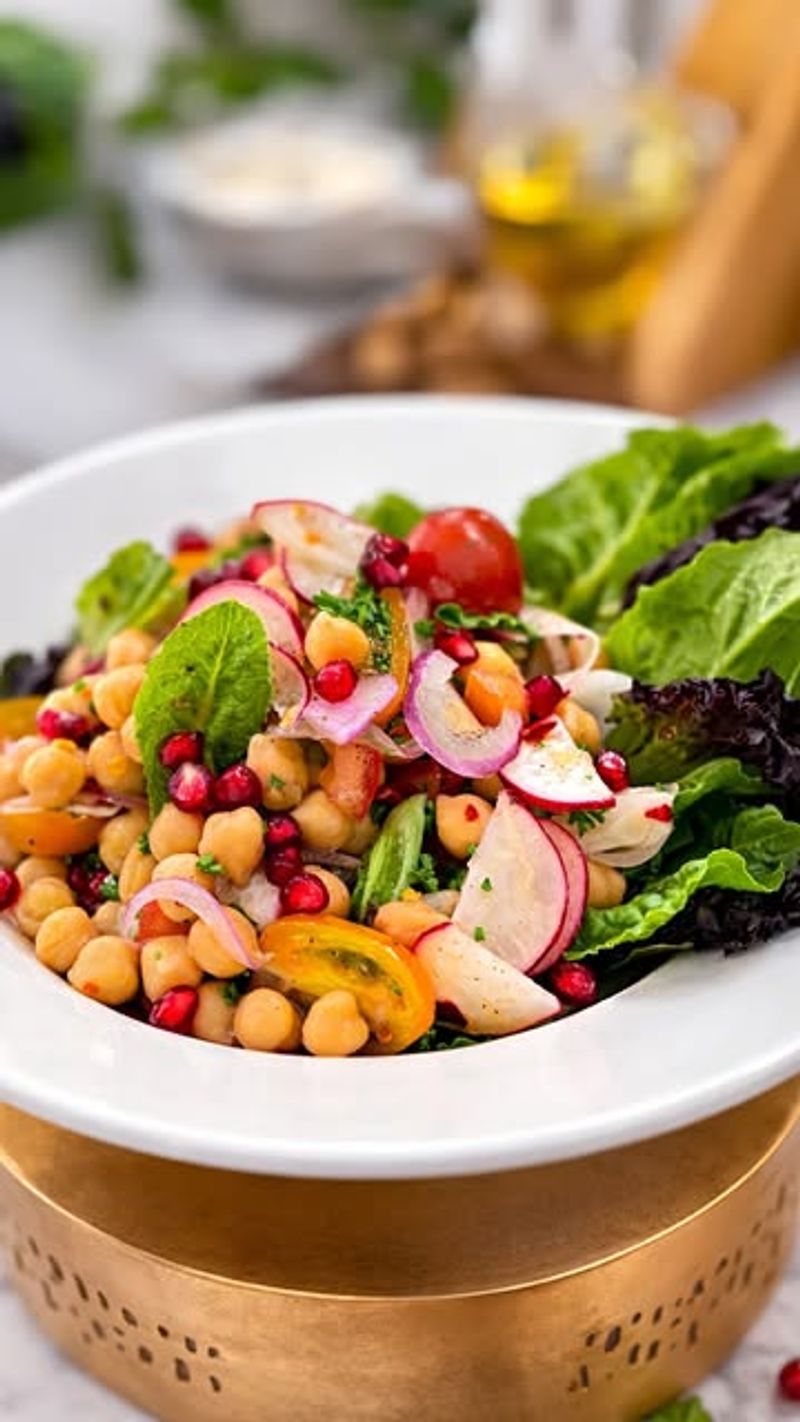
Chickpeas have been a staple food in kitchens around the world for thousands of years, and for good reason. One cup of cooked chickpeas offers about 15 grams of protein along with a solid dose of fiber that keeps you full for hours.
Roast them for a crunchy snack, blend them into hummus, or toss them into a curry. Their mild, nutty flavor makes them incredibly versatile for everyday cooking.
Black beans
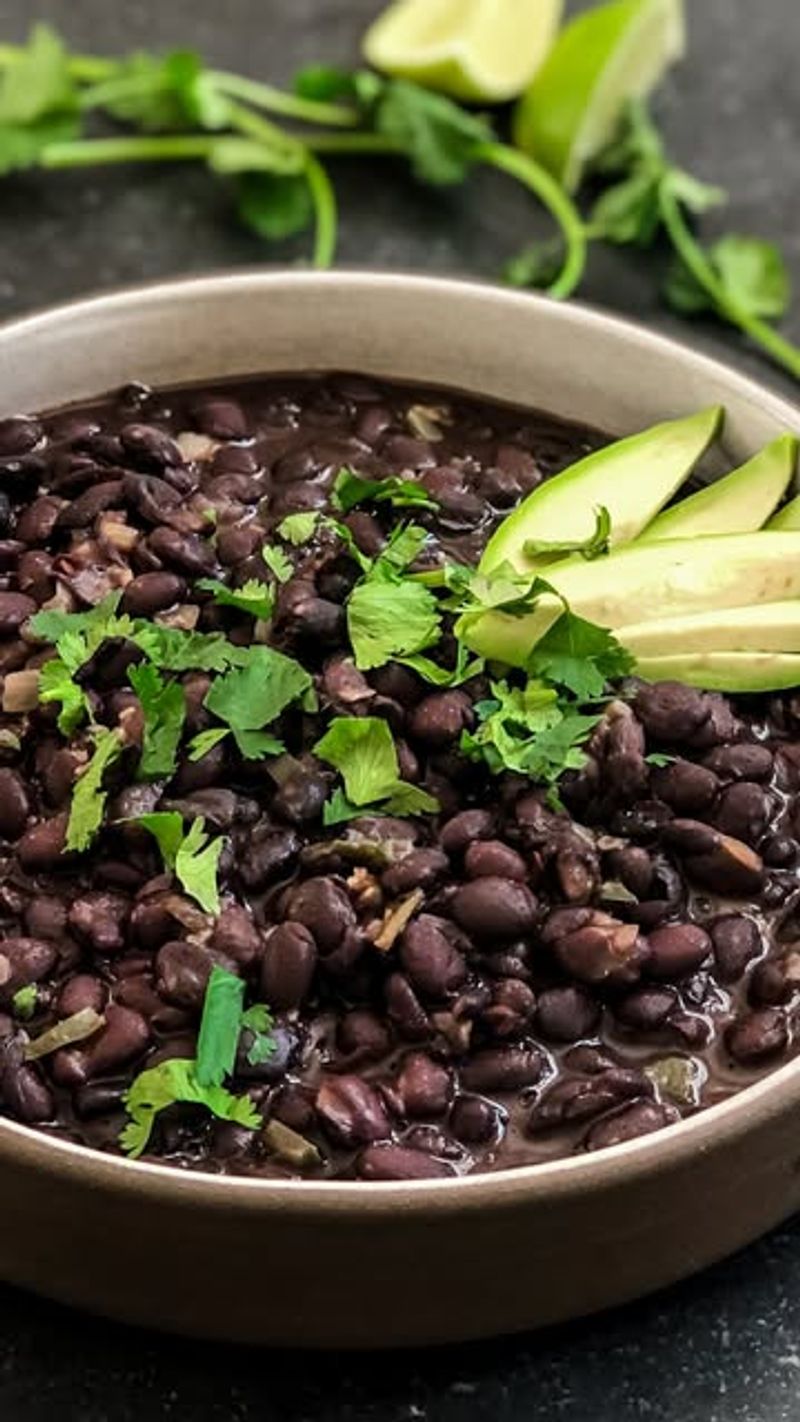
Black beans bring more to the table than just a rich, earthy flavor. Packed with roughly 15 grams of protein per cooked cup, they are a fantastic meat-free option that also supplies iron and magnesium your body needs.
Stir them into rice bowls, layer them in burritos, or use them as a base for veggie burgers. Their creamy texture and bold taste make almost any dish feel more satisfying and complete.
Kidney beans

Did you know kidney beans got their name simply because they look like tiny kidneys? Beyond their fun shape, these beans deliver around 13 to 15 grams of protein per cooked cup, making them a reliable staple for vegetarian diets.
They hold up beautifully in chili, soups, and rice dishes without turning mushy. Their firm texture and slightly sweet flavor add a satisfying heartiness to meals that keeps hunger at bay for hours.
Quinoa
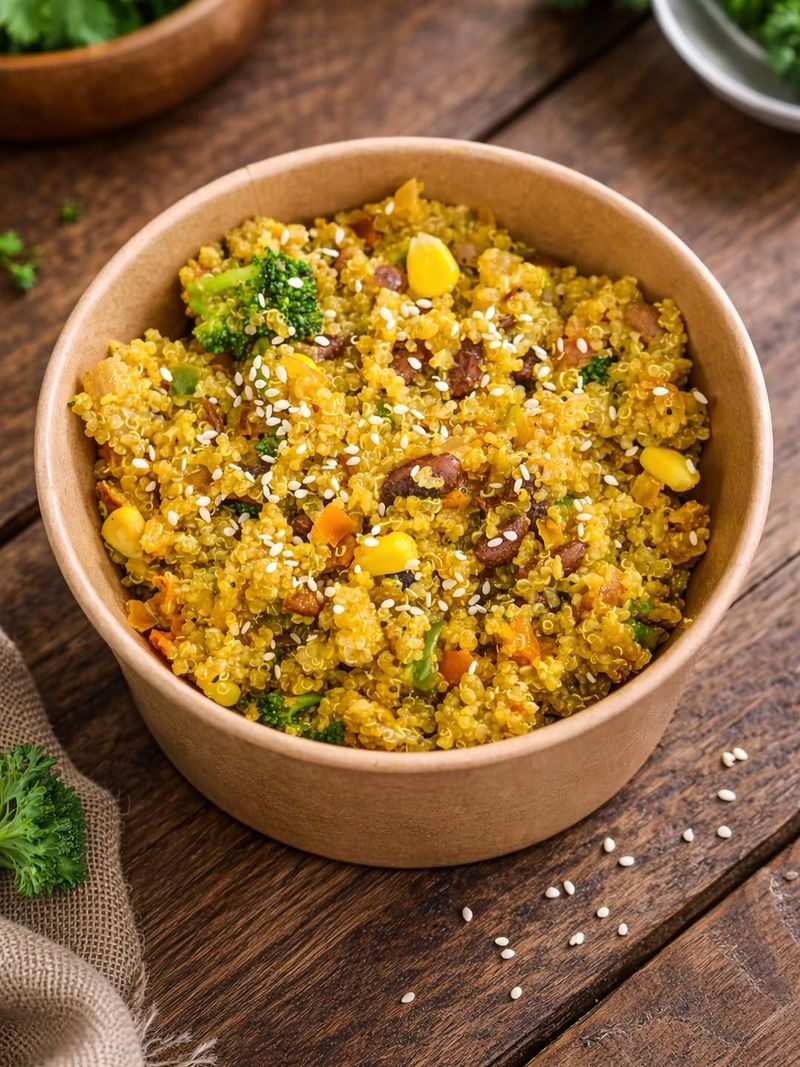
Unlike most plant foods, quinoa is a complete protein, meaning it contains all nine essential amino acids your body cannot make on its own. One cooked cup provides about 8 grams of protein, which is impressive for a grain-like seed.
It cooks in just 15 minutes and works as a base for salads, grain bowls, or even breakfast porridge. Quinoa has a slightly nutty flavor that pairs well with both savory and sweet toppings.
Tofu

Tofu is basically a blank canvas that soaks up whatever flavors you cook it with, making it one of the most adaptable foods in any vegetarian kitchen. Made from soybeans, it provides around 10 grams of protein per half-cup serving.
You can fry it for a crispy texture, bake it, blend it into smoothies, or crumble it like scrambled eggs. Firm tofu works great in stir-fries, while silken tofu blends smoothly into soups and desserts.
Tempeh

Tempeh takes soybeans to a whole new level by fermenting them into a dense, nutty cake packed with protein. A half-cup serving clocks in at an impressive 15 to 16 grams of protein, outpacing many other plant-based options.
Because it is fermented, tempeh is also easier to digest than many other legume-based foods and supports gut health. Slice it thin, marinate it, and pan-fry it for a satisfying, chewy texture that works brilliantly in sandwiches and grain bowls.
Edamame
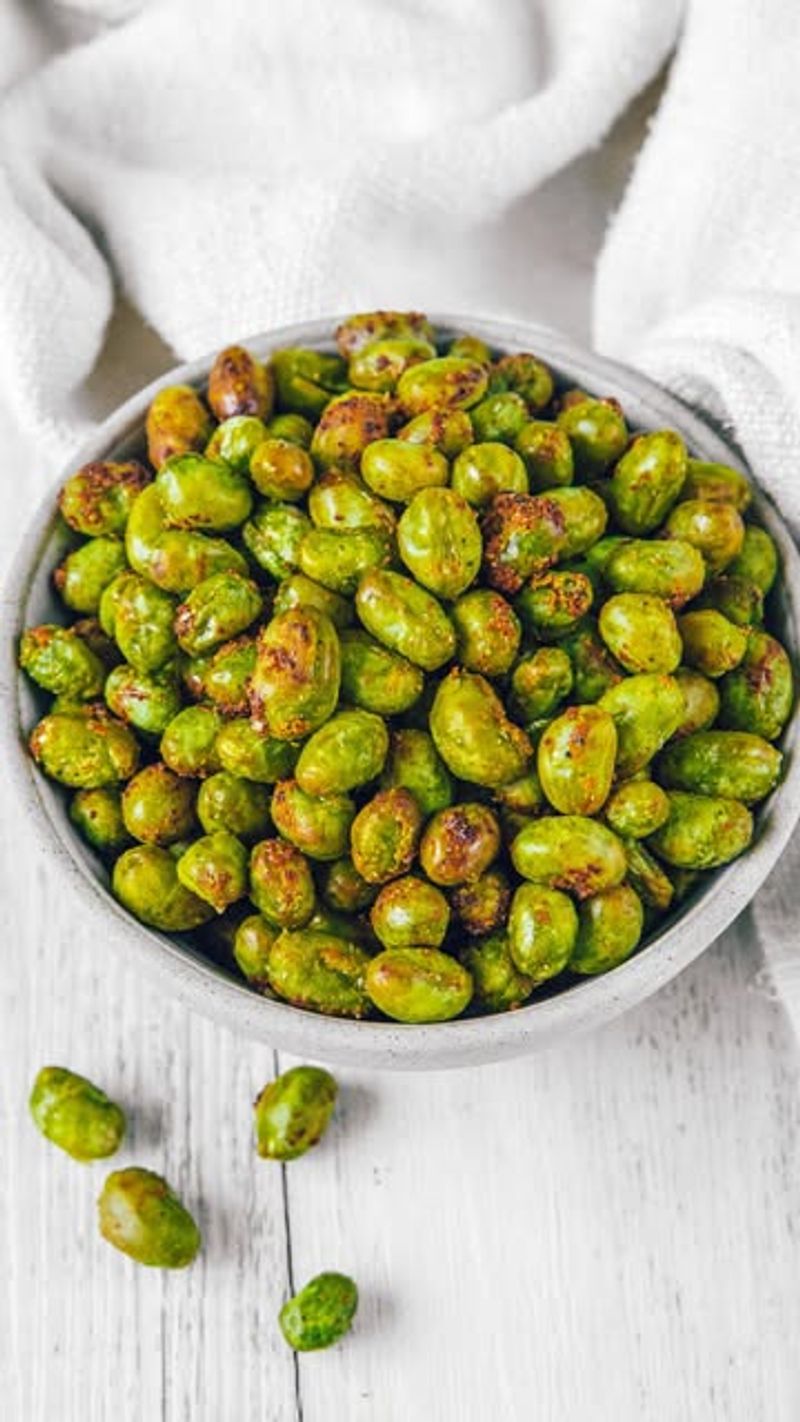
Edamame are young, green soybeans that taste fresh, slightly sweet, and wonderfully satisfying straight from the pod. One cup of shelled edamame delivers about 17 grams of protein, putting it among the top plant-based protein sources available.
They make a quick and nutritious snack when steamed and sprinkled with sea salt. You can also toss shelled edamame into pasta, fried rice, or salads for an easy protein boost without much extra effort in the kitchen.
Greek yogurt
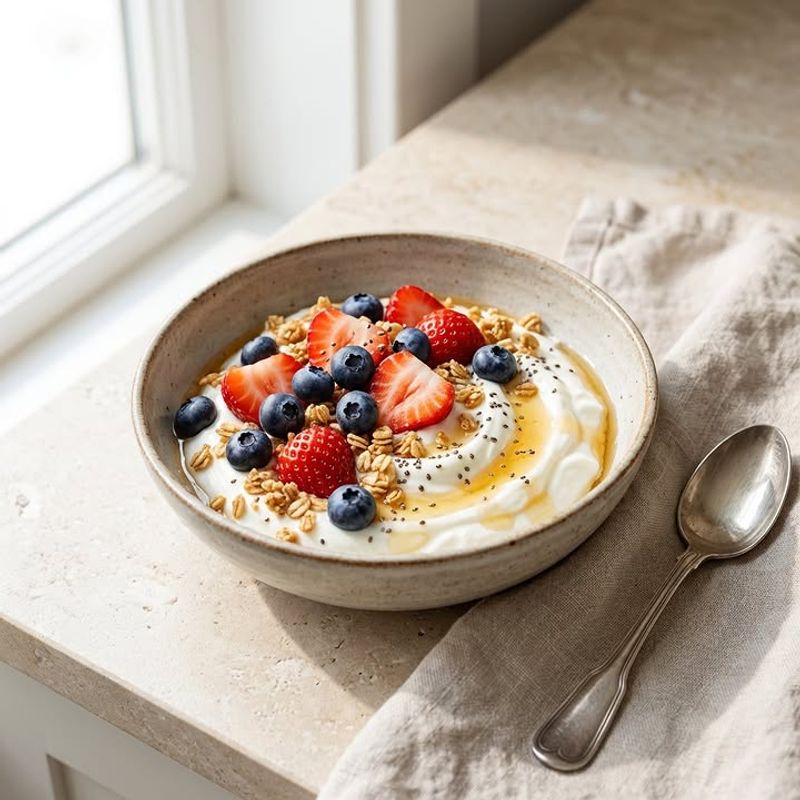
Thick, creamy, and tangy, Greek yogurt has earned its reputation as a protein-rich superstar in the dairy world. A single 6-ounce serving can pack in 15 to 20 grams of protein depending on the brand, making it one of the easiest high-protein snacks around.
Enjoy it plain with fruit, use it as a sour cream substitute, or blend it into smoothies for a creamy boost. It also contains probiotics that support a healthy digestive system every day.
Cottage cheese

Cottage cheese might look plain, but do not let its simple appearance fool you. With around 25 grams of protein per cup, it is one of the highest-protein dairy foods you can find at any grocery store.
Its mild flavor pairs well with both sweet toppings like fruit and savory additions like tomatoes or herbs. Many athletes eat it before bed because it contains casein protein, which digests slowly and helps muscles recover and grow overnight.
Eggs

Few foods in the world match eggs when it comes to combining high protein with incredible versatility. Each large egg provides about 6 grams of complete protein along with healthy fats, vitamins, and minerals your body uses every single day.
Scramble them, poach them, hard-boil them for a grab-and-go snack, or bake them into a frittata loaded with vegetables. Eggs are also one of the most affordable protein sources available, making them a smart choice for any budget-conscious vegetarian.
Milk
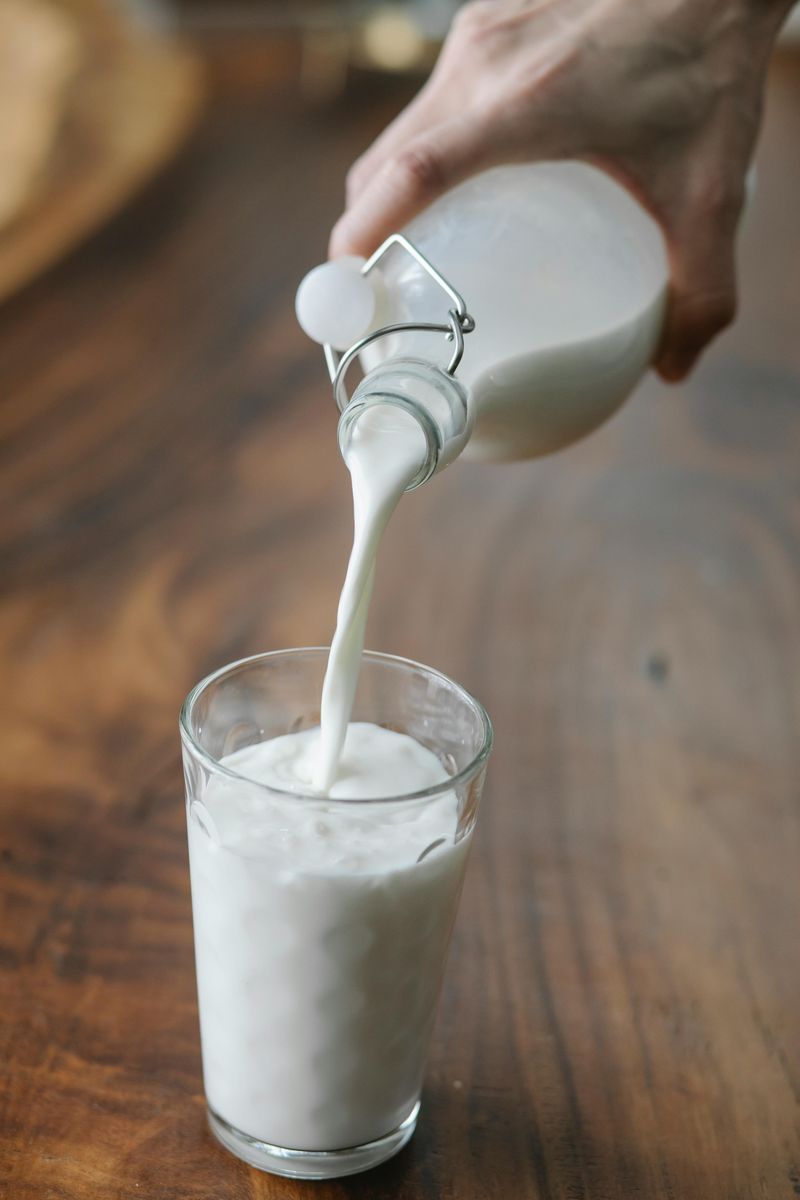
Milk has been fueling growing bodies for generations, and its protein content is a big reason why. One cup of whole or low-fat milk delivers around 8 grams of protein along with calcium, vitamin D, and other nutrients essential for strong bones.
Beyond drinking it straight, milk works well in smoothies, oatmeal, soups, and baked goods. If you want to maximize your protein intake, try swapping water for milk when making pancakes or hot cereals in the morning.
Cheese
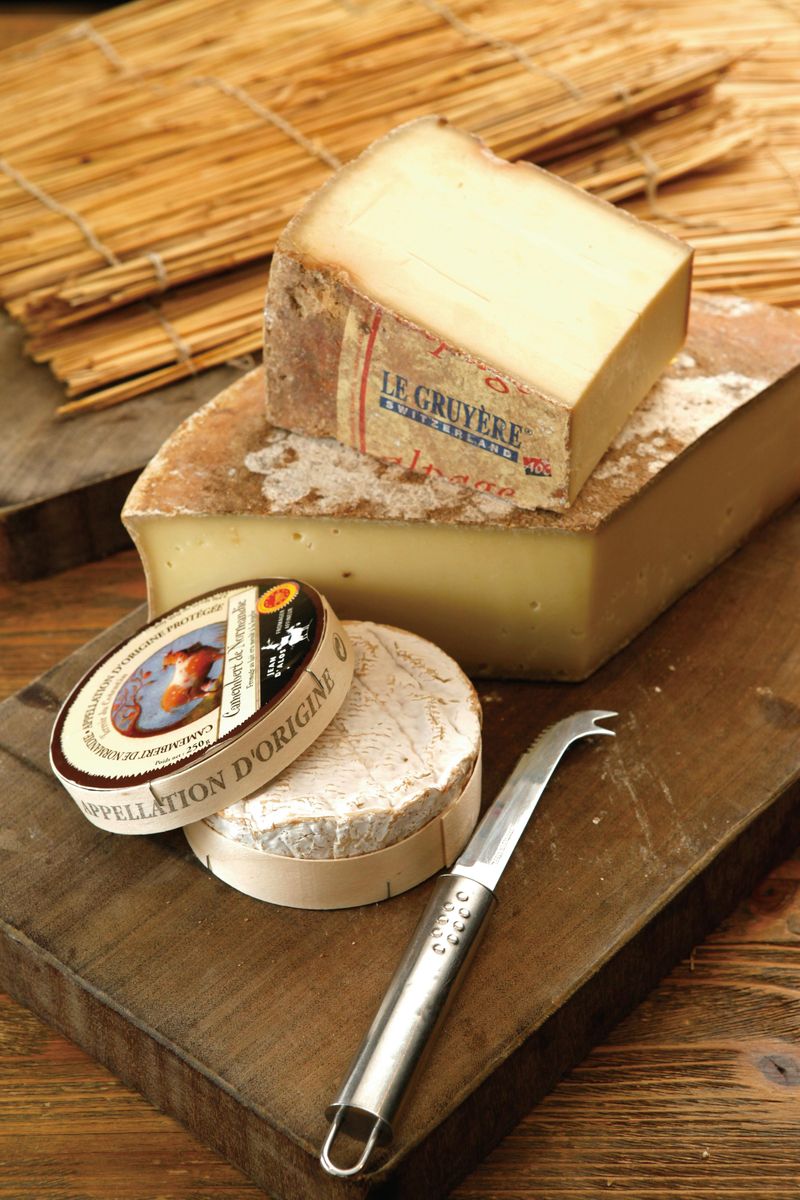
Cheese lovers, rejoice, because your favorite snack is also a solid source of protein. Depending on the variety, cheese can offer anywhere from 6 to 10 grams of protein per ounce, with harder cheeses like parmesan and cheddar ranking among the highest.
Sprinkle it over pasta, melt it into sandwiches, or enjoy it with whole-grain crackers for a quick protein-rich snack. Cheese also supplies calcium and phosphorus, two minerals that work together to keep your bones healthy and strong.
Skyr
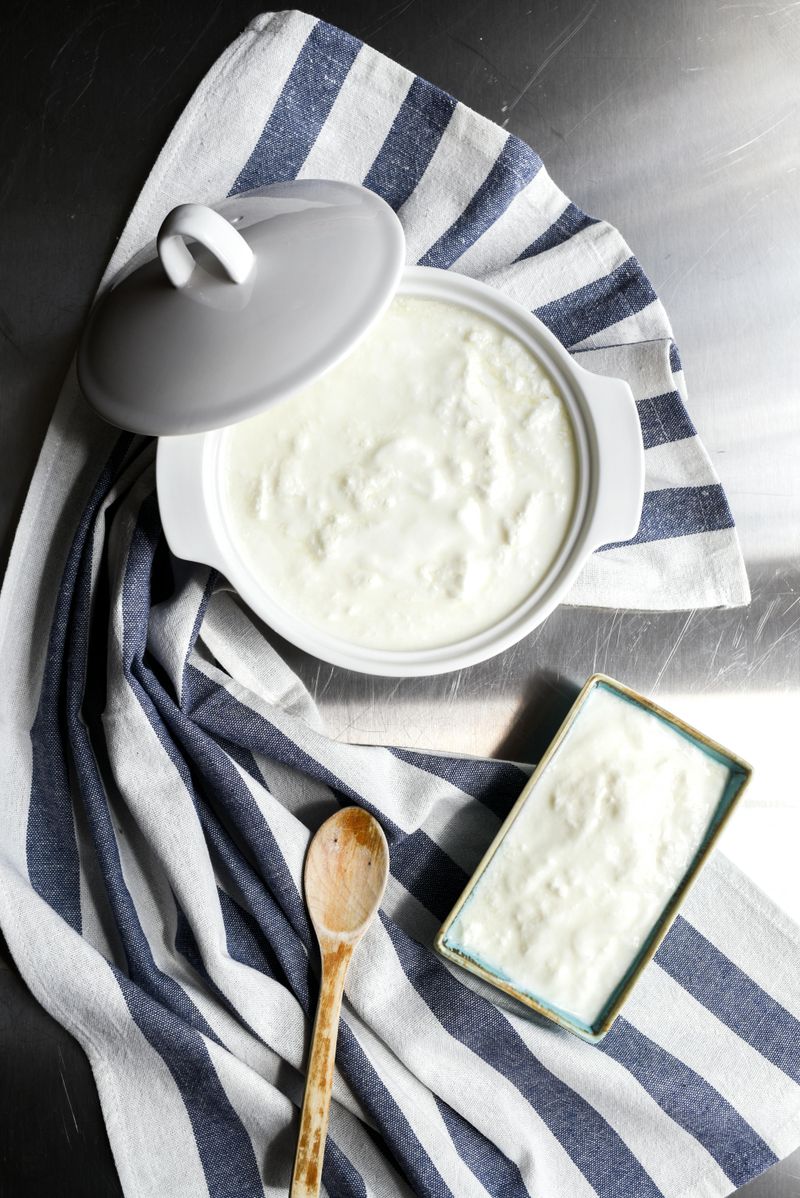
Originating from Iceland, skyr has been a traditional food there for over a thousand years, and modern nutritionists are finally catching on to why. This thick, cultured dairy product looks and tastes similar to Greek yogurt but typically contains even more protein per serving, sometimes up to 17 grams per cup.
Its naturally low fat content makes it appealing to those watching their diet. Try it with fruit, mix it into parfaits, or use it as a creamy base for dressings and dips.
Chia seeds
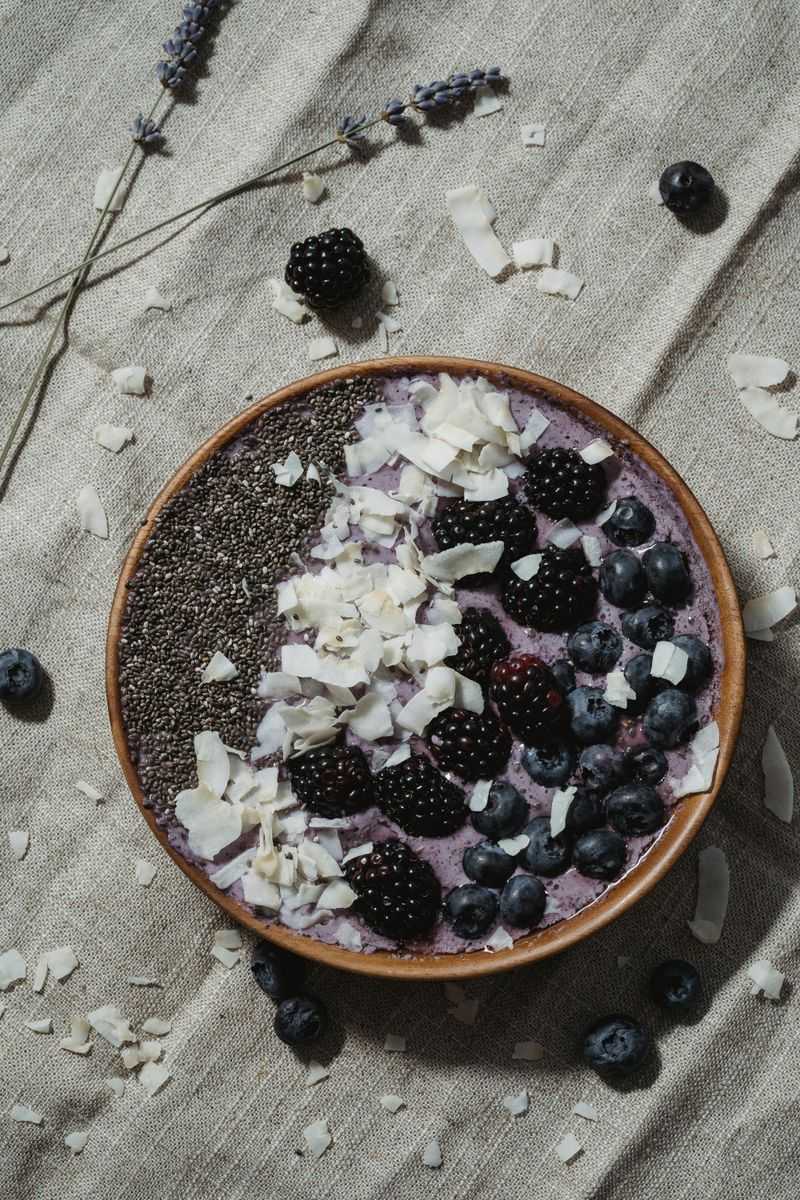
Tiny but mighty, chia seeds punch well above their weight when it comes to nutrition. Just two tablespoons deliver about 5 grams of protein, plus a hefty dose of omega-3 fatty acids, fiber, and antioxidants that support overall health.
When mixed with liquid, chia seeds swell up into a gel-like texture, making them perfect for puddings, overnight oats, and smoothies. Sprinkle them over yogurt or salads for a nearly invisible nutrition upgrade that requires absolutely zero cooking or preparation time.
Flaxseeds
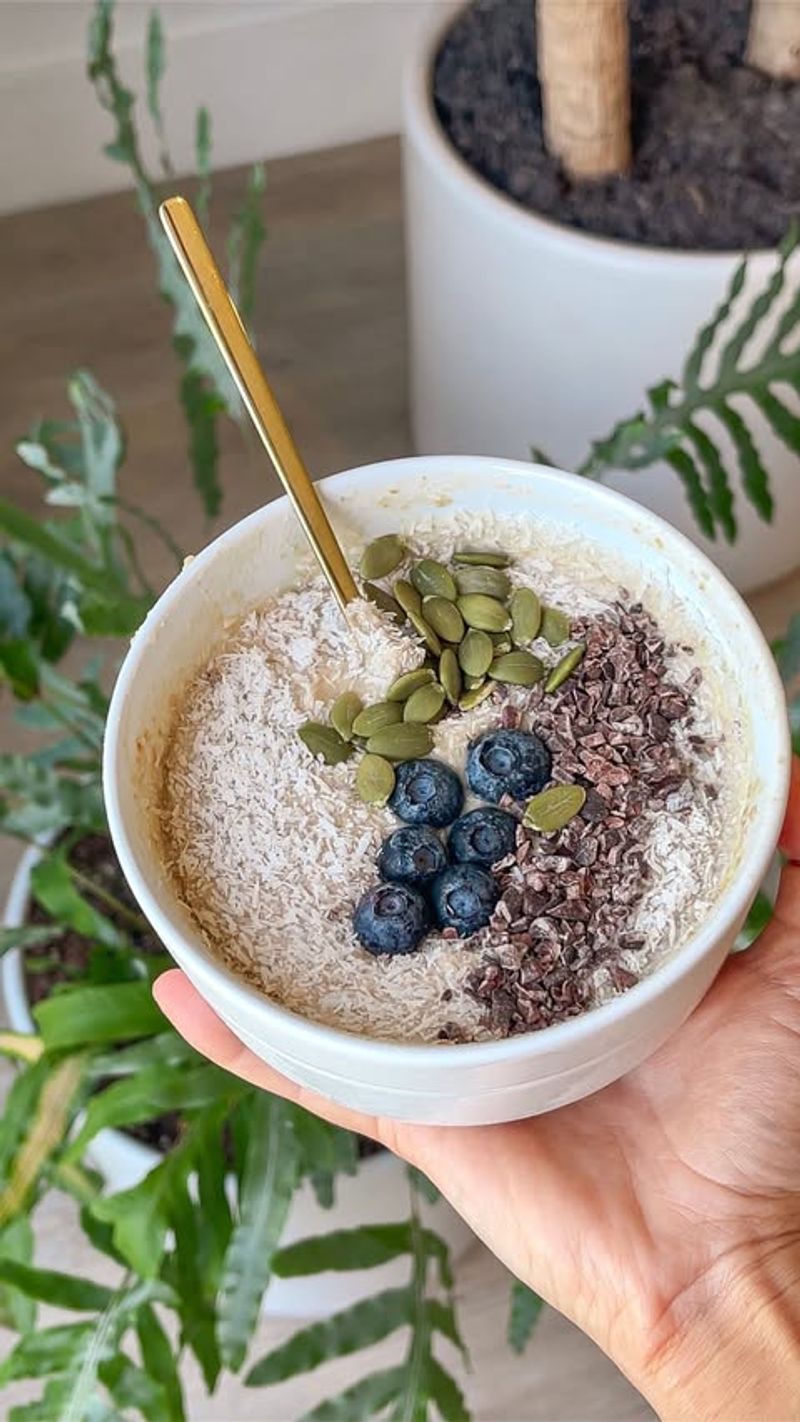
Flaxseeds are one of those quiet, hardworking foods that do a lot without asking for much attention. Two tablespoons offer around 4 grams of protein along with impressive amounts of omega-3 fatty acids and lignans, which are plant compounds linked to heart health.
Ground flaxseeds are easier for your body to absorb than whole ones, so consider blending them before adding to smoothies, baked goods, or oatmeal. They add a mild, nutty flavor that blends seamlessly into almost any recipe.
Hemp seeds
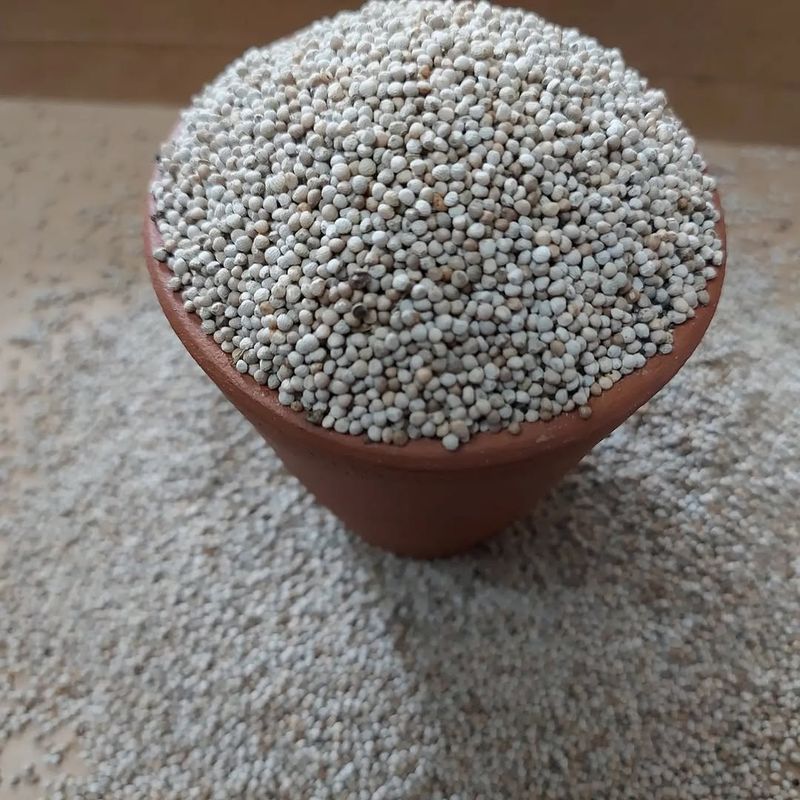
Hemp seeds might just be the most nutritionally efficient seeds you can add to your diet. Three tablespoons pack in about 10 grams of complete protein, meaning they contain all nine essential amino acids, which is rare for a plant-based food.
Their soft texture and mild, slightly nutty taste make them easy to sprinkle over salads, blend into smoothies, or stir into yogurt without changing the flavor of your meal. They also supply healthy fats that support brain and heart function.
Almonds
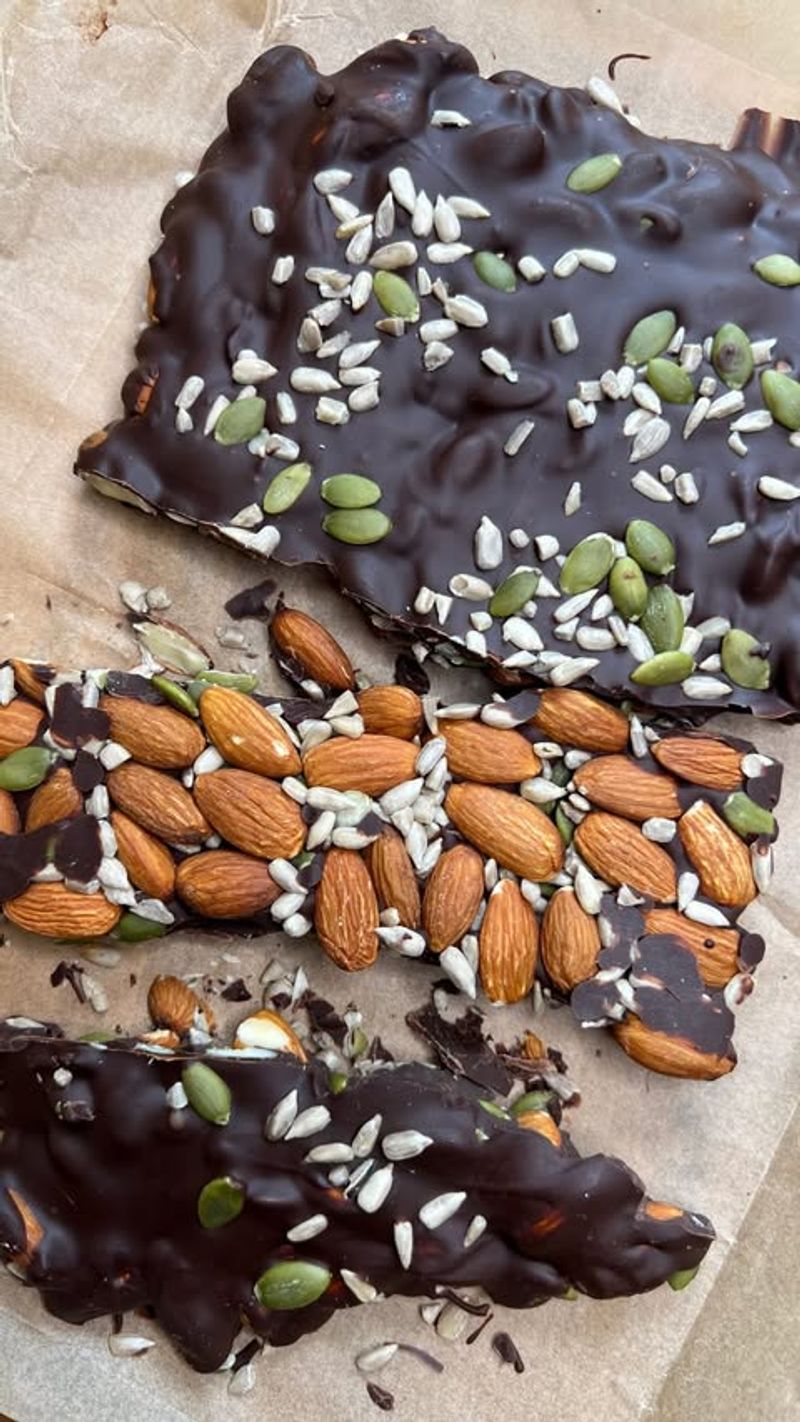
Almonds are the kind of snack you can feel genuinely good about reaching for between meals. A one-ounce serving, roughly 23 almonds, provides about 6 grams of protein along with vitamin E, magnesium, and heart-healthy monounsaturated fats.
Keep a small bag in your backpack or desk drawer for an easy, no-prep protein boost anytime hunger strikes. Beyond snacking, almonds can be sliced over oatmeal, blended into almond butter, or crushed as a crunchy coating for baked tofu or vegetables.
Peanut butter
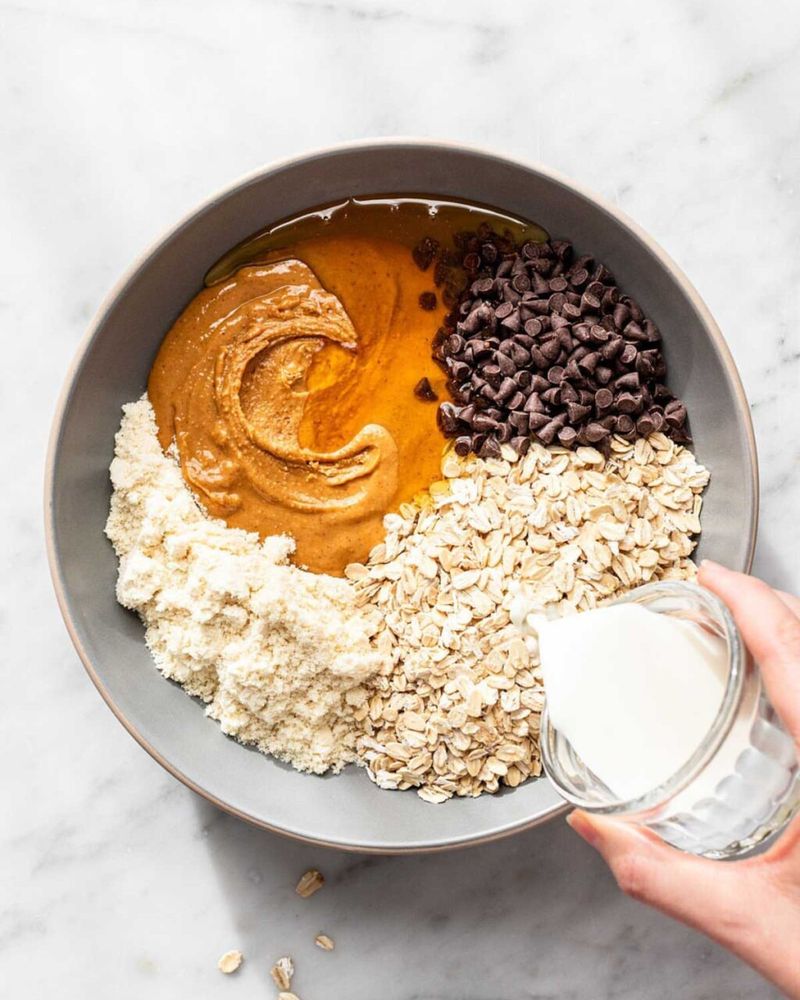
Few foods bring as much comfort and nutrition together as a good jar of peanut butter. Two tablespoons deliver about 8 grams of protein, making it one of the most convenient and affordable high-protein foods for vegetarians of any age.
Spread it on whole-grain toast, swirl it into oatmeal, blend it into smoothies, or eat it straight off the spoon when you need a quick energy boost. Natural peanut butter with no added sugar is always the best choice for maximum nutritional benefit.
Oats
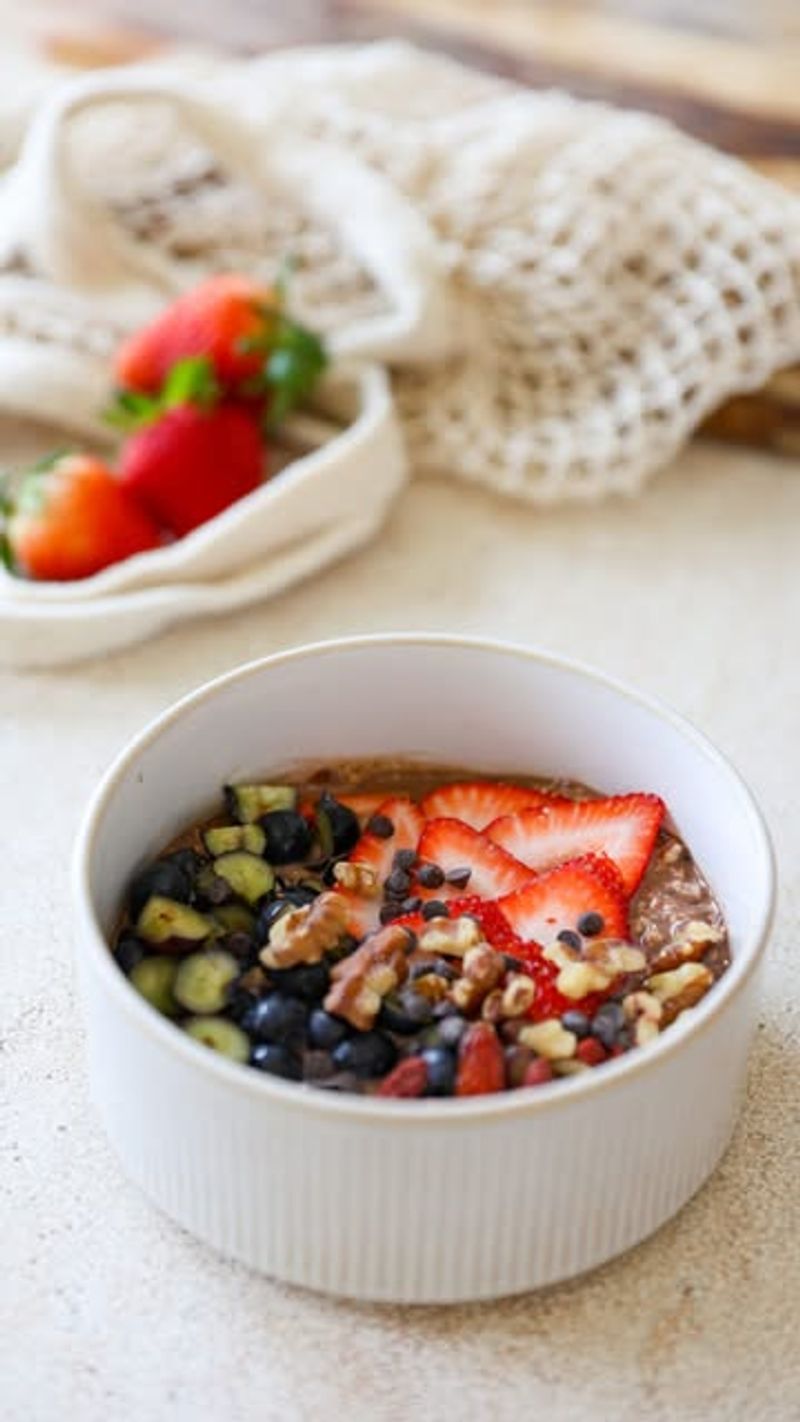
Oats are the ultimate comfort breakfast that also happens to be surprisingly rich in protein. One cup of cooked oats provides about 6 grams of protein along with beta-glucan fiber, which has been shown to help lower cholesterol levels over time.
Cook them as classic oatmeal, soak them overnight for a no-cook morning meal, or blend them into smoothies for extra thickness. Adding nut butter, seeds, or milk to your oats can easily double the protein content of your breakfast bowl.
Enjoyed this story?
Add Fast Food Club as a preferred source to see more of our reporting on Google.