



Processed does not have to mean unhealthy. With a little label reading and some smart swaps, you can stock a pantry that actually supports your goals.
These convenient picks can save time, reduce waste, and still deliver nutrients your body craves. Let’s make the middle aisles work for you without sacrificing taste or balance.
Canned beans
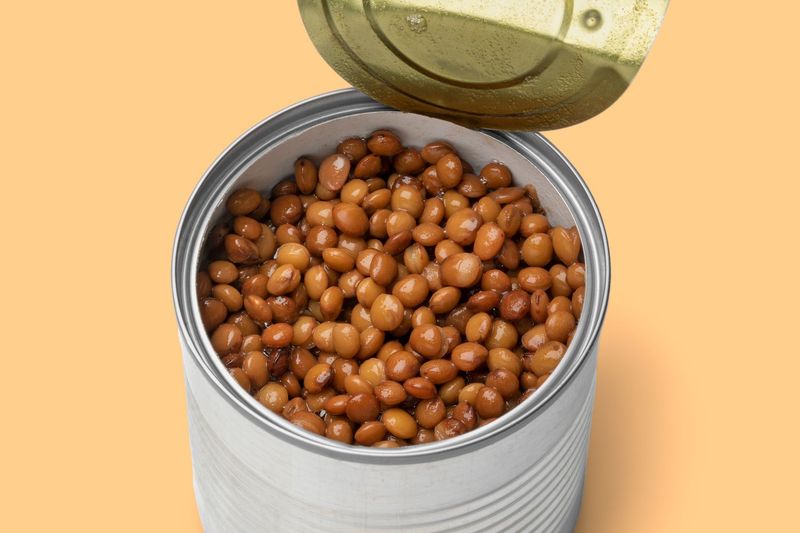
Canned beans make weeknight meals easier without sacrificing nutrition. They are packed with fiber, plant protein, potassium, and iron, and they come ready to use.
Rinse them to reduce sodium, then toss into soups, salads, tacos, or quick skillets. Keep a few cans on hand always.
You get shelf stability and affordability that support consistent healthy choices. Choose varieties without sweeteners or heavy sauces, and check the label for simple ingredients.
If digestive comfort is a concern, try smaller portions at first, add spices like cumin, or pair with rice to balance texture and flavor.
Frozen vegetables
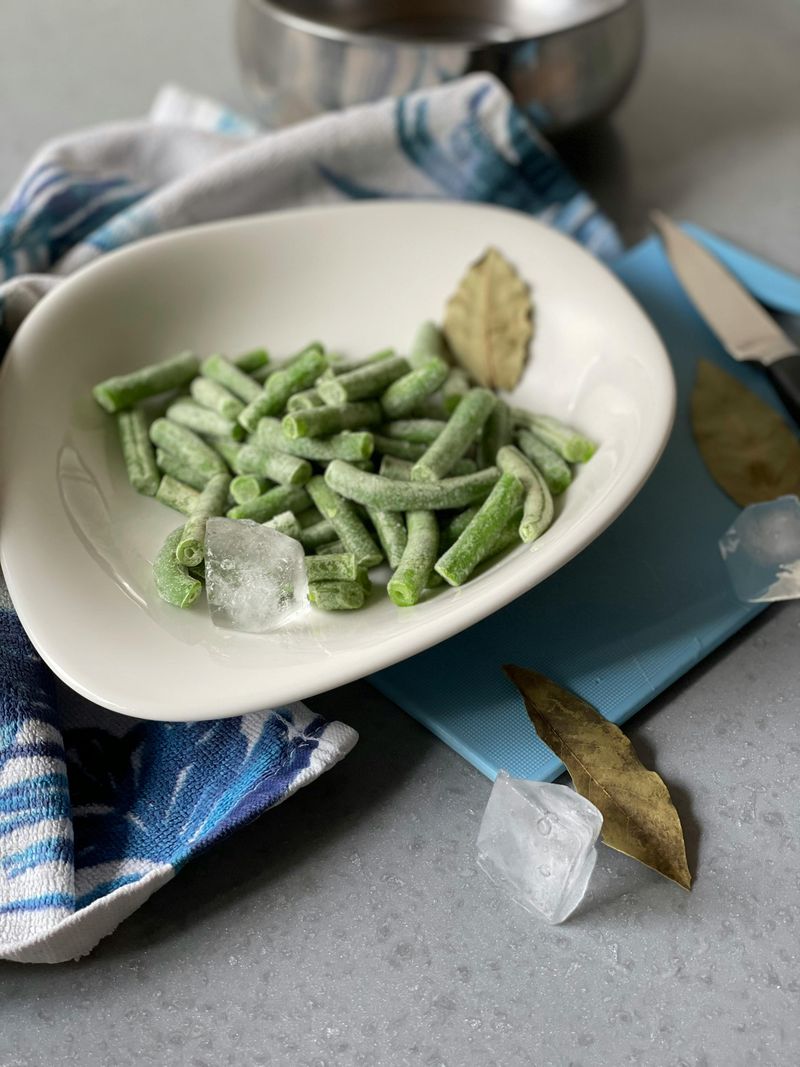
Frozen vegetables are picked at peak ripeness and flash frozen, which helps lock in nutrients. You skip the washing and chopping, so dinner moves faster without losing color or crunch.
Toss them into stir fries, sheet pan meals, or omelets, and season generously for big flavor.
Scan ingredient lists for vegetables only, avoiding added sauces that pile on sodium. Steam, microwave, or roast straight from the freezer to prevent mushy textures.
If you struggle to hit daily veggie goals, keeping a few bags on hand makes the healthy choice convenient, affordable, and consistently delicious year round.
Greek yogurt
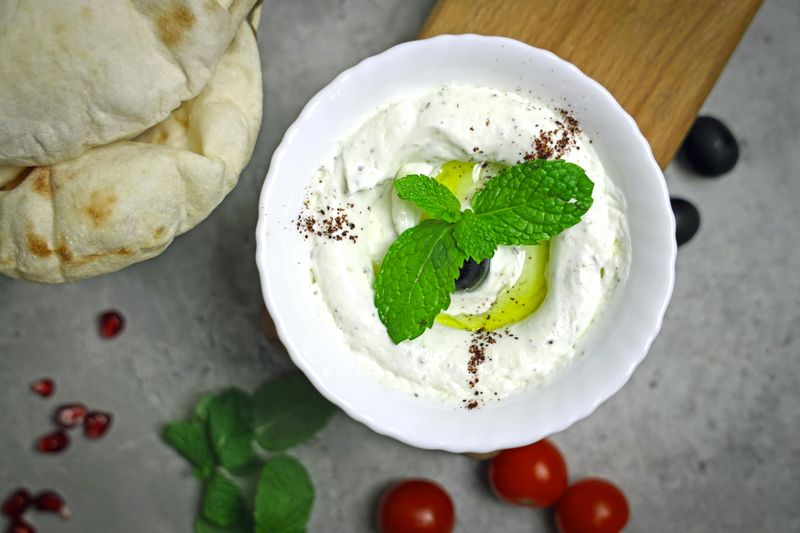
Greek yogurt delivers creamy texture with a serious protein boost that keeps you satisfied longer. Choose plain, unsweetened tubs and add fruit, cinnamon, or a touch of honey to control sugar.
It doubles as a tangy base for sauces, marinades, smoothies, and quick parfaits you can prep ahead.
Look for live and active cultures for gut friendly benefits. If lactose bothers you, try lactose free options or start with smaller servings.
For savory uses, whisk with lemon, garlic, and herbs to replace heavier cream sauces, giving you a lighter topping that still feels rich and comforting.
Whole grain bread

Whole grain bread can be a steady energy anchor when you choose wisely. Check the label for whole wheat or whole grain listed first, plus at least three grams of fiber per slice.
Toast it for sandwiches, avocado toast, or a hearty side that pairs with soups and salads.
Avoid loaves with lots of added sugars, dough conditioners, and unnecessary oils. If texture matters, try sprouted options for a nutty flavor and easier digestion.
Freeze extra slices to prevent waste, then reheat in the toaster for crisp edges and a satisfying, reliable crunch any busy morning.
Frozen berries
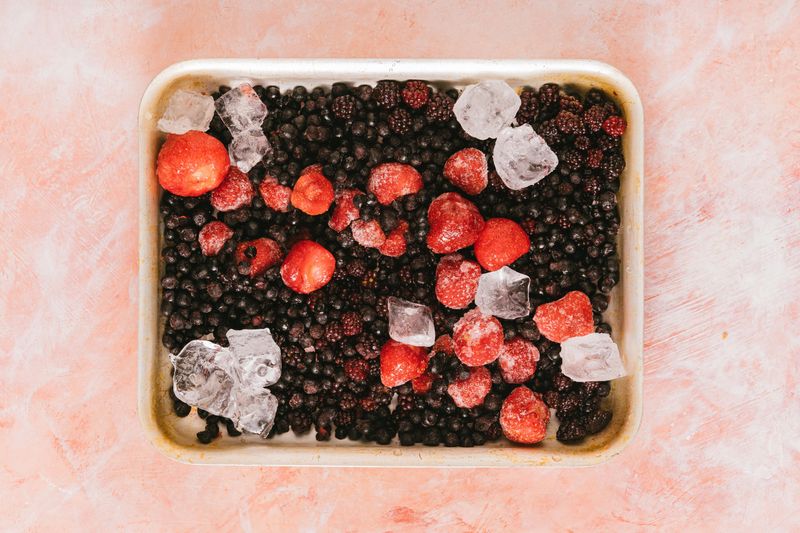
Frozen berries taste like summer even in the off season. They are packed with antioxidants and fiber, perfect for smoothies, overnight oats, or quick chia jam.
Because they are prepped and ready, you reduce waste and enjoy consistent sweetness without chasing sales or perfect produce.
Look for unsweetened bags to avoid unnecessary sugar. Microwave briefly or thaw in the fridge, then fold into yogurt, pancakes, or muffins for a colorful boost.
If you prefer a thicker smoothie, blend straight from frozen with Greek yogurt and spinach for a cold, creamy cup that still feels indulgent.
Fortified cereal
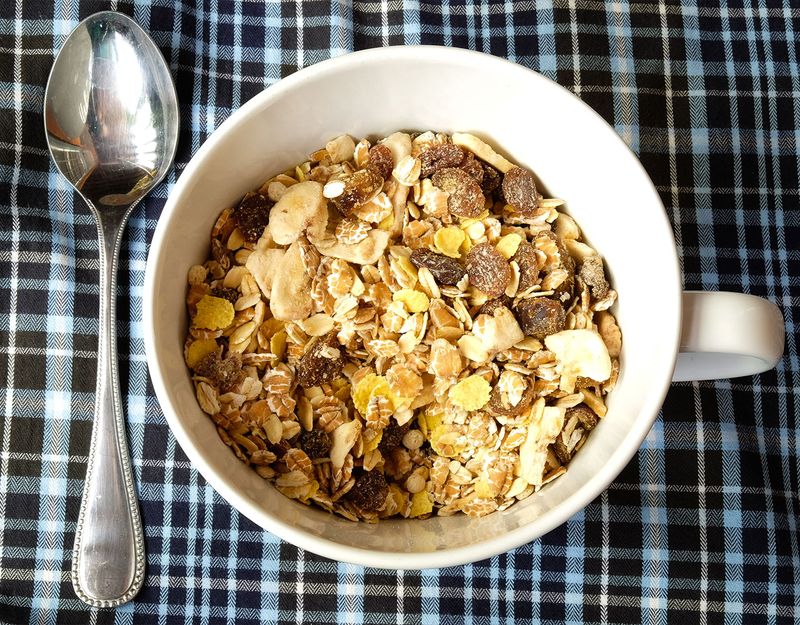
Fortified cereal can help fill nutrient gaps when mornings are hectic. Choose options high in fiber and protein with minimal added sugar, and pair with milk or yogurt for balance.
The right bowl can deliver iron, B vitamins, and even zinc, making breakfast both practical and satisfying.
Scan labels for short ingredient lists and whole grains first. If sweetness is tempting, add sliced fruit and a sprinkle of cinnamon instead of extra sugar.
For travel days, pack single portions in reusable containers, then add milk later so you still start strong without relying on pastries or drive throughs.
Peanut butter
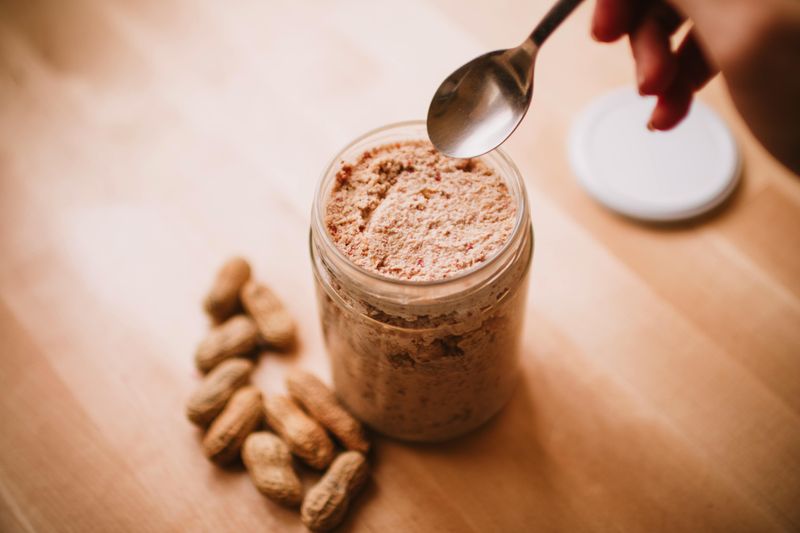
Peanut butter offers creamy comfort with satisfying protein and healthy fats. Choose jars with just peanuts and salt for a simple, dependable spread you can trust.
Stir the natural oil back in, then store upside down for easier mixing next time and a smoother, more even texture.
Spread on whole grain toast, swirl into oatmeal, or whisk with soy sauce and lime for a quick dressing. Watch portion sizes since calories add up fast, especially when spooning straight from the jar.
If allergies are a concern, consider almond, sunflower, or soy based alternatives that deliver similar versatility.
Tofu
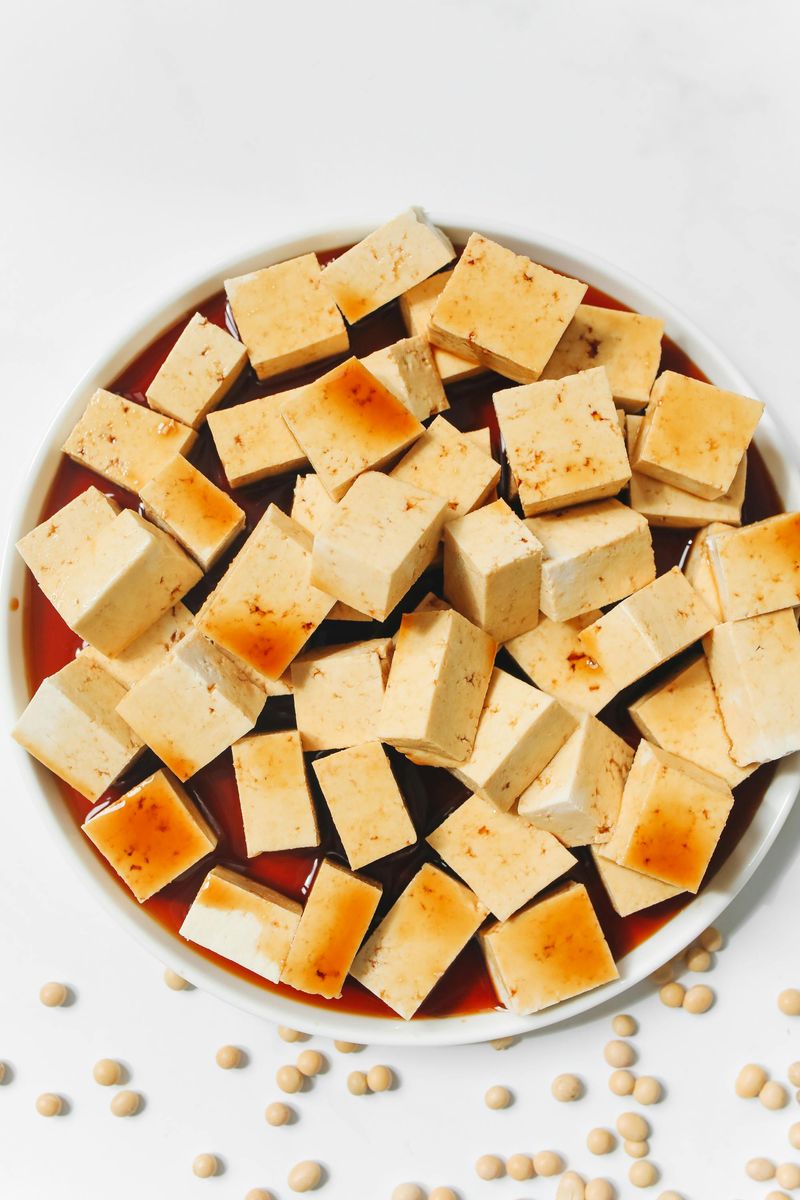
Tofu is a plant protein chameleon that takes on whatever flavors you give it. Press it to remove excess moisture, then pan sear, bake, or air fry for crisp edges.
Marinate with soy sauce, ginger, and garlic, or crumble into scrambles and tacos for an easy weeknight swap.
Choose extra firm for stir fries and firm for grilling or baking. Silken tofu blends into smoothies and dressings, adding body without dairy.
If texture feels new, start with small cubes tossed in cornstarch before cooking, giving you a golden crust that turns skeptics into curious, happy eaters.
Olive oil
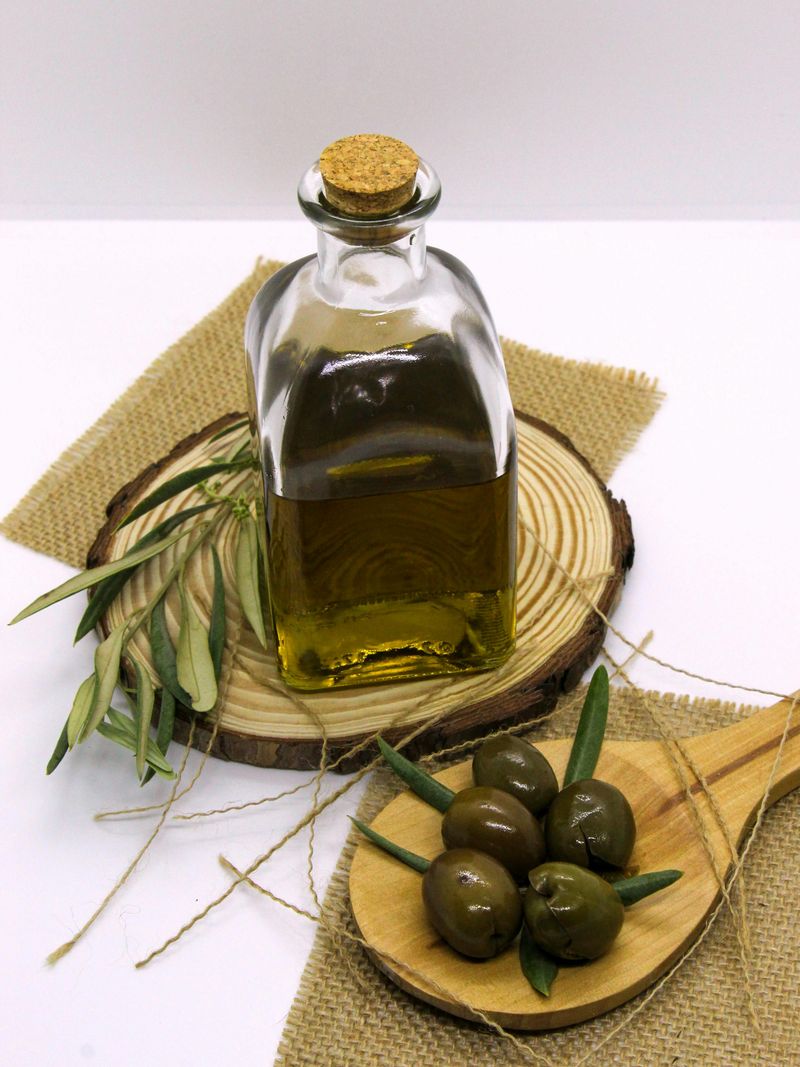
Olive oil brings flavor and heart friendly fats to everyday cooking. Use extra virgin for dressings, drizzling, and low to medium heat sautéing.
For higher heat, reach for light olive oil or another stable option, but keep extra virgin for finishing to preserve peppery, fruity notes.
Buy in dark bottles and store away from heat and light to protect quality. Check harvest or best by dates and choose sizes you will actually finish.
Pair with lemon, vinegar, and herbs for quick sauces that lift vegetables, grains, and proteins without needing heavy creams or complicated techniques.
Canned tuna

Canned tuna turns pantry staples into fast, protein rich meals. Choose tuna packed in water for lighter calories, or olive oil for richer flavor and satiety.
Mix with Greek yogurt, mustard, and crunchy veggies for sandwiches, or toss with pasta, capers, and lemon for dinner.
Vary types to manage mercury exposure, adding skipjack or light tuna more often. Look for brands that test for sustainability and quality, and consider pouches for travel.
Keep a few cans at your desk or in your bag, so a balanced lunch is always within reach when schedules go sideways.
Hummus

Hummus is a creamy blend of chickpeas, tahini, lemon, and garlic that satisfies snacks and meals. Spread it on sandwiches, scoop with vegetables, or thin with water for a quick dressing.
Its fiber and protein make snacking feel steady, not sleepy, especially when paired with crunchy, colorful produce.
Choose tubs with simple, recognizable ingredients and moderate sodium. If you like variety, rotate flavors like roasted red pepper or lemon dill to keep taste buds excited.
For portion control, spoon servings into small bowls instead of dipping from the container, helping you stay mindful without feeling restricted or hungry.
Whole grain pasta

Whole grain pasta delivers familiar comfort with more fiber and minerals than refined versions. The chew is pleasantly hearty, especially when cooked just to al dente.
Pair with tomato based sauces, olive oil and garlic, or creamy Greek yogurt sauces for balance without leaning on heavy cream.
Check labels for 100 percent whole grain and at least five grams of protein per serving. Add vegetables and lean proteins to stretch portions while keeping energy steady.
If the flavor is new, mix half whole grain with regular the first time, then move fully whole grain once taste buds adjust.
Dark chocolate

Dark chocolate can satisfy a sweet tooth while offering antioxidants and deep, complex flavor. Choose bars around 70 percent cacao or higher to keep sugar in check and intensity high.
Enjoy a couple squares mindfully after dinner, pairing with berries or tea to slow down and savor.
Read labels for cocoa mass listed first and avoid unnecessary additives. Store cool and dry to maintain snap and shine.
If bitterness feels strong at first, start with 60 percent and gradually move higher, letting your palate adapt while still getting that luxurious, not too sweet, grown up dessert moment.
Low-sugar protein bars

Low sugar protein bars are a helpful backup when life gets busy. Look for around 10 to 20 grams of protein, at least three grams of fiber, and limited added sugars.
Ingredients should read like food, not a chemistry set, and flavors should taste satisfying without sticky sweetness.
Keep one in your bag or desk for post workout or a delayed lunch. Rotate brands to avoid flavor fatigue and to find the texture you prefer.
If sugar alcohols upset your stomach, choose dates or minimal sugar instead, prioritizing comfort so the bar supports energy rather than distractions.
Plant-based milk

Plant based milks can fit different tastes and needs, from almond and soy to oat and pea. Choose unsweetened options to avoid hidden sugars, and compare protein since levels vary widely.
Soy and pea usually offer more protein, while almond and oat bring neutral flavor and creamy texture.
Check for calcium and vitamin D fortification to match dairy’s benefits. Shake cartons well because minerals can settle.
Use in coffee, smoothies, and baking, and taste test a few brands to find your favorite. If foam matters for lattes, look for barista blends that steam beautifully without separating or scorching.
Pre-cut vegetables
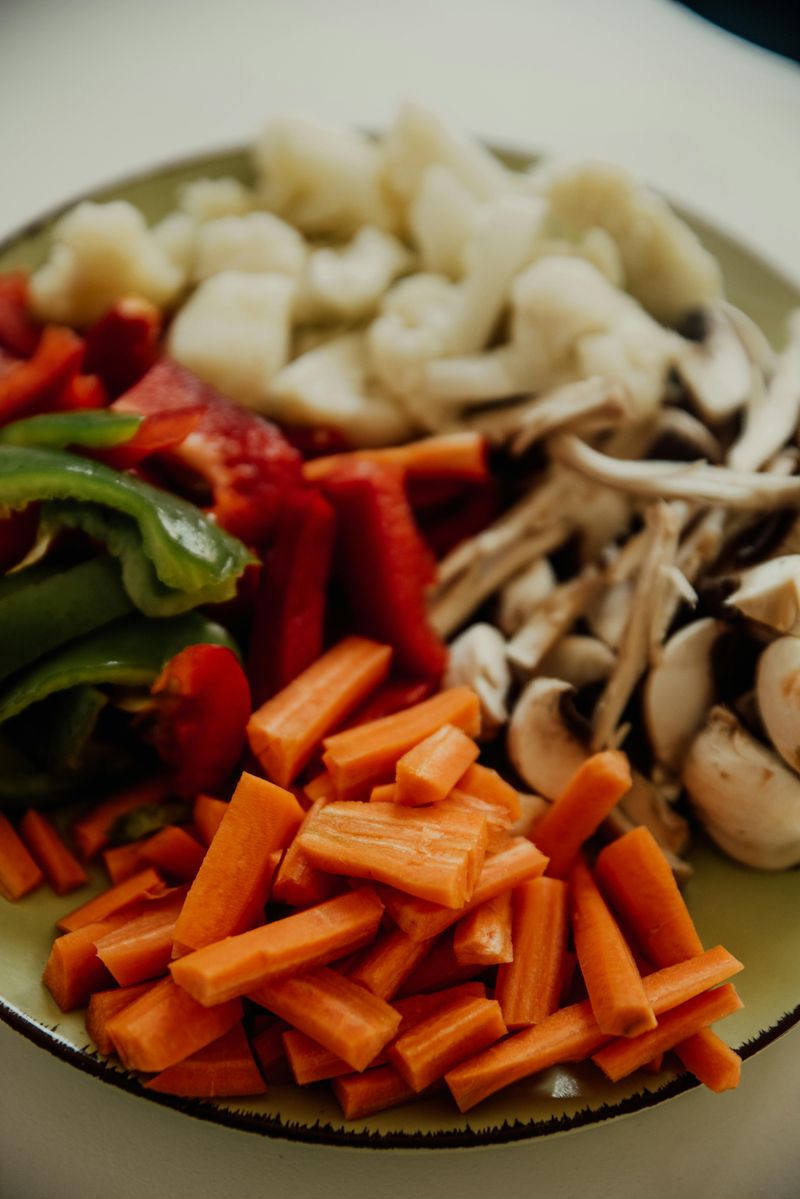
Pre cut vegetables trade a little extra cost for a lot of saved time. When the chopping is done, you are more likely to cook and snack on colorful produce.
Use them in stir fries, sheet pan dinners, and snack boxes, or roast a full tray to meal prep.
Check freshness dates and choose firm, brightly colored pieces without excess moisture. Pair with hummus or yogurt dip for crunch that actually satisfies.
If budget is tight, mix pre cut with whole veggies, reserving convenience for the busiest days, so the plan stays realistic and progress keeps rolling along.
Canned tomatoes
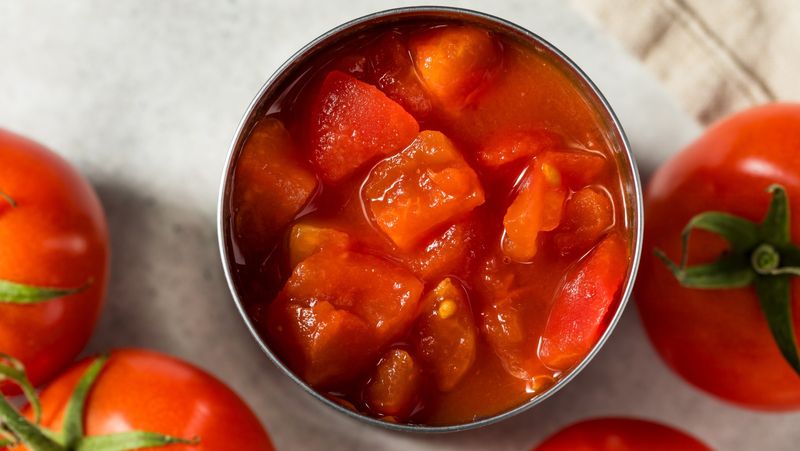
Canned tomatoes bring bright acidity and concentrated flavor to fast meals. They are rich in lycopene, especially when cooked, and add body to sauces, stews, and shakshuka.
Choose no salt added or low sodium varieties, and keep crushed, diced, and paste styles for different recipes.
Simmer with olive oil, garlic, and herbs for a simple weeknight sauce. Blend with roasted vegetables for a velvety soup that tastes slow cooked without the wait.
If heartburn is an issue, add a pinch of baking soda or a splash of milk to mellow acidity without dulling flavor.
Enjoyed this story?
Add Fast Food Club as a preferred source to see more of our reporting on Google.