


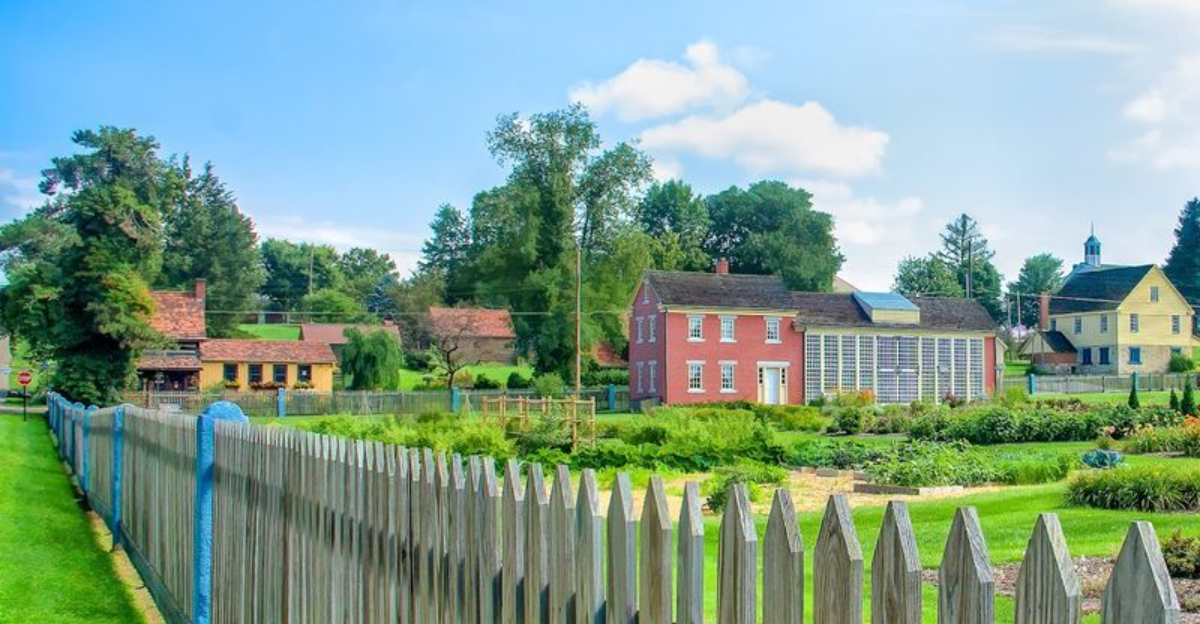
Tucked away in Tuscarawas County, Ohio, the tiny village of Zoar is one of America’s best-kept secrets. Founded in 1817 by German immigrants seeking religious freedom, this charming community feels like stepping into another century.
With original historic buildings, peaceful gardens, and a rich utopian history, Zoar offers a one-of-a-kind experience that most travelers completely miss. If you love history, culture, and small-town beauty, this hidden gem deserves a spot on your travel list.
The Fascinating Origins of Zoar’s Utopian Community
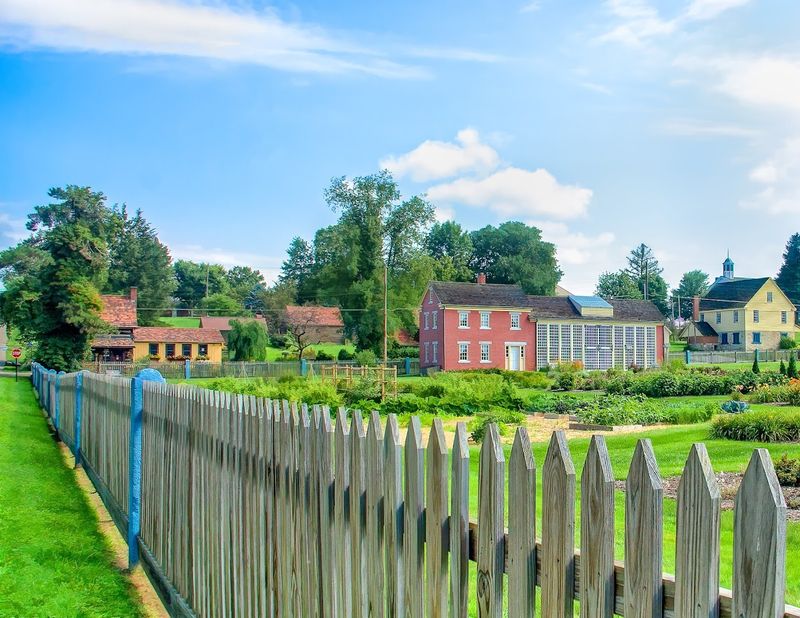
Back in 1817, a group of German Radical Pietists made a bold decision — they packed up their lives in Wurttemberg, Germany, and sailed to America in search of religious freedom. They named their new settlement Zoar, after the biblical city of refuge.
That name alone tells you everything about why they came.
These settlers weren’t just fleeing persecution; they were building something entirely new. They established a communal society where everyone shared land, labor, and resources equally.
For over 80 years, this experiment in cooperative living actually worked, making Zoar one of the longest-lasting utopian communities in American history.
By the time the community dissolved in 1898, they had built a thriving village that still stands today. Walking through Zoar means walking through a real-life chapter of American history that most textbooks never mention.
Number One Garden That Stopped Visitors in Their Tracks
Few things in Ohio are as quietly breathtaking as the Zoar Garden, and honestly, it deserves far more attention than it gets. Laid out in a symbolic design inspired by the New Jerusalem described in the Bible’s Book of Revelation, the garden is a living piece of religious art.
A large Norway spruce stands at the center, representing the Tree of Life.
The garden’s geometric flower beds radiate outward in a pattern that the original settlers carefully planned and maintained by hand. Today, the restored garden blooms with seasonal flowers that paint the landscape in rich color from spring through fall.
It’s the kind of place where you slow down without even realizing it.
Visiting during peak bloom season — usually late spring or early summer — gives you the most dramatic view. Bring a camera, because every angle offers something worth capturing.
Wandering Through the Zoar Historic District
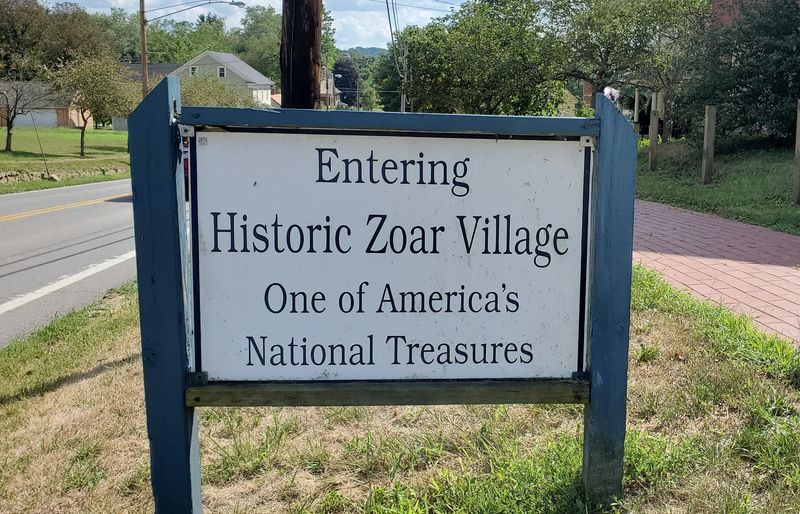
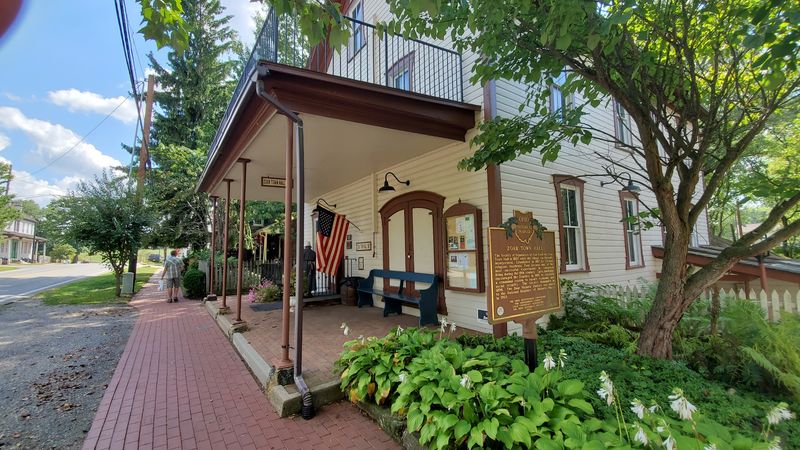
Strolling through the Zoar Historic District feels like the village hit pause somewhere in the 1800s and never quite resumed. Most of the original buildings are still standing, and the layout of the streets follows the same plan the settlers mapped out over 200 years ago.
That kind of preservation is genuinely rare.
The district was added to the National Register of Historic Places, recognizing just how significant this little village really is. You’ll find original homes, communal buildings, a bakehouse, and a tin shop — all telling quiet stories about daily life in a utopian community.
What makes wandering here so special is the lack of crowds. Unlike more famous historic sites, Zoar lets you explore at your own pace without bumping into tour groups every five minutes.
It’s the kind of place that rewards slow, curious visitors who take time to look closely at every detail.
Exploring the Zoar Store and Museum
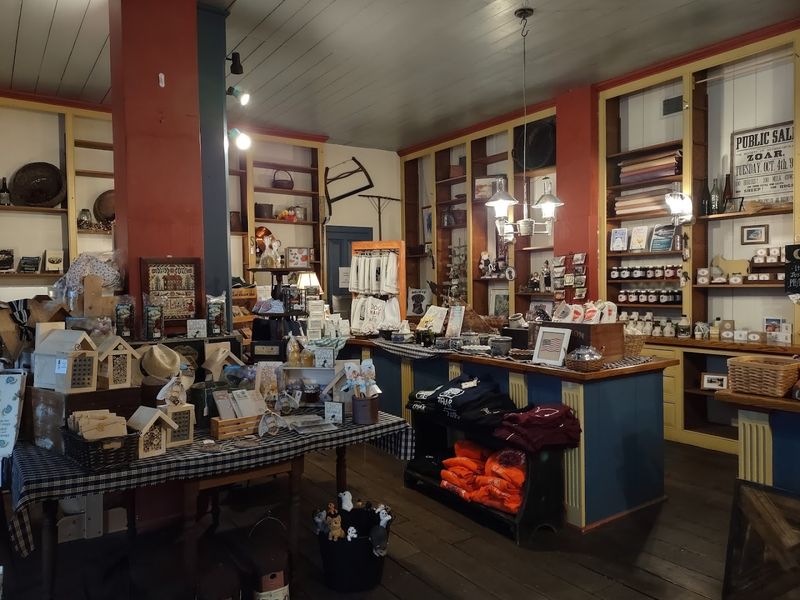
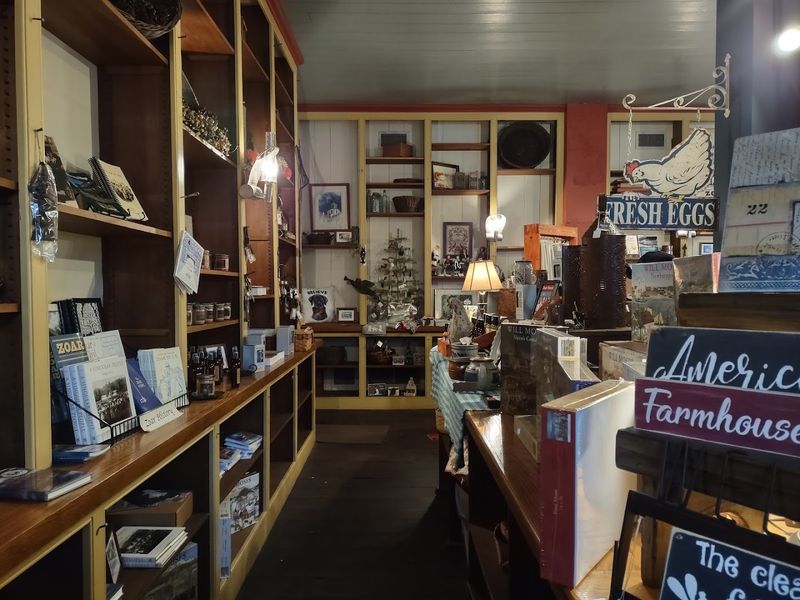
Once the commercial heartbeat of the communal society, the Zoar Store is now a fascinating museum that pulls you straight into 19th-century village life. The building itself dates back to the community’s active years, and stepping inside feels oddly personal — like you’re peeking into someone’s daily routine from two centuries ago.
The store originally served as the place where Zoarites could pick up goods produced by the community or trade with the outside world. Today, exhibits inside showcase artifacts, tools, and everyday objects that paint a vivid picture of communal living.
There’s something wonderfully tangible about seeing the actual items people used.
History enthusiasts will appreciate how thoughtfully the space is curated. Each display connects visitors to real people and real choices made by a community determined to live differently.
It’s a small building with a surprisingly big story packed inside every corner.
Meeting the Legacy of Joseph Bimeler
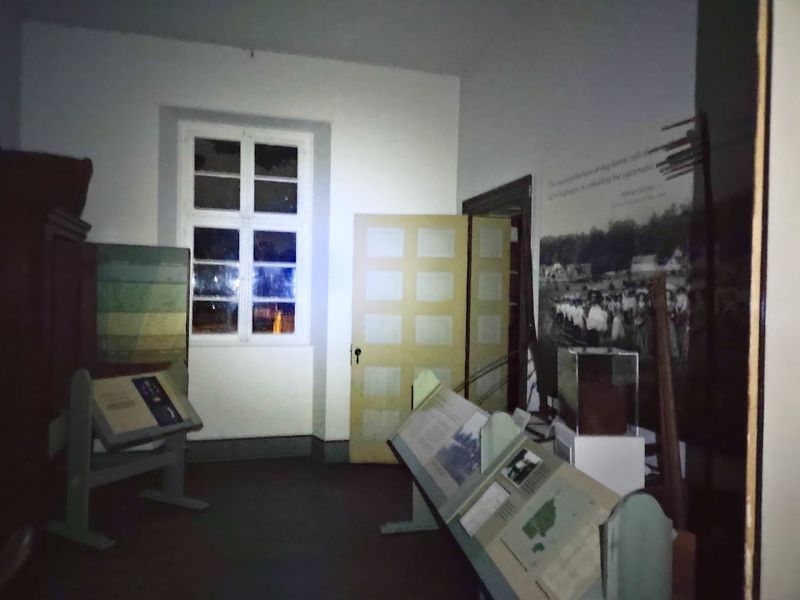
Every great community has a driving force behind it, and for Zoar, that person was Joseph Michael Bimeler. He led the Separatist settlers from Germany to Ohio and quickly became the spiritual and practical backbone of the entire community.
Without his leadership, Zoar’s utopian experiment might never have taken root.
Bimeler was a remarkably capable man — part preacher, part administrator, part visionary. He negotiated the land purchase for the settlement, organized the communal economy, and guided the community through its most difficult early years, including crushing debt and harsh Ohio winters.
His influence shaped nearly every aspect of village life.
When he passed away in 1853, the community carried on for another 45 years, a testament to the foundation he built. His former home, the Number One House, still stands in Zoar and is open for tours.
Visiting it adds a deeply human dimension to the village’s remarkable story.
Staying Overnight at the Zoar Tavern and Inn
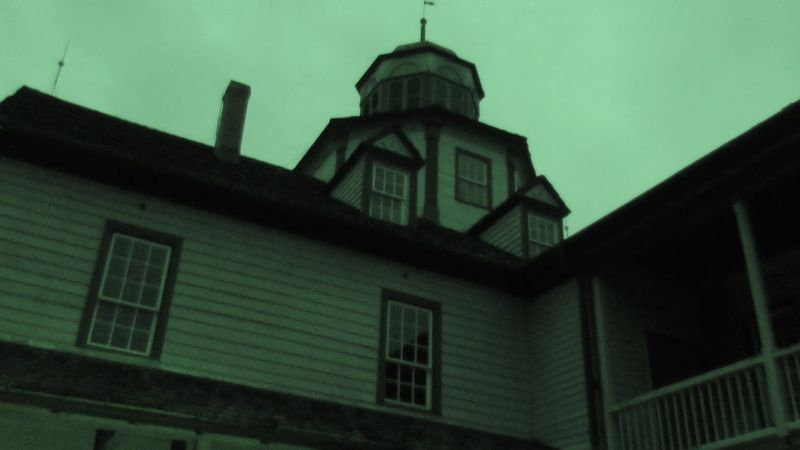
Spending one day in Zoar is wonderful, but spending the night there transforms the experience entirely. The Zoar Tavern and Inn offers guests a chance to sleep in a piece of living history, right in the heart of the village.
The building has been welcoming visitors for generations, and that sense of continuity is part of its charm.
Guest rooms blend historic character with comfortable modern touches, so you’re not sacrificing a good night’s sleep for the sake of atmosphere. Waking up in Zoar when the village is quiet and the morning light hits the old brick buildings is an experience that sticks with you long after checkout.
The inn also makes a great base for exploring the surrounding Tuscarawas County area, including nearby state parks and the scenic Ohio and Erie Canal Towpath Trail. Booking a stay here turns a day trip into a genuinely memorable mini-adventure worth planning ahead for.
Canal History Along the Ohio and Erie Canal
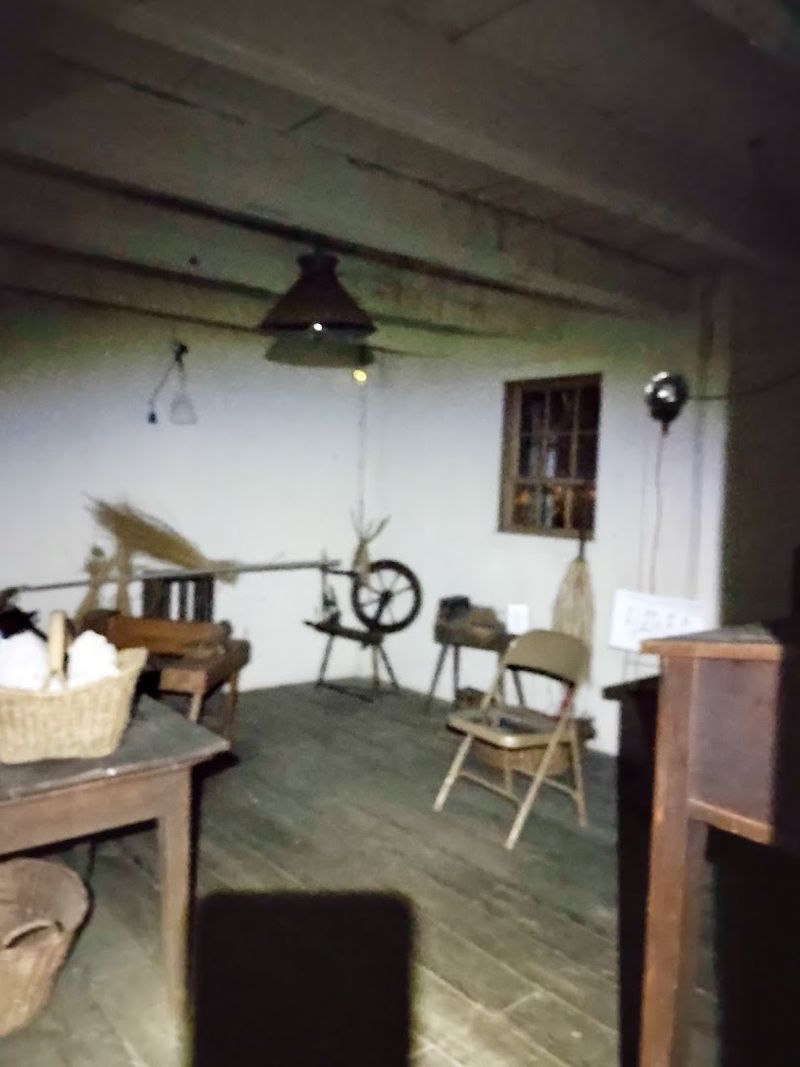
Zoar’s story isn’t just about the settlers who built it — it’s also about the waterway that helped keep it alive. The Ohio and Erie Canal passed right through Tuscarawas County, and the Zoarites played a direct role in its construction during the 1820s.
That labor actually helped the community pay off its enormous early debt.
Today, the Ohio and Erie Canal Towpath Trail runs through the area, offering cyclists and hikers a scenic route through history. Sections near Zoar are especially picturesque, with tall trees lining the old canal bed and wildflowers blooming along the path in warmer months.
History buffs will love knowing that this canal was once one of the most important trade routes in the entire country. Connecting it back to Zoar’s story adds another fascinating layer to an already rich destination.
Pack your bike or your walking shoes — this trail earns its reputation.
German Architecture That Still Stands Strong
One of the most striking things about Zoar is how authentically German it looks and feels. The settlers didn’t try to blend into American architectural styles — they built the way they knew, using techniques and designs brought straight from Wurttemberg.
The result is a village that genuinely looks like it was transplanted from Germany.
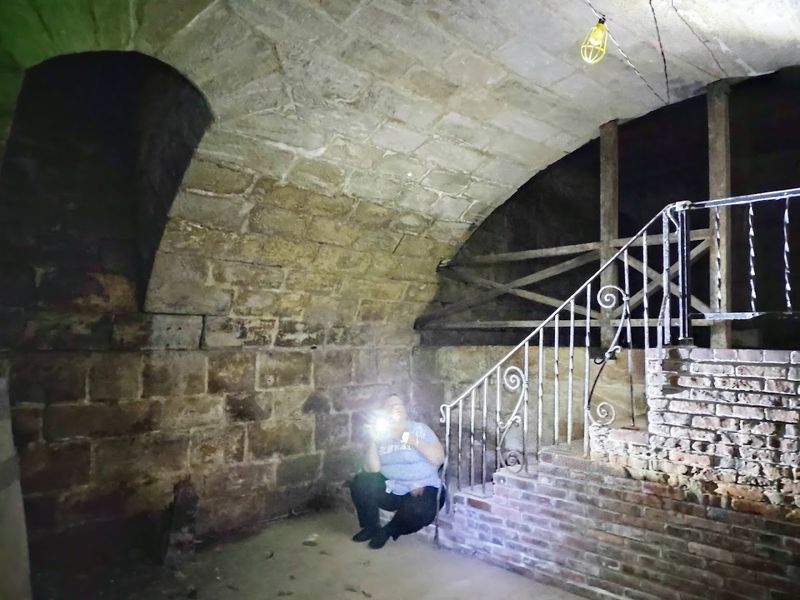
Thick stone walls, sturdy timber framing, and simple but elegant proportions define the buildings here. Many structures were built to last centuries, and they’ve proven it.
The craftsmanship visible in every doorway and roofline reflects a community that took pride in building things right the first time.
Architecture fans could spend hours just photographing the details — the way stonework meets woodwork, the subtle variations between buildings, the organic way the village grew over decades. Zoar offers a rare opportunity to study German-American vernacular architecture in a nearly undisturbed, real-world setting that no museum could replicate.
Zoar’s Annual Harvest Festival Celebration
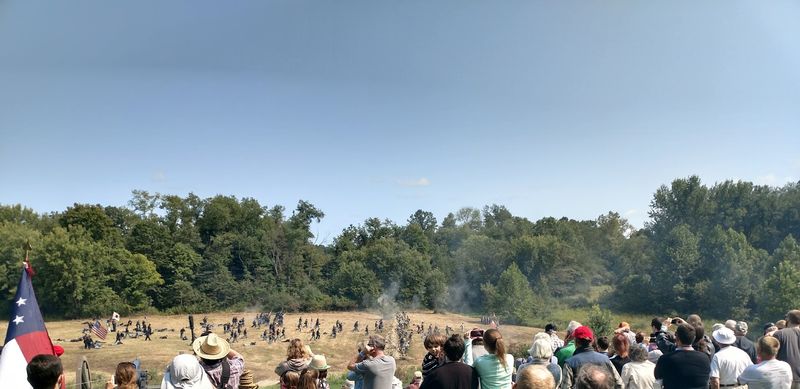
Every autumn, Zoar comes alive in a way that even regular visitors find surprising. The annual Harvest Festival draws crowds from across Ohio and beyond, filling the quiet village streets with music, crafts, food, and costumed historical interpreters who bring the utopian community back to life.
It’s one of the most genuinely fun fall events in the state.
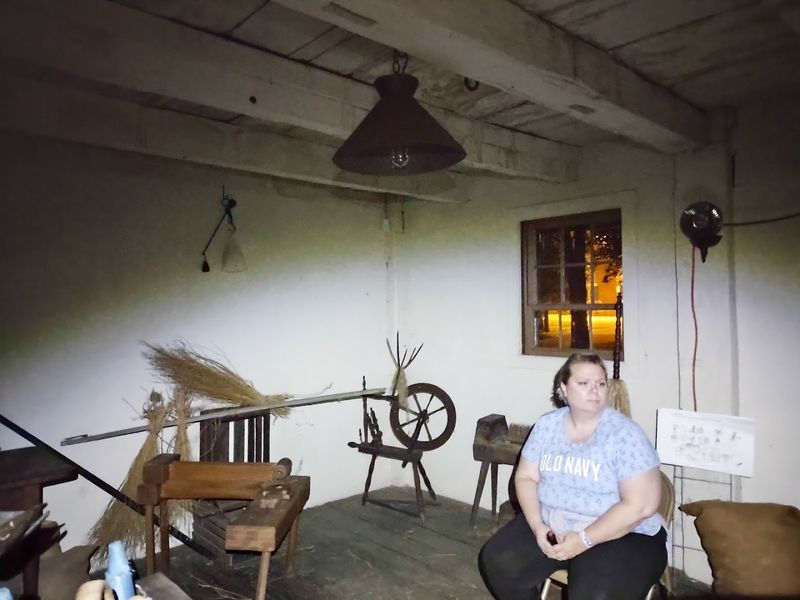
Craftspeople demonstrate traditional skills like blacksmithing, candle-making, and weaving — the same trades that kept the Zoarite community self-sufficient for generations. Watching these demonstrations gives you a real appreciation for how much skill daily life once required.
Kids especially seem fascinated by the hands-on elements.
Local food vendors add seasonal flavor to the event, with apple cider, baked goods, and hearty German-inspired dishes rounding out the experience. If your schedule allows only one visit to Zoar each year, timing it around the Harvest Festival delivers the fullest, most vibrant version of this remarkable village.
Wildlife and Nature Around Zoar Valley
Nature lovers get a genuine bonus when visiting Zoar. The village sits near the Tuscarawas River, and the surrounding landscape is lush, green, and full of wildlife that makes outdoor exploration genuinely rewarding.
Great blue herons, white-tailed deer, and various songbirds are common sights along the riverbanks.
The nearby Zoar Lake and surrounding wetlands attract migratory birds during spring and fall, making it a quiet favorite among birdwatchers who prefer peaceful spots over crowded refuges. You don’t need fancy gear — a good pair of binoculars and patience are all it takes to enjoy what the area offers.
Fishing is also popular along the Tuscarawas River, and the gentle terrain around the village makes casual walking enjoyable for all fitness levels. Zoar manages to be a history destination and a nature escape at the same time, which is a combination that’s harder to find than you might think.
Shopping for Handcrafted Goods in the Village
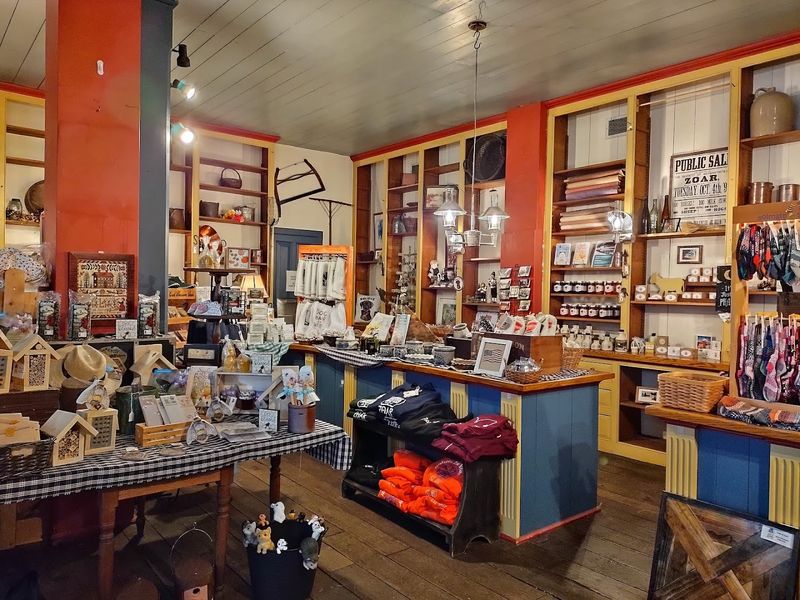
Zoar has a quiet but genuine artisan culture that makes shopping here feel completely different from browsing a mall or a generic tourist market. Local craftspeople sell handmade pottery, quilts, woodwork, and other goods that reflect both the village’s German heritage and the creativity of the people who call this area home today.
Several small shops operate within or near the historic district, each with its own personality and specialty. Finding a handcrafted piece to bring home from Zoar feels meaningful in a way that a mass-produced souvenir simply never could.
There’s a story behind every item you pick up.
Shopping here also directly supports the local community and helps preserve the village’s economic vitality. Spending a little money in Zoar’s small businesses is one of the most practical ways visitors can help keep this remarkable place alive and thriving for future generations to discover and enjoy.
Photography Paradise Hidden in Plain Sight
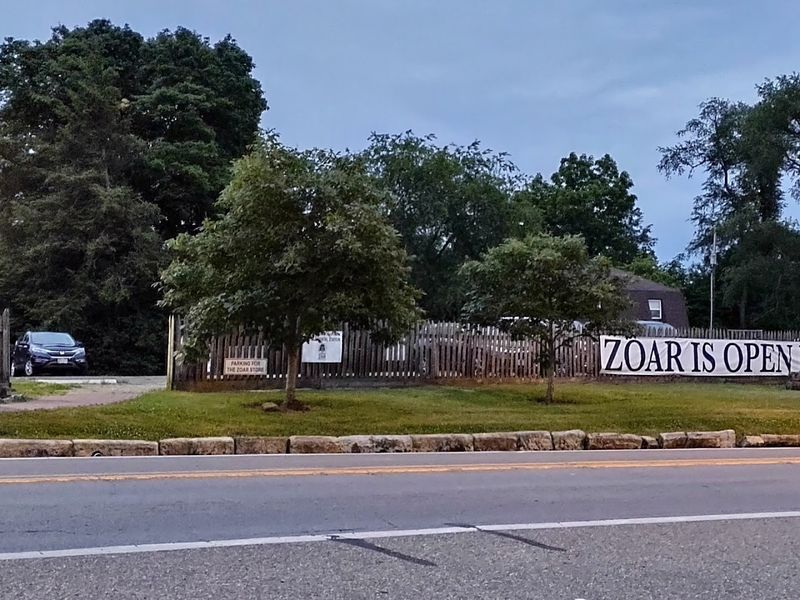
Photographers — amateur or professional — tend to fall completely in love with Zoar the moment they arrive. The combination of soft natural light, textured historic surfaces, and carefully preserved architecture creates conditions that feel almost too good to be true.
Every corner of the village offers a compelling composition waiting to be captured.
Golden hour in Zoar is something else entirely. When the late afternoon sun hits the stone buildings and filters through the garden’s mature trees, the whole village glows in a way that makes even smartphone photos look stunning.
Serious photographers often return multiple times across different seasons to capture the changing moods.
Winter is an underrated time to visit for photography — a light snowfall transforms Zoar into something that looks pulled directly from a 19th-century painting. The quiet solitude of an off-season visit adds an extra layer of atmosphere that busy tourist seasons simply can’t replicate.
Why Zoar Belongs on Every Ohio Bucket List
Some places earn their reputation through marketing. Zoar earned its place in history through sheer human determination, creativity, and community spirit.
With a population of just 172 people today, it’s one of the smallest villages in Ohio — but its cultural footprint is enormous compared to its size.
The combination of authentic German heritage, utopian history, stunning architecture, natural beauty, and genuine small-town warmth makes Zoar almost impossible to categorize. It’s a history site, a nature retreat, a photography destination, and a foodie stop all rolled into one compact, walkable village.
That kind of versatility is rare.
Planning a trip here doesn’t require much — a free weekend, a sense of curiosity, and a willingness to slow down are the only real requirements. Ohio has plenty of well-known attractions, but Zoar offers something most of them can’t: the feeling that you’ve discovered something truly special all on your own.
Enjoyed this story?
Add Fast Food Club as a preferred source to see more of our reporting on Google.