


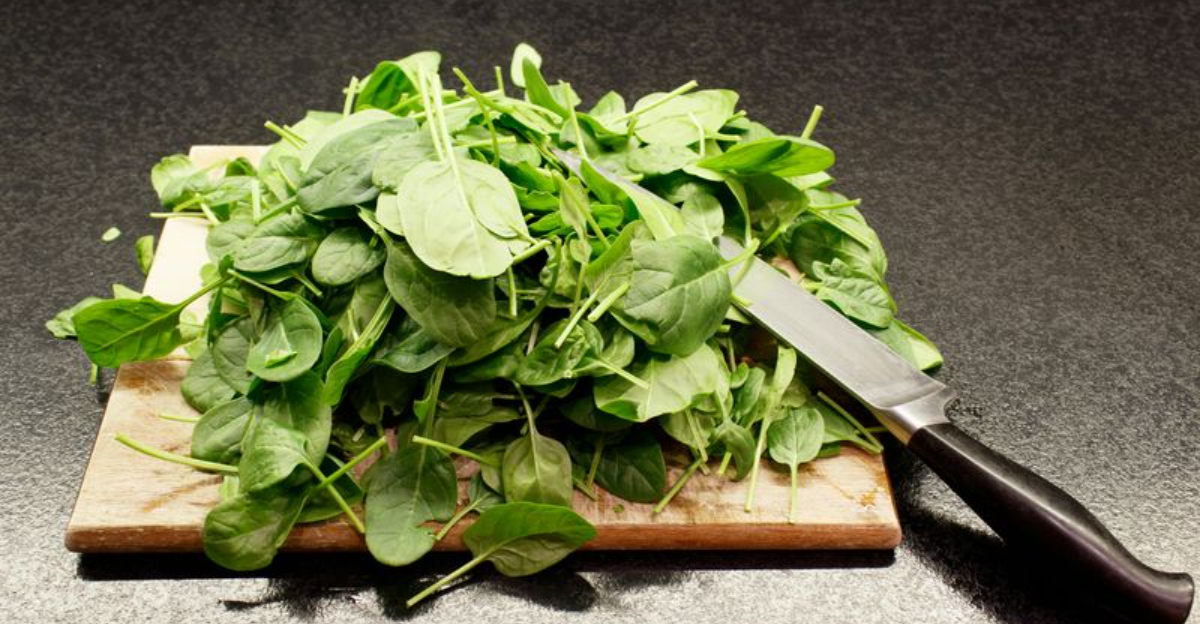
Want bigger nutrition boosts without complicated cooking? Many everyday foods actually deliver more vitamins, enzymes, and lively flavor when you enjoy them raw.
This list shows you exactly what to eat fresh and how to make it taste amazing, from crunchy veggies to juicy fruits. Grab a fork, keep it simple, and feel the difference bite by bite.
Carrots
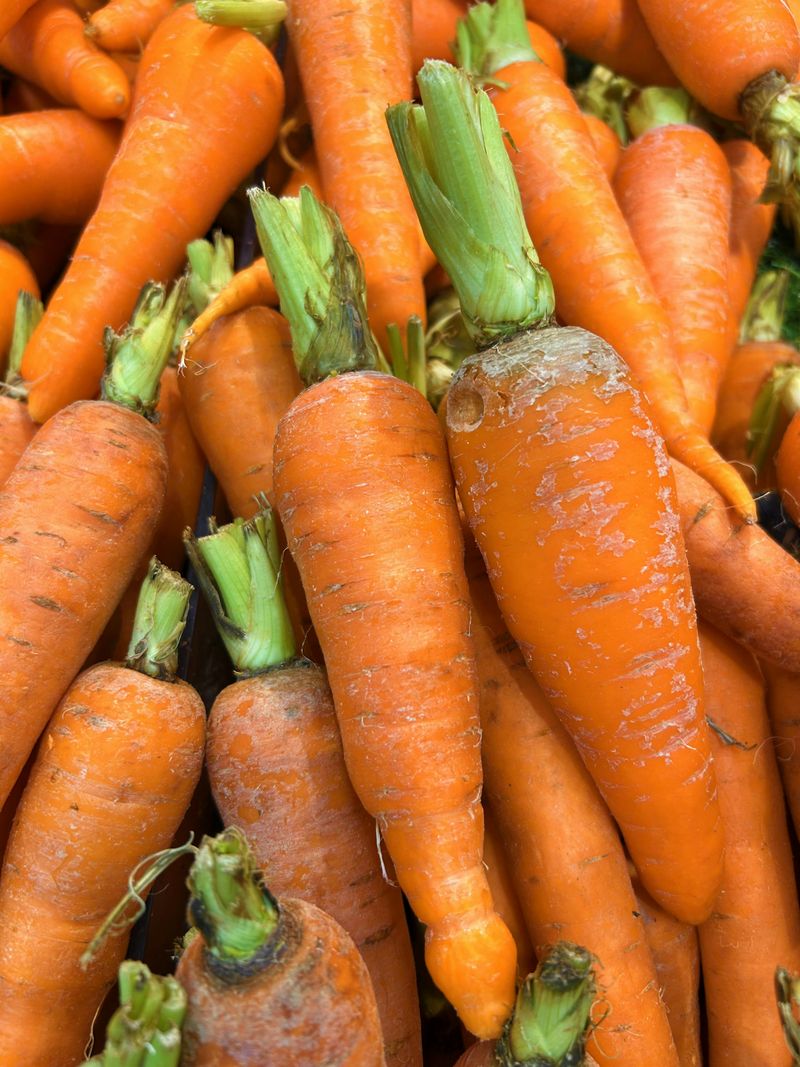
Crunching raw carrots gives you more heat sensitive vitamin C and enzymes while keeping fiber intact for steady fullness. Their natural sweetness shines when uncooked, making them perfect for dippers, slaws, and snack boxes.
Pair with hummus or yogurt sauce so the fat helps your body use beta carotene effectively.
Look for firm roots with vibrant color, then scrub well or peel if skins taste bitter. Cut into sticks, ribbons, or coins to vary texture and keep munching interesting.
If raw feels tough to digest, grate finely, mix with lemon, and let it marinate briefly to soften.
Bell peppers
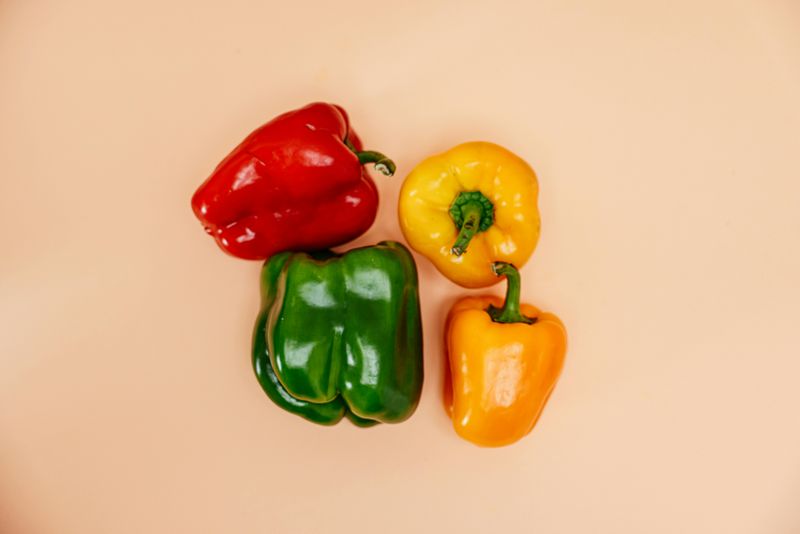
Raw bell peppers deliver crisp vitamin C levels that rival citrus, plus hydrating crunch and colorful antioxidants. Heat can dull their snap and mellow flavors, so enjoy them fresh to capture sweetness.
Red, yellow, and orange varieties tend to be fruitier, while green offers a pleasantly grassy bite.
Slice into strips for dips, layer into sandwiches, or dice into bright salads. Pair with avocado or olive oil to help your body absorb carotenoids.
If they repeat on you, remove the white pith and skins, or choose roasted peeled strips occasionally while keeping most servings raw for benefits.
Cucumbers
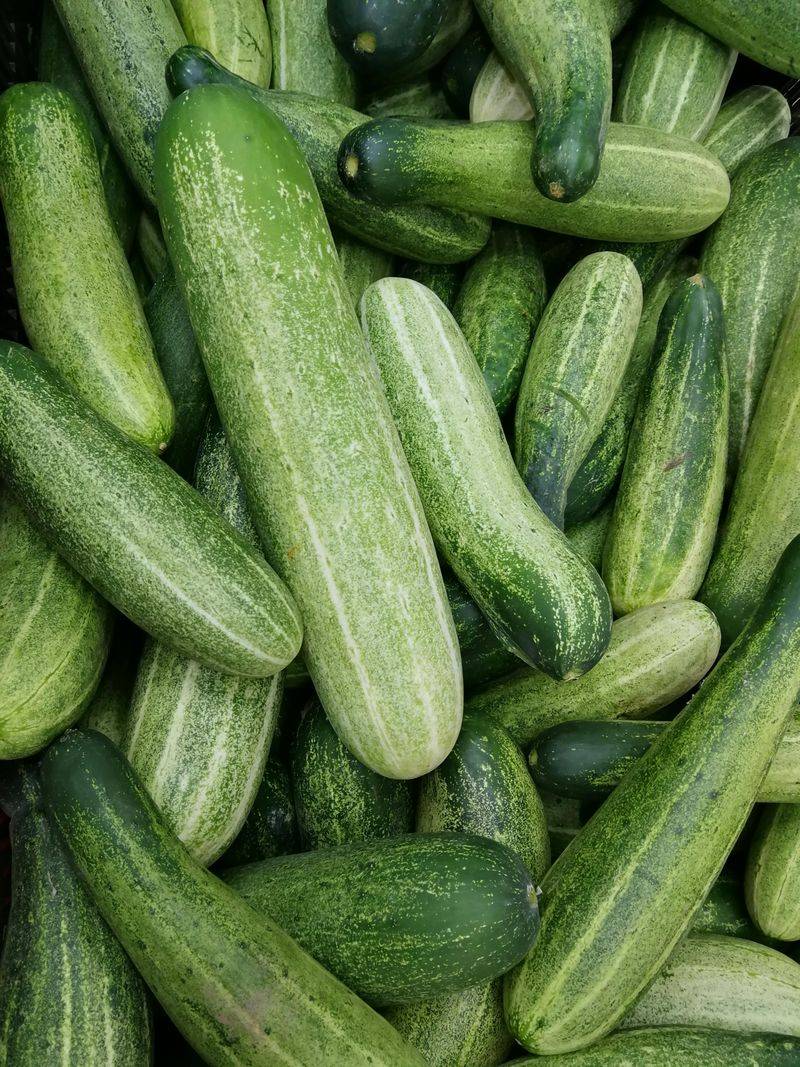
Raw cucumbers are mostly water, which makes them incredibly refreshing and low calorie while delivering potassium and vitamin K. Their crunchy flesh and edible skins add fiber that supports digestion and satiety.
Keeping them raw preserves delicate aromas and that garden fresh snap you want in salads and snacks.
Select firm, unwrinkled cucumbers and store them dry to prevent sliminess. Slice, spiralize, or smash them, then toss with vinegar, sesame, or yogurt for quick sides.
If bitterness shows up, peel alternating stripes, scoop out seeds, and salt lightly to draw excess water while keeping texture crisp and lively.
Tomatoes
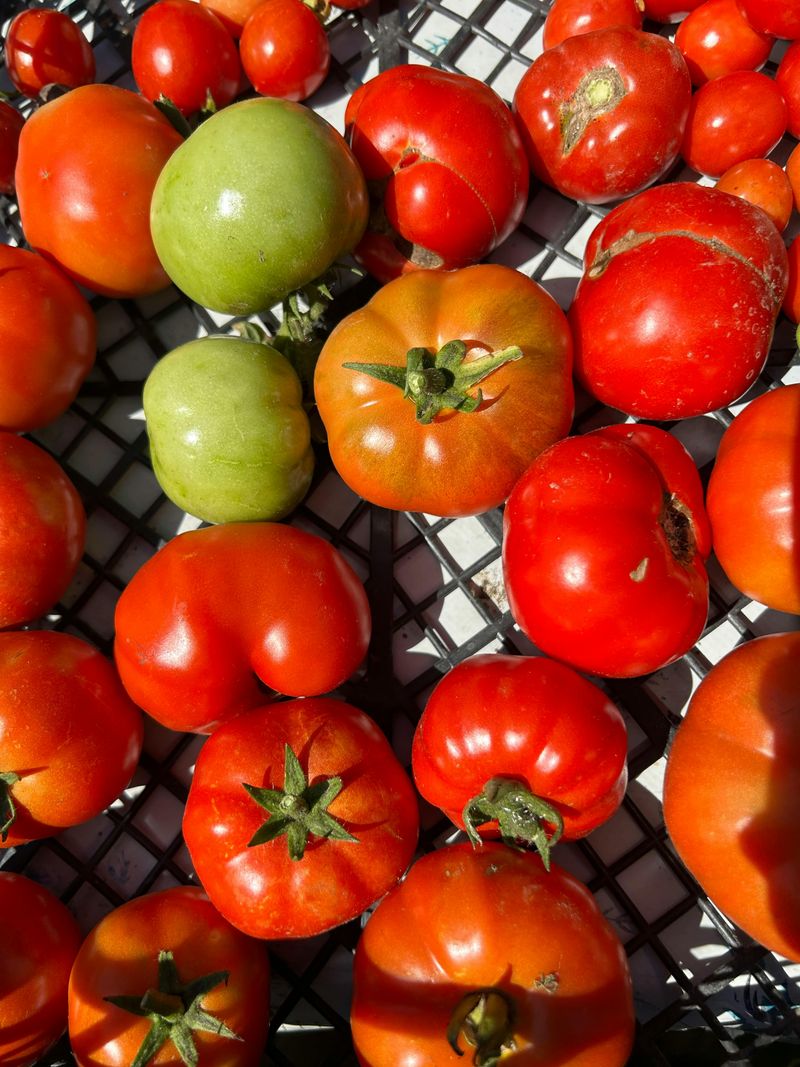
Raw tomatoes keep their juicy texture and deliver vitamin C, potassium, and a spectrum of polyphenols that can lessen with long cooking. The bright acidity lifts salads, bruschetta, and grain bowls without much salt.
While cooking boosts lycopene availability, eating tomatoes both raw and cooked covers your bases beautifully.
Choose heavy, fragrant fruit that yields slightly to pressure. Slice, wedge, or dice, then pair with olive oil, basil, and a sprinkle of flaky salt for peak pleasure and absorption.
If skins bother you, score and peel a few, but keep most servings raw to savor their freshness.
Broccoli
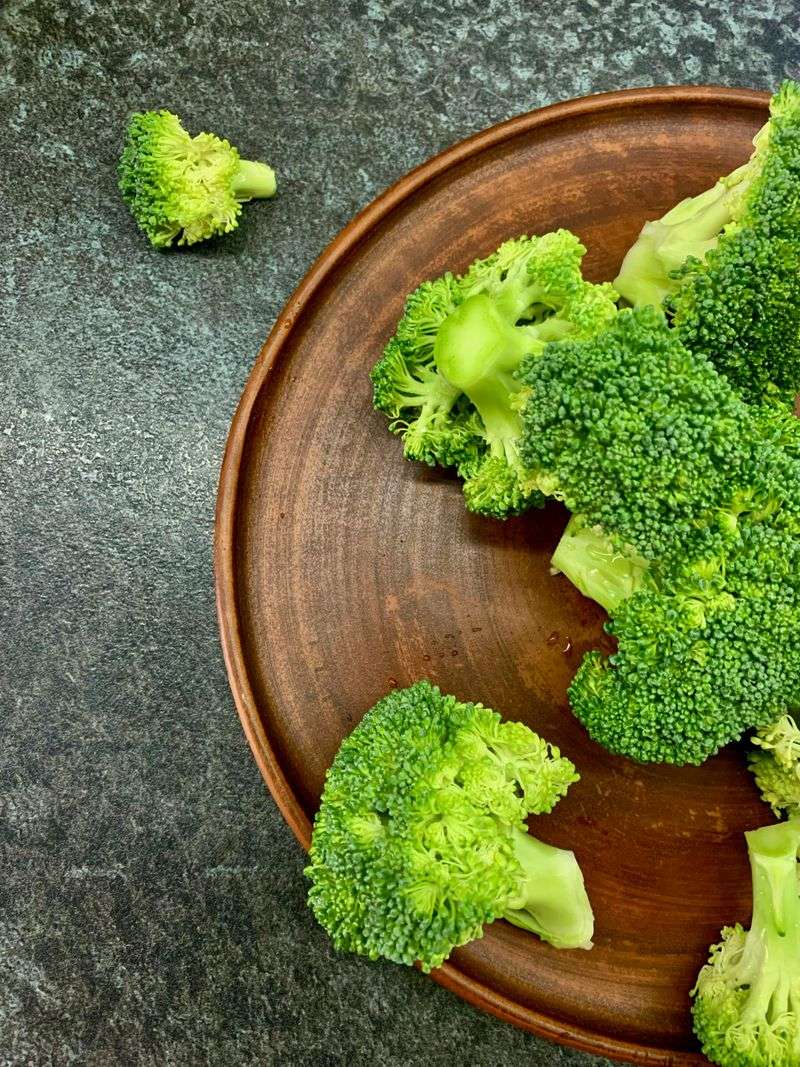
Raw broccoli brings a sulfur rich crunch and myrosinase enzyme that can be less active after cooking. That combo helps form sulforaphane, a compound studied for cellular defense benefits.
You also keep vitamin C impressive, along with fiber for fullness. Finely chop or shave florets and stems to make them more enjoyable.
Toss with lemon, tahini, or yogurt, letting the acids soften edges without heat. Add raisins, apples, or toasted seeds for sweet balance and texture.
If digestion feels tricky, pulse in a food processor, chew thoroughly, and start with small servings while your gut adjusts to the raw fiber.
Cauliflower
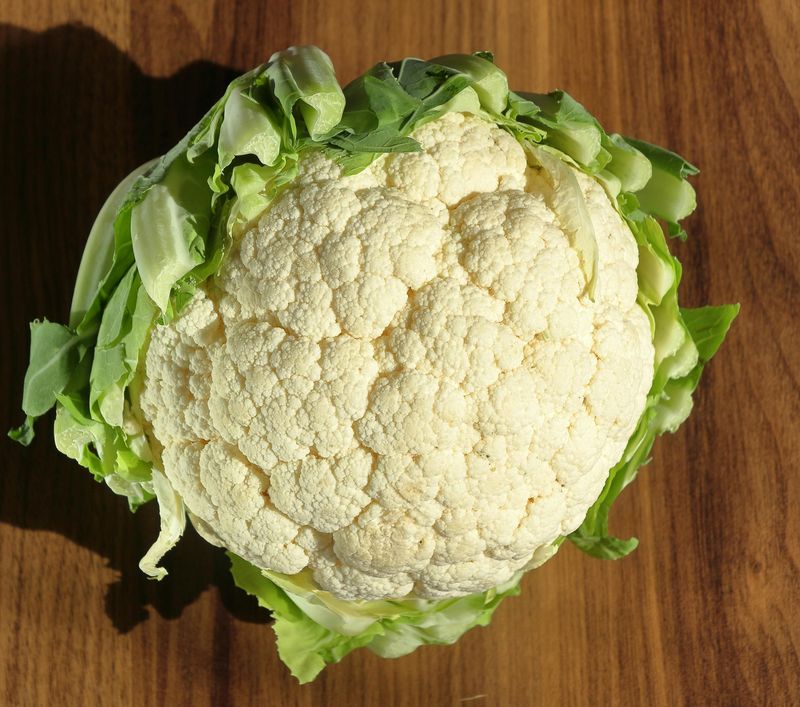
Raw cauliflower is crisp, mild, and surprisingly versatile, keeping vitamin C and certain phytonutrients at their peak. Grating or finely chopping transforms it into couscous like bits that soak up dressings without getting soggy.
You get fiber for fullness and crunch that satisfies snack cravings without heavy calories.
Choose tight, unblemished heads and include the stems for zero waste crunch. Toss with lemon, herbs, olive oil, and a pinch of salt, then add chopped nuts or dried fruit.
If gas is an issue, start with smaller portions, chew well, and mix with leafy greens to ease digestion.
Kale
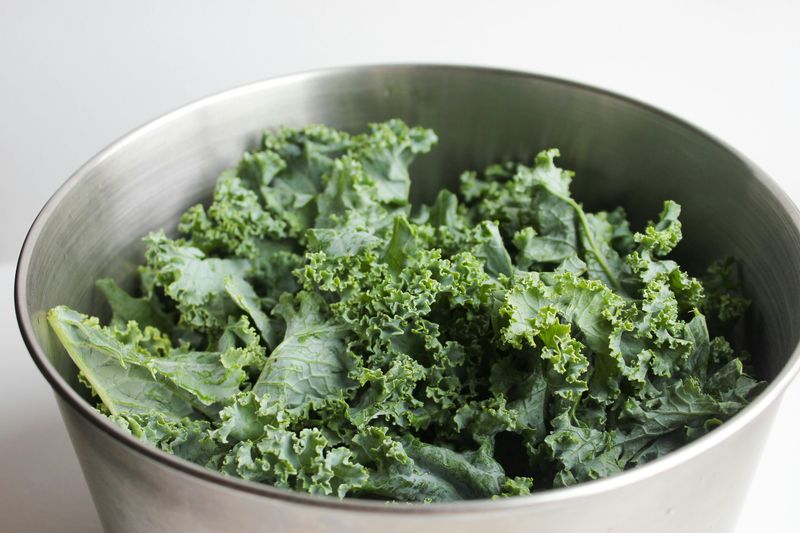
Raw kale can be wonderfully tender when treated right, offering hearty crunch, vitamin C, and intact enzymes. Massaging leaves with oil and acid breaks down fibers, reducing bitterness and making every bite more pleasant.
Keep ribs thinly sliced or remove them if they feel too tough for your salad style.
Choose lacinato for a softer chew or curly for extra texture. Toss with lemon, tahini, or avocado, then add fruit for brightness and seeds for staying power.
If raw bothers you, start small, chop finely, and let it rest dressed for ten minutes to soften without cooking.
Zucchini
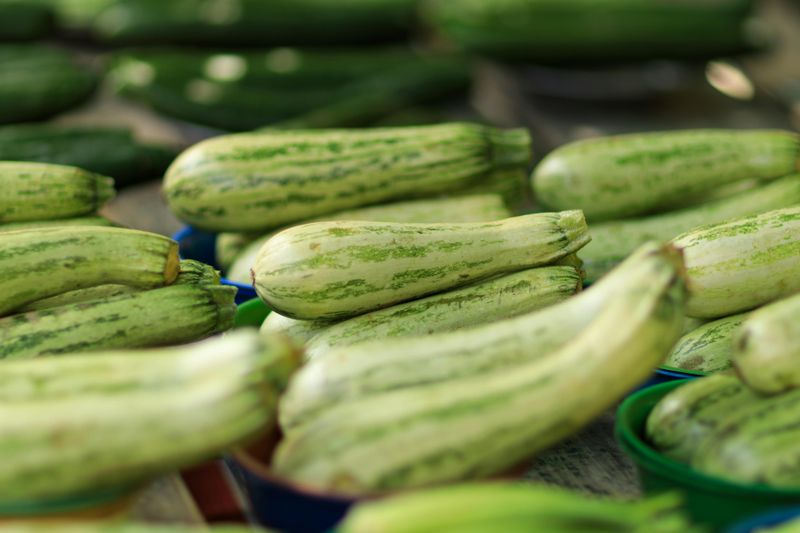
Raw zucchini is tender, lightly sweet, and hydrating, making it a great stand in for noodles or a crunchy salad base. Heat can quickly turn it mushy, so enjoy it spiralized, shaved, or diced to keep texture lively.
Its vitamin C and folate stay intact while the delicate flavor really shines.
Pick small, firm squash with glossy skins, then rinse and trim. Toss ribbons with lemon, mint, and olive oil, or pair coins with feta and tomatoes.
If seeds feel watery, scoop them out, salt lightly, and pat dry to keep your raw dishes crisp and satisfying.
Radishes
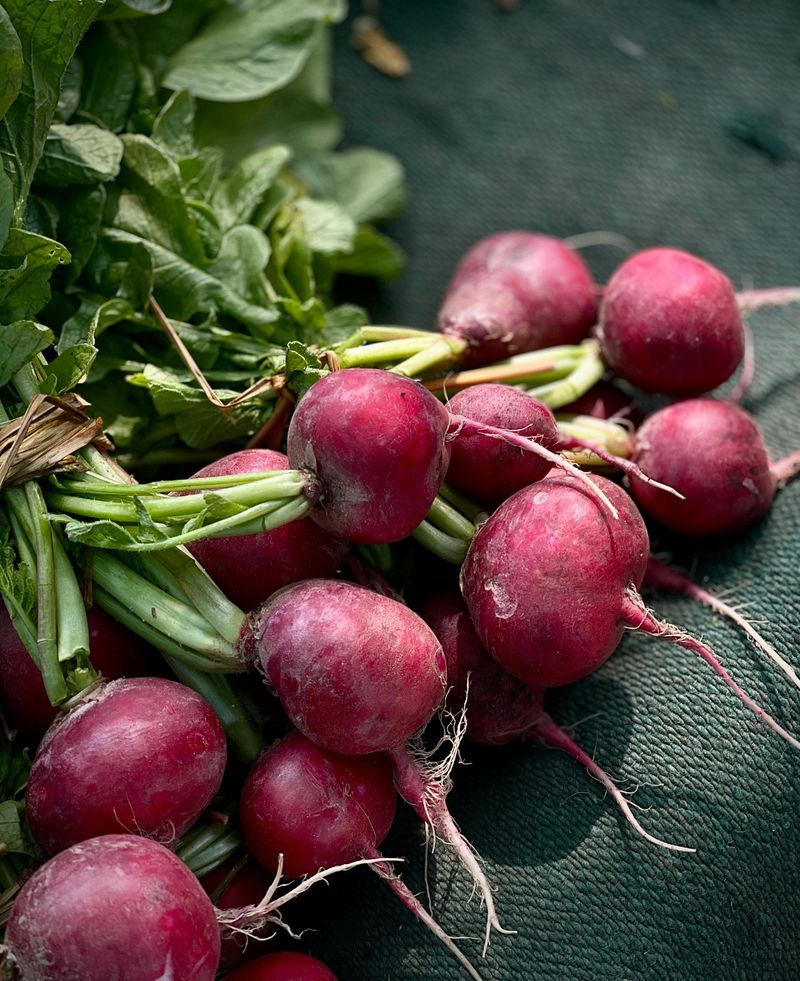
Raw radishes bring peppery snap, water content, and vitamin C that cooking can mute. Their lively bite wakes up tacos, grain bowls, and buttered bread with a sprinkle of salt.
You keep fibers intact for crunch and get gorgeous color that signals antioxidant compounds.
Choose firm bulbs with fresh greens, which you can also eat raw in pestos or salads. Slice thin, quarter, or shave into ice water to dial the heat down.
If they upset your stomach, pair with yogurt, avocado, or cheese, and chew thoroughly to ease digestion while enjoying that refreshing, spicy character.
Celery
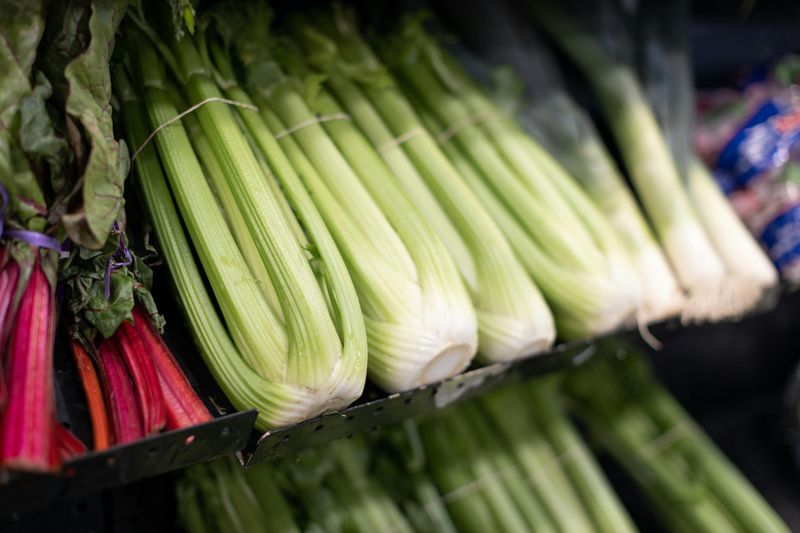
Raw celery delivers satisfying crunch, hydration, and a subtle salty note without many calories. Its fiber supports fullness and digestion, while heat can limp those crisp strands.
The stringy ribs are part of the charm, but you can peel the outer ones if texture bothers you.
Pair sticks with peanut butter, cottage cheese, or hummus for lasting energy. Chop leaves into salads for extra flavor and potassium.
If bloating happens, slice thin, chew well, and combine with cucumbers and herbs to keep it gentle. Store stalks wrapped in paper towels to maintain crunch and reduce fridge moisture.
Garlic
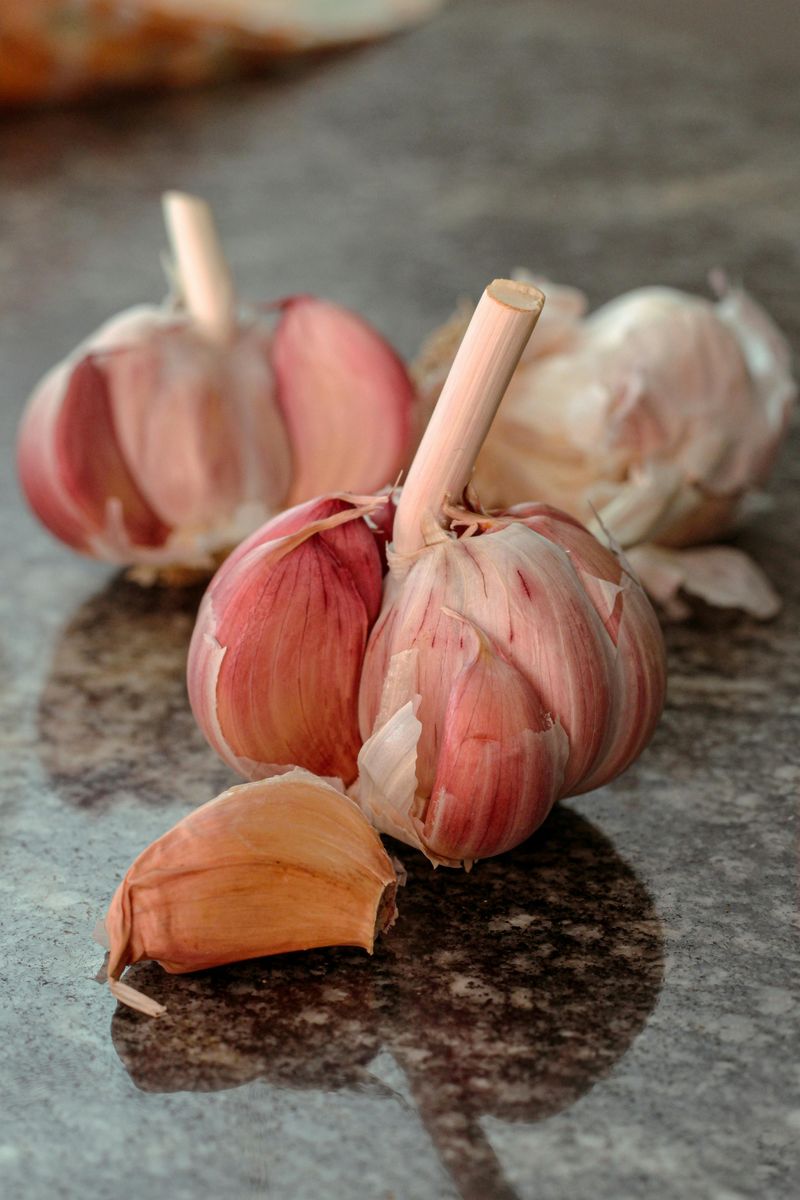
Raw garlic keeps the alliinase enzyme active, helping form allicin, the pungent compound linked to potential heart and immune benefits. Heat quickly reduces that activity, so eating it fresh preserves more of the good stuff.
A little goes a long way in dressings, salsas, and spreads.
Crush or mince and let it rest a few minutes before mixing to maximize allicin formation. Balance sharpness with lemon, yogurt, or honey, and keep portions modest to avoid stomach burn.
If raw feels too intense, rub a cut clove on toast or a bowl to perfume dishes without overpowering them.
Onions
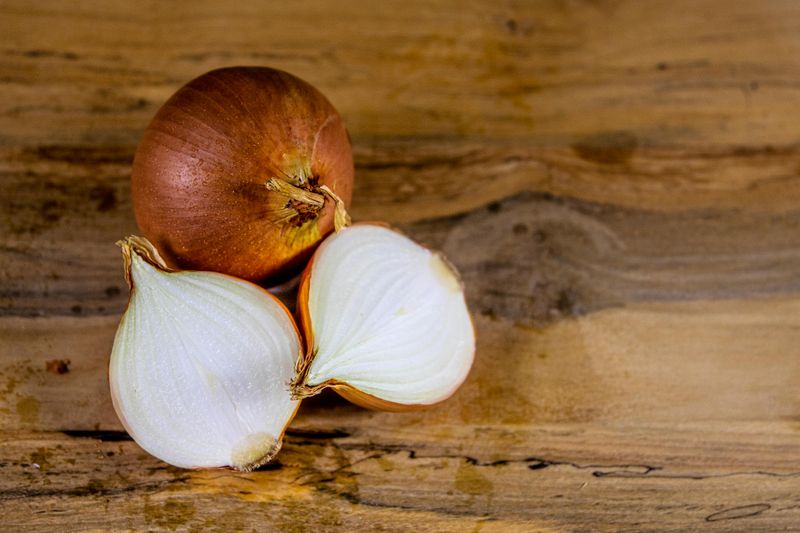
Raw onions offer quercetin and sulfur compounds that can diminish with heat, plus a crisp bite that brightens dishes. Red and white onions taste milder raw than yellow, which can feel sharper.
A quick soak in cold water tamps down intensity while keeping their fresh crunch.
Slice thin for salads, tacos, and burgers, or mince into salsas for juicy punch. Pair with citrus and olive oil to balance the heat and help you digest them more comfortably.
If they make you teary, chill first, use a sharp knife, and cut near a vent to move vapors away.
Beets
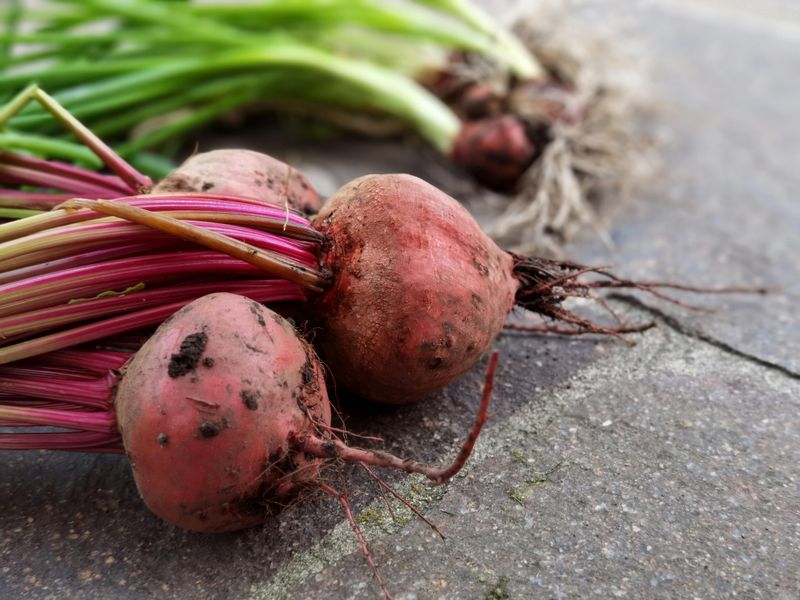
Raw beets bring earthy sweetness, crunch, and folate that cooking can reduce. Shaved or spiralized, they add color and resilience to salads without bleeding everywhere.
You also keep heat sensitive vitamin C and beneficial nitrates that support circulation and endurance.
Peel if the skins taste too earthy, then slice thin or grate for slaws. Pair with citrus, yogurt, herbs, and toasted seeds to balance flavor and texture.
If raw feels too fibrous, let them marinate with vinegar and salt to soften slightly. Start with small portions to see how your digestion handles their robust raw fibers.
Mushrooms
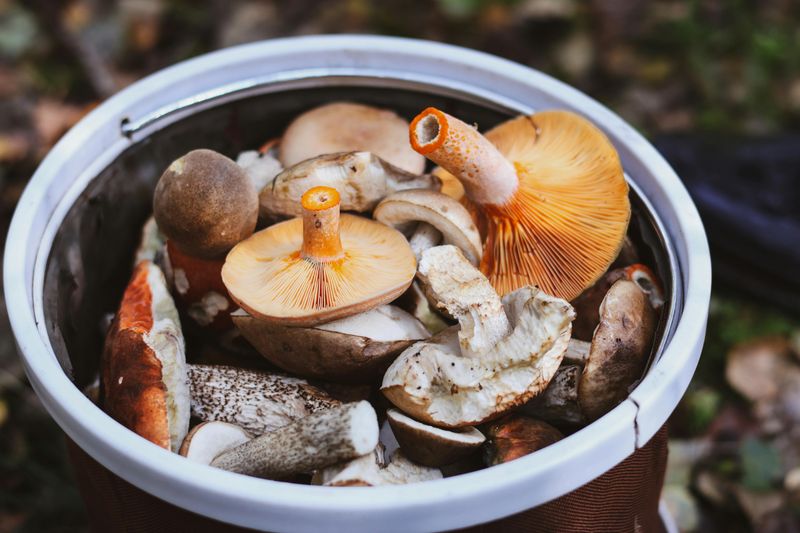
Raw mushrooms add savory chew, hydration, and prebiotic fibers that support your gut microbes. Their delicate B vitamins and enzymes stay intact without heat, and the earthy flavor feels refreshing in salads or carpaccio style plates.
Choose common button or cremini for raw eating, since some wild varieties are not suitable uncooked.
Wipe clean instead of soaking to keep texture firm. Slice very thin, dress with lemon, olive oil, and pepper, and add parmesan shavings.
If you notice bloating, limit portions and chew thoroughly. When in doubt about a variety, cook it or skip raw to be safe.
Lettuce
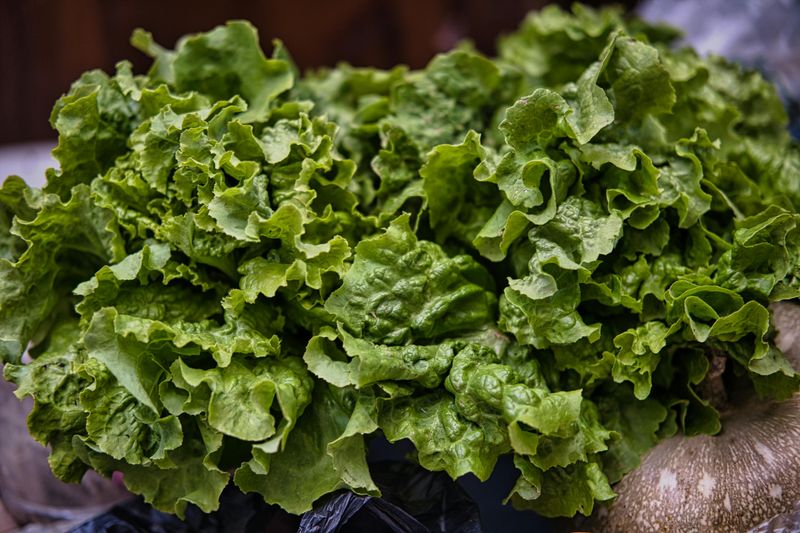
Raw lettuce is the ultimate crisp base, offering hydration, gentle fiber, and delicate vitamins that wilting heat would destroy. Its mild flavor lets toppings shine while adding volume that helps you feel full on fewer calories.
Darker leaves like romaine and leaf varieties bring more nutrients than pale iceberg.
Wash and dry thoroughly for maximum crunch, then tear instead of cutting to prevent browning. Build bowls with protein, healthy fats, and acidity to keep salads satisfying.
If salads bore you, roll fillings in large leaves for wraps. Store cleaned leaves in a towel lined container to preserve snap.
Apples
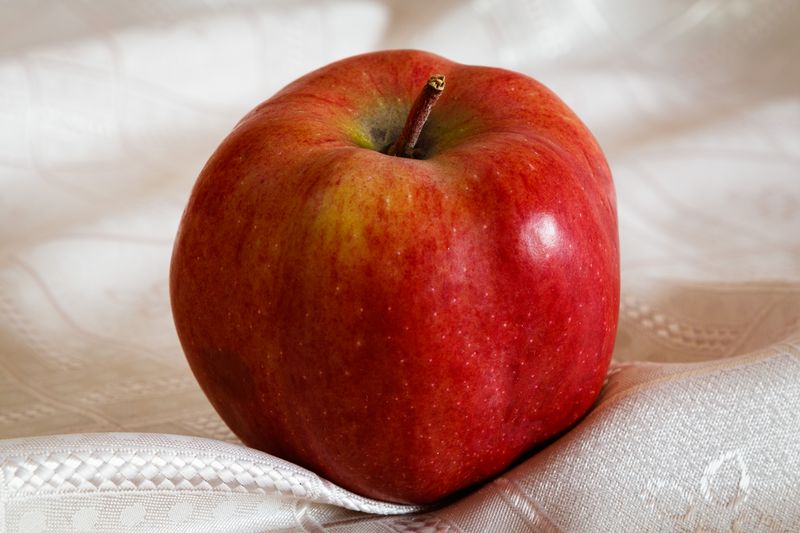
Raw apples offer crisp texture, water, and pectin fiber that supports fullness and a happy gut. Heat can break down pectin and dull that refreshing crunch, so keep them fresh for snacks and salads.
Most antioxidants live in the peel, so wash well and leave skins on when you can.
Slice with peanut butter, cheddar, or yogurt for a sweet salty balance. Toss thin wedges with greens, nuts, and lemon to brighten lunch.
If they brown fast, coat with citrus. Sensitive teeth benefit from room temperature fruit, and smaller slices make crunchy goodness easier to enjoy slowly.
Berries
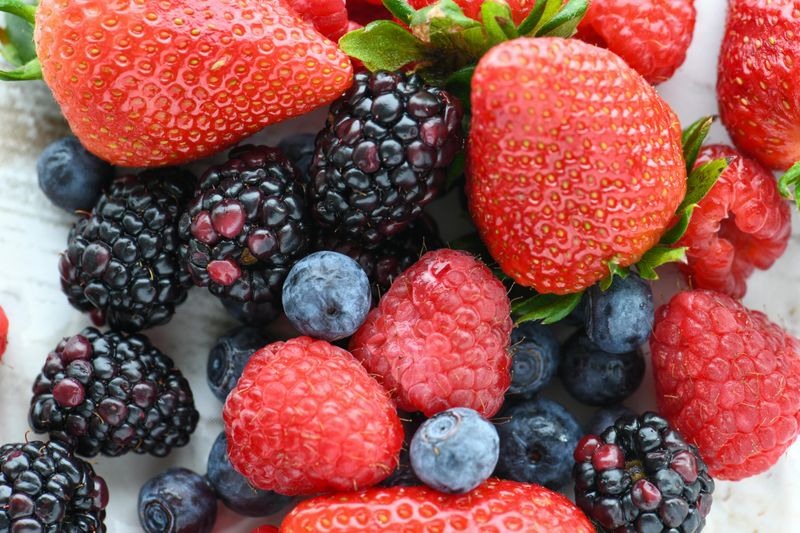
Raw berries are delicate, juicy, and packed with vitamin C and colorful polyphenols that are sensitive to heat. Keeping them uncooked preserves aroma, snap, and that candy like brightness you crave.
They add fiber for fullness and pair beautifully with creamy yogurt or crunchy seeds.
Rinse just before eating, then pat dry so they do not water down your bowl. Mix varieties to broaden benefits and flavors.
If seeds bother you, choose blueberries or strain raspberries into a quick chia sauce. Freeze extras on a tray, then bag for smoothies that taste fresh without added sugars.
Avocado
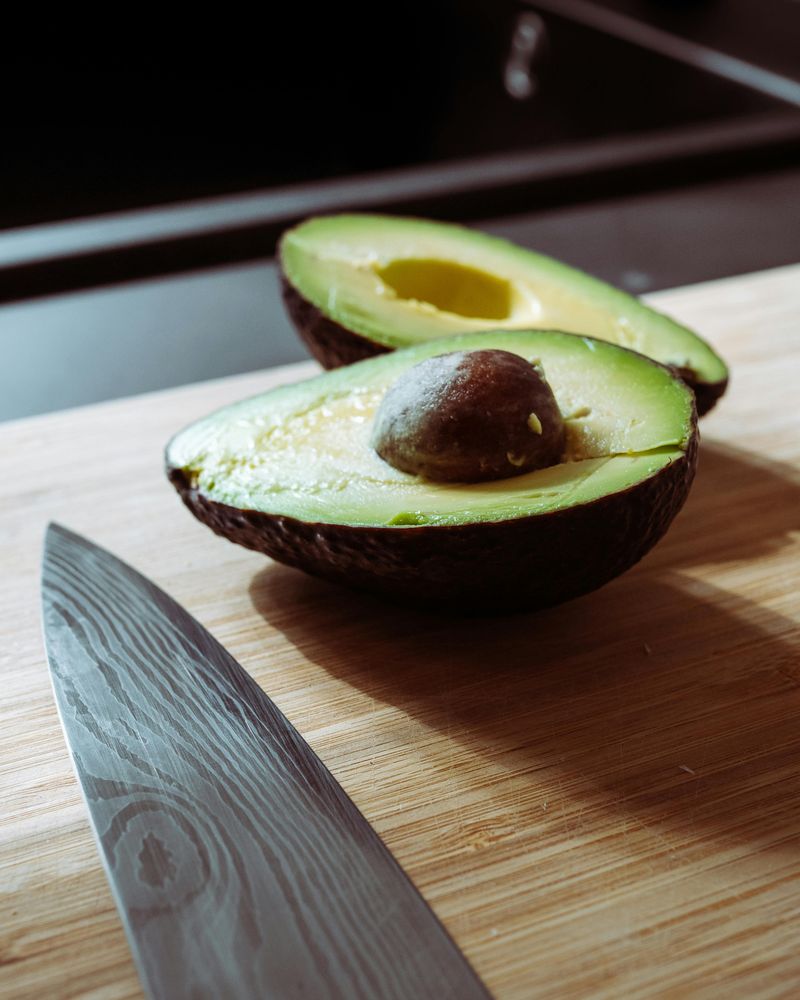
Raw avocado gives you creamy texture, fiber, and heart friendly monounsaturated fats that shine without heat. Cooking can brown or toughen it, so keep slices or mash fresh for bowls, toast, or sushi.
Its fat helps your body absorb fat soluble vitamins from other raw veggies in the same meal.
Choose slightly soft fruit that yields to gentle pressure. Slice around the pit, twist, and scoop, then toss with lime and salt to prevent browning.
Pair with tomatoes, citrus, or crunchy radishes for contrast. If richness feels heavy, keep portions small and balance plates with crisp greens.
Cabbage
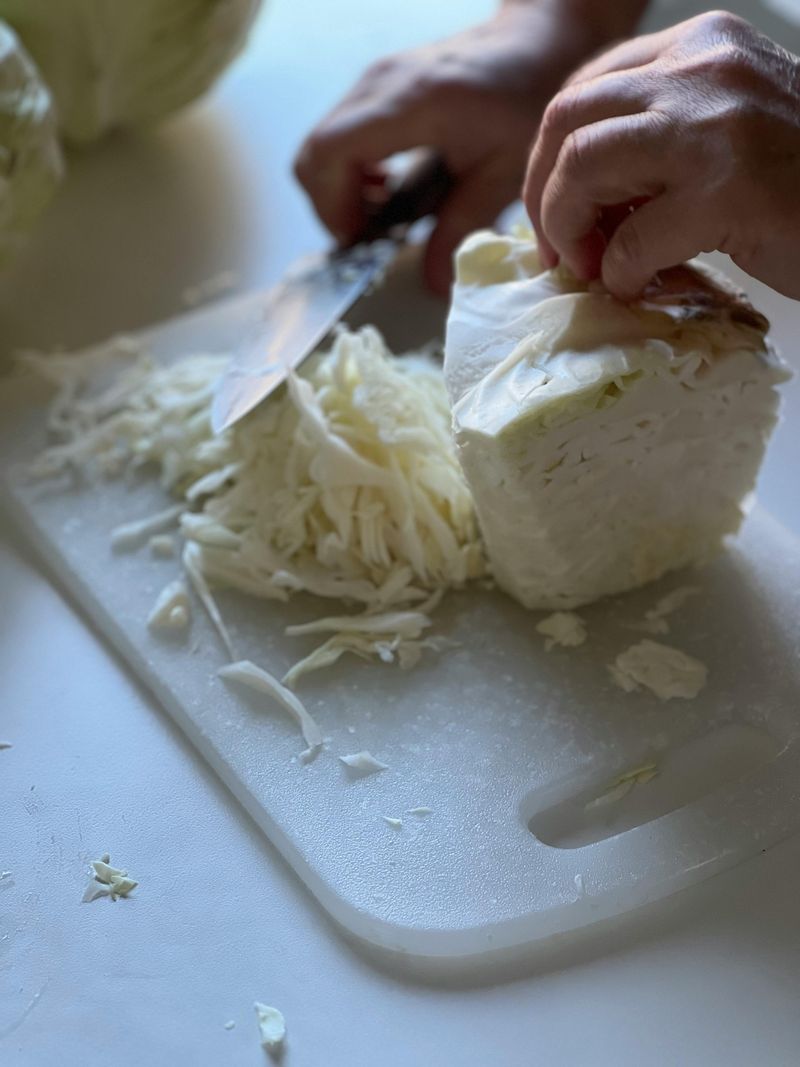
Raw cabbage is crunchy, budget friendly, and bursting with vitamin C and glucosinolates that can decline with heat. Shredded fine, it anchors slaws and salads that stay sturdy for hours.
Red varieties add anthocyanins, while green brings a classic sweet bite that pairs with many dressings.
Slice thin with a sharp knife or mandoline, then salt lightly and squeeze to soften edges. Toss with lime, sesame, or yogurt for bright flavor.
Add apples, carrots, and toasted seeds for texture. If gas worries you, start with small bowls and chew thoroughly to help your gut handle the raw fibers.
Spinach
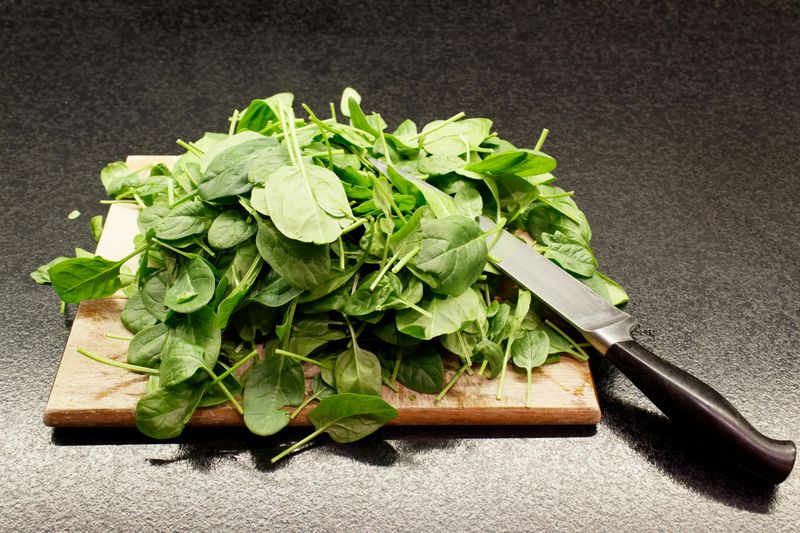
Raw spinach delivers delicate folate, vitamin C, and antioxidants that can fade when heated. You get crisp leaves that blend into salads and smoothies without fuss, keeping nutrients intact and calories low.
Pair it with citrus or a drizzle of olive oil to boost iron absorption and make flavors pop.
Choose baby leaves for tenderness, then rinse and dry well to avoid soggy bites. You can toss it with berries, nuts, and goat cheese for a bright bowl.
If your stomach feels sensitive, start with small portions, chew thoroughly, and rotate greens to keep oxalates in balance.
Enjoyed this story?
Add Fast Food Club as a preferred source to see more of our reporting on Google.