



Ultra-processed foods are convenient, tasty, and everywhere, but many experts warn that some choices may nudge cancer risk higher over time. You deserve clear, practical advice that helps you protect your health without feeling overwhelmed.
Here is a straightforward list of everyday items, plus simple swaps and tips to keep your plate balanced. Use it to make small, confident changes that add up.
Bacon
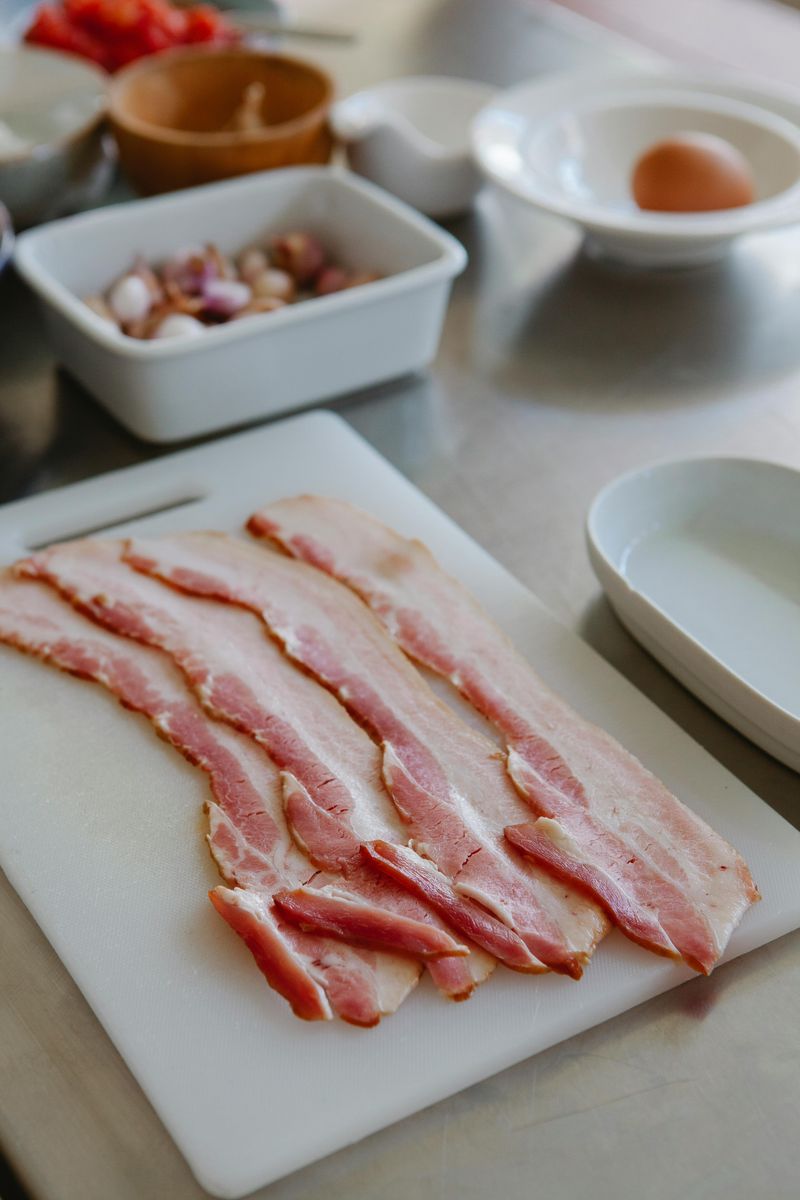
Bacon’s signature crisp comes from curing, smoking, and added nitrites that can form nitrosamines, compounds tied to cancer risk. That aroma triggers cravings, but daily plates of bacon are not doing your body favors.
You can still enjoy the taste occasionally while respecting your long term health.
Try keeping bacon as a weekend accent instead of a weekday habit. Crumble a small strip over salads or vegetables so the flavor goes further.
On other days, reach for avocado, hummus, or a fried egg for savory satisfaction without the same preservative load and excess sodium dragging you down.
Sausages

Sausages bundle ground meat, salt, fat, and preservatives into a tasty package that is easy to overeat. Studies link frequent sausage intake with increased colorectal cancer risk, likely due to nitrites, heme iron, and high temperature cooking.
Those charred grill marks might look appetizing but can add unwanted compounds.
If sausages are on the menu, choose smaller links and cook gently to reduce charring. Balance the plate with a fiber rich salad or roasted vegetables.
Consider chicken or turkey sausages with fewer additives, or go plant based with seasoned lentil patties that still satisfy a craving for something hearty and savory.
Hot dogs

Hot dogs are classic, but they are highly processed, salty, and often packed with nitrites that can form carcinogenic byproducts. They also tend to be eaten with refined buns and sugary condiments, stacking less helpful choices together.
You can still enjoy a game day treat while protecting your health.
Limit frequency, choose brands with no added nitrites when possible, and load up on crunchy veggies instead of extra sauce. Grilling lightly rather than burning helps.
On regular days, swap in a whole grain wrap with grilled chicken or black beans, giving you flavor, fiber, and protein without the same downside.
Deli meats

Deli meats seem lean, but ultra thin slices can hide sodium, nitrites, and phosphates that are hard on your body over time. Frequent sandwiches add up fast, especially when paired with white bread and cheese.
You deserve a lunch that feels fresh, not processed.
Ask for low sodium, no nitrite options, and pile on vegetables for crunch and antioxidants. Better yet, batch cook chicken breasts or turkey at home for wholesome slices without additives.
If the convenience matters, rotate in tuna packed in water or hummus with cucumbers and tomatoes. Your midday meal can be easy and protective.
Ham

Ham’s sweet glaze and rosy color usually come from curing salts that include nitrites. That appealing look can signal compounds linked to increased colorectal cancer risk with frequent intake.
Holiday slices are fine occasionally, but routine ham sandwiches may push sodium and preservative exposure higher than you intend.
Choose smaller portions, blot extra glaze, and build your plate with greens and whole grains. Consider roasting a fresh pork loin instead, seasoning with herbs, garlic, and citrus.
If you want that ham flavor, use a few diced pieces as a garnish in a bean soup so the vegetables do the heavy lifting.
Salami

Salami brings bold flavor, but it is concentrated in salt, saturated fat, and preservatives that may contribute to cancer risk over time. A few slices can quickly exceed a sensible serving.
That savory punch is best treated like a spice, not the main event on your plate.
If you enjoy it, buy high quality salami and slice paper thin so a little goes far. Pair with fiber rich foods like tomatoes, arugula, and whole grain crackers.
Rotate in herbed olives or roasted peppers for a similar vibe without the same additives. Your charcuterie board can still feel special.
Pepperoni

Pepperoni’s spicy snap comes with sodium, nitrites, and processed fats you probably do not want every night. High heat baking can add more concerning compounds to an already preserved meat.
A few slices can transform flavor, but too many can crowd out protective vegetables and whole grains.
Ask for light pepperoni or half the usual amount on pizza, then double the mushrooms, peppers, and onions. Try veggie heavy pies with a sprinkle of feta or olives for savory depth.
On other nights, make a homemade flatbread with tomato, basil, and roasted chickpeas, giving you crunch and comfort without the same risks.
Instant noodles
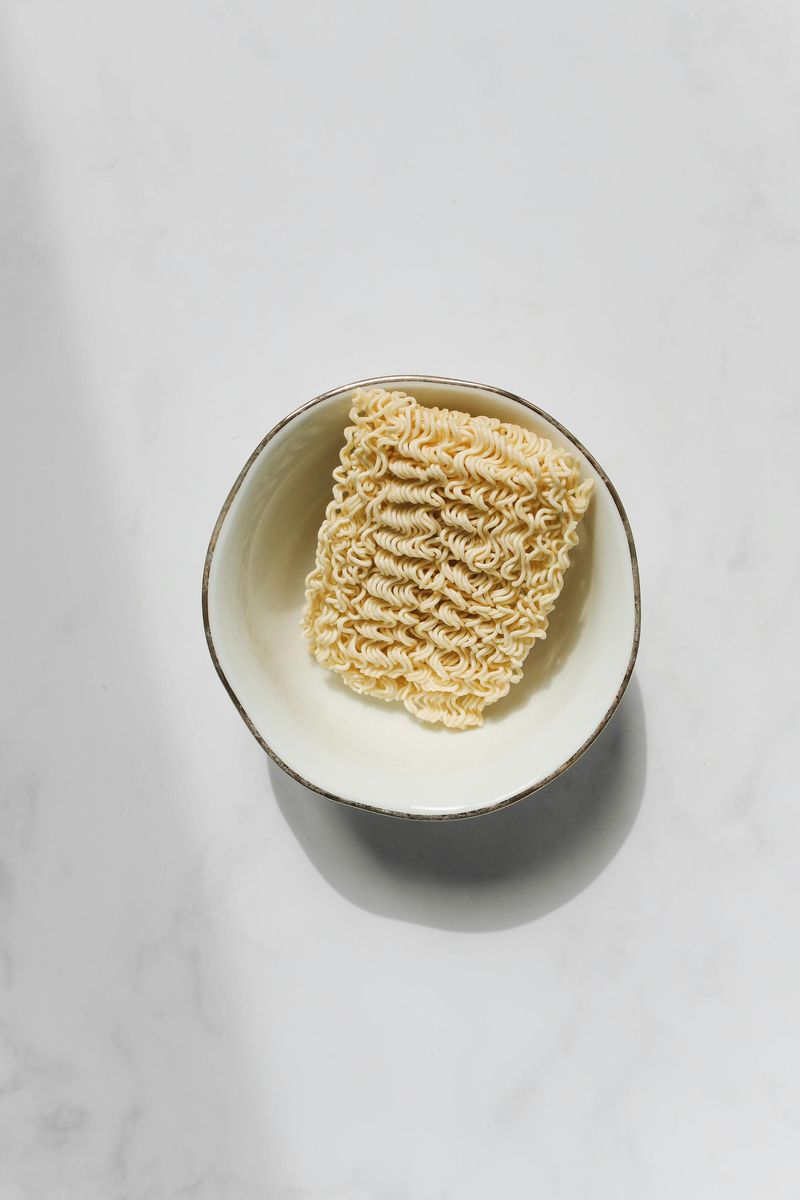
Instant noodles are cheap and fast, but those flavor packets often pack huge sodium, saturated fat, and additives. That salty broth can nudge blood pressure and crowd out nutrient dense foods.
You deserve convenience that supports long term health as well as short term hunger relief.
Try using only part of the seasoning, add extra water, and load the bowl with frozen vegetables, tofu, or a boiled egg. Choose air dried noodles or whole grain options when you can.
Batch cook simple broths and reheat for speed. With small tweaks, your cozy bowl becomes kinder to your heart and future self.
Packaged snacks
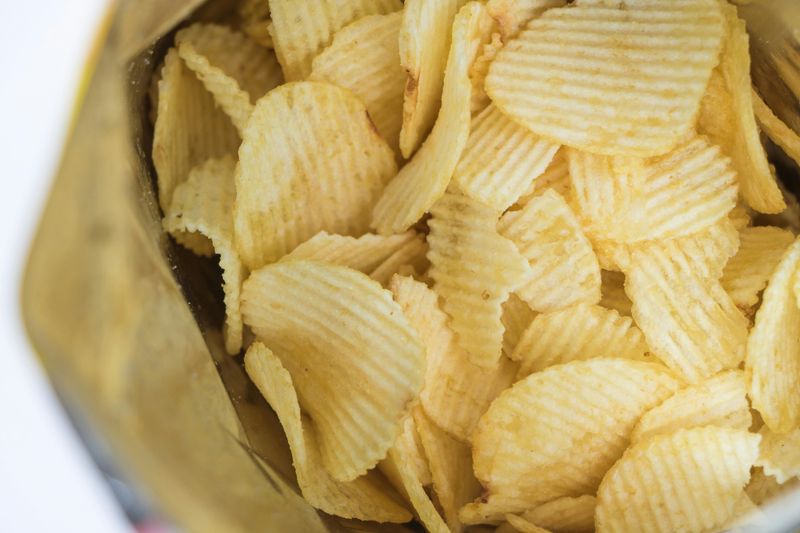
Packaged snacks are designed to be craveable, often mixing refined starches, added fats, sodium, and flavor enhancers. That combo makes it easy to overshoot calories while skimping on fiber and protective phytonutrients.
You can keep snacks, but aim for ones that actually nourish you.
Check labels for short ingredient lists and higher fiber. Swap chips for air popped popcorn, roasted chickpeas, or nuts in modest portions.
When a crunchy fix calls, pair crackers with hummus and sliced peppers. Planning a fruit and nut pack at the start of the week helps you steer clear of impulse grabs that leave you unsatisfied.
Sugary cereals
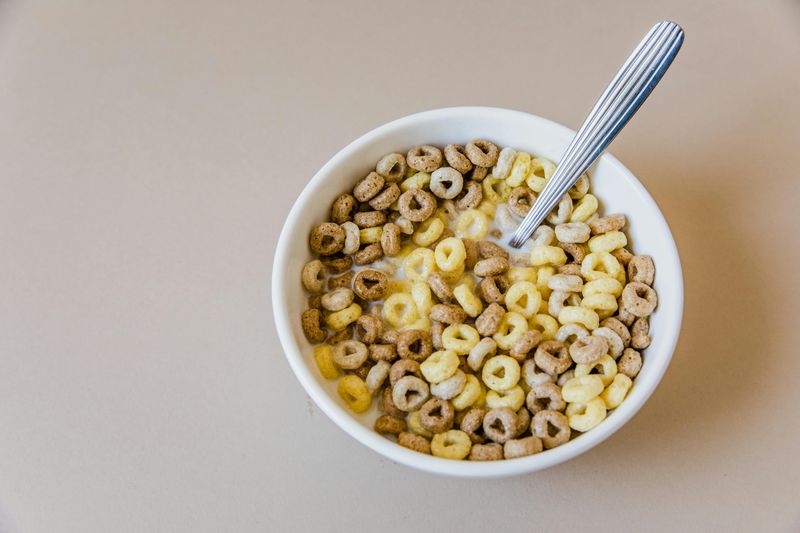
Sugary cereals turn breakfast into a dessert disguised as fuel. The refined grains and added sugars spike energy then crash, nudging weight gain and metabolic strain that can influence cancer risk.
Marketing might promise vitamins, but many are simply fortified candy in a box.
Scan for cereals with at least 5 grams of fiber and less than 6 grams of sugar per serving. Mix half sweet cereal with unsweetened flakes while transitioning.
Better still, build a bowl with oats, berries, cinnamon, and nuts. If mornings are rushed, prep overnight oats so you have grab and go power without the sugar rollercoaster.
Fast food burgers
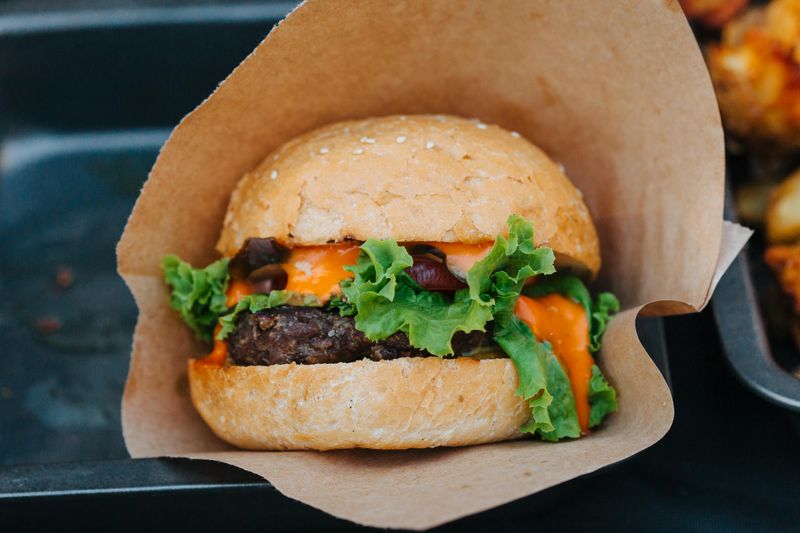
Fast food burgers stack processed buns, salty patties, cheese, and sauces that ramp up sodium, saturated fat, and additives. Oversized portions make it easy to exceed daily limits that support long term health.
You can still enjoy convenience without turning it into a habit that chips away at resilience.
Order a single burger without extra sauces, add lettuce and tomato, and skip the fries. Choose water or unsweetened tea.
If cravings hit often, try a homemade burger with lean beef, turkey, or beans on a whole grain bun. Add a big salad so satisfaction comes from volume and color, not just grease.
Fried foods

Deep frying bathes foods in hot oil, creating acrylamides in starchy items and advanced glycation end products that may increase inflammation. Regular indulgence can nudge weight gain and metabolic issues that raise cancer risk over time.
You can keep the crunch while dialing back the downside.
Air fry, bake on a rack, or pan crisp with minimal oil. Choose oils with higher smoke points and avoid reusing oil.
Pair crunchy bites with a heap of vegetables, not more fried sides. If a fryer feast happens, balance the next meals with fiber rich beans, fruit, and water so your body rebounds.
Processed cheese

Processed cheese melts beautifully because it is engineered with emulsifiers, stabilizers, and salt. That convenience can crowd out real cheese or other calcium sources, while piling on sodium and additives.
It is fine as an occasional layer, but everyday stacks are not your friend.
If you love gooey texture, try thin slices of sharp real cheese so a little delivers more flavor. Consider nutritional yeast for cheesy notes on popcorn or pasta.
Build sandwiches with avocado or hummus for creaminess. When shopping, choose products with short ingredient lists you recognize.
Your grilled cheese can be satisfying without living in a plastic wrapper.
Frozen ready meals

Frozen ready meals save time, but many stack sodium, refined carbs, processed meats, and small veggie portions. That lineup can encourage overeating and undernourishing patterns linked with higher cancer and heart risk.
Convenience should not cost your future energy and resilience.
Compare labels and aim for meals under 600 mg sodium, with at least 20 grams of protein and visible vegetables. Supplement with a side salad, steamed greens, or a piece of fruit.
Batch cook chili, curries, or grain bowls and freeze portions. You get speed plus real ingredients, so weeknights feel manageable without relying on salty trays.
Packaged baked goods

Packaged baked goods often hide refined flours, added sugars, and industrial oils that make them shelf stable but not body friendly. The portion sizes run large, tempting you to snack beyond satisfaction.
You can still enjoy sweetness while protecting your long game.
Choose smaller treats, savor slowly, and pair with coffee or tea instead of eating mindlessly. Bake at home using whole grain flour, nuts, and fruit to sweeten.
If you buy, look for short ingredient lists and fiber. Keep these items occasional, not everyday.
Your taste buds will adjust, and genuine flavors start to shine through again.
Sugary drinks

Sugary drinks deliver a fast sugar hit without fiber, encouraging insulin spikes, weight gain, and metabolic strain that can raise cancer risk. Liquid calories do not fill you up, so they easily stack onto meals.
You want hydration that supports your goals, not undermines them.
Switch to water, sparkling water with citrus, or unsweetened tea. If quitting is tough, step down gradually by diluting soda with seltzer.
Keep sweet beverages for special moments, not daily habits. For flavor, infuse water with berries, mint, or cucumber.
Your body and energy will thank you as cravings fade and steadier focus returns.
Processed meats

Processed meats often contain nitrites, high sodium, and preservatives that can form carcinogenic compounds when heated. You might love the convenience, but frequent intake is linked with higher colorectal and stomach cancer risk in large studies.
The smoky flavor and long shelf life come with tradeoffs your cells do not appreciate very much.
If you choose them, treat processed meats like an occasional indulgence, not a staple. Pair small portions with fiber rich foods, plenty of vegetables, and water instead of soda.
Better yet, swap in beans, fish, or freshly cooked poultry for the same protein hit without the baggage.
Enjoyed this story?
Add Fast Food Club as a preferred source to see more of our reporting on Google.