


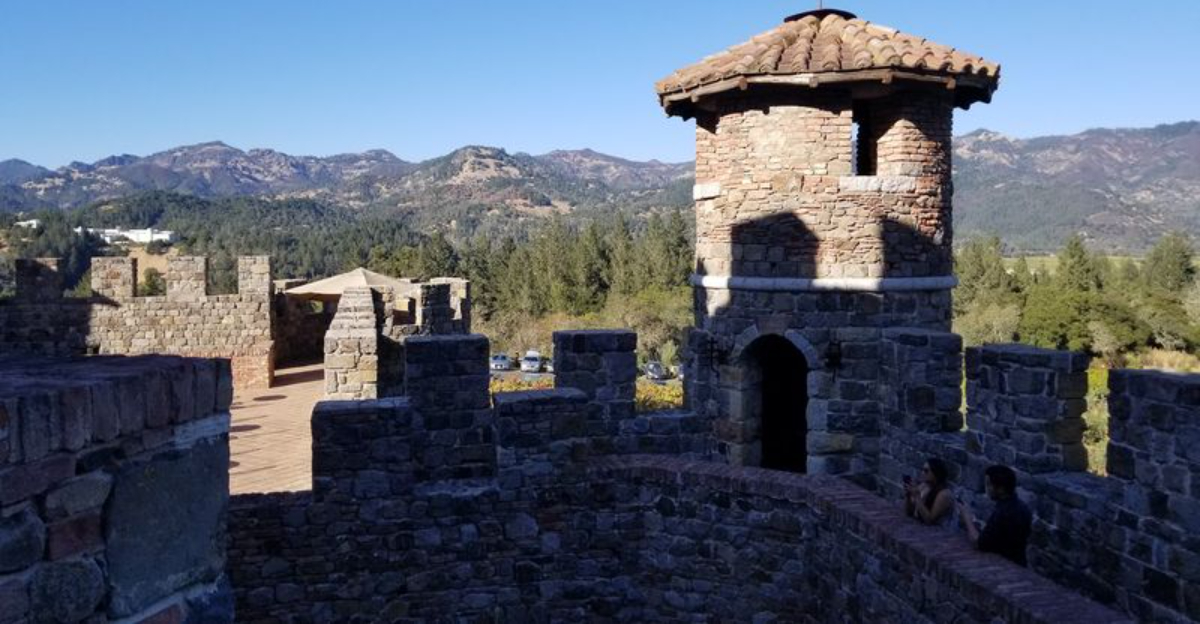
Tucked at the northern tip of Napa Valley, Calistoga is a small California town with a big secret. Beneath its charming streets lies a world of geothermal activity that has been bubbling, erupting, and healing visitors for over a century.
From a geyser that shoots water into the sky on a regular schedule to warm mud baths that melt your stress away, this place is unlike anywhere else in the state. Whether you are a nature lover, a history buff, or just someone looking for a one-of-a-kind adventure, Calistoga is ready to surprise you.
Old Faithful Geyser of California
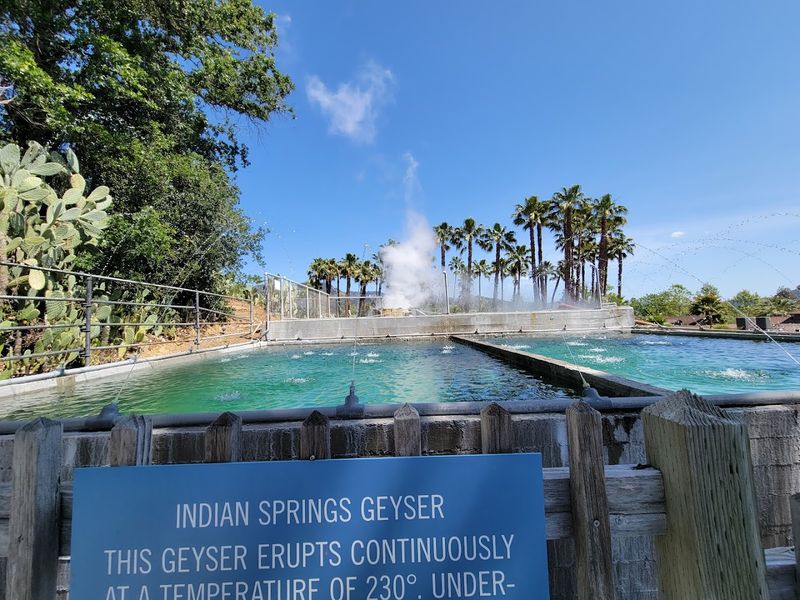
Every few minutes, without fail, a tower of boiling water shoots roughly 60 feet into the air at the Old Faithful Geyser of California. This is one of only three geysers in the world known as “old faithful” because of how reliably it erupts.
Visitors gather around the fenced viewing area, phones in hand, waiting for the next show.
The geyser sits on a geothermal hot spot that has been active for thousands of years. Scientists believe the eruptions are connected to tectonic fault lines running deep underground.
That natural energy is what makes Calistoga such a unique destination.
Beyond the main geyser, the property is home to fainting goats and a small geology museum. It is a surprisingly fun stop for families and curious minds of all ages.
Plan to spend at least an hour soaking in the spectacle.
Calistoga Hot Springs and Mud Baths
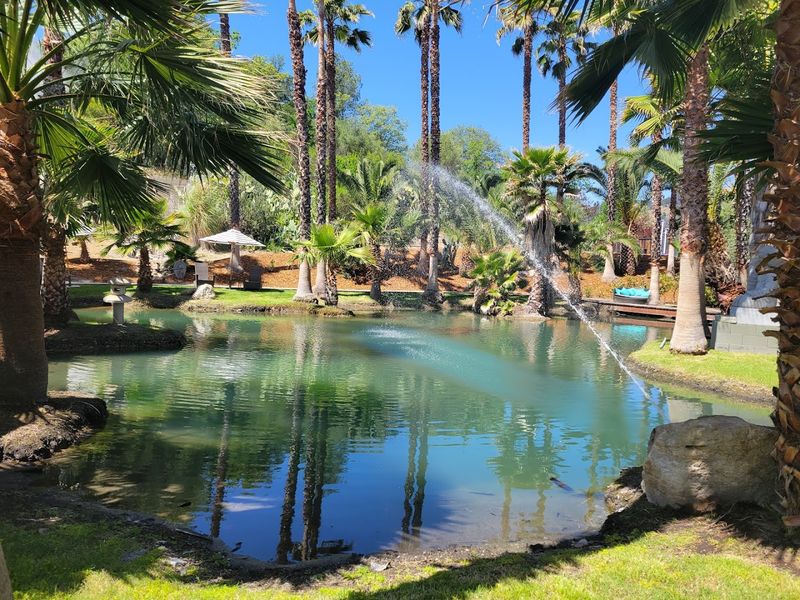
Long before Napa Valley became famous for wine, people were traveling to Calistoga specifically to soak in its legendary mud baths. The mud here is a special blend of volcanic ash, peat, and naturally heated mineral water that feels like a warm, earthy hug.
It has been used for relaxation and pain relief for well over a hundred years.
Sam Brannan, one of California’s first millionaires, opened the first resort here in 1862 after discovering the hot springs. He famously intended to make Calistoga the “Saratoga of California,” though legend says he fumbled the words.
The name stuck anyway, and so did the spa culture.
Today, several spas offer the full mud bath experience, often followed by mineral soaks and massages. First-timers are sometimes surprised by how heavy the mud feels.
Once you settle in, though, it is hard to imagine wanting to leave.
Castello di Amorosa Winery
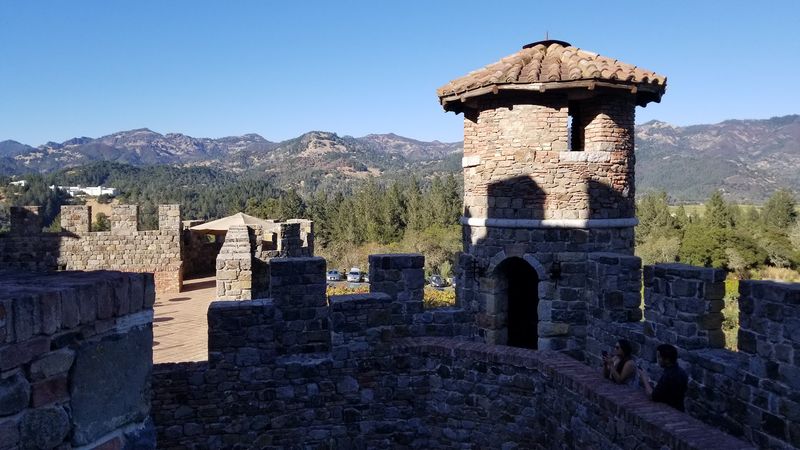
Imagine driving through the rolling hills of Napa Valley and suddenly spotting a full-blown medieval castle. That is exactly what happens when you approach Castello di Amorosa, a 121,000-square-foot winery built to look like a 13th-century Tuscan fortress.
Owner Dario Sattui spent 14 years and $30 million constructing it from authentic materials.
The castle features 107 rooms, a drawbridge, a moat, a dungeon, and even a torture chamber — all built using traditional techniques. Inside, world-class Italian-style wines are aged in underground cellars that stay naturally cool year-round.
Tours wind through the dramatic stone corridors before ending in a candlelit tasting room.
Kids and adults alike are fascinated by the sheer ambition of this place. It is part theme park, part art project, and entirely a serious winery.
A visit here makes for one of the most memorable afternoons in all of Napa Valley.
Bale Grist Mill State Historic Park
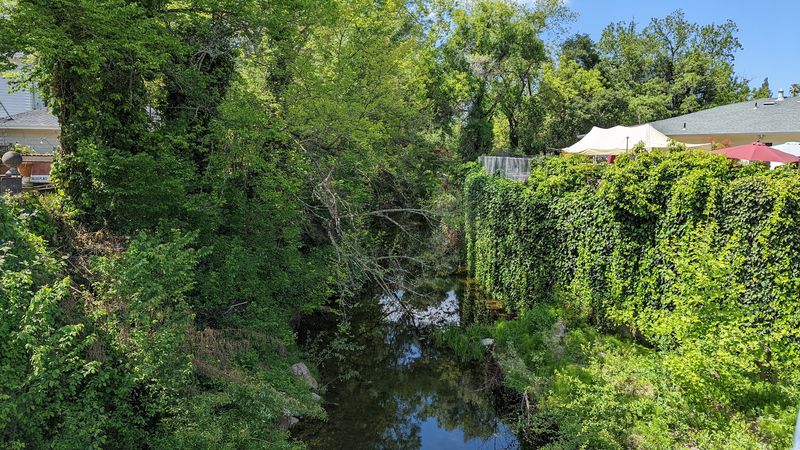
Standing beside a shaded creek just southeast of Calistoga, the Bale Grist Mill looks like it belongs in a storybook. Built in 1846 by Dr. Edward Turner Bale, this massive water-powered mill ground grain for the early settlers of Napa Valley.
The giant wooden wheel still turns on weekends, just as it did nearly 180 years ago.
Visiting the mill is like stepping into a living history lesson. Costumed volunteers explain how the grinding stones worked and why the mill was so vital to the local community.
Fresh-ground cornmeal and flour are sometimes available for purchase, which makes the experience feel wonderfully tangible.
A short scenic trail connects the mill to Pioneer Cemetery, where some of Napa Valley’s earliest residents are buried. The whole area is peaceful, shaded, and full of character.
History fans and casual hikers both tend to leave genuinely impressed by this tucked-away gem.
Ca’toga Galleria D’Arte
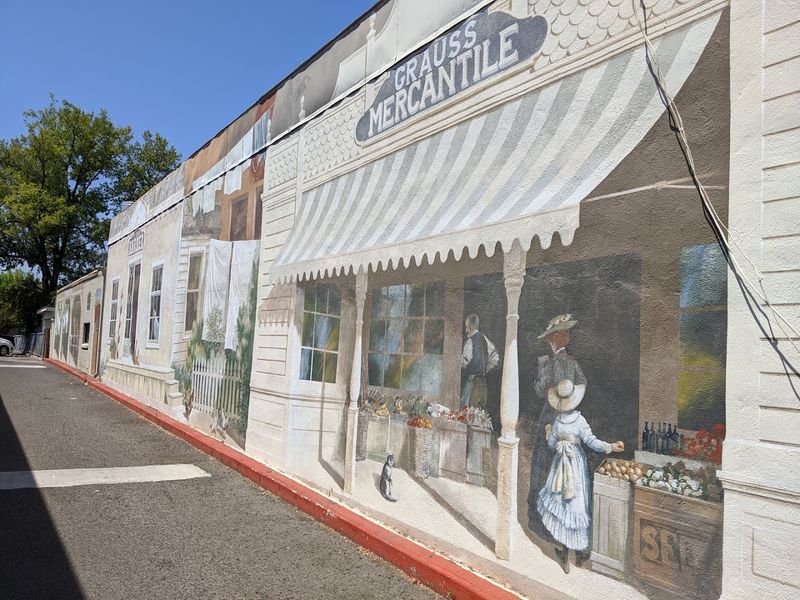
Walking into Ca’toga Galleria D’Arte feels like being teleported straight to the Italian countryside — with a healthy dose of fantasy thrown in. This extraordinary gallery and villa is the creative domain of Italian artist Carlo Marchiori, who filled every inch of his Calistoga home with breathtaking murals, sculptures, and paintings.
The work is playful, mythological, and completely original.
Marchiori trained in Venice and brought a classical European sensibility to the sun-drenched hills of Northern California. His trompe-l’oeil murals trick your eyes into seeing three-dimensional architecture where there is only flat plaster.
Visitors are often left wondering where the wall ends and the painting begins.
Tours of the villa are available on select days and must be booked in advance. The gallery shop sells prints and smaller works for those who want to bring a piece of the magic home.
Art lovers consistently call this one of Napa Valley’s most underrated cultural treasures.
Robert Louis Stevenson State Park
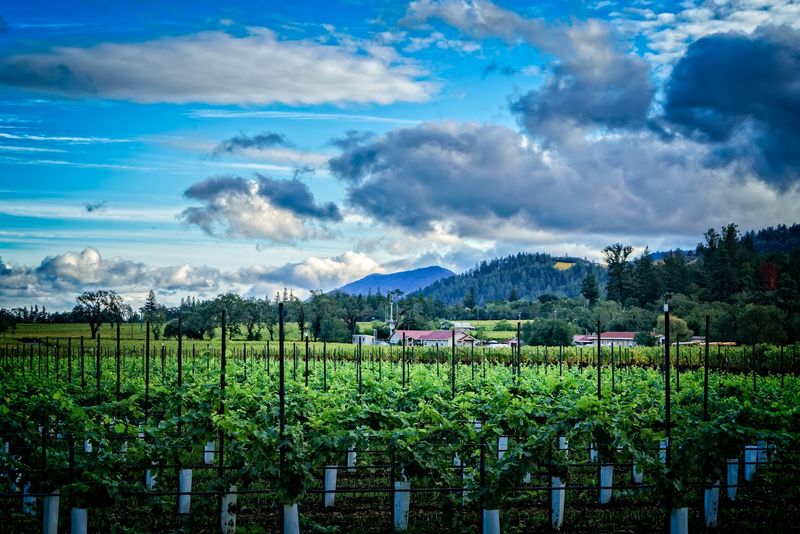
Few people know that Robert Louis Stevenson, the author of Treasure Island, spent his honeymoon on the slopes of Mount Saint Helena just outside Calistoga in 1880. He and his wife Fanny camped in an abandoned bunkhouse at a silver mine while he recovered from tuberculosis.
He later wrote about the experience in his travel memoir, “The Silverado Squatters.”
Today, that same rugged landscape is protected as Robert Louis Stevenson State Park. The park’s main trail climbs nearly 2,000 feet to the summit of Mount Saint Helena, the highest peak in the Bay Area region.
On clear days, hikers can see all the way to the Sierra Nevada and the Pacific Coast.
The trail is challenging but deeply rewarding, winding through chaparral, oak woodland, and volcanic rock formations. Wildlife sightings are common, and the summit views are genuinely jaw-dropping.
It is the kind of hike that makes you feel like you earned something real.
Petrified Forest of Calistoga
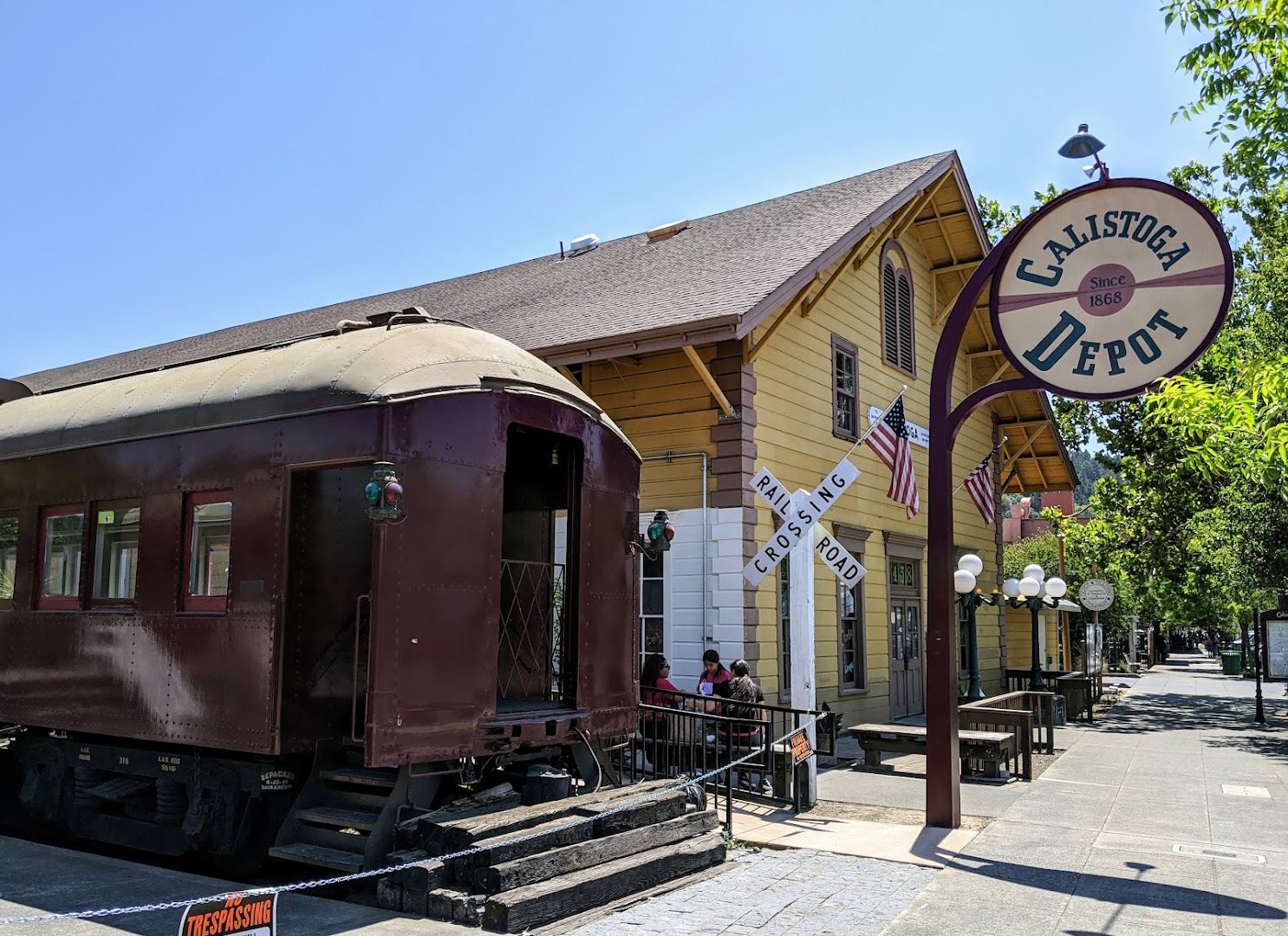
About three million years ago, a massive volcanic eruption from Mount Saint Helena buried an entire redwood forest under ash and debris. Over time, silica-rich water seeped through the ash and slowly replaced the organic wood with stone.
The result is the Petrified Forest of Calistoga, a surreal outdoor museum where ancient trees lie frozen in time.
Discovered in 1870 by a homesteader named Charles Evans, the site quickly became a tourist attraction. Even the famous writer Robert Louis Stevenson paid a visit and mentioned it in his writings.
Some of the petrified logs stretch over 100 feet long and are remarkably well preserved.
A self-guided trail winds through the property, with interpretive signs explaining the volcanic history and the petrification process. The gift shop sells polished petrified wood specimens that make memorable souvenirs.
Science-minded visitors and geology enthusiasts find this spot absolutely fascinating and well worth the short drive from downtown.
Calistoga Downtown and Main Street
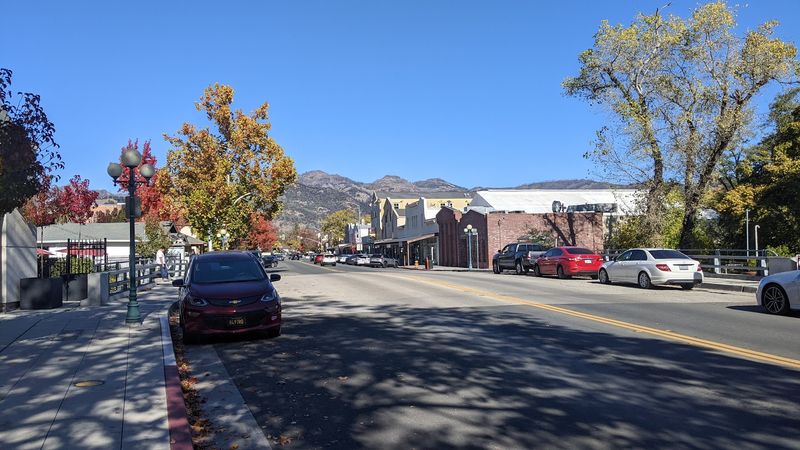
There is something genuinely refreshing about a town that has managed to stay small and authentic despite being surrounded by one of the world’s most famous wine regions. Downtown Calistoga stretches along Lincoln Avenue, and the whole walkable strip can be explored in a leisurely afternoon.
Victorian storefronts house an eclectic mix of boutiques, restaurants, and local spas.
The town has a relaxed, unpretentious vibe that sets it apart from the more polished towns further south in Napa Valley. Locals chat with visitors on the sidewalk, and restaurant menus change with the seasons.
Street parking is easy to find, which feels like a small miracle in California.
Farmers markets pop up regularly, offering local produce, artisan goods, and live music. The food scene punches well above its weight for a town of just 5,000 people.
A slow stroll down Lincoln Avenue is one of the simplest and most satisfying things you can do in Calistoga.
Calistoga Wineries and Wine Tasting
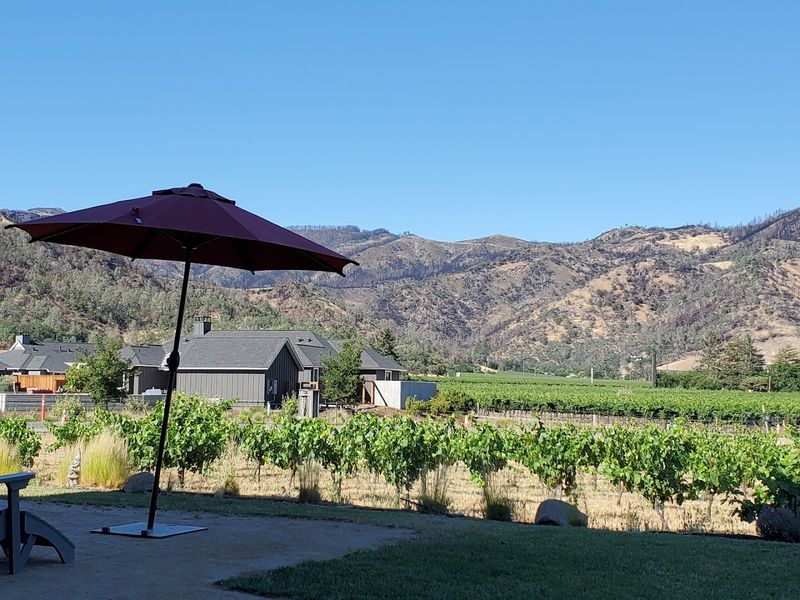
At the northern end of Napa Valley, Calistoga sits in a warmer, more rugged pocket of wine country where bold red wines thrive. Cabernet Sauvignon grown here develops rich, concentrated flavors thanks to the volcanic soil and warm days followed by cool nights.
The result is wine with a personality as distinct as the town itself.
Unlike the larger, more corporate tasting rooms found elsewhere in Napa, many Calistoga wineries feel intimate and personal. Owners and winemakers often pour their own wines and love talking about their craft.
Appointments are sometimes required, which actually makes the experience feel more special and less rushed.
Smaller producers like Storybook Mountain, Schramsberg, and Chateau Montelena — the winery that famously beat French wines in the 1976 Paris tasting — call this area home. Wine lovers who make the drive to Calistoga often say it feels like discovering a secret the rest of Napa has been keeping.
Indian Springs Resort and Spa
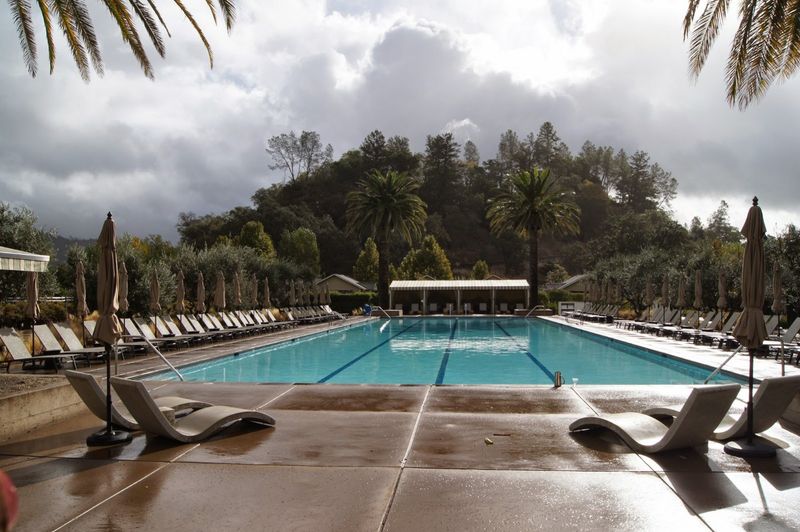
Operating since 1861, Indian Springs Resort and Spa holds the title of California’s oldest continuously operating thermal pool and spa facility. The property sits directly on top of a geothermal field, which means the warmth beneath your feet is completely real and completely natural.
Olympic-sized mineral pools are fed by the same volcanic hot springs that made Calistoga famous.
The resort has a wonderfully nostalgic feel, with vintage bungalows shaded by towering palm trees planted over a century ago. Guests can soak in the geothermal pool, book a traditional mud bath, or simply relax on a lounge chair with a glass of local wine.
The whole atmosphere encourages you to slow down.
Sam Brannan himself once operated a resort on this very land, making Indian Springs a direct link to Calistoga’s earliest days as a destination. Staying here feels less like checking into a hotel and more like stepping into a living piece of California history.
Sharpsteen Museum
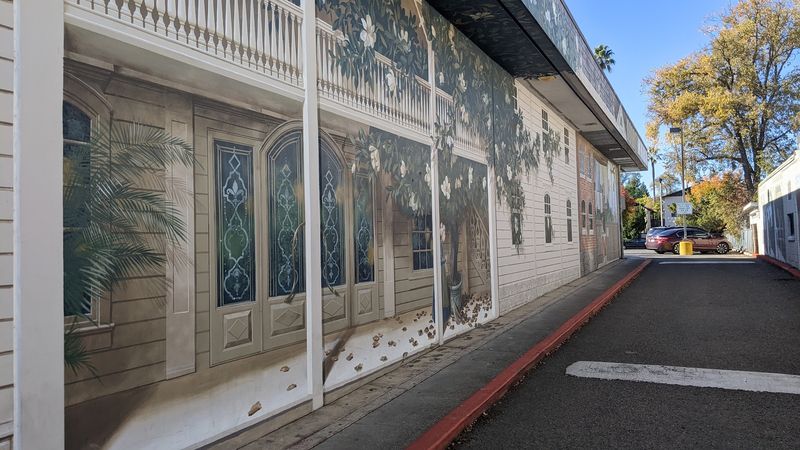
Ben Sharpsteen was an Academy Award-winning Disney animator who fell in love with Calistoga and decided to give back in the most creative way he knew how. He founded the Sharpsteen Museum in 1978, filling it with detailed dioramas, historical artifacts, and beautifully crafted displays that tell the story of Calistoga from its earliest days.
The centerpiece is a stunning scale model of Sam Brannan’s original 1860s resort.
Admission is free, which makes it one of the best deals in Napa Valley. The exhibits are thoughtfully presented and accessible for all ages, making it a great stop for families traveling with younger kids.
Local volunteers run the museum with obvious pride and enthusiasm.
Rotating exhibits often highlight different aspects of Calistoga’s past, from its Native American roots to its railroad history. Even visitors who do not usually gravitate toward museums tend to find themselves lingering longer than expected.
It is a small place with a surprisingly big story to tell.
Cycling and Biking Through Calistoga
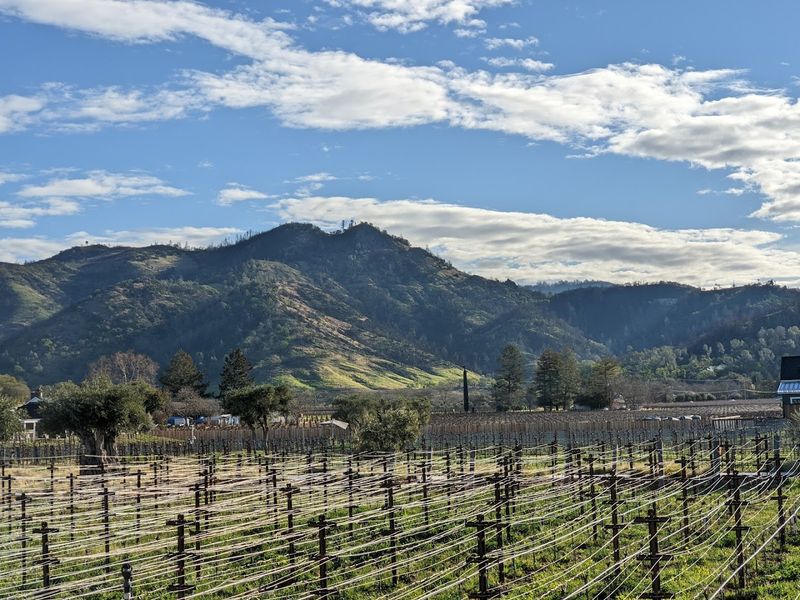
Calistoga is surrounded by some of the most scenic cycling terrain in all of Northern California. The roads here are quieter and less trafficked than those further south in Napa Valley, which means cyclists can actually enjoy the views without worrying too much about traffic.
Rolling vineyard roads, shaded creek paths, and dramatic volcanic hillsides make every ride feel like a postcard come to life.
Several local shops rent bikes by the hour or the day, and guided cycling tours are available for those who want a little structure. Popular routes head out toward the Petrified Forest, along the Silverado Trail, or up into the hills surrounding Mount Saint Helena.
The terrain ranges from flat and easy to genuinely challenging.
Stopping at a winery mid-ride is practically a local tradition. Many tasting rooms welcome cyclists and even have bike racks out front.
For active travelers, exploring Calistoga on two wheels is an experience that perfectly blends adventure, scenery, and that unmistakable Napa Valley charm.
Chateau Montelena Winery
In 1976, a bottle of Chateau Montelena Chardonnay shocked the wine world by beating the best white wines of France in a blind tasting held in Paris. That event, now known as the Judgment of Paris, put Napa Valley permanently on the global wine map.
Chateau Montelena, sitting quietly at the foot of Mount Saint Helena in Calistoga, was at the center of it all.
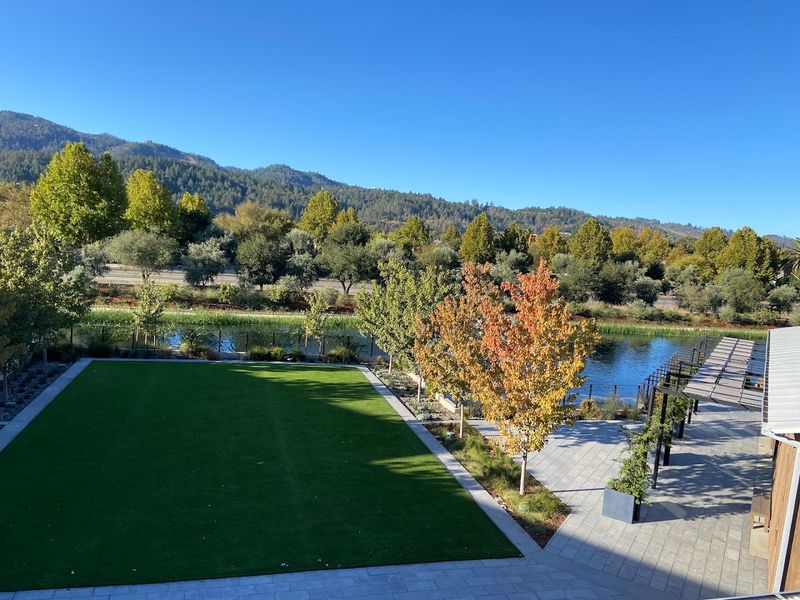
The winery itself is a gorgeous 19th-century stone chateau surrounded by one of the most peaceful gardens in wine country. A Chinese-inspired lake with a red pavilion and weeping willows sits just outside the tasting room, making it feel more like a private estate than a public attraction.
Koi fish drift lazily through the still water while guests sip wine nearby.
Tastings here lean toward the serious and educational, perfect for those who want to understand why this wine became legendary. The history alone makes a visit feel significant.
Few wineries anywhere in the world can claim a story quite this remarkable.
Enjoyed this story?
Add Fast Food Club as a preferred source to see more of our reporting on Google.