


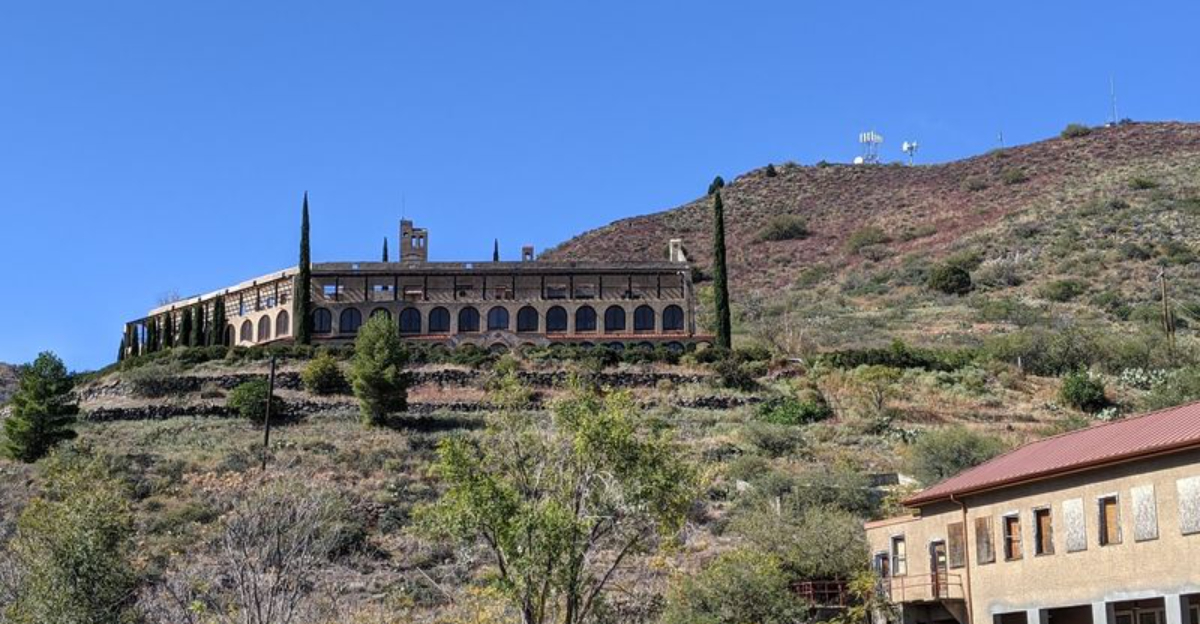
Arizona is famous for the Grand Canyon and Phoenix, but the state holds dozens of quiet, fascinating small towns that most visitors never discover. From old mining camps tucked into mountain canyons to artistic communities sitting on the edge of the desert, these places tell stories that big cities simply cannot.
Each town has its own personality, history, and charm waiting to be explored. Pack your bags and get ready to see a side of Arizona that rarely makes the tourist brochures.
Patagonia – Arizona
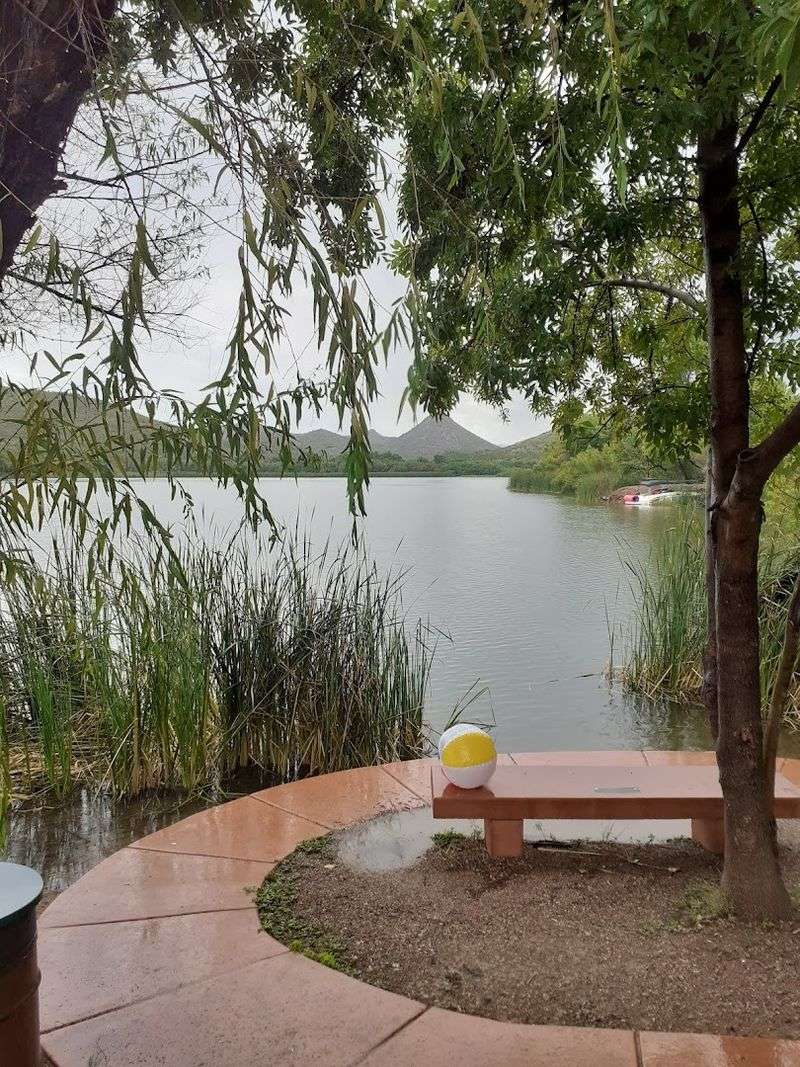
Birders from across the country quietly whisper about Patagonia like it is their best-kept secret. Sitting in a lush valley near the Mexican border, this tiny town is surrounded by some of the richest bird habitat in North America.
Over 300 species have been spotted nearby.
The Patagonia-Sonoita Creek Preserve draws nature lovers year-round. Beyond wildlife, the town has cozy cafes, local art galleries, and a laid-back vibe that makes slowing down feel completely natural.
Bisbee – Arizona
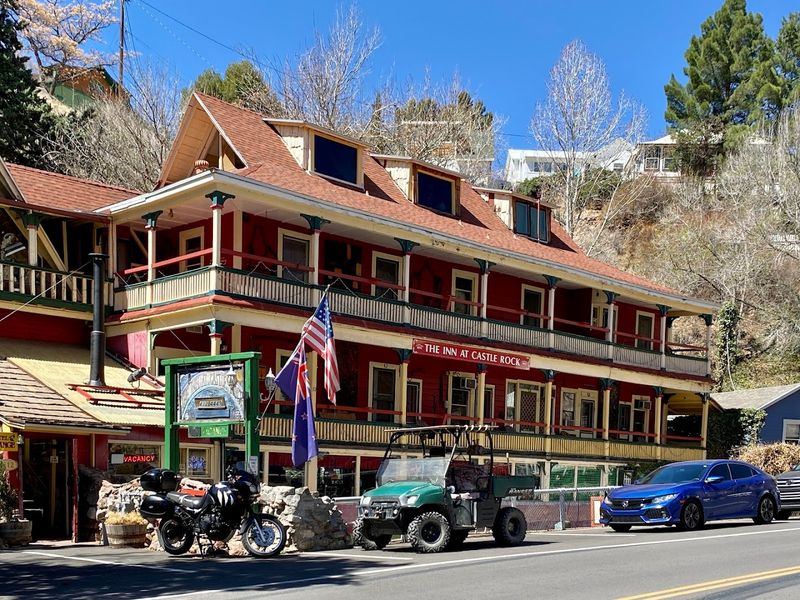
Built into the steep walls of Mule Pass Gulch, Bisbee looks like something out of a storybook. Once one of the largest cities in the Southwest thanks to copper mining, it reinvented itself as an artsy, eclectic community full of galleries, vintage shops, and quirky bed-and-breakfasts.
The Queen Mine Tour takes visitors underground to experience what miners once faced daily. Staircases wind between colorful Victorian buildings, and every corner reveals a new mural or hidden garden worth photographing.
Jerome – Arizona
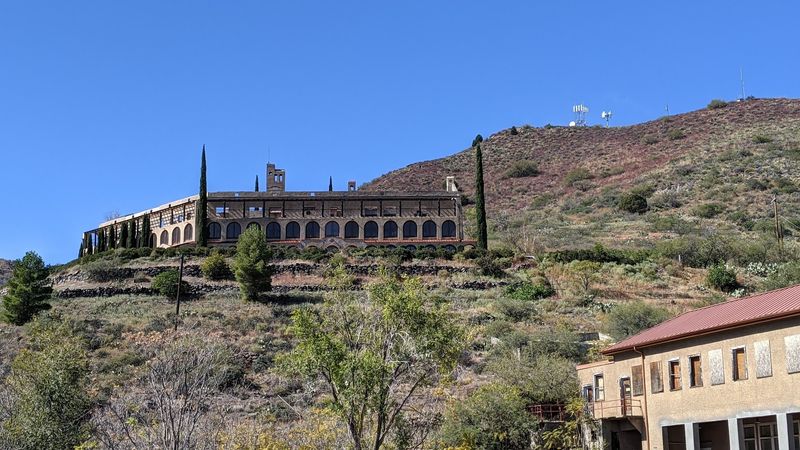
Clinging to the side of Cleopatra Hill like it refuses to fall, Jerome is one of America’s most dramatically located towns. At its peak, nearly 15,000 people lived here mining copper, but by the 1950s it became a ghost town with fewer than 100 residents.
Artists and adventurers eventually moved in and breathed new life into the crumbling brick buildings. Today, Jerome offers wine tasting rooms, haunted hotel tours, and jaw-dropping views of the Verde Valley that stretch for miles.
Tubac – Arizona
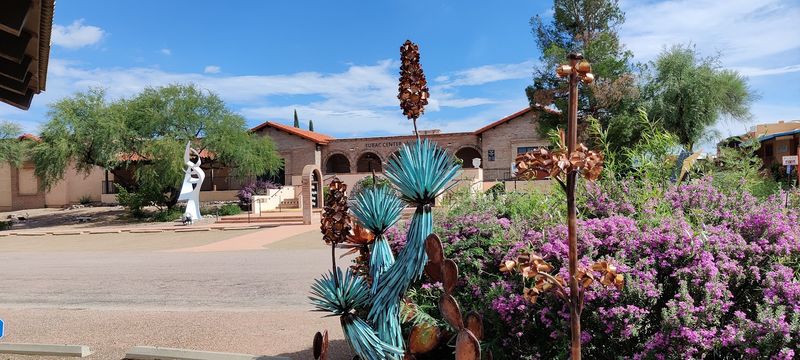
Tubac holds a remarkable distinction: it is the oldest continuously occupied European settlement in Arizona, founded by Spanish colonists in 1752. That deep history soaks into every adobe wall and shaded courtyard throughout town.
Art is the heartbeat of modern Tubac, with over 100 studios and galleries packed into a small walkable area. Shoppers browse handmade jewelry, pottery, and paintings while history lovers explore Tubac Presidio State Historic Park just steps away.
It is a genuinely rare combination.
Clarkdale – Arizona
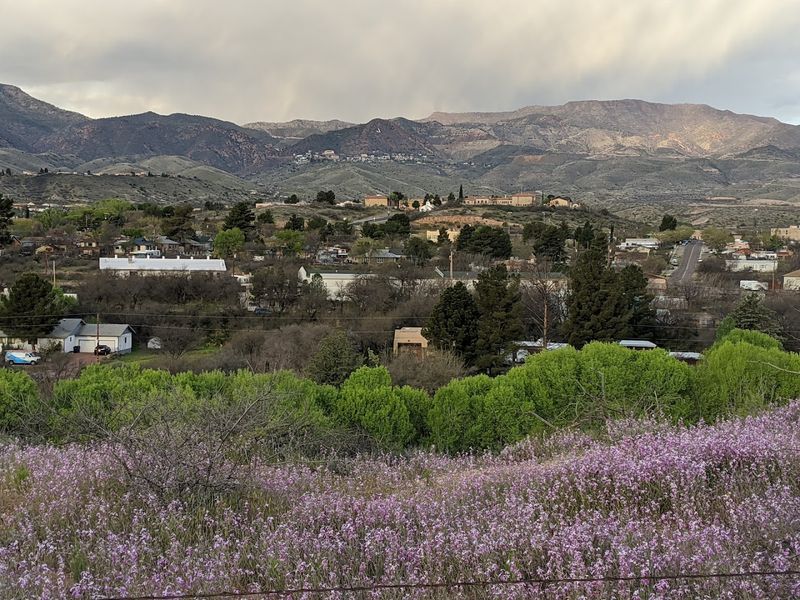
Most people drive right through Clarkdale on their way to Sedona, completely missing one of Arizona’s coolest experiences. The Verde Canyon Railroad departs from here, taking passengers on a four-hour round trip through a remote, roadless canyon filled with bald eagles and ancient cliff dwellings.
Clarkdale itself was a planned company town built in 1912 to support nearby copper smelting operations. Its historic downtown district is compact and charming, with a surprisingly good craft brewery and easy access to Tuzigoot National Monument.
Greer – Arizona
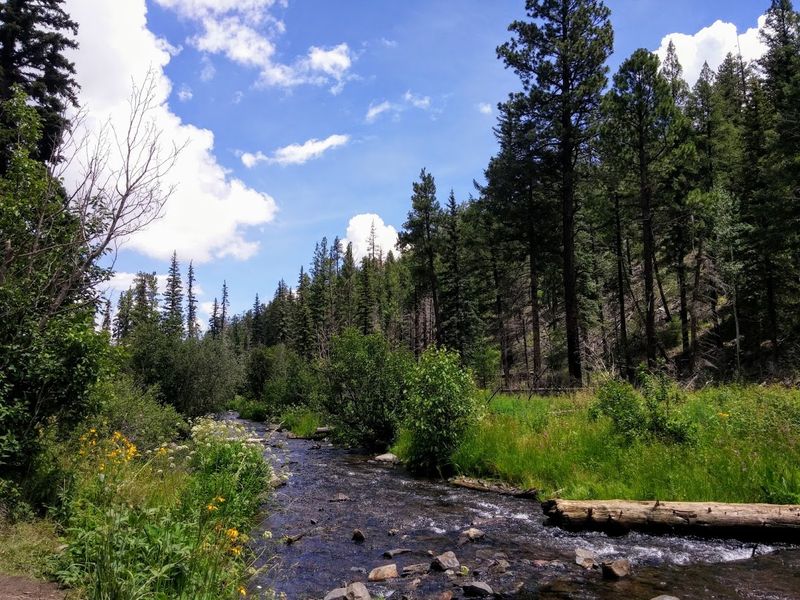
Tucked into the White Mountains at nearly 8,500 feet elevation, Greer feels more like a Colorado alpine village than anything most people associate with Arizona. Tall ponderosa pines, meadows full of wildflowers, and the Little Colorado River running through town create a landscape that surprises first-time visitors every time.
Summer temperatures hover around a refreshing 75 degrees, making Greer a favorite escape for Phoenix residents fleeing the desert heat. Fishing, hiking, and cross-country skiing in winter round out a year-round outdoor playground.
Oracle – Arizona
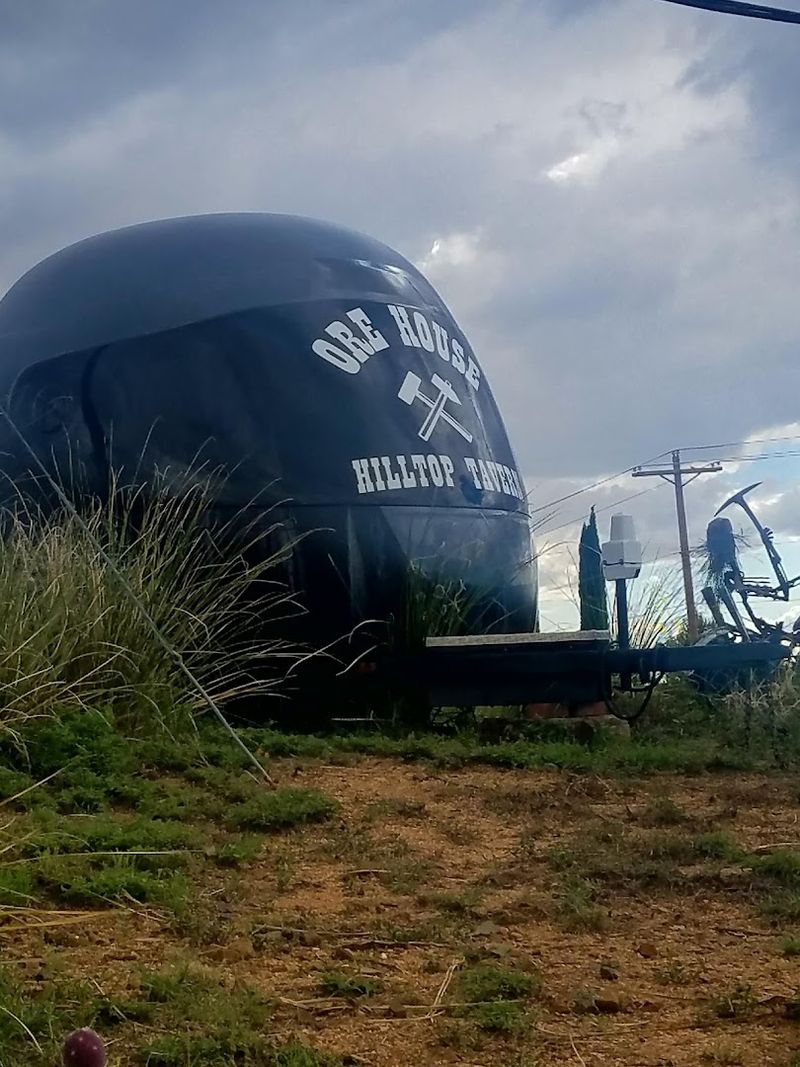
Perched at 4,500 feet on the northern slopes of the Santa Catalina Mountains, Oracle sits in a sweet spot where the Sonoran Desert meets cooler mountain terrain. The town has a fascinating past tied to tuberculosis sanitariums, cattle ranching, and even a brief connection to the famous Biosphere 2 experiment nearby.
Stargazers love Oracle for its genuinely dark skies. The Oracle State Park offers excellent hiking, and the surrounding area attracts birders hunting for species found nowhere else in the United States.
Safford – Arizona
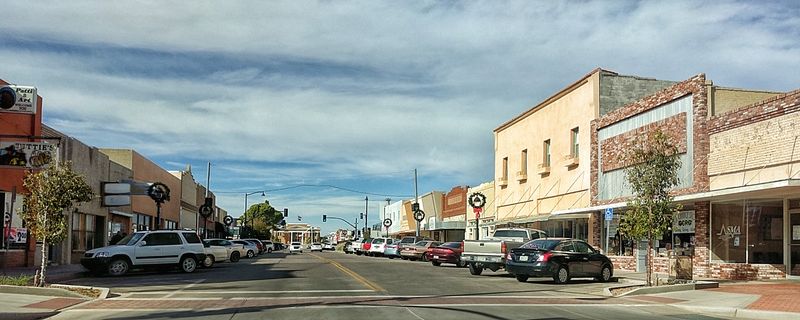
Safford sits in the Gila Valley surrounded by cotton fields and anchored by the towering presence of Mount Graham, one of the sky island mountain ranges unique to southeastern Arizona. What catches most visitors off guard is the abundance of natural hot springs scattered throughout the area.
Essence of Tranquility offers outdoor soaking tubs fed by geothermal water, and several free primitive springs are accessible with a short hike. The Mount Graham International Observatory on the peak above town is open for public tours on select dates.
Ajo – Arizona
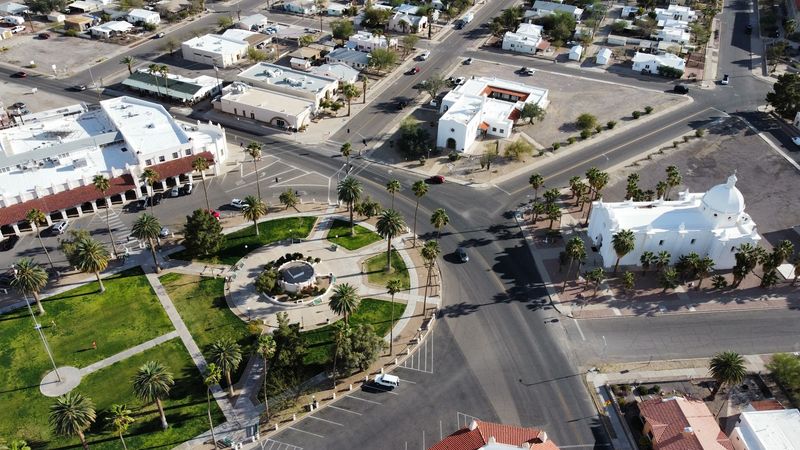
Few towns in Arizona feel as remote or as visually striking as Ajo. Its downtown plaza is a rare example of Spanish Colonial Revival architecture, with gleaming white arched buildings surrounding a central park that looks almost too picturesque to be real.
Just outside town, the Cabeza Prieta National Wildlife Refuge stretches across one of North America’s most untouched desert wildernesses. Organ Pipe Cactus National Monument is also minutes away.
For travelers who love solitude and dramatic scenery, Ajo delivers something genuinely unforgettable.
Portal – Arizona
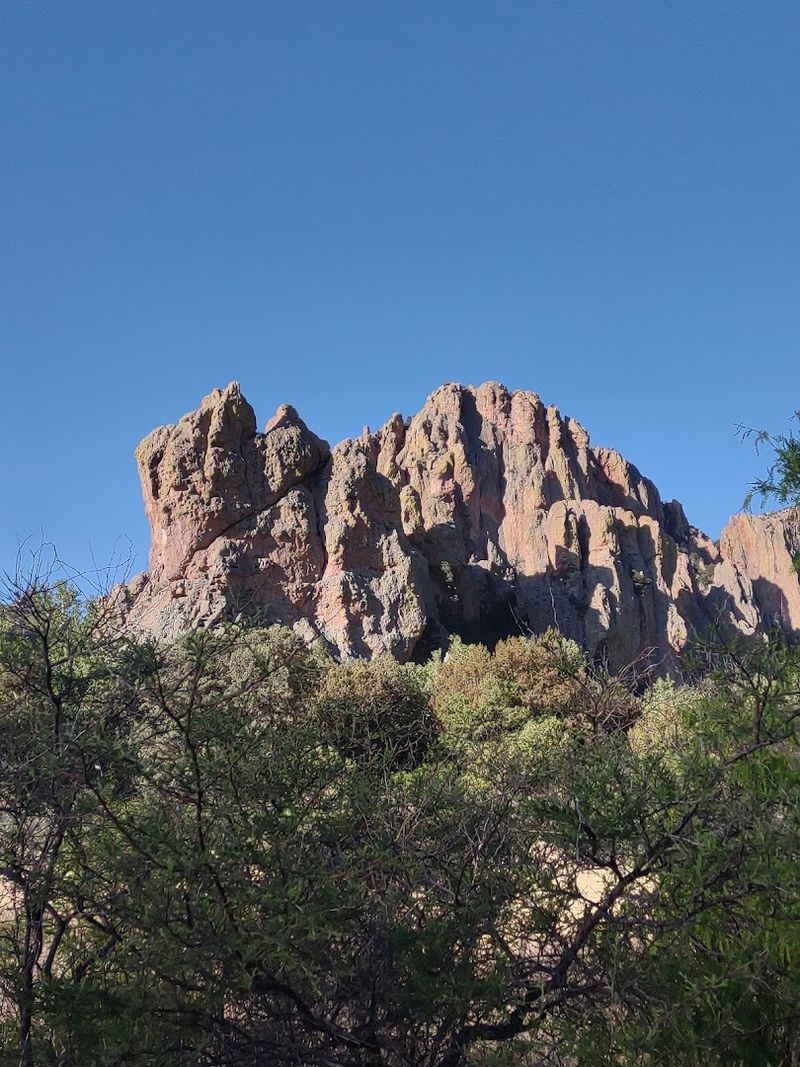
Portal has a population of around 50 people, but birders treat it like a pilgrimage destination. Sitting at the mouth of Cave Creek Canyon in the Chiricahua Mountains, this tiny community offers access to some of the most spectacular wildlife viewing in the entire country.
Elegant trogons, sulfur-bellied flycatchers, and rare hummingbirds show up here regularly. The local research station maintains feeders that attract dozens of species daily.
Visitors often describe Portal as the kind of place that changes how you see the natural world.
Mammoth – Arizona
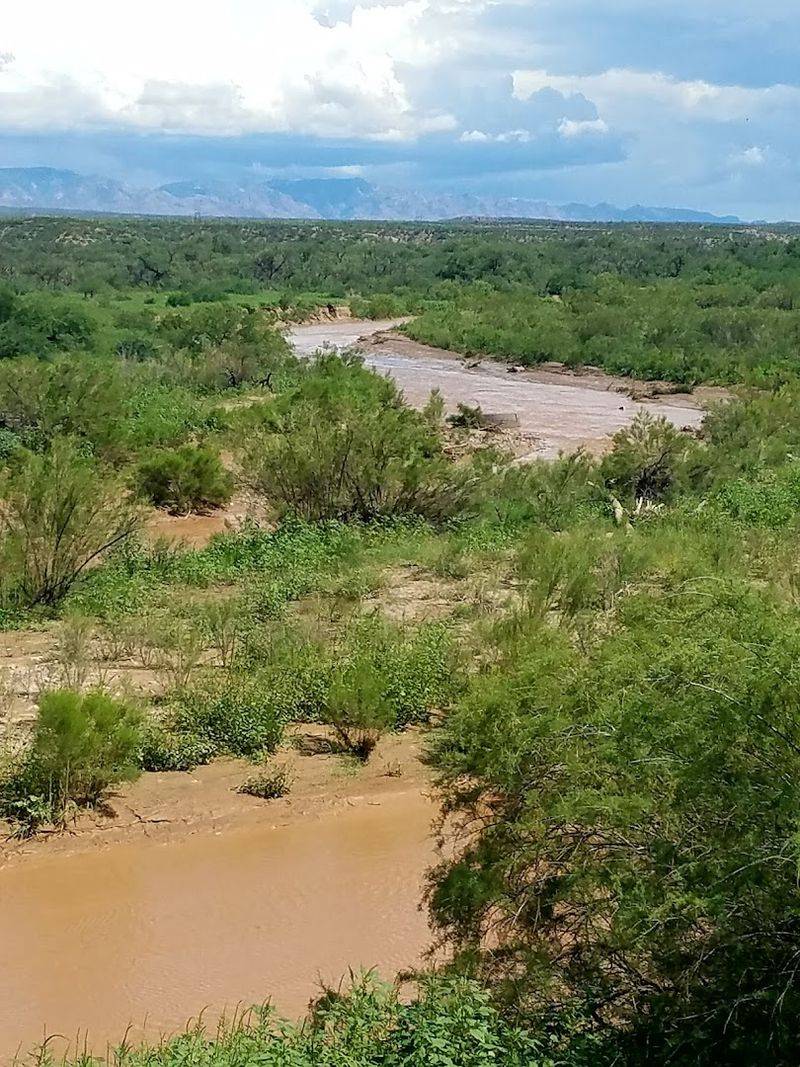
Mammoth sits quietly along the San Pedro River, surrounded by some of the most rugged and beautiful desert terrain in southern Arizona. The town grew from gold and silver mining operations in the late 1800s, and remnants of that era still dot the surrounding hills.
Nearby Aravaipa Canyon Wilderness is one of Arizona’s true hidden gems, a lush riparian canyon accessible only on foot and famous for its crystal-clear stream and diverse wildlife. Mammoth serves as a perfect low-key base camp for exploring this extraordinary wild area.
Globe – Arizona
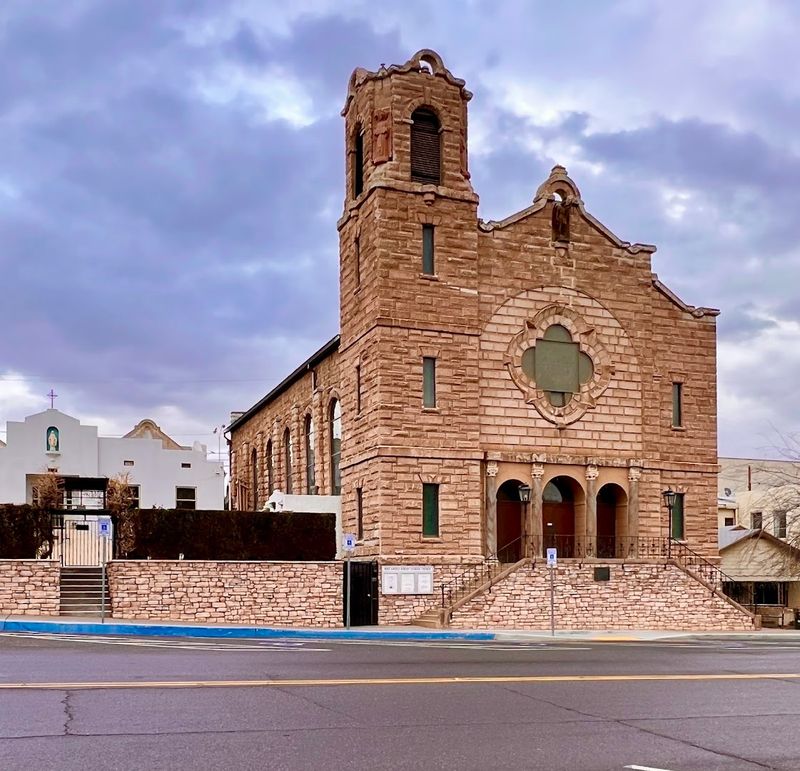
Globe punches well above its weight when it comes to history and charm. Founded as a silver and copper mining town in the 1870s, its downtown still looks remarkably intact, with beautifully preserved brick buildings lining Broad Street that feel frozen in the early 1900s.
The Besh-Ba-Gowah Archaeological Park sits just outside town, preserving a Salado people village from the 13th and 14th centuries. Globe also serves as the gateway to the dramatic Salt River Canyon, sometimes called the mini Grand Canyon by locals who know it well.
Cave Creek – Arizona
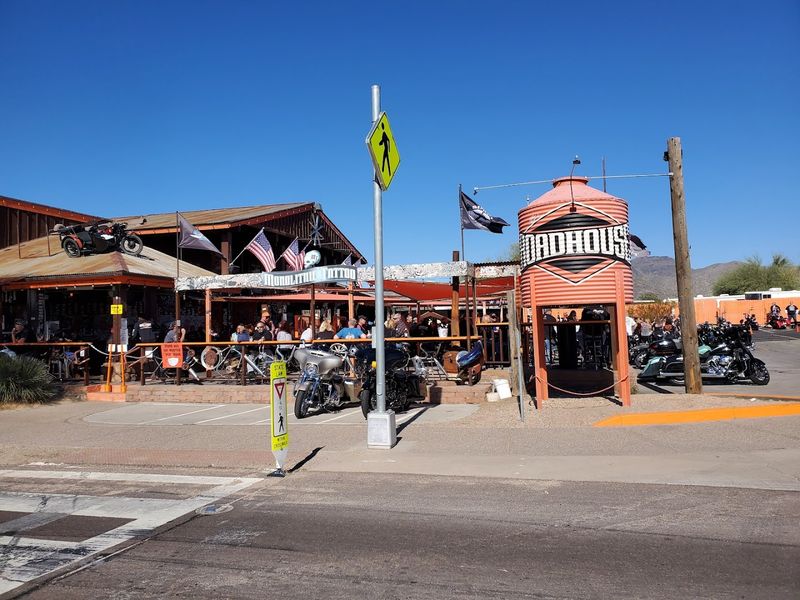
Cave Creek wears its Wild West identity with zero apology. Horseback riders, cowboy hats, and the occasional longhorn steer are genuinely common sights along Cave Creek Road, which is lined with saloons, steakhouses, and Western art galleries that feel completely authentic rather than touristy.
Despite sitting just 30 minutes north of Phoenix, Cave Creek maintains a fiercely independent small-town personality. The surrounding Tonto National Forest offers excellent hiking and mountain biking, and the famous Spur Cross Ranch Conservation Area protects stunning Sonoran Desert scenery right on the town’s doorstep.
Winkelman – Arizona
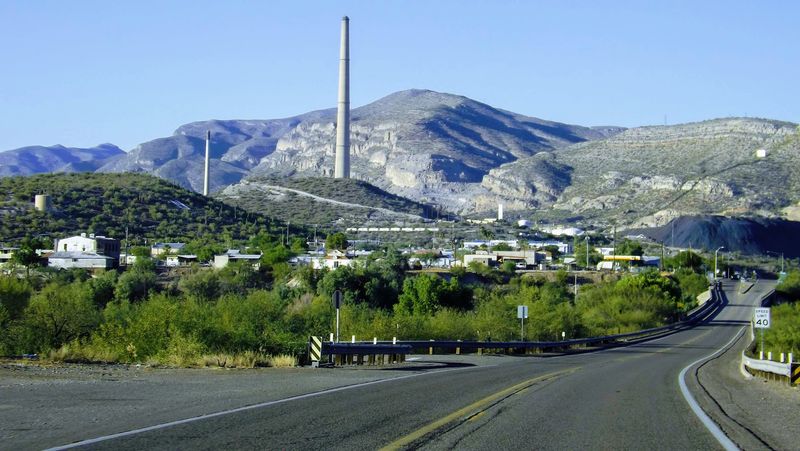
Winkelman occupies one of the most geographically interesting spots in Arizona, sitting right at the confluence of the Gila and San Pedro Rivers. Only about 350 people call it home, making it one of the quieter communities on this list, but the surrounding landscape is genuinely spectacular.
The nearby Gila River canyon offers kayaking and fishing in a remote desert setting. Aravaipa Canyon is also accessible from this direction, drawing hikers who prefer a less-traveled entry point.
Winkelman rewards curious travelers who enjoy discovering places that feel completely off the beaten path.
Pearce – Arizona
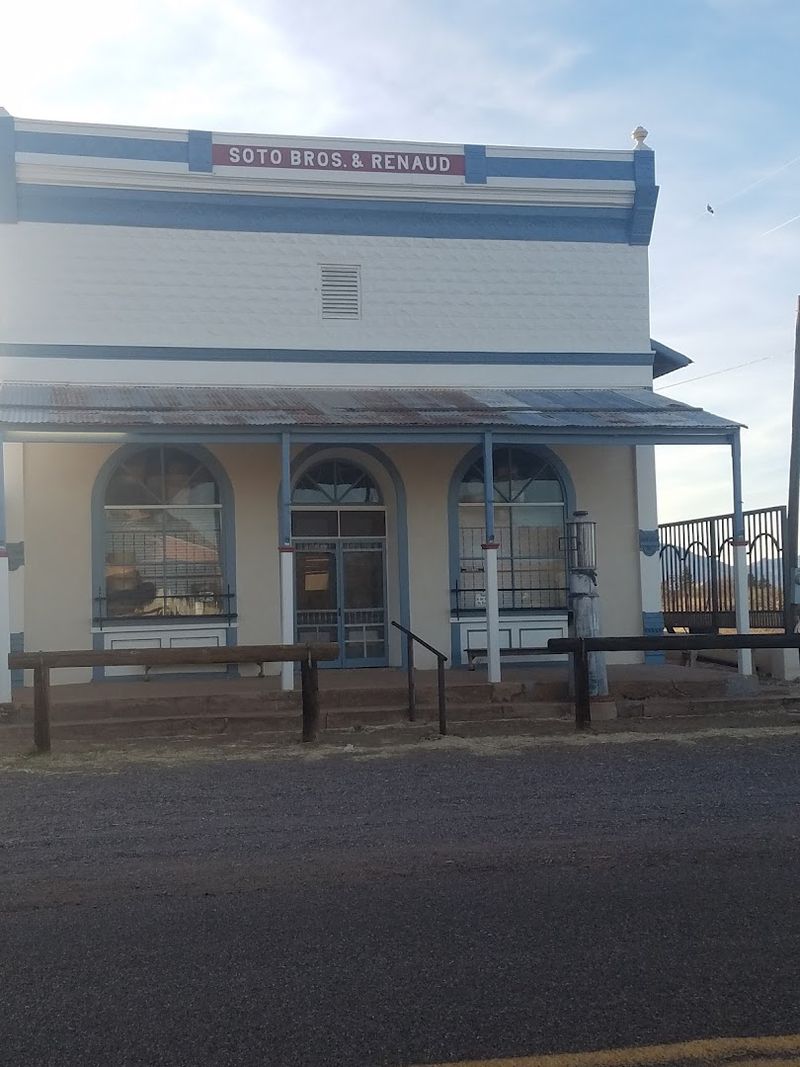
Pearce is the kind of ghost town that history enthusiasts dream about finding. Established after a rancher named Jimmy Pearce discovered gold in 1894, the town boomed quickly and then faded just as fast once the ore ran out in the early 1900s.
The old general store still stands and operates as a small museum, offering a tangible connection to the town’s golden era. The surrounding Sulphur Springs Valley is wide, quiet, and beautiful, with the Dragoon Mountains rising dramatically to the west and almost no other tourists in sight.
Enjoyed this story?
Add Fast Food Club as a preferred source to see more of our reporting on Google.