


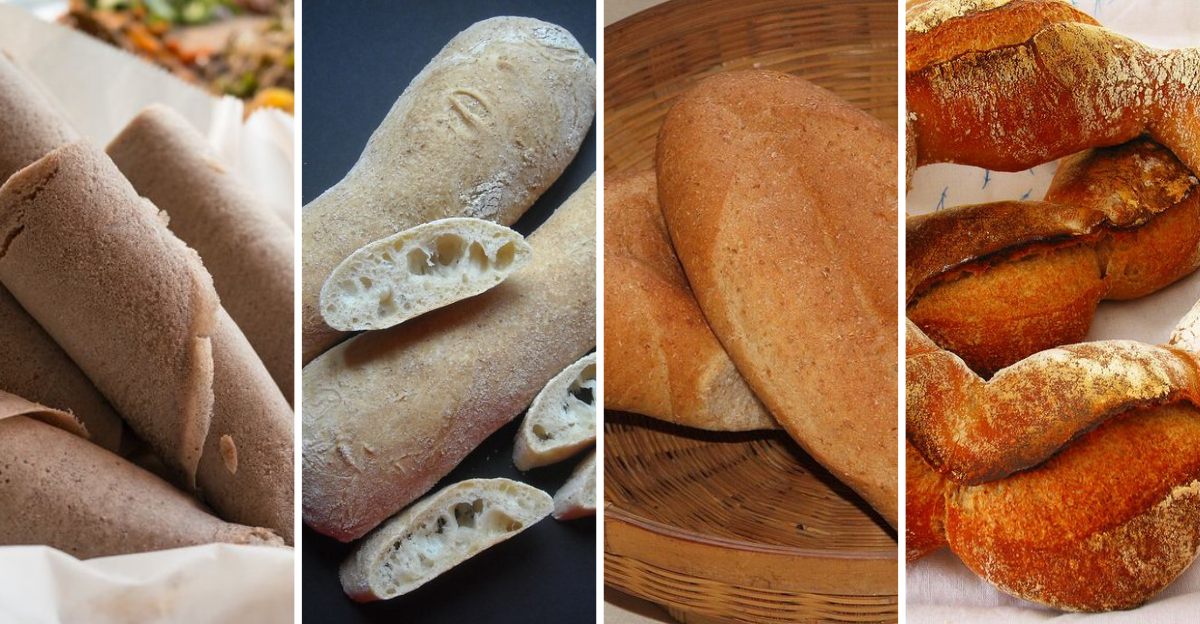
Bread is one of the oldest and most beloved foods on the planet, baked in thousands of different ways across every culture and continent. From crusty loaves pulled fresh from stone ovens to soft, pillowy rolls dusted with flour, each bread tells a story about the people who make it.
Whether you grew up tearing apart a warm baguette or dipping flatbread into a rich stew, bread has a special way of bringing people together. Get ready to explore 30 of the most delicious breads the world has to offer.
Baguette – France
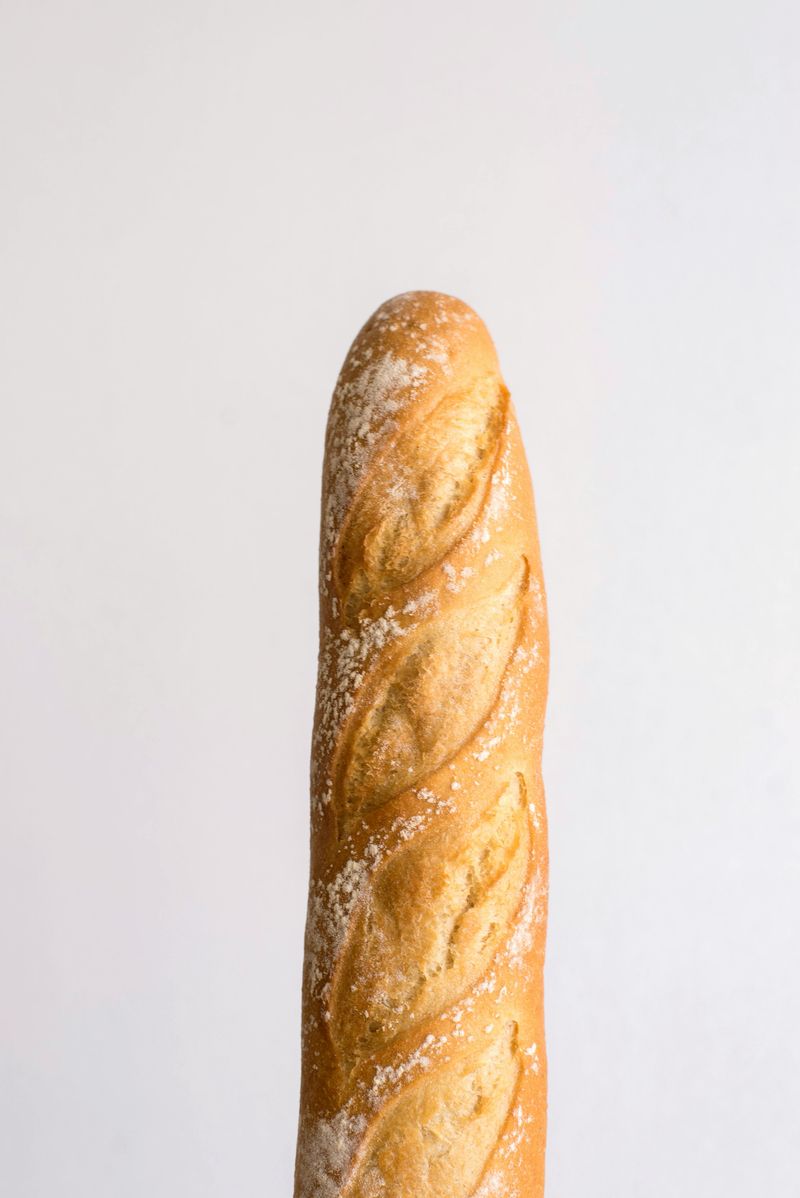
Few things in life are as satisfying as the sound of a baguette crust cracking under your fingers. This iconic French bread has been a staple of Parisian life for centuries, and it earned UNESCO cultural heritage status in 2022.
Long, thin, and golden on the outside, it is airy and chewy on the inside.
Baguettes are best eaten fresh, ideally within hours of baking. Pair one with butter and jam for breakfast, or slice it up for a classic French sandwich.
Naan – India
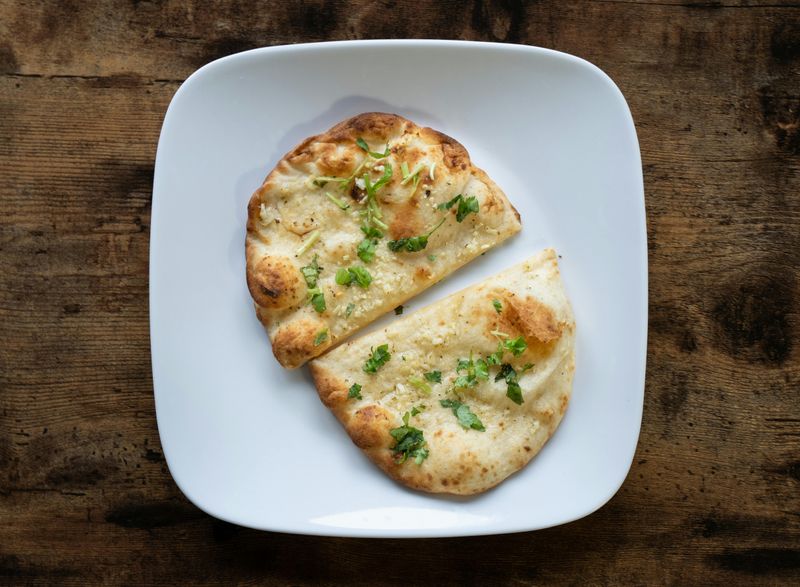
Naan is the kind of bread that makes every curry meal feel complete. Traditionally baked in a tandoor clay oven at extremely high temperatures, it puffs up beautifully and gets those irresistible charred spots on the surface.
The result is soft, chewy, and slightly smoky all at once.
Butter naan, garlic naan, and stuffed naan are just a few popular varieties. Tear off a piece and use it to scoop up dal or tikka masala for an unforgettable combination.
Focaccia – Italy
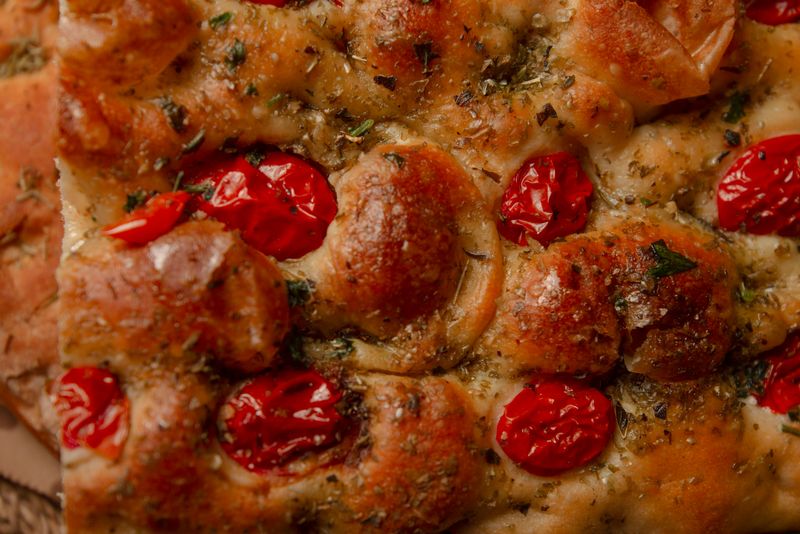
Imagine pressing your fingers into a soft, olive oil-soaked dough and watching it bake into a golden, fragrant slab of heaven. That is focaccia.
Originating from the Liguria region of Italy, this flatbread is loaded with olive oil, giving it a rich flavor and a wonderfully moist texture inside.
Rosemary and sea salt are the classic toppings, but creative bakers load it with olives, tomatoes, or even caramelized onions. Focaccia works as a side dish, sandwich base, or snack on its own.
Brioche – France
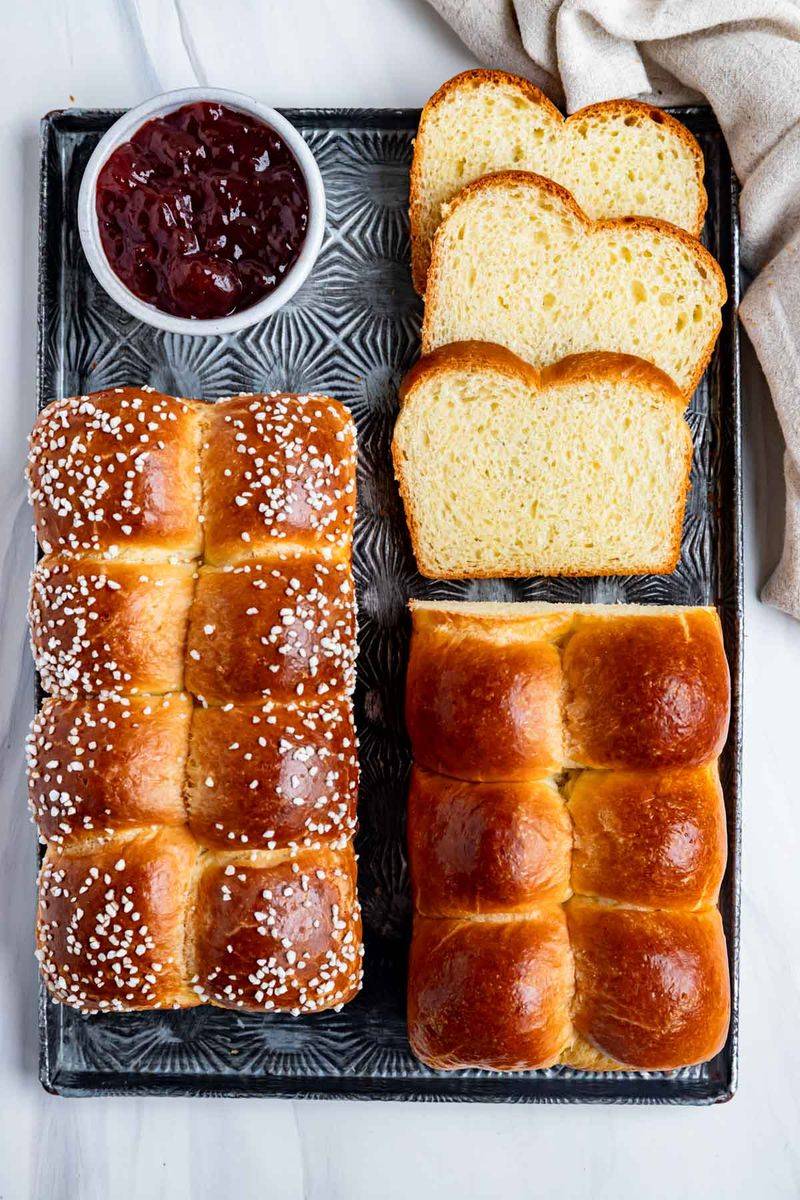
Rich, buttery, and almost cake-like, brioche blurs the line between bread and dessert in the most delightful way. French bakers load the dough with eggs and butter, giving it a tender, pillowy crumb and a gorgeous deep golden crust.
It is pure luxury in loaf form.
Marie Antoinette supposedly said to eat brioche when there was no bread, and honestly, that sounds like a reasonable suggestion. Use it for French toast, burger buns, or simply eat it warm with a little jam.
Pita – Middle East
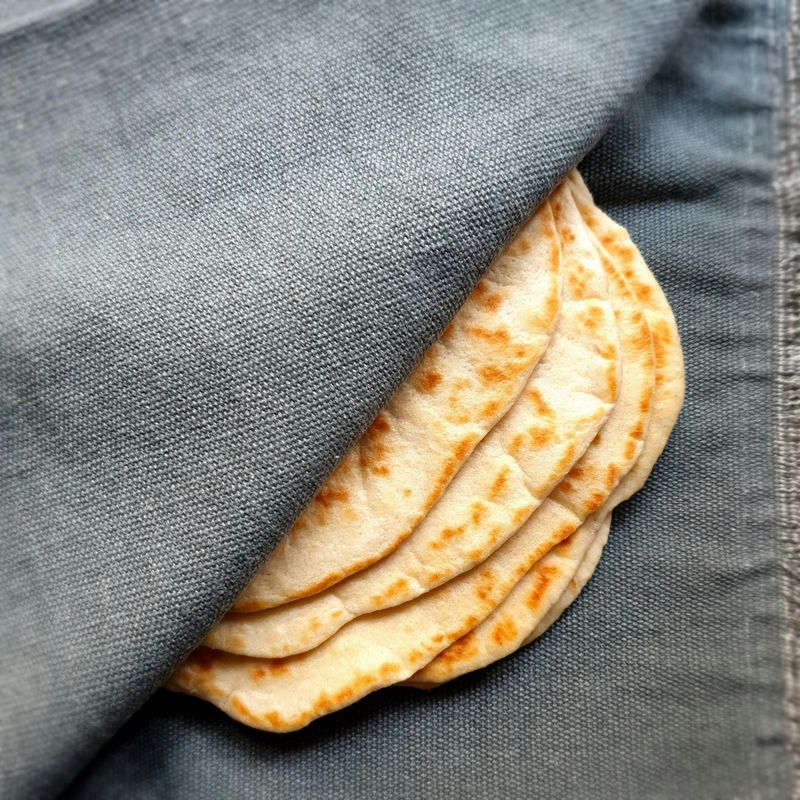
Pita bread has been feeding people across the Middle East for thousands of years, and its genius lies in that magical hollow pocket. When baked in a very hot oven, steam inside the dough puffs it up and creates a perfect built-in compartment for fillings like falafel, hummus, or grilled meats.
Soft and slightly chewy, pita is incredibly versatile. Tear it into pieces for dipping, stuff it for a quick sandwich, or toast it into crispy chips for a satisfying snack.
Sourdough – United States
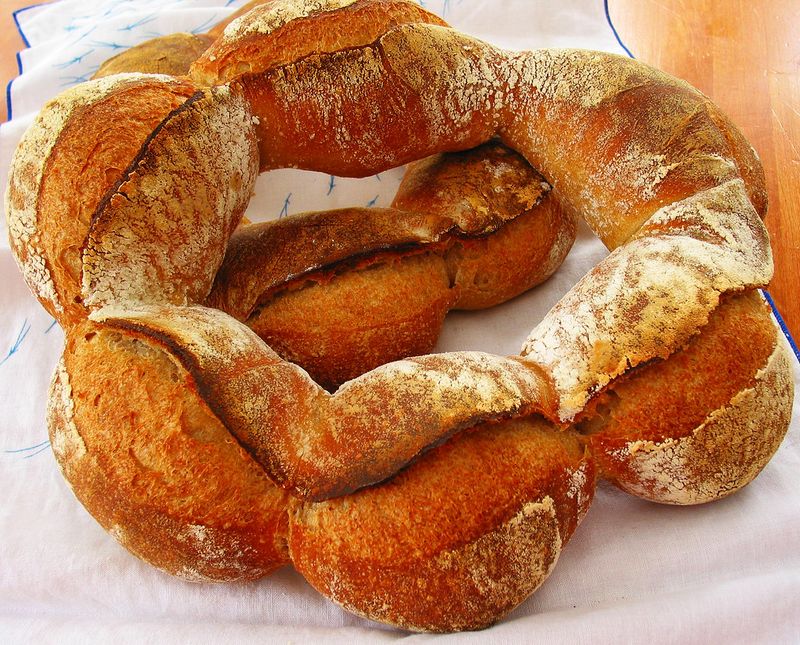
Sourdough has been around for thousands of years, but it had a massive comeback during recent years when home bakers everywhere started nurturing their own starters. The tangy flavor comes from wild yeast and bacteria that ferment the dough naturally, giving it that signature sour kick.
San Francisco sourdough is especially famous across the United States. The thick, chewy crust and open, bubbly crumb make every slice feel like a small achievement worth savoring.
Challah – Israel
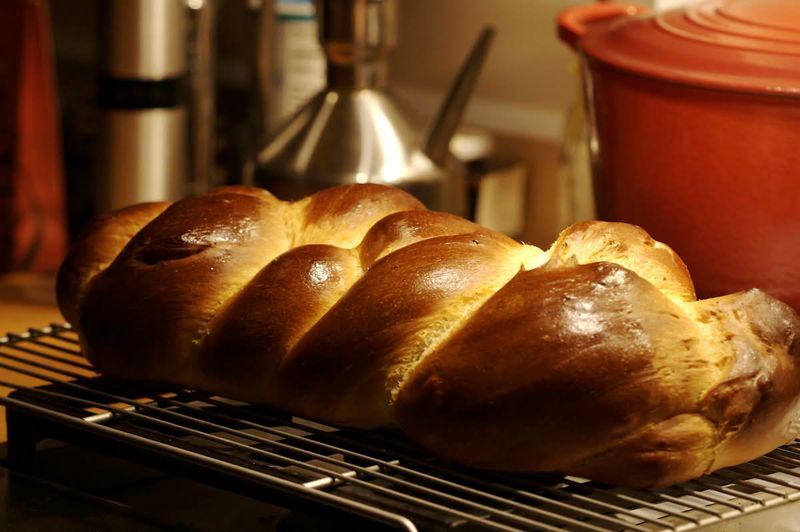
Challah is as beautiful to look at as it is to eat. This braided Jewish bread has deep cultural roots, traditionally prepared for the Sabbath and Jewish holidays.
The dough is enriched with eggs and oil, resulting in a soft, slightly sweet loaf with a gorgeous braided exterior that looks like edible art.
Sesame or poppy seeds often top the loaf before baking, adding a nutty crunch. Day-old challah makes some of the best French toast you will ever taste.
Ciabatta – Italy
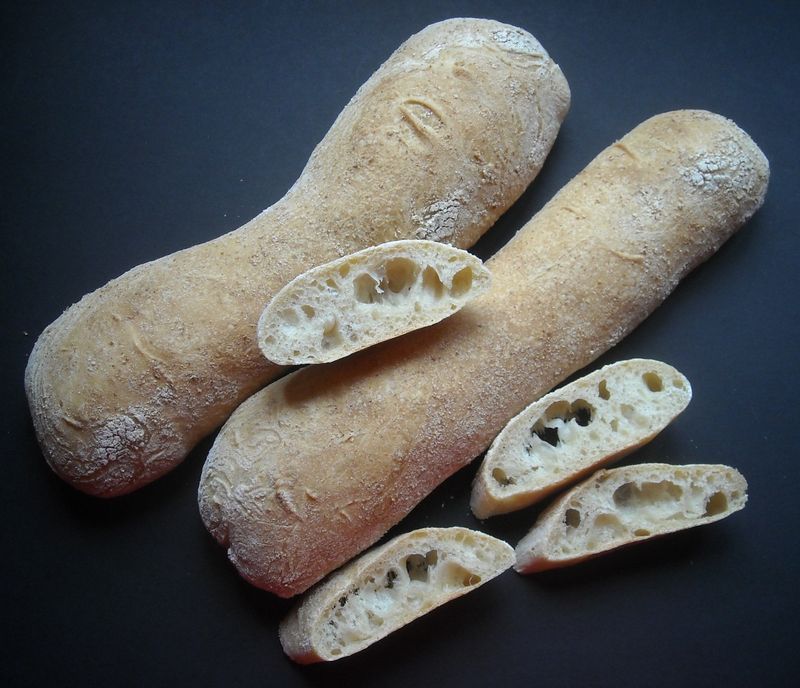
Ciabatta means slipper in Italian, and one look at its flat, elongated shape tells you exactly why. Created in Italy in the 1980s, it is a relatively young bread compared to others on this list, but it quickly became a global favorite.
The secret is an extremely wet dough that produces a light, airy interior full of big bubbles.
Its chewy crust and mild flavor make ciabatta the ultimate sandwich bread. Slice it open and fill it with prosciutto, fresh mozzarella, and basil for a perfect Italian panini.
Pretzel – Germany
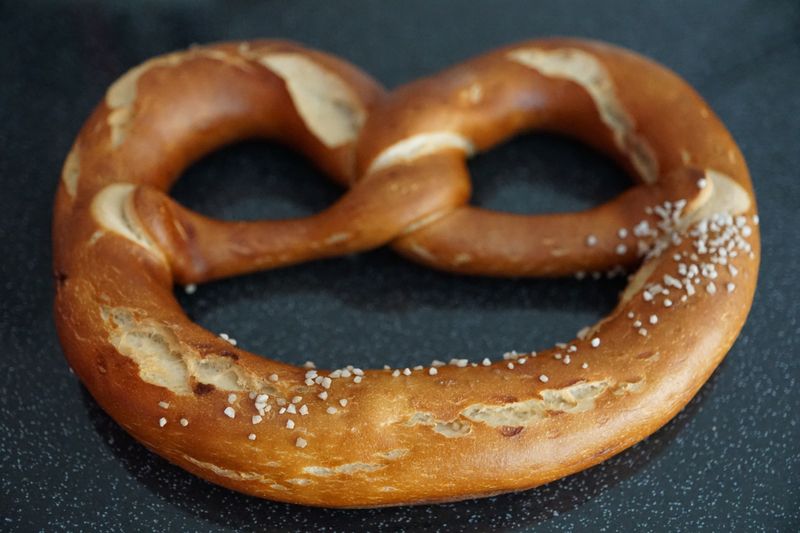
There is something deeply satisfying about biting into a warm, chewy German pretzel dusted with coarse salt. The distinctive dark-brown crust comes from dipping the dough in a lye or baking soda solution before baking, creating that unique flavor and color that no other bread can replicate.
Pretzels are a staple of Bavarian culture and a must-have at Oktoberfest. Enjoy them soft and warm with mustard, or grab a hard pretzel version for a crunchy snack on the go.
Rye Bread – Germany
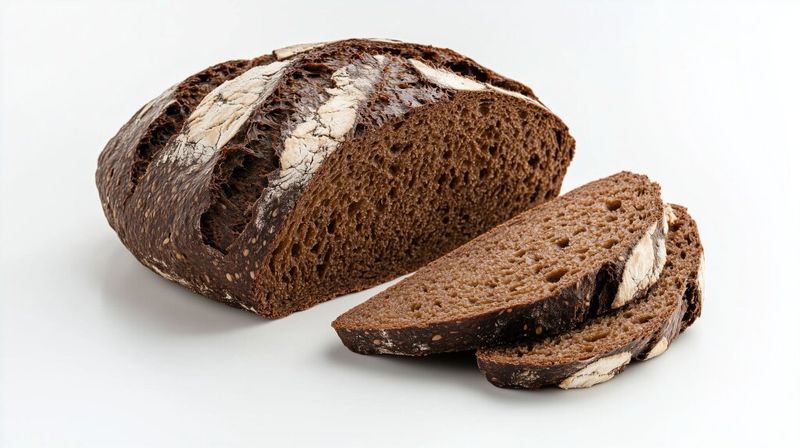
German rye bread is hearty, dense, and packed with earthy flavor that feels like a warm hug on a cold day. Made primarily with rye flour, it has a much denser crumb than wheat-based breads and stays fresh for days longer than most loaves.
That is a huge bonus for busy households.
Rye bread is also more nutritious than white bread, with higher fiber content and a lower glycemic index. Top it with smoked salmon, cream cheese, or sliced cheese for a classic German open-faced sandwich.
Cornbread – United States
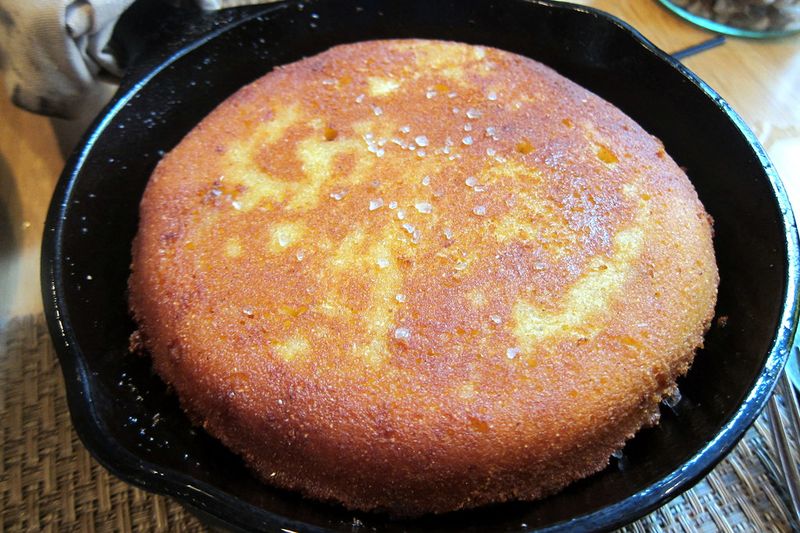
Cornbread holds a special place in Southern American cooking, where it has been a comfort food staple for generations. Made with ground cornmeal, it has a crumbly, slightly gritty texture and a naturally sweet flavor that pairs perfectly with savory dishes like chili, barbecue, or collard greens.
Baking it in a cast-iron skillet gives the bottom a wonderfully crispy crust. Some folks add jalapeños or cheddar cheese to the batter for an extra kick, making each version a little different from the last.
Bagel – United States
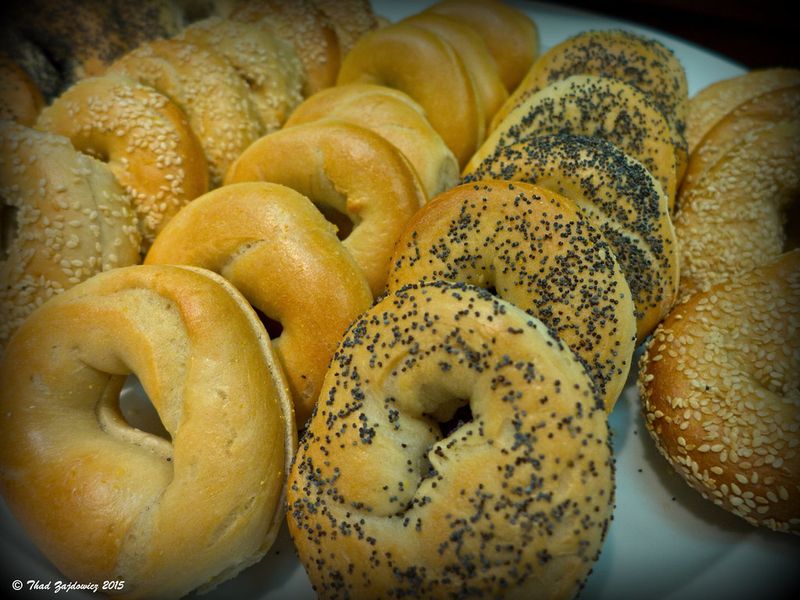
New York bagels have a cult following for a very good reason. The secret to their famously chewy texture is boiling the dough rings in water before baking them, which creates a dense, glossy exterior unlike any other bread.
The inside stays soft and tender, making every bite incredibly satisfying.
Everything bagels loaded with sesame seeds, poppy seeds, garlic, and onion are a fan favorite. Slather one with cream cheese and smoked lox for a classic New York breakfast that never gets old.
Injera – Ethiopia
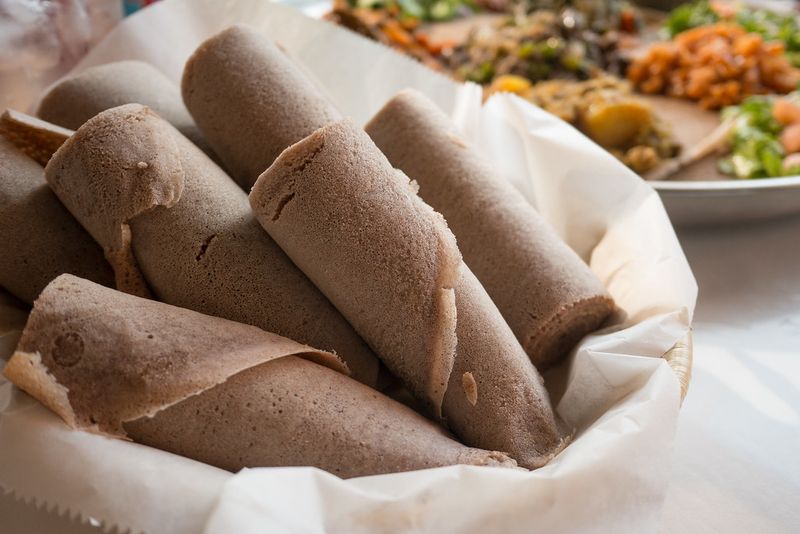
Injera is more than just bread in Ethiopia. It is the plate, the utensil, and the meal all in one.
This large, spongy flatbread is made from teff flour, an ancient grain native to the Horn of Africa, and fermented for several days to develop its distinctively tangy, slightly sour flavor.
The porous, sponge-like surface is perfect for soaking up rich stews and sauces. Diners tear off pieces and use them to scoop up dishes like doro wat and misir, making every meal an interactive, communal experience.
Lavash – Armenia
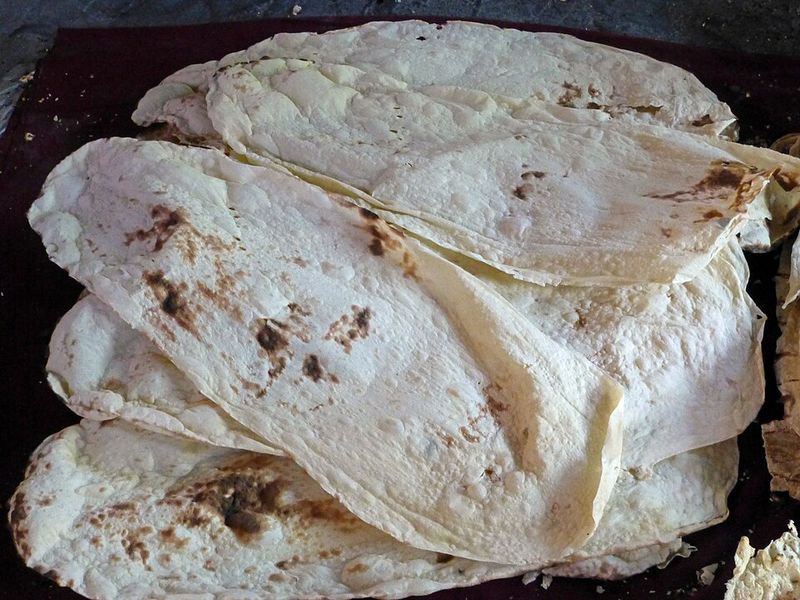
Lavash is so culturally important to Armenia that UNESCO recognized it as an intangible cultural heritage of humanity. This paper-thin flatbread is traditionally baked by slapping the dough onto the scorching inner walls of a clay oven called a tonir, creating a cracker-like texture with beautiful charred spots.
When fresh, lavash is soft and pliable, perfect for wrapping around grilled meats and herbs. As it dries, it becomes crispy and cracker-like, and can be rehydrated with a splash of water for use the next day.
Paratha – India
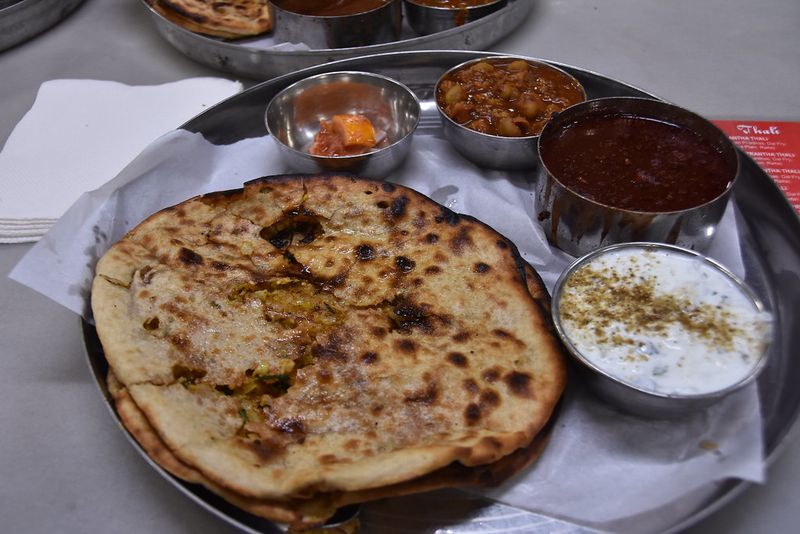
Few breakfast experiences rival sitting down to a stack of hot, buttery parathas straight off the griddle. This North Indian flatbread is made by folding layers of dough with ghee or butter, then cooking it on a tawa pan until flaky and golden.
The result is incredibly satisfying and rich in flavor.
Stuffed versions filled with spiced potatoes, paneer, or radish are especially popular. Served alongside yogurt, pickle, or chai, paratha is a morning ritual millions of Indian families would never want to skip.
Arepa – Venezuela
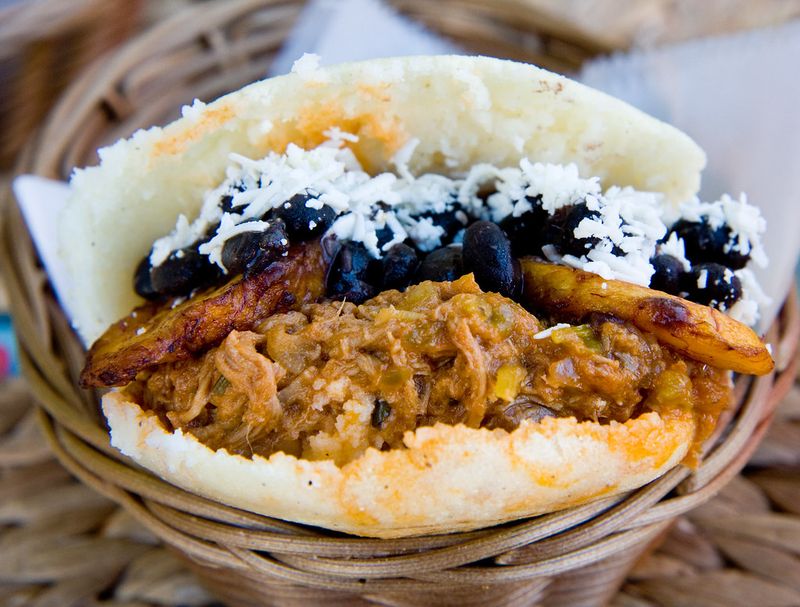
In Venezuela, arepas are eaten morning, noon, and night, and for good reason. Made from pre-cooked cornmeal, these thick, round patties are griddled or baked until golden and slightly crispy on the outside, while staying warm and soft inside.
They are naturally gluten-free, which makes them accessible to almost everyone.
The real magic happens when you slice one open and stuff it. Popular fillings include reina pepiada, a creamy chicken and avocado mix, as well as black beans, fried plantains, and cheese.
Every bite is a complete meal.
Bolillo – Mexico
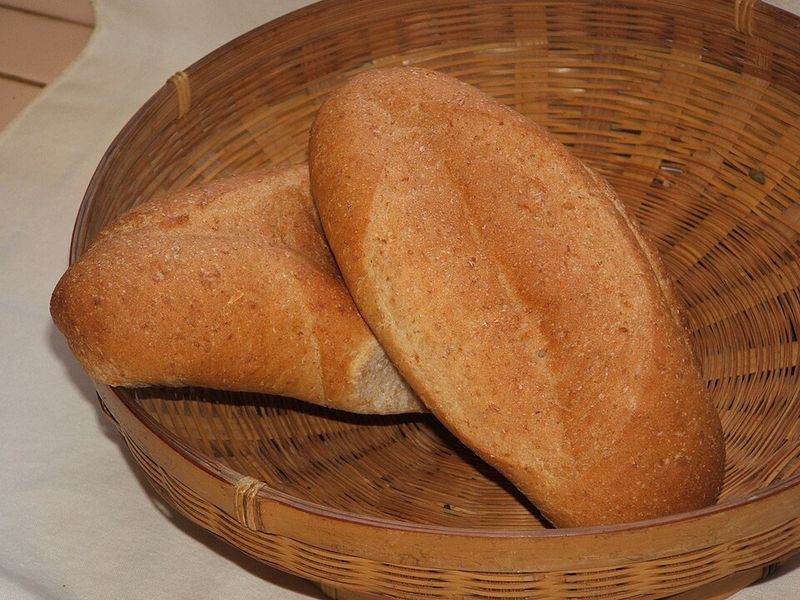
Walk into any Mexican panaderia in the morning and the smell of fresh bolillos baking will stop you in your tracks. These small, oval-shaped rolls have a crackly, golden crust and a soft, pillowy interior that makes them one of Mexico’s most beloved everyday breads.
They are baked fresh multiple times daily across the country.
Bolillos are the foundation of the classic Mexican torta sandwich, stuffed with beans, avocado, cheese, and your choice of meat. They also make a fantastic side for soups and stews.
Damper – Australia
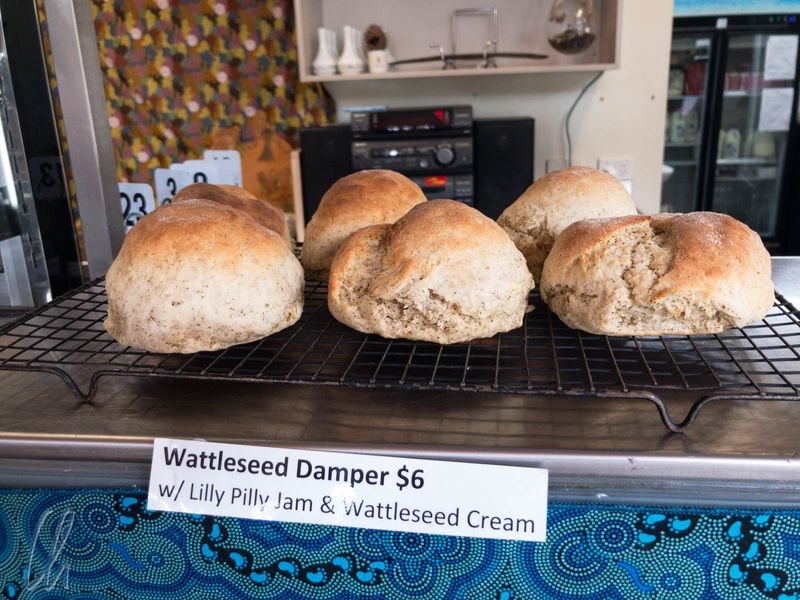
Damper is the ultimate survival bread, born out of necessity in the Australian outback. Early settlers and stockmen mixed flour, water, and salt, then baked the dough directly in the coals of a campfire when there was no oven in sight.
The result is a dense, rustic loaf with a smoky, charred crust.
Today, damper is a beloved part of Australian bush culture and outdoor cooking traditions. Eat it warm with golden syrup or butter for a simple, deeply satisfying treat that connects you to the land.
Soda Bread – Ireland
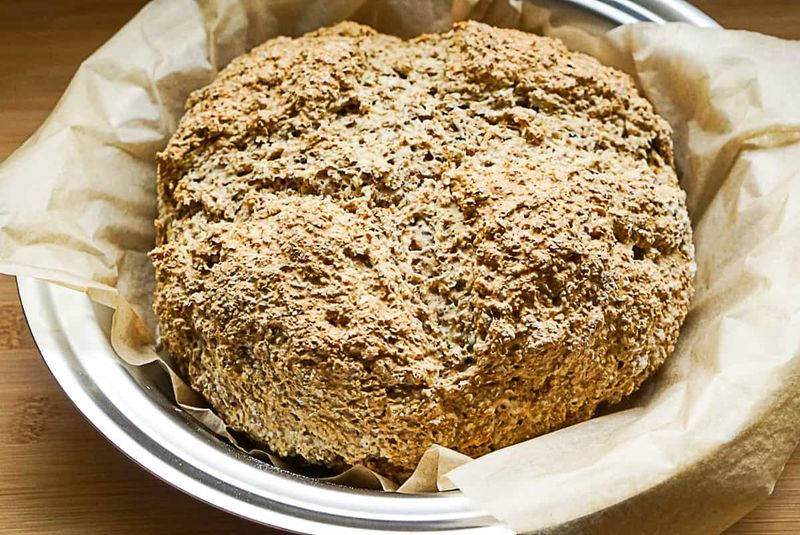
Irish soda bread is one of the simplest and most honest breads in the world. There is no yeast, no long rising time, and no complicated technique.
Instead, it uses baking soda as the leavening agent, which reacts with buttermilk to create a tender, slightly tangy loaf that comes together in minutes.
The cross scored on top is a traditional Irish custom said to ward off evil and let the fairies out. Serve thick slices warm with lashings of butter and a strong cup of Irish tea.
Milk Bread – Japan
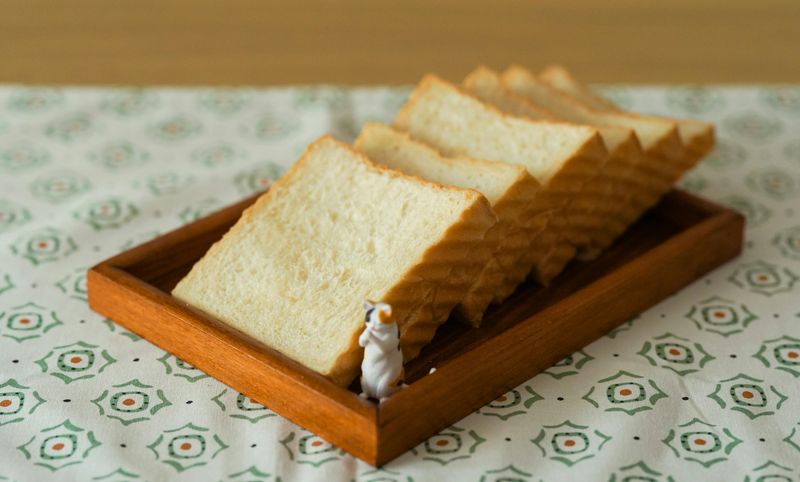
Japanese milk bread might be the softest bread on Earth, and that is not an exaggeration. The secret is a technique called tangzhong, where a portion of the flour is cooked with water or milk into a paste before being added to the dough.
This locks in moisture and creates an impossibly fluffy, cloud-like texture.
Slightly sweet and incredibly tender, milk bread is a staple in Japanese bakeries called pan ya. Eat it plain, toasted with butter, or shaped into adorable rolls filled with red bean paste or custard.
Panettone – Italy
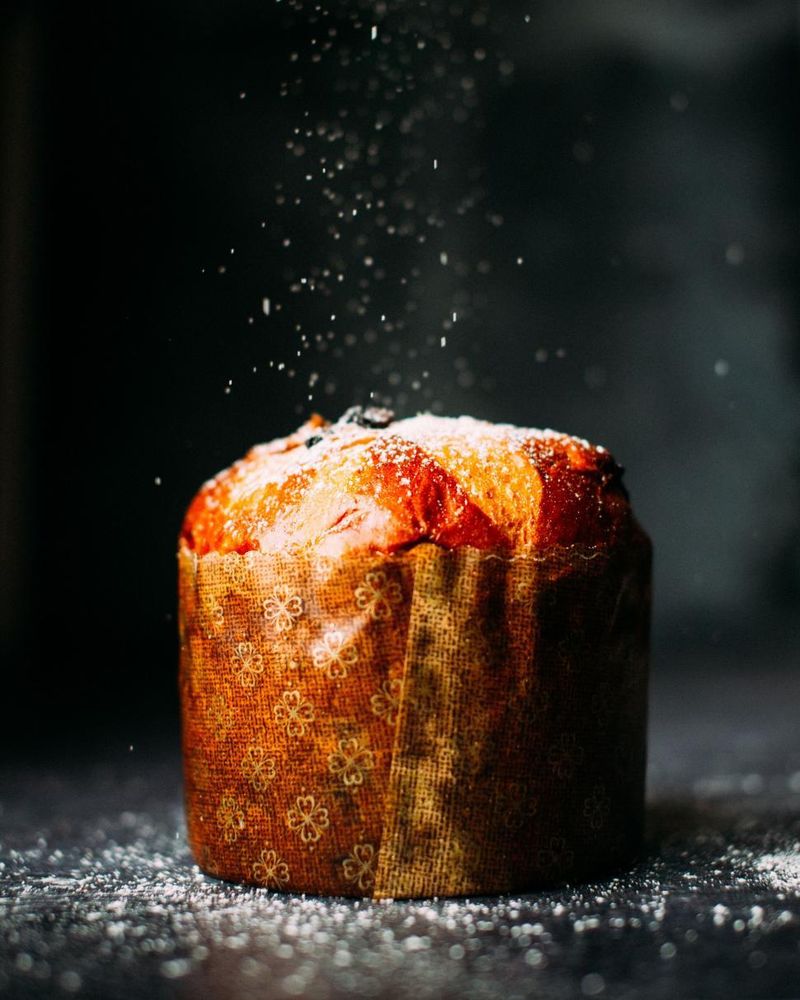
Every December, bakeries across Italy start filling their windows with towering domes of panettone, and the holiday season officially begins. This Milanese sweet bread takes days to make properly, with a slow fermentation process that gives it a light, feathery crumb studded with candied citrus peel and raisins.
Panettone is traditionally eaten at Christmas and New Year in Italy, sliced and served with a glass of sparkling wine or hot chocolate. Its airy texture and fruity sweetness make it feel like a celebration in every bite.
Kulcha – India
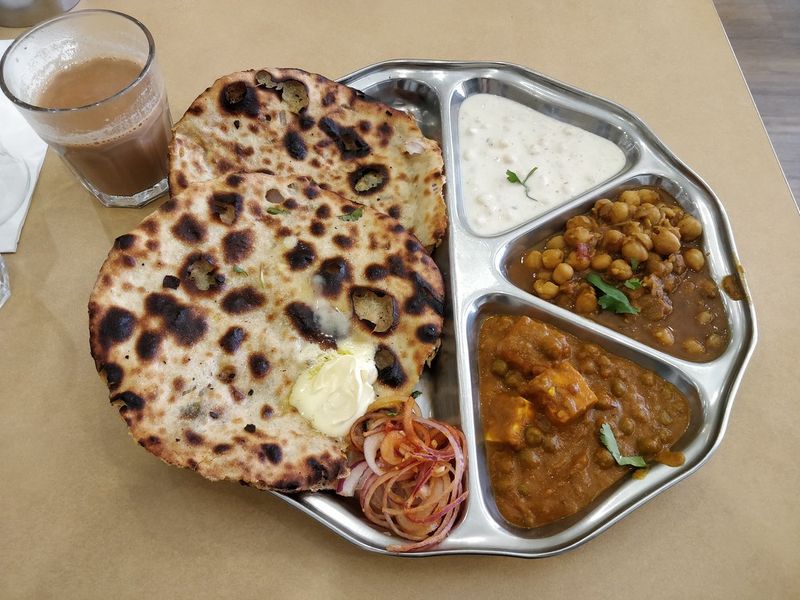
Kulcha and chole is a combination so good it has its own legendary status in Punjabi cuisine. This leavened flatbread is baked in a tandoor oven until it puffs up with beautiful golden spots, then brushed generously with butter while still hot.
The outside is slightly crisp while the inside stays pillowy and soft.
Stuffed versions filled with spiced potatoes or onions are especially popular in Amritsar, where street vendors have been perfecting this recipe for generations. It is the kind of food that makes you close your eyes with happiness.
Roti – Caribbean
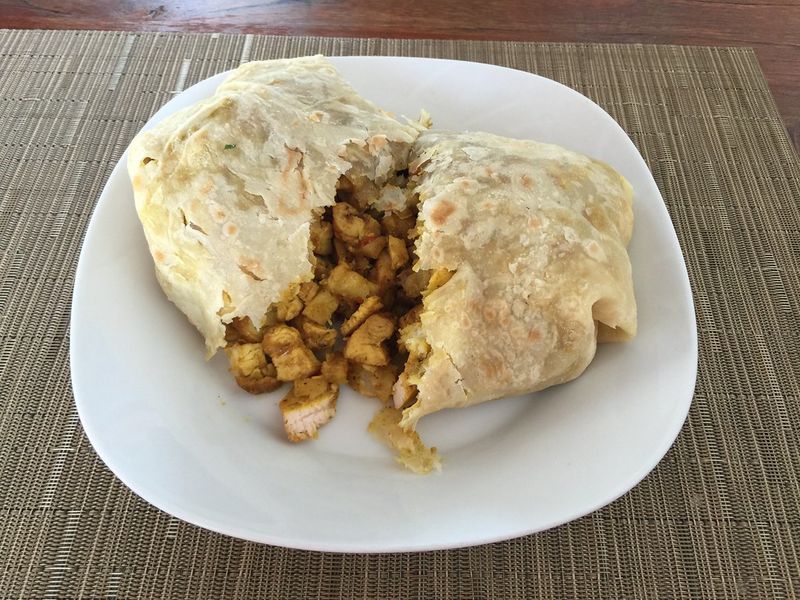
Caribbean roti has a fascinating history rooted in the Indian indentured workers who brought their bread-making traditions to islands like Trinidad, Guyana, and Jamaica in the 1800s. Over generations, the recipe evolved into something uniquely Caribbean, especially the dhalpuri roti, which is stuffed with ground split peas before being cooked on a tawa.
Wrapped around curried goat, chicken, or chickpeas, it becomes a full meal you can hold in your hands. The combination of flaky, chewy bread and fragrant curry is absolutely irresistible.
Tiger Bread – Netherlands
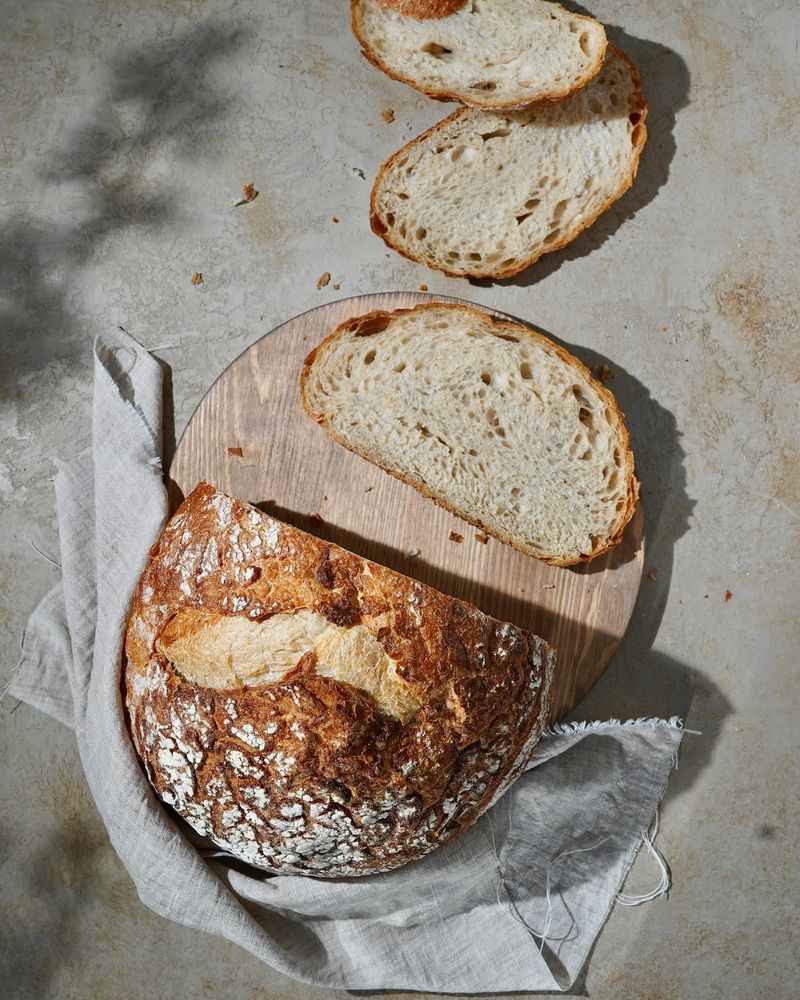
Tiger bread gets its wild, crackled appearance from a rice flour paste brushed onto the dough before baking. As the bread expands in the oven, the paste dries and cracks into an irregular pattern that genuinely resembles a tiger’s coat.
It is one of the most visually distinctive breads in the world.
Originally from the Netherlands, where it is called tijgerbrood, this bread has become hugely popular in the United Kingdom as well. The crust is delightfully crunchy while the interior is soft and light, making it a crowd-pleasing everyday loaf.
Bannock – Canada
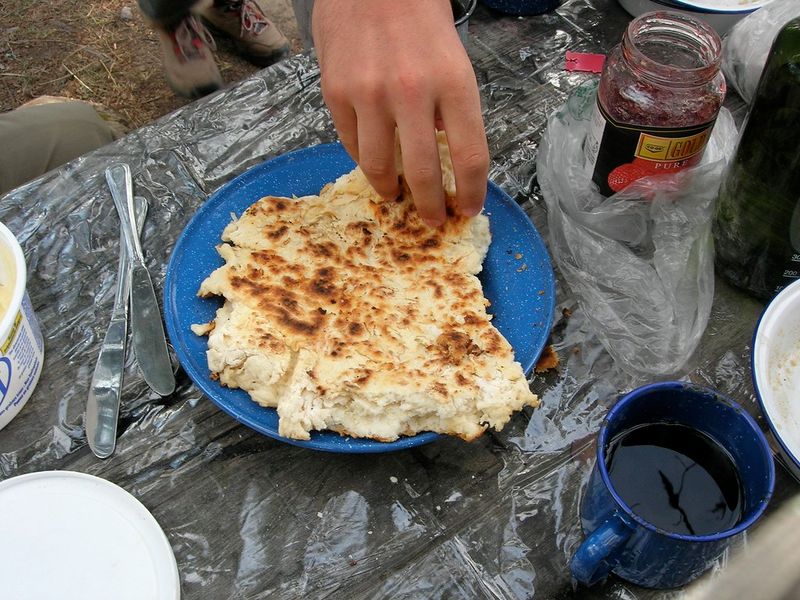
Bannock has deep roots in Indigenous Canadian culture, where it has been made and shared for centuries as both sustenance and ceremony. Though the recipe was adapted from Scottish settlers, Indigenous peoples across Canada made it their own, cooking it over open fires, in cast-iron pans, or even wrapped around sticks.
Made simply from flour, baking powder, salt, and water or milk, bannock is rustic and filling. Eat it warm with butter and jam, or alongside a bowl of stew for a meal that feels grounding and real.
Pumpernickel – Germany
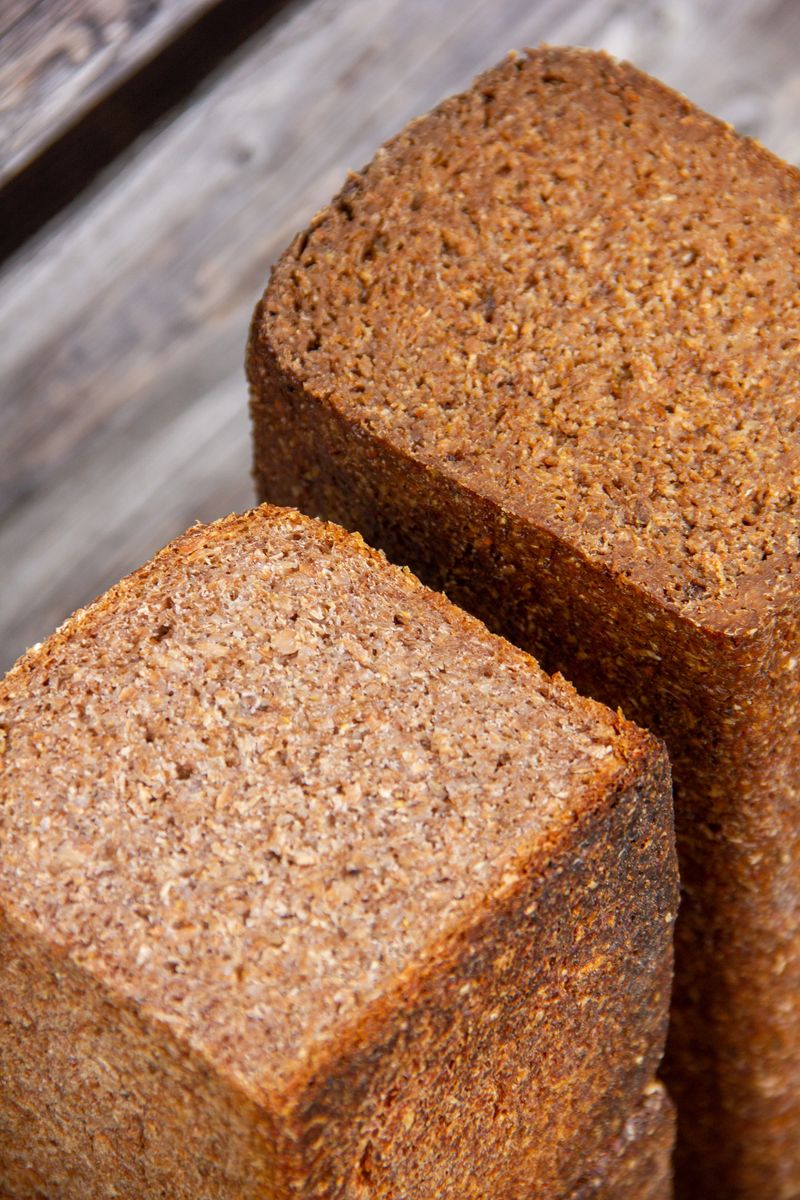
Pumpernickel is the darkest, densest, and most intensely flavored bread on this entire list, and it has a devoted fan base for exactly those reasons. Traditional Westphalian pumpernickel is made entirely from coarsely ground rye and baked at a very low temperature for up to 24 hours, which turns the starches into sugars and creates its deep, almost chocolatey flavor.
It is incredibly nutritious, packed with fiber and minerals. Slice it thin and top it with smoked salmon, cream cheese, or pickled herring for a classic northern European appetizer.
Zopf – Switzerland
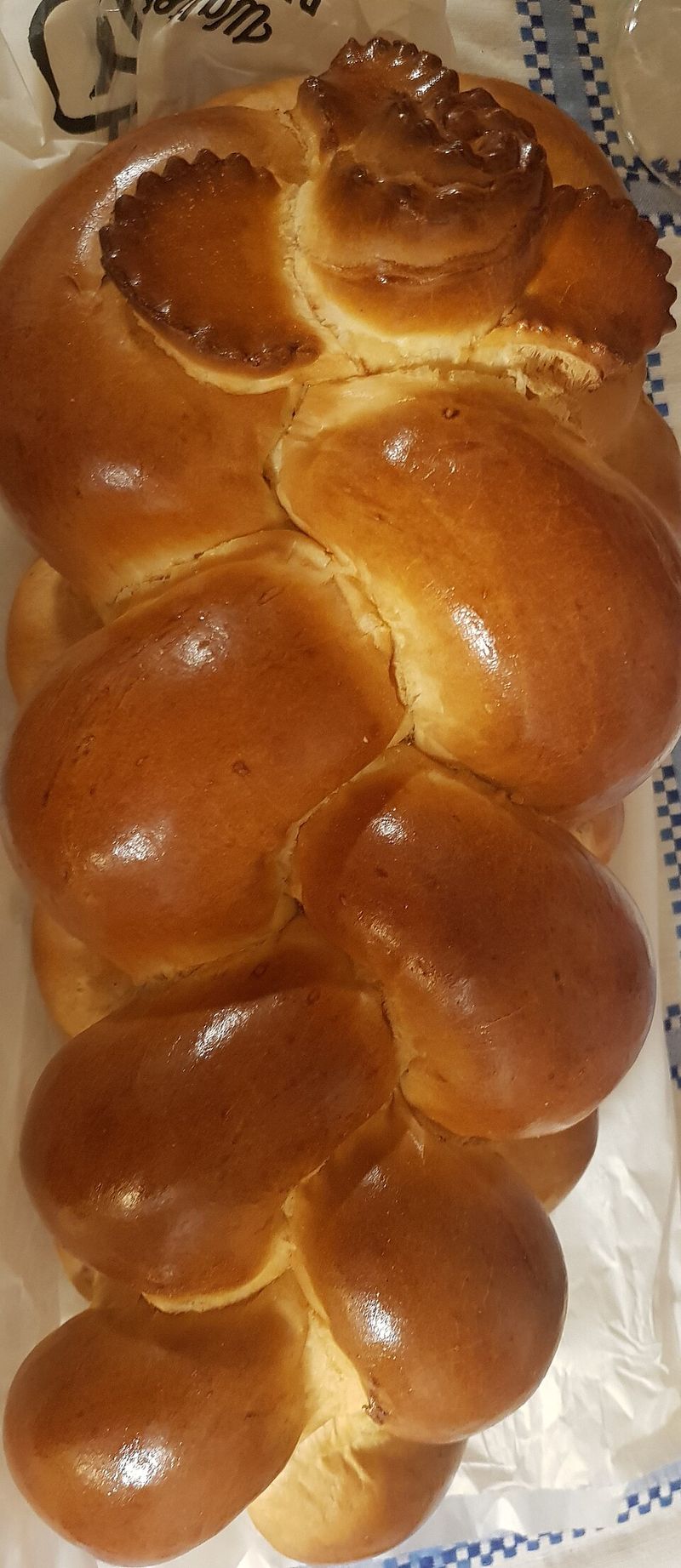
Sunday mornings in Switzerland are not complete without a freshly baked zopf on the breakfast table. This braided bread, whose name literally means braid or plait, is a weekly tradition in Swiss households, where families gather around a loaf that is as beautiful as it is delicious.
Made with white flour, butter, milk, and eggs, zopf has a soft, slightly rich crumb and a glossy, golden crust from the egg wash brushed on before baking. Eat it with butter, honey, or jam for a slow, peaceful morning meal.
Shokupan – Japan
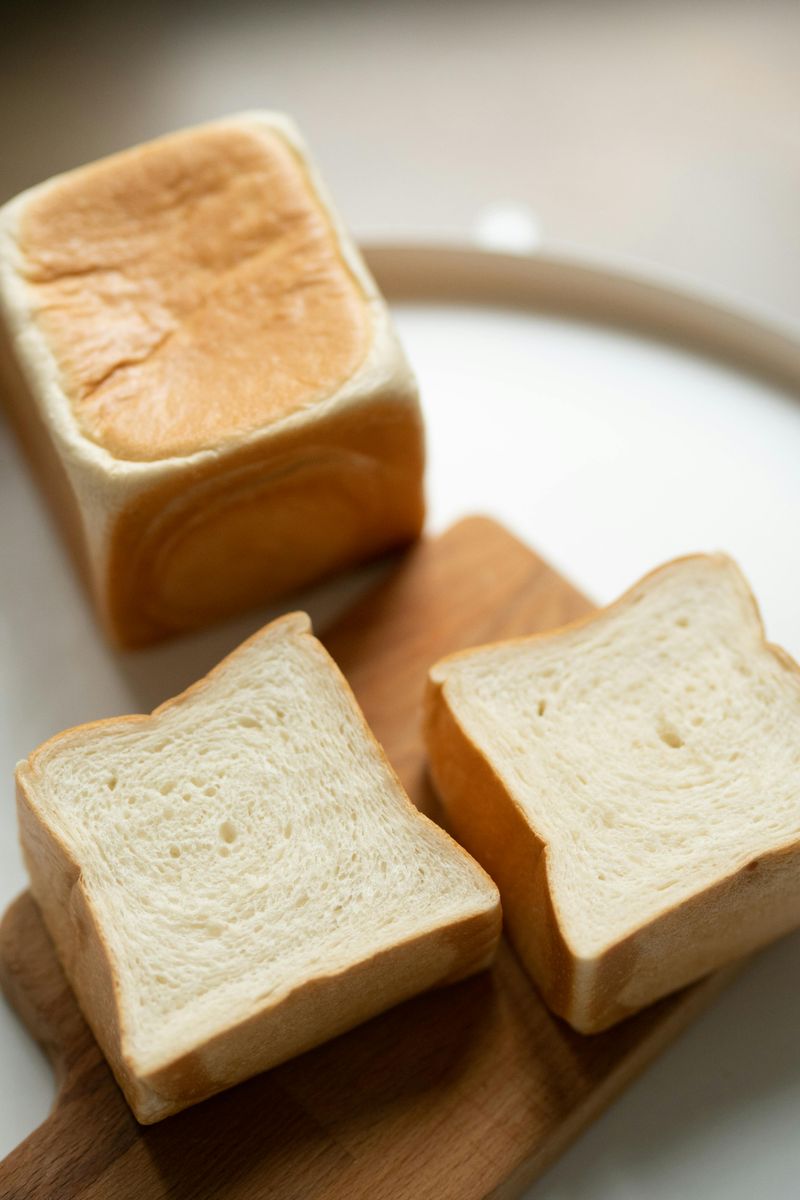
Shokupan is the gold standard of sandwich bread, and once you taste it, every other white bread feels like a disappointment. This Japanese square milk bread is baked in a lidded Pullman tin, which forces the dough to expand into a perfect rectangle with an ultra-fine, cottony crumb that practically melts on your tongue.
Tokyo bakeries treat shokupan with the same reverence as fine pastry, and specialty shops sell it for surprisingly high prices. Toast a thick slice, spread it with butter, and prepare to rethink everything you thought you knew about toast.
Matzo – Israel
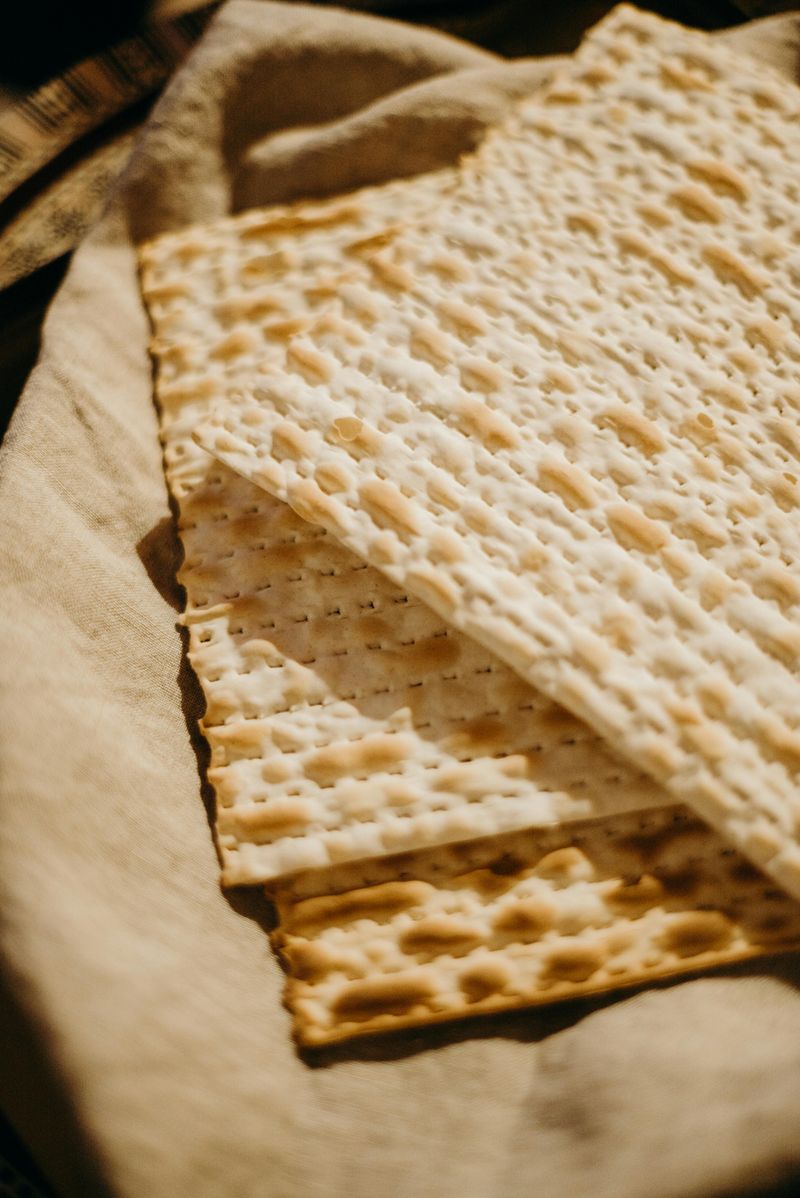
Matzo carries centuries of history in every crispy, unleavened cracker-like sheet. Made from just flour and water, it must be mixed and baked in under 18 minutes to ensure no fermentation occurs, keeping it completely flat and crackerlike.
It is the bread of Passover, eaten by Jewish people around the world to commemorate the Exodus from Egypt.
Outside of its religious significance, matzo has found its way into beloved recipes like matzo ball soup and matzo brei, a fried matzo scramble that is a Jewish breakfast classic with a loyal following.
Pandesal – Philippines
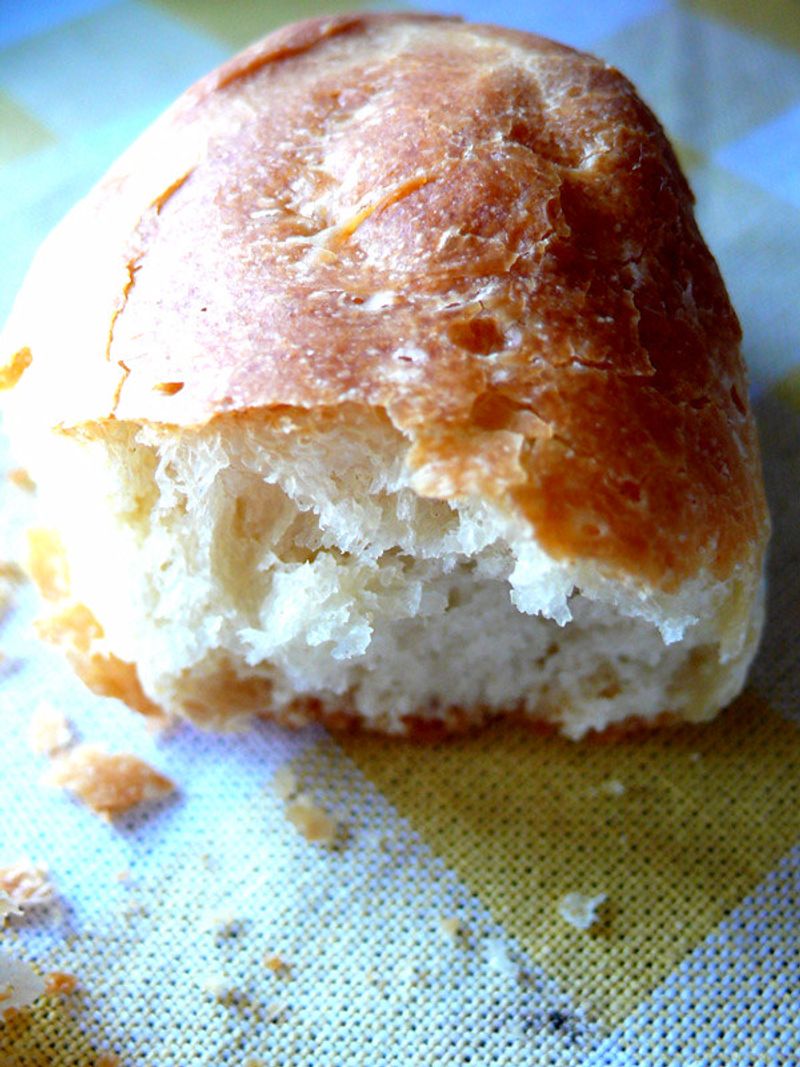
Ask any Filipino about their childhood mornings and pandesal will almost certainly come up. These small, slightly sweet bread rolls dusted with breadcrumbs are baked fresh before sunrise at neighborhood panaderias all across the Philippines, filling the streets with a warm, irresistible aroma that wakes up entire communities.
Soft and pillowy inside with a thin, lightly crispy crust, pandesal is best eaten straight from the oven. Dip it in hot coffee or hot chocolate, or stuff it with cheese, peanut butter, or corned beef for a quick and satisfying breakfast.
Enjoyed this story?
Add Fast Food Club as a preferred source to see more of our reporting on Google.