


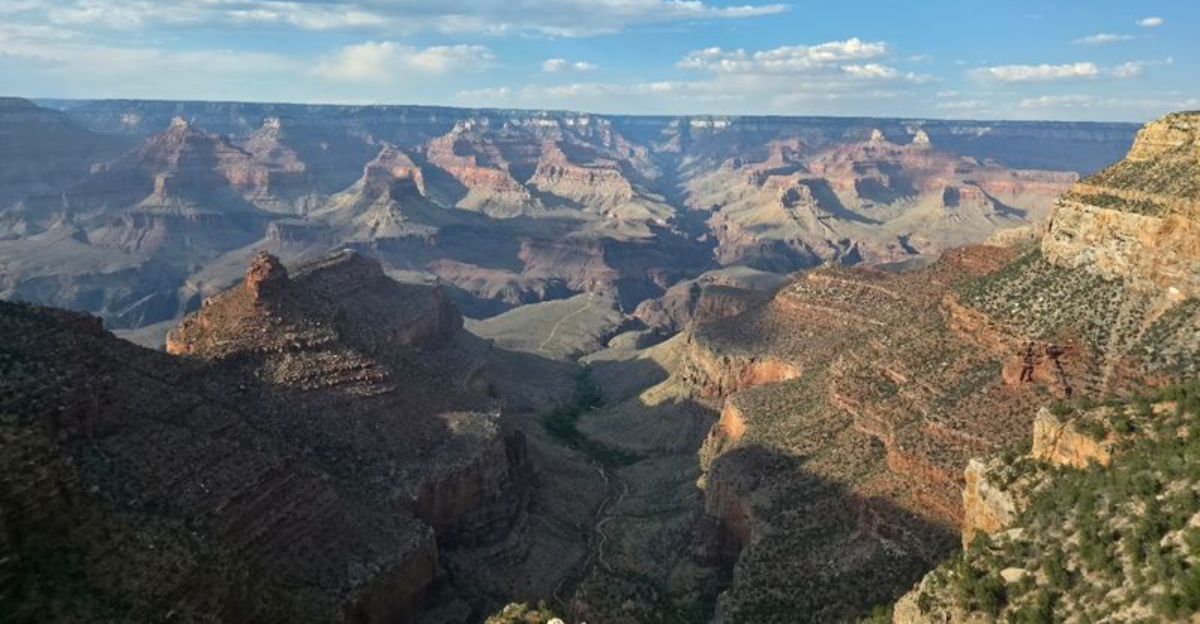
Arizona is home to some of the most jaw-dropping landscapes on Earth, and many of them look like they belong in a fantasy movie. From glowing slot canyons to towering red rock formations, the state is packed with scenery that will leave you speechless.
Whether you are planning a road trip or just love discovering amazing places, these 11 natural wonders are sure to spark your sense of adventure.
Antelope Canyon – Page, Arizona
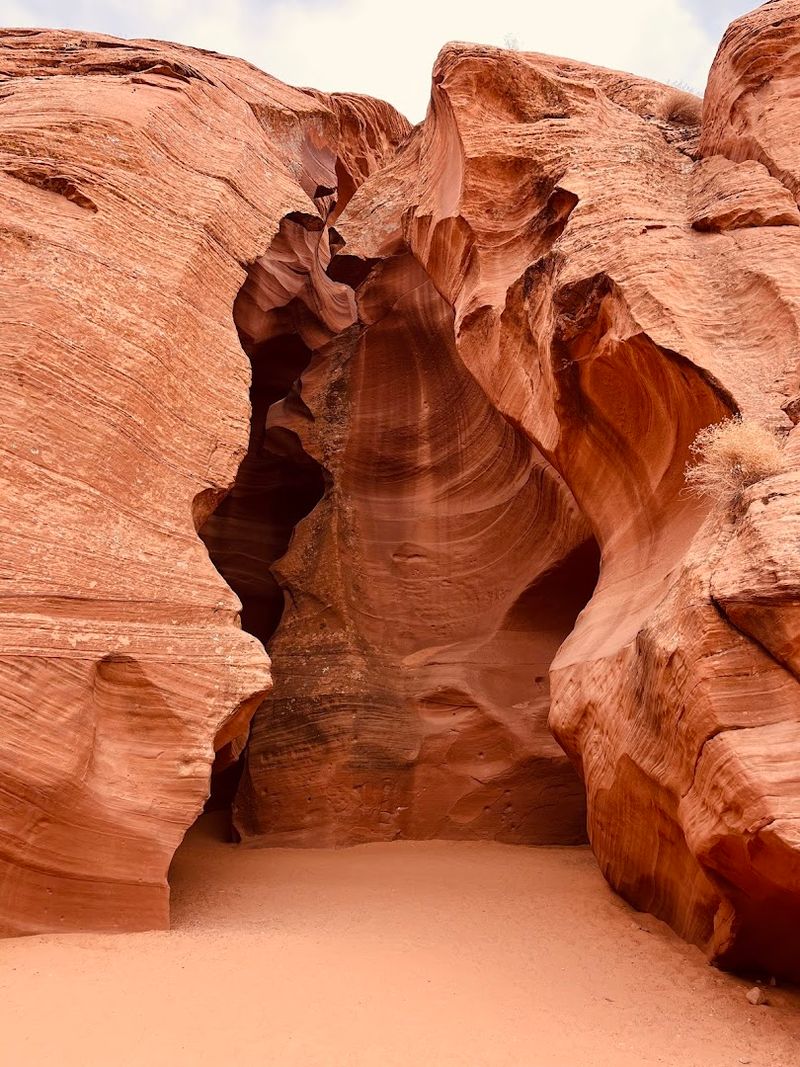
Sunlight pours through narrow cracks in the sandstone ceiling, painting the walls of Antelope Canyon in breathtaking shades of orange and red. This slot canyon was carved over thousands of years by rushing floodwaters, creating silky smooth curves that almost look painted by hand.
Located near Page, Arizona, it sits on Navajo land and requires a guided tour to visit. Photographers absolutely love this place, especially around midday when the light beams are most dramatic.
Horseshoe Bend – Page, Arizona
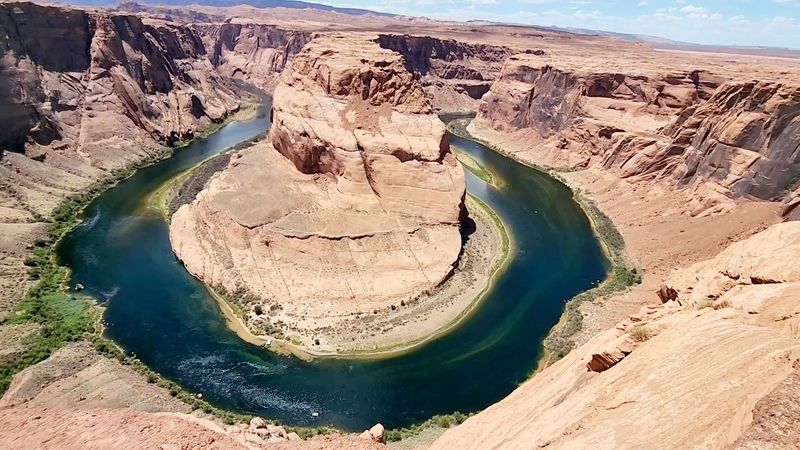
Standing at the edge of the overlook at Horseshoe Bend feels like looking at a painting someone made up. The Colorado River wraps almost completely around a massive sandstone cliff in a perfect horseshoe shape, dropping nearly 1,000 feet below.
Getting there only takes a short 1.5-mile round-trip hike from the parking lot, making it one of the most accessible jaw-dropping views in Arizona. Sunrise and sunset visits offer the most stunning colors.
Grand Canyon South Rim – Grand Canyon Village, Arizona
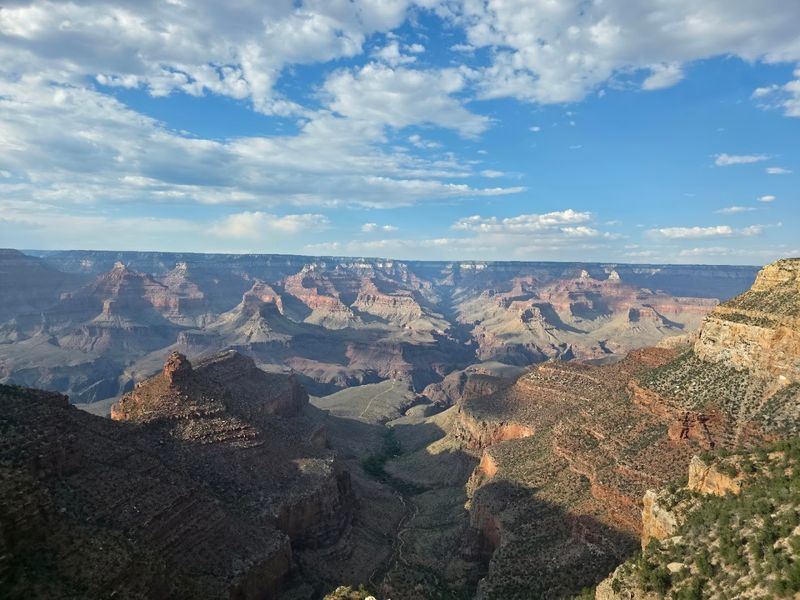
Few places on Earth stop people in their tracks the way the Grand Canyon does. Stretching over 270 miles long and plunging more than a mile deep, the South Rim offers the most iconic and accessible views of this ancient wonder.
Billions of years of Earth history are written in the colorful rock layers visible from the rim. Trails, ranger programs, and visitor centers make it easy to explore no matter your age or fitness level.
The Wave – Coyote Buttes North, Arizona
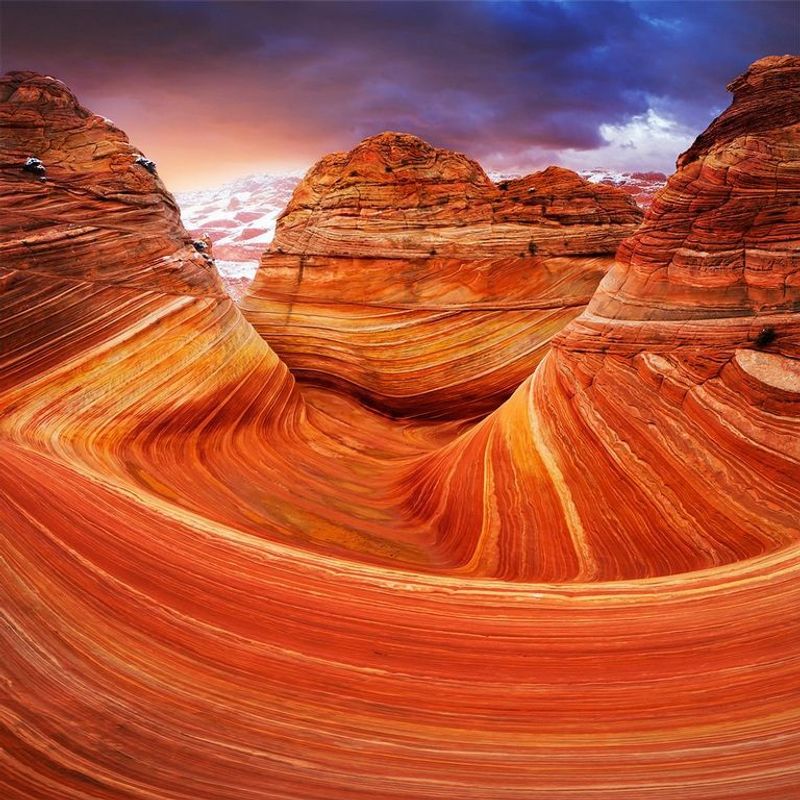
Imagine walking across rock that looks like frozen ocean waves, and you have a pretty good picture of The Wave. Located in Coyote Buttes North, this sandstone formation features stunning swirling layers of red, orange, and pink that took millions of years to form.
Visiting requires a permit through a lottery system, making it one of the most exclusive hikes in the country. Only 64 people are allowed access per day to help protect this fragile landscape.
Havasu Falls – Supai, Arizona
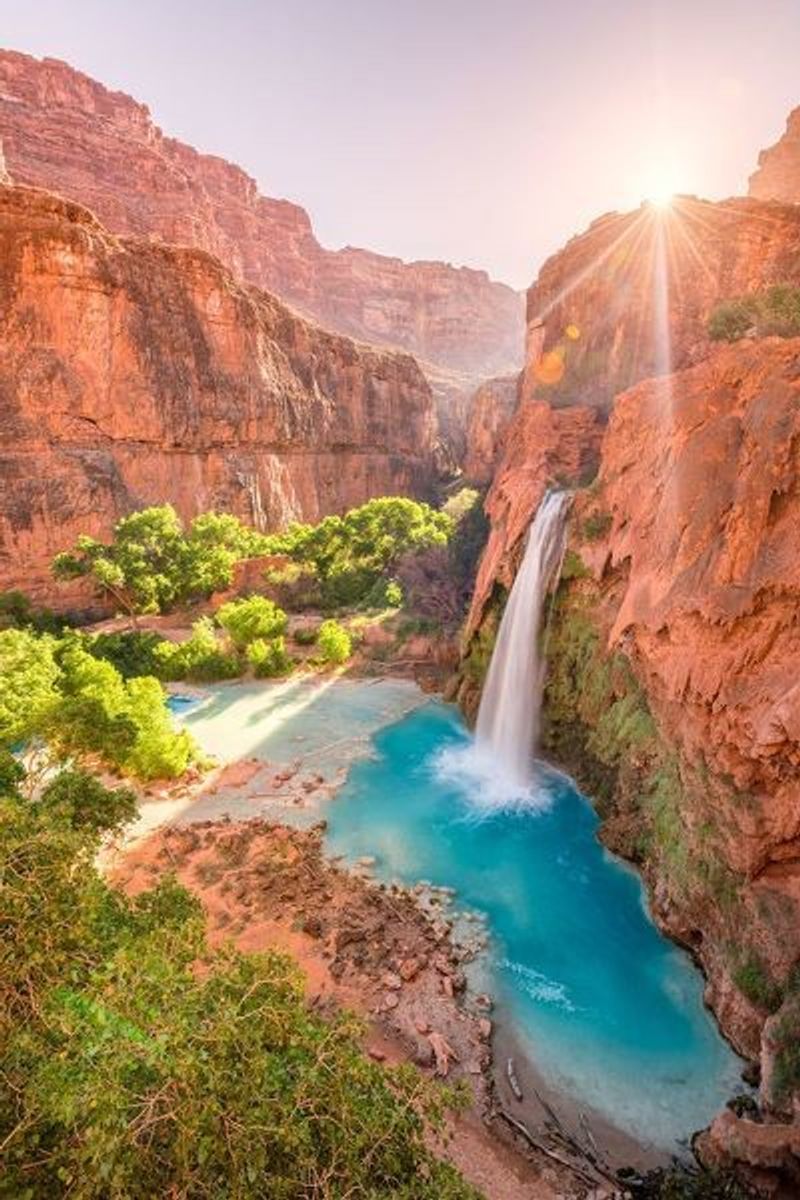
Bright turquoise water tumbling over red canyon walls into a crystal-clear pool sounds like something from a tropical paradise, but Havasu Falls is very real. Tucked deep inside the Grand Canyon on the Havasupai Tribe reservation, reaching it requires a 10-mile hike each way.
The vivid blue-green color comes from high mineral content in the water. Camping near the falls is possible with a permit, and waking up to that view every morning is absolutely unforgettable.
Monument Valley – Oljato-Monument Valley, Arizona
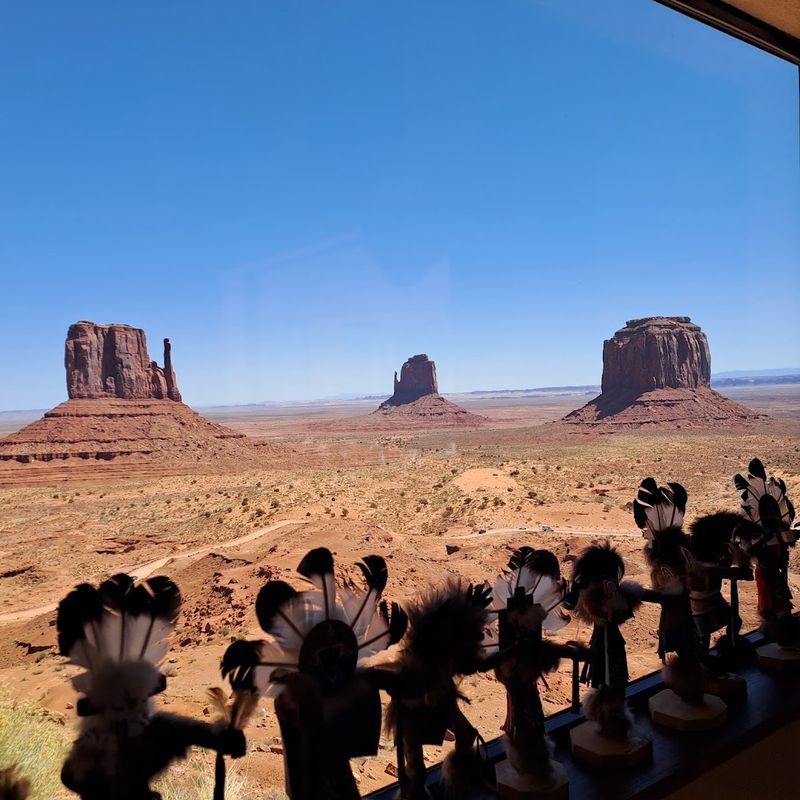
Those giant red buttes rising from a flat desert floor have appeared in so many Western movies that Monument Valley practically invented the look of the American Southwest. Located on the Navajo Nation, the valley is sacred land with a history as deep as its roots.
Guided Navajo tours offer a richer experience and respect for the culture tied to this land. Early morning light turns the sandstone formations into glowing pillars of amber that feel almost otherworldly.
Petrified Forest National Park – Arizona
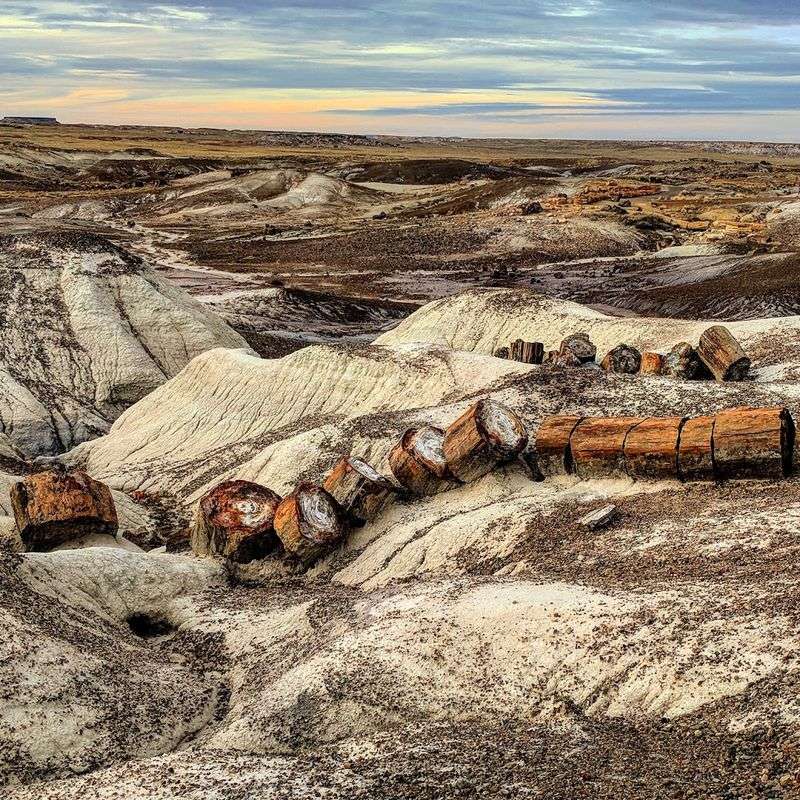
Walking through Petrified Forest National Park feels like stepping onto another planet. Ancient trees that fell over 200 million years ago slowly turned to colorful stone, and today their crystal-filled remains scatter across the park like nature’s own art installation.
Beyond the petrified wood, the Painted Desert within the park features striking bands of purple, red, and orange across the badlands. There are scenic drives, short hikes, and historic sites that make this park worth a full day of exploring.
Chiricahua National Monument – Willcox, Arizona
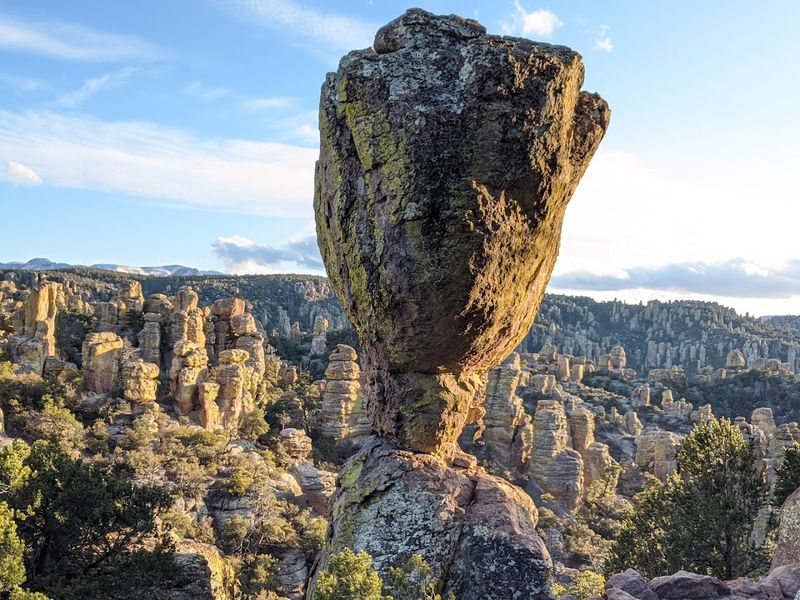
Known as the “Land of Standing Up Rocks,” Chiricahua National Monument looks like someone stacked thousands of giant boulders and then forgot to knock them over. These dramatic rock columns were formed by a massive volcanic eruption about 27 million years ago.
Hidden in southeastern Arizona, this monument gets far fewer visitors than other parks, giving it a quiet, almost secret-garden quality. Trails wind through forests and past towering pinnacles, making every turn feel like a discovery.
Tonto Natural Bridge State Park – Pine, Arizona
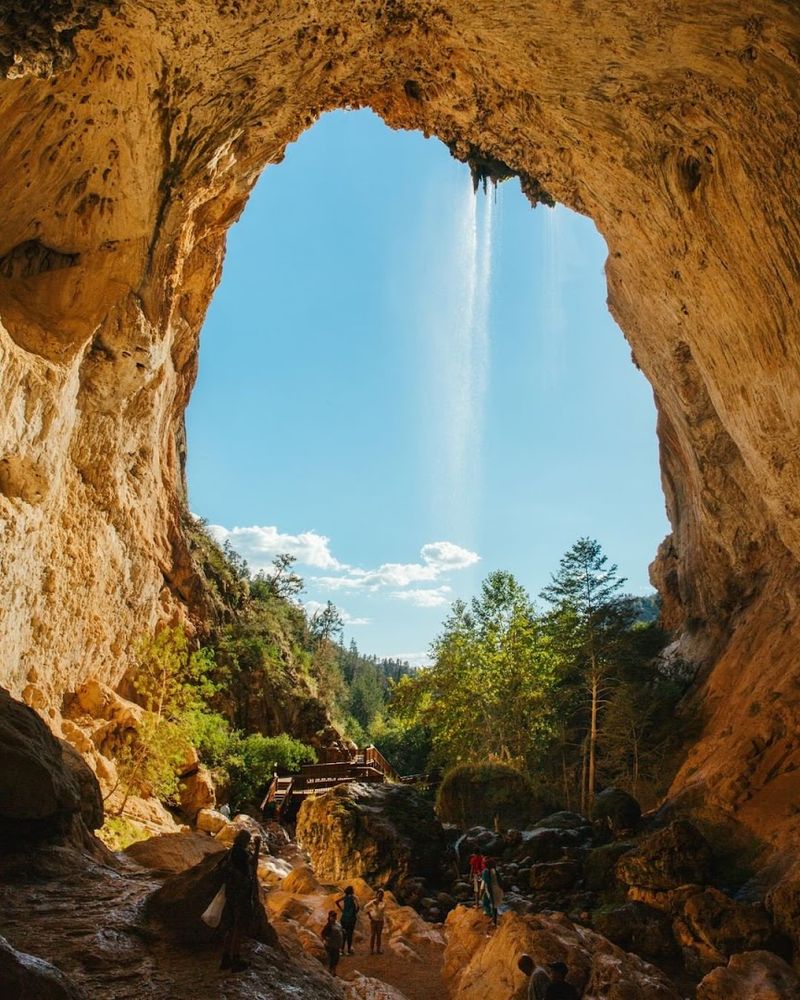
Tucked into the pine-covered highlands near Pine, Arizona, Tonto Natural Bridge holds the title of the largest natural travertine bridge in the world. Water has been slowly depositing minerals here for thousands of years, building up the arch to over 183 feet high.
A cool stream runs beneath the bridge, and brave visitors can actually swim in the natural pools below. The park stays refreshingly cool even in summer, making it a perfect escape from Arizona heat.
Canyon de Chelly National Monument – Chinle, Arizona
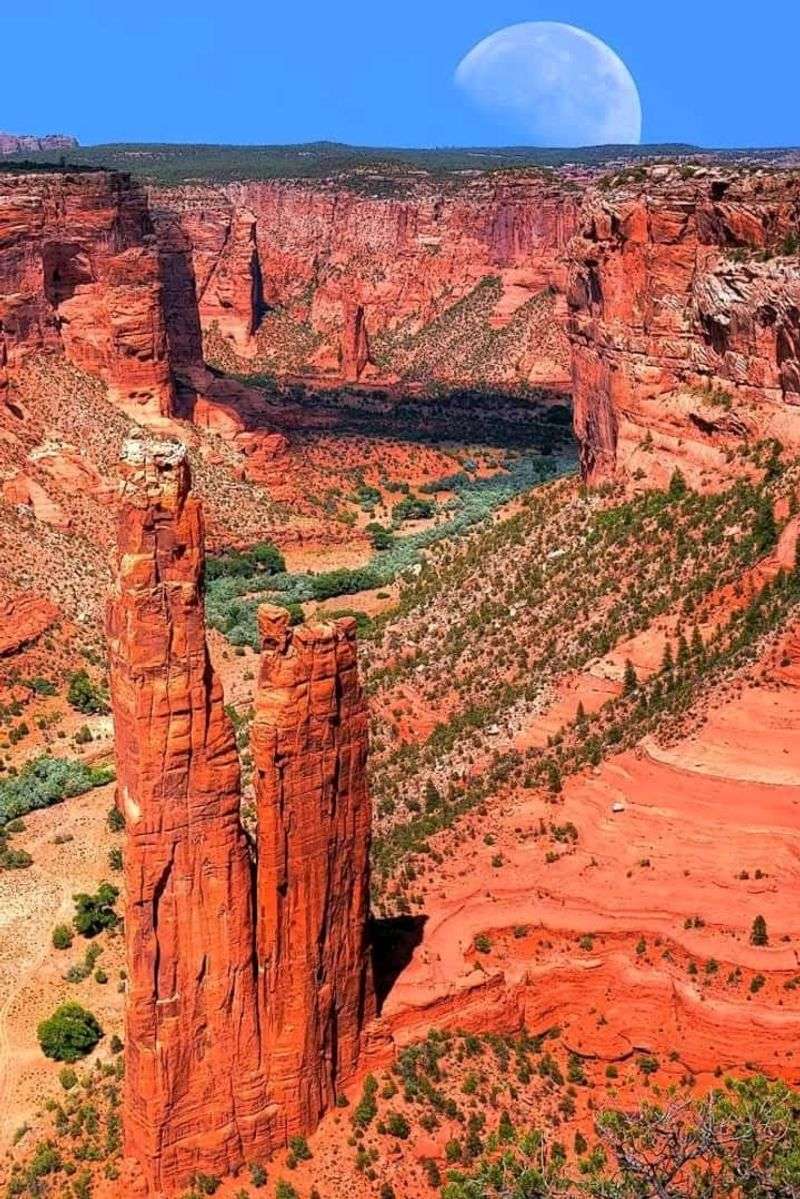
Canyon de Chelly is one of the few national monuments in the United States that is still home to an active community. Navajo families have farmed the canyon floor for generations, living alongside ruins left by the Ancestral Puebloans over 1,000 years ago.
The canyon walls rise up to 1,000 feet in some spots, and the contrast of red rock against green canyon floor is absolutely striking. Guided tours led by Navajo members offer a deeply personal and educational experience.
Paria Canyon-Vermilion Cliffs Wilderness Area – Marble Canyon, Arizona
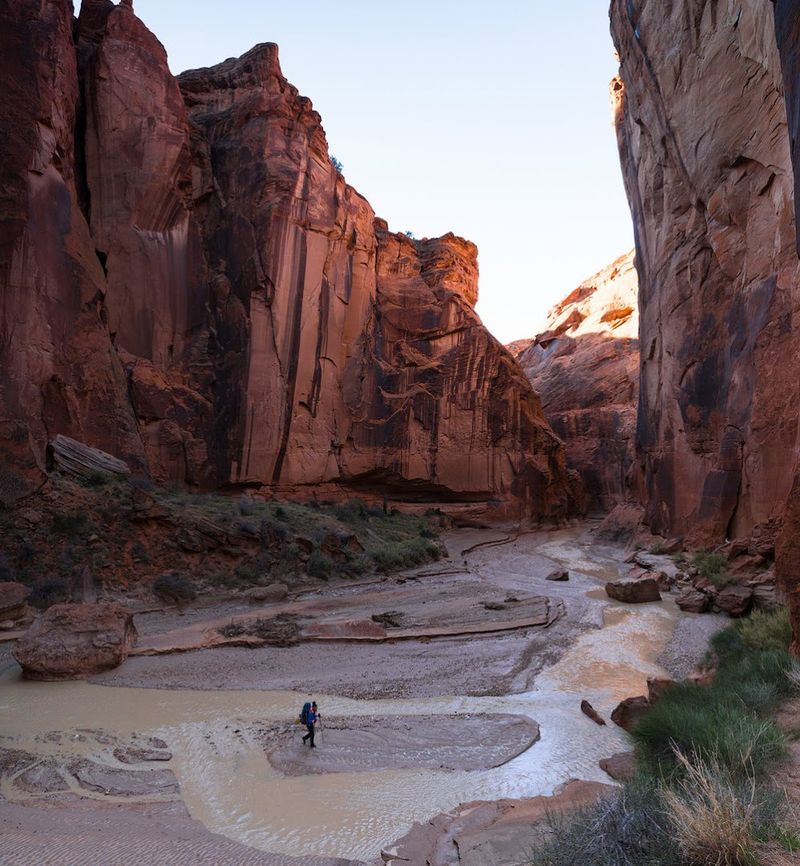
Stretching along the Arizona-Utah border, the Paria Canyon-Vermilion Cliffs Wilderness Area is one of the most remote and awe-inspiring landscapes in the American West. Towering cliffs of deep red and orange rise hundreds of feet above narrow canyon passages carved by the Paria River.
Multi-day backpacking trips through Paria Canyon are legendary among outdoor adventurers. The wilderness also includes the famous Coyote Buttes area, home to The Wave, making it a double destination for serious nature lovers.
Enjoyed this story?
Add Fast Food Club as a preferred source to see more of our reporting on Google.