


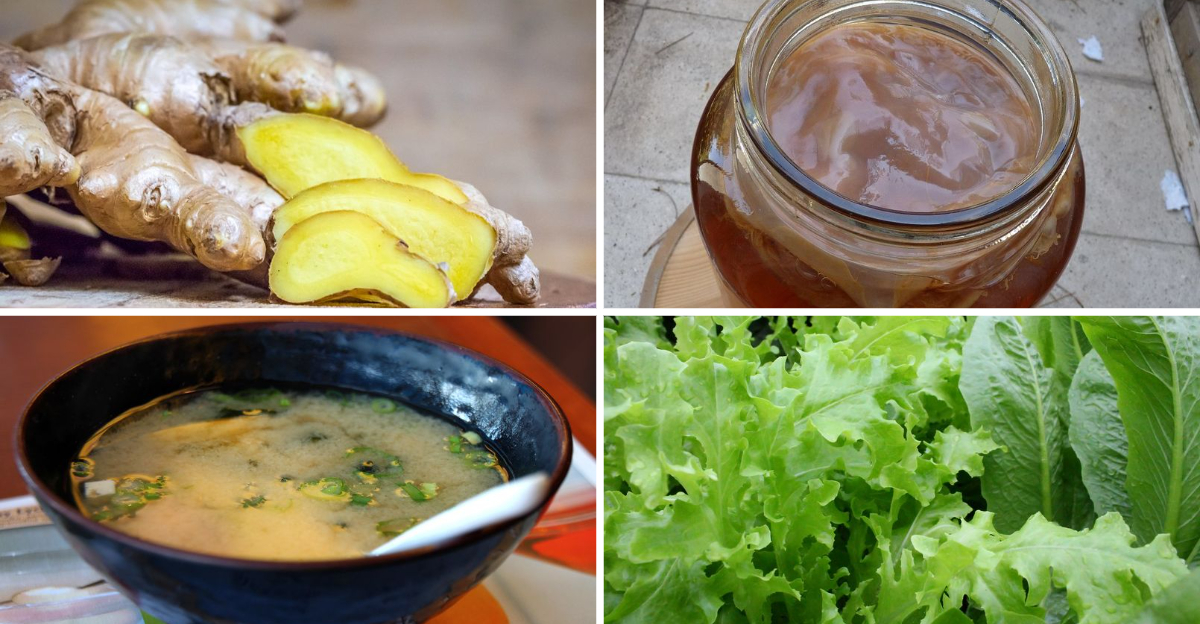
Your gut does a lot more than just process food — it plays a huge role in how you feel every single day. When your digestion is off, everything from your energy to your mood can take a hit.
The good news is that what you eat can make a big difference. Filling your plate with the right foods can keep things moving smoothly and help your body work at its best.
Yogurt
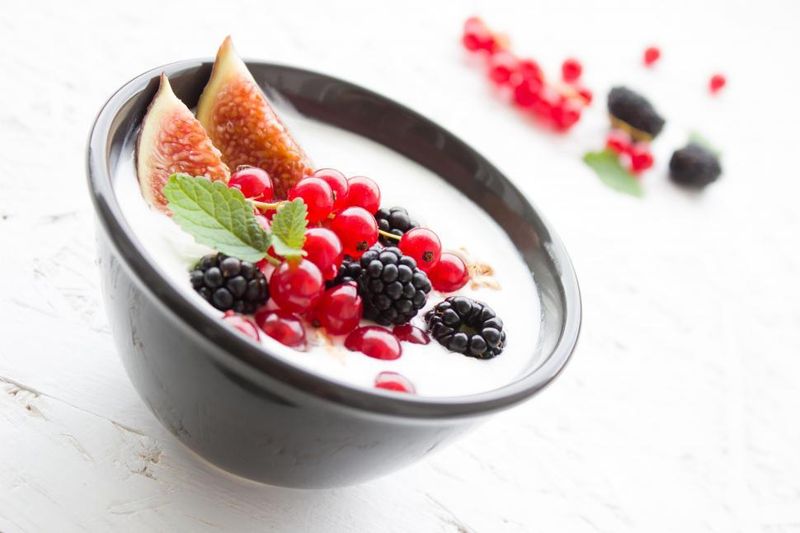
Packed with live cultures called probiotics, yogurt is one of the most well-known gut-friendly foods out there. These tiny bacteria help balance the good and bad microbes living in your digestive system.
Eating yogurt regularly can reduce bloating, ease constipation, and even help your body fight off harmful bacteria. Look for labels that say “live and active cultures” to make sure you are getting the real digestive benefits.
Kefir

Think of kefir as yogurt’s tangier, drinkable cousin — and it actually packs even more probiotic power per serving. Made by fermenting milk with kefir grains, this fizzy drink has been used for centuries in Eastern Europe and Central Asia to support gut health.
Studies show kefir can help improve lactose digestion and reduce gut inflammation. If plain milk upsets your stomach, kefir might actually be easier to handle.
Sauerkraut

Fermented cabbage might not sound exciting, but sauerkraut has been a digestive powerhouse for hundreds of years. The fermentation process creates billions of beneficial bacteria that go straight to work in your gut.
Just a small forkful alongside a meal can support a healthier microbiome. Always choose unpasteurized sauerkraut from the refrigerated section — the pasteurized canned version kills off those valuable live cultures before they can help you.
Kimchi
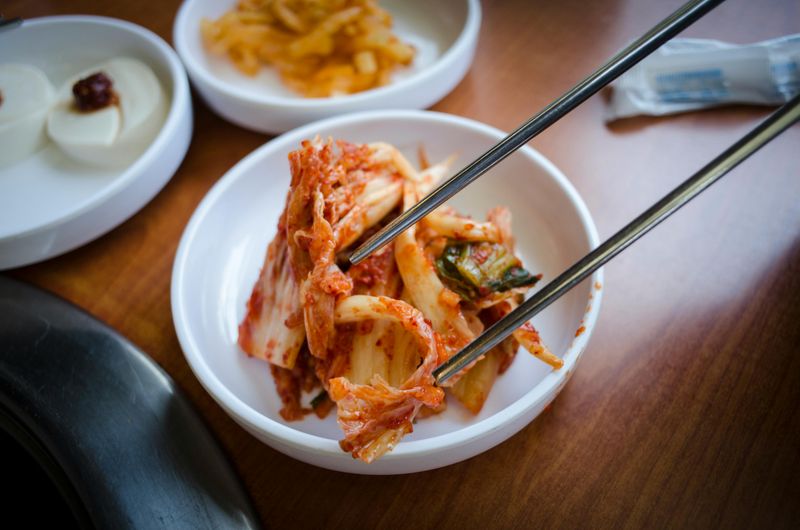
Spicy, tangy, and bursting with flavor, kimchi is a staple in Korean cuisine and a superstar when it comes to gut health. Like sauerkraut, it is made through fermentation, which creates a rich supply of probiotics.
Beyond digestion, kimchi also contains fiber and antioxidants that feed healthy gut bacteria. If you have never tried it before, start with a small amount — the bold flavor grows on you fast, and your gut will thank you.
Miso

A single spoonful of miso paste can transform a bowl of hot water into a comforting, gut-nourishing soup. Made from fermented soybeans, miso is loaded with enzymes and beneficial bacteria that support smooth digestion.
It has been a cornerstone of Japanese cuisine for over a thousand years, and modern research is catching up to what those cultures already knew. Use it in soups, dressings, or marinades — just avoid boiling it to preserve the live cultures.
Tempeh

Tempeh is a firm, nutty-tasting food made from fermented soybeans, and it brings serious digestive benefits to the table. The fermentation process breaks down compounds in soybeans that can otherwise be hard on your stomach.
That makes tempeh much easier to digest than regular soy products. It is also a fantastic source of plant-based protein and fiber — a winning combo for keeping your gut happy and your energy steady throughout the day.
Kombucha

Kombucha is a fizzy, fermented tea that has taken health food stores by storm — and for good reason. It is made by adding a culture of bacteria and yeast to sweetened tea, creating a tangy drink full of probiotics and organic acids.
Regular kombucha drinkers often report less bloating and better overall digestion. Stick to low-sugar varieties and drink it in moderation, since too much at once can actually upset a sensitive stomach.
Bananas
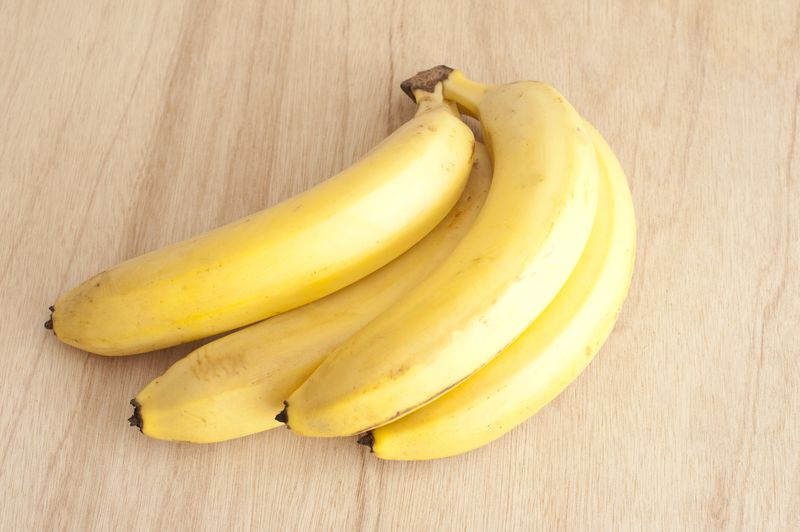
Bananas are one of the most gut-friendly fruits you can grab on the go. They contain a type of fiber called pectin that helps slow digestion in a helpful way, keeping you feeling full and preventing loose stools.
Slightly unripe bananas also contain resistant starch, which acts as a prebiotic — essentially food for the good bacteria already living in your gut. They are also gentle enough to eat when your stomach is feeling off.
Apples
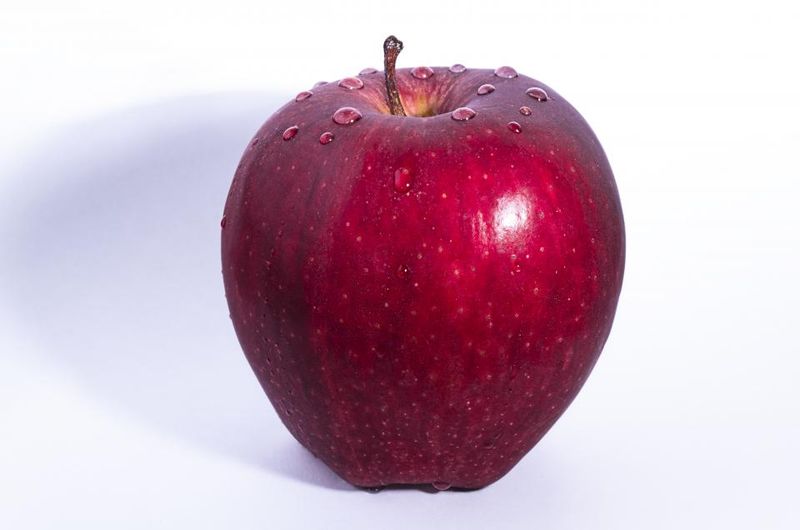
An apple a day might actually keep the gastroenterologist away. Apples are rich in pectin, a soluble fiber that bulks up stool and helps move things through your intestines at a healthy pace.
Pectin also acts as a prebiotic, feeding the friendly bacteria in your colon. Research suggests that the gut microbiome of regular apple eaters tends to be more diverse and balanced.
Eating apples with the skin on gives you the most fiber benefit.
Oats
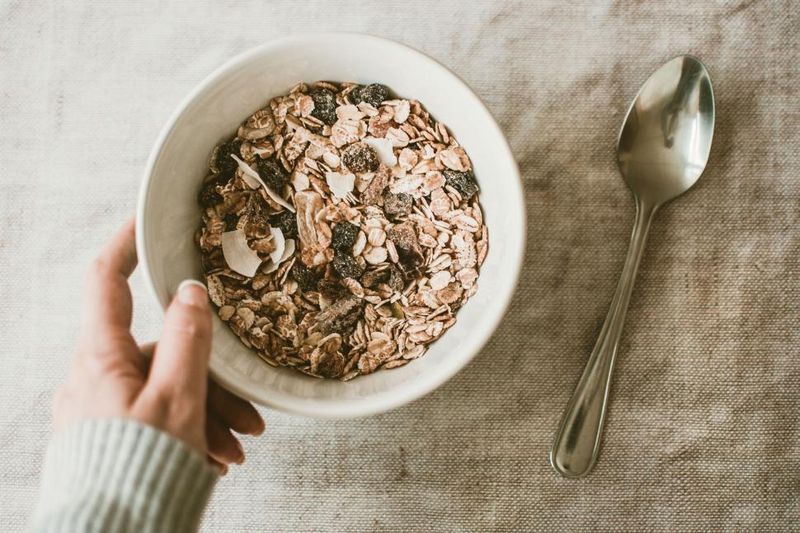
There is a reason oatmeal has been a breakfast staple for generations — it is genuinely great for your digestive system. Oats contain a powerful soluble fiber called beta-glucan that forms a thick gel in your gut, slowing digestion and feeding beneficial bacteria.
This gel-like texture also helps soften stool and ease constipation. Starting your morning with a warm bowl of oats is one of the easiest and most affordable ways to support long-term digestive health.
Whole grains

Switching from white bread and white rice to whole grain versions is one of the smartest moves you can make for your gut. Whole grains keep their bran and germ intact, which means they are loaded with fiber that helps bulk up stool and keep your bowels regular.
They also feed the good bacteria in your large intestine. Foods like brown rice, quinoa, barley, and whole wheat bread all count — variety is key to getting the most benefit.
Chia seeds
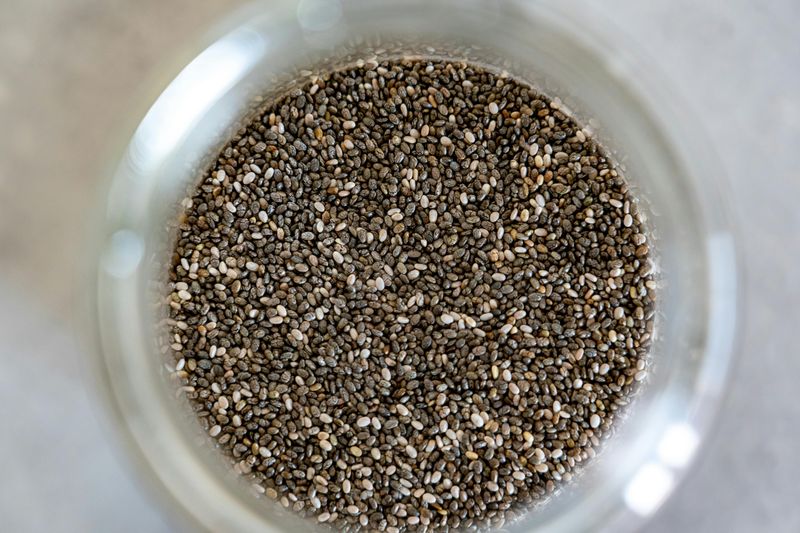
Tiny but mighty, chia seeds can absorb up to ten times their weight in water, forming a gel that moves through your digestive tract like a gentle broom. That gel-forming quality makes them excellent for relieving constipation and promoting regularity.
Just two tablespoons deliver around 10 grams of fiber — nearly a third of the daily recommended amount. Stir them into smoothies, oatmeal, or yogurt, and let them work their quiet magic on your digestive system.
Flaxseeds
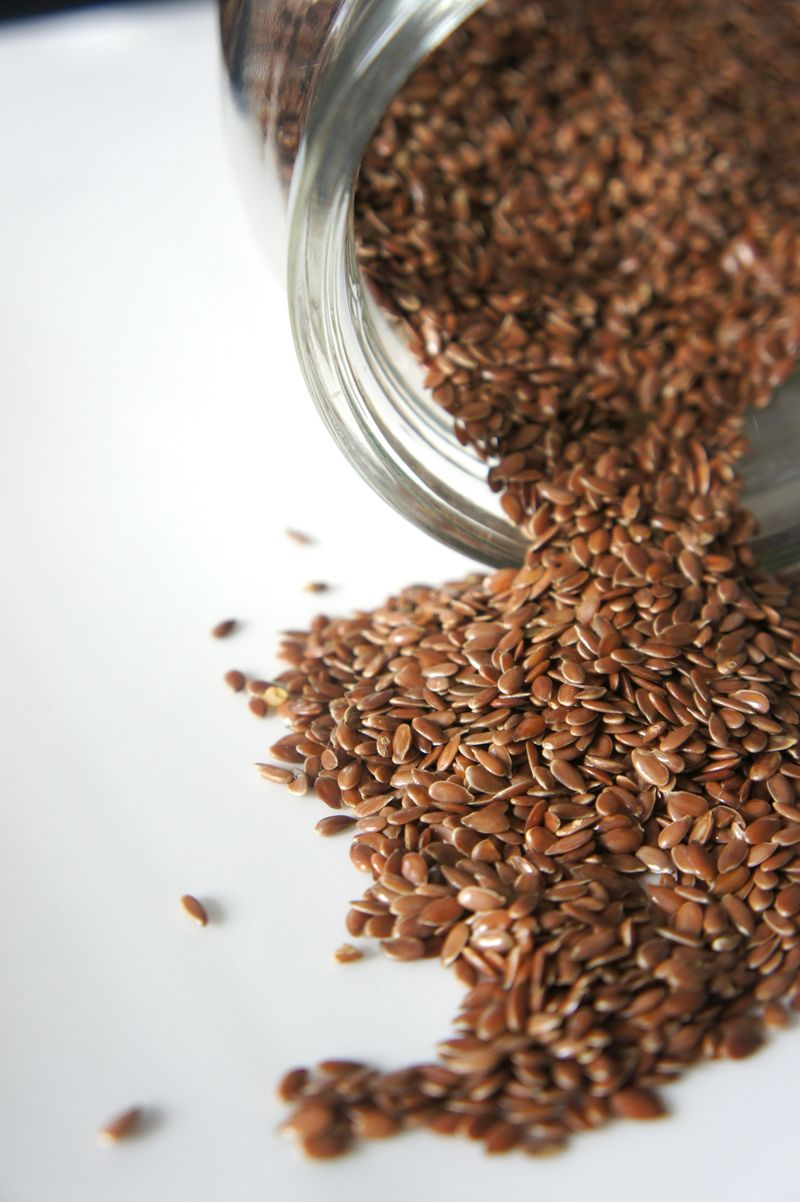
Flaxseeds have been used as a natural digestive remedy for thousands of years, and science has confirmed what ancient healers already knew. They are rich in both soluble and insoluble fiber, making them effective at softening stool and keeping bowel movements consistent.
Ground flaxseeds are easier for your body to absorb than whole ones. Sprinkle them on cereal, blend them into a smoothie, or mix them into baked goods for a simple, no-fuss digestive boost every day.
Lentils
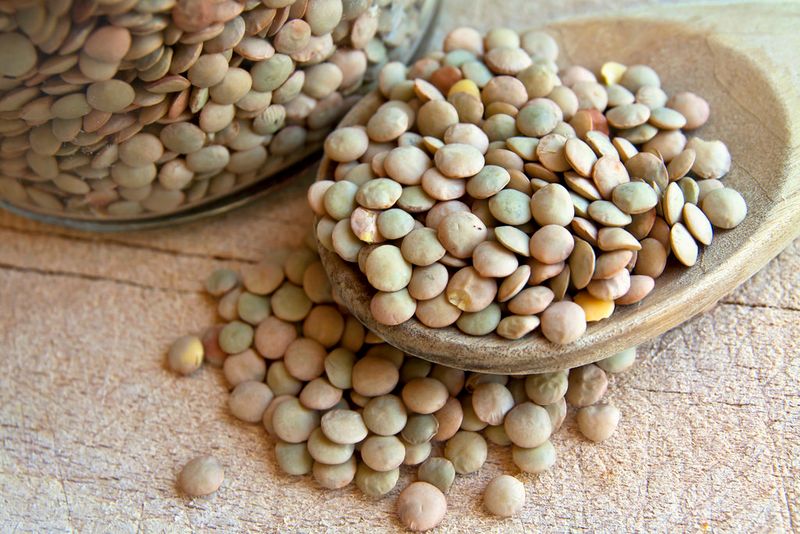
Lentils are one of the most fiber-dense foods on the planet, and they do not get nearly enough credit for their digestive benefits. A single cup of cooked lentils delivers about 15 grams of fiber, which helps keep your digestive system moving along efficiently.
They also contain prebiotics that feed the healthy bacteria in your colon. Lentils are budget-friendly, incredibly versatile, and easy to add to soups, salads, and stews without much effort at all.
Chickpeas
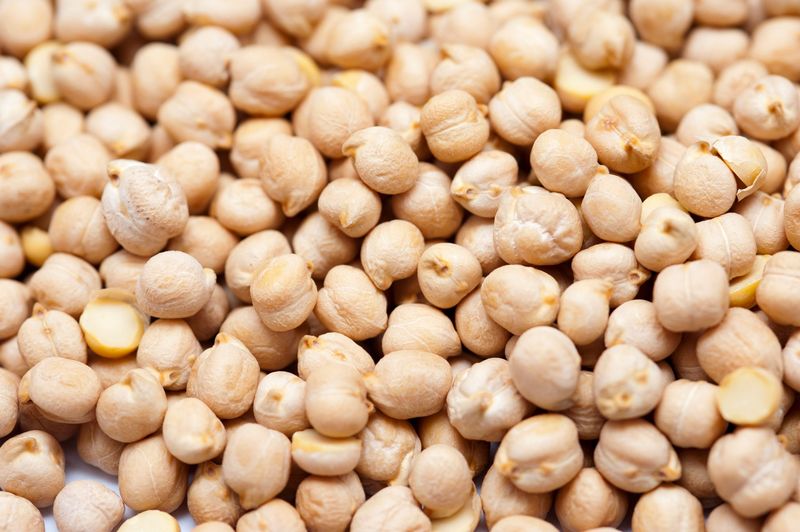
Whether you call them chickpeas or garbanzo beans, these little legumes are a digestive dream. They are loaded with both soluble and insoluble fiber, which together help regulate bowel movements and feed the beneficial bacteria in your gut.
Chickpeas also have a low glycemic index, meaning they digest slowly and keep blood sugar steady — which in turn supports a calmer, more balanced gut environment. Roast them, toss them in salads, or blend them into hummus.
Ginger
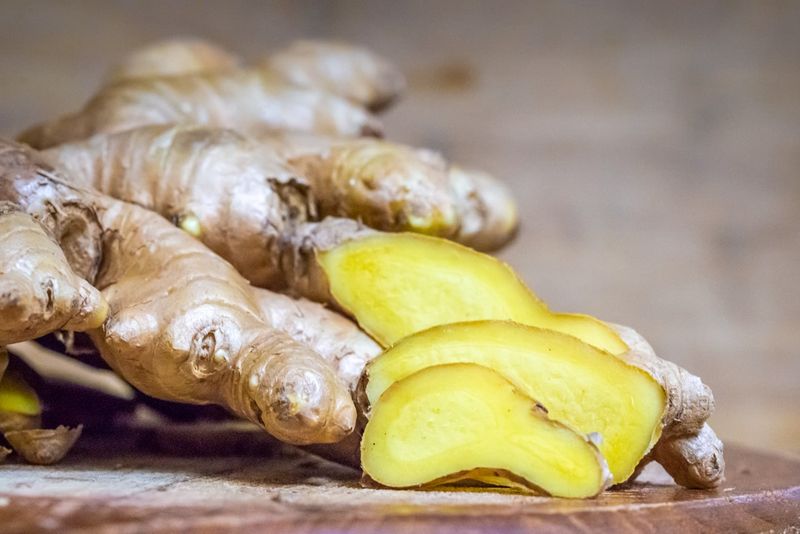
Ginger has earned its reputation as a go-to stomach soother across cultures and centuries. It contains compounds called gingerols and shogaols that help speed up the movement of food through your digestive tract, reducing that heavy, sluggish feeling after a big meal.
Ginger is also remarkably effective at calming nausea, whether from motion sickness, morning sickness, or an upset stomach. Fresh ginger in hot water makes a simple, soothing tea that can bring quick relief.
Garlic
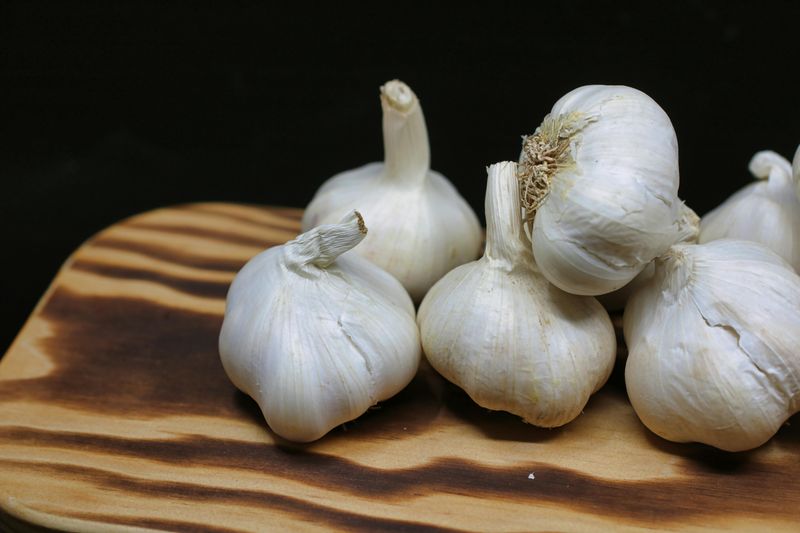
Garlic does more than flavor your favorite dishes — it quietly works as a powerful prebiotic inside your gut. It contains a compound called inulin, a type of fiber that cannot be digested by you but is absolutely loved by the beneficial bacteria in your colon.
Feeding those good bacteria helps crowd out harmful microbes and keeps your microbiome balanced. Raw garlic offers the strongest benefit, but even cooked garlic adds meaningful digestive support to your meals every day.
Leafy greens
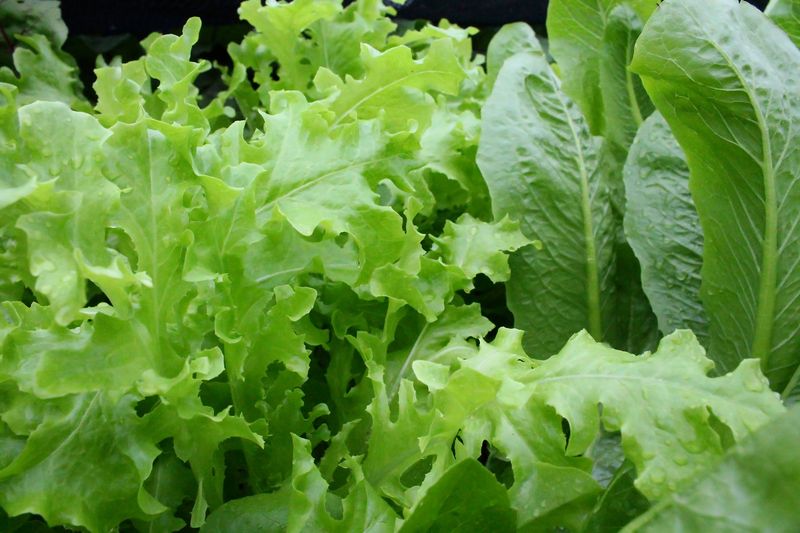
Spinach, kale, arugula, and other leafy greens are some of the best things you can eat for a healthy gut. They are rich in fiber, which keeps things moving through your digestive tract, and they also contain a unique sugar called sulfoquinovose that feeds beneficial gut bacteria.
Leafy greens are also packed with magnesium, a mineral that helps relax the muscles of your intestines. Even a handful of spinach tossed into a smoothie counts toward your daily gut-health goals.
Papaya
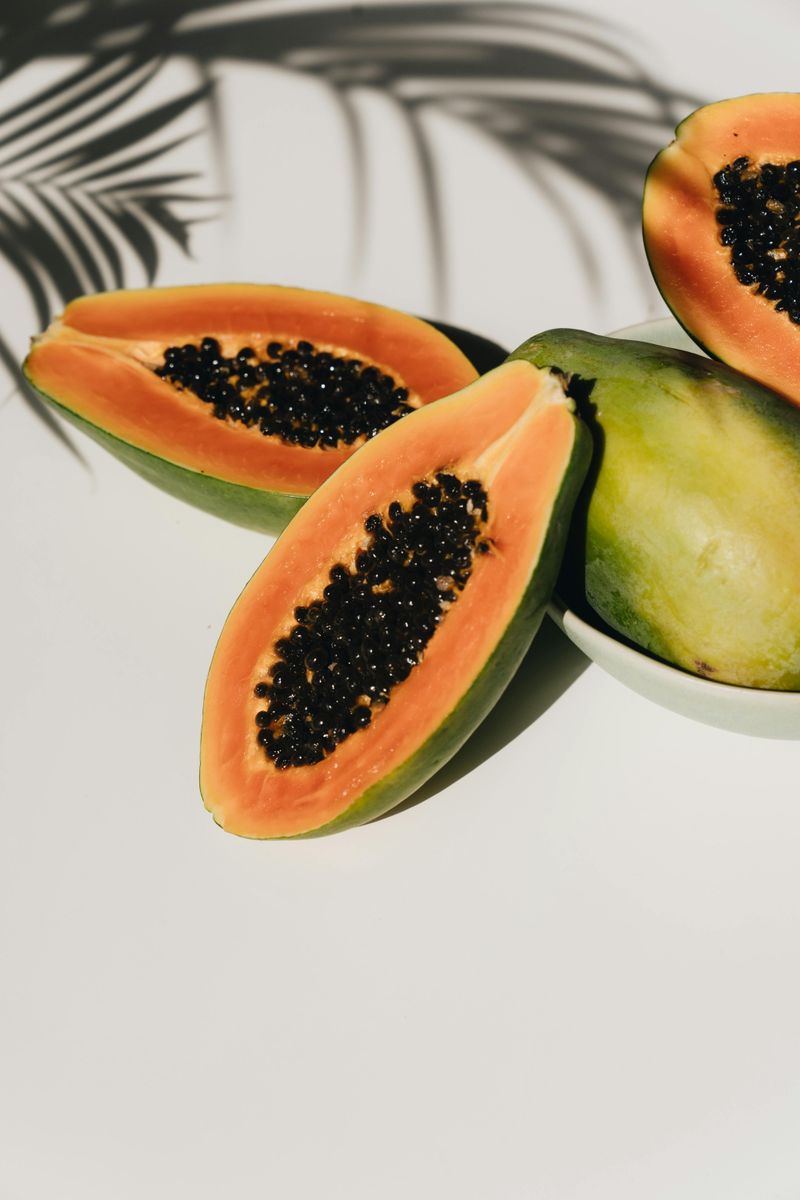
Papaya contains a natural digestive enzyme called papain that breaks down proteins in your food, making it easier for your body to absorb nutrients without the discomfort of bloating or heaviness. This tropical fruit has long been used as a natural remedy for indigestion in Central and South America.
Papaya is also high in fiber and water content, both of which support regular bowel movements. Eating it fresh — especially on an empty stomach — tends to deliver the best digestive results.
Pineapple

Pineapple brings more than sweetness to the table — it contains bromelain, a powerful enzyme that helps digest proteins and reduce gut inflammation. Bromelain is especially concentrated in the core of the fruit, so do not toss that part out.
Athletes and people with inflammatory gut conditions have used bromelain supplements for years, but fresh pineapple gives you a natural dose. Pair it with a protein-rich meal and let bromelain do its thing right in your digestive tract.
Enjoyed this story?
Add Fast Food Club as a preferred source to see more of our reporting on Google.