


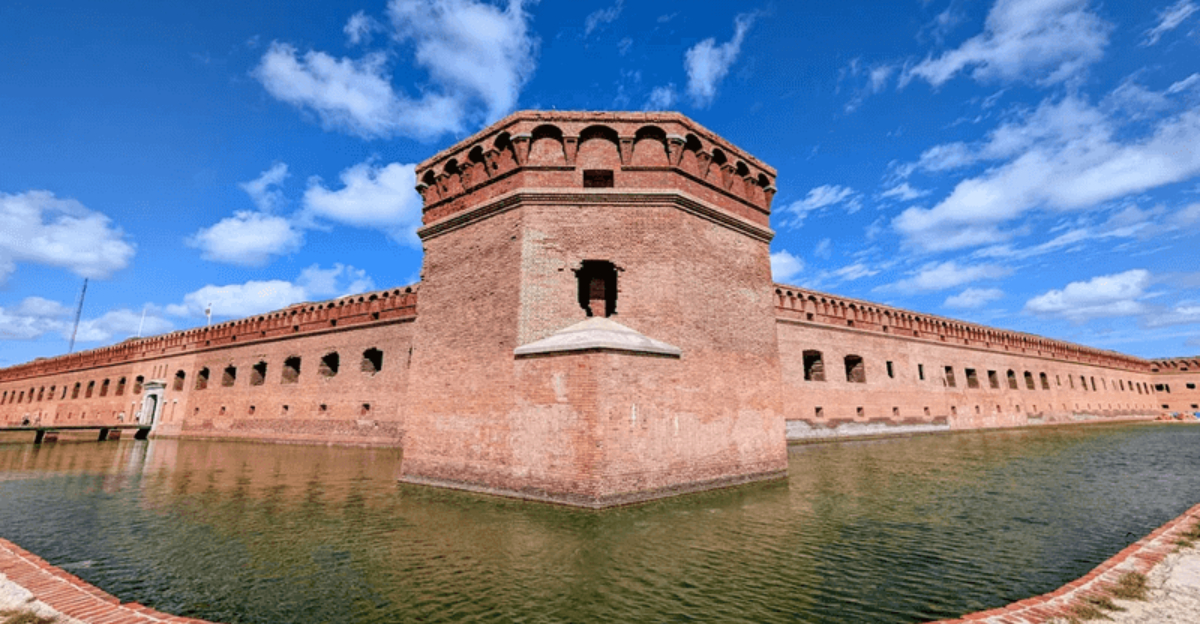
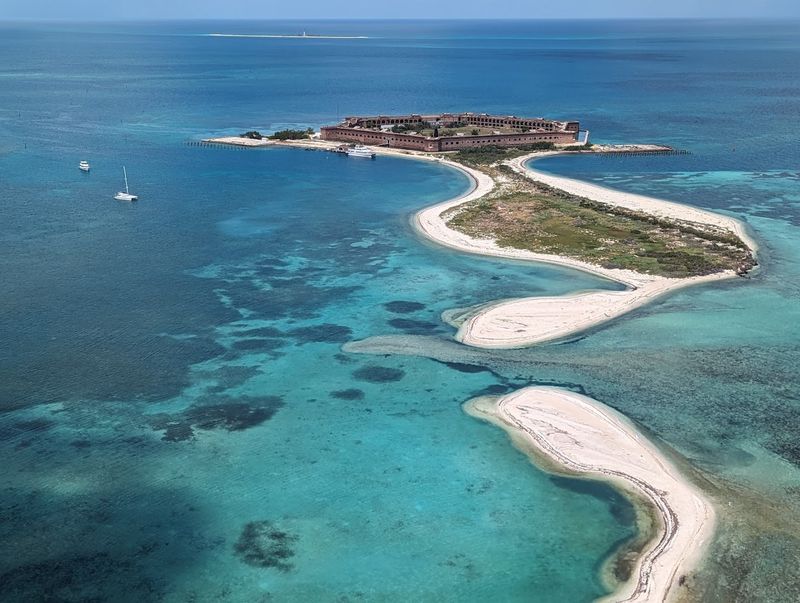
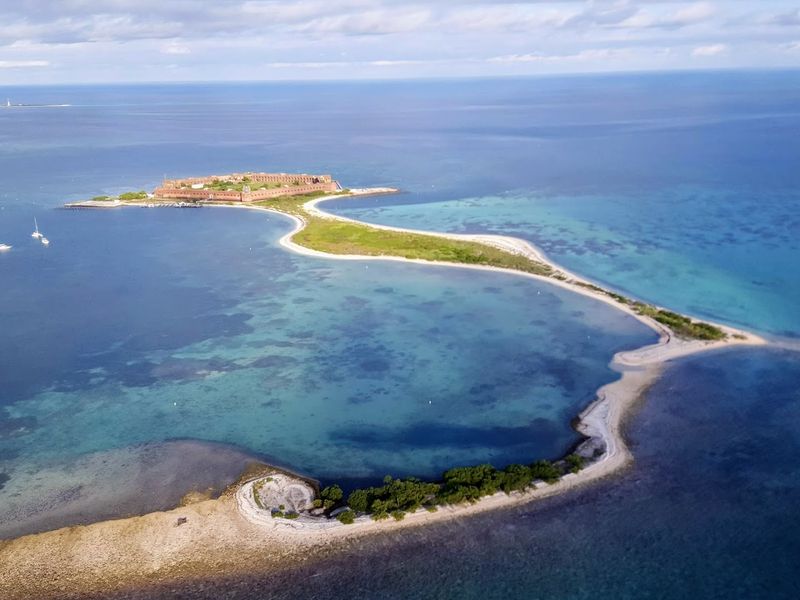
Tucked away 70 miles west of Key West, Dry Tortugas National Park is one of America’s most remote and magical destinations. Seven tiny coral islands sit surrounded by crystal-clear turquoise water, and at the heart of it all stands the massive Fort Jefferson — a 19th-century brick fortress that looks like it belongs in a fairy tale.
Getting there takes a ferry ride or seaplane, which only adds to the adventure. Whether you love history, snorkeling, wildlife, or just soaking up a jaw-dropping view, this park delivers an experience unlike anywhere else in Florida.
Fort Jefferson: The Colossal Brick Giant of the Sea
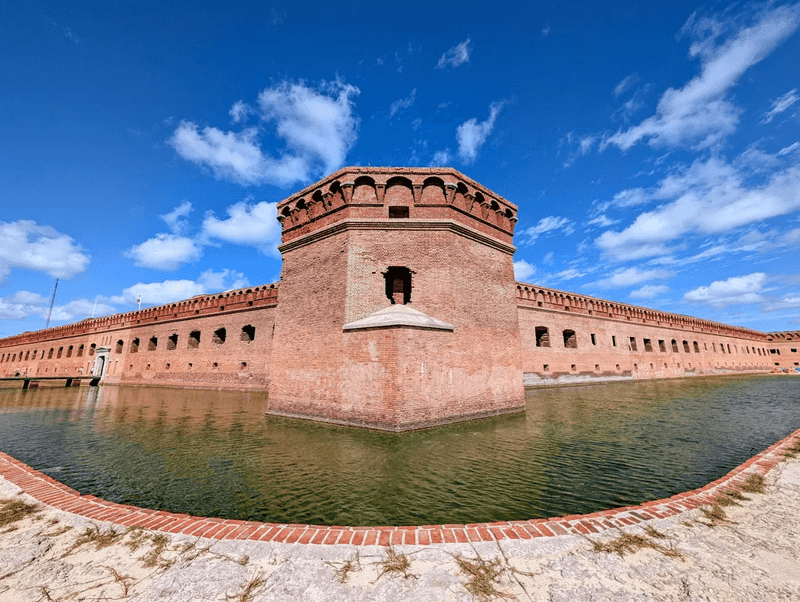
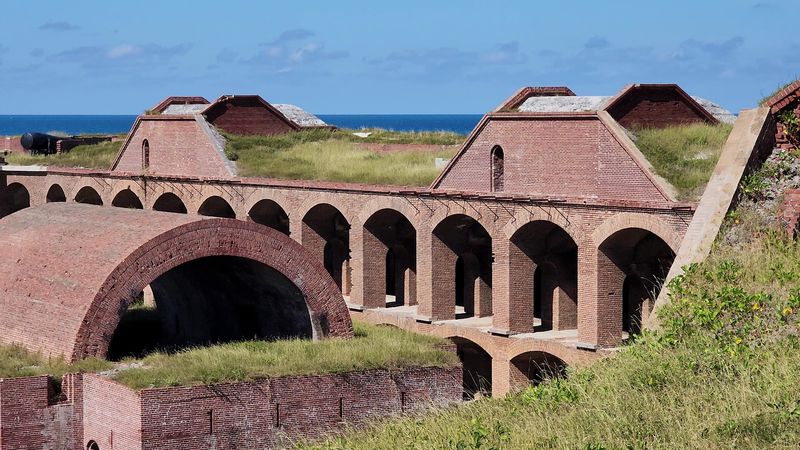
Standing six stories tall with over 16 million bricks, Fort Jefferson is one of the largest brick structures ever built in the United States. Construction began in 1846 and continued for nearly 30 years — and yet the fort was never actually finished.
That unfinished quality gives it a raw, dramatic feeling that photos simply cannot capture.
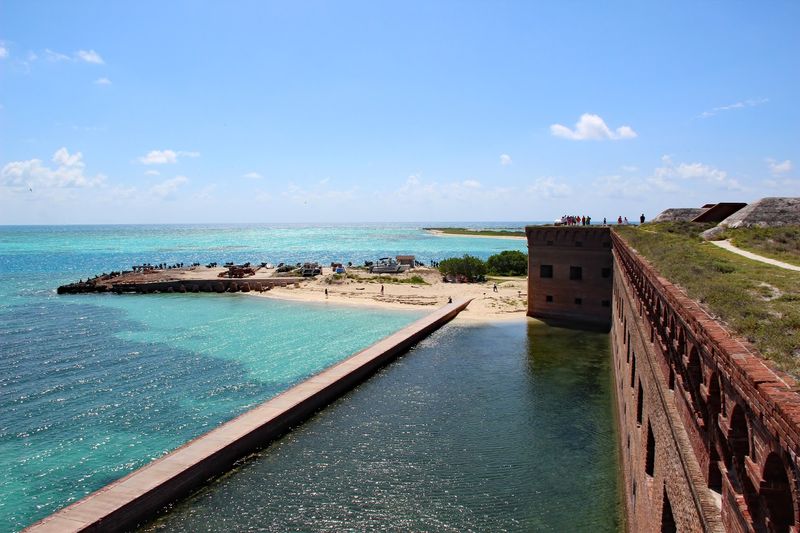
Walking through its arched corridors feels like stepping back into another century. The massive walls frame stunning views of the sapphire-blue ocean on every side, making every corner a postcard moment.
Rangers and guided tours help bring the history alive in ways that are genuinely fascinating.
Even without a guide, the self-guided tour takes about 90 minutes and covers the fort’s most impressive features. Make sure to climb up to the upper levels — the panoramic views of the surrounding sea are absolutely breathtaking and worth every step.
Getting There: Ferry vs. Seaplane — Which Should You Choose?
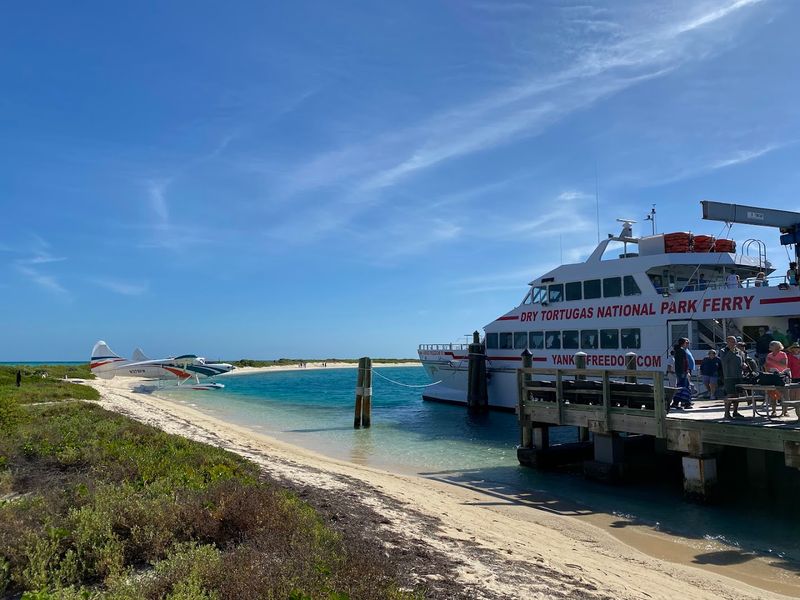
Reaching Dry Tortugas is half the adventure. Most visitors board the Yankee Freedom ferry in Key West for a roughly two-hour ride across open ocean.
The boat is well air-conditioned, the staff is friendly, and breakfast is included — though packing extra snacks is always a smart move for the return trip.
For those who want a truly unforgettable arrival, the seaplane option is hard to beat. Flying low over the fort and watching it rise out of the water below is a jaw-dropping moment that many visitors say is worth every extra dollar.
The seaplane also gets you there faster, giving you more time to explore.
Both options have loyal fans. Ferry riders enjoy the relaxed pace and social atmosphere on deck, while seaplane travelers rave about the aerial views.
Either way, the destination makes the journey completely worthwhile.
Snorkeling Around the Fort Walls
Just beneath the surface of the water surrounding Fort Jefferson lies a whole other world. The south side of the fort is especially popular with snorkelers, where schools of tropical fish weave through the coral and along the ancient brick walls.
Gear is provided for free when you arrive by ferry, so there is no need to lug your own equipment.
One visitor described being surrounded by a small school of barracuda — which sounds terrifying but is actually a thrilling, safe, and unforgettable experience in these calm, shallow waters. The water temperature here is famously comfortable, and on calm days, visibility can stretch impressively far.
Even beginners feel confident snorkeling here because the water stays relatively shallow near the fort. The combination of warm water, abundant marine life, and the dramatic backdrop of a 19th-century fortress makes this one of the most unique snorkeling spots in the entire country.
The Mysterious Story of Dr. Samuel Mudd
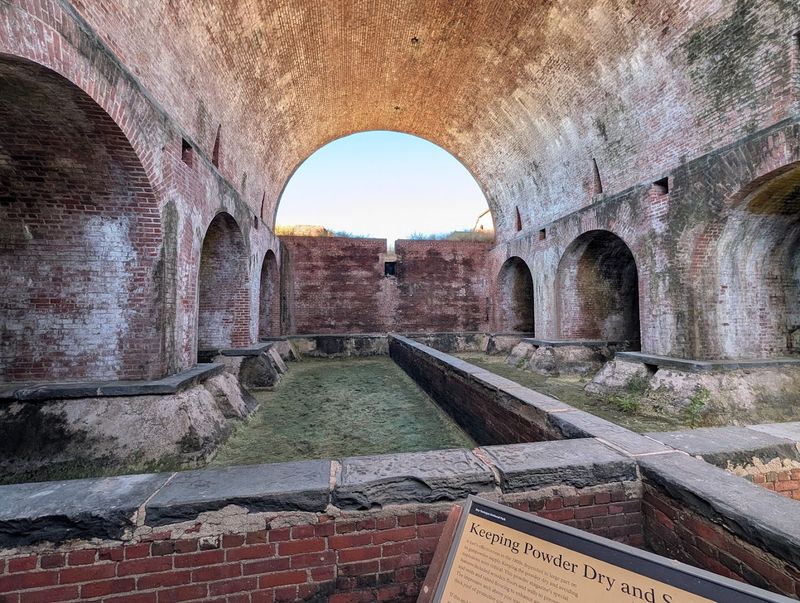
Fort Jefferson holds one of American history’s most debated stories. Dr. Samuel Mudd was imprisoned here after being convicted of conspiring in the assassination of President Abraham Lincoln — his crime was setting the broken leg of John Wilkes Booth after the murder.
Whether he knew who Booth really was remains a hotly argued question even today.
His cell is located on the second floor of the fort, and visitors can step inside to get a real sense of what life was like for prisoners held in this remote, sweltering location. The isolation alone must have been unbearable — surrounded by nothing but ocean for miles in every direction.
Mudd eventually earned a partial pardon after helping treat yellow fever patients during a deadly outbreak at the fort. His story adds a layer of genuine human drama to the visit that makes the history feel personal and surprisingly modern.
Bird Watching at One of America’s Top Birding Spots
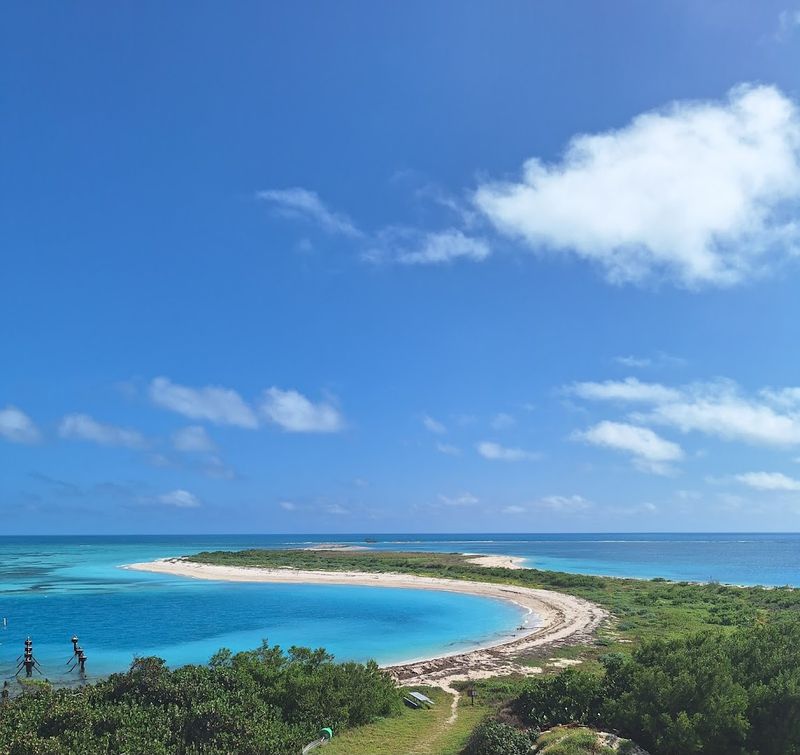
Every spring, something remarkable happens at Dry Tortugas. Tens of thousands of sooty terns and brown noddies descend on Bush Key — the small island just beside Garden Key — to nest in one of the most spectacular bird colonies in North America.
The noise and energy of the colony is something you feel before you even see it.
The park sits along a major migratory flyway, making it a magnet for rare and exotic birds blown off course during spring migration. Birders from around the world time their visits specifically to catch warblers, tanagers, and other songbirds resting on the island after crossing the Gulf of Mexico.
Bush Key is closed to visitors during nesting season to protect the birds, but you can observe the colony from the nearby beach with binoculars. Even casual visitors are often surprised by how many species they spot in just a single afternoon here.
Camping Under the Stars on Garden Key
For the visitors who really want to go all-in on the Dry Tortugas experience, camping on Garden Key overnight is the ultimate move. Once the day-trippers board the ferry back to Key West, the island becomes almost completely quiet — just you, the ocean breeze, the stars, and the ancient fort looming in the darkness.
There are ten primitive campsites available, and all supplies must be brought in since there is no fresh water or electricity on the island. That means careful planning, but the reward is an experience that feels genuinely off-the-grid in a world where that is increasingly rare.
Multiple reviewers who have camped here describe it as life-changing. Waking up to sunrise over the Gulf of Mexico, with the fort glowing in the early morning light and birds calling all around, is the kind of moment that stays with a person for years.
The Crystal-Clear Waters and White Sand Beaches
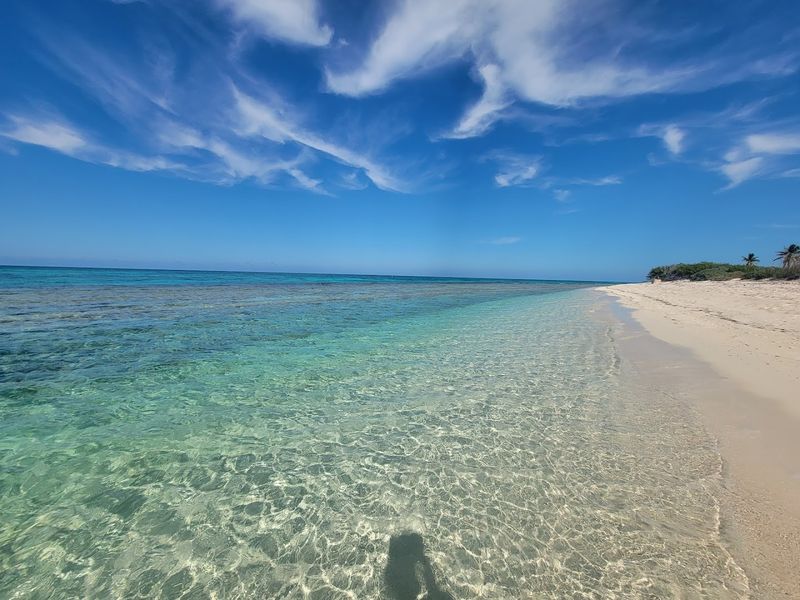
Some beaches are pretty. The beaches at Dry Tortugas operate on a completely different level.
The water here is so clear and so brilliantly colored — shifting between shades of aqua, turquoise, and deep sapphire — that visitors consistently describe it as looking like something out of a screensaver or a dream.
Because the park is so remote and receives relatively few visitors compared to most Florida beaches, the shoreline retains a wild, untouched quality that is genuinely rare. There are no beach chairs for rent, no food vendors, and no crowds jostling for towel space — just pure, peaceful coastline.
Reviewers frequently mention that even compared to the famous beaches of the Florida Keys, Dry Tortugas feels like a step beyond. The combination of isolation, color, and natural beauty creates a beach experience that is hard to find anywhere else in the continental United States without boarding a plane.
Booking Tips: How to Actually Get In
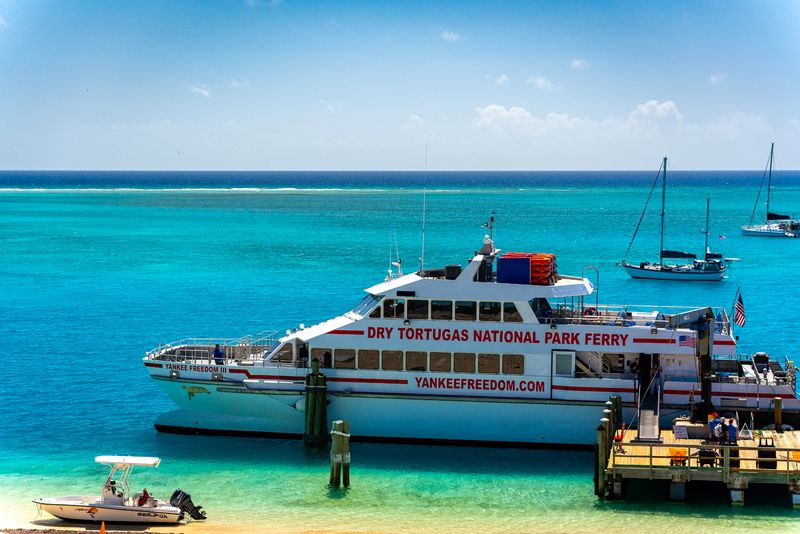
Here is something that surprises a lot of first-time planners: Dry Tortugas books up months in advance. Ferry tickets through Yankee Freedom can sell out up to six months ahead of your travel date, especially during peak winter and spring seasons.
Waiting until the last minute is a risky strategy that often ends in disappointment.
The standby line at the ferry terminal is a real option — one reviewer arrived at 4:45 a.m. and snagged a spot — but it is absolutely a gamble. Only a handful of no-show slots open up each day, and the people at the front of that line sometimes sleep there overnight to secure their position.
Seaplane tickets are another path in, and they tend to have slightly better availability, though at a higher price point. Whichever route you choose, the key takeaway is simple: plan early, book early, and bring your America the Beautiful National Parks pass for a discount.
Marine Life: What Swims Beneath the Surface
The waters around Dry Tortugas are teeming with life in a way that genuinely astonishes first-time visitors. Sea turtles glide past the coral reefs, barracuda cruise along the fort walls, and hundreds of species of tropical fish dart through the clear water in flashes of neon color.
Scuba divers who have explored reefs around the world still rank this spot among their favorites.
The coral reefs here are part of the Florida Reef Tract — the only living barrier reef in the continental United States. Protecting these reefs is one of the park’s most important missions, and rangers work hard to keep human impact to a minimum.
Visibility on calm days can stretch remarkably far, giving snorkelers and divers a window into an underwater landscape that feels almost impossibly vibrant. Even from a paddleboard or kayak, you can often spot fish and sea life moving through the shallow, glass-clear water below.
The Guided Tour Experience: Why You Should Not Skip It
Walking around Fort Jefferson without any context is still impressive. Walking around with a passionate, knowledgeable guide transforms the entire experience into something unforgettable.
One reviewer raved about a guide named Hollywood, whose enthusiasm for the park’s history was so infectious that the 90-minute tour felt far too short.
The guided tours cover everything from the engineering challenges of building a massive fort on a remote coral island, to the military strategy behind its location, to the dramatic stories of the soldiers and prisoners who lived there. The “why” questions — why here, why this size, why was it never finished — all get answered in satisfying detail.
Even visitors who consider themselves history skeptics tend to come away from the guided tour genuinely hooked. The stories are vivid, the setting is dramatic, and the guides clearly love what they do.
Booking the tour in advance or joining one when you arrive is strongly recommended.
Lighthouse History at the Edge of the World
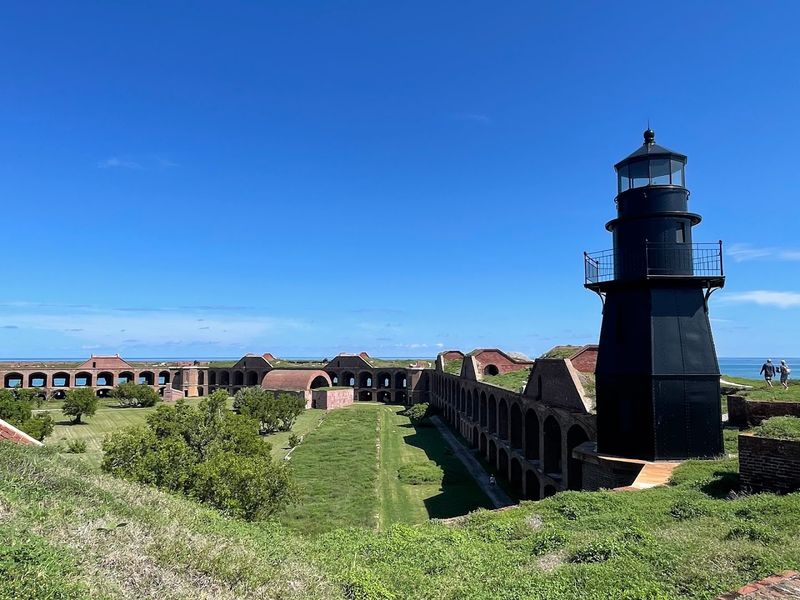
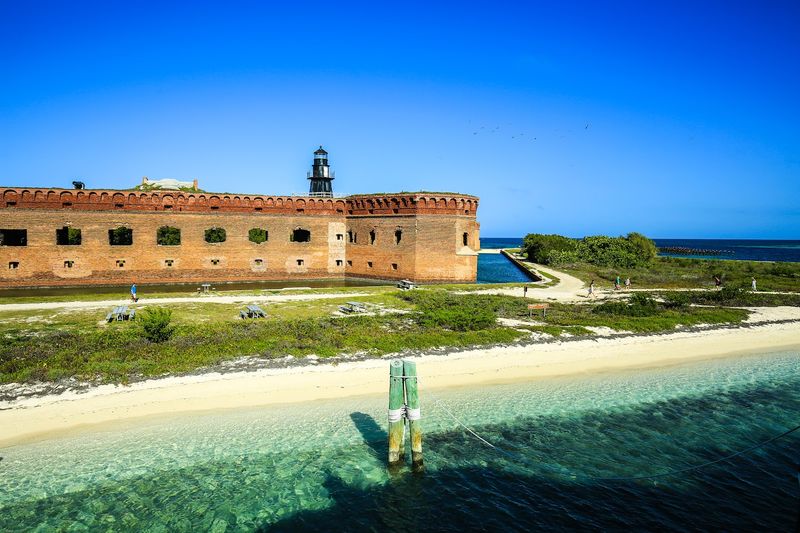
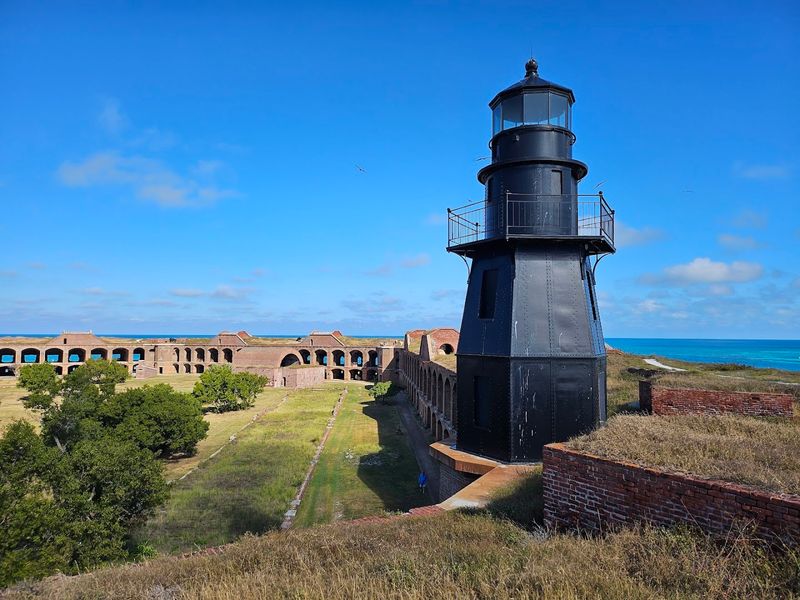
Perched at the edge of Fort Jefferson, the Dry Tortugas lighthouse has been guiding ships through these treacherous waters since the 1820s. The waters around the Tortugas were once one of the most feared stretches of ocean in the Gulf, responsible for countless shipwrecks due to the shallow reefs and unpredictable currents lurking just beneath the surface.
The lighthouse has been rebuilt and modified several times over the centuries, and the current structure carries a quiet dignity that feels perfectly suited to its dramatic setting. Standing near it and looking out over the open Gulf, it is easy to imagine the relief sailors must have felt spotting that beam of light after days at sea.
Today, the lighthouse serves as both a functional navigational aid and a historical landmark. It adds another layer of visual drama to the fort’s already striking silhouette, especially during the golden light of early morning or late afternoon.
Wildlife Beyond the Water: What Roams the Islands
Most people come to Dry Tortugas expecting the underwater wildlife — and they are not disappointed. But the islands themselves host a surprising variety of creatures that reward patient observers.
Green sea turtles haul themselves onto the beaches to nest during summer months, and spotting one lumbering up the sand in the moonlight is a genuinely moving experience.
Dolphins frequently escort the ferry on its approach to Garden Key, putting on an impromptu show that delights passengers of every age. Sharks are occasionally spotted from the boat as well — not in a threatening way, but in the thrilling way that reminds you that you are a guest in a truly wild place.
Loggerhead sea turtles, nurse sharks, and rays are all regular residents of the surrounding waters. The park’s remote location and strict protections mean that wildlife here behaves with a naturalness and abundance that is increasingly rare in more heavily visited destinations.
Why Dry Tortugas Belongs on Every Bucket List
There are national parks that are beautiful, and then there is Dry Tortugas — a place that operates in a category almost entirely its own. The combination of a remote island setting, a 19th-century fortress, world-class snorkeling, rare wildlife, and some of the most vivid water colors on the planet creates an experience that visitors consistently describe as life-changing.
It ranks among the least visited national parks in the country, not because it lacks appeal, but because reaching it requires genuine effort and planning. That effort is exactly what makes arriving feel so rewarding — like you have earned something that most people will never see.
With a 4.8-star rating from nearly 2,000 visitors and reviews filled with words like “unforgettable,” “bucket list,” and “unlike anything else,” the reputation speaks for itself. Dry Tortugas is not just worth the trip — for many people, it becomes the trip they measure all future adventures against.
Enjoyed this story?
Add Fast Food Club as a preferred source to see more of our reporting on Google.