


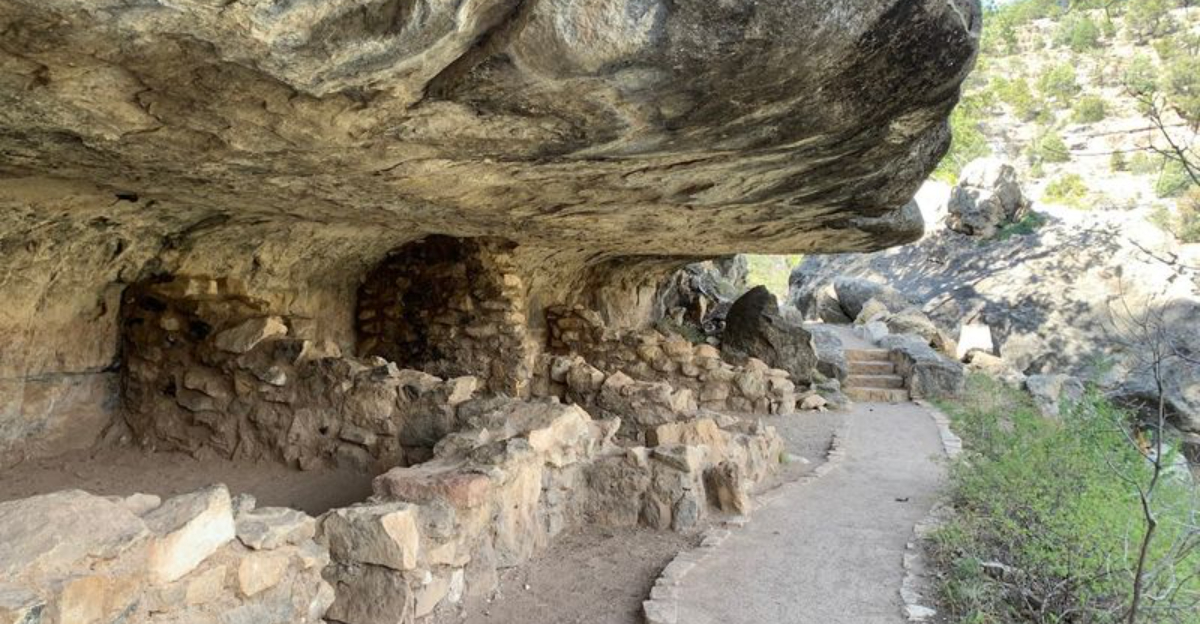
Tucked inside Walnut Canyon National Monument near Flagstaff, Arizona, the Island Trail is a short but unforgettable 1-mile loop that brings you face-to-face with ancient cliff dwellings built by the Sinagua people over 800 years ago. Walking this trail feels like stepping back in time as you pass right alongside rooms carved into the canyon walls.
The trail earns its four-point-eight-star rating from hikers who rave about the stunning views, fascinating history, and the sheer thrill of exploring a real archaeological site. Whether you love history, nature, or just a good adventure, this hike has something truly special waiting for you.
What the Island Trail Actually Is
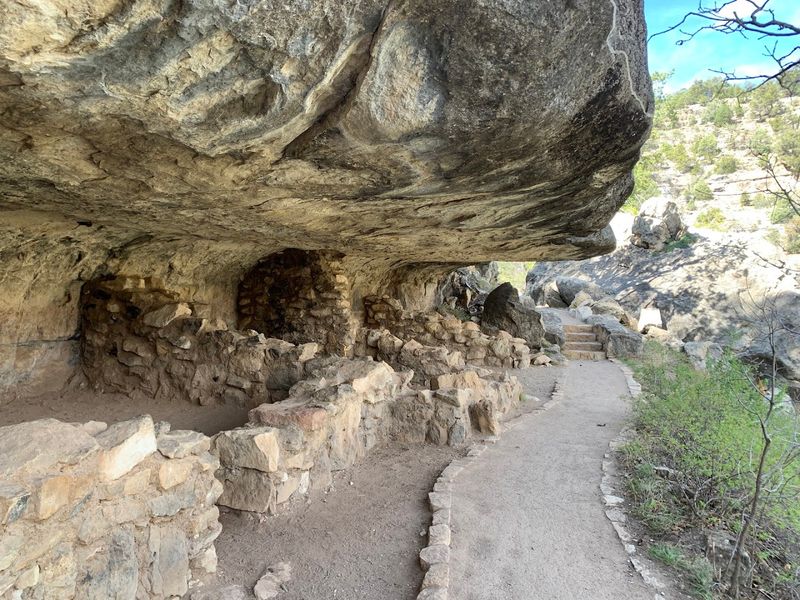
Picture a narrow limestone peninsula jutting out into a deep canyon, surrounded by towering walls of ancient rock. That is exactly what the Island Trail navigates at Walnut Canyon National Monument.
The trail forms a one-mile loop that takes you around this natural “island” of land, perched midway down the canyon walls.
Starting from the Visitor Center, you descend into the canyon and walk along ledges where the Sinagua people once built their homes. The path is paved and well-maintained, making it accessible for most hikers.
Informational signs are posted throughout, explaining the geology, plants, and history of the area.
Completing the full loop typically takes about 40 to 45 minutes, though many visitors spend longer soaking in the views and exploring each dwelling. For anyone curious about ancient cultures, this trail delivers a genuinely hands-on experience unlike any museum exhibit ever could.
History of the Sinagua People Who Lived Here
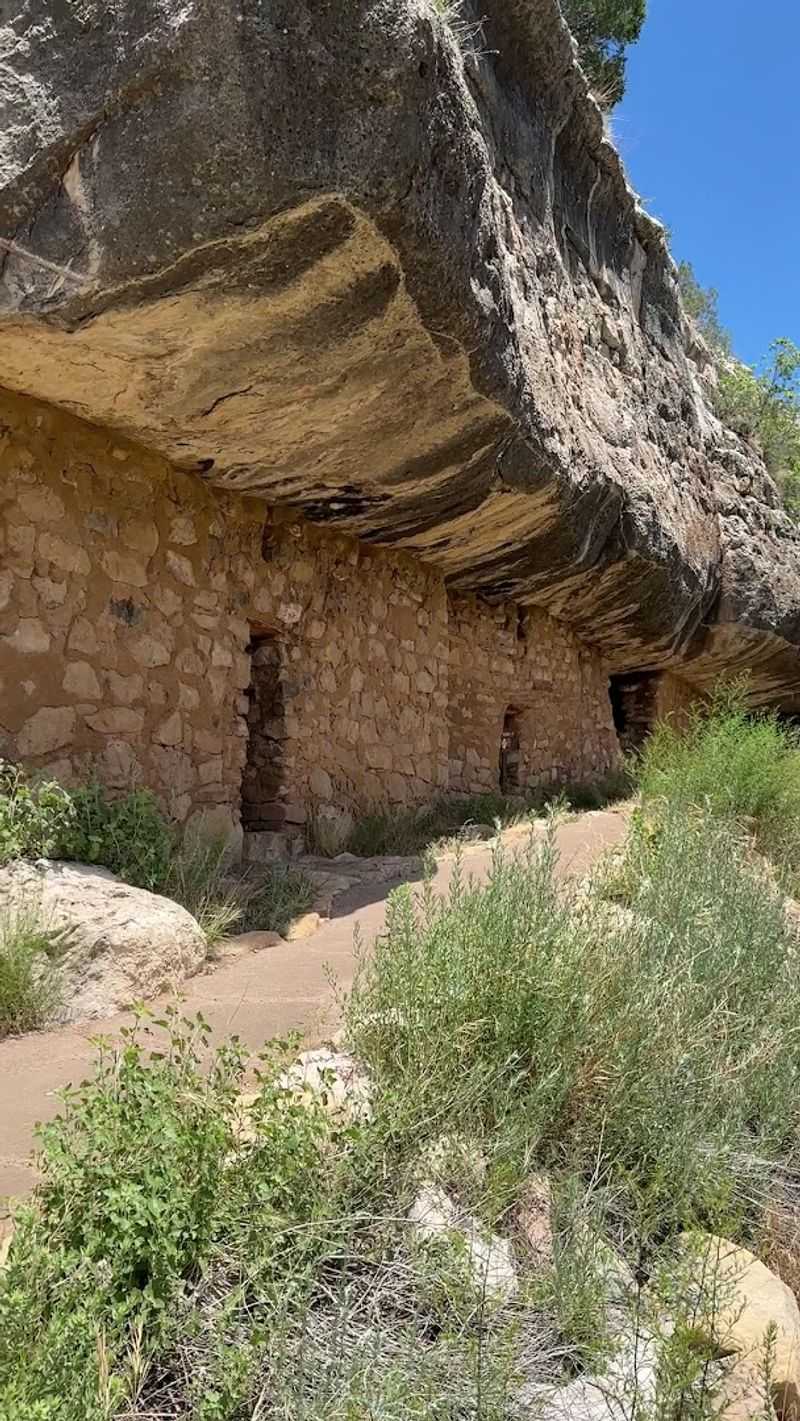
More than 800 years ago, a group of people known as the Sinagua made their homes in the walls of Walnut Canyon. They were skilled builders who used the natural limestone overhangs as roofs, constructing walls of stone and mortar to create cozy, sheltered rooms.
At their peak, around 300 people lived in these canyon dwellings.
The Sinagua farmed the canyon rim, hunted deer, and gathered wild plants like walnuts from the trees below. They were also active traders, exchanging goods with cultures as far away as Mexico and the Pacific Coast.
Their community thrived for about 125 years before they gradually moved on around 1250 AD.
Walking the Island Trail, you pass approximately 25 of these rooms that are still accessible. Seeing the blackened ceilings from ancient cooking fires and the worn stone doorways makes their story feel remarkably real and personal.
The Staircase Challenge You Need to Know About
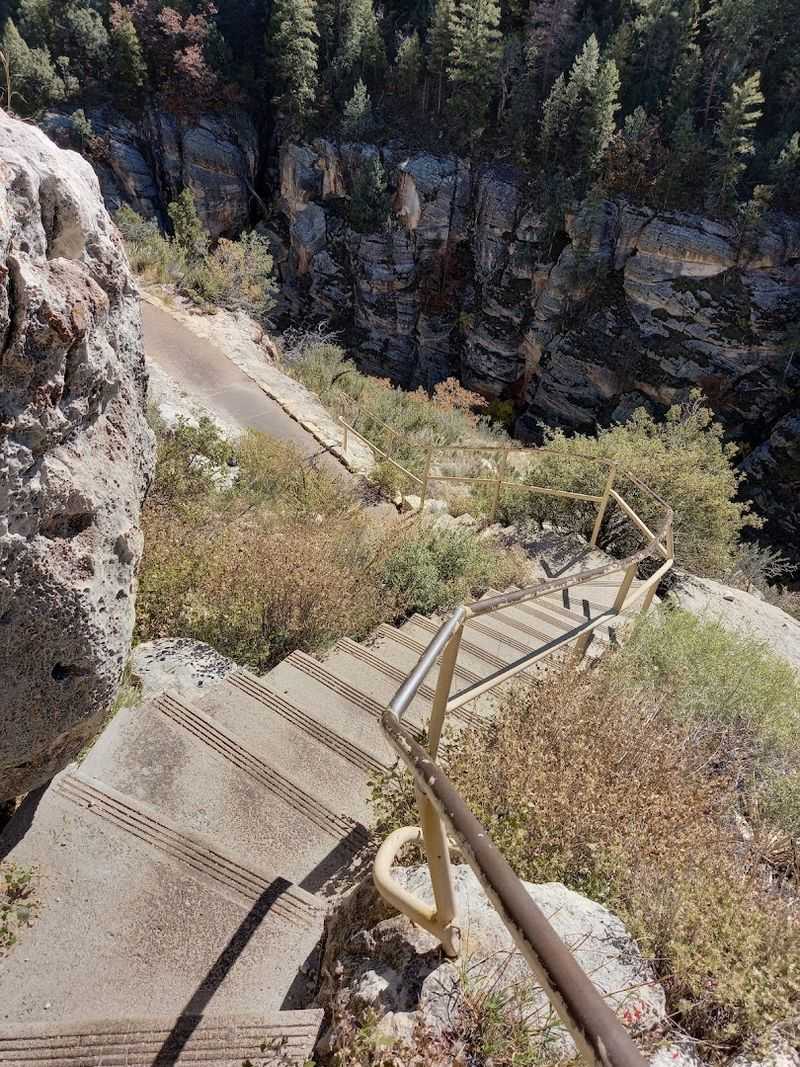
Fair warning: the Island Trail is not a casual flat stroll. Before you reach those amazing cliff dwellings, you have to earn them.
The trail involves a total of around 736 stairs, with roughly 273 steps going down at the start and another 273 steps climbing back up at the end.
Going down feels manageable since gravity is on your side, but the return climb at 7,000 feet elevation can catch even fit hikers off guard. The thinner mountain air makes your lungs work harder than usual.
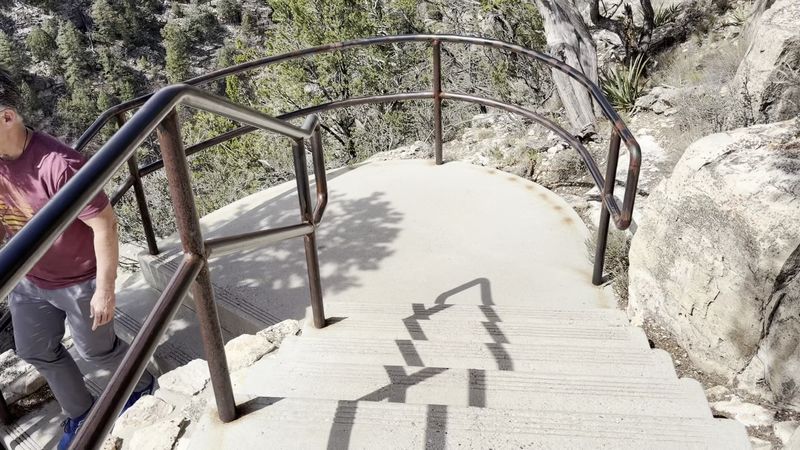
Thankfully, sturdy metal handrails line the steepest sections, and several benches are placed strategically along the route for rest breaks.
One visitor noted that the stairs “sound worse than they actually are,” and most people agree the payoff is absolutely worth every step. Just pace yourself, take breaks when needed, and you will be just fine making it back to the top.
Visiting Hours and Entry Fees to Plan Around
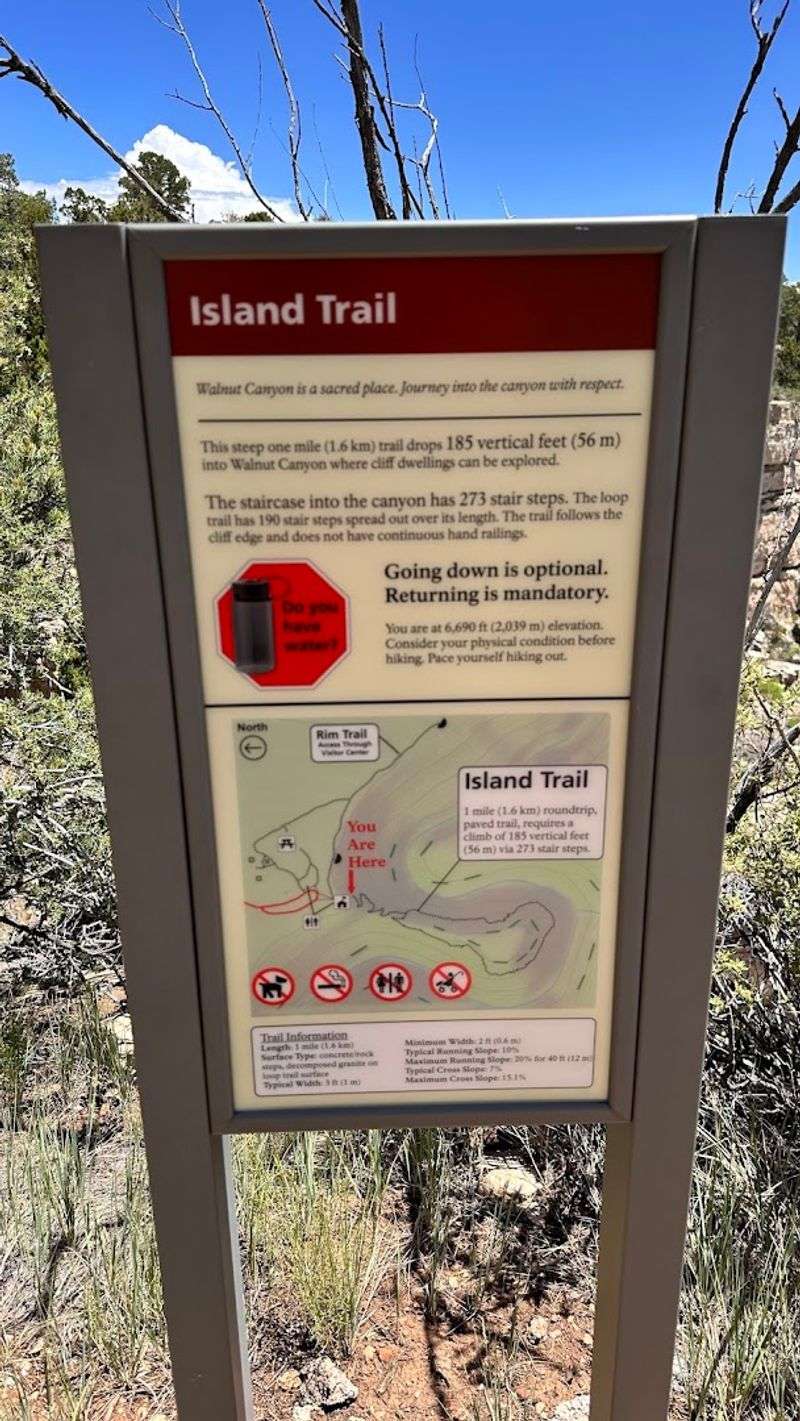
Planning your visit to the Island Trail requires a bit of preparation around timing and cost. The trail is open every day of the week from 9 AM to 4:30 PM, so arriving early gives you the most time to explore without feeling rushed.
The last entry is typically allowed well before closing, so do not push your arrival too late in the afternoon.
Entry to Walnut Canyon National Monument costs $25 per vehicle, which covers everyone inside the car. Several visitors mentioned the fee in their reviews, and the general consensus is that it is absolutely worth it for the quality of the experience.
If you plan to visit other national parks like the Grand Canyon, buying an America the Beautiful annual pass makes great financial sense.
The pass costs $80 and covers entry to hundreds of federal recreation sites for a full year, making it a smart investment for any outdoor enthusiast exploring Arizona.
What to Bring for a Safe and Comfortable Hike
Packing smart before hitting the Island Trail can make the difference between a great adventure and a miserable one. Water is the single most important thing to bring, especially during Arizona’s warm spring and summer months.
The trail itself has no water sources, though you can fill up at the Visitor Center before you head out.
Comfortable, closed-toe shoes with good grip are highly recommended since the paved path includes steep stair sections that can feel slippery. Sunscreen and a hat help protect you on the exposed canyon rim sections, and layers are smart since Flagstaff’s mountain weather can shift quickly even on sunny days.
A small daypack works perfectly for carrying your water, snacks, and a light jacket. There are no restrooms on the trail itself, only at the Visitor Center, so plan accordingly before you start.
A little preparation goes a long way toward making this a highlight of your trip.
The Stunning Canyon Views Along the Way
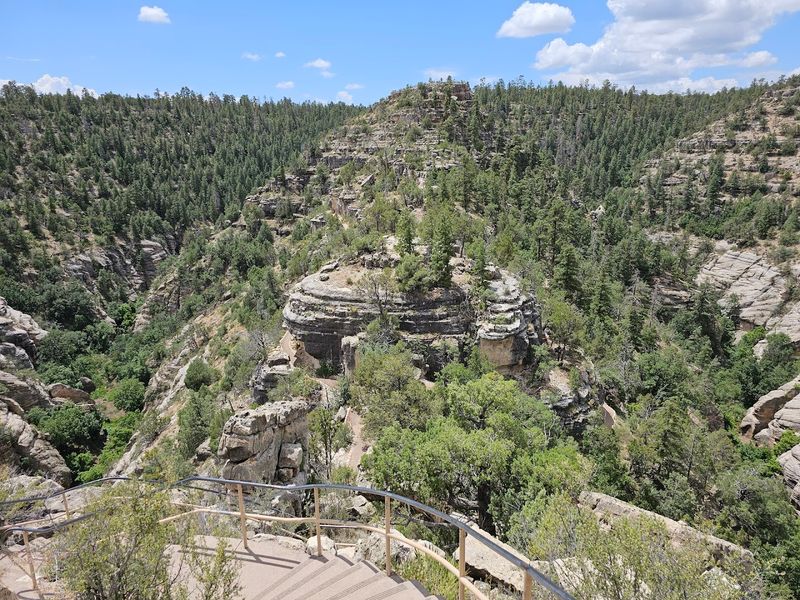
Even if ancient history is not your thing, the views alone make the Island Trail worth every stair. Standing on the narrow ledge pathway, you look out across a dramatic canyon carved over millions of years by Walnut Creek far below.
The canyon walls glow in shades of tan, orange, and rust, especially beautiful in the golden light of morning.
From the trail, you can spot additional cliff dwellings tucked into the opposite canyon walls that remain undisturbed and off-limits to visitors. Seeing those distant rooms still nestled perfectly under their limestone overhangs adds a layer of mystery and wonder that photographs barely capture.
In early spring, snowmelt feeds the creek below, creating a ribbon of blue-green water winding through the canyon floor.
Ponderosa pines, Douglas firs, and scrubby oaks cling to the canyon walls in every direction, creating a lush, layered landscape that feels surprisingly green for Arizona. Bring a camera with extra storage.
Getting Up Close to the Cliff Dwelling Rooms
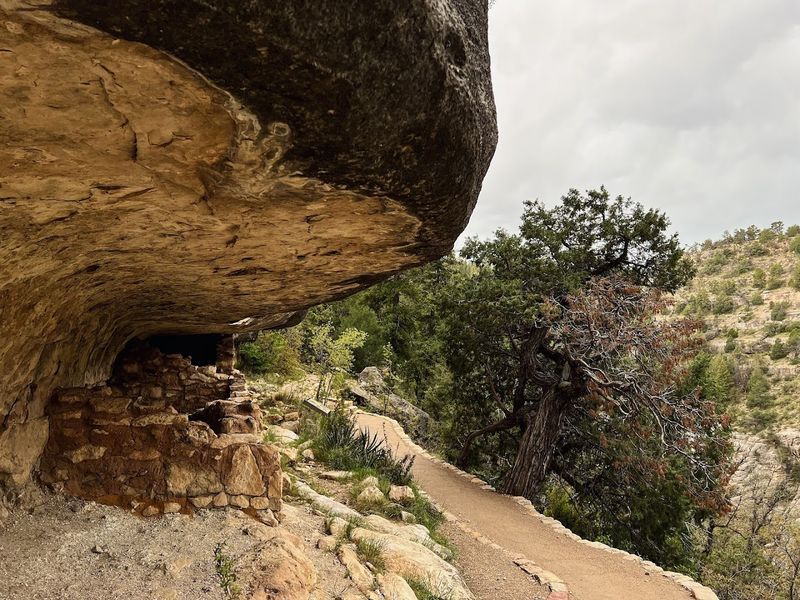
One of the most thrilling parts of the Island Trail is how close you actually get to the ancient rooms. Unlike many archaeological sites where you view everything from behind a fence or rope line, this trail lets you walk right up to the dwelling entrances and even step inside some of them.
It is a genuinely rare experience in the world of national parks.
The rooms are surprisingly well-preserved, with stone walls still standing, blackened ceilings from centuries-old fires, and narrow doorways shaped to fit a smaller-statured people. Some rooms still have plaster on the interior walls.
You can crouch down and peer inside, imagining what daily life might have looked like for a family sheltering here through a cold Arizona winter.
Around 25 rooms are accessible along the Island Trail portion of the canyon. Each one feels unique, and the informational signs nearby add context that makes the experience genuinely educational rather than just a sightseeing stop.
Educational Signs That Tell the Full Story
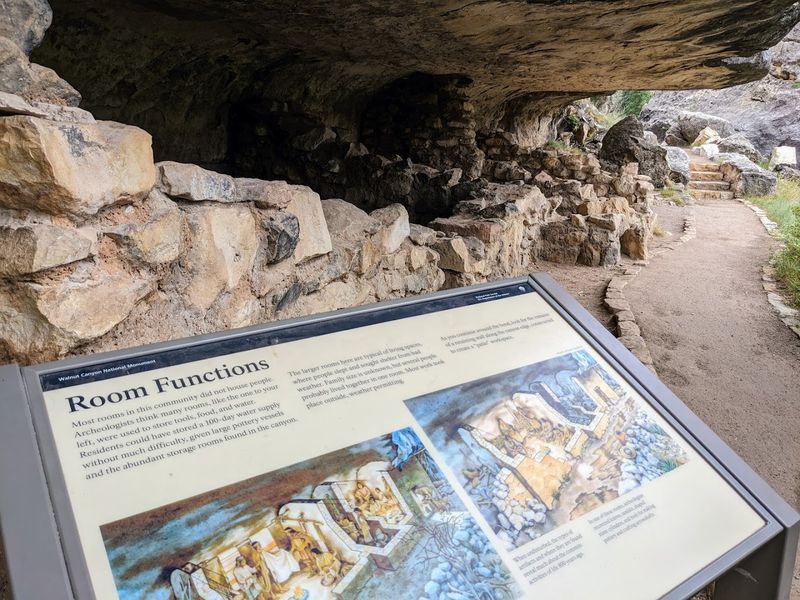
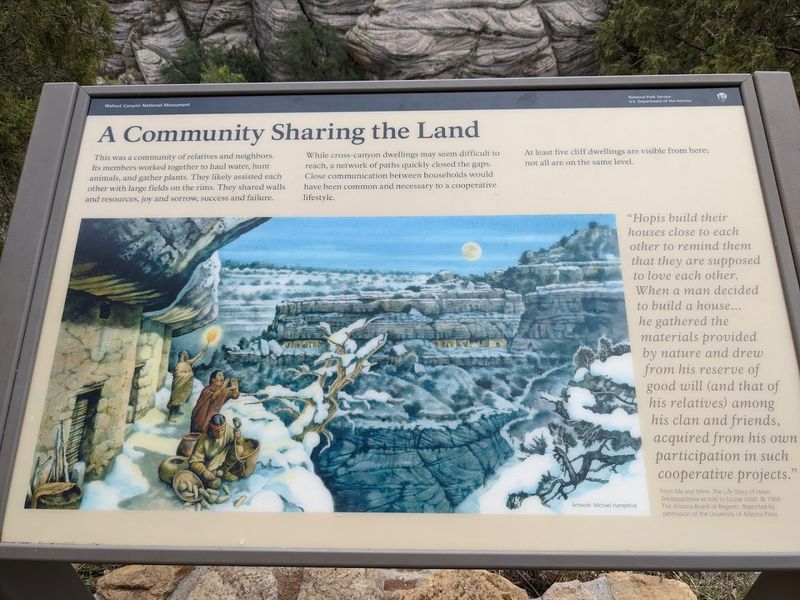
History comes alive in a whole new way when the signs along the path do such a good job of explaining it. Throughout the Island Trail, well-designed informational boards cover topics ranging from Sinagua daily life and farming practices to the canyon’s geological history and the diverse plant communities growing on its walls.
Several visitors specifically praised these signs in their reviews.
The boards are written in clear, approachable language that both kids and adults can appreciate. They explain why the Sinagua chose this particular canyon, how they constructed their homes without modern tools, and what kinds of food they grew and gathered.
Some signs focus on the remarkable variety of plant zones visible within the canyon, which shifts from desert scrub at the top to lush riparian forest at the bottom.
Reading each sign as you walk transforms the hike from a simple nature walk into a layered learning experience. You will finish the trail knowing far more than when you started.
How the Elevation Affects Your Hike
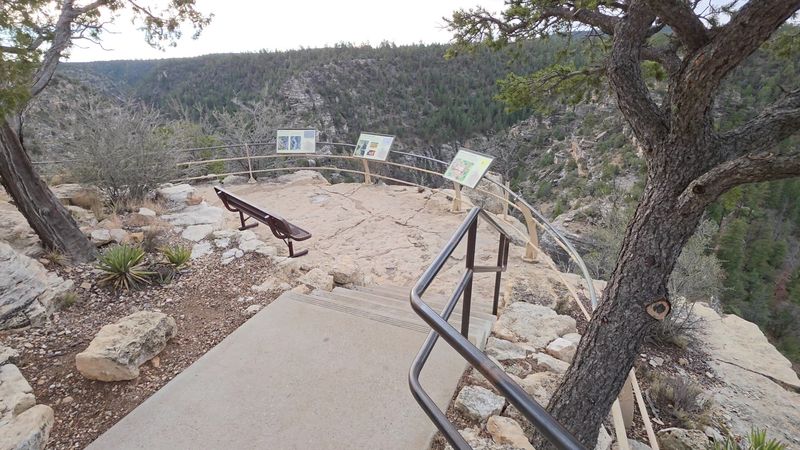
Flagstaff sits at roughly 7,000 feet above sea level, and the Island Trail starts right there at that elevation. For visitors coming from lower elevations, the thinner air can feel noticeably different, especially during the uphill return climb at the end of the trail.
Your heart rate rises faster, and your lungs have to work harder to pull in enough oxygen.
This does not mean the hike is dangerous or impossible, but it does mean you should not underestimate it. Even people who are regularly active at lower elevations sometimes find themselves more winded than expected here.
Taking the return climb slowly and resting on the benches provided is a completely normal and smart strategy.
Staying well-hydrated helps your body cope with the altitude demands. If you are visiting from sea level, spending a day or two in Flagstaff before tackling the trail gives your body a chance to adjust and makes the whole experience much more enjoyable.
Is the Island Trail Good for Families and Kids
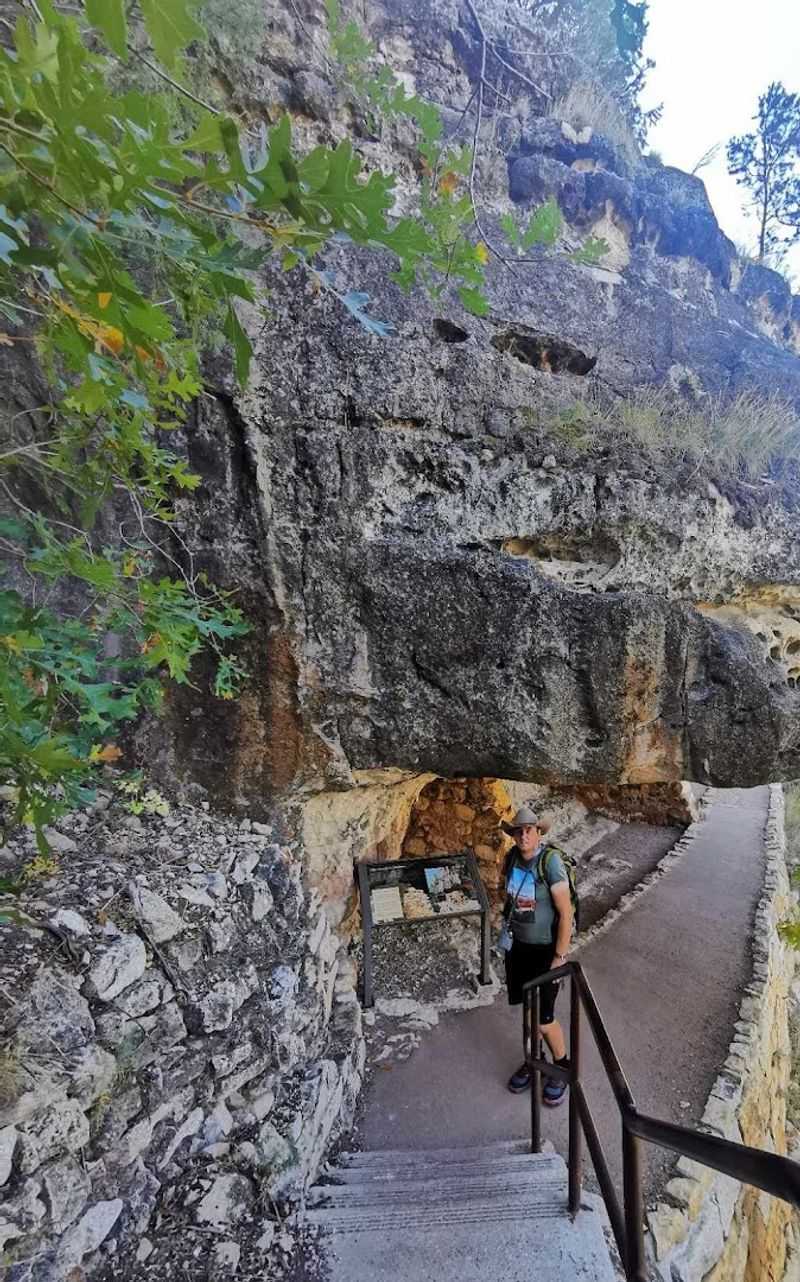
Families with older kids will find the Island Trail a fantastic adventure that combines physical activity with hands-on history. Most reviewers suggest the trail is suitable for children aged six and up, though younger kids may need to be carried up the steep stair sections at the end.
The paved surface and handrails make the route manageable even for younger explorers with a little adult help.
Kids tend to light up when they realize they are walking through an actual ancient village where real people once cooked meals, raised children, and told stories. The cliff dwelling rooms are low enough for children to peer inside, and many of the informational signs use engaging visuals that hold a young reader’s attention.
Bringing snacks and a sense of humor about the stairs goes a long way with younger hikers. The trail is short enough that even kids who claim they are tired will likely make it through with encouragement and the excitement of discovery keeping them motivated.
The Visitor Center Experience Before and After the Trail
The Island Trail actually begins and ends inside the Visitor Center, which is worth exploring both before and after your hike. Before heading out, you can check in with the rangers, pick up a trail map, use the restrooms, and fill your water bottle.
The friendly and knowledgeable staff are genuinely happy to answer questions and share tips about what to look for on the trail.
Inside the center, exhibits provide deeper context about the Sinagua culture, the canyon’s natural history, and the preservation efforts that protect this site today. Several visitors noted that the rangers added real value to their experience, offering explanations that went beyond what the trail signs cover.
After your hike, the gift shop is a surprisingly good stop. Reviewers have actually compared it favorably to the Grand Canyon gift shop, noting it carries a thoughtful selection of books, souvenirs, and locally inspired items.
It is a nice way to bring a piece of this experience home with you.
Best Time of Year to Visit the Island Trail
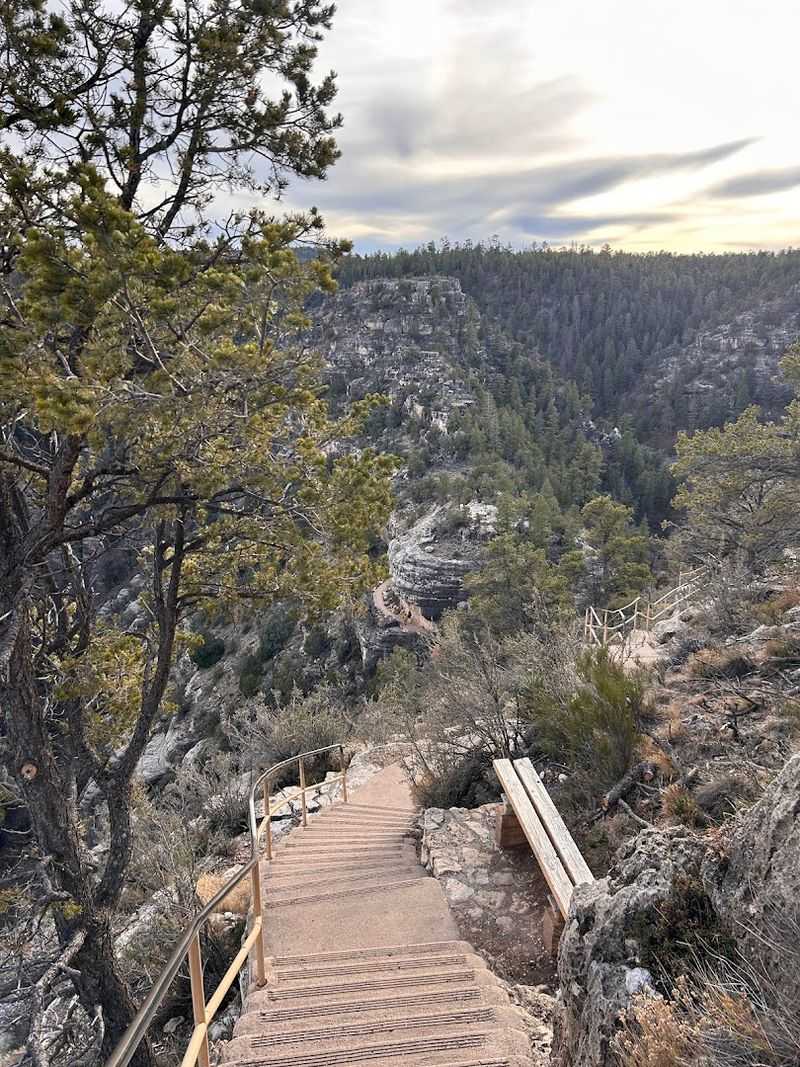
Timing your visit to the Island Trail can significantly shape the experience you have. Spring is widely considered one of the best seasons, when snowmelt feeds the creek below and the canyon feels alive with rushing water and fresh greenery.
Temperatures are mild, crowds are moderate, and the light is beautifully soft for photography.
Summer brings warmer temperatures and longer days, but the heat combined with the stair climb makes hydration absolutely critical. Afternoon monsoon storms can roll in quickly during July and August, so morning visits are strongly recommended during those months.
Fall offers crisp air, golden foliage, and some of the most dramatic canyon colors of the year.
Winter visits are quieter and peaceful, with a dusting of snow occasionally decorating the canyon rim and cliff dwelling ledges in a magical way. The trail remains open year-round, though hours may vary seasonally.
Checking the NPS website before your trip ensures you have the most current schedule.
Tips for Making the Most of Your Visit
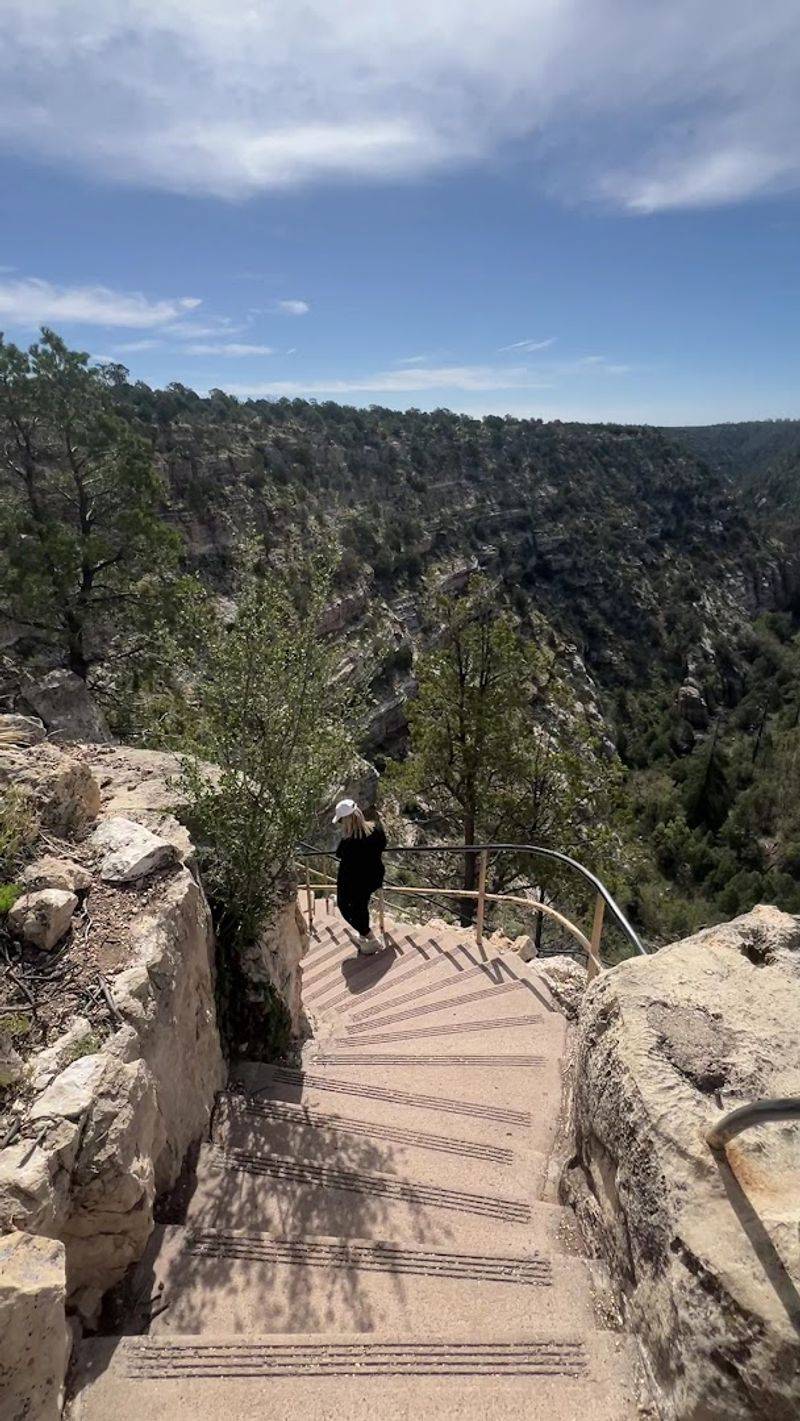
A few smart strategies can turn a good visit to the Island Trail into an absolutely memorable one. Arriving right when the trail opens at 9 AM means smaller crowds, cooler temperatures, and better lighting for photos.
Weekday mornings are noticeably quieter than weekend afternoons, giving you more space to linger at each dwelling without feeling rushed.
Wearing layers is always a good call in Flagstaff, where mornings can be chilly even in summer. Read every single informational sign along the route rather than rushing past them.
The details they share about the Sinagua people add layers of meaning that make the physical ruins feel genuinely alive rather than just old rocks.
Taking your time on the return stair climb rather than pushing hard is a strategy most experienced visitors recommend. Many people also suggest exploring the Visitor Center exhibits after the hike, when the context of what you just saw makes the displays even more interesting and meaningful.
Enjoyed this story?
Add Fast Food Club as a preferred source to see more of our reporting on Google.