


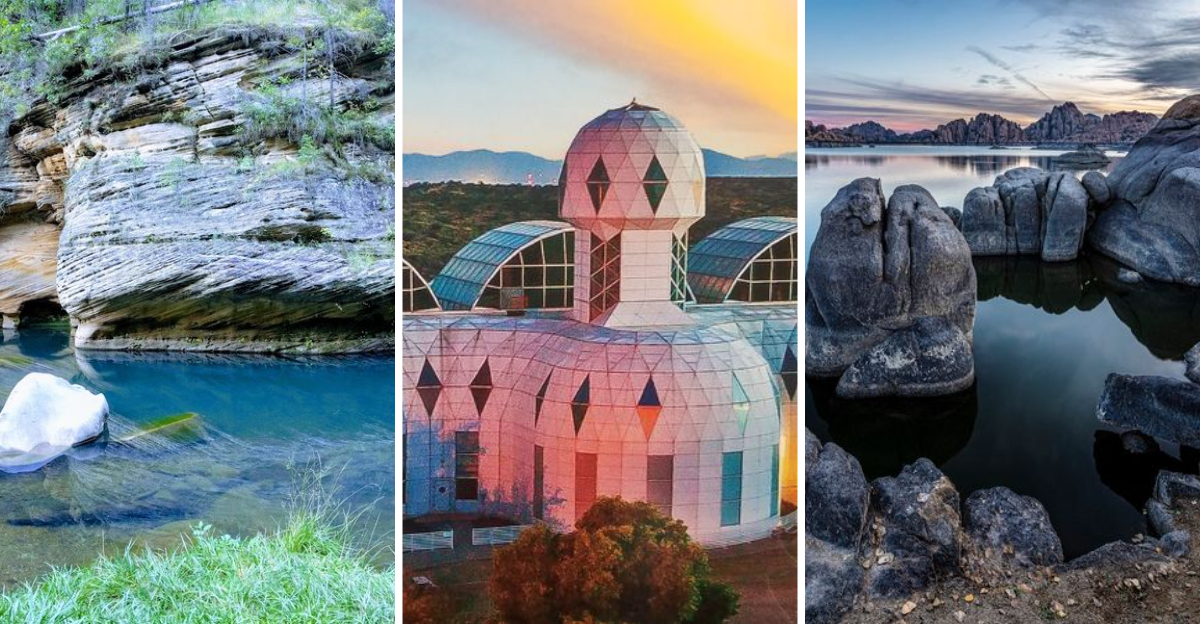
Arizona is famous for the Grand Canyon, but the state hides so many more breathtaking places that most people never hear about. From turquoise waterfalls tucked inside canyon walls to ghost towns frozen in time, these secret spots are waiting to be explored.
Whether you love hiking, history, or simply soaking in stunning scenery, Arizona has something truly magical hiding just around the corner. Pack your bags and get ready to discover places that will leave you completely speechless.
Havasu Falls – Supai, Arizona
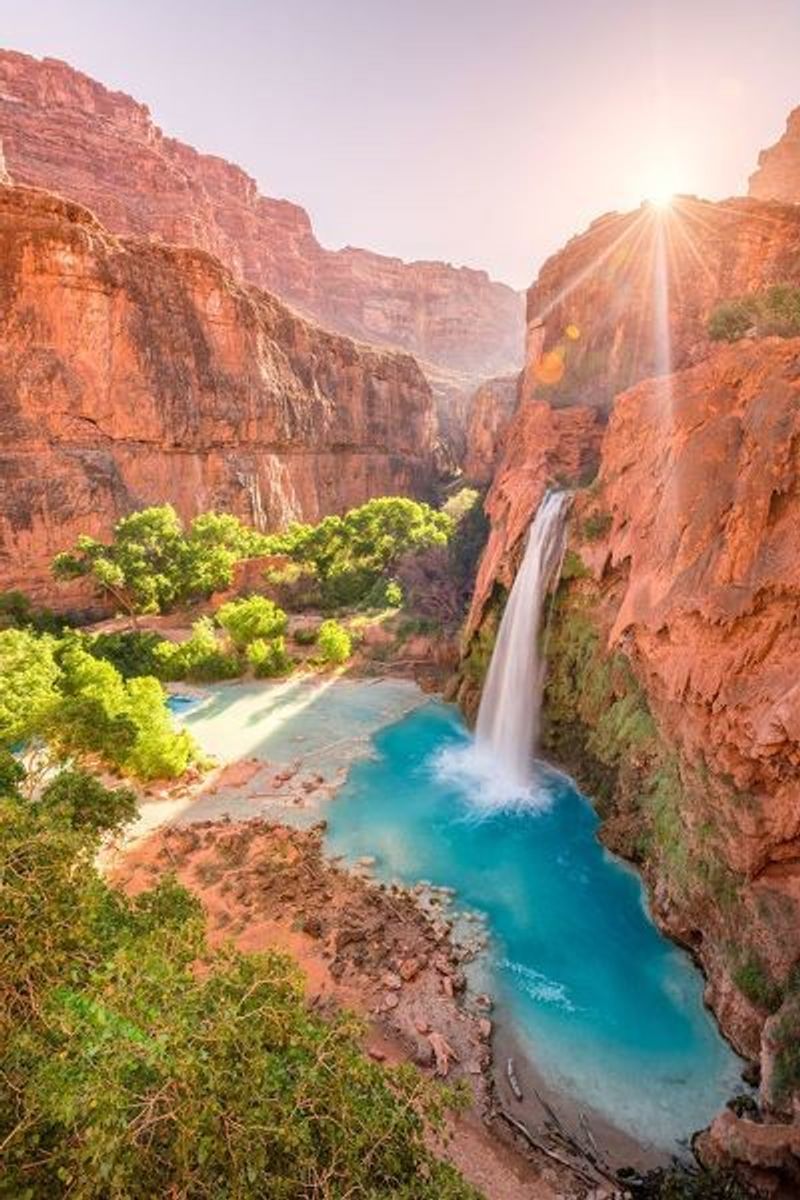
Few waterfalls on Earth match the jaw-dropping beauty of Havasu Falls, where electric-blue water crashes into glowing turquoise pools deep inside the Havasupai tribal lands. Getting here requires a 10-mile hike or a helicopter ride, so it stays wonderfully uncrowded compared to typical tourist spots.
Camping near the falls feels like sleeping inside a painting. Permits are required and sell out fast, so plan months ahead if you want to experience this once-in-a-lifetime Arizona treasure.
Chiricahua National Monument – Willcox, Arizona
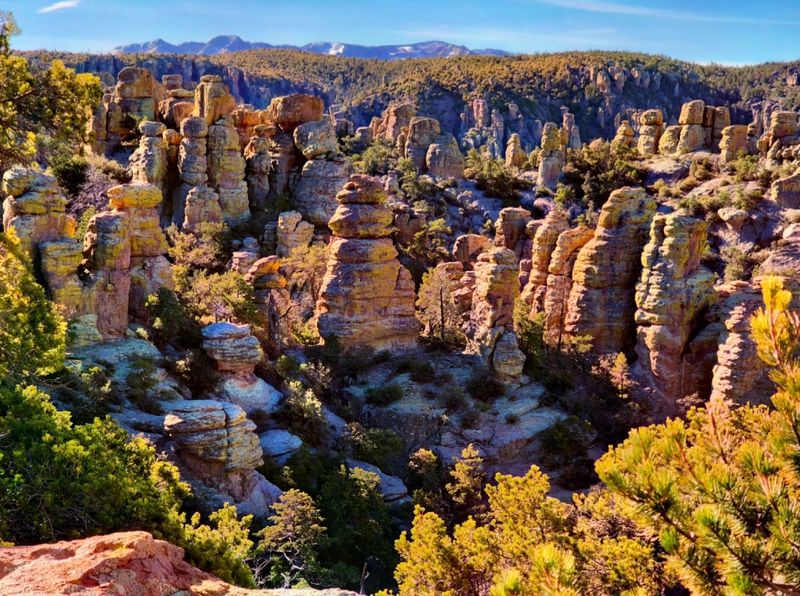
Nicknamed the “Wonderland of Rocks,” Chiricahua National Monument looks like a giant stacked millions of stone pillars across a mountain range just for fun. Volcanic eruptions nearly 27 million years ago created these wild formations, and erosion slowly sculpted them into the eerie, balanced columns you see today.
Hiking trails wind through the spires at every difficulty level. Wildlife like coatimundis and elegant trogon birds call this remote southeastern Arizona mountain home, making it a paradise for nature lovers.
The Wave – Kanab, Arizona
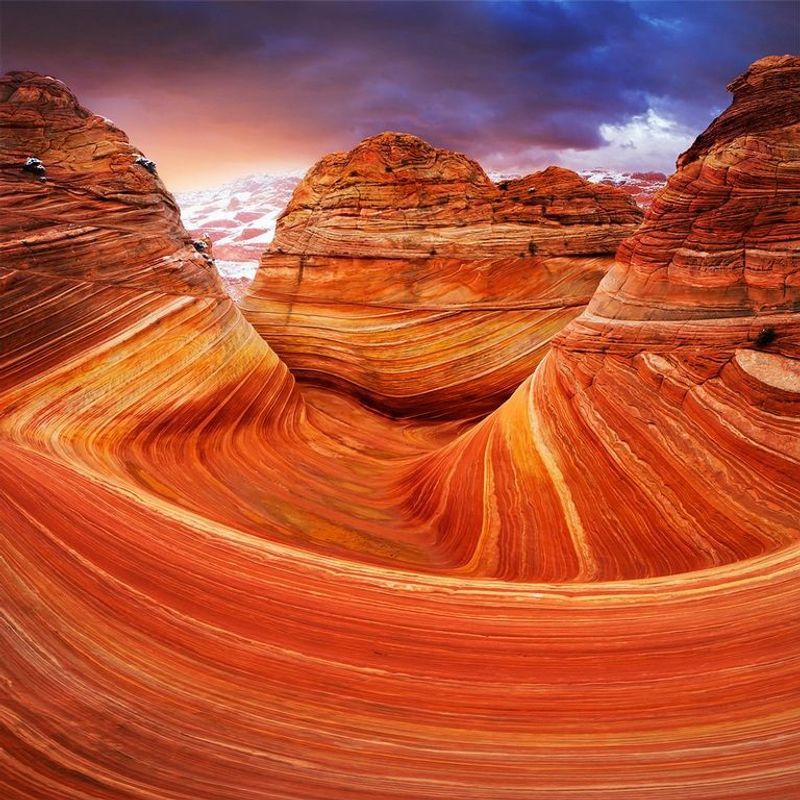
Only 64 lucky visitors are allowed to enter The Wave each day, and those permits are awarded by lottery months in advance. That exclusivity is part of what makes this swirling sandstone masterpiece feel so otherworldly and special when you finally stand inside it.
Located in the Coyote Buttes North area of the Vermilion Cliffs Wilderness, The Wave looks like the desert learned to surf. The rippling layers of red, orange, and cream sandstone bend and curve like frozen ocean waves beneath your feet.
Tonto Natural Bridge State Park – Pine, Arizona
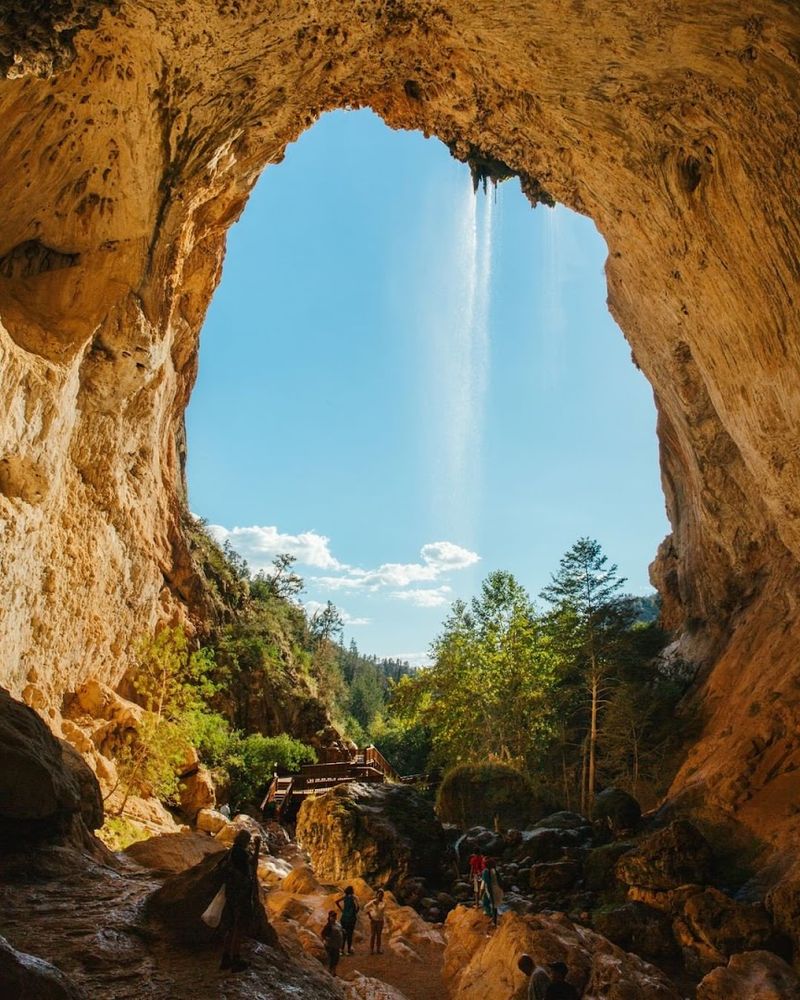
Hidden inside a pine-covered canyon near the small town of Pine sits the largest natural travertine bridge on Earth. Tonto Natural Bridge stretches 183 feet high and spans 400 feet across a rushing creek, creating a jaw-dropping tunnel of stone that looks almost too perfect to be real.
Visitors can hike down steep trails to swim beneath the bridge in crystal-clear pools. Moss, ferns, and wildflowers coat the canyon walls, giving the whole place a lush, secret-garden feeling.
Canyon de Chelly National Monument – Chinle, Arizona
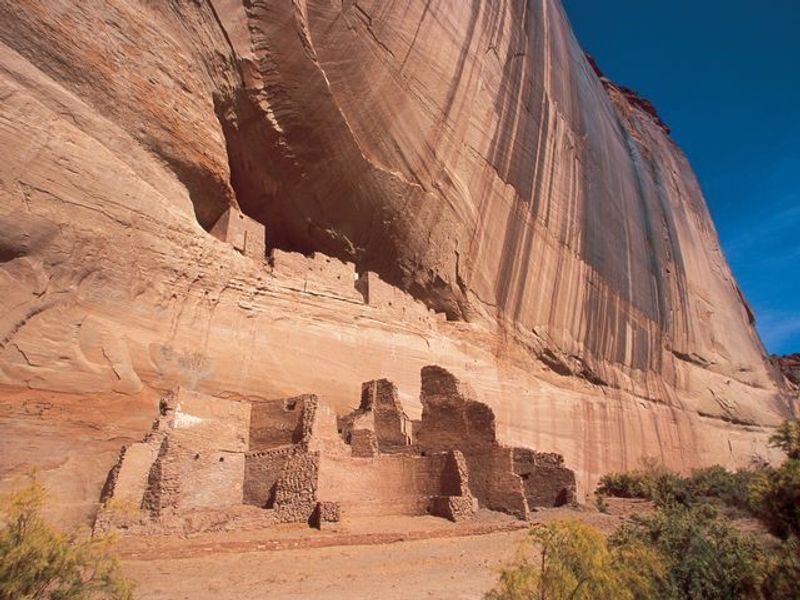
Canyon de Chelly has been home to the Navajo people for centuries, and the ancient cliff dwellings tucked into its red sandstone walls tell thousands of years of human history. Unlike most national monuments, this one is still actively lived in by Navajo families who farm and herd sheep on the canyon floor.
Visitors must hire a Navajo guide to explore the canyon interior, making every trip feel personal and deeply respectful. Spider Rock, a stunning 800-foot sandstone spire, is worth every step of the overlook trail.
Aravaipa Canyon Wilderness – Winkelman, Arizona
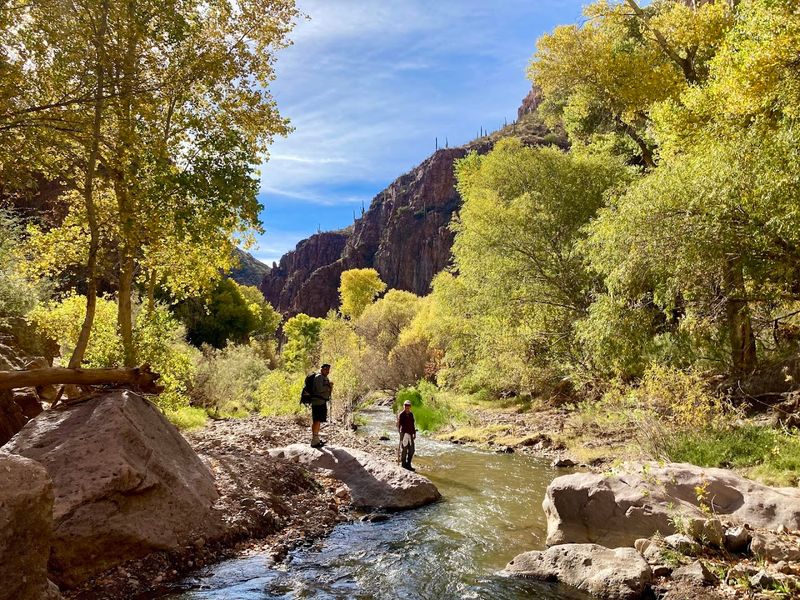
Most Arizona canyons are bone dry, but Aravaipa Creek flows year-round through one of the most pristine wilderness corridors in the entire state. Hikers wade through the cool stream repeatedly while exploring this 11-mile canyon, spotting over 200 bird species and a thriving population of native fish along the way.
Access is tightly controlled with a permit limit of just 50 people per day, keeping the canyon wild and peaceful. Bighorn sheep, mountain lions, and black bears also roam these rugged walls.
Kartchner Caverns State Park – Benson, Arizona
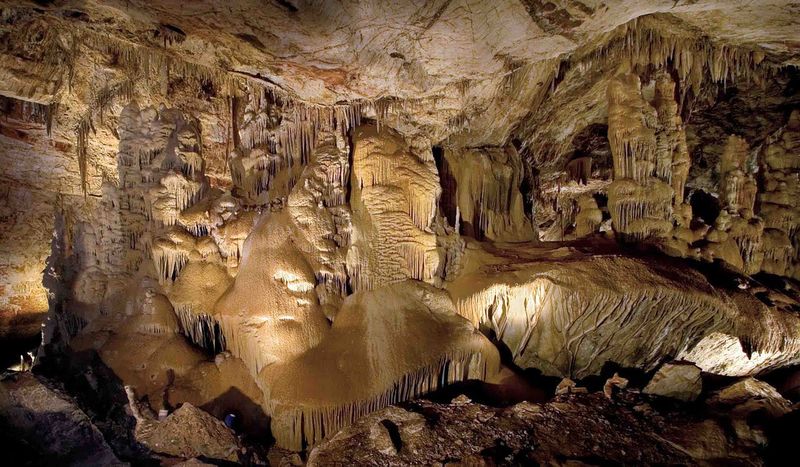
Discovered in 1974 by two cavers who kept the secret for 14 years, Kartchner Caverns is one of the most carefully protected cave systems in the United States. The cave is still “alive,” meaning its stalactites and stalagmites are actively growing drop by tiny drop every single day.
Guided tours take visitors through humidity-controlled passages to protect the delicate formations. The Throne Room houses one of the longest soda straw stalactites in the world, a slender tube stretching over 21 feet long.
Apache Death Cave – Winslow, Arizona
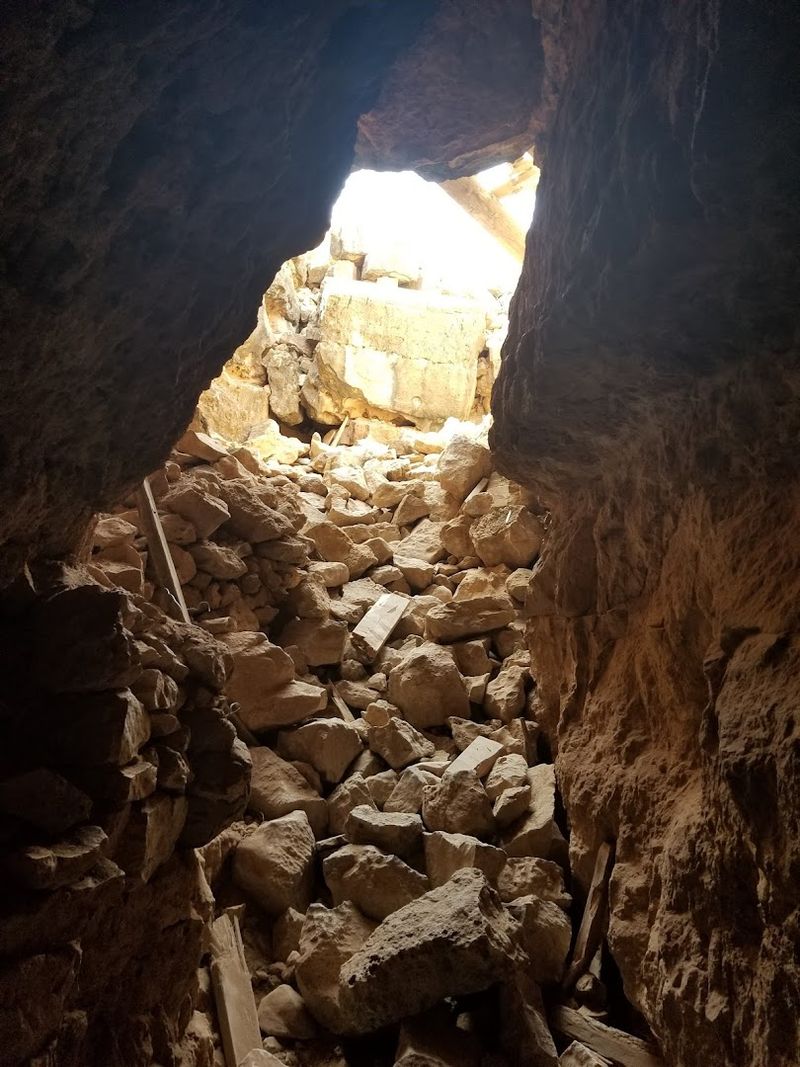
History gets dark and fascinating at Apache Death Cave, a lava tube near Winslow tied to a tragic 18th-century battle between the Navajo and Apache tribes. According to legend, Navajo warriors trapped Apache raiders inside the cave and sealed the entrance, leaving an eerie chapter of conflict frozen underground.
The cave sits on private Navajo land and requires respectful, guided access. Visitors who make the effort report feeling a profound, almost electric sense of history radiating from the ancient volcanic rock walls around them.
West Clear Creek Wilderness – Happy Jack, Arizona
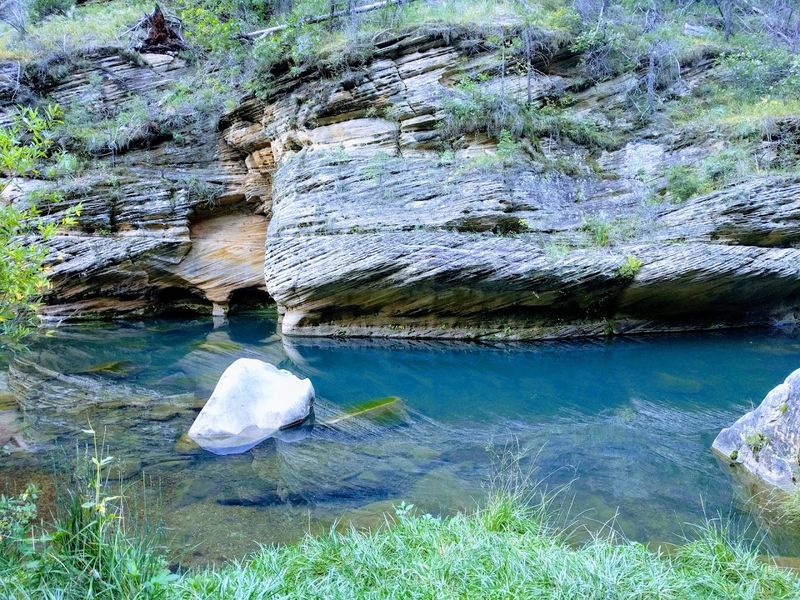
Tucked below the Mogollon Rim, West Clear Creek carves one of Arizona’s longest and most remote canyon systems, stretching nearly 40 miles through stunning limestone walls. The creek is cold, clear, and perfect for swimming, though reaching the best sections requires wading, scrambling, and a real spirit of adventure.
No maintained trails exist in most of the wilderness, so hikers navigate using the creek itself as their path. Bald eagles nest along the canyon rim, and the silence here feels almost sacred on quiet weekday mornings.
Jerome Ghost Town – Jerome, Arizona
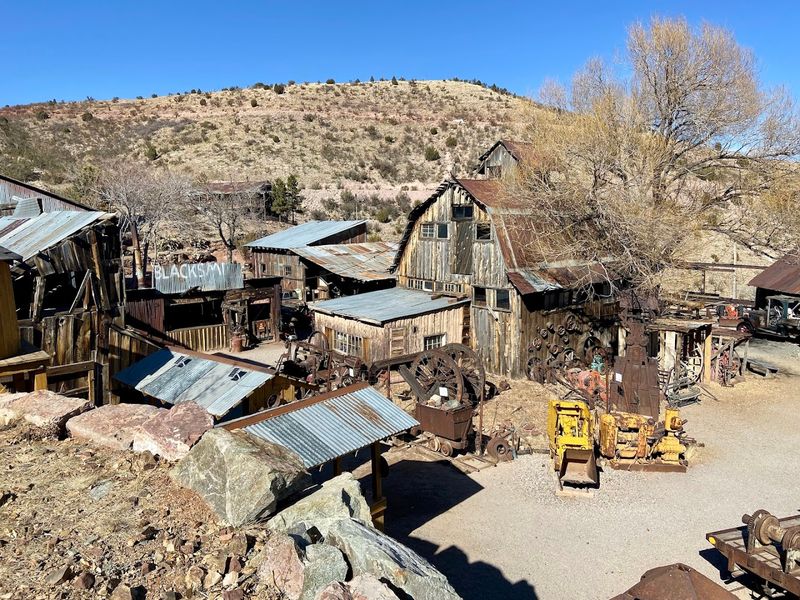
Perched dramatically on the side of Cleopatra Hill, Jerome was once the wildest, rowdiest copper-mining boomtown in Arizona, home to 15,000 people at its peak. When the mines closed in 1953, nearly everyone left overnight, leaving behind a beautifully crumbling town that locals joke has been slowly sliding down the mountain ever since.
Today, Jerome buzzes again with art galleries, quirky shops, and ghost tour operators. The town’s slanted jail, which literally shifted 225 feet downhill from its original location, is one of the most photographed oddities in the state.
White Pocket – Vermilion Cliffs, Arizona
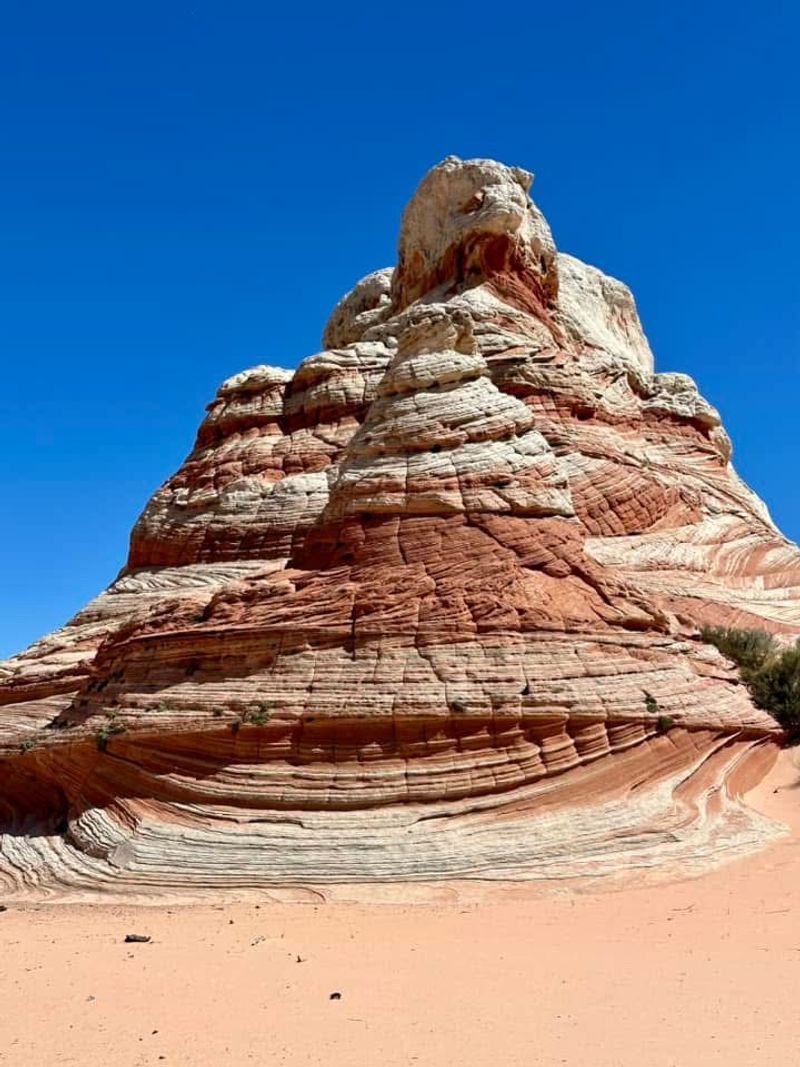
If The Wave is Arizona’s most famous swirling rock formation, White Pocket is its wilder, less-visited twin hiding deeper in the Vermilion Cliffs. The sandstone here folds and bubbles into shapes that look like enormous brains, cauliflower heads, and melted candles frozen mid-drip across the desert floor.
No permit is required to visit, but a high-clearance 4WD vehicle is absolutely essential for navigating the deep sand roads leading here. Sunrise and sunset light transforms the white and red rocks into something genuinely surreal.
Watson Lake – Prescott, Arizona
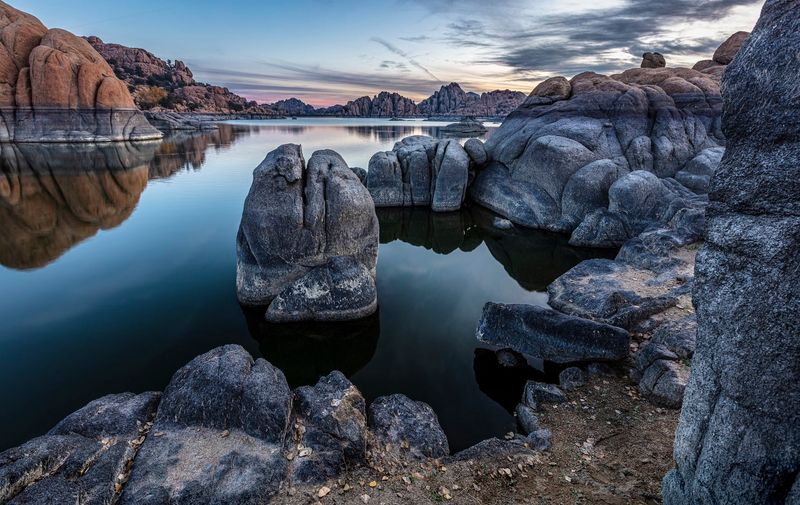
Watson Lake looks like someone dropped a bag of giant marbles into a calm blue lake and forgot to pick them up. Massive granite boulders erupt from the water’s surface in every direction, creating one of the most photogenic paddling destinations in the entire American Southwest.
Kayaking and canoeing through the boulder maze feels like exploring an alien planet. The Granite Dells surrounding the lake are estimated to be 1.4 billion years old, making every paddle stroke a quiet journey through deep geological time.
Sycamore Falls – Williams, Arizona
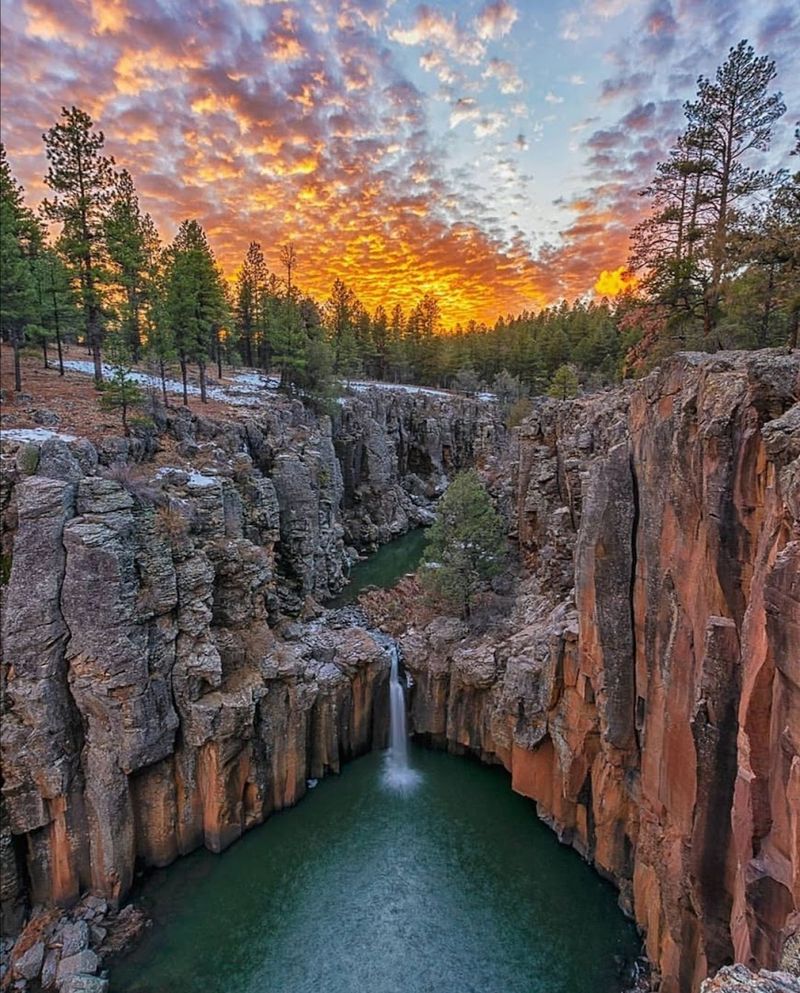
Just a short drive from the small Route 66 town of Williams, Sycamore Falls surprises visitors with a gorgeous seasonal waterfall that most Arizonans have never even heard of. After heavy spring snowmelt or monsoon rains, the falls roar to life over brilliant red rock ledges in a way that feels completely unexpected in the high desert.
The hike is easy and family-friendly, making it perfect for all ages. Go in late spring for the best chance of catching the falls at full, thundering flow.
Biosphere 2 – Oracle, Arizona
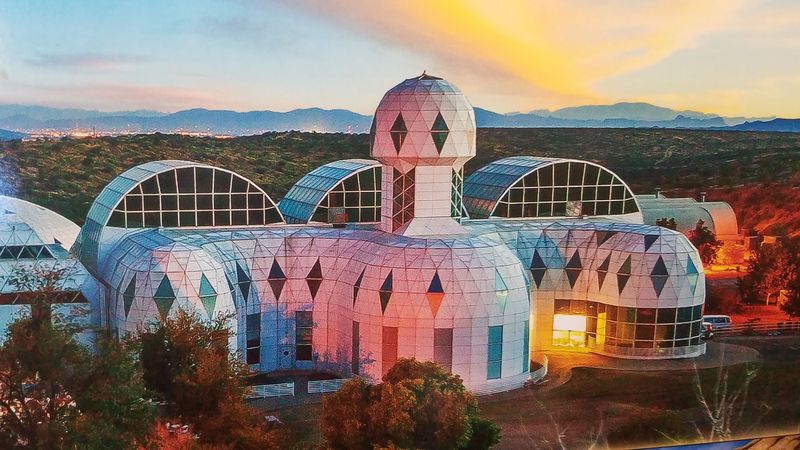
Between 1991 and 1993, eight scientists sealed themselves inside Biosphere 2 for two full years as part of one of the boldest and strangest experiments in human history. The giant glass and steel structure was designed to be a completely self-contained world, with its own rainforest, ocean, desert, and farm all under one roof in the Oracle desert.
Today, the University of Arizona runs it as a world-class research facility open for fascinating public tours. Walking through the different ecosystems under glass never gets old, no matter how many times you visit.
Sonoita Vineyards – Elgin, Arizona
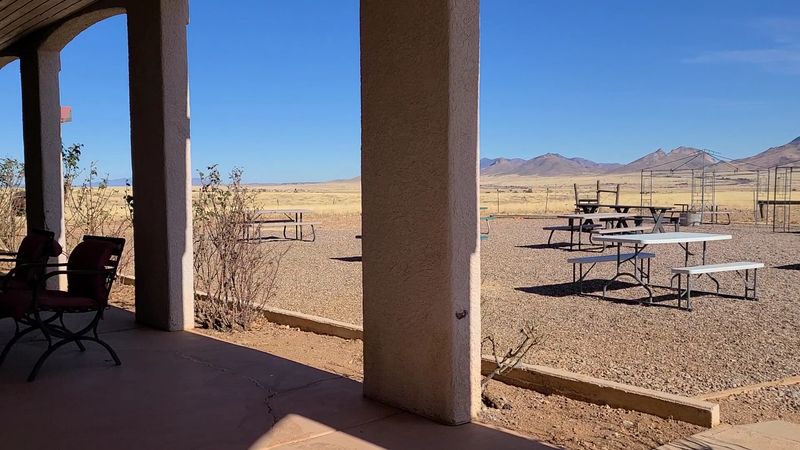
Most people picture cactus when they think of Arizona, not rolling vineyard hills producing award-winning wine. Sonoita Vineyards in Elgin sits at 5,000 feet elevation, where cool nights and mineral-rich soil create surprisingly exceptional growing conditions for grapes like Cabernet Sauvignon and Syrah.
Founded in 1983 as Arizona’s first bonded winery, this family-run operation helped launch an entire regional wine industry that now draws visitors from across the country. The sweeping mountain views from the tasting room patio alone are worth making the trip.
Enjoyed this story?
Add Fast Food Club as a preferred source to see more of our reporting on Google.