


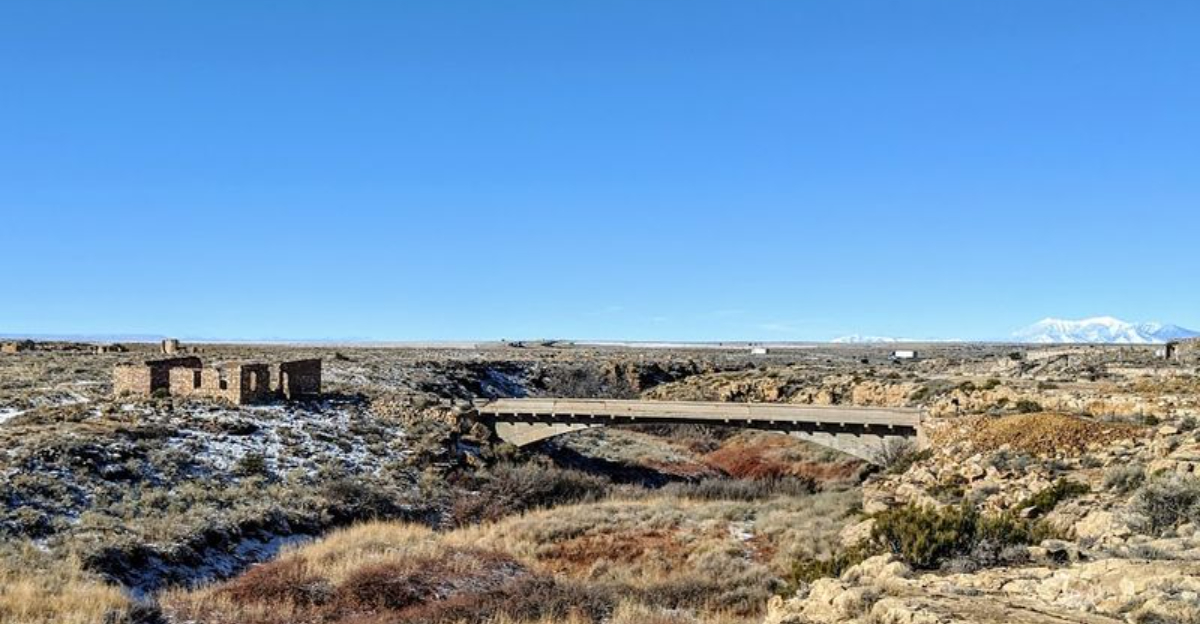
Tucked along old Route 66 in northern Arizona, Two Guns is a ghost town that feels like time stopped — and never started again. Once a bizarre roadside attraction full of wild promises and darker secrets, this crumbling desert settlement has a history that reads more like a horror story than a tourist brochure.
From ancient Native American battle sites to a self-proclaimed canyon of death, Two Guns has layers of mystery that keep curious visitors coming back. If you love eerie places with real stories behind them, this forgotten Arizona spot will absolutely blow your mind.
The Forgotten Origins of Two Guns
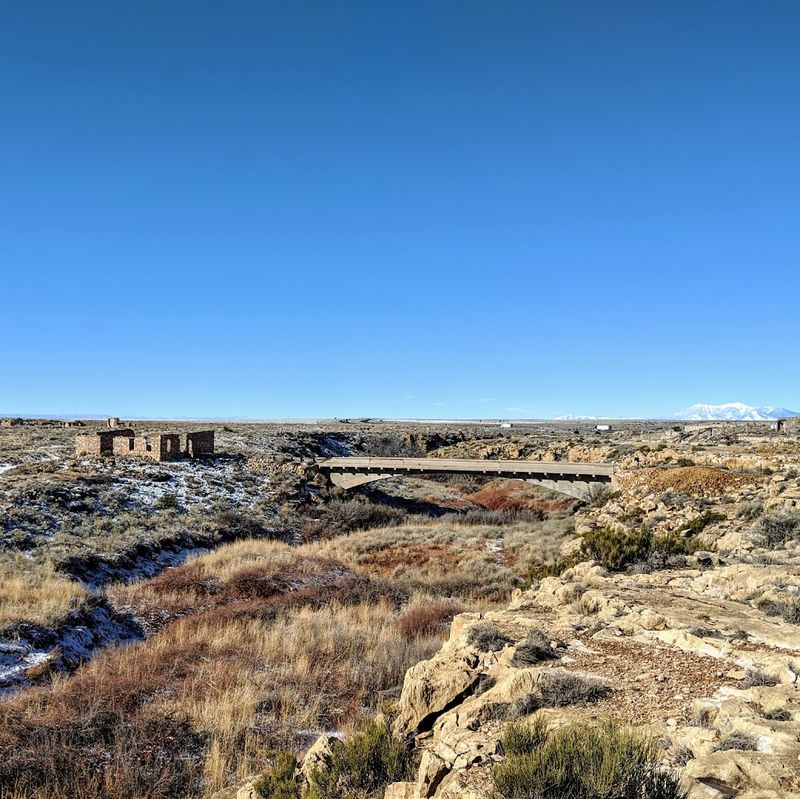
Most ghost towns fade quietly, but Two Guns had a start that was anything but ordinary. The area sits near Canyon Diablo, a rugged slash in the Arizona earth that was already steeped in legend long before any settlers arrived.
In the early 1900s, a trading post appeared here almost by accident, catering to travelers passing through the remote high desert. The location along what would become Route 66 gave it a brief but wild burst of life.
What makes Two Guns different from other forgotten towns is how quickly its story turned strange. Within just a few years, it went from a simple rest stop to a place filled with fake attractions, real violence, and lingering curses.
The bones of that bizarre beginning are still scattered across the land today, waiting for anyone brave enough to look closely.
Canyon Diablo and the Land That Swallowed Travelers
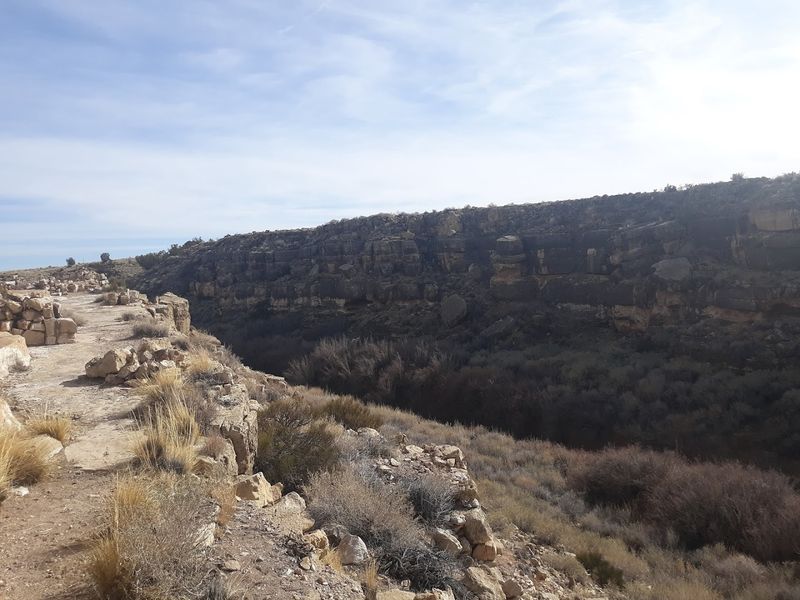
Canyon Diablo — Spanish for Devil’s Canyon — earned its dramatic name honestly. Early explorers and railroad workers found this deep, jagged gorge nearly impossible to cross, and it claimed more than a few lives in the process.
The canyon stretches for miles through the Arizona plateau, its walls dropping sharply into shadow even on the brightest desert days. Native peoples had known this land for centuries, treating it with a mixture of reverence and caution that later settlers mostly ignored.
When the Atlantic and Pacific Railroad tried to bridge the canyon in the 1880s, the nearby town of Canyon Diablo exploded into one of the most lawless settlements in the American West. Gunfights, robbery, and chaos were everyday events.
That violent energy seemed to soak right into the ground, and some say it never fully left — which might explain why Two Guns feels so unsettled even now.
The Apache Death Cave Tragedy
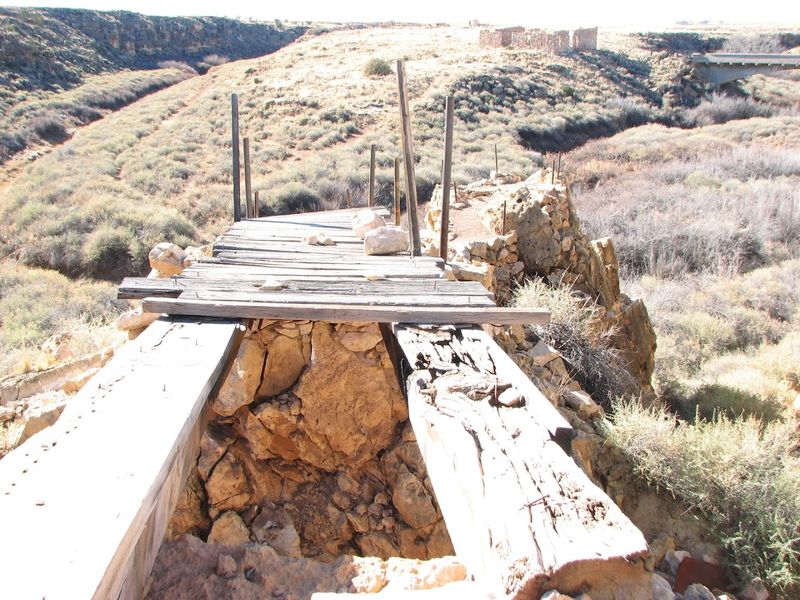
One of the darkest chapters in Two Guns history involves a cave tucked into the canyon walls that locals came to call the Apache Death Cave. The story behind that name is genuinely haunting.
According to historical accounts, a band of Navajo raiders attacked an Apache camp sometime in the 1800s, killing many and fleeing into the cave to hide. The surviving Apache warriors tracked them down and built fires at the cave entrance, suffocating everyone inside.
Dozens of people reportedly died in that darkness.
For years, the bones of those victims remained inside the cave, undisturbed and largely unknown to outsiders. When the ghost town began attracting tourists in the 1920s, one man saw an opportunity and turned the cave into a morbid roadside attraction.
Charging admission to view the remains, he marketed it as a thrill — a decision that many believe triggered a curse that still haunts the area.
Harry Miller and the Man Who Called Himself Two Gun Miller
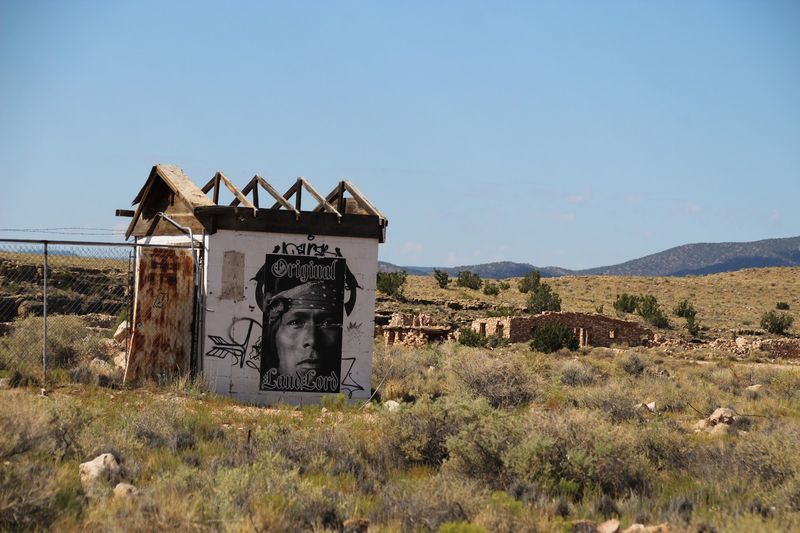
Every strange place needs a stranger founder, and Two Guns had exactly that in a man named Harry Miller. He showed up in the early 1920s claiming Native American heritage and calling himself Two Gun Miller, a name that sounded more like a dime-store novel character than a real person.
Miller leased the land near Canyon Diablo and quickly set about building one of the most bizarre tourist traps the Southwest had ever seen. He charged visitors to see the Apache Death Cave, kept mountain lions in cages, and plastered the area with hand-painted signs screaming about death and danger.
His story took a violent turn when he got into a deadly dispute with the landowner, Henry Cuervo, over who actually owned the property. The conflict ended in gunfire.
Miller survived, but the legal battles and bad reputation that followed helped push Two Guns toward its eventual collapse. He remains one of Arizona history’s most colorful and unsettling figures.
The Wild Animals Kept in Roadside Cages
Imagine pulling off the highway and being greeted by caged mountain lions staring back at you from the desert heat. That was actually part of the Two Guns experience during its tourist heyday in the 1920s and 1930s.
Harry Miller kept live wildcats, mountain lions, and other animals as roadside attractions, caging them near the entrance to draw in passing motorists. The setup was rough, dangerous, and completely unregulated by modern standards.
Animals lived in miserable conditions, and more than one visitor reportedly got too close for comfort.
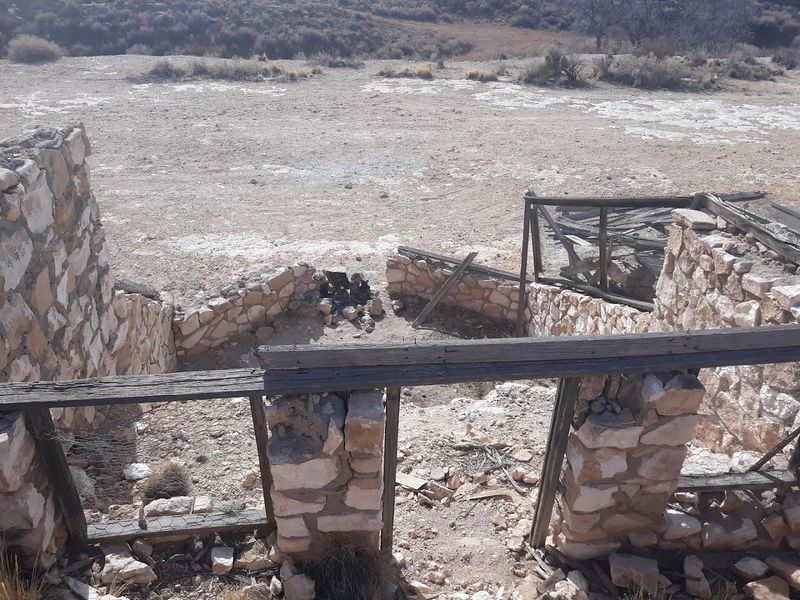
The cages themselves eventually crumbled along with everything else in Two Guns, but you can still spot the rusted remains of the enclosures if you know where to look. There is something deeply sad about those rusting bars baking in the Arizona sun — a reminder that the cruelty built into Two Guns extended well beyond its human stories.
The animals, like the town itself, were ultimately abandoned.
The Route 66 Heyday That Briefly Saved the Town
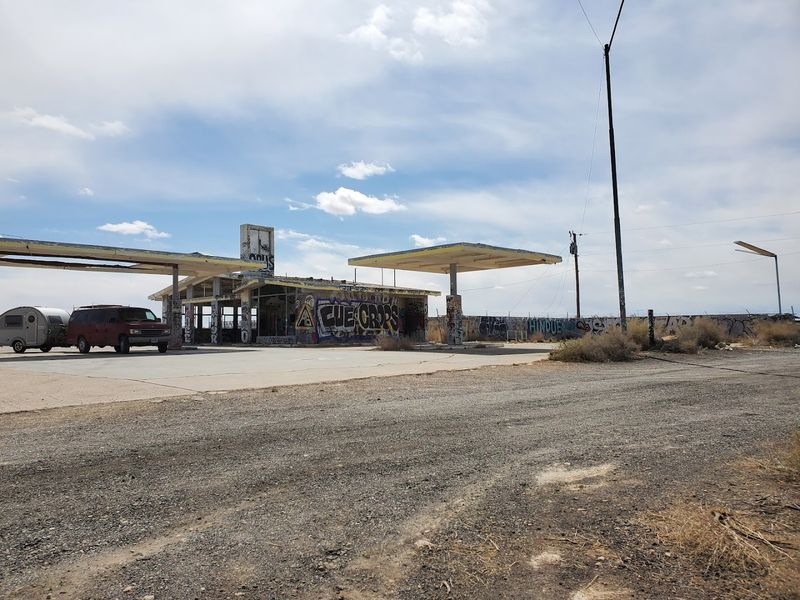
Route 66 had a magical effect on dying desert towns, and for a brief window of time, it breathed new life into Two Guns. When the famous highway was officially established in 1926, it ran almost directly past the crumbling settlement, bringing a steady stream of curious travelers.
Gas stations, a small trading post, and even a post office popped up to serve road-trippers heading west. The grim attractions — the death cave, the animal cages, the painted warnings — became part of the Route 66 experience, a weird detour that people actually sought out.
Postcards were printed. Tourists posed for photos near the cave entrance.
For a moment, Two Guns felt almost alive again. But the boom was fragile, built on novelty rather than anything sustainable.
When the highway was eventually bypassed and travel patterns shifted, the trickle of visitors dried up completely, leaving Two Guns to collapse back into the desert silence it had never really escaped.
The Crumbling Ruins You Can Still See Today
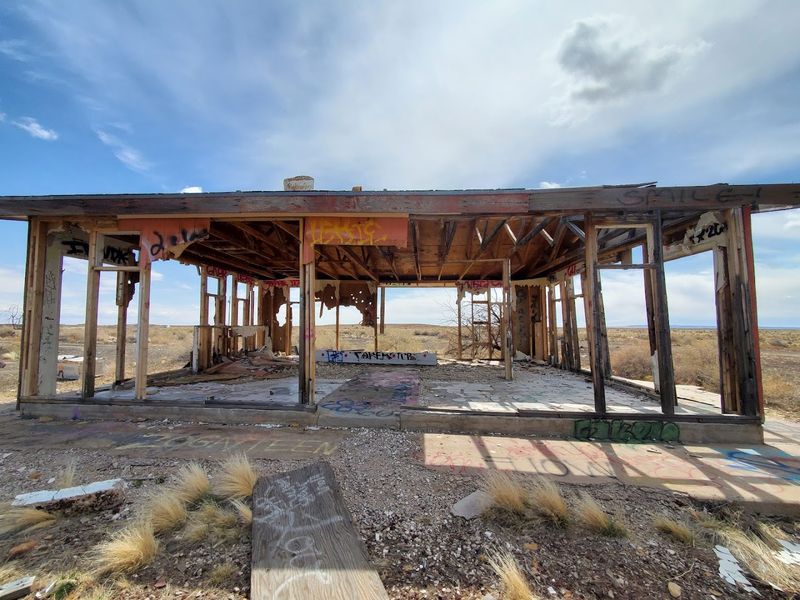
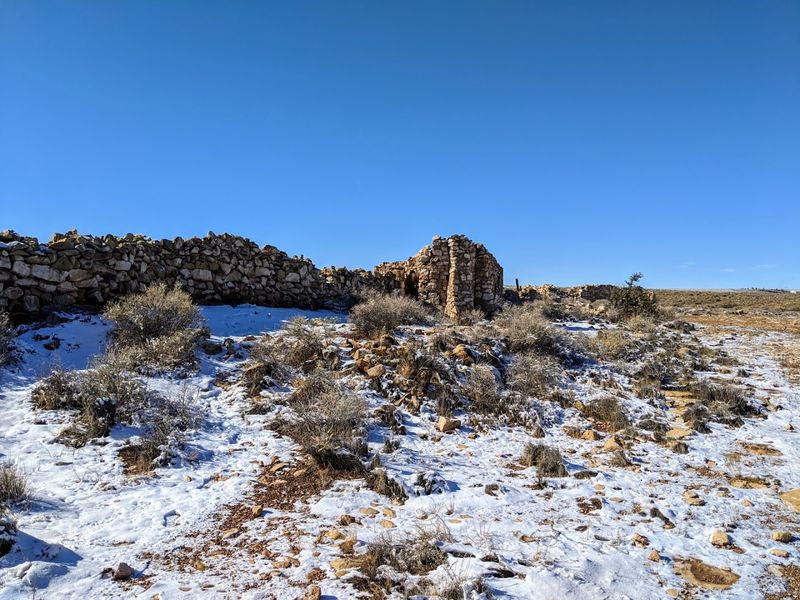
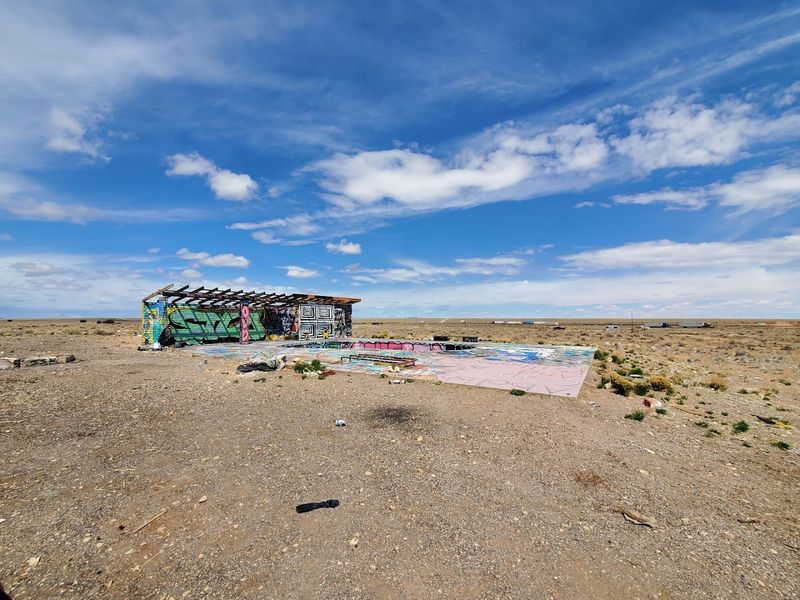
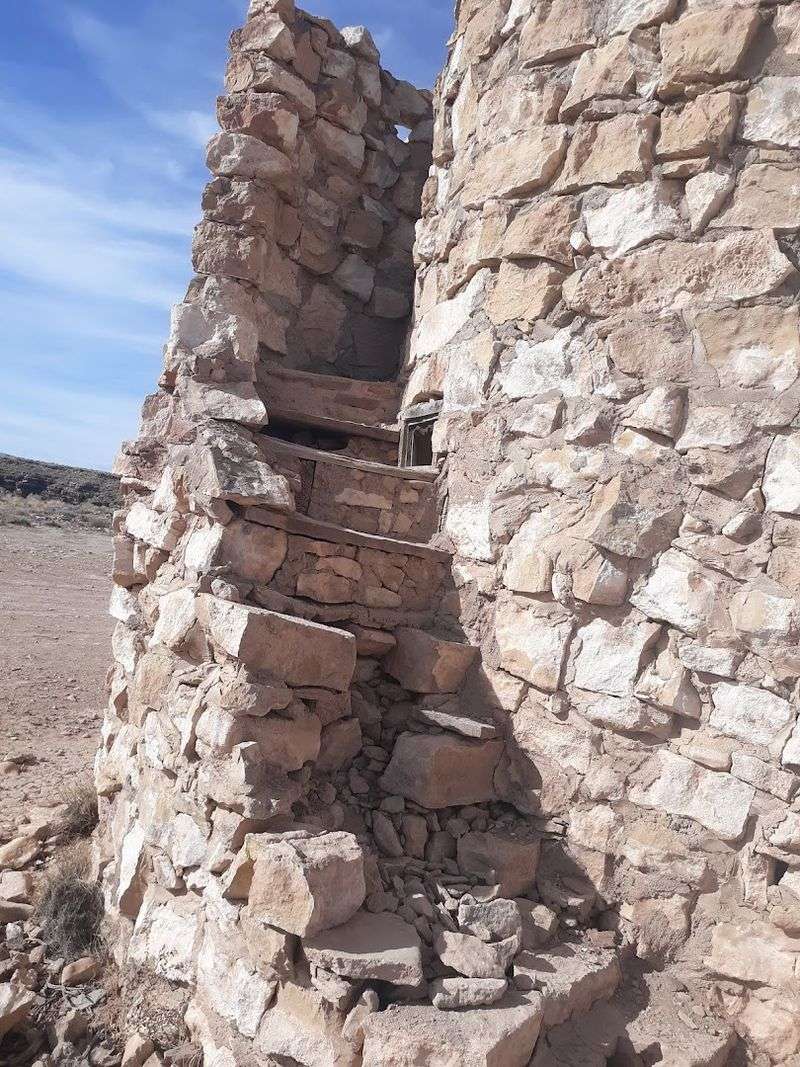
Walking through Two Guns today feels like stepping into a place that time actively rejected. The stone walls of old buildings still stand in places, but roofs have long since caved in, and the desert is slowly reclaiming every inch of the site.
You can make out the shapes of what used to be a gas station, a trading post, and various small structures, though most have been reduced to low walls and rubble. Graffiti covers many of the surfaces, left by generations of curious explorers who made the trek out here.
The ruins sit right off Interstate 40, the modern highway that replaced Route 66, making them surprisingly accessible. Most visitors spend an hour or two wandering the site, photographing the decay and trying to imagine what this strange place looked like at its peak.
The atmosphere is hard to describe — quiet, heavy, and oddly beautiful in the way that only genuinely forgotten places can be.
The Curse That Locals Still Talk About
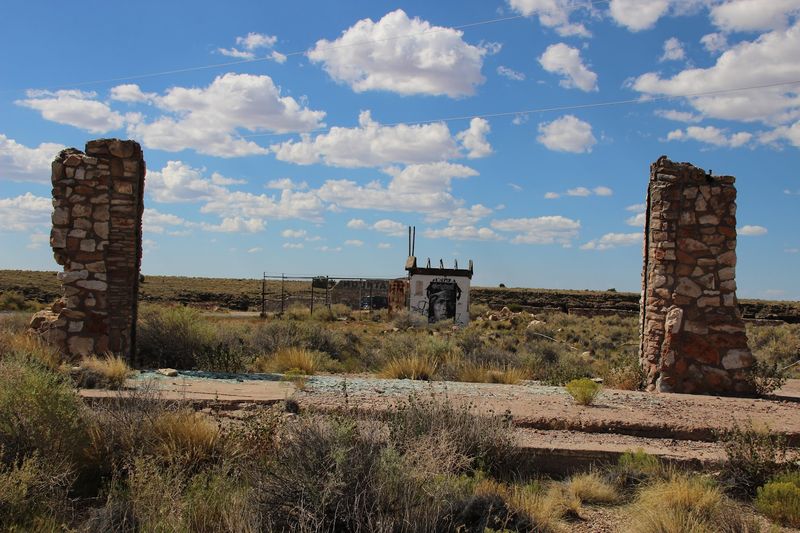
Ask anyone familiar with Two Guns history about why everything here went so wrong, and you will likely hear the word curse come up fairly quickly. The idea is that disturbing the remains in the Apache Death Cave set off a chain of misfortune that never really ended.
After Harry Miller turned the cave into a tourist attraction, things began going badly in rapid succession. The violent dispute with Henry Cuervo, multiple fires destroying buildings, businesses failing despite the Route 66 traffic — bad luck seemed to follow every attempt to build something lasting here.
Whether you believe in curses or not, the pattern is hard to ignore. Every owner, every operator, every person who tried to profit from the darkness of Two Guns seemed to walk away worse off than they arrived.
The town itself serves as the most dramatic proof of all — a place that had every reason to survive and yet somehow managed to disappear completely.
The Meteor Crater Connection Nearby
About six miles east of Two Guns sits one of the most perfectly preserved meteor craters on Earth — a fact that adds a genuinely cosmic dimension to the already strange energy of this stretch of Arizona highway.
Barringer Crater, also called Meteor Crater, is nearly a mile wide and was formed roughly 50,000 years ago when a massive iron asteroid slammed into the desert at tremendous speed. Scientists, astronauts, and space researchers have studied it for decades.
NASA even used it for Apollo mission training.
The proximity of a world-famous space impact site to a cursed ghost town built over a massacre site is the kind of coincidence that makes you wonder about this particular patch of Arizona ground. Both places carry a sense of overwhelming force — one cosmic, one deeply human.
Together, they make the drive along old Route 66 near Winslow feel unlike anywhere else on the planet.
Ghost Hunters and Urban Explorers Who Keep Coming Back
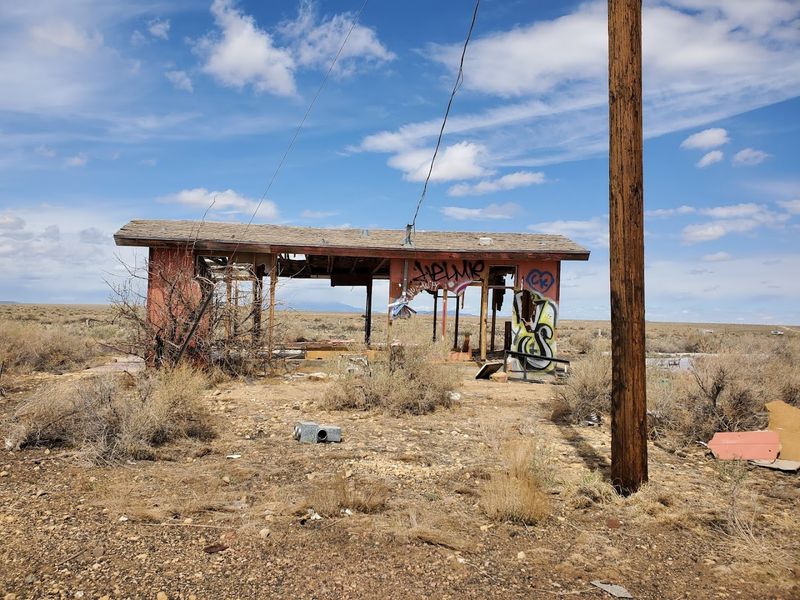
Two Guns has developed a loyal following among ghost hunters, urban explorers, and history buffs who are drawn to places that most people avoid. On any given weekend, you might find small groups picking their way through the rubble, cameras in hand, looking for whatever the town still has to offer.
Ghost hunting groups have reported unusual experiences here — unexplained sounds, equipment malfunctions, and the persistent feeling of being watched. Whether those reports reflect genuine paranormal activity or simply the power of suggestion in a genuinely creepy place is hard to say.
Urban explorers come for the photography, drawn by the dramatic textures of crumbling stone against wide desert skies. The site has appeared in countless photography blogs, YouTube videos, and social media posts over the years.
Two Guns may be dead as a functioning town, but as a destination for people who love the strange and forgotten, it has never been more alive.
The Fires That Kept Destroying Two Guns
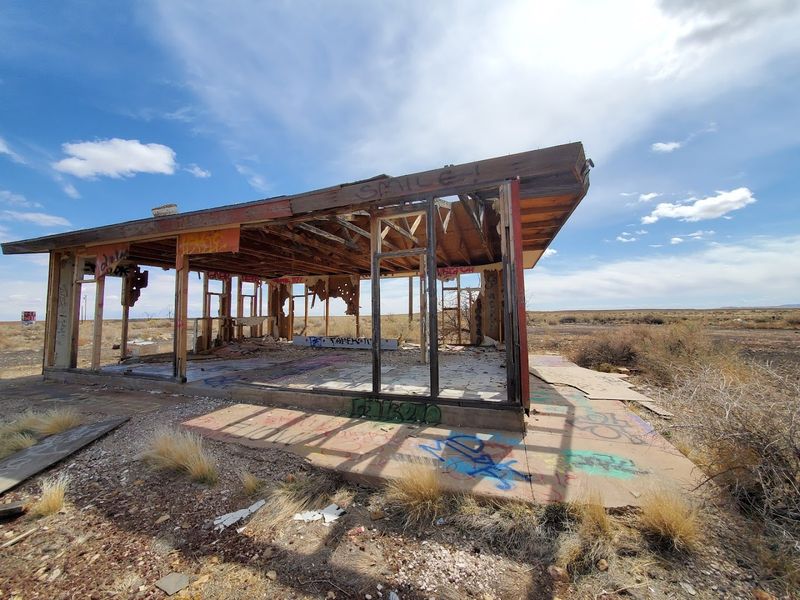
Fire seemed to have a personal grudge against Two Guns. Multiple blazes tore through the settlement at different points in its history, destroying buildings just as they were being rebuilt or repurposed for new businesses.
The most damaging fires struck during the 1920s and 1930s, wiping out the trading post and other structures that had taken real effort to construct in such a remote location. Each time, there were whispers that the fires were not entirely accidental — that the violence and bad blood swirling around the property had found yet another way to express itself.
Rebuilding in the desert heat, far from any fire department or reliable water source, was an enormous challenge. Most owners eventually gave up trying.
The blackened walls that still stand today carry the marks of those old fires, the stones darkened in ways that weather alone cannot explain. It is one more layer of damage in a place that seems to have absorbed every kind of destruction imaginable.
What Winslow Arizona Adds to the Story
Just a short drive west of Two Guns sits Winslow, Arizona, a town most people know from the Eagles song “Take It Easy.” But Winslow has its own rich history that adds helpful context to the strange story of its ghostly neighbor down the road.
Winslow was a major railroad hub and later a key Route 66 stop, giving it the kind of bustling commercial life that Two Guns always wanted but never quite achieved. The contrast between the two places is striking — one survived and even found new life through nostalgia tourism, while the other crumbled completely.
Visiting both on the same day is genuinely rewarding. You get the cheerful, preserved energy of Winslow’s historic downtown, then drive east into the silence and ruin of Two Guns.
Together they tell a complete story about the boom-and-bust nature of life along old Route 66 in the American Southwest.
Why Two Guns Still Matters as a Historical Site
Some people wonder why anyone bothers preserving the memory of a place as troubled as Two Guns. The answer is that its very darkness makes it historically valuable.
Two Guns is a physical record of exploitation, violence, and the complicated mythology of the American West.
The site connects multiple layers of history — Native American conflict, railroad expansion, the Route 66 era, and the rise of roadside tourism culture. Each layer tells us something real about how America developed and who paid the price for that development.
Archaeologists and historians have called for better protection of the site, worried that ongoing vandalism and neglect will erase what little physical evidence remains. Two Guns deserves to be understood not as a fun curiosity but as a complicated, sometimes painful piece of American history.
Visiting with that awareness makes the experience richer — and the silence of those crumbling walls somehow even louder than before.
Enjoyed this story?
Add Fast Food Club as a preferred source to see more of our reporting on Google.