


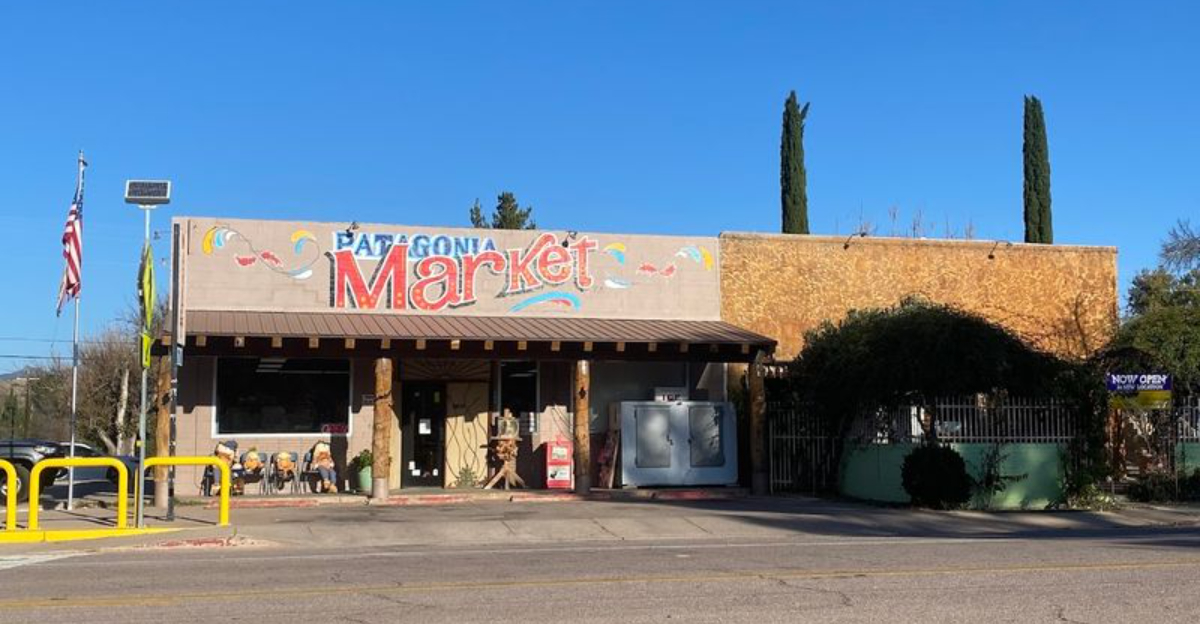
Tucked away in the rolling hills of southern Arizona, Patagonia is a small town that feels frozen in a beautifully rugged time. With a population of just over 800 people, this hidden gem in Santa Cruz County carries the spirit of the Old West in every dusty street and weathered building.
Born in the mid-1800s as a supply hub for miners and ranchers, Patagonia has held onto its history while welcoming curious travelers from all over. Whether you love history, nature, or just a good old-fashioned adventure, this town has something that will leave a lasting impression.
The Historic Town Center and Main Street
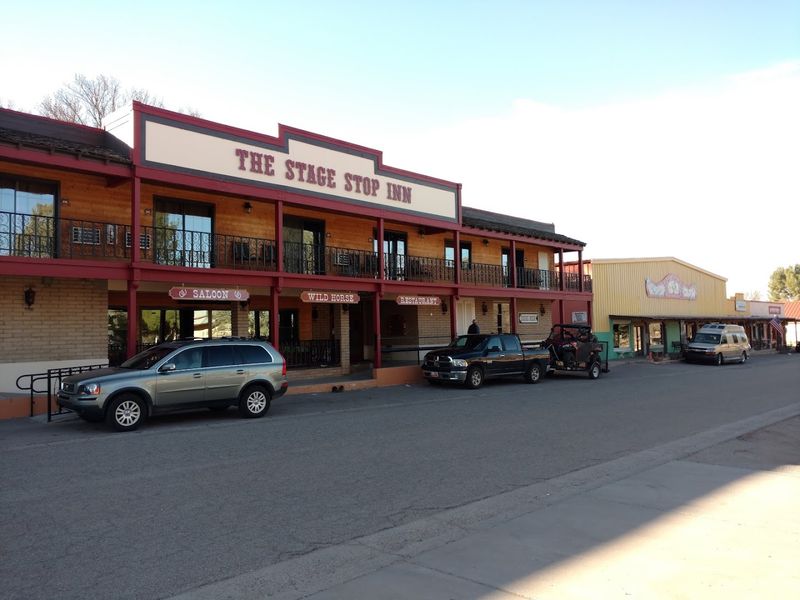
Walking down Patagonia’s main street feels like flipping through the pages of an old Western novel. The buildings are modest but full of character, with their weathered facades telling stories of miners, ranchers, and traders who passed through long ago.
Many of the original structures have been lovingly preserved, giving the town a warm, lived-in charm that modern cities simply cannot replicate. Local shops, galleries, and eateries line the street, making it easy to spend an afternoon just soaking everything in.
Families and solo travelers alike find the pace refreshingly slow here. There are no flashing billboards or massive chain stores to distract you.
Just honest storefronts, friendly faces, and a genuine sense of community that reminds you why small-town America still holds a special place in so many hearts.
Patagonia Lake State Park
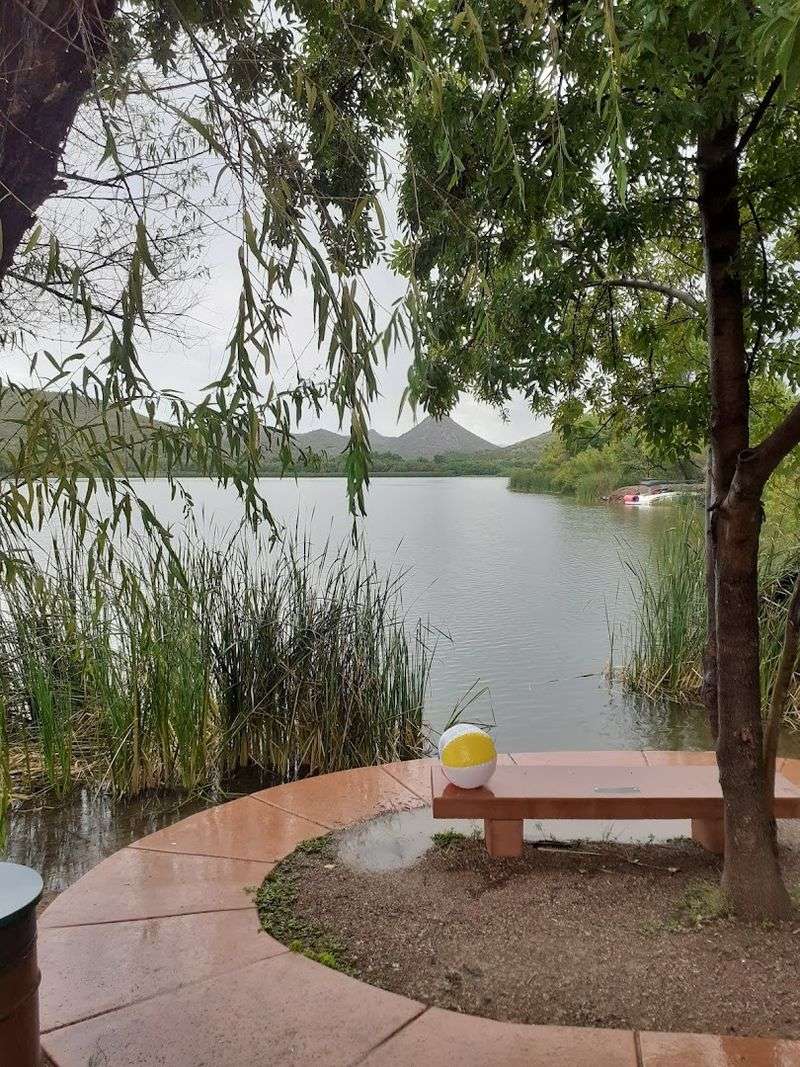
Just a short drive from town, Patagonia Lake State Park is the kind of place that makes you forget your phone exists. Stretching across 265 acres of sparkling water, the lake sits in a peaceful valley surrounded by desert grasslands and cottonwood trees.
Fishing, boating, swimming, and camping are all popular activities here, drawing families and outdoor lovers throughout the year. The park is also a hotspot for birdwatchers, with dozens of rare species spotted along its shoreline and surrounding trails.
Sunsets over the lake are nothing short of spectacular. The sky turns shades of orange, pink, and purple as the water reflects the fading light.
Whether you pitch a tent for the weekend or just stop by for a few hours, Patagonia Lake State Park delivers a full outdoor experience that is hard to beat in southern Arizona.
Rich Mining History
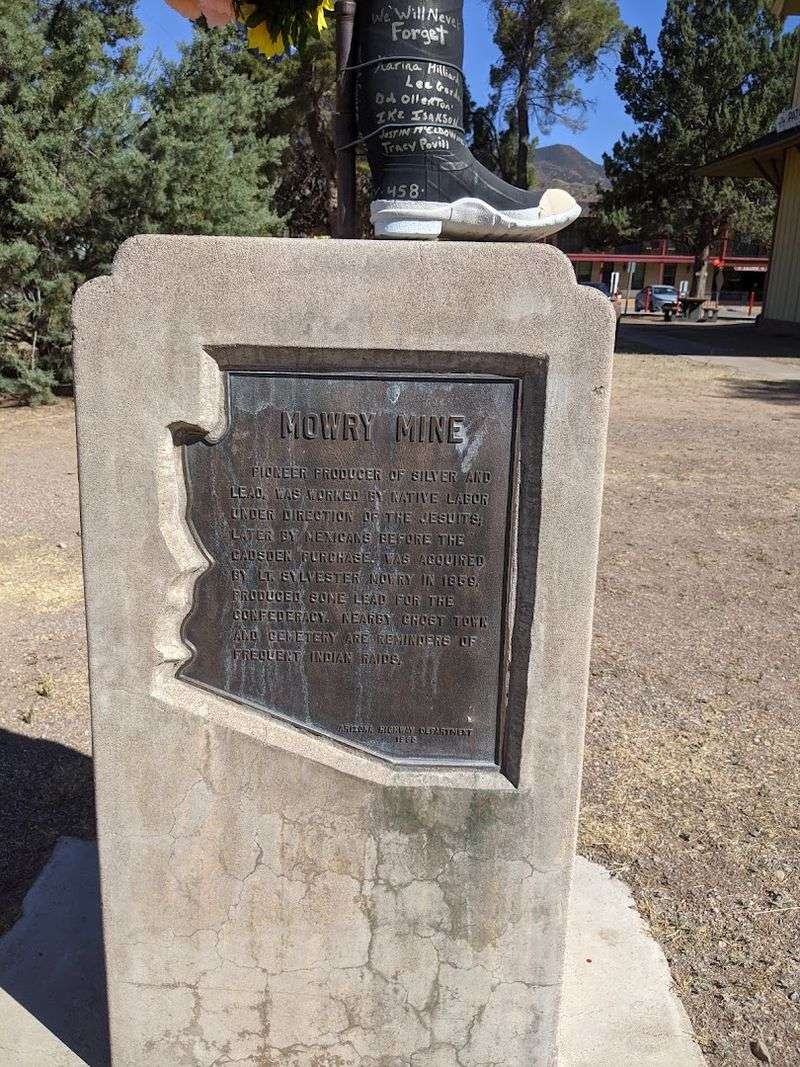
Long before tourists arrived with their cameras, Patagonia hummed with the energy of miners chasing silver and copper in the nearby mountains. The town grew specifically to serve those hardworking souls, offering supplies, shelter, and community in a harsh landscape.
The Flux Mine, one of the most notable operations in the area, helped put Patagonia on the map during the late 1800s. Evidence of that era still dots the surrounding hills, from old mine shafts to scattered ruins that history buffs absolutely love exploring.
Learning about this mining past gives visitors a deeper appreciation for the town’s gritty resilience. It was not an easy life, but the people who built Patagonia were tough, resourceful, and proud.
That same determination seems woven into the fabric of the community even today, making the town feel authentically connected to its rugged origins.
World-Class Birdwatching
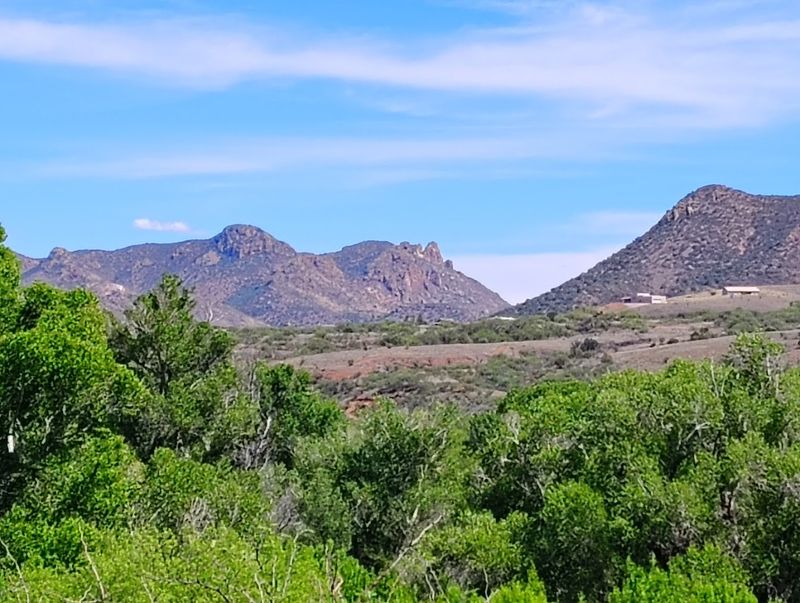
Birders from across the globe make pilgrimages to Patagonia for one reason: the birds here are absolutely extraordinary. Thanks to its unique location where Sonoran Desert meets Mexican highlands, the area supports an incredible variety of species rarely seen elsewhere in the United States.
The Patagonia-Sonoita Creek Preserve and Patagonia Lake State Park are two of the top birding destinations in the region. Lucky visitors have spotted elegant trogons, thick-billed kingbirds, and rose-throated becards, birds that most Americans never get the chance to see in the wild.
Even casual visitors who have never held a pair of binoculars often find themselves completely captivated. There is something magical about standing quietly in the Arizona wilderness and watching a brilliantly colored bird flit through the branches just feet away.
Patagonia has earned its reputation as a world-class birding destination, and the birds never disappoint.
The Patagonia-Sonoita Creek Preserve
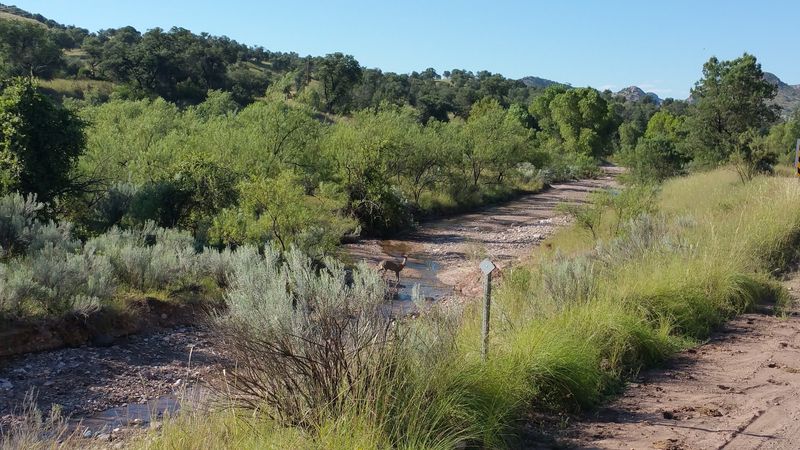
Few places in Arizona feel as lush and alive as the Patagonia-Sonoita Creek Preserve. Managed by The Nature Conservancy, this riparian sanctuary follows the banks of Sonoita Creek, where massive cottonwood and willow trees create a shaded corridor that feels almost magical.
The preserve protects one of the last free-flowing streams in southern Arizona, making it a critical habitat for wildlife ranging from rare birds to native fish and amphibians. Hiking the trails here is a genuinely peaceful experience, with the sound of running water and rustling leaves replacing the noise of everyday life.
Guided tours are available on weekends, giving visitors a chance to learn about the ecology and conservation efforts that keep this special place thriving. Whether you visit for the wildlife or simply the beauty, the Patagonia-Sonoita Creek Preserve is one of those rare spots that genuinely moves people.
Ranching Culture and Cowboy Heritage
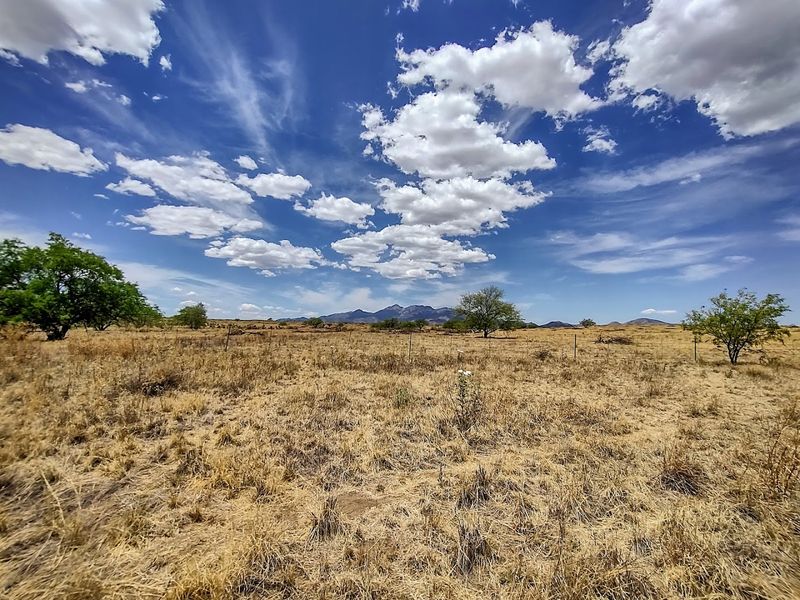
Cattle ranching is not just history in Patagonia, it is still very much a way of life. The surrounding grasslands of the Santa Cruz Valley have supported ranching operations since the Spanish colonial era, and many families here have worked the same land for generations.
Driving the back roads around town, you will often spot cowboys on horseback moving cattle across open pastures. It is a sight that feels genuinely timeless, like something straight out of a classic Western film, except completely real.
The ranching community has shaped Patagonia’s identity in powerful ways. Local rodeos, livestock auctions, and ranch supply stores all reflect a culture that values hard work, land stewardship, and tradition.
Visitors who appreciate authentic cowboy heritage will find Patagonia deeply satisfying, not as a tourist performance, but as a living, breathing continuation of a centuries-old way of life.
The Patagonia Museum
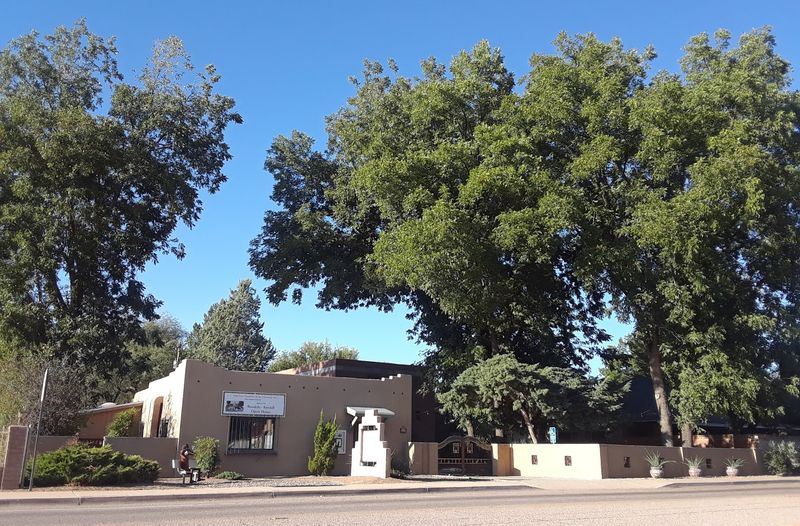
History lovers, the Patagonia Museum is calling your name. Housed in a modest building in town, this community museum packs an impressive amount of local history into its compact space.
Artifacts, photographs, and documents bring the town’s colorful past to vivid life.
Exhibits cover everything from the early mining boom to the railroad era, ranching traditions, and the lives of the diverse communities who shaped this corner of Arizona. The museum is largely volunteer-run, which gives it a warm, personal quality you rarely find in larger institutions.
Spending an hour here before exploring the rest of town is genuinely worthwhile. You leave with context that makes every building, trail, and conversation feel richer.
The people behind the museum are passionate and knowledgeable, and they love sharing stories with curious visitors. It is a small museum with a big heart, and Patagonia is better for having it.
Art Galleries and the Creative Community
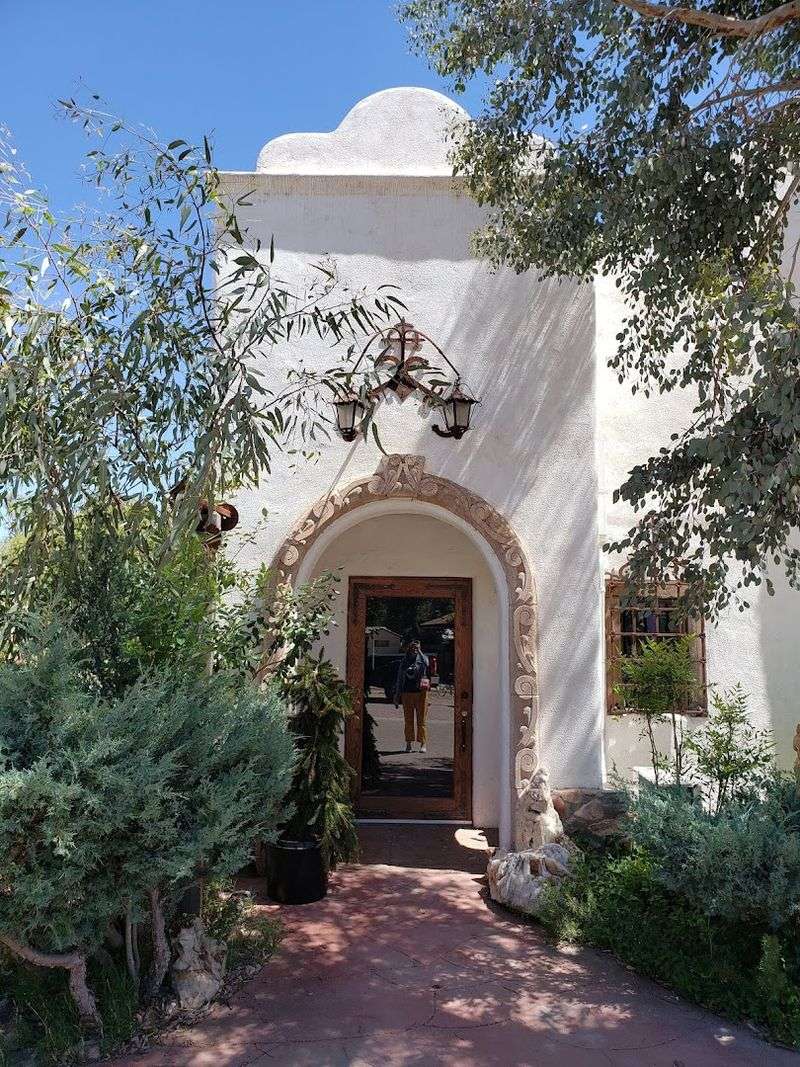
Patagonia has quietly become a magnet for artists, and the results are everywhere you look. A surprising number of galleries, studios, and creative spaces have taken root in this small town, turning it into an unlikely arts destination in the heart of southern Arizona.
Painters, sculptors, photographers, and jewelers have all found inspiration in the dramatic landscapes, rich cultural heritage, and unhurried pace of life here. Many artists relocated from larger cities specifically to escape the noise and reconnect with something more authentic.
Browsing the galleries is a wonderful way to spend a morning. The work tends to reflect the land itself, earthy colors, wide horizons, and a deep respect for the natural world.
Purchasing a piece from a local artist also means taking a genuine piece of Patagonia home with you. The creative community here is welcoming, talented, and deeply rooted in the place they call home.
Stage Stop Inn and Local Lodging
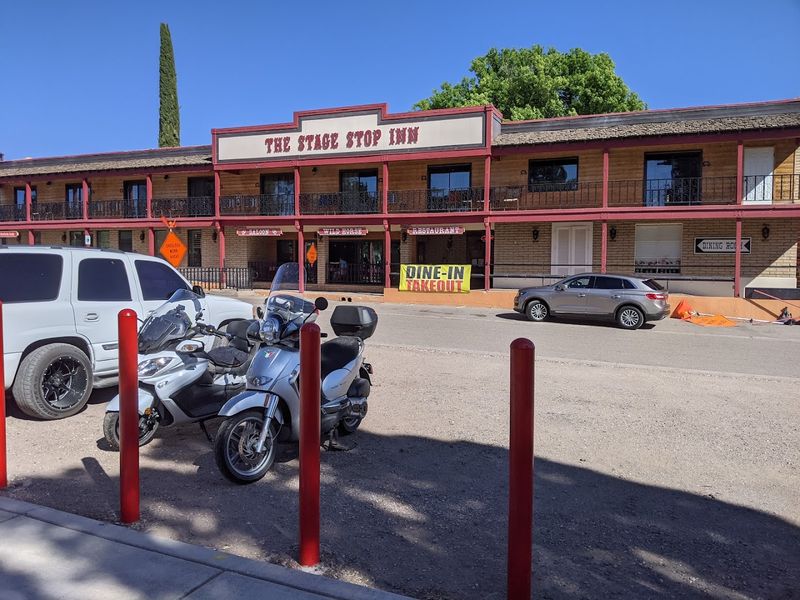
After a long day of exploring, coming back to a cozy local inn beats any chain hotel experience by a mile. The Stage Stop Inn is one of Patagonia’s most beloved accommodations, offering comfortable rooms with a genuine Southwest character that feels perfectly suited to the surroundings.
Named as a nod to the historic stagecoach routes that once passed through the area, the inn carries a sense of place that modern travelers increasingly crave. Guests often gather on the porch in the evenings, sharing stories and watching the stars emerge over the quiet town.
Beyond the Stage Stop, several bed-and-breakfast options and vacation rentals offer intimate, personalized experiences for visitors. Staying local means your money supports the community directly.
The hospitality in Patagonia feels genuinely warm rather than scripted, and that makes all the difference when you are trying to truly connect with a place.
Nearby Ghost Towns and Historic Ruins
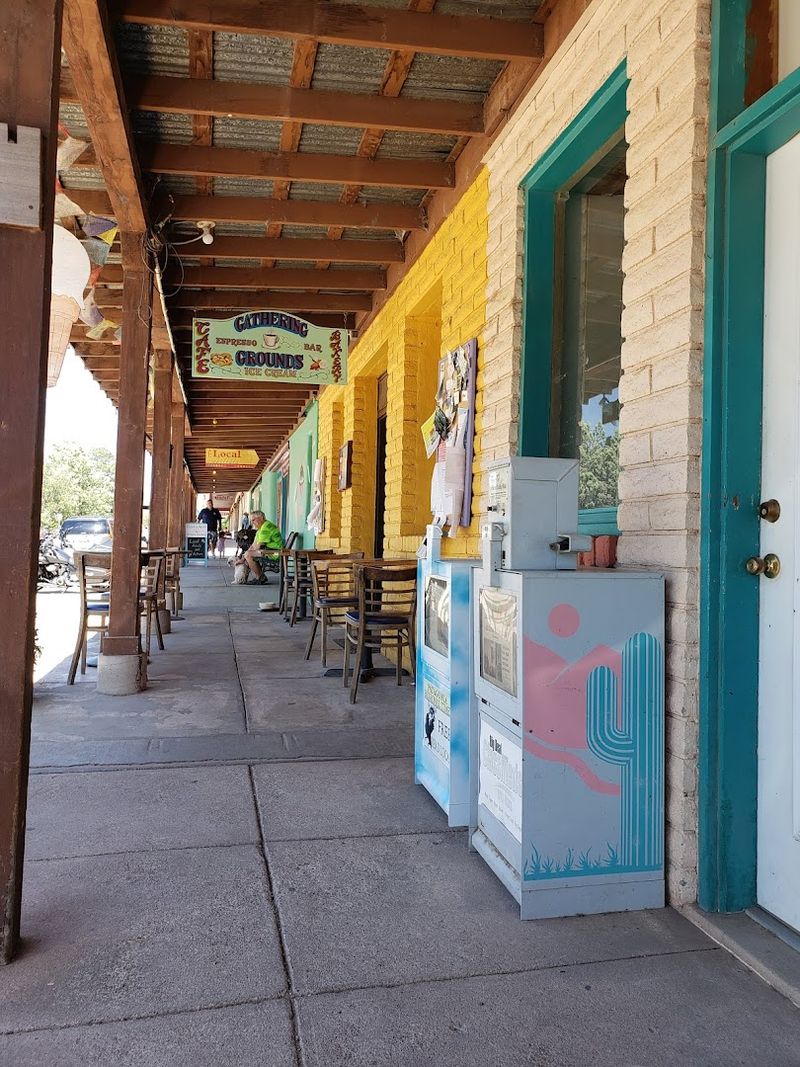
Few things capture the spirit of the Wild West quite like a proper ghost town, and Patagonia is surrounded by them. The hills and valleys of Santa Cruz County are dotted with abandoned settlements, old mine sites, and crumbling structures left behind when the ore ran out and the workers moved on.
Harshaw and Mowry are two nearby ghost towns that history enthusiasts love visiting. Walking through these silent ruins, you can almost hear the echoes of a busier, rougher era when fortunes were made and lost in the blink of an eye.
Exploring these sites requires a sense of adventure and a reliable vehicle, as many are reached via unpaved roads. Always respect private property and posted signs when venturing out.
The reward for the effort is an unfiltered connection to Arizona’s frontier past that no museum or movie can fully replicate.
Sonoita Creek and Riparian Wildlife
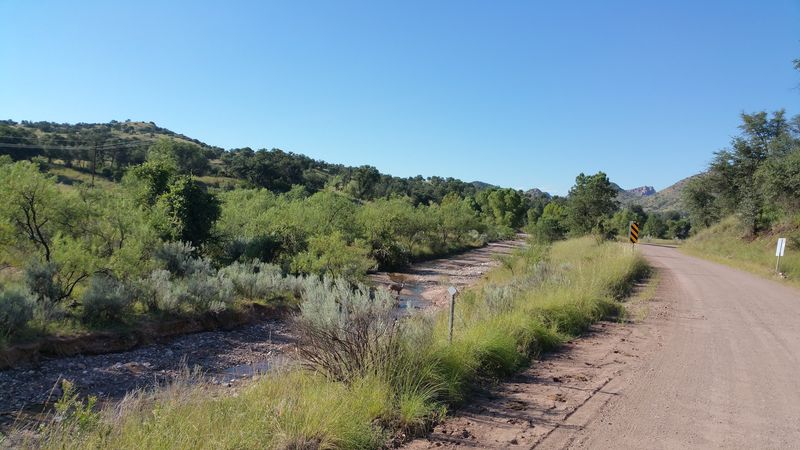
Sonoita Creek is one of southern Arizona’s true natural treasures, and much of it flows right through or near Patagonia. This rare perennial stream supports a lush riparian ecosystem in an otherwise dry landscape, attracting an astonishing variety of wildlife year-round.
Deer, javelinas, coatimundis, and countless bird species depend on the creek’s corridor for food, water, and shelter. Anglers also appreciate the creek for its native Gila topminnow, a small fish that has survived in these waters for thousands of years.
Simply sitting beside the creek on a warm afternoon is one of the most relaxing things you can do in Patagonia. The sound of flowing water, the rustle of cottonwood leaves, and the occasional splash of a bird bathing nearby create a sensory experience that feels genuinely restorative.
Nature here does not compete for your attention, it simply earns it.
Local Dining with Southwest Flavor
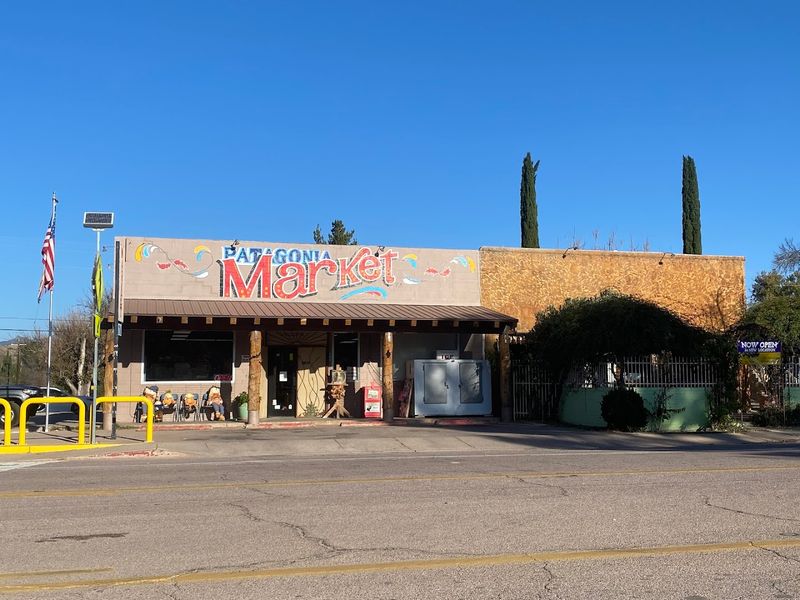
Eating in Patagonia is a genuine pleasure, especially if you love bold Southwest and Mexican-inspired flavors. The town may be small, but its dining scene punches well above its weight.
Local restaurants take pride in using fresh, regional ingredients that reflect the land and culture surrounding them.
The Velvet Elvis Pizza Company is a fan favorite, beloved for its creative pies and relaxed atmosphere that feels completely at home in this quirky, artistic town. Other spots serve classic Mexican dishes and hearty cowboy-style comfort food that hits just right after a long day outdoors.
Eating local here is also a way of supporting the community and getting a real taste of Patagonian life. Portions are generous, prices are reasonable, and the people serving your food often have deep roots in the area.
A meal in Patagonia is never just a meal, it is part of the experience.
Stargazing in Dark Sky Country
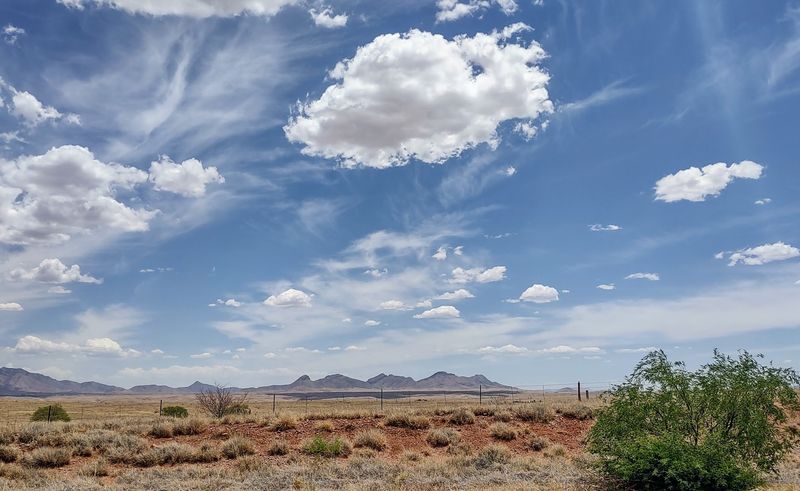
Once the sun dips below the Patagonia Mountains, a completely different kind of show begins overhead. Far from the light pollution of major cities, Patagonia sits in one of Arizona’s darkest sky regions, making it an exceptional spot for stargazing that will leave you genuinely speechless.
On a clear night, the Milky Way stretches across the sky in a thick, glittering band that feels almost unreal if you have spent your life in a city. Planets, meteor showers, and star clusters become visible to the naked eye in ways that no planetarium can truly replicate.
Bring a blanket, find an open field outside of town, and just lie back. No equipment is necessary to appreciate the sheer scale of what you are seeing.
Patagonia reminds you that the universe is enormous, beautiful, and worth slowing down to notice. Some of the best things in life are completely free.
Enjoyed this story?
Add Fast Food Club as a preferred source to see more of our reporting on Google.