


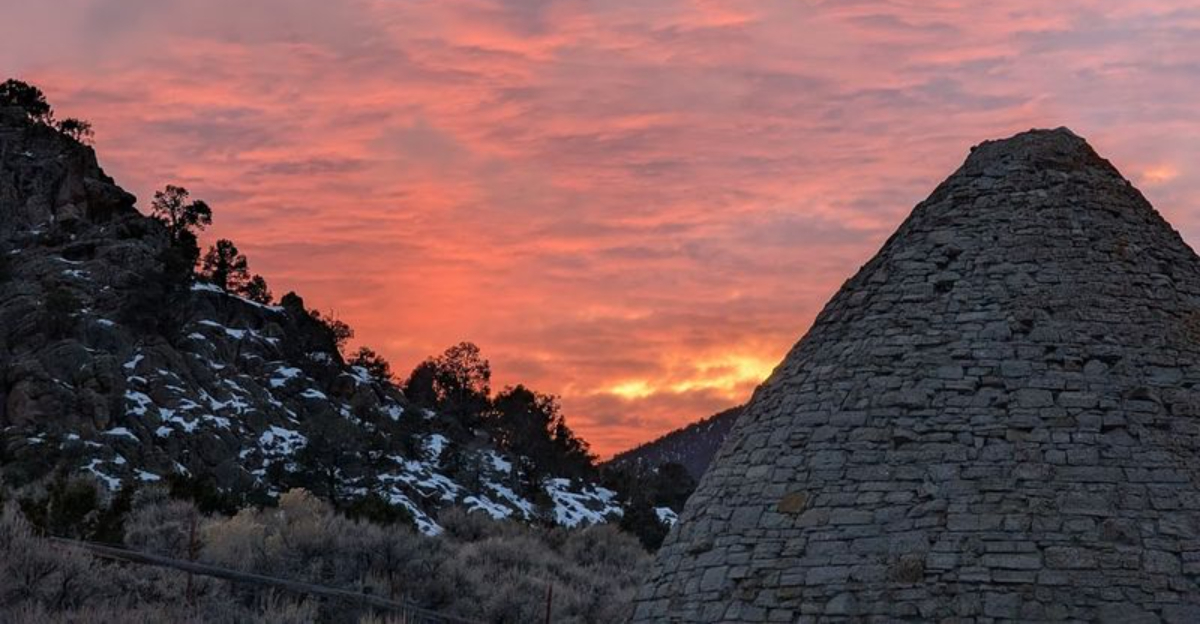
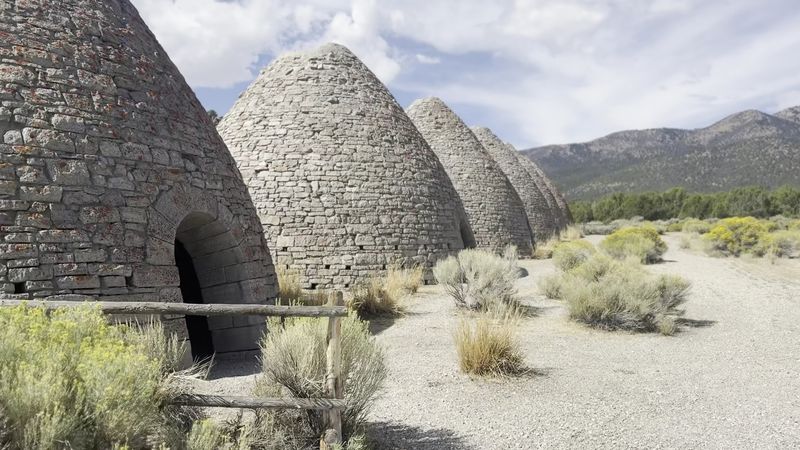
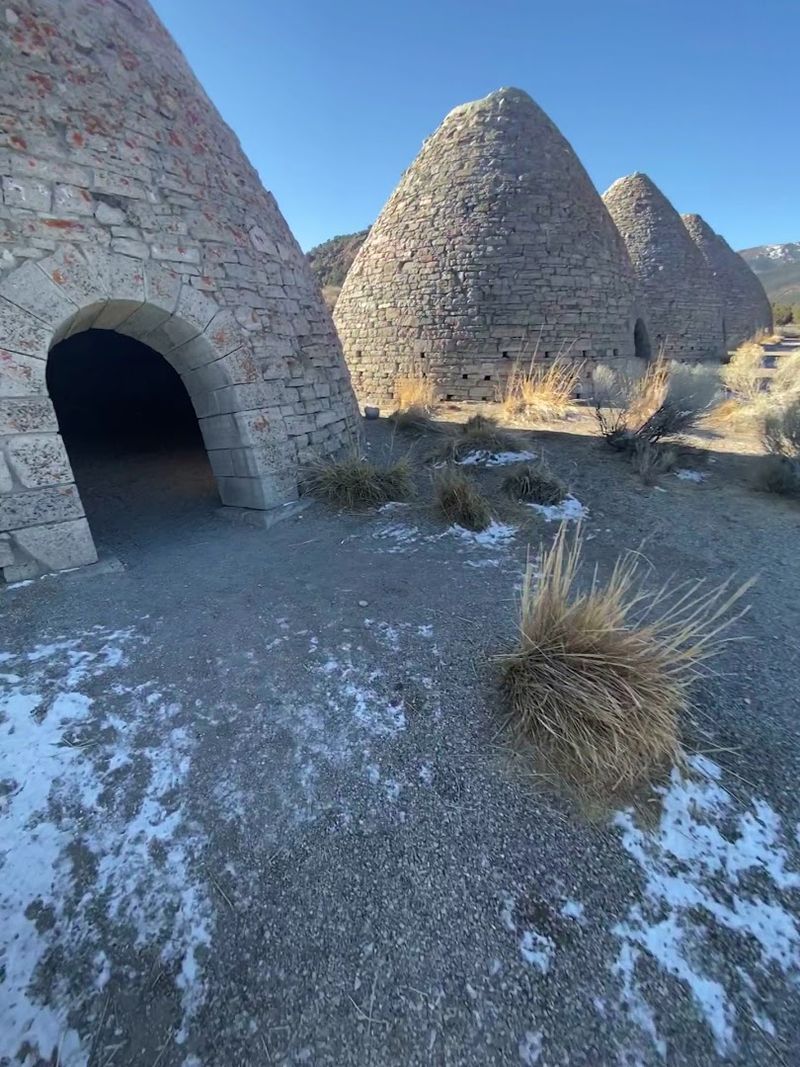
Tucked away in the hills near Ely, Nevada, Ward Charcoal Ovens State Historic Park is one of those rare places that makes you feel like you stepped back in time. Six massive stone ovens, built in the 1870s, still stand tall against the mountain backdrop as if waiting for workers to return.
Most travelers drive right past without ever knowing this gem exists, but those who make the detour are always glad they did. Whether you love history, photography, or simply exploring off-the-beaten-path spots, this park has something special to offer.
The Six Beehive Ovens That Defied Time
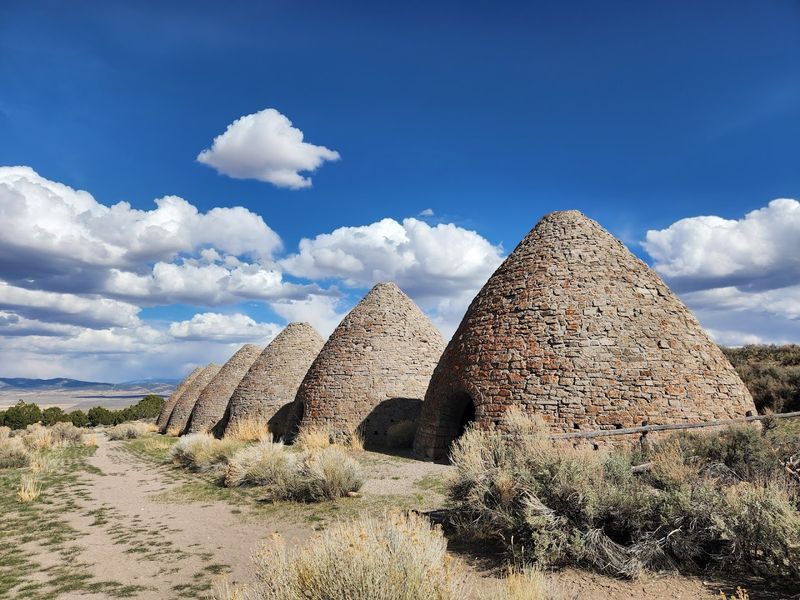
Standing nearly 30 feet tall and 27 feet wide at the base, these six stone beehive ovens are the undeniable stars of the park. Built in 1876, they were engineered to convert pine and juniper wood into charcoal fuel for nearby silver smelters.
The craftsmanship is jaw-dropping, especially when you realize workers built them without modern tools.
Each oven could hold the equivalent of six acres of trees at a time. With all six running, the operation burned through roughly 36 acres of forest every 12 days.
That scale is hard to imagine until you actually stand in front of one.
Visitors today can walk right up to the ovens and even step inside to feel the cool, shadowy interior. The stone walls have held up remarkably well for 150 years, making them one of Nevada’s most impressive surviving industrial landmarks.
A Silver Mining Story Written in Stone
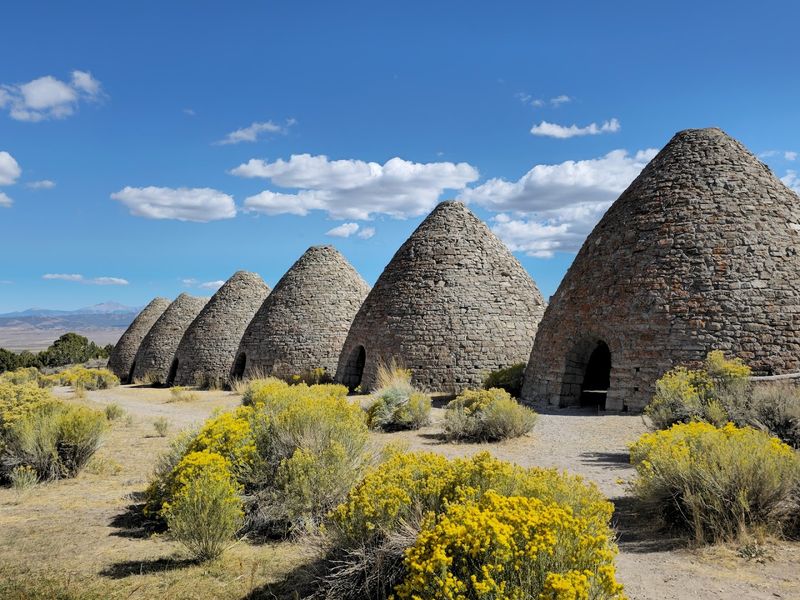
Back in the 1870s, the ghost town of Ward was buzzing with silver mining activity. The smelters needed enormous amounts of fuel to process the ore, and charcoal was the answer.
That demand is exactly why these massive ovens were constructed in the first place.
The silver boom was intense but short-lived. The ovens only operated from 1876 to 1879, just three years.
Yet in that brief window, they consumed every tree within a 35-mile radius of the site. The environmental impact was staggering by any era’s standards.
When the ore deposits dried up and the trees were gone, the operation shut down fast. What remained were these six silent stone structures, outlasting the mines, the town, and the industry that created them.
Today, they serve as a quiet reminder of how quickly boom-and-bust cycles shaped the American West.
Getting There: The Scenic Dirt Road Journey
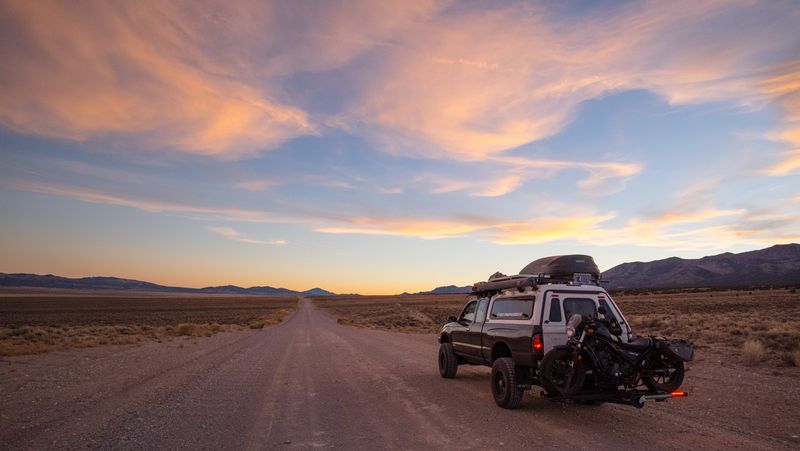
Part of the charm of visiting Ward Charcoal Ovens is the journey itself. The park sits about six miles off the main highway on a dirt road, and that short detour immediately makes you feel like you are headed somewhere truly off the map.
Good news for nervous drivers: the road is well-graded and maintained. Multiple visitors have reported cruising along at comfortable speeds without needing a four-wheel-drive vehicle.
On a dry weather day, even a regular sedan handles it just fine.
The drive takes roughly 30 minutes south of Ely, and the scenery along the way is worth enjoying slowly. Rolling hills, open range, and the occasional grazing cow set the tone perfectly.
By the time you reach the parking area, you already feel miles away from the everyday world. The isolation is part of what makes arriving here feel like a genuine discovery.
Honor System Admission That Keeps History Alive
One of the quirkiest parts of visiting this park is how you pay to get in. There are no ticket booths, no attendants, and no turnstiles.
Instead, the park operates entirely on an honor system, where you slip your fee into a concrete pipe at the entrance.
Nevada residents pay $5, while out-of-state visitors pay $10. It is a modest fee, and as one reviewer humorously noted, everyone ends up wondering how the park rangers actually retrieve the money from the pipe.
That small mystery adds a layer of personality to the whole experience.
Paying the fee genuinely matters. That money goes toward maintaining the park, preserving the ovens, and keeping the trails and facilities accessible.
Skipping it would be easy, but honoring the system ensures future visitors get to enjoy the same experience you did. Small contributions keep hidden gems like this one alive.
The Half-Mile Loop Trail Worth Every Step
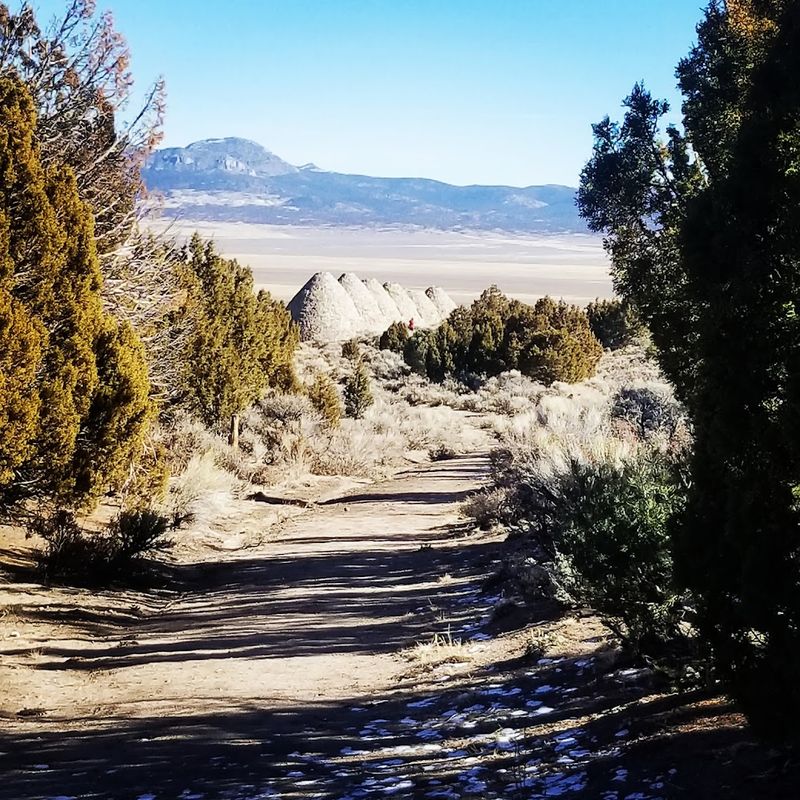
Just past the ovens, a short half-mile loop trail invites visitors to stretch their legs and soak in the surroundings. The path is easy and well-marked, making it accessible for almost everyone, including those who are not regular hikers or have limited mobility concerns.
The trail winds through the landscape surrounding the ovens, offering different angles and perspectives that you simply cannot get from the parking area. Morning light hits the stone structures in a way that photographers absolutely love.
Even on a quick visit, taking this loop adds real depth to the experience.
Wildlife sightings are not uncommon along the trail. Visitors have reported everything from grazing cattle to mysterious twig-snapping sounds in the brush.
Whether that is a cow or something more legendary is entirely up for debate. Either way, keeping your eyes open adds an element of adventure to what is otherwise a peaceful, easy walk.
Photography Paradise Hidden in Plain Sight
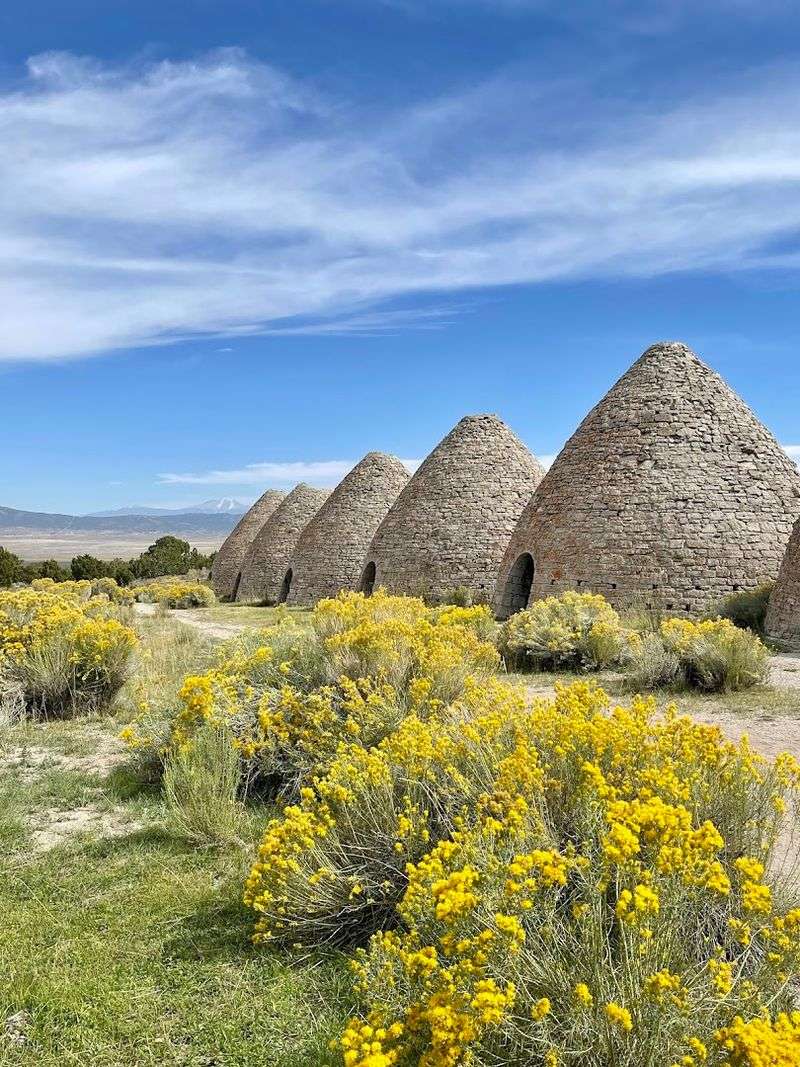
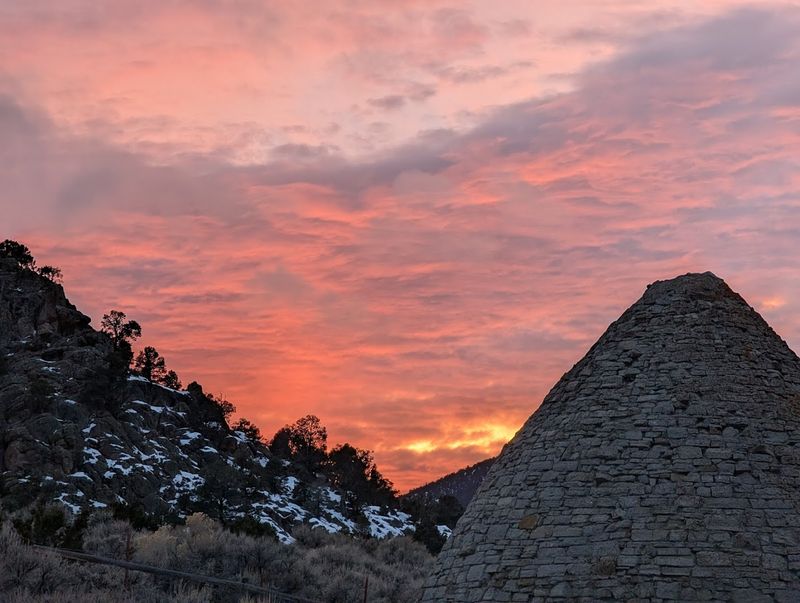
Photographers, both amateur and serious, consistently rave about this park. The combination of ancient stone structures, wide-open Nevada skies, and rugged mountain backdrops creates a scene that practically frames itself.
Every angle tells a different visual story.
Golden hour light is especially magical here. The warm tones bounce off the stone walls and cast long shadows that highlight the textures and curves of the beehive shapes.
Early morning visits offer soft light and almost guaranteed solitude, which is a rare luxury at most historic sites.
Even smartphone photographers walk away with stunning shots. The ovens are photogenic from a distance, up close, and from inside looking out through the arched openings.
One visitor described the surrounding area as very photogenic overall, not just the ovens themselves. If you enjoy capturing unique and unusual images, this park belongs at the top of your Nevada photography bucket list.
Stepping Inside the Ovens: A Cool and Eerie Experience
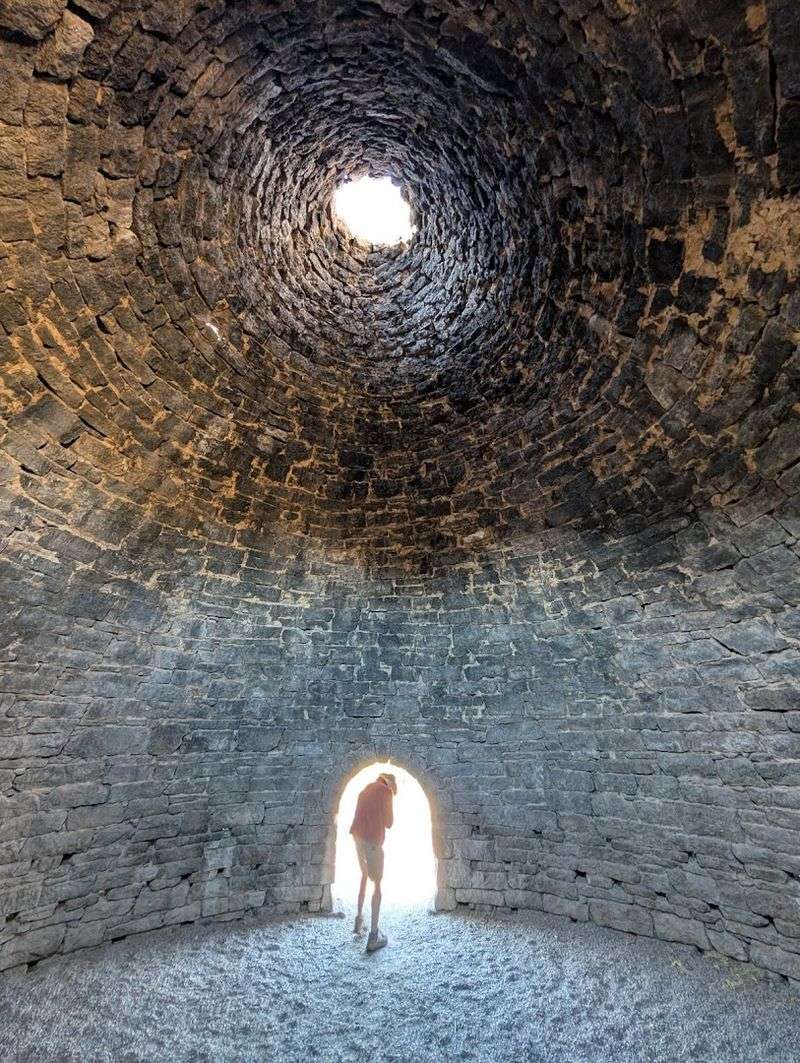
Walking inside one of these ovens is an experience that genuinely surprises visitors. The temperature drops noticeably the moment you step through the arched entrance, offering a welcome escape from the Nevada heat.
The curved stone walls create a hushed, almost cathedral-like atmosphere inside.
One fun tip shared by a past visitor: sing or speak inside the oven and listen to what happens. The acoustics are described as very weird in the best possible way, with sound bouncing around in unexpected patterns.
One reviewer even suggested bringing a barbershop quartet for maximum effect.
Beyond the sensory novelty, standing inside gives you a real sense of the scale involved. These were working industrial furnaces, not decorative structures.
Imagining the heat, smoke, and labor that once filled this space makes the history feel immediate and tangible. It transforms a sightseeing stop into something genuinely memorable and thought-provoking.
Picnic Areas and Facilities for a Relaxed Visit
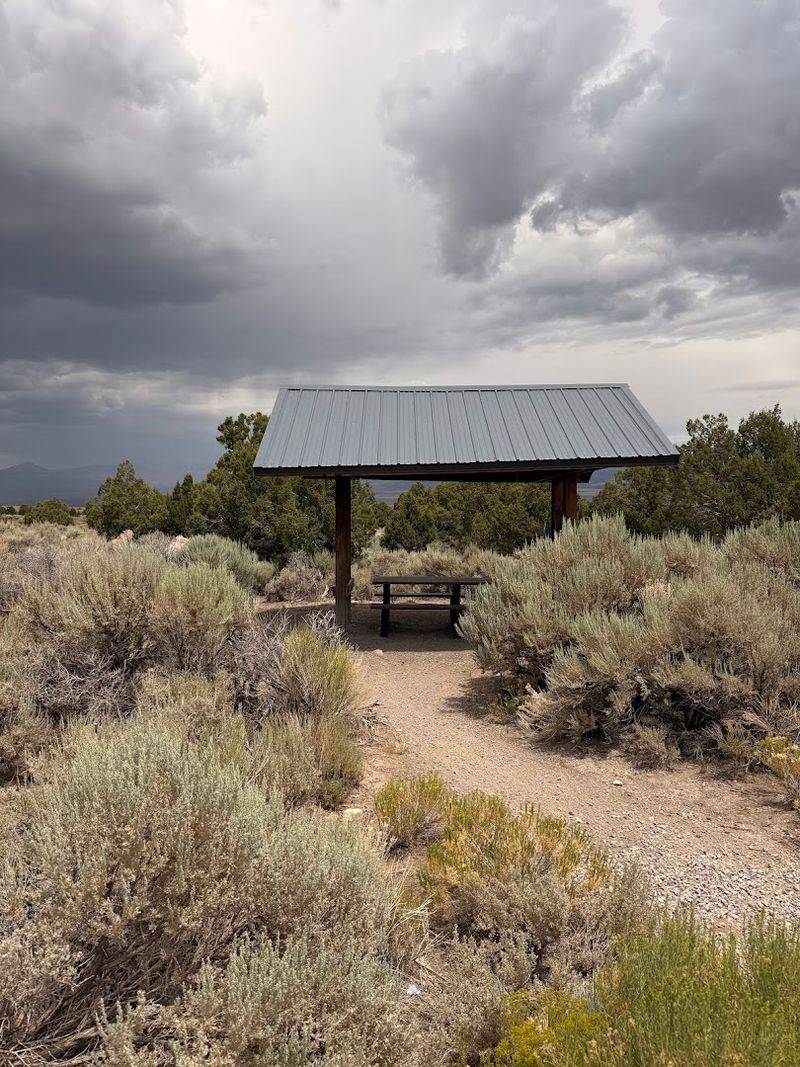
Ward Charcoal Ovens is not just a quick photo stop. The park is set up for visitors who want to linger and enjoy the surroundings at a relaxed pace.
Picnic tables are scattered throughout the grounds, making it a lovely spot to eat lunch surrounded by open Nevada landscape.
Vault toilets are available on-site, which is a welcome amenity given how remote the location feels. Visitors traveling long distances along Highway 93 or heading toward Great Basin National Park will appreciate having a clean, functional rest stop built into the experience.
A nearby campground is also available for those who want to extend the visit into an overnight adventure. Clean facilities and helpful park rangers have earned praise from campers who have stayed here.
Whether you spend 30 minutes or a full day, the park infrastructure supports a comfortable and enjoyable visit without feeling overcrowded or commercialized.
The Nearby Creek That Surprises Every Visitor
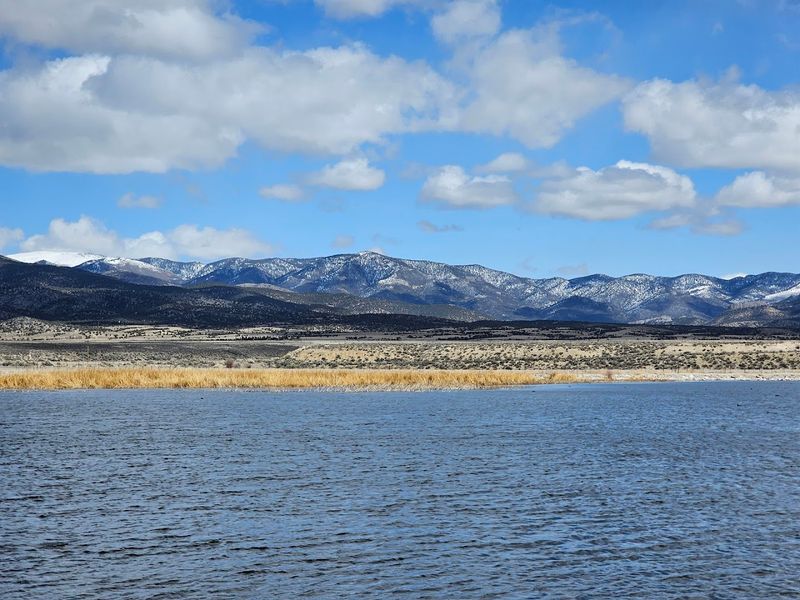
Most people do not expect to find a creek anywhere near this part of Nevada, but a small stream runs close to the park, and it genuinely delights visitors who stumble upon it. In a region that receives less than 10 inches of rain per year, flowing water feels almost surreal.
The creek adds a layer of natural beauty to the park that goes beyond the ovens themselves. Green vegetation lines the banks, creating a soft contrast against the dry, rocky terrain that dominates the surrounding hills.
It is the kind of unexpected detail that makes you linger longer than planned.
One reviewer noted visiting on one of the rare wet days in the area, describing the creek as a charming bonus to an already worthwhile stop. Whether you discover it on the loop trail or simply hear it before you see it, the creek adds a quiet, refreshing element to the whole experience.
Ward Ghost Town and Cemetery: A Short Detour Worth Making
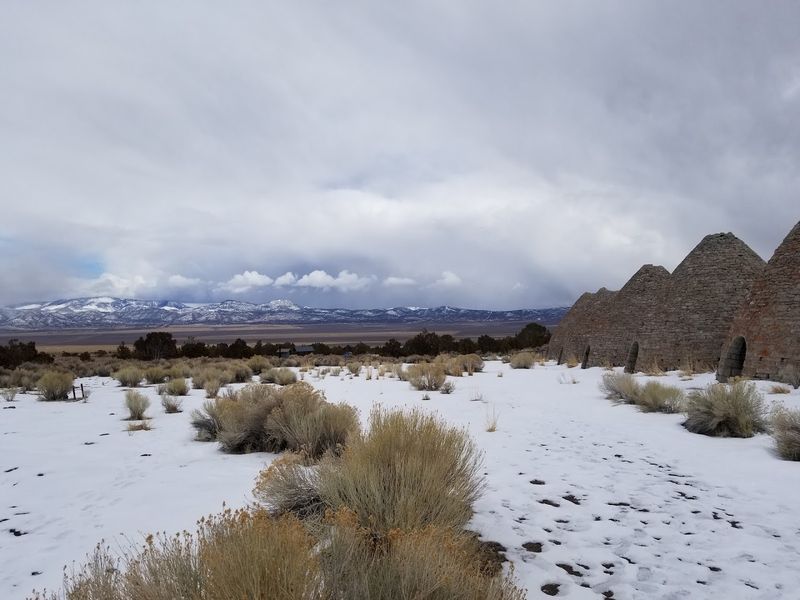
Before you even reach the charcoal ovens, keep your eyes open for a sign pointing toward the old town of Ward. The ghost town that once supported this entire industrial operation is located along the same road, and it offers its own haunting slice of history.
The cemetery is what really draws visitors in. Weathered markers and old graves tell quiet stories about the people who lived and died during the silver rush era.
One reviewer described it as a very interesting visit, and it is easy to understand why once you are standing among the headstones.
Combining the ghost town cemetery with the charcoal ovens creates a fuller picture of life in 1870s Nevada. You go from seeing where people worked to where they were buried, all within a few miles of each other.
That kind of layered storytelling is exactly what makes road trips through Nevada so unexpectedly rich.
Wildlife Encounters on the Open Range
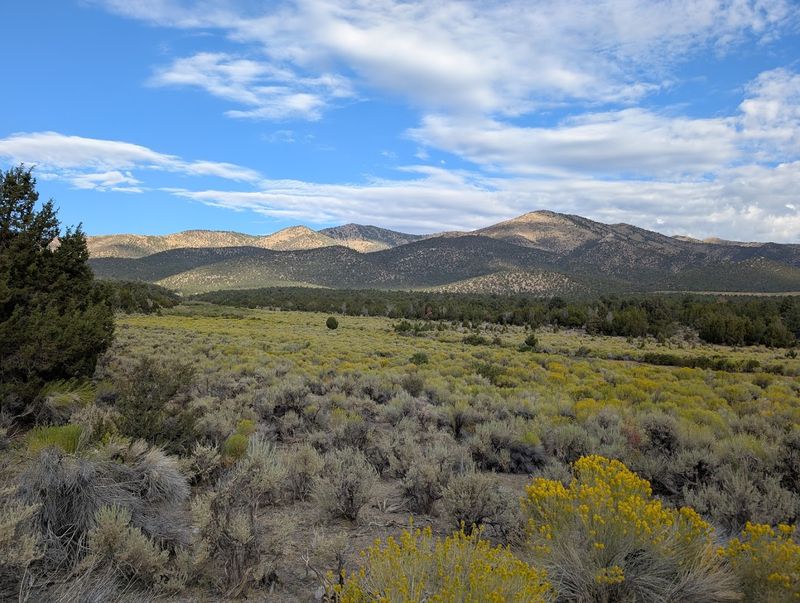
The area surrounding Ward Charcoal Ovens is open range, which means wildlife and livestock roam freely. Cattle sightings are common, and visitors have shared some genuinely funny encounters.
One hiker returned from the trail to an empty parking lot and heard something large snap a twig in the brush, only to spot cow droppings nearby and laugh off the brief moment of panic.
Another visitor mentioned a mother cow that was less than thrilled about hikers passing near her calf on the trail. Giving animals space and staying calm is always the right move in open range territory.
Most encounters are harmless and add a memorable, unexpected twist to the visit.
Beyond cattle, the landscape supports a variety of desert wildlife including birds, lizards, and small mammals. Keeping quiet and moving slowly along the trail increases your chances of spotting something interesting.
The park feels alive in a way that purely urban historic sites simply cannot replicate.
Perfect Pit Stop on the Way to Great Basin National Park
Travelers heading toward Great Basin National Park from the north or east often pass through Ely, and Ward Charcoal Ovens makes an ideal mid-journey stop. It sits roughly 30 minutes south of Ely, putting it conveniently along the route without requiring a major detour.
The park pairs naturally with a Great Basin road trip because both destinations celebrate the wild, underappreciated beauty of eastern Nevada. Adding Ward Charcoal Ovens to the itinerary takes maybe an hour total, including the drive in and a walk around the ovens.
That is a small time investment for a genuinely memorable experience.
One visitor specifically called it worth a stop on the way to Great Basin NP, and that sentiment shows up repeatedly in reviews. If you are already making the drive through this part of Nevada, skipping Ward Charcoal Ovens would mean missing one of the most unusual and photogenic historic sites in the entire state.
Why This Park Feels Genuinely Forgotten by Time
There is something deeply atmospheric about Ward Charcoal Ovens that sets it apart from more polished tourist destinations. On a weekday afternoon, you might arrive to find the parking lot completely empty.
No gift shop, no tour guide, no crowd. Just you, the ovens, and the wind.
That solitude is rare and precious. Standing beside 150-year-old stone structures in near-total silence, with mountains framing the horizon and no other visitors in sight, creates a feeling that is hard to put into words.
It is the kind of moment that reminds you why exploring lesser-known places is always worth the effort.
The park earns a 4.7-star rating from hundreds of visitors, yet it remains wonderfully uncrowded. That combination of high quality and low foot traffic is almost unheard of in travel today.
Ward Charcoal Ovens is proof that the best discoveries are often the ones hiding just off the highway, waiting patiently for curious travelers to find them.
Enjoyed this story?
Add Fast Food Club as a preferred source to see more of our reporting on Google.