


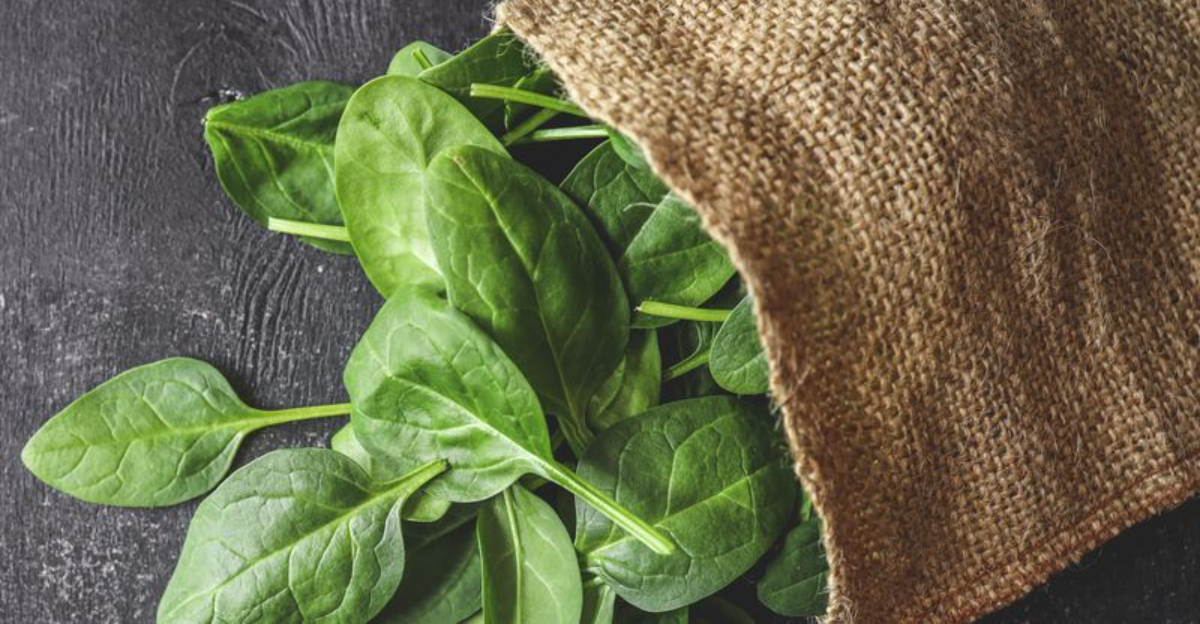
You load the cart with healthy staples, full of good intentions, then watch them wilt, sour, or expire untouched. It is not laziness, just busy weeks, crowded fridges, and unrealistic plans.
Here is how those good-for-you buys so often end up in the trash, plus simple fixes so you actually enjoy them. Save money, reduce waste, and feel better eating what you meant to eat.
Greek Yogurt
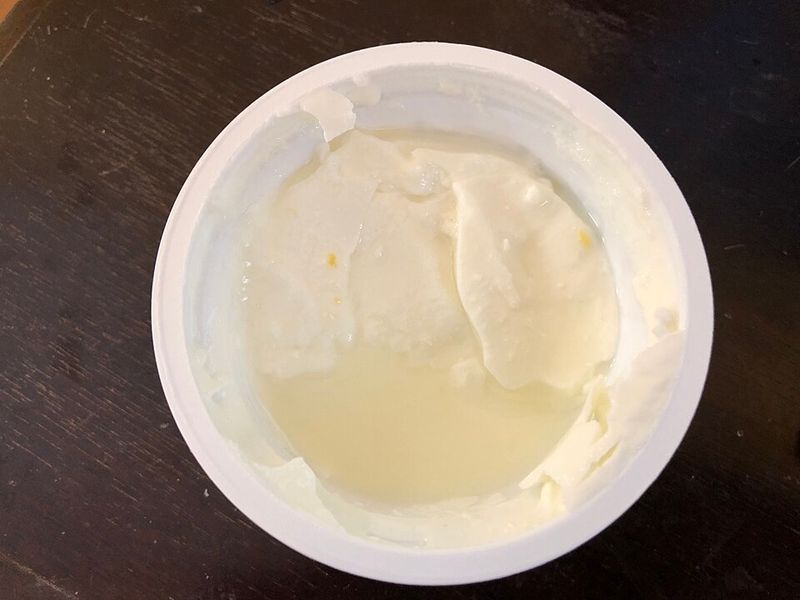
Greek yogurt promises protein, but those cups can linger until the date passes. Flavors you did not love the first time tend to sit, untouched.
Bigger tubs can get watery, and you hesitate to stir and scoop.
Buy plain, then sweeten lightly with honey, jam, or fruit you already have. Portion into jars right after shopping for grab-and-go breakfasts.
Whisk leftovers into dressings, marinades, and pancake batter. Freeze small dollops for smoothies if time slips away.
Keep the tub up front at eye level so you remember it. When options are visible, you actually eat them.
Baby Carrots
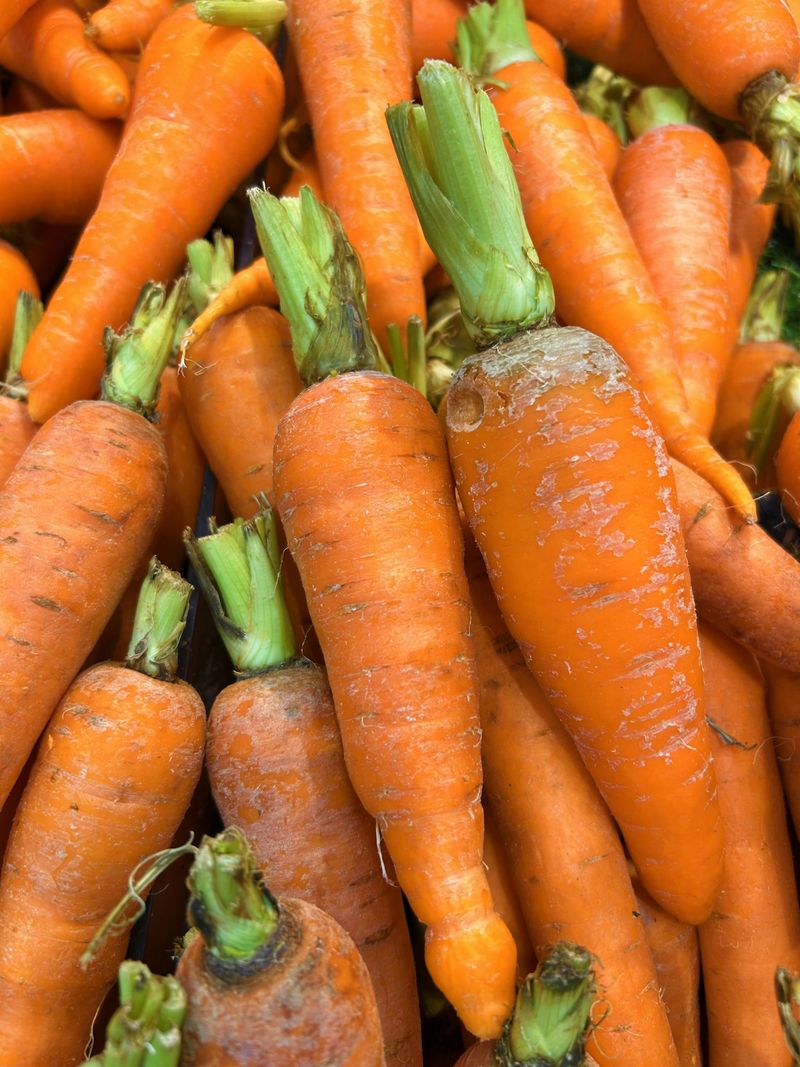
Baby carrots look snackable, but they often dry out or turn rubbery. That whitish haze is dehydration, not spoilage, yet it still turns you off.
They slide into a drawer and vanish under lettuce and cheese.
Refresh them in cold water to restore crispness and appeal. Keep a small container front and center with hummus or ranch for easy dipping.
Chop extras into soups, stews, or roast with olive oil and spices. Shred into muffins and meatloaf for moisture.
Pre-portion snack bags right after shopping so you actually grab them between meetings. Convenience wins every time.
Salad Mix
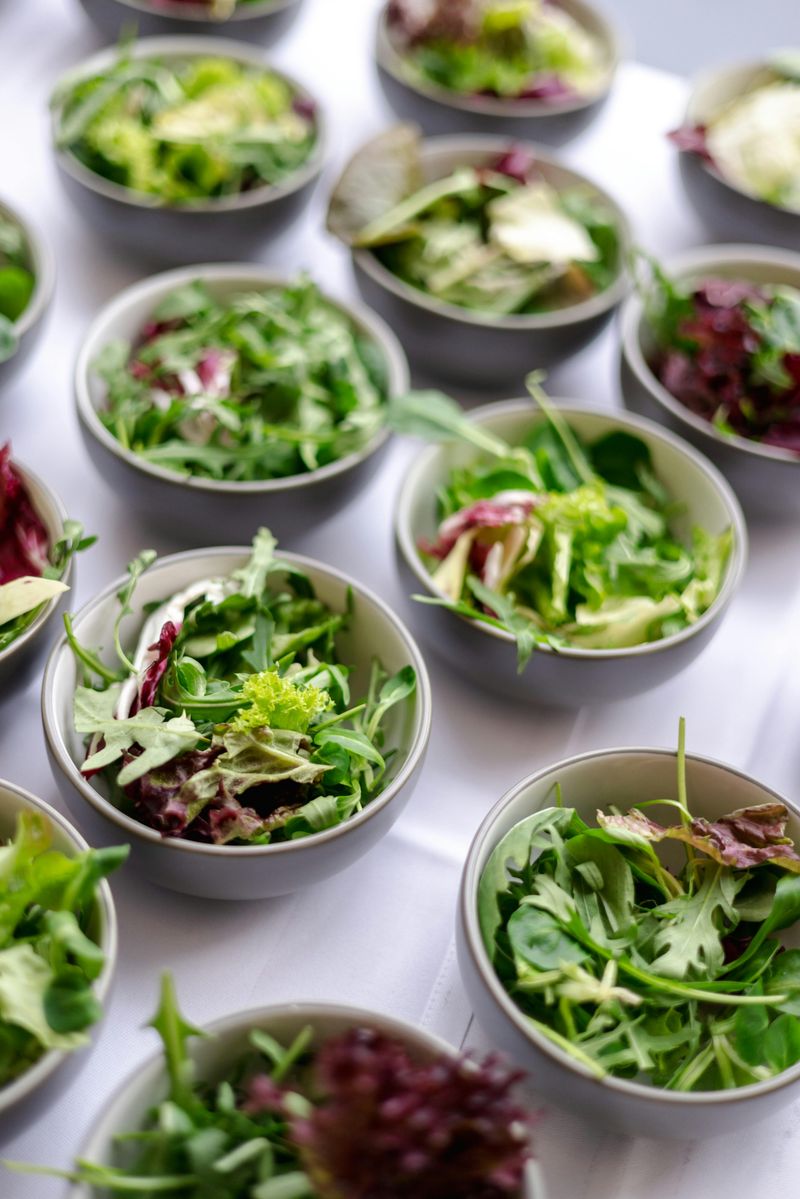
That clamshell of greens feels like a shortcut, until it collapses into mush. One slimy leaf infects the rest, and suddenly the whole mix smells off.
You planned salads all week, but dinners slipped and the box aged fast.
Open immediately, add paper towels, and invert the box to redistribute moisture. Build jars with dressing at the bottom and greens on top for quick lunches.
Toss handfuls onto tacos, pizza, and grain bowls so greens do not rely on willpower. If leaves tire, sauté quickly and top with eggs.
Buying smaller boxes twice a week beats heroic waste.
Fresh Berries
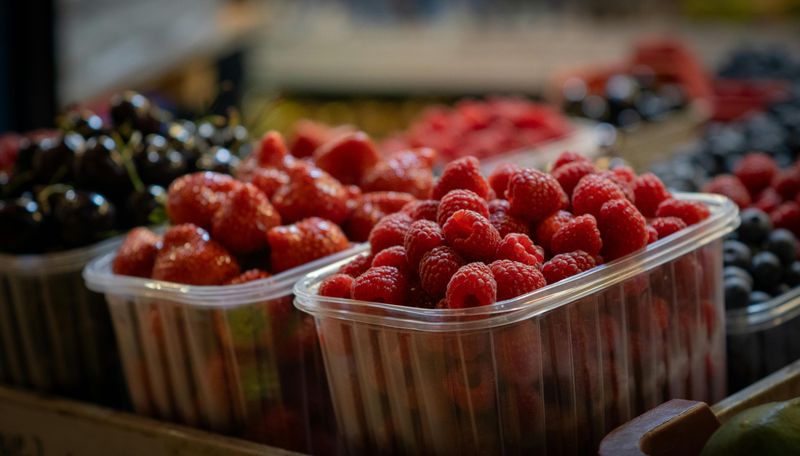
Berries spoil fast, so that buy-one-get-one deal becomes buy-one-toss-one. A single fuzzy raspberry can spread mold, and the bottom layer gets crushed.
By the time dessert rolls around, the carton smells like regret.
Rinse in a vinegar-water bath, dry thoroughly, and store with paper towels in breathable containers. Prioritize the softest first in yogurt bowls and pancakes.
Freeze extras on a sheet, then bag for smoothies and sauces. Keep berries on the top shelf where you see them daily.
When fruit greets you at eye level, you actually eat it. Think first-in, first-out like a tiny grocer.
Hummus Tub
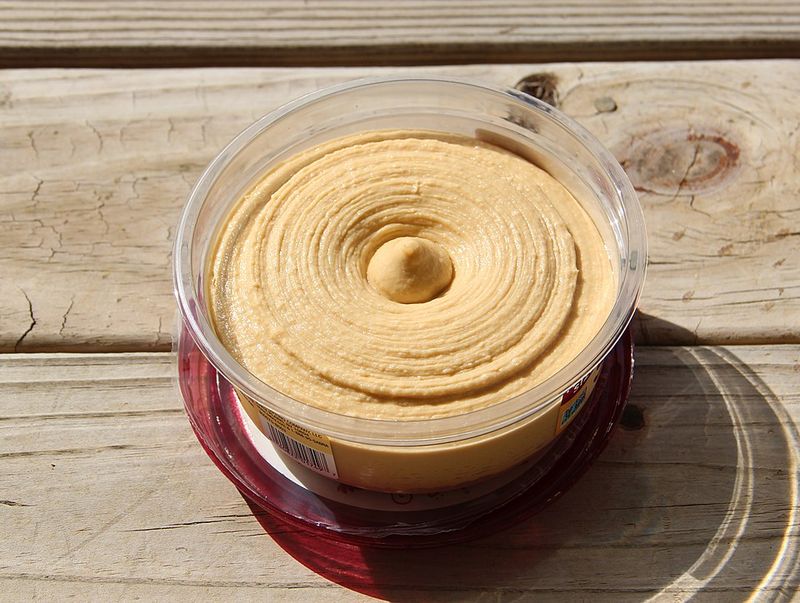
A family-size hummus tub looks thrifty, until it dries around the rim. You dip once, forget it for days, then worry about double-dipping and freshness.
It lingers behind jars and turns into a beige time capsule.
Buy smaller tubs or portion into ramekins right away for planned snacks. Swirl in olive oil and lemon to revive texture.
Spread on wraps, burgers, and grilled cheese to add protein and moisture. Thin with water for a quick dressing.
Keep it on the snack shelf beside carrots and celery. Pairing items boosts the chance you will actually eat them.
Celery Sticks
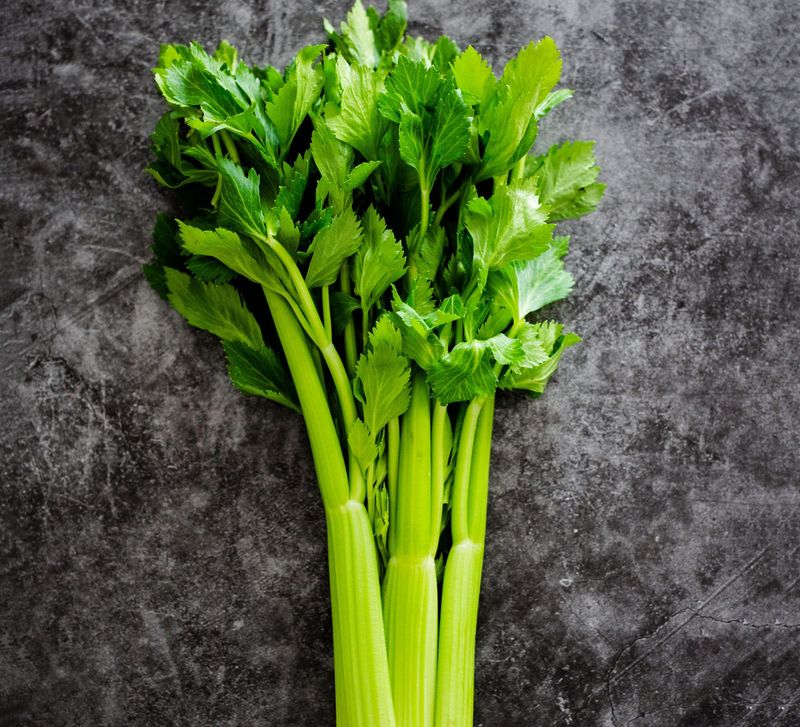
Celery often goes limp before anyone remembers to crunch it. Precut sticks dry out in plastic bags, and whole stalks hide under greens.
You promise to make ants on a log, then the peanut butter never appears.
Stand celery in a jar of cold water for snap that lasts. Slice what you will actually use and keep it visible near dips.
Dice leaves and tops for soups and salads so nothing lingers. Wrap remaining ribs in foil to slow moisture loss.
Pair with tuna salad or hummus for quick lunches. The easier the crunch, the faster it disappears.
Cottage Cheese
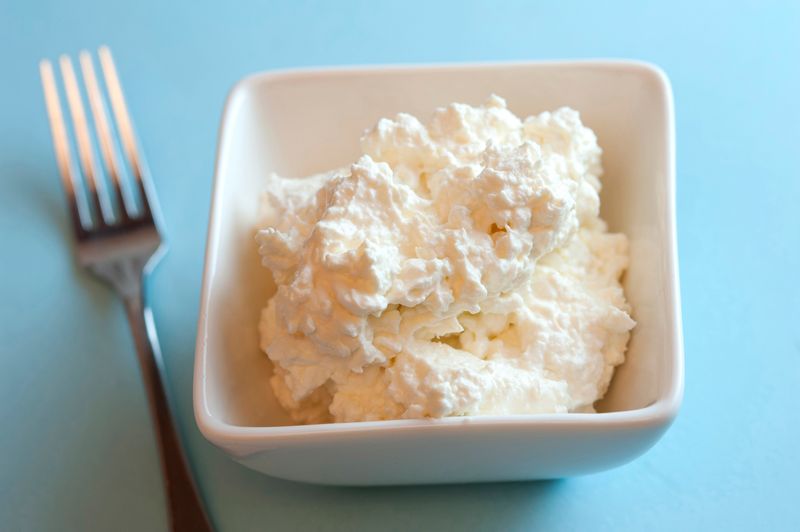
Cottage cheese feels wholesome, then the whey separates and you hesitate. The texture seems odd after a few days, and lunch plans shift.
A big tub sits behind pickles until the date creeps past.
Stir well, portion into small jars, and top with fruit or tomatoes. Spoon into scrambled eggs, pancakes, and smoothies for extra protein.
Blend into creamy dips with herbs and lemon. Buy smaller tubs if waste keeps happening.
Place it at eye level next to berries so you remember. When pairing becomes habit, you eat what you buy and save money.
Avocado Slices
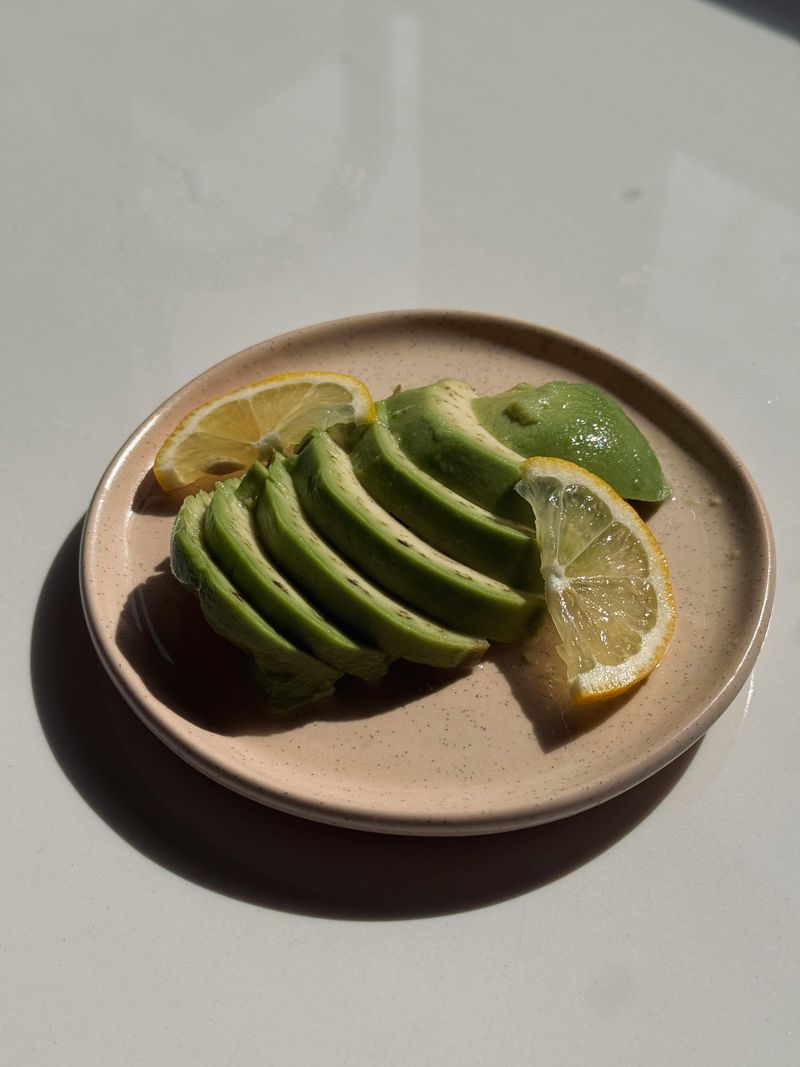
Avocados ripen all at once, and slices brown before you can blink. You swear you will make toast daily, then meetings win.
Half a fruit turns gray in the fridge and gets tossed.
Store slices with lemon juice, pressed flat with plastic wrap touching the surface. Mash with lime, salt, and freeze in small bags for fast guac.
Add to smoothies for creaminess when color is not critical. Stagger ripening by refrigerating firm avocados and pulling them out as needed.
Keep a ripeness rotation bowl on the counter. Planning ripeness saves both money and disappointment.
Broccoli Florets
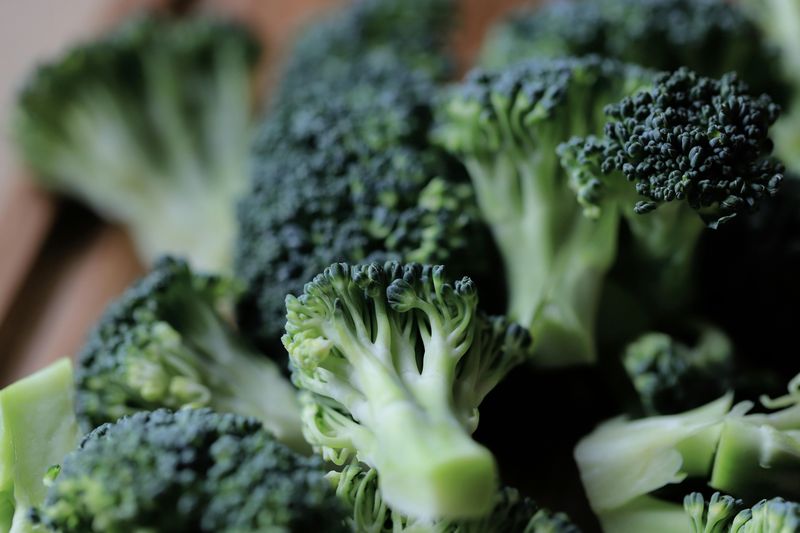
Pre-cut broccoli feels convenient, yet it yellows fast and smells sulfurous. You meant to roast it Tuesday, then the week slid by.
By Friday, the bag looks tired and everyone votes for pizza.
Roast immediately after shopping with olive oil, salt, and high heat. Store cooked florets ready for bowls, omelets, and reheatable sides.
Steam and shock a batch for quick stir-fries. Peel and slice stems for slaws and soups so nothing wastes.
Keep a spice blend nearby to make vegetables exciting. The faster you season and cook, the more likely you will eat it.
Fresh Herbs
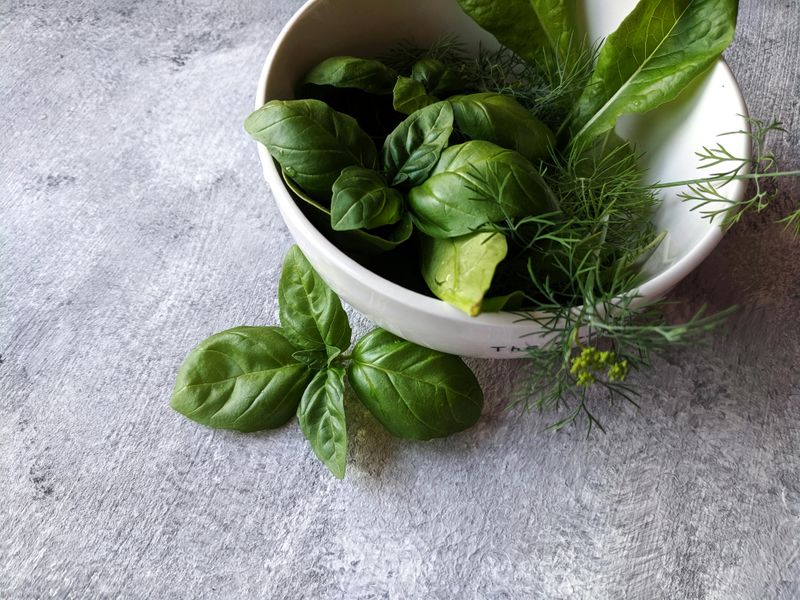
Herbs transform meals, but bunches wilt before you reach for them. Cilantro turns to mush, basil blackens, and dill perfumes the entire drawer.
You intend to garnish generously, then forget beneath takeout boxes.
Treat herbs like flowers: trim stems, jar in water, tent loosely with bags. Spin dry after washing and wrap in paper towels for containers.
Chop leftover herbs with oil into ice cube trays for instant flavor. Make chimichurri, pesto, or herbed butter the day you shop.
Label jars so you remember the plan. Flavor stays vivid when storage is thoughtful and visible.
Almond Milk
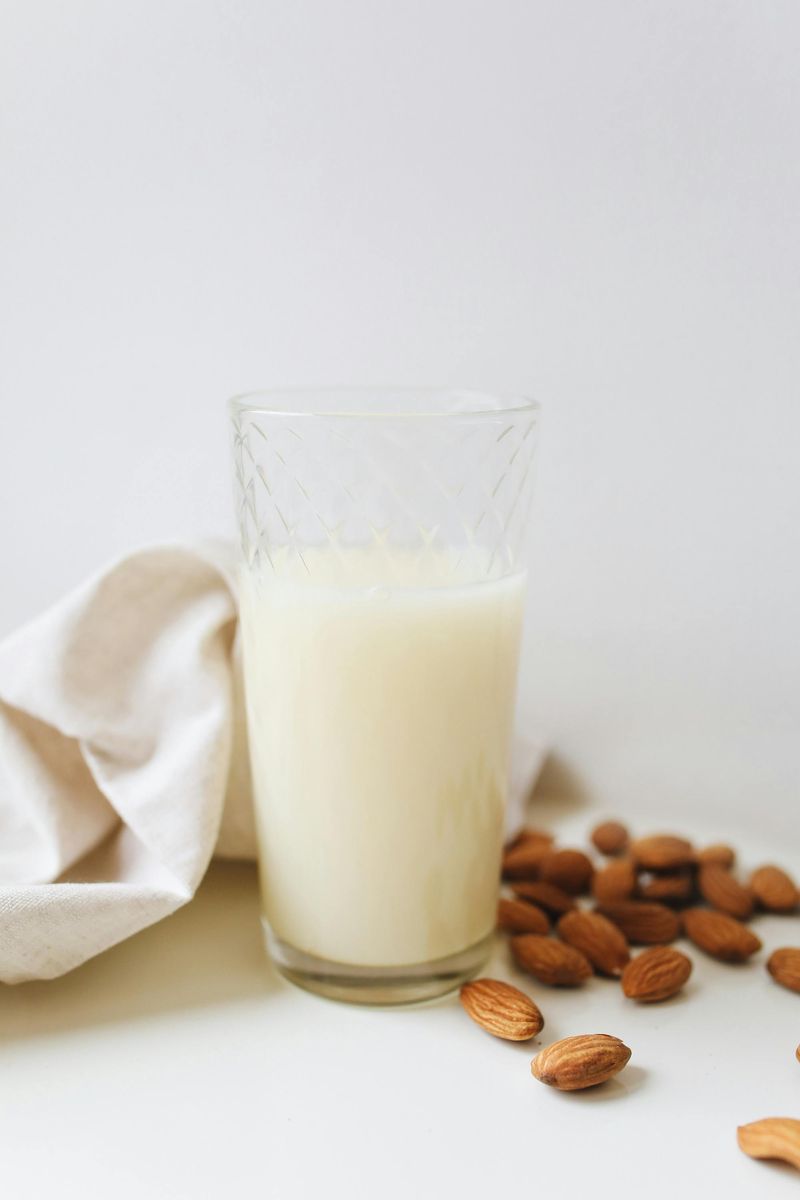
Almond milk seems versatile, yet a carton can sit ignored for weeks. You bought it for smoothies, then coffee routine changed.
The date creeps up and you wonder if it is still fine.
Buy smaller cartons or shelf-stable packs to open as needed. Use in overnight oats, chia pudding, and cream soups.
Steam for lattes, or blend with cocoa and dates for dessert. Freeze leftovers in cubes for smoothies.
Keep it beside coffee and cereal so it stays top of mind. When placement fits routine, you finish cartons without drama or waste.
Protein Drinks
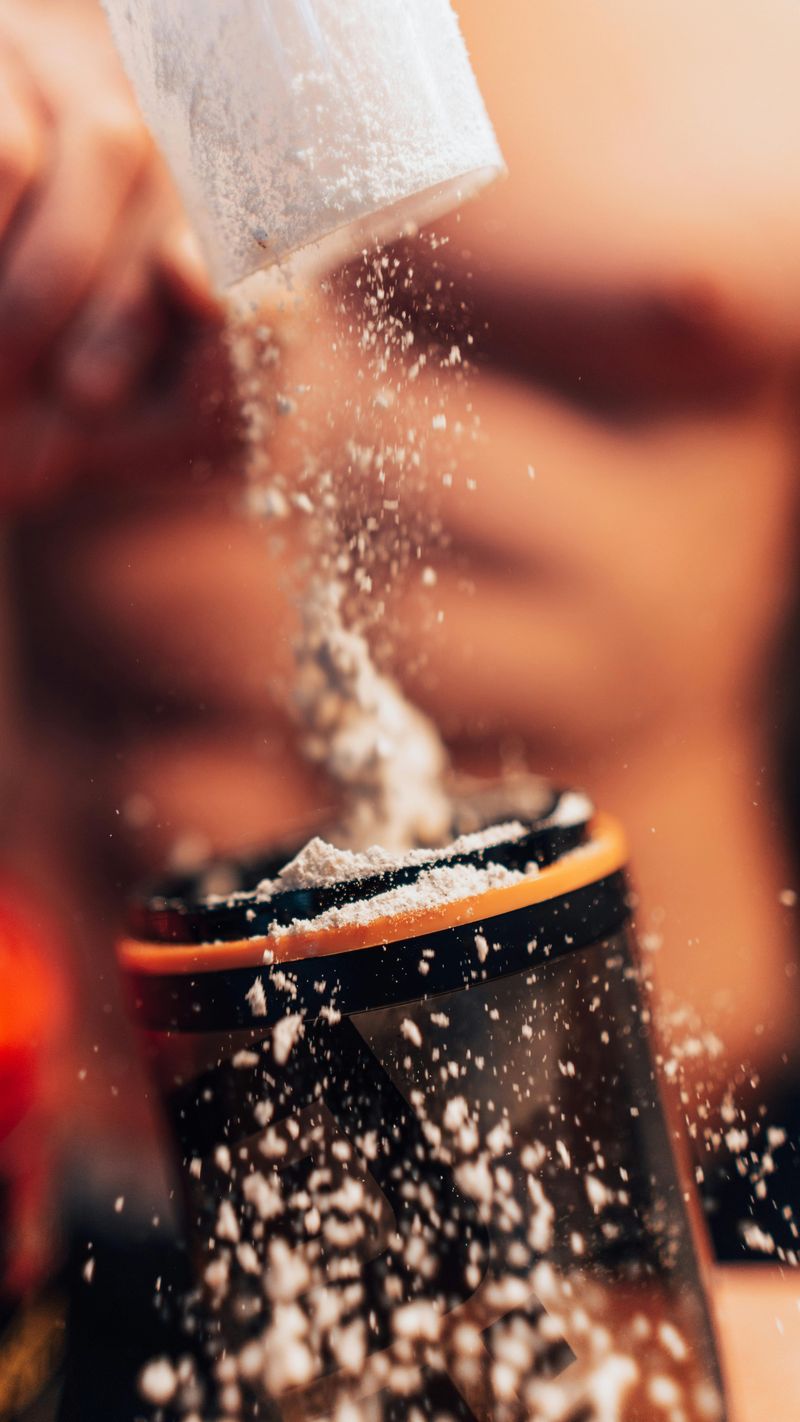
Ready-to-drink shakes pile up when gym plans slip. Flavors you did not love linger the longest.
A case deal felt smart, but now dusty bottles stare back.
Chill a few and keep them near workout shoes for immediate use. Blend less-loved flavors with banana, cocoa, or coffee.
Use as liquid for overnight oats or pancake batter. Buy singles until you know favorites, then stock modestly.
Rotate newest bottles to the back like a store. Systems beat motivation, and your money stops sitting in plastic.
Green Juice
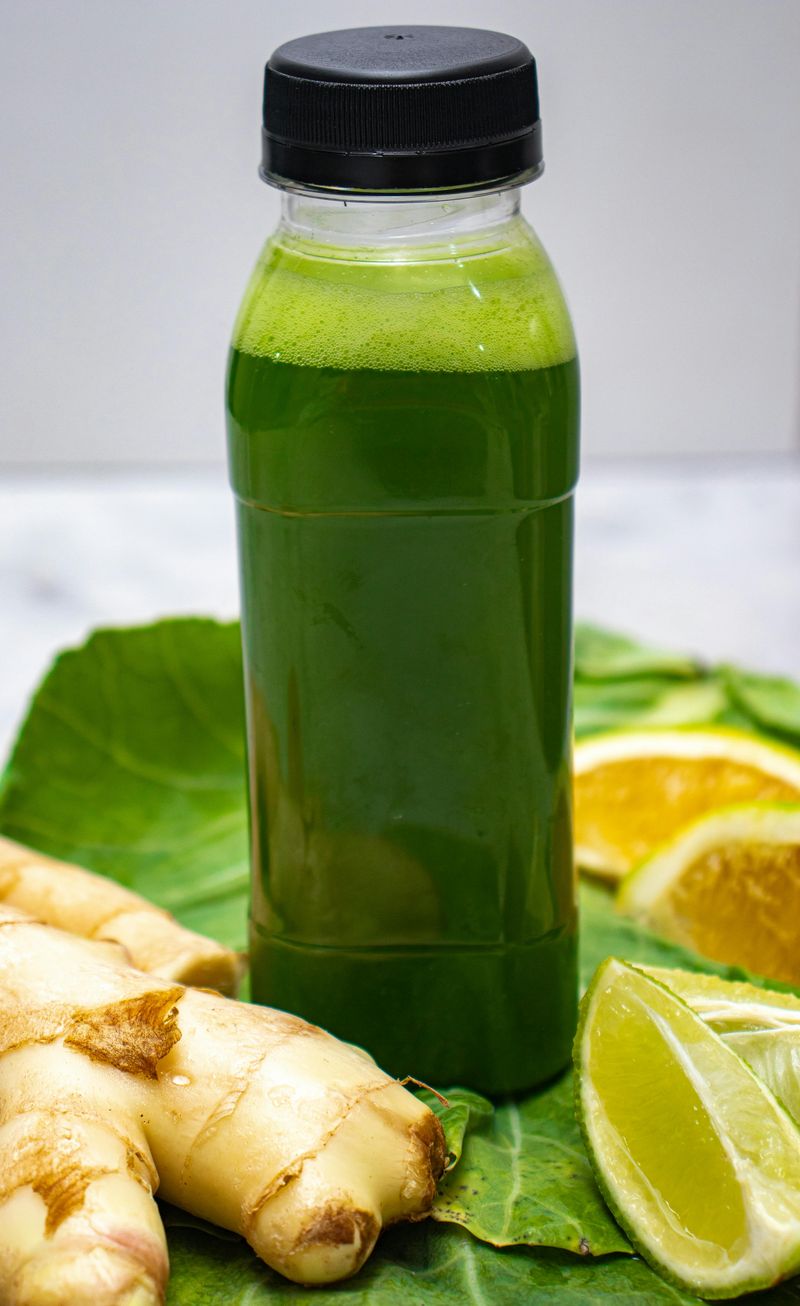
That vibrant green juice feels like a reset, but it expires fast. The flavor can be grassy, so you postpone, then forget.
By morning number three, it is turning and you are over it.
Pour over ice with citrus and ginger to brighten. Freeze into cubes for smoothies when you cannot finish in time.
Share a bottle or buy smaller portions instead of aspirational jugs. Keep it in the front row where you will notice it first.
A plan for day one and two prevents costly, sad sips down the drain.
Deli Turkey
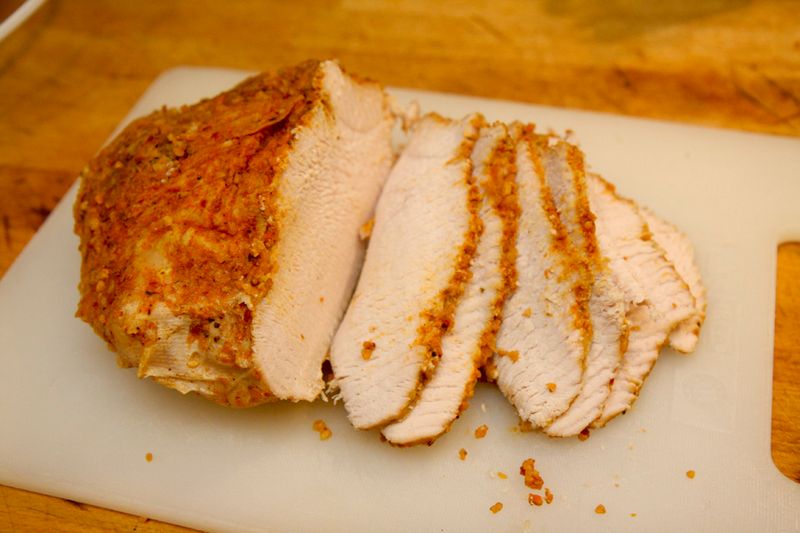
Deli turkey dries quickly, and the slices fuse together if ignored. You picture balanced sandwiches, then lunch becomes meetings and vending machine snacks.
By the weekend, it smells questionable, and you bin it.
Divide into small packs on day one and freeze extras. Roll slices around pickles or cheese for quick snacks.
Chop into scrambles, fried rice, or quesadillas before dryness sets in. Store tightly wrapped with parchment to prevent sticking.
Keep a sandwich kit bin so everything you need lives together. When the fixings are gathered, you actually build the meal.
String Cheese
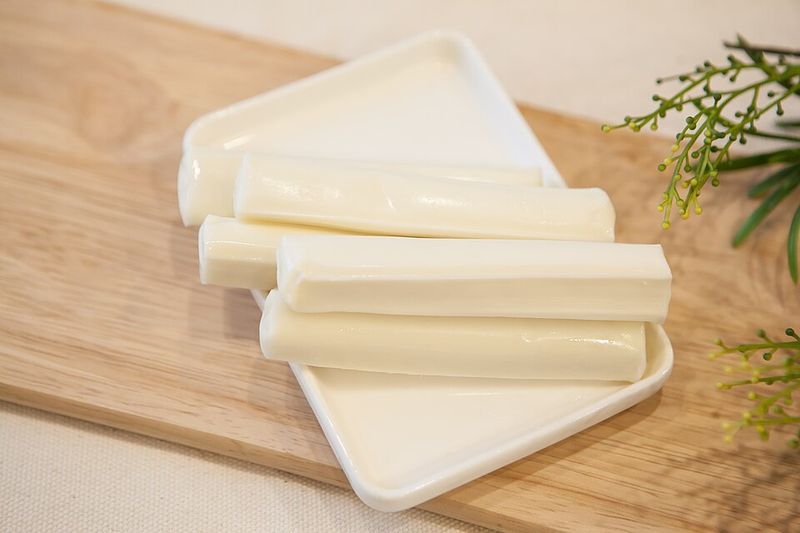
String cheese seems foolproof, yet sticks migrate to the back corner. Without a plan, they become last-resort snacks nobody chooses.
The wrapper date sneaks up and you toss a handful.
Decant into a clear bin at kid eye level. Pair with apples or nuts in snack packs you assemble after shopping.
Shred leftovers onto pizza, soups, or baked potatoes. Slice into omelets or melt in quesadillas.
Buy only what fits one week of lunches. When snacks are pre-paired and visible, they move fast and waste less.
Cauliflower Rice
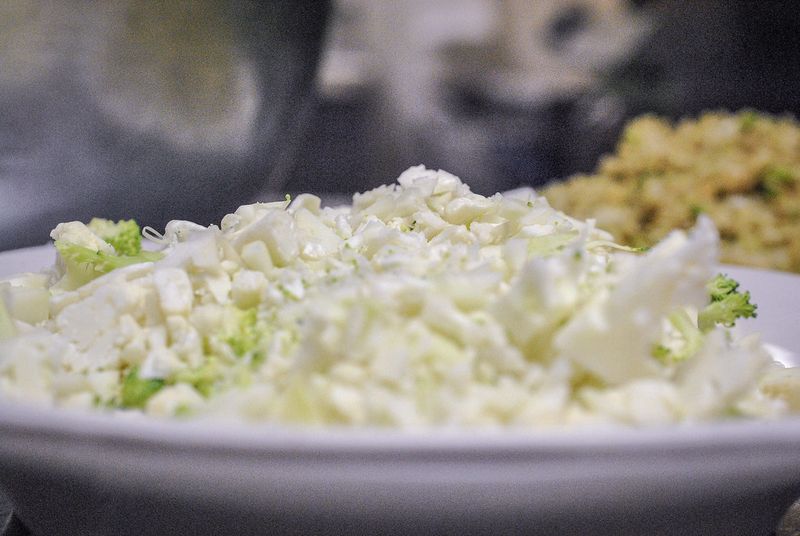
Cauliflower rice sounds like low-carb magic until it turns sulfurous. Fresh bags weep moisture and go mushy.
You imagine bowls and stir-fries, then default to takeout and the clock runs out.
Cook it hot and fast on day one to drive off moisture. Roast on a sheet pan for better texture.
Freeze portions flat for easy reheating when schedules shift. Stir into eggs, burritos, and fried rice to disappear seamlessly.
Season generously with garlic, herbs, and lemon. When flavor and timing work, you actually enjoy it and stop tossing bags.
Kale Mix
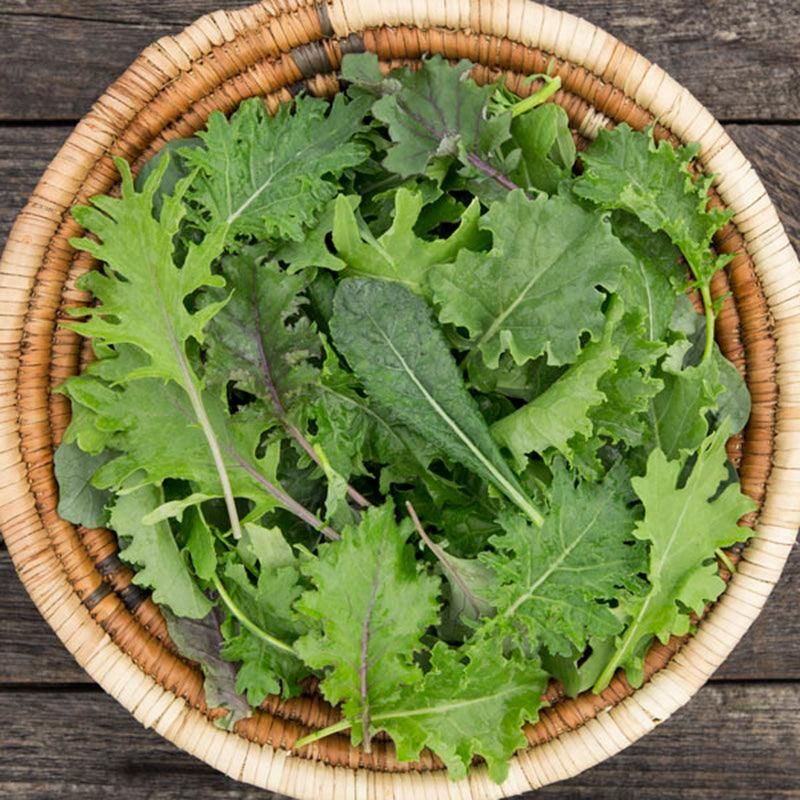
Kale mixes can be stemmy and tough, so they stall in the fridge. You promise salads, then dread chewing through lumber.
By the time resolve returns, bitterness wins and the bag spoils.
De-stem the worst pieces, then massage with olive oil, salt, and lemon. Add something juicy like oranges, avocado, or roasted sweet potatoes.
Sauté leftovers for pasta, grains, and breakfast hashes. Blend into pesto with nuts to tame the bite.
Store washed and dried in a container with paper towels. When texture is handled early, kale becomes easy, not punishment.
Cherry Tomatoes
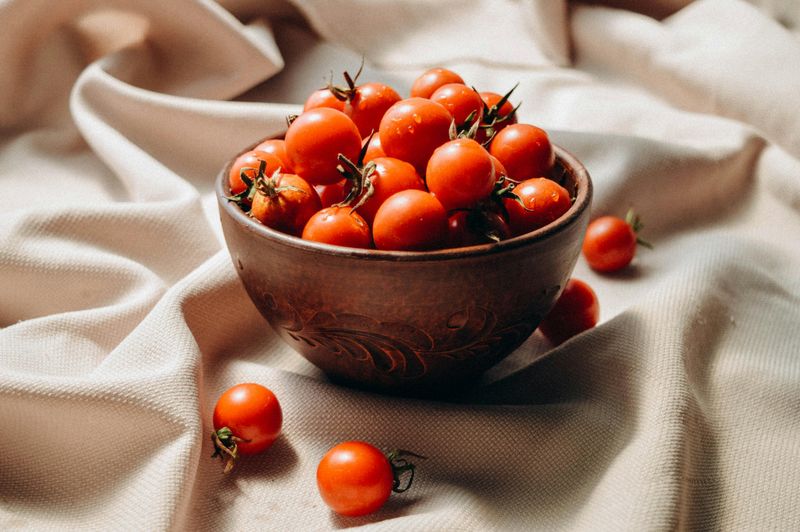
Cherry tomatoes wait prettily on the counter until skins wrinkle. A few split, leak, and the rest follow.
You planned salads, then forgot dressing and the moment passed.
Roast wrinkly ones with olive oil, salt, and garlic for a sweet sauce. Store roasted tomatoes for toast, pasta, or omelets.
Skewer with mozzarella for instant snacks. Keep a small bowl visible with a note to use first.
Refrigerate only when fully ripe to slow decline. Visibility and a roasting plan rescue nearly every pint.
Fruit Cups
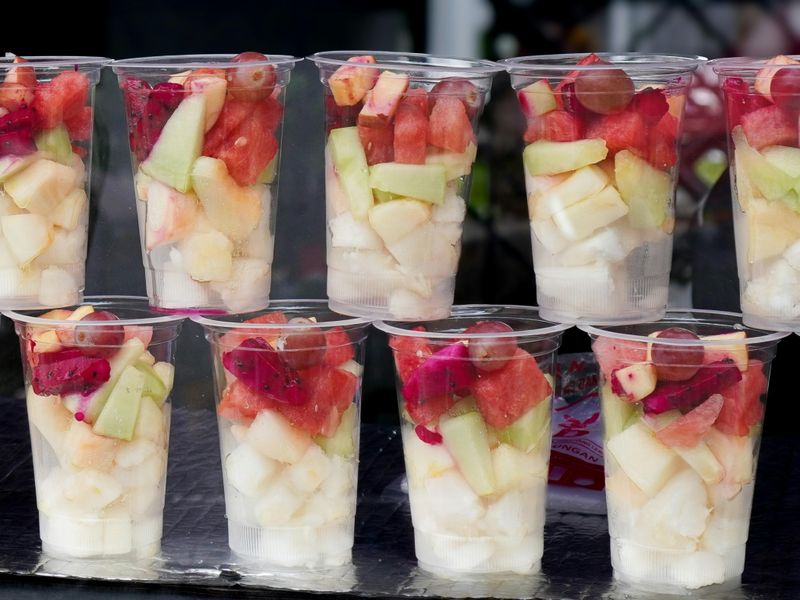
Fruit cups feel kid-friendly, yet flavors nobody loves gather dust. The syrupy ones linger while preferred varieties vanish.
Soon a sticky box lives forever in the pantry.
Rotate stock like a store and donate extras you will not eat. Chill a few for lunchboxes and post-workout sugars.
Drain syrup and mix with yogurt or cottage cheese. Use the juice in smoothies to avoid waste.
Buy smaller multipacks, or only favorite flavors. When choices match actual tastes, the cups do not outlive three grocery cycles.
Yogurt Parfaits
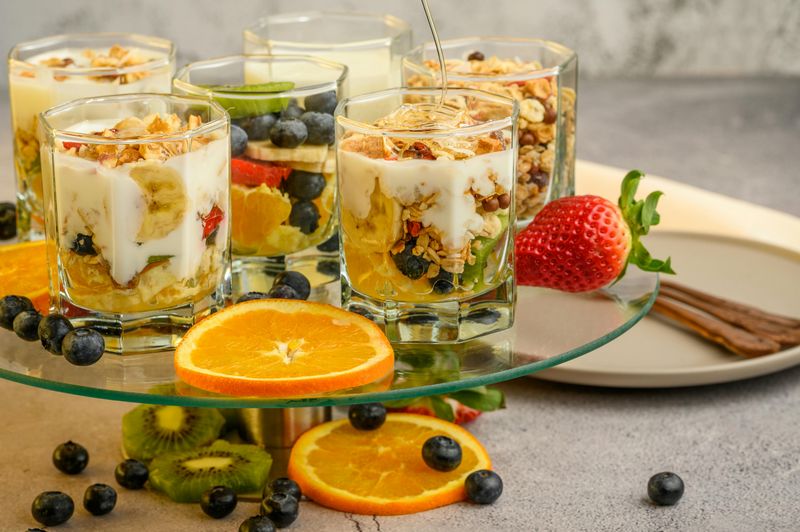
Pre-made parfaits seem efficient until granola turns soggy and fruit bleeds. You prep for five days, then plans change by day two.
The rest become sad jars you avoid.
Layer smart: yogurt first, sturdy fruit, then granola in a separate container. Prep only three days, then refresh midweek.
Use frozen berries so they thaw into a swirl. Stir in chia to stabilize texture.
Keep toppings in a labeled bin for fast assembly. Right portions and crisp layers mean you will actually finish every jar.
Bagged Spinach
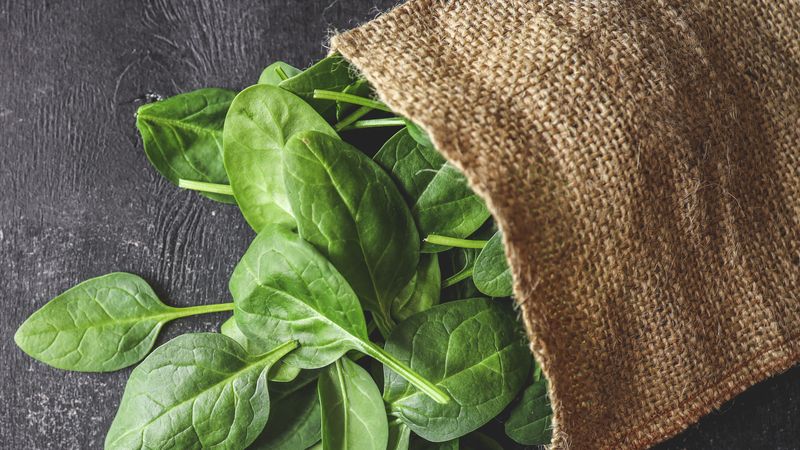
Bagged spinach feels like a smart choice until those leaves wilt overnight. Moisture in the bag accelerates slime, and you forget it behind leftovers.
By midweek, it smells tired and you are ordering takeout again.
Buy smaller bags, or split into paper towel lined containers right away. Toss a handful into eggs, soups, and smoothies the day you shop.
If the color fades, sauté with garlic and freeze in muffin cups for later. Label portions so you actually use them in pastas, grains, or quesadillas.
Remember, spinach shrinks a lot, so cook more than you think. Waste less, feel better.
Enjoyed this story?
Add Fast Food Club as a preferred source to see more of our reporting on Google.