


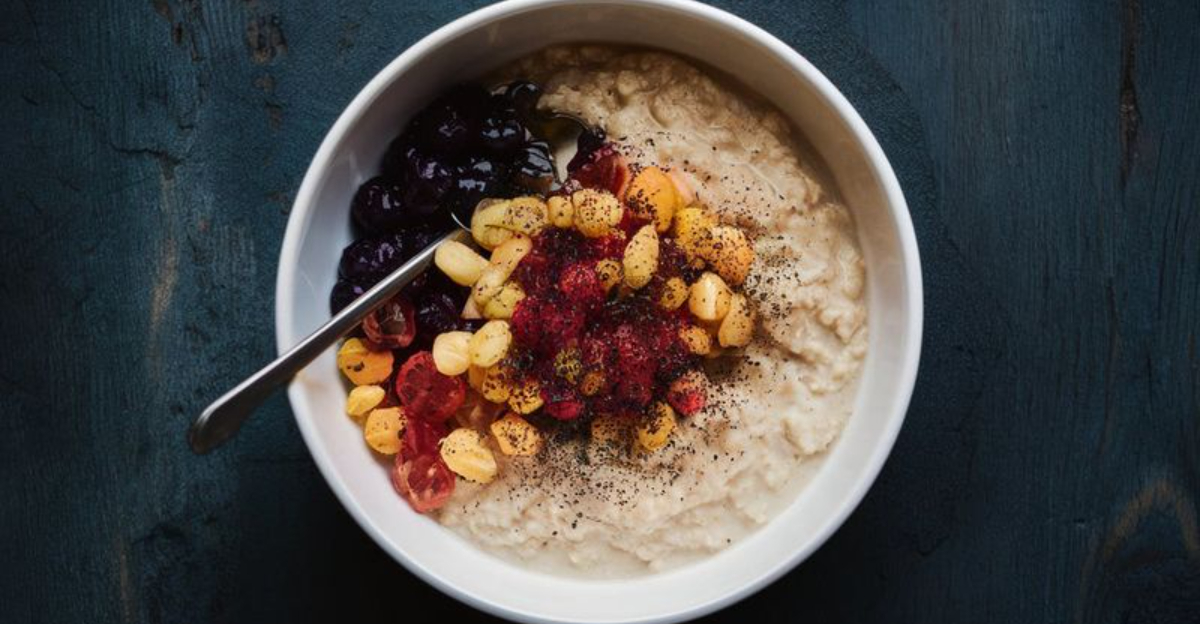
Healthy sounding labels can be sneaky. A product might shout natural, protein, or low fat, while quietly packing sugar, refined starches, and tiny portions.
If you have ever grabbed a quick bite and later wondered why you were still hungry or bloated, marketing likely won. Here is how to spot the traps and choose smarter swaps without losing convenience or flavor.
Granola Bars
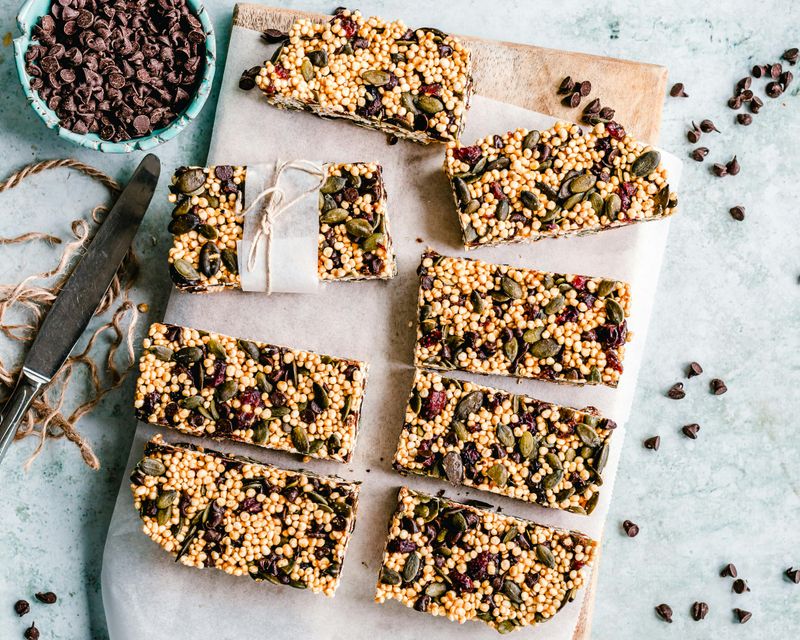
Granola bars look wholesome because of oats, nuts, and rustic packaging, but many hide syrups and added sugars. Portions seem small, yet two bars can equal a candy bar in calories.
When you flip the label, you often find honey, brown rice syrup, cane sugar, or chicory fiber propping up the sweetness.
Choose bars with short ingredients, 3 grams fiber, and under 7 grams added sugar per serving. Pair with Greek yogurt or a piece of fruit for staying power.
Or better, make quick sheet pan granola using rolled oats, chopped nuts, seeds, cinnamon, and a restrained drizzle of maple. You control the sugar.
Veggie Chips
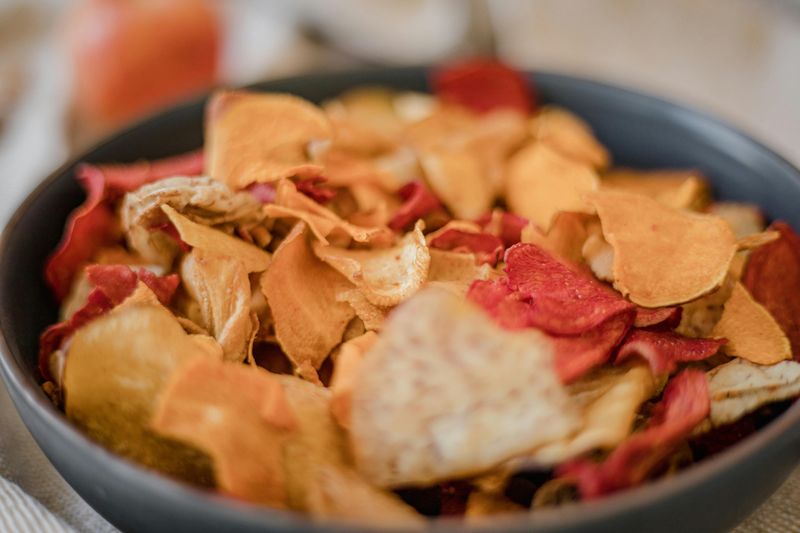
Veggie chips sound like salad in a bag, but most are just fried or baked starch with vegetable powders. The vitamins that survived processing are minimal, while salt and oils dominate.
A serving can rival regular chips in calories, with less satisfying crunch than fresh vegetables.
If you crave crunch, try roasted chickpeas, lightly salted air-popped popcorn, or sliced cucumbers with hummus. At the store, check ingredients for actual vegetables listed first, not starches or flours.
Compare sodium and look for oils like olive or avocado. You deserve snacks that taste great and still leave you energized an hour later.
Fruit Snacks
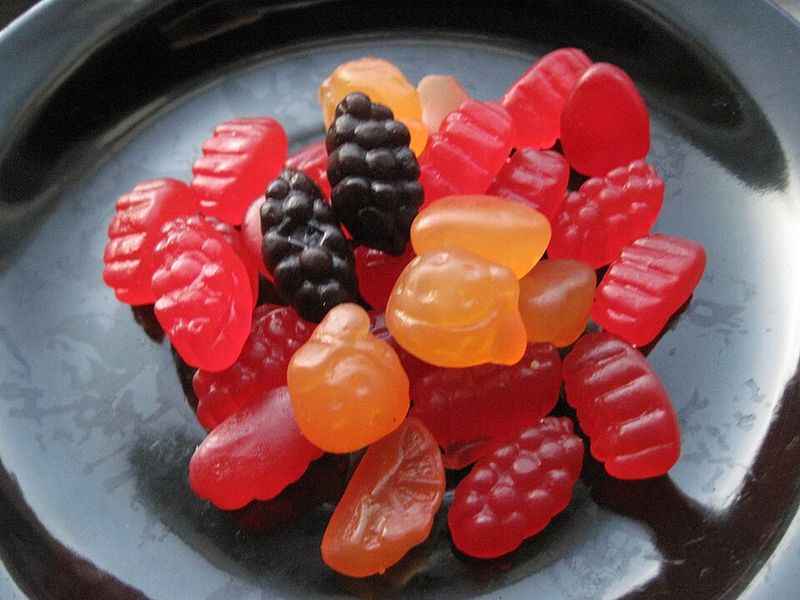
Fruit snacks wear fruit shapes and colorful claims, but they are sweetened gels with little fiber. Many list fruit puree or juice concentrate, which is basically sugar minus the fruit’s structure.
That quick hit of sweetness can spike energy, then fade fast, leaving you wanting more.
For lunchboxes, try dried fruit without added sugar, freeze dried fruit, or small containers of fresh berries. Pair fruit with protein, like nuts or cheese, to slow digestion.
Read labels for added sugars and gelatin if you want plant based options. You can keep the fun, just swap the candy disguised as fruit.
Protein Cookies

Protein cookies promise gym friendly indulgence, but most pack refined flour, sugar alcohols, and saturated fats. The protein often comes from isolates that can be chalky and not very filling on their own.
A single cookie can deliver dessert level calories without the satisfaction you expect from a real meal.
Look for options with whole grains, nut butter, and at least 3 grams fiber. Keep added sugar in single digits and check for bloating from sugar alcohols like maltitol.
Better yet, make quick oat banana cookies with peanut butter and chocolate chips. You get protein, fiber, and flavor without the marketing noise.
Flavored Yogurt
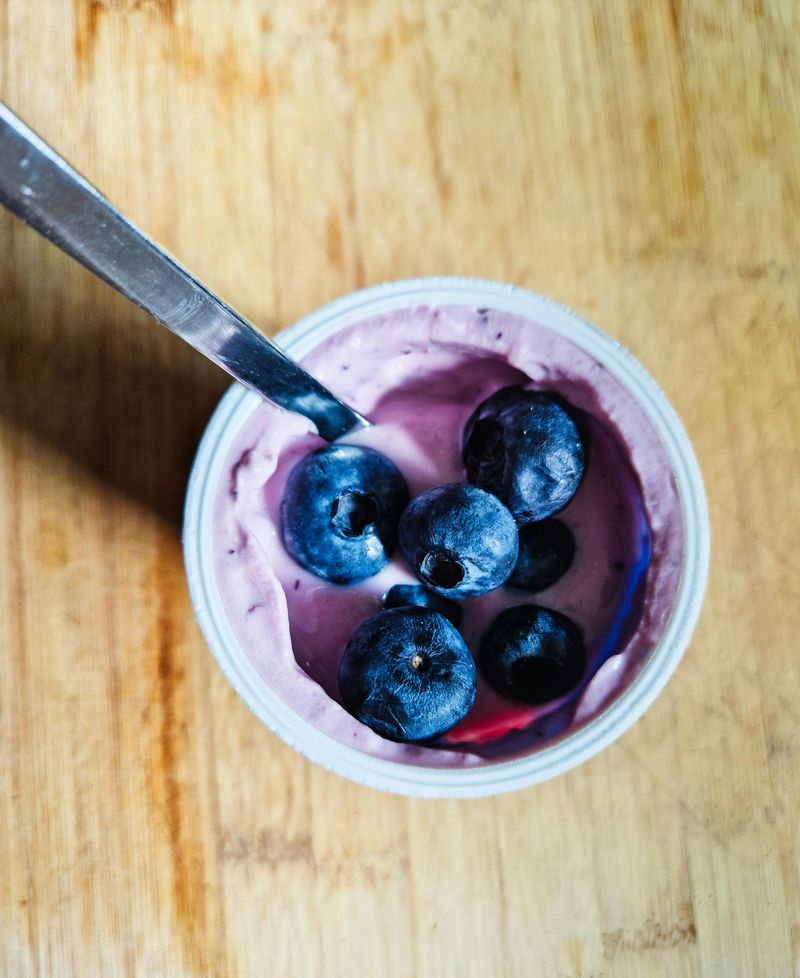
Flavored yogurt can taste like dessert because it often is. Many cups hide 12 to 20 grams of added sugar in a tiny serving, even when labeled natural or light.
That sugary base may overshadow yogurt’s protein and probiotics, leaving you hungrier than plain varieties would.
Choose plain yogurt and add your own fruit, cinnamon, and a drizzle of honey if needed. Greek yogurt offers extra protein for better fullness.
Scan labels for added sugar and aim for less than 7 grams per serving. When you control the toppings, yogurt turns into a balanced breakfast or snack that truly supports your goals.
Smoothie Bottles
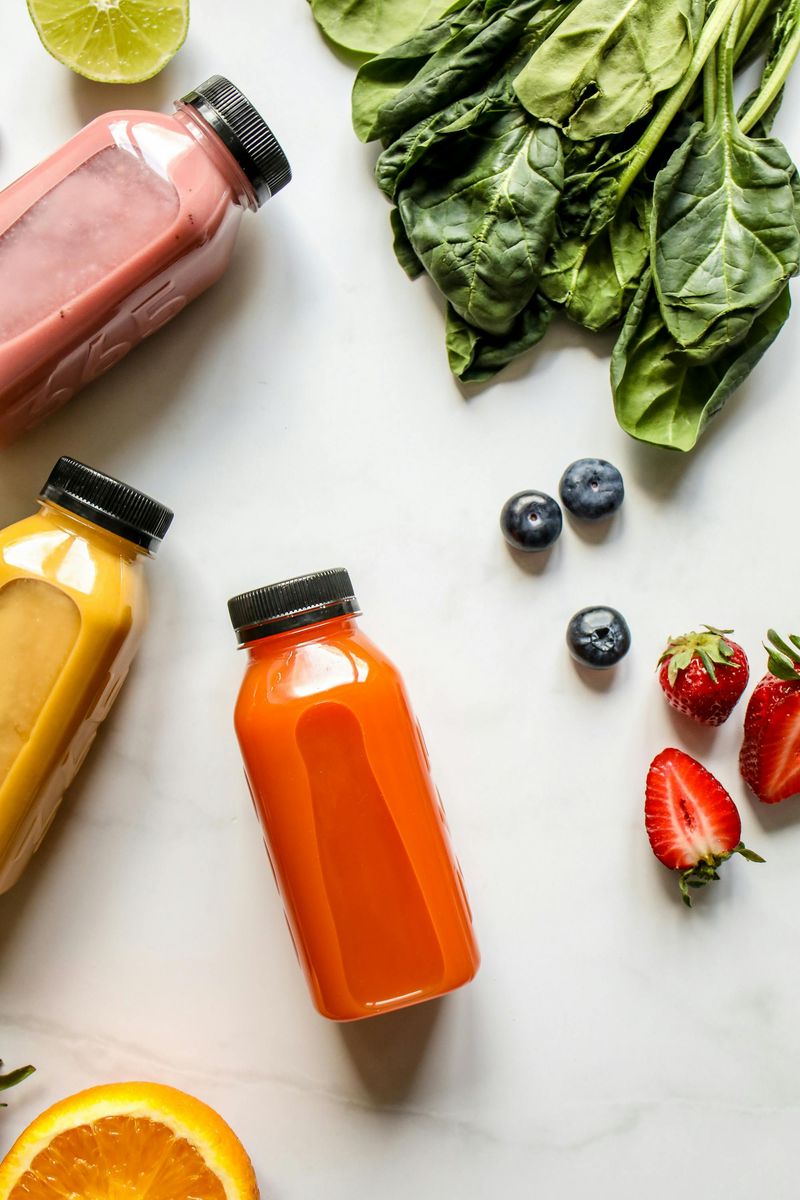
Bottled smoothies feel like a shortcut to health, yet many are fruit juice heavy with minimal fiber. A bottle can hide multiple servings, quickly stacking calories.
Even green blends may rely on apple or grape juice for sweetness, meaning a sugar rush without the chew that slows absorption.
Buy blends that list whole fruit and vegetables first, with at least 3 grams fiber and modest protein. Consider blending at home using frozen berries, spinach, Greek yogurt, and chia seeds.
It takes minutes and keeps portions honest. You get the satisfying texture, the nutrients you expected, and far fewer label surprises.
Rice Cakes
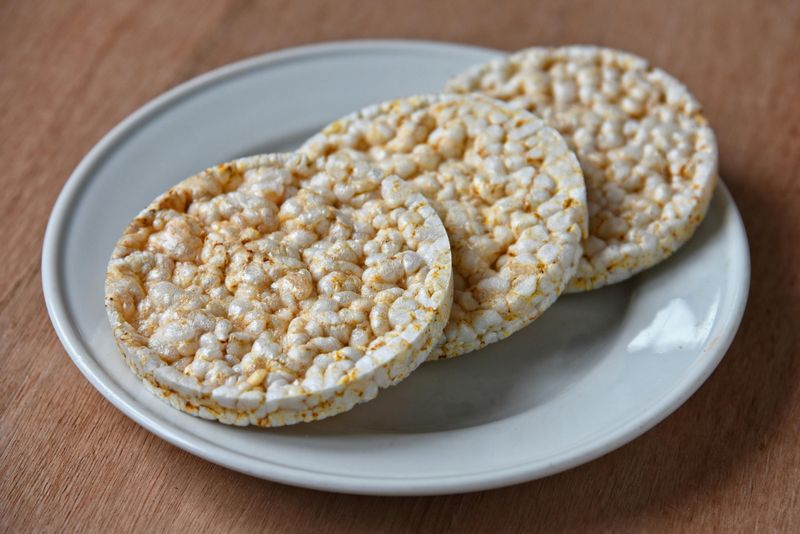
Rice cakes wear a healthy halo because they are low in fat and airy. Unfortunately, they are mostly quick digesting starch that leaves you hungry fast.
Flavored varieties often add sugars, salt, and artificial seasonings, which do not help satiety or nutrition.
Use them as a vehicle for balanced toppings instead of snacking plain. Add peanut butter and sliced banana, cottage cheese with tomatoes, or avocado with seeds for fiber, fat, and protein.
If you prefer crunch, try whole grain crackers with nuts or hummus. Small changes transform rice cakes from bland puffs into a satisfying, smarter snack.
Frozen Smoothies

Frozen smoothie kits promise convenience, yet some sneak in sweetened fruit, sherbet, or added sugars. Portions can be oversized when blended, ballooning calories beyond expectations.
Even without added sugar, fruit heavy blends lack protein and fiber, so hunger returns quickly.
Check ingredients for only unsweetened fruit and vegetables. Balance your blender with greens, Greek yogurt, tofu, flax, or chia for protein and fiber.
Measure portions and liquid to control thickness and calories. A quick homemade freezer pack with berries, spinach, and almond butter costs less, tastes fresher, and delivers the sustained energy you actually wanted from smoothies.
Cereal Bars
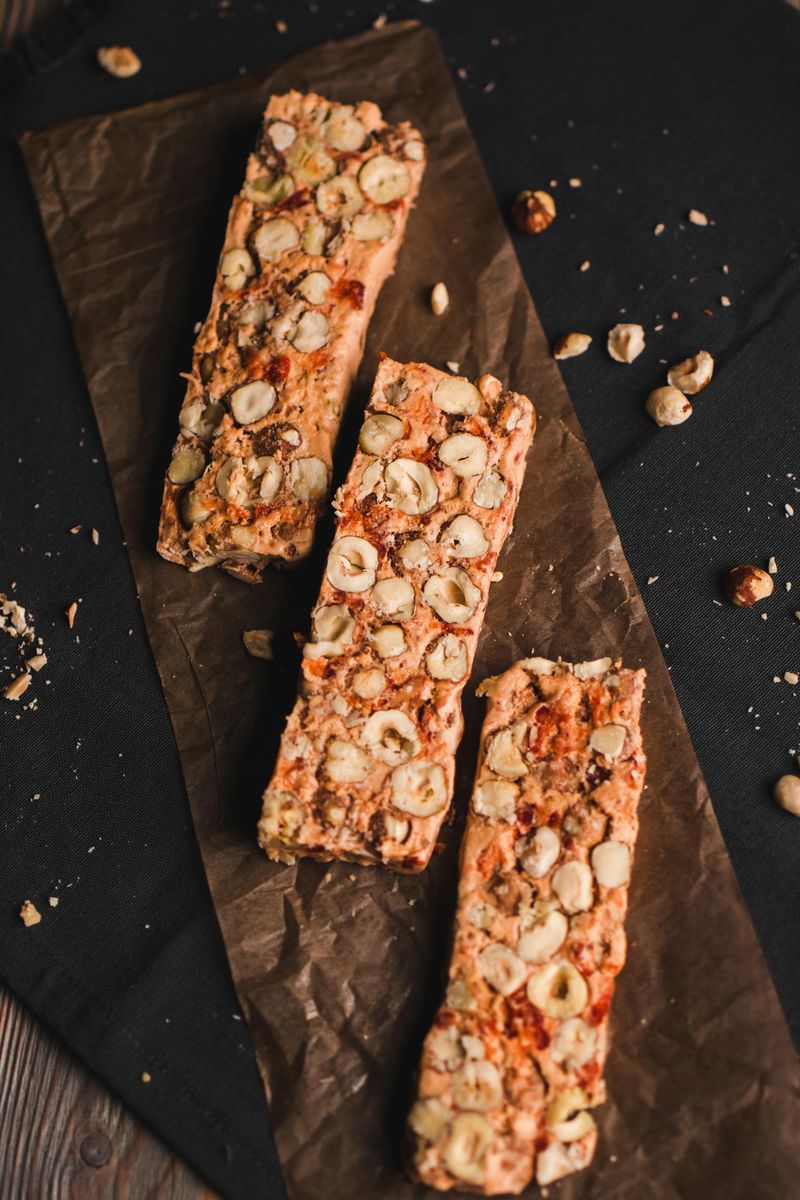
Cereal bars look like breakfast you can hold, but they often mirror the cereal aisle’s sugar problem. Many use refined grains glued together with syrups, then add a yogurt coating that is mostly confectionery.
You get quick sweetness without lasting fullness, and cravings come roaring back mid morning.
Scan for at least 3 grams fiber and under 7 grams added sugar. Pair a bar with a hard boiled egg or kefir when you truly need convenience.
Better yet, prep oat cups with nuts and fruit on Sundays. You will spend minutes and save hours of distracted snacking later.
Fat Free
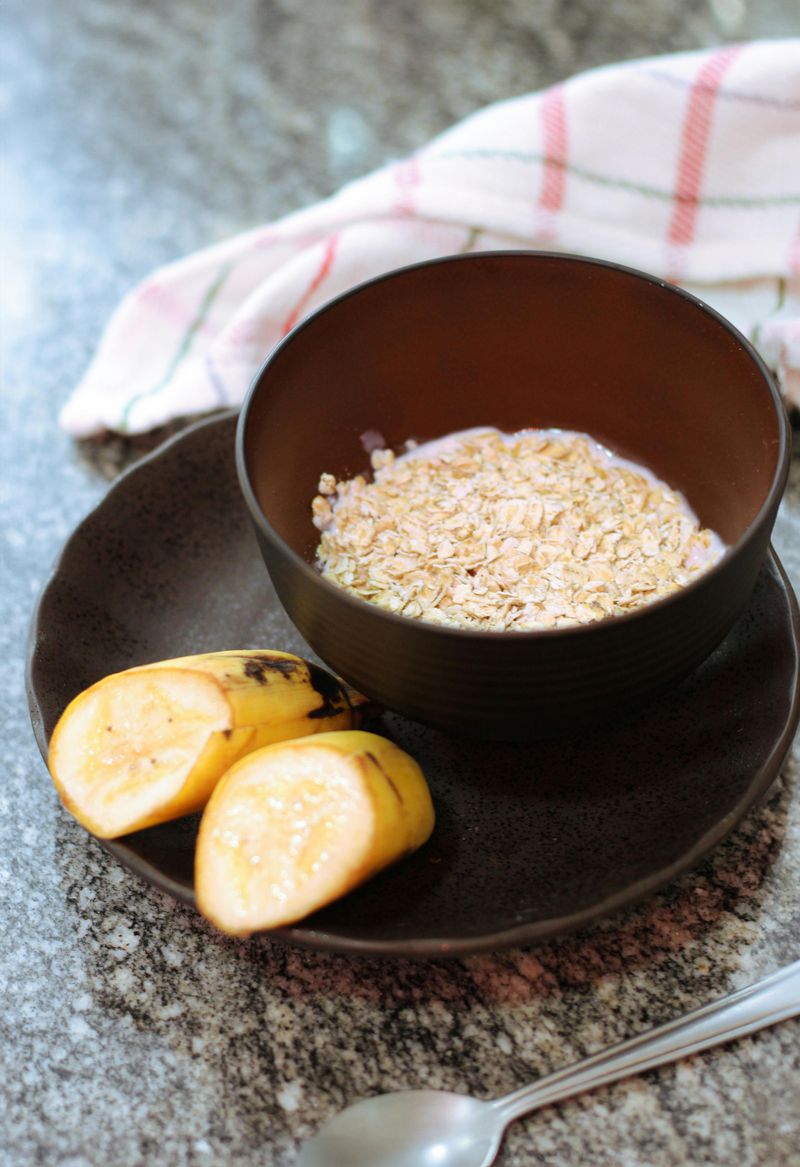
Fat free labels can trick you into equating less fat with healthier overall. Manufacturers often compensate with sugar, starches, and gums to restore texture and flavor.
Without a little fat, you also miss absorption of fat soluble vitamins and feel less satisfied, which can nudge overeating later.
Do not fear healthy fats. Choose minimally processed foods with olive oil, nuts, seeds, or avocado, and focus on overall quality.
For dressings, pick olive oil based options and use less. The goal is balance, not extremes.
A small amount of real fat beats a long list of fillers every time.
Sweet Oatmeal
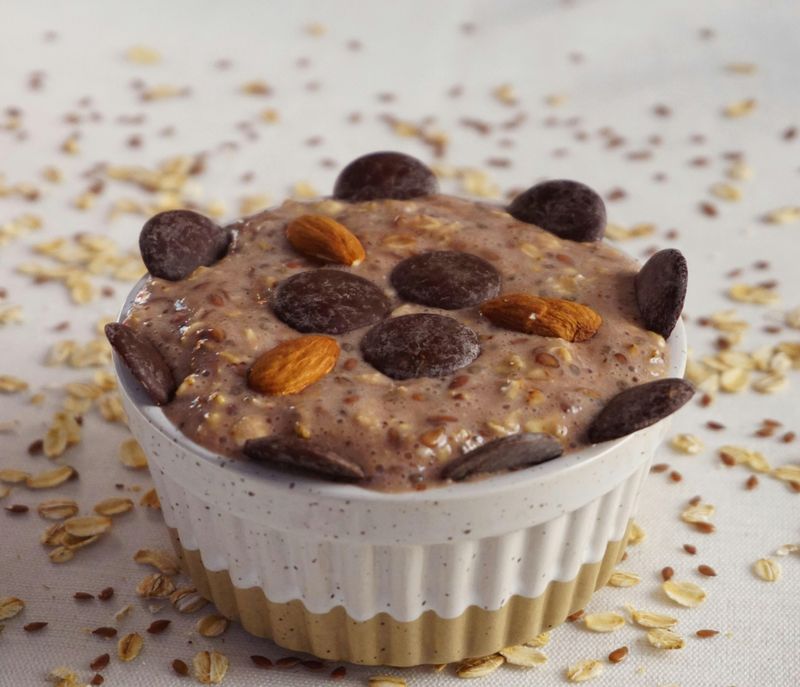
Flavored oatmeal packets seem heart healthy, but many contain added sugars and minimal protein. You get quick carbs without balance, so the morning crash arrives early.
Some packets are tiny, encouraging a double portion that spikes calories without improving nutrition.
Build a better bowl with plain oats and your own toppings. Stir in milk, egg whites, or Greek yogurt for protein, add chia or flax for fiber, and finish with fruit and nuts.
Keep sweetness modest with cinnamon and a teaspoon of maple. You will stay full longer and still enjoy cozy, comforting oatmeal.
Trail Mix
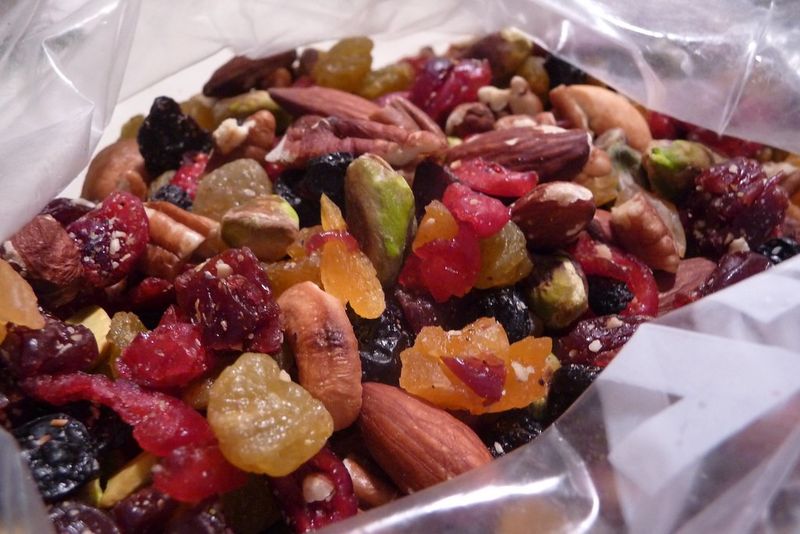
Trail mix offers healthy fats and fiber, but marketing can hide candy disguised as energy. Yogurt covered pieces, candy coated chocolates, and sweetened dried fruit drive sugar and calories up fast.
A few casual handfuls can equal a dessert, especially when scooped straight from a large bag.
Build your own with mostly nuts and seeds, a little unsweetened fruit, and dark chocolate chips. Portion into quarter cup snack bags for sanity.
Season with cinnamon, espresso powder, or chili lime for excitement without extra sugar. When you plan portions, trail mix becomes a purposeful, satisfying snack instead of a mindless calorie bomb.
Instant Acai
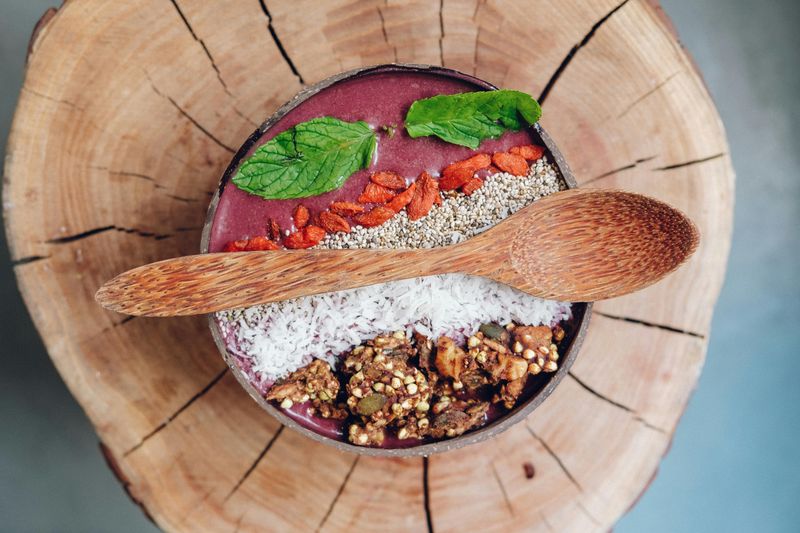
Instant acai packets and bowls look like antioxidant heaven, yet many add sweetened purees, juices, or syrups. Toppings like granola and honey stack sugars quickly.
The base itself can be low in protein and fiber, making the bowl more dessert than breakfast.
Choose unsweetened acai and blend with berries, spinach, and Greek yogurt or protein powder. Top with chia seeds, a sprinkle of nuts, and fresh fruit rather than syrupy blends.
Keep the portion modest and enjoy the texture and tang without the sugar crash. You can keep the colorful vibes and still support steady energy all morning.
Flavored Water

Flavored waters feel like a hydration upgrade, but some include nonnutritive sweeteners that train a sweeter palate. Others add tiny amounts of vitamins to justify a higher price without meaningful benefits.
Natural flavors tell you little about what is actually in the bottle.
If bubbles help, choose plain seltzer and add lemon, lime, or crushed berries. If you like sweetness, dilute juice with sparkling water or use a squeeze of citrus and mint.
The goal is drinking more water you enjoy, not collecting artificial tastes. Your taste buds adjust quickly when you step back from constant sweetness cues.
Store Muffins
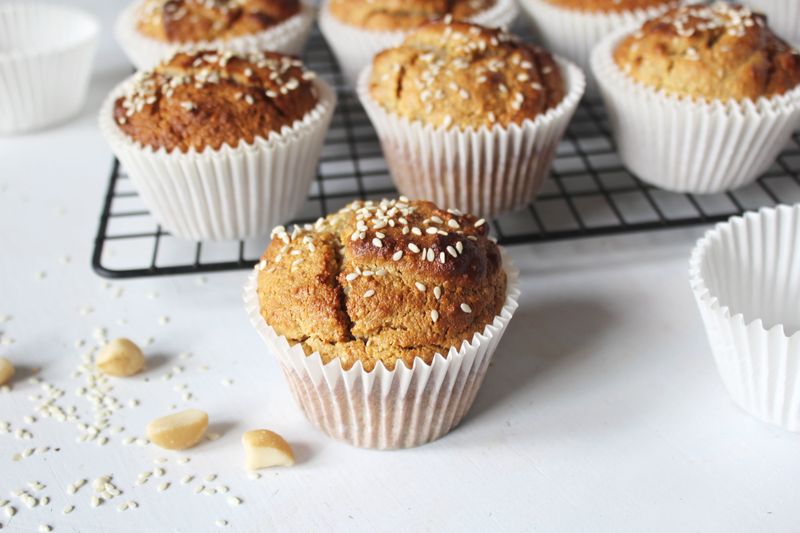
Store muffins often wear a morning glory name while hiding cake level calories. Oversized portions, refined flour, and generous oils make them energy dense with little staying power.
Fruit bits or bran sprinkles do not erase the sugar load that leaves you hungry by mid morning.
If you love muffins, bake smaller ones with whole wheat pastry flour, grated zucchini or carrot, and walnuts. Sweeten with mashed banana and a little maple.
Pair with eggs or yogurt for protein. You keep the ritual, shrink the portion, and gain steady energy instead of a rollercoaster.
Protein Cereal
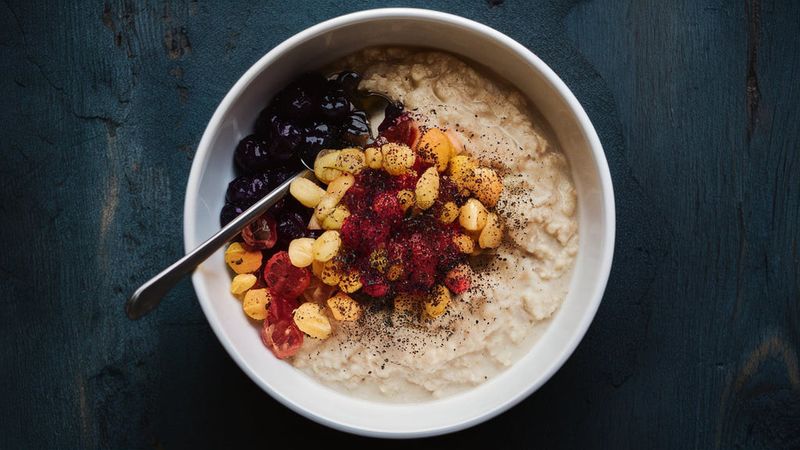
Protein cereal sounds perfect, but many brands add protein isolates while leaving sugar high and fiber low. The serving size can be tiny, encouraging overpouring that defeats the macro math.
Sweet coatings and artificial flavors can turn breakfast into a candy adjacent meal.
Choose cereals with at least 5 grams fiber, 10 grams protein, and single digit added sugar. Mix half protein cereal with high fiber flakes to balance taste and texture.
Add milk or soy milk for complete protein. You get a bowl that keeps you full without tasting like dessert first thing in the morning.
Juice Blends
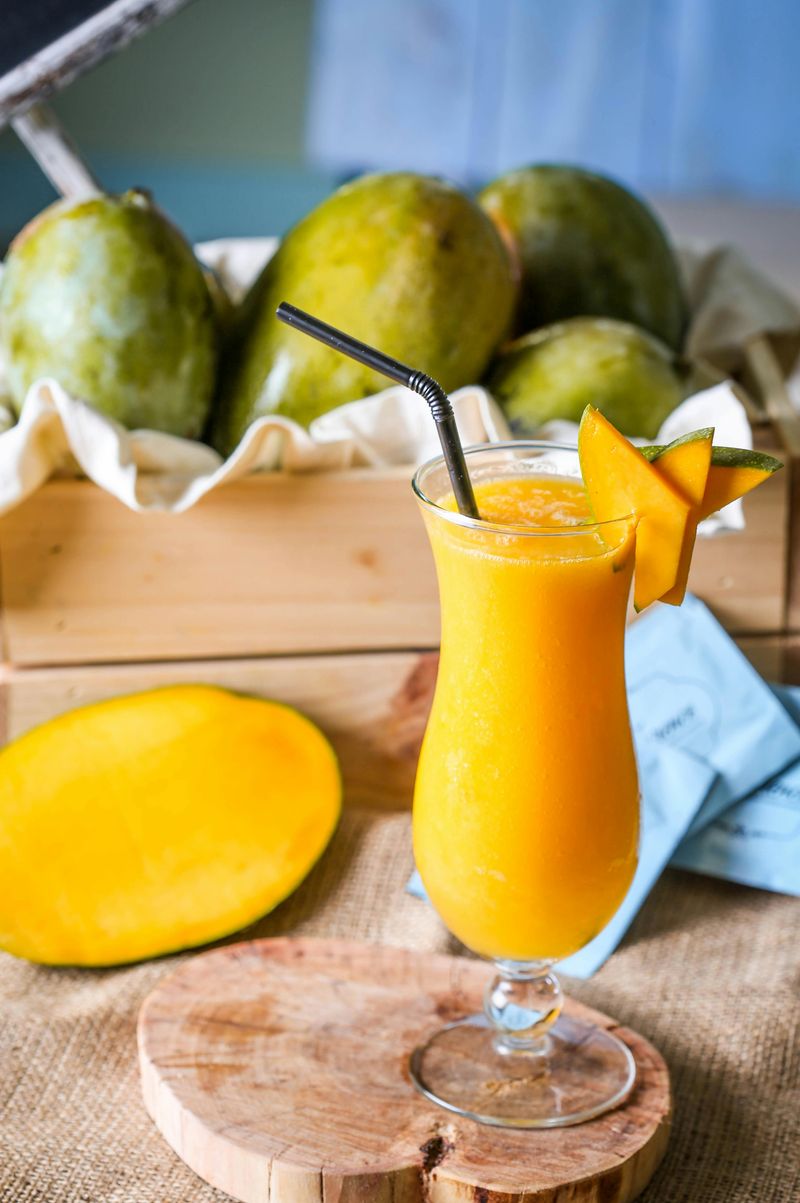
Juice blends feel virtuous, especially with names like immunity or detox. In reality, they are concentrated fruit sugars without the fiber that tells your body you ate.
Even veggie forward blends often lean on apple or grape juice to mask bitterness, pushing sugars higher.
If you enjoy juice, pour a small glass and treat it like a flavor accent, not hydration. Better yet, blend whole fruit with water and ice, or infuse water with citrus and herbs.
When you want produce power, eat the fruit and crunch the vegetables. Your blood sugar and appetite will thank you.
Enjoyed this story?
Add Fast Food Club as a preferred source to see more of our reporting on Google.