


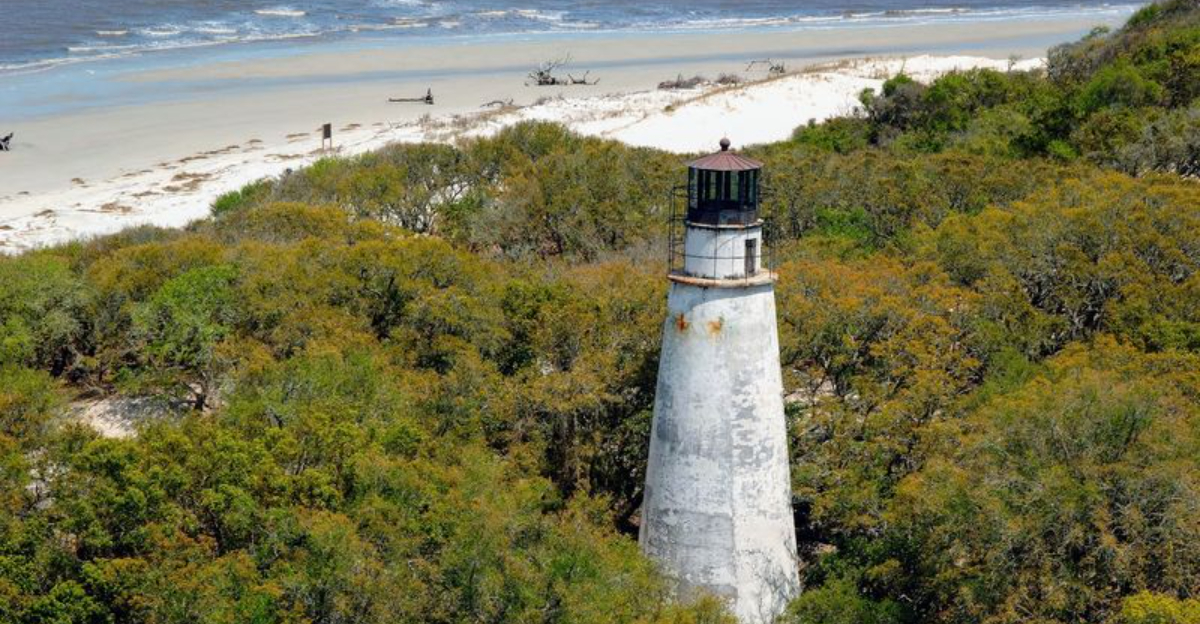
Georgia’s coastline is packed with history, and its lighthouses are some of the most stunning landmarks you might have walked right past without a second glance. From remote barrier islands to busy harbor towns, these towering beacons have guided sailors safely home for centuries.
Each one tells a unique story about the state’s rich maritime past. Get ready to discover nine breathtaking Georgia lighthouses that deserve a spot on your must-visit list.
Tybee Island Light Station & Museum – Tybee Island, Georgia
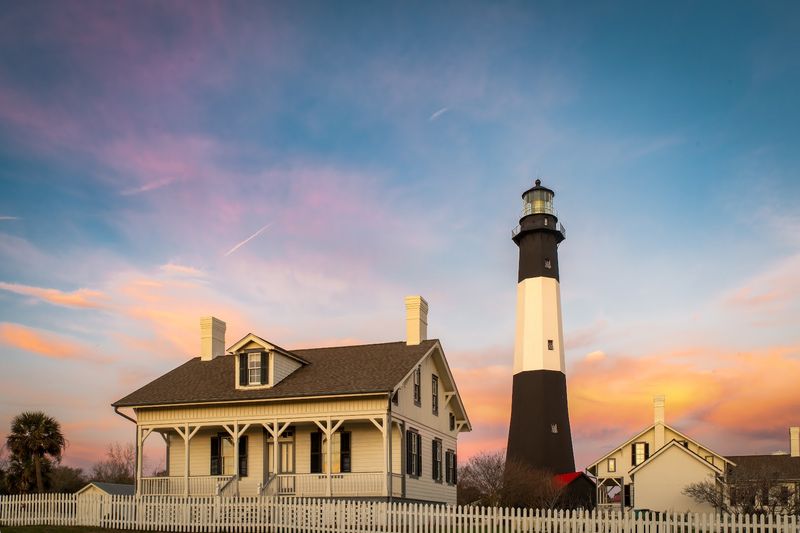
Standing nearly 154 feet tall, the Tybee Island Light Station is one of the oldest and tallest lighthouses in the American Southeast. It has been warning ships away from Georgia’s dangerous shoals since 1736, making it older than the United States itself.
Visitors can climb all 178 steps to the top for a jaw-dropping view of the Atlantic Ocean. The on-site museum fills you in on centuries of coastal history, and the keeper cottages are wonderfully preserved.
St. Simons Island Lighthouse Museum – St. Simons Island, Georgia
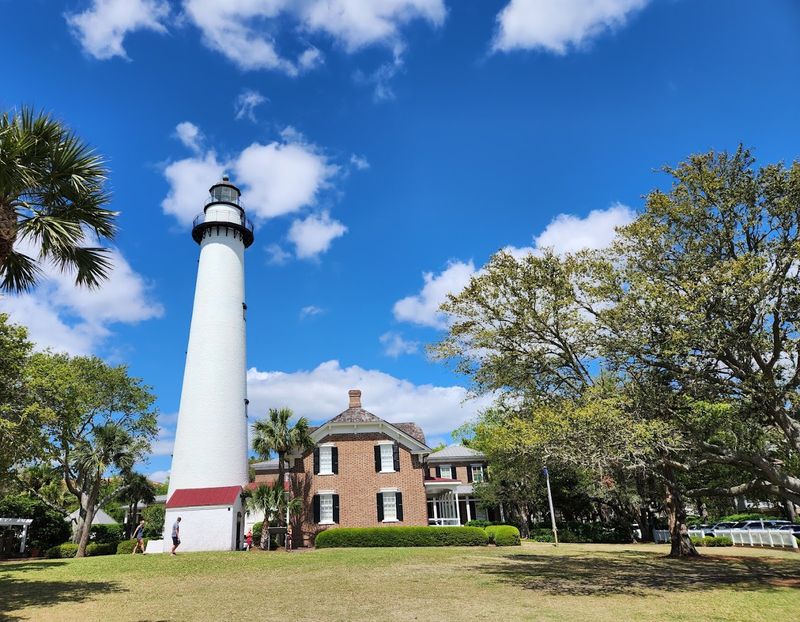
Few lighthouses in the South carry as much drama as this one. The original tower was actually blown up by Confederate soldiers during the Civil War to prevent Union forces from using it, and the current structure was rebuilt in 1872.
Today, the St. Simons Island Lighthouse Museum welcomes curious visitors who want to climb its 129 steps for sweeping coastal views. Spanish moss-draped oaks frame the tower beautifully, making every photograph look like a postcard.
Sapelo Lighthouse – Sapelo Island, Georgia
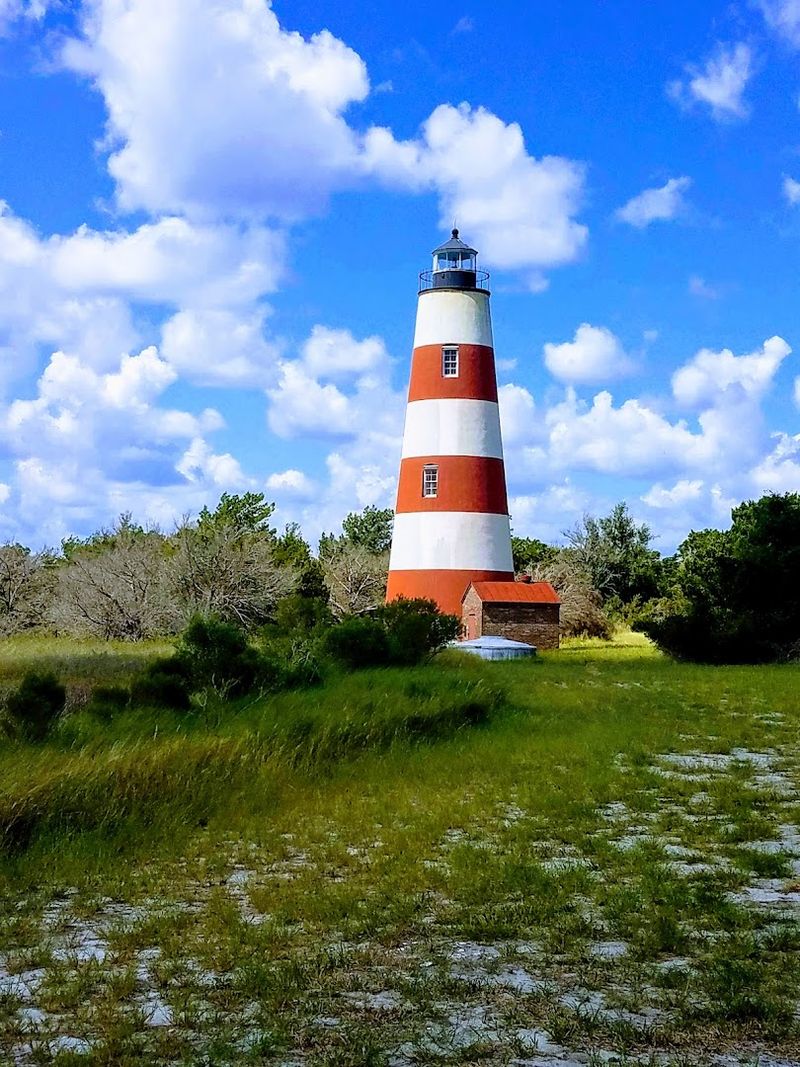
Getting to Sapelo Island requires a ferry ride, which means most travelers never make it here at all. That exclusivity is exactly what makes the Sapelo Lighthouse feel like a secret treasure tucked away from the modern world.
Built in 1820, this red brick beauty has survived hurricanes, wars, and decades of neglect. Restoration efforts have brought it back to life, and guided tours of the island offer a rare chance to see a lighthouse that feels genuinely untouched by time.
Cockspur Island Lighthouse – Savannah, Georgia
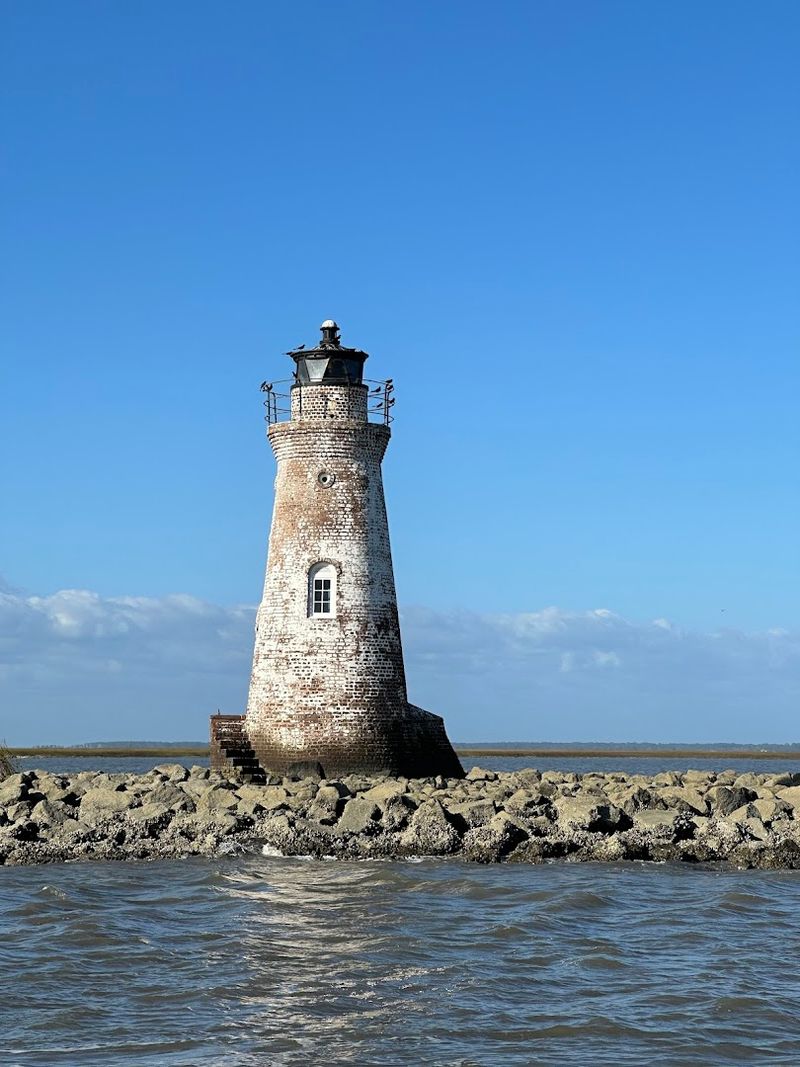
Imagine a tiny white lighthouse rising straight out of the marsh, completely surrounded by water at high tide. That is exactly what you get with the Cockspur Island Lighthouse, and the sight never gets old no matter how many times you see it.
Built in 1848 and standing just 46 feet tall, this modest tower guided ships along the Savannah River for decades. It sits within Fort Pulaski National Monument and is best admired from the nearby trail or by kayak.
Little Cumberland Island Lighthouse – St. Marys, Georgia
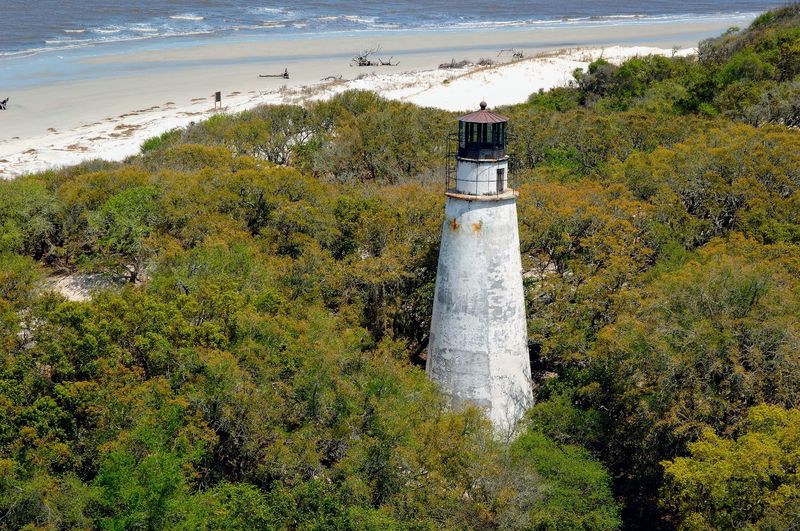
Hidden on a private barrier island accessible only by boat, the Little Cumberland Island Lighthouse is about as off the beaten path as a Georgia landmark can get. Built in 1838, it is one of the state’s oldest surviving lighthouse structures.
The tower still stands impressively tall at 60 feet, and its remote location means the surrounding nature is completely unspoiled. Occasional guided tours are offered, giving adventurous visitors a rare opportunity to step back into early American coastal history.
Old Harbor Light – Savannah, Georgia
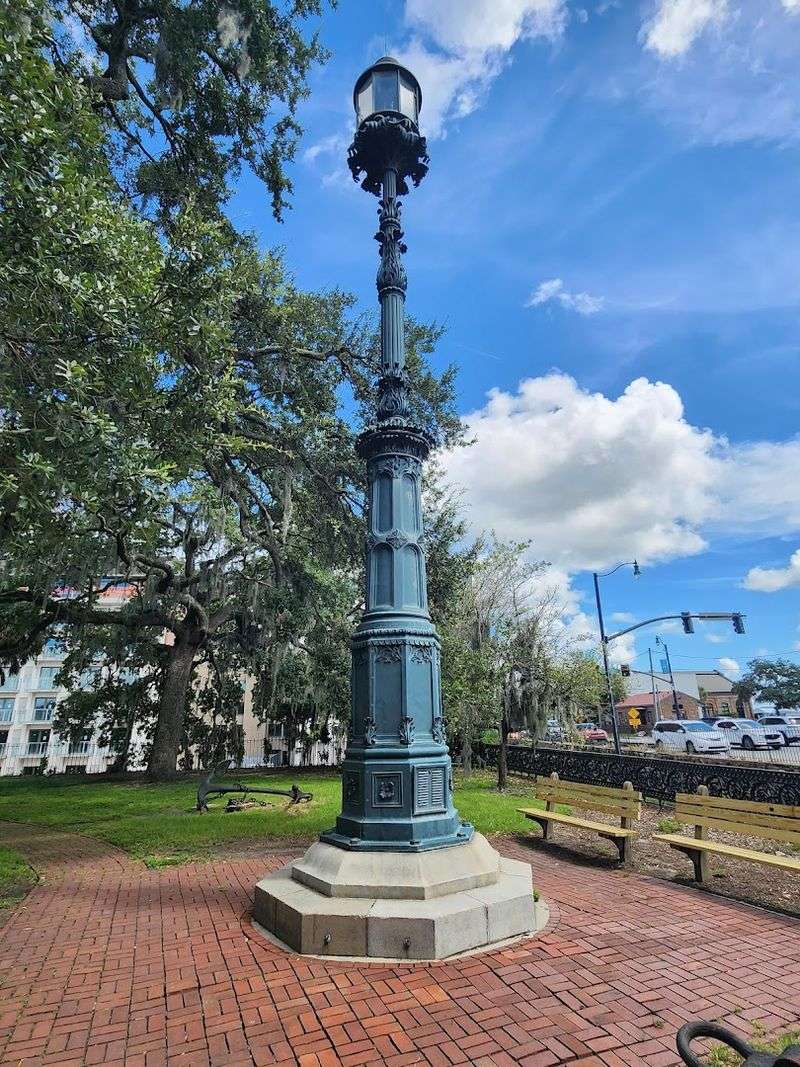
Not every lighthouse needs to tower hundreds of feet above the ground to be worth your attention. Savannah’s Old Harbor Light proves that point perfectly, charming visitors with its modest cast-iron form perched right along the famous riverfront.
Dating back to 1858, this pint-sized beacon once helped guide river traffic into one of America’s busiest ports. Today it stands as a quiet reminder of Savannah’s seafaring past, and it makes for a fantastic photo stop during any stroll along River Street.
Sapelo Island Range Front Light – Sapelo Island, Georgia
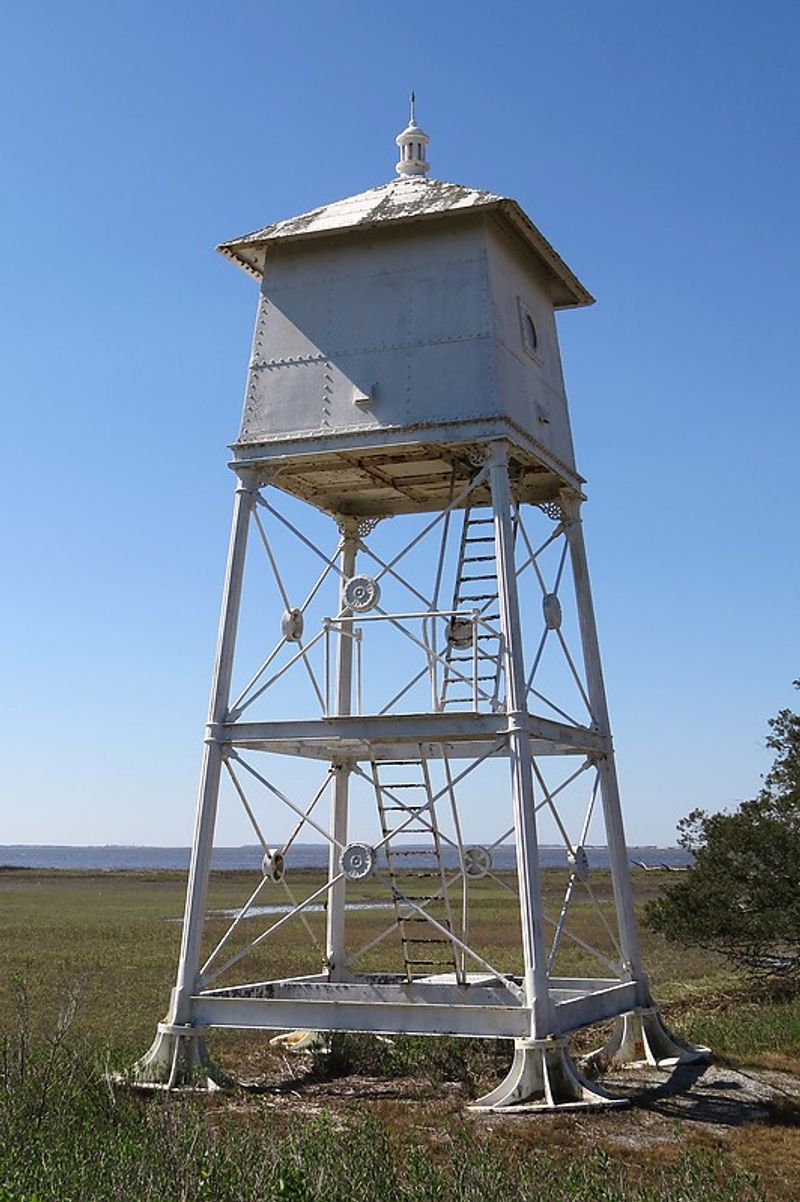
Most visitors to Sapelo Island head straight for the famous red brick lighthouse, but the Range Front Light is a quieter gem that often gets overlooked entirely. That is honestly a shame, because this modest little structure has its own compelling story.
Range lights like this one worked as a pair with a rear light to help captains align their vessels along a safe channel. Seeing it up close gives you a whole new appreciation for just how clever and practical old-school maritime navigation really was.
Enjoyed this story?
Add Fast Food Club as a preferred source to see more of our reporting on Google.