


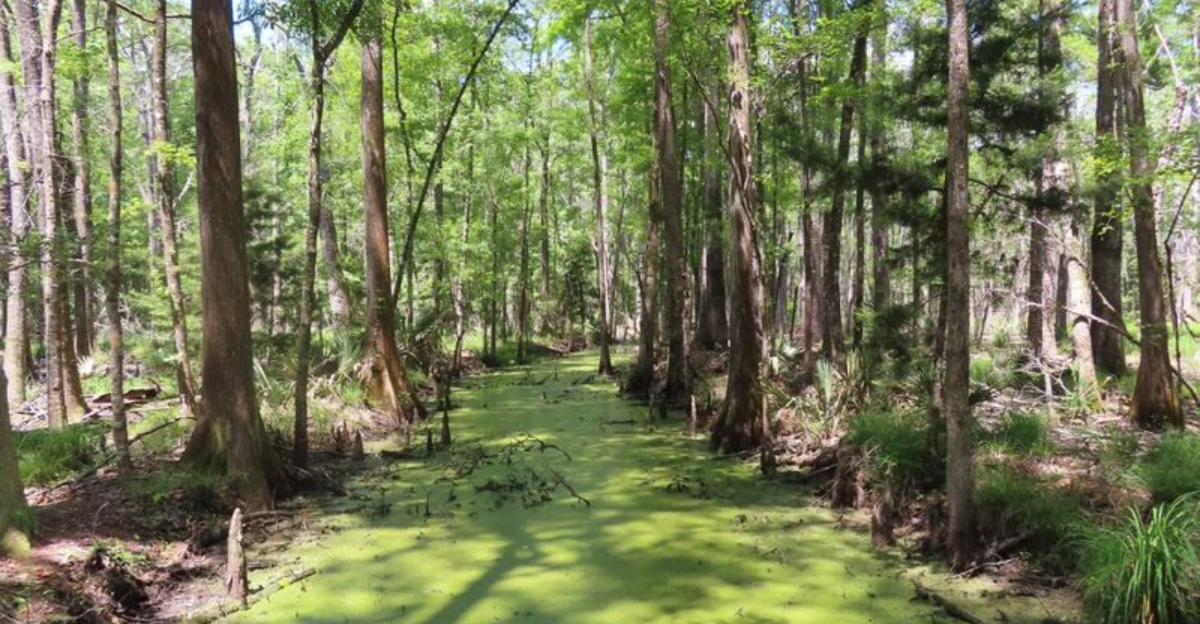
Tucked away along Savannah Highway in Ravenel, South Carolina, the Caw Caw Interpretive Center is one of the state’s best-kept outdoor secrets. Built on a historic rice plantation, this 654-acre park offers 3.6 miles of nature trails packed with wildlife, history, and stunning scenery.
From massive alligators sunbathing by canals to bald eagles soaring overhead, every visit feels like a real adventure. If you love nature and haven’t explored this gem yet, you’re seriously missing out.
The Historic Rice Plantation Backstory
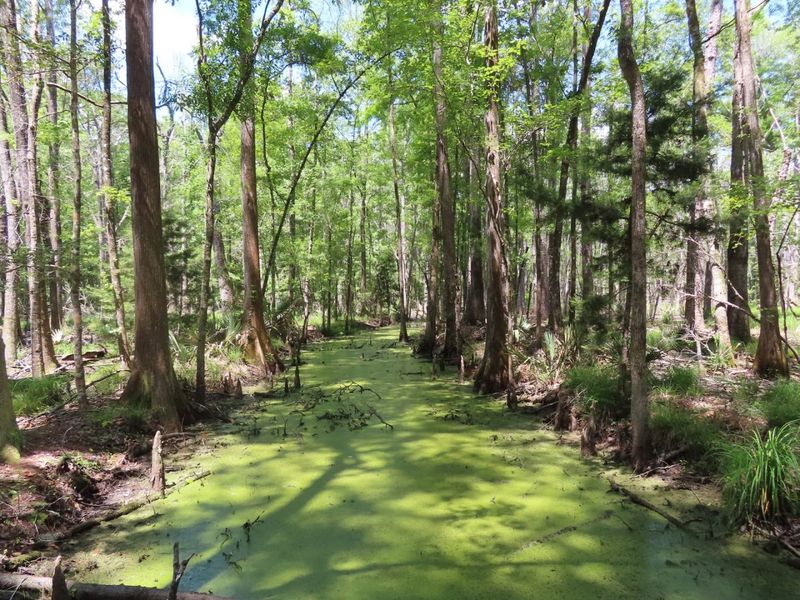
Long before it became a beloved nature park, the land at Caw Caw Interpretive Center was a working rice plantation with a layered, complex history. Walking these trails means stepping into a past shaped by the labor of enslaved people who engineered an intricate system of canals and dikes to flood and drain rice fields.
Those same water management structures still exist today, and they now serve as critical wildlife habitats. The park honors this history through interpretive exhibits that connect visitors to the land’s story in a meaningful way.
Understanding where you’re walking adds a whole new layer of appreciation to every step. Whether you’re a history buff or just curious, learning about the plantation’s past makes this hike far more than a simple walk in the woods.
It becomes a moving, educational experience you won’t easily forget.
Starting Point: The Swamp Sanctuary Boardwalk
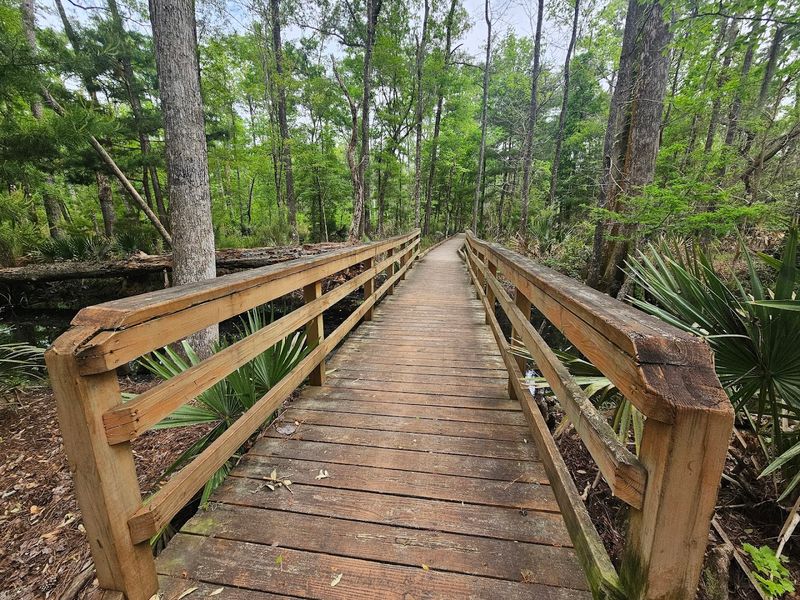
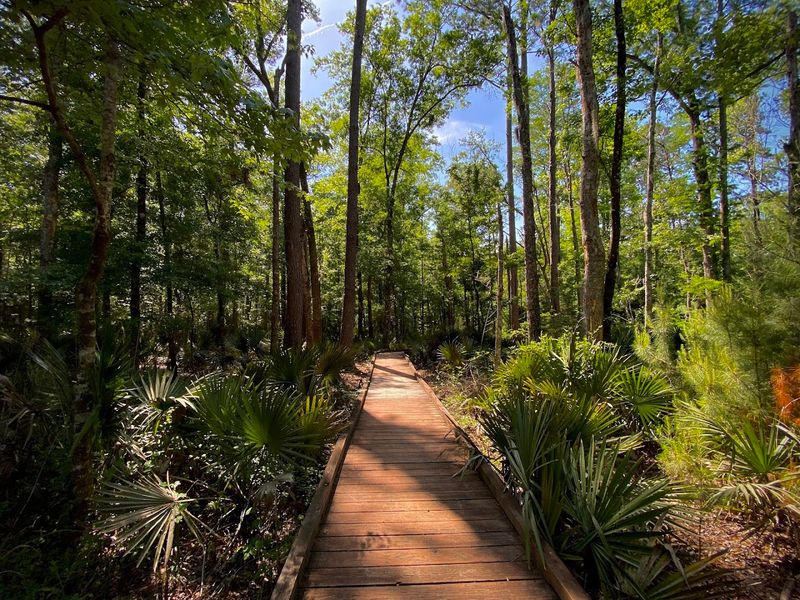
Many regular visitors swear by one unwritten rule: always begin your hike at the swamp sanctuary boardwalk. This elevated wooden path winds through a moody, atmospheric wetland filled with towering trees, tangled roots, and the sounds of frogs and birds echoing all around you.
The boardwalk keeps your feet dry while giving you an up-close look at one of South Carolina’s most fascinating ecosystems. Dragonflies dart through the air in bursts of color, and if you’re lucky, you might spot a snake gliding silently through the dark water below.
Morning visits are especially magical here. Mist often lingers over the water, and the light filters through the canopy in golden streaks.
Bug spray is your best friend on this section of the trail, so apply it before you arrive. Starting here sets an incredible tone for the rest of the hike.
American Alligators Up Close and Personal
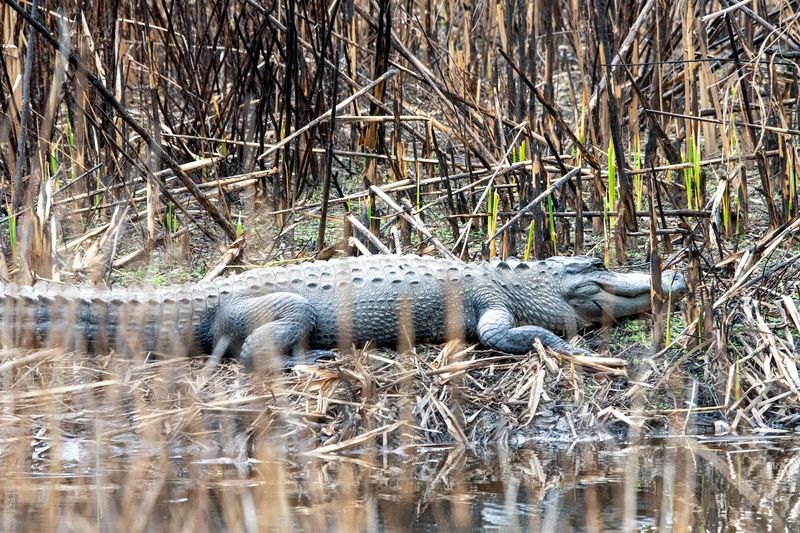
Few things get the heart pumping on a nature hike quite like rounding a bend and spotting a massive alligator just a few feet away. At Caw Caw, this happens regularly.
Visitors consistently report seeing multiple gators along the rice field canals, ranging from tiny babies to full-grown adults stretching well over six feet.
One reviewer even described peacefully watching a big gator sunbathe while wading birds hunted nearby. The key is to keep a respectful distance and never feed or approach them.
They are wild animals, and the park staff will remind you of that.
Seeing alligators in their natural habitat is genuinely thrilling, especially for kids who have only seen them in zoos. The canals that once flooded rice fields now act as perfect gator highways, making sightings almost guaranteed on a warm, sunny day.
Bring your camera and your patience.
Birdwatching Paradise for All Skill Levels
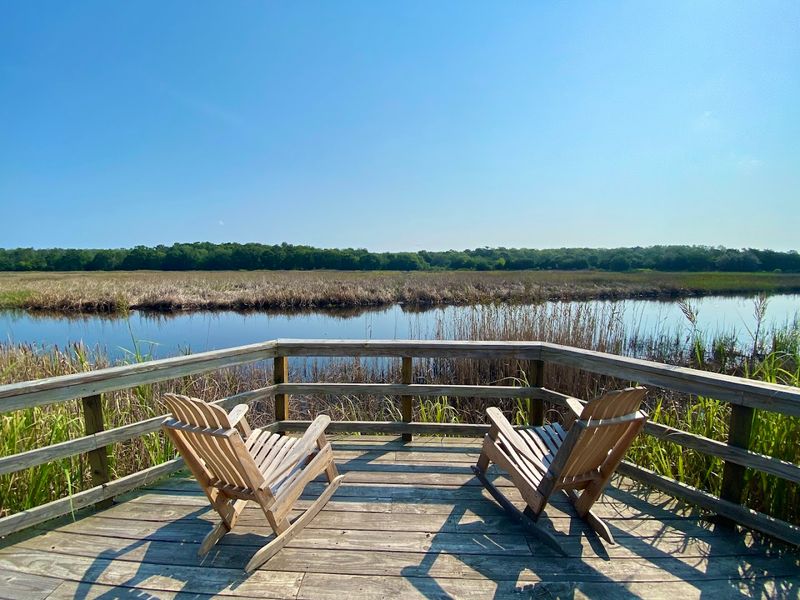
Caw Caw is widely considered one of the best birdwatching spots in the entire Charleston region, and the numbers back that up. Dozens of species have been spotted here, including great blue herons, egrets, ospreys, and even bald eagles soaring above the open rice fields.
The park offers guided early morning bird walks led by expert naturalists who carry spotting scopes and can identify birds by their songs alone. One reviewer described attending a 2.5-hour bird walk where the guide pointed out rare species and shared fascinating conservation stories along the way.
You don’t need to be an experienced birder to enjoy this. Beginners are completely welcome, and the guides make everything accessible and exciting.
Pack a pair of binoculars and polarized sunglasses for the best experience. Arriving early in the morning, especially after a calm night, dramatically increases your chances of spotting something truly special.
The Rice Field Trails and Their Stunning Views
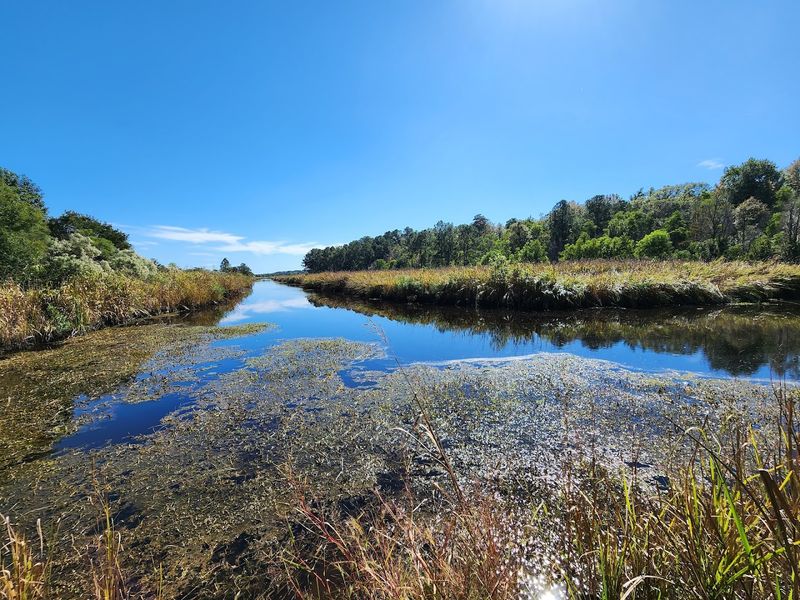
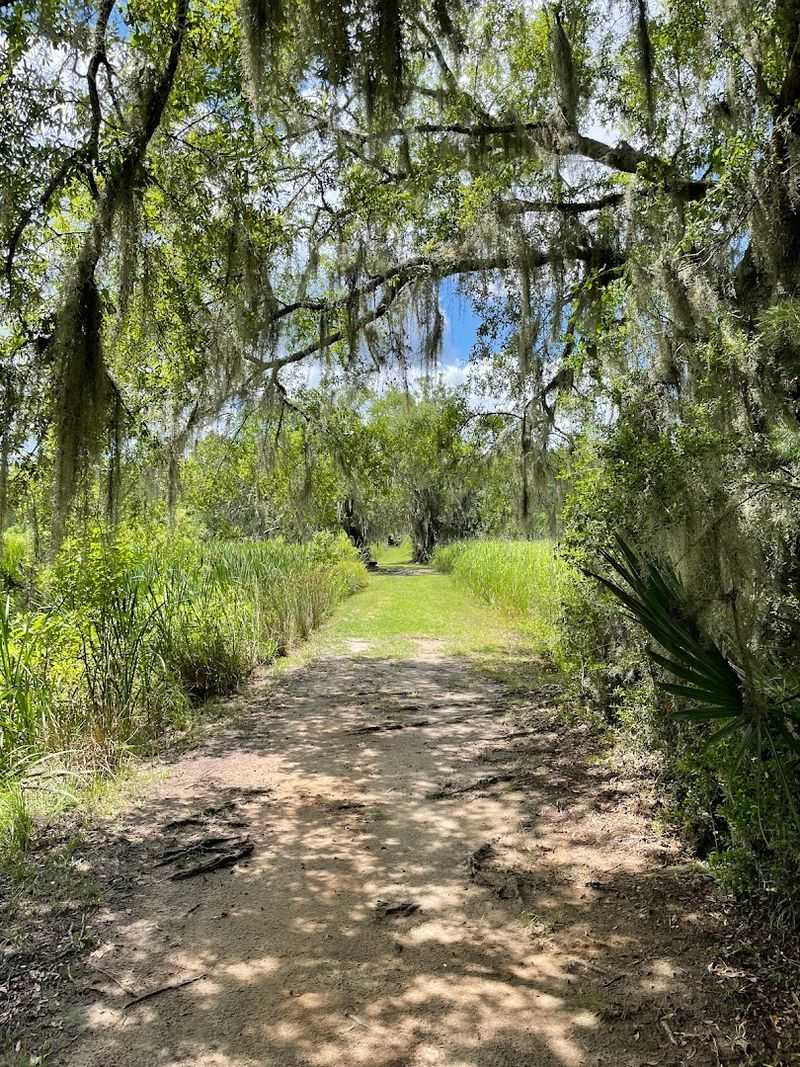
There is something deeply calming about walking alongside a rice field canal with tall grass swaying gently in the breeze. The rice field trails at Caw Caw offer wide, flat paths that stretch out across an open landscape, giving visitors a completely different feel from the dense swamp sections.
These trails are where most of the alligator sightings happen, and the openness makes it easier to scan the water’s edge for wildlife. One visitor recalled spotting her very first wild armadillo here, quietly munching grass beside the canal as if she wasn’t even there.
The views across the fields are genuinely breathtaking, especially in the golden light of early morning or late afternoon. On breezy days, watching the grass ripple across the water’s surface feels almost hypnotic.
This section of the trail is perfect for anyone who enjoys wide-open natural scenery with a touch of Southern history woven in.
Wildlife Beyond Gators: What Else You Might See
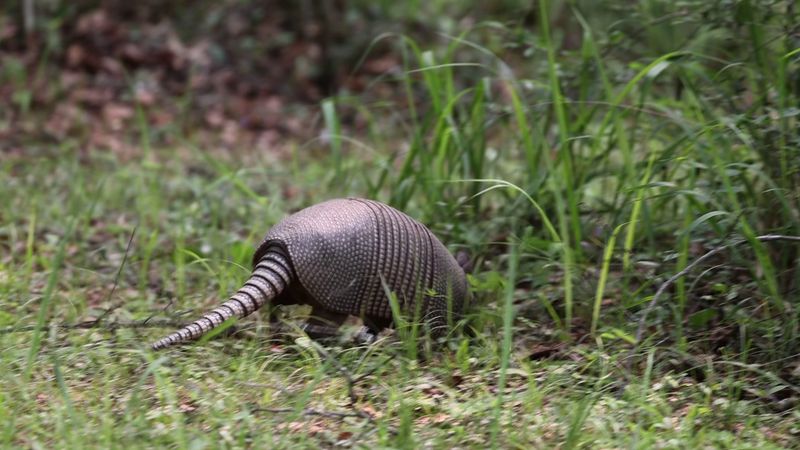
Alligators get most of the attention at Caw Caw, but the wildlife story here is much bigger than just reptiles. Visitors regularly report seeing an impressive variety of animals, including river otters, armadillos, multiple snake species, lizards, baby toads, squirrels, and an explosion of colorful dragonflies during summer months.
One reviewer described watching baby toads and lizards playing together along the trail, while another hoped to someday spot a river otter she had heard about but not yet seen. The diversity of creatures here reflects the rich, healthy ecosystem that the park’s conservation efforts have helped protect.
Fungi enthusiasts will also find plenty to marvel at, especially after a morning rain when mushrooms pop up all along the shaded paths. Every visit feels different because the wildlife changes with the seasons.
Keeping your eyes open and your phone camera ready is just smart trail strategy at Caw Caw.
Trail Accessibility and What to Expect Underfoot
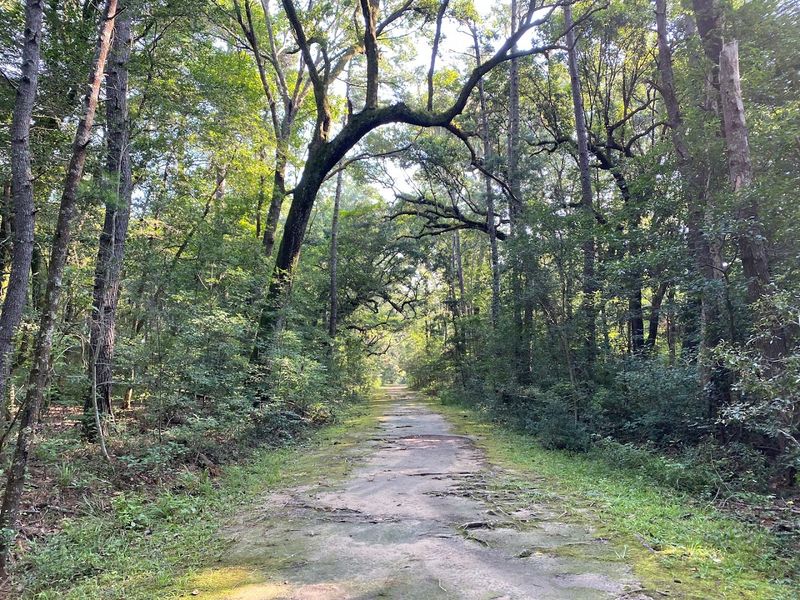
One of the most common questions about Caw Caw is whether the trails are manageable for everyone. The short answer is yes, for most people.
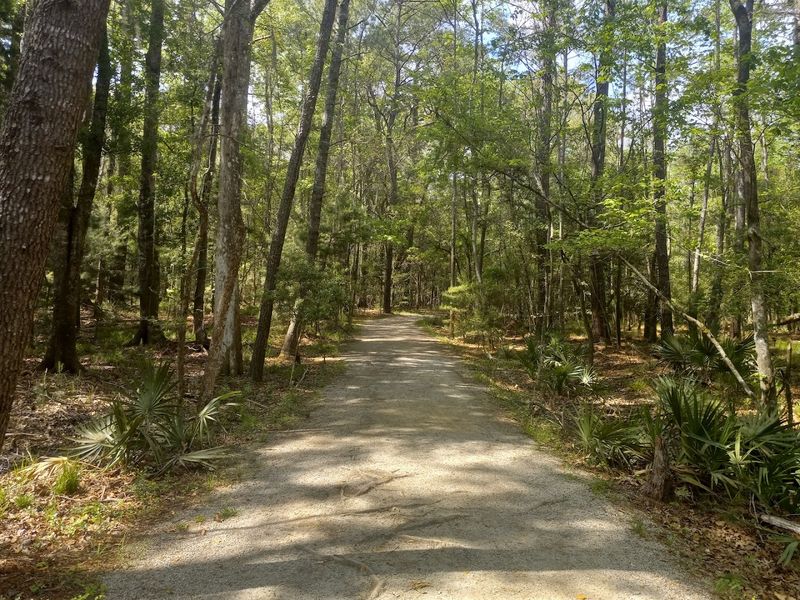
The paths are unpaved but generally flat, wide, and well-maintained, making them accessible to a broad range of fitness levels and ages.
Some sections have slight bumps or occasional mud puddles after rain, but nothing that would stop a determined walker. Reviewers have noted that even young children and older adults handle the trails comfortably.
Supportive shoes or light hiking boots are strongly recommended over sandals or flip-flops.
The hardwood loop section is a bit more rugged and narrow, so go single-file and watch for spider webs crossing the path. Benches are scattered throughout the trail system, giving walkers plenty of spots to rest and soak in the surroundings.
The full 3.6-mile loop is very doable at a relaxed pace in about two hours.
Best Times to Visit for the Ultimate Experience
Timing really does make a difference at Caw Caw. Early morning visits consistently earn the best reviews, with visitors reporting richer wildlife sightings, cooler temperatures, and a peaceful quiet that feels almost sacred.
The park opens at 9 AM Tuesday through Saturday and Sunday, so arriving right at opening is a smart move.
Spring and fall are the most comfortable seasons weather-wise, with mild temperatures and lower humidity. Summer visits are absolutely possible but come with heat, intense sun, and active mosquito populations.
Bug spray applied before you leave the car is a must, not an option.
After a morning rain is also a surprisingly rewarding time to visit, as fungi, frogs, and other moisture-loving creatures become much more visible. Monday is the one day the park is closed, so plan accordingly.
Checking the weather forecast and dressing in layers gives you the best shot at a truly memorable hike.
Admission Fees and the Charleston County Gold Pass
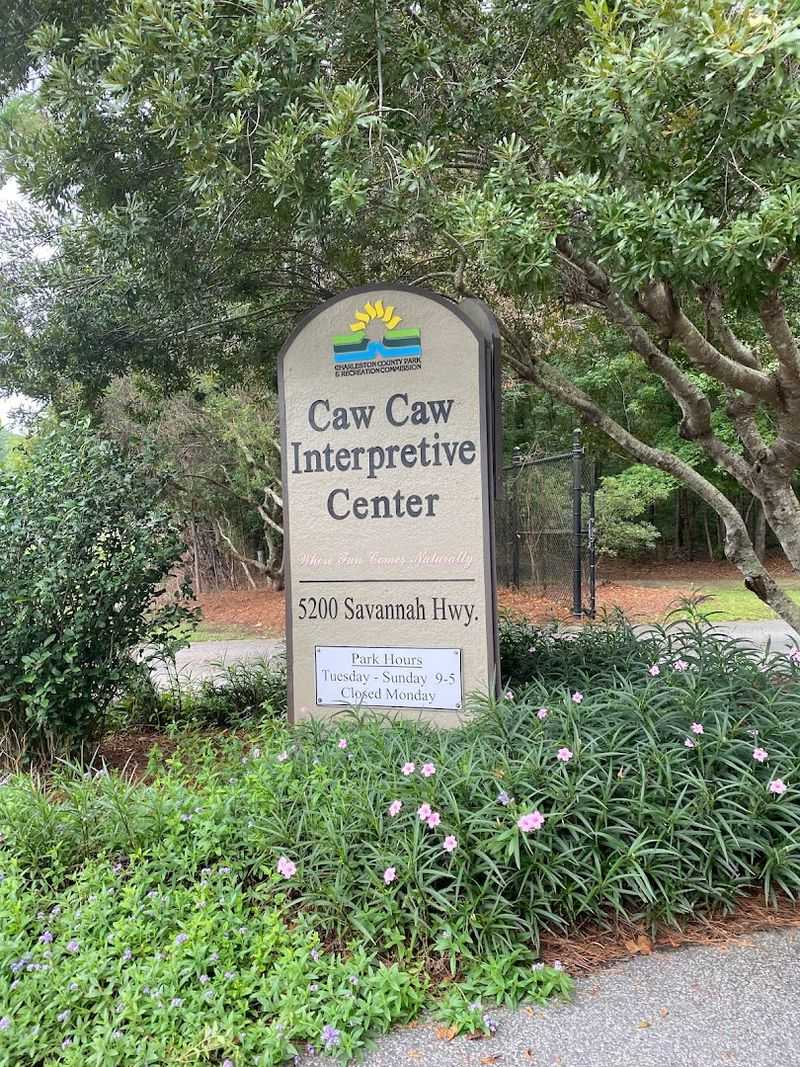
Here is some genuinely good news: getting into Caw Caw Interpretive Center is incredibly affordable. The standard entrance fee is just two dollars per person, making it one of the best value outdoor experiences in the entire state.
For a full afternoon of wildlife, history, and fresh air, that price is almost laughably low.
If you visit Charleston County parks regularly, the Gold Pass is worth serious consideration. It grants free admission to Caw Caw and other county parks throughout the year, paying for itself quickly if you’re an outdoor enthusiast.
Several reviewers mentioned stopping in spontaneously thanks to their Gold Pass, turning a free afternoon into an unforgettable outing.
One important heads-up: the park does not accept cash payments, so bring a card. This has caught a few visitors off guard.
Knowing this ahead of time means you can breeze right through the entrance and get straight to the good stuff waiting on the trails.
What to Pack for a Smart, Comfortable Hike
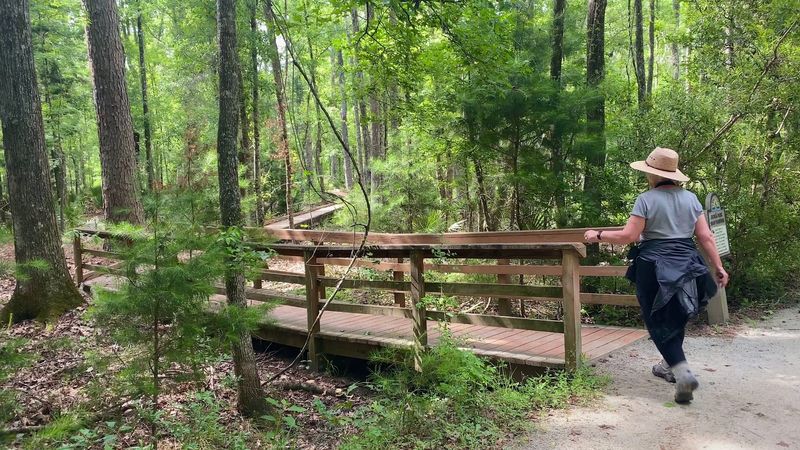
Going prepared makes the difference between a great hike and a miserable one. At Caw Caw, the essentials are pretty straightforward but genuinely important.
Water is at the top of the list, especially during warmer months when the heat and humidity can sneak up on you faster than expected.
Bug spray is non-negotiable, particularly on the swamp trail. Apply it before you get out of the car rather than at the trailhead, since spraying near the trail can harm the very wildlife you came to see.
A wide-brimmed hat and sunscreen protect you on the open rice field sections where shade disappears entirely.
Binoculars are worth every ounce of extra weight in your bag. They transform distant birds and basking gators into close-up spectacles.
Polarized sunglasses cut the glare off the water and help you spot animals lurking just below the surface. Comfortable, closed-toe shoes round out your perfect Caw Caw kit.
Guided Programs, Educational Tours, and the Gift Shop
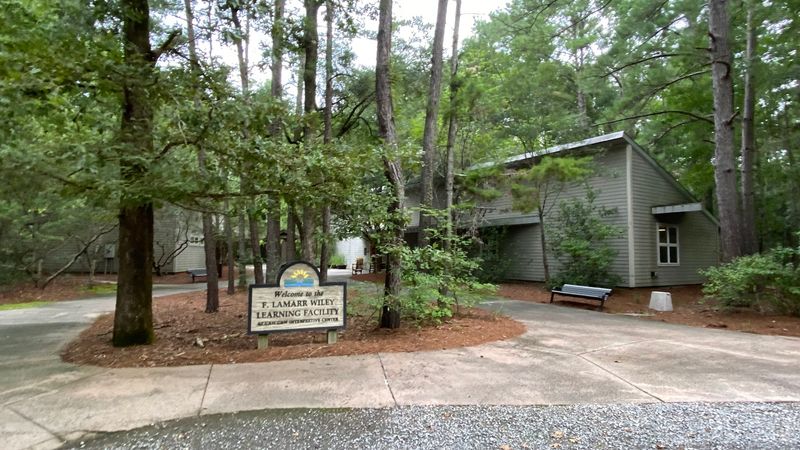
Caw Caw offers far more than just self-guided walks. The interpretive center runs a variety of educational programs throughout the year, including the popular early morning bird walks that have earned rave reviews from visitors of all ages.
These guided experiences bring the park’s ecology and history to life in ways a solo stroll simply cannot match.
Staff members are consistently praised in visitor reviews for being warm, knowledgeable, and enthusiastic. One reviewer described a staff member whose infectious love for nature turned a simple eagle sighting into a memorable moment for her whole group.
For families with kids, the center sometimes offers scavenger hunts that keep younger visitors engaged and curious throughout the walk.
Near the education building, there is a small gift shop stocked with nature-themed items perfect for picking up a souvenir or a field guide. Clean restrooms are also available on-site, which is always a welcome detail on a longer outing.
Facilities, Parking, and Getting There From Charleston
Getting to Caw Caw from Charleston is a refreshingly easy drive. The center sits at 5200 Savannah Highway in Ravenel, roughly 20 to 25 minutes southwest of downtown Charleston.
The route is straightforward, and the park entrance is well-marked along the highway, so finding it is simple even on a first visit.
Parking is plentiful and free, with plenty of spaces to accommodate groups and families. The facilities on-site are clean and well-maintained, according to multiple visitor reviews.
Restrooms are available near the education center, which is a thoughtful amenity for a park of this type.
The park is open Tuesday through Sunday from 9 AM to 5 PM and is closed on Mondays. Arriving with enough time to complete the full loop before closing is wise, especially if you plan to linger at wildlife spots along the way.
Calling ahead at 843-762-8015 is helpful if you have questions about programs or trail conditions.
Why This Hidden Gem Deserves a Spot on Your Bucket List
Some places just have a quality that’s hard to put into words until you experience them yourself. Caw Caw Interpretive Center is exactly that kind of place.
A 4.8-star rating from over 400 reviewers doesn’t happen by accident. It reflects hundreds of real people who left genuinely moved by what they found along these trails.
Whether you’re a seasoned hiker, a casual weekend walker, a wildlife photographer, or a parent looking for a meaningful outdoor adventure with your kids, this park delivers something special for everyone. The combination of rich history, accessible trails, and extraordinary wildlife density is rare anywhere in the country, let alone tucked away just outside Charleston.
People who discover Caw Caw almost always come back. It’s the kind of place you start recommending to every friend who mentions wanting to spend more time outdoors.
Stop waiting for the perfect moment and just go. The trails are ready whenever you are.
Enjoyed this story?
Add Fast Food Club as a preferred source to see more of our reporting on Google.