


Tucked inside Rocky Mountain National Park, Bear Lake Trail is one of Colorado’s most beloved hikes for good reason. This 0.8-mile loop wraps around a stunning alpine lake sitting at 9,475 feet above sea level, offering jaw-dropping mountain views at every turn.
With 30 interpretive markers along the path, you’ll learn as much as you’ll explore. Whether you’re a first-time hiker or a seasoned trail veteran, Bear Lake Trail delivers an unforgettable experience that truly defines Colorado’s wild beauty.
Starting at the Bear Lake Trailhead
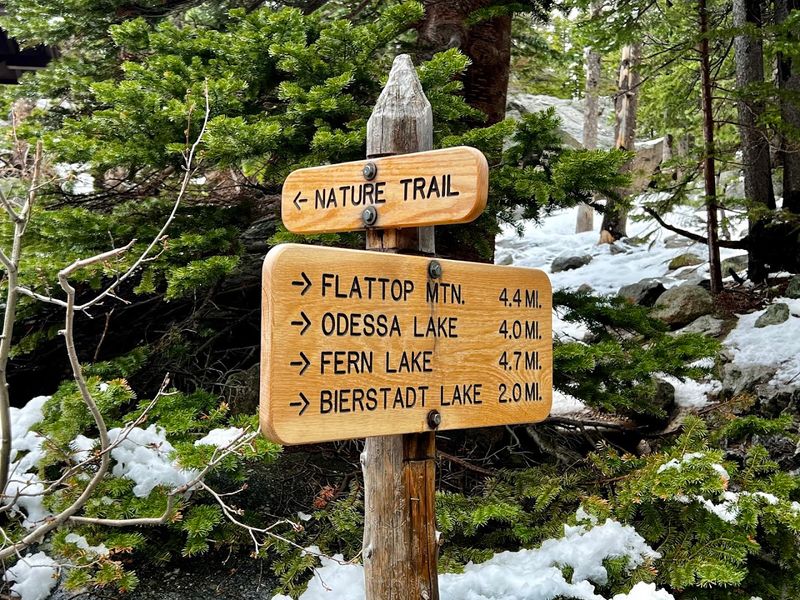
Few moments in hiking match the excitement of standing at the Bear Lake Trailhead, knowing something spectacular is just steps away. Located in Rocky Mountain National Park, this starting point sits at an impressive 9,475 feet above sea level — higher than most people ever stand in their everyday lives.
Before you take your first step, take a deep breath. The crisp mountain air alone feels like a reward.
The trailhead is clearly marked and easy to find, with restroom facilities nearby and parking available via the park shuttle system.
One important tip: you’ll need timed entry reservations to access this area, and spots fill up fast. Booking 30 days in advance is strongly recommended.
Arriving early in the morning gives you the best light for photos and fewer crowds on the trail ahead.
Earning Your Timed Entry Reservation
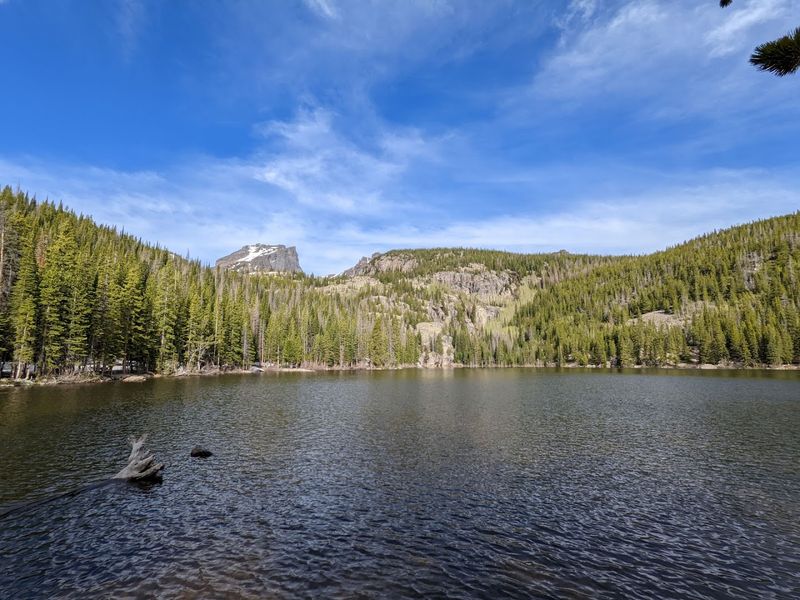
Getting to Bear Lake Trail isn’t as simple as just showing up — and honestly, that’s part of what keeps it magical. Rocky Mountain National Park requires timed entry reservations during peak season, which helps manage the crowds and protect the environment.
Reservations open 30 days in advance and can disappear within minutes on busy days. Setting an alarm and logging in right at the reservation window opens gives you the best shot at securing your spot.
The park’s website is the only official place to book, so avoid third-party sites.
Think of the reservation process as the first mini-challenge of your adventure. Once you’ve locked in your time slot, the anticipation builds in the best possible way.
Pro tip: weekday reservations are significantly easier to snag than weekend ones, so flexibility in your schedule pays off big time.
Understanding the Altitude Before You Hike
Here’s a number worth remembering: 9,475. That’s how many feet above sea level Bear Lake Trail begins, and altitude affects your body more than most people expect.
Even fit, healthy hikers can feel winded, dizzy, or unusually tired when they’re not acclimatized to high elevation.
Symptoms of altitude sickness include headaches, nausea, and shortness of breath. The best way to prepare is to spend at least a day at a moderate elevation before attempting the hike.
Drinking plenty of water and avoiding alcohol the night before also makes a noticeable difference.
Don’t let this discourage you — thousands of hikers complete Bear Lake Trail every week without any issues. Just know your body’s limits, take breaks when needed, and pace yourself from the start.
The views absolutely justify the effort, and a slow, steady pace gets you around the whole loop beautifully.
Walking the 0.8-Mile Loop Around Bear Lake
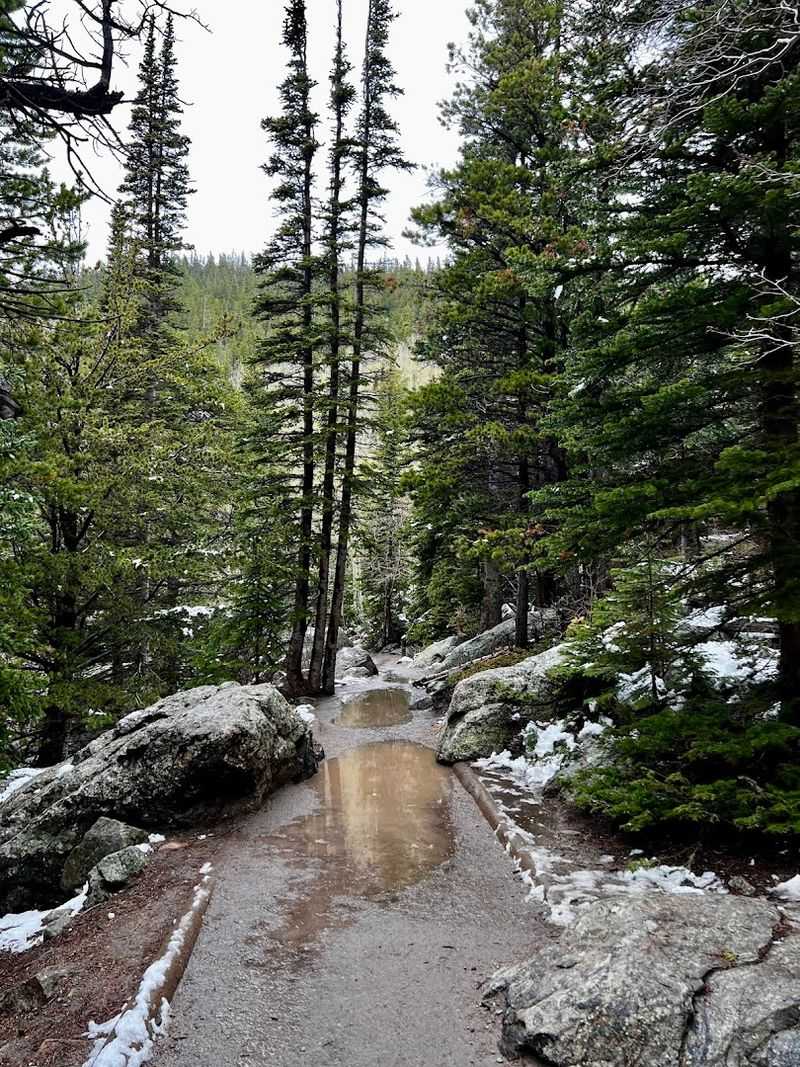
Short in distance but enormous in beauty — that’s the best way to describe the 0.8-mile loop around Bear Lake. The path circles the entire lake, giving hikers a constantly changing view of the water, surrounding forests, and towering peaks above.
Every few steps feels like a new postcard scene.
The trail is relatively flat and well-maintained, making it accessible for most fitness levels. Families with young children tackle it regularly, and older hikers often call it one of their favorite walks in the entire park.
That said, some sections can be uneven, so wearing proper footwear matters.
On a calm summer morning, the lake’s surface reflects the mountains like a mirror — a sight that genuinely stops people in their tracks. Completing the loop takes roughly 30 to 45 minutes at a leisurely pace, though most visitors linger far longer because the scenery is simply too good to rush through.
Discovering the 30 Interpretive Markers
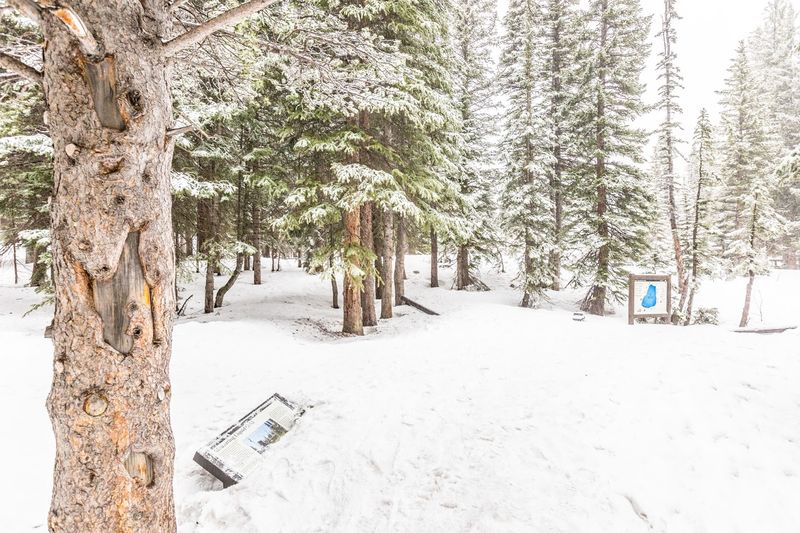
Most trails ask you to simply walk and look. Bear Lake Trail goes a step further by teaching you along the way.
Scattered throughout the loop are 30 interpretive markers, each sharing fascinating facts about the local ecosystem, geology, plants, and wildlife that call this area home.
Kids especially love these markers because they turn the hike into something closer to a scavenger hunt. Adults find them equally engaging — it’s one thing to see a gnarled old tree, and another to learn it’s been shaped by centuries of harsh alpine winds.
The markers add meaningful context to everything you observe.
Rangers and naturalists designed the signage to be easy to read and genuinely informative without being overwhelming. Pausing at each marker adds only a few extra minutes to your hike but dramatically deepens the experience.
By the time you finish the loop, you’ll know this landscape on a whole new level.
Spotting Wildlife Along the Shore
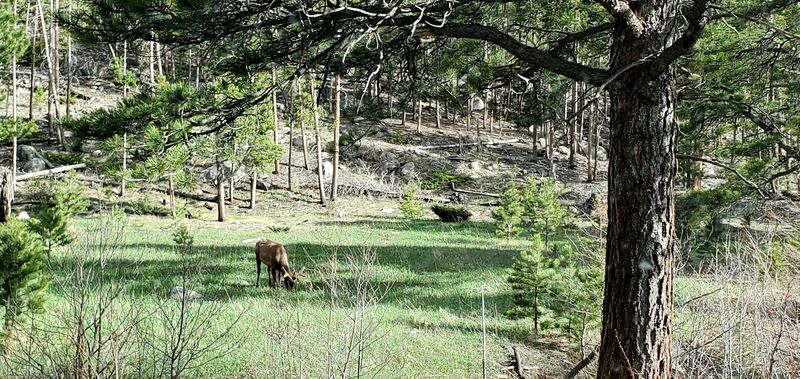
Rocky Mountain National Park is home to an incredible variety of wildlife, and Bear Lake’s shoreline is one of the best spots to catch a glimpse of the locals. Mule deer, Steller’s jays, Clark’s nutcrackers, and even the occasional moose have been spotted near the water’s edge.
Early morning visits dramatically increase your chances of wildlife sightings. Animals are most active at dawn and dusk, and the calm, quiet atmosphere around the lake makes it easier to notice movement in the trees or along the banks.
Binoculars are a worthwhile addition to your daypack.
Always keep a safe and respectful distance from any animal you encounter. Feeding wildlife is strictly prohibited and genuinely harmful to their health and behavior.
Watching a great blue heron stand motionless at the lake’s edge or hearing a pika call from a rocky slope nearby adds a layer of wonder that no photograph can fully capture.
Preparing for Snow Even in Spring
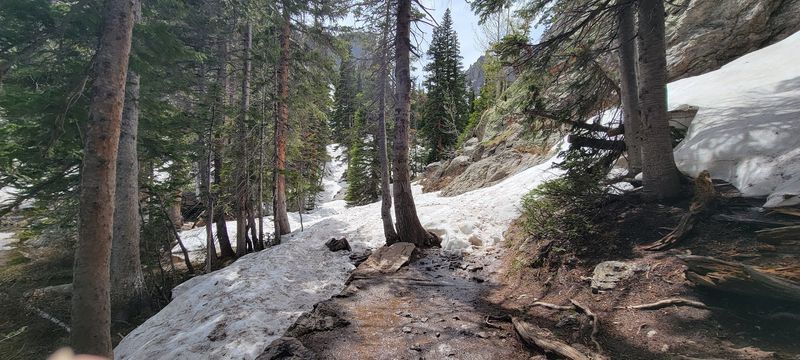
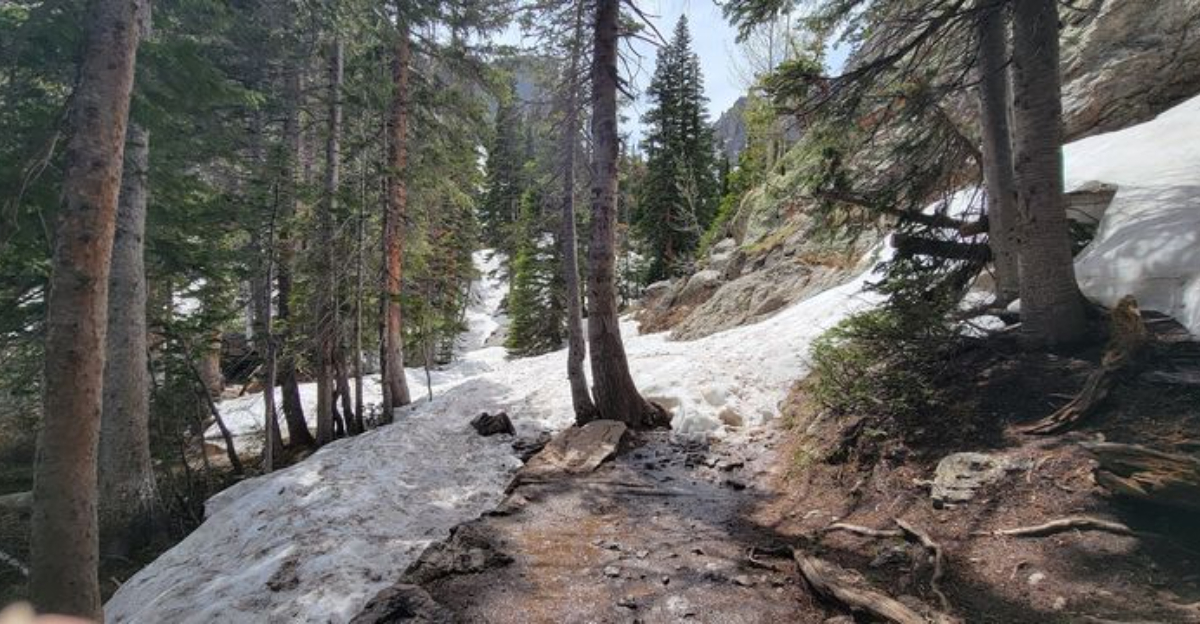
One of the most surprising things first-time visitors discover about Bear Lake Trail is how long snow sticks around. Even in early June, significant patches of packed snow can cover portions of the loop, making certain sections slippery and difficult to navigate without the right gear.
Multiple visitors have noted that they couldn’t complete the full loop due to snow coverage well into the spring season. Microspikes or traction cleats strapped onto your hiking boots make an enormous difference when icy patches appear.
Trekking poles also help with balance on uneven, snow-covered terrain.
Checking trail conditions before your visit is always a smart move. The Rocky Mountain National Park website and visitor center provide up-to-date information on current trail status.
Embracing the snowy scenery with proper preparation turns a potentially tricky situation into a genuinely magical winter wonderland experience you won’t soon forget.
Connecting to Nymph Lake and Beyond
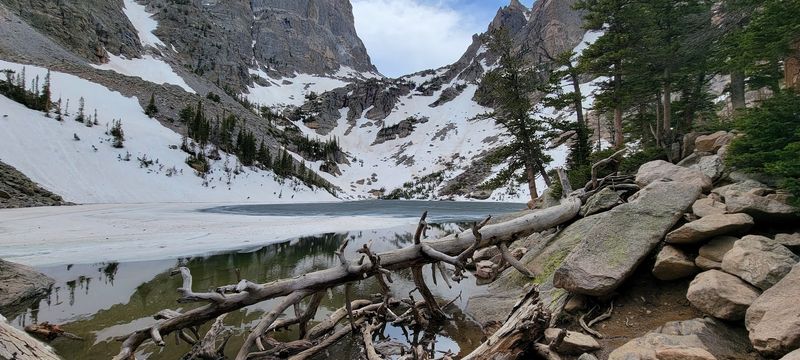
Bear Lake isn’t just a destination — it’s a launching pad. From the trailhead, hikers can branch out onto a network of trails leading to some of the most breathtaking spots in all of Rocky Mountain National Park.
Nymph Lake, Dream Lake, Emerald Lake, and Lake Haiyaha are all reachable from this central hub.
Adding Nymph Lake to your itinerary extends your hike by less than a mile round trip, yet the payoff is enormous. The lake is covered in yellow pond lilies during summer, creating a scene that looks almost too beautiful to be real.
Lake Haiyaha sits further up the mountain and rewards hikers with dramatic boulder fields and crystal-clear water.
Planning a longer adventure from Bear Lake is one of the smartest ways to experience RMNP. Pack extra snacks, carry more water than you think you need, and always let someone know your planned route before heading deeper into the backcountry.
Capturing Million-Dollar Views with Your Camera
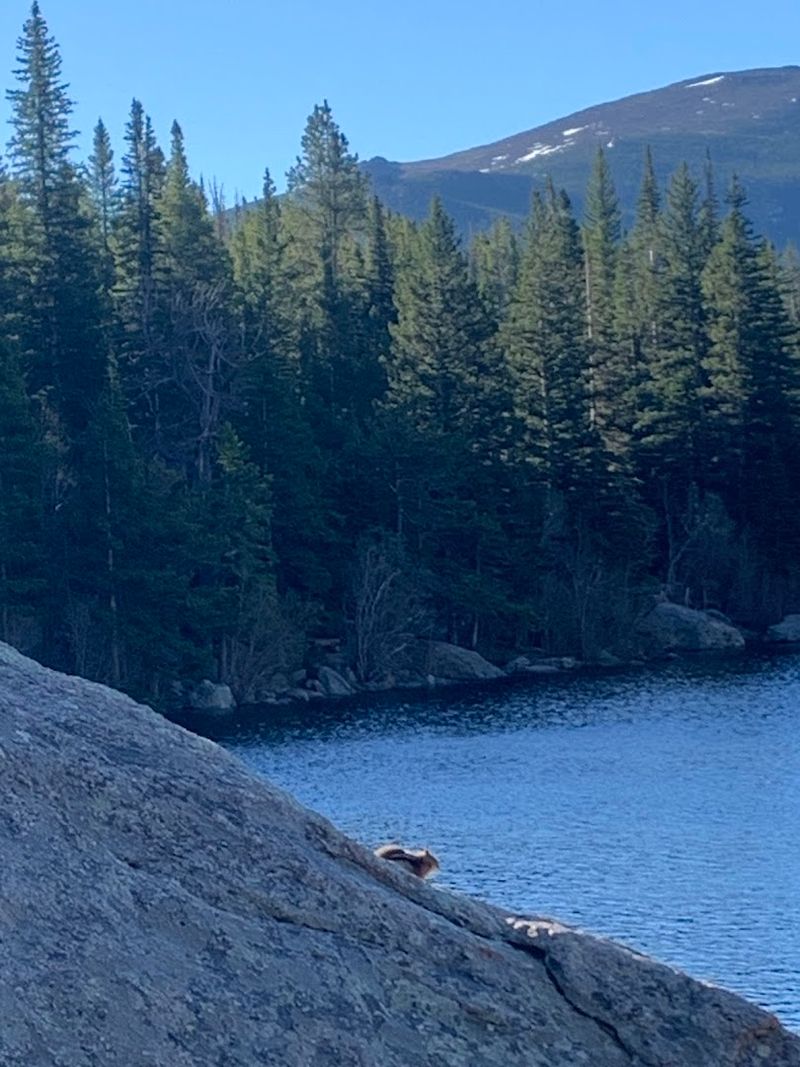
Photographers — amateur and professional alike — treat Bear Lake as something close to a sacred spot. The combination of still alpine water, rugged peaks like Hallett Peak and Flattop Mountain, and ever-changing sky conditions creates lighting scenarios that feel almost unfairly beautiful.
Golden hour, which occurs just after sunrise and just before sunset, produces the most stunning reflections on the lake’s surface. Getting there early means competing with fewer other photographers and catching the warm, rosy light as it touches the mountain peaks.
A wide-angle lens captures the full scope of the landscape magnificently.
Even smartphone cameras produce remarkable results at Bear Lake thanks to the natural contrast and color of the environment. No filter needed — the real scene does all the work.
One practical tip: a small portable tripod helps eliminate camera shake when shooting in low morning light for crystal-sharp reflection shots.
Visiting in Summer for Peak Beauty
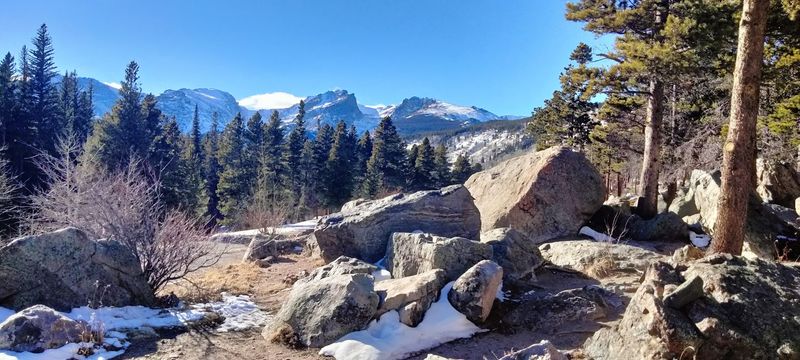
Summer transforms Bear Lake Trail into something that feels pulled straight from a dream. Wildflowers bloom in colorful clusters along the path, the lake glows a brilliant shade of blue-green, and the surrounding peaks still wear caps of snow that contrast beautifully against the clear sky above.
July and August are the most popular months to visit, and for good reason. Temperatures are comfortable, typically ranging from the mid-50s to low-70s Fahrenheit, and the trail is fully clear of snow.
Wildlife is active, birds are singing, and the whole park feels vibrantly alive in a way that only summer in the Rockies can deliver.
Arriving before 8 a.m. on summer mornings is the single best strategy for beating the crowds. The shuttle from the park’s visitor center runs frequently and is far easier than trying to find parking near the lake itself during peak hours.
Exploring Bear Lake in Winter and Off-Season
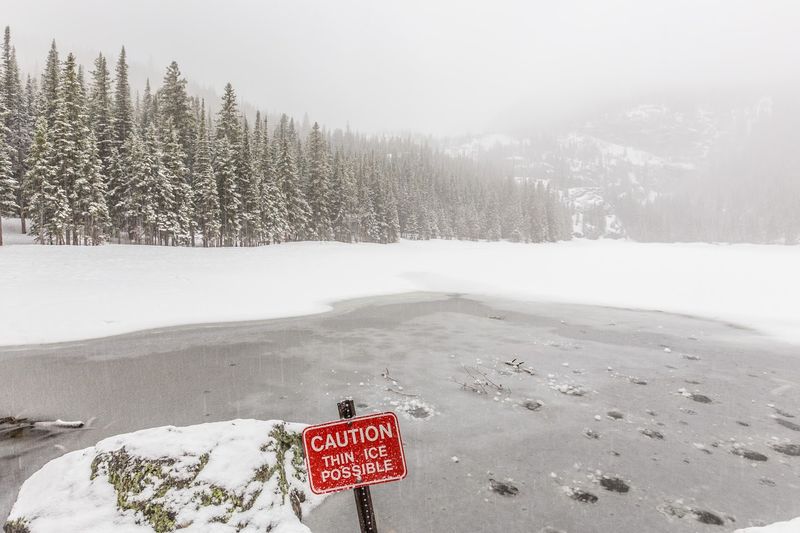
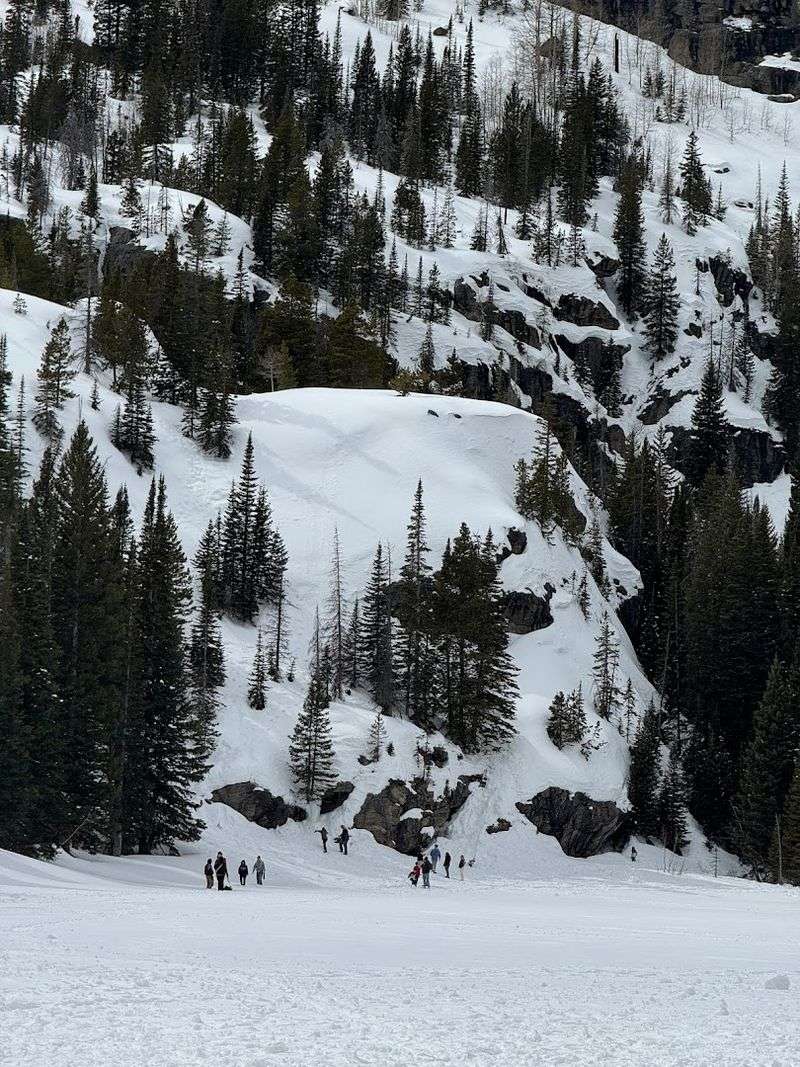
While summer gets most of the attention, Bear Lake in winter has its own quiet, dramatic charm that loyal visitors swear by. Snow blankets the pine trees, the lake freezes over completely, and the usual crowds thin out to almost nothing.
It’s a completely different world — and a surprisingly peaceful one.
Snowshoeing and cross-country skiing are popular winter activities around Bear Lake. The terrain is manageable for beginners, and rental equipment is available near the park entrance.
One reviewer even noted that skiing here felt refreshingly affordable compared to nearby resorts, with no lift tickets required.
Winter hiking requires careful preparation: layered clothing, waterproof boots, traction devices, and awareness of daylight hours are all essential. The park remains open year-round, though some facilities have limited availability.
Experiencing Bear Lake draped in snow offers a meditative stillness that summer simply cannot replicate, making off-season visits genuinely worthwhile.
Packing Smart for Your Bear Lake Adventure
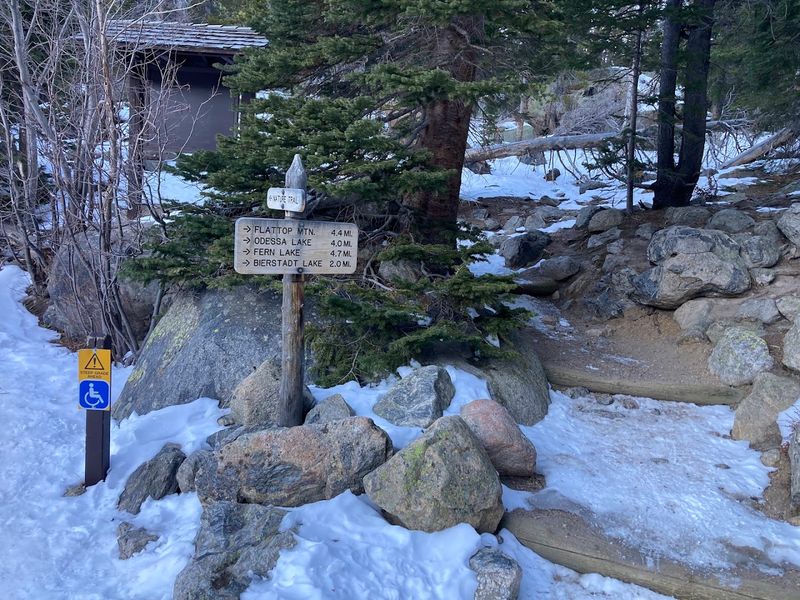
A short trail doesn’t mean a casual packing job — especially at nearly 9,500 feet above sea level. Smart hikers know that conditions at Bear Lake can change quickly, and being prepared makes the difference between a great day and a miserable one.
A well-packed bag is your best trail companion.
Water is the top priority. Even on the short 0.8-mile loop, staying hydrated at altitude is critical.
Pack at least one liter per person, more if you plan to extend your hike to nearby lakes. High-energy snacks like trail mix, granola bars, and dried fruit keep energy levels steady throughout the morning.
Sun protection surprises many visitors — UV rays are significantly stronger at high elevation than at sea level. Sunscreen, sunglasses, and a hat are non-negotiable even on cloudy days.
A lightweight packable rain jacket handles the afternoon thunderstorms that roll through the Rockies with impressive regularity during summer months.
Why Bear Lake Trail Earns Its 4.8-Star Rating
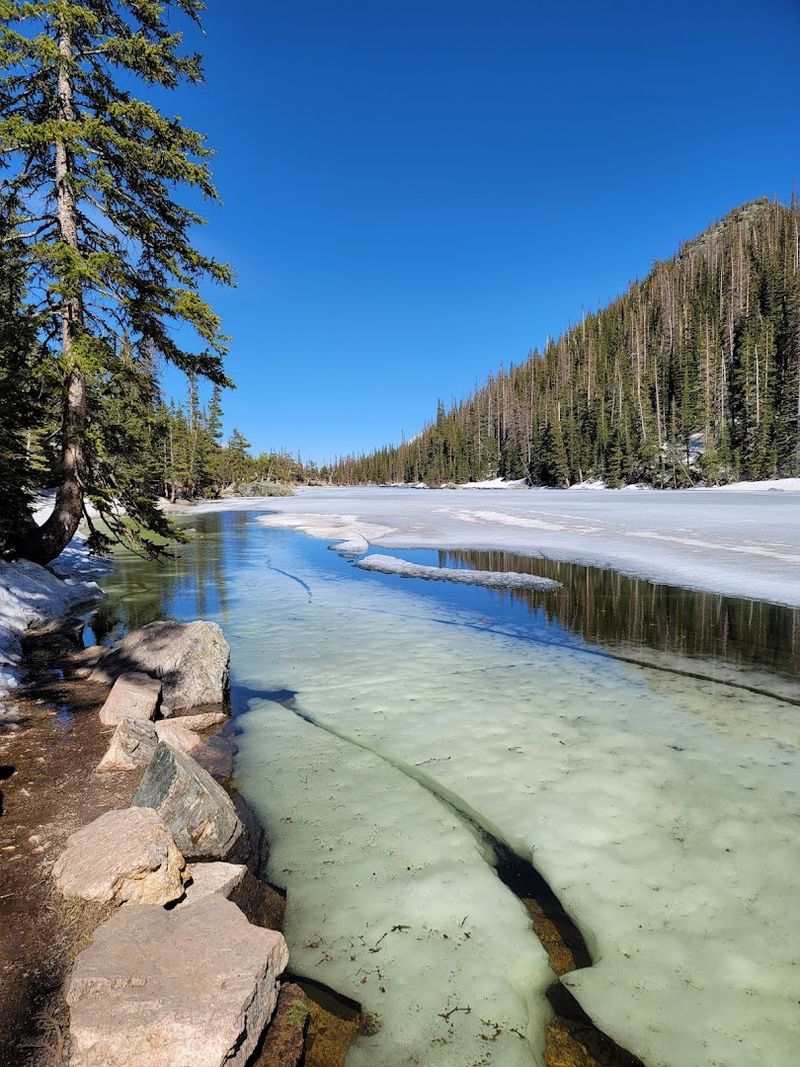
A 4.8-star rating from visitors says a lot about a trail, and Bear Lake earns every fraction of it. Hikers consistently describe the experience as one of the most rewarding short walks they’ve ever taken anywhere in the country.
The combination of accessibility, scenery, and educational value is genuinely hard to beat.
Reviewers praise everything from the crystal-clear water and dramatic mountain backdrop to the well-marked path and overall sense of wonder the trail delivers. Even visitors who couldn’t complete the full loop due to snow conditions still rated the experience highly, calling the partial views spectacular enough to justify the trip.
What makes Bear Lake truly special is how it welcomes everyone. Families with toddlers, solo adventurers, seasoned backpackers, and casual walkers all find something meaningful here.
That rare universal appeal — the ability to move people of all ages and backgrounds — is exactly what earns Bear Lake Trail its legendary reputation in Colorado hiking circles.
Enjoyed this story?
Add Fast Food Club as a preferred source to see more of our reporting on Google.