


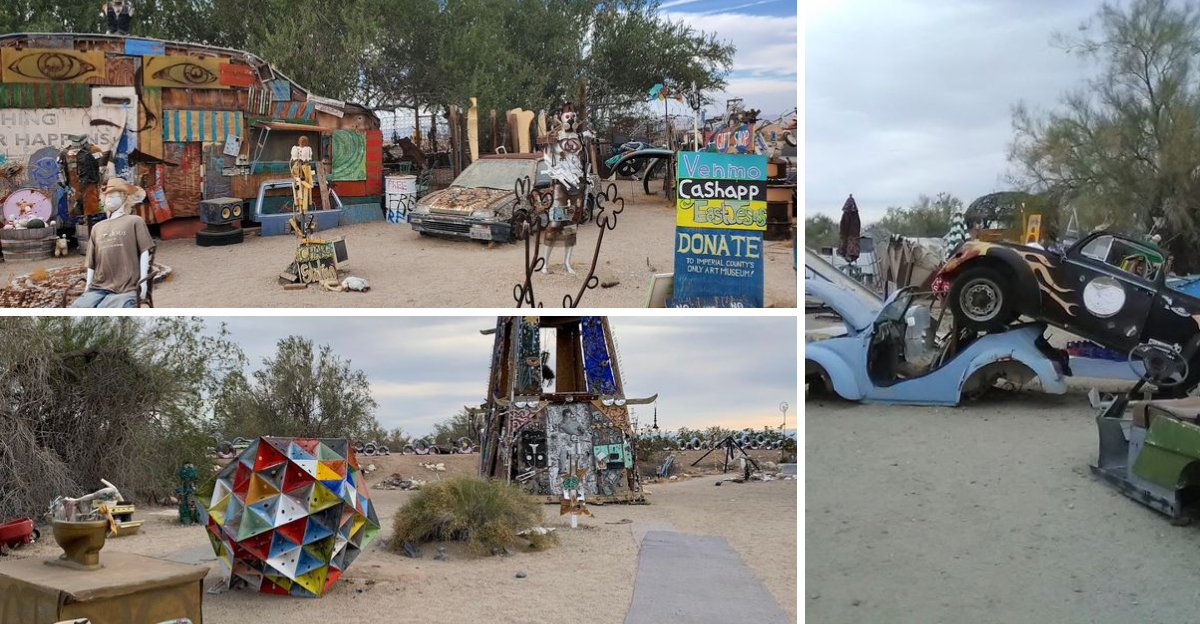
Tucked away in the sun-scorched desert of Niland, California, East Jesus is one of the most unusual and unforgettable art destinations in the entire country. Built from recycled junk, scrap metal, and cast-off materials, this outdoor sculpture garden turns trash into thought-provoking art that challenges everything you thought you knew about creativity.
Most travelers drive right past it without ever knowing it exists, hidden among the dusty roads of the legendary Slab City community. Whether you love art or just crave a truly one-of-a-kind adventure, East Jesus is the kind of place that sticks with you long after you leave.
A Free Outdoor Art Museum Unlike Anything You Have Seen Before
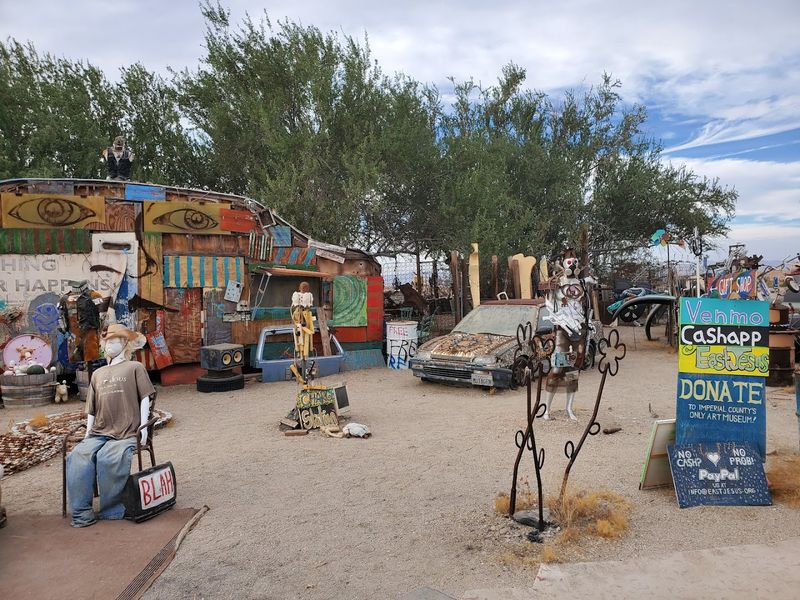
Forget everything you think a museum should look like. East Jesus charges no admission fee, has no velvet ropes, and absolutely zero air conditioning.
What it does have is acres of jaw-dropping, handmade art spread across a sun-baked desert landscape that somehow feels more alive than any white-walled gallery.
Visitors are free to wander at their own pace, touch the installations, and soak in the creativity all around them. The art keeps growing every year, with new pieces added regularly by artists from around the world.
Each visit can feel completely different from the last.
Donations are welcome and genuinely appreciated by the community that keeps this place running. Dropping a few dollars in the donation box is a small way to support something truly special.
East Jesus operates as a 501(c) nonprofit, so every contribution goes toward preserving this remarkable desert landmark.
Recycled Junk Transformed Into Profound Sculpture
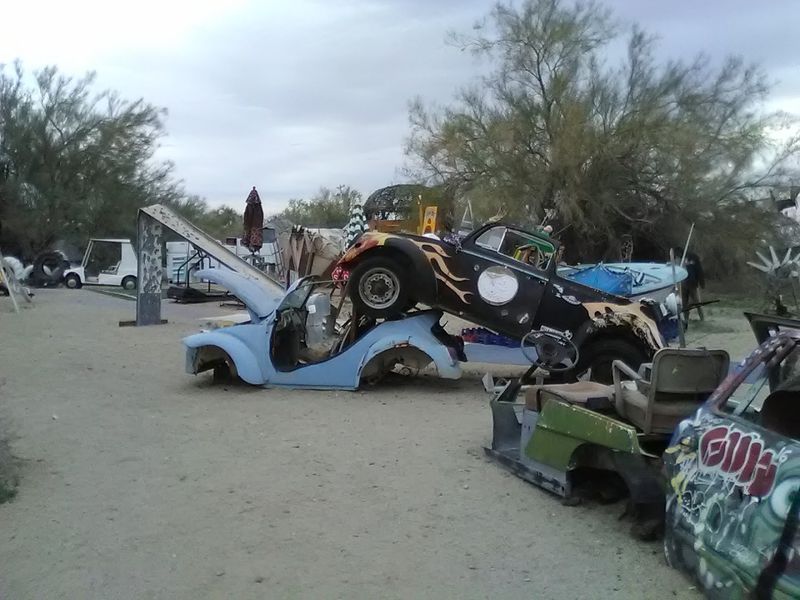
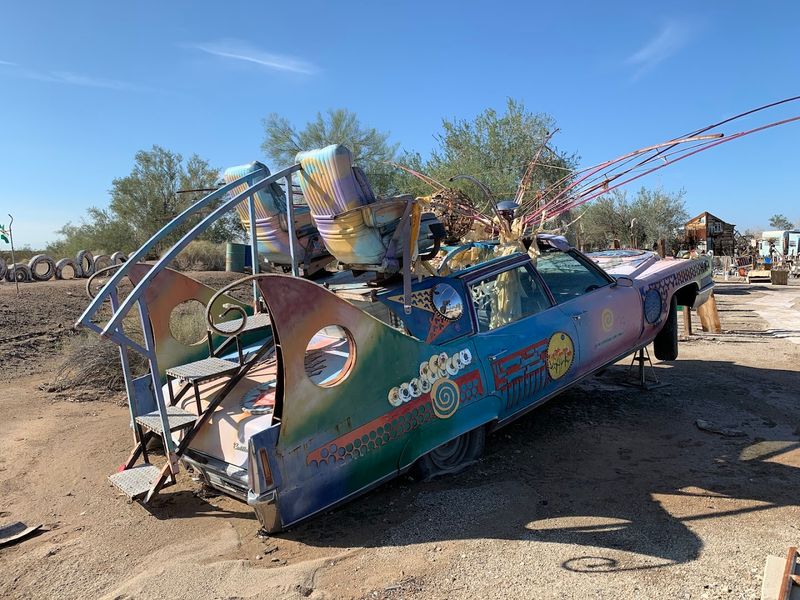
Old televisions, broken appliances, shattered glass, rusted car parts, and discarded doll heads — at East Jesus, nothing is truly garbage. Every thrown-away object gets a second life as part of a sculpture that carries meaning, humor, or a pointed message about the world we live in.
Artists here respond to society’s waste by turning it into commentary. One of the most talked-about installations features stacked televisions that challenge the idea of media control.
Another uses Barbie dolls arranged in unsettling ways to poke fun at consumer culture and beauty standards.
Walking through the grounds feels like reading a visual newspaper written in scrap metal and found objects. The deeper you look, the more layers of meaning you discover.
Visitors often say the experience shifts the way they think about what gets thrown away and why certain things lose their value over time.
Located in the Heart of the Famous Slab City Community
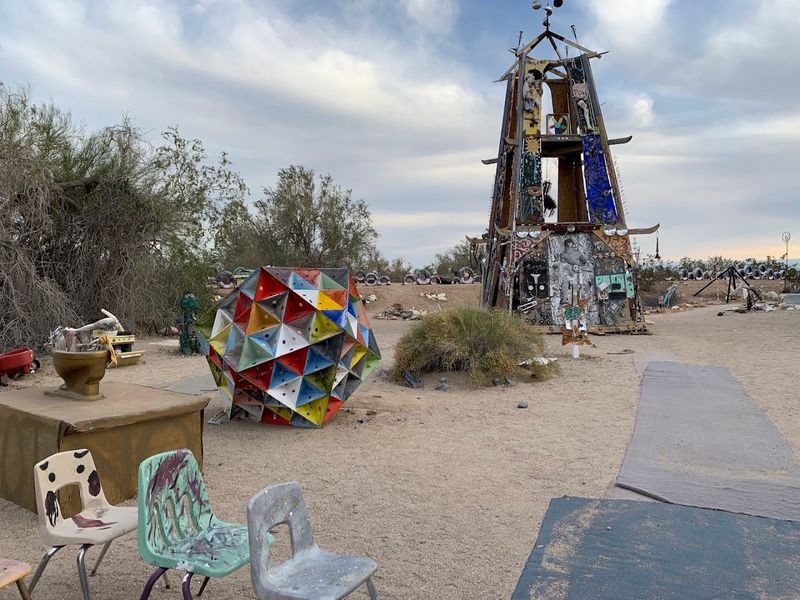
Slab City is already legendary among road-trippers and off-the-grid enthusiasts. Built on the concrete slabs of a former World War II military base, it is home to a community of free spirits, artists, and people who have chosen to live completely outside conventional society.
East Jesus sits right within this fascinating community, adding a layer of artistic depth to an already extraordinary place. The two destinations complement each other perfectly — Slab City offers the backstory, and East Jesus delivers the visual punch.
Nearby Salvation Mountain, the colorful folk art monument just a short drive away, makes the whole area feel like a surreal outdoor art district dropped into the middle of nowhere. Planning a day trip that includes both stops gives visitors a fuller picture of the creative energy thriving in California’s Imperial County.
Roads can be rough, so a sturdy vehicle is recommended.
Touch the Art — That Is Actually the Rule Here
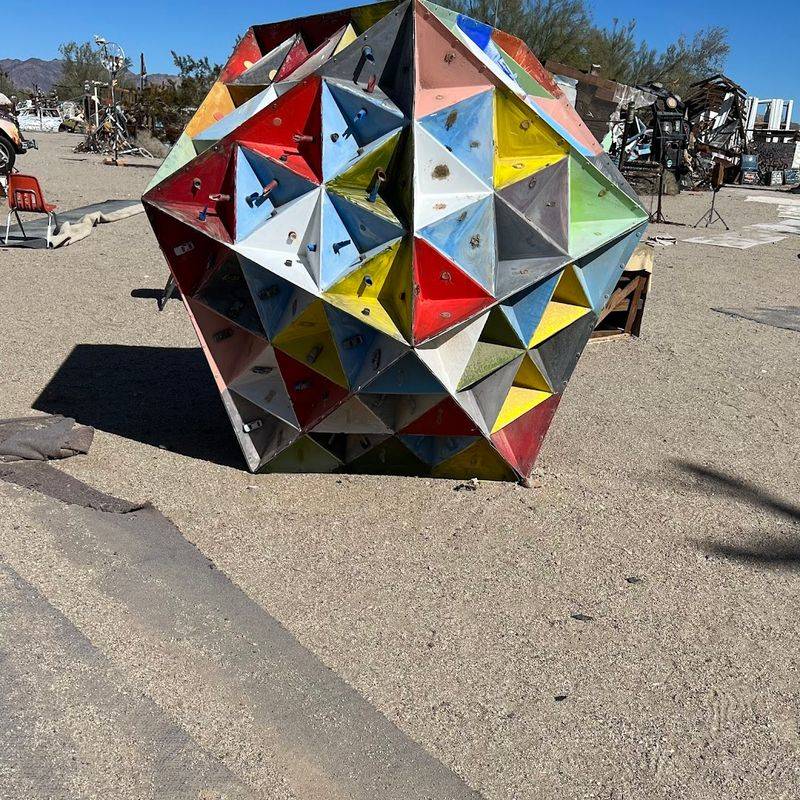
Most art museums post signs that say “Do Not Touch.” East Jesus flips that rule completely upside down. Guests are encouraged to play with, touch, climb on, and fully interact with the installations.
If something breaks, the unofficial motto is simple: blame the artist.
This hands-on philosophy makes the experience feel genuinely freeing, especially for kids and anyone who has ever felt intimidated by traditional art spaces. There is no wrong way to experience the work here.
Curiosity is the only ticket required.
That playful attitude extends to the atmosphere overall. Laughter mixes with genuine reflection as visitors move from one installation to the next.
Some pieces make you giggle at their absurdity while others hit surprisingly hard with their social commentary. The balance between fun and depth is one of the things that makes East Jesus so unexpectedly memorable for first-time visitors of all ages.
The Television Will Not Be Revolutionized — An Iconic Installation
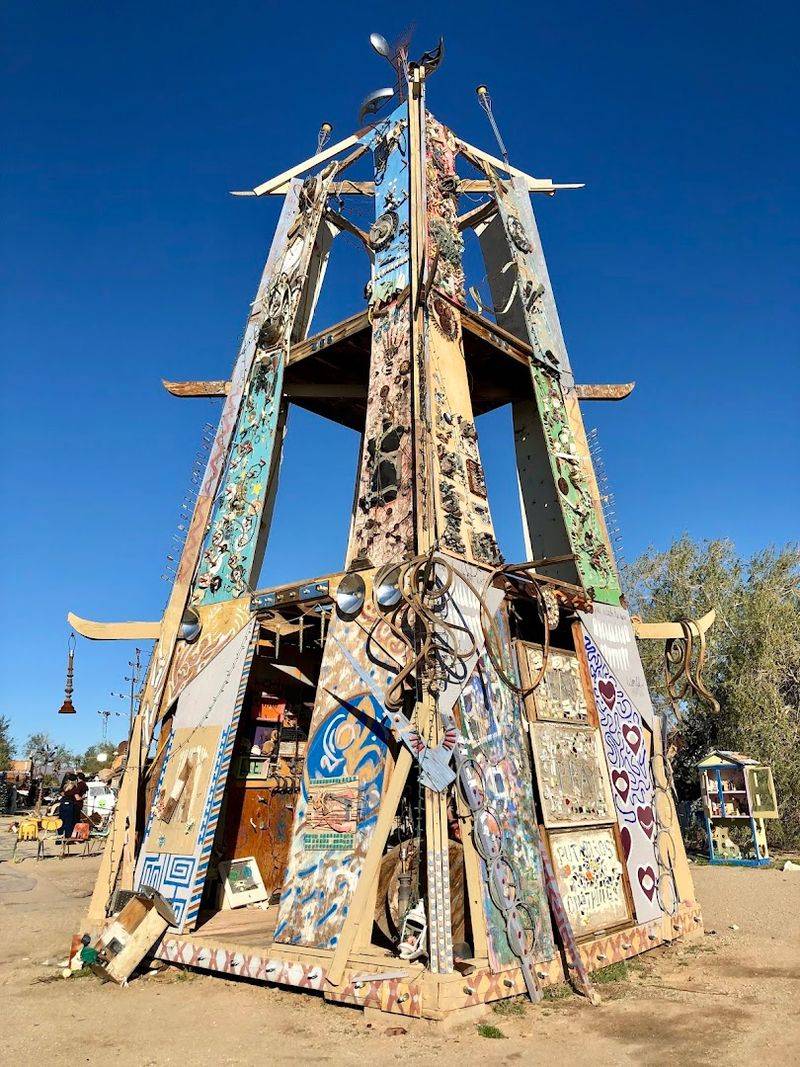
One of the most photographed and talked-about features at East Jesus is the striking television installation. Dozens of old TV sets are stacked, welded, and arranged into towering structures that make a bold statement about media saturation and the illusion of choice in modern entertainment.
The name itself is a clever twist on Gil Scott-Heron’s famous phrase, and the piece lands differently for every person who stands in front of it. Some see humor.
Others feel an unsettling recognition. That range of reactions is exactly what good art is supposed to provoke.
Photographing this installation at different times of day yields wildly different results. Golden-hour light bouncing off the stacked screens creates an almost cinematic glow.
Visitors who come prepared with a camera will find this spot especially rewarding. It is the kind of image that gets shared, saved, and talked about long after the desert dust washes off your shoes.
What to Expect When You First Arrive at East Jesus
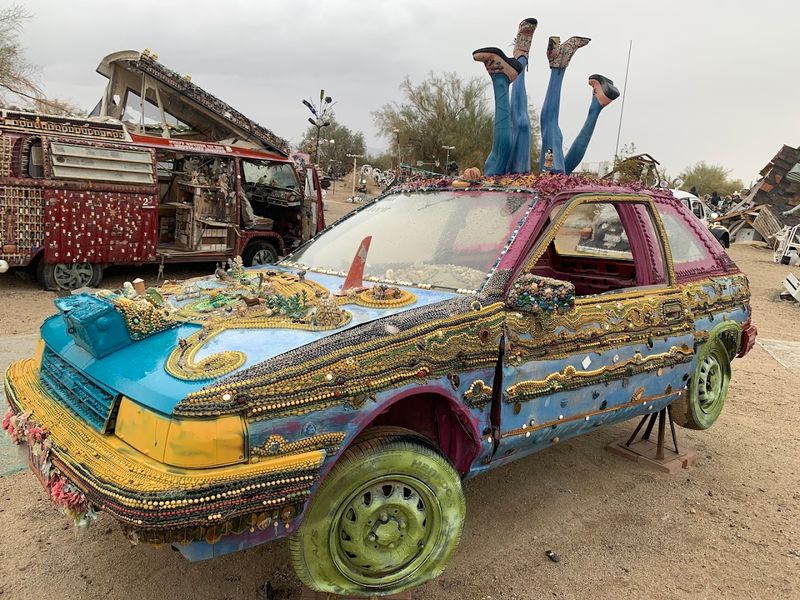
Pulling up to East Jesus for the first time is genuinely disorienting in the best possible way. The surrounding landscape is flat, dusty, and almost completely empty — and then suddenly, color and chaos erupt on the horizon like a fever dream made physical.
There is no formal parking lot or ticket booth. Visitors simply park along the road and walk in.
The grounds open early in the morning and close around 6:30 PM most days, giving plenty of time to explore without rushing. Monday hours start even earlier at 6 AM.
Bring water — lots of it. The desert heat is no joke, and there is very little shade across the property.
Wearing sunscreen and a hat is strongly advised, especially during summer months when temperatures can soar well above 100 degrees Fahrenheit. Comfortable, closed-toe shoes are also a smart choice given the uneven terrain throughout the installation area.
Eco-Themed Art That Speaks Loudly About Consumerism
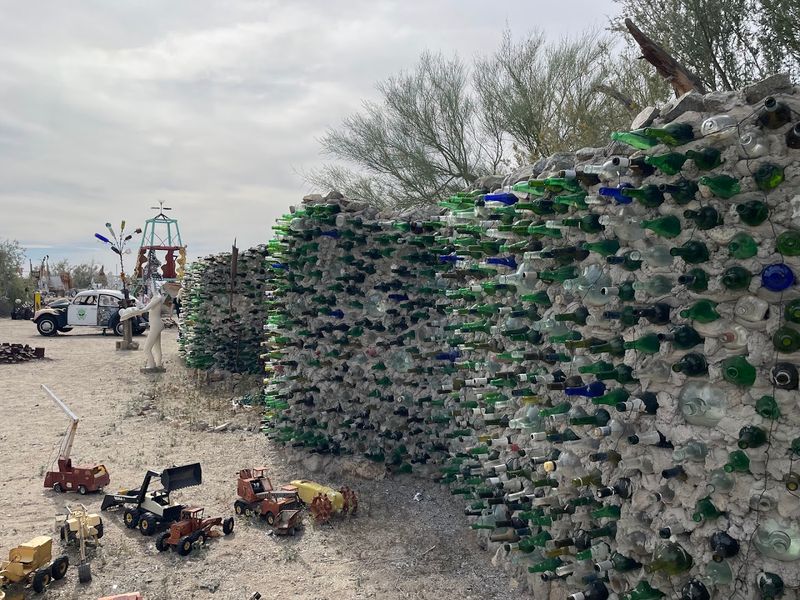
At its core, East Jesus is a conversation about what society throws away. The art here is deeply eco-themed, built entirely from materials that would otherwise sit rotting in landfills.
Every sculpture is a quiet — and sometimes very loud — protest against hyper-consumerism.
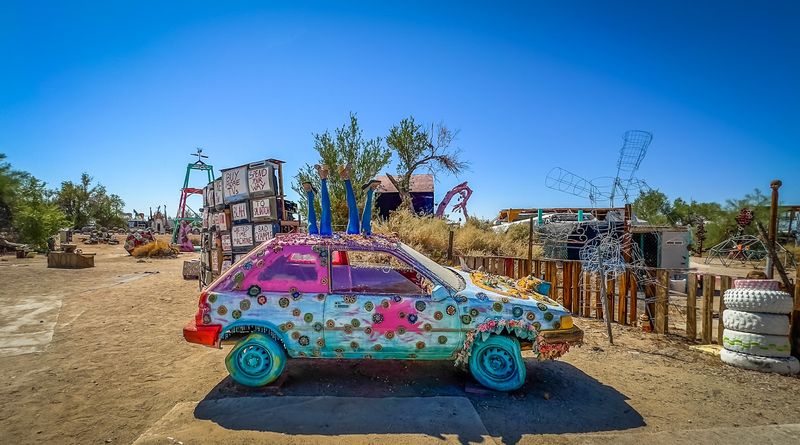
Barbies glued to car hoods, mountains of old electronics arranged into monuments, and walls of broken glass transformed into mosaics all carry the same underlying message: we produce too much, and we discard too carelessly. The artists are not preachy about it, but the message is impossible to miss.
This environmental ethos is woven into every corner of the property. Even the structures that house the artists on-site are built from salvaged materials.
East Jesus does not just talk about sustainability — it lives it. For visitors who care about environmental issues, this place offers a powerful and visually stunning reminder of what mindful creativity can look like.
A Living Art Project That Keeps Growing Every Year
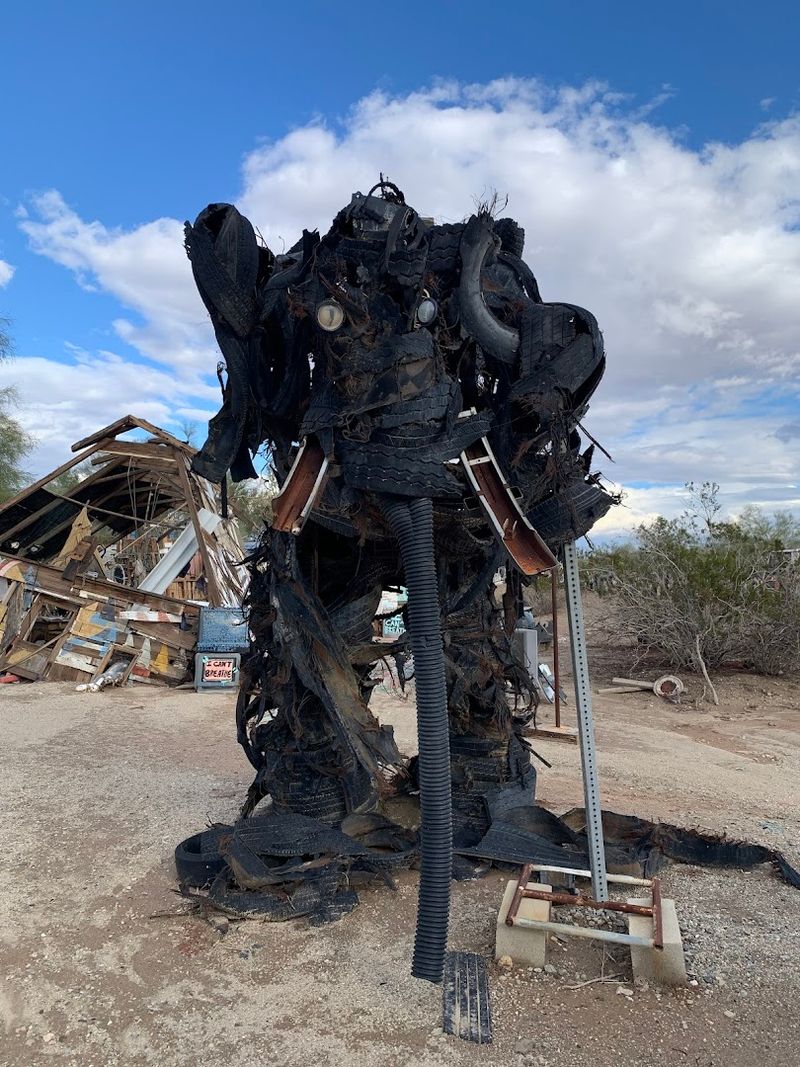
Unlike a traditional museum with a fixed collection, East Jesus is always changing. New installations appear regularly, added by visiting artists and the resident creative community.
Returning visitors often discover entire sections they have never seen before, making each trip feel like a brand-new experience.
This constant evolution is part of what gives the place such vibrant energy. Nothing here feels frozen in time or carefully preserved behind glass.
Art at East Jesus breathes, weathers, and sometimes falls apart — and that decay becomes part of the work itself.
Several visitors who have returned multiple times describe the experience as watching a living organism grow. What started as a small collection of sculptures has expanded into a sprawling landscape of interconnected ideas and materials.
The founders intentionally left room for growth, both physically and philosophically. East Jesus is not finished, and according to the people who build it, it never will be.
Artists From Around the World Have Left Their Mark Here
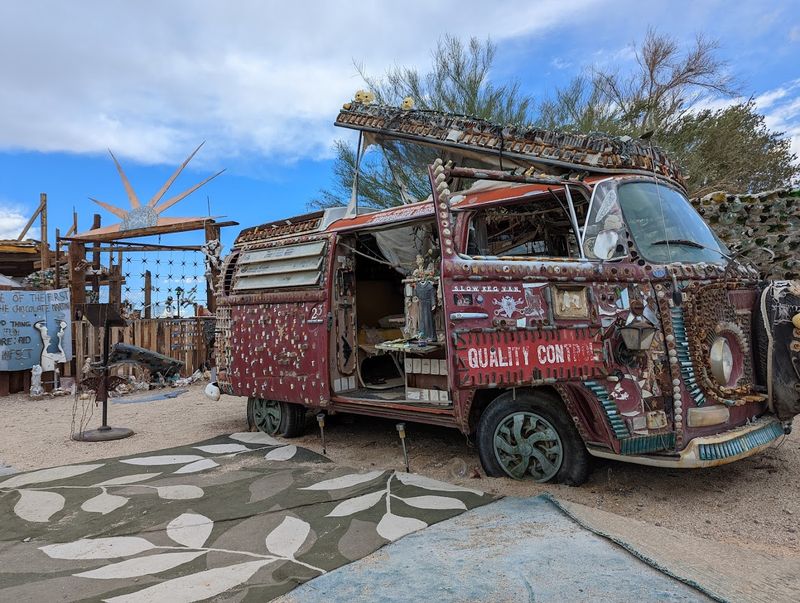
East Jesus is not just a local project — it is a global one. Artists from across the United States and around the world have contributed pieces to the collection, making the grounds feel like an international conversation happening in the middle of the California desert.
Some contributors are trained fine artists. Others are self-taught creators who showed up with raw materials and a strong idea.
The mix of backgrounds and styles creates a wonderfully chaotic visual dialogue that no single curator could have planned or produced alone.
The community welcomes new artists who want to contribute, as long as their work fits the spirit of the place. Pieces must be made from recycled or salvaged materials, keeping the eco-conscious philosophy intact.
For artists looking for an unconventional venue to share their work with a genuinely curious and engaged audience, East Jesus offers something truly rare in the modern art world.
Best Time of Year to Visit East Jesus Without Melting
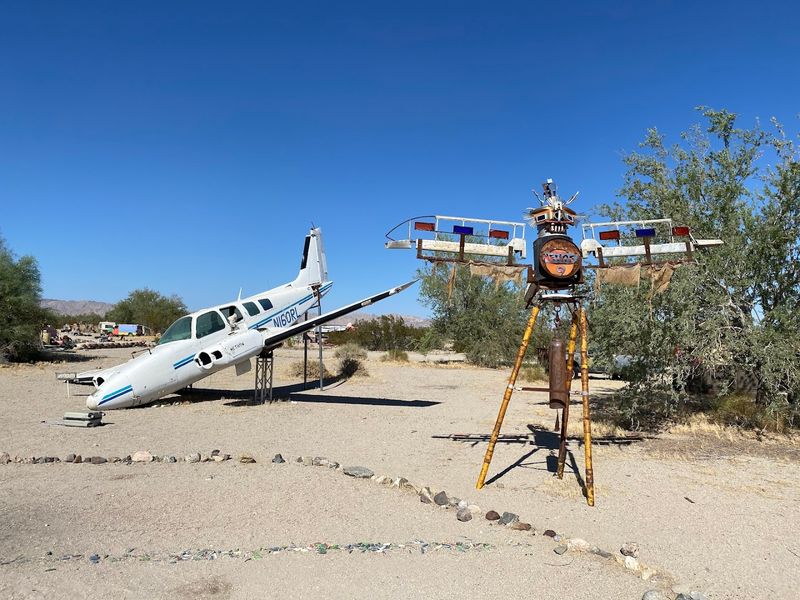
Timing your visit to East Jesus makes a huge difference in how enjoyable the experience is. The desert surrounding Niland can reach brutal temperatures in the summer, sometimes exceeding 110 degrees Fahrenheit.
For most visitors, the cooler months between October and March offer the most comfortable conditions.
Sunrise and sunset visits are especially magical. The golden light transforms the sculptures into something almost otherworldly, and temperatures drop to genuinely pleasant levels even in warmer months.
Many photographers specifically plan their trips around these windows of soft, dramatic light.
Spring and fall weekends tend to draw more visitors, especially when nearby events like the Desert X art festival bring more travelers to the region. Going on a weekday during the off-season often means having the place nearly to yourself, which allows for deeper reflection and longer conversations with the resident artists who call this remarkable community home.
How East Jesus Got Its Wonderfully Strange Name
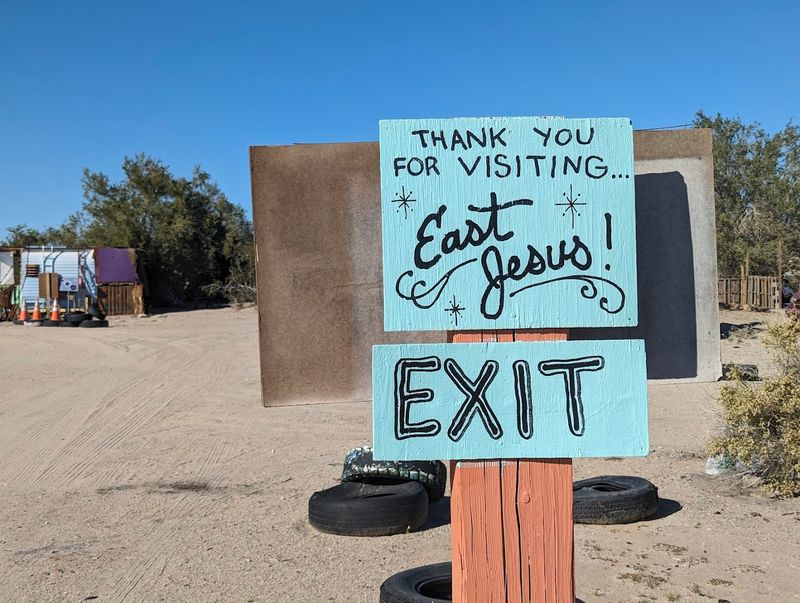
The name East Jesus is itself a piece of performance art. It plays on the old American expression “out in East Jesus” — a colorful way of saying somewhere impossibly remote, far from civilization, and completely off the map.
Choosing that name was a deliberate wink at the location and spirit of the project.
Founded by the late artist Charles Russell, also known as Charlie, East Jesus was born from a desire to create art completely free from commercial pressure or institutional approval. Russell wanted a place where creativity could go feral, and the name captured that rebellious energy perfectly from day one.
After Russell passed away, the community honored his vision by incorporating East Jesus as a nonprofit organization, ensuring the project would continue growing long after its founder was gone. The name stuck, the spirit survived, and the desert keeps welcoming anyone brave enough to find it.
Practical Tips for Planning Your East Jesus Road Trip
Getting to East Jesus requires a little planning, but the journey is absolutely worth it. From Palm Springs, the drive takes roughly 90 minutes heading southeast through the Imperial Valley.
The roads near Slab City can be rough and unpaved in sections, so a vehicle with decent ground clearance is a smart choice.
Cell service is limited in the area, so downloading offline maps before leaving is highly recommended. Pack more water than you think you need, bring snacks, and fill your gas tank before heading out since services are very sparse near Niland.
Plan to spend at least two to three hours exploring the grounds to do it justice. Combining the trip with a visit to Salvation Mountain and a stop at the quirky local landmark known as Dot’s Place makes for a full and genuinely unforgettable day out in one of California’s most overlooked and fascinating corners.
Why East Jesus Feels Unmistakably and Powerfully Real
In a world full of polished, algorithm-driven experiences, East Jesus stands apart by being completely, unapologetically raw. Nothing here has been focus-grouped or designed to maximize engagement metrics.
Every piece exists because someone felt compelled to make it, using whatever was on hand.
That honesty comes through immediately when you walk the grounds. Visitors consistently describe feeling something real — a mix of wonder, discomfort, laughter, and occasionally sadness.
The art does not try to make you feel good. It tries to make you feel something true.
Reviewers with 4.6 stars across nearly 1,400 reviews have called it thought-provoking, haunting, and genuinely unlike anything else they have ever encountered. Whether you leave inspired or unsettled, you will leave changed.
East Jesus does not offer easy answers or tidy takeaways. It offers something rarer and more valuable: an honest conversation between human creativity and the beautiful, broken world that surrounds us all.
Enjoyed this story?
Add Fast Food Club as a preferred source to see more of our reporting on Google.