


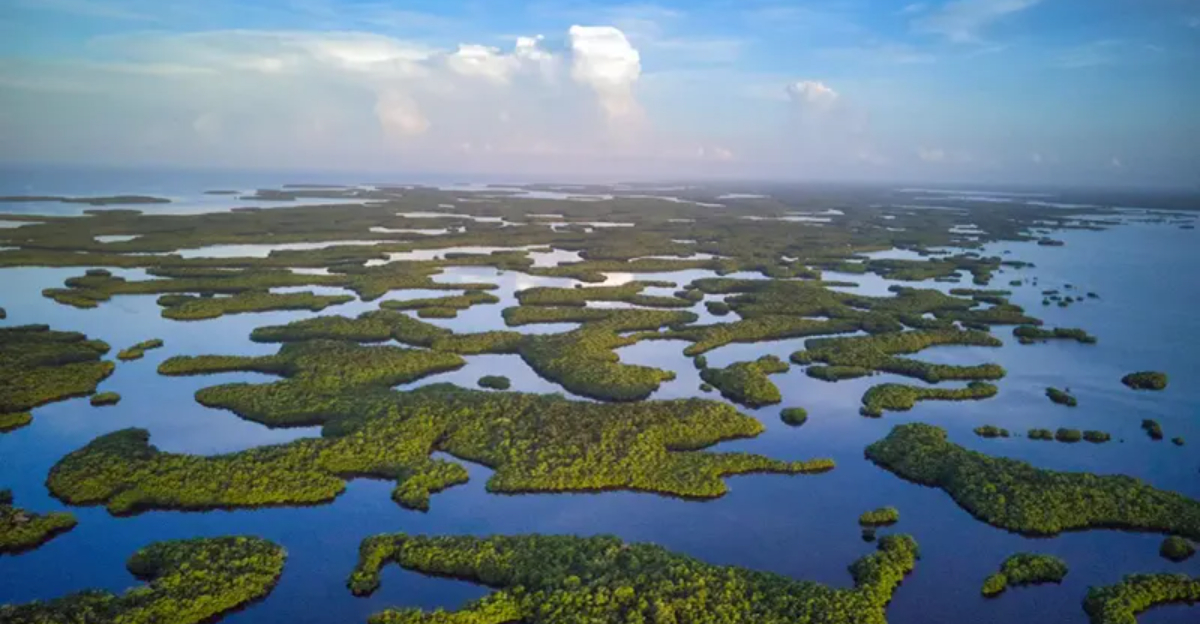
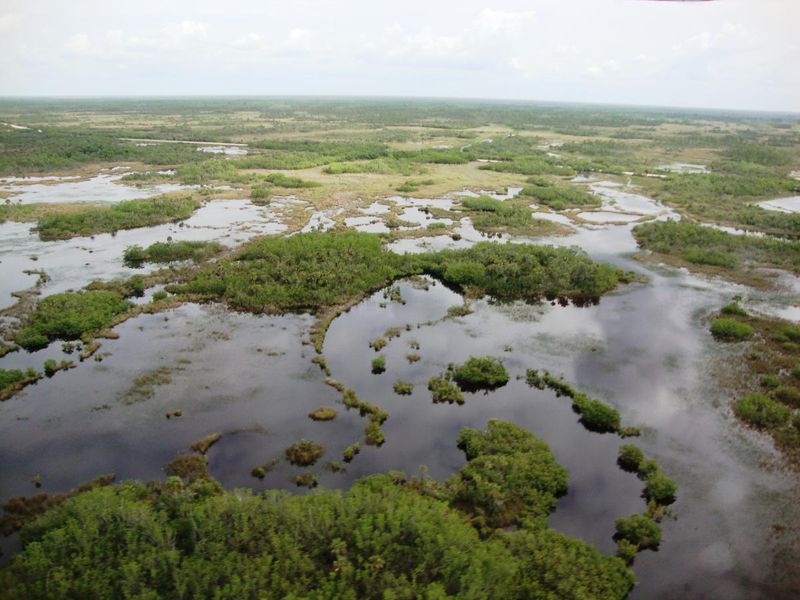
Tucked along the southwestern coast of Florida near Naples, the Ten Thousand Islands National Wildlife Refuge stretches across a jaw-dropping 35,000 acres of tangled mangrove forests, winding waterways, and hidden islands. This remarkable place is one of the largest mangrove ecosystems in North America, offering a wild and watery world unlike anything most people have ever seen.
From manatees and sea turtles to river otters and hundreds of bird species, the refuge is bursting with life at every turn. Whether you explore by kayak, guided boat tour, or simply stand at the water’s edge, this incredible refuge will leave you speechless.
The Mangrove Maze That Seems to Go On Forever
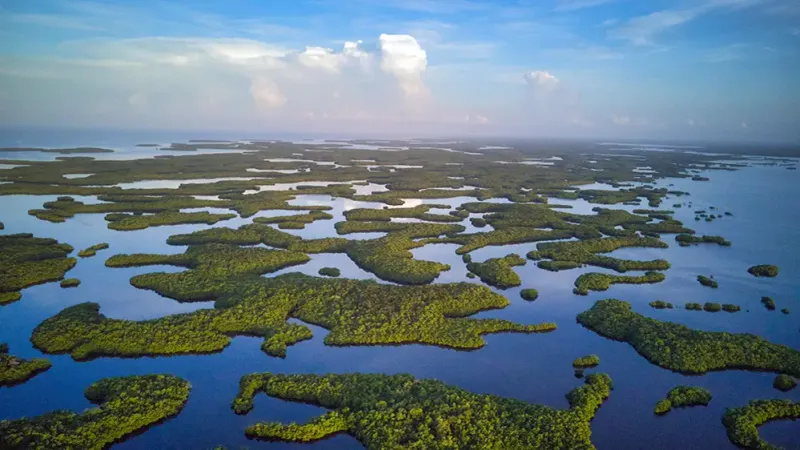
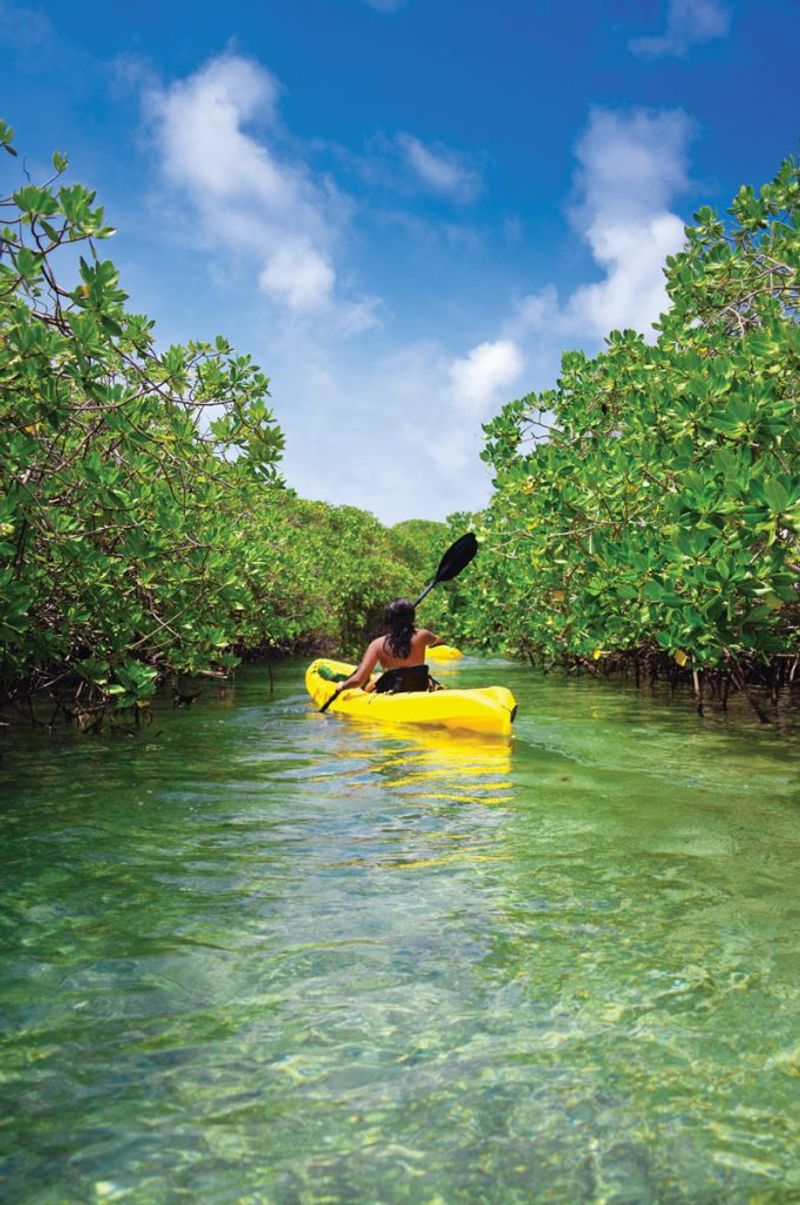
Imagine paddling through a green tunnel of twisted roots and tangled branches, with the only sounds being the splash of your paddle and the calls of distant birds. That is exactly what exploring the mangrove maze at Ten Thousand Islands feels like.
The refuge contains one of the largest contiguous mangrove ecosystems in the entire country.
These trees are not just beautiful — they are ecological powerhouses. Mangrove roots trap sediment, protect coastlines from storms, and create nursery habitats for hundreds of marine species.
Young fish, shrimp, and crabs rely on these sheltered waters to grow up safely.
Getting lost here is almost a rite of passage. Bring a waterproof map and a compass if you plan to kayak solo.
The waterways twist and turn in ways that can easily confuse even experienced paddlers, making every trip feel like a brand-new adventure.
Guided Boat Tours That Reveal Hidden Secrets
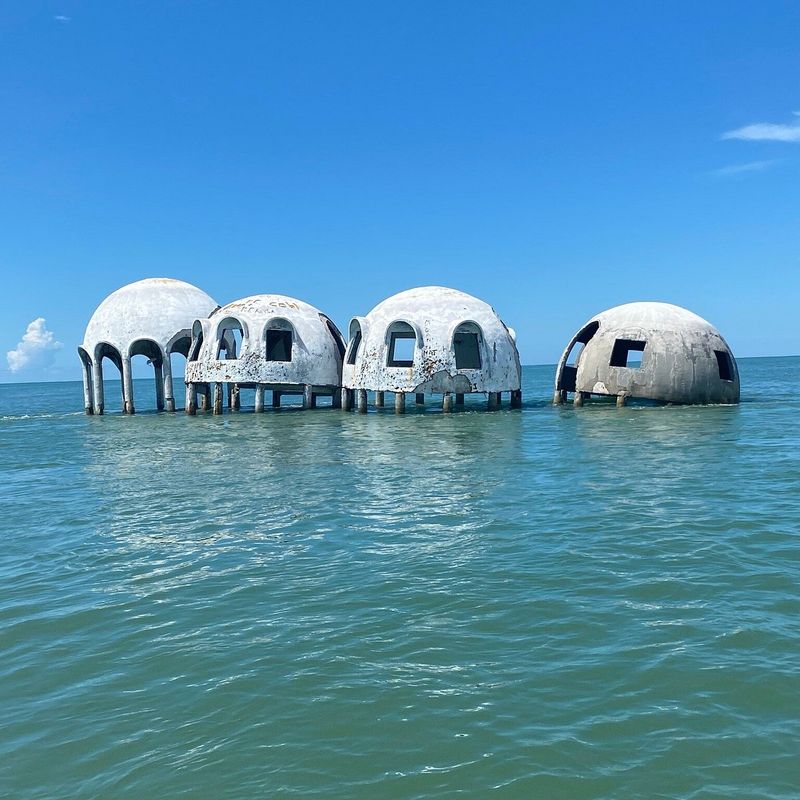
Not everyone is ready to navigate 35,000 acres of wilderness alone, and that is completely okay — guided boat tours are here to save the day. Local operators run regular excursions through the refuge, and the guides know these waters like the backs of their hands.
They will point out wildlife you would never notice on your own.
Tours typically last between two and three hours, weaving through narrow channels and open bays. Passengers often spot manatees surfacing for air, ospreys diving for fish, and roseate spoonbills wading in the shallows.
Every single trip tends to be different from the last.
Booking in advance is strongly recommended, especially during the busy winter season from November through April. Morning tours tend to offer calmer waters and cooler temperatures, which also means more active wildlife.
Wear sunscreen, bring water, and get ready to be amazed.
Manatees: The Gentle Giants of the Refuge
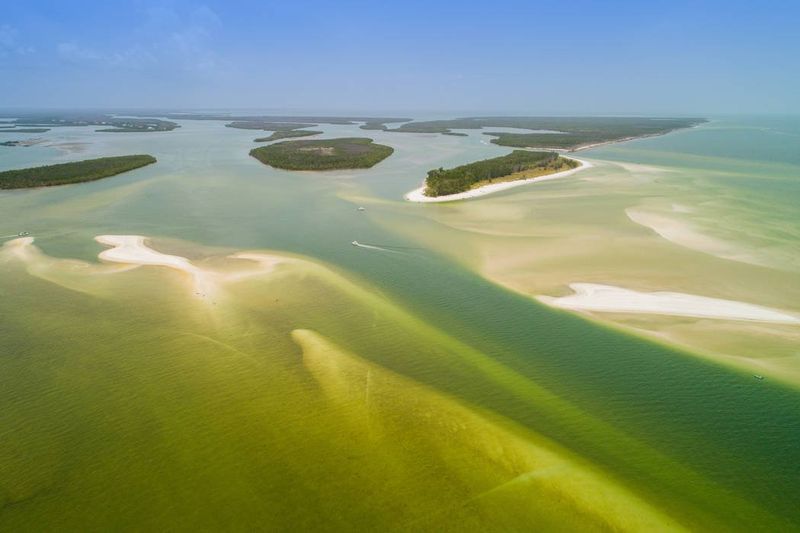
Few wildlife encounters match the pure magic of watching a manatee glide silently beneath your boat. These enormous, slow-moving sea mammals can weigh over 1,000 pounds, yet they move through the water with surprising grace.
Ten Thousand Islands is one of the best spots in all of Florida to see them up close.
Manatees love the warm, shallow waters of the refuge, especially during cooler months when they seek out natural warm-water springs and sun-heated shallows. They feed almost exclusively on seagrass and other aquatic vegetation, grazing peacefully for hours at a time.
Spotting one is not guaranteed, but the chances are genuinely high here. Keep your eyes peeled for circular ripples on the water surface — that is often a sign a manatee just exhaled nearby.
Always maintain a respectful distance and never attempt to touch or feed them.
Green Sea Turtles Making a Splash
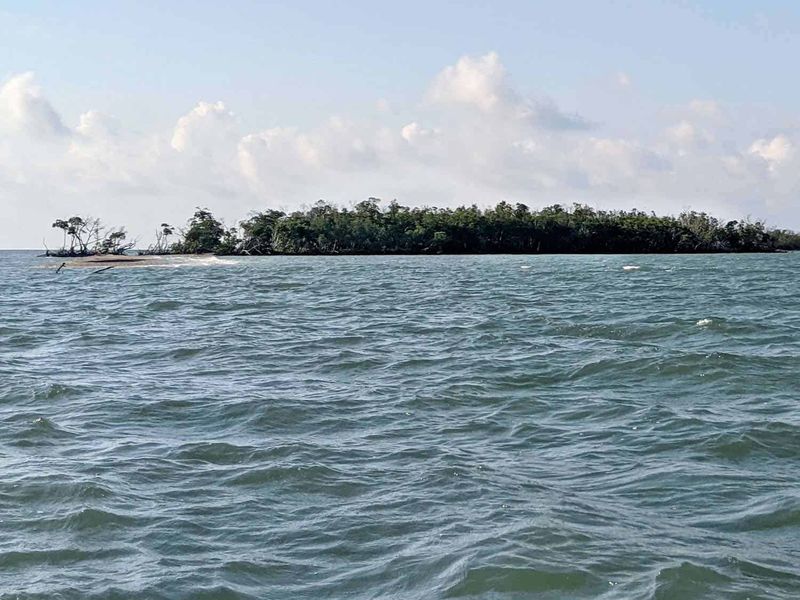
Did you know that green sea turtles can live for up to 80 years? These ancient mariners have been swimming through Florida’s coastal waters long before humans ever arrived, and Ten Thousand Islands gives them a protected place to thrive.
Spotting one feels like a genuine brush with prehistory.
Green sea turtles feed primarily on seagrass and algae, and the refuge’s lush underwater meadows provide an ideal feeding ground. They are often spotted near the surface, especially in the early morning hours when the water is calm and clear.
Their smooth, olive-colored shells make them surprisingly easy to identify.
The refuge plays a critical role in protecting nesting sites along nearby beaches. Conservation efforts have helped green sea turtle populations slowly recover after decades of decline.
Visiting the refuge means your tourism dollars directly support the ongoing protection of these magnificent creatures and their habitat.
River Otters: The Playful Locals You Need to See
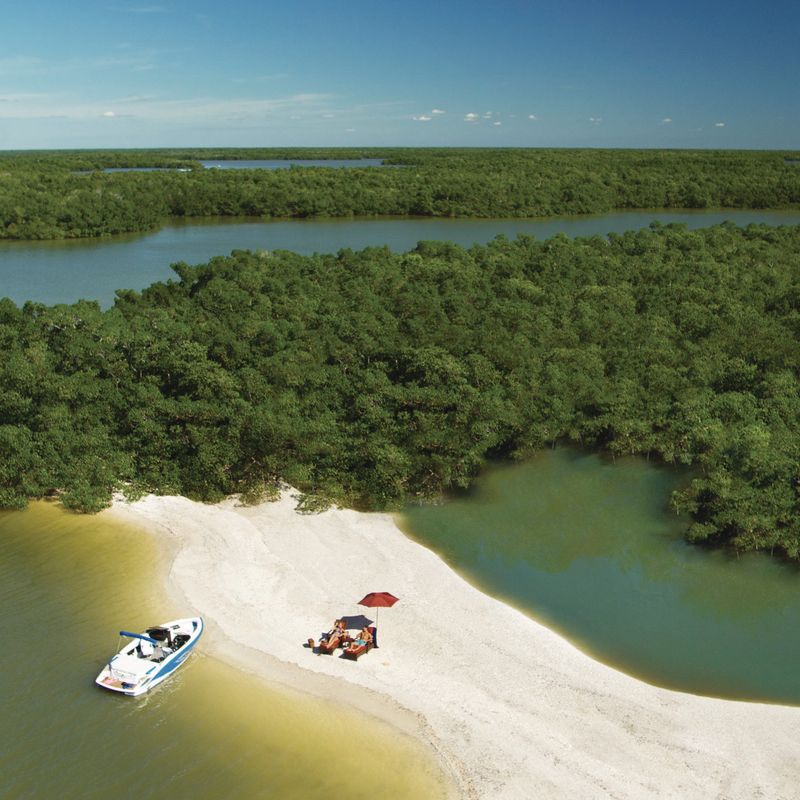
Energetic, curious, and endlessly entertaining — river otters are easily one of the most charming residents of Ten Thousand Islands. Watching a family of otters tumble over each other along a muddy bank or torpedo through the water after a fish is the kind of moment that makes you forget to breathe.
North American river otters are skilled hunters, feeding on fish, crustaceans, frogs, and even small birds. They are highly social animals and live in family groups, which means if you spot one, there are probably more nearby.
Dawn and dusk are the best times to catch them in action.
Quiet, slow-moving kayaks are the best way to get close without startling them. Loud motorboats tend to send otters retreating into the undergrowth quickly.
Patience is your greatest tool here — settle in, stay still, and let the otters come to you on their own terms.
Bird Watching Paradise With Hundreds of Species
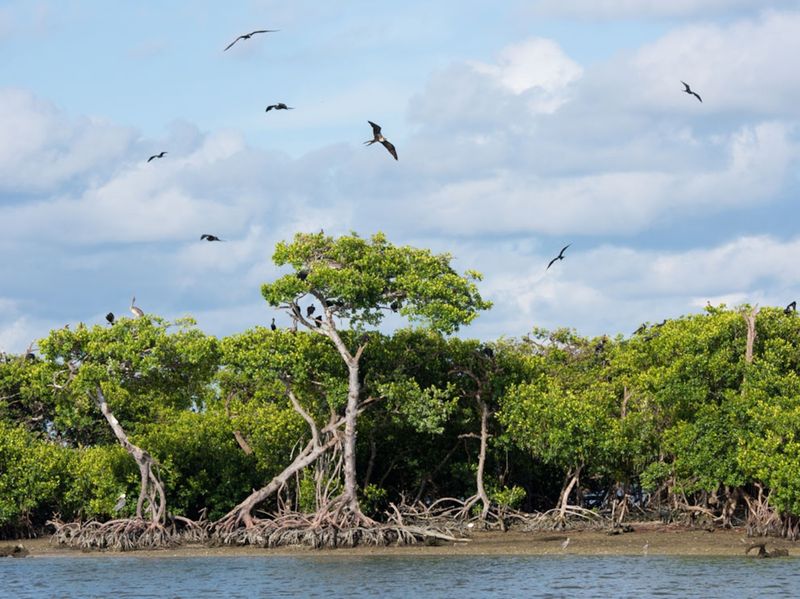
Birders travel from across the country — and even from other continents — to tick species off their lists at Ten Thousand Islands. The refuge hosts an extraordinary variety of birds year-round, including roseate spoonbills, bald eagles, ospreys, brown pelicans, and multiple species of herons and egrets.
During winter migration, the skies and shorelines come alive with shorebirds and waterfowl passing through on their long journeys. Warblers, ducks, and sandpipers join the permanent residents, turning every outing into a thrilling birding session.
A good pair of binoculars is absolutely essential.
The mangrove islands themselves serve as critical nesting colonies for many waterbird species. Disturbing these areas during nesting season, typically from February through July, can have serious consequences for breeding success.
Always follow posted guidelines and give nesting birds a wide berth to help protect future generations of these stunning animals.
Kayaking and Canoeing Through Untouched Wilderness
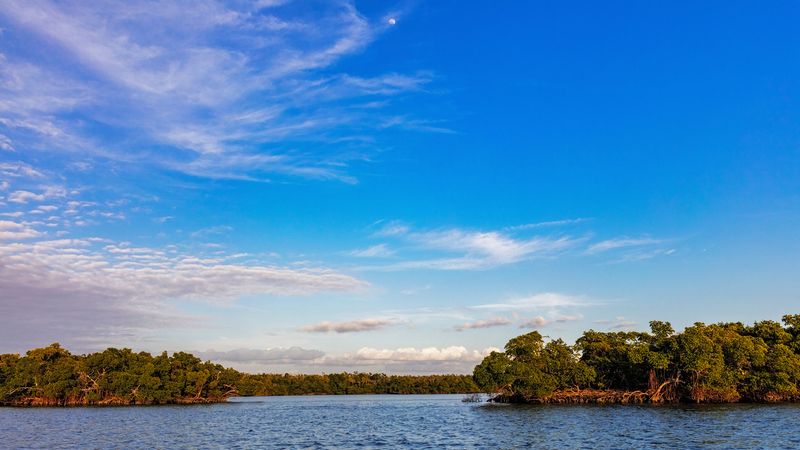
There is something deeply satisfying about propelling yourself through a wilderness that has barely changed in centuries. Kayaking and canoeing are the most popular ways to explore Ten Thousand Islands, and for good reason — these human-powered crafts allow you to slip silently through narrow channels that motorboats simply cannot reach.
Several launch points are accessible near the refuge, and rental companies in the Naples area offer everything from sit-on-top kayaks to tandem canoes. The Collier-Seminole State Park nearby also provides an excellent starting point for multi-day paddling adventures into the heart of the refuge.
Tidal currents can be strong in this area, so always check tide charts before heading out. Paddling with an incoming tide makes navigation easier and helps you avoid getting stranded in shallow mud flats.
Bring plenty of food, water, and a fully charged GPS device for safety on longer trips.
The Remarkable Ecosystem Behind the Mangrove Forest
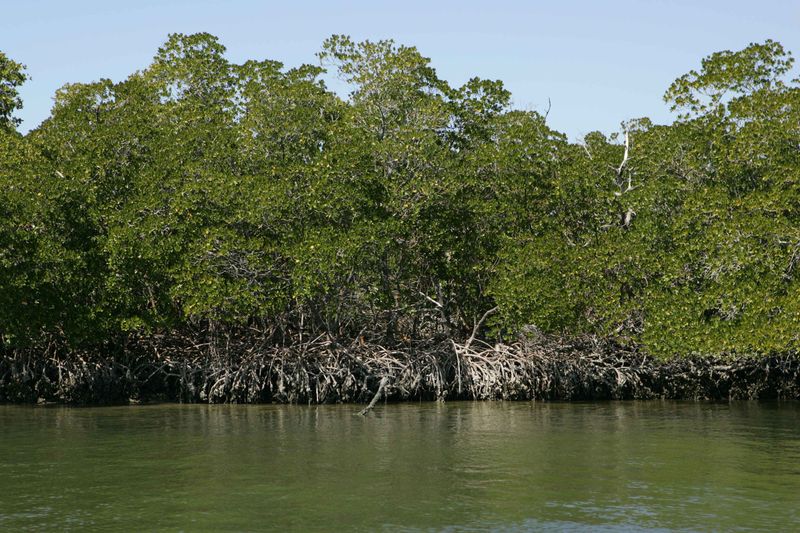
Mangroves might look like ordinary trees at first glance, but they are actually some of the most scientifically fascinating plants on Earth. Three species dominate the Ten Thousand Islands landscape — red, black, and white mangroves — and each one plays a specific, irreplaceable role in the ecosystem.
Red mangroves grow right at the water’s edge on dramatic arching prop roots that look almost like they are walking into the sea. Their submerged roots create a rich underwater jungle that shelters juvenile fish, crabs, and invertebrates.
Black mangroves grow slightly inland and send up thousands of tiny snorkel-like roots called pneumatophores to absorb oxygen from the air.
Together, these trees store massive amounts of carbon, making mangrove forests one of nature’s best weapons against climate change. Studies show that mangroves store up to four times more carbon per acre than tropical rainforests.
Protecting them is not just good for wildlife — it is vital for the entire planet.
Fishing Opportunities That Anglers Absolutely Love
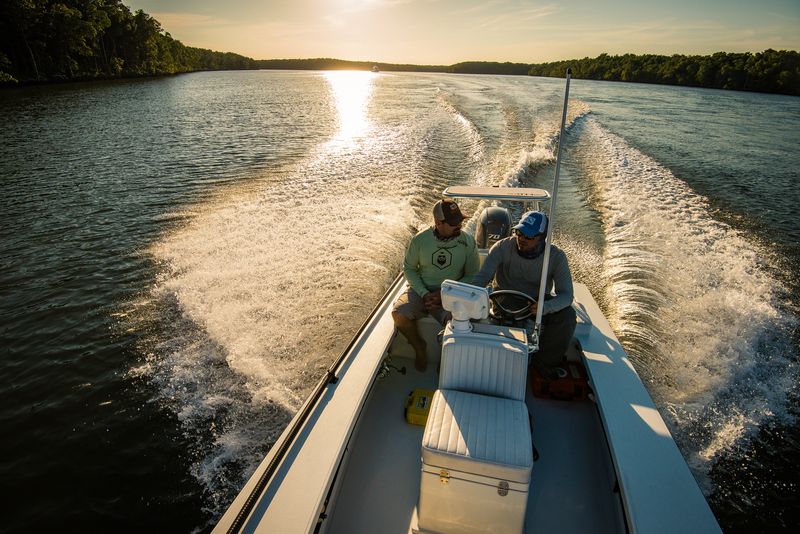
Ask any serious Florida angler about Ten Thousand Islands, and watch their eyes light up. This region is legendary in fishing circles for its abundant populations of snook, redfish, tarpon, and sea trout.
The shallow backcountry flats and mangrove-fringed channels create ideal habitat for these prized sport fish.
Snook are the crown jewel of the local fishery. These powerful, acrobatic fish love to ambush prey near mangrove roots, making them both thrilling to catch and genuinely challenging to land.
Redfish, known for their bronze scales and tail-walking fights, are another crowd favorite among visiting anglers.
Fishing within the refuge requires a valid Florida fishing license, and certain areas have specific catch-and-release regulations to protect fish populations. Hiring a local guide is worth every penny for first-time visitors — they know which tides, seasons, and spots produce the best action, saving you hours of trial and error.
Wildlife Photography Spots That Will Blow Your Mind
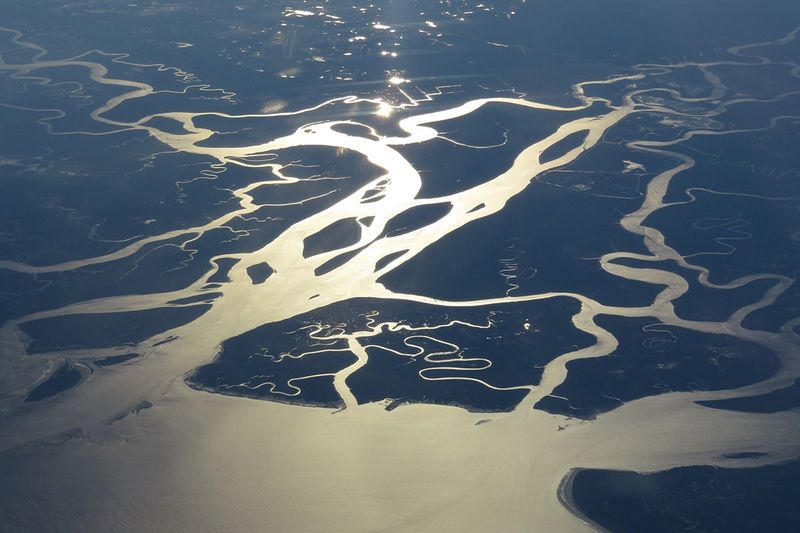
Golden hour at Ten Thousand Islands is something photographers dream about. When the morning sun skims across the still water and paints the mangrove canopy in shades of amber and rose, every single frame looks like a magazine cover.
This place is an absolute goldmine for serious and casual photographers alike.
Roseate spoonbills are arguably the most photogenic residents, with their shocking pink plumage and spatula-shaped bills creating unforgettable images. Bald eagles perched on dead snags, dolphins breaking the surface, and great blue herons frozen mid-strike all make for extraordinary shots.
A telephoto lens in the 400mm to 600mm range will serve you well here, allowing you to capture tight portraits without disturbing the animals. A waterproof camera bag is non-negotiable given the humid, splash-prone environment.
Arrive before sunrise for the softest light and the most active wildlife behavior throughout the morning hours.
How to Get There and Plan Your Visit
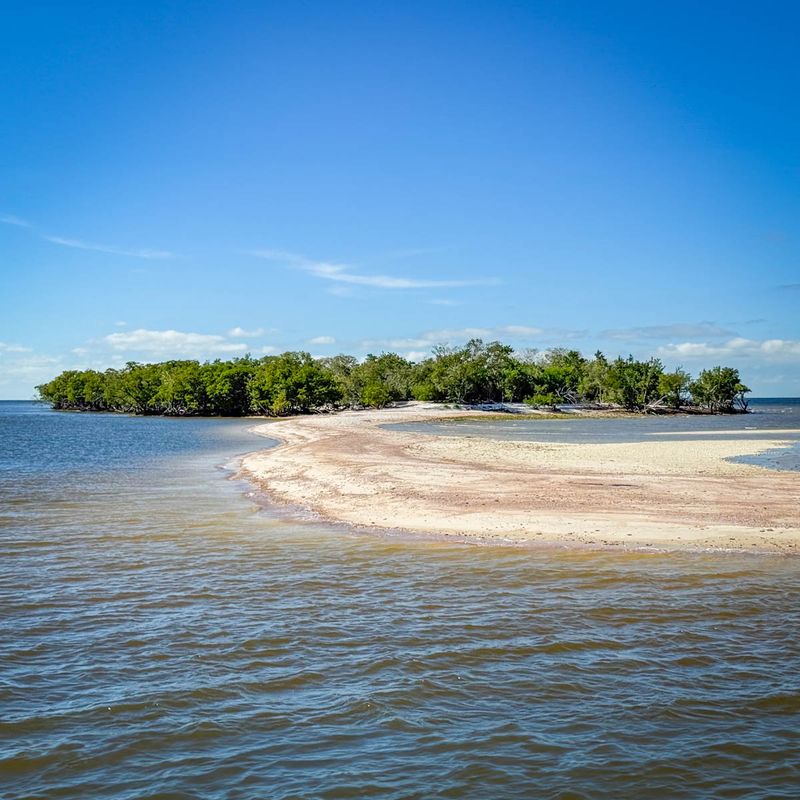
Planning a trip to Ten Thousand Islands is straightforward once you know where to start. The refuge is located near Naples, Florida, approximately 30 miles south of the city center along US-41, also known as the Tamiami Trail.
The area is accessible year-round, though the best time to visit is between November and April when temperatures are cooler and wildlife activity peaks.
The primary public access point is through the refuge headquarters near Goodland, and additional access is available via Collier-Seminole State Park and Fakahatchee Strand Preserve State Park nearby. There is no entrance fee to access the refuge, making it one of Florida’s most affordable outdoor destinations.
Mosquitoes can be absolutely ferocious during the summer rainy season from June through September. Pack industrial-strength insect repellent if you visit during warmer months.
Comfortable water shoes, a wide-brimmed hat, and polarized sunglasses will make your experience significantly more enjoyable from start to finish.
The Rich Cultural and Historical Layers of This Land
Long before tourists and biologists arrived, the Ten Thousand Islands region was home to the Calusa people — a powerful Native American civilization that thrived in Southwest Florida for over 2,000 years. The Calusa were master mariners who built enormous shell mounds, some of which are still visible today rising above the mangrove shoreline.
These shell mounds were not just trash heaps — they were deliberate architectural achievements used as platforms for homes, ceremonial sites, and elevated dry land in an otherwise waterlogged world. Some mounds rise over 20 feet above sea level, which is remarkable in this flat coastal landscape.
Walking near one feels like touching deep time.
The refuge also has connections to the Seminole Wars of the 19th century, when Seminole warriors used these impenetrable mangrove islands as hiding places from U.S. Army forces.
History here is layered, complex, and deeply worth learning about before your visit.
Conservation Efforts Keeping This Wild Place Alive
Ten Thousand Islands did not become the thriving wilderness it is today by accident. The refuge was established in 1996 and is managed by the U.S.
Fish and Wildlife Service, whose staff work tirelessly to protect this extraordinary ecosystem from pollution, invasive species, and coastal development pressures that threaten much of Florida’s coastline.
One of the biggest ongoing challenges is the spread of invasive plants like Brazilian pepper and Australian pine, which crowd out native vegetation and reduce habitat quality for wildlife. Volunteer removal programs run throughout the year, and visitors are encouraged to participate if interested in giving back.
Water quality monitoring is another critical piece of the conservation puzzle. Agricultural runoff from inland farms can introduce excess nutrients into the refuge’s waterways, triggering harmful algal blooms that suffocate seagrass beds.
Supporting organizations that advocate for clean water policies is one of the most meaningful ways anyone can help protect this irreplaceable Florida treasure.
Enjoyed this story?
Add Fast Food Club as a preferred source to see more of our reporting on Google.