


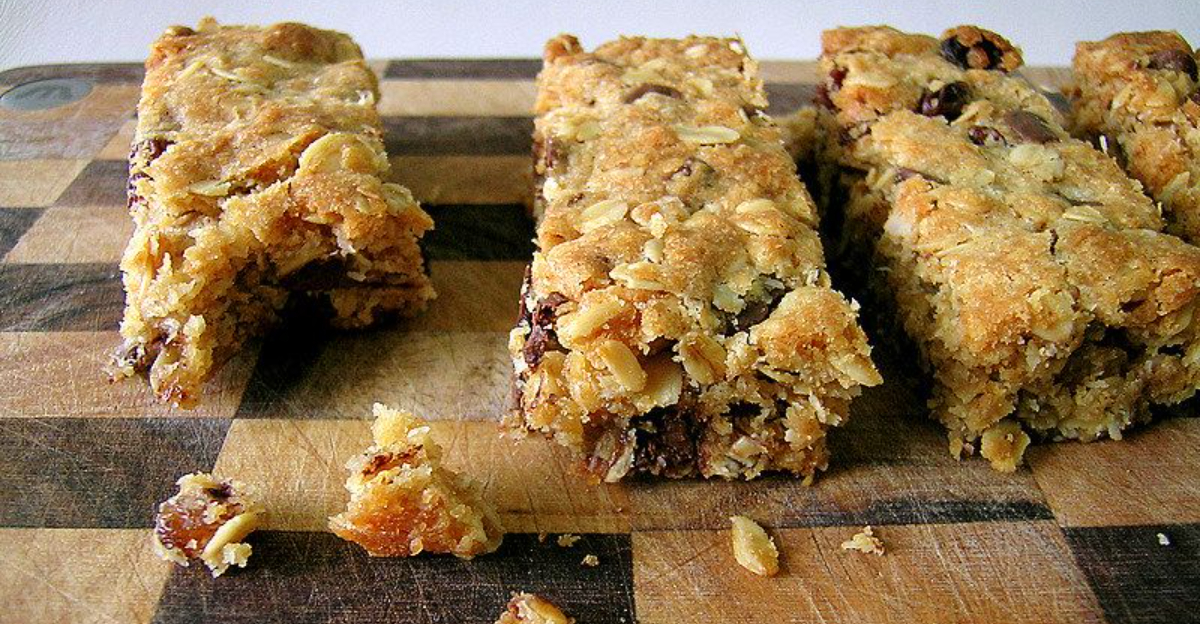
Remember when low fat labels felt like magic wands and anything diet sounded healthy? The early 2000s were a playground for sneaky snacks that wore wellness costumes.
Today, we know better, and it is strangely satisfying to call out the impostors. Let’s revisit the biggest offenders so you can spot better choices fast.
Diet Soda
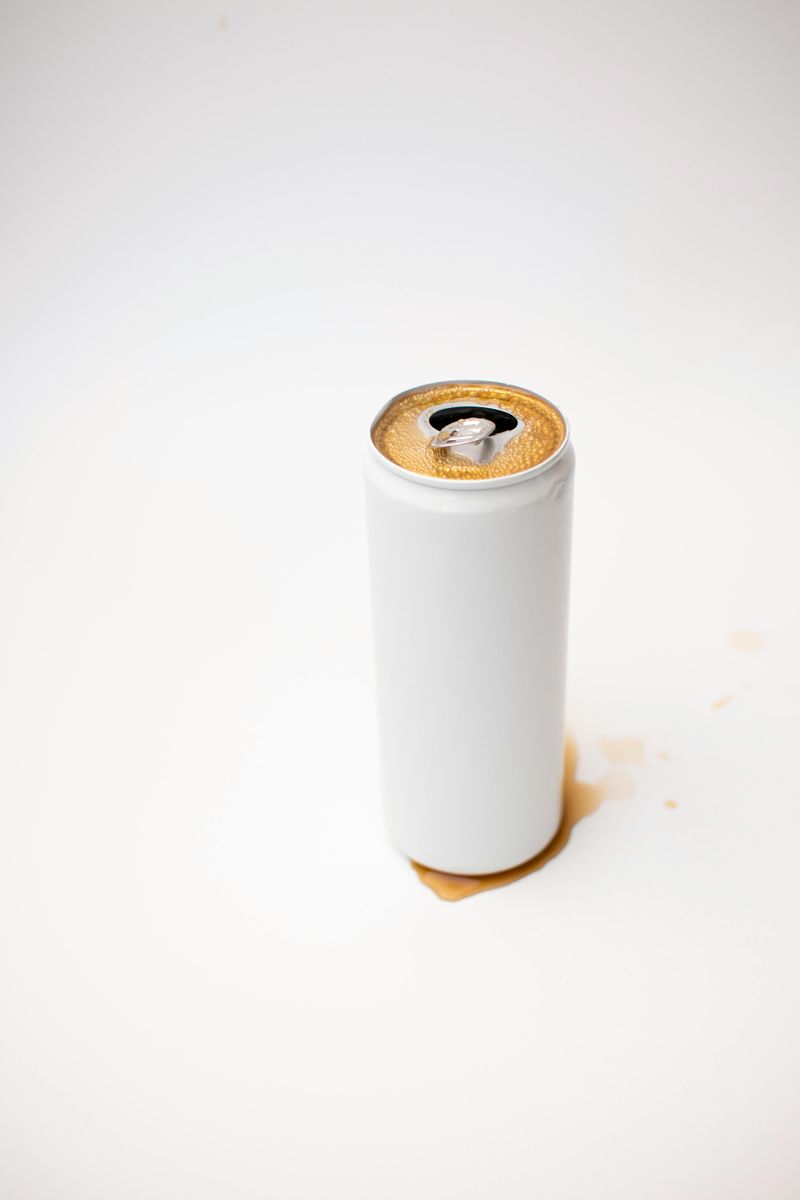
Diet soda once felt like a free pass, all fizz and no guilt. You saw zero calories on the label and thought health box checked.
But the sweeteners confused taste buds and appetite signals, nudging you to crave more. The acid also battered tooth enamel, while cans rarely delivered real hydration.
Over time, research linked heavy use to metabolic changes that are not so friendly. You might sip more often, feel hungrier later, and snack mindlessly.
If bubbles are nonnegotiable, pivot to sparkling water with citrus, or brew iced tea. You still get satisfaction, but without the sneaky side effects.
Fat Free Cookies
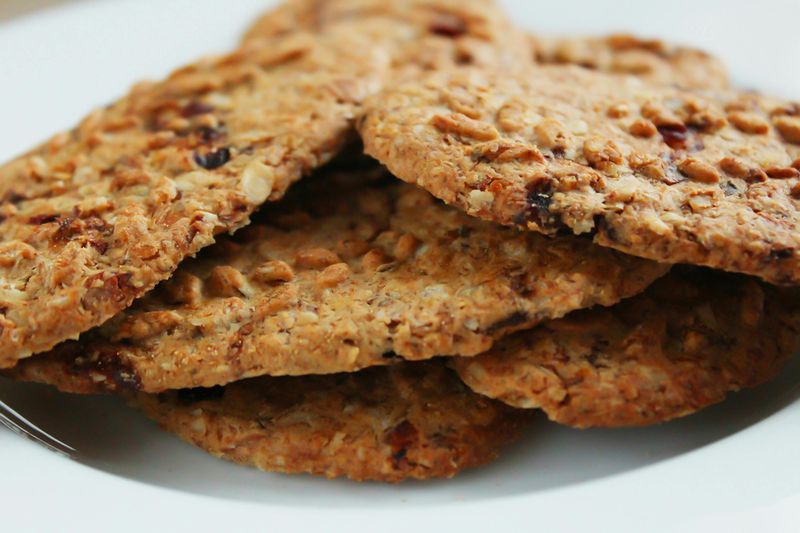
Fat free cookies sounded virtuous, especially when bold banners screamed guilt free. You probably grabbed a bag and felt clever.
The catch was sugar and refined starch stepping in for missing fat, spiking blood sugar and appetite. Without satisfying richness, portions ballooned, and calories still piled up without real fullness.
Labels also hid long ingredient lists that read like a lab kit. You were chasing a halo, not nourishment.
A smarter cookie leans on nuts, oats, dark chocolate, and portion control. When you want sweet, plate two mindful bites with tea, sit down, and actually enjoy them.
Satisfaction beats loopholes.
Veggie Chips
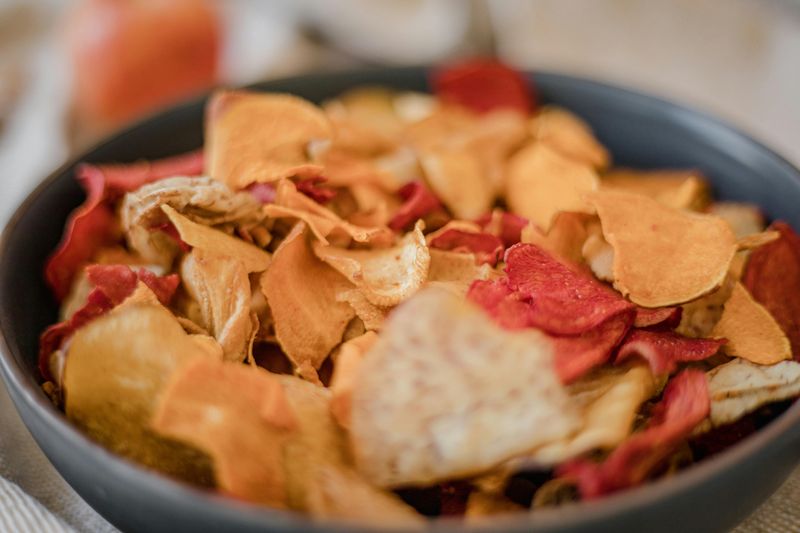
Veggie chips felt like salad in disguise, colorful and crispy. But most were potato starch with a dusting of spinach or beet powder, not actual produce.
The oil load was hefty, and salt crept high. You could easily crush a bag thinking vegetables, when it behaved exactly like snack chips.
If you want crunch, roast real vegetables thinly brushed with olive oil, or choose air popped popcorn. Pair with protein so you stop at satisfied.
Reading ingredients helps fast. When the first words scream starch blend and canola, it is a clue.
You deserve vegetables, not green marketing wearing glitter.
Sugary Smoothies
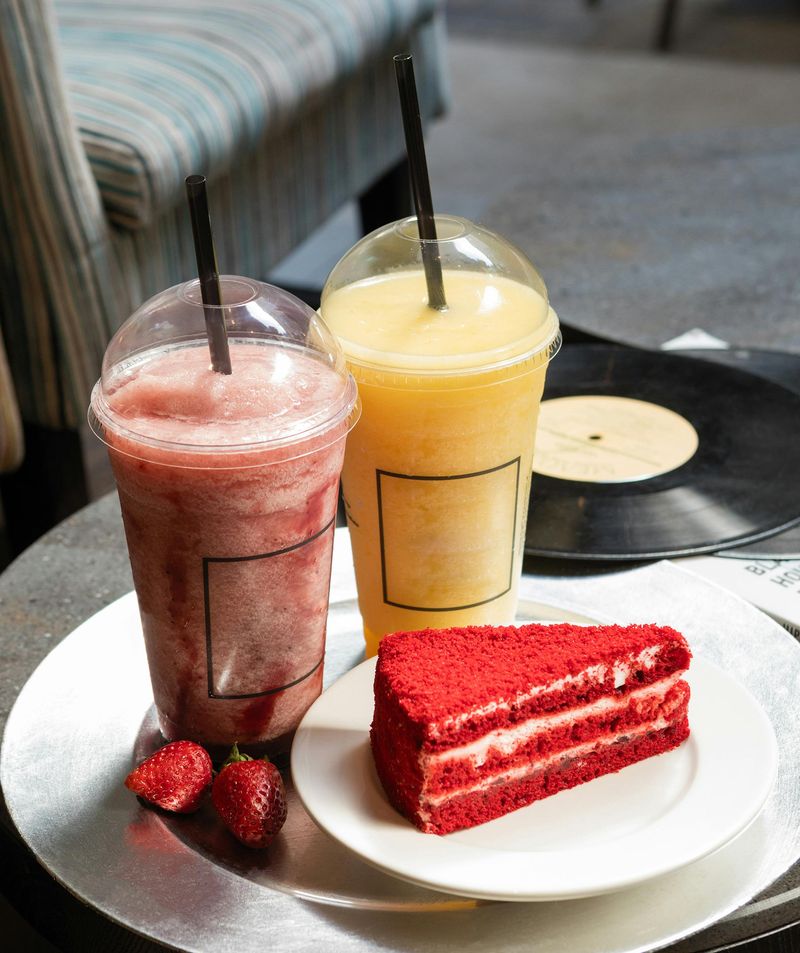
Mall smoothies masqueraded as wellness, yet they poured sherbet, syrups, and juice blends into giant cups. Fiber was pulverized away, and protein rarely showed up.
You drank dessert for breakfast and wondered why energy crashed. Those wide straws made it vanish quickly, bypassing fullness signals long before your brain noticed.
A fix is simple. Blend frozen berries, Greek yogurt, spinach, and water, then add a spoon of nut butter for staying power.
Keep portions human sized, not fishbowl huge. If you buy one, ask for no syrup and add protein.
Your smoothie can finally act like food, not candy today.
Frozen Yogurt
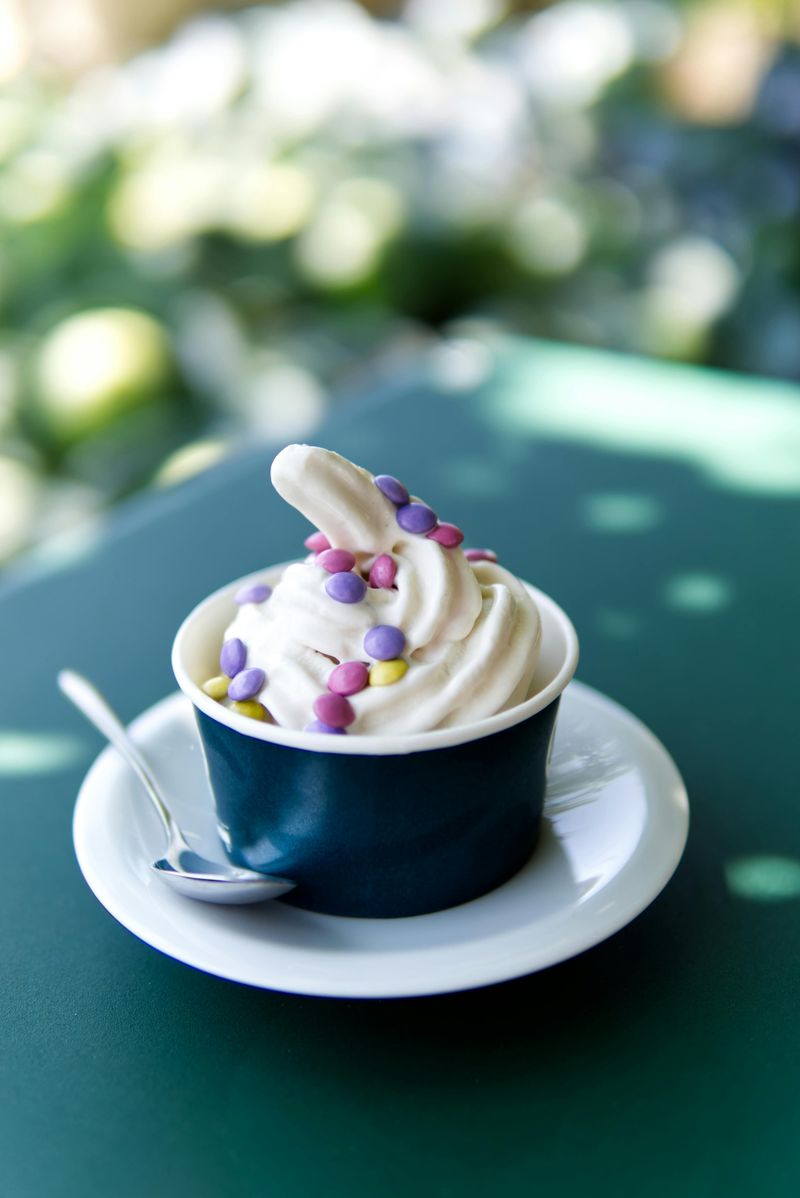
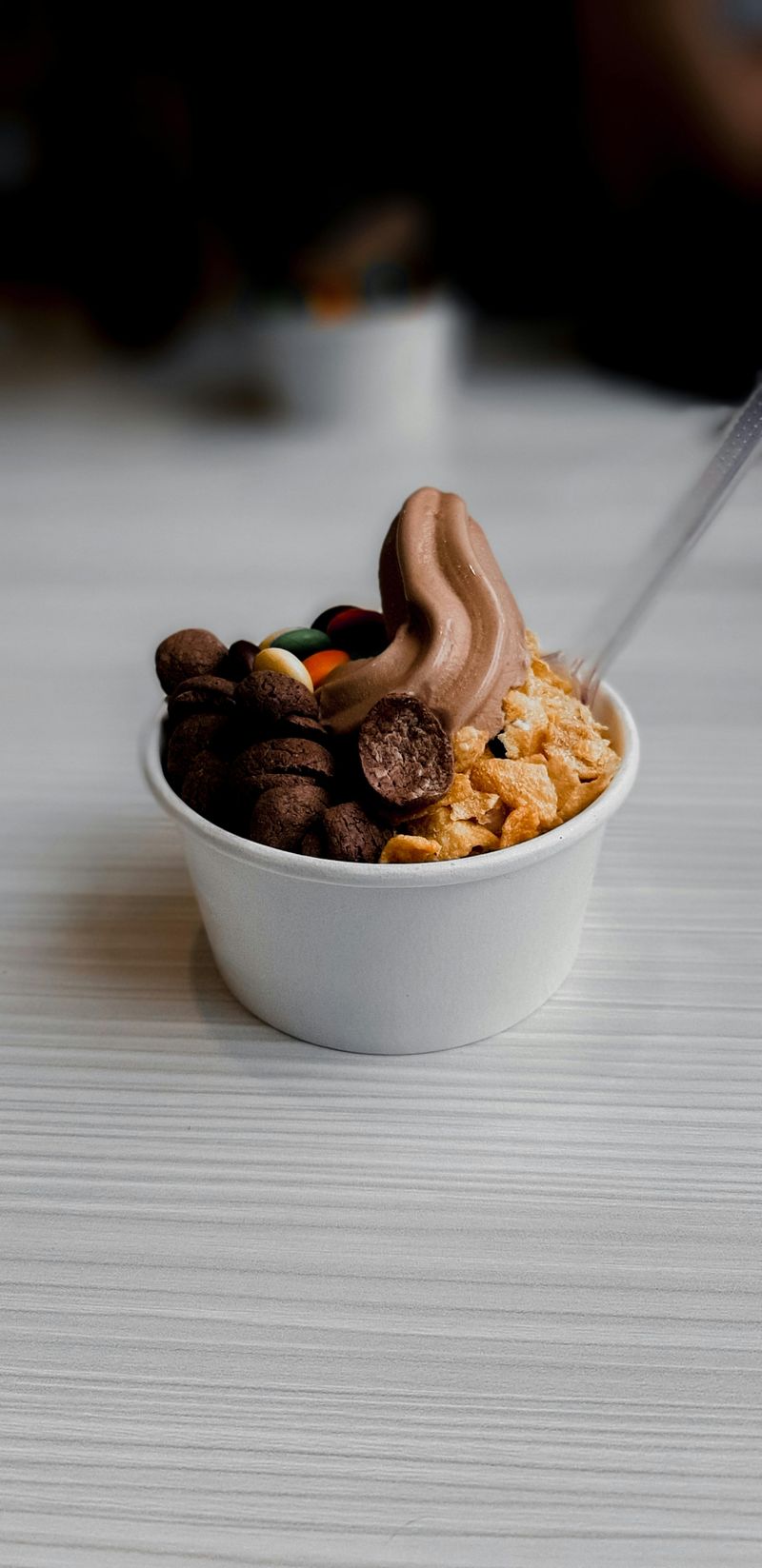
Self serve froyo made health feel playful, but the toppings bar told the truth. Pile on candies, syrups, and brownie bites, and the swirl stops being light.
The base is often sugar heavy too. Without careful portions, a small mountain appears, and you accidentally build a sundae that screams dessert.
To keep it sensible, start with a kid cup and fill mostly with tart yogurt. Add fresh fruit and nuts, then walk away from the gummy bin.
If you love cold and creamy, try skyr or strained yogurt at home. Drizzle honey, add berries, and portion it.
Simple beats unlimited.
Granola Bars
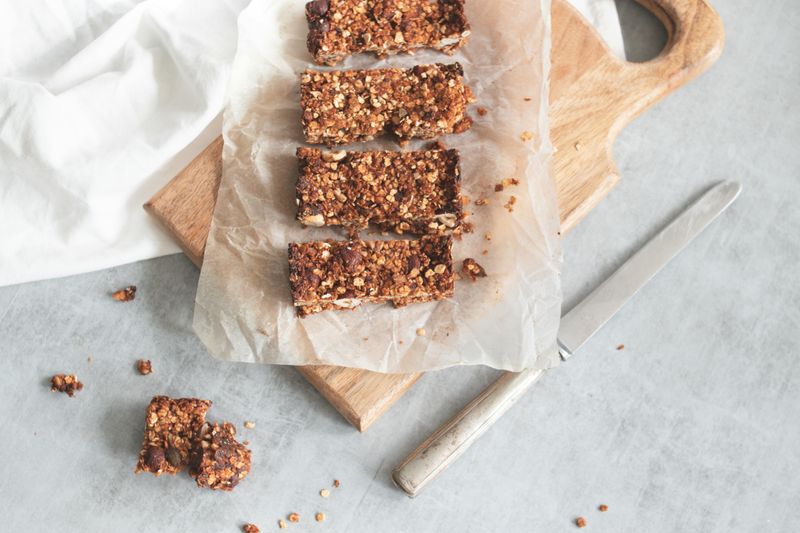
Granola bars rode the outdoorsy vibe straight into lunchboxes. Many were just candy bars in flannel, glued together with syrups.
Oats and nuts looked wholesome, but the doses were tiny compared to sugar. You likely ate one on the go and felt hungry again, puzzled by the health promise anyway.
Choose bars with short ingredients and at least some protein and fiber. Or build a quick trail mix with almonds, seeds, unsweetened coconut, and dark chocolate.
Portion a small bag before you head out. When the label starts with corn syrup, it is a polite no. Your snack should help.
Fruit Snacks
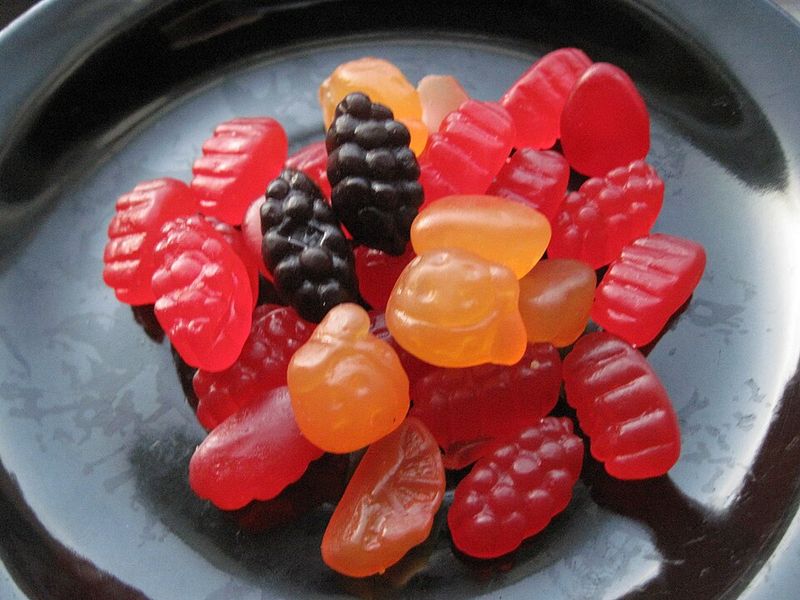
Shiny pouches promised fruit goodness, but most were gelatin, corn syrup, and dyes. The shapes were cute, yet fiber was missing and vitamins were token.
They stuck to teeth and invited cavities. You tossed them in bags for convenience, then wondered why energy dipped and appetite roared an hour later.
If you crave sweet and chewy, dry your own fruit or pick brands with only fruit. Pair with nuts or cheese for balance.
Even better, keep fruit eye level in your fridge. A crisp apple with peanut butter satisfies longer.
Let pouches be for emergencies, not everyday. Your teeth agree.
Rice Cakes
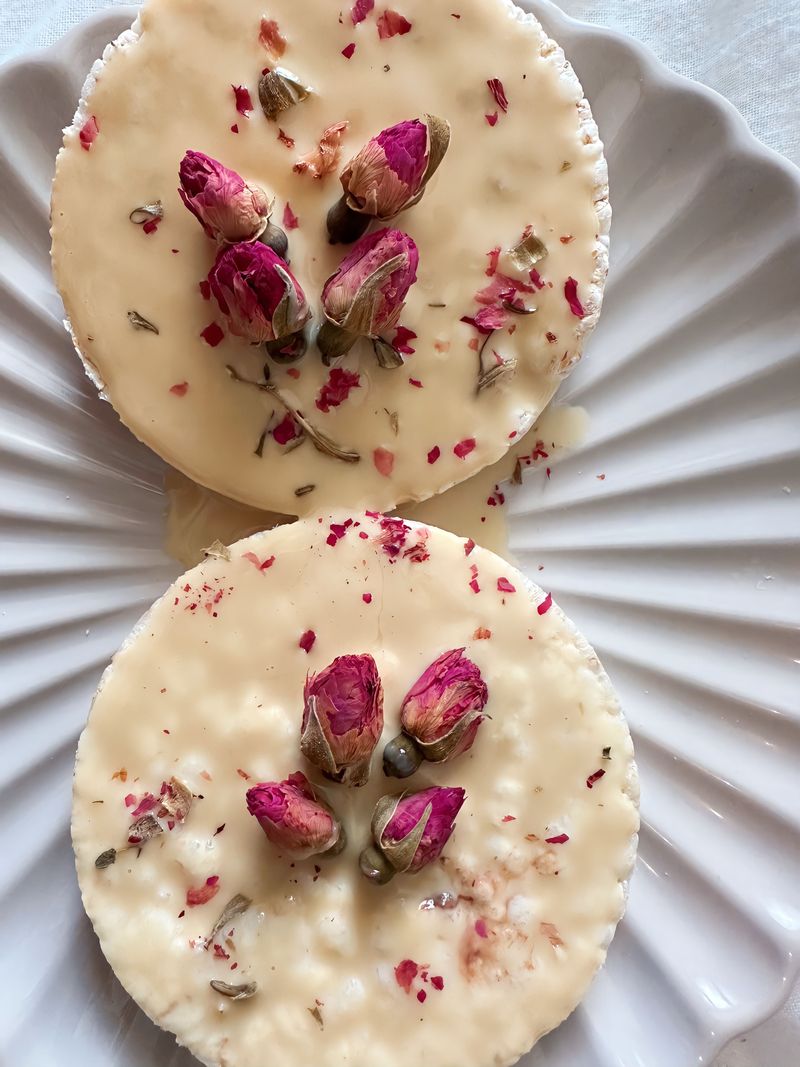
Rice cakes were light as air and about as filling. You could crunch through stacks and still feel snacky.
Their high glycemic punch shot energy up, then down. Topped with sugary spreads, they acted like dessert without flavor joy.
The 2000s made them a diet staple, but your stomach disagreed.
Give them a job by adding protein and fat. Smear almond butter, add chia, and stack sliced strawberries.
Better yet, switch to whole grain toast or seeded crackers that bring fiber. When food satisfies, you stop circling the pantry.
Choose snacks that stick with you, not ones that vanish quickly.
Protein Shakes
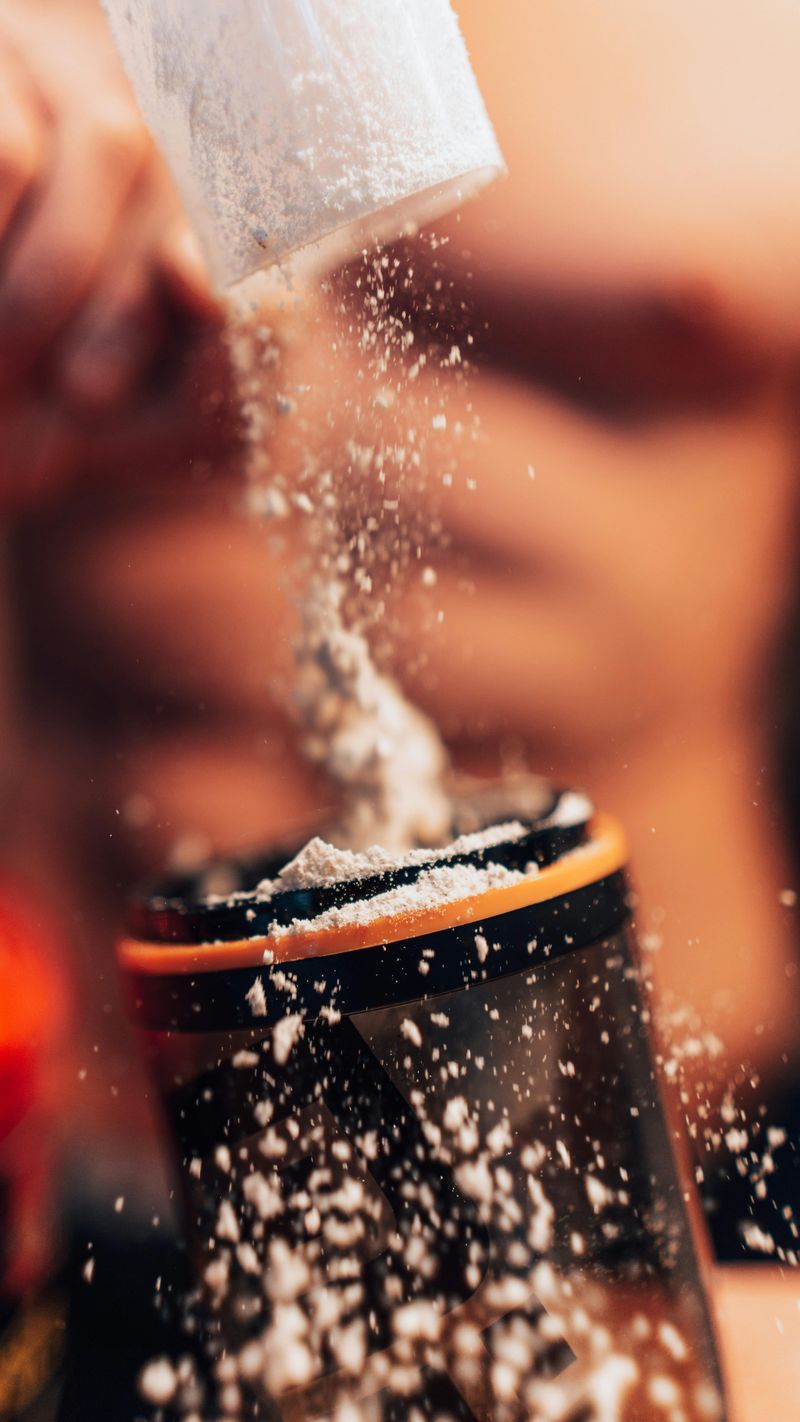
Early protein shakes were syrupy, chalky, and loaded with artificial flavors. The promise was muscle and satiety, but many skimped on quality protein.
Sugar alcohols upset stomachs, and serving sizes misled. You chugged one post workout and felt weirdly hungry anyway.
It became a habit that did not deliver consistently.
Look for whey isolate, casein, or pea protein with minimal sweeteners. Blend with milk, ice, and real fruit, or pair a ready bottle with nuts.
The point is nourishment, not a candy drink wearing a gym badge. When the label screams sprinkles flavor, pause.
You want strength, energy, and focus.
Low Fat Muffins
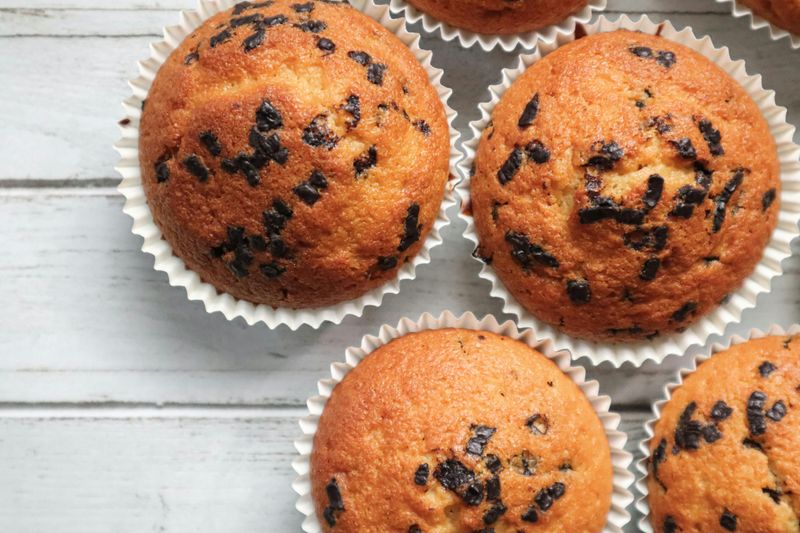
Bakery muffins went low fat and high sugar, then ballooned in size. Without fat, texture suffered, so bakers dumped in more sugar and refined flour.
You called it breakfast, but it was cake. The crash by midmorning was predictable.
Spreading jam on top made things worse, despite the cheerful branding.
Better muffins exist. Use whole wheat pastry flour, Greek yogurt, eggs, and blueberries, then keep them small.
Or skip the muffin and scramble eggs with vegetables. When you want sweet, toast a slice of hearty bread and add almond butter.
Breakfast should carry you, not chase you all morning long.
Instant Oatmeal
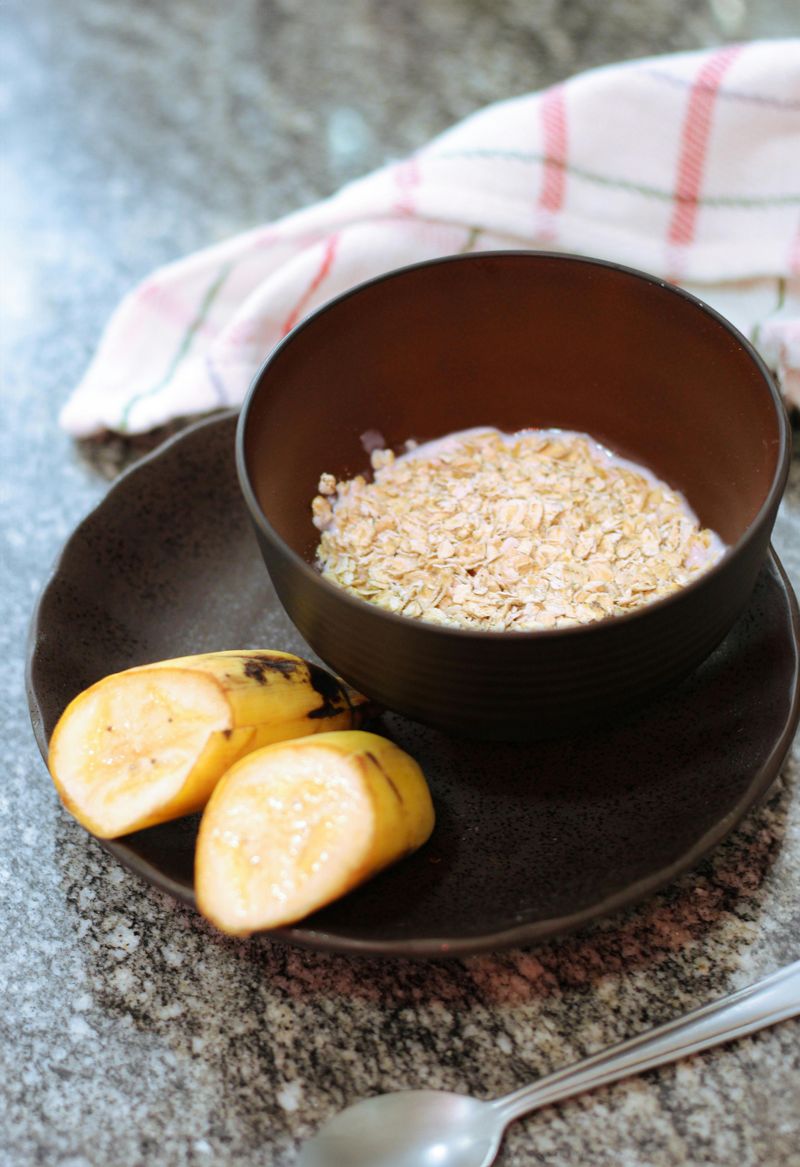
Instant oatmeal packets felt cozy and smart, but many were sugar bombs. The oats were processed to cook fast, losing texture and fullness factor.
Flavor sachets brought syrupy sweetness and candy bits. You ate a bowl and felt hungry soon after.
It was breakfast theater, not steady fuel for hours.
DIY a quick bowl by mixing rolled oats, chia, cinnamon, and milk, then microwaving. Top with banana slices and walnuts for balance.
If packets are necessary, choose ones with no added sugar and add fruit yourself. The goal is warm, tasty, and filling.
Your morning should feel powered, not frantic.
Turkey Bacon
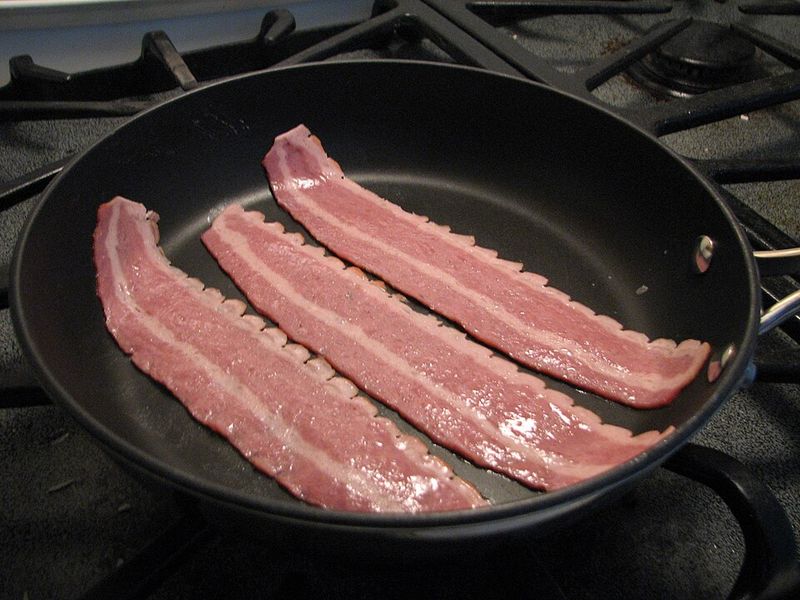
Turkey bacon got a healthy halo, but processing and sodium told another story. It was often packed with fillers and smoke flavor.
The texture promised crisp but delivered chew. You stacked extra slices because calories seemed lower, then doubled the salt.
It beat some options, yet it was not health.
If bacon joy matters, buy high quality pork and keep portions tiny, or try tempeh strips. Aim for weekend treat status, not daily habit.
For breakfast protein, eggs, Greek yogurt, or beans deliver more nutrition. Read labels for sodium and additives.
Your plate can taste great and still be kind.
Flavored Yogurt
Flavored yogurts felt wholesome, yet many hid dessert levels of sugar. The fruit on the bottom was more syrup than farm.
Low fat versions lost creaminess, so thickeners arrived. You spooned quickly and finished before fullness caught up.
By midmorning, you wanted another snack, wondering why yogurt did not satisfy.
Buy plain yogurt, then add berries, vanilla, and a drizzle of honey. Choose whole milk or skyr for texture that tames hunger.
If Greek, check protein grams and keep toppings simple. A small bowl can feel decadent and balanced.
Your spoon should meet real food, not a sweet costume today.
Juice Cocktails

Juice cocktails paraded as fruit servings, but they were mostly water, sugar, and a splash of concentrate. Fiber was missing, so sugar rushed in fast.
You drank a glass and stayed hungry. Kids sipped them nonstop and crashed later.
Labels showed fruit pictures while the ingredients list told another story.
Switch to real fruit and water, or dilute juice heavily for a rare treat. Sparkling water with citrus feels festive.
If you need convenience, buy smoothies with only fruit and vegetables, then add protein. Your palate resets quickly when sweetness drops.
Soon, an orange will taste wildly delicious again naturally.
Snack Crackers
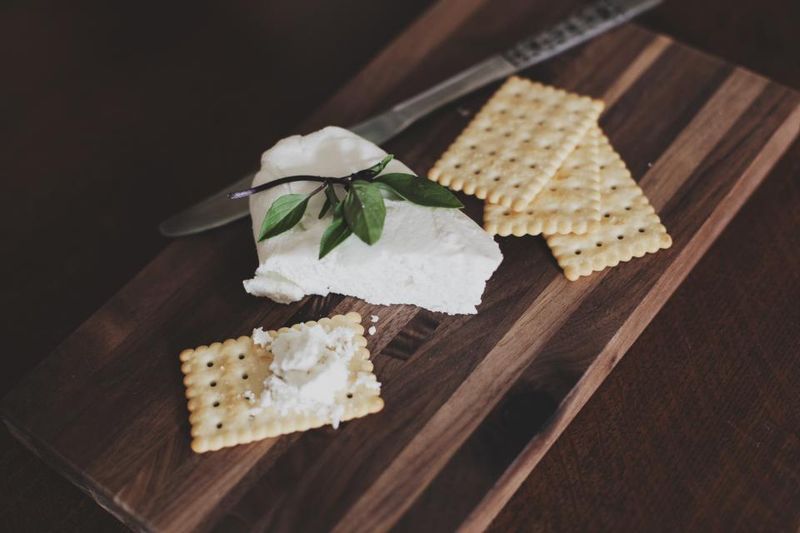
Snack crackers offered neat little squares of nothing much. Refined flour, seed oils, and salt carried the show.
You could munch through sleeves without noticing. The health claims hinged on portion sizes far smaller than real life.
Dips and cheese then piled on, and suddenly the light snack became lunch.
Reach for sturdier options that bring fiber and seeds. Pair with hummus, tuna, or cottage cheese, and plate a serving, not the box.
Crunch is great, but make it count. If labels read enriched wheat and mystery oils, wave them by.
Your afternoon will feel calmer when fuel is steady.
Margarine Spread
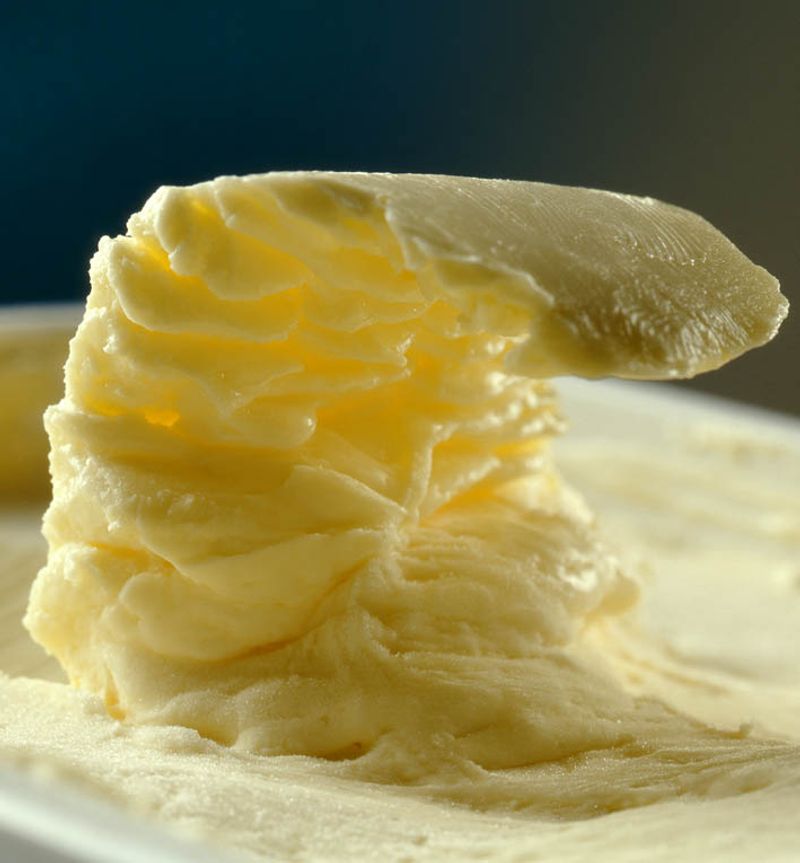
Margarine promised heart health while sneaking in trans fats back then. Those industrial spreads were engineered to be butter without cows.
The outcome was not kind to cholesterol. You slathered more because calories looked lower and the texture felt airy.
Marketing won, but your body did not appreciate the trade.
Modern versions improved, yet whole foods still win. Use butter sparingly, or choose olive oil on warm bread.
Avocado on toast brings fat and fiber together. Read labels for zero trans fat and minimal additives, then keep portions honest.
Your heart prefers simplicity, and your taste buds will too often.
Microwave Meals
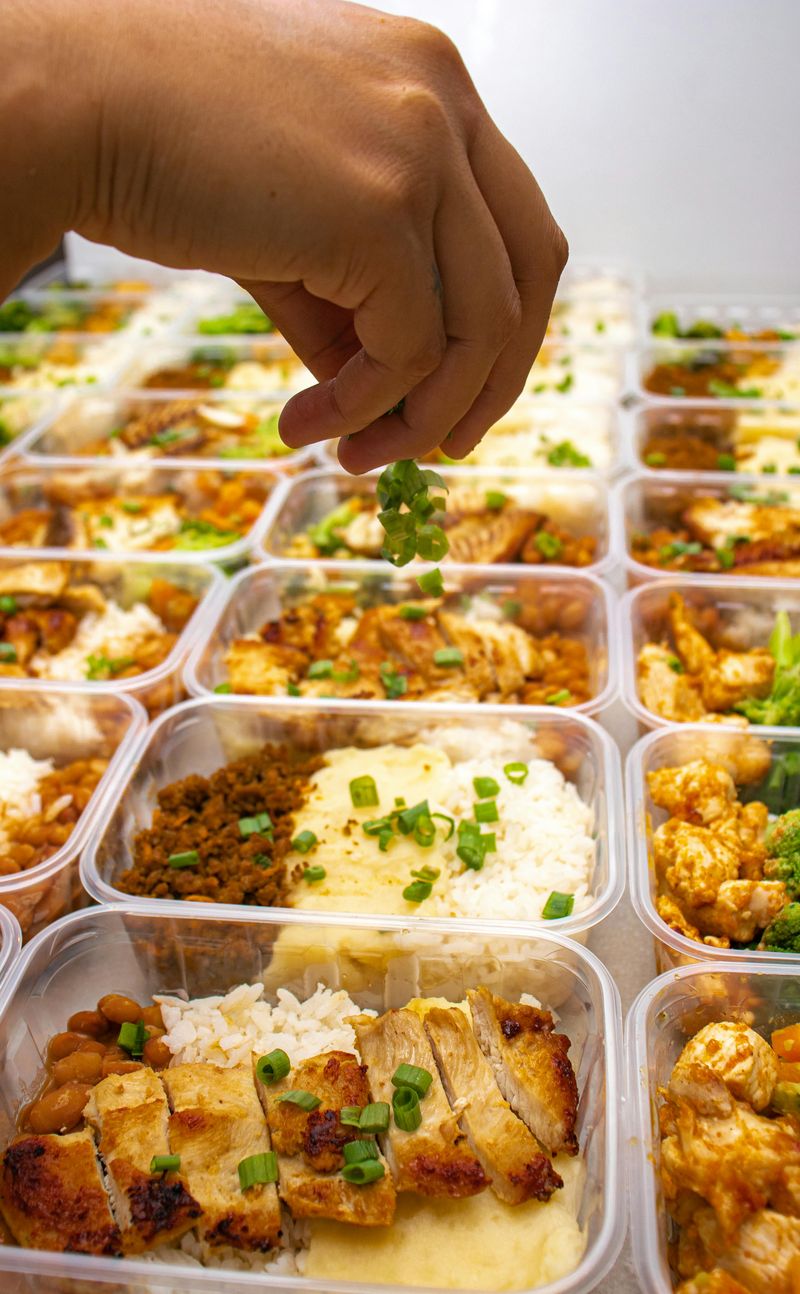
Frozen microwave dinners wore diet labels and tiny brownie compartments. Sodium kept flavors loud while vegetables stayed scant.
Portions looked tidy but left you prowling the pantry. The ingredient lists read like a chemistry class.
You deserved better than a pale tray that promised balance yet delivered a salt surge.
Batch cook chili, curry, or roasted vegetables on Sunday and portion freezer bowls. Reheat and add a fried egg or yogurt to finish.
If buying frozen, prioritize vegetables, legumes, reasonable sodium, and protein. You can still use a microwave and eat well.
The tray should serve you, not rule you.
Frozen Bowls
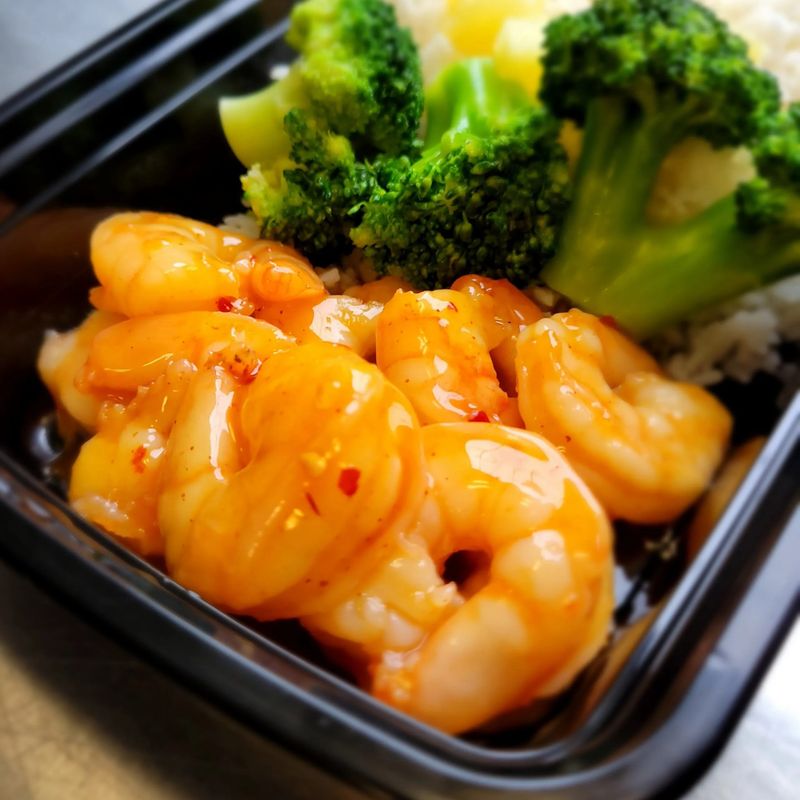
Those trendy frozen bowls promised superfoods and convenience. Many hid sugary sauces, white rice mountains, and tiny vegetables.
The protein looked decent on paper but felt skimpy on the fork. You heated, stirred, and ate quickly, then wanted a snack.
It was a dressed up microwave meal wearing yoga pants.
Build your own bowls with quinoa, beans, roasted vegetables, and a punchy sauce. Make a batch of grilled chicken or tofu and portion it.
When you do buy frozen, scan for fiber, vegetables first, and realistic sodium. The bowl should be colorful and hearty.
Convenience can serve you without compromise.
Cereal Bars
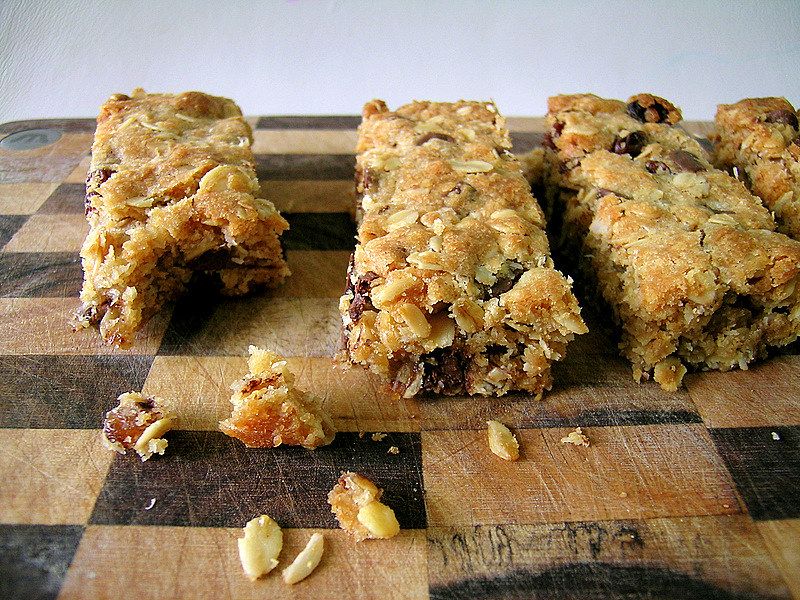
Cereal bars sounded like breakfast you could hold. Unfortunately, many were syrup glued cereal with a drizzle of icing.
The milk flavored layer did not equal protein. You munched one in traffic and got hungry at your desk.
It was convenience without substance, marketed as balanced when it was not.
Grab fruit and yogurt, or a peanut butter sandwich on whole grain, and call it done. If you love bars, choose ones with nuts and fewer syrups.
Read fiber and protein lines first. Breakfast should help you think clearly, not chase crumbs.
Trade the frosting swirl for actual fuel today.
Enjoyed this story?
Add Fast Food Club as a preferred source to see more of our reporting on Google.