


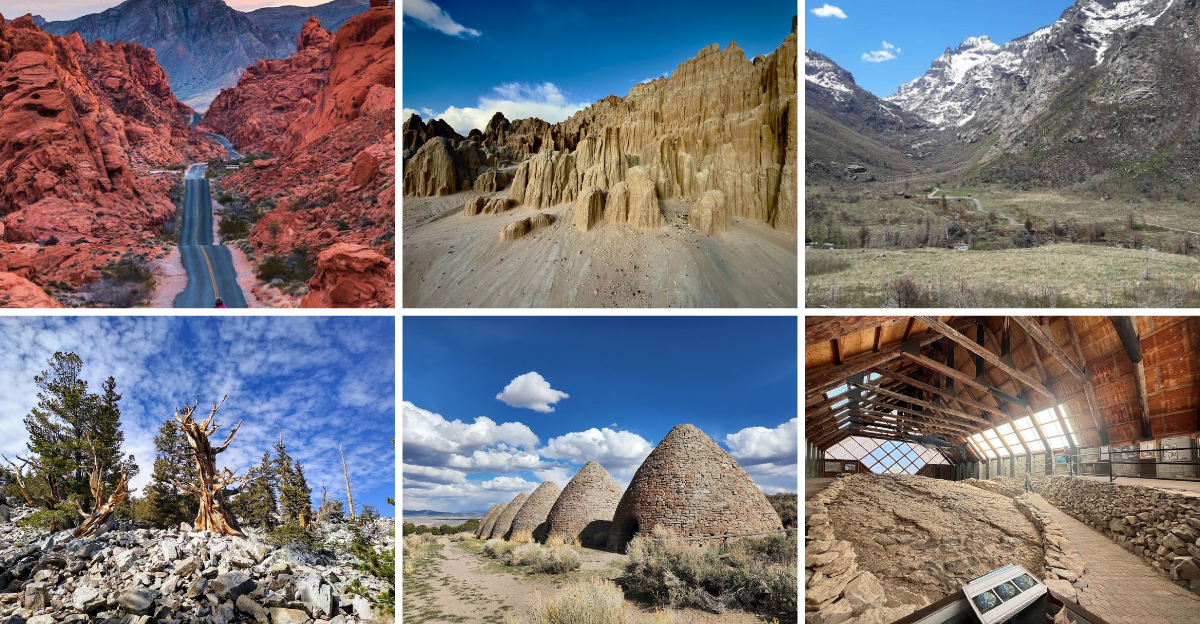
Most people think of Nevada and instantly picture the neon lights of Las Vegas, but the Silver State has so much more waiting to be explored. From ancient lava fields and ghost towns to glowing geysers and prehistoric fossils, Nevada’s landscapes are jaw-dropping.
Whether you love hiking, history, or just stumbling onto something unexpected, this state delivers. Pack your bags and get ready to discover 15 places that will completely change how you see Nevada.
Valley of Fire State Park – Moapa Valley, Nevada
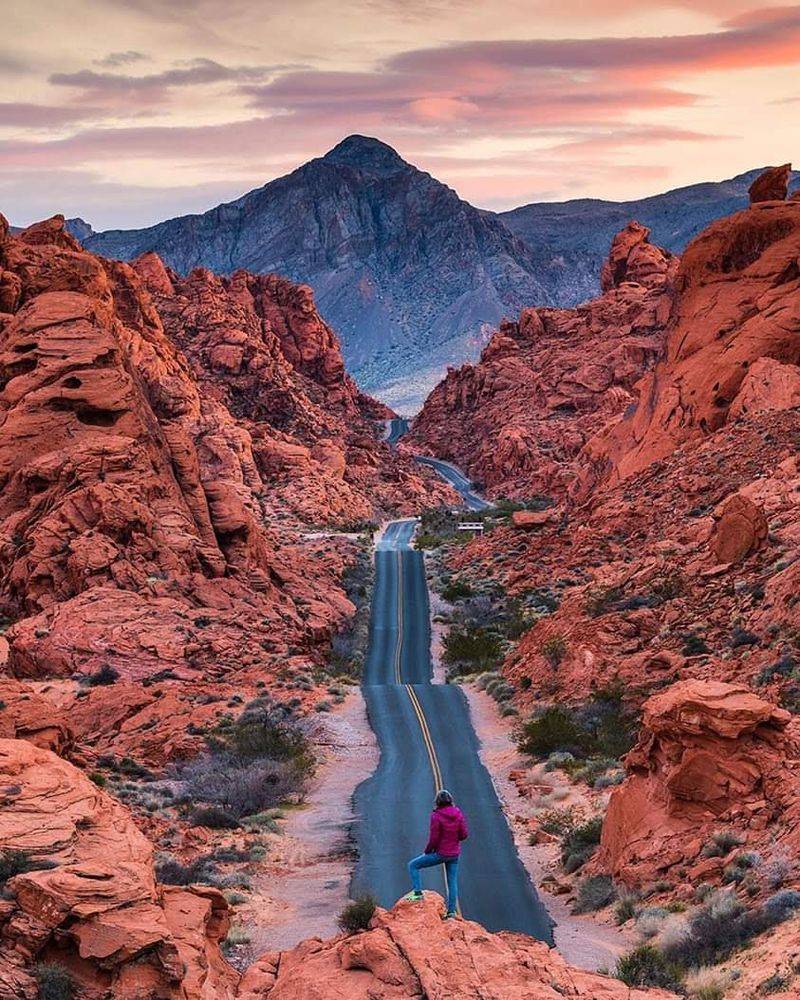
Nevada’s oldest state park looks like it belongs on another planet. Valley of Fire earned its name from the brilliant red sandstone formations that seem to glow like embers when sunlight hits them just right.
Petroglyphs carved by the Ancestral Puebloans thousands of years ago are hidden throughout the rocks.
Hiking trails wind past arches, slot canyons, and petrified logs. Photographers especially love the golden hour here.
Bring plenty of water because the desert heat is no joke, even in spring or fall.
Cathedral Gorge State Park – Panaca, Nevada
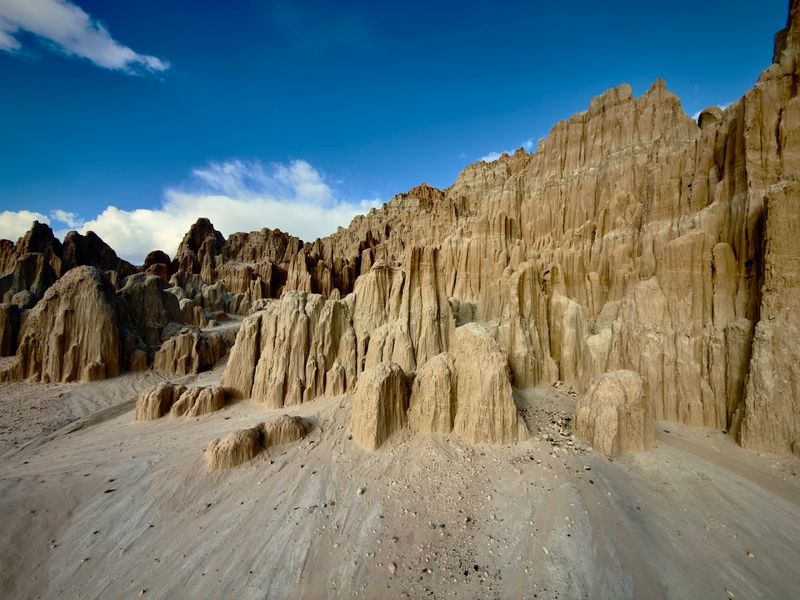
Imagine a cathedral built entirely by nature out of clay, and you have Cathedral Gorge. Centuries of erosion carved this dramatic landscape into cathedral-like spires and narrow slot canyons that feel almost surreal to walk through.
Kids and adults alike find the winding passages thrillingly maze-like.
Located in eastern Nevada near the small town of Panaca, this park rarely draws big crowds. Camping is available on-site, making it a quiet and eerie overnight adventure far from tourist traffic.
Lamoille Canyon – Lamoille, Nevada
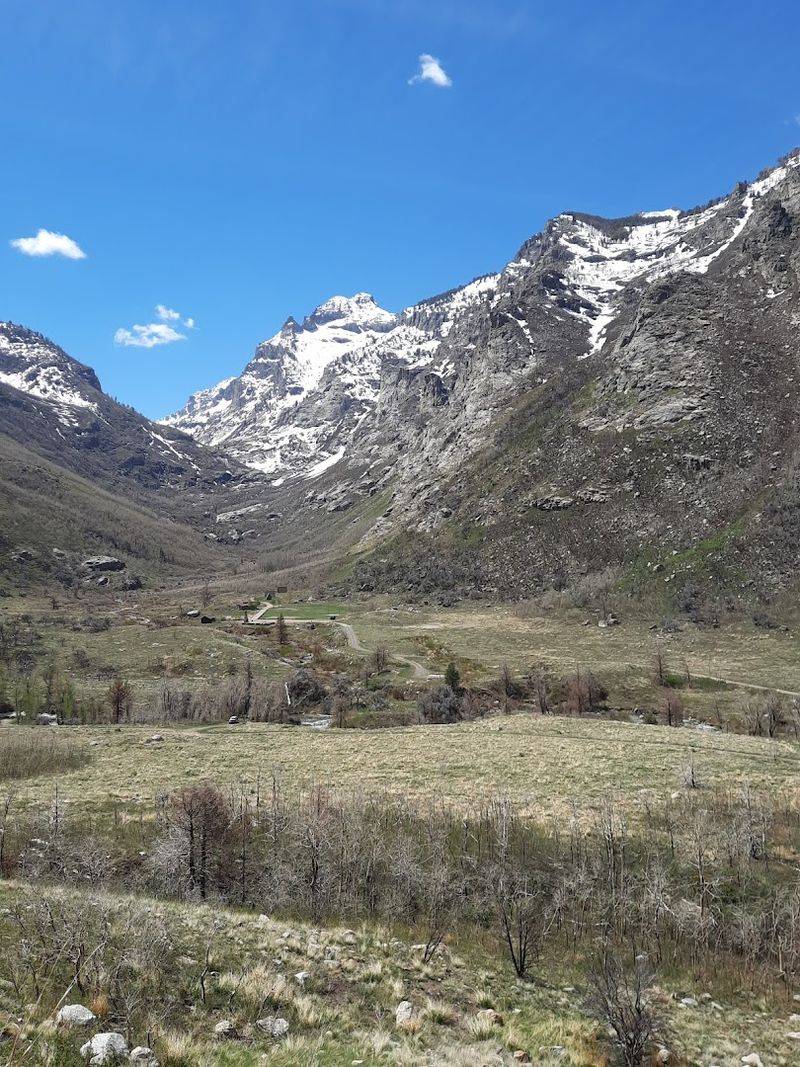
Often called the “Yosemite of Nevada,” Lamoille Canyon is a glacially carved valley tucked inside the Ruby Mountains, and it earns that nickname honestly. Waterfalls tumble down granite walls, wildflowers carpet the meadow floors in summer, and mule deer wander calmly along the roadside.
A scenic byway stretches about 12 miles through the canyon, so you can enjoy the views even without lacing up hiking boots. Fall brings golden aspen trees that make the whole canyon look like it caught fire in the best possible way.
Great Basin National Park (Wheeler Peak Scenic Area) – Baker, Nevada
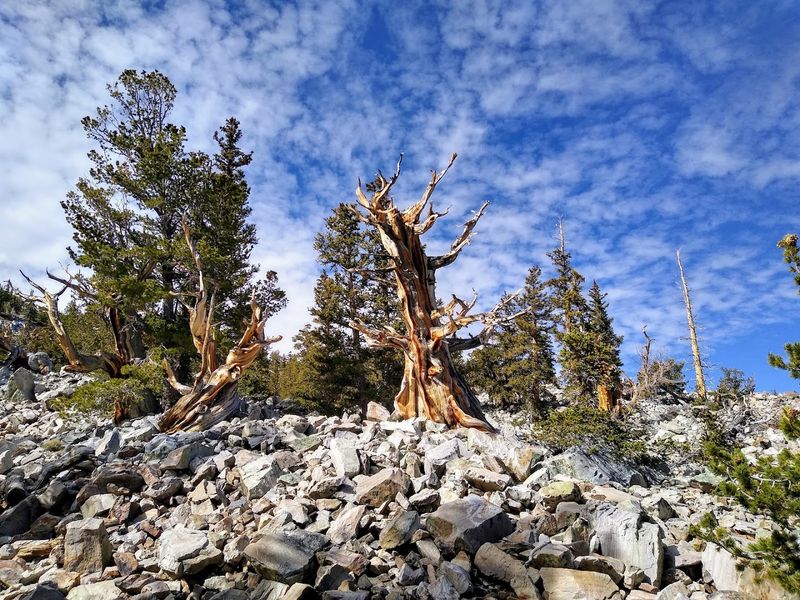
Great Basin National Park sits quietly near the Nevada-Utah border, and most Americans have never even heard of it. That is honestly their loss.
Wheeler Peak, the park’s centerpiece, rises to nearly 13,000 feet and hosts one of the world’s oldest living organisms: ancient bristlecone pine trees.
On clear nights, the park offers some of the darkest skies in the entire country, making stargazing absolutely breathtaking. Plan for changing weather even in summer since mountain conditions shift fast up here.
Ward Charcoal Ovens State Historic Park – Ely, Nevada
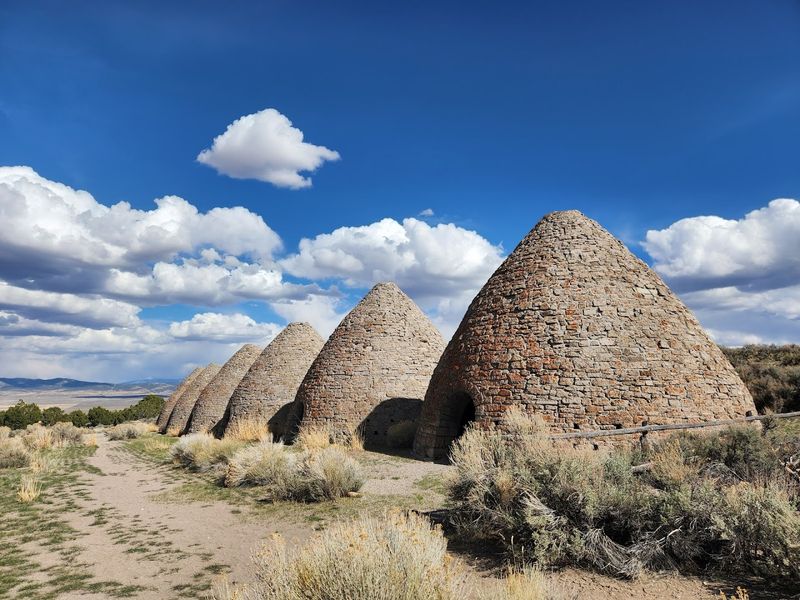
Six massive beehive-shaped stone ovens rise out of the Nevada desert like something straight out of a fairy tale, except they have a very real industrial past. Built in the 1870s to produce charcoal for nearby silver smelters, these ovens are remarkably well-preserved considering their age.
Each oven stands about 30 feet tall and 27 feet wide at the base. The site is free to visit and never crowded, making it a perfect quick stop on a road trip through eastern Nevada’s wide-open ranch country.
Berlin-Ichthyosaur State Park – Austin, Nevada
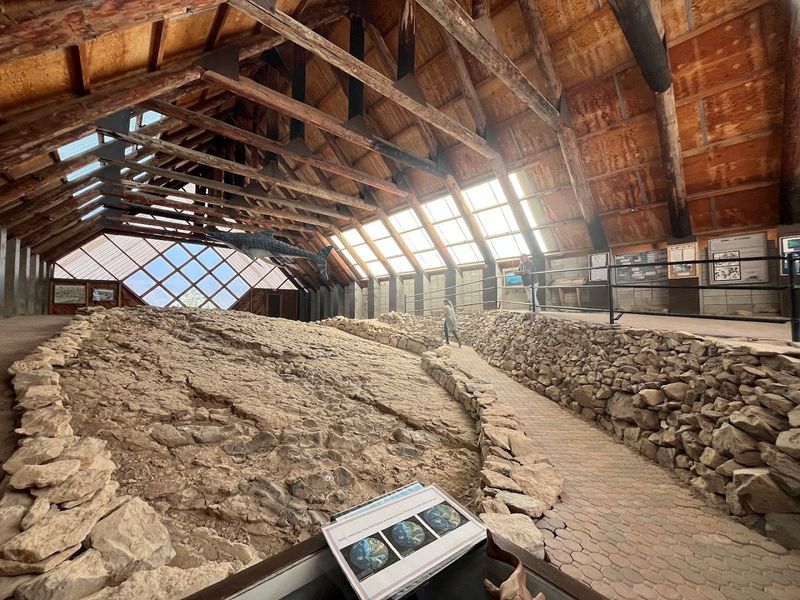
Where else in the world can you tour a ghost town AND see giant marine reptile fossils in the same afternoon? Berlin-Ichthyosaur State Park near Austin combines two incredible attractions in one remote location.
The ghost town of Berlin is frozen in time from the early 1900s silver mining era.
Just steps away, a protective shelter covers some of the largest and best-preserved ichthyosaur fossils ever discovered. These ancient sea creatures swam here roughly 225 million years ago when Nevada was covered by ocean.
Mind-blowing, right?
Fly Ranch Geyser – Gerlach, Nevada
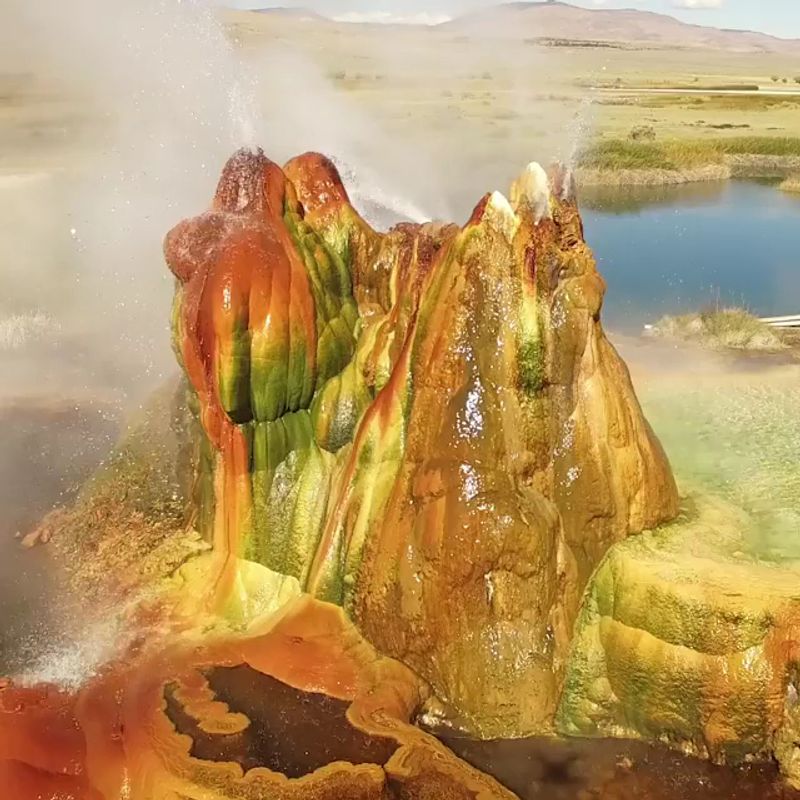
Glowing in shades of green, orange, and red, Fly Ranch Geyser looks less like something from Nevada and more like a scene from an alien world. This accidental geyser was created in 1964 when a geothermal energy company drilled a test well and hot water found a permanent escape route.
The Burning Man Project now owns the property and offers guided tours through their Fly Ranch program. Booking ahead is required, but the experience of seeing this psychedelic, steaming landmark up close is absolutely worth the planning.
Pyramid Lake – Nixon, Nevada
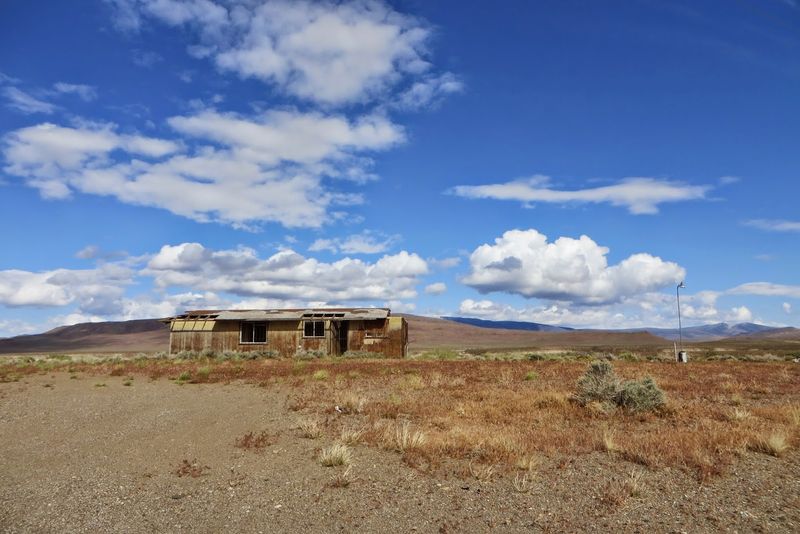
Pyramid Lake is one of the largest natural lakes in the American West, and it carries a quiet, almost sacred energy that is hard to shake once you have been there. Situated entirely within the Pyramid Lake Paiute Tribe Reservation, the lake is named for a towering tufa rock formation that rises dramatically from the water.
The lake supports the endangered cui-ui fish found nowhere else on Earth. Visitors need a tribal permit to fish, swim, or camp, and respecting those rules helps protect this culturally and ecologically irreplaceable place.
Lehman Caves – Baker, Nevada
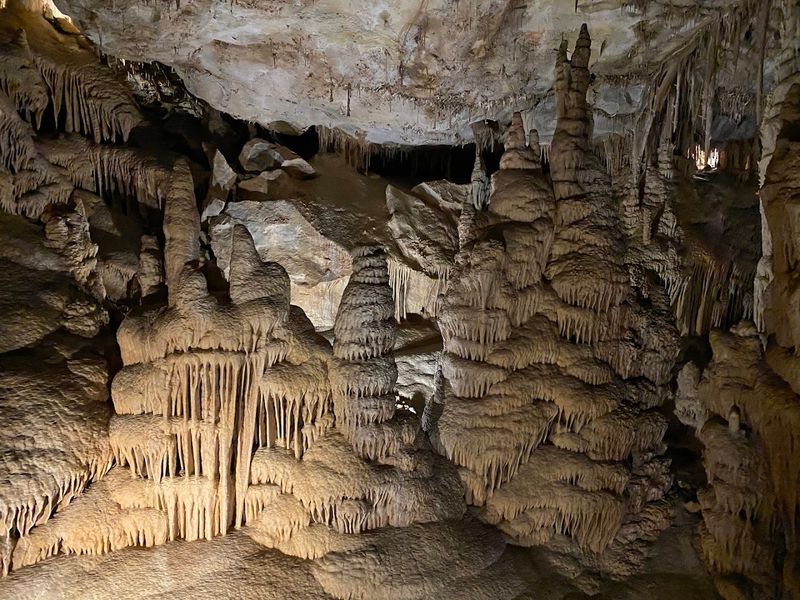
Hidden beneath the Snake Range, Lehman Caves is one of Nevada’s most underrated underground wonders. The cave system stretches over half a mile and is packed with rare formations including cave shields, stalactites, stalagmites, and delicate cave bacon that shimmers under the tour lights.
Rancher Absalom Lehman stumbled upon the cave in 1885, and it has been drawing curious visitors ever since. Guided tours run year-round through the National Park Service, and the temperature inside stays a cool 50 degrees Fahrenheit no matter how hot it gets outside.
Rhyolite Historic Area – Beatty, Nevada
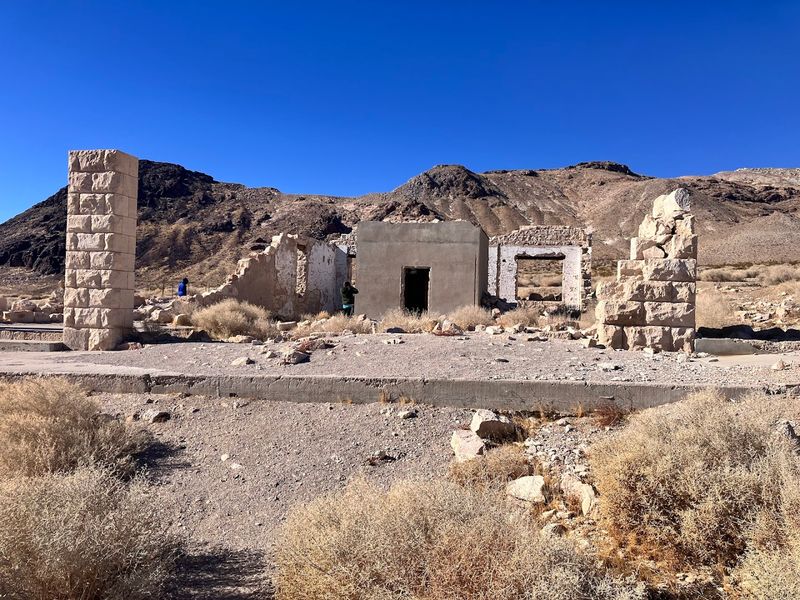
Rhyolite went from a booming gold rush city of over 5,000 people to a complete ghost town in less than a decade. Founded in 1904 and nearly abandoned by 1916, the ruins left behind tell a story of wild ambition meeting harsh desert reality.
The Cook Bank building still stands three stories tall, which is remarkable for adobe and stone construction this old.
Entry is free and the site is open around the clock. Sunset visits are especially atmospheric when long shadows stretch across the crumbling walls and silence fills the air.
Goldwell Open Air Museum – Beatty, Nevada
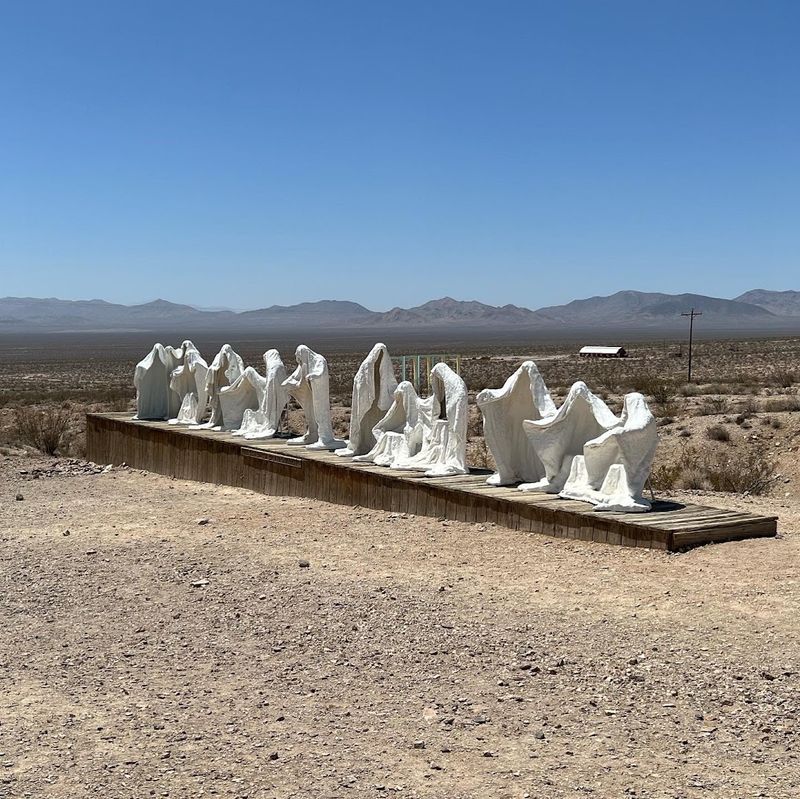
Just outside the ghost town of Rhyolite, a collection of large-scale sculptures sits quietly in the open desert, and it feels like discovering an art gallery that forgot to build walls. The Goldwell Open Air Museum was started in 1984 by Belgian artist Albert Szukalski, whose haunting white plaster Last Supper sculpture remains the centerpiece.
Admission is always free, and the sculptures look dramatically different depending on the time of day and lighting. Pairing a visit here with a stop at Rhyolite next door makes for one very memorable and slightly eerie afternoon in the Mojave.
Ash Meadows National Wildlife Refuge – Amargosa Valley, Nevada
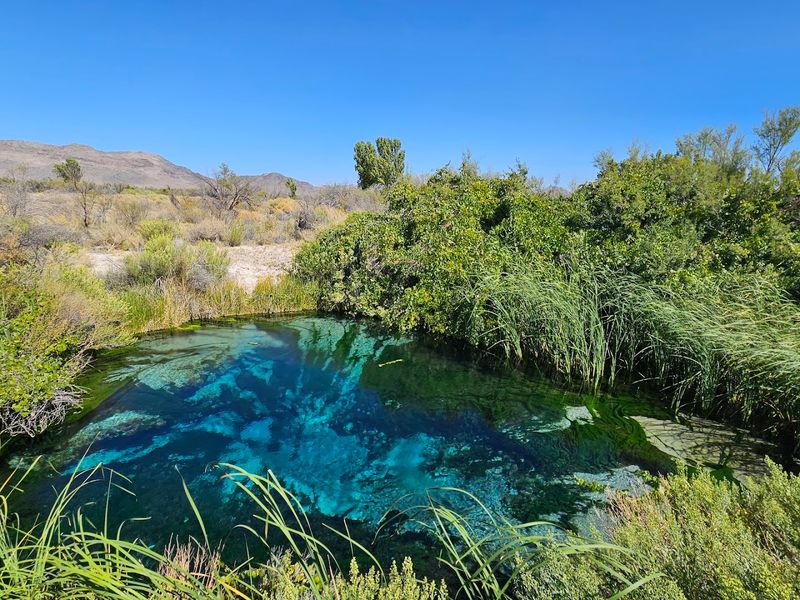
Ash Meadows National Wildlife Refuge is one of the most biologically unique places in North America, yet most people drive right past it without knowing it exists. More than 26 species of plants and animals found here live nowhere else on the planet, including the critically endangered Devils Hole pupfish.
Spring-fed pools bubble up from an ancient underground water system, creating lush oasis habitats in the middle of the Mojave Desert. Boardwalks make it easy to explore without disturbing the fragile ecosystem, and birdwatching here is genuinely world-class.
Walker Lake Recreation Area – Hawthorne, Nevada
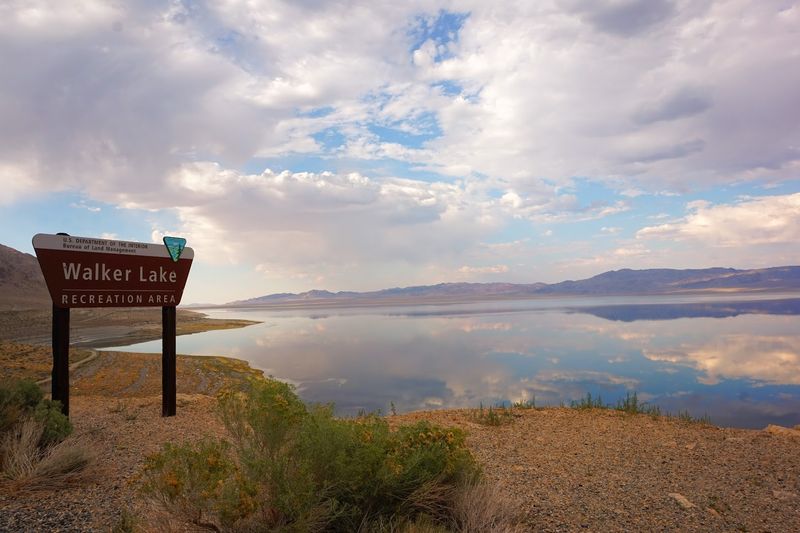
Walker Lake is one of Nevada’s last remaining terminal lakes, meaning it has no outlet and has been shrinking for decades due to upstream water diversions. That makes visiting now feel strangely urgent and precious.
The lake sits at the foot of the Wassuk Range and shimmers a deep blue-green that feels out of place in the surrounding brown desert.
Fishing, kayaking, and camping are popular activities here. The Walker Lake Working Group has been fighting to restore water levels, so every visitor who shows up and cares is a small win for conservation.
Sand Mountain Recreation Area – Fallon, Nevada
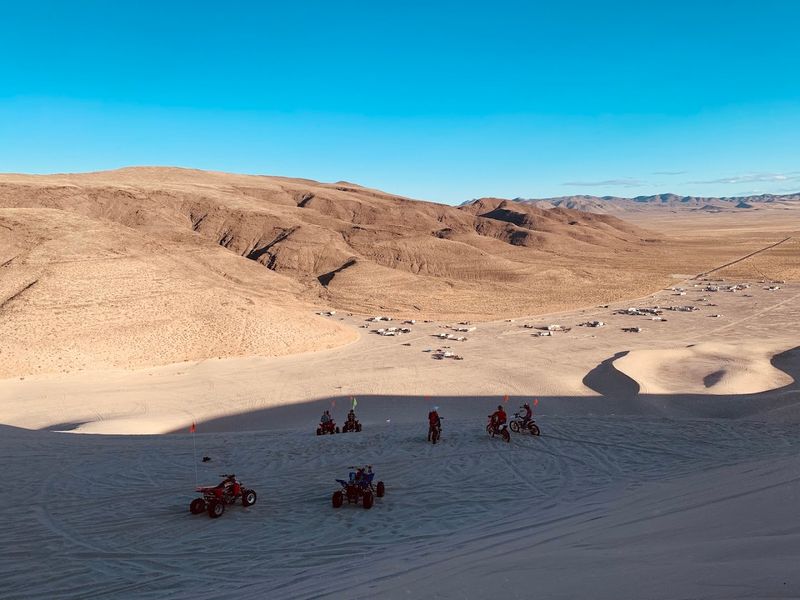
Sand Mountain is exactly what it sounds like: one enormous sand dune rising about 600 feet out of the flat Nevada desert. It is loud, wild, and surprisingly fun.
ATV and dune buggy riders from all over the West come here to tackle the steep sandy slopes, and the roar of engines fills the air on weekends.
If motorized sports are not your thing, the hiking up the dune face alone is worth the trip. On quiet evenings, the dune sometimes produces a mysterious low humming sound caused by shifting sand grains.
Locals call it the singing mountain.
Virginia City Historic District – Virginia City, Nevada
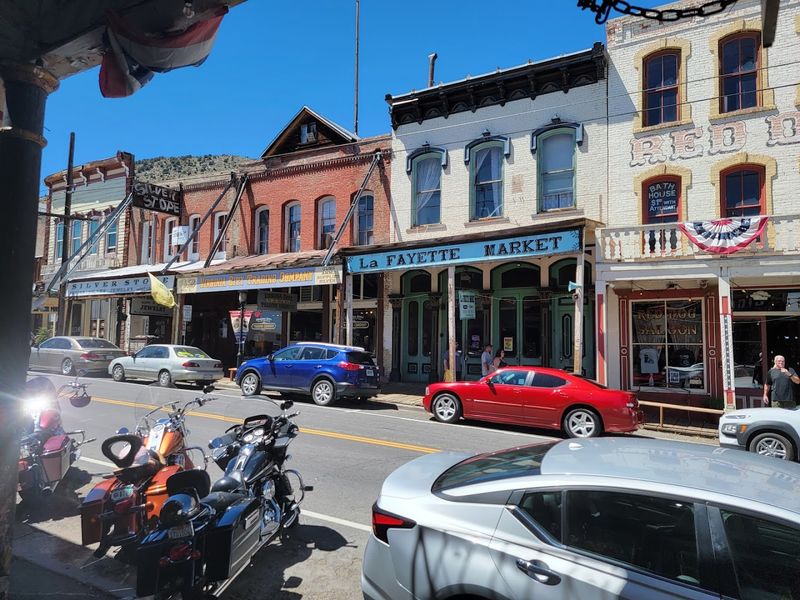
High on a hillside above the Carson Valley, Virginia City is the kind of place where history feels alive rather than locked behind glass. The Comstock Lode silver discovery here in 1859 made this town one of the wealthiest in the entire American West practically overnight.
Mark Twain worked as a reporter here in the 1860s and sharpened the wit that would eventually make him famous.
Today the main street is lined with Victorian saloons, museums, and shops. The underground mine tours are especially fascinating for anyone curious about what life was like for the miners who built this boomtown.
Enjoyed this story?
Add Fast Food Club as a preferred source to see more of our reporting on Google.