


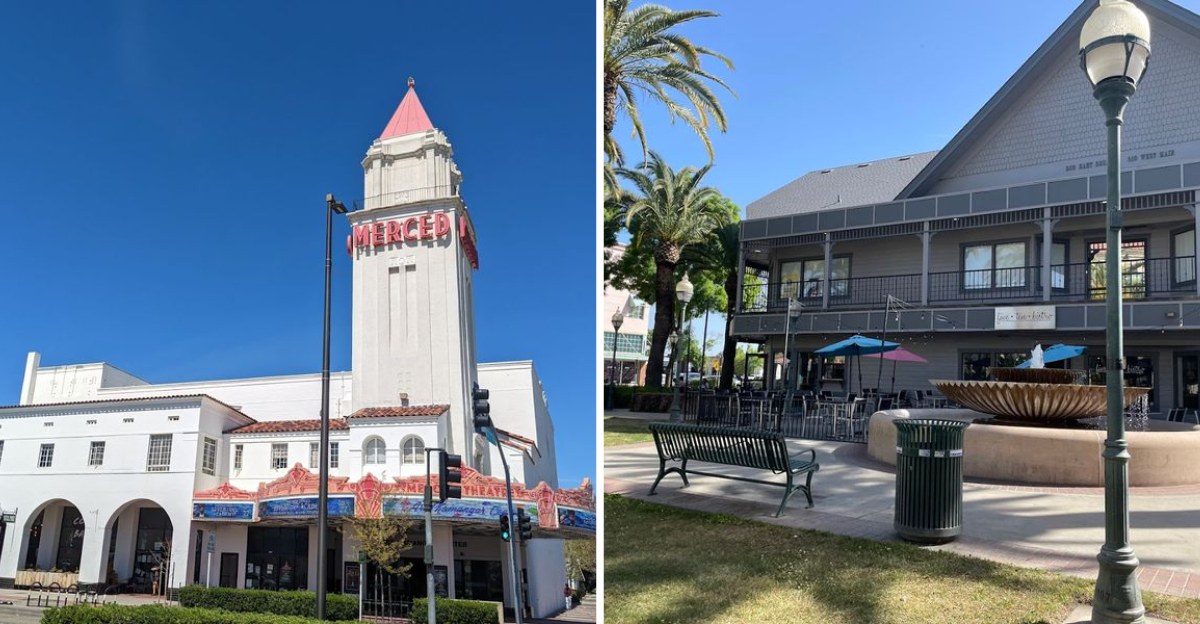
Most people assume retiring in California means spending a fortune, but Merced is quietly proving that wrong. Tucked into the heart of the San Joaquin Valley, this small city of around 86,000 people offers a warm climate, friendly neighborhoods, and a surprisingly low cost of living.
For retirees watching every dollar, Merced might just be the hidden gem you never expected to find in the Golden State. Here is a closer look at why stretching a $1,200 monthly budget in Merced is not just possible — it is actually pretty comfortable.
Affordable Housing That Won’t Empty Your Wallet
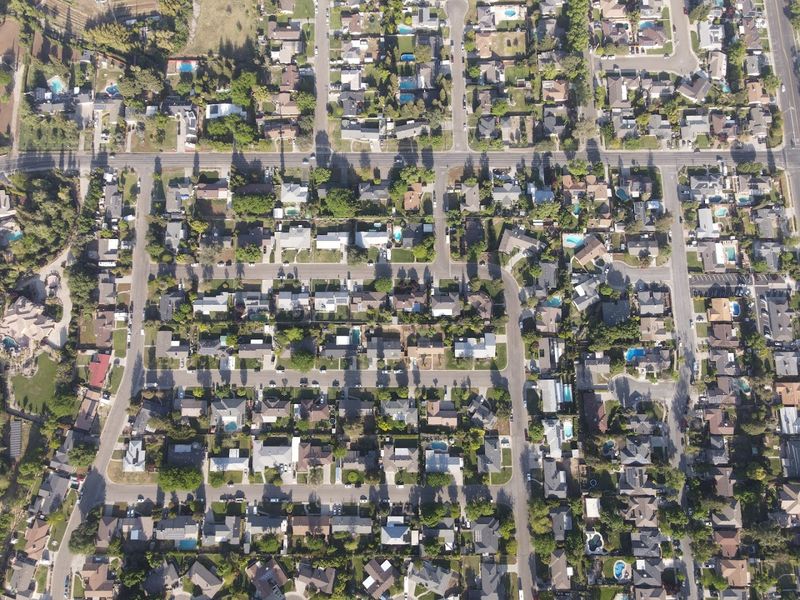
Real estate in Merced is shockingly reasonable compared to most California cities. The median home price hovers well below the state average, and renters can find decent one-bedroom apartments for $700 to $900 a month — leaving breathing room in a tight budget.
For retirees who own their home outright, monthly expenses shrink dramatically. Even those renting can make it work by choosing older neighborhoods near downtown or the university district, where prices stay competitive.
Merced also has a steady supply of senior housing communities and subsidized apartments for those who qualify. Many of these come with added perks like community rooms and on-site maintenance.
If keeping a roof over your head without financial stress is the goal, Merced delivers in ways that coastal California cities simply cannot match.
Grocery Bills Stay Surprisingly Low
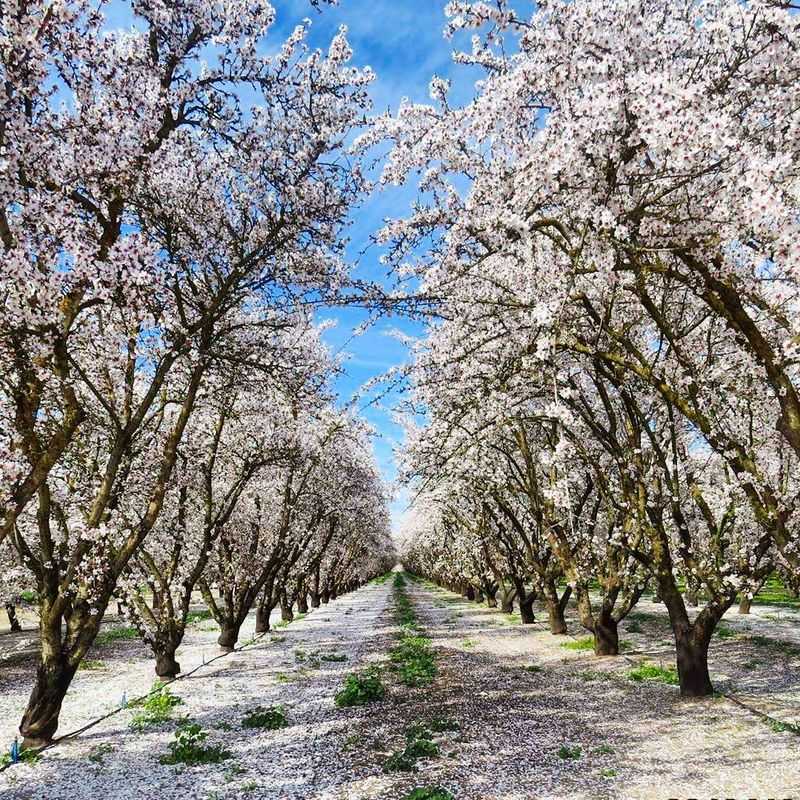
Feeding yourself well on a tight budget is completely doable in Merced, thanks to a combination of low-cost grocery stores and access to some of the freshest farm produce in the country. The San Joaquin Valley is one of the most productive agricultural regions in the world, and that abundance shows up at local markets.
Farmers markets run regularly throughout the warmer months, offering seasonal vegetables, fruits, nuts, and eggs at prices that beat most supermarkets. Stores like Food Maxx and WinCo Foods keep weekly grocery bills affordable for budget-conscious shoppers.
A retiree eating at home most of the time can reasonably spend $150 to $250 a month on groceries without cutting corners on nutrition. Fresh peaches, almonds, and tomatoes grown just miles away taste incredible and cost very little.
Eating well in Merced is genuinely one of its best-kept secrets.
Utilities Are Manageable Year-Round
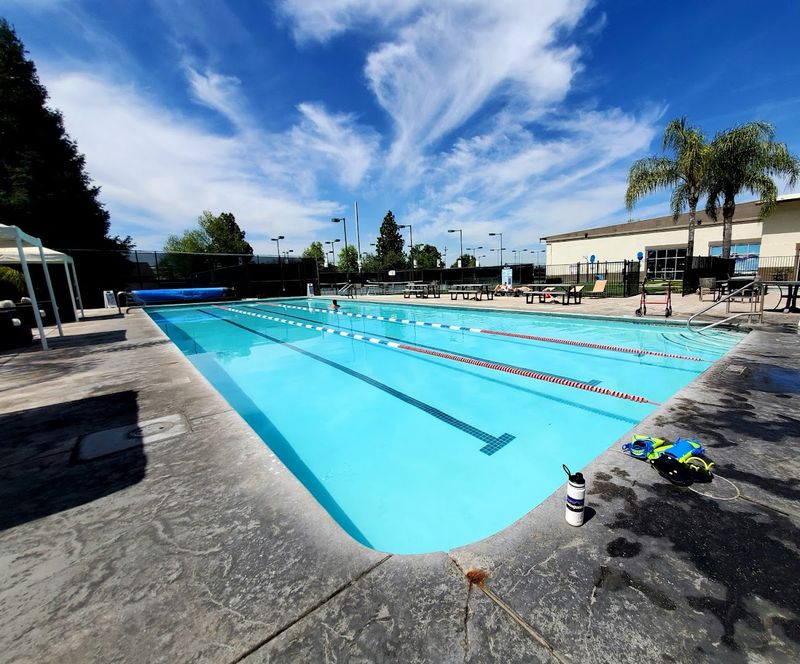
Summers in Merced get hot — there is no sugarcoating that. Temperatures regularly climb into the high 90s and occasionally past 100 degrees Fahrenheit from June through September.
That means air conditioning becomes less of a luxury and more of a necessity during those months.
However, winters are mild enough that heating costs stay very low, often just a small gas bill for a few chilly months. The shoulder seasons of spring and fall are downright pleasant, requiring almost no climate control at all.
On an annual average, utility bills in Merced tend to run lower than in many larger California cities. Retirees who use ceiling fans strategically, keep blinds closed during peak heat hours, and take advantage of mild evenings can keep summer electricity costs from spiraling.
Budgeting around $100 to $150 a month for utilities across the year is realistic and achievable.
Healthcare Access Has Been Growing Steadily
One worry many retirees carry is whether a smaller city can handle their medical needs. Merced has made real strides in this department over the past decade.
Dignity Health Mercy Medical Center serves as the main hospital, offering emergency care, surgical services, and specialty clinics.
The presence of UC Merced has also brought increased investment in health-related services and research to the region. Community health clinics scattered throughout the city offer low-cost or sliding-scale care for those without robust insurance coverage.
For retirees on Medicare, finding participating providers in Merced is increasingly straightforward. Telehealth options have also expanded access to specialists without requiring long drives to Fresno or Modesto.
While Merced is not a major medical hub, it covers the essential bases well enough for most retirees. Knowing that decent care is nearby provides real peace of mind when living on a fixed income.
Transportation Costs Can Be Cut Way Down
Owning a car in most American cities feels unavoidable, but Merced gives retirees a few alternatives worth considering. The city operates a public transit system called The Bus, which covers major routes throughout Merced at low fares.
Seniors often qualify for reduced-fare passes, making regular trips around town very affordable.
Merced is also a surprisingly bikeable city in the cooler months. The flat terrain makes pedaling to the grocery store, park, or library an easy option for active retirees.
Many errands can be handled without ever starting a car.
For those who do drive, gas prices in the Central Valley tend to run slightly lower than coastal California averages. Car insurance in smaller cities like Merced also tends to be cheaper than in Los Angeles or San Francisco.
Cutting transportation costs to $100 or less per month is achievable for retirees willing to plan their trips thoughtfully.
Free and Low-Cost Recreation Fills the Days
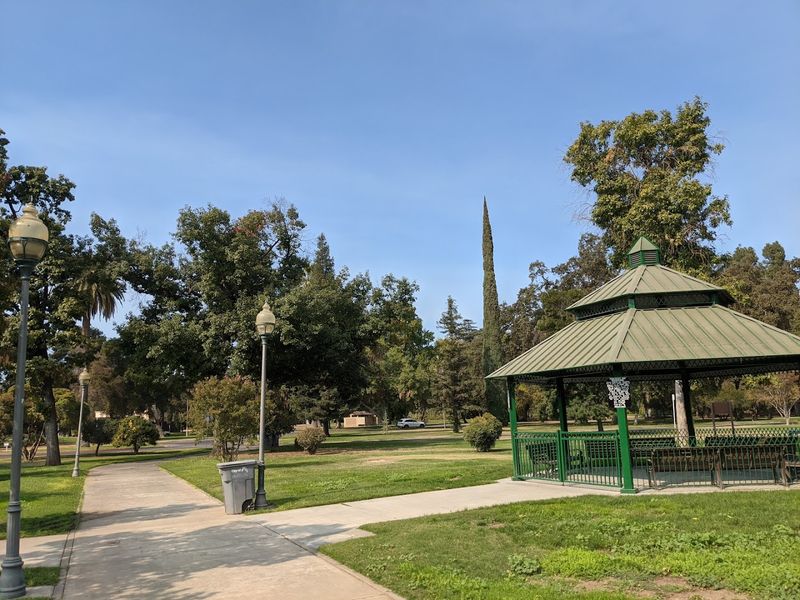
Retirement should feel like freedom, and Merced makes that feeling affordable. Applegate Park, one of the city’s most beloved green spaces, features a free zoo, walking paths, a duck pond, and picnic areas — all at no cost.
Spending an afternoon there feels like a genuine treat without spending a single dollar.
The city also maintains several community centers that offer senior programs, fitness classes, and social events at minimal cost. Local libraries provide free access to books, DVDs, computers, and occasional cultural events that keep the mind engaged.
Outdoor enthusiasts will appreciate how close Merced sits to Yosemite National Park, Lake McClure, and the Merced River. Day trips to these natural wonders cost very little beyond gas money.
For retirees who value staying active and socially connected without overspending, Merced’s recreational offerings punch well above what you might expect from a city its size.
The Senior Community Is Warm and Welcoming
Moving somewhere new as a retiree can feel lonely at first, but Merced has a strong senior support network that makes it easier to build connections. The Area Agency on Aging for Merced County coordinates programs, meal services, and social activities specifically designed for older adults living in the region.
Senior centers throughout the city host regular events ranging from potlucks and craft nights to fitness classes and movie screenings. These gatherings create genuine friendships and a sense of belonging that money cannot buy.
Merced’s overall community culture leans neighborly and unpretentious. People tend to look out for each other, especially in the older, established neighborhoods near downtown.
For retirees who worry about social isolation — a very real health risk in old age — finding community in Merced comes naturally and without a hefty price tag. The warmth here is one of the city’s most underrated qualities.
Dining Out Stays Budget-Friendly
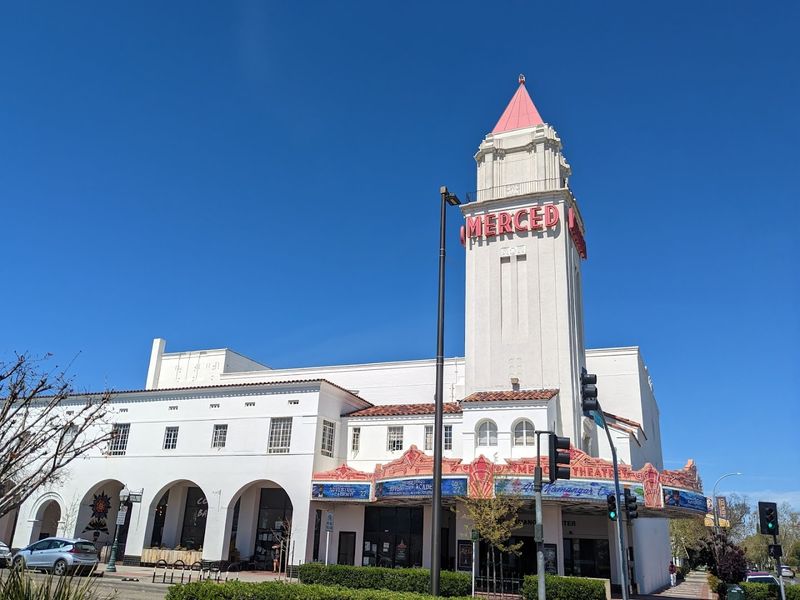
Merced’s food scene reflects the rich cultural diversity of the San Joaquin Valley. Mexican restaurants, Vietnamese pho shops, Hmong-owned eateries, and classic American diners all share space in the city, creating a surprisingly varied dining landscape at very reasonable prices.
A satisfying sit-down meal at a local taqueria or family-owned restaurant often runs between $8 and $14, including a drink. That kind of affordability means retirees can enjoy eating out a couple of times a week without busting the budget.
Fast-casual and food truck options add even more variety at the lower end of the price range. Merced does not have the trendy restaurant scene of Sacramento or San Francisco, but that also means it lacks the inflated prices.
For retirees who love good food and cultural flavor without spending $20 a plate, Merced’s local dining scene is a pleasant and affordable surprise.
Property Taxes Remain Relatively Gentle
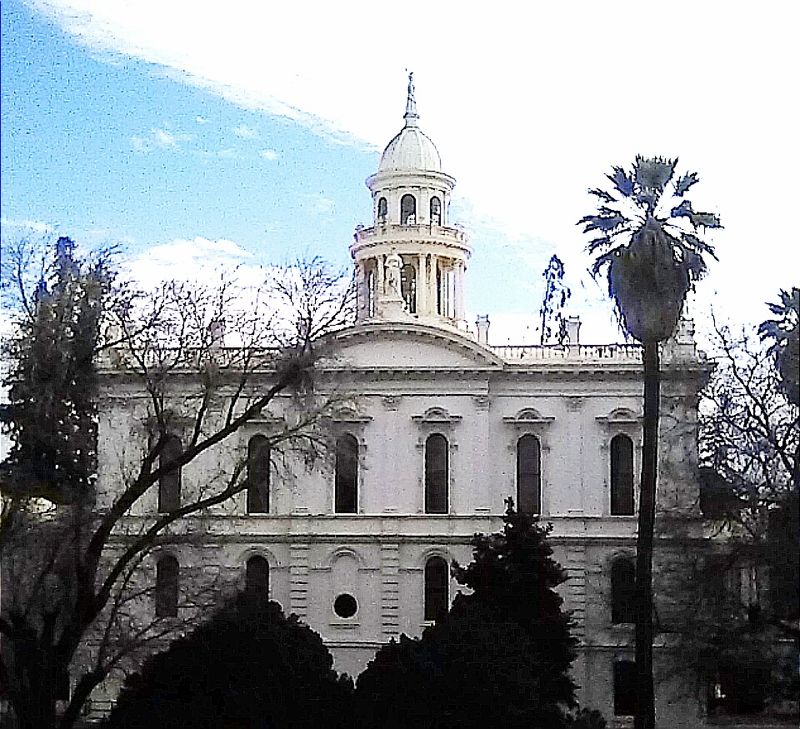
California property taxes often scare people off, but Merced County’s rates work in favor of budget-conscious retirees. Under Proposition 13, property taxes are capped at 1% of the assessed value at the time of purchase, with annual increases limited to 2%.
That means buying a modest home in Merced locks in a manageable tax bill for life.
Retirees who purchased homes years ago at lower prices enjoy especially low annual tax bills. Even those buying today at Merced’s relatively modest prices will pay far less in property tax than buyers in coastal markets.
California also offers the Property Tax Postponement Program for eligible seniors, allowing them to defer property taxes until the home is sold. These protections make owning a home in Merced financially sensible for retirees on fixed incomes.
Every dollar saved on taxes is a dollar that stays in your pocket for living expenses.
Proximity to Yosemite Is a Priceless Perk

Not many retirement destinations put one of the world’s most breathtaking national parks within easy driving distance. From Merced, the entrance to Yosemite National Park sits roughly 75 miles away — about an hour and a half by car.
That proximity is genuinely remarkable for a city with Merced’s modest price tag.
America the Beautiful Senior Pass, available for a one-time fee of $80, grants retirees 62 and older lifetime access to Yosemite and hundreds of other federal recreation areas. Once you have that pass, day trips to Yosemite cost almost nothing.
The Yosemite Area Regional Transportation System (YARTS) also operates bus service from Merced directly into Yosemite Valley during peak seasons, making car-free visits possible. Watching El Capitan glow at sunset or hiking beside Bridalveil Fall becomes a regular luxury rather than a once-in-a-lifetime splurge when you live this close.
UC Merced Brings Cultural Energy to the City
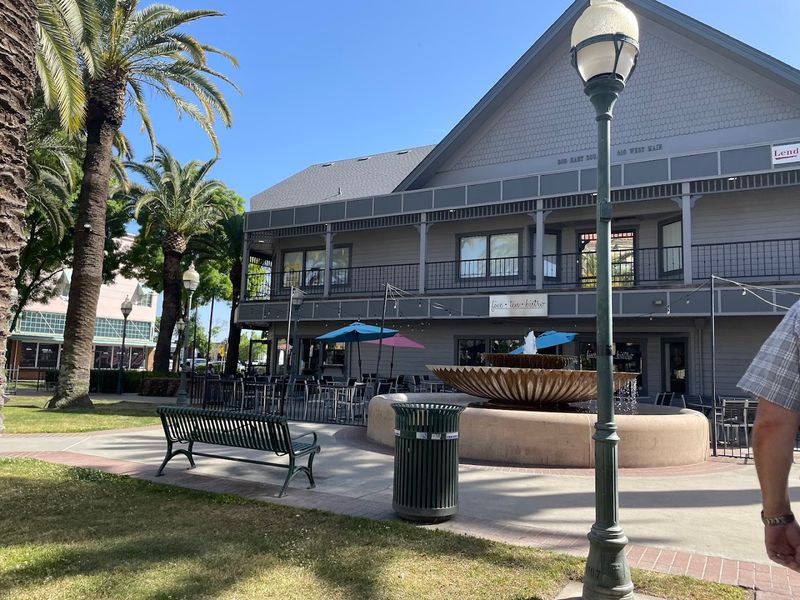
UC Merced, the newest campus in the University of California system, opened in 2005 and has steadily transformed the city’s cultural landscape. For retirees, having a university nearby is a genuine lifestyle bonus that often goes unappreciated until you experience it firsthand.
The campus hosts public lectures, art exhibitions, theatrical performances, and sporting events — many of which are free or very low cost for community members. The university library also extends borrowing privileges to local residents through special programs.
Some retirees take advantage of lifelong learning opportunities by auditing classes at reduced rates, keeping their minds sharp and their social circles wide. The youthful energy of a college town adds a certain vibrancy to Merced that many small cities lack.
Living near UC Merced means access to ideas, events, and conversations that enrich daily life without adding a cent to the monthly budget.
The Climate Suits an Outdoor Lifestyle
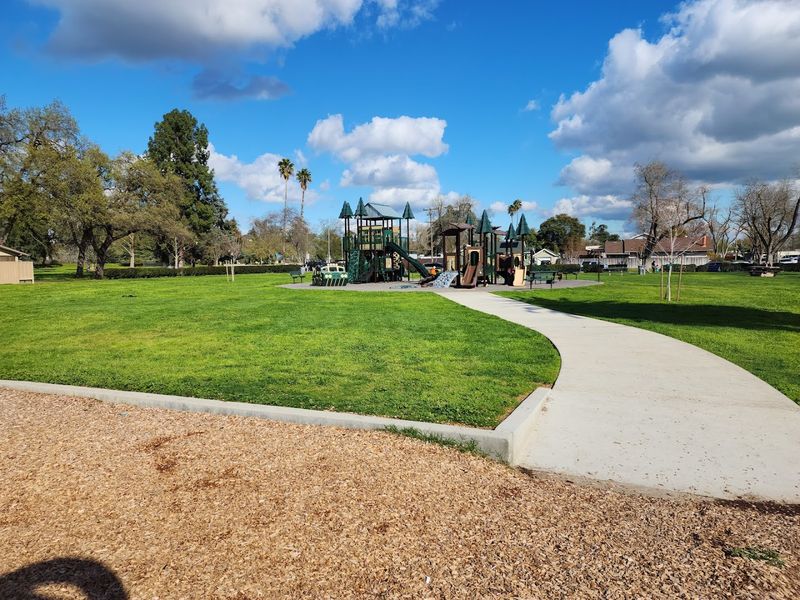
Merced logs over 260 sunny days per year — a number that would make most Pacific Northwest retirees weep with envy. That sunshine is not just pleasant to look at; it actively supports a healthy, outdoor-focused lifestyle that costs very little to enjoy.
Spring and fall in Merced are genuinely glorious. Mild temperatures, blooming orchards, and golden afternoon light make walking, gardening, and outdoor socializing deeply enjoyable.
Winters are brief and rarely severe, with frost being uncommon and snow essentially nonexistent in the city itself.
The heat of summer demands some adjustment, but early morning walks, shaded park benches, and cool evenings make it manageable for most people. Retirees who enjoy gardening will find Merced’s long growing season a dream — fresh tomatoes, peppers, and herbs thrive in the valley soil.
Sunshine this abundant, paired with this low a cost of living, is a rare combination anywhere in California.
Social Services and Safety Nets Are Accessible
Living on $1,200 a month requires knowing where to turn when unexpected costs arise. Merced County has a reasonably well-developed network of social services that retirees on limited incomes can tap into when needed.
Food banks, utility assistance programs, and prescription drug help are all available to qualifying residents.
The Merced County Human Services Agency administers programs including Medi-Cal, CalFresh, and In-Home Supportive Services — all of which can meaningfully stretch a tight retirement budget. Many retirees are surprised to discover they qualify for benefits they never knew existed.
Community organizations like Catholic Charities and the Salvation Army also provide supplemental support ranging from emergency food boxes to help with rent arrears. Knowing that a safety net exists takes real pressure off the daily mental load of budget management.
In Merced, you are not entirely on your own — and that community support structure makes a $1,200 monthly retirement feel far more secure.
Enjoyed this story?
Add Fast Food Club as a preferred source to see more of our reporting on Google.