


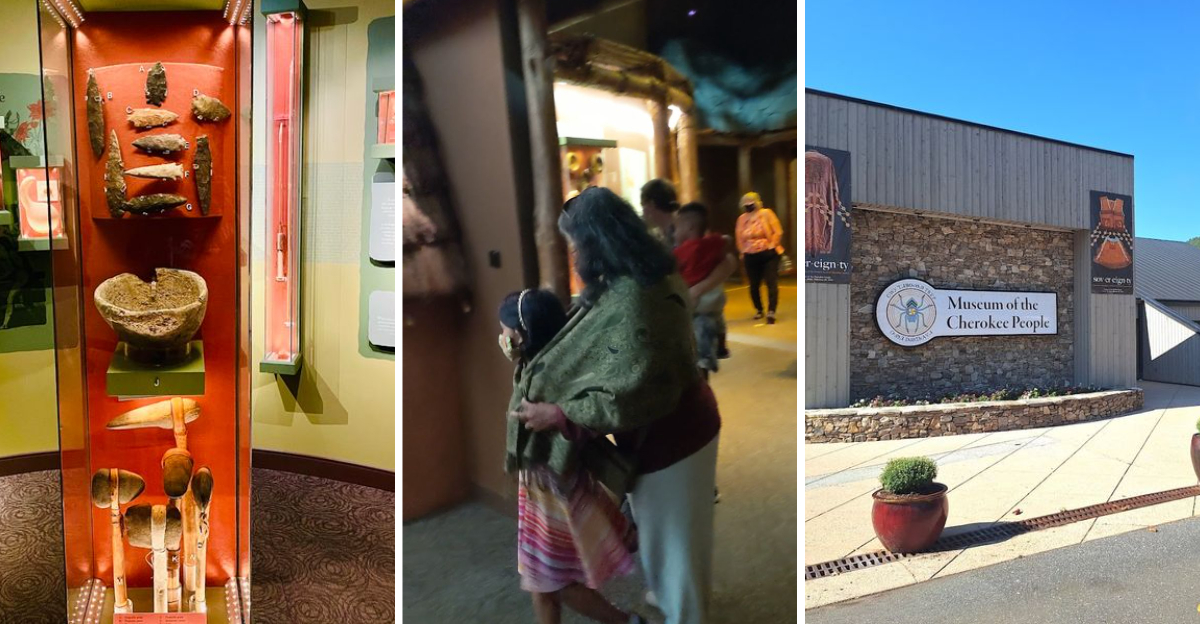
Tucked along the edge of the Great Smoky Mountains in Cherokee, North Carolina, the Museum of the Cherokee People is one of those places that quietly blows you away. With over 10,000 years of history packed into its exhibits, this museum tells the story of one of America’s most resilient and culturally rich nations.
Most travelers passing through the area head straight for the national park, but those who stop here leave with something deeper — a real connection to the people who called these mountains home long before anyone else. If you have never heard much about this museum, that is exactly why it deserves far more attention.
A Story That Starts 10,000 Years Ago
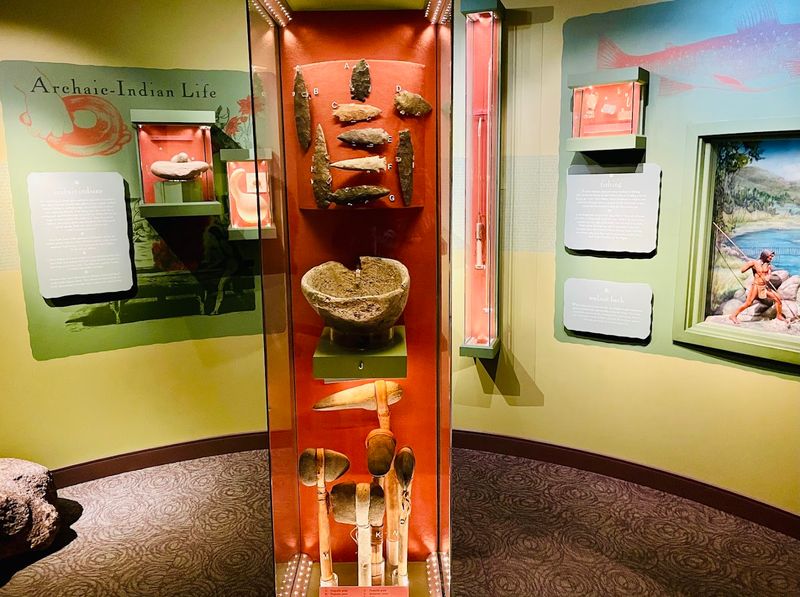
Long before roads cut through the Smoky Mountains, the Cherokee people were already building a civilization here. The Museum of the Cherokee People begins its story at the very beginning — roughly 10,000 years ago — and that kind of timeline is genuinely hard to wrap your head around.
Walking through the earliest exhibits feels like stepping into a world most history books barely mention. You see how early Cherokee communities hunted, gathered food, and developed complex social systems over thousands of years.
The artifacts on display, from stone tools to early pottery, make those ancient lives feel surprisingly real and close.
What makes this starting point so powerful is the museum’s commitment to telling the story from an Indigenous perspective. This is not just archaeology — it is identity, pride, and survival told on Cherokee terms.
Starting here sets the tone for everything that follows.
High-Tech Holograms That Bring History to Life
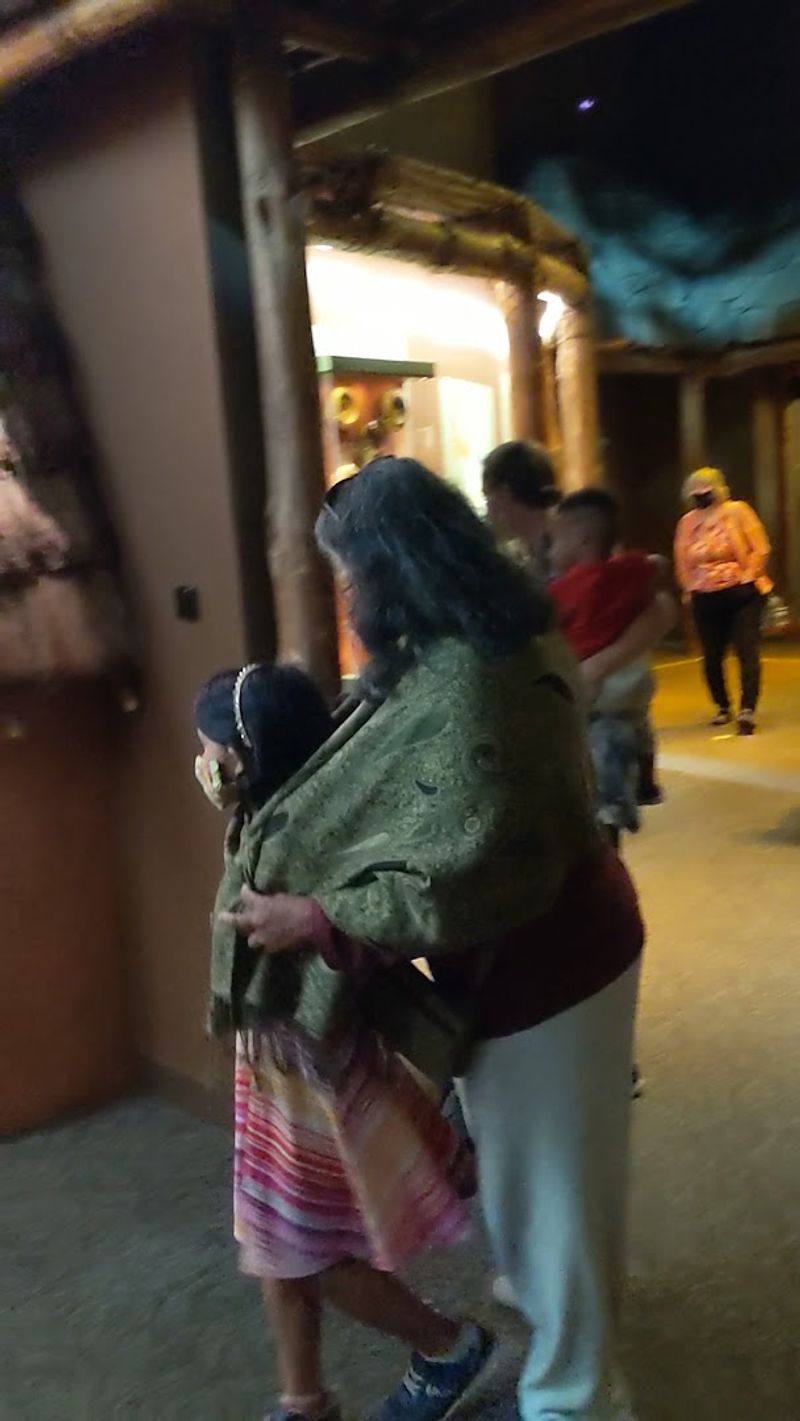
Forget dusty glass cases and faded labels — the Museum of the Cherokee People uses cutting-edge technology to pull visitors right into the story. Computer-generated holograms and immersive soundscapes create an experience that feels more like time travel than a traditional museum visit.
One of the most talked-about features is the way these digital displays make historical moments feel tangible. You are not just reading about Cherokee life; you are surrounded by it.
The sounds, visuals, and spatial design work together in a way that genuinely surprises first-time visitors.
Families with kids especially love this part of the experience. Children who might tune out a written panel will stand completely still watching a holographic presentation.
It is a smart, modern approach that respects the depth of the culture while making it accessible to every age group. Technology here serves the story, not the other way around.
The Seven Cherokee Clans Explained
Cherokee society was not organized the way most people imagine. At its heart was a clan system — seven clans that shaped everything from family roles to political decisions.
The museum dedicates meaningful exhibit space to explaining how this system worked, and it is one of the most eye-opening sections in the building.
Each clan had its own identity, responsibilities, and place within the larger community. Learning about them helps visitors understand Cherokee culture in a much more personal way.
It shifts the focus from broad historical events to the everyday lives of real people — grandmothers, children, warriors, healers.
Many visitors say this section made them wish they had learned this kind of history in school. The descriptions are clear and readable, making it easy for kids and adults alike to follow along.
Understanding the clan system reframes the entire Cherokee story in a beautifully human way.
The Trail of Tears — Told Without Looking Away
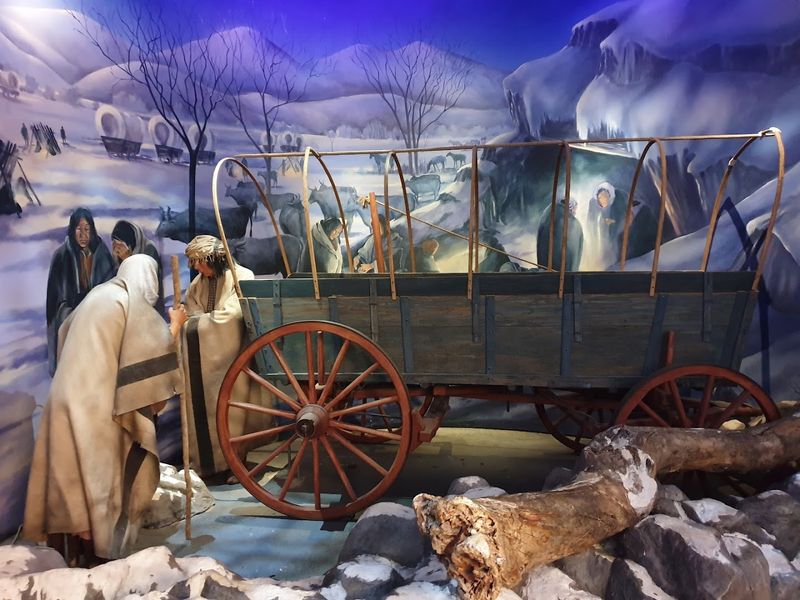
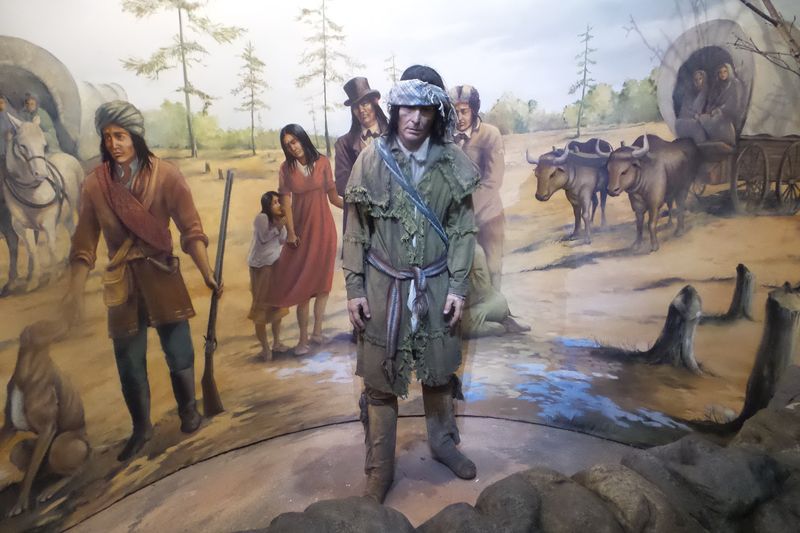
Some history is painful, and the Museum of the Cherokee People does not flinch from it. The exhibit covering the Trail of Tears is one of the most emotionally significant sections of the museum, and it earns that weight honestly.
Thousands of Cherokee people were forcibly removed from their homeland in the 1830s, and this exhibit tells that story with clarity and respect.
What sets this presentation apart is its refusal to reduce the event to a footnote. Visitors learn about the broken treaties, the political decisions, and the devastating human cost.
Reading the accounts here, it becomes impossible to see this as just a historical fact — it feels personal.
Several visitors have described leaving this section feeling shaken but grateful for the knowledge. Understanding what happened here is not optional history — it is essential context for anyone living in or visiting the American South.
The museum handles it with the seriousness it deserves.
The Cherokee Alphabet Interactive Exhibit
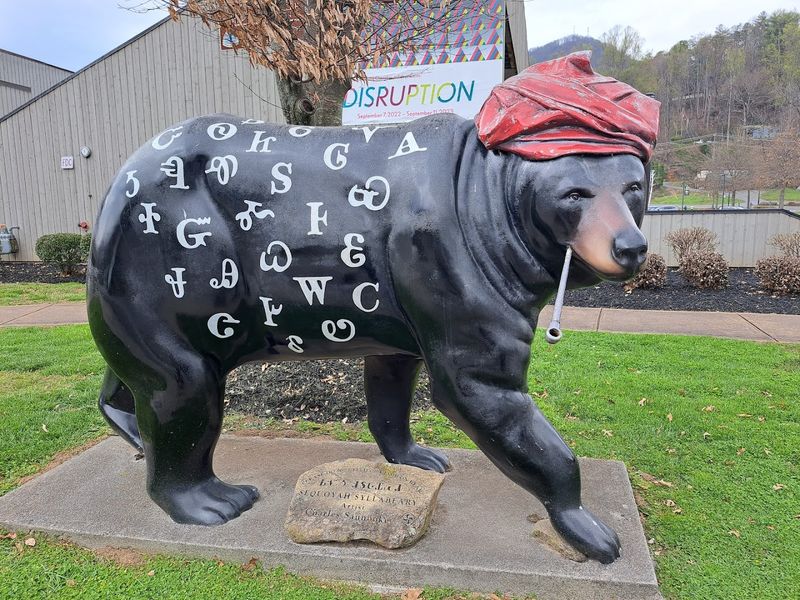
Sequoyah created one of the most remarkable achievements in linguistic history when he developed the Cherokee syllabary in the early 1800s. Within a few years of its creation, the majority of Cherokee people were literate — a speed of adoption that stunned the world.
The museum celebrates this incredible accomplishment with a hands-on interactive exhibit.
Visitors can press buttons next to each character in the Cherokee alphabet and hear how it is pronounced. It sounds like a small thing, but standing there listening to a living language that nearly disappeared is genuinely moving.
Kids absolutely love pressing every single button, and adults find themselves doing the same.
The exhibit makes you realize just how sophisticated and complete Cherokee culture was — and still is. Language is identity, and hearing these sounds out loud in a museum setting carries a quiet power that sticks with you long after you leave Cherokee, NC.
Art, Weapons, and Everyday Objects on Display
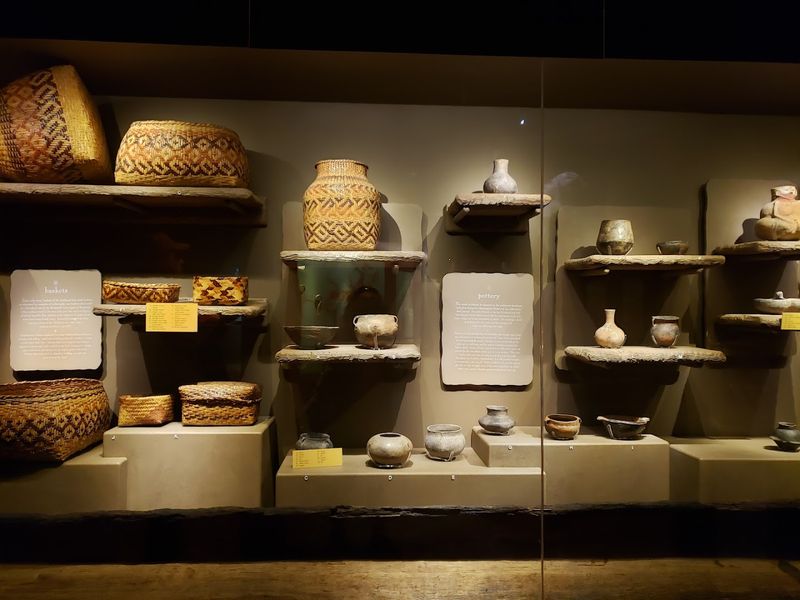
History comes alive fastest through objects people actually touched and used. The museum’s collection of Cherokee art, weapons, games, and everyday utensils gives visitors a vivid window into daily life across different eras.
These are not abstract relics — they are items that once belonged to real families.
Intricate baskets woven with geometric patterns sit near blowguns, ceremonial masks, and tools used for cooking and farming. Each piece tells a small story, and together they paint a picture of a society that was sophisticated, creative, and deeply connected to the natural world around them.
One exhibit that consistently draws attention is the wasp nest mask — an unusual and striking piece that sparks curiosity and conversation. Staff members are friendly and approachable, often happy to answer questions about specific items.
Spending time with these objects is one of the most rewarding parts of any visit to this museum.
A Living Culture, Not Just a Historical One
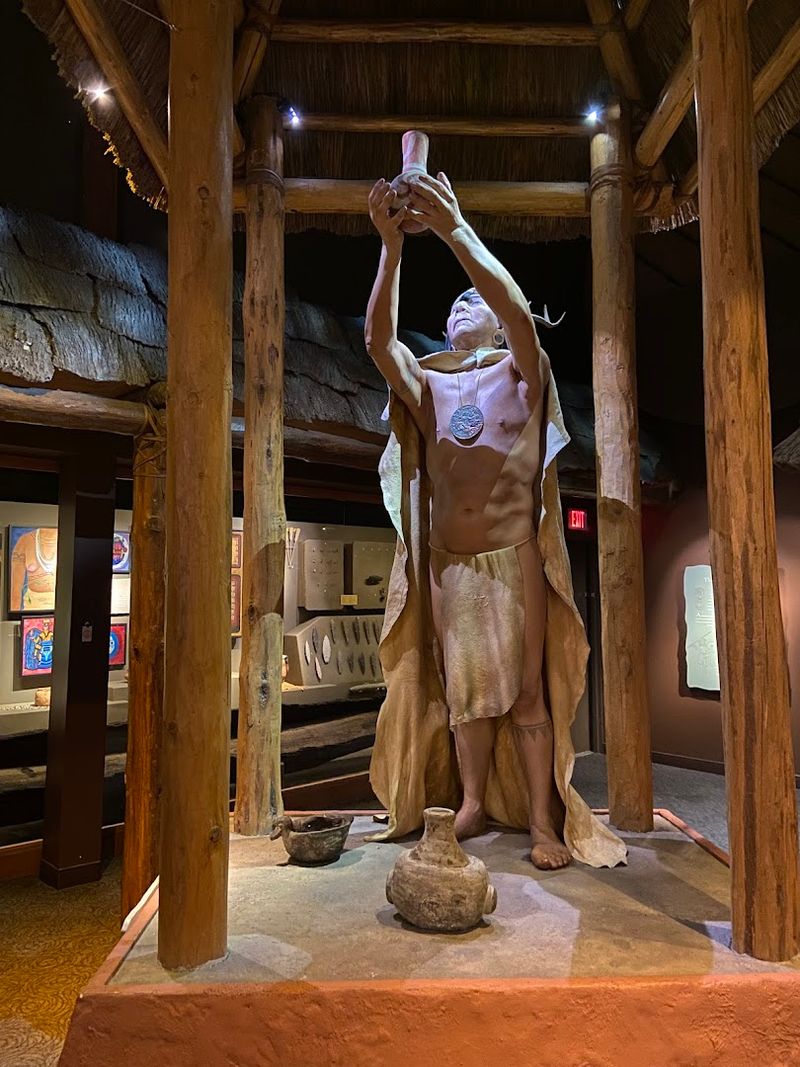
One of the biggest misconceptions about Indigenous cultures is that they belong only to the past. The Museum of the Cherokee People pushes back hard against that idea.
Its exhibits deliberately connect ancient traditions to the living, breathing Cherokee Nation that exists today, making it clear that this story is still being written.
Contemporary art, photography, and displays about Cherokee sovereignty remind visitors that the Eastern Band of Cherokee Indians is an active, thriving community. The museum does not treat Cherokee culture as something frozen in time — it treats it as something evolving and resilient.
This framing makes the whole experience feel more honest and more hopeful. You leave not just with knowledge of what was lost, but with appreciation for what has survived and what continues to grow.
That balance between honoring the past and celebrating the present is one of the museum’s most thoughtful and important qualities.
Indigenous-Led Storytelling and Narrative Perspective
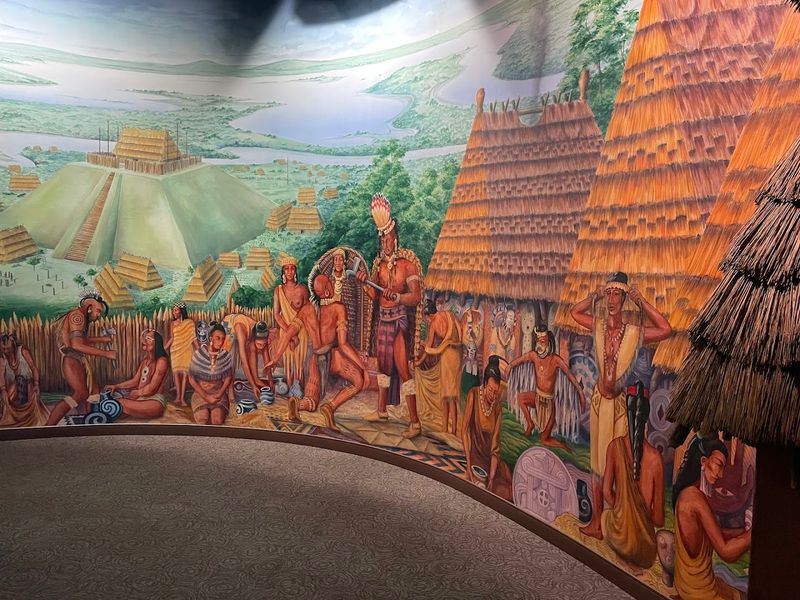
Back in 1998, the museum launched an exhibit that, by today’s standards, told the Cherokee story partly through an outsider’s lens. The current museum team has done something refreshingly honest in response — they introduced the old exhibit with a short video acknowledging its limitations and inviting visitors to think critically about whose voice is being heard.
Panels throughout the older sections pose questions like: Who is telling this story? What perspective is missing here?
It is an unusual and brave curatorial choice that encourages visitors to think rather than just absorb. Many guests have called it one of the most intellectually engaging parts of the whole experience.
This approach reflects a broader shift happening in museums across the country — a move toward Indigenous-led storytelling. Seeing it in practice here feels genuinely exciting.
The museum is not just preserving culture; it is actively reshaping how that culture gets presented to the world.
Guided Tours That Add a Whole New Layer
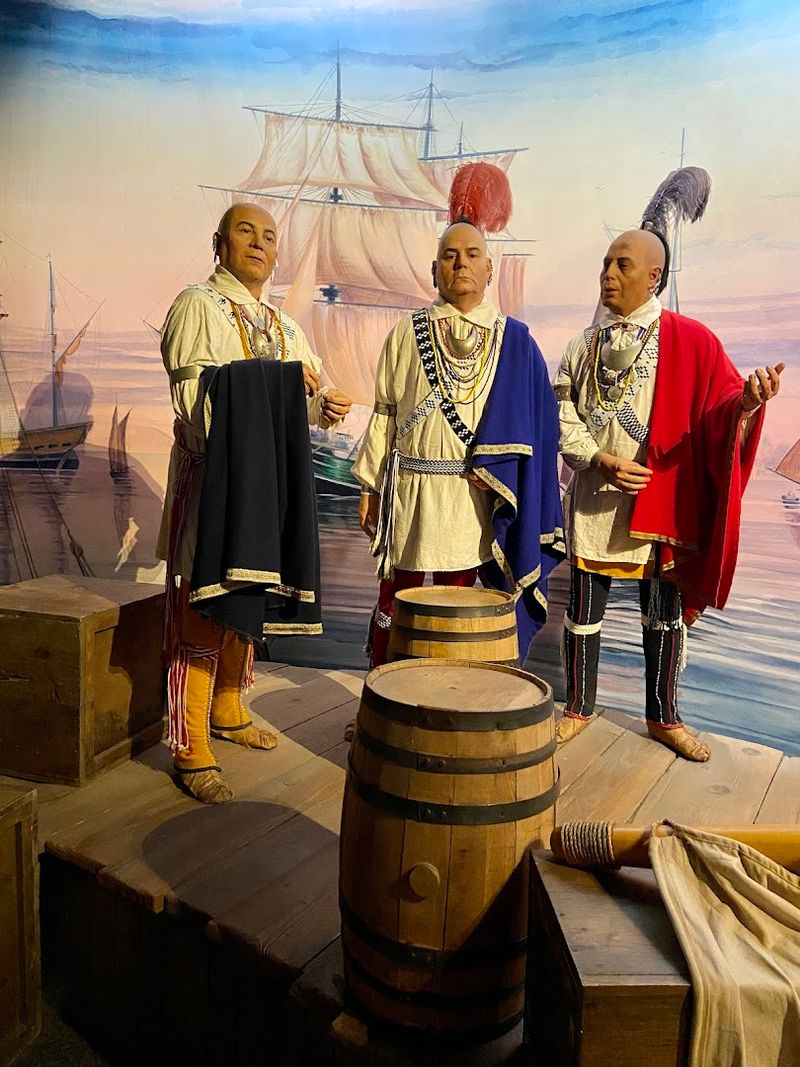
Reading a plaque is one thing. Hearing a knowledgeable guide walk you through the same exhibit is something else entirely.
The museum offers guided tours that turn a good visit into an exceptional one, with staff who bring personal warmth and deep knowledge to every room.
One tour guide named Devon Cucumber received multiple glowing mentions in visitor reviews, praised for being courteous, gracious, and incredibly informative. That kind of personal connection to the material makes a real difference.
When someone who is part of this living culture explains its history, the words carry a different kind of weight.
Even if you prefer exploring on your own, chatting with staff members along the way adds meaningful context. They are approachable, patient, and clearly passionate about what they do.
If you visit, consider asking for a tour — it is one of those decisions you will not regret making.
The Gift Shop Supports Indigenous Artists Directly
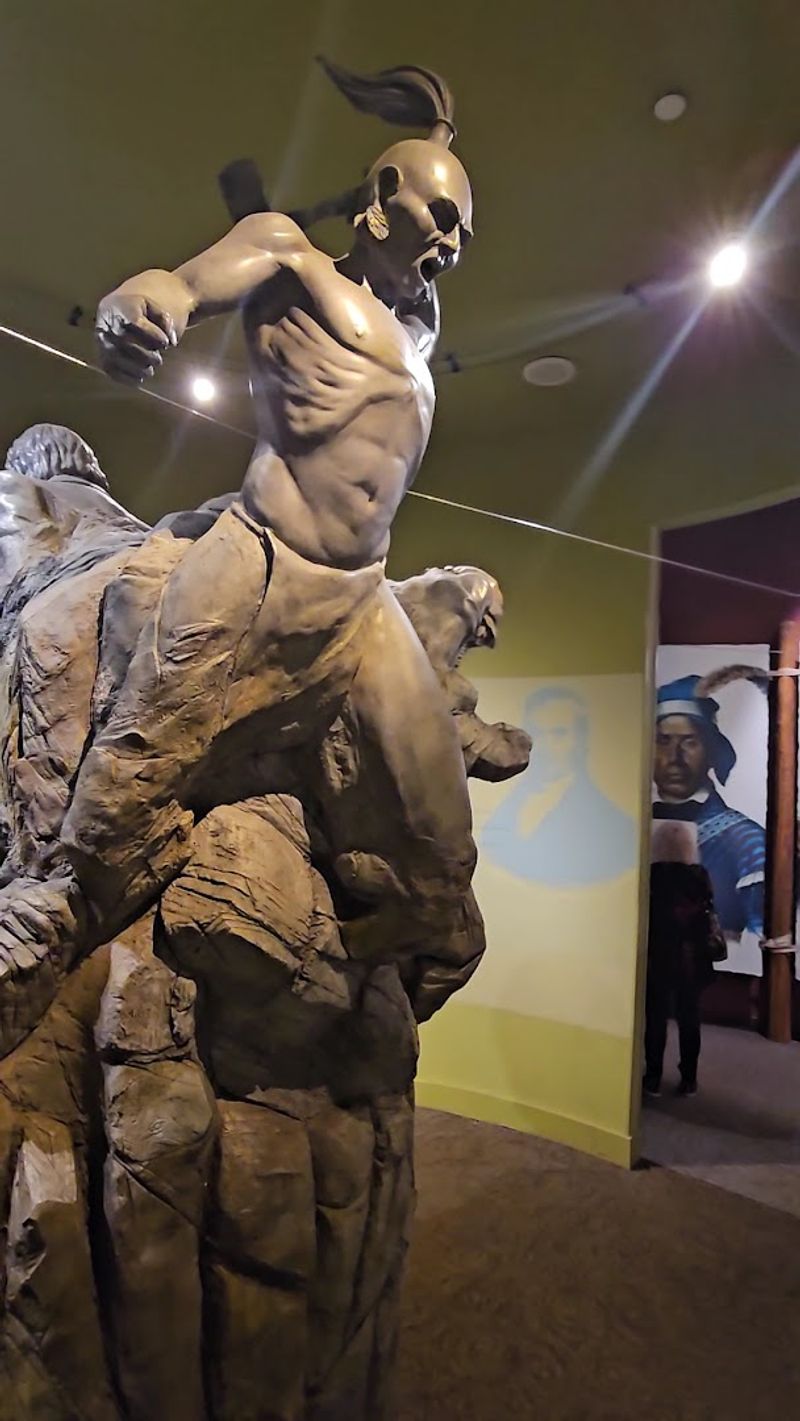
Museum gift shops can feel like afterthoughts, but the one at the Museum of the Cherokee People is genuinely worth your time and money. Stocked with items made by Indigenous artists and craftspeople, it offers souvenirs that carry real meaning rather than mass-produced trinkets.
Visitors frequently mention the quality and variety of the goods available — handmade jewelry, pottery, woven baskets, prints, and more. Buying here means your dollars go directly toward supporting Cherokee artists and the broader community.
That feels a lot better than picking up a generic keychain at a highway rest stop.
Several reviewers mentioned wishing they had budgeted more time and money for the gift shop. The Cherokee are a remarkably artistic people, and the shop reflects that beautifully.
Whether you are looking for a meaningful gift or just want to bring a piece of this experience home, the gift shop delivers on both counts.
Affordable Entry and Free Parking Make It Accessible
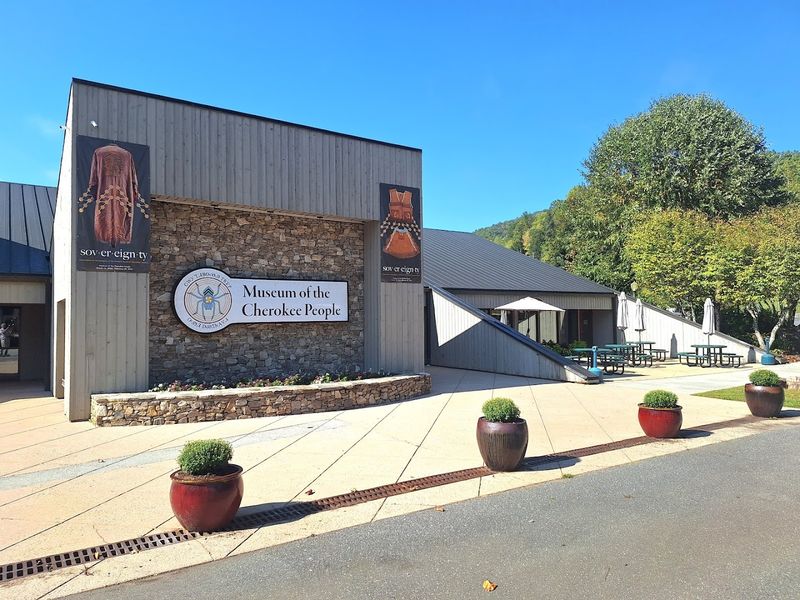
At just $15 per person, the Museum of the Cherokee People offers remarkable value for the depth of experience it provides. Compare that to the cost of other major attractions in the Smokies region, and it becomes one of the best deals around for families and solo travelers alike.
Free parking adds to the appeal. There is no scrambling for a spot or feeding a meter — you pull in, park, and walk right in.
Out front, there is even a picnic area where you can grab a snack before or after your visit, though summer heat may send you inside quickly.
The museum is open seven days a week from 9 AM to 5 PM, making it easy to work into almost any travel itinerary. Whether you are spending a full day in Cherokee or just have a couple of hours to spare, this is a stop that punches well above its price tag.
Expansion and Renovation Plans Promise Even More
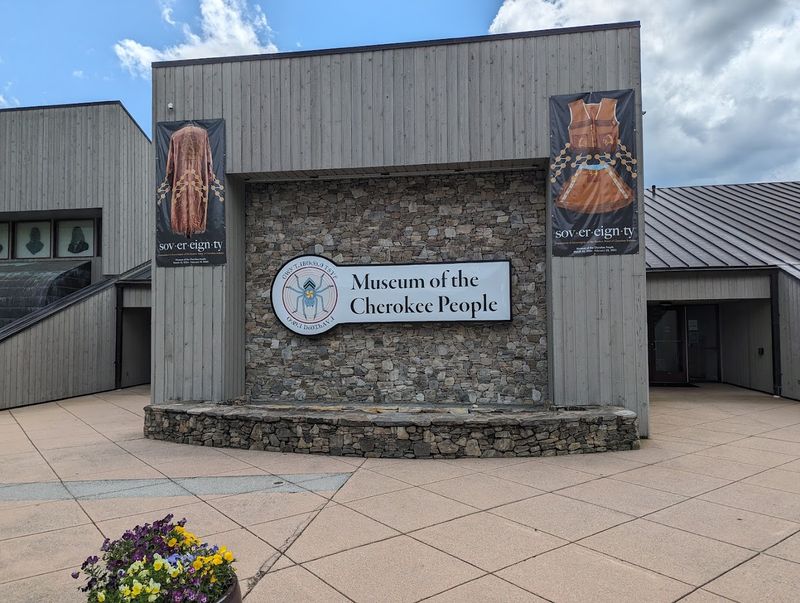
Good things are coming. The Museum of the Cherokee People is currently in the middle of a renovation and expansion process that has visitors and community members buzzing with excitement.
New exhibits are being added, old ones are being updated, and there is serious talk of a larger, purpose-built facility in the future.
Several reviewers noted that some exhibits were temporarily down or being refreshed during their visits. Rather than being a drawback, many found this transparency refreshing — the museum openly shares what is changing and why, inviting visitors to be part of the journey rather than just spectators.
For anyone who has visited before, this is a great reason to plan a return trip. The museum is growing in both size and ambition, driven by a community that knows its story deserves more space and better tools to tell it.
The best version of this museum may still be ahead.
Why This Museum Belongs on Every Smoky Mountains Itinerary
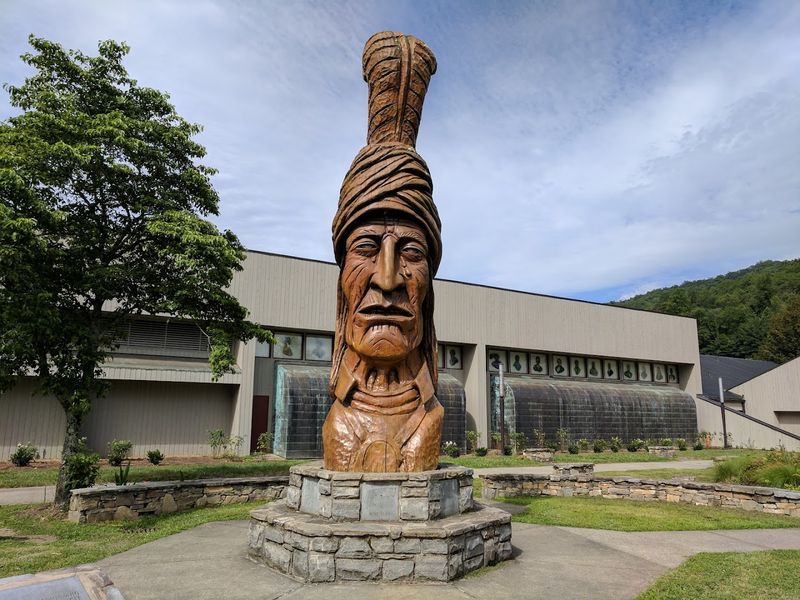
Most visitors to the Great Smoky Mountains come for the hiking, the waterfalls, and the wildlife. Those things are wonderful — but leaving without spending a few hours at the Museum of the Cherokee People means missing the human story behind the landscape entirely.
The mountains you are hiking through were home to the Cherokee long before they became a national park. Understanding that history does not diminish the natural beauty; it deepens it.
Every trail, every ridge, every valley carries a name and a memory that this museum helps bring to life.
With a 4.6-star rating across more than 5,500 reviews, the museum has clearly earned the trust and admiration of the people who visit. Located at 589 Tsali Blvd in Cherokee, NC, it is easy to find and impossible to forget.
Make room for it on your itinerary — you will be genuinely glad you did.
Enjoyed this story?
Add Fast Food Club as a preferred source to see more of our reporting on Google.