


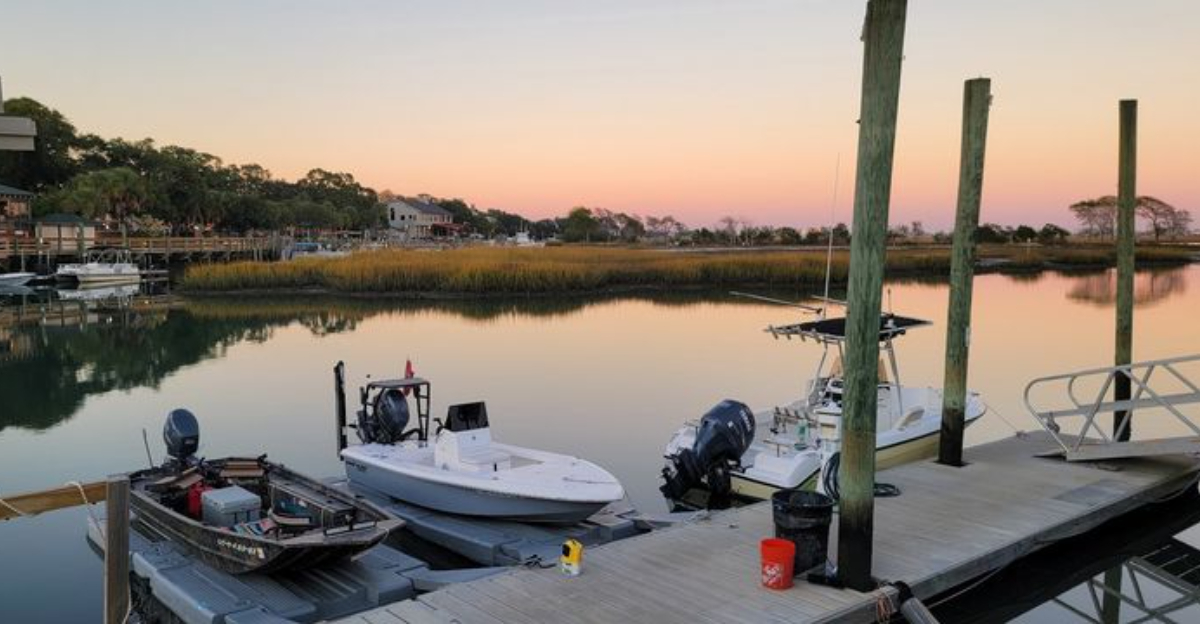
South Carolina is famous for places like Myrtle Beach and Hilton Head, but those aren’t the only stories the coastline has to tell. Tucked between marshes, oak trees, and tidal creeks are small towns where life moves slower and the scenery feels untouched.
Whether you love history, seafood, or simply a quiet walk by the water, these hidden gems deliver something the crowded beaches rarely can. Pack light, bring curiosity, and get ready to discover a side of South Carolina most visitors never see.
Beaufort – South Carolina
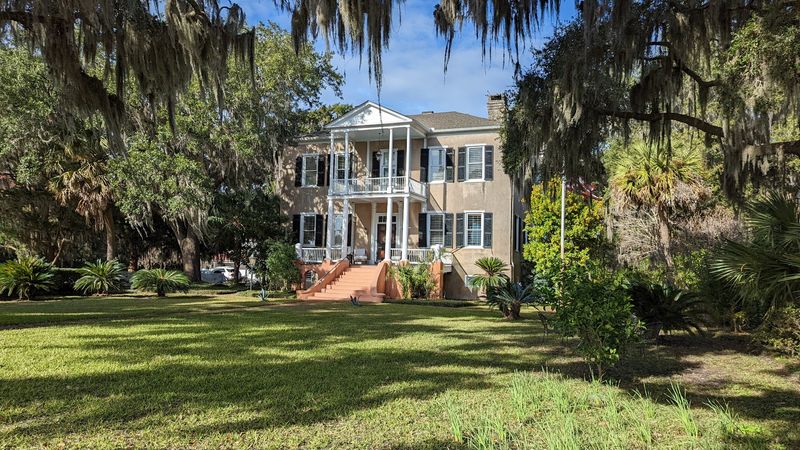
Walking through Beaufort feels like stepping into a painting that history forgot to finish. Antebellum mansions line the waterfront, draped in Spanish moss and quiet dignity.
The town played a surprising role in the Civil War, serving as a Union stronghold and a place of freedom for formerly enslaved people.
Today, visitors explore art galleries, kayak the Beaufort River, and enjoy fresh Lowcountry cuisine. It is charming, walkable, and genuinely unforgettable for anyone who appreciates Southern culture at its most authentic.
Georgetown – South Carolina
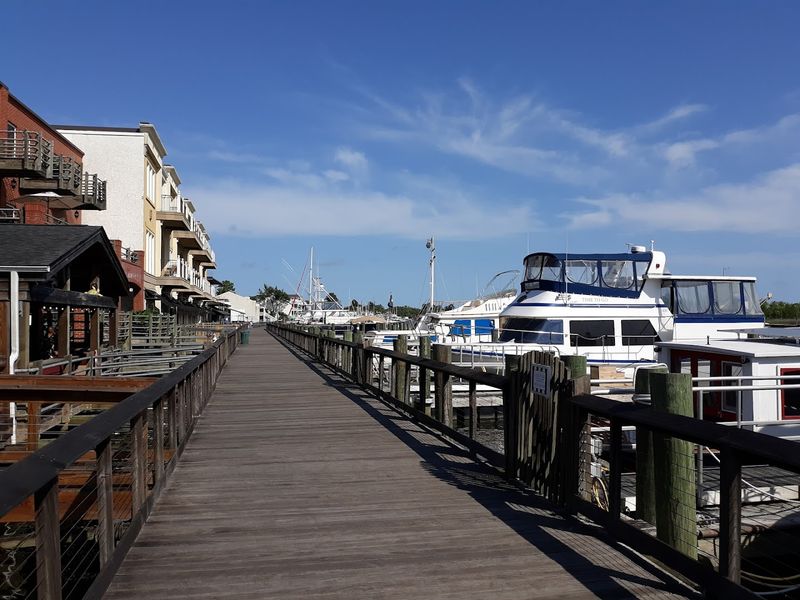
Georgetown is South Carolina’s third-oldest city, and it wears that age beautifully. The waterfront on Front Street buzzes with local restaurants, boutiques, and museums tucked inside buildings that date back centuries.
Rice plantations once made this region one of the wealthiest in colonial America.
Boat tours along the Winyah Bay offer stunning views of marshland and wildlife. Families love the relaxed pace here, and history buffs can spend an entire day just exploring the downtown district without running out of things to discover.
McClellanville – South Carolina
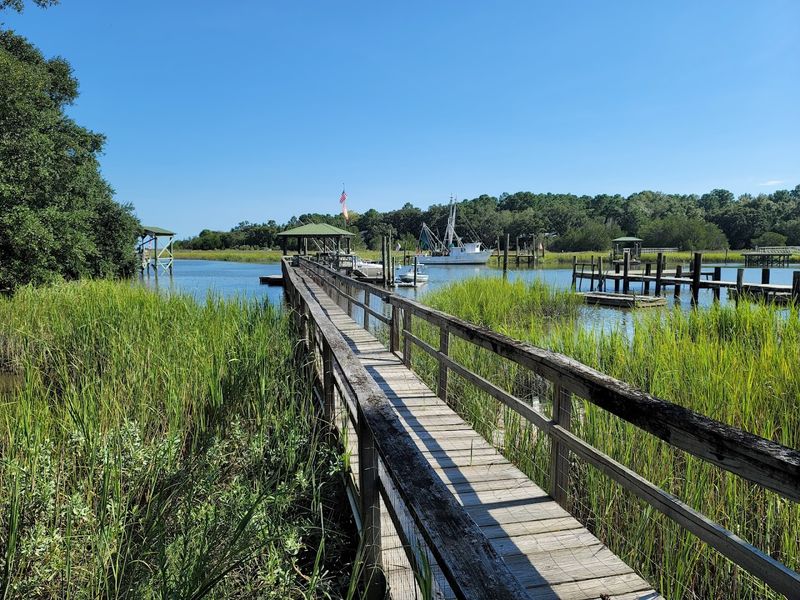
Blink and you might miss McClellanville, but slowing down here is exactly the point. This tiny shrimping village sits tucked inside Francis Marion National Forest, surrounded by some of the most pristine marsh scenery in the entire state.
Locals fish, crab, and live close to the land in a way that feels refreshingly real.
The village became known nationwide after Hurricane Hugo devastated it in 1989, yet it rebuilt with quiet resilience. Visiting feels like finding a secret the rest of South Carolina has been keeping.
Edisto Beach – South Carolina
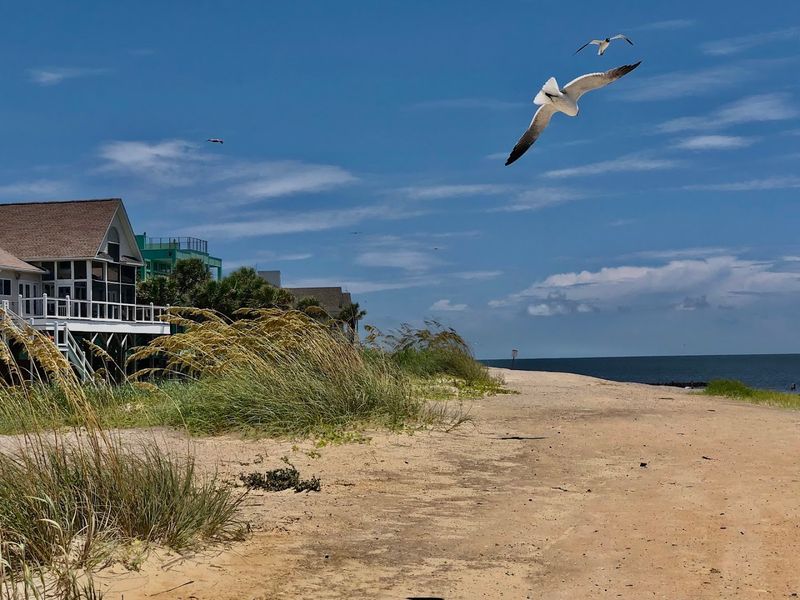
Edisto Beach has a rule that most coastal towns would never dare follow: no high-rise buildings allowed. That single policy keeps the beach looking exactly as it should, wild, wide, and wonderfully uncrowded.
Shells wash ashore here in impressive quantities, making it a favorite for collectors and slow-walking beachgoers alike.
The state park offers camping right next to the ocean, a rare treat on the East Coast. Families return year after year because Edisto feels less like a destination and more like a tradition.
Pawleys Island – South Carolina
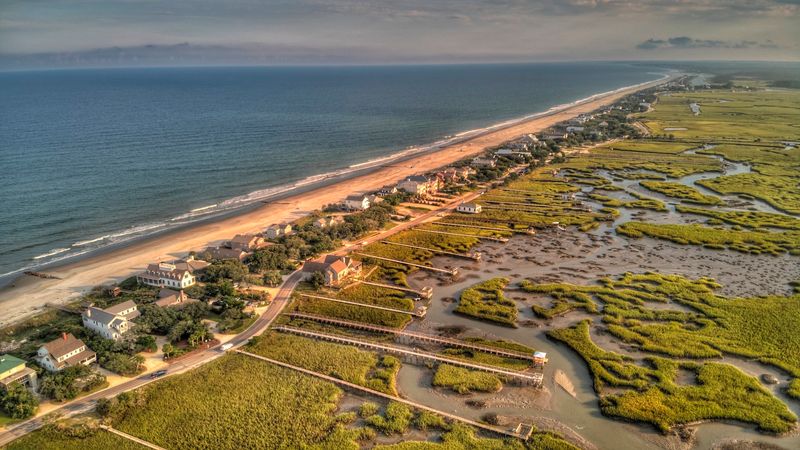
Pawleys Island has been called “arrogantly shabby” by its own residents, and they mean it as a compliment. The island resists flashy development on purpose, keeping its weathered beach cottages, rope hammocks, and low-key charm firmly intact.
It is one of the oldest summer resort communities on the East Coast, dating back to the 1700s.
Fishing, kayaking, and doing absolutely nothing are the main activities here. The lack of commercial clutter is exactly what draws people back season after season with enormous satisfaction.
Port Royal – South Carolina
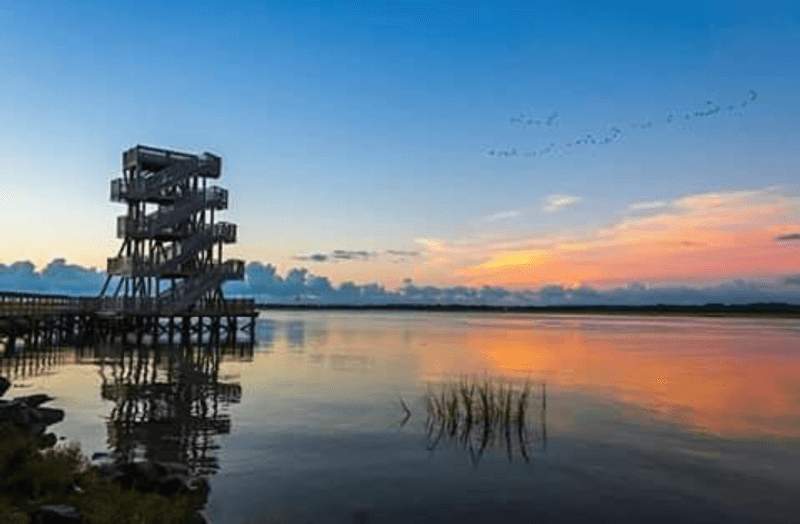
Port Royal sits quietly in the shadow of nearby Beaufort, but it has its own bold personality worth exploring. The town celebrates its shrimping heritage every fall with the Port Royal Soft Shell Crab Festival, drawing seafood lovers from across the region.
The working waterfront still hums with genuine fishing activity rather than tourist performance.
A boardwalk stretches along the shore, offering views of dolphins, herons, and the occasional pelican parade. Port Royal rewards visitors who are willing to skip the obvious and seek the genuinely local.
Folly Beach – South Carolina
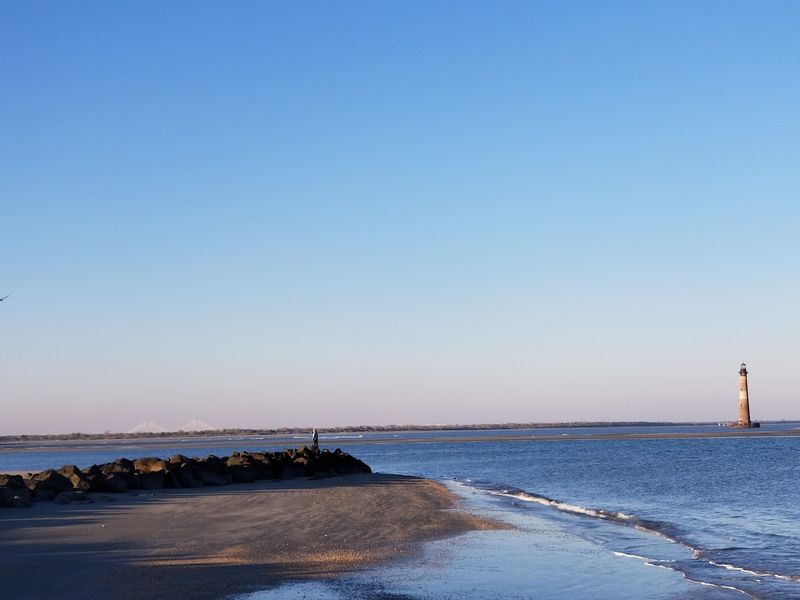
Folly Beach has a personality all its own, equal parts surf culture, live music, and sun-soaked relaxation. Just minutes from Charleston, it attracts a younger, artsy crowd that gives the town a distinctly free-spirited energy.
George Gershwin famously composed “Porgy and Bess” while staying here in the 1930s, which tells you something about the creative atmosphere.
The fishing pier offers incredible ocean views, and the local restaurant scene punches well above its small-town weight. Folly Beach is casual, colorful, and genuinely fun without trying too hard.
Sullivan’s Island – South Carolina
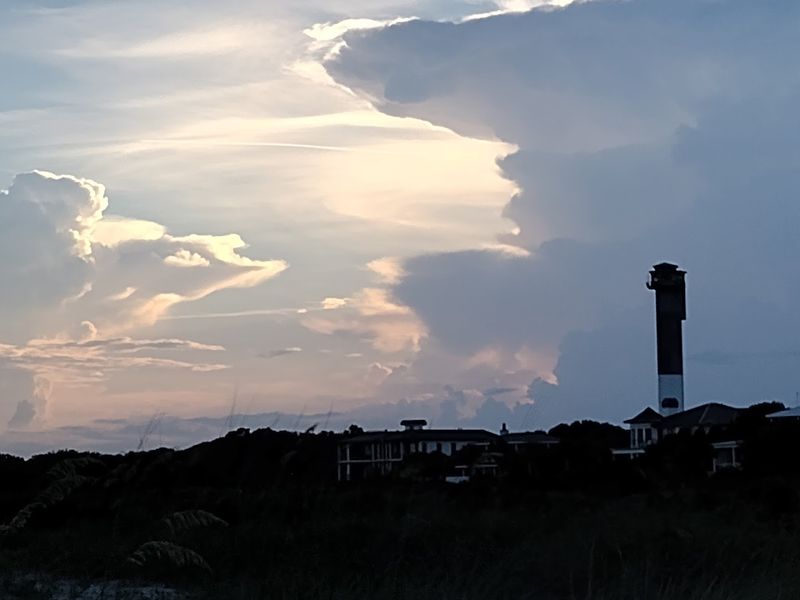
Sullivan’s Island carries more history per square mile than almost anywhere else in South Carolina. Fort Moultrie, which repelled a British naval attack in 1776, still stands here as a national monument.
Edgar Allan Poe was once stationed on the island and later used it as the setting for his short story “The Gold-Bug.”
Despite its fascinating past, daily life here is calm and residential. Cyclists cruise the quiet streets, families picnic near the lighthouse, and the beach stays refreshingly free of the carnival atmosphere found elsewhere along the coast.
Isle of Palms – South Carolina
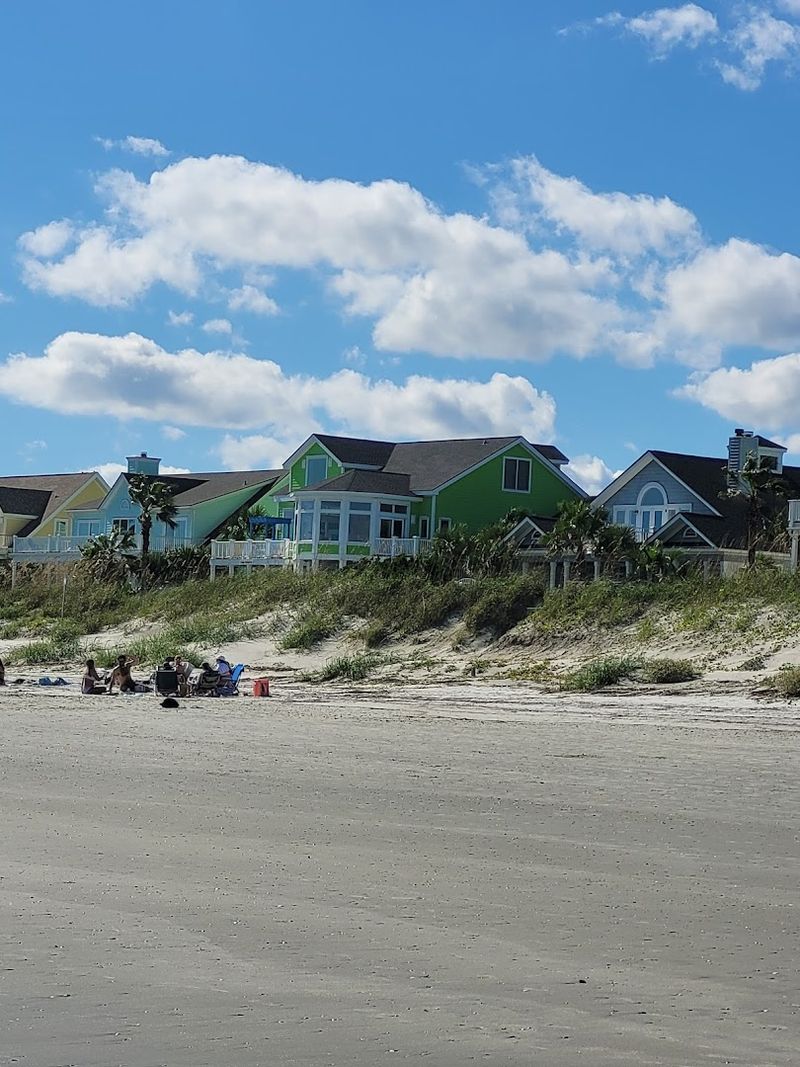
Isle of Palms strikes a balance that is genuinely hard to find: lively enough to offer great dining and beach fun, yet calm enough to feel like a real neighborhood rather than a theme park. The wide, clean beach is a consistent crowd-pleaser, and Wild Dunes Resort draws golfers and tennis players year-round.
Local restaurants serve up serious seafood just steps from the shore. Families particularly love the island because the calm surf makes it safe for younger swimmers, and the whole place feels manageable and genuinely welcoming from the moment you arrive.
Murrells Inlet – South Carolina
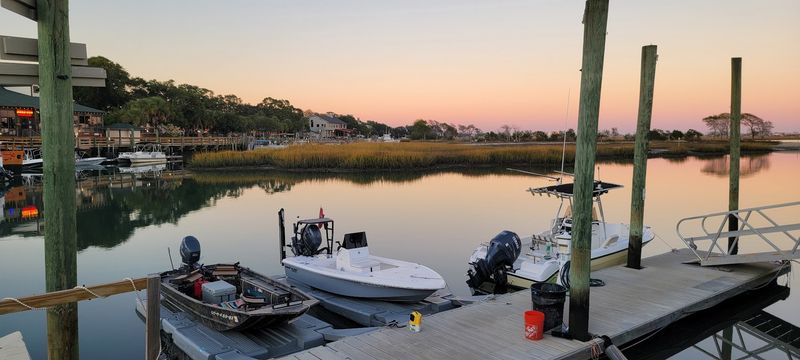
Murrells Inlet proudly calls itself the Seafood Capital of South Carolina, and after one meal here, you will not argue the point. The Marshwalk, a half-mile boardwalk lined with restaurants and live music venues, sits directly over a tidal creek teeming with wildlife.
Sunsets from this spot are genuinely spectacular, painting the marsh in shades of orange and pink.
Boat tours and fishing charters leave regularly from the inlet. The whole area feels festive but never overwhelming, which is a delicate balance Murrells Inlet manages to pull off with impressive ease.
Seabrook Island – South Carolina

Seabrook Island is one of the most private and ecologically protected barrier islands on the entire East Coast. Access is limited, development is carefully controlled, and the result is a landscape that looks almost exactly as nature intended.
Wild horses and bobcats roam freely here, sharing the island with lucky visitors who arrive knowing to look slowly.
The beach stretches for miles without a single high-rise in sight. Birdwatchers, hikers, and anyone craving genuine solitude find Seabrook Island to be a rare and deeply restorative retreat from ordinary life.
Fripp Island – South Carolina
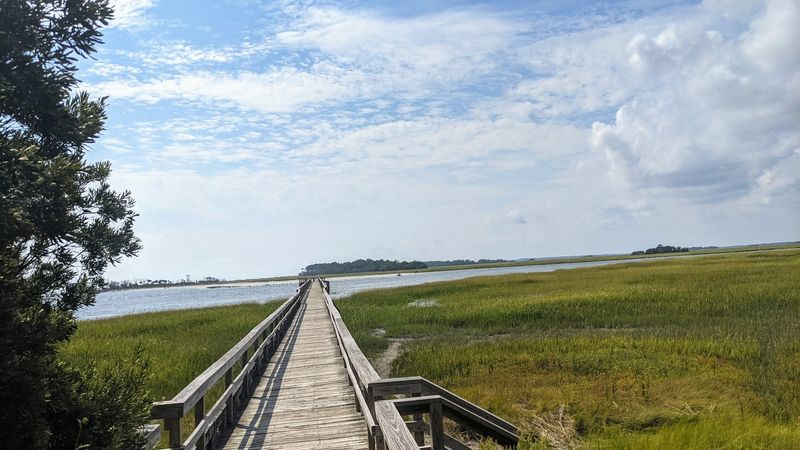
Fripp Island sits at the very end of a long road, past Hunting Island State Park, and that remoteness is exactly its appeal. The island is a private, gated community, but resort guests are welcome to experience its extraordinary natural setting.
Deer wander through neighborhoods, alligators lounge near golf courses, and the beach feels entirely removed from the modern world.
The lack of commercial development keeps everything feeling wild and real. Fripp Island is the kind of place where you turn off your phone without even thinking about it.
Awendaw – South Carolina
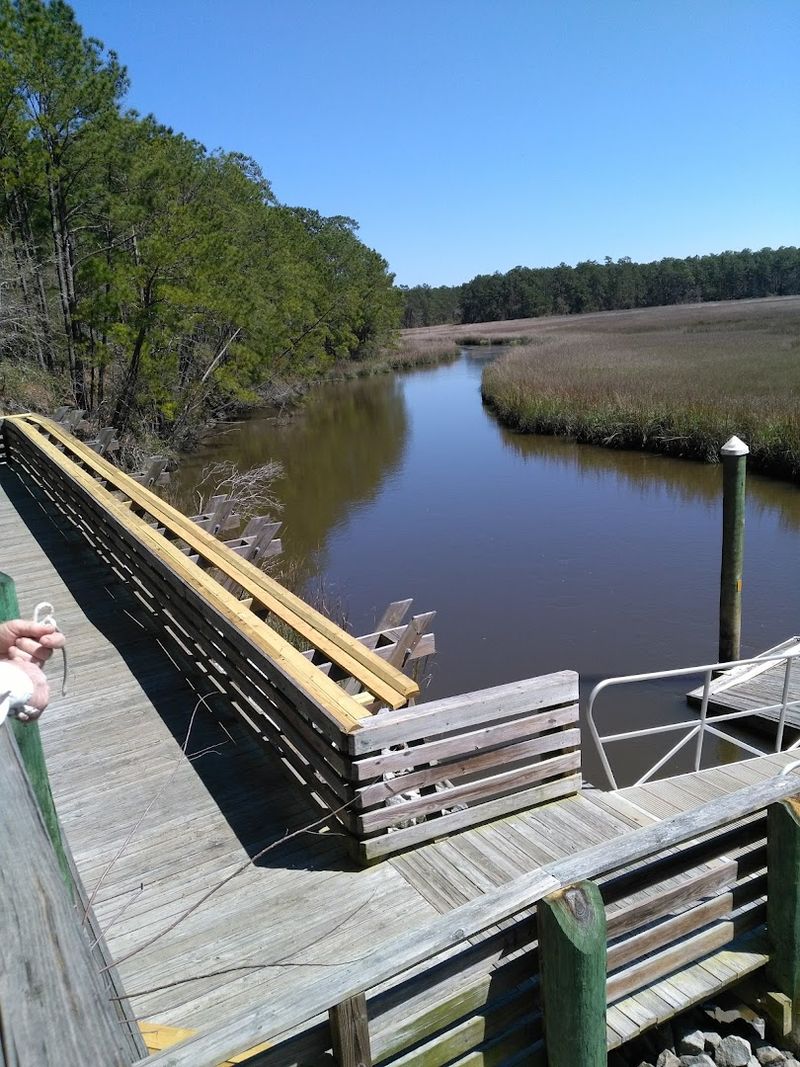
Awendaw is not a typical beach town, and that is precisely what makes it worth including here. Sitting along the edge of Cape Romain National Wildlife Refuge, this small community offers access to some of the most untouched coastal wilderness in the Eastern United States.
Sea turtles nest on nearby Bulls Island, which is only reachable by ferry.
The vibe is quiet, rural, and deeply connected to the natural world. Hikers, kayakers, and wildlife photographers treat Awendaw as a starting point for adventures that most coastal tourists never discover.
Enjoyed this story?
Add Fast Food Club as a preferred source to see more of our reporting on Google.